World
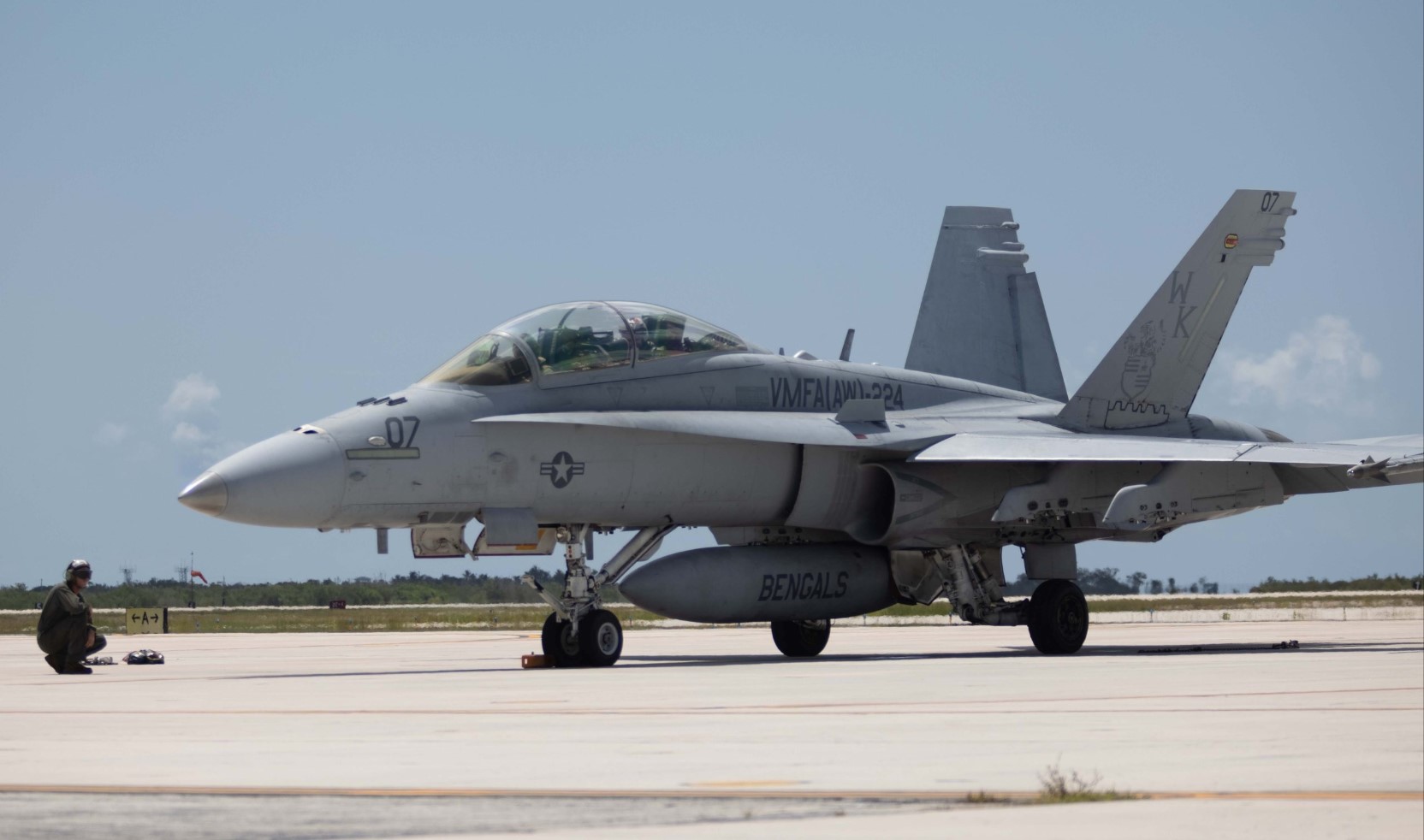
YAKIMA COUNTY, Washington, — June 14, 2026 : A U.S. Marine Corps F/A-18D Hornet fighter aircraft crashed during a routine training mission in Washington state's Cascade Mountains on June 13, with the pilot safely ejecting before impact. The crash triggered a small wildfire in the forested area near Rimrock Lake, prompting a coordinated response from local and federal emergency agencies. According to military and local authorities, the aircraft went down at approximately 12:00 p.m. PDT near Rimrock Lake in the Okanogan-Wenatchee National Forest, about 55 miles southeast of Seattle. The pilot, who was the sole occupant of the two-seat aircraft during the mission, successfully ejected and was later located by deputies from the Yakima County Sheriff’s Office. Officials said the pilot sustained minor injuries and was transported to a local hospital for evaluation and treatment. Authorities reported that the pilot was able to move toward rescuers after landing. Video footage circulating online showed the ejection and the subsequent impact of the aircraft. The cause of the crash remains under investigation, and military authorities have indicated that aviation mishap investigations can take several months to complete. Aircraft Assigned to Marine Aircraft Group 11 The aircraft involved was identified as an F/A-18D Hornet, Bureau Number 165412 and tail code WS-415. The jet was assigned to Marine Aircraft Group 11, part of the 3rd Marine Aircraft Wing, headquartered at Marine Corps Air Station Miramar in San Diego, California. Although the Marine Corps has not officially identified the squadron, aviation observers and flight-tracking data indicated the aircraft belonged to Marine Fighter Attack Squadron 323 (VMFA-323) “Death Rattlers.” The aircraft was reportedly operating under the callsign SNAKE 21 at the time of the accident. The aircraft had recently deployed with three other Hornets to King County International Airport (Boeing Field) in Seattle. Aviation enthusiasts monitoring the deployment noted that only three of the four aircraft returned to the airfield following the training sortie. The F/A-18D is a two-seat variant of the legacy Hornet family, which includes the A, B, C, and D models. Depending on configuration, modernization upgrades, and production year, these aircraft are generally valued between $29 million and $57 million. Wildfire Ignited Following Impact The crash and resulting explosion ignited vegetation in the mountainous terrain surrounding Rimrock Lake. The fire was later designated the Pine Tree Fire by the National Interagency Fire Center. Emergency crews from multiple agencies, including the Naches Fire Department, the U.S. Forest Service, and firefighting teams from the Okanogan-Wenatchee National Forest, responded to contain the blaze. Helicopters and ground firefighting units were deployed to the scene as part of an aggressive suppression effort. Authorities said the fire expanded to approximately two acres before crews gained control. As a precaution, officials temporarily closed the 1200 Road system south of Rimrock Lake and ordered evacuations for nearby campers and recreational visitors. No injuries on the ground were reported, and the fire was largely contained by the evening. Aircraft Was Flying Along VR-1355 Training Route At the time of the accident, the Hornet was operating along Visual Route 1355 (VR-1355), a military low-level training corridor that passes through the Cascade Mountains. Known among military aviators as the “million-dollar ride,” the route is widely used by regional aviation units because of its challenging terrain, narrow valleys, and opportunities for low-altitude navigation training. The corridor is frequently utilized by Marine Corps, Navy, and Air Force aircraft conducting tactical flight exercises. Similar Accident Occurred in Region in 2024 The latest crash occurred in a region that has previously experienced military aviation accidents. On October 15, 2024, a U.S. Navy EA-18G Growler assigned to Electronic Attack Squadron 130 (VAQ-130) “Zappers” crashed near Mount Rainier while flying a similar training route through mountainous terrain. Following an extensive search operation, the wreckage was located the next day, and the Navy later confirmed the deaths of both crew members, Lt. Cmdr. Lyndsay “Miley” Evans and Lt. Serena “Dug” Wileman. Investigation Underway Military investigators, working alongside local law enforcement and federal land management agencies, have secured the crash site near Rimrock Lake. Recovery operations and examination of the wreckage are expected to continue as investigators seek to determine the circumstances that led to the loss of the aircraft. The Marine Corps has not released additional information regarding the aircraft's configuration, mission objectives, or potential contributing factors while the official aviation mishap investigation remains ongoing.
Read More → Posted on 2026-06-14 14:39:38
World
ISLAMABAD, — June 14, 2026 : Pakistan’s federal government has proposed a defence budget of Rs 3 trillion (approximately $10.8 billion) for fiscal year 2026-27, representing an increase of around 17.65 percent from the previous year’s allocation of Rs 2.55 trillion ($9 billion). The increase reflects Islamabad’s continued focus on military modernisation, procurement of advanced defence systems, and strengthening conventional deterrence amid evolving regional security challenges. Finance Minister Muhammad Aurangzeb presented the federal budget in the National Assembly on June 12, outlining total federal expenditures of Rs 18.77 trillion ($67.5 billion). Defence spending accounts for roughly 16 percent of the total federal budget and is equivalent to approximately 2.08 percent of Pakistan’s projected GDP of Rs 143.6 trillion. A notable feature of the proposed allocation is the increased emphasis on acquiring military equipment and other physical assets. Nearly Rs 925.83 billion has been earmarked for physical assets, including arms, ammunition, military hardware, and related procurement activities. The shift indicates a move away from traditional personnel-heavy spending patterns toward investment in modern military capabilities and force enhancement. During his budget speech, Aurangzeb stated that defence spending had been increased “considerably to make the country invincible due to the uncertainty in the region.” He also praised the armed forces for their response during the 2025 India-Pakistan military confrontation, suggesting that lessons learned from recent security developments have influenced defence planning and procurement priorities. Defence Modernisation Takes Priority The increased allocation is expected to accelerate several ongoing modernisation programmes across Pakistan’s armed forces. Government officials have linked the spending increase to efforts aimed at maintaining operational readiness, improving conventional deterrence, and addressing security challenges on both eastern and western fronts. Pakistan continues to monitor India’s expanding military capabilities, including the induction of Rafale fighter aircraft, advancements in ballistic missile defence systems, and growing naval power projection capabilities. At the same time, Islamabad faces persistent security concerns along the Afghan border, where militant activity and cross-border instability continue to require significant military resources. Defence planners have also identified emerging challenges such as unmanned aerial systems, electronic warfare, integrated air defence requirements, and maritime security as areas requiring further investment. Chinese Defence Cooperation Drives Procurement Efforts A significant portion of the enhanced procurement funding is expected to support programmes involving China, Pakistan’s largest defence supplier. Between 2021 and 2025, China accounted for approximately 80 percent of Pakistan’s major arms imports, providing not only military hardware but also technology transfer arrangements, industrial cooperation, and financing support. Among the most significant projects is the Hangor-class submarine programme, valued at an estimated $4 billion to $5 billion. Based on China’s Type 039A Yuan-class submarine design, the programme includes the construction of eight submarines, with four being built in China and four assembled domestically at Karachi Shipyard and Engineering Works. The first submarine, PNS Hangor, was commissioned in Sanya, China, on April 30, 2026, during a ceremony attended by President Asif Ali Zardari. The vessel arrived in Karachi on June 11, 2026, marking a major milestone in Pakistan Navy modernisation efforts. The Hangor-class submarines are equipped with air-independent propulsion (AIP) technology, enabling longer underwater endurance and improved operational flexibility. The vessels are designed to enhance Pakistan’s anti-surface and anti-submarine warfare capabilities in the Arabian Sea and strengthen maritime deterrence. Air Force Expansion Continues Pakistan’s air force modernisation programme is also progressing through the acquisition of advanced Chinese fighter aircraft. The country has ordered 36 J-10C multirole fighters, equipped with PL-15 beyond-visual-range air-to-air missiles. Approximately 20 aircraft had been delivered by mid-2025, while the remaining deliveries are expected to continue through 2026. Pakistani military officials have cited the aircraft’s operational performance during the 2025 confrontation with India as an important factor in validating the platform’s role within the air force. In addition to the J-10C programme, defence analysts expect future procurement planning to include continued investment in next-generation capabilities, including reports of interest in the Chinese J-35 stealth fighter programme, although no official acquisition announcement has been made. Economic Challenges Remain The defence expansion comes as Pakistan continues to face significant economic pressures. The government remains engaged in an ongoing $7 billion International Monetary Fund (IMF) economic stabilisation programme, which requires fiscal discipline and a primary budget surplus target of approximately 2 percent. To meet these obligations, Islamabad has set an ambitious tax collection target of Rs 15.26 trillion. At the same time, citizens continue to face challenges related to inflation, rising living costs, energy prices, and access to essential resources. The contrast between increased defence spending and broader economic constraints has generated public discussion regarding national spending priorities. However, analysts note that successive civilian governments have generally supported defence allocations proposed by military leadership, reflecting the armed forces’ central role in Pakistan’s national security planning. Local Production and Long-Term Capability Development Beyond direct procurement, Pakistan’s defence establishment is increasingly focused on technology transfer and domestic manufacturing. The Hangor submarine programme, which includes local assembly and industrial participation, is viewed as a key step toward expanding Pakistan’s indigenous defence production capabilities. Officials have stated that future modernisation efforts will continue to emphasize local industrial development where feasible, while maintaining strategic partnerships with foreign suppliers to meet operational requirements. The proposed Rs 3 trillion defence budget remains subject to approval by the National Assembly as part of the broader federal budget process. If approved, it will represent one of Pakistan’s largest defence allocations in recent years, supporting ongoing military modernisation programmes while the government simultaneously seeks to manage economic reforms and fiscal targets.
Read More → Posted on 2026-06-14 14:34:23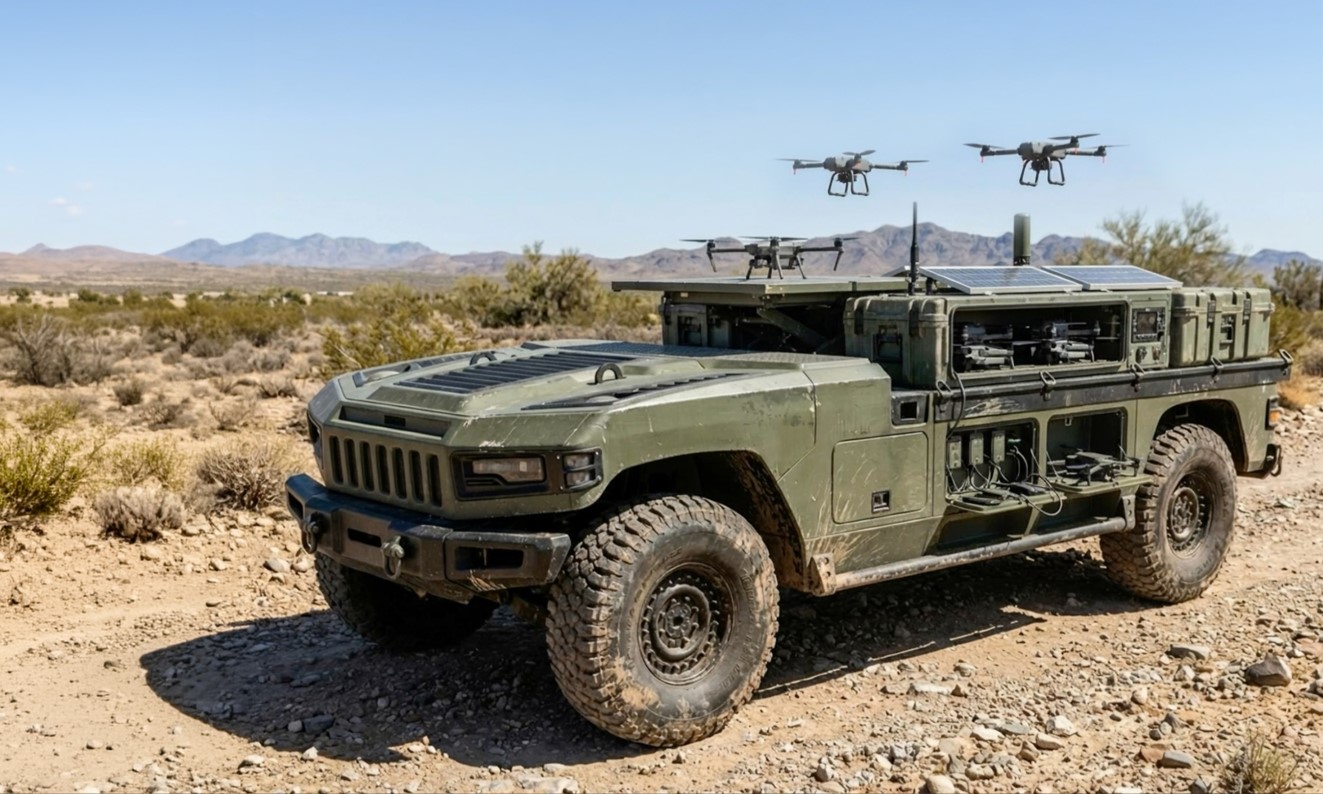
World
PARIS, — June 14, 2026 : U.S. military vehicle manufacturer AM General will showcase its latest tactical mobility and autonomous defense technologies at Eurosatory 2026, including its next-generation Unmanned Ground Vehicle (UGV) and the enhanced Joint Light Tactical Vehicle A2 (JLTV A2). The international defense and security exhibition will take place from June 15 to June 19 at the Parc des Expositions de Villepinte in Paris. The company will display both platforms in Hall 5, Booth B189, within the U.S. Pavilion. Each vehicle will be equipped with advanced counter-Unmanned Aerial Systems (C-UAS) capabilities, reflecting growing military requirements to defend against the increasing use of drones on modern battlefields. Next-Generation UGV Highlights Autonomous Operations Developed in collaboration with Textron Systems Corporation and Carnegie Robotics, the AM General UGV combines a proven tactical vehicle architecture with advanced autonomous technologies. The platform incorporates drive-by-wire systems and autonomous navigation capabilities, enabling it to operate in high-risk environments while reducing personnel exposure. The vehicle is designed to support a wide range of military missions, including logistics resupply, reconnaissance, casualty evacuation (CASEVAC), armed overwatch, and defensive operations. At Eurosatory, the UGV will be equipped with the Hornet Remote Weapon Station configured for counter-UAS missions. The platform is powered by a newly developed fuel-flexible turbocharged 6.5-liter V8 engine featuring common rail direct fuel injection. The engine produces 250 horsepower and more than 550 lb-ft of torque, providing the performance required for demanding operational environments. The UGV also features a scalable cargo deck capable of carrying payloads of up to 6,000 pounds, allowing military operators to adapt the platform to different mission requirements. Its modular architecture supports the integration of various payloads, sensors, and weapon systems. Commenting on the vehicle's capabilities, AM General President and CEO John Chadbourne said Eurosatory provides military and industry leaders with an opportunity to discuss evolving battlefield requirements and the role of advanced technologies. He noted that the UGV demonstrates how autonomous mobility systems can support logistics, casualty evacuation, lethality missions, and defensive operations, including counter-drone applications through the Hornet C-UAS remote weapon station being showcased at the exhibition. JLTV A2 Demonstrates More Than 1,000 Enhancements Alongside the UGV, AM General will exhibit the four-person variant of the JLTV A2, equipped with the Hornet Lite remote weapon station. The lightweight system is designed to improve detection, recognition, and identification capabilities for reconnaissance and security missions. The JLTV A2 represents a major evolution of the previous A1 model, incorporating more than 1,000 engineering and manufacturing improvements. According to the company, the upgrades focus on improving reliability, maintainability, manufacturability, sustainability, and reducing lifecycle costs while preserving the vehicle's protection and mobility characteristics. Among the most significant upgrades is the integration of a modern MY2024 Duramax L5P diesel engine paired with an Allison 2500 Gen 6 transmission. The new powertrain improves fuel efficiency, operational range, and overall vehicle performance. The vehicle's electrical architecture has also been redesigned. A single high-capacity 24-volt lithium-ion battery replaces the dual lead-acid battery setup used on earlier variants, simplifying power management while preparing the platform for future hybrid-electric technologies. Additional improvements include upgraded commercial-grade corrosion protection for critical structural components, helping to address long-term durability concerns identified in previous fleets. The JLTV A2 also incorporates a redesigned baseline integration kit that increases available cargo space and improves system integration. Rerouted electrical harnesses and fuel lines further simplify maintenance and servicing in operational environments. Other enhancements include noise reduction measures, modular integration features, and improved support for future capability upgrades. Supporting Modern Battlefield Requirements The inclusion of counter-UAS systems on both the UGV and JLTV A2 highlights the growing importance of integrated drone-defense capabilities across military vehicle fleets. Armed forces worldwide are increasingly seeking platforms that can perform traditional mobility and logistics functions while also contributing to force protection against aerial threats. AM General said the two platforms demonstrate how modern tactical vehicles are evolving into multi-role systems capable of supporting transportation, reconnaissance, autonomous operations, casualty evacuation, and active defense missions. The JLTV A2 is currently being delivered to the U.S. Government for testing and evaluation, with fielding activities expected to continue through 2026. Through its Eurosatory 2026 exhibit, AM General aims to demonstrate how advanced mobility platforms can enhance operational flexibility and support military forces in increasingly complex battlefield environments.
Read More → Posted on 2026-06-14 14:10:00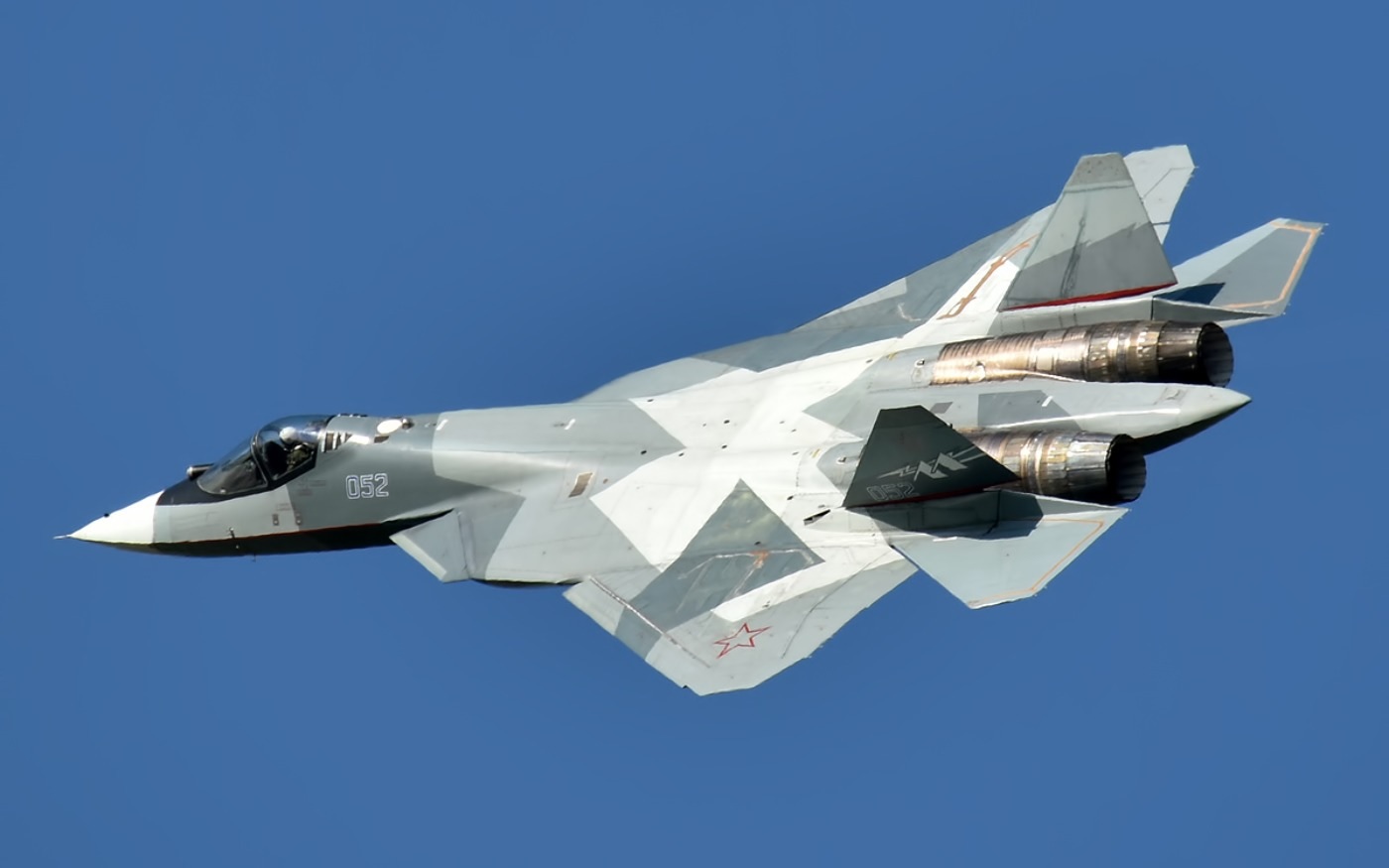
World
MOSCOW, — June 13, 2026 : A public debate has emerged among Russian military analysts and defense commentators over the operational performance and technical maturity of Russia’s Su-57 fifth-generation fighter aircraft following recent remarks by Russian President Vladimir Putin, who described the aircraft as the most capable fighter in the world. Speaking at the St. Petersburg International Economic Forum (SPIEF) 2026, Putin reaffirmed his confidence in the Su-57 program, highlighting the aircraft’s effectiveness and stating that Russia remains prepared to supply the fighter to India. His comments renewed comparisons between the Su-57 and the U.S.-built F-35, triggering discussion within Russia’s defense community over the aircraft’s combat record and overall capabilities. Questions Over Combat Performance Among the most prominent critics was Russian defense commentator Maksim Kalashnikov, who challenged claims that the Su-57 outperforms the F-35. Kalashnikov pointed to the fighter’s limited visible role in the Ukraine conflict and questioned why it has not demonstrated a larger operational presence if it is indeed superior to its American counterpart. He contrasted the situation with the Israeli Air Force’s use of F-35 aircraft during operations against Iranian targets, arguing that the U.S.-made fighter has been employed in missions against air defense systems and other strategic objectives. According to Kalashnikov, battlefield results provide a more meaningful measure of military capability than official statements. His comments reflect a broader discussion within Russia regarding the extent to which the Su-57 has been employed in frontline operations and whether its combat record supports claims of global superiority. Debate Extends to Technical Maturity Beyond operational concerns, several Russian analysts have questioned whether the Su-57 has fully achieved the standards commonly associated with fifth-generation fighter aircraft. Critics argue that challenges remain in areas such as stealth characteristics, avionics integration, and engine development. Particular attention has been placed on the aircraft’s planned cooperation with the S-70 Okhotnik unmanned combat aerial vehicle. The Okhotnik has been designed to operate alongside the Su-57 as a "loyal wingman," extending the fighter’s sensor coverage, reconnaissance capability, and strike reach while reducing risk to the crewed aircraft. However, the integration process has faced delays and logistical challenges. Defense reports published in early 2026 suggested that Russia may temporarily pair the S-70 with the two-seat Su-30SM fighter because the Su-57 currently lacks a dedicated two-seat variant capable of managing advanced drone-control functions during complex missions. Fleet Size Shapes Operational Reality Supporters of the Su-57 argue that comparisons with the F-35 often fail to account for the significant difference in fleet size between the two aircraft programs. Current estimates indicate that approximately 50 to 60 Su-57 fighters are in active service, while more than 1,000 F-35 aircraft have been delivered worldwide. When full-scale hostilities began in Ukraine, fewer than six Su-57s were believed to be operational, naturally limiting the aircraft’s early contribution to combat operations. As production has increased, the Su-57 has reportedly taken on a broader range of missions. Western, Russian, and Ukrainian assessments indicate that the fighter has been used for air-to-air operations, suppression of enemy air defenses, intelligence support missions, and precision strike tasks. Ukrainian monitoring groups have also reported multiple launches of Kh-59 and Kh-69 cruise missiles from Su-57 aircraft during operations conducted in 2026. Military analysts note that the frequency of such missions has increased as additional aircraft have entered service with the Russian Aerospace Forces. F-35 Operations Offer Different Comparison Analysts defending the Su-57 also argue that the F-35’s operational record should be viewed within the context of its intended role. While the aircraft has participated in combat operations across multiple theaters, many of its missions have focused on intelligence, surveillance, reconnaissance, and battlefield management rather than direct strike operations. Israeli military officials have previously described the F-35 as a key platform for gathering intelligence and providing targeting information to other aircraft. According to an Israeli Air Force officer speaking under the pseudonym Lieutenant Colonel I., F-35 aircraft often operate ahead of strike formations to identify threats, collect data, and create a comprehensive battlefield picture before follow-on attacks are carried out. Some analysts further note that the F-35’s full range of air-to-ground capabilities will continue to expand as future Block 4 software and weapons upgrades are introduced over the coming years. Maintenance and Cost Considerations Operational costs remain another major point of discussion in comparisons between the two fighters. The Su-57 was designed with an emphasis on maintaining operating and maintenance costs closer to those of Russia’s fourth-generation fighters, including the Su-30 and Su-35. Supporters argue that lower maintenance requirements can contribute to higher aircraft availability and sustained operational tempo. By contrast, the F-35 program has faced ongoing scrutiny over sustainment costs and maintenance demands. Critics of the program argue that these factors have affected readiness rates and flight-hour generation within some operator air forces, particularly as countries seek to replace aging fighter fleets. Program Development Continues The Su-57 program continues to undergo modernization as new aircraft are delivered to the Russian Aerospace Forces. Recent production batches reportedly include improvements to avionics, weapons integration, and onboard systems based on operational experience gained during recent deployments. Russia is also continuing development of the S-70 Okhotnik, which remains a key component of future plans to expand the Su-57’s capabilities through manned-unmanned teaming operations. At the same time, production rates for the fighter have increased compared with earlier years, reflecting Moscow’s efforts to expand the fleet and strengthen its next-generation combat aviation capabilities. Ongoing Debate Over Fifth-Generation Fighters The discussion surrounding the Su-57 highlights the broader debate over how modern fighter aircraft should be assessed. While the F-35 is widely recognized for its sensor fusion, networking capabilities, and ability to operate within integrated military systems, the Su-57 is frequently praised for its speed, maneuverability, range, missile payload, and lower operating costs. The debate also gained attention following Aero India 2025, where both aircraft were showcased to potential customers. Russian officials have continued to promote the Su-57 as a major export platform, particularly for India, a point that President Putin again emphasized during his remarks at SPIEF 2026. As more operational data becomes available from Ukraine and other theaters, analysts are expected to continue evaluating the strengths and limitations of both aircraft. While opinions remain divided, the Su-57’s combat performance, fleet expansion, and future integration with unmanned systems are likely to remain central topics in discussions about the future of air combat.
Read More → Posted on 2026-06-13 17:52:42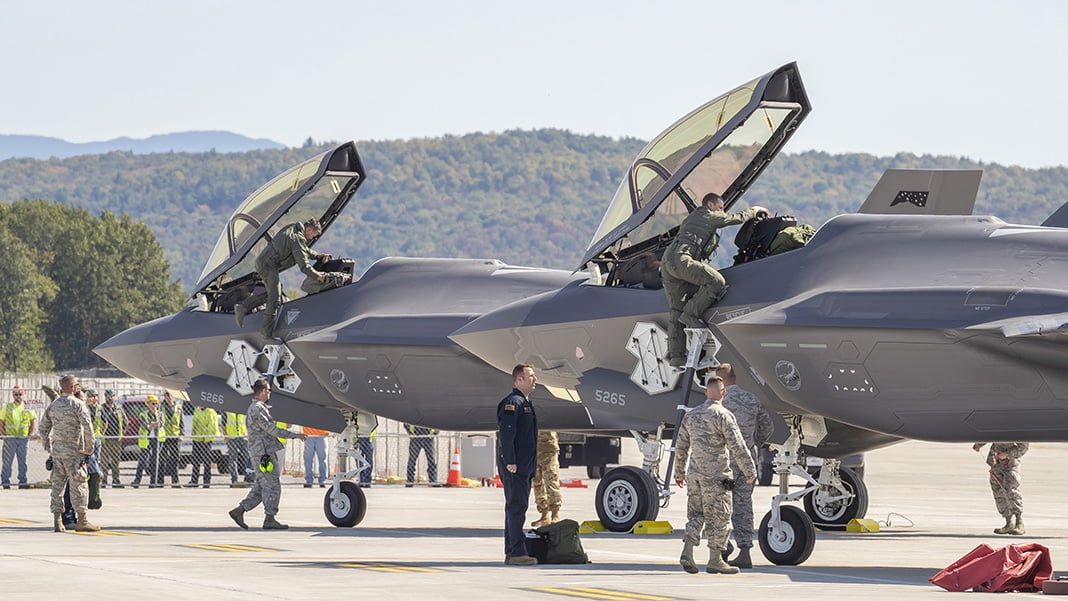
World
WASHINGTON, — June 13, 2026 : The readiness of the U.S. military's F-35 Lightning II fleet continued to decline during fiscal year 2025, with only one-quarter of the global fleet capable of performing all assigned missions, according to a new report released by the U.S. Government Accountability Office (GAO). The report, published on June 11, highlights ongoing challenges affecting the world's largest fifth-generation fighter program, including software delays, spare parts shortages, corrosion issues, rising sustainment costs, and shortcomings in contractor incentive structures. Readiness Metrics Continue Downward Trend According to the GAO, key readiness indicators have deteriorated significantly since fiscal year 2021. The fleet's mission capable rate, which measures the percentage of time an aircraft can perform at least one assigned mission, declined from 67 percent in fiscal 2021 to 44 percent in fiscal 2025. Meanwhile, the full mission capable rate, representing the percentage of time aircraft can perform all assigned missions, dropped from 38 percent to 25 percent during the same period. The report noted that readiness levels varied among the three F-35 variants. The Air Force's F-35A recorded a mission capable rate of 38.6 percent in fiscal 2025, lower than the Marine Corps' F-35B and the Navy's F-35C, which achieved rates ranging between 54 percent and 64 percent. However, the F-35A posted the highest full mission capable rate among the variants at 28.5 percent, nearly double that of the F-35B and F-35C. Software Delays Affect New Aircraft Air Force officials attributed part of the readiness decline to the introduction of aircraft equipped with the Technology Refresh 3 (TR-3) hardware and software package. Due to ongoing software development delays, TR-3-configured aircraft remain restricted primarily to basic flight training missions and are currently unable to conduct combat operations. The delays have slowed the delivery of the aircraft's expanded combat capabilities and contributed to reduced fleet availability. The report also identified corrosion problems and persistent spare parts shortages as major factors limiting readiness. A 2025 study conducted by Lockheed Martin found that suppliers were unable to meet demand for 48 critical components, including canopies and other high-priority parts required to keep aircraft operational. Joint Program Office Launches Readiness Recovery Plan In response to declining readiness levels, the F-35 Joint Program Office (JPO) launched the Global Support Solution (GSS) Reset initiative in June 2025. The program seeks to improve fleet performance and achieve an 80 percent mission capable rate and a 65 percent full mission capable rate by 2030. To meet those objectives, the JPO estimates that an additional $13.7 billion will be required through fiscal year 2031 beyond previously planned funding levels. The projected funding includes: $7.3 billion for depot-level spare parts and materials. $3.1 billion to expand military depot repair capacity. $3.3 billion for maintenance and fuel requirements. According to the GAO, only $2.2 billion of the total funding requirement is directly associated with the GSS Reset initiative. The remaining $11.5 billion is intended to address historical budget shortfalls and reflects the difference between previous sustainment estimates and actual program requirements. Program officials have indicated that readiness rates could decline further before improvements become visible, with significant gains potentially not emerging until late 2026 or beyond. Supply Chain Constraints Remain a Major Risk The GAO warned that the success of the GSS Reset strategy depends heavily on the defense industrial base's ability to increase production. The Joint Program Office is relying on industry partners to deliver more than $7 billion worth of additional parts and materials, but existing supplier capacity constraints continue to present risks. The report noted that shortages of critical components have repeatedly delayed repairs and contributed to aircraft remaining grounded while awaiting replacement parts. Rising Sustainment Costs Create Long-Term Affordability Concerns The F-35 remains the Department of Defense's most expensive weapon system. As of 2024, estimated lifetime U.S. sustainment costs for the program stood at approximately $1.6 trillion, with costs continuing to increase as the fleet expands. The GAO projects that by the mid-2030s, the military services could face an annual affordability gap of approximately $1.2 billion between projected sustainment requirements and available funding. Auditors cautioned that the projected gap may be even larger because cost estimates were developed before Operation Epic Fury and may not fully account for additional flight hours generated by increased operational demands. GAO Questions Effectiveness of Contractor Incentives The report also examined the effectiveness of contractor incentive programs intended to improve readiness. Between 2020 and 2023, the Joint Program Office paid more than $114 million to Lockheed Martin from approximately $269 million in available incentive fees tied to parts availability and readiness goals. Despite those payments, readiness metrics either stagnated or continued to decline. The GAO found that in 19 of 39 performance periods, adjustments were made to recorded full mission capable rates to account for factors deemed outside Lockheed Martin's control, such as delays attributed to military services. These adjustments increased the contractor's eligibility for incentive payments. According to GAO estimates, Lockheed Martin would have earned roughly half the incentive fees if calculations had been based solely on unadjusted readiness figures. The watchdog also reported inconsistencies in documentation related to incentive payments. During the review, the Joint Program Office provided multiple versions of fee calculation spreadsheets and used formulas that differed from those outlined in original contract agreements. The current sustainment contract covering 2025 through 2028 no longer includes incentives tied directly to full mission capable rates. Instead, incentive payments are linked primarily to parts supply metrics, with performance targets that GAO said remain below broader program goals. In contrast, engine manufacturer Pratt & Whitney has consistently met its sustainment targets since 2022 after implementing corrective actions recommended in previous GAO reviews. Pentagon, JPO and Lockheed Martin Respond The Joint Program Office agreed with the GAO's findings and recommendations. A JPO spokesperson said the office remains focused on meeting its 2030 readiness goals through the Global Support Solution Reset initiative while ensuring fiscal accountability across the sustainment enterprise. Lockheed Martin stated that it has invested more than $2 billion in advanced funding to accelerate spare parts production and improve fleet readiness. The company said it continues to work closely with the Joint Program Office and industry partners to strengthen sustainment performance and support operational requirements. GAO Calls for Additional Reforms The GAO recommended that the Department of Defense develop comprehensive risk mitigation plans addressing industrial capacity, technical data management, affordability concerns, and service alignment. The watchdog also urged the Pentagon to redesign contractor incentive structures, including consideration of performance penalties when readiness objectives are not achieved, and establish a more reliable system for tracking incentive fee payments. Since 2014, the GAO has issued 46 recommendations related to F-35 sustainment. As of March 2026, the Department of Defense had implemented 14 of those recommendations. The Pentagon has agreed with the latest recommendations contained in the report. Despite the continuing readiness and affordability challenges, the F-35 remains the cornerstone of U.S. and allied air power. The Pentagon currently operates more than 800 F-35 aircraft and plans to acquire approximately 1,700 additional fighters through the mid-2040s, making the program a central component of future military aviation strategy.
Read More → Posted on 2026-06-13 17:43:17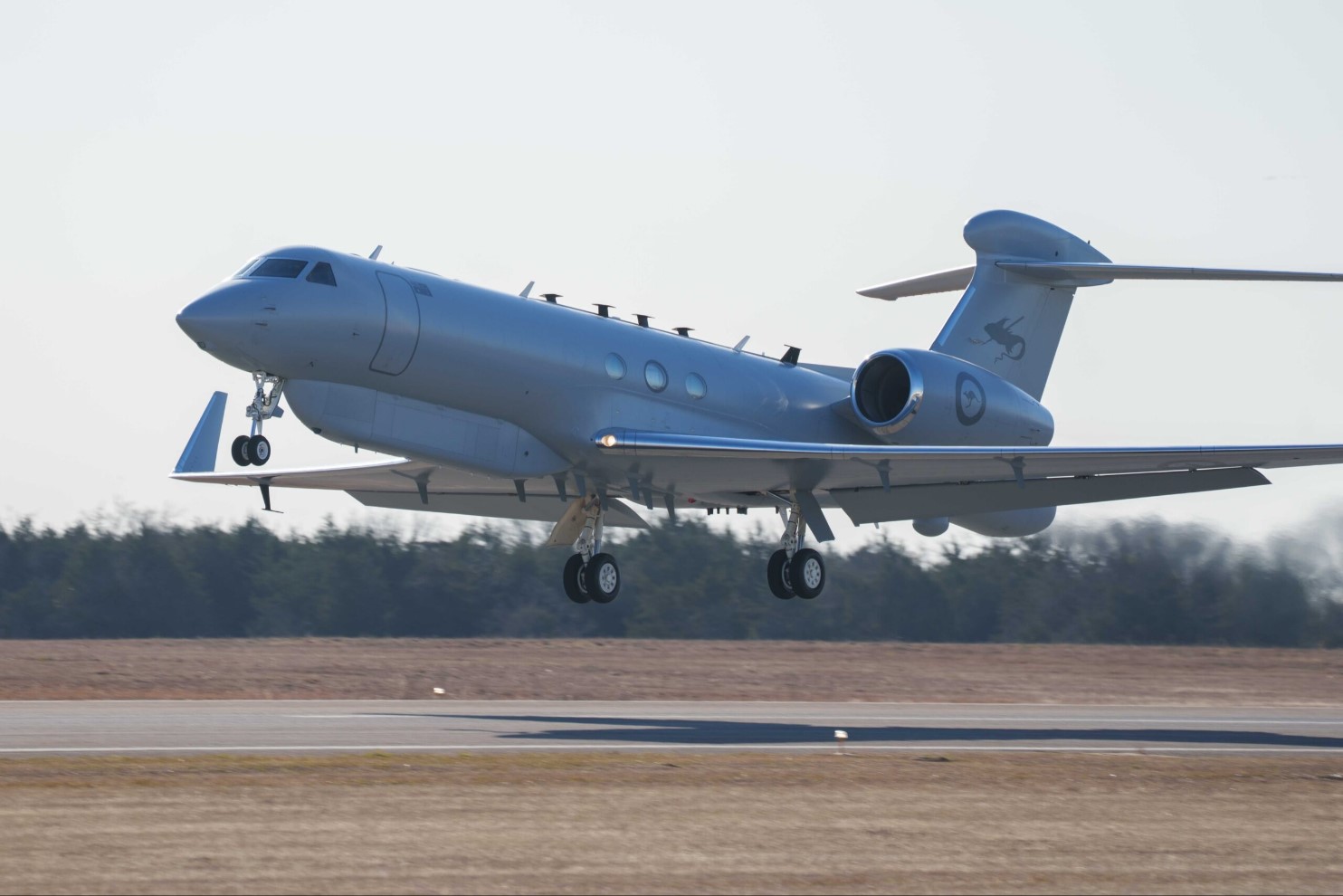
World
ADELAIDE, — June 13, 2026 : The Royal Australian Air Force (RAAF) has received its third MC-55A Peregrine intelligence, surveillance, reconnaissance, and electronic warfare (ISREW) aircraft, further advancing Australia's efforts to expand its airborne intelligence and electronic warfare capabilities. The aircraft arrived at RAAF Base Edinburgh in South Australia, where the entire fleet will be based and operated by No. 10 Squadron. The delivery follows the arrival of the first MC-55A in January 2026 and the second aircraft in March 2026. A fourth and final aircraft is expected to join the fleet later this year. The program is progressing toward achieving full operational capability by 2028. Dedicated Intelligence and Electronic Warfare Platform The MC-55A Peregrine is Australia's first dedicated airborne intelligence, surveillance, reconnaissance, and electronic warfare platform. Developed from the Gulfstream G550 business jet, the aircraft has been extensively modified by U.S.-based defence contractor L3Harris Technologies with advanced mission systems designed to support intelligence collection, electronic warfare operations, long-range targeting, and mission planning. The acquisition is being carried out under Project AIR 555 Phase 1, through which the Australian Government approved approximately A$2.4 billion for the purchase of four aircraft. The platform is intended to replace and expand capabilities previously provided by the RAAF's AP-3C Orion electronic warfare variants. Advanced Multi-Intelligence Capabilities The MC-55A is equipped to conduct signals intelligence (SIGINT), electronic intelligence (ELINT), communications intelligence (COMINT), and broader multi-intelligence collection missions. Its systems are designed to collect, process, and distribute information across multiple domains, supporting commanders with real-time situational awareness and operational planning. The aircraft is expected to play a key role in monitoring Australia's strategic maritime approaches and supporting regional deployments throughout the Indo-Pacific. Its ability to operate as a persistent intelligence-gathering platform enables the Australian Defence Force (ADF) to conduct surveillance and electronic warfare missions in complex operational environments. Aircraft Specifications Based on the Gulfstream G550 airframe, the MC-55A combines long-range performance with high-altitude operational capability. Key specifications include: Length: Approximately 29.4 metres Wingspan: 28.48 metres Maximum Takeoff Weight: Around 42,700 kilograms Engines: Two Rolls-Royce BR710 C4-11 turbofan engines Range: Up to 7,685 kilometres Service Ceiling: 45,000 feet Cruise Performance: High-speed long-range operations These characteristics allow the aircraft to conduct extended surveillance and intelligence missions over large distances while maintaining operational flexibility. Integration with Australia's Defence Network The Peregrine will become a central component of Australia's broader intelligence and surveillance architecture. The aircraft is expected to operate alongside other ADF platforms, including the Boeing P-8A Poseidon maritime patrol aircraft and the Northrop Grumman MQ-4C Triton unmanned aircraft system. By integrating data collected from multiple platforms, the MC-55A will strengthen Australia's ability to monitor activities across the Indo-Pacific region and improve intelligence-sharing capabilities with allied partners. No. 10 Squadron Transition No. 10 Squadron, which has a longstanding history as a signals intelligence unit within the RAAF, is currently transitioning to the new fleet. The arrival of the third aircraft marks another important step in building the squadron's operational capability and preparing personnel for future intelligence and electronic warfare missions. To support the fleet, L3Harris has established an in-country field service team responsible for maintenance support and future upgrades. The U.S. Air Force acts as the contracting agency under a Foreign Military Sales (FMS) arrangement, while initial testing and training activities have been conducted in the United States. Strengthening Allied Interoperability The MC-55A Peregrine fleet is expected to enhance interoperability with key defence partners, including the United States and the United Kingdom. The aircraft's advanced intelligence and communications systems will support joint operations, coalition missions, and information-sharing activities across allied networks. With the third aircraft now delivered and the final airframe scheduled to arrive later in 2026, Australia continues to build a modern airborne intelligence capability designed to support future defence operations and evolving regional security requirements.
Read More → Posted on 2026-06-13 17:19:35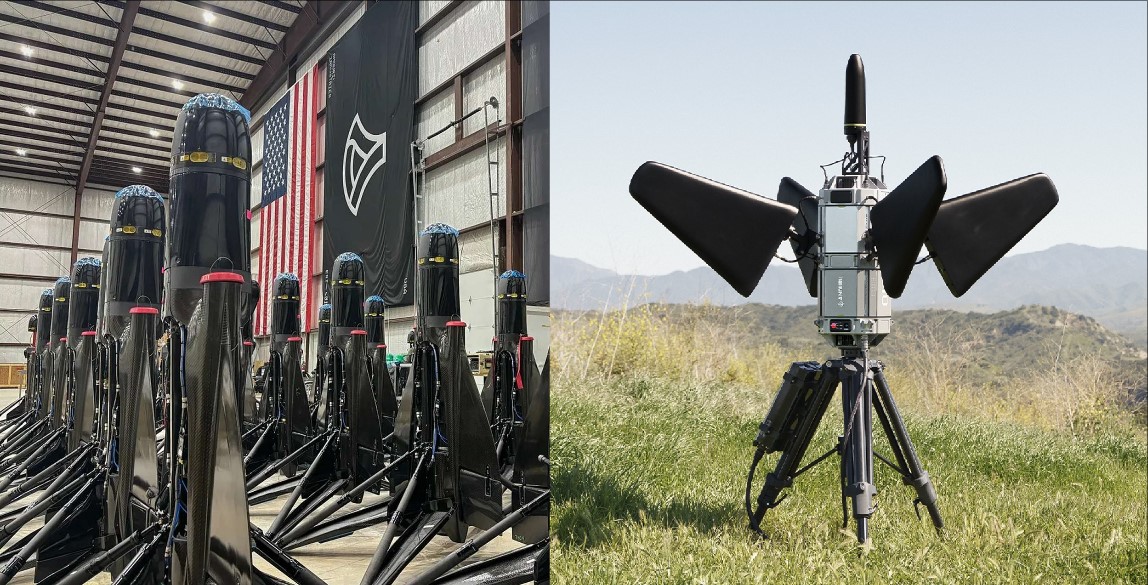
World
KUWAIT CITY, — June 13, 2026 : Kuwait is set to strengthen its air defense capabilities after securing a foreign military sale valued at approximately $1.98 billion for advanced counter-unmanned aerial systems (C-UAS) from U.S. defense technology company Anduril Industries. The sale was approved by the U.S. Department of State on June 5, 2026. The approval comes shortly after a reported Iranian drone attack on Kuwait International Airport, which resulted in one fatality and 63 injuries. The incident highlighted the growing challenge posed by low-flying and asymmetric drone threats. Anduril Industries, headquartered in Costa Mesa, California, will serve as the principal contractor. The agreement represents the company's largest international contract to date and reflects the growing role of software-focused defense firms in global military procurement. AI-Powered Command and Control The package is centered on Anduril’s Lattice command-and-control platform, which integrates data from radar, electro-optical, infrared, and radio-frequency sensors into a single real-time operational picture. The AI-enabled system can autonomously detect, classify, track, and prioritize aerial threats while recommending response options to operators. The software-driven architecture enables multiple sensors and defensive systems to operate as a unified network. Key Systems Included The deal includes several major components of Anduril’s counter-drone portfolio: Roadrunner-M is a reusable vertical takeoff and landing interceptor powered by twin turbojet engines. Designed to engage larger aerial threats, it can return to base and be reused if an interception is not required, reducing operational costs during sustained drone attacks. Anvil-Kinetic is an autonomous interceptor designed to destroy small drones through direct collision. Pulsar provides a non-kinetic electronic warfare capability by disrupting drone communications, navigation signals, and control links. Sentry Towers in fixed, mobile, extended-range, and maritime configurations will provide continuous detection and tracking of aerial threats using computer vision and machine-learning technology. The package also includes launch boxes, Menace tactical operations centers, generators, training, logistics support, and engineering services. Complementing Existing Air Defenses The new systems are designed to integrate with Kuwait’s existing air defense network, including current radar and early warning systems. Kuwait will continue operating its Patriot missile batteries and is expected to proceed with plans to acquire the National Advanced Surface-to-Air Missile System (NASAMS). The Anduril package is intended to address threats posed by low-cost drones and drone swarms, complementing existing defenses focused on higher-altitude and ballistic missile threats. The systems are expected to enhance the protection of critical infrastructure, military facilities, airports, ports, and energy installations across Kuwait.
Read More → Posted on 2026-06-13 17:16:49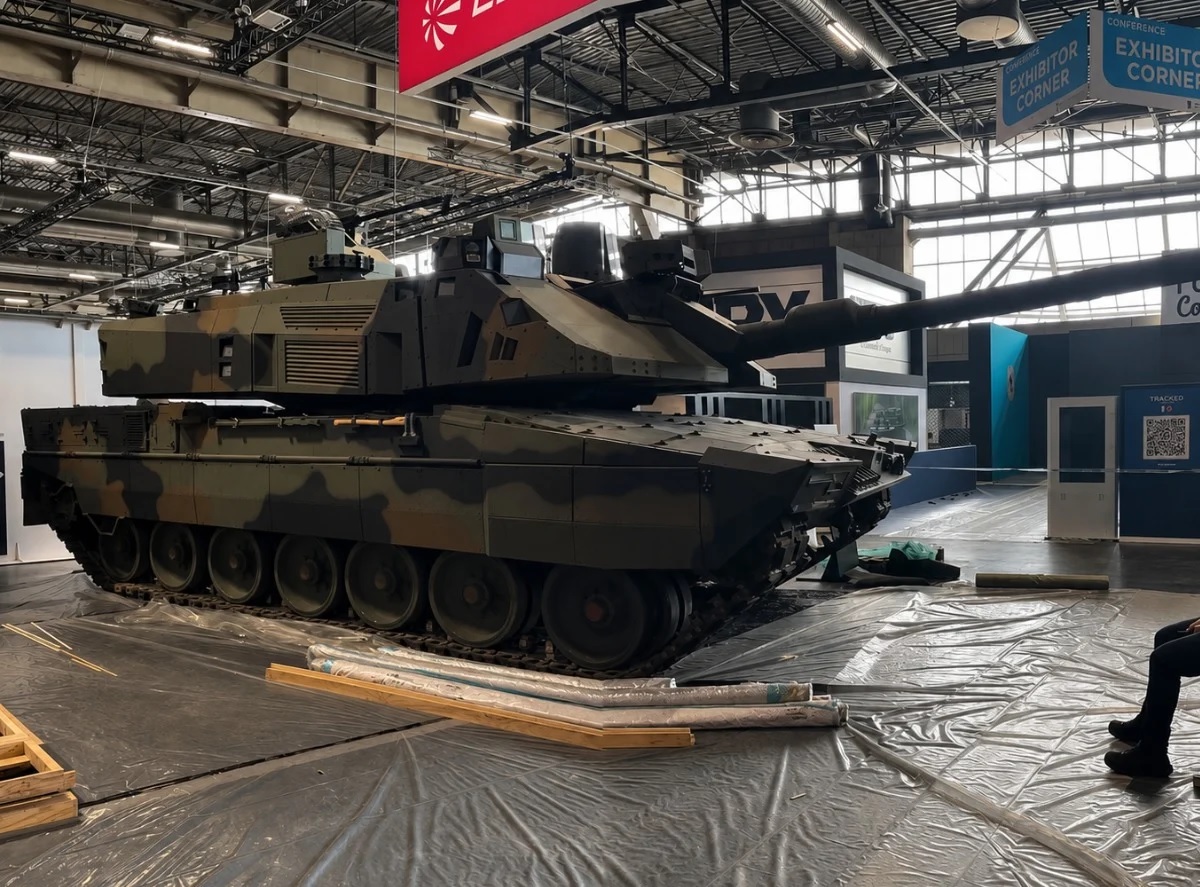
World
PARIS/ROME, — June 13, 2026 : Leonardo Rheinmetall Military Vehicles (LRMV), the joint venture between Italy’s Leonardo and Germany’s Rheinmetall, will present its new Italian Main Battle Tank (IMBT) prototype for the first time at the Eurosatory 2026 defense exhibition in Paris from June 15 to 19. The unveiling marks a major step in Italy’s long-term effort to modernize its armored forces and replace aging combat platforms. The IMBT program was launched to replace the Italian Army’s Ariete main battle tanks, which have remained in service since the 1990s. While the Ariete fleet has undergone modernization upgrades, recent conflicts have highlighted the growing threat posed by anti-tank guided missiles, loitering munitions, and first-person-view (FPV) drones, prompting the development of a new generation of armored vehicles with enhanced protection and battlefield capabilities. Based on Panther KF51 Technology The new tank is structurally derived from Rheinmetall’s Panther KF51 platform, a next-generation main battle tank designed to address evolving operational requirements. The vehicle incorporates mission systems, electronic architecture, and weapons integration developed by Leonardo to meet the specific needs of the Italian Army. LRMV operates as a 50:50 partnership between Leonardo and Rheinmetall. The company maintains its legal headquarters in Rome, while testing, integration, and assembly activities are conducted at facilities in La Spezia. The joint venture combines Rheinmetall’s expertise in armored vehicle development with Leonardo’s capabilities in electronics, sensors, and systems integration. Layered Protection Against Modern Threats A key feature of the IMBT prototype is its layered protection architecture, designed to improve survivability against a wide range of battlefield threats. The vehicle is equipped with Rheinmetall’s StrikeShield Active Protection System (APS), a hard-kill defense solution capable of detecting and intercepting incoming anti-tank rockets, guided missiles, and certain armor-piercing projectiles before they reach the vehicle. The system is designed to reduce collateral effects on nearby infantry, making it suitable for operations in complex and urban environments. The tank also features the ROSY Rapid Obscuring System, which can rapidly deploy visual and infrared smoke screens to disrupt enemy targeting systems and provide crews with additional time to reposition during combat engagements. Complementing these systems is Leonardo’s Blaze 30 Remote Weapon Station, armed with a 30 mm cannon. The remotely operated turret enables crews to engage drones, aerial threats, light armored vehicles, and infantry while remaining protected inside the vehicle, reducing exposure to enemy fire and surveillance. Part of Italy’s Wider Armored Modernization Effort The IMBT debut comes as LRMV continues work on the Italian Army’s broader modernization programs. On January 27, 2026, the joint venture delivered the first four Lynx KF-41 infantry fighting vehicles to the Italian Armed Forces at the Montelibretti experimentation center. The delivery officially launched the Army Armoured Combat System (A2CS) programme, which is based on a contract awarded in late 2025 for an initial batch of 21 combat vehicles. The broader A2CS framework envisions the acquisition of more than 1,000 armored combat systems across 16 different variants, making it one of the largest military vehicle procurement programs currently underway in Europe. For the main battle tank program, current plans call for approximately 132 tanks, alongside specialized variants including armored recovery, engineering, and bridge-laying vehicles. Total requirements for the tank family and related derivatives could reach around 380 vehicles. Industrial and Export Ambitions Beyond meeting Italian military requirements, LRMV is positioning itself as a major supplier for future European armored vehicle modernization projects. Under the industrial arrangement supporting the program, around 60 percent of assembly work, homologation testing, and long-term logistical support activities will remain in Italy. This approach is intended to strengthen the country’s defense industrial base while ensuring domestic involvement throughout the production and support lifecycle. The decision to unveil the IMBT at Eurosatory reflects the joint venture’s broader export ambitions. With defense spending increasing across Europe and several countries seeking replacements for older armored fleets, LRMV aims to offer a modular and production-ready platform capable of supporting modern, networked combat operations. Eurosatory Debut The Eurosatory 2026 exhibition will provide the first public opportunity for military delegations, defense officials, and industry representatives to examine the new Italian main battle tank prototype. The unveiling is expected to highlight the progress made by Leonardo and Rheinmetall in developing a next-generation armored platform designed to meet Italy’s future operational requirements while also serving as a potential solution for allied nations seeking advanced land combat capabilities.
Read More → Posted on 2026-06-13 16:43:27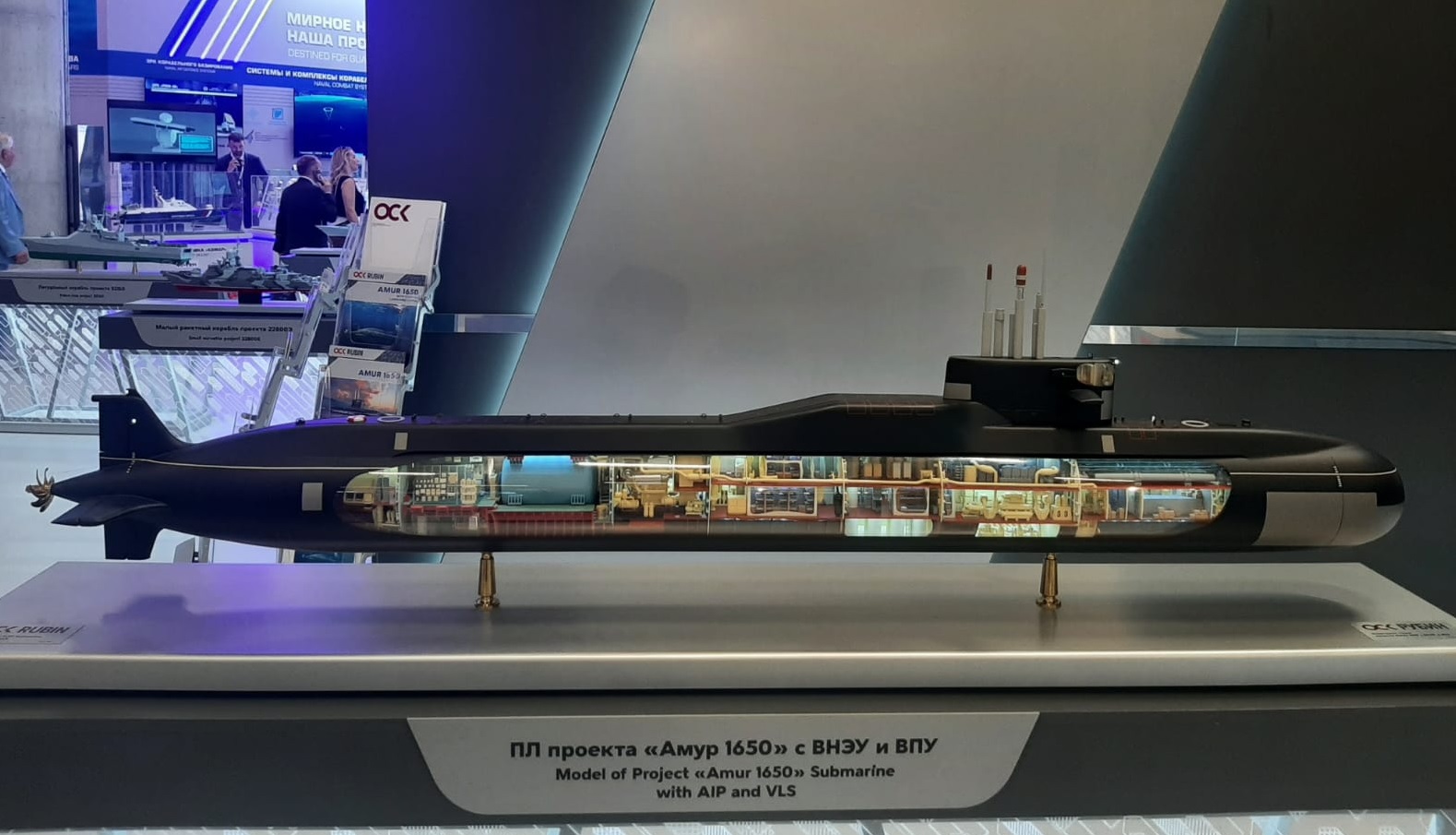
World
ST. PETERSBURG, Russia, — June 13, 2026 : Russia has unveiled an upgraded configuration of its Amur-1650 diesel-electric submarine featuring a vertical launch system (VLS) capable of launching BrahMos supersonic cruise missiles. The model was presented by the United Shipbuilding Corporation (USC) during the Fleet-2026 International Maritime Defence Exhibition in St. Petersburg. The unveiling highlights Russia’s efforts to market the Amur-1650 to international customers seeking conventional submarines with long-range precision strike capabilities. BrahMos Vertical Launch Capability The key feature of the showcased model is the integration of vertical launch cells capable of carrying BrahMos and Club-S cruise missiles. The VLS allows missiles to be launched while the submarine remains fully submerged, enabling strikes against both maritime and land targets. The submarine can reportedly carry up to 28 weapons, including heavyweight torpedoes, cruise missiles, mines, and precision-guided munitions. Earlier versions of the project were designed to carry around 16 weapons. BrahMos, jointly developed by India and Russia through BrahMos Aerospace, is based on technology derived from Russia’s P-800 Oniks missile family. The missile is designed for anti-ship and land-attack missions and has previously demonstrated submarine-launch capability during a successful underwater test in 2013. Design and Performance Developed by the Rubin Central Design Bureau, the Amur-1650 is the export version of Russia’s Project 677 Lada-class submarine and is promoted as a fourth-generation conventional submarine. The updated design features a single-hull architecture, replacing the traditional Russian twin-hull configuration. According to developers, the design improves acoustic stealth and provides additional internal space for combat systems and equipment. The submarine is designed to incorporate an air-independent propulsion (AIP) system and lithium-ion batteries, enabling longer submerged operations. Under optimal conditions, it can remain submerged for up to 40 days and has a total endurance of up to 60 days. Specifications According to the displayed model, the Amur-1650 has the following specifications: Surface displacement: approximately 1,765 tons Submerged displacement: approximately 3,000 tons Length: 66.8 meters Maximum diving depth: 300 meters Submerged speed: around 21 knots Crew: 35–42 personnel Armament: six 533 mm torpedo tubes and VLS cells for BrahMos or Club-S missiles Weapons capacity: up to 28 weapons Estimated unit cost: $400–450 million Export Prospects Russia has promoted the Amur-1650 to several countries, including India, which evaluated the submarine for its conventional submarine requirements before selecting the French-designed Scorpène-class under Project 75. The submarine has also been offered to other international customers, including Morocco, which reportedly considered the platform in 2025. However, no contracts have been signed so far, and construction of export variants has not commenced. The addition of a BrahMos-compatible vertical launch system is intended to strengthen the Amur-1650’s appeal in the international market, particularly among navies seeking conventional submarines with enhanced strike capabilities.
Read More → Posted on 2026-06-13 16:23:14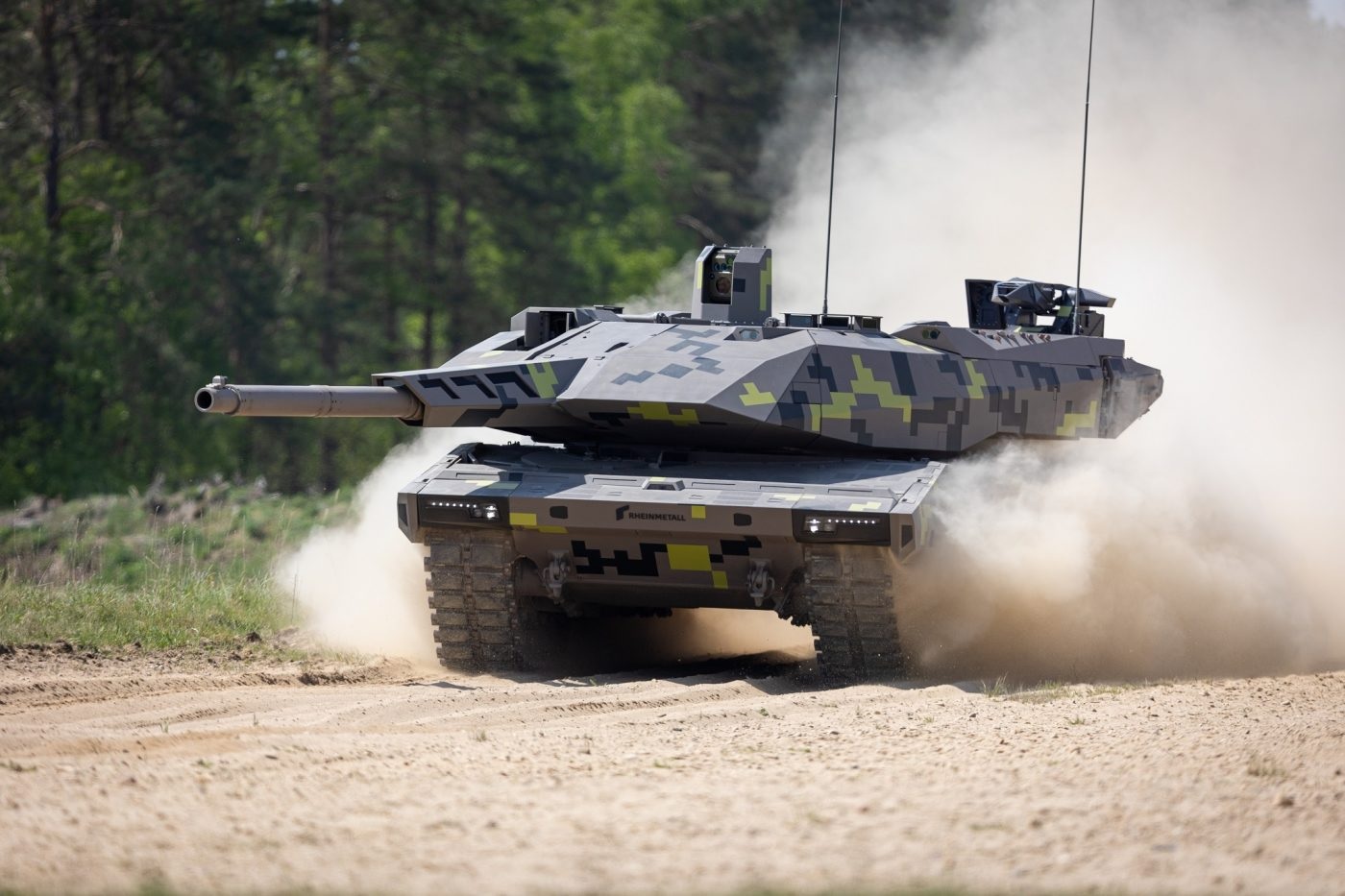
World
BERLIN/PARIS, — June 13, 2026 : France is considering reducing its participation or potentially withdrawing from the Main Ground Combat System (MGCS) program, the joint Franco-German effort to develop a next-generation main battle tank, according to comments by Rheinmetall Chief Executive Officer Armin Papperger. While no final decision has been taken by Paris, Papperger said the possibility of a French withdrawal remains under consideration as discussions continue over funding levels and future budget commitments. Funding Concerns Raise Questions Over Program Future According to Papperger, the main challenge facing the MGCS project is financial uncertainty. France is reportedly examining plans to reduce its contribution to less than half of the amount originally envisioned for the program. He warned that lower funding could have a direct impact on development progress, forcing industrial partners to scale back certain technical requirements and potentially causing further delays. Papperger also highlighted the limited financial support provided to the companies involved in the project. He said that since the program was launched, the participating firms — Rheinmetall, KNDS, and Thales — have collectively received only €25 million in funding. The Rheinmetall chief stated that such funding levels are insufficient for a major defense development program and noted that reduced budgets would make it difficult to accelerate progress on the next-generation combat system. MGCS Designed to Replace Leopard 2 and Leclerc Tanks The MGCS initiative was launched in 2017 by the governments of France and Germany with the objective of developing a highly integrated future ground combat system. The program is intended to replace the current generation of main battle tanks operated by both countries, including Germany’s Leopard 2 and France’s Leclerc tanks. Originally, the project aimed to field the new system during the 2030s. However, a combination of industrial negotiations, technical challenges, and bureaucratic delays has gradually pushed the expected entry-into-service timeline into the 2040s. Industrial Structure Established in 2025 A significant milestone for the program was reached in 2025 with the establishment of MGCS Project Company GmbH in Cologne, Germany. The joint venture was created to manage the next stage of development and serves as the industrial prime contractor for the project. Ownership is divided equally among four partners: KNDS Deutschland – 25% KNDS France – 25% Rheinmetall Landsysteme – 25% Thales – 25% The company is responsible for coordinating work on key elements of the future combat system, including the platform, turret, main gun, sensors, and supporting technologies. Development responsibilities were allocated on a 50-50 national basis between France and Germany. Germany Pursuing Interim Tank Development As the MGCS timeline has continued to move further into the future, German defense companies Rheinmetall and KNDS Germany have initiated development of an upgraded main battle tank outside the MGCS framework. The platform is expected to become operational in the early 2030s and is intended to provide an interim capability while work on a future-generation combat system continues. Broader Challenges for Franco-German Defense Cooperation The uncertainty surrounding MGCS comes at a time of increased strain in Franco-German defense collaboration. Earlier this week, German Chancellor Friedrich Merz and French President Emmanuel Macron agreed to terminate the Future Combat Air System (FCAS) program, a major joint fighter aircraft development project. The decision followed prolonged disagreements between participating aerospace companies over industrial responsibilities and production arrangements. Defense analysts believe the cancellation of FCAS and the ongoing funding uncertainty surrounding MGCS highlight the difficulties often associated with large multinational European defense projects. Differences in budget priorities, industrial interests, and program management have repeatedly complicated efforts to develop advanced military platforms through joint cooperation. No Final Decision Yet Despite growing concerns over funding and future participation, no formal decision has been announced regarding France’s role in the MGCS program. Discussions between the French and German governments, along with industry partners, are expected to continue as both sides evaluate long-term defense requirements, financial commitments, and the future direction of one of Europe’s most ambitious armored vehicle development programs.
Read More → Posted on 2026-06-13 16:12:13
World
COSTA MESA, California, — June 13, 2026 : Defense technology company Anduril Industries has secured a $363 million contract from U.S. Customs and Border Protection (CBP) to supply more than 200 Extended Range Sentry Towers (XRST) as part of efforts to expand the agency’s autonomous border surveillance network along the U.S. Southwest Border. The contract marks a significant expansion of CBP’s border monitoring capabilities and builds on a partnership between Anduril and the agency that has spanned more than seven years. The new XRST systems are designed to enhance situational awareness for Border Patrol agents by providing long-range autonomous surveillance across broad and complex terrain. Under the agreement, Anduril will deploy more than 200 of its 80-foot-tall Extended Range Sentry Towers. The systems are equipped with advanced electro-optical cameras, thermal imaging sensors, radar systems, and communications equipment capable of operating continuously in remote border environments. According to the company, the towers can autonomously detect, classify, and track objects of interest at ranges exceeding 5 miles, with some configurations capable of monitoring targets at distances of up to 12 kilometers. Information collected by the sensors is processed through Anduril’s proprietary Lattice software platform, which uses artificial intelligence (AI) to analyze data, identify potential threats, and automatically alert CBP personnel. The AI-enabled platform is designed to reduce the need for agents to continuously monitor video feeds by filtering large volumes of sensor data and highlighting relevant activities requiring attention. This allows personnel to focus on response and operational decision-making rather than manual surveillance tasks. Layered Surveillance Network The newly contracted XRST systems will operate alongside Anduril’s existing Standard Range Sentry Towers to create a layered surveillance network across the southern border. Anduril stated that the combination of Extended Range and Standard Range towers provides persistent and comprehensive coverage across diverse border environments. The extended-range towers significantly increase monitoring capability compared to standard models, which typically detect and track persons at approximately 2.8 kilometers and vehicles at around 3.5 kilometers. The larger XRST systems are designed to cover wider areas, potentially reducing the number of towers required to monitor extensive stretches of terrain. Like previous Sentry Tower variants, the new systems are solar-powered, require limited infrastructure, and can be rapidly deployed in remote locations. Existing Border Operations Anduril has already delivered and sustained more than 350 Standard Range Sentry Towers deployed along the U.S. southern border. According to the company, these systems currently provide surveillance coverage for approximately 30 percent of the southern land border and have autonomously identified hundreds of thousands of border crossings. The towers operate continuously during both day and night, transmitting relevant alerts and tracking information to Border Patrol agents for further assessment and action. Program Development The Sentry Tower program began in 2018 when Anduril introduced its autonomous surveillance technology to CBP through the Autonomous Surveillance Tower (AST) pilot initiative. The program expanded across additional border regions in 2019 and was formally designated as a CBP program of record in 2020. In November 2024, the Extended Range Sentry Tower successfully completed CBP acceptance testing. Following the evaluation, Anduril assigned additional software engineering resources to further improve long-range autonomous tracking capabilities based on operational requirements and feedback from Border Patrol agents. The newly awarded contract is structured as a one-year Small Business Innovation Research (SBIR) Phase III effort and supports the continued expansion of autonomous surveillance technologies intended to improve border situational awareness while reducing operational risks for personnel in the field. With the addition of more than 200 Extended Range Sentry Towers, CBP is expected to significantly expand the reach of its autonomous surveillance network, enhancing long-range monitoring capabilities across key sections of the Southwest Border.
Read More → Posted on 2026-06-13 16:01:31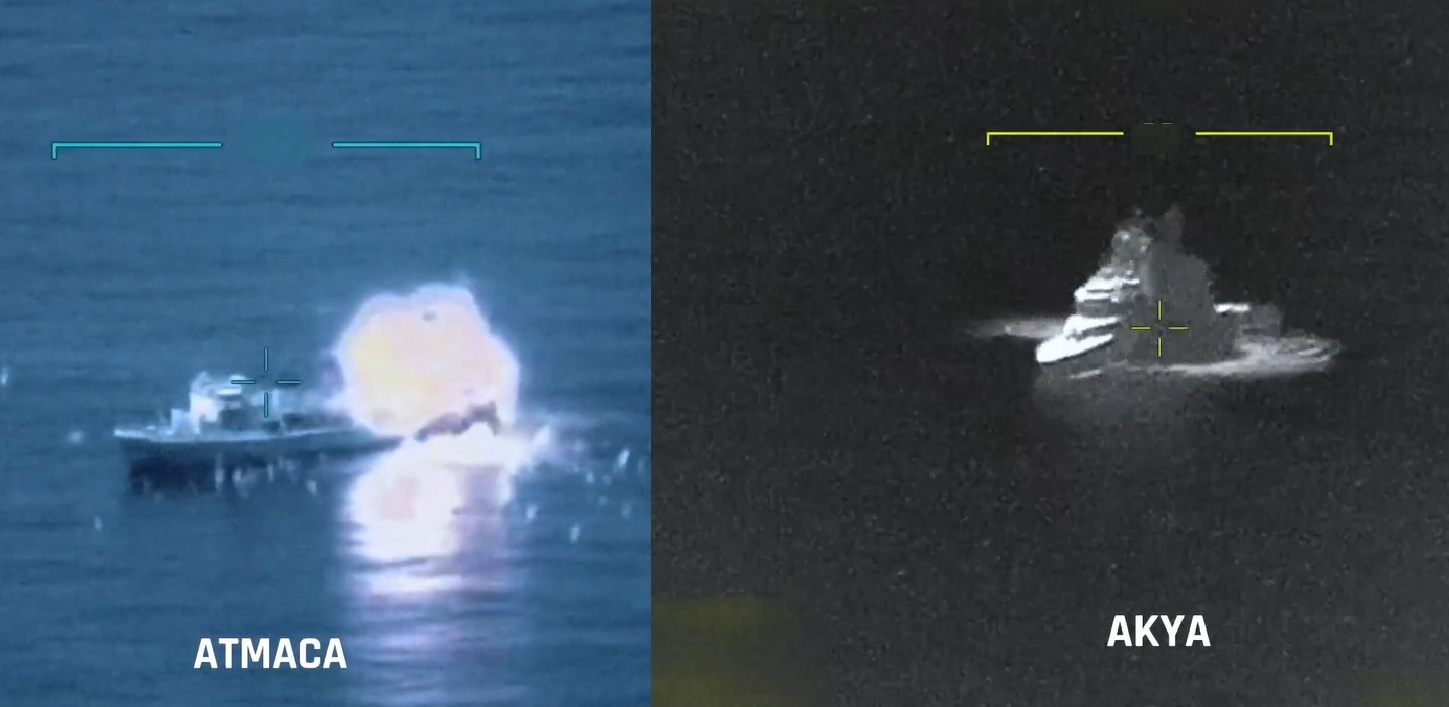
World
ANKARA, — June 13, 2026 : The Turkish Ministry of Defence (MoD) has confirmed the successful live-firing of the domestically developed AKYA heavyweight torpedo and ATMACA anti-ship missile during the Denizkurdu-II (Sea Wolf II) 2026 naval exercise in the Eastern Mediterranean. The live-fire events were conducted on June 11 as part of the exercise’s Distinguished Observers Day activities, with the ministry later releasing footage and damage assessment images from both engagements. The tests marked another milestone in Türkiye’s efforts to strengthen indigenous naval warfare capabilities and expand the operational use of domestically developed weapon systems across its submarine and surface fleets. AKYA Torpedo Successfully Engages Surface Target The AKYA heavyweight torpedo was launched from TCG Sakarya (S-354), a Preveze-class (Type 209/1400) diesel-electric submarine currently undergoing a mid-life modernization program. The designated target was the decommissioned TCG Sokullu Mehmet Paşa (A-577), a vessel that served the Turkish Navy for decades as a cadet training and command ship. Originally built in West Germany in 1960 as the Rhein-class tender Donau (A-69), the ship was later acquired by Türkiye in the 1990s. It remained in service for nearly 27 years before being decommissioned in February 2024. Video footage released by the Ministry of Defence showed the AKYA torpedo striking the vessel and causing extensive structural damage. The impact split the target ship into two sections, demonstrating the effectiveness of the torpedo’s underwater warhead and shock effect against surface targets. The firing also represented the second successful AKYA engagement against a real surface target, providing additional operational data for the Turkish Navy as the weapon moves toward wider fleet deployment. First AKYA Launch Using MÜREN Combat Management System A major achievement during the exercise was the operational use of the MÜREN (National Integrated Underwater Combat Management System) aboard TCG Sakarya. According to Turkish defence officials, this was the first time an AKYA torpedo was fired from TCG Sakarya using the newly integrated MÜREN system. The indigenous combat management architecture is being introduced across Türkiye’s submarine fleet to replace legacy combat systems on the Ay-class, Preveze-class, and Gür-class submarines. The MÜREN system integrates sonar data processing, target tracking, navigation, command-and-control functions, fire-control solutions, and wire-guided torpedo management. The successful launch during a live-fire exercise serves as an important validation of the system’s operational readiness and Türkiye’s broader effort to localize critical submarine combat technologies. The combat management system is a key component of the ongoing modernization of the Preveze-class submarines, which also includes upgrades to sonar systems, sensors, and other mission-critical equipment. ATMACA Missile Demonstrates Surface Strike Capability Alongside the submarine exercise, the Turkish Navy also conducted a live-fire test of the indigenous ATMACA anti-ship guided missile. The missile was launched from the Ada-class corvette TCG Kınalıada and successfully struck its designated target, the decommissioned open-sea tugboat ex-TCG Akbaş, which had previously served in the Turkish Navy. The successful engagement demonstrated the Navy’s surface strike capabilities and the operational maturity of the ATMACA missile program. Reports from the exercise indicated that the missile achieved an engagement range of approximately 102 kilometers before destroying the target. The simultaneous employment of AKYA and ATMACA against real targets highlighted the growing integration of Türkiye’s domestically developed naval weapon systems across both submarine and surface combat platforms. AKYA Heavyweight Torpedo Specifications Developed by Roketsan, the AKYA is a 533 mm heavyweight torpedo designed to engage both submarines and surface vessels. The weapon is expected to gradually replace or supplement the German DM2A4 SeaHake and U.S.-origin Mk 48 torpedoes currently operated by the Turkish Navy. Key specifications include: Range: More than 50 kilometers Maximum Speed: Over 45 knots Weight: Approximately 1,200 kilograms Length: Around 7 meters Guidance: Active and passive sonar, acoustic countermeasure capability, wake-homing mode for surface targets, autonomous operation, and fibre-optic wire guidance Warhead: Insensitive warhead weighing approximately 350–380 kilograms with underwater shock effect Fuzing: Proximity and impact sensors Propulsion: Brushless DC electric motor with counter-rotating propellers powered by high-energy chemical batteries Launch Method: Swim-out launch capability The torpedo is planned to become the standard heavyweight weapon for modernized Preveze-class, Gür-class, and the new Reis-class (Type 214TN) submarines entering service with the Turkish Navy. Denizkurdu-II 2026 Exercise The Denizkurdu-II exercise is one of the Turkish Navy’s largest annual maritime drills and is designed to evaluate operational readiness, joint-force coordination, and the performance of indigenous defence systems. The 2026 edition involved approximately 125 naval platforms, 60 aircraft, and nearly 18,000 personnel operating across the Black Sea, Sea of Marmara, Aegean Sea, and Eastern Mediterranean. The exercise included a broad range of scenarios covering anti-surface warfare, anti-submarine warfare, maritime security, amphibious operations, and integrated naval combat missions. Turkish Naval Forces Commander Admiral Ercüment Tatlıoğlu emphasized the importance of domestically developed weapon systems and combat technologies in strengthening national defence capabilities and reducing dependence on foreign suppliers. The latest AKYA and ATMACA firings provide additional operational validation for Türkiye’s indigenous naval modernization efforts, while supporting ongoing serial production and fleet-wide integration programs aimed at enhancing the country's self-reliance in underwater and surface warfare capabilities.
Read More → Posted on 2026-06-13 14:35:36
World
WASHINGTON, — June 13, 2026 : The U.S. Navy has awarded defense technology startup Castelion Corp. a $23.4 million contract to produce 50 early operational capability pre-production prototypes of its Blackbeard hypersonic strike missile, along with 50 dedicated storage and shipping containers. The contract was officially awarded on June 12, 2026, marking another step in the Pentagon’s efforts to accelerate the fielding of affordable and scalable hypersonic weapons. The contract falls under a Small Business Innovation Research (SBIR) Phase III initiative titled “Low Cost Highly Manufacturable Long Range Strike Weapon Production.” The effort is intended to demonstrate that hypersonic weapons can be produced at significantly lower costs and in larger quantities than traditional programs. Approximately 75 percent of the work will be carried out at Castelion’s Project Ranger manufacturing campus in Rio Rancho, New Mexico, while the remaining 25 percent will take place at the company’s headquarters in Torrance, California. The contract is scheduled for completion by December 2027. Program Builds on Earlier Navy Investments The latest contract expands on a series of previous agreements between the U.S. military and Castelion under the same basic ordering framework. In February 2026, the company received a contract worth nearly $50 million to support full-scale Blackbeard prototypes and flight-testing activities. This was followed in April 2026 by a $105 million contract modification to integrate the missile onto the Navy’s F/A-18E/F Super Hornet fleet for live-fire testing in the Indo-Pacific region. The successive awards reflect growing confidence in the Blackbeard program as the Department of Defense seeks to expand its inventory of long-range precision strike weapons capable of surviving modern air-defense environments. Blackbeard Designed for Affordable Hypersonic Strike Capability The Blackbeard missile has been designed from the outset with manufacturability and affordability as key priorities. Unlike many existing hypersonic weapon programs that require lengthy development cycles and high production costs, Castelion aims to deliver a system that can be manufactured at scale. The missile is designed to travel at speeds exceeding Mach 5, or roughly 6,100 kilometers per hour, placing it within the hypersonic category. Such speeds, combined with its flight profile, make interception by modern air-defense systems significantly more difficult than conventional subsonic missiles. Blackbeard is expected to have a projected range approaching 800 kilometers, positioning it between traditional rocket artillery systems and larger strategic hypersonic weapons. According to program information, it is intended to provide nearly 80 percent of the planned capability of the Precision Strike Missile Increment 4 at a substantially lower unit cost. Castelion has also emphasized rapid development. Since its founding in 2022, the company has progressed from an initial design concept to conducting more than 25 flight tests in less than two and a half years, supported by vertically integrated propulsion and guidance-system development. Project Ranger Aims for Large-Scale Production To support future production requirements, Castelion has invested heavily in its Project Ranger manufacturing complex in Sandoval County, New Mexico. The company has committed more than $250 million in private capital to the project, which is being developed on a 1,000-acre site. Once completed, it is expected to become the largest dedicated hypersonic missile production facility in the United States. The campus will incorporate vertically integrated manufacturing capabilities, including production of solid rocket motors, guidance systems, and final missile assembly. A total of 21 structures are planned, with completion targeted by the end of 2026. The facility is also expected to generate approximately 300 high-paying jobs and contribute to the region’s growing defense-industrial base. Production Agreement Supports Future Procurement Castelion’s manufacturing readiness contributed to a production framework agreement signed with the Department of War in May 2026. Under the agreement, the government committed to purchasing a minimum of 500 Blackbeard missiles annually once testing and validation requirements are met. The framework also provides a pathway for the acquisition of more than 12,000 missiles over a five-year period, highlighting the military’s interest in large-scale procurement of lower-cost hypersonic weapons. The agreement reflects a broader shift in U.S. defense procurement strategy toward systems that can be produced rapidly and in significant quantities during sustained military operations. Expansion Into Maritime Operations The Blackbeard program is also expanding beyond traditional air-launched applications. On June 11, 2026, Castelion announced a partnership with Saronic Technologies to integrate the missile onto the Marauder Medium Unmanned Surface Vessel (MUSV). The companies plan to conduct a maritime launch demonstration in 2027, introducing a new sea-based launch option alongside integration efforts on carrier-based aircraft and Army M142 HIMARS platforms. The Marauder is an approximately 180-foot (55-meter) autonomous vessel developed by Saronic. The company advanced the platform from design to on-water trials in less than a year and is currently investing $300 million to expand its shipyard in Franklin, Louisiana. The expansion is expected to support production of up to 20 Marauder vessels annually by the end of 2026. Commenting on the partnership, Saronic Co-Founder and CEO Dino Mavrookas said that launching a Castelion hypersonic missile from a Marauder MUSV would significantly alter how potential adversaries assess U.S. strike options. Castelion Co-Founder and CEO Bryon Hargis stated that the combination of Blackbeard and Marauder would provide warfighters with more strike opportunities from a wider range of locations while reducing operational constraints. Broader Defense Significance The Blackbeard program represents part of a wider U.S. effort to accelerate deployment of hypersonic capabilities across air, land, and maritime domains while reducing procurement costs and increasing production capacity. Historically, hypersonic weapons have been among the most expensive precision-strike systems, often requiring decades of development and costing tens of millions of dollars per missile. Castelion’s approach focuses on producing highly manufacturable systems that can be acquired in large numbers. With multiple contracts awarded in 2026, expanding production infrastructure, and ongoing integration across several military platforms, the Blackbeard program is emerging as a significant component of the U.S. military’s effort to build more scalable and survivable long-range strike capabilities for future operations.
Read More → Posted on 2026-06-13 14:17:08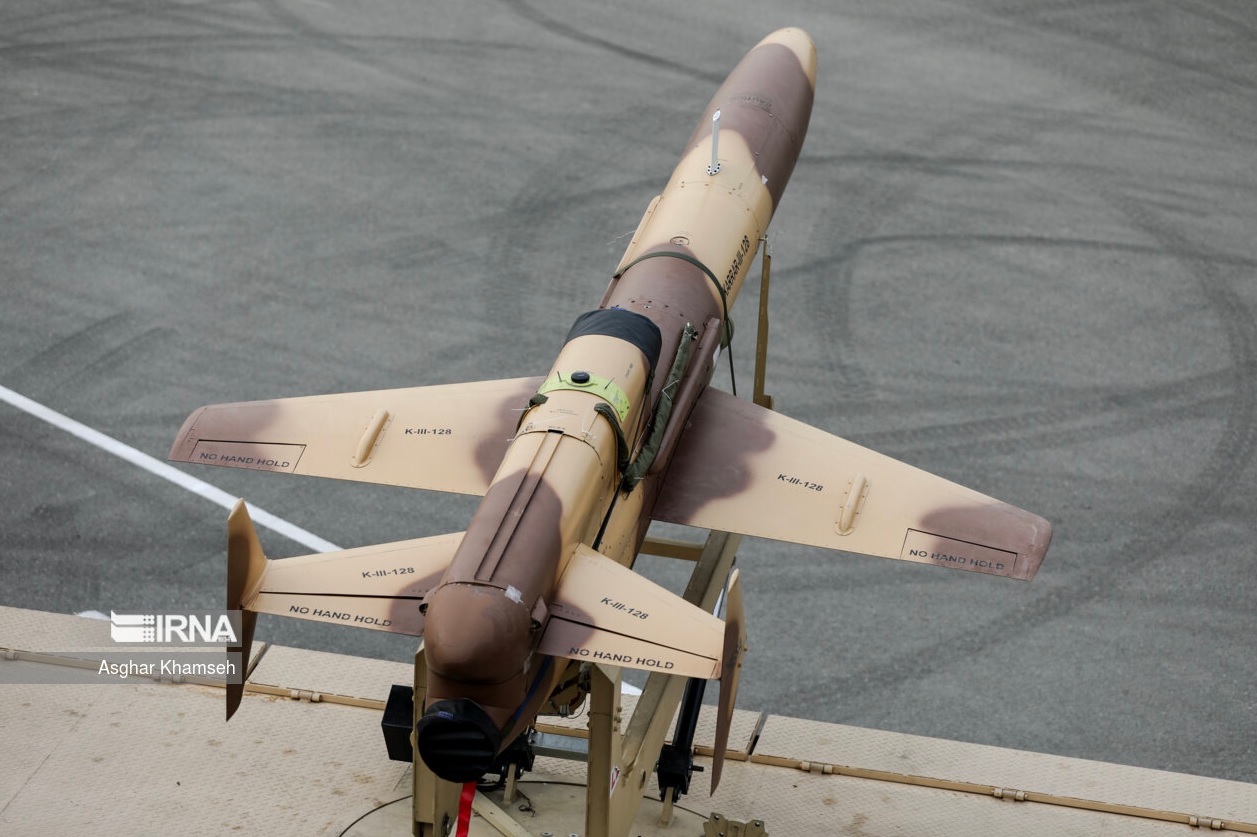
World
KYIV, Ukraine — June 13, 2026 : Russia has significantly increased the use of jet-powered strike drones in its attacks against Ukraine, marking a notable shift in aerial warfare tactics as Moscow seeks to overcome evolving Ukrainian air defense capabilities. According to information presented by Colonel Alexander Zaruba, Chief Researcher at Ukraine’s State Research Institute for Testing and Certification of Weapons and Military Equipment, Russian forces are increasingly relying on a new generation of high-speed unmanned aerial vehicles (UAVs), including the Geran-3, Geran-4, and Geran-5. Zaruba discussed the growing threat during a presentation titled “The Russian Federation’s Use of Air Attack Weapons Against Civilian Infrastructure: Technical and Humanitarian Aspects,” which was reported by Ukrainian defense outlet Militarnyi. Official statistics indicate a substantial increase in the deployment of these drones. Since the beginning of 2026, Russian forces have launched approximately 1,400 jet-powered UAVs, compared with only 180 recorded incidents during the entirety of 2025. The figures highlight a rapid expansion in the use of high-speed drones as part of Russia’s long-range strike campaign against Ukraine. Shift Toward High-Speed Strike Drones Ukrainian defense officials say the increased use of jet-powered drones reflects Russia’s efforts to counter Ukraine’s increasingly effective and cost-efficient interceptor drones. Traditional propeller-driven interceptor systems have achieved notable success against slower attack drones, prompting Russia to introduce platforms capable of operating at significantly higher speeds. The new jet-powered drones are designed to penetrate airspace protected by mobile fire groups and drone interceptors by reducing reaction times for defenders. Their higher velocity allows them to reach targets more quickly and complicates interception efforts, particularly when deployed in coordinated attack waves. Military analysts note that Russia has gradually adapted its long-range strike strategy throughout the conflict, combining cruise missiles, ballistic missiles, and various drone types to saturate Ukrainian air defenses. The introduction of larger numbers of jet-powered UAVs represents the latest phase of that evolution. Geran-3: Foundation of the Jet Drone Fleet The Geran-3, reportedly based on the Iranian-designed Shahed-238, serves as the foundational jet-powered platform within Russia’s expanding drone arsenal. The drone operates at a cruising speed between 350 and 550 kilometers per hour and has a maximum operational range of up to 1,500 kilometers, depending on configuration and payload. Standard variants are reported to carry a warhead weighing approximately 50 kilograms. Its combination of speed and long-range capability enables attacks against targets deep inside Ukrainian territory while reducing the time available for air defense systems to respond. Geran-4 Designed for Evasive Maneuvering The Geran-4 represents a more advanced development aimed specifically at improving survivability against interception attempts. Unlike earlier adaptations of existing drone designs, the Geran-4 features a redesigned and reinforced airframe capable of enduring substantial aerodynamic stress during evasive maneuvers. Its wings are permanently integrated into the fuselage, while the number of maintenance access panels has been reduced to improve aerodynamic efficiency and lower drag. The drone is powered by Chinese-manufactured turbojet engines, including either the Telefly LX-WP-160 or the more powerful TF-TJ2000A. These engines allow the aircraft to maneuver actively at speeds between 300 and 400 km/h, achieve maximum speeds of up to 500 km/h, and operate at altitudes reaching 5,000 meters. The Geran-4 has a maximum range of approximately 850 kilometers, although variants equipped with a heavier 90-kilogram thermobaric warhead are reported to have an operational range of around 450 kilometers. Standard configurations carry a 50-kilogram payload. Ukrainian officials report that the drone entered combat use in 2026 and has been increasingly employed in strike operations due to its enhanced maneuverability and improved ability to evade interception. Geran-5 Emerges as Largest Variant The Geran-5 is currently the largest drone in Russia’s jet-powered strike drone series. Featuring an elongated fuselage measuring approximately 6.5 meters, the drone is powered by the TeleFly TF-TJ2000A turbojet engine, which generates around 200 kilograms-force of thrust. The propulsion system allows the aircraft to maintain sustained high-speed flight throughout its mission profile. Defense analysts describe the Geran-5 as operating in a role that increasingly resembles that of a small cruise missile, combining extended range with a larger airframe capable of carrying heavier payloads. Production and deployment efforts for the system are continuing, with launch facilities reportedly identified in Russia’s Oryol region. Growing Challenge for Ukrainian Air Defenses The expanding use of jet-powered drones is creating new challenges for Ukraine’s air defense network. Ukrainian Commander-in-Chief Oleksandr Syrskyi recently stated that Russia intends to further increase the proportion of jet-powered UAVs used in strike operations, potentially accounting for up to 50 percent of all aerial attacks in the future. According to Syrskyi, Russian forces are continuously refining drone tactics, increasing the size of attack swarms, and introducing improved technologies that complicate interception efforts. These developments require corresponding adjustments by Ukrainian defenders. To address the threat, Syrskyi recently convened a dedicated working meeting focused on countering enemy strike drones. Discussions centered on measures to improve the effectiveness of Ukraine’s air defense systems and accelerate the modernization of domestic interceptor drones designed specifically to engage high-speed jet-powered targets. Ukrainian military officials say the rapid growth in the use of jet-powered drones underscores the changing nature of aerial warfare in the conflict. As both sides continue to adapt their technologies and tactics, counter-drone capabilities are becoming an increasingly important component of Ukraine’s broader air defense strategy.
Read More → Posted on 2026-06-13 13:58:13
World
DUBAI, — June 13, 2026 : The United Arab Emirates has denied reports that it agreed to release billions of dollars in funds to Iran as part of an arrangement aimed at halting Iranian missile and drone attacks on the Gulf state, following claims by multiple sources that such an agreement had been reached during ongoing regional peace efforts. According to information provided by four sources familiar with the matter, the reported arrangement involved the release of substantial Iranian-linked funds in exchange for security guarantees and a reduction in regional tensions. The development reportedly came as the United States and Iran moved closer to a broader peace agreement intended to end the ongoing conflict and address wider regional security concerns. Reported Financial Arrangement Sources cited in the reports provided differing estimates regarding the total value of the funds involved. Two regional sources stated that the UAE had agreed to release approximately $10 billion, while two other sources with knowledge of the discussions estimated that the total amount could reach $20 billion. One source said that an initial tranche of more than $3 billion had already been made available to Tehran. However, it remains unclear whether the funds originated directly from the UAE or represented Iranian assets that had been frozen under international sanctions and were being held through financial channels connected to the Gulf state. The reported arrangement was described as a tactical effort to reduce tensions following months of conflict that saw Iran conduct missile and drone attacks against the UAE. Security and Economic Conditions According to the sources, Iran agreed to halt missile and drone strikes targeting the UAE in exchange for the release of funds. The reported understanding also extended beyond security matters. Sources indicated that both sides discussed rebuilding bilateral relations through increased economic cooperation, intelligence-sharing mechanisms, and efforts to restore diplomatic engagement. The unfreezing of assets was also reportedly linked to maintaining secure maritime navigation through the Strait of Hormuz, one of the world's most important energy transit routes. Ensuring uninterrupted shipping through the waterway has become a central objective for regional governments and international stakeholders amid recent tensions. IRGC Visit to Abu Dhabi Sources said discussions intensified last week following a visit by officials from the Islamic Revolutionary Guard Corps (IRGC) to Abu Dhabi. During the visit, Iranian officials reportedly met with Sheikh Tahnoun bin Zayed Al Nahyan, the UAE's national security adviser, as negotiations accelerated alongside broader diplomatic efforts taking place across the region. UAE Issues Strong Denial Following publication of the reports, the UAE Ministry of Foreign Affairs issued a firm denial. In a statement released early Saturday, the ministry described allegations regarding the transfer of funds, including claims that more than $3 billion had already been delivered, as "entirely false and unfounded." The ministry stated that "no frozen Iranian funds have been released, transferred or facilitated through the UAE" and called on media organizations to rely on official sources when reporting on such matters. Before the denial was issued, a UAE official responding to inquiries did not explicitly reject the claims. Instead, the official emphasized that the UAE's foreign policy remains focused on promoting de-escalation, reducing regional tensions, and supporting long-term peace and stability. Shift in UAE-Iran Relations If confirmed, the reported arrangement would represent a significant shift in relations between the UAE and Iran following a period of heightened confrontation during the recent U.S.-Israeli conflict with Iran. During the conflict, the UAE was among the Gulf countries most heavily affected by Iranian attacks. Missile and drone strikes targeted multiple locations and raised concerns about regional security and economic stability. The attacks also affected the UAE's image as a secure destination for international business and tourism, with some expatriates leaving the country and hotel occupancy levels in Dubai reportedly declining during the peak of the conflict. The last publicly known direct Iranian strike against the UAE occurred on May 4, when the Port of Fujairah on the Gulf of Oman was targeted. Sources noted that Iranian attacks against the UAE stopped after that incident, while Tehran subsequently redirected military operations toward other Gulf states, including Kuwait and Bahrain. One source also indicated that Iran has approached at least two other Gulf Arab countries regarding similar financial arrangements. Connection to Wider U.S.-Iran Peace Talks The reported UAE-Iran understanding comes amid broader diplomatic negotiations between the United States and Iran aimed at ending the ongoing conflict and establishing a long-term framework for regional stability. On Friday, Shehbaz Sharif confirmed that negotiators had reached a final agreed text for a peace agreement between Washington and Tehran. Pakistan has played a role in mediation efforts during the negotiations. The emerging agreement is expected to include provisions related to the dismantling of Iran's nuclear program, the lifting of U.S. restrictions on Iranian ports, and the reopening of the Strait of Hormuz for normal commercial activity. The talks have also reportedly included discussions regarding the release of additional frozen Iranian oil revenues held in foreign financial institutions. Statements From Washington and Tehran Addressing the financial aspects of the negotiations, JD Vance stated on Friday that funds would not be released to Iran solely in exchange for signing an agreement. Vance said any arrangement would ensure that Iran receives economic benefits only after fully complying with its commitments under the agreement. Meanwhile, Mohammad-Bagher Ghalibaf emphasized that implementation of any deal would depend on both sides honoring their obligations without delay or exceptions. Uncertainty Remains While multiple sources have described the reported arrangement as part of a broader effort to reduce regional tensions, no independent public verification of the alleged fund transfers has been provided. The UAE continues to reject claims that any Iranian assets have been released through its financial system. As diplomatic negotiations continue between Washington and Tehran, the reported agreement remains the subject of competing accounts from official authorities and sources familiar with the discussions. For now, the existence, scale, and implementation of any UAE-Iran financial arrangement remain unconfirmed, pending further official clarification from the parties involved.
Read More → Posted on 2026-06-13 13:42:08Search
Top Trending in 24 Hours
-
 Ukrainian Hackers Expose Highly Classified Russian Naval Data in "Operation Poseidon"
-
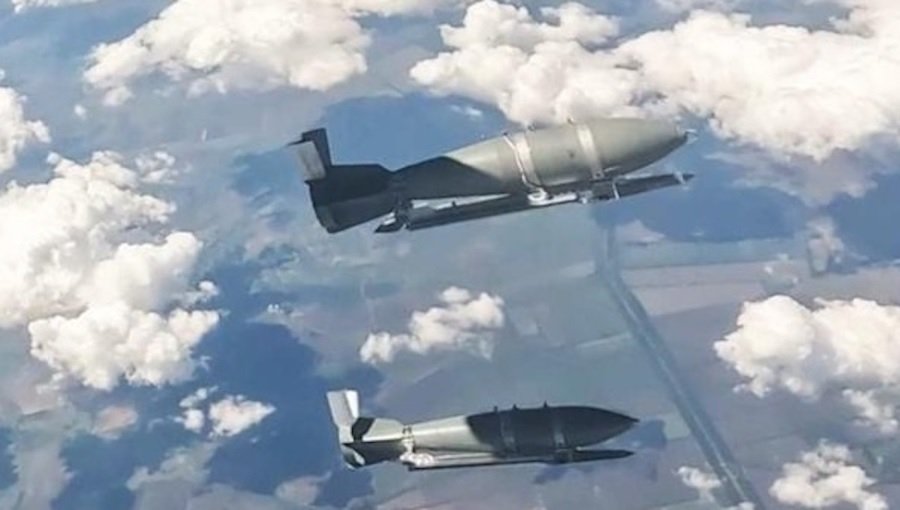 Russia’s Glide Bomb Use in Ukraine Surpasses Recent U.S. Bombing Rate During Epic Fury in Iran, Remains Below 2003 Iraq Peak
-
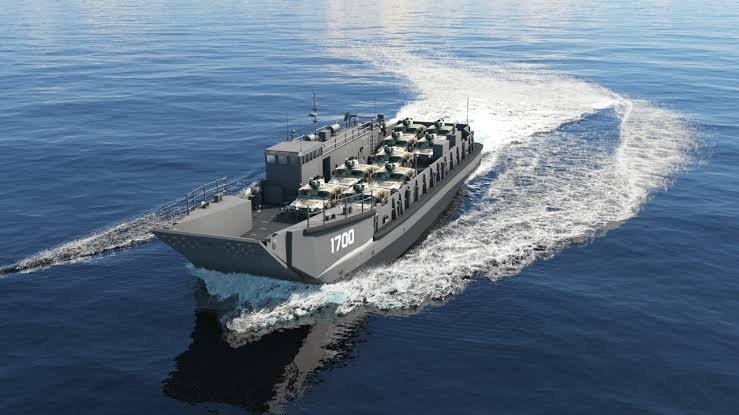 Indian Navy Issues RFI for Six Next-Generation LCU Mk V Vessels Under 'Make in India'
-
 New Satellite Imagery Reveals Rapid Progress at Japan’s Mageshima Island Military Base
-
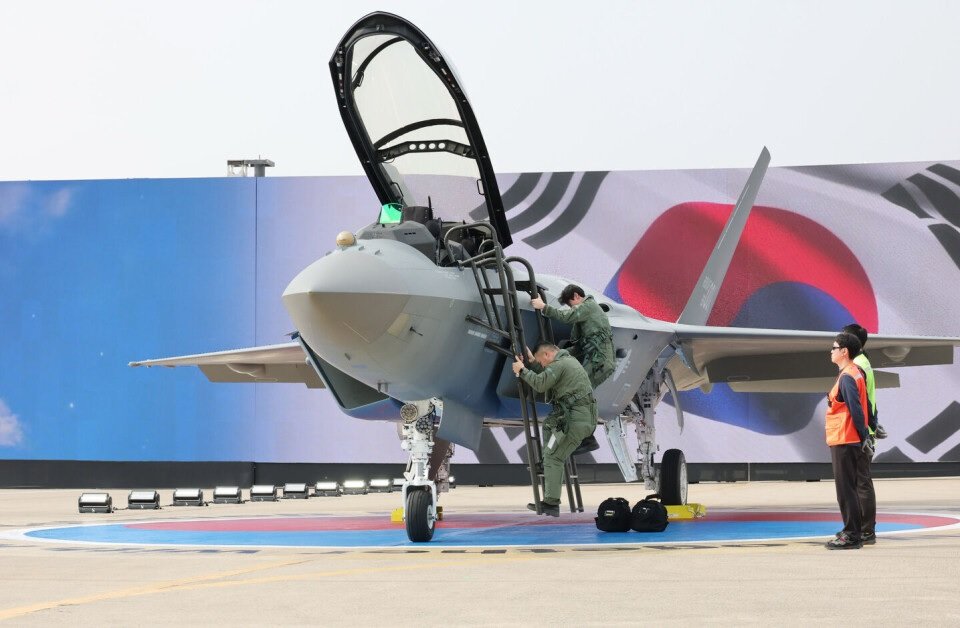 South Korea Delivers First Production KF-21 Boramae Fighter to Air Force
-
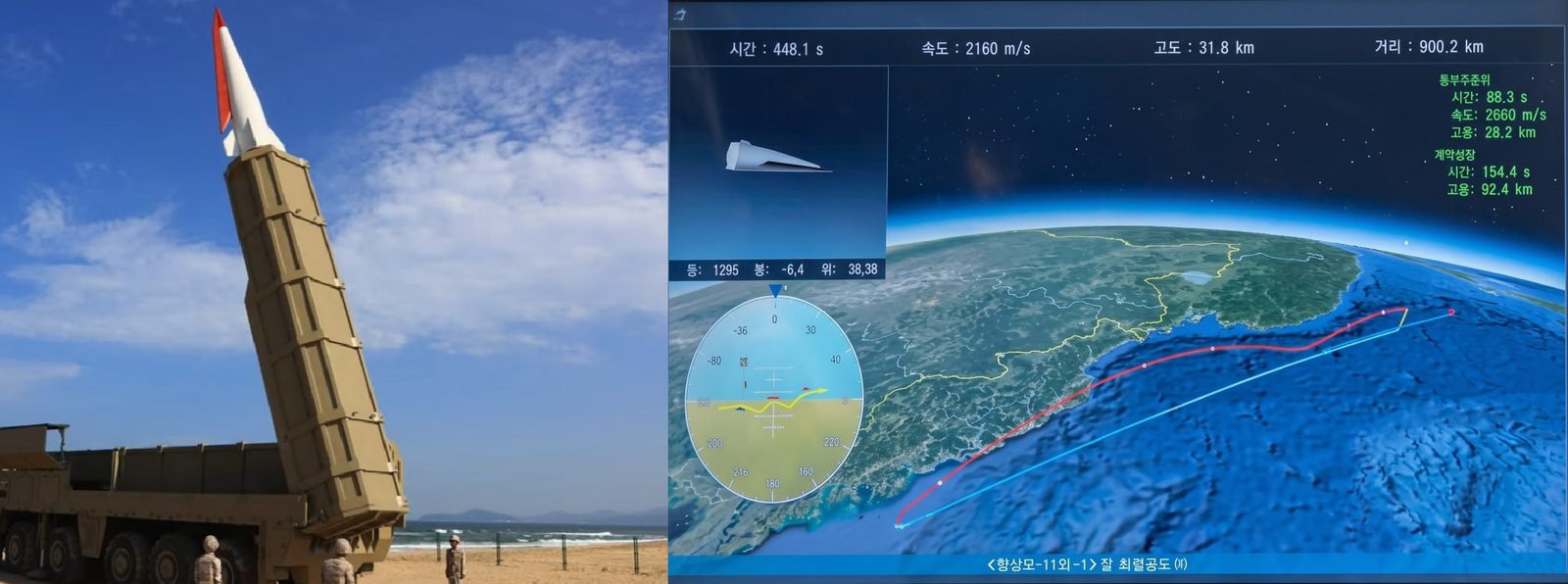 North Korea Tests Hwasongpho-11Ma-1, Combining Solid-Fuel Missile With Maneuverable Hypersonic Glide Vehicle
-
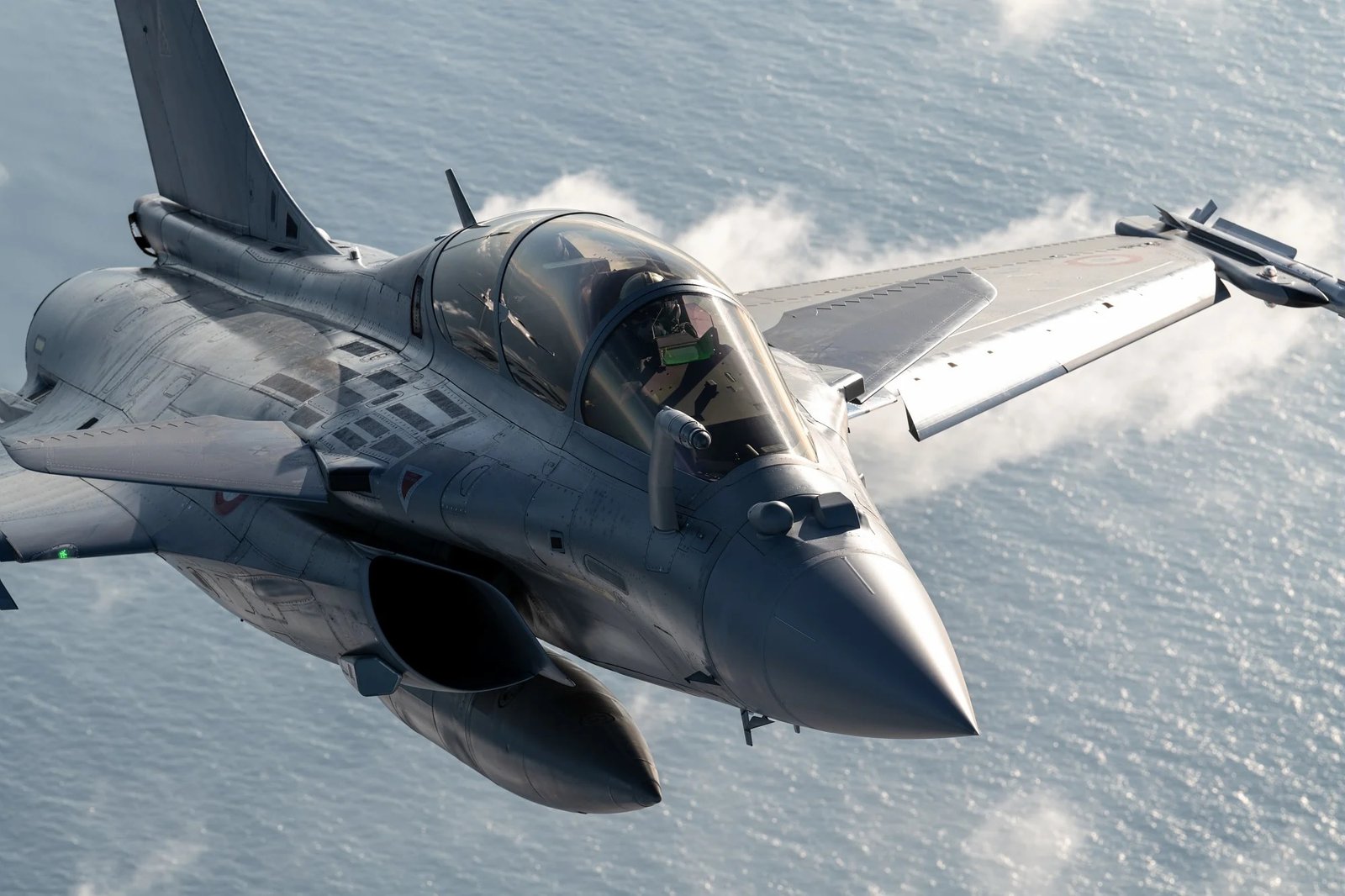 Dassault Aviation Flight-Tests Two Sovereign AI Algorithms on Rafale Fighter
-
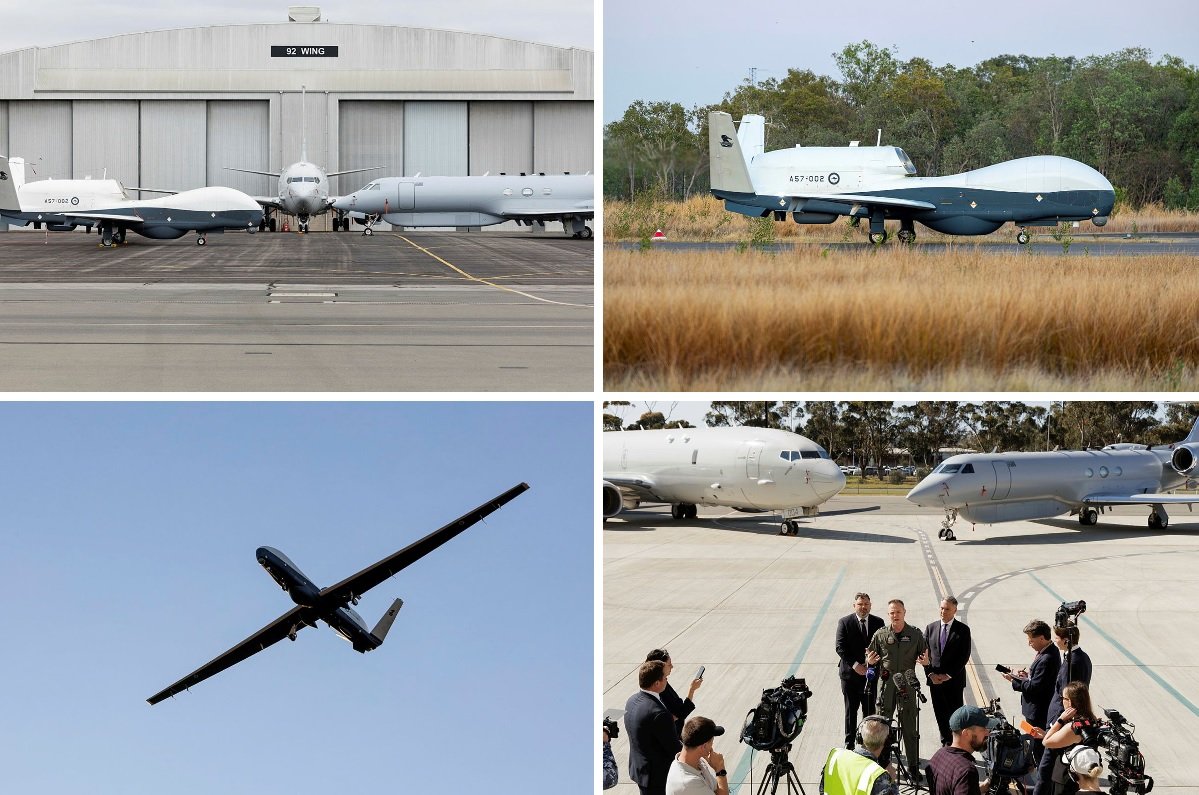 Australia’s MQ-4C Triton and MC-55A Peregrine Reach Initial Operational Capability
Top Trending in 4 Days
-
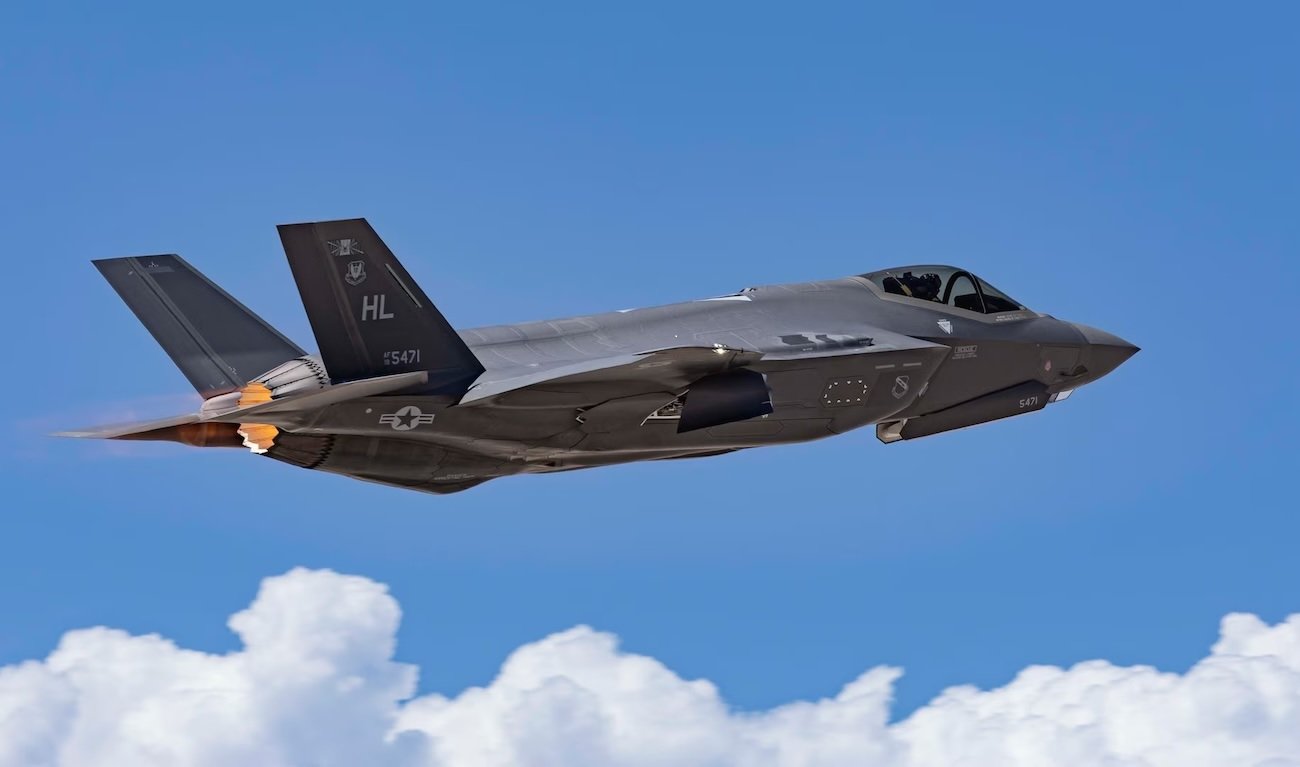 Sensitive F-35 Components Diverted to Hong Kong, Some Parts Missing
-
 U.S. Secures Permanent Military Rights in Greenland in Historic Security Pact with Denmark
-
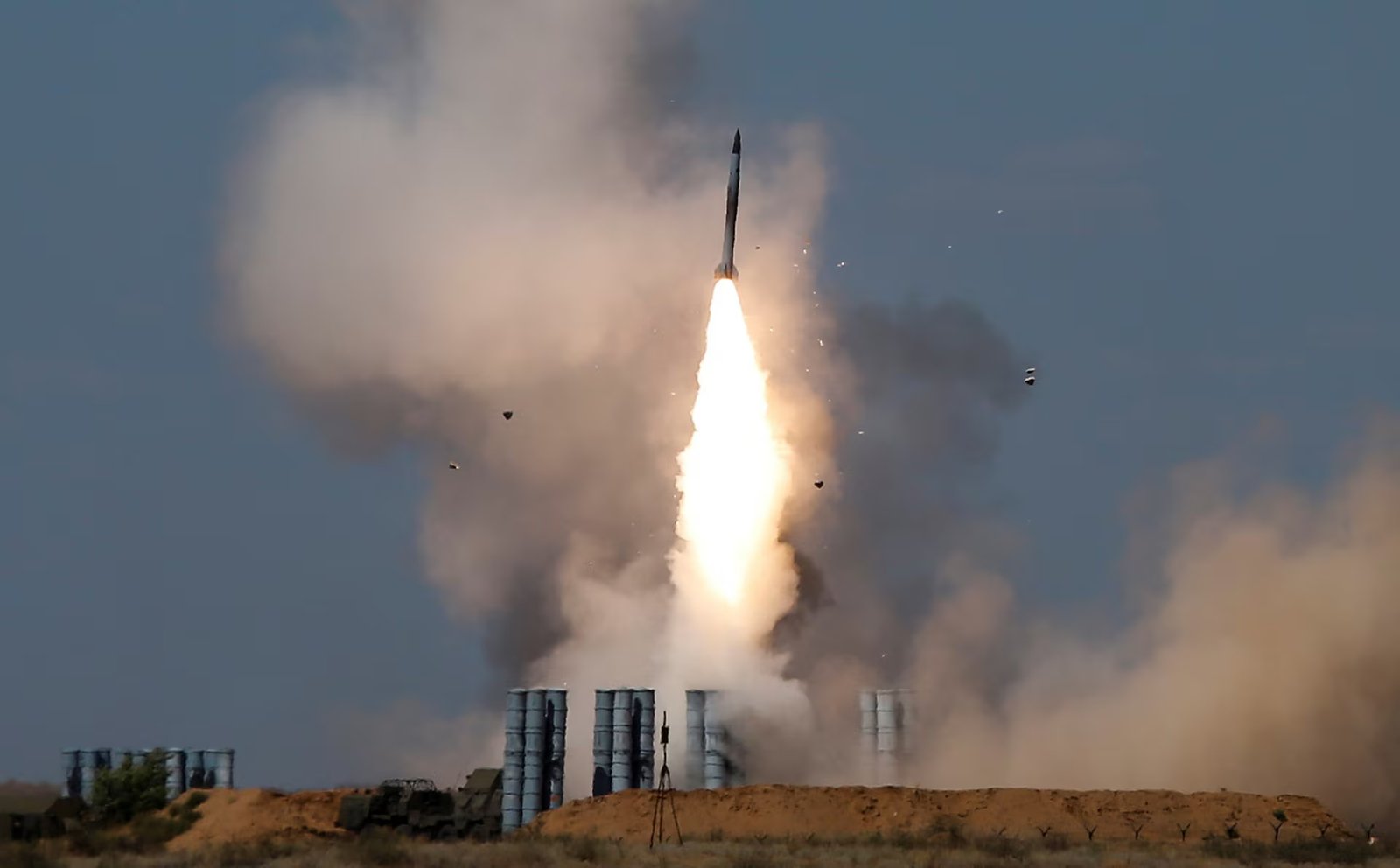 U.S. Approves Potential $2.68 Billion Air Defense Package for Ukraine Including S-300 Clone Missiles
-
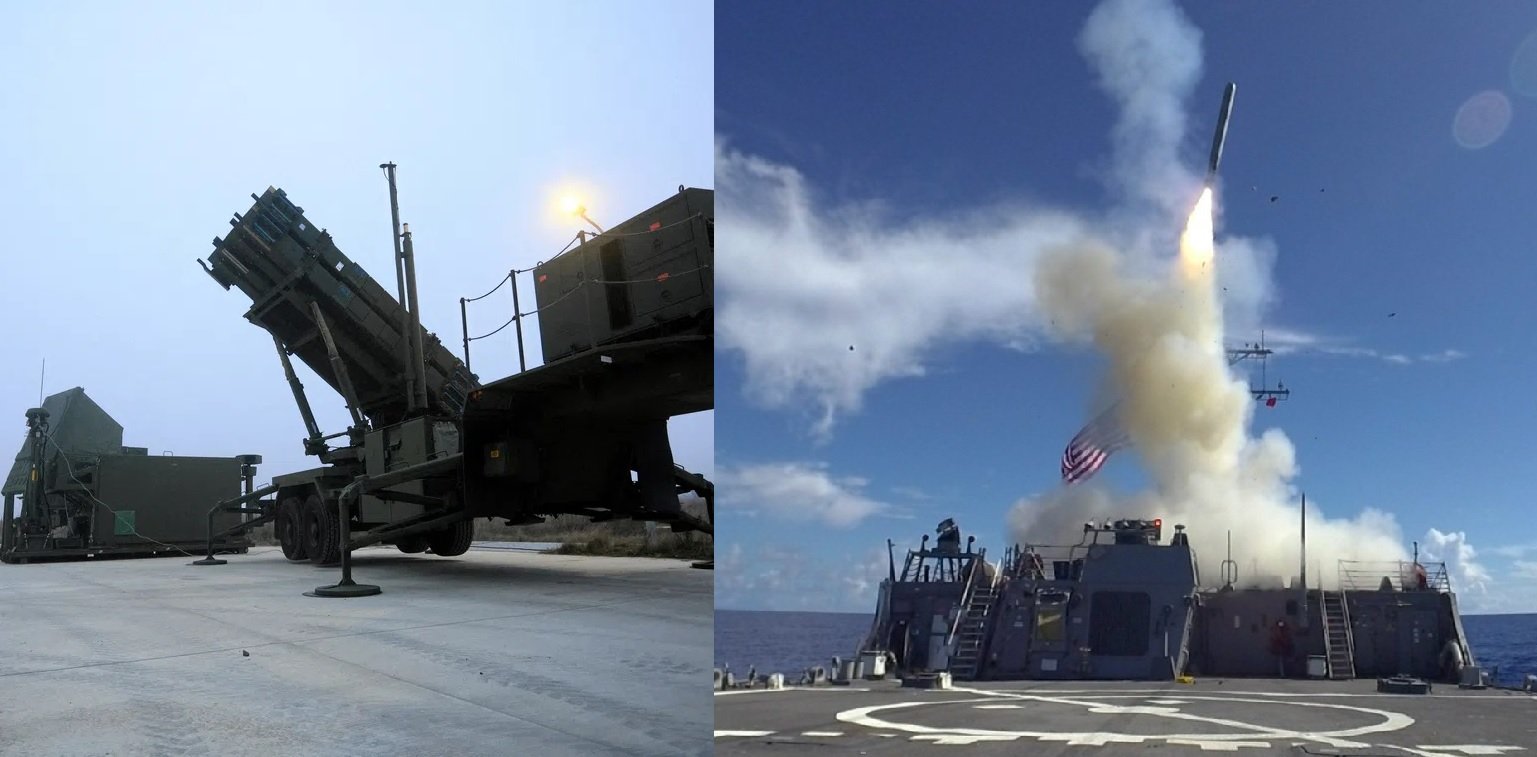 U.S. Warns Allies of Up to Five-Year Delays in Key Weapons Deliveries
-
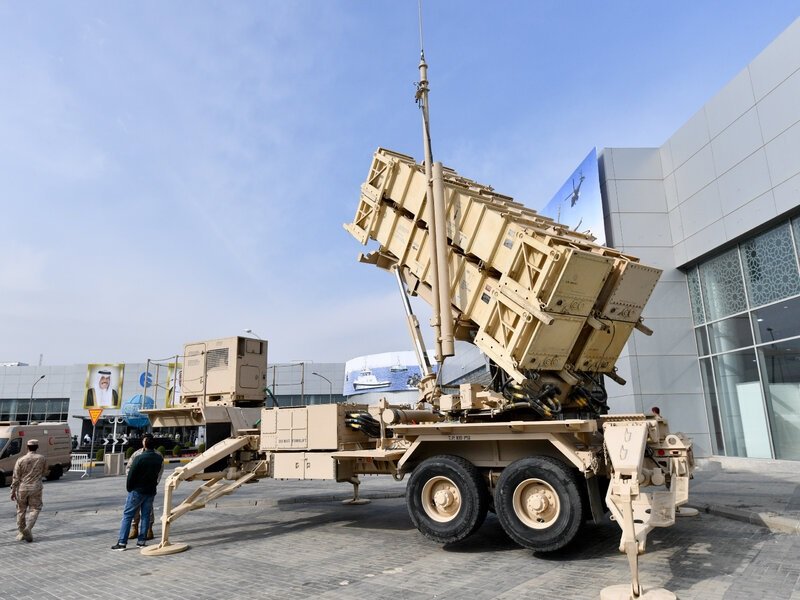 U.S. Iran War Cost Hits $43.6 Billion as Missile Interceptor Stocks Come Under Pressure
-
 India’s xTerra Robotics Launches Indigenous DHAV-Hy Wheeled-Legged Quadruped for Industrial Inspection
-
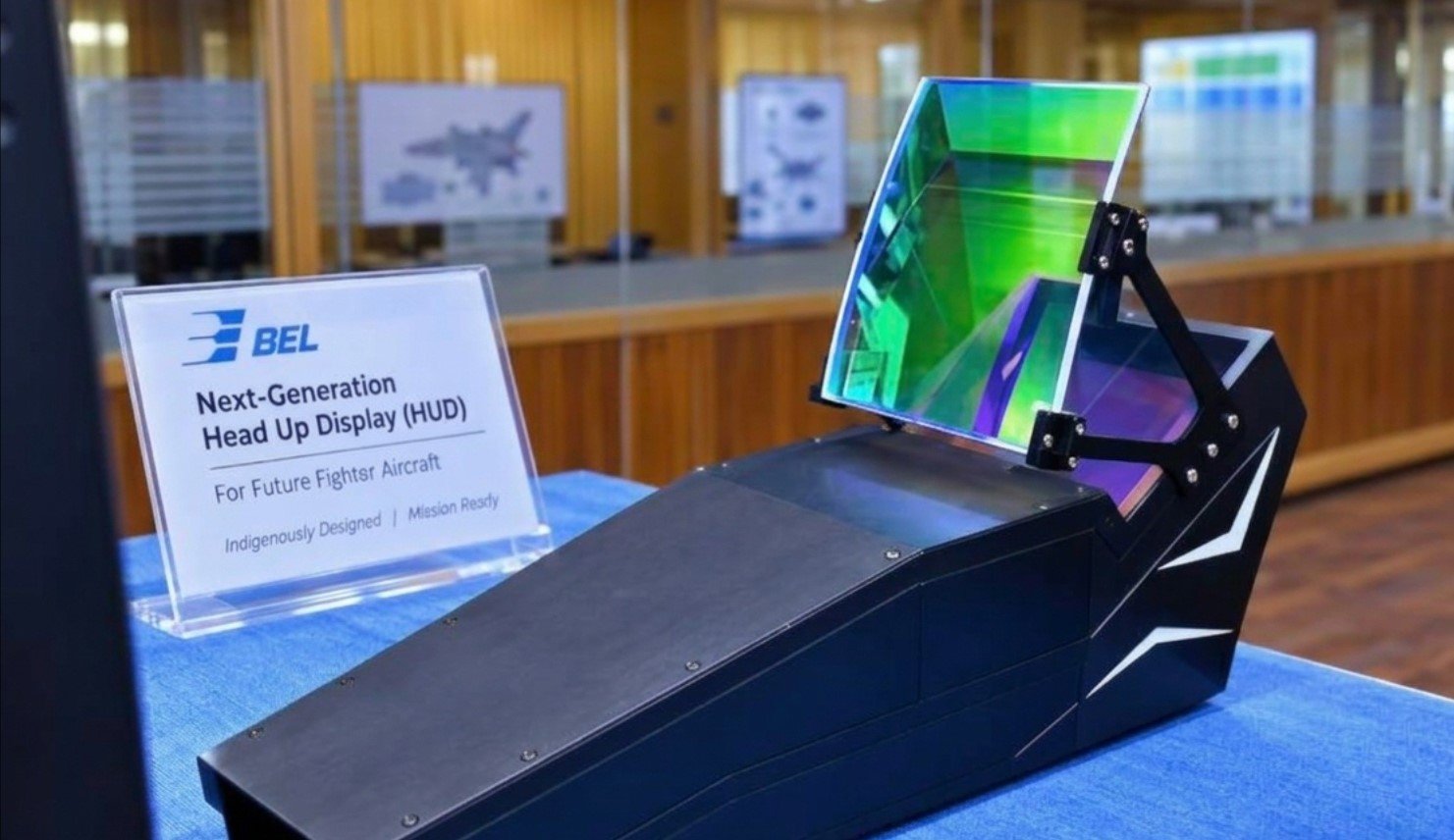 BEL Showcases New-Generation Head-Up Display, Potentially Linked to Tejas Mk2
-
 U.S. Army Awards $10.64 Million Contract to Ukrainian Drone Maker Skyeton for Raybird Systems