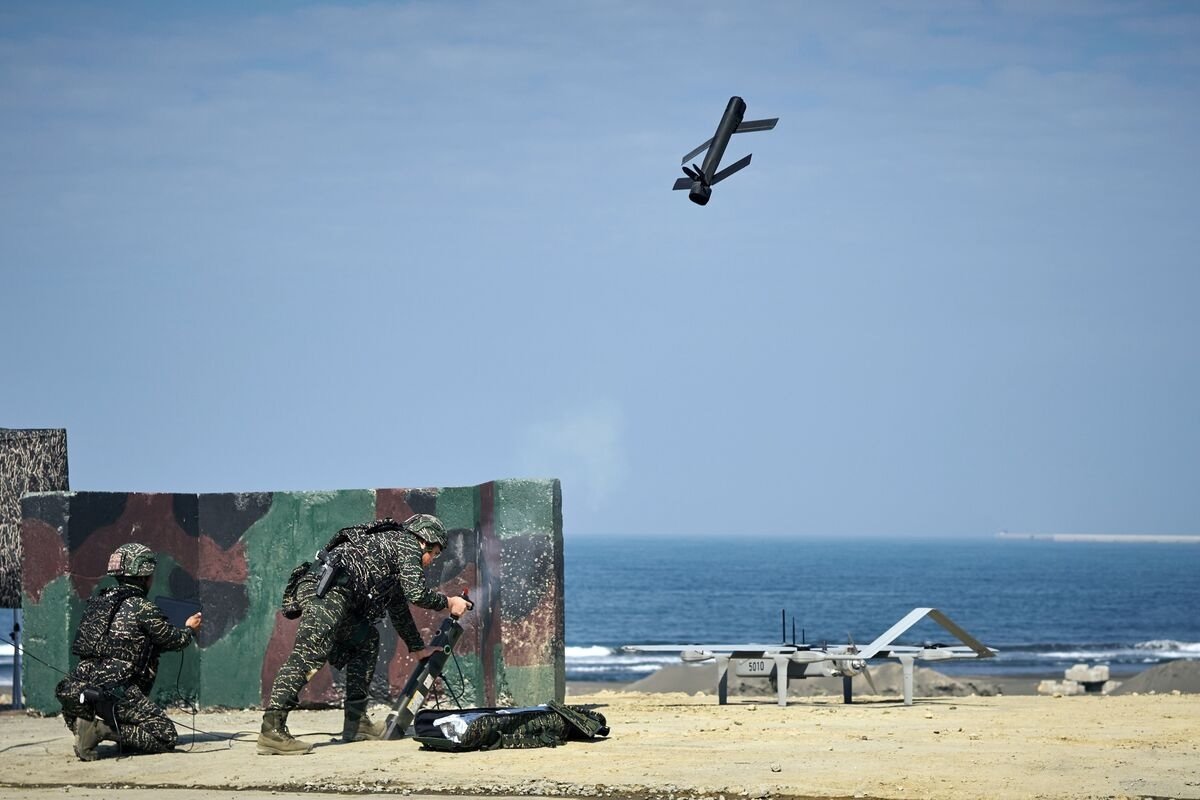
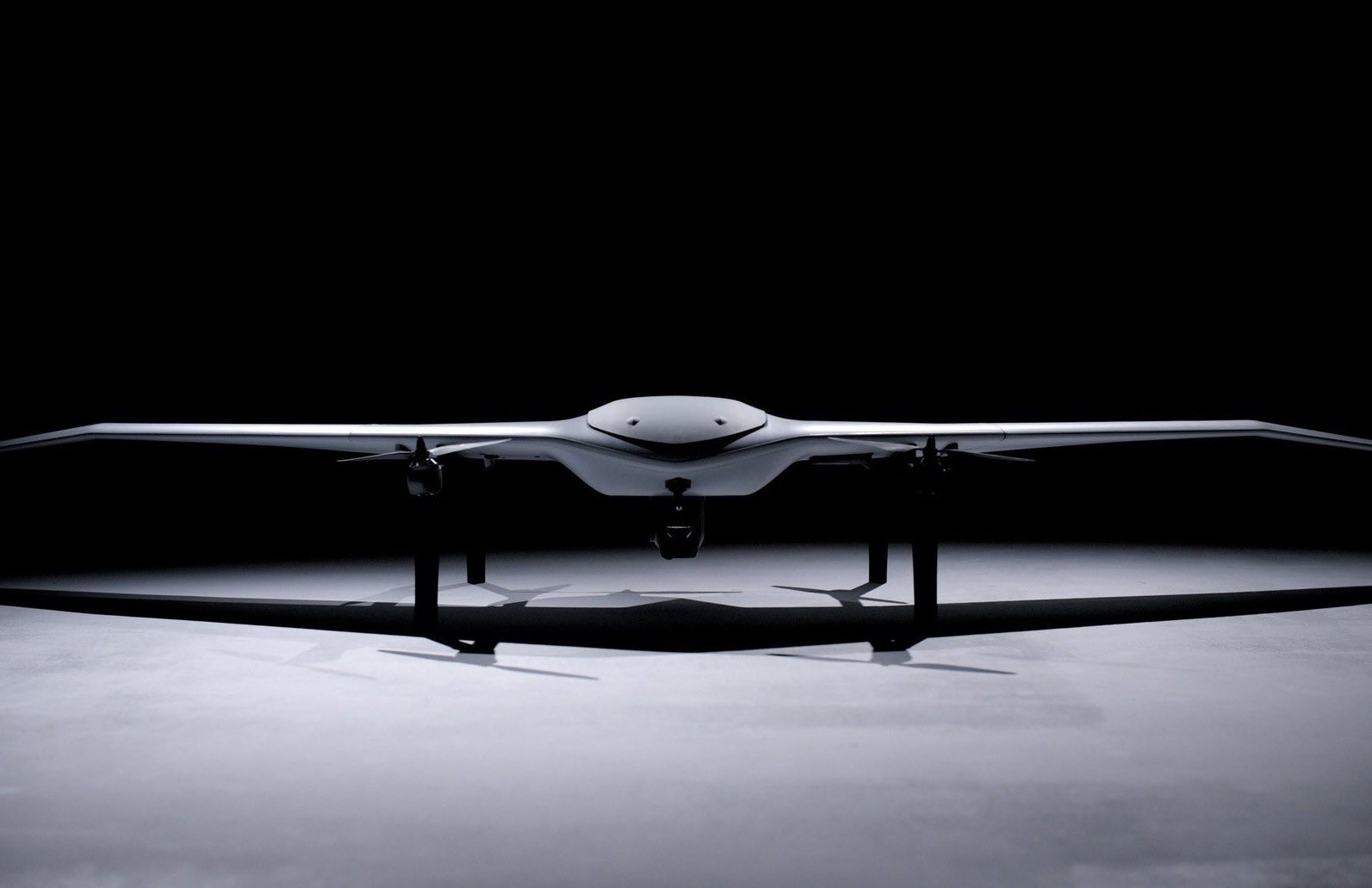
WASHINGTON, — May 17, 2026 : Cuba has acquired more than 300 military drones from Russia and Iran since 2023 and has recently discussed the potential use of those systems against the U.S. naval base at Guantanamo Bay, U.S. military vessels operating in the region, and Key West, Florida, according to classified U.S. intelligence shared with Axios.
The intelligence assessment states that Cuba has received attack drones of varying capabilities over the past three years. U.S. officials said the systems have been distributed and stored at multiple strategic locations across the island as Havana expands cooperation with Moscow and Tehran in the field of unmanned warfare.
According to a senior Trump administration official familiar with the assessment, intelligence intercepts collected within the past month indicate that Cuban officials formally requested additional drones and military equipment from Russia. The same intercepts reportedly showed Cuban intelligence personnel studying Iranian methods of resisting U.S. economic pressure and military operations.
U.S. officials also stated that Iranian military advisers are currently present in Havana, where they are believed to be assisting Cuban authorities in developing drone-related capabilities and broader security coordination.
The intelligence has raised concerns within the U.S. government regarding the growing presence of Russian and Iranian military technology near the American coastline. A senior U.S. official told Axios that Washington is particularly concerned about advanced drone systems operating close to U.S. territory and the involvement of adversarial states, including Russia and Iran.
The official stated that the intelligence reflects the Trump administration’s assessment that Cuba is becoming a more significant regional security concern due to developments in drone warfare and foreign military cooperation.
The report comes amid an increase in U.S. intelligence-gathering activity around Cuba. Since early February 2026, the U.S. Navy and U.S. Air Force have conducted at least 25 reconnaissance missions near Cuban airspace and coastal areas. The operations involved P-8A Poseidon maritime patrol aircraft, RC-135V Rivet Joint signals intelligence aircraft, and MQ-4C Triton high-altitude surveillance drones.
U.S. officials additionally noted that Russia and China continue to maintain advanced signals intelligence facilities on the island, which have long been monitored by American defense agencies.
CIA Director John Ratcliffe traveled to Havana earlier this week to deliver direct warnings to Cuban officials. According to a CIA official, Ratcliffe warned Cuban leadership against engaging in hostile actions and stated that Cuba could no longer serve as a platform for adversaries seeking to advance hostile agendas in the Western Hemisphere.
During a congressional hearing earlier this week, U.S. Defense Secretary Pete Hegseth addressed concerns over foreign military activity near the United States. Responding to questions from Representative Mario Diaz-Balart, Hegseth stated that the use of locations so close to U.S. shores by foreign adversaries presents a serious security concern.
U.S. officials said the intelligence does not indicate that an attack is imminent. However, one senior administration official stated that the assessment could potentially be used as justification for future U.S. military action if tensions escalate further.
Reuters reported that it could not independently verify the intelligence claims published by Axios.
The developments coincide with additional legal and economic measures being prepared by Washington against Havana. The U.S. Department of Justice is expected to unseal an indictment against former Cuban leader Raúl Castro, accusing him of ordering the 1996 shootdown of two civilian aircraft operated by the Miami-based humanitarian organization Brothers to the Rescue.
The Trump administration is also expected to announce additional economic sanctions targeting Cuba later this week as relations between Washington and Havana continue to deteriorate.
——— End of Article ———