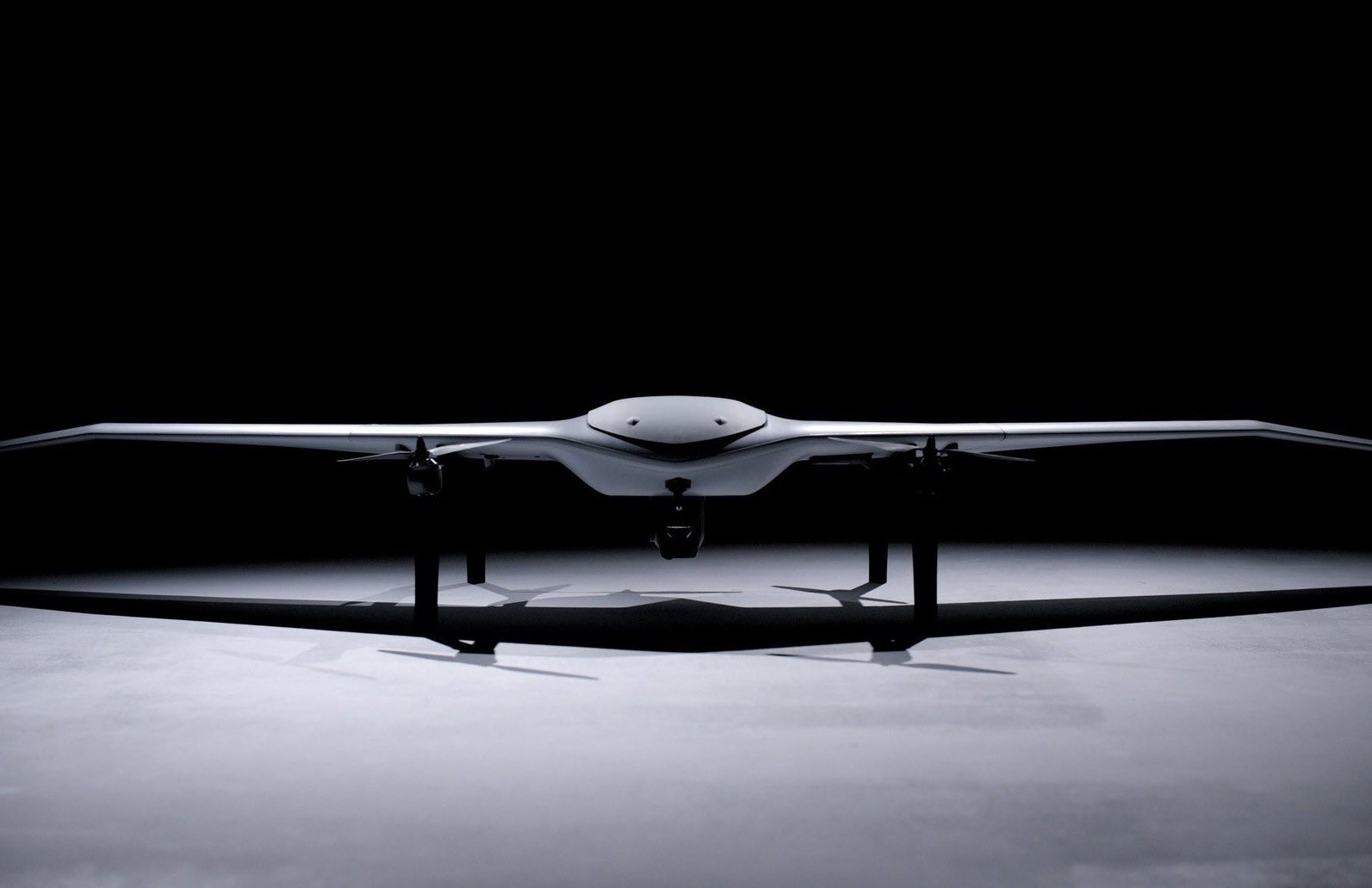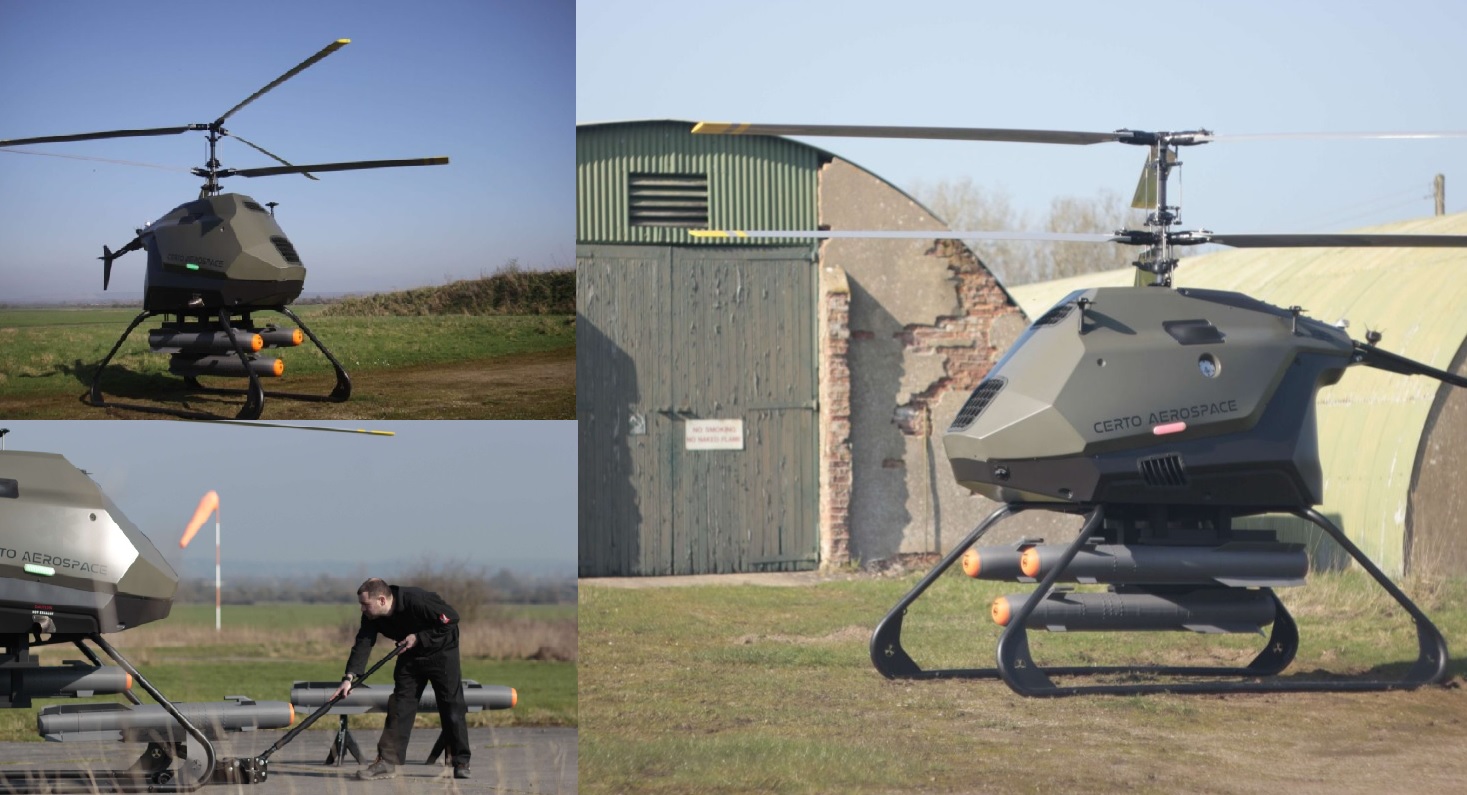
LONDON, — May 17, 2026 : Certo Aerospace has completed ground integration trials of its CAPSTONE unmanned air system using air-to-surface missile simulators, advancing the platform’s development as a potential autonomous support aircraft for the British Army’s AH-64E Apache fleet under Project NYX.
The trials were confirmed by Certo Aerospace Managing Director and Chief Executive Officer Justin Tooth, who stated that the company recently conducted tests involving simulated air-to-surface weapons mounted on the CAPSTONE platform. Images released alongside the announcement showed mock-up versions of the AGM-114 Hellfire missile attached to the aircraft.
According to the company, the evaluations focused on validating the aircraft’s mechanical mounting systems, electrical interfaces, and mission data connections with the simulated weapons prior to any future live-fire testing. The trials also assessed integration compatibility between onboard avionics and external stores systems.
Project NYX and BAE Systems Partnership
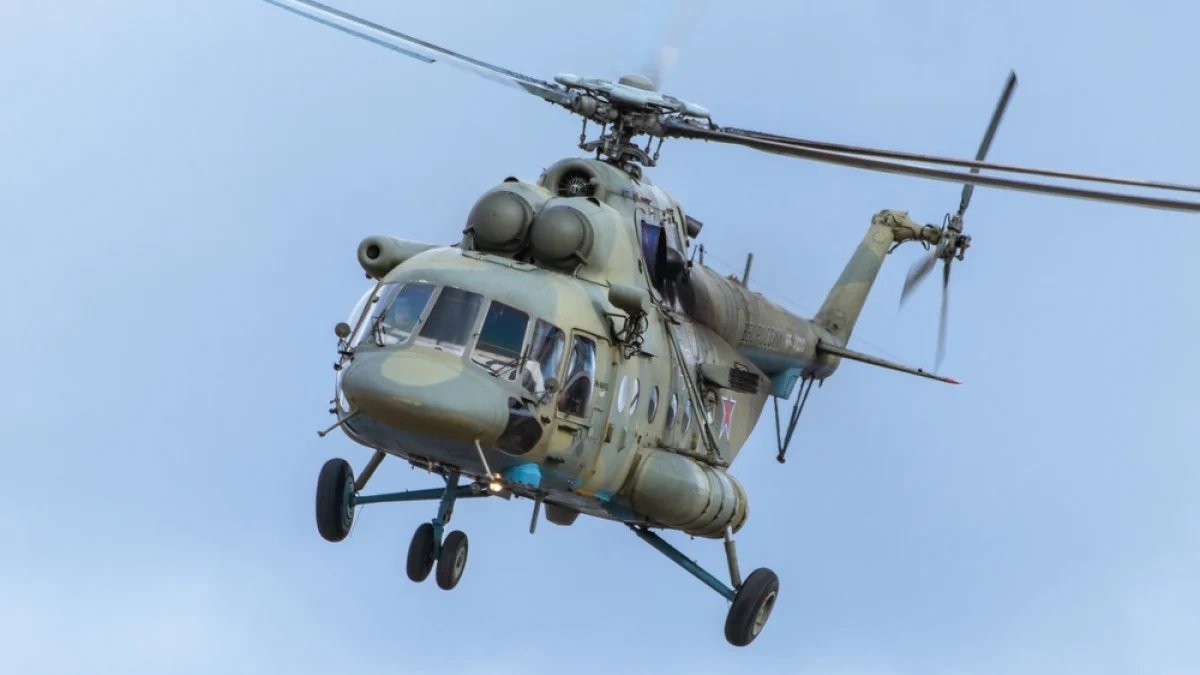
The testing comes as Certo Aerospace continues its partnership with BAE Systems under the British Army’s Project NYX programme, which aims to develop autonomous “loyal wingman” aircraft capable of operating alongside Apache AH-64E attack helicopters.
The UK Ministry of Defence formally announced the programme in May 2026, selecting four industry teams to proceed into the next stage of the competition. The remaining participants are Anduril Industries UK, BAE Systems Operations Ltd partnered with Certo Aerospace, Tekever Ltd, and Thales UK Ltd. The selected companies will share an initial £10 million funding package for concept development and demonstration activities.
Under the BAE Systems-Certo Aerospace arrangement, BAE Systems serves as the prime contractor and systems integrator, while Certo Aerospace provides the CAPSTONE aircraft platform and associated unmanned aviation technologies. The Ministry of Defence plans to reduce the competition to a maximum of two finalists by autumn 2026, with an operational capability expected to enter service by 2030.
Project NYX is intended to introduce advanced manned-unmanned teaming (MUM-T) capabilities to the British Army’s Apache force. The programme seeks to enable autonomous drones to conduct forward reconnaissance, target acquisition, electronic warfare, logistics support, and precision strike missions while remaining under the supervision of Apache crews.
British defence planners are also evaluating “command rather than control” concepts that would allow helicopter crews to direct autonomous systems through simplified control methods, including voice-command interfaces, without significantly increasing pilot workload.
CAPSTONE Platform Capabilities
CAPSTONE is a 600-kilogram-class rotary-wing unmanned air system designed around a co-axial contra-rotating rotor configuration that eliminates the need for a tail rotor. Originally developed for logistics operations, the aircraft has gradually expanded into multi-role applications including surveillance, casualty evacuation, maritime support, and combat support missions.
The aircraft has an approximate dry weight of 300 kilograms and can carry up to 300 kilograms of combined payload and fuel depending on mission requirements. Certo Aerospace has previously demonstrated cargo and casualty evacuation configurations capable of transporting payloads of up to 216 kilograms using modular external carriage systems.
The platform was developed using a Modular Open Systems Approach (MOSA), allowing rapid reconfiguration for different payloads and operational roles. CAPSTONE can be equipped with logistics pods, CASEVAC stretchers, surveillance systems, acoustic processing equipment, and other mission-specific payloads through standardized mounting interfaces.
The aircraft is also designed with a command-and-control agnostic architecture, enabling integration with existing military communication networks through IP mesh-enabled radios, cellular communication systems, and satellite communication links.
Performance specifications released by the company indicate a maximum operational range of approximately 300 miles, or 480 kilometres, with endurance of up to 10 hours depending on payload configuration. The co-axial rotor arrangement is intended to improve lift efficiency, manoeuvrability, hover stability, and acoustic performance compared with conventional helicopter designs.
Expanding Apache Operational Reach
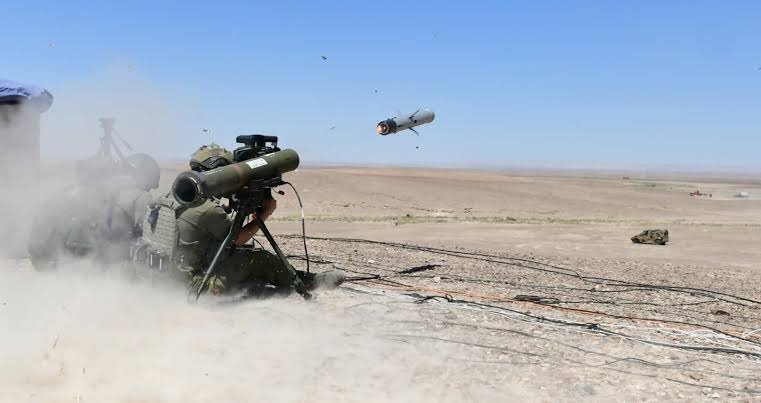
The integration of Hellfire missile simulators represents a significant expansion of CAPSTONE’s operational profile beyond logistics and surveillance missions. The AGM-114 Hellfire is the standard laser-guided air-to-surface missile used by the AH-64E Apache and carries a warhead weighing approximately nine kilograms with a range of around eight kilometres.
The recent ground trials serve as an initial technical step toward future armed capability demonstrations by validating weapon mounting hardware, electrical systems, and aircraft-to-weapon data interfaces.
By integrating autonomous support aircraft into Apache operations, the British Army aims to extend sensor coverage and strike range while reducing the exposure of manned helicopters to battlefield threats such as man-portable air-defence systems and hostile ground fire.
Ongoing Flight Testing
CAPSTONE flight testing has been conducted at Keevil Airfield in Wiltshire under authorization from the UK Civil Aviation Authority and is currently in its third year of flight trials.
Earlier in 2026, the platform also participated in Royal Navy anti-submarine warfare demonstrations involving sonobuoy deployment operations, highlighting the aircraft’s expanding role across multiple British military applications.
Certo Aerospace, founded by former British Armed Forces personnel, continues to position CAPSTONE as a domestically developed unmanned rotorcraft platform capable of bridging the operational gap between smaller drones and conventional manned helicopters for logistics, surveillance, and combat support missions.
——— End of Article ———