World
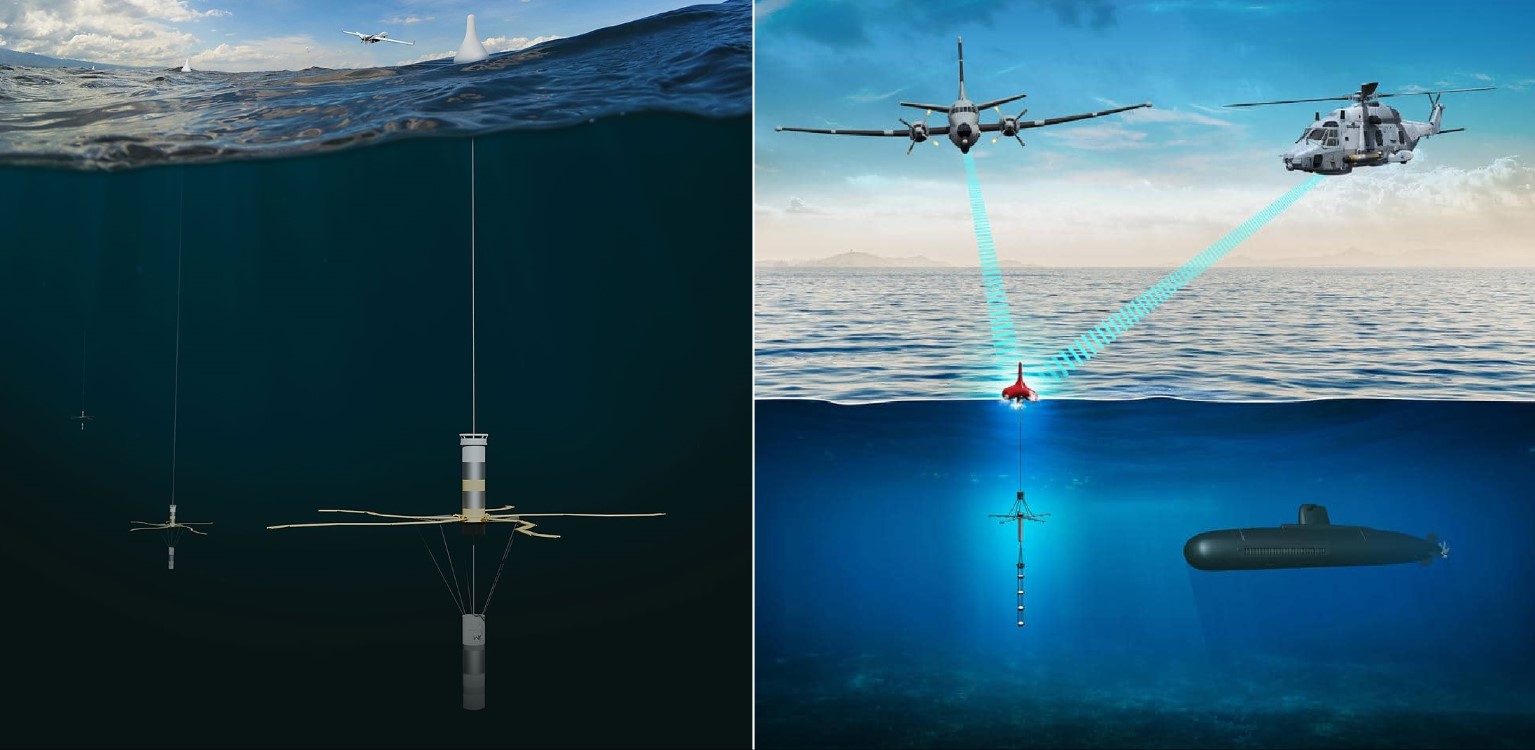
SCOTLAND, — June 11, 2026 : Ultra Maritime has successfully completed the first in-water deployment trial of its next-generation Multistatic Active Receive Sonobuoy (MSARS) in Scottish waters, marking a significant milestone in the development of advanced anti-submarine warfare (ASW) capabilities for the United Kingdom. The trial, announced on June 10, demonstrated the operational performance of the new MSARS system, which has been designed to provide improved detection and localization of underwater threats compared to the sonobuoys currently used by the Royal Navy. The successful deployment comes as the UK and its allies continue to strengthen maritime surveillance capabilities amid increased submarine and uncrewed underwater vehicle activity in the North Atlantic. The MSARS is a compact G-size sonobuoy that incorporates advanced signal-processing technology to improve target detection and tracking in complex underwater environments. Its smaller size enables greater deployment flexibility and makes it suitable for use from both crewed and uncrewed airborne platforms. Integration with MQ-9B SeaGuardian To accelerate operational deployment, Ultra Maritime is working with General Atomics Aeronautical Systems, Inc. (GA-ASI) to integrate the MSARS and other G-size sonobuoys onto the MQ-9B SeaGuardian uncrewed aerial system. As the exclusive manufacturer of G-size sonobuoys, Ultra Maritime's technology allows unmanned aircraft to carry a larger number of sensors while maintaining extended operational endurance. The integration is expected to support distributed multistatic ASW operations by expanding detection coverage and enhancing the ability to locate and track advanced underwater threats over larger maritime areas. The MQ-9B SeaGuardian, equipped with sonobuoy deployment and monitoring systems, is designed to provide persistent maritime surveillance. Combined with the new sonobuoy technology, the platform could significantly improve long-duration monitoring missions without exposing crewed aircraft to operational risks. Developed Under Atlantic Bastion Programme The MSARS programme has been developed with sponsorship from the Defence Science and Technology Laboratory (Dstl), which operates under the UK Ministry of Defence’s National Armaments Director Group. The project directly supports the goals of the Atlantic Bastion programme, launched by the UK government in December 2025. The initiative aims to strengthen the Royal Navy’s underwater surveillance and anti-submarine warfare capabilities through the integration of autonomous systems, artificial intelligence, and conventional naval assets. Under the programme, crewed platforms such as the Merlin Mk2 helicopter and Royal Navy warships are being combined with uncrewed air, surface, and underwater systems to create a more connected and responsive maritime force. A key objective of Atlantic Bastion is the protection of critical undersea infrastructure, including communication cables, energy pipelines, and other strategic assets that support national security and economic activity. The programme seeks to establish a distributed digital surveillance network capable of monitoring and tracking potential threats across large sections of the Atlantic Ocean. Previous Development Milestones The successful in-water deployment follows earlier development achievements, including the completion of the programme’s Preliminary Design Review in March 2025. The latest trial represents an important transition from system development and testing toward future operational deployment. Ultra Maritime has continued to expand its role in the UK’s ASW sector. In February 2026, the company received a £40 million contract from the UK Ministry of Defence to supply sonobuoys for the Royal Navy’s Merlin maritime patrol helicopters. The company also operates a new integrated design and manufacturing facility in Greenford, west London, which was opened in 2025 to support increased production and development activities. Advancing Future Maritime Surveillance According to defence officials, the successful Scottish waters trial demonstrates progress in bringing next-generation ASW technologies closer to frontline service. By combining advanced sonobuoys with autonomous aerial platforms such as the MQ-9B SeaGuardian, the UK aims to improve underwater domain awareness and expand its ability to detect and monitor submarine activity across strategically important maritime regions. Further testing, evaluation, and integration activities involving the MSARS and MQ-9B SeaGuardian are expected to continue in the coming months as the technology moves toward operational deployment within future Royal Navy and allied maritime surveillance missions.
Read More → Posted on 2026-06-11 14:21:31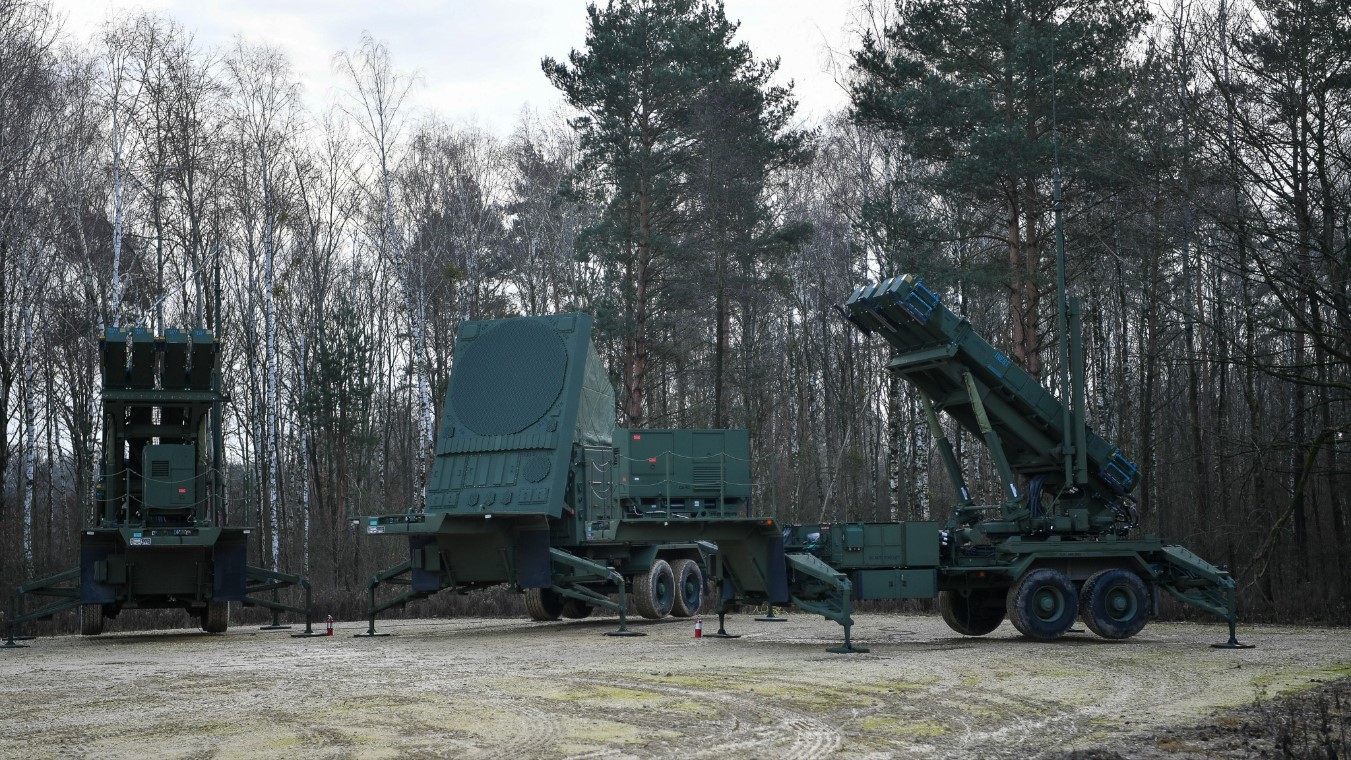
World
HUNTSVILLE, Alabama, — June 11, 2026 : The U.S. Department of Defense has awarded Northrop Grumman Systems Corp. a $30.76 million contract modification to provide sustainment and logistics support for Poland’s WISLA Integrated Air and Missile Defense Battle Command System (IBCS). The contract modification was awarded by the U.S. Army Contracting Command at Redstone Arsenal, Alabama, and increases the total value of the sustainment agreement to approximately $78.4 million. The work will be performed primarily in Huntsville, Alabama, and is scheduled for completion by December 31, 2029. Funding is being provided through Fiscal Year 2026 Foreign Military Sales (FMS) funds from Poland. The WISLA program is Poland’s national effort to establish a layered air and missile defense capability capable of countering ballistic missiles, cruise missiles, aircraft, and other aerial threats. The system combines the Patriot air defense system with Northrop Grumman’s Integrated Battle Command System (IBCS), creating a networked command-and-control architecture that links sensors and interceptors across multiple platforms. Unlike traditional air defense systems that rely on individual radars, IBCS enables operators to use data from multiple sensors, including ground-based radars and airborne surveillance assets, to create a unified air defense picture. The system allows any connected interceptor to engage a detected threat, improving coverage, flexibility, and resilience if individual sensors are disrupted or destroyed. Poland became the first U.S. ally to acquire and deploy IBCS. Following the achievement of Initial Operational Capability (IOC) in 2024, the Polish Ministry of National Defense declared Full Operational Capability (FOC) for the IBCS-enabled WISLA system in December 2025. The system is considered one of the most advanced integrated air defense networks within NATO. Under the modified contract, Northrop Grumman will provide ongoing support for the WISLA network, including materials maintenance, threat library updates, engagement algorithm improvements, communications support, hardware sustainment, and Air Defense Artillery Reconfigurable (ART) training. The company received the contract on a sole-source basis as the original developer of the IBCS architecture. Poland’s investment in the WISLA program is part of a broader military modernization effort driven by regional security concerns. The country shares borders with Russia’s Kaliningrad exclave and Belarus and has accelerated defense spending since 2022. Poland plans to allocate approximately 4.8 percent of GDP to defense in 2026, the highest level among NATO member states. The WISLA program currently includes Patriot-based air defense batteries, with plans for further expansion through additional launchers, interceptors, and advanced radar systems. Parts of the program are also being produced in Poland under industrial cooperation agreements. The U.S. Army declared IBCS Initial Operational Capability in 2023 and began fielding the system domestically in 2024. Northrop Grumman continues to support both U.S. and international IBCS programs, including Poland’s WISLA and NAREW air defense initiatives. The latest contract modification ensures continued operational readiness and modernization of Poland’s WISLA air and missile defense network through the end of 2029.
Read More → Posted on 2026-06-11 14:12:28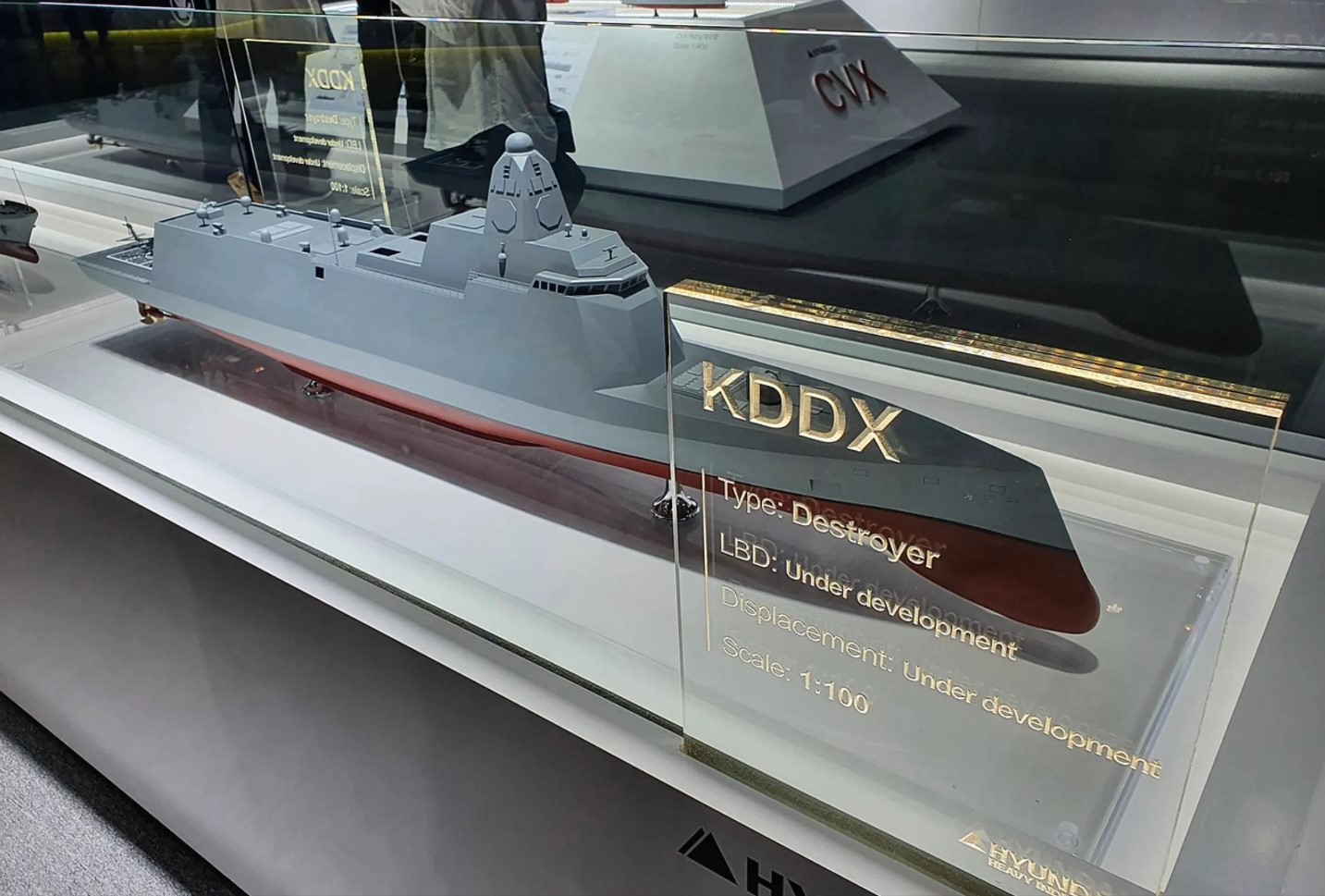
World
SEOUL, — June 11, 2026 : South Korea’s Defense Acquisition Program Administration (DAPA) has selected Hanwha Ocean as the preferred bidder for the Korean Next-Generation Destroyer (KDDX) program, marking a major step forward in one of the country’s most significant naval modernization initiatives. The program, valued at approximately 7.8 trillion KRW (US$5.7 billion), aims to build six advanced destroyers for the Republic of Korea Navy (ROKN) by 2030. The decision was announced following a competitive evaluation process in which Hanwha Ocean narrowly surpassed its main rival, HD Hyundai Heavy Industries, by 0.5867 points, according to government and industry sources on June 11, 2026. Evaluation Results and Contractor Selection The evaluation process concluded after more than two years of competition between South Korea’s two leading naval shipbuilders. Although HD Hyundai Heavy Industries reportedly achieved a higher score in the technical capability assessment by 0.64 points, the company received a 1.2-point security-related deduction that ultimately affected the final outcome. The penalty was linked to previous legal convictions involving the unauthorized acquisition of KDDX conceptual design materials. HD Hyundai Heavy Industries sought a court injunction to prevent the extension of the deduction period, but the court dismissed the request on June 5, 2026, allowing the penalty to remain in effect until December 2026. Industry analysts noted that the deduction played a significant role in determining the final ranking between the two bidders. The result remains subject to standard review and objection procedures before DAPA formally confirms the contract award. Major Naval Modernization Program The KDDX (Korean Destroyer Next Generation) program is considered a cornerstone of South Korea’s future naval strategy. The project is designed to deliver six advanced destroyers that will become the first fully indigenous destroyer class developed for the Republic of Korea Navy. Unlike previous destroyer programs that relied heavily on foreign technologies, the KDDX class will incorporate a domestically developed hull design, combat management system, and key sensors, reflecting South Korea’s broader effort to strengthen defense self-reliance. The destroyers are planned as 6,000-ton-class warships, with reported light-load displacement of approximately 7,100 tons and full-load displacement estimates of around 8,000 tons. Advanced Design and Combat Systems The KDDX class will introduce several advanced technologies into the ROK Navy fleet. Among the key features is an Integrated Electric Propulsion System (IEPS), which is expected to improve fuel efficiency, reduce acoustic signatures, and provide greater electrical power for future combat systems. The ships will also feature a stealth-optimized hull design intended to reduce radar detection. Another notable component is the Integrated Mast (I-MAST), which will house a domestically developed dual-band S/X phased-array Multi-Function Radar. The radar is designed to enhance target detection, tracking, and engagement capabilities against multiple airborne and surface threats. The vessels will also incorporate advanced automation systems aimed at reducing crew requirements while improving operational efficiency and maintenance management. Weapons and Mission Capabilities The KDDX destroyers are expected to be equipped with both Korean Vertical Launch System-I (KVLS-I) and KVLS-II launchers, enabling the deployment of a wide range of indigenous missile systems. Planned armament includes the K-SAAM short-range air defense missile and the Ship-to-Air Missile-II, a long-range naval air defense missile developed by LIG Nex1. Additional weapons are expected to include the Mk 45 5-inch naval gun, CIWS-II close-in weapon systems, anti-ship missiles, and land-attack missiles, including variants of the Hyunmoo-3C and Haeseong (SSM-700K) missile families. The destroyers are designed to perform a wide range of missions, including anti-air warfare, anti-surface warfare, and anti-submarine warfare, providing the ROK Navy with enhanced multi-mission capabilities. Replacing Aging Destroyers Once commissioned, the KDDX ships will serve as core assets within the ROK Navy’s Task Fleet Command. They are intended to gradually replace the aging KDX-I Gwanggaeto the Great-class destroyers, which have been in service for more than two decades. The program is expected to significantly improve South Korea’s maritime defense capabilities while strengthening indigenous naval shipbuilding and combat-system development. Program Delays and Future Timeline The KDDX project was originally expected to move into the next phase in 2024, but contractor selection disputes and legal issues contributed to delays in the program schedule. The competition for the detailed design and lead ship construction contract represented a departure from traditional sole-source follow-on contracts commonly used in previous naval programs. HD Hyundai Heavy Industries completed the program’s basic design phase in December 2023 after securing that contract in 2020. Hanwha Ocean, formerly known as Daewoo Shipbuilding & Marine Engineering, has extensive experience in detailed design and first-of-class construction for South Korean submarine programs. If the selection is finalized after the review process, Hanwha Ocean will proceed with detailed engineering work and construction of the lead ship. The first KDDX destroyer is currently targeted for delivery to the Republic of Korea Navy by the end of 2032, with additional vessels expected to enter service in sequence afterward. Impact on South Korea’s Shipbuilding Industry The contract is widely regarded as one of the most important naval shipbuilding awards in South Korea in recent years. Industry observers believe the company selected to build the lead ship will gain a significant advantage in securing follow-on vessel orders and future naval export opportunities. With the KDDX program moving toward its next phase, South Korea continues its efforts to develop advanced indigenous naval capabilities, reduce dependence on foreign defense technologies, and strengthen its position in the global naval shipbuilding market.
Read More → Posted on 2026-06-11 14:01:52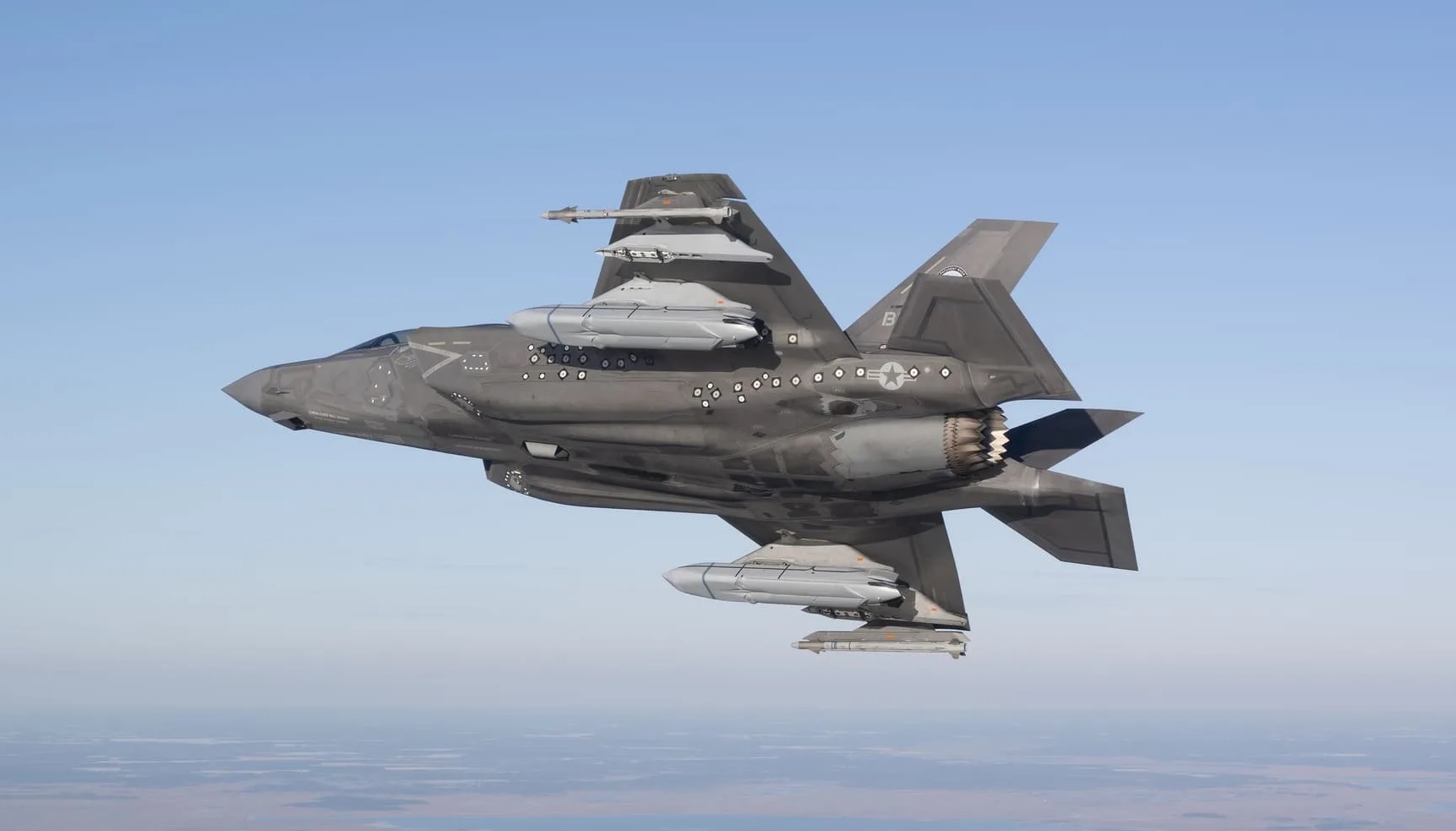
World
PATUXENT RIVER, Maryland — June 11, 2026 : The U.S. Navy, in partnership with Lockheed Martin, has successfully completed the first phase of the F-35C LRASM Flight Sciences Test Program, marking a significant step toward integrating the AGM-158C Long-Range Anti-Ship Missile (LRASM) with the carrier-based F-35C Lightning II fighter aircraft. Lockheed Martin announced on June 10, 2026, that the initial phase of testing concluded following a series of integration flight trials conducted between September 2024 and April 2026 at Naval Air Station Patuxent River, Maryland. The milestone allows the program to move forward with the next stages of the missile integration effort. The AGM-158C LRASM, due to its size, is carried externally on the F-35C’s wing stations rather than inside the aircraft’s internal weapons bays. The U.S. Navy released the first images of the external carriage configuration in September 2024 shortly after testing began. Captive Carriage Testing Validates Aircraft and Missile Integration The first phase of the program focused on captive carriage flight testing, a critical step in evaluating how the aircraft performs while carrying a large external weapon. During these flights, engineers assessed aerodynamic characteristics, structural loads, flutter behavior, handling qualities, and overall flight performance across various operating conditions. According to Lockheed Martin, the tests successfully validated the structural integrity of both the aircraft and missile integration system throughout the planned flight envelope. The data collected confirmed that the F-35C can safely operate with the LRASM attached under a range of flight profiles. A notable event during the campaign occurred on November 6, 2025, when a U.S. Marine Corps pilot participated in a rate-capture test as part of the broader flight sciences evaluation. Testing was conducted by the Pax River F-35 Integrated Test Force (ITF), which coordinated efforts among Navy, Marine Corps, and industry teams. To streamline the program and maximize efficiency, the test team utilized assets from both the LRASM and AGM-158 Joint Air-to-Surface Standoff Missile (JASSM) programs. Because the two weapons share a common external airframe design, data gathered from both missile families contributed to the integration effort. Next Phase to Include Separation and Weapon Testing With captive carriage trials completed, the program will proceed to the next stages of testing. Upcoming evaluations will include separation tests, which will examine the missile's behavior immediately after release from the aircraft, followed by comprehensive weapon testing to assess the missile’s full engagement profile. Neither the U.S. Navy nor Lockheed Martin has announced a timeline for future live-fire demonstrations or operational testing activities. Expanding Long-Range Strike Capability for Carrier Air Wings The integration of LRASM is expected to significantly enhance the F-35C’s ability to engage enemy surface vessels from long distances while operating in contested environments. Once fully integrated, the aircraft will gain a dedicated long-range anti-ship strike capability similar to that already fielded on the B-1B Lancer strategic bomber and the F/A-18E/F Super Hornet. “By integrating LRASM onto the F-35, we’re giving our warfighters a powerful capability that enhances mission flexibility and expands their operational options,” said Jon Hill, Vice President and General Manager of Lockheed Martin Air Dominance and Strike Weapons. Sean Jackson, Vice President of F-35 Development, stated that integrating LRASM onto the fifth-generation fighter reflects continued investment by the United States and allied partners in expanding the aircraft’s mission capabilities, particularly for long-range maritime and land-attack operations. The U.S. Marine Corps has also conducted similar AGM-158 integration activities on the F-35B short takeoff and vertical landing variant, supporting broader efforts to field the missile family across multiple F-35 versions. About the AGM-158C LRASM The AGM-158C LRASM is a low-observable, long-range anti-ship cruise missile derived from the AGM-158B JASSM-ER (Extended Range). Originally developed through a program led by the Defense Advanced Research Projects Agency (DARPA) for the U.S. Air Force and Navy, the missile was designed to address the military’s Offensive Anti-Surface Warfare (OASuW) capability requirements. The weapon is specifically engineered to operate in heavily contested environments where electronic warfare, jamming, and degraded communications may limit traditional targeting methods. After navigating toward a designated area using GPS guidance, the missile employs onboard sensors and advanced processing systems to locate, identify, and track targets before executing terminal guidance. Its semi-autonomous targeting capability reduces dependence on external Intelligence, Surveillance, and Reconnaissance (ISR) assets and network connections. Current LRASM Variants and Future Development The Navy’s OASuW Increment 1 program currently includes three LRASM variants. LRASM 1.0, which achieved early operational capability in 2019, is operational on the B-1B Lancer and F/A-18E/F Super Hornet fleets. LRASM 1.1, fielded in 2023, is undergoing Initial Operational Test and Evaluation (IOT&E) and is also being integrated onto the P-8A Poseidon maritime patrol aircraft. The next version, LRASM C-3, focuses on extending the missile’s anti-surface warfare range and updating its target threat library. The U.S. Navy plans to achieve early operational capability in the fourth quarter of Fiscal Year 2026. The LRASM C-3 program is intended to serve as a bridge capability until the Department of Defense launches the OASuW Increment 2 program. The future competition-based Increment 2 effort is expected to reach early operational capability in Fiscal Year 2029 and initial operational capability in Fiscal Year 2031. Production Expansion to Meet Growing Demand As integration activities continue across multiple platforms, Lockheed Martin has expanded manufacturing capacity for both the LRASM and JASSM missile families. The company has invested in production facilities, including its operations in Pike County, Alabama, to support increasing demand from U.S. military services and international customers. The completion of the first phase of the F-35C LRASM Flight Sciences Test Program represents an important milestone in bringing long-range maritime strike capability to the Navy’s carrier-based fifth-generation fighter fleet. Future testing will determine the timeline for full operational integration and fleet deployment of the missile system.
Read More → Posted on 2026-06-11 13:46:22
World
SAN DIEGO, — June 10, 2026 : The U.S. Navy’s Nimitz-class aircraft carrier, USS Theodore Roosevelt (CVN-71), departed its homeport of San Diego on June 10 to begin transit and preparations for participation in the Rim of the Pacific (RIMPAC) 2026 multinational naval exercise, scheduled to take place from June 24 to July 31 in and around Hawaii and Southern California. Hosted by the U.S. Pacific Fleet, RIMPAC 2026 marks the 30th edition of the biennial exercise and is expected to be the largest in its history. The exercise will bring together forces from 31 nations, including approximately 40 surface ships, five submarines, more than 140 aircraft, and over 25,000 military personnel. This year’s theme, “Partners: Integrated and Prepared,” emphasizes multinational cooperation, interoperability, and maritime security. The exercise will be led by Vice Admiral John Wade as Combined Task Force commander. Chile will serve as deputy commander, Japan as vice commander, the Republic of Korea will lead the maritime component, and Canada will command the multinational air component. During the five-week exercise, participating forces will conduct a wide range of operations, including anti-submarine warfare, air defense missions, amphibious landings, gunnery and missile drills, mine countermeasure operations, explosive ordnance disposal, humanitarian assistance, disaster response, and military medical training. The USS Theodore Roosevelt serves as the flagship of Carrier Strike Group 9 and carries Carrier Air Wing 11. The nuclear-powered aircraft carrier, commissioned in 1986, is approximately 1,092 feet long and can accommodate nearly 5,700 sailors and air wing personnel. Its embarked aircraft include F/A-18E/F Super Hornets, E/A-18G Growlers, and various support and rotary-wing platforms that will participate in multinational air operations during RIMPAC. Before arriving in Hawaii, the carrier strike group will conduct additional training activities in the Pacific Ocean alongside allied naval forces transiting to the exercise area. Several participating nations, including Canada, the Philippines, Singapore, Italy, and Australia, have already begun deploying ships and conducting interoperability training en route to Pearl Harbor. The Theodore Roosevelt recently completed readiness training following its previous extended Indo-Pacific deployment and will play a central role in the U.S. contribution to RIMPAC 2026. The exercise remains one of the most important multinational maritime training events, providing partner nations with opportunities to strengthen operational coordination and enhance collective readiness across the Indo-Pacific region.
Read More → Posted on 2026-06-10 18:24:26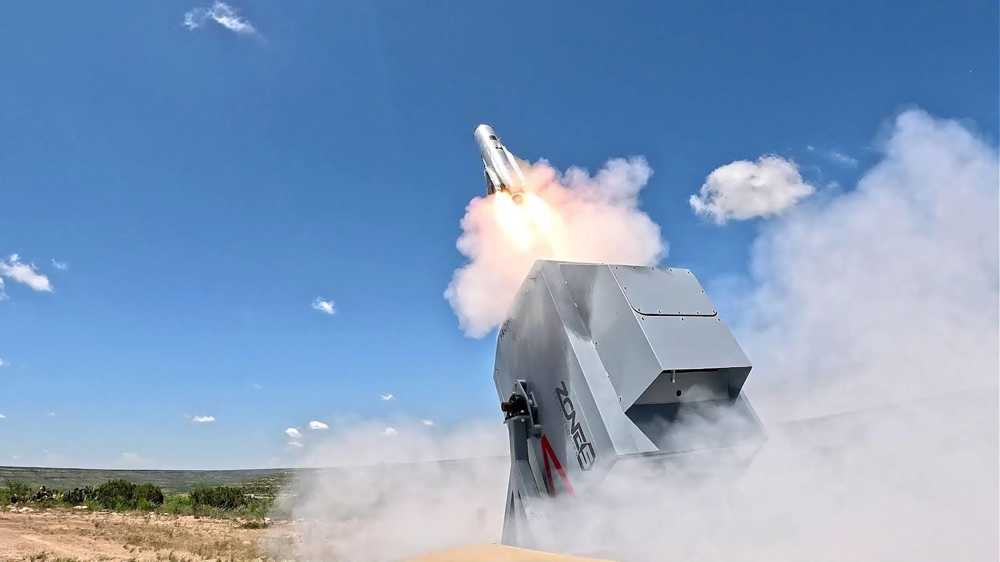
World
California — June 10, 2026 : Norwegian defence and technology company Kongsberg Gruppen has completed its acquisition of California-based missile developer Zone 5 Technologies after receiving all required regulatory approvals from U.S. authorities. The transaction gives Kongsberg a 90 percent ownership stake in the company, strengthening its position in the rapidly expanding market for affordable, mass-producible missile and air defence systems. Financial terms of the deal were not disclosed. However, Kongsberg confirmed that Zone 5 Technologies will continue to operate as an independent subsidiary. Founder, Chief Executive Officer and Chief Technology Officer Thomas Akers, along with the existing management team, will retain a 10 percent minority ownership stake and continue overseeing the company's daily operations. Founded in 2011 and headquartered in San Luis Obispo, California, Zone 5 Technologies employs more than 250 personnel and reported revenues exceeding $100 million in 2025. The company has maintained consistent profitability while developing a portfolio of low-cost, digitally engineered missile systems designed for large-scale production. The acquisition adds several important defence programs and products to Kongsberg’s portfolio. Among the most notable is the AGM-188A Rusty Dagger, a low-cost air-launched precision strike missile developed under the U.S. Air Force’s Extended Range Attack Munition (ERAM) and Family of Affordable Mass Missiles (FAMM) programs. The missile weighs approximately 500 pounds (225 kilograms), carries a 100-pound warhead, and has a reported range exceeding 450 kilometres while operating at high subsonic speeds. Recent reports indicate that the AGM-188A Rusty Dagger was successfully integrated onto the F-16 fighter aircraft earlier this year. Initial production batches are expected to support Ukraine’s defence requirements as part of ongoing efforts to strengthen long-range strike capabilities. Zone 5’s portfolio also includes the White Spike interceptor, a low-cost Group 3+ air defence missile designed for counter-unmanned aerial system (C-UAS) missions. The interceptor is available in both ground-launched and air-launched configurations and is expected to complement Kongsberg’s existing air defence offerings, including the widely deployed NASAMS air defence system. Another key asset is the Paladin UAS, a multi-mission unmanned aircraft system included on the U.S. Defense Innovation Unit’s Blue UAS list. The platform is capable of autonomous operations such as drone interception, reconnaissance missions and munitions delivery, providing additional capabilities for military and security operators. The acquisition comes at a time when Western defence planners are increasingly prioritising affordable, high-volume weapons production. Recent conflicts have highlighted the challenges associated with relying solely on expensive, low-volume precision weapons, while also underscoring the importance of rapidly replenishing missile stockpiles and countering large-scale drone threats. Eirik Lie, President of Kongsberg Defence & Aerospace, said recent conflicts have demonstrated the critical importance of high-volume defence capabilities. “Recent conflicts have demonstrated the critical role of high-volume defense capabilities. This is exactly what Europe needs,” Lie said. “Zone 5 adds a distinct capability to the KONGSBERG portfolio, bringing a proven track record of rapid production, highly scalable, and affordable missiles.” Kongsberg Gruppen Chief Executive Officer Geir Håøy said the acquisition combines complementary strengths from both companies. “KONGSBERG has a world-leading portfolio of advanced air defense and long-range strike missile technologies,” Håøy stated. “By combining the high-performing KONGSBERG portfolio and Zone 5's high-volume assets, KONGSBERG can provide comprehensive and flexible systems that allow nations to manage complex defense scenarios.” The acquisition was originally announced in December 2025 and formally closed following completion of the regulatory review process. Industry observers view the transaction as part of a broader trend among Western defence manufacturers to expand production capacity and develop more affordable weapons systems capable of supporting sustained military operations. With the deal now finalized, Kongsberg plans to use its global industrial network and international customer base to accelerate production growth at Zone 5 and expand the availability of its affordable missile systems across Europe and other allied markets. The acquisition also strengthens Kongsberg’s presence in the United States defence sector while adding proven mass-production missile technologies to its existing portfolio, which includes the Naval Strike Missile (NSM), Joint Strike Missile (JSM), and NASAMS air defence system.
Read More → Posted on 2026-06-10 18:04:39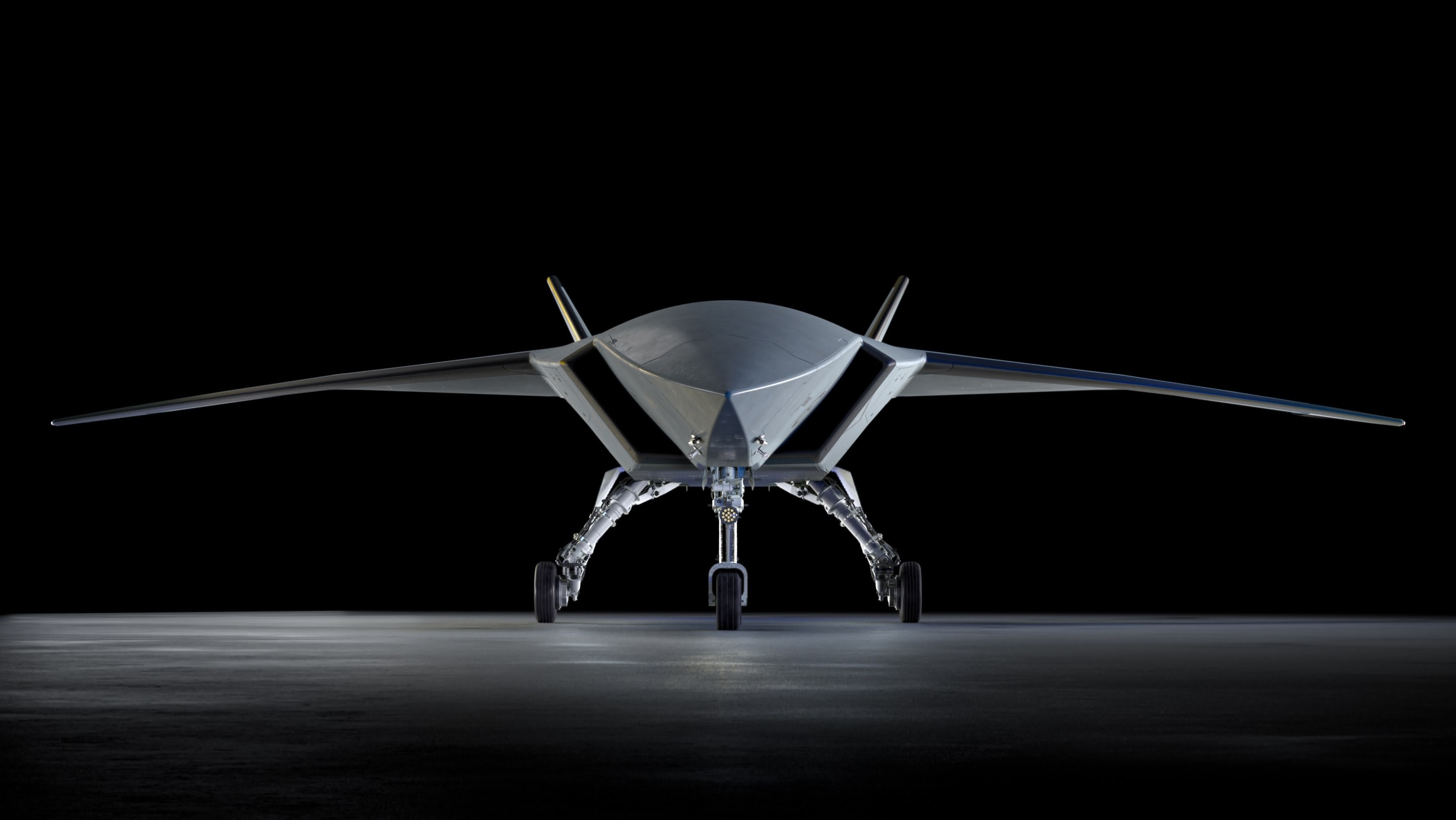
World
BERLIN, — June 10, 2026 : Boeing has announced a significant capability upgrade package for its MQ-28 Ghost Bat uncrewed combat aircraft at the ILA Berlin Air Show 2026, introducing enhancements that increase the platform’s range, payload capacity, weapons carriage options, and interoperability. The company also expanded its European industrial partnership network as it positions the aircraft for Germany’s planned Collaborative Combat Aircraft (CCA) procurement program scheduled for 2029. Developed in partnership with the Royal Australian Air Force (RAAF), the MQ-28 Ghost Bat is designed to operate alongside crewed fighter aircraft as a collaborative combat aircraft, supporting missions ranging from air combat and intelligence gathering to electronic warfare and strike operations. The latest upgrades represent the most extensive evolution of the program since the aircraft entered flight testing and are intended to enhance operational flexibility for Australia and future allied operators. Larger Wing Design Increases Payload and Range A central element of Boeing’s Block 3 technology roadmap is a redesigned wing structure that expands the MQ-28’s wingspan from 20 feet (6 meters) to 24 feet (7.3 meters), an increase of more than 25 percent over the original design. The larger wing enables a substantial increase in the aircraft’s maximum take-off weight (MTOW), which rises from 10,000 pounds (4,500 kilograms) to 12,000 pounds (5,400 kilograms). The modification also increases the platform’s useful payload capacity to more than 4,500 pounds (2,000 kilograms). According to Boeing, the additional capacity allows operators to carry up to 2,000 pounds (900 kilograms) of extra fuel, weapons, sensors, or mission equipment. This provides greater flexibility to configure the aircraft for longer-range operations, heavier weapons loads, or a balance between endurance and combat capability depending on mission requirements. Glen Ferguson, Boeing’s MQ-28 Global Program Director, said the expanded capacity enables operators to tailor the aircraft to specific operational needs. “The additional capacity gives operators freedom to balance payload and endurance to configure for the mission at hand, whether that means carrying extra fuel for longer-range operations, increasing weapons carriage or any combination of both,” Ferguson said. Expanded Weapons-Carrying Capability The upgraded MQ-28 will feature enhanced weapons integration options while maintaining its low-observable characteristics. Internal modifications allow the aircraft to carry weapons inside newly configured internal weapons bays, preserving stealth performance by reducing radar exposure. The internal bays can be configured to carry either two AIM-120 Advanced Medium-Range Air-to-Air Missiles (AMRAAMs) or four Small Diameter Bombs (SDBs). For missions where additional firepower is prioritized over stealth, the aircraft will also be capable of carrying weapons on three external hardpoints. The expanded payload architecture broadens the MQ-28’s mission set, supporting air-to-air combat, strike operations, suppression of enemy air defenses, force protection, and intelligence, surveillance and reconnaissance missions. Beyond-Line-of-Sight Communications Introduced One of the most significant additions announced at Berlin is the integration of Beyond-Line-of-Sight (BLOS) communications capability. The new communication architecture allows the MQ-28 to be controlled and monitored from crewed aircraft, ground stations, or naval platforms across extended distances through satellite-enabled and networked communications links. Boeing said the capability was developed in response to feedback from allied air forces seeking greater operational reach for collaborative combat aircraft operating across large geographic regions. The BLOS system is expected to improve the aircraft’s effectiveness in joint and multi-domain operations, enabling integration with distributed force structures and long-range mission planning. Open-System Software Architecture Enhances Flexibility Alongside the physical upgrades, Boeing unveiled major software enhancements based on the Government Reference Architecture (GRA), an open-systems framework designed to simplify the integration of new technologies. The upgraded architecture will allow operators to customize weapons integration, payload configurations, command-and-control systems, mission autonomy functions, and data-sharing capabilities according to national and operational requirements. Boeing stated that the open architecture reduces dependence on proprietary systems and makes it easier for customers to integrate domestically developed technologies and future upgrades throughout the aircraft’s service life. The MQ-28 is also receiving an upgraded modular mission nose section, enabling rapid integration of third-party payloads. The modular design supports a range of mission systems, including electronic warfare equipment, infrared search and track (IRST) sensors, communications relay packages, surveillance systems, and targeting support capabilities. German Industry Team Expanded for Luftwaffe Bid To strengthen its bid for the German Air Force’s future Collaborative Combat Aircraft requirement, Boeing announced the expansion of its German industry team. German defense companies Diehl Defence and Rohde & Schwarz have joined the MQ-28 program alongside existing strategic partner Rheinmetall, which will continue serving as the lead systems integrator for German technologies. Under the new partnership framework, Diehl Defence will focus on weapons integration, adapting German air-to-ground munitions and guided missile systems for the MQ-28 while contributing software components for future air combat networks. Rohde & Schwarz will provide mission and communications systems integration through its Networked Multipoint Array Communications System (NEMACS), helping connect the MQ-28 with Bundeswehr command-and-control networks and enabling secure data exchange across military platforms. Amy List, Vice President and Managing Director of Boeing Defence Australia, said the expanded partnership combines Australian and German expertise to support the aircraft’s future entry into German service. “We’re bringing together the best of Australian and German innovation to be able to deliver the MQ-28 to the Luftwaffe by 2029. Welcoming Diehl Defence and Rohde & Schwarz to our team is a significant step forward,” List said. Program Maturity and Future Development The MQ-28 Ghost Bat continues to mature as one of the most advanced collaborative combat aircraft programs currently under development. Originally launched under Australia’s Airpower Teaming System initiative, the aircraft represents the country’s first domestically designed and developed military combat aircraft in more than 50 years. Since its first flight in 2021, the MQ-28 has completed more than 150 test flights, including autonomous teaming demonstrations, sensor evaluations, and a successful autonomous live-fire AMRAAM engagement conducted in late 2025. The aircraft is designed to operate alongside platforms such as the F-35A Lightning II, F/A-18F Super Hornet, EA-18G Growler, E-7A Wedgetail, and future combat aircraft, extending sensor coverage, carrying additional weapons, and performing higher-risk missions that would otherwise be assigned to crewed aircraft. According to Boeing, the newly announced enhancements will be introduced through a spiral upgrade approach, allowing new capabilities to be progressively integrated into the fleet. The improvements are also intended to enhance interoperability with both Boeing and non-Boeing platforms, providing allied air forces with a highly configurable and adaptable uncrewed combat system. With increased payload capacity, expanded weapons options, advanced networking capabilities, and greater mission flexibility, the MQ-28 Ghost Bat is moving closer to operational deployment as a key component of future crewed-uncrewed air combat operations for Australia and potential international customers.
Read More → Posted on 2026-06-10 16:59:54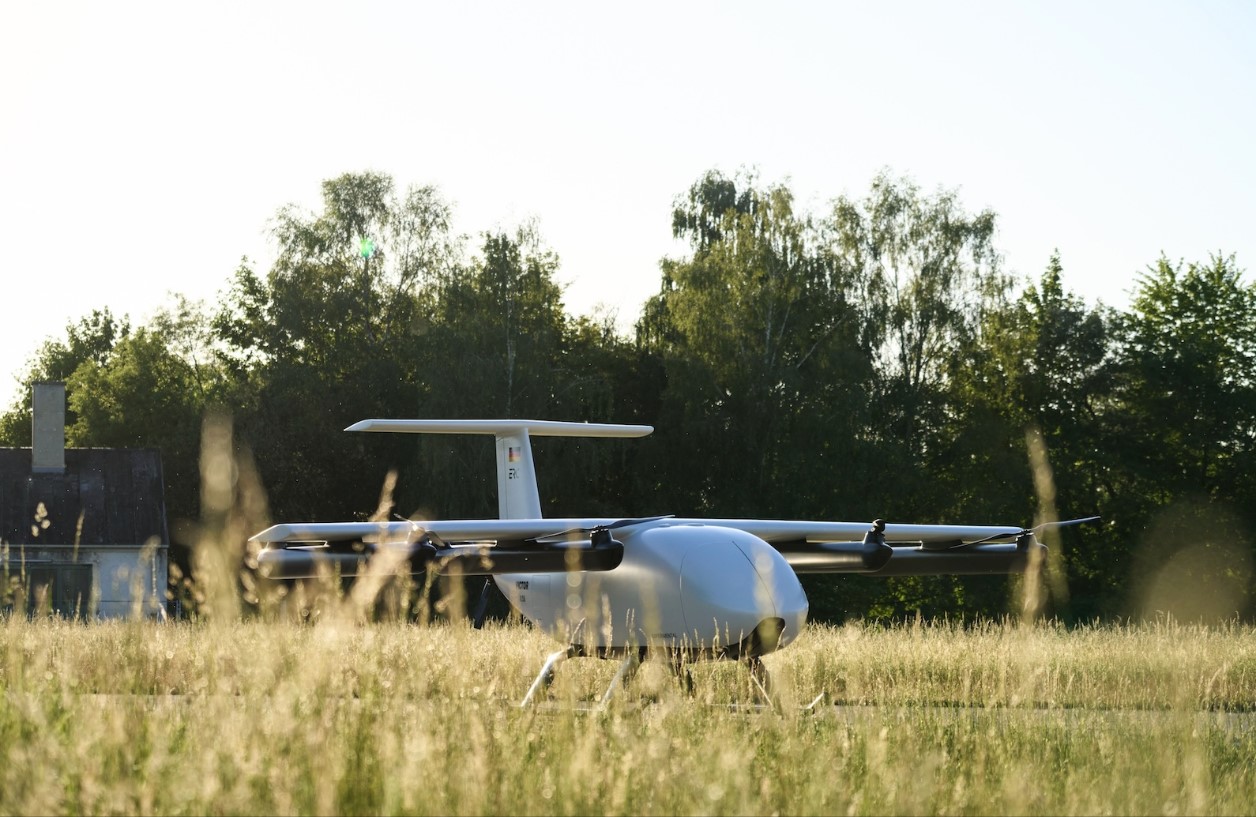
World
BERLIN, — June 10, 2026 : German defense company Rheinmetall has signed a memorandum of understanding (MoU) with German drone developer ERC System and the state of North Rhine-Westphalia to establish production of the Victor U250 hybrid-electric heavy-lift cargo drone in Germany. The agreement was signed during the ILA Berlin 2026 aerospace exhibition and outlines a framework for local manufacturing, supply chain development, industrial scaling, and commercialization of the unmanned aircraft. The project is expected to support Germany’s domestic aerospace and defense industry while creating hundreds of skilled jobs in North Rhine-Westphalia by 2029. Victor U250 Designed for Military and Civilian Logistics At the center of the partnership is the Victor U250, a hybrid-electric unmanned vertical takeoff and landing (VTOL) aircraft designed to transport cargo in military, emergency response, and commercial operations. The aircraft is capable of carrying payloads of up to 250 kilograms (551 pounds) over distances exceeding 300 kilometers (186 miles) while maintaining a cruising speed of approximately 250 km/h (155 mph). Its VTOL configuration enables operations without runways or prepared airstrips, allowing it to take off and land like a helicopter before transitioning into efficient fixed-wing flight. The drone utilizes a hybrid-electric propulsion architecture consisting of eight lift rotors for vertical flight and a rear-mounted pusher propeller for forward movement. According to the developers, the platform can also be disassembled and transported inside a standard 20-foot ISO shipping container, improving deployment flexibility. A modular payload system allows operators to rapidly reconfigure the aircraft for different mission requirements without major structural modifications. This capability enables the drone to transport a variety of cargo, including ammunition, spare parts, medical supplies, humanitarian aid, and commercial goods. Addressing Modern Logistics Challenges The Victor U250 is being developed to address logistics challenges faced by both military and civilian operators. In military environments, the drone is intended to support resupply missions to forward-deployed units. Recent conflicts have demonstrated the vulnerability of traditional logistics networks, where supply convoys can be exposed to artillery attacks, ambushes, and drone strikes. Crewed helicopters operating near frontline areas also face threats from small-arms fire and man-portable air defense systems (MANPADS). The Victor U250 offers an alternative by delivering supplies without placing flight crews at risk. Its combination of VTOL capability, payload capacity, and operational range allows it to connect rear logistics hubs with frontline positions, even in areas lacking airfield infrastructure. Beyond defense applications, the aircraft is being developed for offshore and coastal logistics, disaster relief operations, emergency response missions, and medical transport. The platform is intended to fill a capability gap between conventional helicopters and fixed-wing cargo aircraft, particularly in situations where infrastructure is limited. Industrial Partnership and Production Plans The project combines the expertise of three organizations involved in the drone’s development and future production. Rheinmetall will contribute its experience as a certified aviation organization and established supplier of defense technologies and unmanned systems. The company is expected to provide industrial production capabilities, market access, and customer support infrastructure. ERC System, headquartered in Ottobrunn near Munich, is responsible for the core development of the Victor platform. The company is a wholly owned subsidiary of Industrieanlagen-Betriebsgesellschaft (IABG), a European technology and engineering firm specializing in testing, simulation, verification, and safety validation for aerospace and defense programs. North Rhine-Westphalia will support the initiative by helping identify manufacturing locations, exploring funding opportunities, and facilitating regulatory approvals required for aviation production facilities. The state government views the project as part of broader efforts to strengthen industrial innovation and technological capabilities within Germany and Europe. Development Progress and Future Deliveries ERC System has already conducted flight testing of full-scale technology demonstrators to validate the drone’s hybrid-electric VTOL architecture. The company previously flew the Echo demonstrator in 2023, followed by the Romeo demonstrator, which has been undergoing testing since 2025. Both aircraft, weighing approximately 2,730 kilograms, have been used to evaluate flight performance, propulsion systems, and operational concepts for the Victor program. Based on current development plans, first deliveries of the Victor U250 are expected around 2028, subject to certification and production milestones.
Read More → Posted on 2026-06-10 16:14:20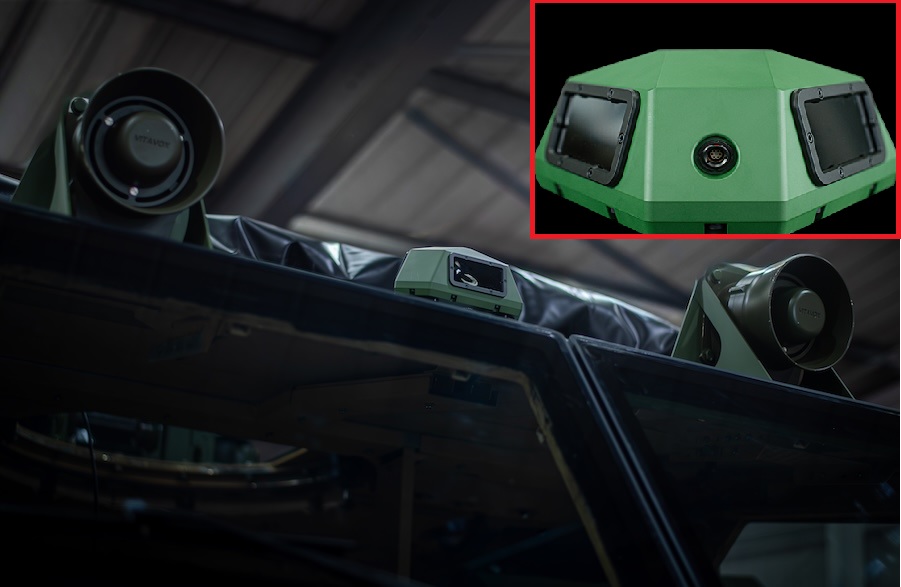
World
FARNBOROUGH, UK, — June 10, 2026 : Sentinel Photonics, a UK Ministry of Defence (MOD) spin-out company specializing in laser threat detection technologies, has unveiled the LASERD NOMAD, a new vehicle-mounted laser warning system designed to provide military and security personnel with early detection of laser-guided threats. The system is intended for rapid deployment across a broad range of platforms, including soft-skinned security vehicles, Humvees, armored military vehicles, and small maritime boats. According to the company, LASERD NOMAD is the first platform-based solution within its LASERD family of laser detection products and is designed to improve survivability against increasingly common laser-guided weapons and targeting systems. Designed to Detect Laser Threats Before Impact LASERD NOMAD continuously monitors the visible, near-infrared (NIR), and short-wave infrared (SWIR) spectrums between 600 and 1700 nanometers, enabling the detection of non-visible laser rangefinders and target designators commonly used to support precision-guided munitions. The system provides 360-degree horizontal coverage and 150-degree vertical coverage, allowing it to monitor threats from multiple directions without blind spots. When a hostile laser is detected, crews receive an estimated 10 to 30 seconds of warning before a potential strike, providing valuable time to conduct evasive maneuvers, reposition vehicles, deploy countermeasures, or take other defensive actions. Threat alerts are delivered through Sentinel’s proprietary Laser Detect application running on a ruggedized Android device. Both audio and visual notifications provide operators with immediate awareness of the direction and nature of the detected threat. Sensor Architecture Reduces False Alarms Sentinel Photonics stated that LASERD NOMAD employs a threat-specific sensor architecture designed to distinguish military laser threats from civilian and background battlefield laser activity. This filtering capability is intended to reduce false alarms and maintain reliable performance in complex electromagnetic environments where multiple laser sources may be present. By focusing on genuine threats, the system aims to support faster and more accurate decision-making during operations. The company noted that the system maintains a sensitivity level of 30 pJcm⁻² or better across its operating waveband, ensuring that crews can be alerted even when positioned slightly outside the direct targeting zone of a hostile laser source. Independent Testing Confirms Long-Range Detection According to Sentinel Photonics, LASERD NOMAD has undergone independent verification against military-grade laser rangefinders and target designators at standoff distances exceeding 4 kilometers. Field trials conducted at a distance of 4.3 kilometers produced the following results: Designator Detection: More than 50 meters diffuse scatter and 10 meters off-axis. Rangefinder Detection: 20 meters diffuse scatter and 5 meters off-axis. These results demonstrate the system’s ability to detect laser activity not only in direct line-of-sight scenarios but also when laser energy is scattered or observed from off-axis positions. Compact Design for Rapid Integration A key feature of LASERD NOMAD is its compact, low size, weight, and power (SWaP) design. The unit weighs 1.1 kilograms and measures 200 mm × 160 mm × 100 mm, allowing it to be installed without affecting vehicle mobility or operational performance. The system is powered through standard USB connections or vehicle power sources ranging from 5V to 24V, enabling compatibility with a wide variety of military and security platforms. LASERD NOMAD is also rated IP67, providing protection against dust and water ingress and supporting operations in challenging environmental conditions. ‘Walk-On Fit’ Installation Concept Sentinel Photonics has incorporated a “walk-on fit” installation approach that enables rapid retrofitting onto existing vehicle fleets without requiring major structural modifications or lengthy maintenance periods. The company says the system can be installed on both new and legacy platforms within minutes, making it suitable for military organizations seeking to enhance vehicle protection without extensive integration programs. “Vehicle crews operating in contested environments face laser-guided threats they cannot see coming,” said Jackson White, Chief Commercial Officer at Sentinel Photonics. “NOMAD closes that gap. It retrofits to any platform in minutes, operates without degrading vehicle performance, and delivers operationally validated early warning that gives crews a real chance to survive.” Global Availability and Support Package LASERD NOMAD is now available through Sentinel Photonics’ partner network across Europe, North America, the Middle East, and the Asia-Pacific region. The system is supplied as a complete Platform Protection Device, including the sensor unit, mounting hardware, vehicle power kit, end-user device, and access to the Laser Detect application. Customers also receive in-country training, lifecycle software upgrades, and remote or on-site technical support as part of the standard package. Expansion of Sentinel’s Laser Detection Portfolio The launch of LASERD NOMAD follows a period of growth for the Porton Down and Farnborough-based company. Earlier in 2026, Sentinel Photonics secured strategic investment from defense-focused backers Galvion and FNX Ventures to support the development of its ITAR-free laser detection, protection, and Laser Intelligence (LasINT) technologies. With the introduction of LASERD NOMAD, Sentinel Photonics is expanding its portfolio of laser threat detection systems aimed at providing enhanced situational awareness and force protection for land and maritime platforms operating in increasingly contested environments.
Read More → Posted on 2026-06-10 15:59:49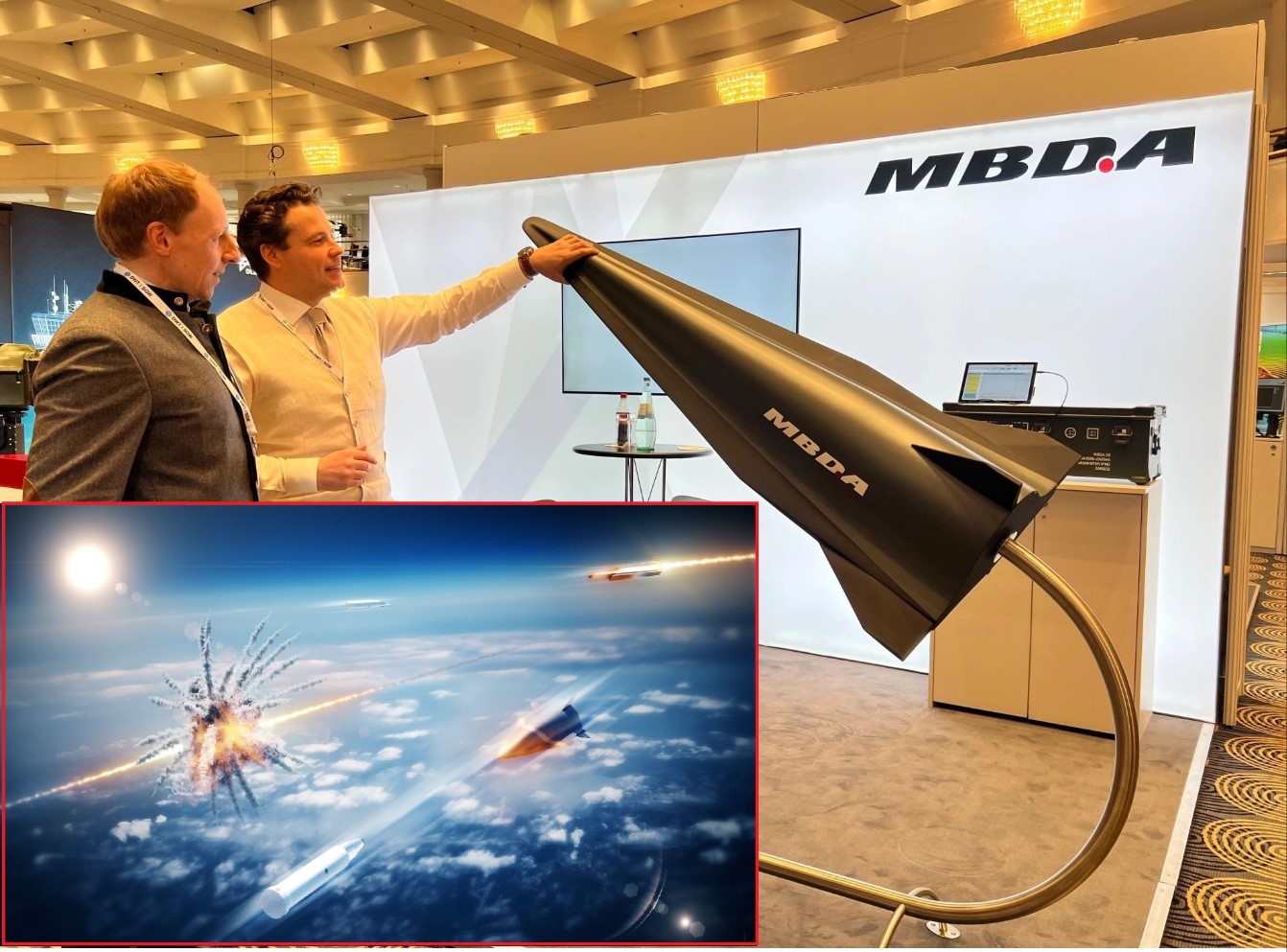
World
BERLIN, — June 10, 2026 : European missile manufacturer MBDA has officially presented its new Hypersonic Glide Vehicle (HGV) demonstrator at the ILA Berlin Air Show 2026, marking an important step in Europe's efforts to expand its understanding of hypersonic technologies and strengthen future defense capabilities. The demonstrator is being developed under the European Union-funded HYROGLIVE (Hypersonic Radar and Optical Signature Collecting GLIde Vehicle) program, led by MBDA Germany. The initiative focuses on designing, launching, and testing an experimental hypersonic glide vehicle to collect real-world flight data that can support future European defense projects. Gathering Real-World Hypersonic Data According to MBDA, the primary purpose of the HYROGLIVE program is to obtain empirical information on hypersonic flight through actual flight testing rather than relying solely on simulations and theoretical analysis. The demonstrator will collect detailed data on radar and optical signatures, flight behavior, thermal effects, and aerodynamic performance while operating at hypersonic speeds. These measurements will help researchers better understand how hypersonic vehicles behave under real operational conditions. Hypersonic glide vehicles are capable of traveling at speeds exceeding Mach 5, or more than five times the speed of sound, while maneuvering within the atmosphere. Their combination of speed and maneuverability presents significant challenges for existing air and missile defense systems. Moving Beyond Computer Simulations Europe's current understanding of hypersonic threats has largely been based on modeling, computer simulations, and analytical studies. While these tools provide valuable insights, they cannot fully replicate the complex aerodynamic and thermal conditions experienced during actual hypersonic flight. The HYROGLIVE program is intended to bridge that gap by providing flight-tested data that can validate, refine, or adjust existing simulation models. The results will allow engineers and researchers to improve the accuracy of future designs and assessments. By transitioning from theoretical studies to physical flight testing, MBDA aims to establish a stronger foundation for future European hypersonic and counter-hypersonic programs. Supporting Europe's HYDIS² Interceptor Program A key objective of HYROGLIVE is to support the development of future European defensive systems against hypersonic threats. The data gathered from the demonstrator will directly contribute to the Hypersonic Defence Interceptor Study (HYDIS²) program, another major European initiative coordinated by MBDA. HYDIS² is funded by the European Defence Fund (EDF) and managed by the Organization for Joint Armament Cooperation (OCCAR). The program brings together 19 industrial and research partners, along with more than 20 subcontractors from 14 European countries, to develop technologies required for an operational counter-hypersonic and anti-ballistic missile interceptor. Information collected through HYROGLIVE—including radar signatures, optical characteristics, and flight profiles—will help engineers design realistic target vehicles and improve interceptor technologies capable of detecting, tracking, and engaging hypersonic threats. Role in European Defense Cooperation The HYDIS² project represents one of Europe's largest collaborative defense technology efforts focused on countering advanced missile threats. Participating nations include France, Germany, Italy, the Netherlands, and several other European partners seeking to strengthen collective defense capabilities. The program aims to develop endo-atmospheric interceptor technologies capable of operating within the Earth's atmosphere against highly maneuverable hypersonic targets. By supplying real-world flight data, HYROGLIVE is expected to accelerate technology development and reduce uncertainties associated with hypersonic defense research. MBDA Showcase at ILA Berlin 2026 The ILA Berlin Air Show 2026, taking place from June 10 to June 14, 2026, at the Berlin ExpoCenter Airport, serves as a major platform for aerospace and defense companies to present new technologies and collaborative programs. At the exhibition, MBDA is displaying the HYROGLIVE demonstrator alongside its broader portfolio of missile, air defense, and precision-strike systems. The company is exhibiting at Display G3, Booth 100. Strengthening Europe's Hypersonic Capabilities The HYROGLIVE demonstrator represents a practical step in Europe's broader effort to build expertise in hypersonic technologies through experimental testing and international cooperation. Beyond improving scientific understanding of hypersonic flight, the program is expected to provide valuable data for future target vehicles and defensive interceptor systems. As European nations continue investing in advanced missile defense and next-generation aerospace technologies, programs such as HYROGLIVE and HYDIS² are intended to enhance technological independence and support the development of future counter-hypersonic capabilities across the continent.
Read More → Posted on 2026-06-10 15:45:09
World
PALMDALE, California — June 10, 2026 : Lockheed Martin’s Skunk Works division, working in partnership with Divergent Technologies, has successfully designed and built a new unmanned aerial system (UAS) prototype known as Replicator in less than 12 months, demonstrating a manufacturing approach that could significantly reduce the time required to develop future military aircraft. The project combines advanced digital engineering with additive manufacturing, commonly known as 3D printing, allowing engineers to move from an initial concept to a flight-ready prototype far faster than traditional aerospace development programs. The Replicator drone features a 2.7-meter (9-foot) wingspan and serves as a proof of concept for a new generation of digitally manufactured defense systems. Rapid Development Through Digital Manufacturing The accelerated timeline was made possible through Divergent Technologies’ Adaptive Production System (DAPS), an integrated digital manufacturing platform that combines design, structural analysis, production planning, assembly, and quality control within a single workflow. Traditional aircraft programs typically involve multiple teams using separate software systems, often creating delays as data moves between design, engineering, and manufacturing stages. DAPS eliminates many of these bottlenecks by allowing changes made during the design phase to automatically update throughout the production process. This digital-first approach enables engineers to quickly evaluate design modifications and move directly into manufacturing without lengthy manual adjustments or data transfers. Role of 3D Printing A central feature of the Replicator program is the extensive use of additive manufacturing. Instead of machining components from metal blocks or relying on specialized casting tools, parts are produced directly from digital files using industrial 3D-printing systems. This process allows the creation of lightweight and structurally optimized components that would be difficult or expensive to manufacture through conventional methods. Engineers can rapidly test a component, revise the design based on results, and produce an updated version within days. The ability to quickly iterate designs helps reduce development timelines while improving performance, strength, and manufacturing efficiency. Lockheed Martin’s Investment in Divergent The collaboration stems from a $25 million strategic investment made by Lockheed Martin in Divergent Technologies in 2024. The investment was intended to explore how Divergent’s digital manufacturing technology could be applied across multiple defense programs, including advanced munitions, unmanned systems, and future vehicle concepts. Since the investment, both companies have worked to evaluate how digitally integrated production methods can accelerate the delivery of defense capabilities while reducing manufacturing complexity. Pentagon Interest in the Program The Replicator project has attracted attention from senior U.S. defense officials. Pete Hegseth, recently viewed the prototype during a visit to Divergent’s California facility as part of his nationwide “Arsenal of Freedom” tour, which focuses on assessing the modernization and capacity of the U.S. defense industrial base. Earlier this year, Lockheed Martin Chief Operating Officer Frank St. John also toured the facility. Commenting on the partnership, St. John said the combination of digital engineering, additive manufacturing, and commercial production processes can help strengthen the resilience of the American defense industrial base while delivering capabilities more quickly. Skunk Works Continues Its Rapid Development Tradition The Replicator program reflects the long-standing development philosophy of Lockheed Martin Skunk Works, which was established in 1943 by aerospace engineer Kelly Johnson. For decades, Skunk Works has been responsible for some of the most significant aircraft programs in U.S. aviation history, including the U-2, SR-71 Blackbird, F-117 Nighthawk, and F-22 Raptor. The division is known for using small, highly specialized teams and streamlined management structures to accelerate development timelines. The Replicator project extends that philosophy by incorporating modern digital manufacturing technologies. Potential Impact on Defense Production Although Lockheed Martin has emphasized that Replicator remains an early-stage prototype and has not been selected for production, the project demonstrates how digital manufacturing could support future defense acquisition programs. One of the most significant advantages of the DAPS approach is its potential to reduce dependence on traditional supply chains. Because components can be produced without specialized tooling, large casting facilities, or extensive machining operations, production can be scaled more quickly when required. Defense analysts have increasingly highlighted supply chain resilience as a critical factor in maintaining military readiness, particularly during periods of increased demand or potential conflict. Part of a Broader Innovation Strategy The Divergent partnership is part of Lockheed Martin’s wider effort to integrate emerging commercial technologies into defense applications. The company has also invested in Saildrone, which develops autonomous surface vessels used for maritime surveillance, and Fortem Technologies, a company specializing in counter-unmanned aircraft systems. By combining the innovation speed of technology startups with the engineering, integration, and production capabilities of a major defense contractor, Lockheed Martin aims to accelerate the delivery of operational systems to military customers. The Replicator drone serves as an early example of this strategy and demonstrates how digital engineering and advanced manufacturing technologies could reshape the future development of unmanned aircraft and other defense platforms.
Read More → Posted on 2026-06-10 14:32:26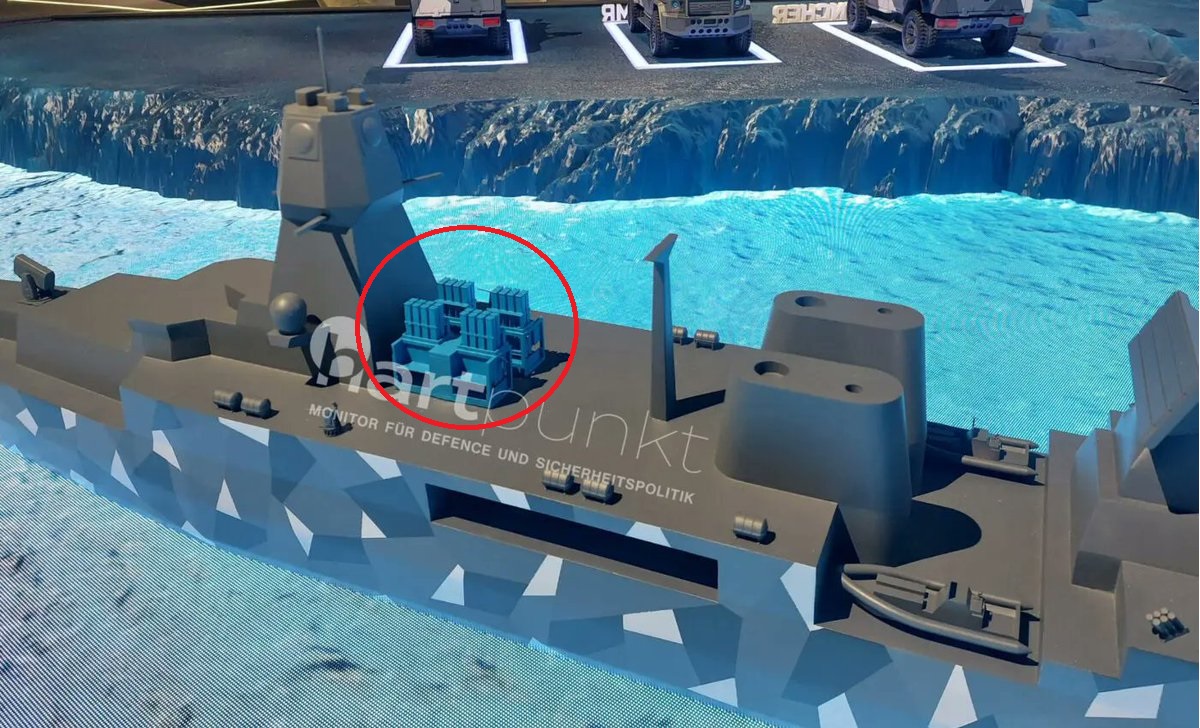
World
BERLIN, — June 10, 2026 : The German Navy is moving forward with plans to significantly enhance the air defense capabilities of its F125 Baden-Württemberg-class frigates through the integration of the IRIS-T SLM Naval air defense system. The development was announced by Diehl Defence during the ILA Berlin 2026 Air Show, where company officials outlined plans to equip each frigate with a dedicated 32-cell missile launcher configuration. The upgrade marks a major step in strengthening the defensive capabilities of the F125 class, which has often been viewed as lightly armed for ships of their size. Originally designed for long-duration stabilization and maritime security missions, the frigates were optimized for low-intensity operations rather than high-end naval warfare. As security requirements evolve, Germany is seeking to improve the vessels’ ability to counter modern aerial threats. New 32-Cell Missile Configuration According to Harald Buschek, Chief Program Officer at Diehl Defence, each F125 frigate will receive two newly developed naval launchers. Each launcher will accommodate 16 IRIS-T SLM missiles, giving every vessel a total of 32 ready-to-fire interceptors. The launcher has been specifically designed for naval operations and differs significantly from the truck-mounted ground-based IRIS-T SLM system currently in service. Rather than using hydraulic systems to raise launch canisters into firing position, the naval version will feature permanently installed vertical launch canisters. The design also eliminates the stabilization supports required for land-based deployment, reducing weight and saving valuable deck space aboard the frigates. To protect the ship during missile launches, deflector plates will be installed at the base of the launcher to direct hot exhaust gases away from the deck. Diehl Defence expects a prototype of the new launcher to be completed by 2027. Buschek indicated that the first high-seas firing test of the permanent launcher configuration could take place as early as the second quarter of next year. Addressing a Long-Standing Air Defense Gap The F125 class currently relies primarily on two RIM-116 Rolling Airframe Missile (RAM) launchers for air defense. While effective against close-range threats, the RAM system provides an engagement range of approximately 9 kilometers and is intended mainly for point defense. The addition of the IRIS-T SLM Naval system will significantly expand the frigates’ defensive envelope. The missile offers an engagement range of up to 40 kilometers and can intercept targets at altitudes of up to 20 kilometers. This capability will enable the ships to engage threats such as sea-skimming anti-ship missiles, cruise missiles, unmanned aerial vehicles, helicopters, and combat aircraft at much greater distances before they enter the RAM system’s engagement zone. The result will be a layered air defense architecture combining medium-range and short-range protection. Integration with Future Combat Systems Diehl Defence is currently engaged in contract negotiations with Germany’s Federal Office of Bundeswehr Equipment, Information Technology and In-Service Support (BAAINBw) regarding procurement of the launchers and associated integration work. A central element of the program is the integration of the IRIS-T SLM Naval system with the CMS 330 combat management system, which is set to become the German Navy’s future command-and-control architecture for surface combatants. The F125 frigates are expected to be the first vessels in the fleet equipped with CMS 330. Integration with the combat management system will allow the missiles to receive targeting information directly from the ship’s sensors and enable coordinated engagement of airborne threats. Buschek also confirmed that discussions are underway regarding the potential future integration of IRIS-T SLM missiles into the Lockheed Martin Mk 41 Vertical Launching System (VLS), which is already used aboard several German Navy warships. Such an integration could expand the missile’s deployment across additional naval platforms in the future. Building on Successful Sea Trials The development of the dedicated naval launcher follows a successful proof-of-concept demonstration conducted during the Andøya 2025 maritime firing exercise in Norway. During the exercise, a modified land-based IRIS-T SLM launcher was temporarily installed aboard the frigate Baden-Württemberg. The demonstrator successfully engaged test targets using tracking data supplied by the ship’s Hensoldt TRS-4D active electronically scanned array (AESA) radar. The trial demonstrated the feasibility of operating the missile system from a naval platform and validated key aspects of the concept. However, the launcher was not yet connected to the CMS 330 combat management system during the exercise, highlighting the need for the integration work currently being negotiated with the BAAINBw. Modernizing the F125 Fleet The F125 Baden-Württemberg-class consists of four frigates: Baden-Württemberg, Nordrhein-Westfalen, Sachsen-Anhalt, and Rheinland-Pfalz. Commissioned between 2016 and 2022, the vessels are among the largest frigates in service worldwide, displacing approximately 7,000 to 7,200 tonnes when fully loaded. Designed for extended overseas deployments, maritime security missions, crisis response operations, and support for special forces, the ships were built with a focus on endurance and operational flexibility rather than heavy air warfare capabilities. The planned integration of the IRIS-T SLM Naval system represents one of the most significant combat capability upgrades for the class since entering service. By providing medium-range, 360-degree air defense coverage and expanding engagement ranges beyond existing point-defense systems, the modernization effort is expected to substantially improve the survivability and operational effectiveness of the F125 frigates in increasingly demanding maritime environments.
Read More → Posted on 2026-06-10 14:11:33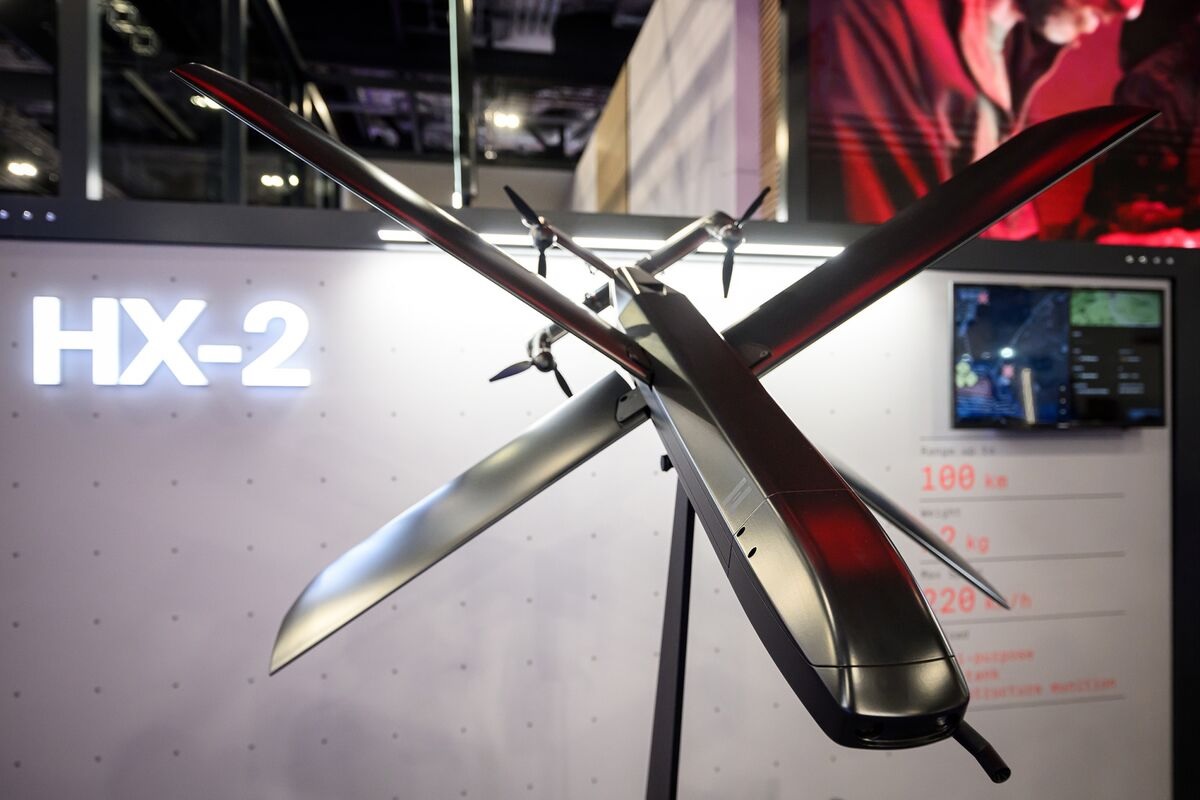
World
PABRADĖ, Lithuania — June 10, 2026 : U.S. Army soldiers have successfully tested the German-built Helsing HX-2 artificial intelligence-enabled strike drone during the latest phase of Project Flytrap, a multinational military exercise focused on counter-drone operations and autonomous battlefield technologies. The exercise, conducted at the Pabradė Training Area in Lithuania near NATO’s eastern frontier, demonstrated the drone’s ability to detect, track, and engage targets in a heavily contested electronic warfare environment. The results, released on June 9, 2026, highlight growing interest within the U.S. military in autonomous precision-strike systems capable of operating when communications and satellite navigation networks are disrupted. HX-2 Demonstrates High Effectiveness in Combat Scenarios The testing took place during Project Flytrap 5.0, an initiative led by the U.S. Army’s V Corps to accelerate the development and fielding of counter-unmanned aerial systems (C-UAS) and next-generation drone technologies. Soldiers from the 2nd Squadron, 2nd Cavalry Regiment operated the HX-2 in a series of realistic battlefield scenarios designed to replicate modern drone warfare conditions. During the exercise, the drone achieved 15 direct target kills and two near-misses across 17 combat engagements, demonstrating a high level of accuracy and effectiveness. The system was also used for reconnaissance and target acquisition missions, where it successfully identified, tracked, and followed designated targets despite active electronic jamming intended to disrupt GPS signals and communications links. Project Flytrap 5.0 involved personnel from the United States, the United Kingdom, and Australia, along with industry partners. More than 20 different systems were evaluated during the exercise, while approximately 200 drone flights were conducted to collect operational data and assess performance under realistic field conditions. Designed for Operations in GPS-Denied Environments Developed by Munich-based defense technology company Helsing, the HX-2 is a software-defined loitering munition designed for large-scale production and deployment. First unveiled in late 2024, the drone features a distinctive X-shaped wing and quadcopter configuration, combining the advantages of vertical takeoff capability with efficient forward flight. One of the HX-2’s key capabilities is its ability to operate independently of satellite navigation systems. Rather than relying solely on GPS, the drone uses onboard artificial intelligence, stored mapping data, and terrain-recognition technology to navigate and continue missions even when navigation signals are unavailable or jammed. Its AI-powered computer vision system enables the drone to search for, identify, re-identify, and track targets autonomously, allowing operations to continue even when data links with operators are temporarily interrupted. Technical Specifications of the HX-2 The electrically powered HX-2 weighs approximately 12 kilograms and can carry payloads of up to 5 kilograms. The drone is capable of carrying multiple warhead options, including anti-tank and anti-structure shaped-charge munitions designed to engage armored vehicles, artillery systems, and fortified positions. Powered by four rear-mounted electric motors, the drone can reach speeds of up to 220 kilometers per hour and engage targets at distances of up to 100 kilometers beyond the operator’s line of sight. Helsing describes the HX-2 as a mass-producible strike platform that receives over-the-air software updates, allowing capabilities to be upgraded without major hardware modifications. Integration with Altra Software Platform The HX-2 is integrated with Helsing’s Altra reconnaissance-strike software platform, which enables multiple drones and other battlefield assets to coordinate missions and share targeting information. The networking capability supports coordinated strike operations and swarm tactics while maintaining human oversight. Although the drone can autonomously navigate and track targets, Helsing follows a “human on the loop” operational concept, ensuring that a human operator remains responsible for supervising missions and authorizing critical engagement decisions. According to Alex Miller, Chief Technology Officer of the U.S. Army, the HX-2 was initially evaluated for one-way attack and counter-drone missions but demonstrated additional value as a reconnaissance and loitering platform during the exercise. Company engineers were present throughout the testing to support operational assessments and gather performance feedback from soldiers. Growing U.S. Interest in European Autonomous Strike Systems The successful performance of the HX-2 reflects increasing U.S. military interest in European-developed autonomous strike systems that can operate effectively in contested environments. Official U.S. Army imagery released from Project Flytrap showed at least one HX-2 launch during the exercise, while Gen. Christopher Donahue, commander of U.S. Army Europe and Africa, was photographed examining an HX-2 transport container. Founded in 2021, Helsing has rapidly expanded its position in the defense technology sector. The company has secured agreements to supply thousands of HX-2 drones, including systems funded for Ukraine, and operates a dedicated production facility in southern Germany. The platform was developed with input from Ukrainian operators and builds on operational experience gained from earlier systems such as the HF-1. Project Flytrap to Support Future NATO Drone Capabilities The latest evaluation follows earlier multinational testing conducted in 2025, during which soldiers from several countries successfully operated the HX-2 after limited training periods. The drone’s performance in Lithuania reinforces the growing role of autonomous systems in enhancing battlefield awareness, survivability, and precision strike capabilities in electronic warfare environments. Project Flytrap is expected to continue expanding, with future phases planned to reach brigade-level operations. Military officials say the operational data collected during these exercises will help shape future U.S. Army and NATO requirements for counter-drone operations and AI-enabled precision-strike systems.
Read More → Posted on 2026-06-10 14:00:22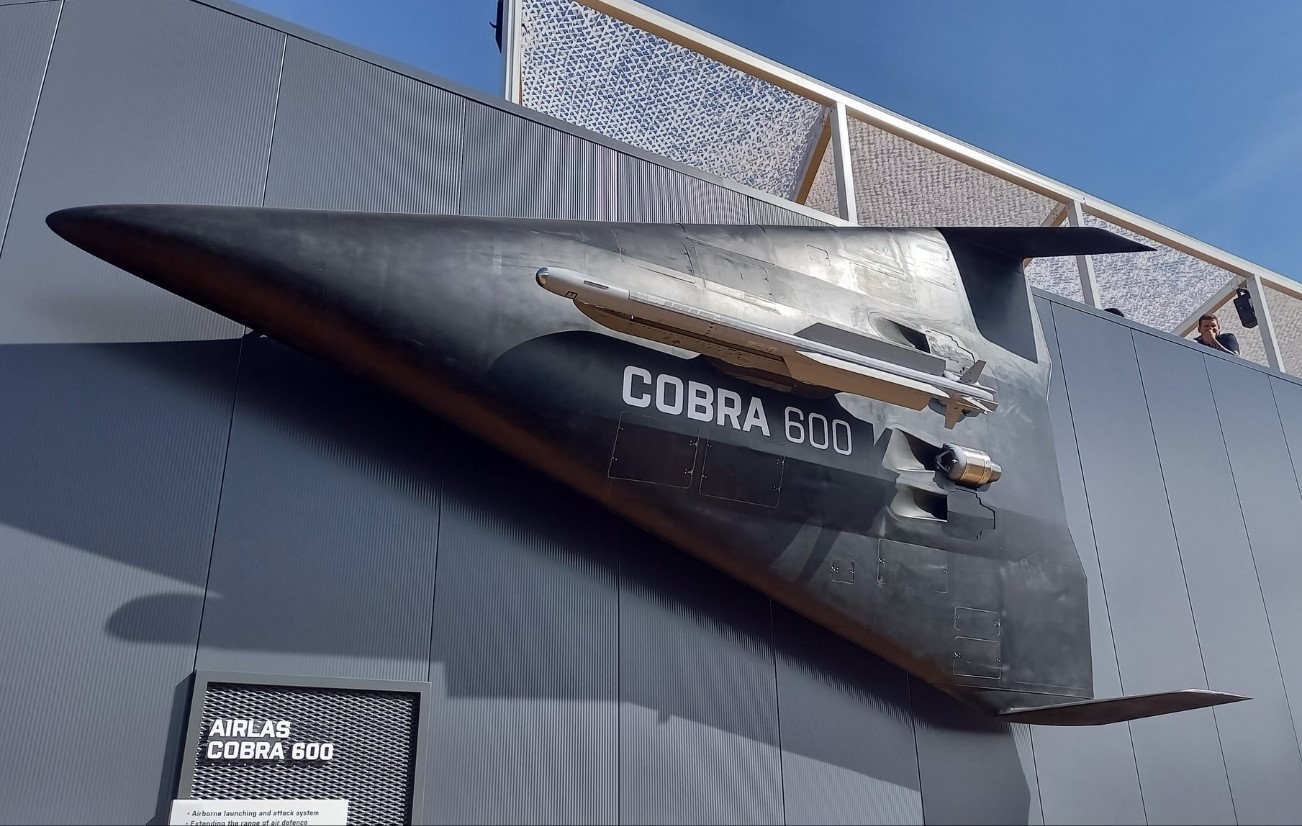
World
Berlin, — June 10, 2026 : German defense company Diehl Defence and aerospace startup Polaris Raumflugzeuge have unveiled the Cobra 600 unmanned aerial system at the ILA Berlin Air Show 2026, presenting a new airborne air defense concept that integrates the combat-proven IRIS-T missile into an autonomous launch platform. The Cobra 600 forms part of the Airborne Launching and Attack System (AIRLAS), a joint development program announced following an exclusive cooperation agreement signed between the two companies in 2025. The system is designed to provide armed forces with a mobile airborne interceptor platform capable of extending the reach of existing air defense networks. Displayed at ILA Berlin 2026, the Cobra 600 features a flying-wing configuration with a pointed nose and a stealth-influenced design. Exhibition images showed the drone carrying an IRIS-T air-to-air missile mounted beneath the airframe, while two jet engines are installed on the upper rear section. Information presented at the exhibition also indicated that the platform has space for two additional engines, potentially allowing for future performance enhancements. According to technical details released during the exhibition, the Cobra 600 serves as an airborne launching and attack system that combines Polaris’ autonomous flight technology with Diehl Defence’s missile integration expertise. The platform functions as a flying launch vehicle capable of deploying IRIS-T missiles from a forward position, increasing engagement opportunities against aerial threats. One of the primary objectives of the AIRLAS concept is to extend the range and effectiveness of air defense operations. By launching interceptors from an airborne platform rather than a fixed ground-based launcher, the system can overcome limitations caused by terrain and radar horizon constraints. This approach enables earlier engagement of hostile aircraft, helicopters, unmanned aerial vehicles (UAVs), cruise missiles, and other airborne threats. The Cobra 600 has been designed around a “recoverable, expendable and affordable” operational philosophy. Depending on mission requirements, the drone can return to base after completing its mission and be reused, or it can operate as an expendable asset in highly contested environments where recovery may not be possible. This flexibility is intended to provide a cost-effective solution for sustained air defense operations. Another key feature of the system is its ability to operate within integrated air defense architectures. The Cobra 600 can be incorporated into broader air defense network concepts, allowing it to receive targeting data and mission information from ground-based radars, command-and-control centers, airborne early warning platforms, and other networked sensors. This capability supports coordinated engagements across multiple domains and contributes to layered air defense operations. The system is also being developed with future European defense programs in mind. Diehl Defence stated that the AIRLAS architecture has the potential to be integrated into the Future Combat Air System (FCAS) and adapted for maritime applications. Such integration could allow the platform to support naval air defense missions and operate alongside next-generation European combat systems. The IRIS-T missile integrated on the Cobra 600 is a combat-proven weapon originally developed as a short-range air-to-air missile. Known for its high maneuverability and advanced guidance capabilities, the missile has been adapted for several air defense roles and is currently employed in multiple European air defense systems. Its integration onto an unmanned airborne carrier provides a new method of deployment while utilizing an existing and operational missile inventory. The Cobra 600 builds upon Polaris Raumflugzeuge’s MIRA-series demonstrators, which combine jet-powered propulsion with autonomous flight technologies. The company has focused on developing reusable high-speed aerial platforms capable of supporting a range of military and aerospace applications. At ILA Berlin 2026, Diehl Defence also showcased other elements of its air defense portfolio, including the IRIS-T SLS MK4 short-range air defense system and the CICADA eMissile counter-UAS solution. The Cobra 600 represents an airborne extension of these existing air defense capabilities and reflects growing interest in distributed and mobile air defense concepts. While the system was publicly displayed for the first time, several technical details remain undisclosed. Information regarding the drone’s operational range, endurance, payload capacity, flight performance, and full propulsion configuration was not released during the exhibition. The Cobra 600 remains under development as part of the AIRLAS initiative. The unveiling of the Cobra 600 at ILA Berlin Air Show 2026 highlights ongoing European efforts to enhance layered air and missile defense capabilities through the integration of unmanned systems, networked operations, and proven missile technologies.
Read More → Posted on 2026-06-10 12:43:52
World
BERLIN, Germany — June 10, 2026 : Airbus Helicopters and Quantum Systems have signed a strategic cooperation agreement to integrate advanced counter-unmanned aerial system (C-UAS) interceptor capabilities onto Airbus military helicopters, while also showcasing the technology on the newly unveiled U145 autonomous helicopter at the ILA Berlin 2026 aerospace exhibition. The partnership combines Airbus Helicopters' expertise in military rotorcraft with Quantum Systems' capabilities in autonomous systems, artificial intelligence, and counter-drone technologies. The companies said the cooperation is intended to provide armed forces with enhanced capabilities to detect, track, intercept, and neutralize hostile unmanned aerial systems while supporting future concepts of crewed-uncrewed teaming and integrated airspace protection. U145 Showcases Future Counter-Drone Operations A major highlight of the collaboration at ILA Berlin 2026 was the presentation of Airbus Helicopters' new U145, a fully autonomous and uncrewed variant of the H145 helicopter family. A full-scale mock-up of the aircraft was displayed with Quantum Systems' advanced C-UAS interceptor solution integrated into the platform. The demonstration illustrated how future autonomous helicopters could play a role in defending military forces against drone threats while simultaneously conducting logistics, reconnaissance, and support missions. According to Airbus and Quantum Systems, the integration showcases the potential for autonomous rotorcraft to contribute to force protection and airspace security in increasingly complex operational environments. The companies stated that the system is designed to provide operators with the ability to identify and engage hostile drones while maintaining mission effectiveness. The capability reflects growing demand for dedicated counter-UAS solutions as unmanned aerial threats continue to evolve across modern battlefields. Strategic Cooperation for Military Helicopter Integration Under the newly announced agreement, Airbus Helicopters and Quantum Systems will work together to integrate C-UAS interceptor capabilities across Airbus military helicopter platforms. The first operational integration is planned for the H145M, Airbus' multi-role military helicopter. Airbus stated that the aircraft's open system architecture and growth potential make it an ideal platform for incorporating advanced mission systems and emerging technologies. Once integrated, the counter-drone capability will allow helicopter crews to actively monitor and defend airspace against hostile unmanned aerial systems while conducting their primary operational missions. Stefan Thomé, Executive Vice President of Programmes at Airbus Helicopters, said the agreement represents an important step in expanding the mission capabilities of Airbus military rotorcraft. "At Airbus Helicopters, we are constantly exploring new frontiers in mission capabilities to bring real, decisive value to our customers. This agreement with Quantum Systems marks a crucial step forward in further expanding the operational spectrum of our military helicopters, ensuring that crews can effectively control the airspace against uncrewed threats," Thomé said. He added that the H145M's advanced open architecture and future growth potential provide a strong foundation for integrating next-generation capabilities while supporting European defense innovation and technological sovereignty. Addressing the Growing Drone Threat The cooperation comes at a time when armed forces worldwide are increasingly confronting threats posed by unmanned aerial systems. Drones are now routinely used for reconnaissance, surveillance, targeting, electronic warfare, and strike missions, creating demand for flexible and effective counter-UAS solutions. Martin Karkour, Chief Revenue Officer at Quantum Systems, said the partnership demonstrates how European defense companies can combine complementary technologies to address emerging operational challenges. "This cooperation demonstrates how Europe's defence industry can combine complementary strengths to address emerging operational challenges. Together, Airbus and Quantum Systems are advancing the integration of crewed and uncrewed capabilities to build a more resilient and effective defence ecosystem," Karkour said. He noted that modern military operations increasingly require integrated solutions capable of detecting and countering sophisticated unmanned threats while supporting broader airspace control objectives. U145 Designed for Autonomous Missions The U145 represents a significant evolution of Airbus' H145 helicopter platform. Unlike the crewed version, the autonomous aircraft eliminates the traditional cockpit and introduces a redesigned forward fuselage featuring an integrated nose-loading door, a foldable loading table, and a dedicated cargo floor optimized for logistics missions. The platform retains the proven H145 airframe and twin Safran Arriel 2E turboshaft engines while maintaining a maximum take-off weight of approximately 3,800 kilograms. Airbus has equipped the aircraft with a dedicated sensor suite and embedded artificial intelligence technologies that enable fully autonomous flight operations. The company describes the platform as mission-agnostic, allowing it to support both military and civilian operators. Potential missions include cargo transport, resupply operations, disaster response, reconnaissance, armed overwatch, and acting as a mothership capable of deploying air-launched effects and unmanned systems. Airbus plans to conduct the U145's maiden flight with a safety pilot onboard before the end of 2026 and expects the platform to enter operational service in the early 2030s. H145M to Receive Initial Operational Integration While the U145 served as the showcase platform for the counter-drone technology at ILA Berlin 2026, Airbus confirmed that the first operational integration of Quantum Systems' interceptor capability will take place on the H145M. The H145M is a twin-engine light utility military helicopter derived from the H145 family and is currently employed for troop transport, reconnaissance, special operations support, medical evacuation, search and rescue, and light attack missions. Powered by two Safran Arriel 2E engines, the helicopter has a maximum take-off weight of 3,800 kilograms, a useful load of approximately 1,893 kilograms, a range of around 637 kilometers, and an endurance of roughly three and a half hours. The aircraft is equipped with Airbus' Helionix avionics suite and can be configured with a range of mission equipment and weapon systems through the modular HForce architecture. According to Airbus and Quantum Systems, the integration of counter-drone capabilities will further expand the operational flexibility of the platform and improve force protection in contested environments. Strengthening European Defence Capabilities The Airbus-Quantum Systems partnership reflects broader efforts across Europe to strengthen indigenous defense technologies and accelerate the integration of autonomous and counter-drone capabilities into military operations. Quantum Systems has expanded its activities in autonomous aerial systems, artificial intelligence, and counter-UAS technologies in recent years, focusing on integrating interceptor systems, unmanned platforms, and command-and-control networks. According to both companies, integration activities will begin with the H145M before potentially expanding to additional crewed and uncrewed Airbus platforms in the future. The agreement and the U145 demonstration at ILA Berlin 2026 mark a significant step toward combining crewed aviation, autonomous systems, and advanced counter-drone technologies to provide armed forces with enhanced capabilities to protect personnel, critical infrastructure, and operational airspace from emerging unmanned threats.
Read More → Posted on 2026-06-10 12:34:37Search
Top Trending in 24 Hours
-
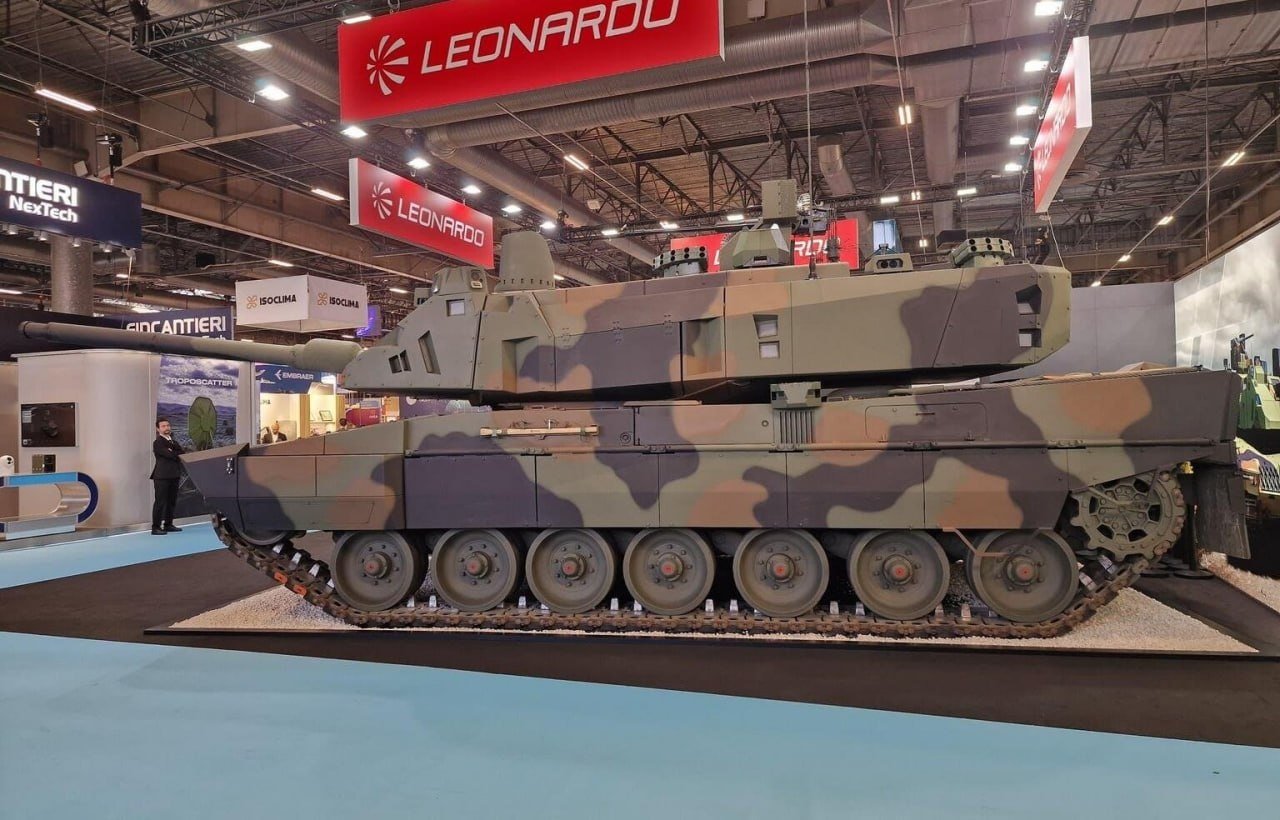 Italy Allocates Up to €5.14 Billion for Procurement of 132 New Main Battle Tanks
-
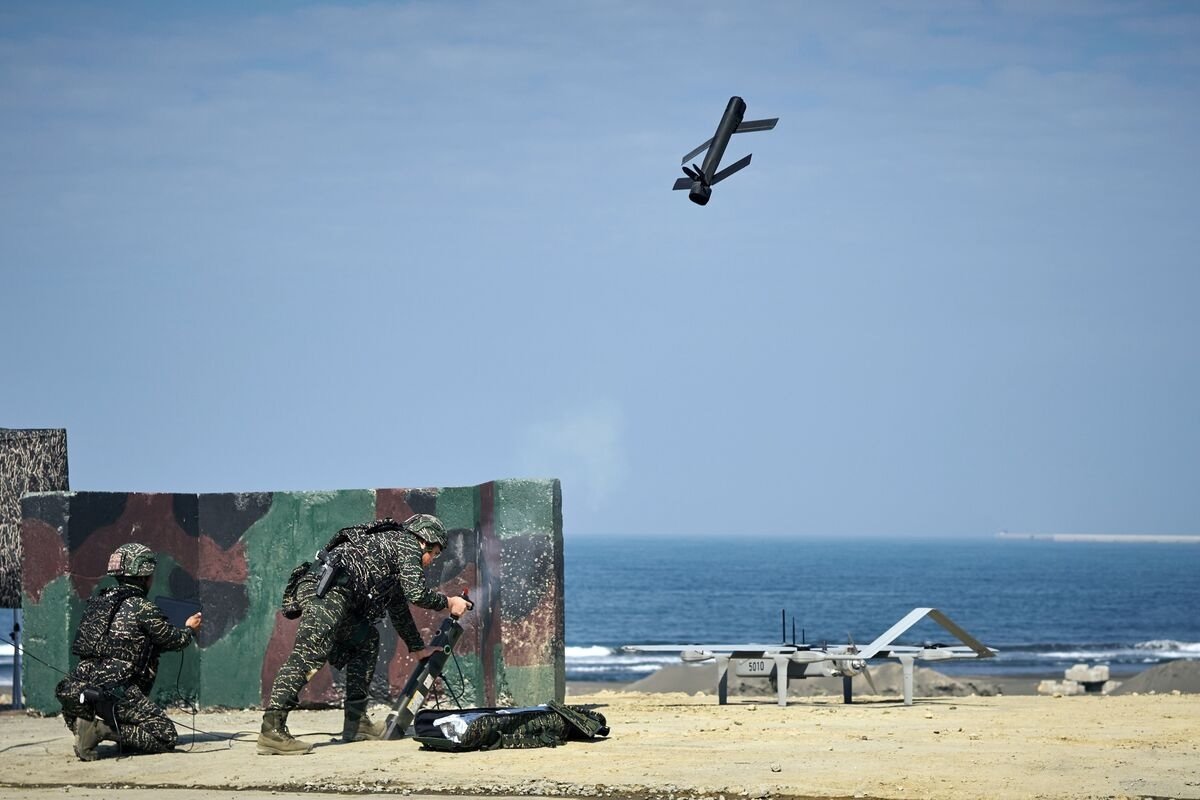 Taiwan Integrates Attack Drones Into Three-Service Live-Fire Exercise at Jiupeng for First Time
-
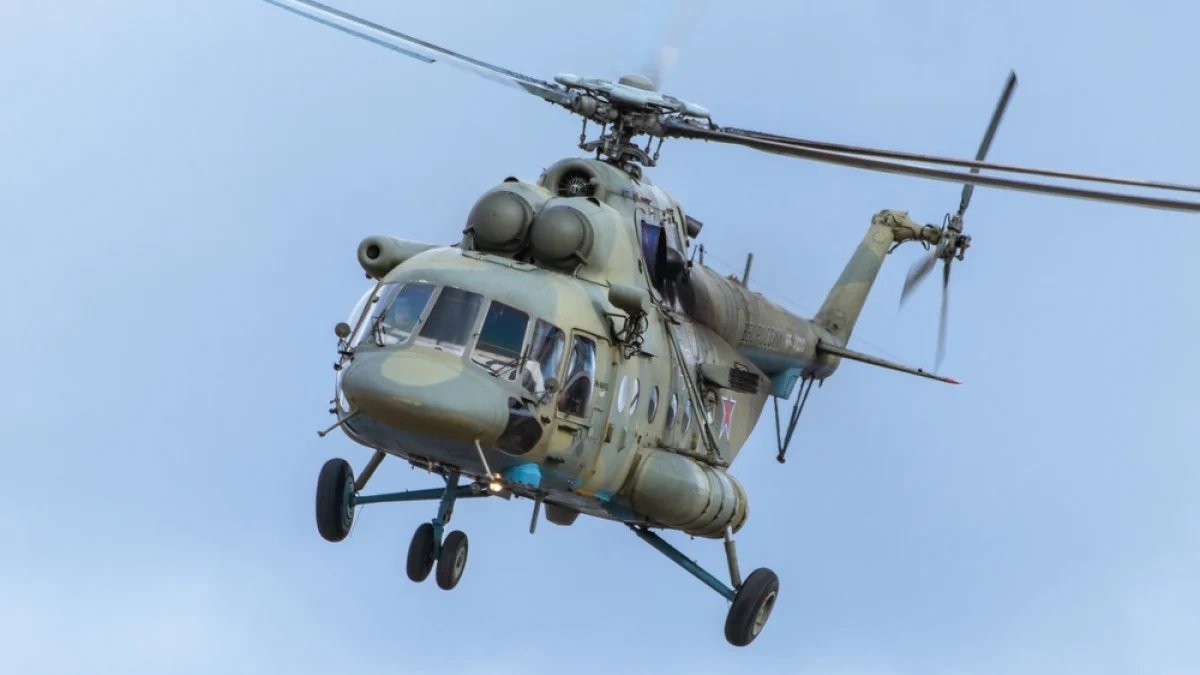 Russian Mi-8 Military Helicopter Crosses Into Polish Airspace for 42 Seconds Near Braniewo
-
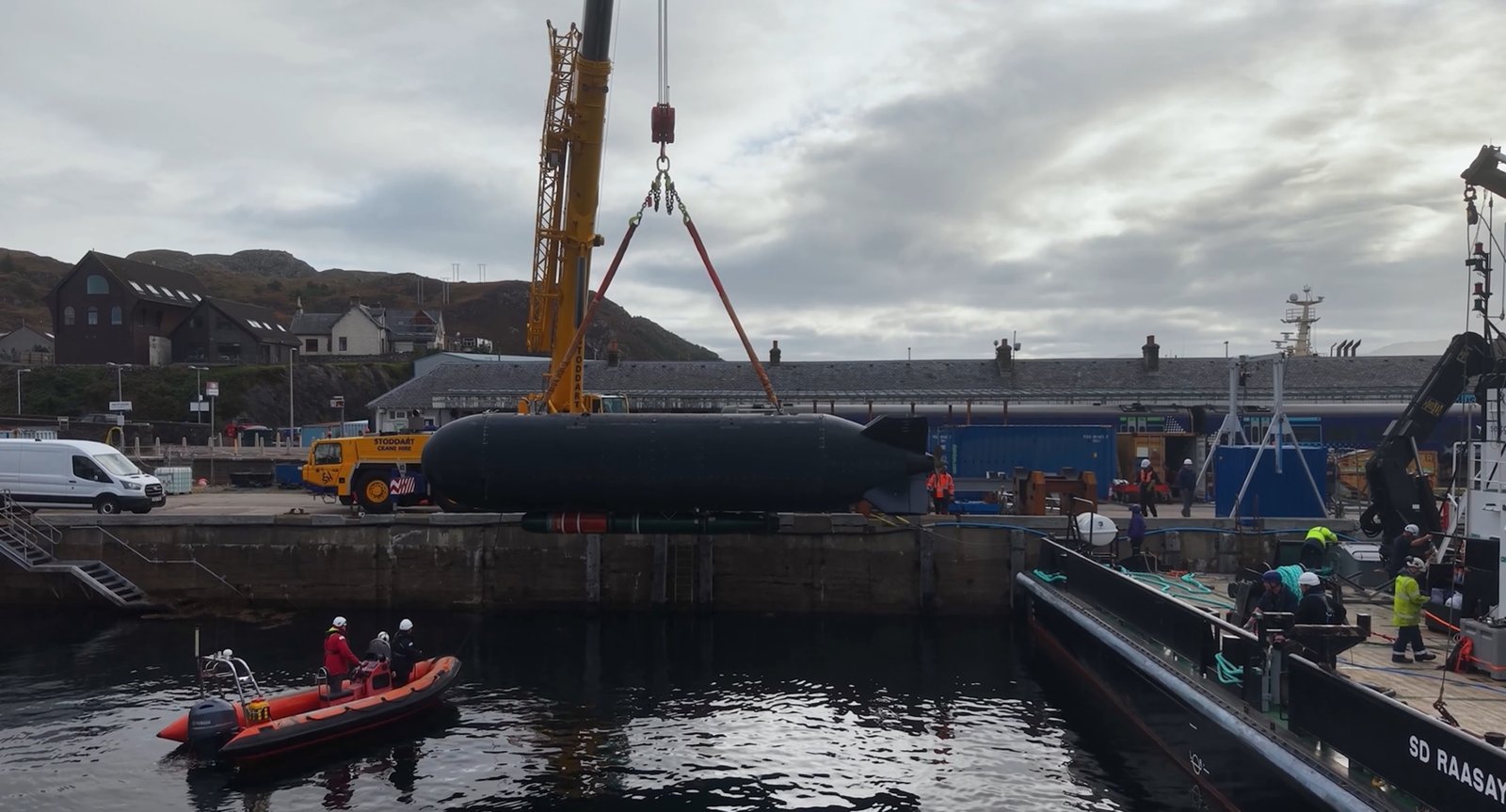 US and UK Navies Successfully Test-Fire Heavyweight Torpedo from Underwater Drone in Historic First
-
 Roketsan KARAOK Anti-Tank Missile Successfully Hits Aerial Target for First Time
-
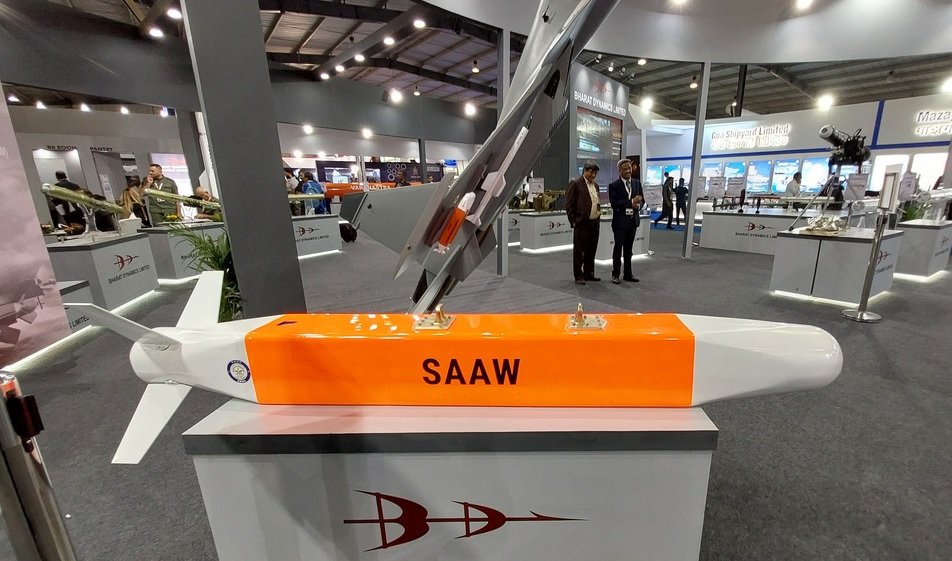 India Signs ₹810.79 Crore Deal with BDL for 160 SAT-SAAW Weapons for IAF
-
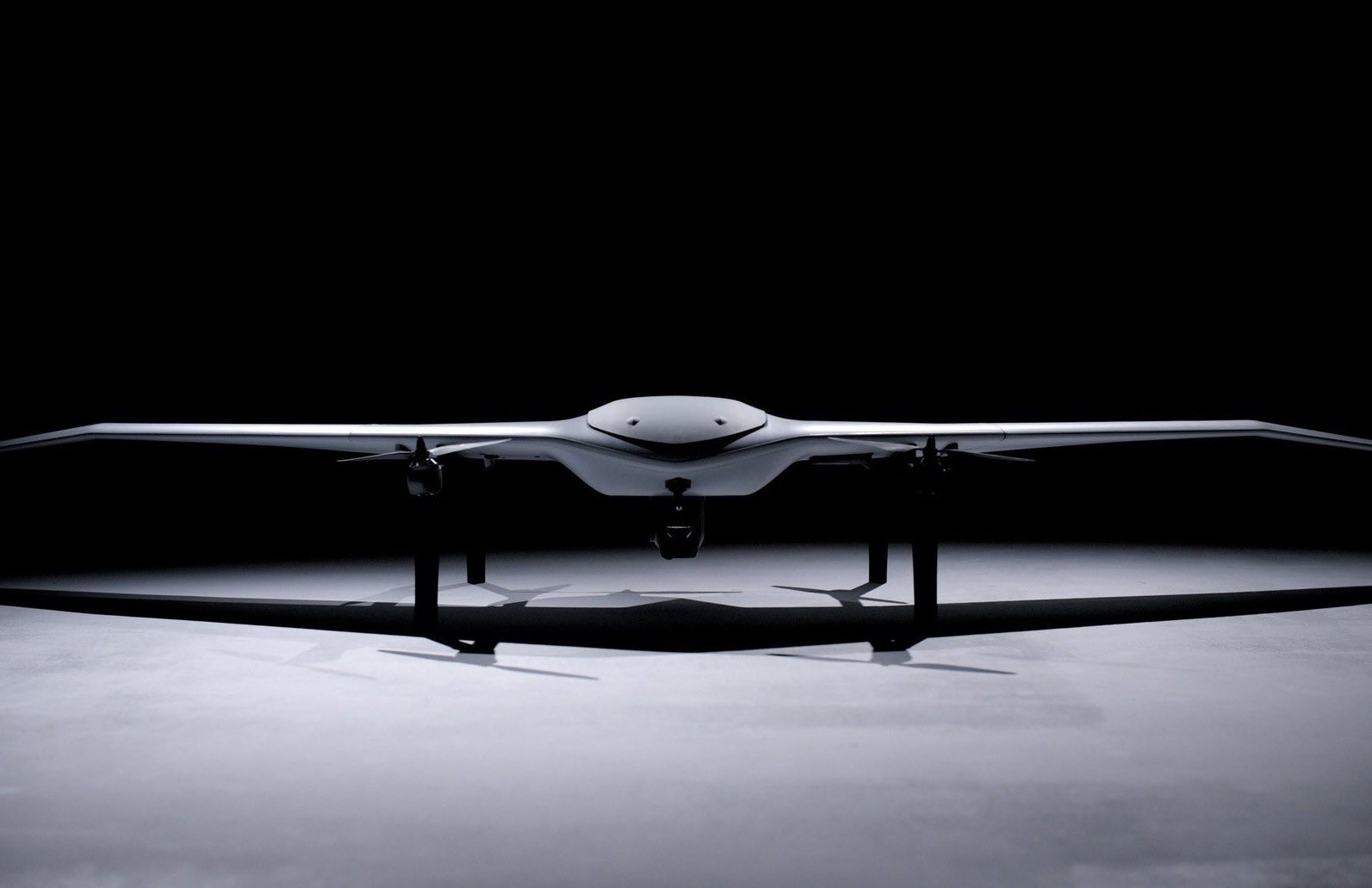 Dutch Firm DeltaQuad Launches Evo-LE VTOL UAV With Up to Eight-Hour Endurance
-
 BAE Systems Delivers Two Self-Funded AMPV 30 Prototypes to U.S. Army for Evaluation
Top Trending in 4 Days
-
 U.S. Army Awards $10.64 Million Contract to Ukrainian Drone Maker Skyeton for Raybird Systems
-
 India’s xTerra Robotics Launches Indigenous DHAV-Hy Wheeled-Legged Quadruped for Industrial Inspection
-
 U.S. Space Force Seeks Rapid-Response Satellites for Close-Range Orbital Inspections
-
 North Korea Fires Short-Range Ballistic Missile Toward Sea of Japan After Freedom Edge 26
-
 U.S. Government Seizes Almasirah.net, Houthi-Linked News Website
-
 U.S. Delivers First CH-47F Chinook to Egypt Under 12-Helicopter Deal
-
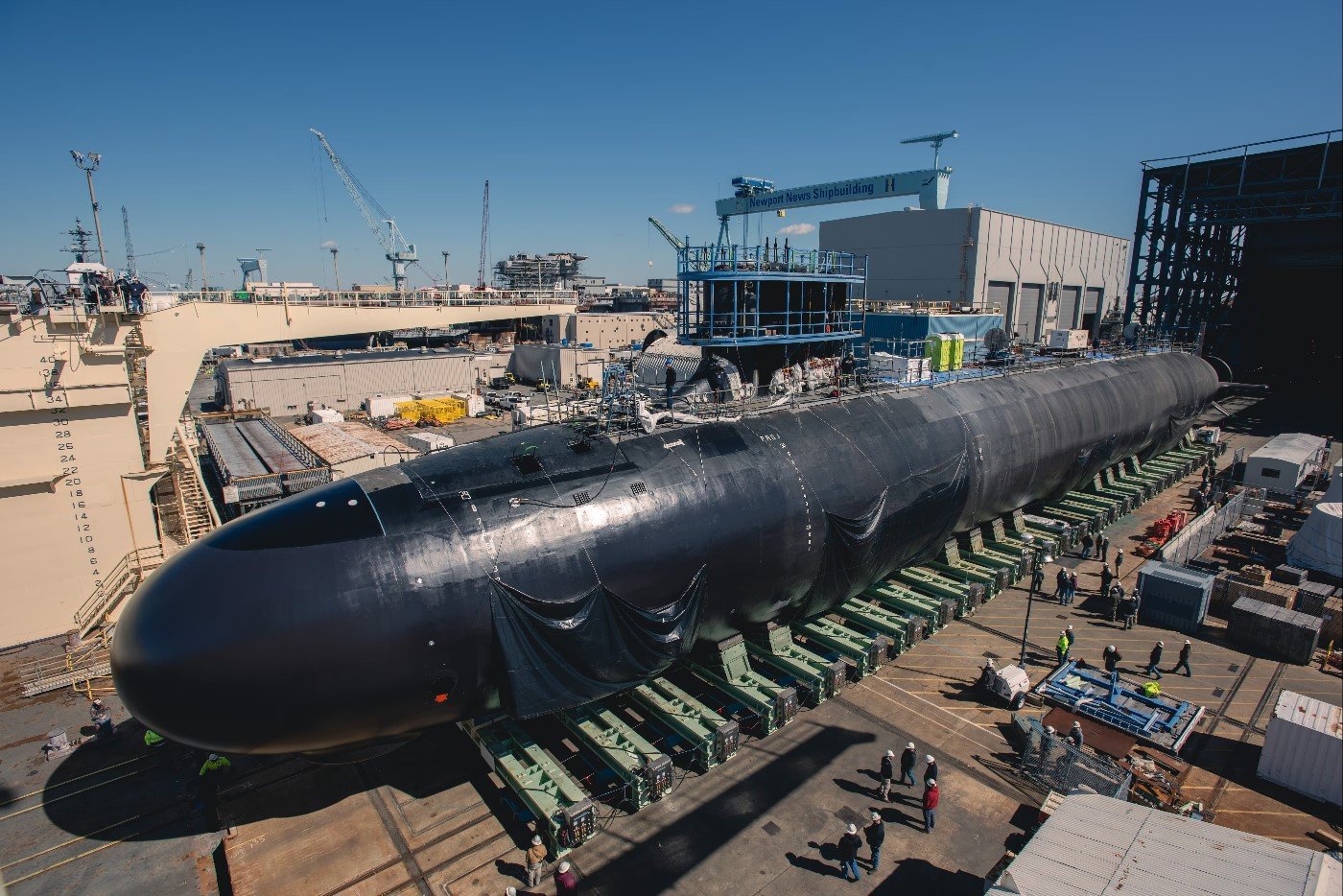 US Navy Submarine Director Outlines Four-Pillar Plan to Raise Build Rates
-
 Ukraine Reports First Use of Fire Point’s FP-7 Tactical Ballistic Missile inMoscow-Region Strikes on Oil Refinery