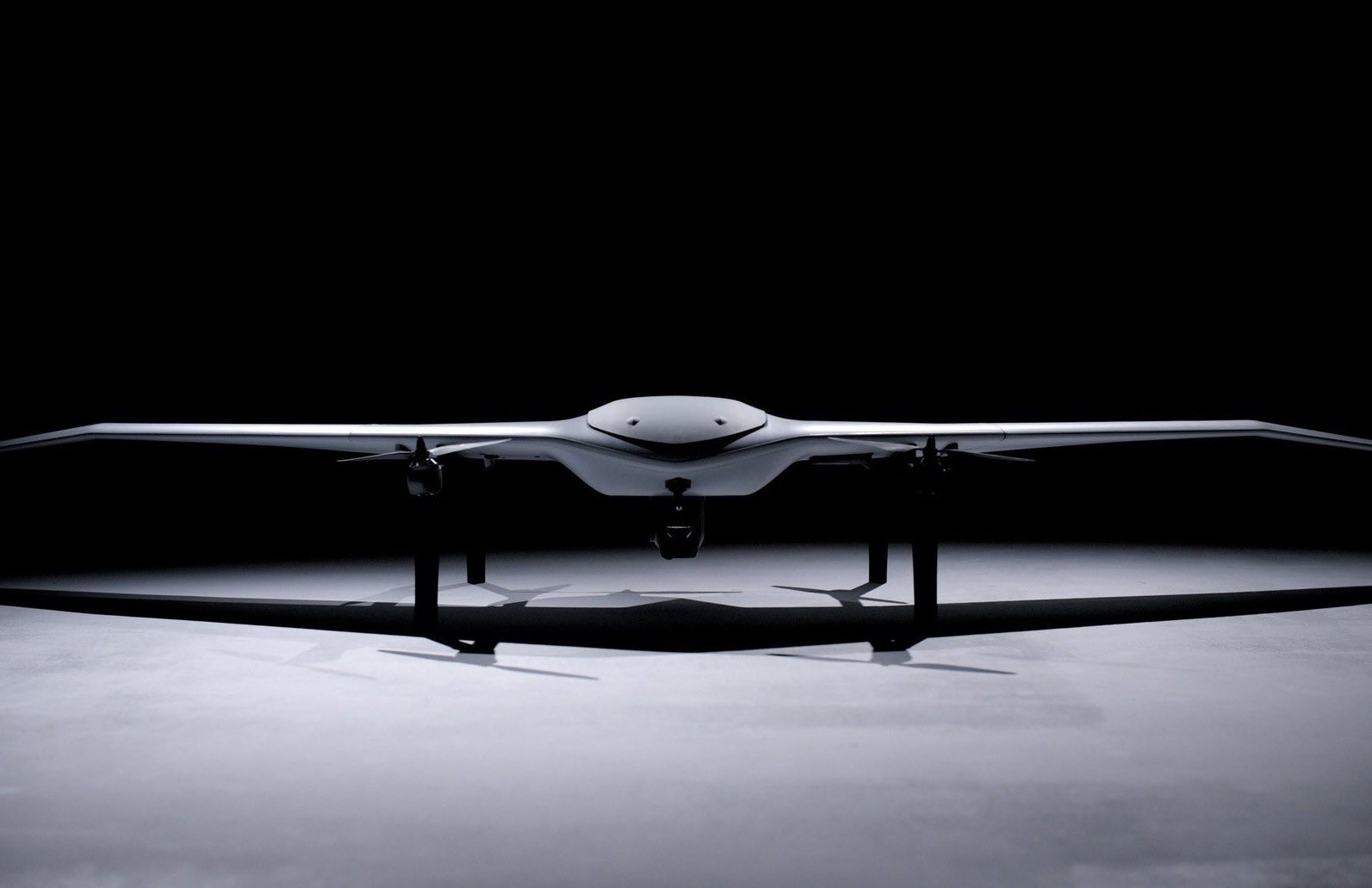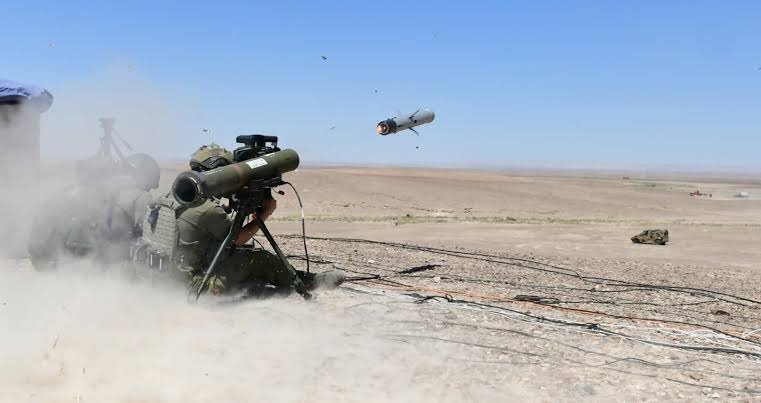
WASHINGTON, — May 18, 2026 : Northrop Grumman has been selected as one of five preferred payload providers for the Department of War’s (DoW) Drone Dominance Program through the Lethality Prize Challenge, positioning the company to support the large-scale deployment of small unmanned systems planned by the United States through 2027.
The Drone Dominance Program is part of a broader DoW initiative valued at approximately $1.1 billion aimed at rapidly fielding low-cost, consumable unmanned systems and associated mission architectures. The department plans to deploy more than 200,000 drones by 2027 as part of a strategy focused on distributed battlefield operations, scalable strike capabilities, and expansion of the domestic defense industrial base.
The initiative is also intended to reduce reliance on foreign supply chains while testing whether the American defense industry can manufacture large quantities of low-cost systems within accelerated procurement timelines.
Common UAS Payload Selected for Program
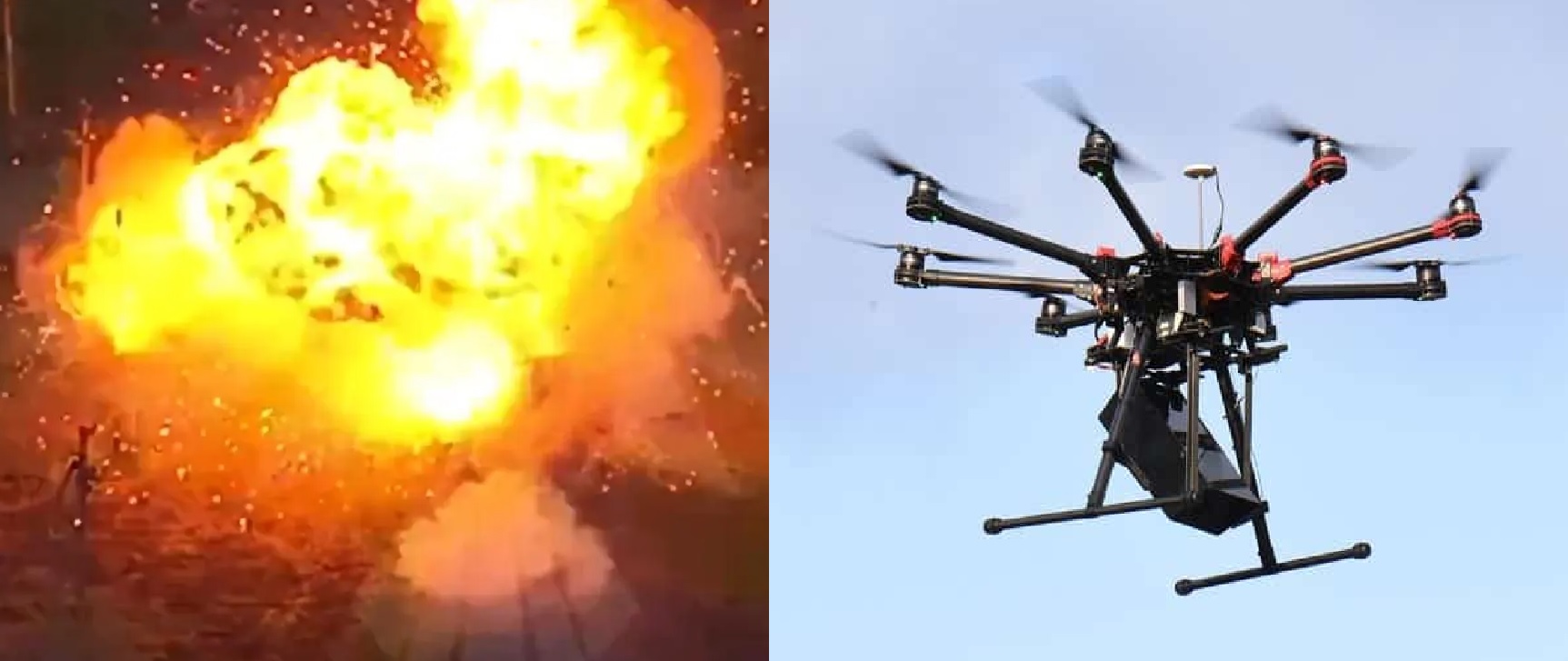
Under the program, Northrop Grumman will provide its Common UAS Payload, a standardized fuze and effects module designed for rapid integration across multiple unmanned platforms. The payload is engineered as an off-the-shelf system intended for use on unmanned aerial, maritime, and ground-based systems without requiring extensive redesign or platform-specific modification.
According to the company, the payload uses mature energetics and ruggedized electronics designed to operate in demanding combat environments while delivering 360-degree lethality. The system is built to support rapid deployment and scalable production requirements associated with the Drone Dominance Program.
The Common UAS Payload is aligned with the Department of War’s Modular Open Systems Approach (MOSA), utilizing standardized interfaces intended to eliminate proprietary integration barriers and simplify compatibility across different mission systems and platforms.
Northrop Grumman stated that the payload also supports the U.S. Army’s Purpose-Built Attritable Systems (PBAS) requirements, an initiative focused on developing flexible, interoperable, and expendable unmanned systems with reduced lifecycle and sustainment costs.
“The Drone Dominance Program demands payloads ready to integrate and deploy immediately – no delays, no redesigns,” said Tanya Santers, director for fuze and warheads at Northrop Grumman.
“Our Common UAS Payload meets this need with speed, safety and interoperability in mind, enabling military dominance now and into the future,” she added.
Lethality Prize Challenge and Selected Companies
The Lethality Prize Challenge was established to identify modular lethal payload solutions for Group 1 small unmanned aircraft systems operating under the Drone Dominance Program.
Alongside Northrop Grumman, the other selected companies include Bravo Ordnance, Kela Defense US Inc., Kraken Kinetics Inc., and Mountain Horse LLC.
Each company received a $10,000 cash prize and placement on the program’s preferred munitions solutions list, qualifying them for participation in the Gauntlet II demonstration event scheduled for August 2026.
Focus on Industrial Expansion and Production Capacity
A central objective of the Drone Dominance Program is to evaluate whether the U.S. defense industry can rapidly scale production of low-cost unmanned systems and payloads to meet rising operational demand.
Northrop Grumman stated that it has invested more than $2 billion in recent years in solid rocket motor technology, smart munitions development, and facility modernization efforts aimed at expanding manufacturing capacity and accelerating production timelines.
According to the company, these investments have enabled it to double its tactical solid rocket motor production capacity, with additional expansion projects expected to be completed by 2027.
Northrop Grumman currently operates with nearly 100,000 employees and more than 30 million square feet of manufacturing space across the United States. The company stated that its production infrastructure, research and development capabilities, workforce, and supply chain investments are intended to support current and future national security requirements under the Drone Dominance Program.
Program Timeline
The initial phases of the Drone Dominance Program are expected to focus on payload scaling, systems integration, and operational demonstrations. Later phases are anticipated to transition toward high-volume procurement and delivery as the Department of War moves closer to its target of fielding more than 200,000 drones by 2027.
——— End of Article ———