CRIMEA — May 21, 2026 : Ukrainian drone strikes damaged components of a Russian RSP-28ME aircraft landing radar system at the Russian-controlled Belbek air base in temporarily occupied Crimea during the night of May 16–17, 2026, according to images published on May 20 by the Telegram channel Dosye Shpiona.
The published photographs show visible damage to multiple elements of the radar complex, including the DRL-27SE air traffic control radar module and a central command module mounted on a KamAZ-6350 military transport truck. Images from the site also indicate that Russian forces had installed anti-drone protective netting around parts of the system before the strike, though the measures did not prevent the drones from reaching the target.
Damage to Airfield Support Infrastructure
The RSP-28ME is a modern mobile radar landing system used by the Russian Armed Forces to support aircraft operations at military airfields. The system is designed to provide radar guidance during aircraft approach and landing, monitor flight trajectories, and assist pilots with runway alignment and glide path control.
According to publicly available Russian technical specifications, a complete RSP-28ME complex includes the DRL-27SE dispatch radar module, PRL-27SE or PRL-27SM landing radar modules, an automatic radio direction finder, a centralized command-and-control module, and a dedicated diesel power station for autonomous field operation.
Russia began introducing the RSP-28ME system into service in 2021 as part of broader modernization efforts involving military aviation infrastructure. The system reportedly requires a crew of three personnel for operation.
The strike on the landing radar complex represents another Ukrainian effort aimed at degrading Russian aviation support capabilities in occupied Crimea. Damage to airfield radar and landing control systems can complicate flight operations, particularly during night activity or adverse weather conditions.
Belbek Air Base Remains Repeated Target
Belbek air base remains one of Russia’s primary military aviation facilities in occupied Crimea and has repeatedly been targeted during Ukraine’s long-range strike campaign against Russian military infrastructure on the peninsula.
The airfield is used for fighter aircraft operations and supports broader Russian air defense and aviation activity in the Black Sea region. Ukrainian strikes in Crimea have increasingly focused on air bases, radar systems, logistics facilities, ammunition depots, and command infrastructure linked to Russian military operations.
FP-2 Drones Demonstrate Expanded Strike Capability
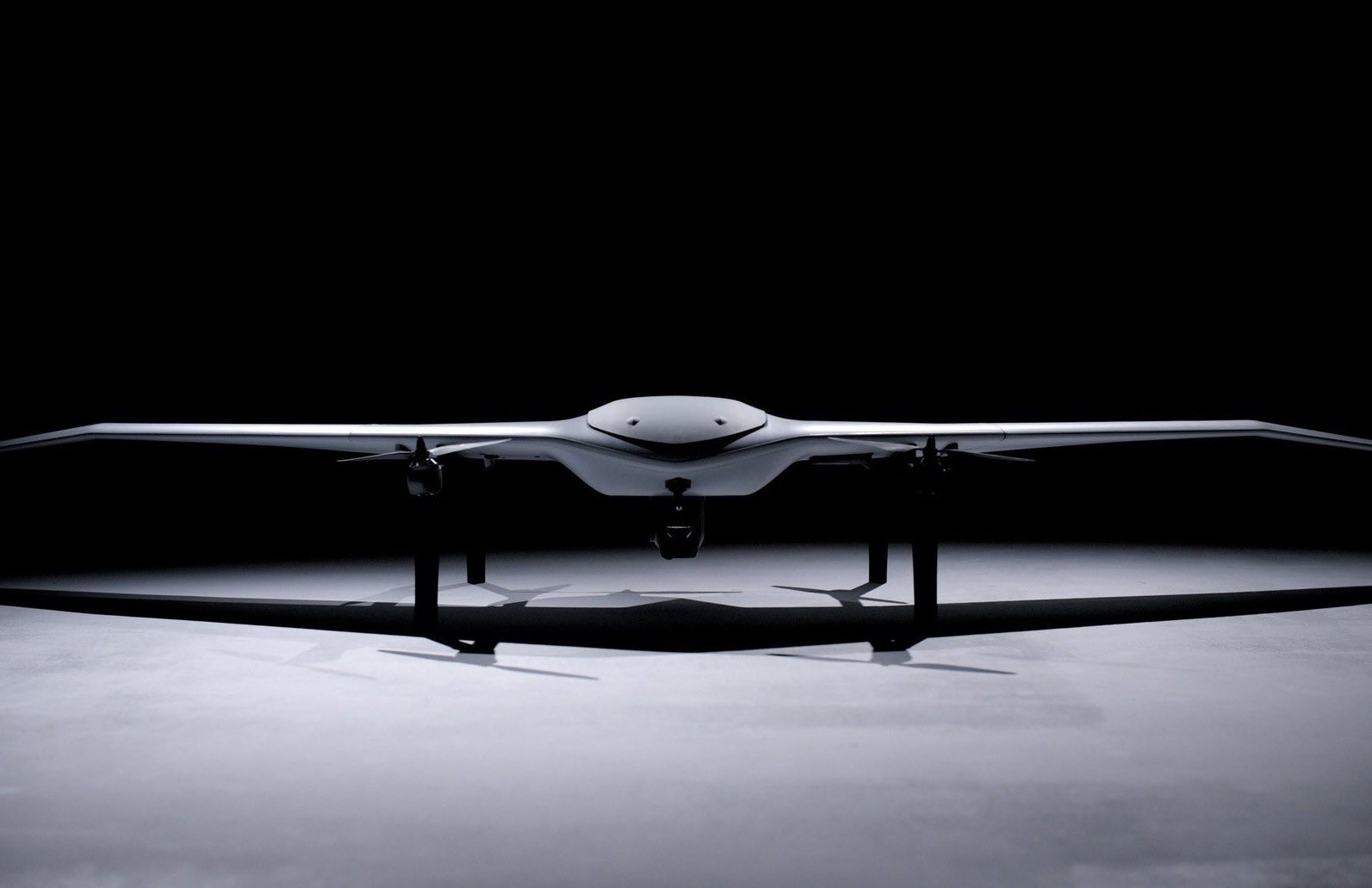
In a separate development, Ukraine’s Unmanned Systems Forces released footage showing FP-2 strike drones launching unguided aircraft rockets during attacks on a Russian Black Sea Fleet communications facility near Myrne in occupied Crimea.
The FP-2 drones, manufactured by the Ukrainian defense company Fire Point, reportedly targeted antenna arrays and radio infrastructure associated with the fleet’s communications network.
The released footage showed the drones firing unguided aerial rockets while approaching their targets, indicating the integration of additional offensive capabilities into Ukrainian long-range unmanned systems.
According to available reports, the FP-2 drones can carry rocket pods designed to launch Soviet-era 57mm S-5 or 80mm S-8 unguided rockets. The drones are reportedly capable of carrying two rocket pods with a combined salvo capacity of up to eight rockets.
Military analysts noted that the addition of airborne rocket capability may allow the drones to engage Russian mobile fire groups, electronic warfare systems, and short-range air defense positions during the approach phase of an attack. Such tactics could improve the drones’ ability to penetrate defended areas before striking primary infrastructure targets.
The dual-role use of FP-2 drones as both strike platforms and airborne rocket carriers reflects the continuing evolution of unmanned warfare capabilities being employed in the conflict.
All information regarding the reported strikes, damage assessments, and FP-2 drone operations is based on Ukrainian sources, including material published by Ukraine’s Unmanned Systems Forces and the Telegram channel Dosye Shpiona. No official Russian confirmation regarding the extent of the reported damage has been issued.
——— End of Article ———