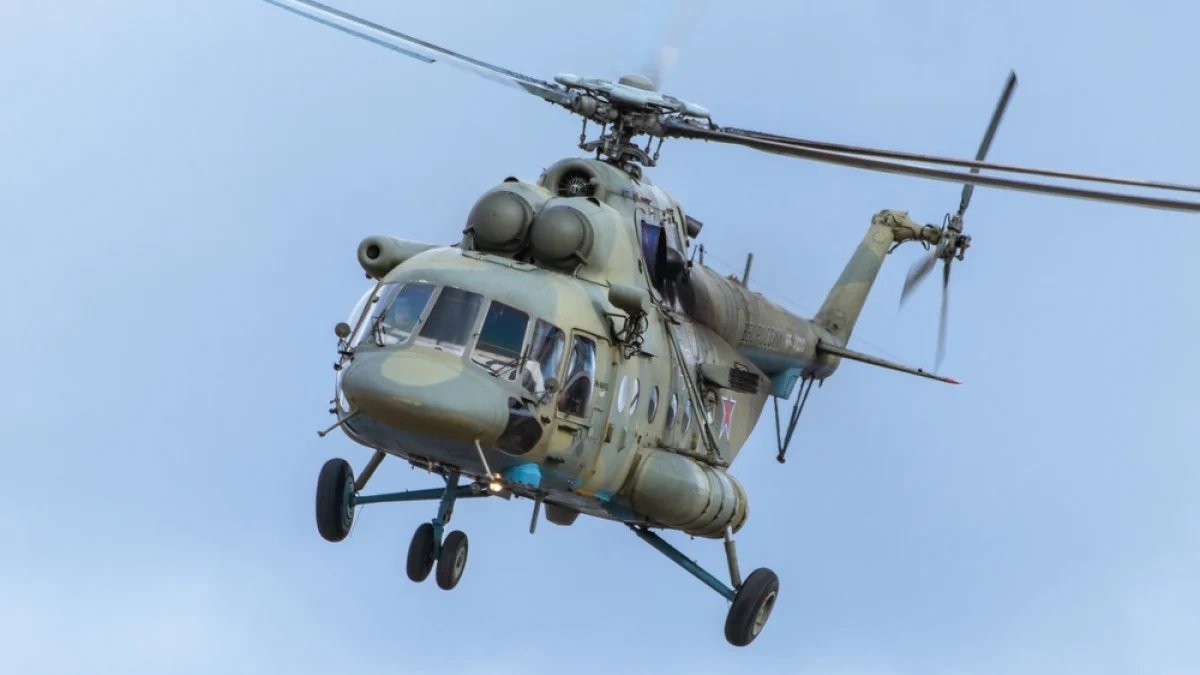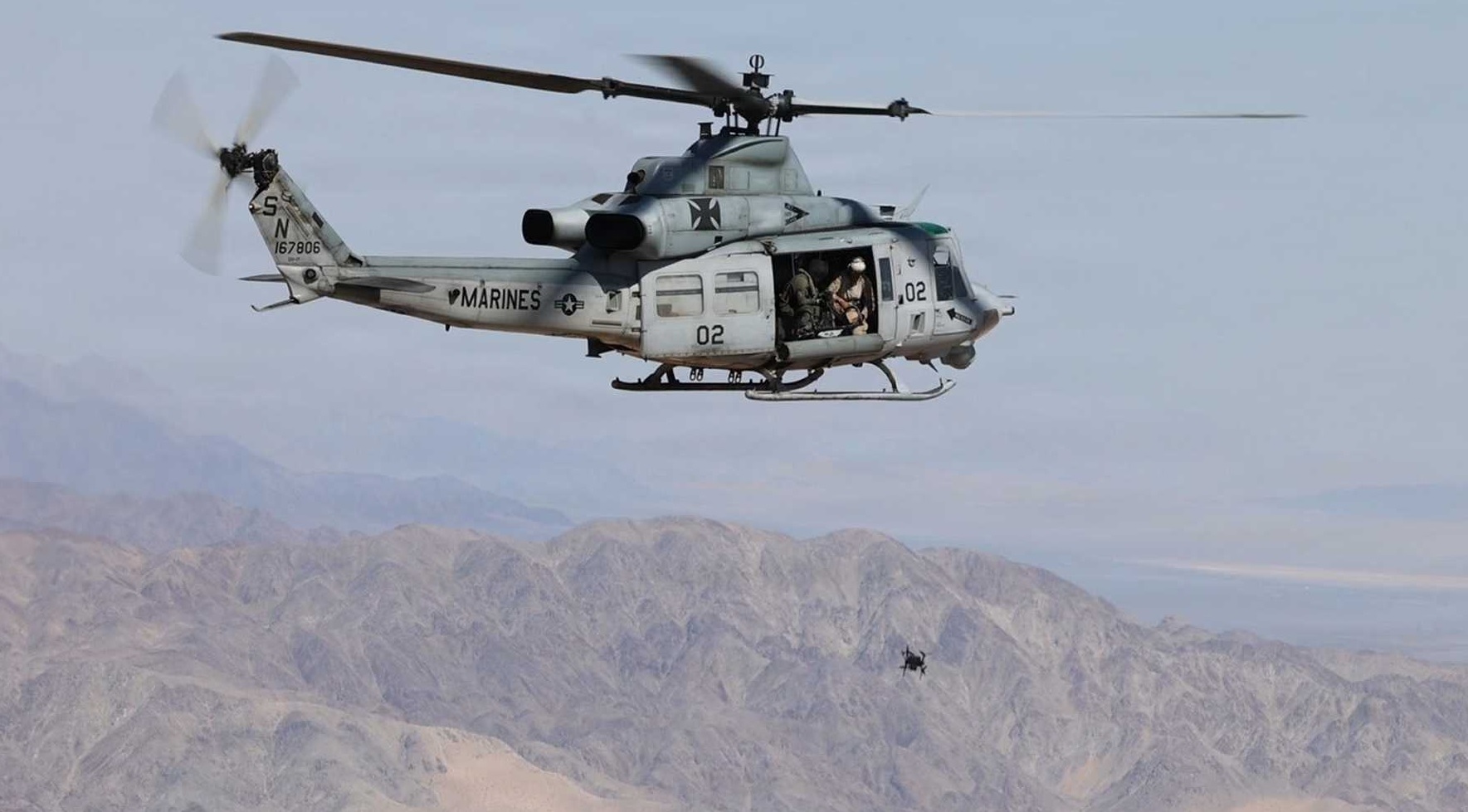
MARINE CORPS AIR GROUND COMBAT CENTER TWENTYNINE PALMS, Calif., — May 21, 2026 : The U.S. Marine Corps has demonstrated the use of UH-1Y Venom and AH-1Z Viper helicopters as airborne control platforms for first-person view (FPV) drones, validating a concept designed to extend operational reach while reducing risk to crewed aircraft operating near contested areas.
The demonstration involved Marines from Marine Light Attack Helicopter Squadron 169 (HMLA-169), Marine Aircraft Group 39, 3rd Marine Aircraft Wing, and the 3rd Light Armored Reconnaissance Battalion, 1st Marine Division. The exercise was conducted at Marine Corps Air Ground Combat Center Twentynine Palms, California, as part of ongoing efforts to integrate uncrewed systems into Marine Corps aviation operations.
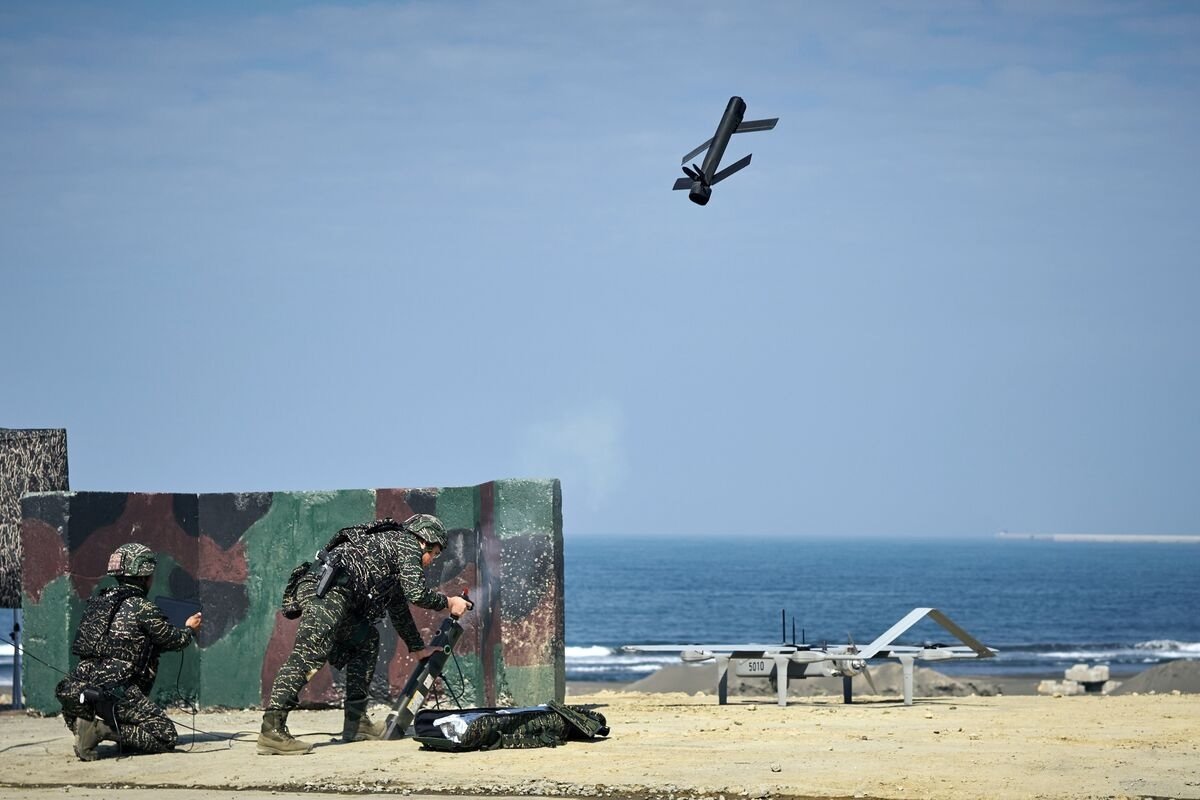
During the exercise, Marines from the 3rd Light Armored Reconnaissance Battalion launched a Neros Archer FPV drone from a ground position before transferring control authority to a specialized operator team aboard a UH-1Y Venom helicopter operating miles away from the target area. Operators inside the aircraft then maneuvered the drone toward its designated target, demonstrating the helicopter’s ability to function as an airborne command and remote-control platform.
The UH-1Y Venom served as an elevated communications and coordination node during the mission. By operating at higher altitude, the aircraft extended radio line-of-sight communications and reduced limitations caused by terrain, urban infrastructure, and ground-level interference that commonly affect drone operations.
Capt. Quinton Thornbury, a UH-1Y Venom pilot with HMLA-169, said the primary objective of the exercise was to test the feasibility of deploying and controlling an FPV drone from a moving helicopter.
“The primary objective was to test the feasibility of a non-kinetic drop and deployment of a first-person view drone from a moving helicopter, which we were able to do today,” Thornbury said. “From there, validate that we can control the maneuver of that drone from the back of the aircraft.”
According to the Marine Corps, the concept is intended to address the growing threat posed by advanced integrated air defense systems that increasingly force conventional rotary-wing aircraft to operate from greater stand-off distances. By combining the endurance, altitude, and networking capabilities of the H-1 helicopter fleet with expendable FPV drones, the service aims to shift terminal battlefield risk from crewed aircraft to uncrewed systems.
Sgt. Matthew Pocklington, a UH-1Y crew chief with HMLA-169, said the tactic allows helicopter crews to continue supporting ground forces while remaining farther from hostile threats.
“This tactic allows us to keep our air crews safe and sound while pushing the lethal edge of the battlefield out to where the enemy is,” Pocklington said. “We are still providing our ground support, and close air support, but in a way that lets the drones close with and destroy the enemy, rather than putting our Marines in harm’s way.”
The exercise used the Neros Archer FPV drone manufactured by Neros Technologies. The Marine Corps stated that the Archer system was selected because it is currently the most widely used FPV drone among Marine infantry units and already benefits from an established logistics and support network, which could accelerate integration across aviation units.
Officials also highlighted the drone’s compact size and precision targeting capability, noting that the system can support operations in complex combat environments while reducing the risk of collateral damage.
The demonstration further showed the potential for FPV drones to function as remote extensions of helicopter sensors and strike capabilities. Marine Corps officials stated that the concept could provide commanders with additional options for engaging enemy armor, fortified positions, and maritime targets using low-cost attritable systems instead of relying solely on expensive guided munitions.
The integration is expected to provide operational advantages for the AH-1Z Viper attack helicopter. Under conventional tactics, the aircraft often must approach closer to targets for visual identification and engagement using onboard cannons or rockets. By assigning forward reconnaissance and terminal strike functions to FPV drones, helicopter formations can detect, track, and engage threats from significantly greater distances while reducing exposure to enemy air defenses.
The Marine Corps said the demonstration forms part of broader efforts to evaluate new methods for integrating crewed aviation platforms with uncrewed systems across future operational environments.
——— End of Article ———