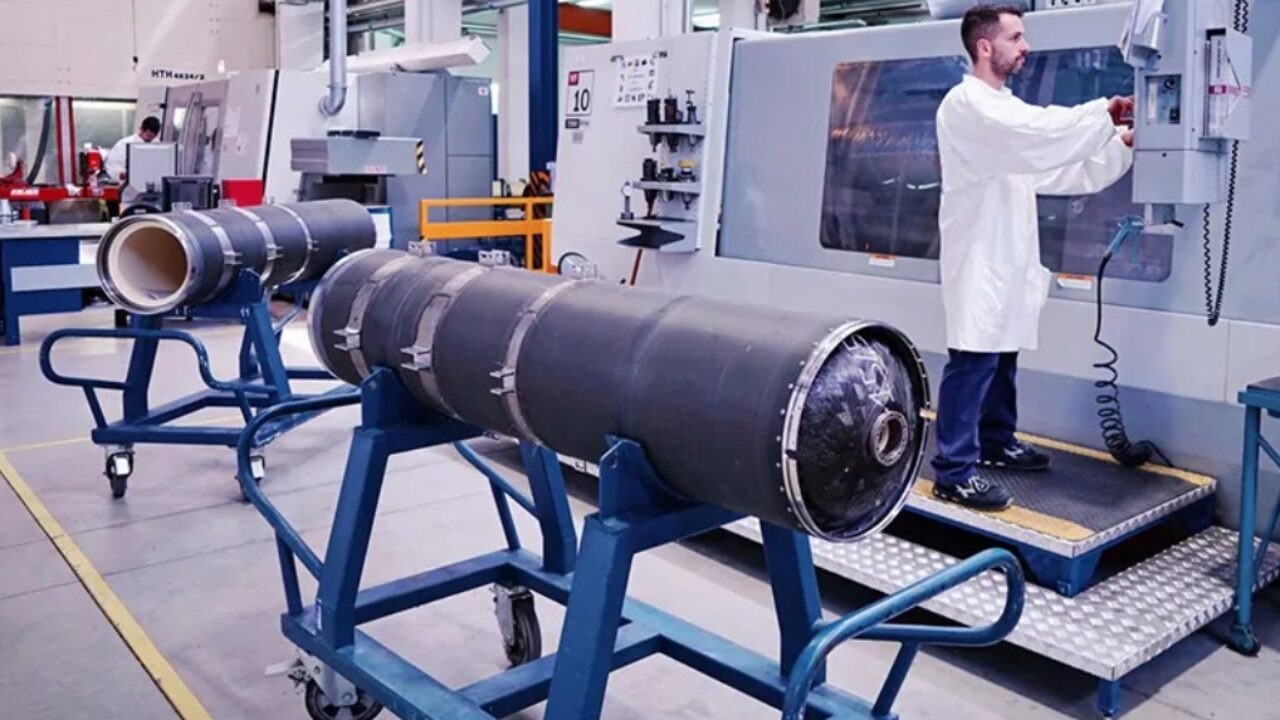
ARLINGTON, Va., May 26, 2026 : Raytheon, a business unit of RTX, has been awarded a phase two contract by the Defense Advanced Research Projects Agency (DARPA) to continue development of adaptable solid rocket motor (SRM) technology under DARPA’s Burn n’ Go program, a project aimed at improving flexibility, scalability, and manufacturing efficiency in missile propulsion systems.
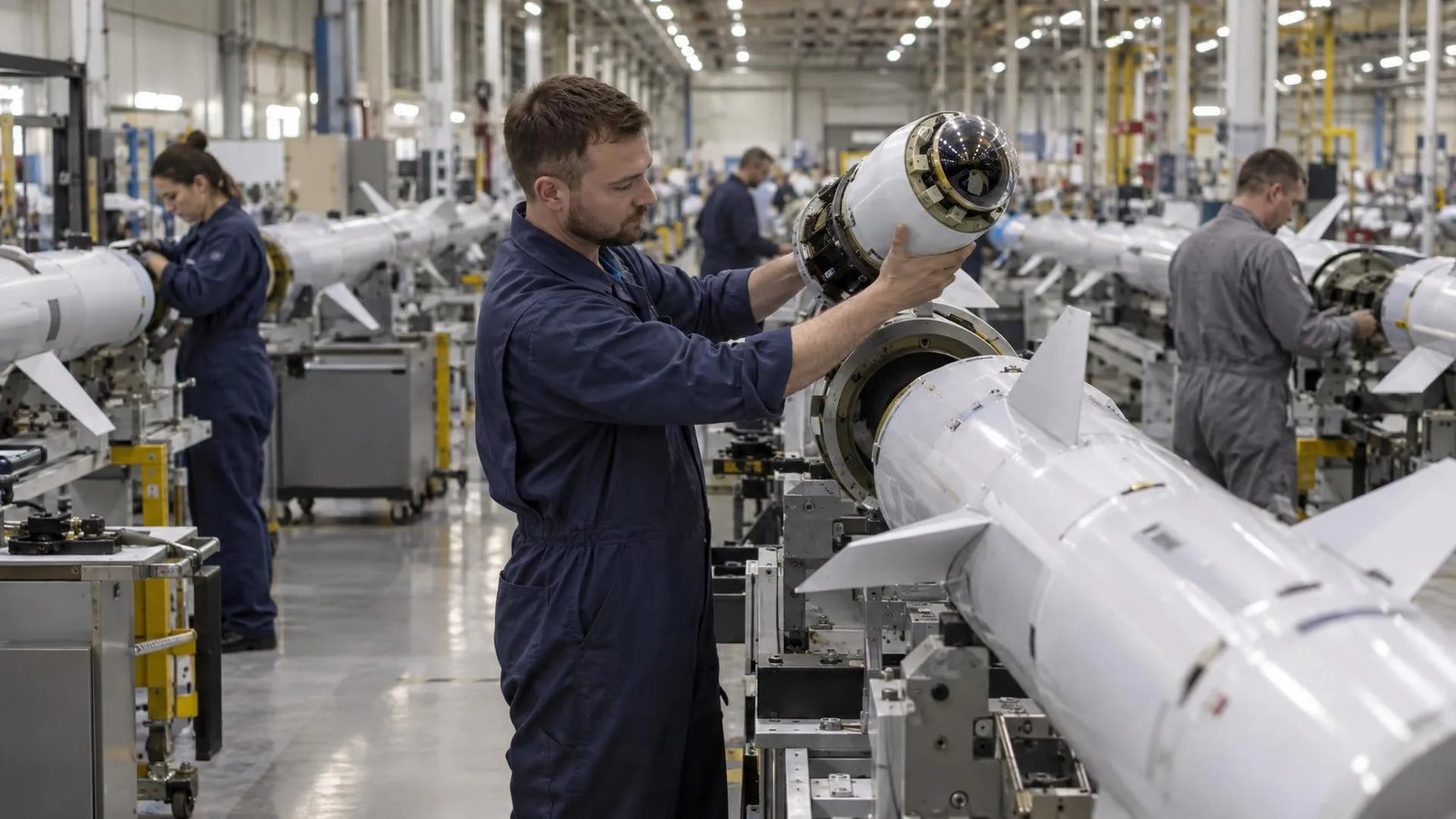
The programme is being conducted in collaboration with Northrop Grumman and Luna Innovations, with Raytheon serving as the prime contractor. The initiative seeks to move solid rocket motors away from traditional single-use designs by developing a “composable” propulsion system capable of adjusting thrust after manufacturing to meet different operational requirements.
Burn n’ Go Programme Focuses on Flexible Rocket Motor Design
DARPA’s Burn n’ Go programme is designed to enable a common solid rocket motor architecture that can support multiple missions and weapon systems through tailorable thrust control. Unlike conventional motors designed for a single mission profile, the new concept aims to allow propulsion systems to be adapted after production, reducing dependence on mission-specific motor designs.
The approach is intended to improve operational flexibility for military users by allowing a single motor configuration to support different weapon requirements, while also enabling more efficient procurement, production, and stockpiling of missile systems.
According to DARPA, the programme uses advances in materials science to alter the burn surface area of solid rocket motors after manufacturing, enabling post-production thrust modification. The concept is also expected to streamline quality control timelines associated with ignition systems and propellant casting while supporting real-time motor health monitoring to improve reliability and predictability.
Phase Two Follows Accelerated Feasibility Demonstration
The phase two award follows a seven-month phase one effort completed on an accelerated timeline by Raytheon and Northrop Grumman, during which the companies demonstrated the feasibility of the composable propulsion concept.
Under the new phase, Raytheon’s Advanced Technology division will focus on maturing and scaling the system through a series of demonstrations intended to validate performance in increasingly realistic rocket motor configurations. The effort is expected to assess the technology’s operational viability and readiness for future applications.
“Solid rocket motor production has become a critical bottleneck for many missile programs,” said Colin Whelan, president of Advanced Technology at Raytheon. “By pursuing a composable approach to how these motors are designed and built, we’re helping lay the groundwork for faster, more adaptable munitions production across multiple mission sets.”
Industry Team to Support Development Effort
As prime contractor, Raytheon is leading the programme alongside Northrop Grumman’s Allegany Ballistic Laboratory (ABL), which will provide expertise in solid rocket motor design and manufacturing. Luna Innovations is contributing advanced material development capabilities intended to support DARPA’s objective of creating highly flexible and scalable missile propulsion technologies.
The development effort aligns with Raytheon’s broader composable weapons strategy, which focuses on reducing development cycle times, lowering manufacturing costs, and accelerating missile production amid continuing supply chain and industrial capacity challenges affecting the defense sector.
Financial terms of the phase two contract were not publicly disclosed.
——— End of Article ———