World
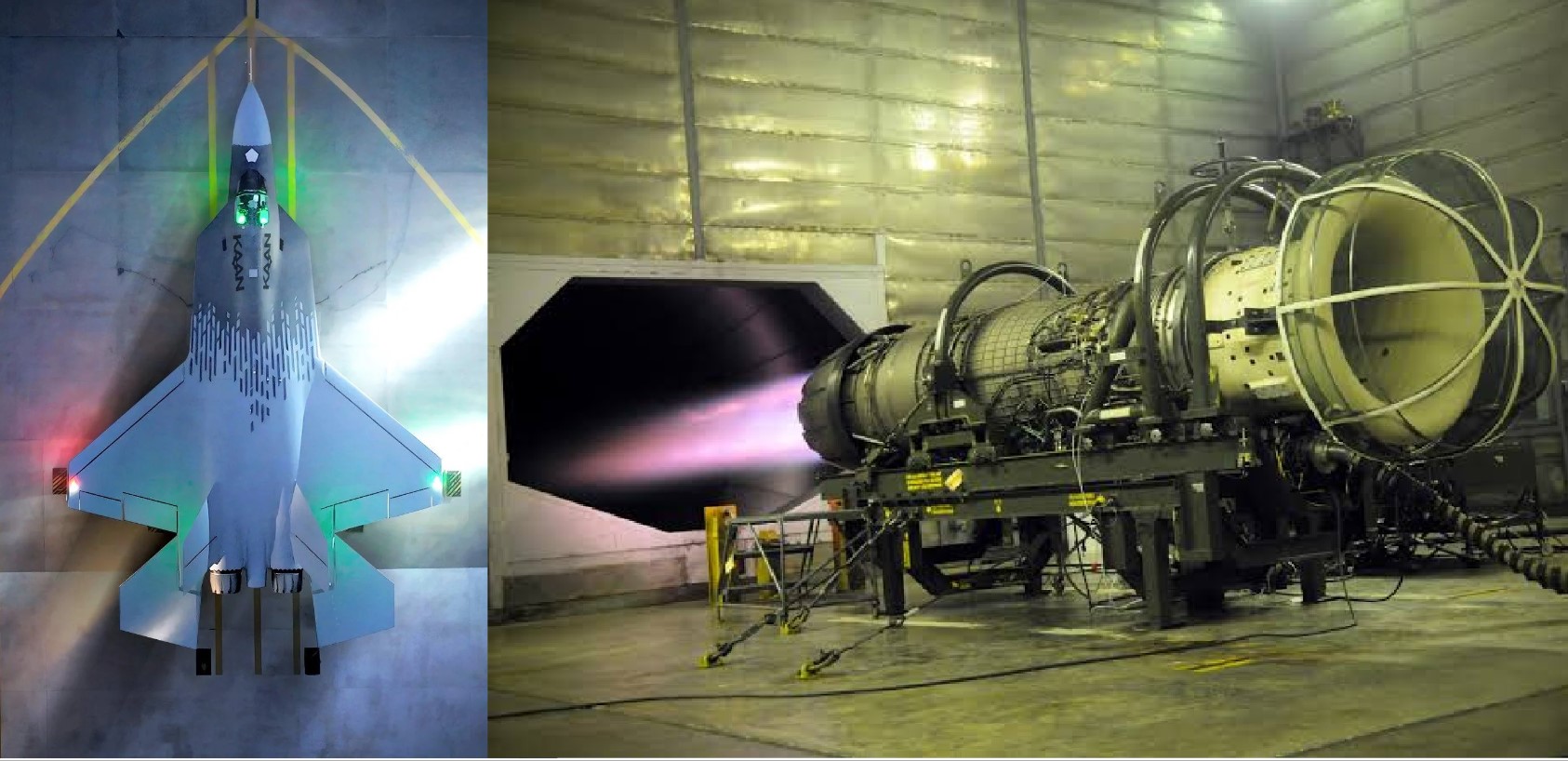
Washington, June 25, 2026 — The Trump administration is preparing to move ahead with a $750 million sale of General Electric (GE) F110 jet engines to Turkey, overriding an informal congressional hold in a move aimed at supporting a key NATO ally ahead of the alliance's summit in Ankara next month. The proposed package includes approximately 80 GE F110 turbofan engines that will power the early production models of Turkey's domestically developed KAAN fifth-generation fighter aircraft. Administration officials have informed Congress that they intend to proceed with the sale despite objections raised during the congressional review process. The decision marks the latest chapter in the complex defense relationship between Washington and Ankara, balancing longstanding security concerns over Turkey's acquisition of the Russian S-400 air defense system against broader strategic interests within NATO. Congress Objects to Engine Sale Representative Gregory Meeks (D-N.Y.), Ranking Member of the House Foreign Affairs Committee, placed an informal hold on the proposed sale during the congressional review process. He cited Turkey's continued operation of the Russian-made S-400 air defense system, as well as broader regional concerns involving Syria and tensions with Greece. According to officials familiar with the matter, the State Department is expected to formally notify Congress of the sale in the coming days. Although lawmakers can raise objections during the informal review process, the executive branch retains the authority to move forward with foreign military sales. In a statement released on June 24, Meeks criticized the administration's decision. "The administration informed me it would once again bypass congressional review for more than $700 million in defense articles to the Turkish military." Meeks also said the administration failed to provide a detailed briefing on the sale's implications for U.S.-Turkey relations, Turkey's continued possession of the S-400 system, or other regional security issues. He added that the State Department neither invoked emergency authority nor submitted a written justification for bypassing congressional concerns despite repeated requests for clarification over several months. White House Cites Strategic Importance Administration officials have defended the decision by emphasizing Turkey's strategic role within NATO and its importance on the alliance's southern flank. One administration official described Turkey as a "great partner in the region" and highlighted President Donald Trump's close relationship with Turkish President Recep Tayyip Erdoğan as an important factor in strengthening bilateral defense cooperation. President Trump also hinted at the upcoming decision while speaking to reporters before his planned visit to Turkey for the NATO Summit. "I'm going to probably do something that will make them very happy," Trump said when asked about the proposed engine sale. S-400 Dispute Continues to Shape Relations The planned engine sale comes despite years of tension between Washington and Ankara over Turkey's purchase of the Russian S-400 air defense system. Turkey acquired the S-400 in 2019, prompting the United States to remove the country from the F-35 Joint Strike Fighter program and impose sanctions, arguing that operating the Russian system alongside advanced NATO aircraft posed a security risk. Under current U.S. law, Turkey cannot return to the F-35 program while the S-400 system remains operational. As a result, lawmakers have argued that approving the GE engine sale without addressing the S-400 issue weakens congressional oversight and existing security policy. GE Engines Critical for KAAN Fighter Program The engine package is considered essential for Turkey's indigenous KAAN fighter program, one of Ankara's largest defense modernization projects since its launch in 2016. Turkey is developing its own TF35000 indigenous turbofan engine through a joint venture involving Turkish Aerospace Industries (TAI) and GE Aerospace. However, the engine is still under development and will not be available for the aircraft's initial production phase. The expected delivery of approximately 80 GE F110 engines will bridge that capability gap by powering prototype aircraft as well as the early Block 10 and Block 20 production variants. Those aircraft are scheduled to enter service between 2028 and 2030. Without the U.S.-built engines, analysts say the KAAN program could face significant production delays while Turkey continues developing its indigenous powerplant. Last year, Turkish Foreign Minister Hakan Fidan publicly criticized the prolonged congressional review process, describing the delay in approving the GE engines as politically motivated. Timing Linked to NATO Summit The administration's decision comes less than two weeks before NATO leaders gather in Ankara on July 7–8 for the alliance's annual summit. The meeting is expected to focus on European security, defense modernization, alliance readiness, and regional challenges. Turkey last hosted a NATO summit in Istanbul in 2004, while the previous summit took place in The Hague in 2025. Defense analysts view the engine sale as a diplomatic gesture intended to strengthen ties with an important NATO ally ahead of the summit. However, they note that the approval does not represent a broader reset in U.S.-Turkey defense relations. Gonul Tol, director of the Turkish Program at the Middle East Institute in Washington, said the engine agreement is the "lowest-hanging fruit" available to the administration. According to Tol, while securing the GE engines is critical for the KAAN program, larger issues—including Turkey's potential return to the F-35 program—remain unresolved. Executive Branch and Congress Remain at Odds The planned sale also highlights the continuing debate between the executive branch and Congress over oversight of major U.S. arms transfers. While the administration argues that supporting Turkey serves broader NATO interests, lawmakers continue to press for greater transparency regarding defense exports involving countries facing U.S. sanctions or ongoing regional security concerns. If finalized, the GE F110 engine package will help sustain production of Turkey's first indigenous fifth-generation fighter aircraft while underscoring the ongoing balance between strategic alliance priorities and congressional oversight of U.S. defense exports.
Read More → Posted on 2026-06-25 12:19:35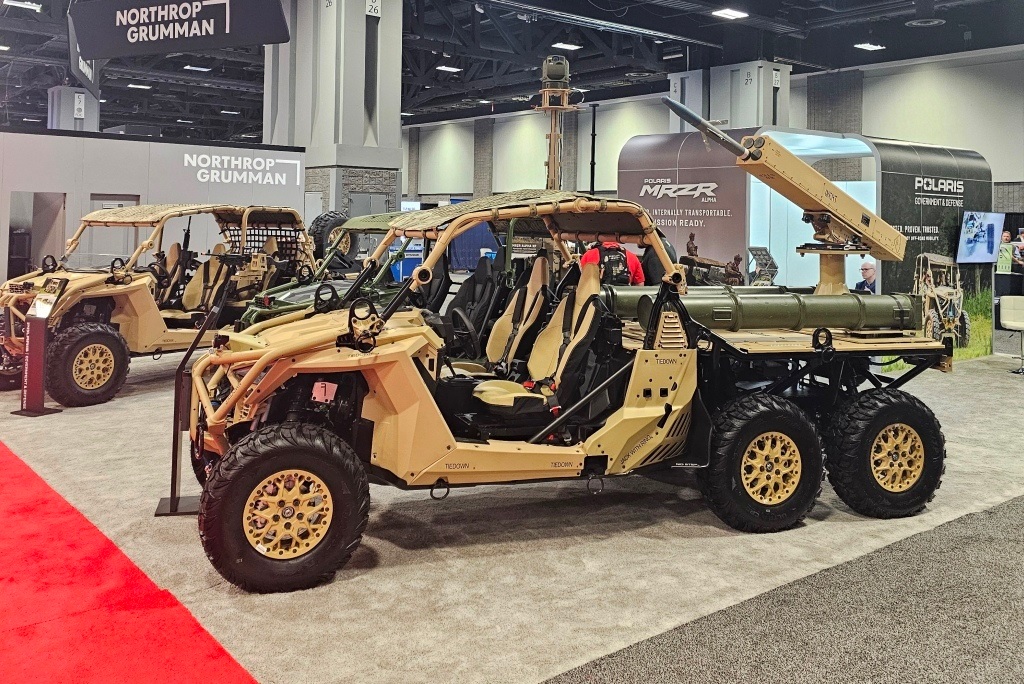
World
Washington, D.C., June 25, 2026 — The U.S. Marine Corps has placed its first delivery order under a newly awarded indefinite-delivery, indefinite-quantity (IDIQ) contract with Polaris Government and Defense, acquiring more than 70 MRZR Alpha ultra-light tactical vehicles (ULTVs) along with a package of mission-specific accessories. More than half of the vehicles ordered are equipped with a 5-kilowatt exportable power system, enabling them to supply electrical power directly to military equipment in the field. The order follows the award of a new IDIQ contract on May 22, 2026, through the Program Executive Office for the Marine Corps. Valued at up to $98 million over a five-year ordering period, the contract allows the Marine Corps to procure vehicles as operational requirements evolve. The first delivery order was placed on June 24. Air-Transportable Tactical Vehicle Built by Polaris Government and Defense, the MRZR Alpha is powered by a 1.5-liter common-rail turbo-diesel engine producing 118 horsepower and 199 lb-ft of torque, paired with an eight-speed automatic transmission. The vehicle has a top speed of more than 60 mph and an operational range of 225 to 300 miles. The four-seat configuration offers a payload capacity of up to 2,000 pounds and a towing capacity of 2,500 pounds. Its dimensions allow internal transport aboard MV-22B Osprey tiltrotors and CH-53 heavy-lift helicopters, supporting rapid deployment into remote and austere environments. 5-kW Exportable Power System More than half of the vehicles ordered feature the 5-kilowatt exportable power variant, while the remainder use the standard 1-kilowatt configuration. The 5-kW system enables the vehicle to function as a mobile 24-volt power source capable of operating communications equipment, tactical edge computing systems, sensors, air defense systems, and other electronic equipment without requiring a separate generator. Mission Equipment Package The delivery order includes a range of mission-specific accessories developed to improve operational flexibility. These include a reversible roof kit with multicam camouflage on one side and olive drab on the other, a road march kit with turn signals, mirrors and a horn, and a modular cargo system featuring side rails, a heavy-duty tailgate and aircraft-compatible rails for casualty evacuation litter mounts. Additional equipment includes a roll-cage-mounted Class 5-BC fire extinguisher and a dedicated towbar mounting system. The modular configuration allows the same vehicle to support reconnaissance, logistics, casualty evacuation, counter-drone operations and aircraft refueling missions by changing accessory packages. Supporting Marine Corps Modernization The Marine Corps currently operates more than 500 MRZR Alpha vehicles across multiple operational theaters, including Norway and the Middle East. The platform also benefits from Polaris' commercial dealer network, improving parts availability and sustainment for deployed units. The procurement supports the Marine Corps' Force Design modernization strategy, which emphasizes lighter, highly mobile expeditionary forces operating in contested maritime and littoral environments. Additional deliveries are expected under the five-year, $98 million contract as future requirements are issued.
Read More → Posted on 2026-06-25 11:29:11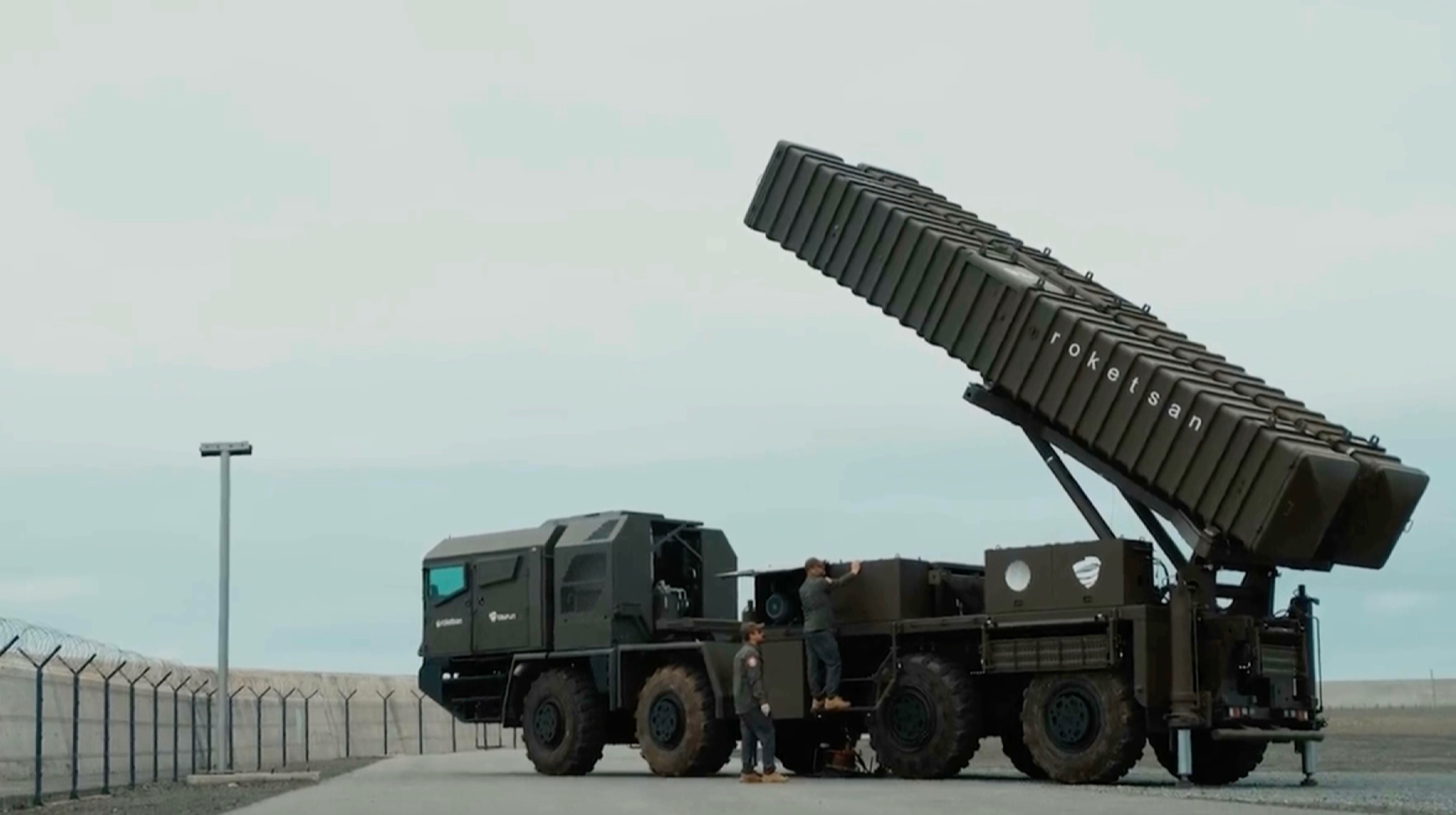
World
ANKARA, June 25, 2026 — Türkiye has continued strengthening its domestically developed missile force with the delivery of additional TAYFUN Block-2 short-range ballistic missiles to the Turkish Armed Forces (TAF). The Ministry of National Defense confirmed that the latest transfer marks at least the second confirmed batch of the upgraded missile system delivered in consecutive months, reflecting the country's ongoing defense modernization program and expanding indigenous missile production. Additional Deliveries Confirmed According to the Ministry, the Special Forces Command completed inspection and acceptance procedures for an undisclosed number of TAYFUN Block-2 missiles manufactured by ROKETSAN. The delivery also included mobile transporter-erector-launcher (TEL) vehicles and the Karayel Hull Boat System, an unmanned surface vehicle designed for reconnaissance and naval mine-laying missions. The deliveries were announced as part of a broader induction of domestically produced military equipment. During the EFES-2026 military exercises in İzmir, Ministry spokesperson Rear Admiral Zeki Aktürk stated that the Turkish Armed Forces had also received the Akıncı unmanned aerial vehicle (UAV), the Fırtına-2 self-propelled howitzer, and the MPT-76 National Infantry Rifle, demonstrating continued production across multiple defense programs. TAYFUN Block-2 Capabilities The TAYFUN is Türkiye's first domestically developed short-range ballistic missile. Unlike cruise missiles, ballistic missiles follow a high-altitude trajectory before descending toward their targets at hypersonic speeds exceeding Mach 5, making them more difficult to intercept with conventional air defense systems. While the original Block-1 variant demonstrated a range of approximately 561 kilometers (349 miles), defense sources indicate that the Block-2 extends the missile's effective range to more than 600 kilometers. The upgraded missile combines GPS and inertial navigation (INS) guidance with the advanced GOLIS (Go-Onto-Location-In-Space) terminal navigation system, providing an estimated Circular Error Probability (CEP) of around five meters. The guidance system is also designed to maintain accuracy in GPS-denied environments, improving resistance to electronic warfare. Mounted on road-mobile TEL vehicles, the missile can be rapidly repositioned after launch under a "shoot-and-scoot" operating concept, increasing survivability and operational flexibility compared with fixed launch sites. ROKETSAN Expands Indigenous Missile Production The TAYFUN program reflects the continued growth of ROKETSAN, headquartered in Ankara and majority-owned by the Turkish Armed Forces Foundation. The company has evolved into one of Türkiye's leading defense manufacturers, producing ballistic and cruise missiles, anti-tank guided weapons, air defense systems, and other precision-guided munitions. The TAYFUN program builds on earlier indigenous missile developments, including the Bora ballistic missile, and forms part of Türkiye's broader effort to strengthen domestic defense manufacturing and reduce dependence on foreign suppliers. Strengthening Long-Range Strike Capability The continued induction of TAYFUN Block-2 missiles expands the Turkish Armed Forces' long-range precision strike capability and supports Türkiye's strategy of fielding domestically produced missile systems. With mobile launchers and extended range, the system enables ground forces to engage targets across significant parts of the eastern Mediterranean, the Black Sea region, and neighboring areas without relying on combat aircraft operating in contested airspace. The latest deliveries indicate that serial production of the upgraded Block-2 variant is progressing as Türkiye continues to modernize its missile inventory with indigenous defense technologies.
Read More → Posted on 2026-06-25 11:18:53
World
ROME, June 25, 2026 — Italian Defence Minister Guido Crosetto has confirmed that the Global Combat Air Programme (GCAP) is preparing to expand as the sixth-generation fighter initiative enters its operational phase, with Canada, Germany, and Saudi Arabia emerging as leading candidates for future participation. The programme, jointly led by the United Kingdom, Italy, and Japan, is developing a next-generation stealth combat aircraft scheduled to enter service by 2035, replacing the Eurofighter Typhoon in the UK and Italy and the Mitsubishi F-2 in Japan. Italian Prime Minister Giorgia Meloni recently confirmed that GCAP has formally transitioned from the planning stage into its operational phase, marking the start of fully integrated international development. Crosetto said Canada is currently the closest country to joining the programme, initially as an observer, while Germany and Saudi Arabia are also being considered as potential partners. He noted that adding new members would strengthen the programme's industrial base, increase funding, improve long-term prospects, and reduce development costs through broader cost-sharing. Any new participant, however, would require unanimous approval from the three founding nations. Canada has already begun formal discussions on possible involvement. Canadian Defence Minister David McGuinty described GCAP as a promising initiative following talks with Japanese Defence Minister Shinjiro Koizumi in Tokyo, confirming that Canadian officials are evaluating the framework for potential participation. The programme is being managed by the Edgewing joint venture, bringing together BAE Systems of the United Kingdom, Leonardo of Italy, and Mitsubishi Heavy Industries of Japan. In April 2026, the partners awarded a £686 million contract for initial design and engineering work, keeping the project on schedule for its 2035 target. GCAP's steady progress comes as Europe's separate Future Combat Air System (FCAS), led by France, Germany, and Spain, continues to face uncertainty due to industrial disagreements over leadership and intellectual property. Defence analysts believe Germany's potential participation in GCAP could significantly enhance the programme's industrial capabilities, although it would require negotiations on governance and workshare arrangements. In addition to Canada, Germany, and Saudi Arabia, countries including Poland and India have also expressed interest in different forms of cooperation with the programme. Discussions on future expansion are expected to continue as GCAP advances toward its next development milestones.
Read More → Posted on 2026-06-25 11:01:35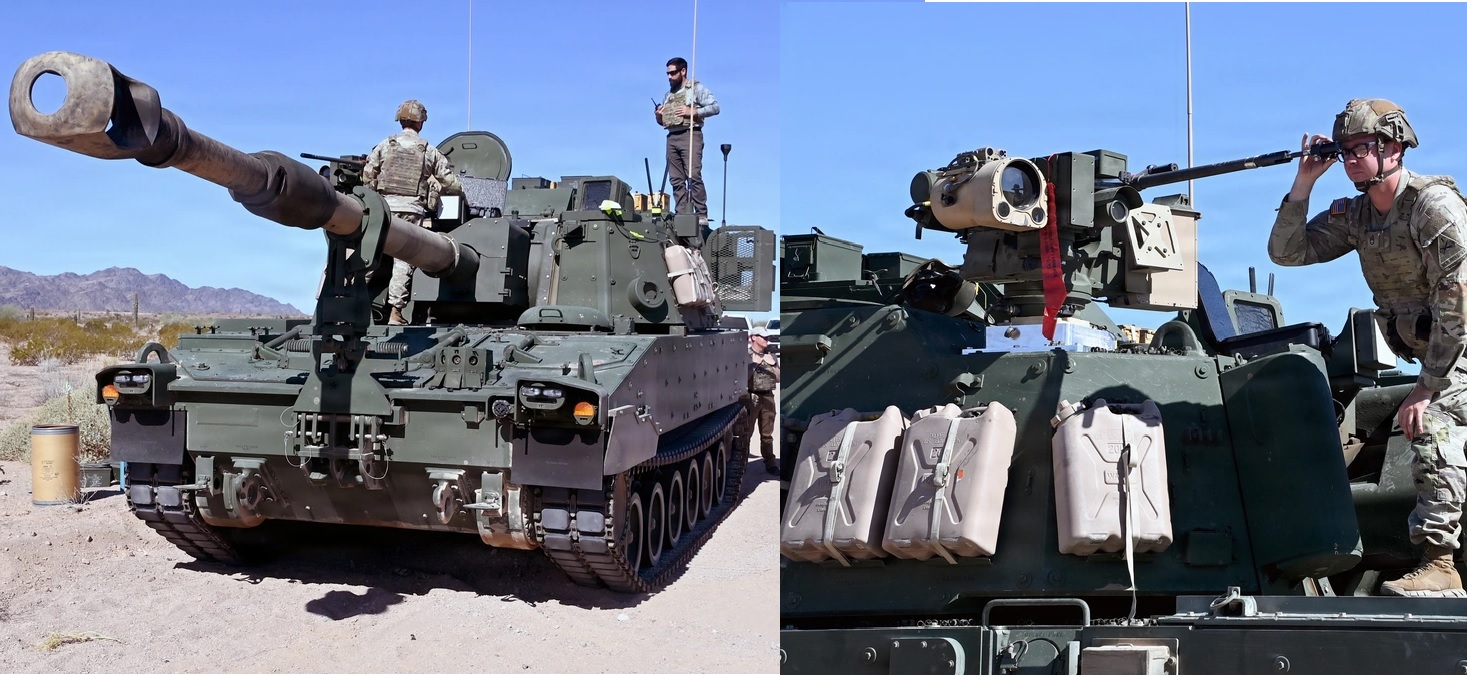
World
YUMA PROVING GROUND, Arizona, June 25, 2026 — The U.S. Army is conducting developmental testing of the Low-Profile Common Remotely Operated Weapons Station (LP-CROWS) at Yuma Proving Ground (YPG), evaluating its integration on the M109A7 Paladin self-propelled howitzer and the M992A3 Carrier Ammunition Tracked vehicle. The new system is designed to allow crews to operate secondary mounted weapons and counter small unmanned aerial systems (UAS) while remaining inside the protection of the vehicle's armored hull. The testing is part of the Army's broader effort to improve crew survivability and adapt artillery platforms to the changing requirements of modern combat, where drones, precision strikes, and indirect fire have increased the risks associated with exposed operations. Manufactured by BAE Systems, the M109A7 Paladin is the U.S. Army's latest 155 mm self-propelled howitzer. Operated by a four-person crew and powered by a modernized 600-volt electric drive system, the vehicle can fire conventional artillery rounds to ranges of approximately 22 kilometers and precision-guided Excalibur projectiles to distances of up to 40 kilometers. While the vehicle provides significant firepower, crews have traditionally needed to open the roof hatch to operate secondary weapons, exposing soldiers to enemy fire, shrapnel, and improvised explosive devices (IEDs). The LP-CROWS incorporates a gyro-stabilized weapon mount, a fully integrated fire control system, and high-resolution day and thermal cameras, enabling accurate target engagement while the vehicle is moving across rough terrain. The stabilization system is designed to maintain weapon accuracy even when the 84,000-pound Paladin is operating over uneven ground, providing a high probability of first-burst hits against ground and aerial threats. Development of the low-profile system addressed several limitations found in earlier versions of CROWS. Previous variants could not be installed on the Paladin because their taller profile exceeded transportation height requirements. In addition, repeated firing of the Paladin's 155 mm main gun, which is capable of firing up to four rounds per minute, generated blast overpressure and recoil forces that damaged components on older weapon stations. The redesigned LP-CROWS features a reduced external profile and reinforced mechanical components capable of withstanding the harsh operating environment created by repeated artillery firing. Unlike many military development programs, LP-CROWS was developed internally through partnerships across the U.S. Army DEVCOM community rather than through a traditional original equipment manufacturer. Army officials said this collaborative approach significantly shortened development timelines, allowing the program to progress from concept to production-representative live testing in just over one year. A major focus of the current evaluation is the integration of counter-small unmanned aircraft system (C-sUAS) capabilities. The Army is testing the installation of radar directly onto the LP-CROWS mount, enabling the system to detect and engage hostile drones while crews remain under closed-hatch protection. The effort is being carried out in cooperation with the Project Manager Crew Served Weapons office and other Army organizations. The testing is being conducted at Yuma Test Center, which was designated as the Army's primary dedicated interagency counter-UAS test and training range following the establishment of Joint Interagency Task Force 401 by Secretary of War Pete Hegseth in August 2025. YPG also supports testing through its Threat Systems Target Branch, which maintains one of the largest collections of foreign threat systems in the continental United States and develops realistic battlefield scenarios for evaluation. Operational assessments have included several weeks of testing by soldiers from the 4th Battalion, 1st Field Artillery Regiment based at Fort Bliss, Texas, and the Transformation Integration Directorate at Fort Sill, Oklahoma. Their feedback is helping engineers refine system operation, controls, and overall performance. Current developmental testing includes evaluating the upgraded camera systems, weapon loading procedures, firing performance, and overall integration under realistic combat conditions. Engineers are also assessing how the system performs during vehicle movement and repeated artillery firing. Following completion of the current developmental phase, the Army plans to conduct extensive durability testing, including long-distance operational mileage, to verify the reliability of LP-CROWS on both the M109A7 Paladin and the M992A3 Carrier Ammunition Tracked vehicle before moving toward broader fielding. The LP-CROWS program is intended to enhance the survivability of artillery crews while improving their ability to respond to evolving battlefield threats, including the growing use of small unmanned aerial systems, without exposing soldiers outside their armored vehicles.
Read More → Posted on 2026-06-25 10:47:36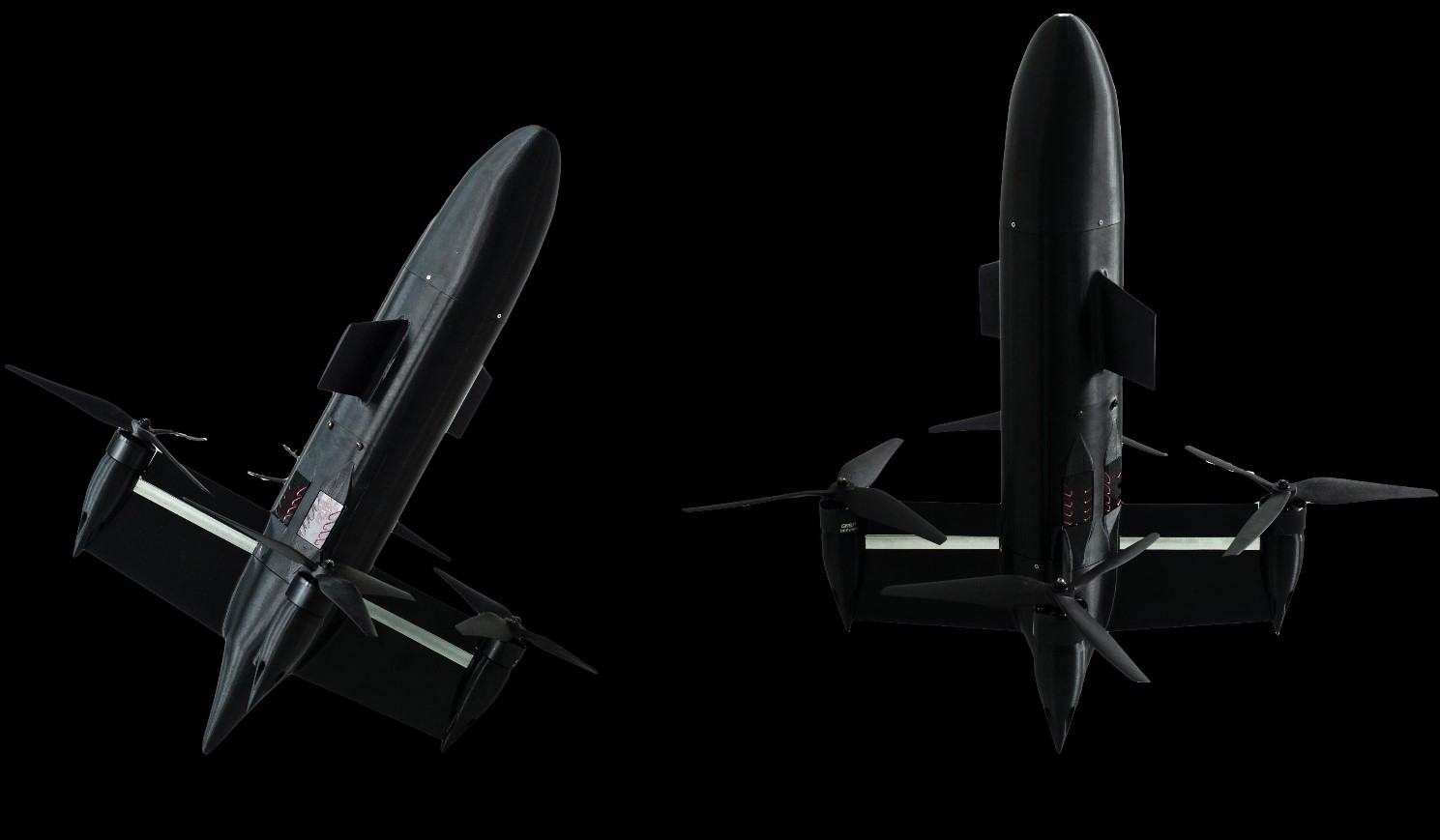
World
VILNIUS, Lithuania, June 25, 2026 — Lithuanian defense technology company Granta Autonomy has officially unveiled the Black Wasp, a new interceptor drone developed to counter hostile unmanned aerial vehicles (UAVs), including Shahed-class strike drones, loitering munitions, and intelligence, surveillance, and reconnaissance (ISR) platforms. The company says the system provides military forces with an automated, infrastructure-independent kinetic defense capability designed to address the growing threat posed by low-cost aerial systems. The Black Wasp has been designed as a cost-effective alternative to traditional surface-to-air missiles for engaging small unmanned threats. By providing an autonomous interception capability, the drone is intended to complement existing air-defense systems while reducing the cost of defending against large numbers of incoming UAVs. AI-Based Autonomous Interception A key feature of the Black Wasp is Granta Autonomy's proprietary artificial intelligence and machine learning (AI/ML) navigation system. The drone is capable of operating autonomously after launch without requiring continuous manual control, allowing it to function in highly contested environments where electronic warfare (EW) frequently disrupts GPS and GNSS signals. Using onboard computer vision algorithms, the interceptor identifies, tracks, and locks onto high-speed aerial targets before executing terminal guidance during the final phase of interception. The AI-powered flight control system enables automated navigation, target tracking, and engagement while maintaining mission continuity in GPS-denied environments. The Black Wasp also integrates with most standard NATO air-defense radar networks, allowing it to receive real-time three-dimensional telemetry and target position updates. This integration enables operators to receive continuous tracking information from target detection through engagement, improving situational awareness and reducing response time. Designed for Front-Line Operations The interceptor has been developed for deployment by infantry and forward-deployed military units operating in restricted environments. Its vertical take-off and landing (VTOL) capability eliminates the need for runways or specialized launch rails, allowing rapid deployment from confined positions. After vertical launch, the drone transitions into a high-speed forward flight profile to intercept incoming threats. According to the company, the combination of autonomous flight, VTOL operation, and radar connectivity allows the system to respond quickly to evolving battlefield conditions. Technical Specifications The Black Wasp measures 600 × 450 × 450 mm, including the propeller arc. It has a cruise speed of 160 km/h and can reach a maximum speed of 320 km/h during interception missions. The interceptor offers a flight range of 20 km, extending to 40 km on return-flight missions. Flight endurance is rated at up to 15 minutes during cruise operations and more than six minutes at maximum speed. The system can operate at altitudes of up to 7,000 meters above mean sea level (MSL) and has a climb rate of 30 meters per second. The drone has a maximum take-off weight of approximately 4 kg and can carry a payload or warhead weighing up to 500 grams. It supports multiple electro-optical seeker configurations, including daylight and thermal camera options, enabling operations in various environmental and lighting conditions. For communications, the Black Wasp employs a jamming-resilient S-band and C-band data link while maintaining direct integration with NATO radar systems for real-time target updates. Completing Granta's Counter-UAS Ecosystem The Black Wasp expands Granta Autonomy's existing multi-layered unmanned systems portfolio and completes the company's integrated "kill-chain" ecosystem. It is designed to operate alongside the Hornet XR, a long-range reconnaissance drone that serves as the system's sensor platform, and the X-Wing, a VTOL loitering munition used as the strike component. Together, the three platforms enable military units to detect, track, identify, and neutralize targets through a coordinated network. Each system can operate independently for specialized missions or be controlled simultaneously from a unified ground control station, allowing commanders to conduct reconnaissance, target acquisition, and engagement using a single integrated architecture. Battlefield-Informed Development Founded in 2015 by former military engineers Gediminas Guoba and Laurynas Litvinas, Granta Autonomy has based its product development on operational feedback from active combat environments. Since the start of Russia's full-scale invasion of Ukraine, the company has maintained an operational presence supporting the Ukrainian Armed Forces, delivering thousands of GA-FPV quadcopters and hundreds of reconnaissance drones. Following a €1 million seed funding round in 2024, Granta Autonomy expanded its European manufacturing capabilities, increasing production of UAV platforms, ultra-lightweight micro-gimbal tracking optics, and proprietary data-link technologies. With its autonomous AI-powered navigation, electronic warfare resilience, NATO radar integration, and VTOL deployment capability, the Black Wasp is intended to provide armed forces with a dedicated interceptor designed to counter the increasing use of strike drones, loitering munitions, and ISR platforms while complementing existing air-defense networks.
Read More → Posted on 2026-06-25 10:34:15
World
BERLIN, June 25, 2026 — Germany has officially cancelled its F126 frigate program, ending what was planned to be the country's largest surface warship procurement since World War II. The German Federal Ministry of Defense (BMVg) announced the decision after determining that continued delays, rising costs, and the financial risks associated with changing the project's main contractor made the program no longer viable. Subject to approval by the Bundestag's Budget Committee, Germany will instead procure up to eight MEKO A-200 DEU frigates from ThyssenKrupp Marine Systems (TKMS). Designated F128, the new vessels will primarily strengthen the German Navy's anti-submarine warfare (ASW) capabilities, a key requirement for national defense and NATO operations. F126 Program Cancelled After Delays and Rising Costs The F126 program was awarded in 2020 to Dutch shipbuilder Damen Schelde Naval Shipbuilding (DSNS) with an estimated value of around €10 billion. The six 10,000-tonne frigates were designed as modular, multi-purpose warships capable of long-duration deployments through rotating crews. However, the project faced persistent delays caused by complex procurement requirements, software integration challenges, and slower-than-expected construction. DSNS informed the Ministry of Defense that it could not deliver the first ship by the agreed mid-2028 deadline, while industry estimates suggested delivery could slip to 2032. The government also examined transferring the prime contractor role to Naval Vessels Lürssen BV & Co. KG (NVL), now part of the Rheinmetall Group. However, the review found that continuing the project under a new contractor would raise total costs beyond €18 billion, including a proposed €15.2 billion contract with NVL and previously incurred expenditures. The ministry further concluded that such a transfer would require Germany to waive potential legal claims against DSNS for failing to meet contractual obligations, a condition it considered an inappropriate use of public funds. Approximately €2.3 billion has already been spent on the program, and a legal review of possible claims against DSNS is ongoing. Construction of the lead ship, Niedersachsen, began with its keel laying in Wolgast in June 2024, although its future has not yet been decided. Germany Chooses MEKO A-200 Alternative To replace the cancelled program, Germany plans to acquire up to eight MEKO A-200 DEU frigates from TKMS. Vice Admiral Jan Christian Kaack, Inspector of the German Navy, said the approximately 4,000-tonne vessels will fully meet the Navy's core anti-submarine warfare mission. The first four frigates are expected to cost approximately €6.3 billion, while an option for four additional ships, valued at €5.3 billion, can be exercised before the end of 2026. Together, the procurement could reach €11.6 billion. The Ministry noted that Navy-requested modifications represent only about five percent of the overall cost, allowing the procurement to remain largely based on an existing design rather than requiring extensive redevelopment. The lead ship is expected to enter service in late 2029, with subsequent deliveries scheduled every nine months. The new frigates will operate alongside three F123 Brandenburg-class frigates currently undergoing anti-submarine warfare upgrades, which are also expected to be completed by 2029. Equipment Changes The change in platform will also reshape Germany's naval supply chain. The MEKO A-200 will use sensor and weapon packages derived from TKMS's previous Australian frigate proposal, resulting in Swedish radar and combat management technologies replacing some systems originally planned from German suppliers, affecting companies including Hensoldt and Thales. Current plans indicate the ships will carry Naval Strike Missiles (NSM) instead of the Swedish RBS 15 anti-ship missile. They are also expected to receive the CMS 330 combat management system from Lockheed Martin Canada, replacing the Swedish 9LV system. Both the new MEKO frigates and the upgraded F123 vessels will use the same Atlas Elektronik towed sonar system originally selected for the F126 program, helping standardize anti-submarine warfare equipment across the fleet. The Ministry is also reviewing how subcontractors involved in the F126 project can continue participating in the new program. Political and Industry Response The decision has received political support across Germany. Bastian Ernst, the CDU/CSU parliamentary group's spokesperson on naval affairs, welcomed the move, saying the proven MEKO A-200 design would strengthen Germany's anti-submarine warfare capability more quickly while supporting domestic defense industry suppliers. The cancellation also affected financial markets, with Rheinmetall shares falling after NVL lost the opportunity to lead the F126 program, while TKMS shares rose following its selection as the preferred supplier for Germany's future frigate fleet. The Ministry of Defense is expected to present the procurement proposal to the Bundestag's Budget Committee in the coming weeks. If approved, the MEKO A-200 acquisition will become Germany's next major naval modernization program, focusing on faster delivery, lower procurement risk, and strengthened anti-submarine warfare capabilities.
Read More → Posted on 2026-06-25 10:20:20
World
KYIV, Ukraine, June 25, 2026 — Denmark will provide Ukraine with 15,000 extended-range artillery rounds after agreeing to redirect funding originally allocated for short-range ammunition. The decision follows a request from Kyiv to adjust military assistance in line with changing battlefield conditions, where long-range firepower has become increasingly important. Ukrainian Minister of Defence Mykhailo Fedorov confirmed the agreement, noting that some of the artillery rounds have already arrived in Ukraine and are being integrated into frontline operations, while the remaining deliveries are expected as early as this month. Long-Range Artillery Becomes a Priority Ukraine's Ministry of Defence said extended-range artillery ammunition has become one of the country's highest operational priorities as battlefield conditions continue to evolve. The requirement has also been highlighted by President Volodymyr Zelenskyy during the Ramstein-format meeting with international partners. According to the ministry, the widespread use of unmanned aerial vehicles (UAVs) has expanded the battlefield's "drone kill zone," making conventional short-range artillery operations more hazardous. Extended-range artillery enables Ukrainian forces to engage enemy troop positions, logistics hubs, and command posts from greater distances while reducing the exposure of artillery crews. Denmark Redirects Military Assistance The artillery package follows a joint review of ongoing military assistance between Ukraine and Denmark. During the assessment, both sides identified funding that had originally been planned for short-range ammunition and agreed to redirect those resources toward extended-range artillery rounds to better meet current operational requirements. Denmark became one of the first partner countries to implement the revised support plan. The reallocation allows Ukraine to receive ammunition better suited to current battlefield needs without requiring additional funding. Ukraine's Current Defence Priorities Ukraine continues to work with international partners to ensure military assistance is aligned with operational requirements. According to the Ministry of Defence, the country's current priorities include: Air defence systems Long-range artillery Ukrainian-made drones The ministry said Ukraine is reviewing military assistance packages with partner countries to maximize the effectiveness of international support. Military Aid Adapted to Operational Needs The Ministry of Defence described Denmark's decision as an example of military assistance being adapted to changing battlefield requirements. Officials said the rapid reallocation demonstrates how partner countries are adjusting support to provide capabilities that improve operational effectiveness and enhance the protection of frontline personnel. The ministry also noted that Ukraine is increasingly integrating long-range firepower with advanced technologies, including AI-supported Ground Robotic Complexes (GRCs) used for logistics, ammunition transport, and casualty evacuation in high-risk areas. Continued Focus on Defence Procurement Following directives from President Volodymyr Zelenskyy, Ukraine's Ministry of Defence continues to prioritize rapid defence procurement aimed at strengthening frontline capabilities, protecting personnel, and reducing the military potential of Russian forces. The latest Danish assistance package reflects ongoing efforts by Ukraine and its international partners to align military aid with evolving operational requirements and current battlefield conditions.
Read More → Posted on 2026-06-25 10:08:59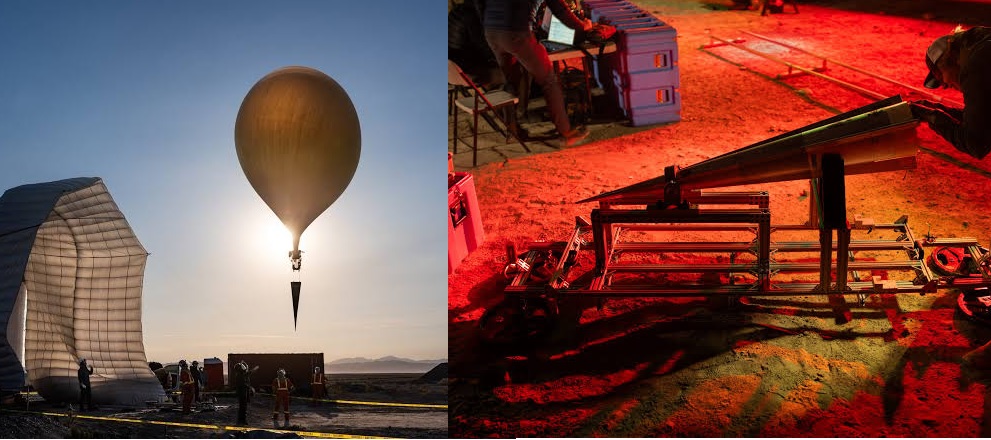
World
WASHINGTON, D.C., June 25, 2026 — The U.S. Department of Energy's National Nuclear Security Administration (DOE/NNSA) has unveiled Aires Tide, a proof-of-concept nuclear flight test vehicle developed using artificial intelligence (AI), high-performance computing (HPC), and advanced 3D-printing technologies. Designed to measure the extreme heat and vibrations experienced during a nuclear weapon's flight, the project demonstrates a faster and more cost-effective approach to developing national security systems. Developed between October 2025 and March 2026, Aires Tide progressed from initial design to a flight-ready prototype in just five months. By integrating AI-driven engineering, high-performance computing, and additive manufacturing, the NNSA completed the project approximately seven times faster and at nearly one-fifteenth the cost of traditional development methods. First Milestone of the Genesis Mission Aires Tide is the first major engineering demonstration under the Genesis Mission, a White House initiative launched by President Donald Trump in November 2025 and led by the Department of Energy. The program seeks to connect AI-enabled national laboratory supercomputers to accelerate scientific research and national security development. National Laboratory Collaboration The project brought together multiple organizations across the Nuclear Security Enterprise. Lawrence Livermore National Laboratory (LLNL) led AI-enabled payload optimization and advanced physics-based modeling. Sandia National Laboratories (SNL) provided system design, integration expertise, and testing infrastructure, while Los Alamos National Laboratory (LANL) contributed systems modeling and design support. Manufacturing was carried out with assistance from the Kansas City National Security Campus (KCNSC). Engineers used the NNSA's Venado and El Capitan supercomputers to analyze large datasets, evaluate design configurations, and optimize the vehicle before manufacturing. Advanced Manufacturing Process The cone-shaped fuselage was produced using laser powder bed fusion, an advanced metal 3D-printing process. The vehicle was manufactured as nested modular sections, reducing production time and cost while allowing rapid assembly and design refinement. Successful Flight Tests In May 2026, scientists conducted two successful flight tests of a half-scale (1:2) Aires Tide prototype at the U.S. Army's Dugway Proving Ground in Utah. The vehicle was lifted to an altitude of 32,000 feet by a hydrogen-filled balloon before being released. During the tests, onboard instruments collected data on aerodynamic heating, structural vibrations, and flight performance. The information is being used to validate computer simulations and improve future designs. Public Display and Future Applications An 11-foot-tall full-scale prototype of Aires Tide is on display at the National Mall in Washington, D.C., as part of the Great American State Fair during the Freedom 250 celebration. The NNSA said Aires Tide is a proof-of-concept flight test vehicle rather than a production weapons system. Data collected during the program will support future AI-enabled design, testing, and manufacturing efforts, helping modernize engineering processes used for the U.S. nuclear stockpile and other national security applications.
Read More → Posted on 2026-06-25 10:01:03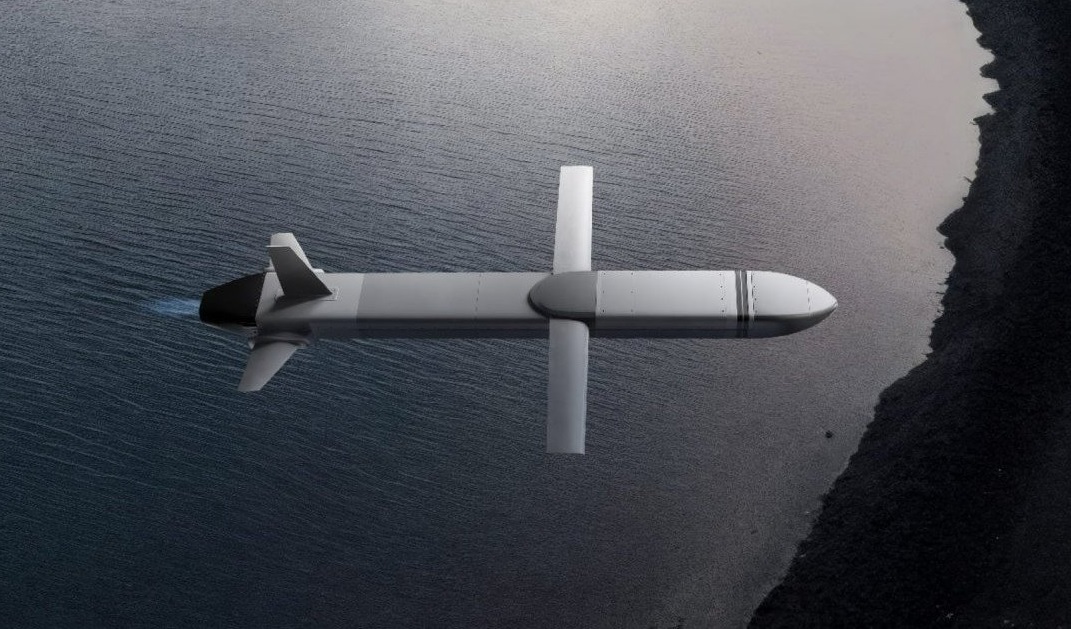
World
THE HAGUE, Netherlands — June 25, 2026 : The Netherlands has finalized a €250 million agreement to procure 700 Ruta Block 2 cruise missiles for the Ukrainian Armed Forces, according to Dutch newspaper NRC. The missiles, manufactured by European aerospace and defense company Destinus, are intended to strengthen Ukraine's long-range precision strike capability against military infrastructure behind Russian lines. The procurement is part of a broader €500 million military assistance package announced by the Dutch government in mid-June 2026. Half of the package has been allocated to drones and missile systems produced by Dutch defense manufacturers, while the remaining funding will support other Ukrainian defense priorities. The agreement was confirmed after Ukrainian Minister of Digital Transformation Mykhailo Fedorov visited the Destinus production facility in Hengelo during mid-June to inspect manufacturing operations. Ruta Block 2 Capabilities The Ruta Block 2 is an upgraded version of the earlier Ruta missile, redesigned as a stealth cruise missile for precision strikes against hardened and high-value stationary targets. The missile has a range of more than 700 kilometers and carries a 250-kilogram warhead. It is equipped with an electro-optical/infrared (EO/IR) seeker with AI-assisted target recognition, allowing it to maintain accuracy even in GNSS-denied and electronic warfare environments. The missile follows a low-altitude terrain-following flight profile to reduce radar detection and features a low-observability airframe. Foldable wings enable launches from standard 40-foot shipping containers using a solid-fuel booster or from aircraft. Production and Development The Ruta missile family is powered by Destinus' T150 turbojet engine. Earlier this month, the company announced production of its 1,000th engine, supporting expanded manufacturing capacity. The Block 2 missile was developed in cooperation with Ukraine's Brave1 defense technology cluster and successfully completed flight testing in Ukraine in April 2026. Destinus has also partnered with Germany's Rheinmetall through the Rheinmetall Destinus Strike Systems joint venture to increase production, with manufacturing shared across the Netherlands, Germany, and Ukraine. Strategic Role Ukrainian officials say the 700-missile order will strengthen the country's medium-range strike capability by enabling precision attacks on military infrastructure, logistics routes, supply lines, and operational hubs behind Russian lines. The Netherlands said the agreement also supports the expansion of Europe's defense industrial base through domestic production. Deliveries of the Ruta Block 2 missiles are expected to increase throughout the remainder of 2026.
Read More → Posted on 2026-06-25 09:52:37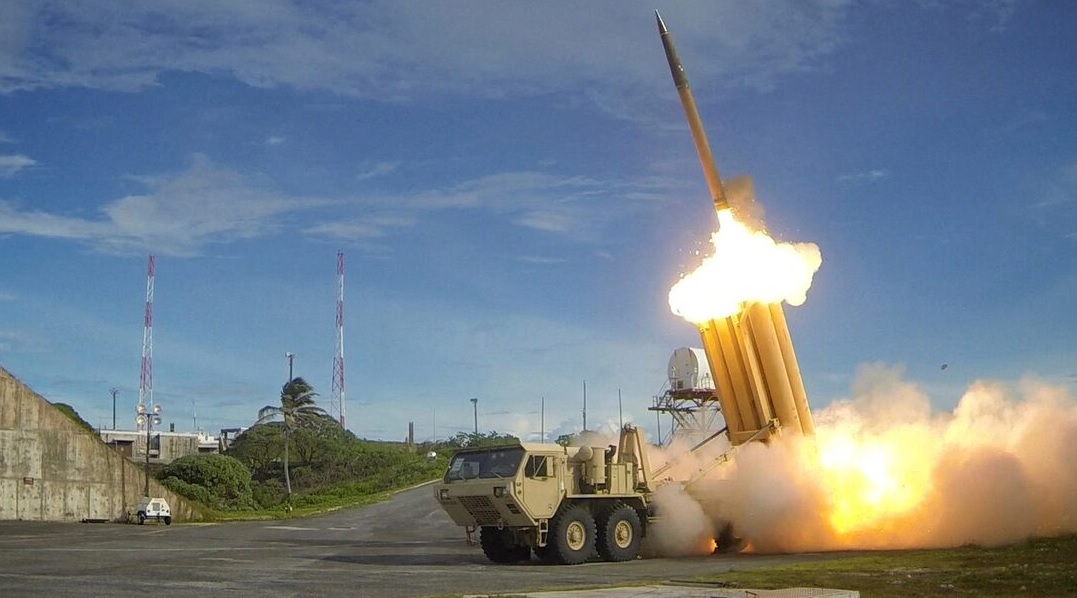
World
WASHINGTON, D.C., June 25, 2026 — The U.S. government has awarded Lockheed Martin a seven-year undefinitized contract action (UCA) valued at up to $35 billion to significantly expand production of Terminal High Altitude Area Defense (THAAD) interceptors. The contract is designed to rapidly replenish U.S. missile inventories, strengthen the defense industrial base, and accelerate deliveries to the United States and allied nations. The agreement marks one of the largest missile defense production contracts awarded in recent years and represents one of the first major multiyear procurement programs implemented under the Department of War's Acquisition Transformation Strategy. The contract transitions the framework agreement signed between the department and Lockheed Martin in January 2026 into full contract execution. Under the agreement, Lockheed Martin will increase annual THAAD interceptor production from approximately 96 interceptors to 400 interceptors per year, more than quadrupling current manufacturing capacity over the seven-year contract period, which runs from March 2026 through June 2032. Department officials said the multiyear procurement approach provides industry with a predictable long-term demand signal, allowing contractors to invest in manufacturing capacity, workforce expansion, and supply chain improvements while reducing production risks associated with short-term contracts. Expanding Manufacturing Capacity To support the increased production target, Lockheed Martin is continuing a broader $9 billion investment plan through 2030 aimed at expanding missile manufacturing across the United States. According to the company, the investment program has already resulted in more than 20 newly built or modernized facilities supporting missile and munitions production. Recent milestones include: Construction of a new Munitions Production Center (Building 47) in Troy, Alabama, adding approximately 87,000 square feet of production space for THAAD interceptors and future Next Generation Interceptor (NGI) work while nearly doubling the site's manufacturing area. Opening of the Next Generation Interceptor facility in Courtland, Alabama. Launch of the Munitions Acceleration Center in Camden, Arkansas, which will train and prepare workers to manufacture THAAD interceptors and other advanced missile defense systems. The company is also expanding its workforce across engineering, manufacturing, and skilled trades, with investments expected to support tens of thousands of American jobs over the coming years. In parallel, Lockheed Martin is working closely with suppliers to improve supply chain resilience by expanding production capacity, qualifying additional sources for critical components, and reducing manufacturing bottlenecks. Supporting that effort, the Pentagon recently awarded L3Harris a separate $400 million contract to manufacture additional solid rocket boost motors for the THAAD system. THAAD's Role in Missile Defense THAAD is a ground-based missile defense system designed to intercept and destroy short-, medium-, and intermediate-range ballistic missiles during the terminal phase of flight, both inside and outside Earth's atmosphere. Unlike traditional missile interceptors that rely on explosive warheads, THAAD uses hit-to-kill technology, destroying incoming missiles through direct kinetic impact. A standard THAAD battery consists of approximately 90 soldiers, six truck-mounted launchers, 48 interceptors, an AN/TPY-2 radar, and associated fire control and communications equipment. The system provides an upper-layer missile defense capability and complements lower-tier systems such as the Patriot air and missile defense system. THAAD has undergone numerous successful flight tests and has been deployed operationally to support U.S. and allied missile defense missions. Production Increase Driven by Operational Demand The expansion in production follows extensive operational use of THAAD interceptors during recent military operations, particularly Operation Epic Fury, which placed significant demand on U.S. missile defense inventories. According to estimates published by the Center for Strategic and International Studies (CSIS), the U.S. military has expended roughly half of its Patriot and THAAD interceptor stockpiles since operations began in February. The report estimates that approximately 190 to 290 THAAD interceptors have been launched to defend U.S. forces and critical infrastructure against evolving ballistic missile threats, representing an estimated replacement cost of between $2.3 billion and $3.5 billion. The increased production is intended to replenish those inventories while ensuring continued support for U.S. military requirements and foreign military sales to allied nations. Part of a Broader Missile Production Strategy The THAAD contract forms part of a wider Department of War initiative to expand production of key missile systems through multiyear procurement agreements. Lockheed Martin was the first defense contractor to announce a framework agreement under the department's munitions acceleration strategy. Similar agreements also cover the PAC-3 Missile Segment Enhancement (PAC-3 MSE) interceptor and the Precision Strike Missile (PrSM) program. In April 2026, the company received a separate $4.7 billion contract to accelerate production of the PAC-3 MSE interceptor, further expanding U.S. missile manufacturing capacity. Officials say the combination of long-term procurement contracts, industrial investments, facility modernization, workforce expansion, and strengthened supplier networks is intended to ensure the United States can sustain higher production rates for critical missile defense systems while meeting future operational requirements.
Read More → Posted on 2026-06-25 09:40:51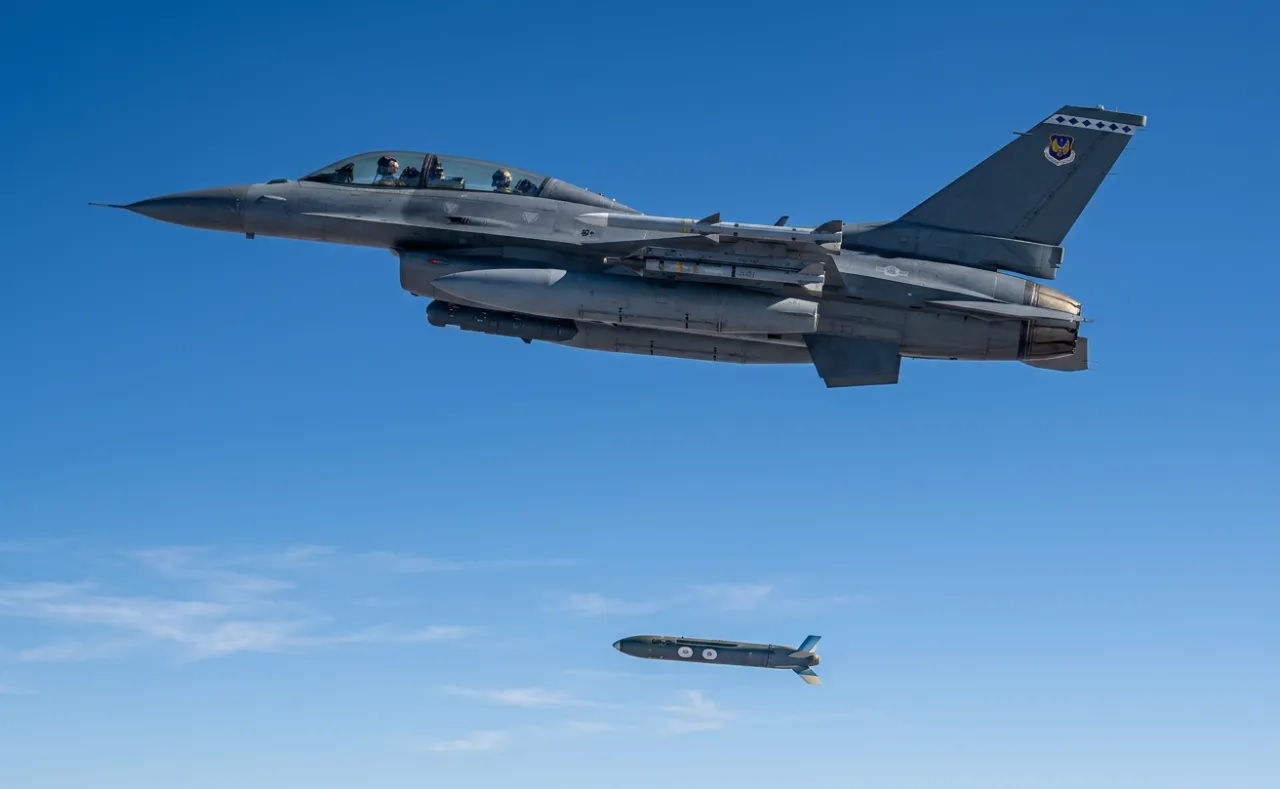
World
DAYTON, Ohio, June 24, 2026 — The U.S. Air Force has awarded a $12 million contract to Zone 5 Technologies to develop manufacturing capabilities for large-scale production of the AGM-188A "Rusty Dagger" missile, a low-cost, air-launched precision strike weapon developed under the Extended Range Attack Munition (ERAM) program. The contract was issued on June 18, 2026, by the Air Force Research Laboratory (AFRL) at Wright-Patterson Air Force Base, Ohio. It represents a Phase III Small Business Innovation Research (SBIR) effort focused on transitioning the missile from prototype development to quantity production. Of the total contract value, $7.5 million was obligated immediately using fiscal year 2026 research, development, test, and evaluation funds. Work under the contract will be carried out in Miamisburg, Ohio, with completion expected by September 2027. The manufacturing effort is intended to address supply chain, production engineering, and industrial scaling challenges required to support high-volume missile output. The AGM-188A Rusty Dagger was developed as part of the Air Force's ERAM initiative, launched in 2024 to provide affordable, mass-producible long-range strike weapons. The Air Force has emphasized the need for low-cost precision munitions that can be produced in large quantities while maintaining precision strike capability. Designed for Existing Aircraft Fleets The Rusty Dagger combines characteristics of a cruise missile and a guided bomb. The weapon falls within the 500-pound (225 kg) class and carries a 45-kilogram (100-pound) warhead. Powered by a PBS Aerospace TJ80 turbojet engine, the missile can reach high-subsonic speeds exceeding Mach 0.6 and is reported to have a standoff range of approximately 460 to 930 kilometers (280 to 580 miles). The missile uses GPS and inertial navigation systems and can incorporate autonomous visual navigation capabilities for operations in GPS-denied or electronically contested environments. One of the key features of the Rusty Dagger is its compatibility with the size, weight, and mounting interface of the widely used Mk 82 unguided bomb. This allows aircraft already capable of carrying Mk 82 bombs to employ the missile without requiring significant modifications to weapon stations or airframes. The design enables integration across a broad range of NATO and partner aircraft, including Ukraine's F-16 fleet and other fixed-wing combat platforms. Rapid Development Under ERAM Program Zone 5 Technologies, headquartered in San Luis Obispo, California, was selected under the ERAM program through the Small Business Innovation Research framework. The company moved the program through development at an accelerated pace, achieving milestones including integration testing on F-16 aircraft and successful live-warhead testing at Eglin Air Force Base, Florida. A first production batch of approximately 840 missiles is planned for delivery in October 2026. In August 2025, the U.S. Defense Security Cooperation Agency approved a Foreign Military Sale package allowing Ukraine to acquire up to 3,350 ERAM munitions and related equipment. The package was valued at an estimated $825 million and is supported by funding contributions from the United States, Denmark, the Netherlands, and Norway. Reports of Possible Combat Use The manufacturing contract follows reports of a strike conducted on June 22, 2026, against the JSC "VZPP-Sborka" semiconductor facility in Voronezh, Russia, located roughly 500 kilometers from the Ukrainian border. The facility produces military-grade microelectronics used in several Russian defense systems, including Kh-101 cruise missiles, Iskander-K missile systems, and Pantsir-S1 air defense platforms. Russian regional authorities acknowledged damage to production facilities, but the exact weapons used in the attack remain unconfirmed. Local monitoring sources initially reported that Storm Shadow missiles may have been involved. However, Russian military-affiliated Telegram channels, including Voevoda Broadcasts, cited by open-source intelligence account Status-6, claimed that AGM-188 Rusty Dagger missiles were employed in the strike. Previous Russian reports have also claimed the recovery of components allegedly associated with the missile, including an eight-element Controlled Reception Pattern Antenna (CRPA) used for navigation and anti-jamming functions. Neither the U.S. government nor Ukrainian authorities have officially confirmed the operational deployment of the AGM-188A. If confirmed, the Voronezh attack would represent the first reported combat use of the weapon. Production Scaling Becomes Priority The current contract focuses on establishing manufacturing processes capable of supporting large-scale production while maintaining affordability. The effort reflects broader Air Force objectives to increase precision-guided munition inventories through innovative procurement programs and participation by smaller defense firms. Zone 5 Technologies was acquired by Kongsberg Defence & Aerospace of Norway in June 2026 and continues to operate as a subsidiary. The acquisition may provide additional industrial resources to support future production expansion. With manufacturing technology development now underway in Ohio, the Rusty Dagger program is moving from testing and evaluation toward sustained production, supporting future long-range precision strike requirements.
Read More → Posted on 2026-06-24 14:31:57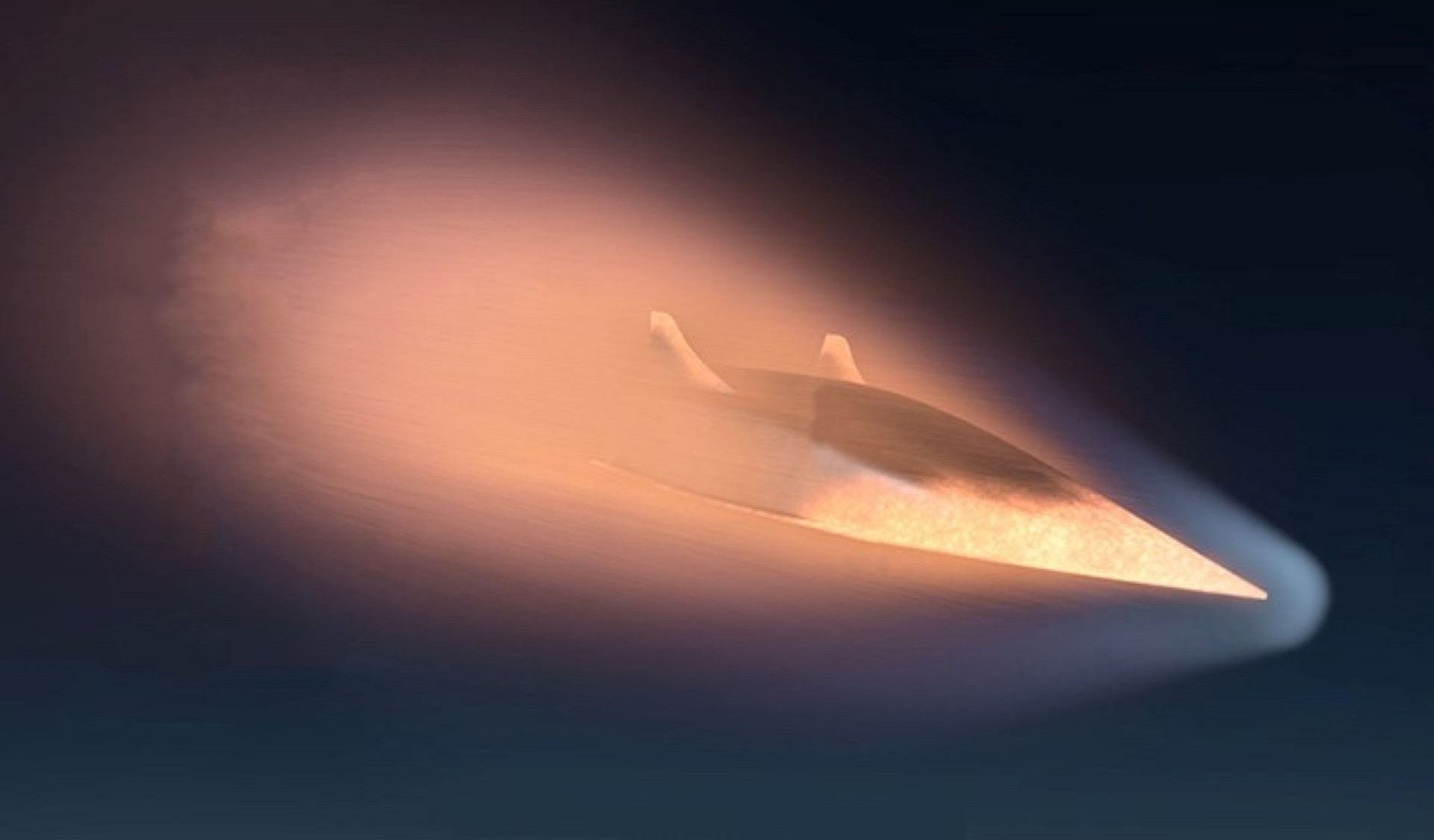
World
HUNTSVILLE, Alabama, June 24, 2026 — Lockheed Martin has unveiled its Next Generation Glide Body (NXGB), a new hypersonic glide body designed to provide an affordable, rapidly producible, and long-range strike capability for future military operations. The company said the NXGB is intended to address evolving national security requirements by combining advanced performance, survivability, and production scalability. The system is being developed as part of Lockheed Martin’s broader effort to expand hypersonic strike capabilities while ensuring they can be manufactured efficiently and in larger numbers. Hypersonic weapons, which travel at speeds exceeding Mach 5, have become a key priority for the U.S. military due to their ability to maneuver at high speeds, making them more difficult to detect and intercept than conventional ballistic missile systems. Manufacturing-Focused Design According to Lockheed Martin, the NXGB employs a manufacturing-first approach aimed at reducing production costs while delivering greater range and velocity than existing hypersonic designs. The company stated that the system was designed from the outset with large-scale production in mind, allowing it to meet future operational requirements without the manufacturing challenges often associated with advanced weapon systems. To support this goal, Lockheed Martin has invested in purpose-built manufacturing facilities, advanced production technologies, and expanded supply chain partnerships. These investments are intended to improve production efficiency and enable the company to rapidly deliver the capability once the program moves into later development stages. Multi-Domain Launch Capability The NXGB has been engineered to operate across multiple warfighting domains and can be launched from a variety of platforms. This cross-domain compatibility is expected to provide military commanders with greater operational flexibility in contested environments while reducing risk to deployed forces. Built on Decades of Missile Development Experience Lockheed Martin said the NXGB draws on more than 60 years of missile development experience. The system incorporates proven technologies, established engineering practices, and lessons learned from previously fielded missile and strategic defense programs. The design also utilizes a Modular Open Systems Approach (MOSA), allowing future upgrades and integration of new technologies without requiring extensive redesign. Company Highlights Affordability and Scalability Johnathon Caldwell, Vice President and General Manager of Strategic and Missile Defense Systems at Lockheed Martin, said the NXGB reflects the company's focus on delivering effective deterrence capabilities that can be produced efficiently and at scale. “NXGB demonstrates our commitment to delivering next-generation deterrence that is not only effective, but affordable and producible at scale,” Caldwell said. “We designed this capability from the outset to provide greater value to our customers while delivering an operational advantage to the warfighter.” Caldwell added that the system represents a shift toward designing advanced weapons specifically for large-scale manufacturing while maintaining high performance standards. “The future of deterrence belongs to solutions that combine innovative Modular Open Systems Approach and modern design methods with proven performance,” he said. “NXGB reflects a paradigm shift focusing on design for manufacturing at scale while implementing decades of lessons learned designing, producing and delivering mission-critical systems for the warfighter.” Preliminary Design Review Completed Lockheed Martin announced that the NXGB program has successfully completed its Preliminary Design Review (PDR), a key development milestone that validates the system’s design against established technical requirements. The company stated that the review confirmed the design meets performance objectives while satisfying affordability and producibility criteria. Flight Demonstration Planned for 2027 The next major milestone for the program will be a flight demonstration scheduled for 2027. The test is expected to validate the glide body’s performance and operational capability. The announcement comes as the U.S. military continues to invest heavily in hypersonic technologies to strengthen long-range precision strike capabilities across multiple services. The NXGB is intended to provide a balance of performance, affordability, and production scalability to support future operational requirements.
Read More → Posted on 2026-06-24 14:22:47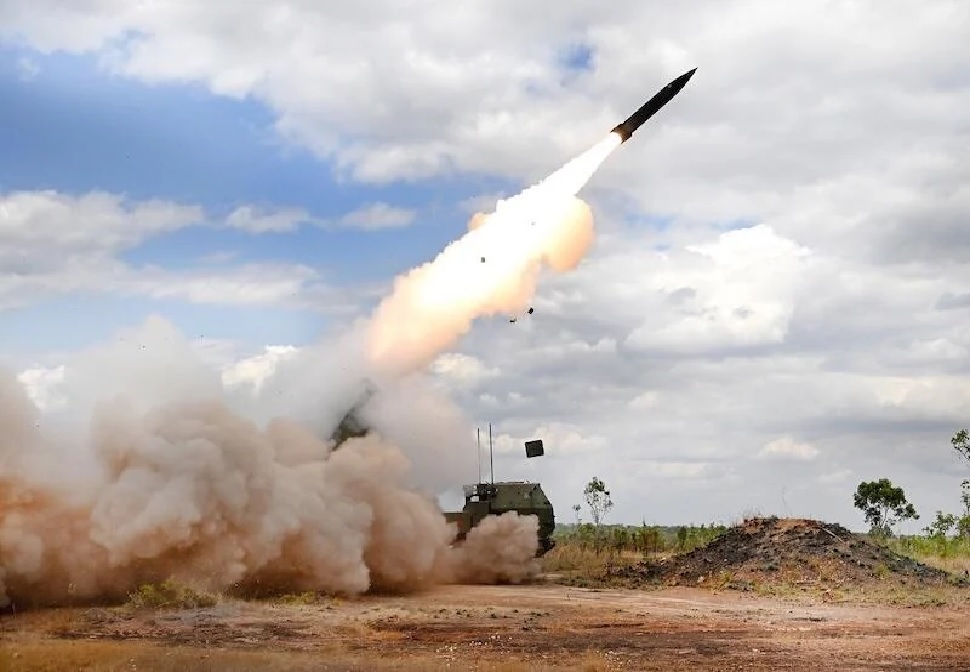
U.S. Army Awards Lockheed Martin $8.4 Billion to Mass Produce Precision Strike Missiles Through 2032
World
WASHINGTON, June 24, 2026 — The U.S. Army has awarded Lockheed Martin an $8.4 billion contract modification to significantly expand production of the Precision Strike Missile (PrSM), the service’s next-generation long-range precision strike weapon. The agreement, signed on June 23, 2026, increases the total value of the PrSM contract to approximately $13.3 billion and extends production planning through the end of fiscal year 2032. The contract is being administered by the U.S. Army Contracting Command at Redstone Arsenal, Alabama, with the majority of the work to be carried out at Lockheed Martin’s missile production facility in Grand Prairie, Texas. The contract modification supports increased manufacturing capacity, procurement of early operational capability missiles, follow-on production lots, continued development activities, and long-term obsolescence management to ensure the missile system remains operationally relevant over the coming decade. Expanding Long-Range Precision Fires Capability The Precision Strike Missile (PrSM) is being developed as the replacement for the MGM-140 Army Tactical Missile System (ATACMS), which has served as the Army’s primary long-range ground-launched missile since the early 1990s. While ATACMS demonstrated its effectiveness in multiple conflicts, including operations in the Middle East and Ukraine, the Army sought a successor capable of delivering greater range and increased firepower. One of the key advantages of the PrSM is its compatibility with existing launch platforms. The missile can be fired from both the M142 High Mobility Artillery Rocket System (HIMARS) and the M270 Multiple Launch Rocket System (MLRS) without requiring modifications to launch vehicles or supporting infrastructure. Each HIMARS launcher can carry two PrSM missiles in a launch pod, compared to a single ATACMS missile. Likewise, an M270 launcher can carry four PrSM rounds, effectively doubling the number of precision strike weapons available to artillery units while maintaining the same launcher footprint. Greater Range and Future Growth Potential PrSM Increment 1 has a publicly stated range exceeding 499 kilometers (310 miles), a significant improvement over the approximately 300-kilometer range of the most advanced ATACMS variants. The increased range enables commanders to engage targets deeper inside contested areas while reducing exposure of friendly forces. Future versions of the missile are expected to deliver even greater capability through upgrades to propulsion systems, seeker technologies, and targeting functions. The missile’s open systems architecture is designed to facilitate future enhancements and integration of emerging technologies. The PrSM program received Milestone C approval in July 2025, authorizing full-rate production. Since then, the Army and Lockheed Martin have worked to accelerate manufacturing output, including previous efforts aimed at substantially increasing annual production capacity. Strengthening U.S. Munition Stockpiles The scale and duration of the contract reflect broader U.S. efforts to rebuild and expand precision-guided munition inventories. Defense planners have emphasized the importance of sustaining large missile stockpiles following lessons learned from recent conflicts, where advanced weapons were consumed at a faster rate than anticipated during high-intensity combat operations. By extending the production horizon through September 30, 2032, the Army is providing industry with long-term stability to support workforce expansion, supply chain investments, facility modernization, and increased production rates. Specific work requirements and funding allocations will continue to be issued through individual task orders, allowing flexibility to adjust procurement levels as operational requirements evolve. Combat Debut During Operation Epic Fury The production expansion follows the missile’s first operational use earlier this year. On March 4, 2026, U.S. Central Command (CENTCOM) confirmed that the Precision Strike Missile was employed during Operation Epic Fury, a large-scale campaign launched on February 28 against Iranian military infrastructure, missile facilities, and nuclear-related targets. According to CENTCOM, PrSM missiles were launched from HIMARS systems as part of a broader multidomain operation that also included air strikes and naval cruise missile attacks. The command described the missile as providing “an unrivaled deep strike capability” during the operation. Admiral Brad Cooper, then commander of CENTCOM, praised the successful deployment of the system and its contribution to long-range precision strike operations. Long-Term Modernization Effort The contract underscores the Army’s commitment to modernizing its long-range fires portfolio while ensuring sufficient production capacity for future operational requirements. PrSM Increment 1 employs a unitary warhead and is designed to engage high-value and time-sensitive targets in contested environments. With production now planned through 2032, the Army aims to field larger quantities of the missile while continuing development of future increments that will further extend range and expand mission capabilities. The agreement also provides Lockheed Martin with a stable framework for sustaining production and supporting the Army’s long-term modernization objectives. The $8.4 billion contract modification represents one of the largest recent investments in U.S. ground-launched precision strike weapons and is expected to play a central role in expanding the Army’s long-range strike capacity over the next decade.
Read More → Posted on 2026-06-24 14:09:17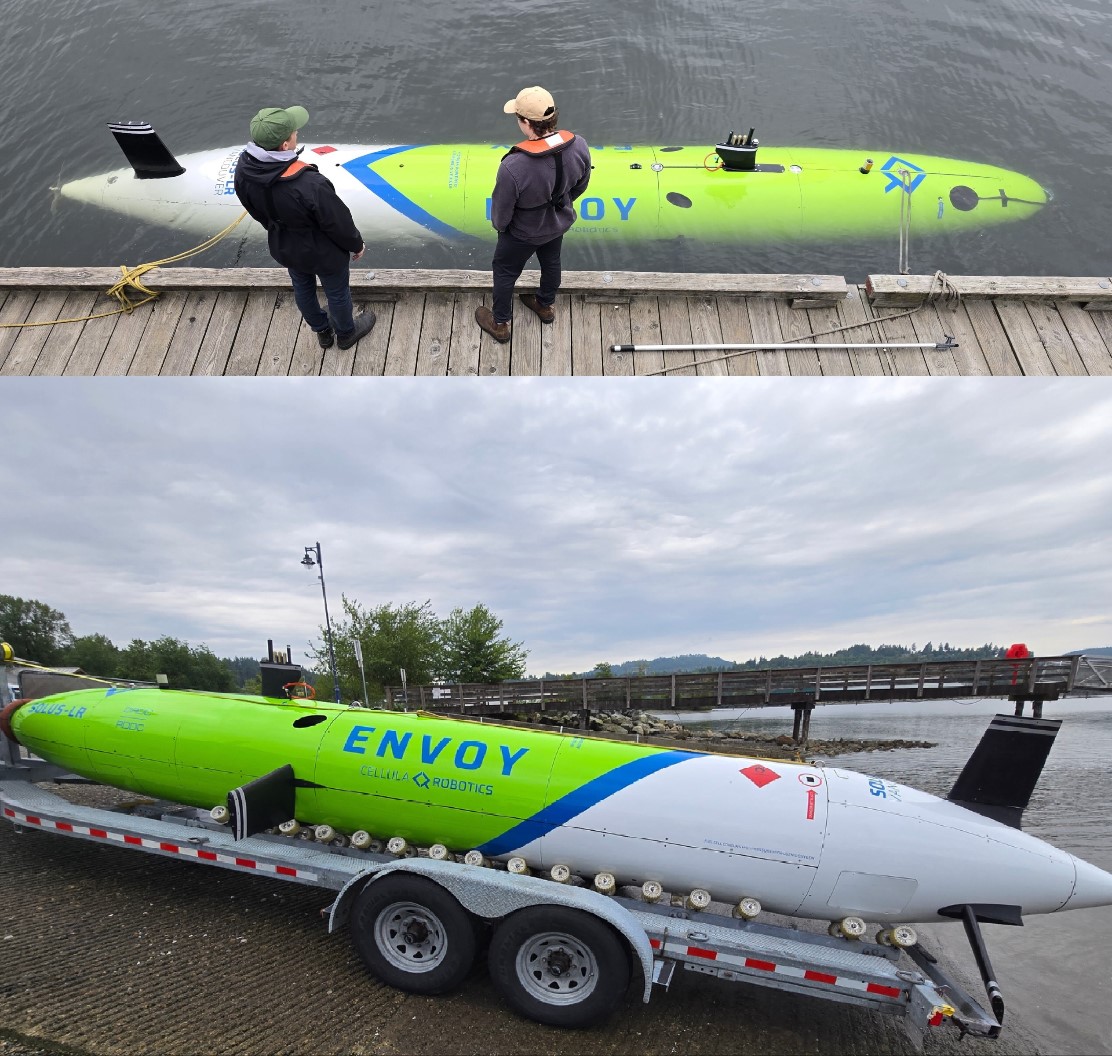
World
BURNABY, British Columbia, June 24, 2026 — Cellula Robotics has successfully completed a 2,023-kilometer fully submerged mission with its Envoy Autonomous Underwater Vehicle (AUV), marking a significant advancement in long-endurance underwater operations. Powered by a proton exchange membrane (PEM) hydrogen fuel cell system, the vehicle remained underwater for 385 continuous hours while performing a demanding operational profile designed to simulate real-world subsea missions. The achievement demonstrates the ability of hydrogen fuel cell technology to overcome long-standing limitations faced by battery-powered autonomous underwater vehicles. By combining extended endurance, deep-water capability, and a low acoustic signature, the Envoy completed a mission profile that has remained difficult to achieve with conventional lithium-ion battery systems. Unlike traditional endurance demonstrations that rely on straight-line transit routes, the Envoy's mission involved a complex operational pattern featuring more than 4,000 turns and maneuvers. Frequent course changes significantly increase power consumption compared to steady travel, making the test a more realistic representation of actual subsea operations. Despite these demanding conditions, the vehicle exceeded its published performance specifications while remaining fully submerged throughout the mission. The Envoy AUV is owned by Defence Research and Development Canada (DRDC/RDDC), which has worked with Cellula Robotics over several years to advance long-endurance autonomous underwater technologies. The successful demonstration highlights the progress achieved through this collaboration and validates the operational potential of hydrogen-powered underwater systems. Measuring approximately 8.5 meters in length and about 1 meter in diameter, the Envoy has a displacement of around 3,700 kilograms. The platform is designed to operate at depths of up to 3,000 meters, with some references indicating potential capability for deeper operations. The vehicle uses a 1.2-kilowatt PEM hydrogen fuel cell system developed in partnership with Infinity Fuel Cell and Hydrogen, Inc. For more than a decade, AUV designers have faced a trade-off between endurance, depth capability, and vehicle size. Increasing battery capacity generally adds weight and drag, reducing efficiency and limiting overall performance. Likewise, strengthening a vehicle for deeper dives requires heavier pressure-resistant structures that further consume the available energy budget. The Envoy addresses these challenges through hydrogen fuel cell technology, which provides more than twice the energy density of conventional lithium-ion batteries. This allows the platform to undertake extended missions without frequent surfacing, recovery, or support from surface vessels. The fuel cell generates electricity through a reaction between hydrogen and oxygen, producing only water as a byproduct. The system also offers operational advantages for defense and sensitive commercial missions. Because the electricity generation process occurs without combustion, the vehicle produces minimal acoustic emissions, reducing the likelihood of detection during underwater operations. The absence of exhaust emissions further enhances its suitability for covert or environmentally sensitive missions. A key feature of the Envoy is its ability to remain stationary on the seabed using a suction anchor system. Rather than continuously expending energy to maintain position against ocean currents, the vehicle can attach itself to the ocean floor and conduct long-duration monitoring activities. This capability enables extended observation of undersea infrastructure such as pipelines, telecommunications cables, offshore energy installations, and strategic maritime locations. Potential applications include pipeline inspection, underwater cable monitoring, ocean floor mapping, scientific research, environmental monitoring, and naval surveillance missions. The ability to remain on station for extended periods without support vessels could reduce operational costs while expanding mission flexibility for both defense and commercial operators. The Envoy, previously known as Solus-LR, forms part of Cellula Robotics’ broader family of modular autonomous underwater vehicles. The company also develops larger platforms, including the Guardian and Porter AUVs, which are designed to provide even greater endurance and operational persistence for complex subsea missions. The successful completion of the 2,023-kilometer mission in April 2026 represents an important milestone in the development of air-independent propulsion systems for autonomous underwater vehicles. As hydrogen fuel cell technology continues to mature, it is expected to support future underwater platforms capable of operating for weeks or even months with minimal logistical support. The demonstration underscores the growing role of hydrogen-powered systems in maritime autonomy and highlights their potential to transform how governments, research organizations, and offshore industries monitor critical undersea infrastructure, conduct scientific surveys, and maintain awareness of activities beneath the ocean surface.
Read More → Posted on 2026-06-24 14:03:36Search
Top Trending in 24 Hours
-
 Ukrainian Hackers Expose Highly Classified Russian Naval Data in "Operation Poseidon"
-
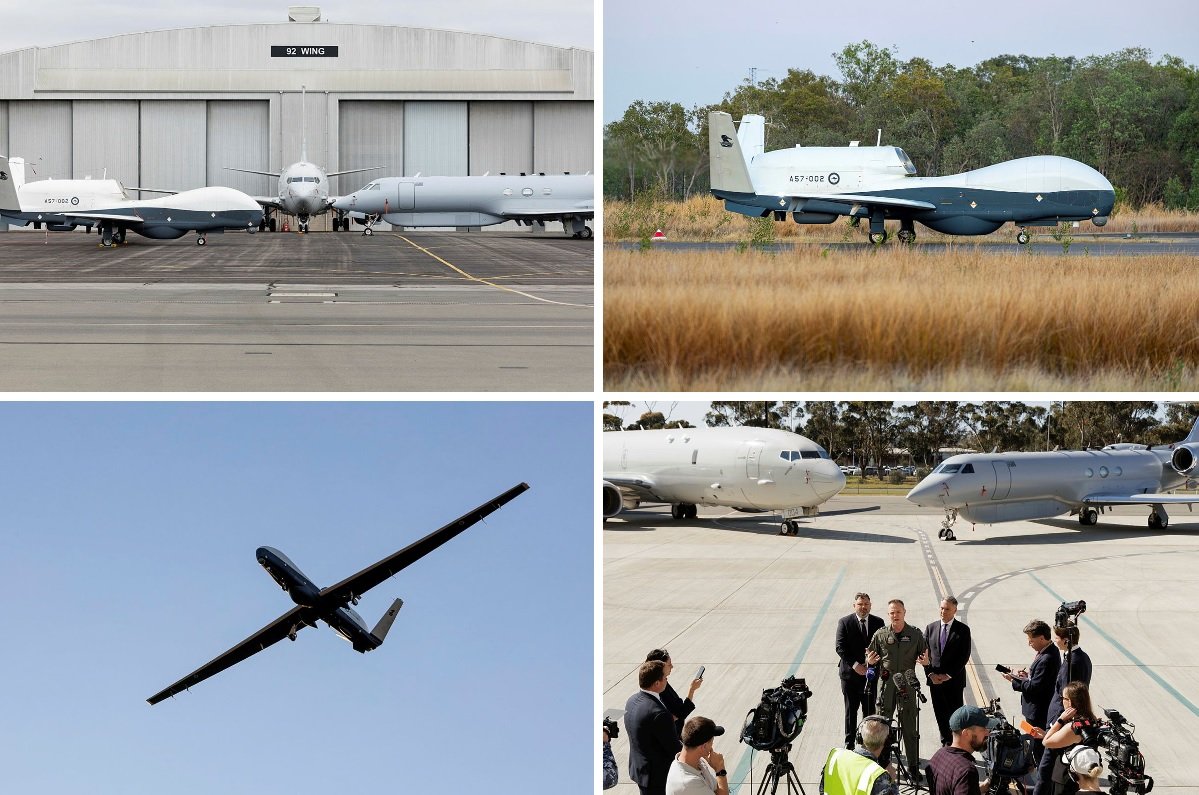 Australia’s MQ-4C Triton and MC-55A Peregrine Reach Initial Operational Capability
-
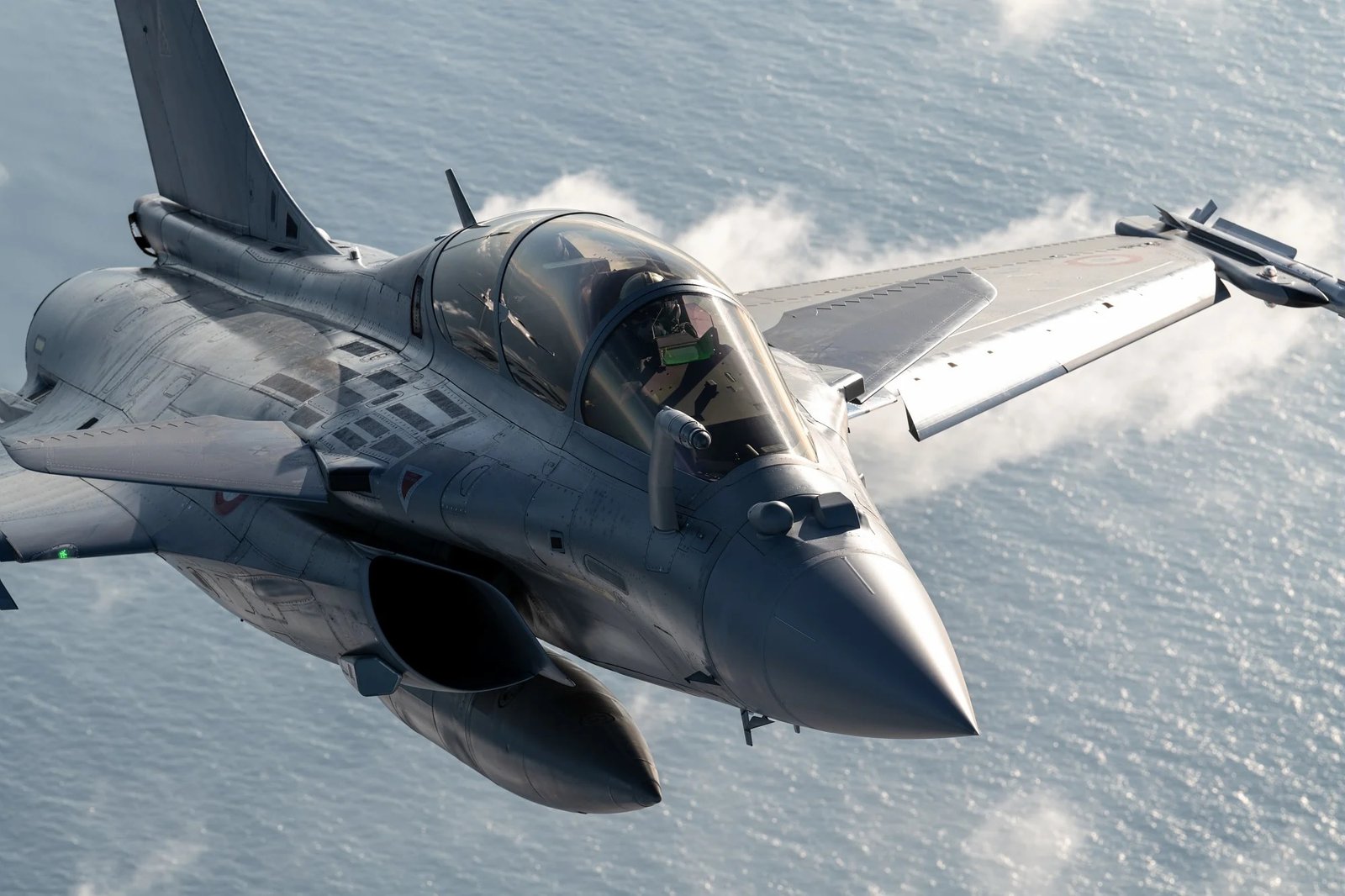 Dassault Aviation Flight-Tests Two Sovereign AI Algorithms on Rafale Fighter
-
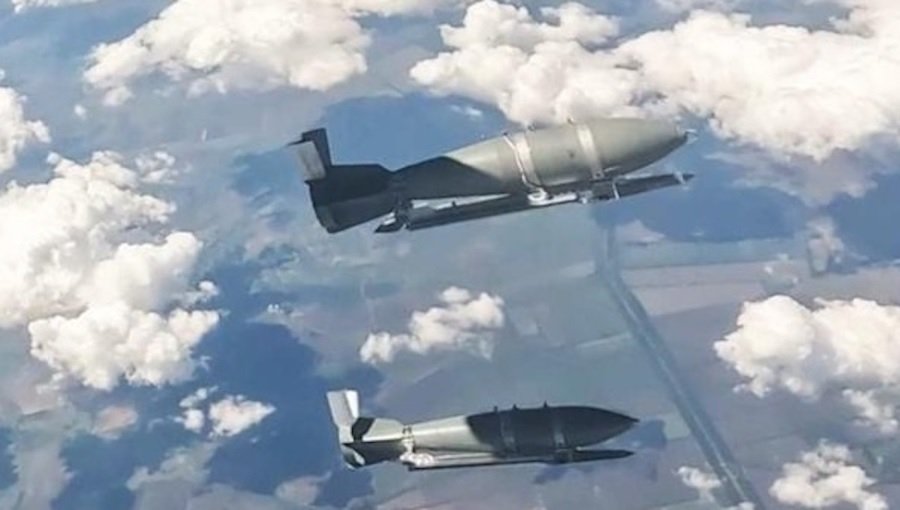 Russia’s Glide Bomb Use in Ukraine Surpasses Recent U.S. Bombing Rate During Epic Fury in Iran, Remains Below 2003 Iraq Peak
-
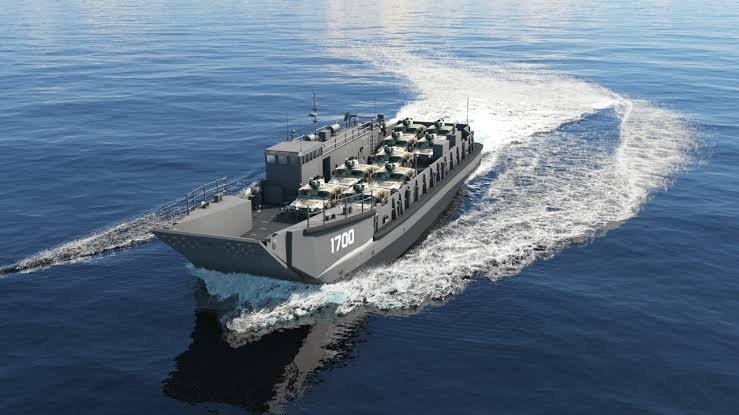 Indian Navy Issues RFI for Six Next-Generation LCU Mk V Vessels Under 'Make in India'
-
 South African Firm Paramount Unveils V-Raven, a Reusable VTOL Drone for the African Battlefield
-
 South Korea Delivers First Production KF-21 Boramae Fighter to Air Force
-
 US Commits $20 Million to New TNT Production Facility in Finland
Top Trending in 4 Days
-
 Sensitive F-35 Components Diverted to Hong Kong, Some Parts Missing
-
 U.S. Secures Permanent Military Rights in Greenland in Historic Security Pact with Denmark
-
 U.S. Approves Potential $2.68 Billion Air Defense Package for Ukraine Including S-300 Clone Missiles
-
 U.S. Warns Allies of Up to Five-Year Delays in Key Weapons Deliveries
-
 U.S. Iran War Cost Hits $43.6 Billion as Missile Interceptor Stocks Come Under Pressure
-
 BEL Showcases New-Generation Head-Up Display, Potentially Linked to Tejas Mk2
-
 India’s xTerra Robotics Launches Indigenous DHAV-Hy Wheeled-Legged Quadruped for Industrial Inspection
-
 U.S. Army Awards $10.64 Million Contract to Ukrainian Drone Maker Skyeton for Raybird Systems