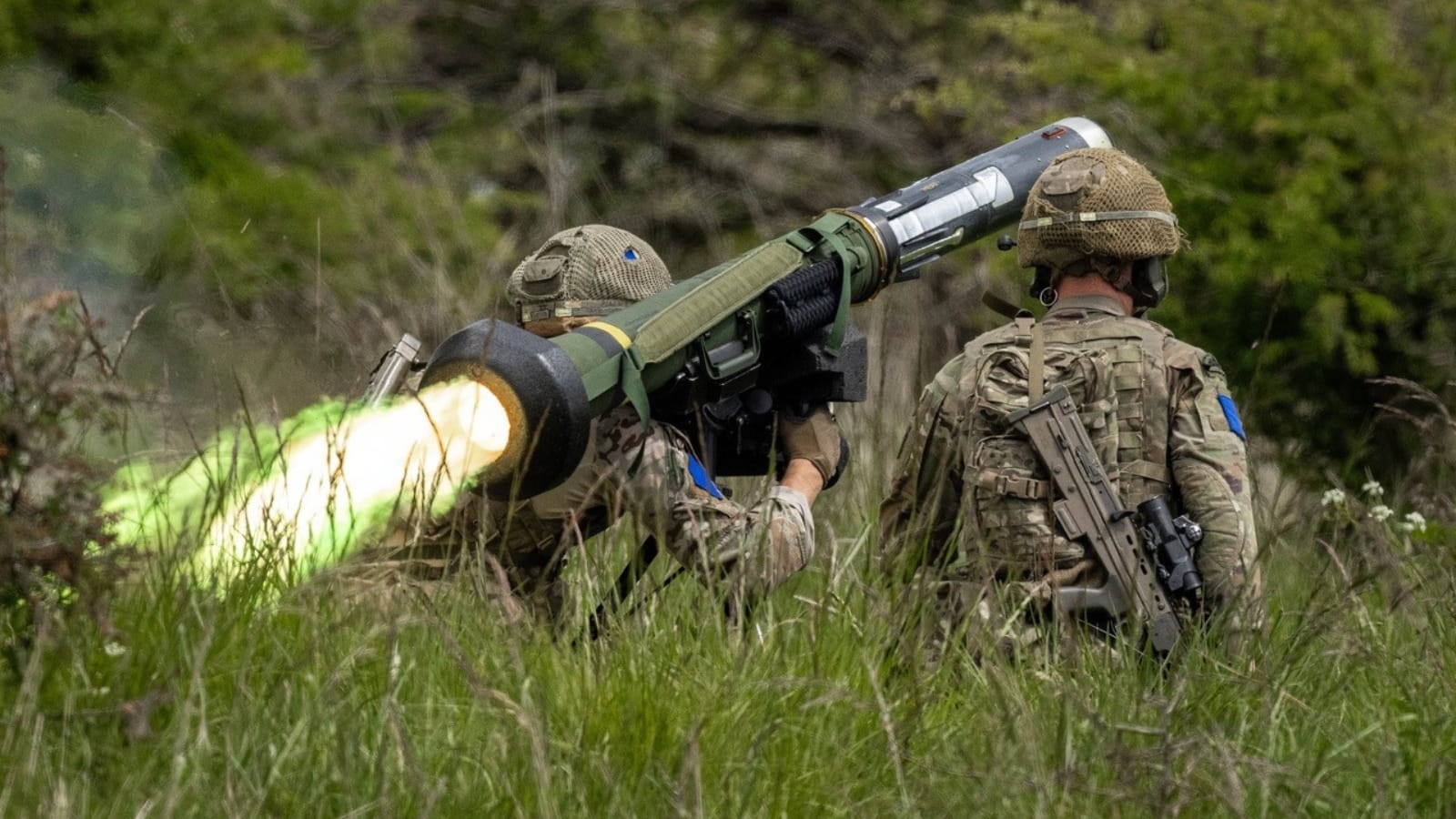
TUCSON, Arizona — May 26, 2026 : The Javelin Joint Venture (JJV), a partnership between Raytheon—an RTX business—and Lockheed Martin, has delivered the first Lightweight Command Launch Units (LWCLU) to the U.S. Army, marking the beginning of a modernization effort aimed at replacing the legacy command launch unit used with the Javelin anti-tank missile system.
The LWCLU is designed as a next-generation launcher that will fully replace the existing Javelin command launch unit while maintaining compatibility with all past, current and future variants of the missile system. The launcher is intended to modernize how soldiers operate the weapon in combat environments while preserving interoperability across existing inventories.
Enhanced Detection, Optics and Battlefield Capability
According to the Javelin Joint Venture, the LWCLU introduces several operational improvements over the legacy system, including a significant increase in target acquisition performance. The new launcher provides twice the target detection and recognition range, enabling soldiers to identify threats from greater distances and improving battlefield awareness.
The upgraded sight unit includes enhanced optics that maximize surveillance capability and support high-resolution engagement in both day and night conditions. In addition to missile-launch operations, the LWCLU is capable of supporting stand-alone intelligence, surveillance and reconnaissance missions due to its improved visual systems.
The system also extends Javelin engagement range to approximately 4 kilometers, compared with 2.5 kilometers on the previous Block I Command Launch Unit, further improving operational flexibility for infantry formations.
Reduced Weight and Improved Mobility
Engineers redesigned the LWCLU to reduce the physical burden placed on soldiers operating the system. Compared with the legacy launcher, the new unit is approximately 30% smaller and 25% lighter, changes intended to improve mobility, reduce fatigue and increase survivability for troops operating in combat environments.
The lighter design is expected to improve portability for infantry personnel while maintaining the precision engagement capability that has defined the Javelin system since its introduction.
Production Expansion and Manufacturing Investment
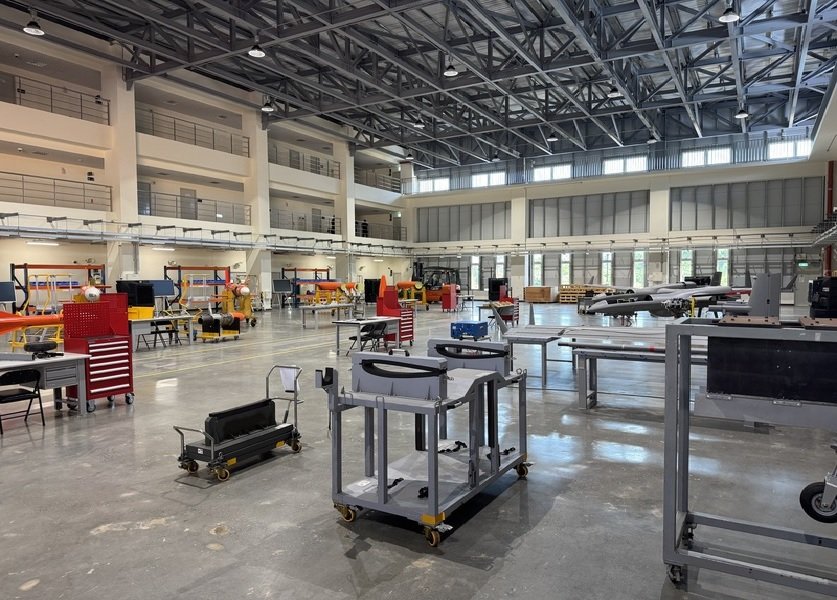
To support the transition to the new launcher, Raytheon invested $22 million to modernize its LWCLU production facility in Tucson, Arizona. The investment focused on upgrading manufacturing infrastructure, increasing production speed and expanding factory capacity as demand for the system grows.
The Tucson facility is currently ramping annual production output in coordination with the U.S. Army to support fielding requirements and future operational demand.
The first deliveries follow two production contracts worth $267 million awarded to the Javelin Joint Venture by the U.S. Army in October 2024. The agreements covered both full-rate production and low-rate initial production of the LWCLU and support U.S. Army requirements alongside Foreign Military Sales for Estonia, Latvia and Lithuania.
Low-rate initial production of the launcher began following a contract awarded in June 2022, with first deliveries originally scheduled for 2025. Production work is performed in Tucson, while completion of the current contracts is expected in 2026 and 2028.
Company and Program Statements
“Delivering the first LWCLUs to the U.S. Army reflects the Javelin Joint Venture’s commitment to continuously advancing technology for service members,” said Jenna Hunt Frazier, president of the Javelin Joint Venture and Javelin program director at Raytheon. “Our investments in modernization and production capacity ensures soldiers receive this cutting-edge capability faster.”
“The production and delivery of the LWCLU marks a pivotal step in modernizing the Javelin system for today’s warfighter,” said Rich Liccion, vice president of the Javelin Joint Venture and Javelin program director at Lockheed Martin. “Its innovative design enhances mobility and survivability while preserving the precision firepower that users rely on.”
Long-Term Modernization of the Javelin System
The Javelin weapon system is jointly developed and produced by Raytheon in Tucson, Arizona, and Lockheed Martin in Orlando, Florida. The medium-range “fire-and-forget” anti-armor missile system uses automatic infrared guidance, allowing operators to lock onto targets and seek cover immediately after launch instead of maintaining continuous line-of-sight guidance.
The system entered full-rate production in 1994 and operational service in 1996. To date, more than 50,000 missiles and over 12,000 command launch units have been delivered. With ongoing modernization efforts, the Javelin system is projected to remain in service with the U.S. military through at least 2050.
——— End of Article ———