World
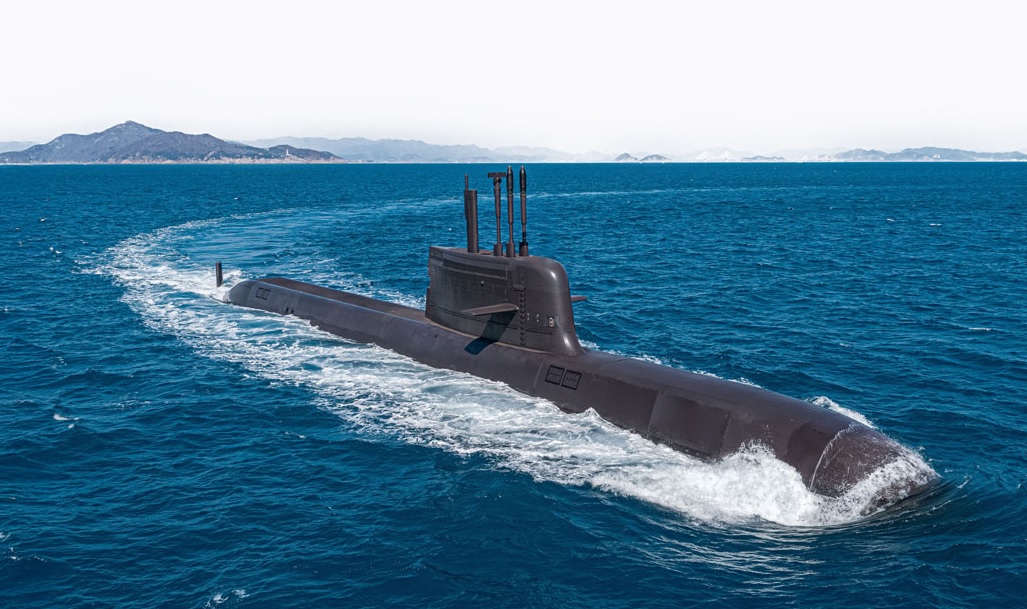
TOKYO, June 30, 2026 — Japan's Ministry of Defense has officially begun developing a vertical launch system (VLS) for a future class of non-nuclear diesel-electric submarines, marking a major step in expanding the strike capabilities of its undersea fleet. The program will run from 2026 to 2029 with a budget of approximately 3.9 billion yen (about $24.8 million). The new VLS is being designed to launch multiple missile types, including a submarine-launched version of Japan's Hyper Velocity Gliding Projectile (HVGP) and modern cruise missiles. The land-based HVGP, designated Type 25, has already been deployed for the defense of Japan's remote islands. Its naval variant is expected to provide the Japan Maritime Self-Defense Force (JMSDF) with a long-range stand-off strike capability from submerged platforms. Vertical Launch System Design Official concept renders released by the Ministry of Defense show a modular VLS configuration. Each launcher block is expected to contain seven to eight vertical launch cells, while future submarines are projected to carry two to three blocks, providing a total of 14 to 24 launch cells. The system is designed to accommodate various missile types, including hypersonic glide weapons, ballistic missiles, and cruise missiles, significantly expanding the range of missions future submarines can perform. Engineering Challenges Integrating a vertical launch system into a diesel-electric submarine requires overcoming complex engineering challenges. Developers are focused on preserving the submarine's acoustic stealth, underwater maneuverability, and stability during missile launches. To reduce development costs and accelerate the program, engineers will use advanced virtual simulation technology to evaluate the launcher under realistic maritime conditions before building physical prototypes. Expanding Submarine Strike Capabilities Japan's current submarines primarily launch U.S.-made Harpoon anti-ship missiles through 533-mm torpedo tubes, limiting both payload capacity and strike flexibility. A dedicated VLS will allow future submarines to carry a larger number of long-range weapons while adding dedicated land-attack capability alongside traditional anti-ship missions. Supporting Next-Generation Submarines The VLS program is closely linked to Japan's next-generation submarine development. In December 2023, Kawasaki Heavy Industries (KHI) unveiled a concept for a successor to the Taigei-class featuring a vertical launch system, a larger hull, improved land-attack capability, and an upgraded power plant. Japan is also modernizing its current fleet. On October 15, 2025, KHI launched JS Sogei, the sixth Taigei-class submarine equipped with lithium-ion batteries. The submarine retains six 533-mm torpedo tubes and is scheduled to receive the new 12SSM-ER cruise missile, which has entered production for both surface ships and submarines. Strategic Significance The VLS initiative is part of Japan's broader defense modernization program aimed at strengthening long-range stand-off capabilities in the Indo-Pacific. Defense Ministry advisory panels have also recommended studying next-generation propulsion systems that could support longer submerged operations for future VLS-equipped submarines. With one of the world's most advanced diesel-electric submarine fleets, jointly built by Kawasaki Heavy Industries and Mitsubishi Heavy Industries, Japan's introduction of a submarine-based vertical launch system represents a significant enhancement of its future underwater strike capability.
Read More → Posted on 2026-06-30 10:42:33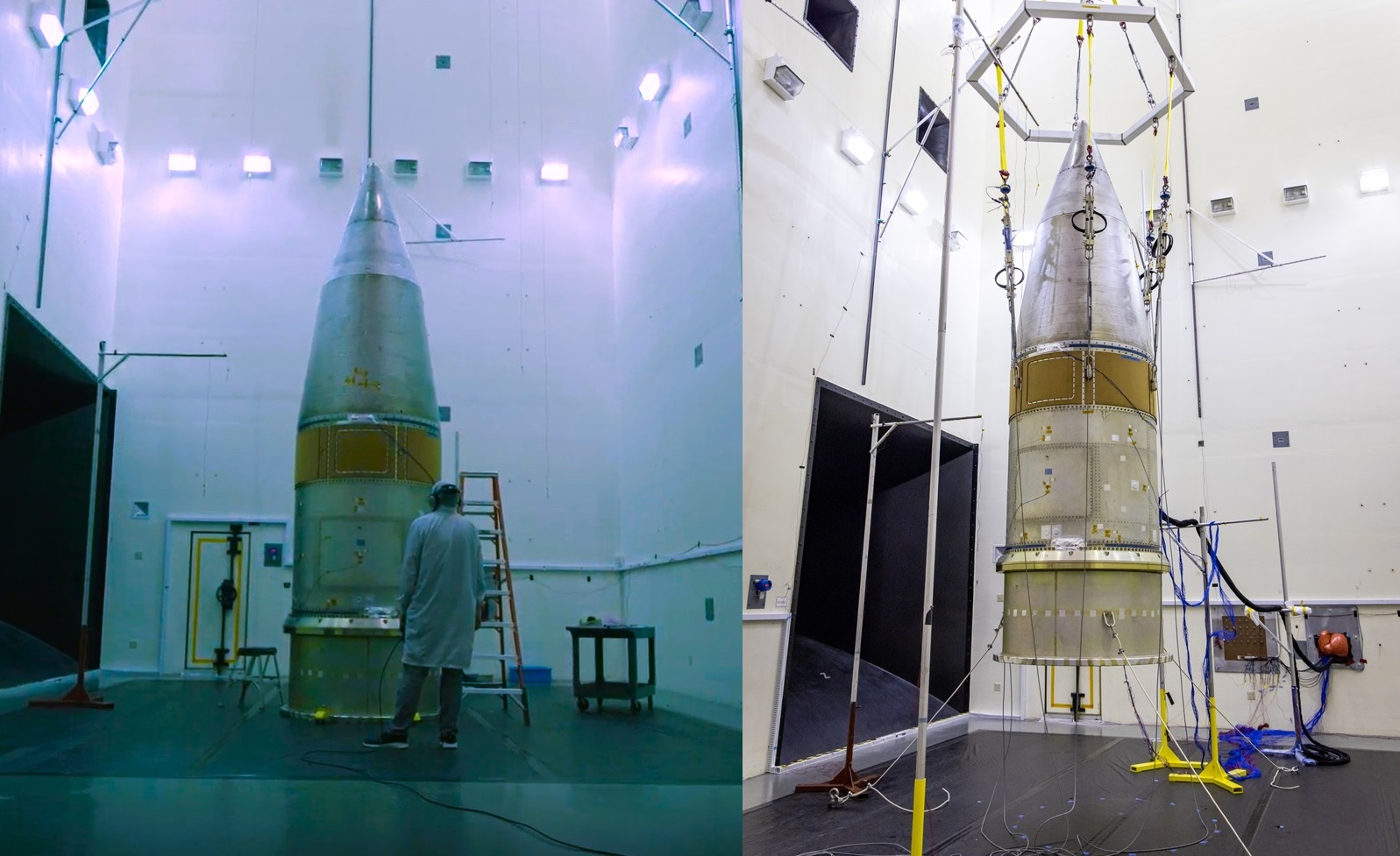
World
REDONDO BEACH, California, June 30, 2026 — Northrop Grumman has released the first public photographs of hardware for the LGM-35A Sentinel intercontinental ballistic missile (ICBM), marking a significant milestone in the U.S. Air Force's next-generation strategic missile program. The images show the missile's nose section, known as the integrated front end, inside the company's Large Acoustic Test Facility in Redondo Beach, California, following the successful completion of structural validation testing. According to Northrop Grumman, the acoustic testing campaign remains on schedule and represents one of the final major engineering milestones before the Sentinel's planned first flight test in 2027. The release of physical hardware images also indicates that the program is moving from digital design and engineering into full-scale manufacturing and hardware qualification. The published photographs show a large cone-shaped metallic structure positioned inside a high-bay test chamber, with an engineer in protective clean-room clothing standing nearby to illustrate the scale of the assembly. Integrated Front End Undergoes Acoustic Qualification The hardware tested is designated as the integrated front end, a critical section of the missile that combines two major components: The Payload Reentry System, which houses the nuclear reentry vehicle. The Post-Boost Attitude Control Module, containing the missile's guidance, navigation, and control systems. After the Sentinel's three-stage solid rocket boosters complete their burn and separate during flight, the integrated front end assumes control of the missile's trajectory. Using onboard computers, sensors, and maneuvering thrusters, it performs precise flight corrections before the reentry vehicle separates for its terminal descent. Because the guidance package contains highly sensitive electronic and mechanical systems, it must withstand the severe acoustic environment generated during missile launch from underground silos. When an ICBM launches, the rocket motor produces extremely high sound pressure levels inside the launch tube, creating powerful vibrations that could damage internal systems if they are not properly protected. To verify the design, engineers subjected the integrated front end to simulated launch conditions inside Northrop Grumman's Large Acoustic Test Facility. The component was surrounded by an array of specialized microphones and acoustic equipment capable of reproducing the intense sound environment expected during an operational silo launch. Lawrence Livermore Supported Test Qualification The acoustic testing was conducted in collaboration with Lawrence Livermore National Laboratory (LLNL), which helped establish the qualification requirements for the reentry vehicle and its internal payload package. LLNL is one of the two U.S. national laboratories responsible for certifying the safety and effectiveness of the nation's nuclear warheads. Its role in the Sentinel program includes supporting qualification of the reentry vehicle to ensure it meets stringent nuclear weapon certification standards. Facility Modernized for Advanced Testing Northrop Grumman's Large Acoustic Test Facility has previously supported qualification testing for several major aerospace programs, including the James Webb Space Telescope, commercial satellites, and national security spacecraft. To improve testing capability, the company recently invested more than $1 million to upgrade the facility's control systems from analog to digital technology. The modernization enables higher measurement accuracy, improved data collection, and more precise generation of high-decibel acoustic environments. Replacing the Minuteman III The Sentinel program is intended to replace the LGM-30G Minuteman III, which has served as the land-based component of the U.S. nuclear triad since 1970. After more than five decades of service and multiple life-extension efforts, the U.S. Air Force determined that the Minuteman III had reached the practical limits of modernization. Unlike previous upgrade programs, Sentinel represents a complete replacement of the ground-based strategic missile system. The program includes new missiles, rebuilt launch silos, modernized launch control centers, upgraded command-and-control systems, and new communication infrastructure. Approximately 400 Sentinel missiles are planned to replace the existing Minuteman III force deployed across Montana, North Dakota, Wyoming, Colorado, and Nebraska. Because current silos were designed specifically for the dimensions and interfaces of the Minuteman III, the U.S. Air Force is rebuilding hundreds of hardened launch facilities while maintaining continuous nuclear alert operations. As part of this effort, construction has begun on a full-scale modular launch silo prototype at Promontory, Utah, to validate more efficient construction methods for future deployment. Program Continues Despite Cost and Schedule Challenges The Sentinel program has faced significant financial and administrative challenges in recent years. Rising infrastructure costs triggered a Nunn-McCurdy breach after program expenses exceeded the original baseline by more than 25 percent, requiring a mandatory review by the U.S. Department of Defense and Congress. Following the review, the U.S. Air Force concluded that no affordable alternative could replace the aging Minuteman III fleet and directed the program to continue under a government-mandated restructuring process. The restructuring is expected to conclude with a new Milestone B certification later in 2026 under the leadership of Gen. Dale White. The Congressional Budget Office (CBO) has estimated that the Sentinel program's total lifecycle cost, including reconstruction of the missile infrastructure across five states, could exceed $140 billion, although both the U.S. Air Force and Northrop Grumman have disputed that projection. Progress Toward First Flight Alongside the successful acoustic qualification, the Sentinel program has continued to complete major propulsion milestones. Full-scale qualification static-fire tests of the missile's first-stage and second-stage solid rocket motors were successfully completed during 2024 and 2025. With structural validation, propulsion testing, and hardware manufacturing continuing to advance, the Sentinel program remains on schedule for its first pad launch test in 2027, with operational deployment planned for the early 2030s as the United States modernizes the land-based leg of its nuclear deterrent.
Read More → Posted on 2026-06-30 10:16:10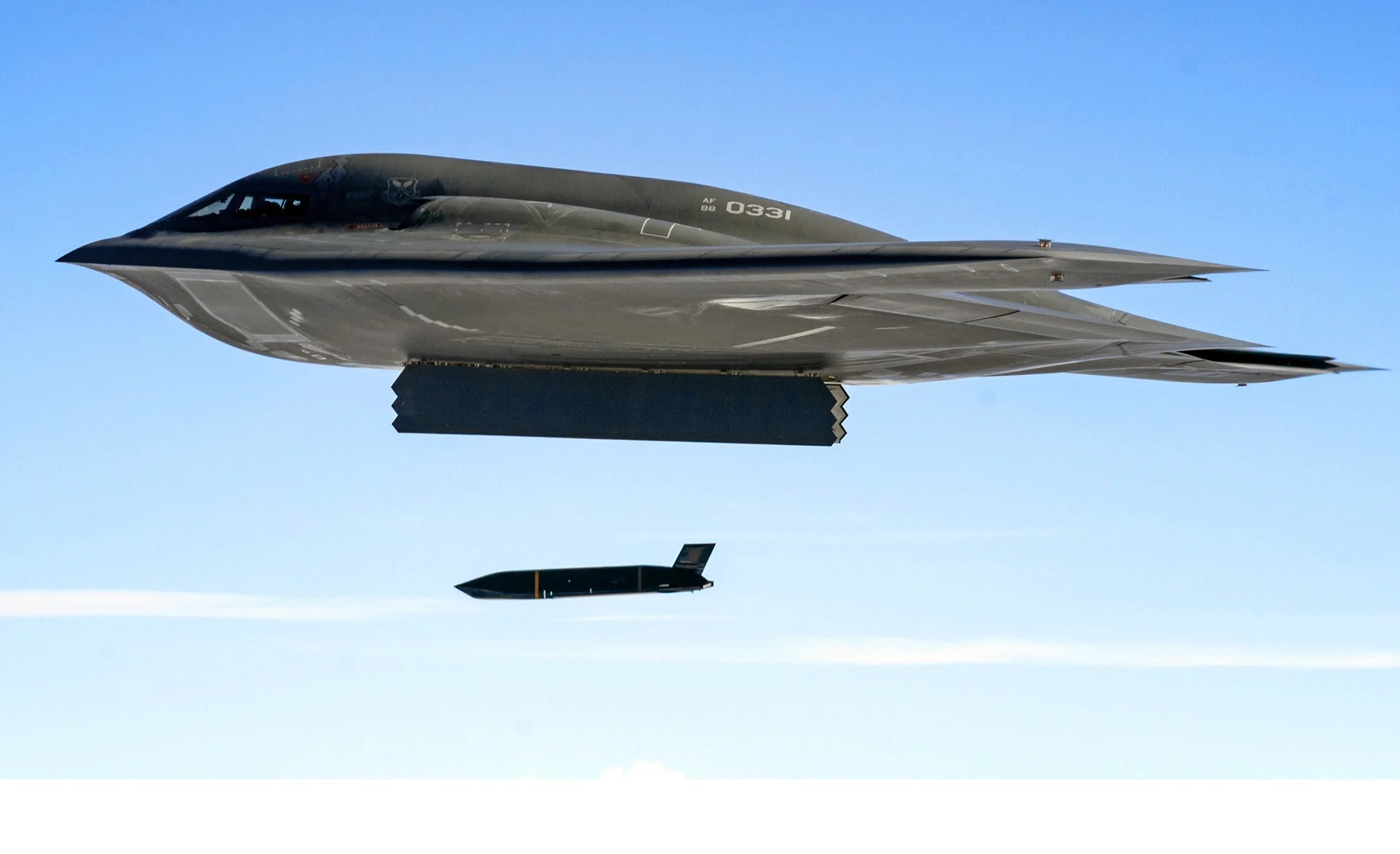
World
ANDERSEN AIR FORCE BASE, Guam, June 30, 2026 — The U.S. Air Force has publicly revealed a new maritime strike capability for the B-2 Spirit stealth bomber following a successful live-fire sinking exercise (SINKEX) conducted during Exercise Valiant Shield 2026. The exercise marked the first publicly disclosed deployment of the AGM-158C Long Range Anti-Ship Missile (LRASM) from the B-2, expanding the bomber's role in long-range counter-maritime operations. The live-fire event took place on June 27 in the Mariana Island Range Complex over the Philippine Sea, approximately 200 nautical miles north of Guam. Organized by U.S. Pacific Air Forces (PACAF), the exercise demonstrated the integration of the stealthy LRASM with the B-2 Spirit, providing the U.S. military with a new long-range precision strike capability against maritime targets. B-2 Conducts LRASM Strike The mission was carried out by a B-2 Spirit assigned to the 509th Bomb Wing at Whiteman Air Force Base, Missouri. The aircraft was loaded with a live AGM-158C LRASM on June 22 before deploying to Andersen Air Force Base, Guam, to participate in Valiant Shield 2026. During the exercise, the B-2 launched the LRASM against the ex-USS Juneau (LPD-10), a decommissioned Austin-class amphibious transport dock that served as the target vessel. The successful strike demonstrated the bomber's ability to employ the advanced anti-ship missile in an operational maritime scenario. The sinking exercise was conducted as a joint and multinational operation involving U.S. and allied forces. Before the vessel sank, it was engaged by multiple weapon systems. A Japan Maritime Self-Defense Force (JMSDF) submarine fired a heavy torpedo that also contributed to the sinking of the ex-USS Juneau, while the aircraft carrier USS George Washington (CVN-73) and other allied naval assets operated in the exercise area. LRASM Expands Long-Range Maritime Strike Capability The AGM-158C Long Range Anti-Ship Missile (LRASM) is a precision-guided, stealthy anti-ship cruise missile developed to detect, track, and engage enemy surface vessels at extended ranges while operating from stand-off distances. The missile uses a GPS-assisted Inertial Navigation System (INS) combined with an onboard infrared seeker to navigate toward its target area and identify enemy warships without relying on active radar emissions, reducing the likelihood of detection by opposing forces. Designed to strike high-value maritime targets in contested environments, LRASM provides autonomous target identification and precision engagement capabilities over ranges extending hundreds of miles. Before this demonstration, the LRASM had only been publicly certified for use on the U.S. Air Force's B-1B Lancer and the U.S. Navy's F/A-18E/F Super Hornet. Its integration with the B-2 Spirit introduces a new combination of stealth, long-range penetration, and precision maritime strike capability, enabling the bomber to operate more effectively in heavily defended areas. Supporting Indo-Pacific Operations Pacific Air Forces said the live-fire event forms part of broader efforts to strengthen long-range counter-maritime capabilities and improve readiness across the Indo-Pacific region. The exercise demonstrated the ability of U.S. and allied forces to conduct coordinated, multi-domain operations while employing advanced precision weapons against maritime targets. "The B-2's impressive performance underscores the U.S. military's commitment to adaptability and flexibility in the face of emerging security challenges," said General Kevin B. Schneider, Commander of Pacific Air Forces. "By prioritizing counter-maritime strike operations, we can maintain a decisive edge over adversaries, protect our national interests and ensure the free and open Pacific that underpin our global security." Valiant Shield 2026 Exercise Valiant Shield 2026 is a joint and multinational military exercise focused on high-end warfighting and integrated operations across the Indo-Pacific. The drills involve U.S. military services working alongside allied and partner nations to enhance interoperability, long-range precision strike capabilities, maritime security, and multi-domain coordination. According to Pacific Air Forces, the successful B-2 LRASM employment highlights the continued evolution of U.S. long-range strike capabilities. By combining the B-2 Spirit's stealth and global reach with the LRASM's autonomous anti-ship capabilities, the U.S. military has added a new penetrating maritime strike option designed to support operations in contested environments and reinforce regional security objectives across the Indo-Pacific.
Read More → Posted on 2026-06-30 10:05:38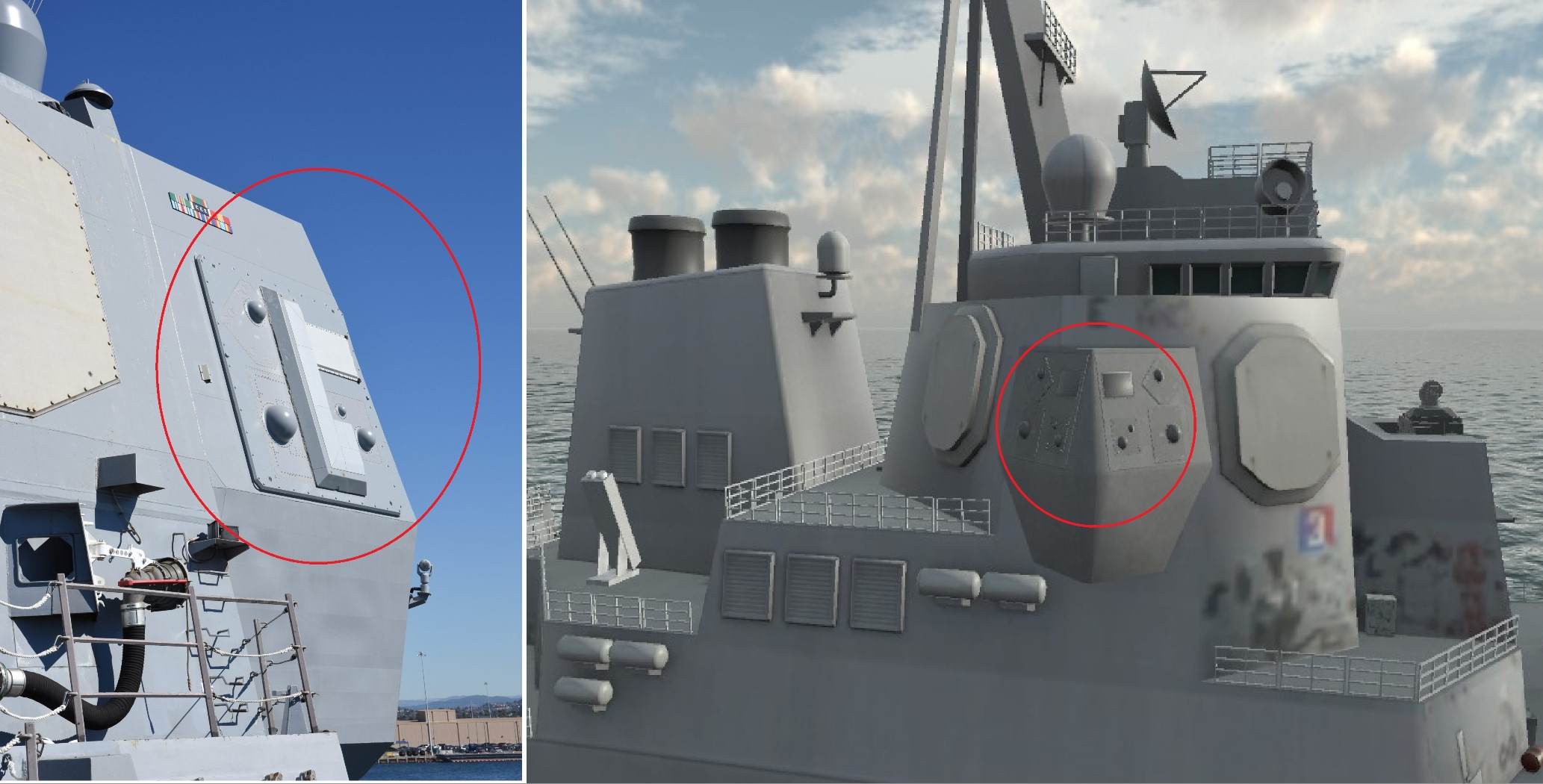
World
WASHINGTON, June 30, 2026 — The U.S. Navy has awarded Northrop Grumman a $312.34 million firm-fixed-price contract modification to expand production of the Surface Electronic Warfare Improvement Program (SEWIP) Block 3, accelerating deployment of advanced electronic warfare systems across the Navy's surface fleet. Awarded on June 24, 2026, the contract is managed by the Naval Sea Systems Command and covers additional AN/SLQ-32(V)7 SEWIP Block 3 systems in both Hemisphere and Quadrant configurations for destroyers, aircraft carriers, and amphibious assault ships. Production will take place across facilities in 15 U.S. states and is scheduled for completion by August 2029. The award is fully funded with fiscal year 2026 shipbuilding and conversion funds. Production Expansion The new contract follows a $334.4 million modification awarded in December 2025, increasing Northrop Grumman's production commitment to up to 24 SEWIP Block 3 systems. If all contract options are exercised, the total program value will approach $783 million. Advanced Electronic Warfare Capability SEWIP Block 3, designated AN/SLQ-32(V)7, is the latest upgrade of the Navy's long-serving AN/SLQ-32 electronic warfare family, originally developed by Raytheon in the 1970s. Unlike earlier versions that primarily detected radar threats and alerted crews, SEWIP Block 3 provides an active electronic attack capability. It can jam and deceive an incoming missile's radar guidance, causing it to lose lock on the target before impact. The system uses 16 Active Electronically Scanned Array (AESA) antennas built with gallium nitride (GaN) transmit/receive modules. Arranged into four quadrants with four antenna faces each, the system provides 360-degree coverage and can engage multiple threats arriving simultaneously from different directions. Hemisphere and Quadrant Configurations SEWIP Block 3 is produced in two configurations that use the same core technology but are adapted for different ship classes. The Hemisphere configuration is designed for Arleigh Burke-class Flight IIA destroyers, using large port and starboard sponsons mounted on the ship's deckhouse to house the antenna arrays. The Quadrant configuration redistributes the arrays to fit ships with different structural layouts. Under this contract, the Navy is procuring the first Quadrant shipset for a nuclear-powered aircraft carrier, marking the system's expansion beyond destroyers. Budget documents indicate the system is expected to be installed aboard USS Harry S. Truman (CVN-75) during its Refueling and Complex Overhaul (RCOH) at Newport News Shipbuilding beginning in mid-2026, although the ship assignment has not been officially confirmed. Soft-Kill Defense Against Missiles SEWIP Block 3 provides a soft-kill defense by electronically disrupting an incoming missile's guidance system instead of relying solely on interceptor missiles. This helps preserve a ship's limited inventory of kinetic interceptors for threats that cannot be defeated through electronic attack, improving defensive endurance during saturation attacks. The system also features an open software-defined architecture, allowing the Navy to update jamming techniques and integrate emerging technologies, including artificial intelligence (AI) and machine learning, without major hardware modifications. An integrated Soft Kill Coordinator automates electronic attack management across the antenna arrays, reducing operator workload during complex engagements involving multiple threats. Fleet Deployment The first operational SEWIP Block 3 system entered service aboard USS Pinckney (DDG-91) in 2023. Additional installations have since been completed aboard USS Chung-Hoon (DDG-93) and USS James E. Williams (DDG-95) during DDG Modernization 2.0 upgrades performed by General Dynamics NASSCO. Northrop Grumman is also developing the Scaled Onboard Electronic Attack (SOEA) system, a smaller variant intended for ships with limited space, weight, and power capacity, extending advanced electronic warfare capabilities across a wider range of surface combatants. The program is managed by the Program Executive Office Integrated Warfare Systems (PEO IWS) as part of the U.S. Navy's ongoing effort to strengthen electronic warfare and improve protection against modern anti-ship missile threats.
Read More → Posted on 2026-06-30 09:53:07
World
WASHINGTON/DOHA/JERUSALEM, June 29, 2026 — The United States and Iran have agreed to suspend recent military strikes and resume technical negotiations in Doha, Qatar, while the Israel Defense Forces (IDF) announced the destruction of a major Hezbollah underground tunnel complex in southern Lebanon. The developments reflect parallel efforts to manage security challenges across the Middle East. U.S. and Iran Resume Talks According to senior U.S. officials, Washington and Tehran have agreed to halt all kinetic military activity and allow commercial shipping to move freely through the Strait of Hormuz. Technical discussions are scheduled to resume on Tuesday in Doha, with Qatar continuing to facilitate indirect negotiations. The talks will focus on resolving disagreements over the administration and security of the Strait of Hormuz, one of the world's most important maritime routes for global energy trade. The latest agreement follows several days of military exchanges that threatened to undermine an 11-day-old Memorandum of Understanding (MoU) aimed at reducing tensions after months of conflict. The escalation began after the United States conducted strikes on Iranian military facilities in southern Iran, citing Iranian drone attacks on commercial shipping. Iran responded by launching ballistic missiles and drones at U.S. military bases in Kuwait and Bahrain. Under the preliminary agreement, Iran committed to making its best efforts to ensure the safe passage of commercial vessels, while the United States agreed to lift its naval blockade of Iranian ports. Disagreements over responsibility for managing maritime traffic in the Strait of Hormuz were cited as the main cause of the recent escalation. IDF Destroys Hezbollah Tunnel Complex In a separate development, the IDF announced that it had dismantled a major Hezbollah underground tunnel complex in the village of Majdal Zoun in southern Lebanon. According to a joint statement by Israeli Prime Minister Benjamin Netanyahu and Defense Minister Israel Katz, the tunnel extended more than 200 meters and reached depths exceeding 25 meters. Israeli forces said they discovered hundreds of weapons inside the complex, along with four launch shafts directed toward Israeli territory. Israeli officials said the United States was informed before the operation. The strike was carried out within the expanded security zone established under a recently agreed U.S.-brokered security framework, which also provides for a phased Israeli withdrawal from parts of southern Lebanon and the deployment of the Lebanese Armed Forces in the area. Hezbollah has rejected the agreement, with its leader Naim Qassem stating that the group will continue its armed resistance. Regional Security Developments The planned U.S.-Iran talks in Doha and Israel's operation against Hezbollah infrastructure highlight separate efforts to address ongoing security challenges in the region. The outcome of the Doha meeting is expected to provide further clarity on implementing the temporary agreement between Washington and Tehran and future arrangements for security and commercial navigation through the Strait of Hormuz.
Read More → Posted on 2026-06-29 14:34:51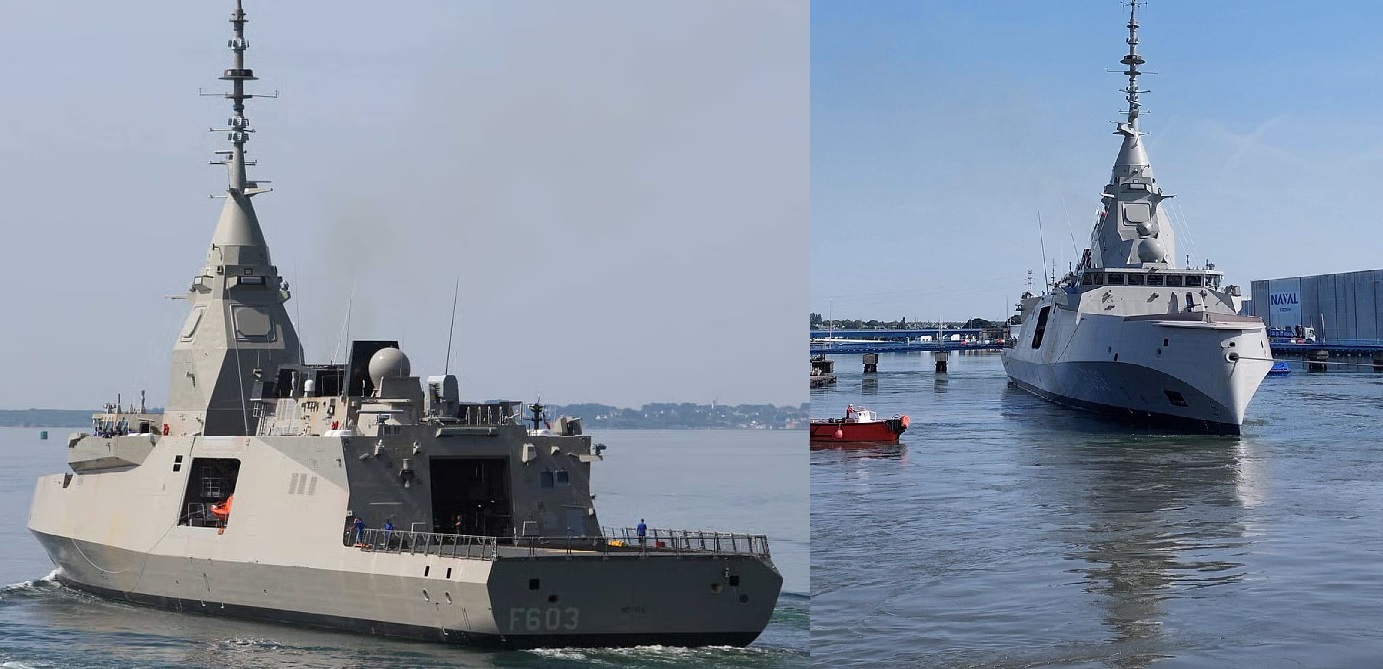
Greece's Third Kimon-Class Frigate HS Formion Starts Sea Trials in France Ahead of the 2026 Delivery
World
LORIENT, France, June 29, 2026 — The Hellenic Navy has reached another milestone in its fleet modernization program as HS Formion (F-603), the third Kimon-class Defence and Intervention Frigate (FDI HN), officially commenced sea trials from Naval Group's shipyard in Lorient, France. The frigate departed the shipyard on June 22, marking its transition from construction to operational testing ahead of its scheduled delivery later this year. The sea trials will verify the vessel's propulsion, navigation, maneuverability, safety systems, communications, power generation, and combat system integration before it enters service. Initial Sea Trials Underway The first phase of testing, lasting approximately two weeks, focuses on validating the ship's core systems and overall performance at sea. As Naval Group builds the hull and the Panoramic Sensor and Intelligence Module (PSIM) in parallel, testing of the frigate's primary combat system sensors has also begun during this stage. HS Formion is the third vessel in Greece's Kimon-class program, which is intended to replace older surface combatants with modern multi-mission frigates capable of anti-air, anti-surface, anti-submarine, and asymmetric warfare operations. Platform and Aviation Capability Based on the French Defence and Intervention Frigate (FDI) design, the Hellenic Navy variant has been adapted for operations in the Aegean Sea and Eastern Mediterranean. The frigate displaces approximately 4,500 tonnes, measures 122 meters in length with an 18-meter beam, and has a top speed of 27 knots. It offers an operational range of approximately 5,000 nautical miles at 15 knots, an endurance of 45 days, and accommodates 125 crew members plus 28 additional personnel. Its flight deck and hangar are designed to support a 10-tonne-class helicopter, including the MH-60R Seahawk, alongside a vertical take-off and landing (VTOL) unmanned aerial vehicle, extending the ship's surveillance and anti-submarine capabilities. Enhanced Weapons Suite Compared with the standard French FDI configuration, the Hellenic Navy version features a larger weapons package designed for regional operational requirements. The frigate is armed with: 32 MBDA Aster 30 surface-to-air missiles for medium- and long-range area air defense. One 21-cell RAM Block 2B launcher for point defense against incoming missiles and other close-range threats. Eight MBDA Exocet MM40 Block 3c anti-ship missiles for long-range maritime strike missions. One 76 mm naval gun for engagements against surface and aerial targets. Four torpedo tubes for MU90 lightweight torpedoes used in anti-submarine warfare. Two CANTO launchers providing anti-torpedo countermeasures. This layered weapons configuration enables the ship to engage threats across air, surface, and underwater domains. Advanced Combat Systems HS Formion is equipped with Naval Group's SETIS Combat Management System and the Thales Sea Fire 4D AESA radar, which uses four fixed antenna panels to provide continuous 360-degree surveillance without mechanical rotation. The radar is designed to rapidly detect, track, and engage multiple threats in complex maritime environments. The frigate also features a native cybersecurity architecture with two independent onboard data centers operating in a virtualized environment, improving redundancy and protecting critical systems against cyber threats. Greek Industrial Participation The program includes significant participation from Greek industry under the Hellenic Industrial Participation (HIP) initiative. Naval Group has signed more than 120 contracts with approximately 70 Greek companies. Salamis Shipyards manufactures pre-outfitted hull blocks, while other domestic firms supply consoles, electrical systems, torpedo doors, and additional ship components, supporting future maintenance and sustainment. Delivery Timeline HS Formion is scheduled for delivery to the Hellenic Navy by the end of 2026 in the Standard 1 configuration. The ship will then remain in France for upgrades to the Standard 2+ standard before sailing to Greece in April 2027. The lead ship, HS Kimon, arrived in Greece earlier in 2026, while the second frigate, HS Nearchos, is expected to be delivered in October 2026 following sea trials that began in February. Construction of the fourth vessel, HS Themistokles, is also progressing, further strengthening the Hellenic Navy's future surface fleet.
Read More → Posted on 2026-06-29 14:23:14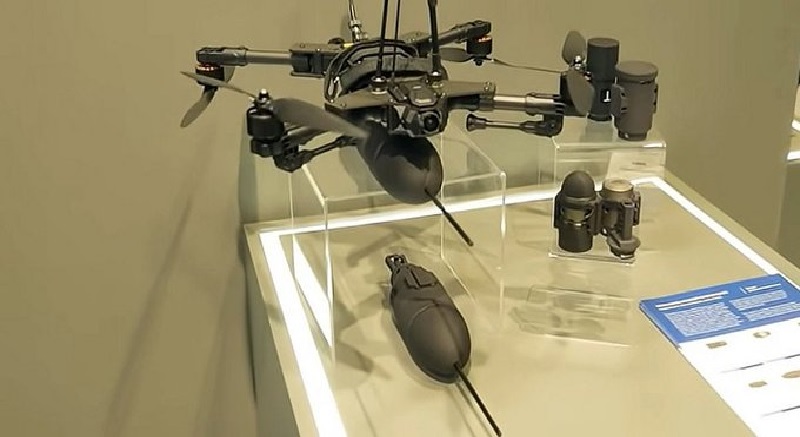
World
OSLO, Norway, June 29, 2026 — Norway has quietly supplied Ukraine with more than 100,000 N7 anti-tank drone munitions manufactured by Norwegian defense company Nammo, with the weapons having been in operational use by Ukrainian forces since at least early 2025. The large-scale transfer remained undisclosed for more than a year before being officially confirmed during the Eurosatory 2026 defense exhibition in Paris. Nammo representatives confirmed that a "six-digit quantity" of N7 anti-armor drone warheads had been delivered to Ukraine and integrated into its expanding fleet of unmanned aerial systems. The disclosure was first reported by Janes and later covered by Defence Express. The N7 is a lightweight 1.5-kilogram shaped-charge munition specifically developed for drone-based operations. It can be deployed either as a bomb dropped from multirotor drones or integrated as the warhead of First-Person View (FPV) attack drones, providing flexibility across different unmanned combat platforms. Despite its compact size, the N7 is designed to engage heavily armored targets. According to Nammo, the munition uses a copper conical liner shaped-charge design capable of penetrating up to 450 millimeters of rolled homogeneous armor, allowing it to destroy armored vehicles, military equipment, and fortified defensive positions. One of the munition's notable features is its electronically controlled fuze system, which enables drone operators to remotely place the warhead into a safe mode. If a mission is aborted or no suitable target is identified, the drone can return with the munition still attached without detonation, reducing the risk of accidental explosions and allowing the payload to be reused. Although the N7 was officially unveiled to the public during SOF Week in the United States in May 2025, deliveries to Ukraine had already begun before its public debut. Ukrainian forces have reportedly employed the munition extensively in combat operations throughout 2025. During Eurosatory 2026, Nammo presented combat footage demonstrating the N7's battlefield performance. The video showed a Ukrainian drone dropping an N7 munition onto a Russian BM-21 Grad multiple launch rocket system. According to the company, the precision strike ignited one of the launcher's rockets, which subsequently penetrated the vehicle's cab and rendered the system inoperable. Nammo also displayed the N7 integrated with the Croatian-developed Orca MRM2-10 FPV drone during the exhibition, highlighting the munition's compatibility with a wide range of unmanned aerial platforms. This flexibility allows operators to employ the warhead across various drone types already in service with the Ukrainian military. The transfer forms part of Norway's broader military assistance program for Ukraine. Oslo has continued to provide advanced defense support, including funding for long-range ammunition, maintenance assistance for Ukraine's F-16 fighter aircraft, and deliveries of NASAMS air defense systems. Norway has also expanded its investment in unmanned warfare capabilities. The Norwegian government recently allocated 1.2 billion Norwegian kroner (approximately $127 million) to support the development and procurement of maritime surface drones for Ukraine. The initiative includes joint production between Norwegian and Ukrainian defense industries and is intended to strengthen Ukraine's ability to employ cost-effective unmanned systems in maritime operations. The disclosure of the N7 deliveries highlights the increasing role of specialized drone munitions in modern warfare. Lightweight precision warheads designed specifically for unmanned aerial systems have become an important component of battlefield operations, enabling small drones to engage armored vehicles and other high-value targets with greater effectiveness while maintaining relatively low operating costs. Neither Norwegian authorities nor Nammo disclosed the exact delivery schedule or the total number of munitions supplied beyond confirming that Ukraine had received a six-figure quantity of the N7 drone warheads.
Read More → Posted on 2026-06-29 14:16:22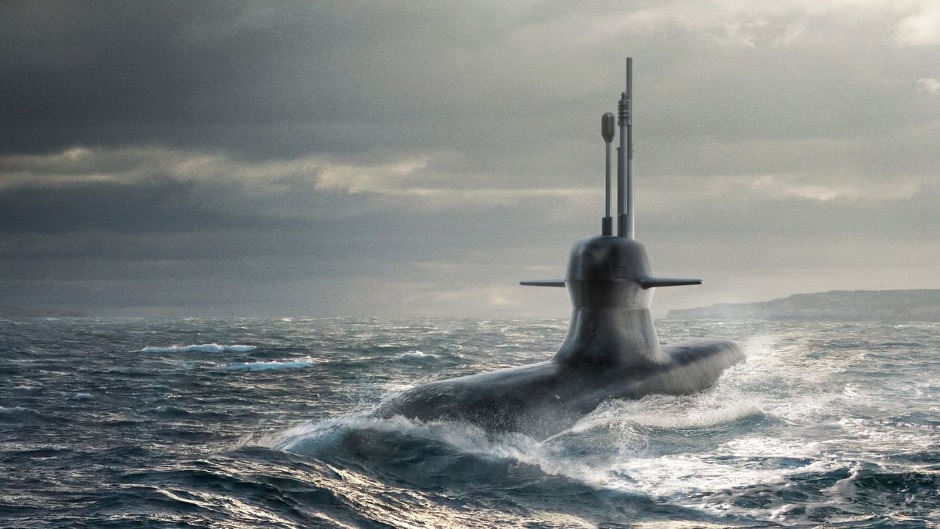
World
GDYNIA, Poland, June 29, 2026 — Poland has signed a landmark agreement with Swedish defense company Saab for the production and delivery of three A26 Blekinge-class submarines, marking one of the country's largest naval modernization programs in decades. The contract, signed on June 29 during intergovernmental consultations between Polish Prime Minister Donald Tusk and Swedish Prime Minister Ulf Kristersson, is valued at approximately SEK 47 billion (€4.5 billion). The agreement covers the construction of three A26 submarines, a comprehensive weapons package, and long-term training, maintenance, and support services. The procurement forms a key part of Poland's Orka submarine program and will replace the Polish Navy's only remaining Soviet-era Kilo-class submarine, which has been in service for around 40 years. The acquisition is intended to significantly strengthen Poland's undersea warfare capabilities while expanding long-term defense cooperation between Sweden and Poland within NATO. Delivery Timeline and Industrial Cooperation Saab will deliver the submarines in stages, with the first vessel expected to enter Polish service in 2031 and the final submarine scheduled for delivery in 2038. As part of the agreement, Saab will establish maintenance, repair, and overhaul (MRO) capabilities in Poland to support the submarines throughout their operational life. The company will work closely with Polish industry and invest up to €100 million in the country, with hundreds of Polish companies expected to participate in the program as subcontractors. The industrial cooperation is expected to strengthen Poland's domestic defense industry while supporting the long-term sustainment of the new submarine fleet. Interim Capability and Training Support To maintain Poland's underwater operational capability before the new submarines enter service, Sweden will lease the HMS Södermanland submarine to Poland until 2032. The leasing arrangement is accompanied by an extensive training and support program that the Swedish Ministry of Defence has described as the largest submarine-related training initiative undertaken by the Swedish Navy. Under the agreement, training for Polish submarine crews will begin in August 2026, earlier than originally planned. Sweden will support Poland's New Type Submarine programme from 2027 through 2038, with options to extend the cooperation. Polish personnel will also participate in testing and evaluation activities involving HMS Blekinge and HMS Skåne A26 submarines to accelerate operational readiness before the delivery of Poland's own fleet. Baltic Sea Pact The submarine agreement was signed alongside the launch of the Baltic Sea Pact, a new strategic cooperation framework established by Sweden and Poland during the June 29 government-level consultations. The initiative focuses on strengthening regional security through cooperation in three key areas: Security and defense policy Military cooperation Defense industry cooperation The pact is intended to reinforce security in the Baltic Sea region, strengthen cooperation between the two NATO allies, and support continued regional stability. The cooperation is also expected to contribute to industrial growth and employment in both countries through expanded defense manufacturing and technology collaboration. A26 Submarine Capabilities The Saab A26 Blekinge-class submarine has been specifically designed for operations in the Baltic Sea, where shallow waters, limited maneuvering space, and complex seabed conditions require advanced underwater capabilities. The submarines feature low acoustic signatures for silent operation and are optimized for stealth, maneuverability, and endurance. They support multi-domain naval operations, including intelligence, surveillance and reconnaissance (ISR), maritime security missions, and precision strike operations. The agreed weapons package includes long-range precision strike torpedoes, while the submarine's modular architecture allows future integration of submarine-launched missile systems. The procurement supports Poland's Orka submarine modernization programme and will enhance NATO's collective undersea capabilities in the Baltic region through expanded operational cooperation, industrial investment, long-term maintenance infrastructure, and comprehensive training support.
Read More → Posted on 2026-06-29 14:06:36
World
MOSCOW / HELSINKI, June 29, 2026 — A Russian State Duma lawmaker has issued a strong warning to Finland following Helsinki's decision to remove its decades-old legal ban on nuclear weapons, claiming Russia could "capture half of Finland in just a few days" if the country allows the deployment of NATO nuclear weapons on its territory. The remarks come after Finland officially approved legislation permitting the deployment, transit, possession, and storage of nuclear weapons on its territory. The law, signed by President Alexander Stubb, will enter into force on July 1 and removes restrictions contained in Finland's 1987 Nuclear Energy Act. The Russian lawmaker warned Finland not to permit NATO nuclear weapons on its territory, saying such a move would pose a direct security threat to Russia. He also claimed Finland was gradually becoming "a second Ukraine" because of its NATO membership and its latest defense policy changes. The statement follows broader warnings from the Kremlin over Finland's closer alignment with NATO's nuclear deterrence framework. Kremlin Warns of Countermeasures Earlier, Kremlin spokesman Dmitry Peskov criticized Finland's decision, saying the removal of the legal ban would increase tensions in Europe and threaten Russia's security. "By placing nuclear weapons on its territory, Finland will begin to pose a threat to us. And if Finland threatens us, we will take appropriate measures," Peskov said during a daily briefing. He said Finland's decision to permit the deployment of nuclear weapons under NATO arrangements would escalate tensions on the European continent and that Russia would respond if its security interests were affected. Finland Says Law Supports NATO Integration Finland's parliament approved the legislation by a 125-61 vote in mid-June, with President Alexander Stubb later signing the bill into law. According to Defense Minister Antti Hakkanen, the amendments are intended to enable Finland to fully participate in NATO's collective defense and nuclear deterrence arrangements following the deterioration of Europe's security environment after Russia's full-scale invasion of Ukraine. Finnish officials have emphasized that the legal changes do not mean NATO nuclear weapons will be permanently stationed in Finland during peacetime. Instead, the legislation removes legal barriers that previously prohibited the transport, possession, and storage of nuclear weapons if required under NATO operations. Russia Strengthens Military Presence Near Finland The exchange of warnings comes as Russia continues expanding its military presence along the 1,340-kilometer (830-mile) border with Finland. Defense analysts report that Moscow has established new military infrastructure, including a base at Novaya Vilga, which security experts say could eventually accommodate tens of thousands of Russian troops. Russian officials have previously stated that any deployment of NATO nuclear weapons in Finland would prompt reciprocal military measures. Background Finland joined NATO in April 2023, ending decades of military non-alignment following Russia's invasion of Ukraine. Since then, Helsinki has expanded defense cooperation with NATO allies and strengthened security along its eastern border. The latest exchange of warnings highlights growing tensions between Russia and Finland over regional security. While Finland says the legislation is intended to improve interoperability within NATO and strengthen collective defense, Russian officials argue that allowing the deployment of nuclear weapons near Russia's border would significantly increase regional security risks.
Read More → Posted on 2026-06-29 13:51:09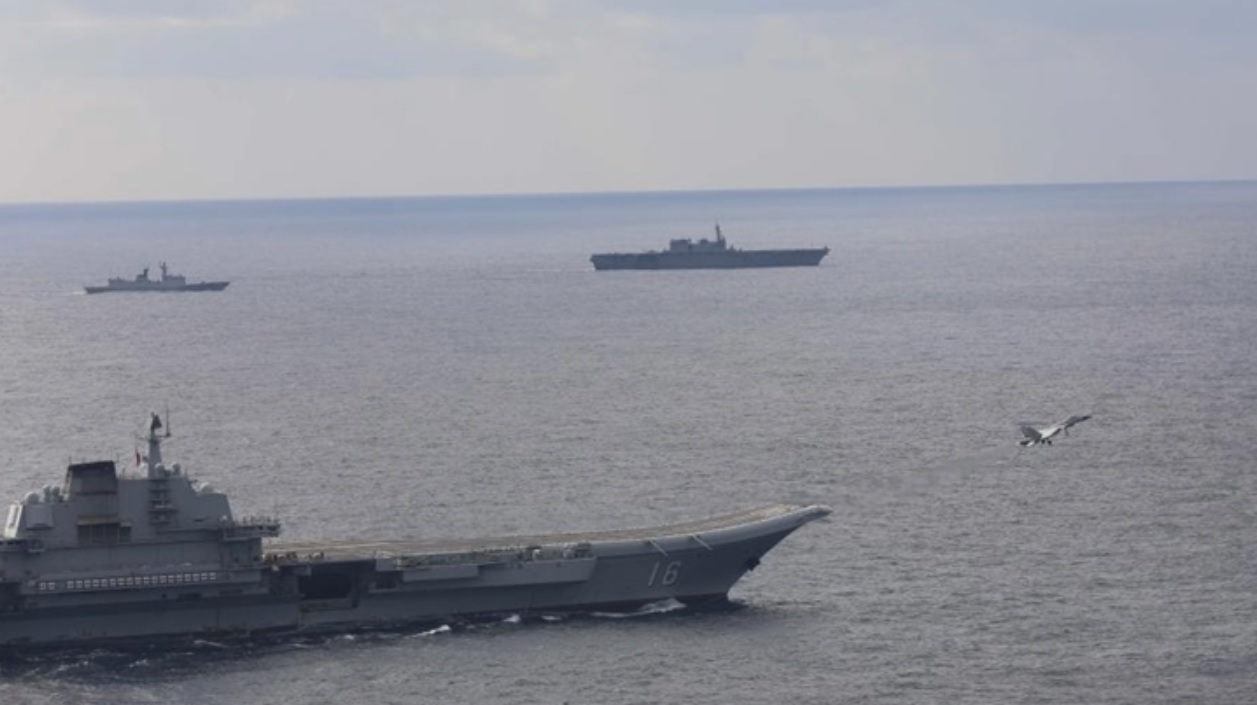
China Accuses Japan of Simulated Attacks During Liaoning Carrier's 40-Day Western Pacific Deployment
World
BEIJING/TOKYO, June 29, 2026 — China and Japan have exchanged conflicting claims over military surveillance activities during the People's Liberation Army Navy (PLAN) aircraft carrier Liaoning's recent 40-day deployment in the Western Pacific and South China Sea, highlighting continuing tensions over naval operations in the region. Chinese state media accused Japanese warships and aircraft of conducting "targeted simulated attacks" while monitoring the carrier strike group. Japan rejected the allegation, stating that its forces carried out only routine vigilance and surveillance operations. Liaoning Completes 40-Day Mission The Liaoning carrier strike group returned to Qingdao on June 22 after a deployment that began on May 19. The five-ship formation comprised the aircraft carrier CNS Liaoning (16), cruiser CNS Wuxi (104), destroyer CNS Kaifeng (124), frigate CNS Luohe (545), and fast combat support ship CNS Hulunhu (901). According to China's Ministry of National Defense, the deployment included integrated shore-sea combat training, carrier-based flight operations, anti-submarine warfare, formation search and rescue exercises, and system-of-systems operational drills. The carrier group also conducted coordinated operations with a Type 075 amphibious assault ship group led by Anhui, expanding the PLAN's experience in large-scale blue-water operations. A key feature of the deployment was the operational use of the J-15T carrier-based fighter. The upgraded aircraft incorporates improved avionics, radar, and weapons systems and successfully demonstrated rolling takeoffs from Liaoning's ski-jump flight deck despite being designed for electromagnetic catapult-equipped carriers such as the Type 003 Fujian, demonstrating operational compatibility across China's carrier fleet. Dispute Over Surveillance Operations The dispute centers on interactions between the Chinese carrier group and Japanese monitoring assets, including the Japan Maritime Self-Defense Force (JMSDF) destroyer JS Asahi. Chinese state broadcaster CCTV and other official media outlets reported that Japanese warships and aircraft conducted "targeted simulated attacks" while closely tracking the Liaoning. Chinese military commentator Teng Jianqun described the monitoring as a significant departure from previous encounters. Chinese media cited Japanese reports in support of the allegation but did not provide independent evidence verifying that simulated attack maneuvers had occurred. On June 26, China's Ministry of National Defense accused Japan of interfering with the carrier group's routine training activities and called for an end to what it described as unsafe monitoring operations. Japan's Joint Staff Office rejected the allegation as inaccurate, maintaining that the JMSDF conducted only routine surveillance and vigilance missions while prioritizing operational safety. Regional Context The latest dispute follows another incident during a December 2025 Liaoning deployment, when two J-15 fighters reportedly locked fire-control radars onto Japanese F-15 aircraft monitoring the carrier group. The incident prompted consultations between Japan and the United States over Chinese naval activity near Japan's southwestern islands. The recent deployment also coincided with significant allied naval activity in the Western Pacific. The USS George Washington Carrier Strike Group conducted anti-submarine warfare exercises near Guam alongside the Japanese helicopter carrier JS Kaga, destroyer JS Fuyuzuki, and the Royal Canadian Navy frigate HMCS Charlottetown. P-8A Poseidon maritime patrol aircraft from the United States, Australia, and New Zealand also participated in anti-submarine training operations. Independent reporting, including by USNI News, confirmed the timeline and composition of the Liaoning carrier strike group's deployment. However, no independent source has verified the Chinese allegation that Japanese forces conducted simulated attack maneuvers during the mission.
Read More → Posted on 2026-06-29 13:37:27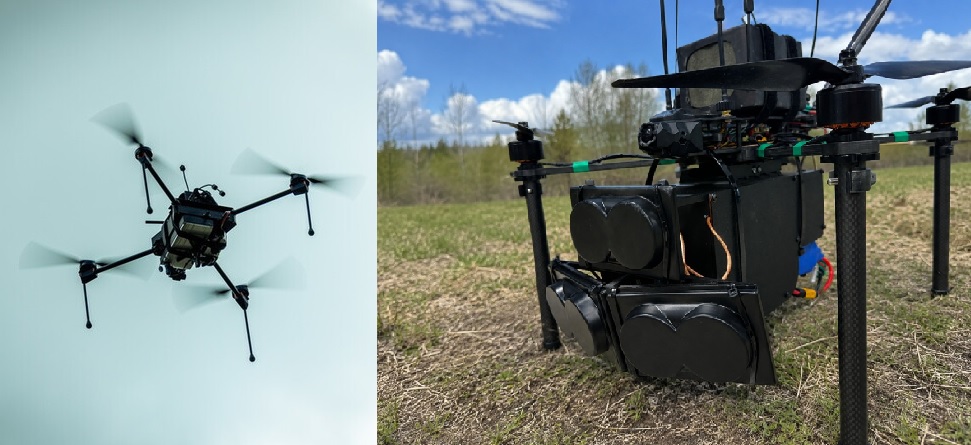
World
TALLINN, Estonia, June 29, 2026 — Estonian soldiers have successfully demonstrated a new portable airborne signals intelligence (SIGINT) capability by integrating an autonomous passive radio frequency (RF) sensor with a lightweight First-Person View (FPV) drone during Exercise Spring Storm, the country's largest annual military exercise. The system detected hostile electronic emitters at distances beyond the reach of conventional ground-based sensors, providing frontline units with improved battlefield intelligence. The demonstration combined the SkyAgent 001 autonomous passive RF sensor, developed by Estonia-based Sky Spy, with the MRM2-10 FPV drone platform built by Croatian drone manufacturer Orqa. The integrated system creates a compact airborne electronic intelligence capability that can be carried, deployed, and operated by a single soldier within minutes. The evaluation was conducted with Estonia's 131st Infantry Battalion in a simulated electromagnetic attack scenario organized by the Estonian Defence Forces' Force Transformation Command. According to the participating companies, it was the first confirmed operational demonstration of the combined system with NATO forces. Airborne SIGINT Extends Detection Range Signals intelligence (SIGINT) involves detecting and analyzing radio frequency emissions from military systems such as radars, electronic warfare equipment, drone control stations, and communication networks. Identifying these electronic emitters enables commanders to locate enemy assets and employ countermeasures, including electronic jamming, artillery, or anti-drone systems. Ground-based SIGINT sensors are often limited by terrain features such as hills, forests, and buildings that obstruct radio signals. Mounting the sensor on a lightweight drone significantly improves line-of-sight, allowing electronic emissions to be detected over greater distances. According to Sky Spy, the test scenario incorporated lessons from the ongoing conflict in Ukraine, where drone-related attacks have become a major battlefield threat. The company said drone-related causes now account for an estimated 85 percent of battlefield casualties, making the rapid detection of drone control stations an increasingly important tactical requirement. "Sky Spy was established to identify the archer, before the arrow is fired," said Arsenii Hurtavtsov, CEO of Sky Spy. Passive Sensor Processes Intelligence Onboard Instead of transmitting signals, the SkyAgent 001 passively monitors the radio frequency spectrum, making it difficult for adversaries to detect. The system autonomously processes and classifies detected signals onboard, identifying emitter types such as radars, jammers, and drone control stations while providing actionable intelligence directly to frontline units without requiring real-time analysis by specialist operators. The MRM2-10 FPV drone was designed for military applications and adapted for intelligence missions by replacing offensive payloads with the passive RF sensor, enabling rapid deployment in contested electromagnetic environments. "Working in partnership with Sky Spy, we've shown that combining passive RF sensing with our lightweight UAVs is a practical solution to the challenge of gathering intelligence in hostile electromagnetic environments," said Srdjan Kovacevic, co-founder and CEO of Orqa. "As the largest drone manufacturer in the EU to build both integrated systems and components, we are proud to support the Estonian Defence Forces," he added. Exercise Spring Storm Supports Technology Evaluation Exercise Spring Storm 2026 was held from May 4 to June 1 across Estonia and parts of northern Latvia, bringing together more than 12,000 NATO personnel from over 20 nations. The exercise focused on realistic multi-domain operations and provided an opportunity to evaluate emerging military technologies under operational conditions. Sky Spy also stated that the SkyAgent 001 uses a modular architecture with a standardized interface, allowing integration with multiple unmanned aerial vehicle (UAV) platforms rather than a single airframe. The company is expanding compatibility with additional drone manufacturers to support broader adoption by allied forces. Estonia, which joined NATO in 2004 and shares a 330-kilometre border with Russia, continues to prioritize defence modernization and the rapid integration of new technologies. While the successful demonstration confirmed the operational capability of the portable airborne SIGINT system, the participating companies did not disclose detailed performance data or detection ranges.
Read More → Posted on 2026-06-29 12:28:24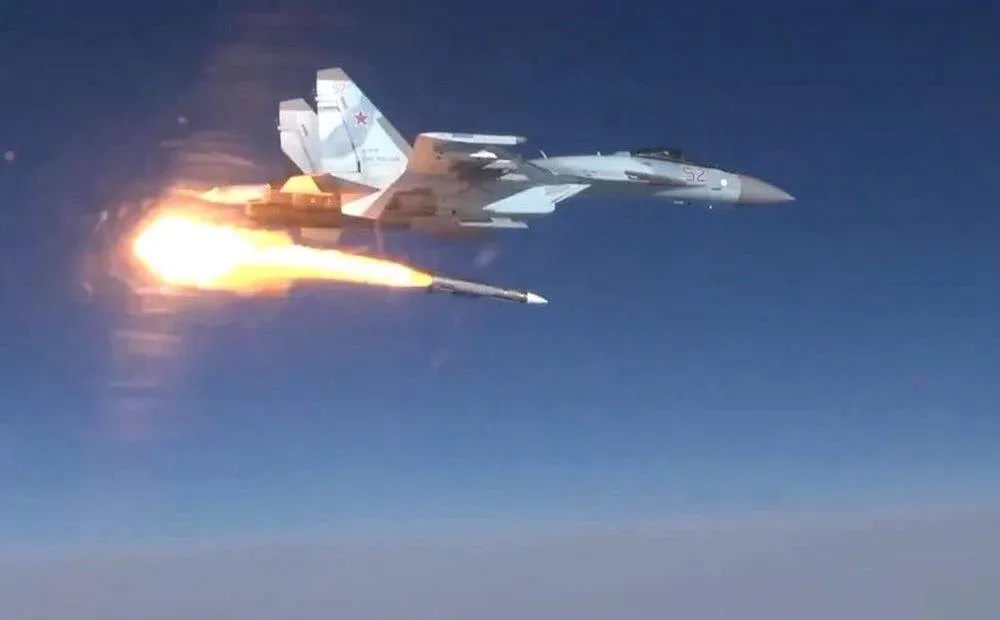
World
KYIV, June 29, 2026 — A Russian Aerospace Forces Su-35S fighter reportedly shot down a Ukrainian MiG-29 during a nighttime combat mission over Ukraine's Poltava Oblast from an estimated distance of 190 kilometers (approximately 118 miles). If confirmed, the interception would rank among the longest-range air-to-air kills recorded in modern combat. The engagement took place during the night of June 26–27, 2026. Ukraine confirmed the loss of the MiG-29, stating that the pilot successfully ejected and survived. The reported shootdown came on the same day that Russian loitering munitions reportedly destroyed two additional Ukrainian MiG-29s on the ground at the Voznesensk airfield in Ukraine's Mykolaiv region, adding further pressure on Ukraine's tactical aviation fleet. Long-Range Engagement According to open-source intelligence assessments and tracking data, the Russian Su-35S launched the missile while operating inside Russian-controlled airspace over the Belgorod region. The Ukrainian MiG-29 was reportedly flying near Velyka Bahachka or Shyshaky in Poltava Oblast when it was engaged. Military analysts say launching from within Russian territory enables Russian fighters to employ long-range stand-off tactics while remaining beyond the reach of many Ukrainian ground-based air defense systems. R-37M Believed to Have Been Used Military observers believe the Su-35S used the R-37M long-range air-to-air missile, known by NATO as the AA-13 Axehead, although independent verification of the missile type remains limited. Originally developed by Vympel for the MiG-31BM interceptor, the R-37M was designed to engage high-value airborne targets such as AWACS aircraft and aerial refueling tankers at extended ranges. It was later integrated onto the Su-35S and Su-30SM multirole fighters. The missile is powered by a dual-pulse solid rocket motor, reaches speeds approaching Mach 6 (around 7,350 km/h), and carries a 60-kilogram high-explosive fragmentation warhead. It has a reported maximum range of up to 400 kilometers when launched from a MiG-31BM and an estimated effective range of about 350 kilometers when fired from a Su-35S due to differences in launch altitude and speed. Shift Toward Network-Centric Air Combat The reported engagement reflects the growing role of beyond-visual-range (BVR) combat, where long-range sensors, data links, and missile performance are increasingly more important than close-range maneuvering. Although equipped with the powerful Irbis-E radar, the Su-35S requires external targeting support to engage targets at its longest ranges. Russian forces reportedly rely on A-50U airborne early warning aircraft and ground-based radar networks to provide target tracking and mid-course guidance updates to the missile. Impact on Ukrainian Operations The continued use of long-range missiles such as the R-37M has forced Ukrainian pilots to adapt their tactics by flying at very low altitudes to reduce radar detection. While terrain masking can improve survivability, it also increases fuel consumption, reduces sensor effectiveness, and limits operational flexibility. Ukraine's MiG-29 fleet, including aircraft upgraded to employ selected Western-supplied weapons, continues to carry out combat missions despite ongoing losses. Open-source analysts have identified flight paths and missile trajectories broadly consistent with reports of the engagement. However, independent confirmation of the exact launch distance, missile type, and full sequence of events remains limited. If confirmed, the reported 190-kilometer interception would be among the longest-range fighter-versus-fighter air combat kills documented in modern military aviation, highlighting the increasing importance of long-range weapons and integrated sensor networks in contemporary air warfare.
Read More → Posted on 2026-06-29 12:00:39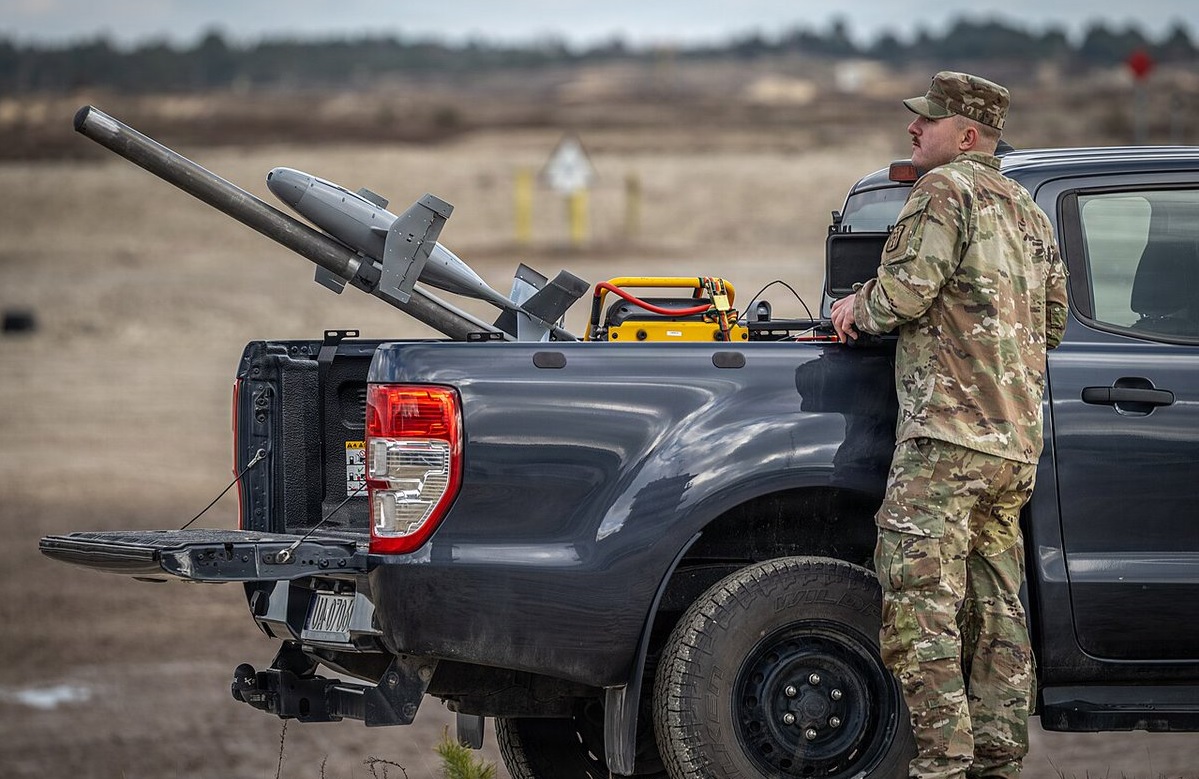
World
BUCHAREST, Romania , June 29, 2026 — Romania has officially integrated the U.S.-supplied Merops counter-unmanned aerial system (C-UAS) into the air defense architecture of the Romanian Armed Forces, the Ministry of National Defence (MApN) announced. The system, provided under the bilateral Strategic Partnership between Romania and the United States, is now fully operational following extensive testing, evaluation, and operational validation. The integration strengthens Romania's ability to detect, track, and neutralize small, low-altitude unmanned aerial threats, reinforcing the country's air defense capabilities along NATO's eastern flank amid the increasing use of drones in regional conflicts. AI-Powered Counter-Drone System Developed by Project Eagle, a defense technology venture founded by former Google CEO Eric Schmidt, the Merops system combines artificial intelligence, radar, electro-optical sensors, and sensor fusion to autonomously detect and engage hostile drones. The system consists of radar and electro-optical sensors, ground control stations, and mobile launch units that deploy a fixed-wing interceptor drone known as the Surveyor. The interceptor reaches speeds of up to 175 mph (282 km/h) and can continue its mission even in GPS- or radio-jammed environments by relying on onboard AI together with thermal, radio-frequency, and radar sensors to autonomously locate and intercept targets. Designed as a cost-effective counter-drone solution, each Surveyor interceptor costs approximately $14,500 to $15,000, significantly less than traditional surface-to-air missiles. It can neutralize hostile drones either through direct impact or by detonating a small onboard warhead. If an interception is unsuccessful, the interceptor deploys a parachute, allowing it to be safely recovered and reused. Operational Validation and Deployment Before entering operational service, the Merops system was validated during field trials at the Capu Midia Air Defence Training Range in April 2026. Overseen by Romanian Defence Minister Radu Miruță, the tests evaluated radar detection, thermal-imaging targeting, and autonomous engagement capabilities against representative drone targets. Romania plans to deploy the system primarily along the Danube River corridor, an area that has experienced repeated security incidents linked to the war in neighboring Ukraine. Romanian authorities have reported several incursions by Russian-made Shahed (Geran-2) drones over the past year, including an incident in late April 2026 in which a drone struck an apartment building in the border city of Galați. Merops has already demonstrated operational effectiveness in Ukraine, where it has been in service since 2024 and has reportedly accounted for approximately 40 percent of intercepted Shahed drones. The system is also currently deployed by the Polish Armed Forces, making Romania one of its early NATO operators. Expanding Romania's Layered Air Defense According to the Romanian Defence General Staff, the modernization of the country's airspace surveillance and defense network remains an ongoing effort to improve response times and strengthen protection for the civilian population and national territory. The Merops system will serve as a dedicated counter-UAS layer alongside Romania's existing air defense assets, including F-16 fighter aircraft, Patriot air defense systems, and Gepard self-propelled anti-aircraft guns. Romania is also expanding its short-range air defense capabilities through a recently signed framework agreement with Rafael Advanced Defense Systems for integrated SHORAD and VSHORAD systems, including the Spyder platform. The Ministry of National Defence said the continued modernization of Romania's air defense network is being carried out in close coordination with NATO allies and international partners to address evolving security challenges while protecting the country's citizens, critical infrastructure, and national territory.
Read More → Posted on 2026-06-29 11:40:37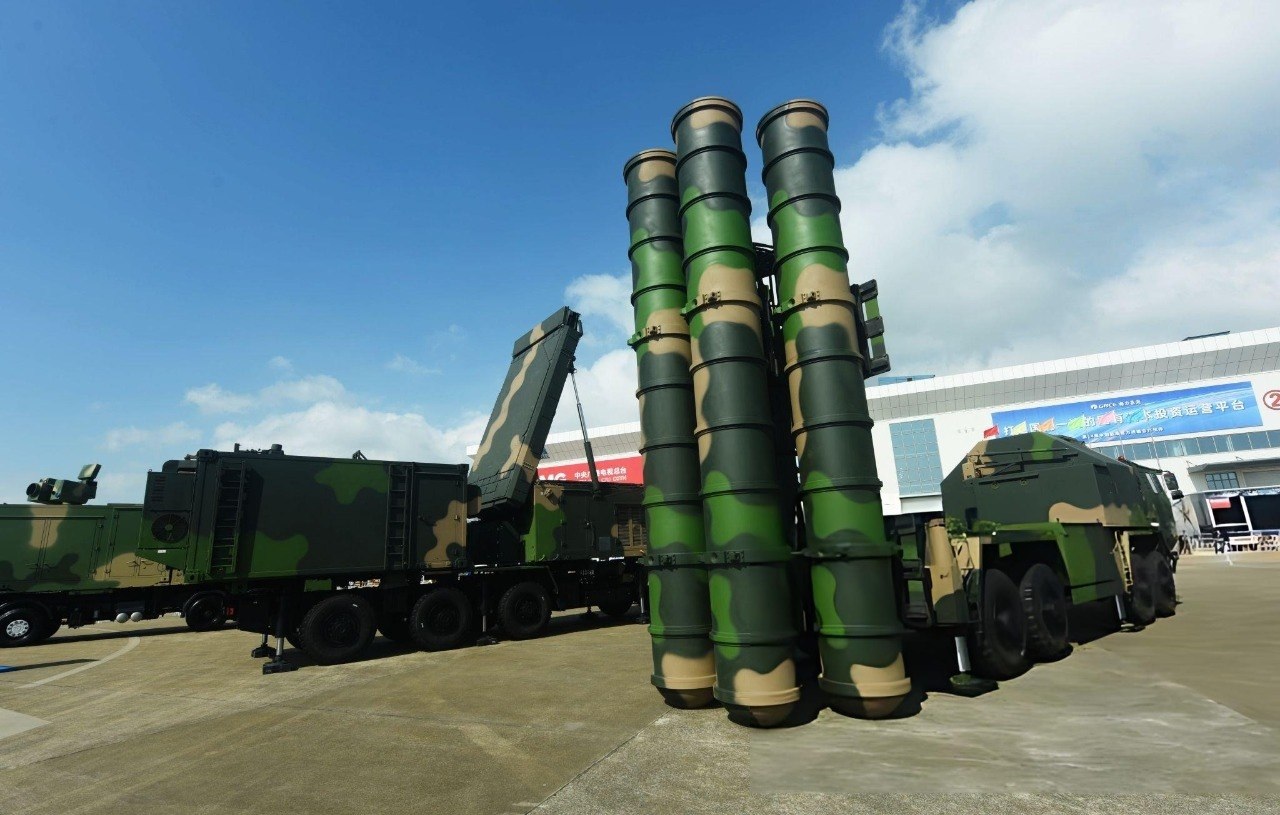
World
BELGRADE, Serbia, June 29, 2026 — Serbia has officially moved forward with the procurement of China's HQ-9 long-range surface-to-air missile (SAM) system as part of a broader military modernization program that also includes plans to acquire new fighter aircraft, President Aleksandar Vučić announced on June 28. The acquisition will complete Serbia's multi-layered Chinese-built air defense network, making it the first European country to field an integrated three-tier Chinese air defense architecture. Completing a Three-Tier Air Defense Network Serbia has steadily expanded its air defense capabilities over the past several years by introducing Chinese missile systems covering short, medium, and long-range engagements. The Serbian Armed Forces currently operate two batteries of the HQ-17AE short-range air defense (SHORAD) system for point defense of critical military facilities and infrastructure. In April 2022, Serbia received four batteries of the FK-3 surface-to-air missile system, the export version of China's HQ-22, providing engagement ranges of around 100 kilometers for area air defense. The planned acquisition of the HQ-9, likely in the FD-2000 export configuration or HQ-9B variant, will add a long-range layer capable of engaging aircraft, AWACS platforms, strategic bombers, cruise missiles, and certain ballistic missile threats at distances of up to 200–250 kilometers. Together, the three systems provide overlapping protection against aerial threats across multiple ranges and altitudes. HQ-9 Capabilities The HQ-9 is China's premier long-range surface-to-air missile system and is widely compared with the Russian S-300PMU2, S-400, and the U.S. MIM-104 Patriot. The system consists of truck-mounted launchers, radar units, and command vehicles, enabling rapid deployment and relocation after firing. Its advanced radar and command network can share target data with Serbia's FK-3 and HQ-17AE batteries, improving overall air defense coordination. New Fighter Aircraft Planned President Vučić also confirmed that Serbia is moving forward with plans to replace its aging MiG-29 fighter fleet with new combat aircraft. Although no aircraft type has been officially selected, defense analysts have identified China's JF-17 Block 3 and France's Dassault Rafale among the aircraft previously considered by Belgrade. Serbia has already expanded the capabilities of its MiG-29 fleet by integrating the Chinese CM-400AKG hypersonic air-to-surface ballistic missile, making it the first European operator of the weapon. Strategic Significance Serbia continues to follow a policy of military non-alignment while purchasing defense equipment from Western, Russian, and Chinese suppliers. The decision to acquire the HQ-9 instead of Russia's S-400 allows Belgrade to avoid sanctions associated with Russian defense exports while benefiting from China's growing role as a supplier of advanced military systems. The Serbian government has not disclosed the number of HQ-9 batteries, the contract value, or the expected delivery schedule.
Read More → Posted on 2026-06-29 11:23:23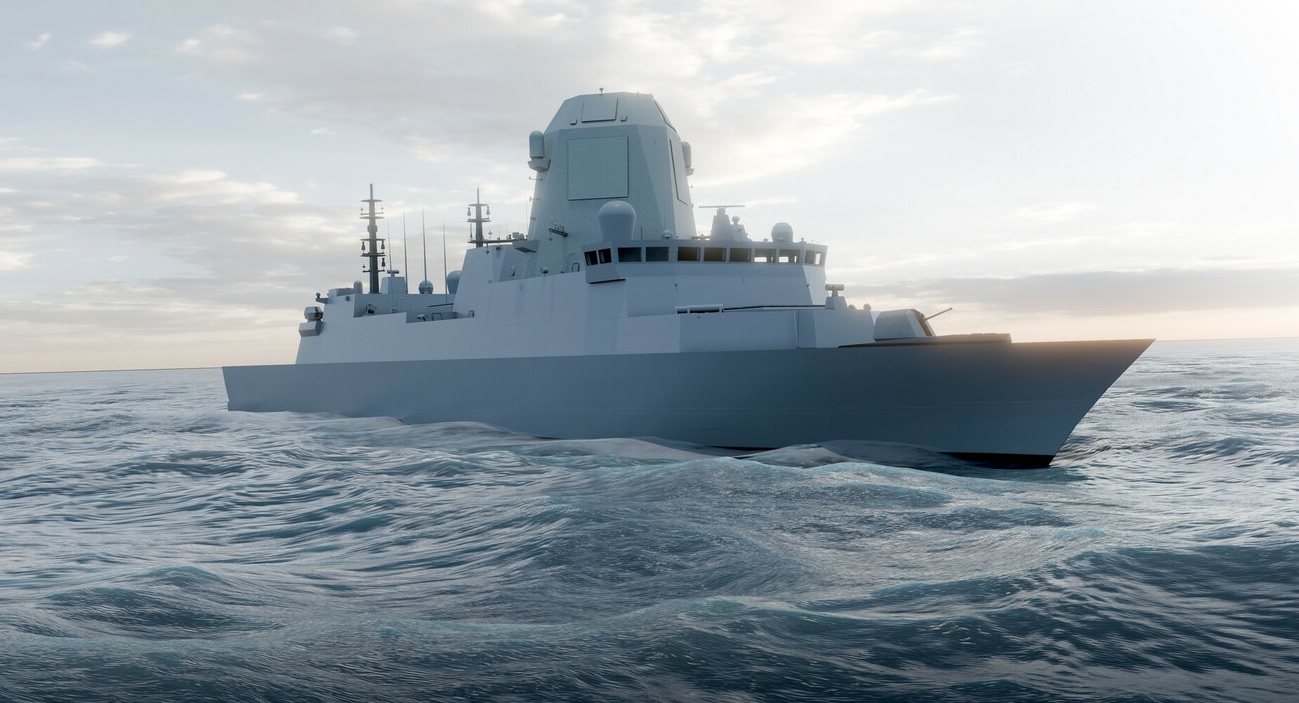
World
LONDON, June 29, 2026 — The British government has officially cancelled the Royal Navy's Type 83 destroyer programme, ending development of the next-generation warship that was intended to replace the fleet's six Type 45 destroyers. The decision, announced in the latest Defence Investment Plan, marks a major change in the UK's naval modernization strategy, with future investment shifting toward Common Combat Vessels (CCVs) designed to coordinate uncrewed systems across multiple domains. The Type 83 programme entered its concept phase in 2025 and was expected to become a key element of the Royal Navy's Future Air Dominance System. The destroyers were planned to enter service during the mid-to-late 2030s as the Type 45 fleet retires by the end of 2038. With no direct replacement currently planned, the Royal Navy is expected to operate without traditional destroyers after that date. Shift to Hybrid and Uncrewed Operations Instead of pursuing a new class of destroyers, the Ministry of Defence plans to procure at least six Common Combat Vessels. These hybrid warships will function as command platforms for uncrewed aerial, surface, and underwater systems, supporting distributed maritime operations rather than serving as heavily armed frontline combatants. Defence Secretary Dan Jarvis said the new vessels will provide sailors with hybrid ships designed to command networks of autonomous systems suited to modern warfare. Housing Secretary Steve Reed added that Britain must prepare for future conflicts rather than continue relying solely on legacy platforms. Financial Pressures End Type 83 Development The cancellation reflects increasing pressure on the UK's defence budget as funding priorities expand across nuclear deterrence, combat aircraft procurement, and wider military modernization programmes. The Type 83 remained in the early concept stage and received limited funding. Defence Minister Luke Pollard recently disclosed that only around £1 million had been allocated for platform-specific design work over three financial years. The planned destroyer would have significantly expanded the Royal Navy's air defence capability, with proposals calling for 70 to 128 Vertical Launch System (VLS) cells, advanced radar and sensor suites, greater electrical power generation, enhanced command facilities, and the potential for minimal or optional crewing. By comparison, the current Type 45 destroyers carry 48 VLS cells. While autonomous systems can extend operational reach and reduce costs, defence analysts continue to caution that current uncrewed technologies cannot fully replace heavily armed destroyers during high-intensity naval warfare. Widening Gap in Surface Combat Capability The UK's decision comes as several major naval powers continue expanding their fleets of large surface combatants. China continues to build destroyers at a rate comparable to the rest of the world combined. Its Type 055 destroyer is equipped with 112 VLS cells. The United States is developing the DDG(X) next-generation destroyer alongside the larger BBG(X) nuclear-powered capital ship, while its Arleigh Burke-class destroyers carry 96 VLS cells. North Korea, after launching its first two destroyers in 2025, plans to commission two destroyers annually. At that pace, its destroyer fleet is projected to exceed the Royal Navy's by 2029 and double it by 2031. Industrial Challenges The decision also reflects ongoing concerns about the UK's ability to deliver and sustain complex naval programmes. The Type 45 destroyers have experienced propulsion reliability issues during their service life, particularly during operations in warm waters. The Queen Elizabeth-class aircraft carriers have also faced mechanical failures and flooding incidents, while maintenance capacity for the Royal Navy's submarine fleet has remained under strain, reducing overall fleet availability. Future Surface Fleet The cancellation of the Type 83 programme represents a significant shift in the Royal Navy's future force structure. Rather than replacing the Type 45 with another class of large destroyers, the UK plans to rely on a mix of frigates, Common Combat Vessels, and autonomous systems for future maritime operations, reflecting both budget realities and the growing role of uncrewed technology in naval warfare.
Read More → Posted on 2026-06-29 11:16:35Search
Top Trending in 24 Hours
-
 U.S. Army Awards $10.64 Million Contract to Ukrainian Drone Maker Skyeton for Raybird Systems
-
 U.S. Space Force Seeks Rapid-Response Satellites for Close-Range Orbital Inspections
-
 U.S. Delivers First CH-47F Chinook to Egypt Under 12-Helicopter Deal
-
 BEL Showcase X-Band Multi-Function Radar for QRSAM to Japanese Delegation
-
 IRGC Experts Visit Bab El-Mandeb to Oversee Radar Installation and Tunneling, Houthi Sources Say
-
 Ukraine Reports First Use of Fire Point’s FP-7 Tactical Ballistic Missile inMoscow-Region Strikes on Oil Refinery
-
 India Successfully Completes Flight Test of KAL Long-Range One-Way Attack Drone at Pokhran
-
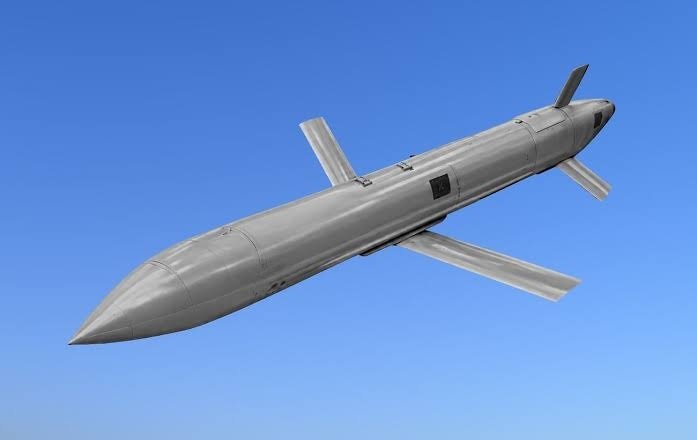 Russia Plans Sharp Increase in Dan-T Missile Production, Targeting 2,000 Units by End-2026 and 14,000 in 2027
Top Trending in 4 Days
-
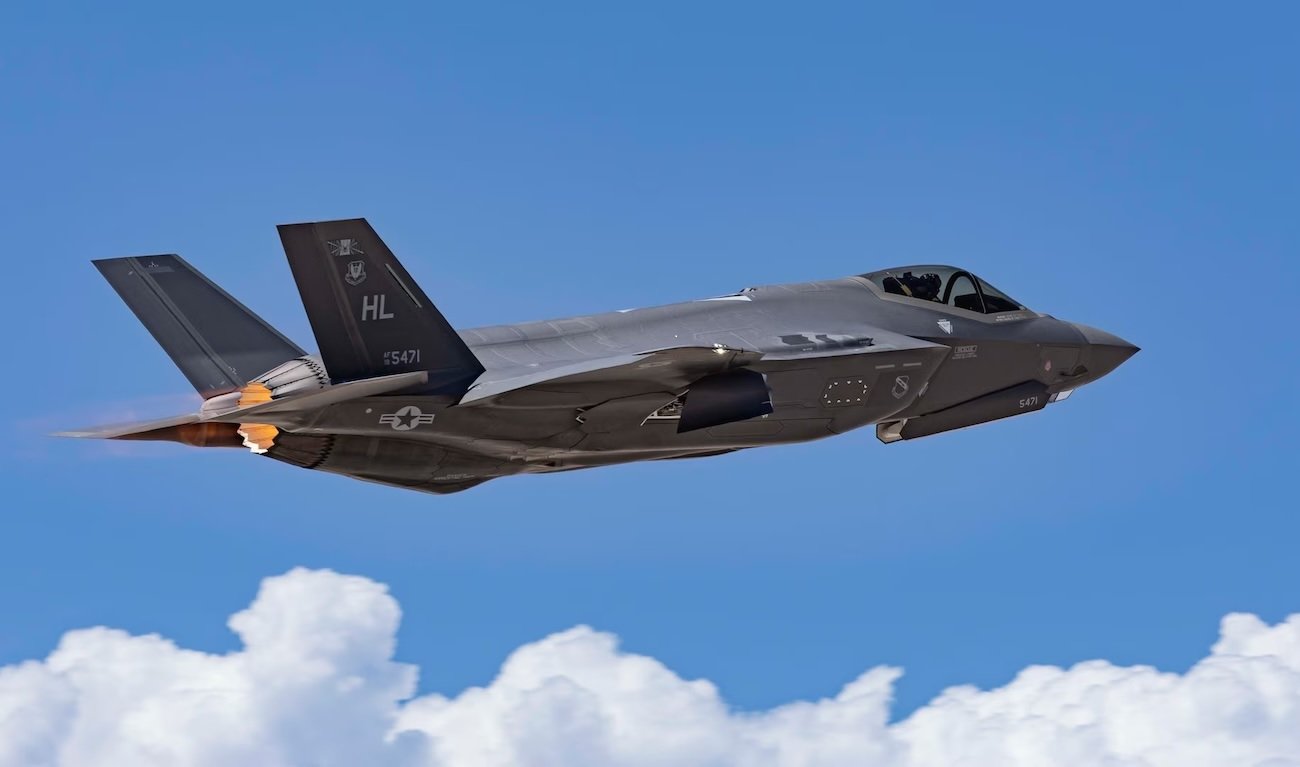 Sensitive F-35 Components Diverted to Hong Kong, Some Parts Missing
-
 Satellite Images Show Saudi Arabia Building Emergency Bypass Around Damaged East-West Oil Pipeline Station
-
 U.S. Secures Permanent Military Rights in Greenland in Historic Security Pact with Denmark
-
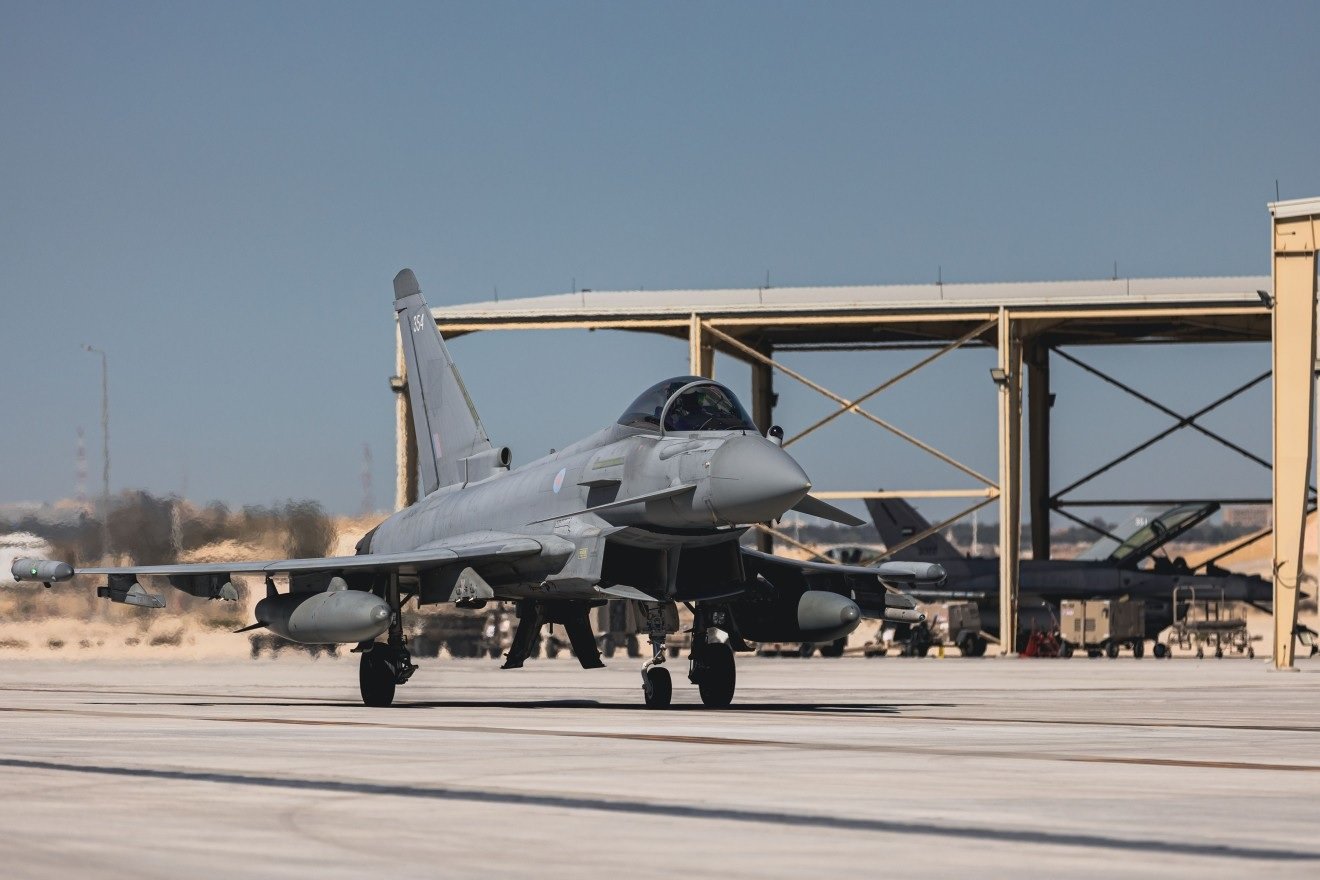 Italian Eurofighter Damaged in Houthi Attack on Saudi Arabia’s King Fahd Air Base
-
 U.S. Approves Potential $2.68 Billion Air Defense Package for Ukraine Including S-300 Clone Missiles
-
 BEL Signs Export Deal with Elbit Systems for Directed Infrared Countermeasure Sub-Assemblies, Secures ₹648 Crore in Additional Orders
-
 U.S. Warns Allies of Up to Five-Year Delays in Key Weapons Deliveries
-
 China Privately Urges Iran to Restrain Houthis After Saudi Appeal