World
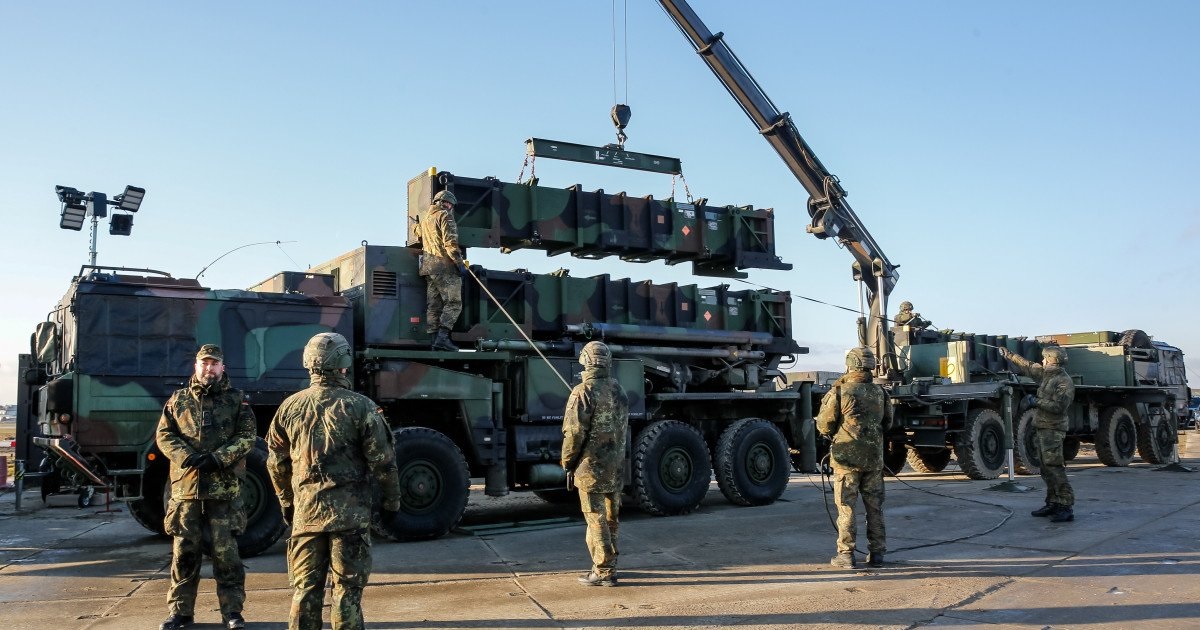
BERLIN, July 1, 2026 — Germany is seeking US approval to manufacture selected American weapon systems on German soil as part of a broader effort to strengthen Europe's defense capabilities and reinforce long-term transatlantic cooperation ahead of next week's NATO summit in Ankara. The proposal, currently under discussion between German and US officials, focuses on the joint production of PAC-3 interceptors used in Patriot air defense systems and Tomahawk long-range cruise missiles. German officials believe co-production would help address production bottlenecks, improve the availability of advanced weapons for European allies, and strengthen NATO's overall deterrence. According to officials familiar with the discussions, the initiative aims to address capability gaps exposed by Russia's ongoing war in Ukraine while providing economic and strategic incentives for the United States to remain committed to European security. NATO Secretary-General Mark Rutte recently stated that Europe's rearmament efforts are already supporting approximately 195,000 US defense jobs through around $300 billion in defense orders placed with American companies. German Chancellor Friedrich Merz and Defense Minister Boris Pistorius confirmed the discussions on Wednesday. German officials said the country intends to continue close cooperation with the US defense industry while expanding manufacturing capacity in Europe to meet urgent military requirements over the next five to ten years and help address limited US production capacity. The initiative also supports Europe's broader objective of strengthening its own defense industry while maintaining cooperation with the United States where it serves mutual interests. Focus on Long-Range Strike Capability Germany's interest in long-range strike systems increased after the Pentagon canceled the planned deployment of a US battalion equipped with land-based Tomahawk missile systems to Germany in May. The deployment had been intended to strengthen NATO's deterrence against Russian missile forces based in Kaliningrad. Berlin is exploring domestic production options and has contacted the German branch of MBDA regarding a potential partnership with Raytheon, the manufacturer of the Tomahawk missile, to produce a land-based version of the approximately 2,000-kilometer-range cruise missile. While MBDA and Raytheon have an existing partnership, direct discussions on Tomahawk production have not yet taken place, and MBDA has declined to comment. If negotiations do not progress, Germany is also considering alternatives, including Ukraine's Flamingo cruise missile. German lawmakers have emphasized the need to acquire long-range strike capabilities as quickly as possible, even if alternative systems offer lower performance than the Tomahawk missile. Existing Cooperation and Remaining Challenges Germany and the United States already cooperate on several defense programs. Rheinmetall manufactures fuselage sections for Lockheed Martin's F-35 Lightning II, while a joint MBDA-Raytheon facility producing PAC-2 and GEM-T Patriot missiles is scheduled to begin operations later this year. However, expanding cooperation to include advanced missile production faces significant hurdles. Any transfer of sensitive US defense technology would require Washington's approval, while concerns remain over intellectual property and technology transfer. Some German lawmakers remain skeptical that the United States would permit access to its most sensitive defense technologies, arguing that existing industrial cooperation is unlikely to extend to critical missile technologies. Industrial negotiations have also progressed more slowly than expected. In May, Rheinmetall CEO Armin Papperger said discussions with Lockheed Martin on co-producing rockets and missiles were delayed by negotiations over production quotas, costs, and technology transfer. European officials hope the NATO summit in Ankara will help advance defense-industrial cooperation through memorandums of understanding and joint procurement agreements as allies continue efforts to strengthen Europe's defense capabilities.
Read More → Posted on 2026-07-01 13:54:38
World
BAGHDAD, July 1, 2026 — Iraq's newly formed government has ordered all pro-Iran armed factions operating in the country to fully disarm and transfer their weapons to state control by September 30, the date scheduled for the conclusion of the US-led international coalition's anti-ISIS mission. The move represents a major step in Baghdad's effort to strengthen state authority and bring all armed forces under government control. Government spokesman Haidar al-Aboudi announced the decision during a weekly press briefing, confirming that all relevant armed groups had been formally notified of the deadline. "After this date, all weapons outside the state framework will be subject to legal redress," al-Aboudi said, adding that the government intends to ensure that all military and security activities operate exclusively within Iraq's official institutions. The deadline has been directly linked to the withdrawal of the US-led coalition, removing one of the principal reasons historically cited by several armed groups for maintaining independent military structures outside government control. Iraqi and US officials have previously coordinated plans to transition security responsibilities to Iraqi forces as the coalition mission comes to an end. Prime Minister Ali al-Zaidi, who took office earlier this year after months of political deadlock, is leading the disarmament initiative as part of a broader effort to reinforce Iraqi sovereignty. The 41-year-old businessman and political newcomer is expected to visit Washington next month, where US officials are anticipated to press Baghdad to reduce the influence of Iran-aligned militias that have repeatedly targeted American military facilities and diplomatic sites in the region. The government's directive has prompted differing responses among factions within the Popular Mobilisation Forces (PMF), an umbrella organization that includes numerous armed groups formed during the fight against the Islamic State. Among the factions indicating compliance, Asaib Ahl al-Haq and Kataeb Imam Ali have announced plans to transfer control of their brigades, personnel, and weapons to Iraqi state authorities. Their decision supports the government's objective of integrating armed formations into the country's official security structure. Other groups have rejected the order. Kataib Hezbollah stated that it will continue what it describes as "resistance work," although it expressed willingness to coordinate with Iraqi state forces. Harakat Hezbollah al-Nujaba also refused to surrender its weapons, arguing that continued foreign military presence and concerns over national sovereignty justify retaining its armed capabilities. The disarmament initiative forms part of a wider state-building agenda pursued by Prime Minister al-Zaidi. Alongside security reforms, his government has launched a nationwide anti-corruption campaign targeting alleged graft within state institutions. Over the past weekend, Iraqi special forces conducted operations in Baghdad's Green Zone that resulted in the arrest of at least 47 government officials and lawmakers on corruption-related charges, according to government officials. The arrests are part of the administration's broader effort to strengthen public institutions and improve governance. By advancing both the anti-corruption campaign and the militia disarmament program, the Iraqi government aims to demonstrate progress in establishing state authority before the prime minister's meetings in Washington. The Popular Mobilisation Forces (PMF) were established in 2014 after a religious decree called on volunteers to help Iraqi security forces fight the Islamic State following the group's rapid territorial gains. While many PMF units were later incorporated into Iraq's security framework, several factions have continued to maintain independent command structures and weapons stockpiles. The success of the September 30 deadline will depend on whether the Iraqi government can enforce its legal measures against factions that refuse to disarm while maintaining stability and avoiding armed confrontation, particularly in Baghdad and other sensitive areas.
Read More → Posted on 2026-07-01 13:43:33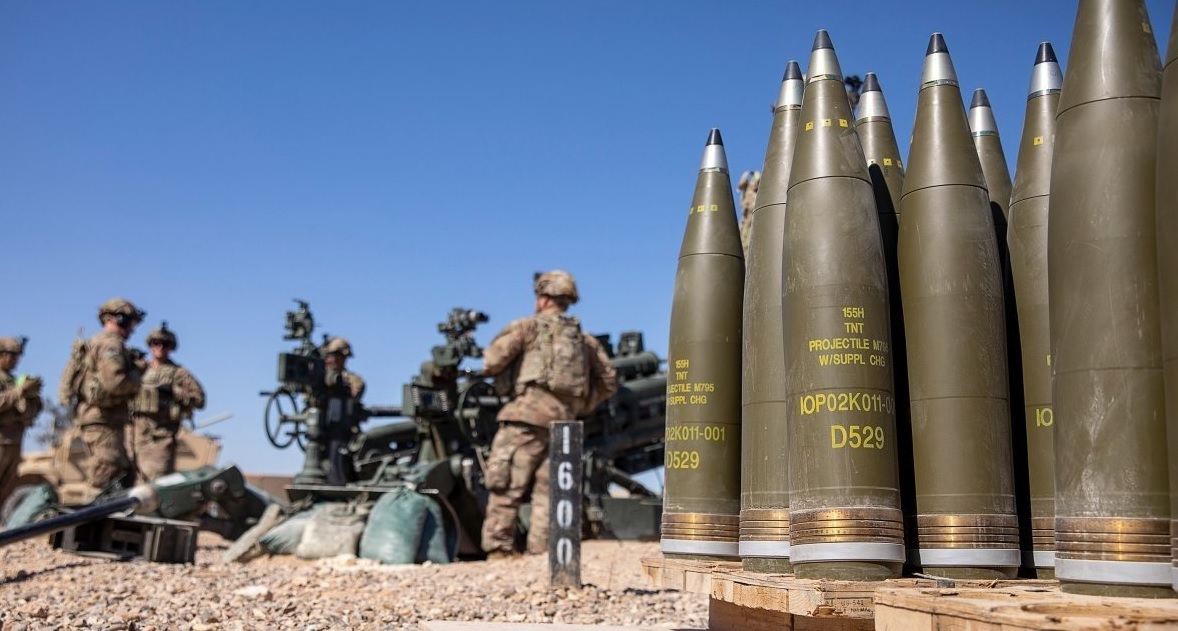
World
DÜSSELDORF, July 1, 2026 — Ukraine has awarded German defense manufacturer Rheinmetall a contract to supply several tens of thousands of 155mm artillery shells and associated propellant charges to support the country's NATO-standard artillery systems. The contract is valued in the high double-digit millions of euros and will be recorded in Rheinmetall's financial results for the second quarter of 2026. Production has already begun at the company's Rheinmetall Expal Munitions facility in Spain, with deliveries scheduled for completion by the first quarter of 2027. The order includes ER02A1 B/B 155mm artillery shells and M203 propellant charges, which are already in service with several NATO member states. The ammunition is compatible with artillery systems operated by Ukraine, including the Archer, Caesar, PzH 2000, and RCH 155. Rheinmetall has significantly expanded its ammunition production capacity since 2022 to meet growing demand from NATO countries and Ukraine. The company acquired Spanish ammunition manufacturer Expal in 2023, followed by the acquisition of Muni Berka GmbH in Germany in 2025 to strengthen its ammunition-related capabilities. In May 2026, Rheinmetall stated it could produce up to 100,000 extended-range 155mm artillery shells annually in response to Ukraine's estimated requirement of 1.2 million rounds per year. The company plans to increase its total annual production capacity to approximately 1.5 million 155mm shells by 2030. The latest agreement further expands defense cooperation between Ukraine and Rheinmetall while supporting the continued supply of NATO-standard artillery ammunition through 2027.
Read More → Posted on 2026-07-01 13:33:46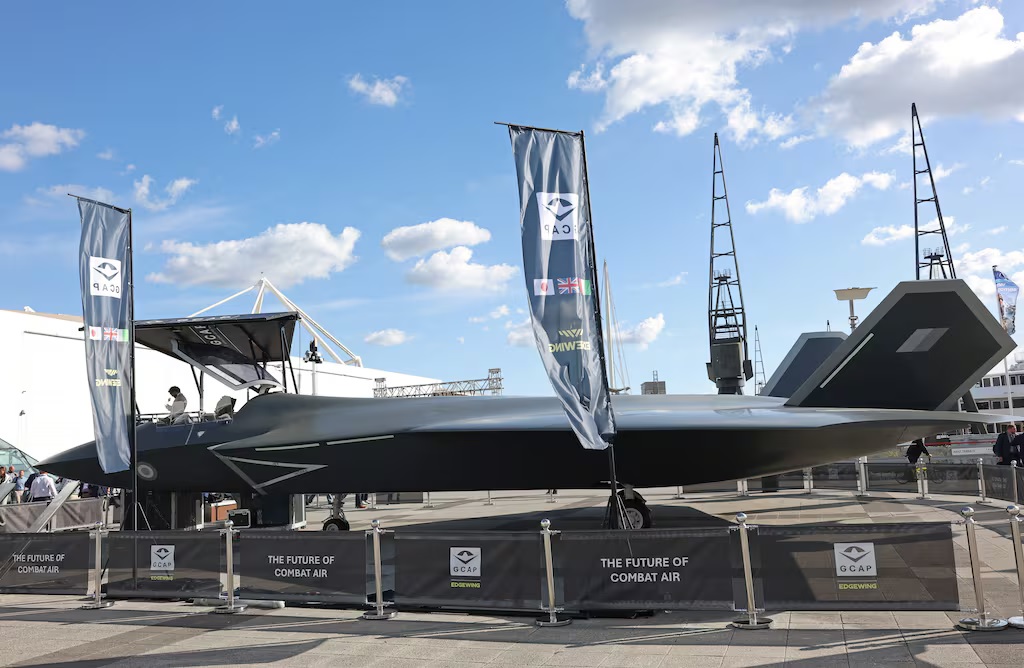
World
LONDON/TOKYO, July 1, 2026 — Japan, the United Kingdom, and Italy have agreed to extend the development contract for the Global Combat Air Programme (GCAP) through the end of 2027, providing long-term funding certainty for the trilateral sixth-generation fighter aircraft project after months of budget-related uncertainty. The 18-month contract extension follows the publication of the United Kingdom's Defence Investment Plan on June 30, 2026, which unlocked the financial commitments needed to keep the multinational programme on schedule. The agreement resolves a funding impasse that had forced the project to operate under temporary bridge funding since April. The extension is expected to be formally signed between the GCAP International Government Organisation (GIGO), which manages the programme on behalf of the three governments, and Edgewing, the joint venture responsible for the aircraft's design and development. UK Budget Approval Resolves Funding Uncertainty Earlier this year, delays in the UK's long-term defence budget created uncertainty for the programme and its industrial partners. Without multi-year funding commitments, the three nations approved a temporary three-month bridge contract worth £686 million (approximately $907 million) beginning on April 2, 2026, allowing development work to continue until the end of June. The temporary arrangement raised concerns about the programme's future. BAE Systems had warned that more than 4,000 UK-based engineers working on GCAP could be reassigned to other defence programmes if long-term funding was not secured. The uncertainty also prompted Italy to revise its programme cost estimates, while Japanese defence officials reportedly evaluated contingency options should the project experience further delays. The situation changed after British Prime Minister Keir Starmer announced the UK's Defence Investment Plan on June 30. The plan allocates more than £8 billion (approximately $10.6 billion) to GCAP over the next four years as part of a broader £15 billion increase in UK defence investment, enabling the programme to move forward with long-term financial stability. The United Kingdom had already committed around £2 billion to the programme since 2021, and the latest budget settlement provides the additional funding required for continued development. Edgewing Continues Development Toward Demonstrator Flight GCAP was formally established by treaty in late 2023 to develop a sixth-generation combat aircraft designed to replace the Eurofighter Typhoon fleets operated by the United Kingdom and Italy, as well as Japan's Mitsubishi F-2 fighter aircraft. Industrial development is led by Edgewing, a joint venture established in June 2025 and headquartered in Reading, England. The company is equally owned by BAE Systems of the United Kingdom, Leonardo of Italy, and Japan Aircraft Industrial Enhancement Co. Ltd., a consortium supported by Mitsubishi Heavy Industries. The contract extension provides Edgewing with the financial certainty needed to retain its workforce and continue development of the programme's demonstrator aircraft. The prototype is expected to make its maiden flight before the end of 2027 and will serve as a platform to evaluate key technologies, including advanced stealth design, next-generation sensors, electronic warfare capabilities, and new propulsion systems. The demonstrator will also be the first British combat-air prototype developed since the Eurofighter programme nearly four decades ago. Service Entry Target Remains 2035 The three partner nations continue to target 2035 for the aircraft's entry into operational service. Japan has repeatedly stated that this schedule is a critical requirement because it coincides with the planned retirement of its aging Mitsubishi F-2 fleet. Japanese officials have maintained that any changes to the programme, including the addition of new partner nations, should not delay the planned 2035 service entry date. International Interest Continues GCAP has attracted growing international attention as development progresses. Canada joined the programme as an observer in March 2026, while Saudi Arabia has continued to express interest in becoming a future participant. Reports that the rival Future Combat Air System (FCAS) programme involving France, Germany, and Spain has encountered significant difficulties have also increased speculation that Germany could consider closer involvement with GCAP as it evaluates future combat aircraft options. Despite this international interest, the existing partners have emphasized that maintaining the programme schedule remains the priority. Japan, in particular, has made clear that expanding membership should not affect the project's 2035 operational deadline. With funding now secured through 2027, the contract extension provides greater stability for the programme's industrial base and allows development to continue toward the demonstrator aircraft's first flight while supporting work on the technologies that will form the foundation of the future sixth-generation combat air system.
Read More → Posted on 2026-07-01 13:25:52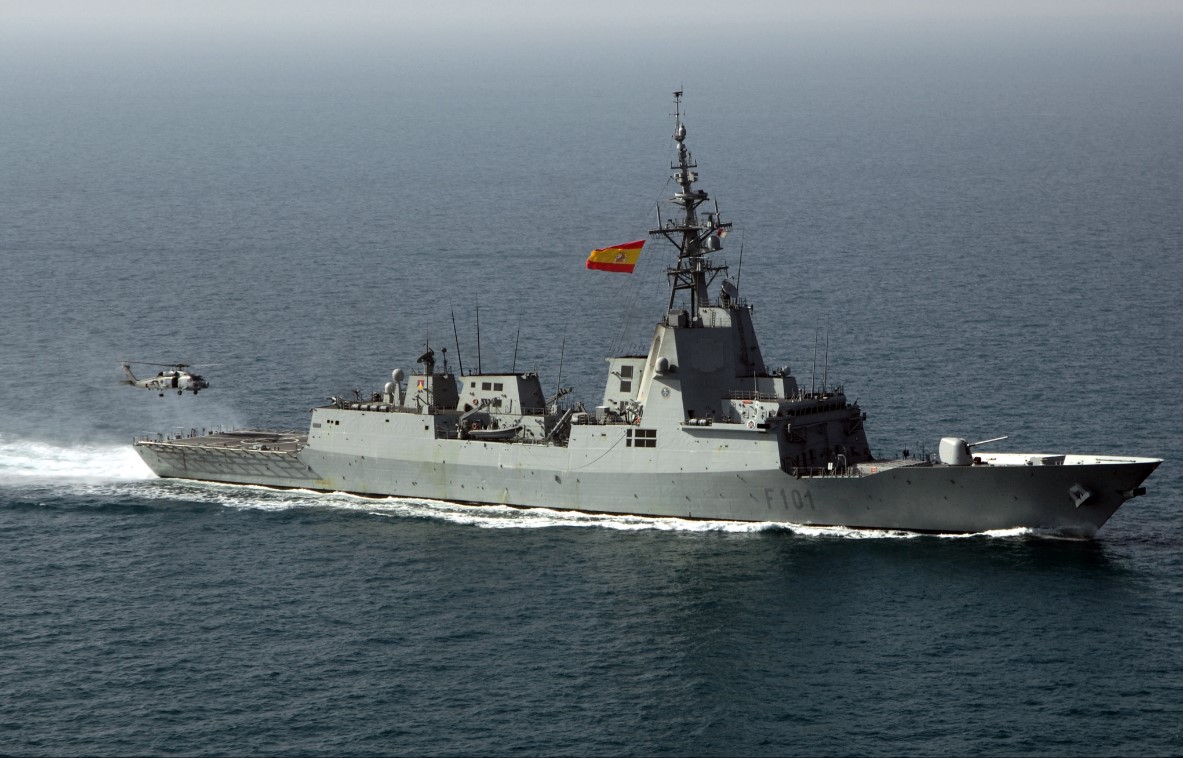
World
MADRID/WASHINGTON, July 1, 2026 — The U.S. Navy has awarded Lockheed Martin a $103.9 million contract to begin the initial phase of the Spanish Navy's Álvaro de Bazán-class (F-100) frigate mid-life modernization program. The contract, awarded on June 26, 2026, marks the first procurement phase of a broader effort to modernize Spain's principal surface combatants and maintain their interoperability within the U.S.-developed Aegis naval defense architecture. The contract is structured as a cost-only undefinitized contract action (UCA), allowing engineering activities to begin while the final scope, pricing, and technical requirements are refined. Of the total award, $51.4 million has been immediately obligated to procure long-lead materials, conduct preliminary engineering work, and establish specialized testing facilities ahead of the physical modernization of the ships. Approximately 90 percent of the engineering and planning work will be carried out at Lockheed Martin's naval combat systems facility in Moorestown, New Jersey, which has served as the company's primary center for Aegis combat system development since the 1970s. Additional work will be performed in Clearwater, Florida, and Madrid, Spain. The contract was awarded on a sole-source, non-competitive basis under international agreement authority because the F-100 frigates are built around Lockheed Martin's proprietary Aegis combat system architecture, making the company the only qualified integrator for the modernization effort. First Phase of $1.7 Billion Modernization Program The contract represents the first active procurement following the January 2026 approval by the U.S. State Department of a Foreign Military Sale (FMS) package for Spain valued at an estimated $1.7 billion. The broader modernization program is expected to include upgraded Aegis Weapon System shipsets, MK 41 Baseline VIII Vertical Launching Systems, and Next Generation Surface Search Radars, along with supporting combat system integration and testing. The mid-life upgrade is intended to extend the operational service life of the frigates while improving their ability to integrate modern weapons, advanced electronic warfare systems, and updated radar technologies required to address evolving air, missile, and surface threats. Spain's Most Capable Surface Combatants Built by Spanish shipbuilder Navantia, the Álvaro de Bazán-class frigates entered service beginning in 2002. Each vessel displaces approximately 6,050 tonnes, measures 147 meters (482 feet) in length, and was designed from the outset around the AN/SPY-1D phased-array radar and the Aegis combat management system. The class was historically significant as the first non-U.S. warship design built from inception with the full Aegis combat system, providing advanced air defense capabilities and allowing the ships to track and engage multiple aerial and missile threats simultaneously. Spain currently operates five F-100 frigates: Álvaro de Bazán (F-101) Almirante Juan de Borbón (F-102) Blas de Lezo (F-103) Méndez Núñez (F-104) Cristóbal Colón (F-105) Over the past two decades, the fleet has participated in NATO operations, maritime security missions, and multinational deployments across the Mediterranean, Atlantic, and other regions. Operational Experience Supports Modernization One of the class's most notable recent deployments occurred in December 2023, when Méndez Núñez (F-104) was deployed to the Red Sea as part of an international maritime security coalition responding to drone and missile attacks launched by Houthi forces against commercial shipping. According to Spanish Defense Minister Margarita Robles, the deployment represented the first time an Álvaro de Bazán-class frigate operated in a contested, live-fire environment. The mission provided valuable operational data on the performance of the Aegis combat system under real combat conditions and helped inform future modernization requirements. Importance for Allied Navies The Spanish Navy's F-100 modernization program is also being closely monitored by allied nations because the frigate's design formed the basis for other Aegis-equipped warships. Norway's Fridtjof Nansen-class frigates and Australia's Hobart-class destroyers both share significant design characteristics and combat system architecture derived from the F-100 program. As a result, engineering solutions, software integration methods, and system upgrades developed during Spain's modernization are expected to provide a reference for future mid-life upgrades in both fleets. Once completed, the modernization program will extend the operational life of Spain's F-100 frigates while ensuring they remain fully compatible with U.S. Navy and NATO naval operations and capable of addressing evolving maritime security requirements.
Read More → Posted on 2026-07-01 13:18:12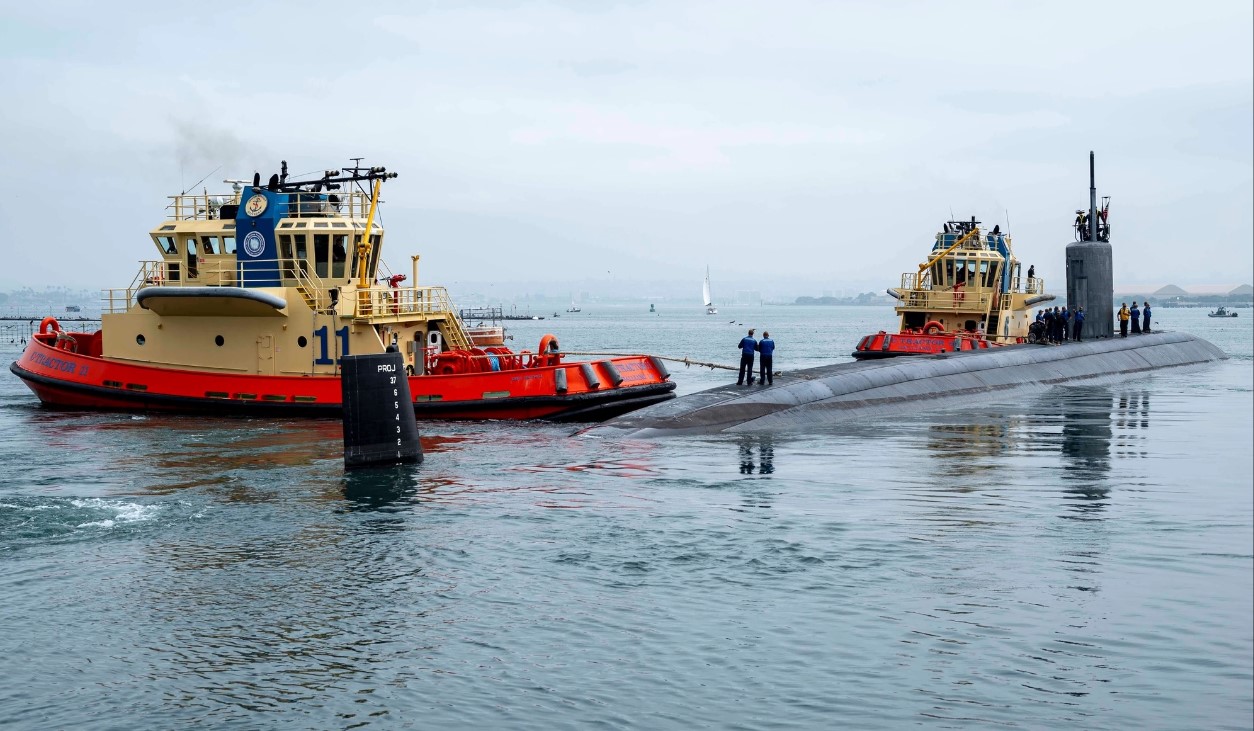
World
SAN DIEGO, July 1, 2026 — The United States Navy has held an inactivation ceremony for the USS Alexandria (SSN-757), marking the end of 35 years of service for the Improved Los Angeles-class fast-attack submarine. The ceremony took place on June 29 at Naval Base Point Loma in San Diego, exactly 35 years after the submarine was commissioned on June 29, 1991. The submarine is scheduled to be formally decommissioned on August 4, 2026, before beginning a multi-year dismantlement and nuclear recycling process at the Puget Sound Naval Shipyard and Intermediate Maintenance Facility in Washington. Navy Honors 35 Years of Service The ceremony brought together current and former crew members, including original "plankowners" from the 1991 commissioning crew. Attendees included Rear Adm. Todd Weeks, Director of In-Service Submarines and Industrial Base and a former commanding officer of Alexandria; Capt. Phillip Sylvia Jr., Commander of Submarine Squadron 11; and Cmdr. Donald Coomes, the submarine's 14th and final commanding officer. Eight former commanding officers and several former Chiefs of the Boat also attended, including retired Capt. Paul Normand, the submarine's first commanding officer, and retired Master Chief Machinist's Mate Douglas Muller, its first Chief of the Boat. Navy officials recognized the submarine's operational readiness and the service of its crews throughout its career. Global Operational History Named after Alexandria, Virginia, and Alexandria, Louisiana, the submarine served under the motto "Twice as Strong." During its career, USS Alexandria traveled more than one million nautical miles, completed 14 overseas deployments, and operated across four geographic combatant command areas. Its first major deployment came in 1993 in support of Operation Sharp Guard, the NATO maritime enforcement mission in the Adriatic Sea during the conflicts in the former Yugoslavia. The submarine later supported Operations Enduring Freedom and Iraqi Freedom, conducting intelligence collection, surveillance, and Tomahawk strike missions in the U.S. Fifth Fleet area. USS Alexandria also conducted extensive Arctic operations through Ice Exercises (ICEX), testing under-ice navigation, acoustic performance, and surfacing procedures in polar conditions. In 2004, it became the first Improved Los Angeles-class submarine to complete a global circumnavigation, sailing through the Arctic, Pacific, U.S. Central Command, and European operating areas. The deployment also included the first visit by a U.S. nuclear-powered submarine to Goa, India. Indo-Pacific Operations In 2015, USS Alexandria shifted its homeport from Naval Submarine Base New London, Connecticut, to Naval Base Point Loma, San Diego, supporting the Navy's growing operational focus on the Indo-Pacific. Operating under Submarine Squadron 11, the submarine participated in exercises with the Republic of Korea Navy, the Japan Maritime Self-Defense Force, and the USS Carl Vinson Carrier Strike Group. Its final seven-month deployment in the Western Pacific concluded on May 15, 2025, followed by local operations off Southern California until early 2026. Submarine Design USS Alexandria was the 46th Los Angeles-class nuclear-powered attack submarine built for the U.S. Navy and one of the 23 Improved Los Angeles (688i) subclass boats. The improved design featured quieter machinery, retractable bow planes, and reinforced structures for under-ice operations. The submarine measured 110.3 meters in length, displaced approximately 6,930 tonnes while submerged, and was powered by a General Electric S6G nuclear reactor driving two steam turbines. It could achieve submerged speeds of more than 25 knots. Decommissioning and Recycling Following its decommissioning, USS Alexandria will move to the Puget Sound Naval Shipyard and Intermediate Maintenance Facility for dismantlement under the Navy's Ship-Submarine Recycling Program. Before reactor defueling begins, personnel will remove operational systems, including Mk 48 ADCAP heavyweight torpedoes, Tomahawk and Harpoon missile systems, mine warfare equipment, classified mission systems, cryptographic equipment, and sonar processors. The submarine's S6G pressurized-water reactor will then be defueled, propulsion systems deactivated, and the reactor compartment separated from the pressure hull in accordance with Naval Reactors procedures. Because nuclear-powered submarines require specialized dismantlement, the process involves radiological controls, dry-dock facilities, regulatory oversight, and skilled shipyard personnel over several years. Fleet Modernization The retirement of USS Alexandria leaves 23 Los Angeles-class submarines in active U.S. Navy service and supports the Navy's ongoing fleet modernization effort. As the Los Angeles-class fleet is gradually retired, it is being replaced by Virginia-class attack submarines equipped with improved stealth, advanced sensors, enhanced strike capabilities, and greater operational flexibility for future undersea missions.
Read More → Posted on 2026-07-01 13:12:37
World
ZAGREB, Croatia, July 1, 2026 — German defense company Rheinmetall has completed the acquisition of a 51 percent majority stake in Croatian unmanned ground vehicle (UGV) developer DOK-ING, finalizing a transaction that was originally signed in March 2026 after receiving all required regulatory approvals. The acquisition establishes a new joint venture operating under the name Rheinmetall Unmanned Vehicles d.o.o., strengthening Rheinmetall's position in the rapidly expanding market for autonomous land systems. Under the terms of the agreement, DOK-ING founder Vjekoslav Majetić retains a 49 percent ownership stake in the company, while Rheinmetall holds the majority share. The companies have not disclosed the financial value of the transaction. Following confirmation that the acquisition had been completed, Rheinmetall's shares rose nearly 5.5 percent on the Frankfurt Stock Exchange, reflecting positive investor sentiment toward the company's expansion in autonomous military technologies. The acquisition establishes Croatia as a key center for Rheinmetall's autonomous ground vehicle activities. According to Dr. Björn Bernhard, Chief Executive Officer of Rheinmetall Vehicle Systems Europe, the new joint venture will serve as a competence center for heavy autonomous vehicles while maintaining DOK-ING's engineering and development capabilities in Zagreb. The partnership also provides Rheinmetall with direct access to Croatia's defense industry and engineering expertise. The collaboration combines Rheinmetall's experience in integrating tactical military vehicle systems with DOK-ING's specialization in unmanned ground platforms. At the center of the partnership is DOK-ING's Komodo platform, a modular heavy-duty hybrid unmanned ground vehicle capable of carrying payloads exceeding 8.5 tonnes. Rheinmetall plans to enhance the Komodo platform by integrating advanced mission modules and equipment packages, including autonomous driving capabilities, reconnaissance sensors, logistics support systems, direct and indirect fire modules, as well as mine-clearing and mine-laying equipment. Originally designed for operations in hazardous environments, including nuclear, biological and chemical scenarios, the Komodo platform provides a flexible foundation for a wide range of military and engineering missions. The companies are also jointly developing a new unmanned armed support system known as Wingman, designed to operate alongside main battle tanks (MBTs) and infantry fighting vehicles (IFVs). The system is intended to provide reconnaissance, forward observation, and fire support while reducing risks to personnel during high-threat operations. Rheinmetall plans to integrate the Wingman concept with several of its existing armored vehicle platforms, including the Panther KF51 main battle tank, the Büffel armoured recovery vehicle, and the AEV 3 Kodiak armoured engineer vehicle. The company expects these autonomous support vehicles to expand the operational capabilities of armored formations by conducting reconnaissance, combat support, engineering, and logistics missions. Founded in 1991 and headquartered in Zagreb, DOK-ING has built a strong reputation in robotic mine-clearing systems and unmanned vehicles for hazardous environments. Before joining Rheinmetall, the company had delivered approximately 500 remotely operated platforms to customers in more than 40 countries. Its unmanned demining systems are currently being used in Ukraine, where they have supported mine clearance operations in areas affected by the ongoing conflict. The acquisition follows earlier cooperation between the two companies, including a memorandum of understanding signed in late 2024, and reflects growing European investment in autonomous land systems and robotic combat support technologies. For Rheinmetall, the acquisition supports its broader strategy of expanding its portfolio of uncrewed and autonomous military systems. The company, which generated €9.8 billion in revenue during 2024 and employs approximately 44,000 people worldwide, has increasingly invested in next-generation land warfare technologies to meet evolving defense requirements. Both Rheinmetall and DOK-ING stated that the partnership is based on a fully European supply chain, ensuring that research, development, manufacturing, and key technologies remain within European Union and NATO member states. Majetić said the partnership will provide DOK-ING with greater industrial capacity and global market access while preserving the company's engineering expertise and development activities in Croatia.
Read More → Posted on 2026-07-01 11:51:47
World
WASHINGTON, July 1, 2026 — The Trump administration is considering reducing the U.S. military presence in Saudi Arabia following a dispute over access to Saudi military bases and airspace during Project Freedom, a U.S.-led operation launched earlier this year to secure commercial shipping through the Strait of Hormuz, according to a report by The Wall Street Journal. The discussions follow a period of heightened tensions between Washington and Riyadh, prompting a broader review of military cooperation between the two long-standing security partners. Project Freedom Halted After Saudi Restrictions Project Freedom was launched by President Donald Trump in early May 2026 to ensure the safe passage of commercial vessels through the Strait of Hormuz after Iran's actions disrupted maritime traffic during the ongoing regional conflict. The operation involved more than 100 U.S. military aircraft preparing to operate from bases and warships across the Middle East. Saudi Arabia's military bases and airspace were considered essential to the mission because of their strategic location. According to U.S. officials familiar with the matter, Saudi Arabia temporarily denied the United States access to its military facilities and airspace, forcing the Trump administration to suspend Project Freedom only hours after it began. Officials said only a limited number of commercial vessels were able to transit the Strait of Hormuz before the operation was halted. U.S. Response and Diplomatic Fallout In response, the Trump administration warned that it could suspend deliveries of air-defense interceptors to Saudi Arabia, which relies on the systems to defend against Iranian drone and missile attacks. Following high-level discussions, including phone conversations between President Trump and Saudi Crown Prince Mohammed bin Salman, Riyadh lifted the restrictions and restored U.S. access to its military facilities. Although the immediate dispute was resolved, U.S. officials said the incident exposed challenges in coordinating regional military operations and led the administration to begin reviewing the future size of the American military presence in Saudi Arabia. The disagreement also affected diplomatic engagement. U.S. Secretary of State Marco Rubio did not visit Riyadh during a recent Gulf trip, while Crown Prince Mohammed bin Salman declined to attend the recent G7 summit, reportedly reflecting Saudi dissatisfaction over broader regional issues linked to the conflict with Iran. Review of U.S. Military Presence The administration is now examining options to adjust its force posture in Saudi Arabia as part of a wider assessment of U.S. security arrangements across the Gulf region. Officials said the review will evaluate future troop deployments, logistics support, and military cooperation with regional partners to ensure operational flexibility during future contingencies. Strategic Importance of the Strait of Hormuz The Strait of Hormuz remains one of the world's most important maritime chokepoints, carrying about 20% of global seaborne oil trade. Disruptions to shipping earlier this year affected international energy markets and commercial maritime traffic, prompting the United States and its partners to pursue measures aimed at maintaining freedom of navigation. The dispute surrounding Project Freedom has highlighted the importance of regional cooperation for military operations in the Gulf and has prompted Washington to reassess aspects of its long-term security partnership and force posture in Saudi Arabia.
Read More → Posted on 2026-07-01 11:39:48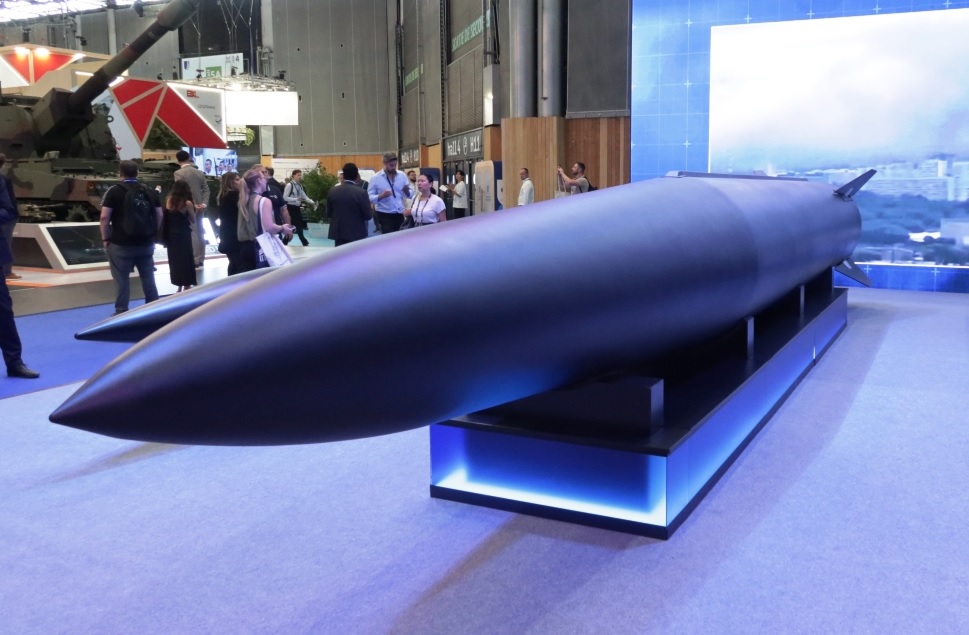
World
KYIV, July 1, 2026 — A large-scale Ukrainian aerial attack targeting Russia's Moscow Oblast on June 30 has prompted speculation that Ukraine may have conducted the first operational launch of its domestically developed FP-9 heavy ballistic missile toward the Russian capital region. While neither Ukrainian nor Russian authorities have officially confirmed the use of a ballistic missile, open-source intelligence (OSINT) analysis and observations from Russian military monitoring channels have fueled discussion about the possibility. According to the Russian Ministry of Defense, air defense forces intercepted 50 Ukrainian drones during the attack, while operations at Domodedovo and Zhukovsky airports were temporarily suspended due to the aerial threat. During the attack, Russian air defense systems reportedly engaged an object flying at an unusually high altitude. Pro-Russian military Telegram channel Voyennyy Osvedomitel reported that S-300 and S-400 air defense systems were activated against a target whose flight profile differed from that of a typical drone or cruise missile. The channel also reported a large crater at the interception site and suggested the object may have been a Ukrainian ballistic missile, while noting that the available information was insufficient for confirmation. Ukrainian OSINT groups also analyzed the incident. Exilenova+ assessed that the crater indicated a much larger warhead than those typically carried by long-range drones, while CyberBoroshno geolocated the impact site near the village of Yudanovka along the Warsaw Highway southwest of Moscow. The reported impact location is more than 800 kilometers (approximately 497 miles) from the Ukrainian border, a distance consistent with the range of a long-range ballistic missile. Analysts note that Ukrainian cruise missiles and attack drones rarely reach this depth into Russian territory without being intercepted earlier. Focus Turns to the FP-9 Ballistic Missile Analysts have pointed to Ukraine's FP-9 heavy ballistic missile, developed by the private defense company Fire Point, as the most likely candidate. Although no official confirmation has been provided, the missile's reported characteristics broadly align with the observed flight profile and crater size. The FP-9 is reported to be 9.5 meters long and 1.1 meters in diameter, making it larger than Russia's Iskander-M ballistic missile. It has a stated maximum range of 855 kilometers (531 miles), carries an 800-kilogram warhead, and reportedly reaches terminal speeds exceeding Mach 7. Fire Point says the missile uses carbon composite materials to reduce its radar cross-section compared with conventional aluminum-bodied ballistic missiles, with an estimated production cost of slightly more than $500,000 per unit. The reported incident also coincides with recent comments by Fire Point co-founder and chief designer Denys Shtilerman, who said testing of the FP-9's solid-fuel engine was nearing completion. He stated that following a successful test flight, a subsequent launch could be directed toward Moscow, identifying early summer 2026 as the expected timeframe. Fire Point develops missiles and drones using domestically produced Ukrainian components, reducing reliance on foreign suppliers. The company has also reportedly reached an estimated valuation of nearly $6 billion. Strategic Implications If the object intercepted near Yudanovka was indeed an FP-9 ballistic missile, it would represent a significant advancement in Ukraine's indigenous long-range strike capability. However, it remains unclear whether the object was successfully intercepted by Russian air defenses or failed to reach its intended target for another reason. Neither Moscow nor Kyiv has officially confirmed a ballistic missile launch, and current assessments remain based on radar observations, crater analysis, geolocated imagery, and information shared by Russian and Ukrainian open-source intelligence communities. If confirmed, the incident could mark the first known operational use of the FP-9 and prompt a reassessment of Russia's air defense posture against emerging long-range Ukrainian ballistic missile capabilities.
Read More → Posted on 2026-07-01 11:27:11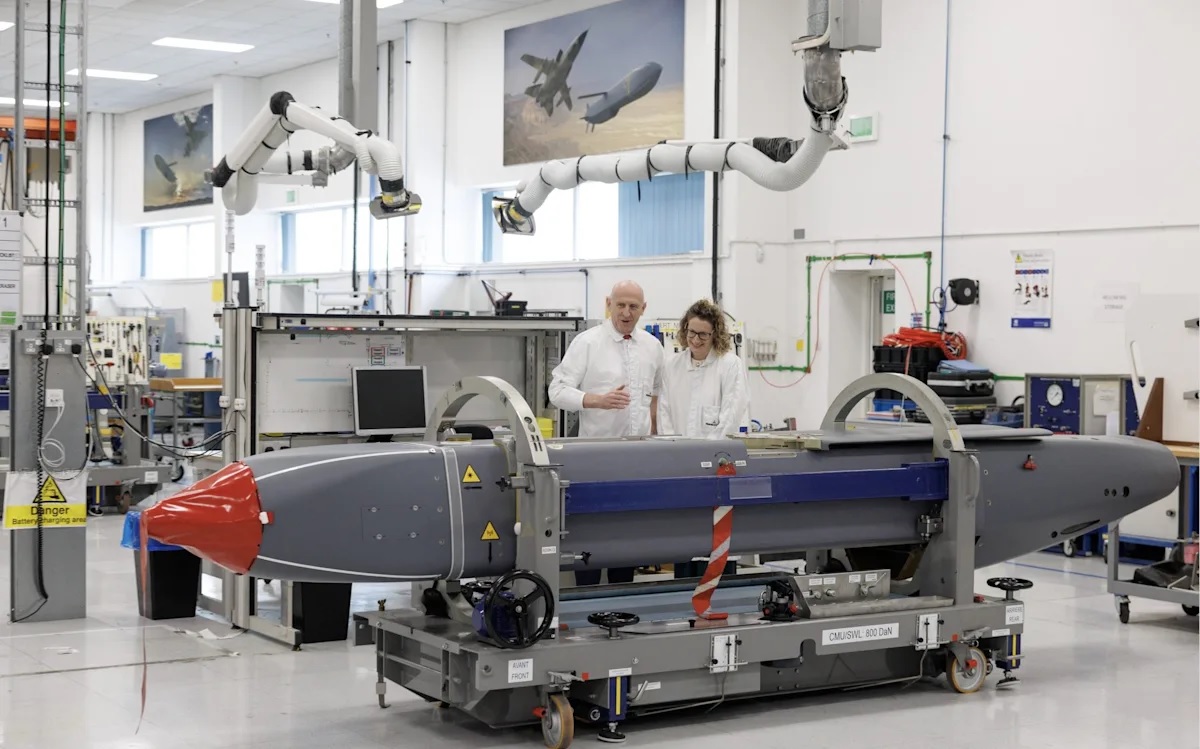
World
LONDON, July 1, 2026 — The UK Ministry of Defence (MoD) has announced plans to gradually end procurement of the Storm Shadow cruise missile under its newly published Defence Investment Plan, shifting its long-range strike strategy toward a combination of advanced complex weapons and lower-cost, mass-produced precision strike systems. The new approach is based on lessons from the war in Ukraine, where large numbers of expensive long-range missiles have been expended at a rapid pace. The strategy aims to increase the UK's stockpile of long-range strike weapons while reducing procurement costs and improving production capacity. To support the transition, the Ministry of Defence has allocated an initial £300 million to develop and procure affordable long-range strike systems. Each new low-cost effector is expected to cost around £400,000 per unit, excluding the warhead, nearly half the cost of a Storm Shadow missile. The systems are also designed for faster production, enabling the UK to replenish inventories more quickly during future conflicts. Project Brakestop Advances with Three British Prototypes A key element of the strategy is Project Brakestop, a rapid-development programme to field an affordable ground-launched long-range strike weapon. Three British companies have completed flight testing of their prototypes in Scotland and have each been awarded £15 million follow-on contracts to continue development. The Ministry of Defence requires candidate systems to strike targets beyond 500 kilometres, carry a minimum 225-kilogram warhead, exceed 600 km/h in speed, and be capable of producing at least 20 missiles per month shortly after a production contract is awarded. The competing designs include: MBDA UK's Crossbow, a modular vehicle-launched missile using commercially available components with a planned range exceeding 800 kilometres. MGI Engineering's TigerShark, which incorporates advanced composite materials and 3D-printed components inspired by the company's Formula 1 engineering experience. It is designed to reach speeds of approximately 750 km/h, strike targets up to 1,000 kilometres away, and carry a payload of up to 300 kilograms. Rotron Aerospace's SkyLance, powered by a Wankel rotary engine driving a propeller. Although slower than jet-powered designs, it offers an operational range of approximately 1,200 kilometres. The Ministry of Defence plans to select the winning Project Brakestop design before the end of 2026. ITAR-Free Design for Greater Export Flexibility Project Brakestop requires the exclusive use of British or other non-U.S. components. By avoiding American parts and navigation technologies, the missiles will not fall under the United States' International Traffic in Arms Regulations (ITAR). This gives the UK full control over production and export decisions, allowing potential transfers to allied countries, including Ukraine, without requiring prior U.S. approval. Stratus to Succeed Storm Shadow Alongside Project Brakestop, the Ministry of Defence is continuing development of the Stratus programme as the long-term replacement for Storm Shadow. Stratus is being designed in multiple variants, including land-attack versions for both aircraft and surface platforms, as well as a dedicated anti-ship variant for the Royal Navy. The programme is intended to provide a next-generation long-range precision strike capability for operations against heavily defended targets while complementing the UK's expanding inventory of lower-cost weapons. Ukraine Seeks SCALP Production Licence As the UK reduces future Storm Shadow procurement, Ukraine is pursuing domestic production of similar long-range cruise missiles. According to recent reports, Kyiv is negotiating with France to obtain a licence to manufacture the SCALP cruise missile—the French equivalent of Storm Shadow—within Ukraine to support its long-term strike capability.
Read More → Posted on 2026-07-01 11:15:38
World
KYIV, Ukraine, July 1, 2026 — Ukraine has signed a contract with Swedish defense company Saab for the purchase of 16 Gripen E multirole fighter aircraft in a deal valued at approximately 24.6 billion Swedish kronor ($2.54 billion). The agreement includes the aircraft, spare parts, technical support, training equipment, and related systems as part of Ukraine's ongoing effort to modernize its air force. The procurement represents one of Ukraine's largest recent defense acquisitions and forms part of a broader long-term plan to build a fleet of 100 to 150 Gripen fighter aircraft. The acquisition is also intended to strengthen the country's ability to integrate modern Western combat aircraft alongside other platforms already being introduced into service, including the General Dynamics F-16 Fighting Falcon. Delivery Schedule According to Saab, deliveries of the 16 newly manufactured Gripen E fighters are scheduled for 2029–2030. The aircraft will first be delivered to the Swedish Defence Materiel Administration (FMV) before being transferred to Ukraine. Separately, Ukrainian President Volodymyr Zelenskyy confirmed that Sweden will donate 16 Gripen C/D fighter aircraft under an earlier agreement with Swedish Prime Minister Ulf Kristersson. Deliveries of the donated aircraft are expected to begin in early 2027, providing Ukraine with an interim capability before the arrival of the Gripen E fleet. Contract Includes Training and Support The $2.54 billion contract includes a comprehensive support package covering spare parts, maintenance support, pilot and ground crew training, technical assistance, and associated equipment. Saab President and CEO Micael Johansson said the company remains committed to supporting Ukraine's acquisition while assisting Swedish authorities in replacing aircraft donated from Sweden's existing Gripen fleet. He added that the Gripen E will enhance the operational capabilities of the Ukrainian Air Force and strengthen the country's air defense. Training for Ukrainian pilots and maintenance personnel on the Gripen C/D aircraft is already underway in Sweden and is expected to expand later this year ahead of the 2027 deliveries. Gripen E Capabilities The Saab JAS 39 Gripen E is the latest variant of the Gripen family and is designed to conduct dispersed operations with relatively low logistical requirements. Developed with an emphasis on operating from temporary airfields and road bases, the aircraft can continue missions even when conventional airbases are unavailable. Compared with earlier Gripen variants, the Gripen E features a larger fuselage that carries approximately 30% more internal fuel, increasing its operational range and endurance. The fighter is powered by a General Electric F414 turbofan engine and features 10 external hardpoints capable of carrying a wide range of NATO-standard weapons, including the Meteor, AIM-120 AMRAAM, and IRIS-T air-to-air missiles. The aircraft is also designed for rapid maintenance and rearming by small mobile teams, enabling high sortie generation rates. It incorporates advanced sensors, network-centric warfare capabilities, and high operational availability for missions in contested airspace. Expanding Sweden–Ukraine Defense Cooperation The fighter aircraft agreement forms part of expanding defense cooperation between Ukraine and Sweden. During a meeting in Kyiv, President Zelenskyy and Swedish Defense Minister Pål Jonson discussed implementation of the Gripen deliveries, preparations for a joint drone initiative, and continued cooperation on anti-ballistic missile defense capabilities. The acquisition, combined with Sweden's donation of Gripen C/D aircraft and the associated training and support package, marks another step in Ukraine's long-term air force modernization and its transition to Western combat aircraft.
Read More → Posted on 2026-07-01 10:59:27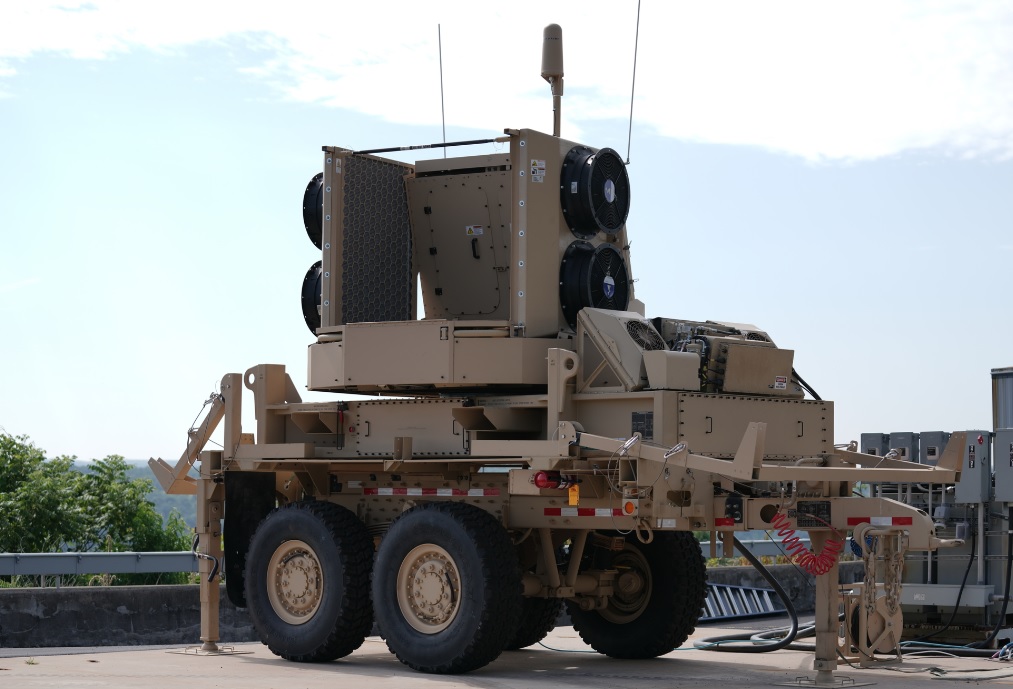
Lockheed Martin Wins $3 Billion U.S. Army Contract for Next-Generation Sentinel A4 Air Defense Radar
World
WASHINGTON, D.C., July 1, 2026 — Lockheed Martin has been awarded a $2.99 billion contract by the U.S. Army to produce the next-generation Sentinel A4 air and missile defense radar and provide associated engineering services. The award supports the Army's ongoing modernization of its air defense capabilities to address an expanding range of aerial threats. The contract, awarded by the Army Contracting Command–Redstone Arsenal in Alabama, includes fixed-price-incentive, cost-plus-fixed-fee, and cost-no-fee elements. Work is scheduled to continue through June 29, 2031, while funding allocations and work locations will be determined through individual task orders. Next-Generation Air Defense Radar The Sentinel A4 is the U.S. Army's next-generation tactical air and missile defense radar, replacing the legacy Sentinel A3 (AN/MPQ-64A3) system previously developed by Raytheon and Thales. Built around a digital Active Electronically Scanned Array (AESA) using Gallium Nitride (GaN) technology, the radar provides greater power efficiency, improved reliability, and more than a 75% increase in detection range compared with its predecessor. It also offers full 360-degree coverage without a "cone of silence," enabling continuous surveillance of the surrounding airspace. The system is capable of detecting and tracking cruise missiles, unmanned aircraft systems (UAS), rotary-wing aircraft, fixed-wing aircraft, and electronic warfare threats. It also detects Rocket, Artillery, and Mortar (RAM) attacks by calculating both the point of origin and projected point of impact, providing early warning to help protect personnel and critical assets. Its open-architecture, software-defined design enables future capability upgrades and integration with the Army's Integrated Battle Command System (IBCS) and the National Advanced Surface-to-Air Missile System (NASAMS). Program Development Lockheed Martin's work on the Sentinel A4 program began in 2019, when it received a $281.1 million contract to develop and produce the first 18 radar systems. The contract was awarded following competition with two other bidders and was primarily performed at the company's facility in Liverpool, New York. The company completed the first Sentinel A4 radar five months ahead of schedule using an agile development approach. In 2021, the Army ordered five additional radar systems for operational testing, which were delivered in June 2022 to evaluate radar performance, mobility, and logistics. In early 2026, Lockheed Martin delivered the first Sentinel A4 radar from the Low-Rate Initial Production (LRIP) 2 phase. The program is now progressing toward full-rate production, planned to begin in 2026 with more than 200 radar units expected to be produced. The first operational deployment is planned for the National Capital Region to strengthen air defense around Washington, D.C. Long-Term Air Defense Modernization The Sentinel A4 will support the Army's short-range air defense mission by improving detection of low-altitude and fast-moving threats while enhancing interoperability with existing air and missile defense networks. The new contract ensures continued production and engineering support for the Sentinel A4 through 2031, making the radar a central component of the U.S. Army's long-term air and missile defense modernization efforts.
Read More → Posted on 2026-07-01 10:54:27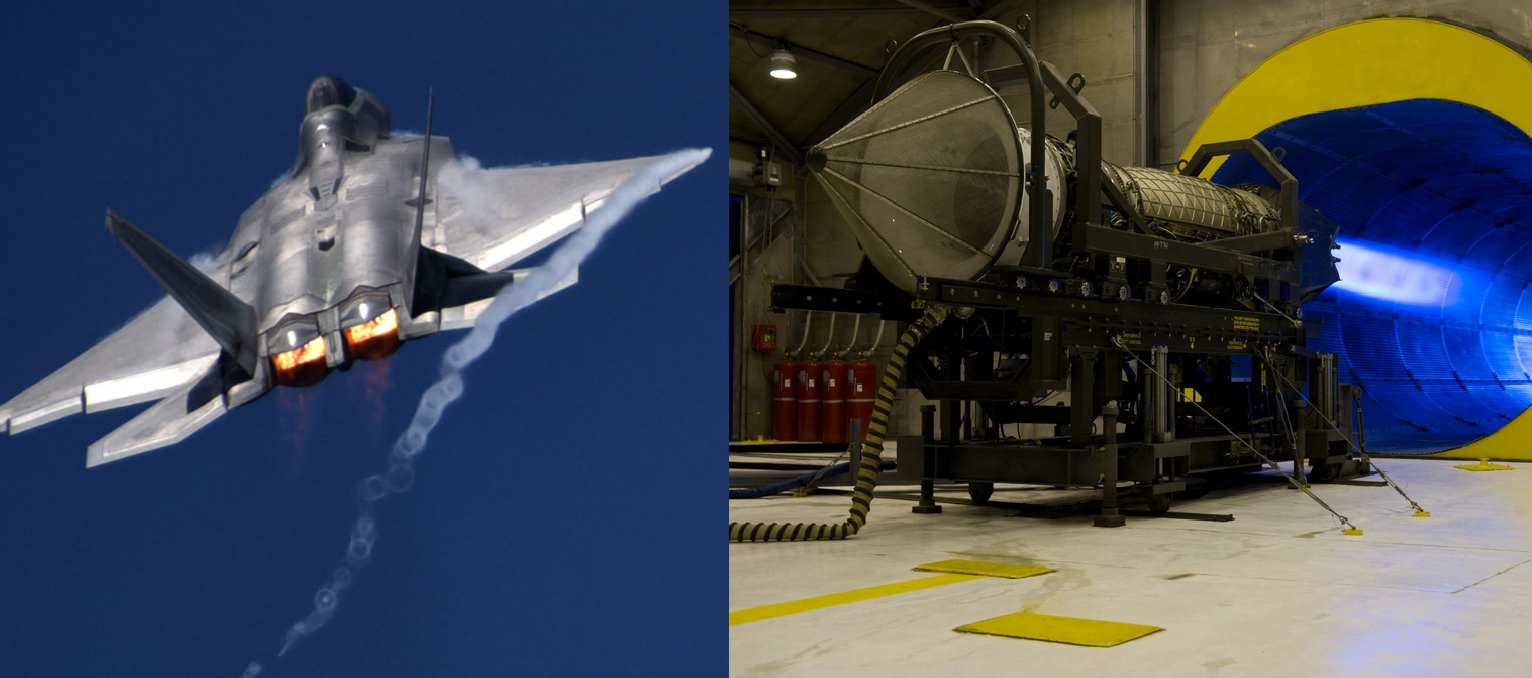
World
EAST HARTFORD, Conn., July 1, 2026 — Pratt & Whitney, an RTX business, has announced that its F119 engine has officially surpassed one million cumulative flight hours while powering the U.S. Air Force's Lockheed Martin F-22 Raptor fleet. The milestone highlights the engine's long-term operational performance and its continued contribution to the Air Force's air superiority mission more than two decades after the F-22 entered service. The F119 is the world's first operational fifth-generation fighter engine. Each F-22 Raptor is powered by two F119-PW-100 engines, providing the aircraft with advanced propulsion capabilities that combine high thrust, stealth integration, and exceptional maneuverability. The engine delivers thrust in the 35,000-pound class and features two-dimensional thrust-vectoring nozzles capable of directing exhaust flow by up to ±20 degrees in the pitch axis. Combined with integrated stealth technologies and a Full-Authority Digital Engine Control (FADEC) system, these features enhance the aircraft's agility, precision, and overall combat performance. A key capability of the F119 is supercruise, which enables the F-22 to sustain supersonic flight at speeds of up to approximately Mach 1.8 without using afterburners. This improves fuel efficiency, extends operational range, and reduces the aircraft's infrared signature. "The F119 engine plays a critical role in maintaining air dominance for the U.S. Air Force, as it enables the F-22 mission," said Jill Albertelli, president of Military Engines at Pratt & Whitney. "Having powered the F-22 Raptor since it launched over 20 years ago, the engine continues to provide unmatched capability, safety and readiness rates. This milestone demonstrates Pratt & Whitney's commitment to delivering for our customers." Sustainment and Fleet Modernization Production of the F119 concluded in 2013 after 507 engines were built. Pratt & Whitney continues to support a global fleet of more than 400 operational engines through depot maintenance, sustainment services, and modernization programs. In February 2025, RTX secured a contract valued at up to $1.5 billion to improve F119 fleet readiness while reducing long-term lifecycle costs. The effort supports the U.S. Air Force's objective of maintaining the F-22 fleet into the 2040s. Current modernization initiatives include Usage-Based Lifing (UBL), which uses real-time flight data and component wear information to optimize maintenance schedules, and Model-Based Systems Engineering (MBSE), which employs digital engineering tools to predict component life and improve long-term durability. Pratt & Whitney is also introducing software updates, including enhancements to the FADEC system, to improve engine performance and operational efficiency. Foundation for Future Fighter Engines The F119 also served as the technological foundation for Pratt & Whitney's F135 engine, which powers the F-35 Lightning II. Technologies and engineering experience gained through the F119 program contributed directly to the development of the next-generation fighter engine. With continued sustainment, modernization, and component upgrades, the F119 remains a key element of the U.S. Air Force's F-22 fleet, supporting operational readiness and long-term combat capability.
Read More → Posted on 2026-07-01 10:46:59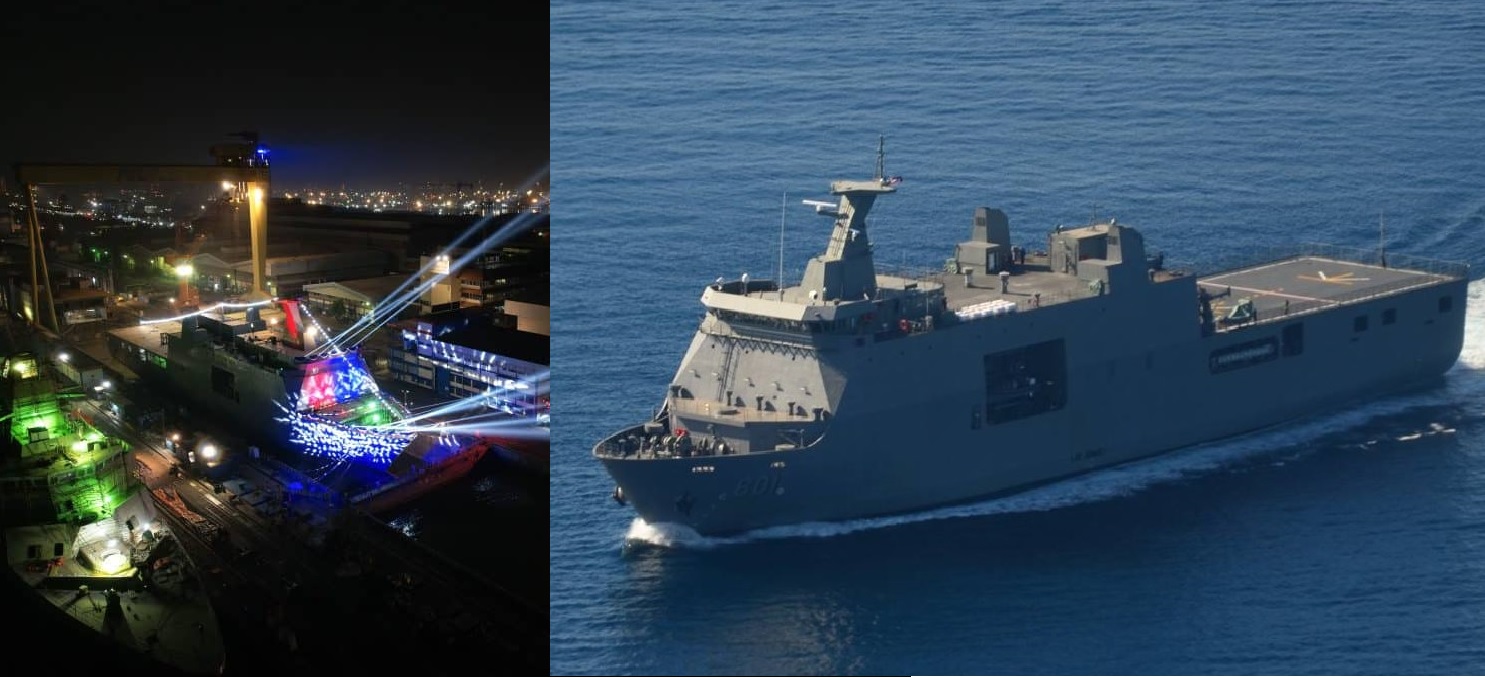
World
SURABAYA, Indonesia, July 1, 2026 — Indonesian state-owned shipbuilder PT PAL Indonesia has launched the Philippine Navy's third Tarlac-class Landing Platform Dock (LPD), marking another milestone in the Armed Forces of the Philippines (AFP) modernization program. The vessel, designated LD-603 and expected to be commissioned as BRP Ilocos Norte, was launched on June 30 at PT PAL's shipyard in Surabaya, East Java. It is the first of two improved Tarlac-class LPDs ordered under a follow-on contract signed between the Philippines and Indonesia in 2022. Construction of the two vessels began during 2023 and 2024, while the fourth ship, expected to be named BRP Leyte (LD-604), is scheduled for launch later this year. The new vessel builds on the design of the original Tarlac-class ships, BRP Tarlac and BRP Davao del Sur, which entered Philippine Navy service in 2016 and 2017. The latest ships incorporate several improvements developed from years of operational experience with the first two vessels. Improved Design for Amphibious Operations LD-603 features structural modifications requested by the Philippine Navy to improve operational efficiency. Compared to the earlier ships, it has a larger side ramp door and an expanded vehicle deck, allowing faster embarkation and disembarkation of troops and equipment while enabling the transport of larger and heavier military vehicles. The ship will also carry two Indonesian-built Landing Craft Utility (LCU) vessels housed in its floodable well deck, providing additional capability for transporting personnel, vehicles, and equipment during amphibious operations. Its flight deck is designed to accommodate two 10-ton helicopters, expanding support for air-to-sea operations, logistics missions, and humanitarian assistance. LD-603 Specifications Length: 124 meters Beam: 21.8 meters Standard displacement: 7,200 tons Maximum speed: 16 knots Operational range: 9,360 nautical miles Endurance: 30 days Personnel capacity: Up to 680 personnel These capabilities allow the vessel to support amphibious warfare, military transport, humanitarian assistance and disaster relief (HA/DR), and logistics operations across the Philippine archipelago and beyond. Supply Chain Challenges During Construction During the launching ceremony, PT PAL President Director and CEO Kaharuddin Djenod said construction of the new LPDs experienced schedule adjustments due to global supply chain disruptions linked to recent geopolitical developments. Despite these challenges, the successful launch keeps the program moving toward delivery and reflects continued defence-industrial cooperation between Indonesia and the Philippines. Philippine Military Highlights Operational Role Senior military officials from both countries attended the ceremony, including Philippine Navy Flag Officer-in-Command Vice Admiral Jose Maria Ambrosio Quiatchon and AFP Vice Chief of Staff Lieutenant General Rommel P. Roldan. Vice Admiral Quiatchon said the improved LPD will significantly strengthen the Philippine Navy's ability to transport troops, military equipment, and logistics while supporting amphibious operations, humanitarian assistance and disaster relief (HA/DR) missions, and power projection, including operations beyond Philippine waters. He also praised the performance of the Philippine Navy's existing Indonesian-built LPDs and expressed interest in expanding future cooperation with PT PAL. Regarding the ship's defensive capabilities, Quiatchon said the Philippine Navy has not yet finalized the selection of sensors and weapon systems. However, the current design includes provisions for the future installation of a 76mm main gun and Close-In Weapon Systems (CIWS) to support the vessel's multi-mission operational requirements. Lieutenant General Roldan described the launch as an important step in the AFP modernization program, noting that the additional landing platform docks will help meet growing operational demands while strengthening defence cooperation between the Philippines and Indonesia and supporting regional peace and stability. Delivery Scheduled Later This Year Following the launch, LD-603 will remain at PT PAL's Surabaya shipyard for final outfitting, harbor acceptance tests, and sea acceptance trials before being delivered to the Philippine Navy later in 2026. Construction of the fourth vessel, BRP Leyte (LD-604), is continuing and is expected to reach its launch milestone in the near future. Once both ships enter service, they will further expand the Philippine Navy's amphibious transport fleet with improved capacity and operational flexibility based on lessons learned from the first two Tarlac-class vessels.
Read More → Posted on 2026-07-01 10:26:55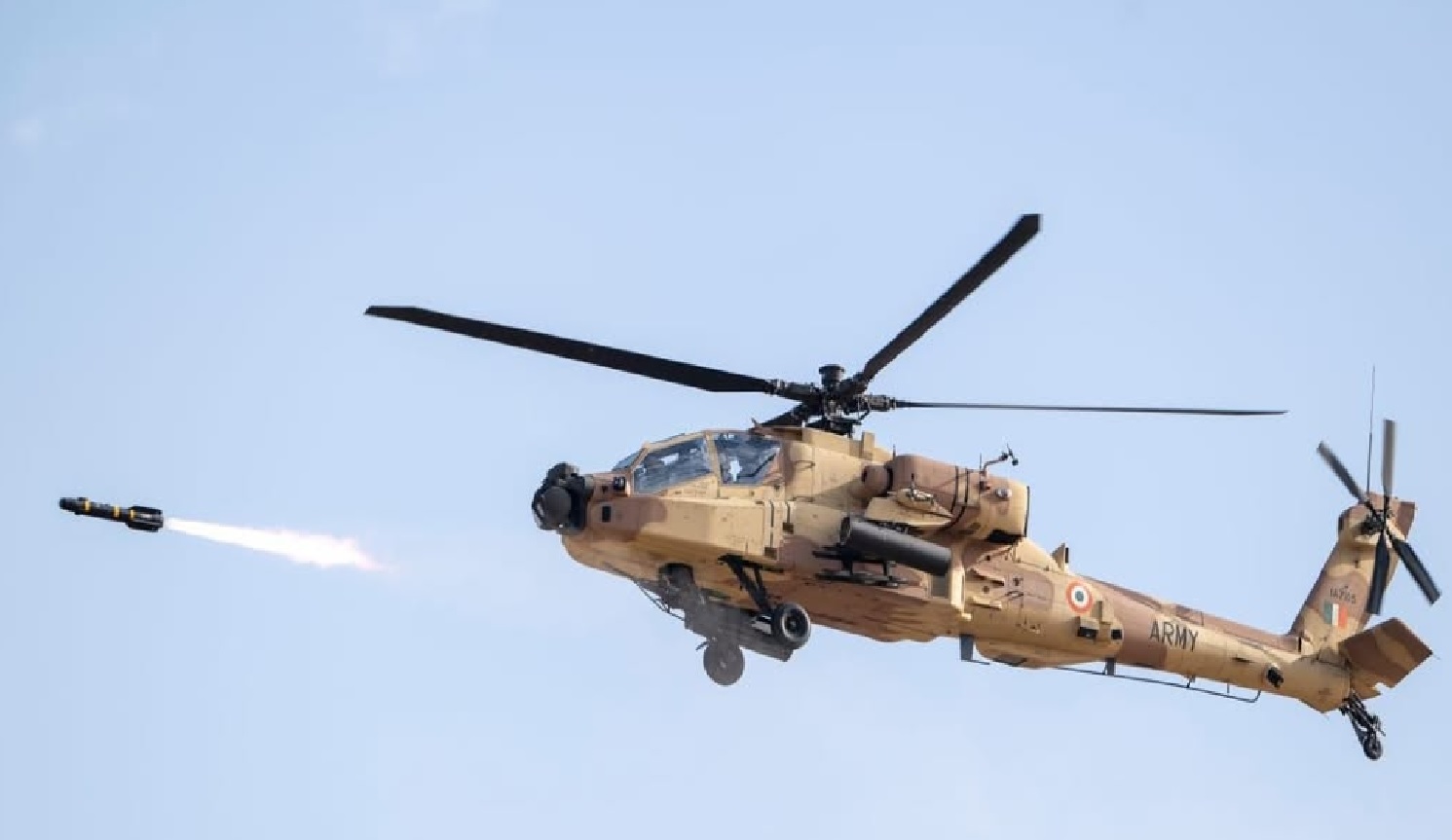
World
WASHINGTON, D.C., July 1, 2026 — The U.S. Department of State has approved a possible Foreign Military Sale (FMS) to Singapore valued at $22.3 million, covering 67 AGM-114R Hellfire II precision-guided missiles and related logistics, technical, and sustainment support for the Republic of Singapore Air Force (RSAF). The approval was announced on June 30, 2026, through a notification by the U.S. Bureau of Political-Military Affairs. According to the notification, the package includes an additional 24 AGM-114R Hellfire missiles added to a previously implemented case, bringing the total covered under the current approval to 67 missiles. The proposed sale is intended to sustain the RSAF's existing precision-strike capability and support the continued operation of its AH-64D Apache Longbow attack helicopters, which are used for close air support and anti-armour missions. Sustainment and Support Package Beyond the missiles, the package includes a range of support measures designed to maintain operational readiness, including: Five years of spare parts Technical and training manuals M299 launcher reprogramming Software verification and calibration Repair and maintenance support Chaff and flare countermeasures U.S. government and contractor engineering, technical, logistics, and program support The principal contractor is Lockheed Martin Corporation of Orlando, Florida. No offset agreement has been proposed. AGM-114R Hellfire II Capability The AGM-114R Hellfire II is a semi-active laser-guided precision missile that combines the capabilities of earlier Hellfire variants into a single multi-purpose configuration. It is designed to engage armored vehicles, fortified positions, air-defense systems, small maritime targets such as patrol boats, and personnel. The missile supports both Lock-On Before Launch (LOBL) and Lock-On After Launch (LOAL) modes and can receive laser designation from either the launching aircraft or an external designator. It also features improved tracking through dust, smoke, water vapor, and sea spray, automatic target reacquisition, and a maximum engagement range of up to 8 kilometers. The missile weighs approximately 49.4 kilograms (109 pounds), measures 163 centimeters in length, and has a 17.8-centimeter diameter. Supporting Singapore's Apache Fleet The RSAF operates the AH-64D Apache Longbow as its primary attack helicopter. Each aircraft can carry up to 16 Hellfire missiles in addition to a 30 mm M230 chain gun and Hydra 70 rockets, while its Fire Control Radar enables target detection and engagement in day, night, and adverse weather conditions. The inclusion of launcher reprogramming, software support, and spare parts indicates the sale is focused on sustaining Singapore's existing Apache fleet rather than introducing new weapon systems or expanding force structure. Strategic Significance Singapore's location along key maritime routes makes precision-guided weapons an important part of its defence posture. The AGM-114R provides operational flexibility by allowing crews to engage different target types with a single missile configuration while reducing the need to change loadouts before missions. According to the U.S. government, the proposed sale supports the security of a key partner in the Indo-Pacific, strengthens interoperability between the U.S. and Singaporean armed forces, and is not expected to alter the regional military balance. The approval allows the sale to proceed through the Foreign Military Sales (FMS) process, with implementation subject to final contractual arrangements between the two governments.
Read More → Posted on 2026-07-01 10:15:35Search
Top Trending in 24 Hours
-
 India’s xTerra Robotics Launches Indigenous DHAV-Hy Wheeled-Legged Quadruped for Industrial Inspection
-
 U.S. Army Awards $10.64 Million Contract to Ukrainian Drone Maker Skyeton for Raybird Systems
-
 U.S. Space Force Seeks Rapid-Response Satellites for Close-Range Orbital Inspections
-
 U.S. Delivers First CH-47F Chinook to Egypt Under 12-Helicopter Deal
-
 BEL Showcase X-Band Multi-Function Radar for QRSAM to Japanese Delegation
-
 IRGC Experts Visit Bab El-Mandeb to Oversee Radar Installation and Tunneling, Houthi Sources Say
-
 Ukraine Reports First Use of Fire Point’s FP-7 Tactical Ballistic Missile inMoscow-Region Strikes on Oil Refinery
-
 India Successfully Completes Flight Test of KAL Long-Range One-Way Attack Drone at Pokhran
Top Trending in 4 Days
-
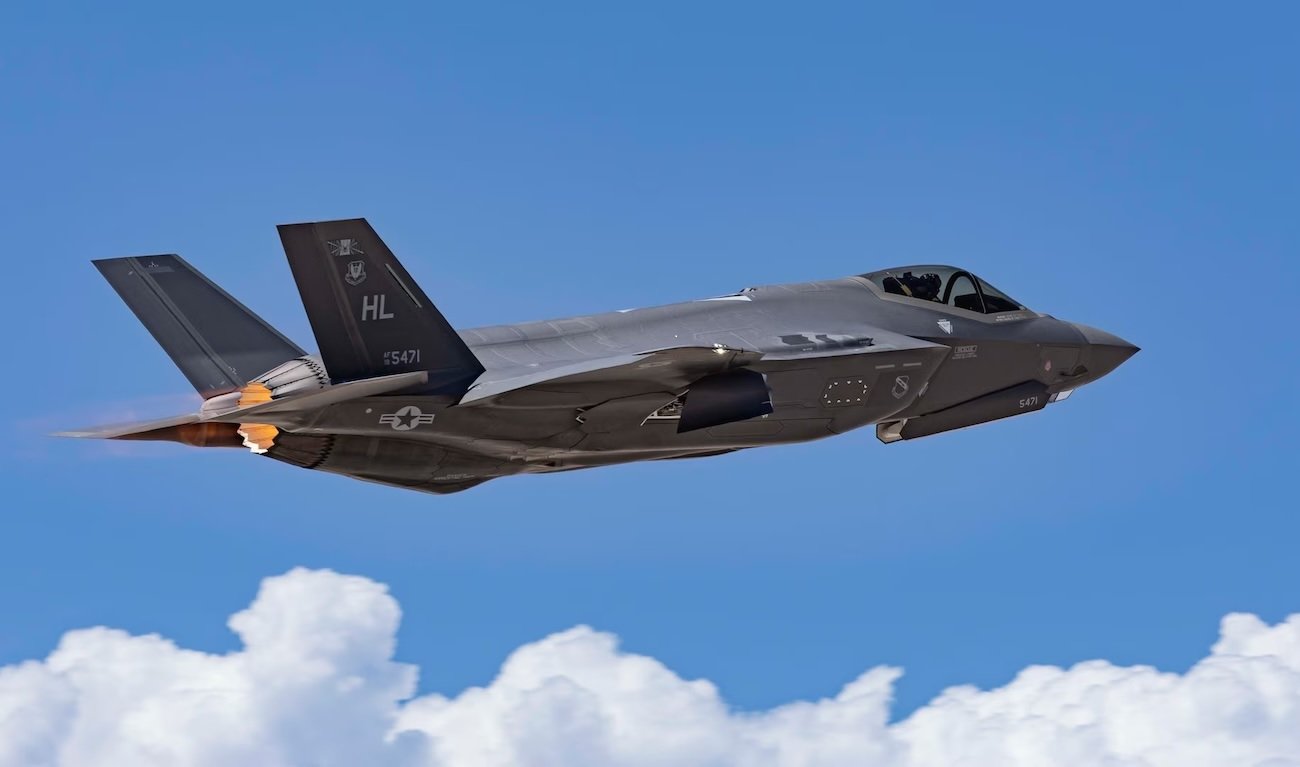 Sensitive F-35 Components Diverted to Hong Kong, Some Parts Missing
-
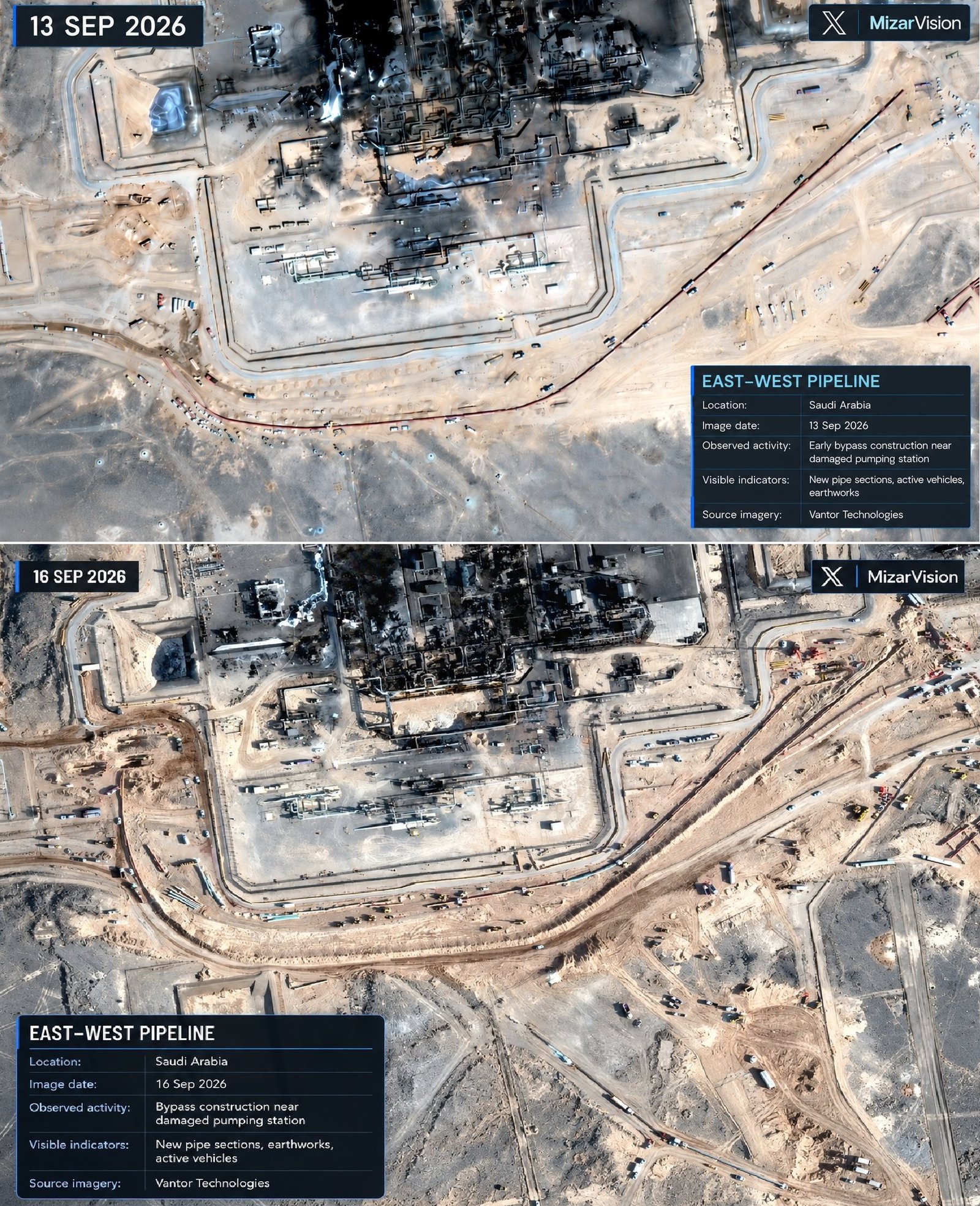 Satellite Images Show Saudi Arabia Building Emergency Bypass Around Damaged East-West Oil Pipeline Station
-
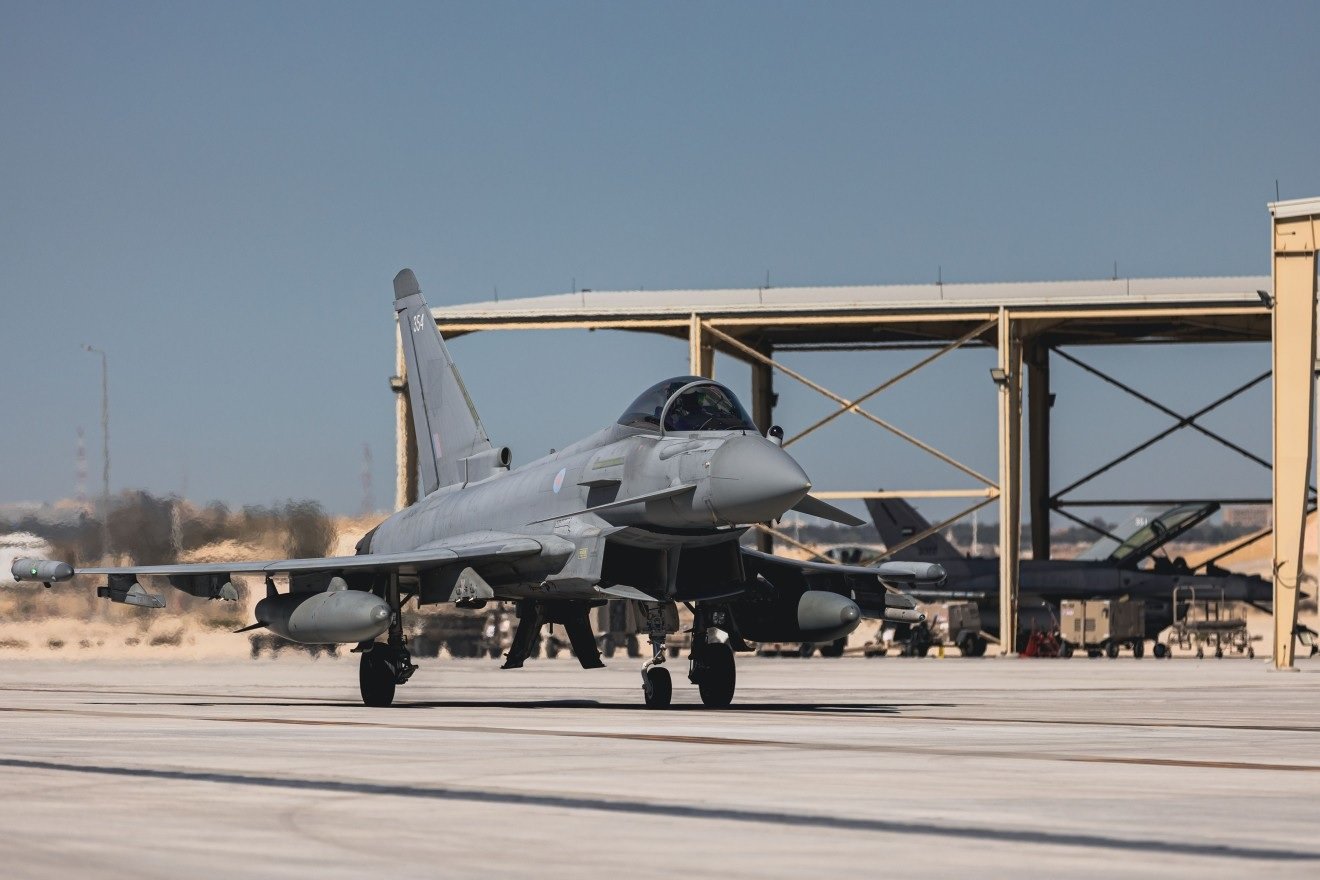 Italian Eurofighter Damaged in Houthi Attack on Saudi Arabia’s King Fahd Air Base
-
 U.S. Secures Permanent Military Rights in Greenland in Historic Security Pact with Denmark
-
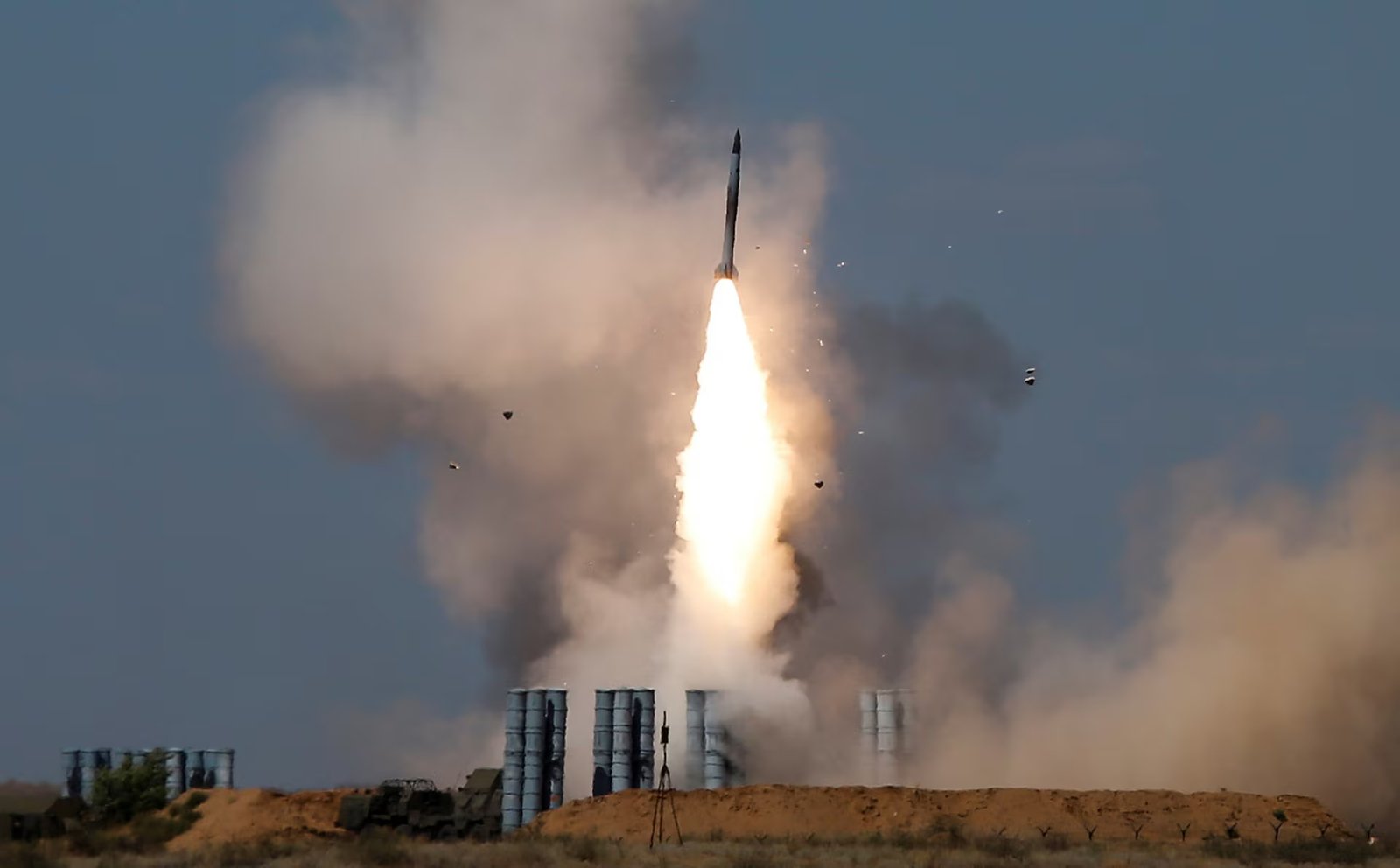 U.S. Approves Potential $2.68 Billion Air Defense Package for Ukraine Including S-300 Clone Missiles
-
 BEL Signs Export Deal with Elbit Systems for Directed Infrared Countermeasure Sub-Assemblies, Secures ₹648 Crore in Additional Orders
-
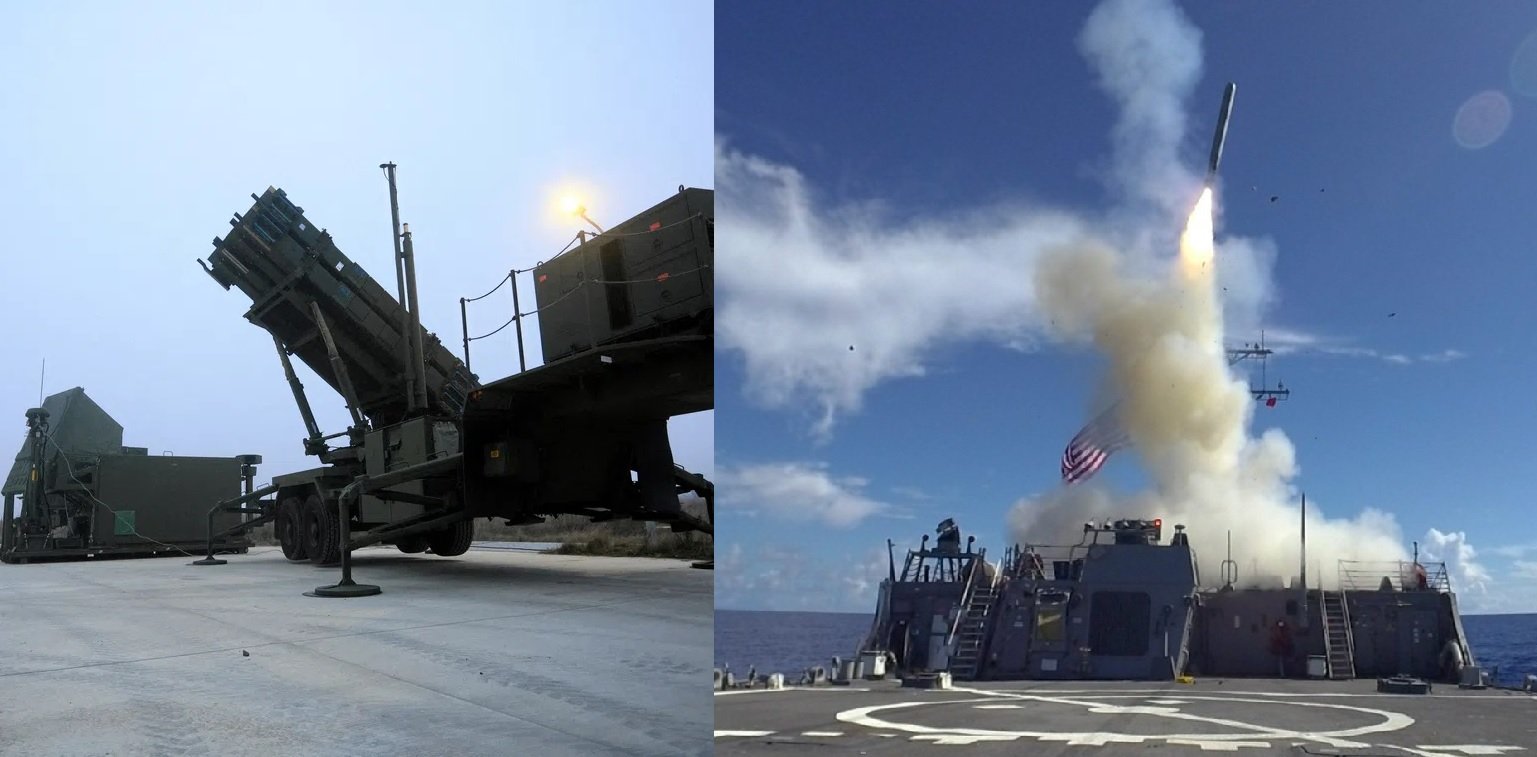 U.S. Warns Allies of Up to Five-Year Delays in Key Weapons Deliveries
-
 China Privately Urges Iran to Restrain Houthis After Saudi Appeal