WASHINGTON, — June 5, 2026 : The Pentagon is expected to cancel plans to deploy Tomahawk cruise missiles to Germany, according to a report by Politico. The move would reverse a Biden administration agreement aimed at strengthening NATO's long-range strike capabilities in Europe.
The reported decision is driven by concerns that deploying long-range missiles in Central Europe could be viewed by Russia as an escalation of tensions. In addition, the United States is facing growing pressure on its missile inventories following recent military operations.
Missile Shortages Influence Decision
According to the report, the United States expended thousands of Tomahawk and Patriot missiles during the initial weeks of the recent conflict with Iran, placing significant strain on U.S. stockpiles.
U.S. Defense Secretary Pete Hegseth recently told Congress that replacing the expended munitions would take "months and years," with shortages of Patriot and Tomahawk systems expected to continue until 2031.
German Chancellor Friedrich Merz has acknowledged that the United States currently lacks sufficient cruise missile inventories to fully meet its own defense requirements. Meanwhile, German Defense Minister Boris Pistorius confirmed that Berlin has yet to receive a clear response to its request to purchase the Typhon missile system, which is capable of launching Tomahawk missiles.
Background of the Deployment Plan
In July 2024, the United States and Germany announced a joint initiative to deploy advanced long-range conventional missile systems in Germany beginning in 2026. The plan included Tomahawk land-attack cruise missiles, SM-6 missiles, and the Long-Range Hypersonic Weapon (LRHW), also known as Dark Eagle.
The systems were to be operated by U.S. forces using Typhon launchers on a rotational basis. The deployment was intended to strengthen NATO deterrence and address concerns over Russia's deployment of intermediate-range missile systems.
Germany currently lacks comparable land-based long-range precision-strike capabilities, making the planned deployment a key element of its defense strategy.
Impact on Germany and NATO
If the deployment is canceled, Germany will lose access to the planned long-range strike capability that officials have described as important for both national and alliance defense.
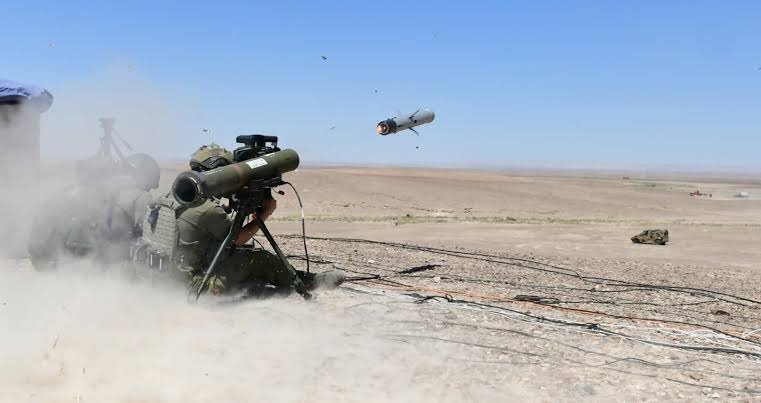
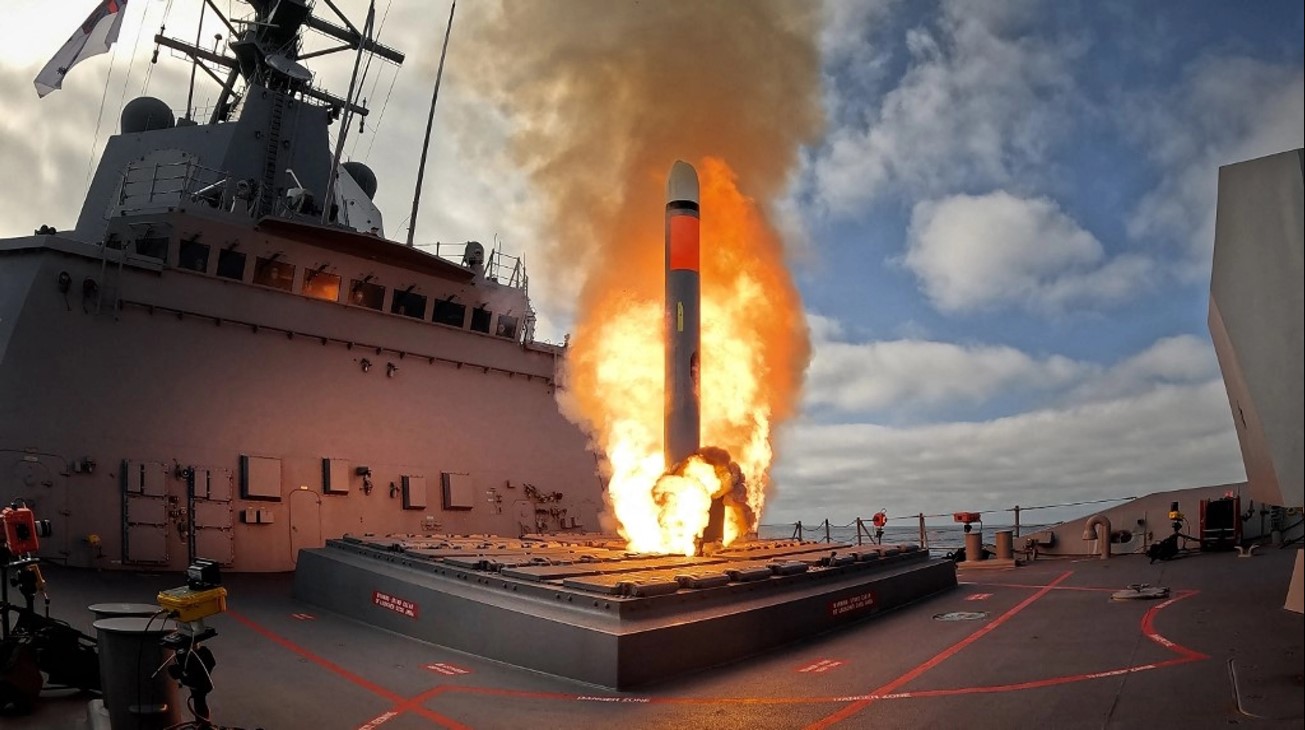
The Tomahawk Block V missile has a range of approximately 1,600–1,800 kilometers, advanced precision-strike capabilities, and the ability to be retargeted during flight.
The reported cancellation also comes amid a broader reassessment of U.S. military commitments in Europe. The Pentagon has recently canceled plans to deploy 5,000 additional troops to Germany and has signaled possible reductions in naval, drone, and fighter aircraft deployments across the continent.
NATO Supreme Allied Commander Europe Gen. Alexus Grynkewich has stated that European nations will need to assume greater responsibility for their conventional defense capabilities as the United States reallocates military resources elsewhere.
Europe Seeks Alternatives
The potential cancellation comes as Europe faces increasing security challenges. Russia has deployed Iskander missiles in Kaliningrad and Oreshnik missiles in Belarus, systems capable of reaching targets across much of Europe.
In response, German defense planners are evaluating domestic and European alternatives to address the long-range strike capability gap. While advanced drone systems are being considered, defense experts note that they cannot fully replace the capabilities provided by Tomahawk-class cruise missiles.
Efforts to expand defense production within Europe are also increasing. Recently, the U.S. State Department granted preliminary approval for Poland to domestically produce PAC-3 MSE missiles used in Patriot air defense systems, a move intended to strengthen NATO's eastern defenses while easing pressure on U.S. production lines.
Awaiting Official Confirmation
As of June 5, 2026, the Pentagon has not officially confirmed the cancellation of the deployment plan. Germany continues to seek clarification regarding its request for Typhon launchers and associated missile systems, while NATO allies closely monitor developments that could affect the alliance's future deterrence posture in Europe.
——— End of Article ———