
World
YOKOSUKA, Japan, June 29, 2026 — The U.S. Naval Ship Repair Facility and Japan Regional Maintenance Center (SRF-JRMC) has successfully completed scheduled Chief of Naval Operations (CNO) maintenance availabilities for two major U.S. Navy warships, returning the Arleigh Burke-class guided-missile destroyer USS Shoup (DDG-86) and the Nimitz-class aircraft carrier USS George Washington (CVN-73) to the U.S. 7th Fleet on schedule. USS Shoup completed its maintenance availability and returned to operational service on May 11, while USS George Washington rejoined the fleet on May 13, following the successful completion of planned repair and maintenance work. The maintenance periods included inspections, repairs, system upgrades, and other work required to ensure both vessels remain fully mission-capable for operations in the Indo-Pacific region. The work formed part of the Navy's Chief of Naval Operations maintenance program, which supports the long-term readiness and operational availability of forward-deployed naval forces. According to the U.S. Navy, completing these maintenance periods on schedule highlights SRF-JRMC's role in generating and sustaining combat-ready ships assigned to the U.S. 7th Fleet. Conducting repairs and modernization work in Japan allows the Navy to maintain continuous operational presence in the Indo-Pacific without sending ships back to maintenance facilities in the continental United States, reducing downtime and increasing fleet availability. The maintenance effort required extensive coordination among U.S. Navy sailors, civilian maintenance personnel, Japanese Master Labor Agreement employees, local Yokosuka contractors, and U.S.-based defense companies. Navy officials said this collaborative approach enables the facility to efficiently support forward-deployed vessels while maintaining scheduled maintenance timelines. SRF-JRMC has supported U.S. naval operations in Japan for more than 75 years, providing intermediate and depot-level maintenance, repairs, modernization, and technical support for ships assigned to the U.S. 7th Fleet. The facility serves as one of the Navy's primary maintenance centers for forward-deployed forces in the Indo-Pacific. The U.S. Navy stated that performing ship maintenance in Japan strengthens fleet readiness, maximizes the availability of combat vessels, and supports the United States' long-term commitment to maintaining a free and open Indo-Pacific. The timely return of USS Shoup and USS George Washington, the Navy's forward-deployed aircraft carrier, ensures the 7th Fleet retains essential operational capabilities across the region. Officials also noted that consistent and timely maintenance remains a critical component of regional security by ensuring surface combatants and aircraft carriers remain prepared for operational deployments. During 2026, SRF-JRMC has delivered multiple ships back to the fleet on or ahead of schedule, reinforcing its role in sustaining mission-ready naval forces throughout the Indo-Pacific.
Read More → Posted on 2026-06-29 11:03:27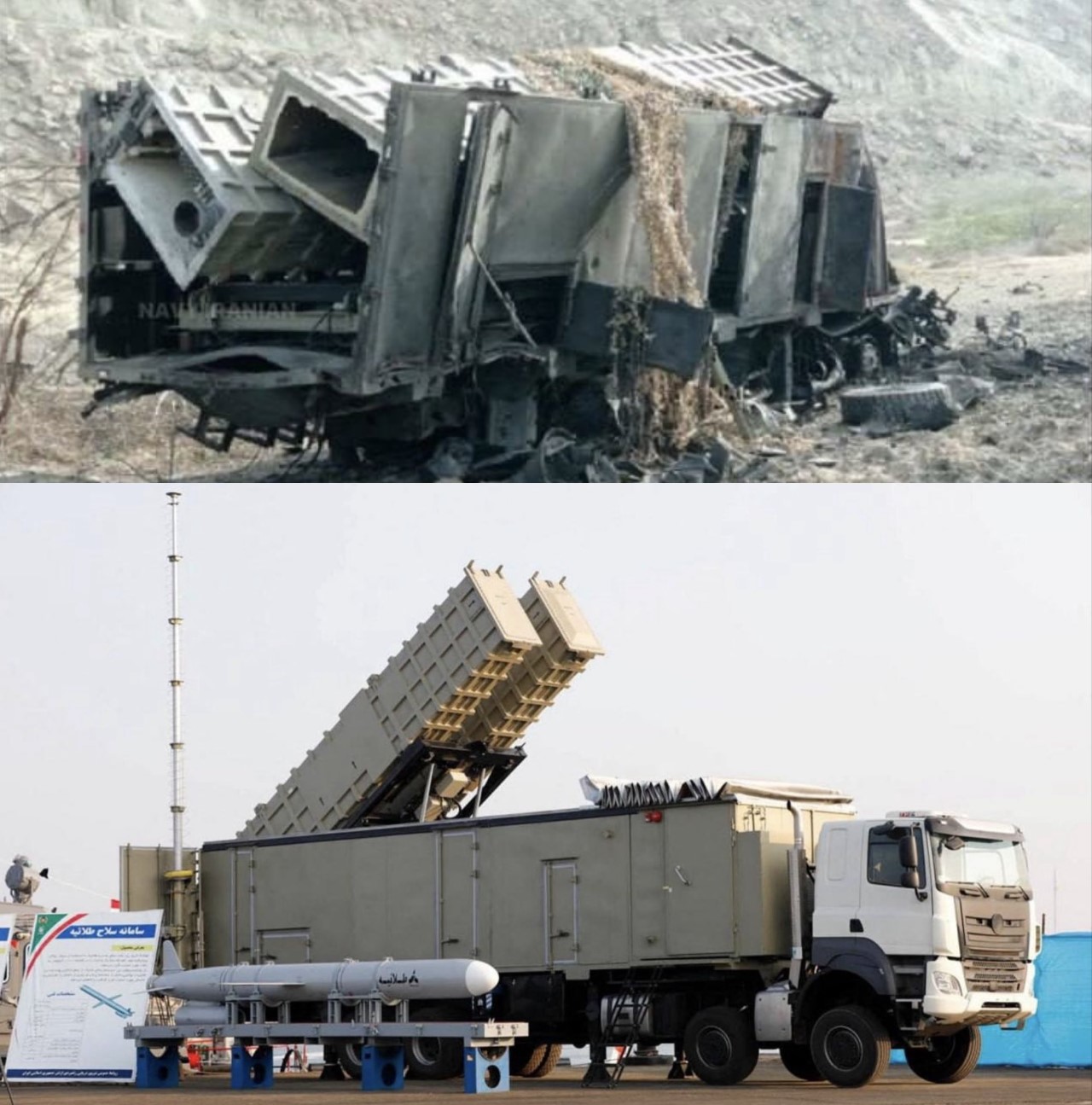
World
SIRIK ISLAND, Iran, June 29, 2026 — The U.S. military carried out a precision airstrike on Sirik Island near the Strait of Hormuz, destroying a mobile launcher belonging to Iran's Talaiyeh anti-ship cruise missile system as part of ongoing operations targeting Iranian military assets in the region. According to battlefield assessments and imagery captured by local sources, the strike targeted a twin-launcher transport vehicle and directly hit the truck cabin. The impact completely neutralized the launcher, destroying one missile launch canister while leaving the second canister intact with a missile still inside. The operation was reportedly conducted by a U.S. Air Force MQ-9 Reaper unmanned aerial vehicle. The strike is part of broader U.S. military operations in response to Iranian activities affecting regional security and commercial shipping routes. In recent days, U.S. Central Command has also announced strikes on Iranian missile and drone storage facilities, launch infrastructure, and related military sites. The Talaiyeh anti-ship cruise missile system was formally unveiled by the Islamic Republic of Iran Navy on December 24, 2023. The missile is based on technology derived from the Soviet-era Kh-55 cruise missile and is powered by an air-breathing jet engine, enabling it to cruise at approximately 900 kilometers per hour (Mach 0.78) while flying at low altitude. Iranian officials state that the missile has an operational range exceeding 1,000 kilometers and carries a 400-kilogram high-explosive warhead designed to engage large naval targets. The Talaiyeh missile is also described as featuring a "smart" guidance system capable of changing its flight path and switching targets during flight, allowing it to engage both maritime and land-based targets. The destroyed launcher was positioned on Sirik Island, located along Iran's southern coastline near the Strait of Hormuz, one of the world's most strategically important maritime chokepoints. Approximately one-fifth of global oil trade passes through the waterway, making security in the area a key concern for international shipping and energy markets. Military analysts say the destruction of the Talaiyeh launcher is expected to reduce Iran's ability to deploy long-range mobile anti-ship missiles from that location. Mobile launchers are considered more difficult to detect and relocate quickly, making them an important component of coastal defense operations. The United States and its allies have repeatedly expressed concerns over the deployment of advanced anti-ship missile systems near major commercial shipping lanes, arguing that such capabilities increase potential risks to international maritime traffic. U.S. operations in the region continue to focus on degrading missile, drone, and coastal strike capabilities that could threaten freedom of navigation through the Strait of Hormuz.
Read More → Posted on 2026-06-29 10:46:18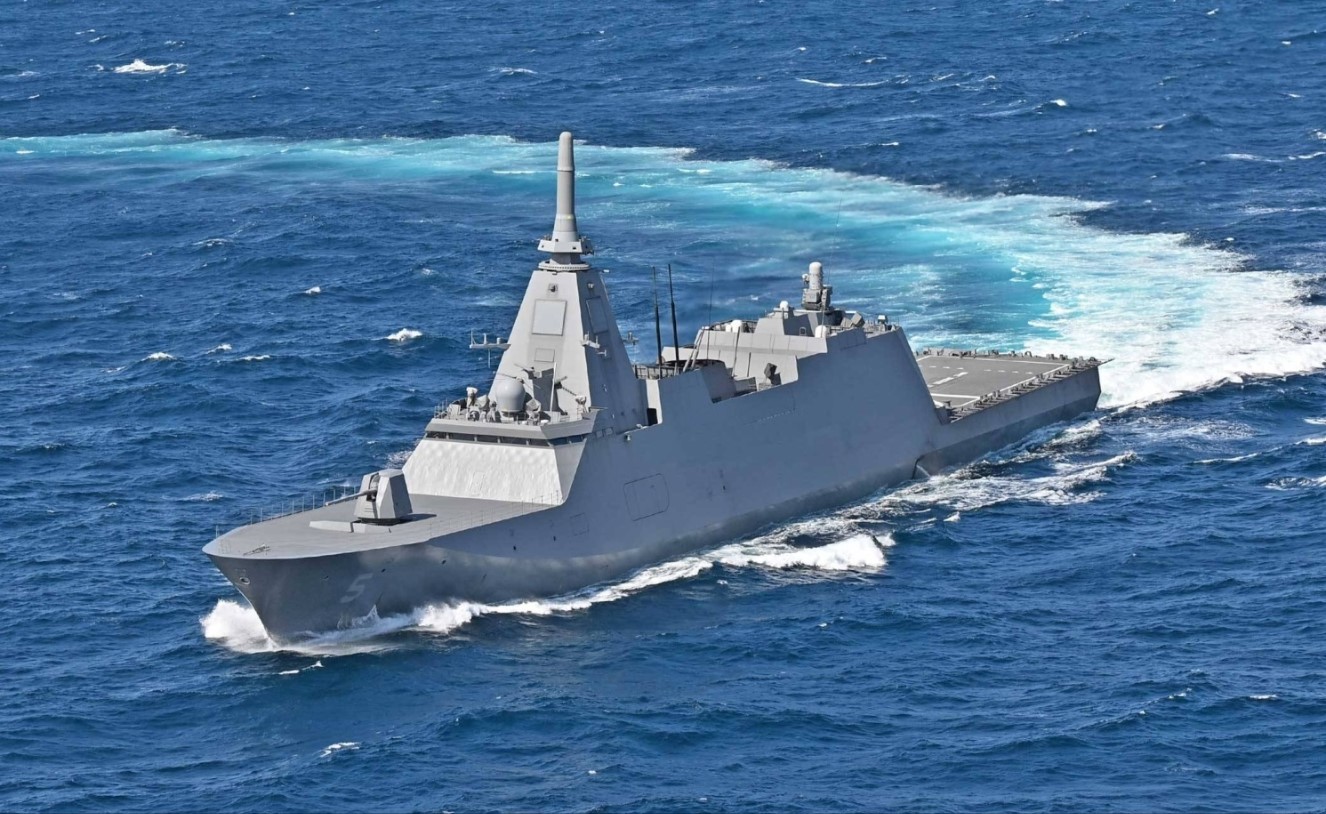
World
NAGASAKI, Japan, June 29, 2026 — The Japan Maritime Self-Defense Force (JMSDF) officially commissioned its 10th Mogami-class frigate, JS Nagara (FFM-10), into active service on Monday during a flag-raising and commissioning ceremony at Mitsubishi Heavy Industries (MHI)'s Nagasaki shipyard. The vessel was formally accepted into the JMSDF fleet during the ceremony, marking another step in Japan's ongoing effort to modernize its surface fleet. Following its commissioning, JS Nagara will be assigned to the 2nd Patrol Division based at Kure Naval Base in Hiroshima Prefecture. Modern Frigate with Reduced Crew Requirements Built by Mitsubishi Heavy Industries at an estimated cost of 52.3 billion yen (approximately $323 million), JS Nagara measures 133 meters in length with a beam of 16.3 meters. The frigate incorporates a stealth-oriented hull design that reduces its radar cross-section while supporting multi-mission naval operations. The ship is powered by a Combined Diesel and Gas (CODAG) propulsion system consisting of two MAN diesel engines and a Rolls-Royce MT30 gas turbine, enabling speeds of more than 30 knots. One of the defining features of the Mogami class is its high level of automation. An advanced Ship Handling System integrates navigation, machinery management, and ship control functions into a centralized system, allowing the frigate to operate with a crew of approximately 90 personnel. The automation also supports one-person maneuvering during certain operations, reducing manpower requirements compared with previous JMSDF surface combatants. Commissioned with Mk.41 Vertical Launching System Unlike earlier Mogami-class frigates, JS Nagara entered service with a fully installed 16-cell Mk.41 Vertical Launching System (VLS) already integrated during construction. Earlier ships in the class were commissioned before receiving the launcher, with VLS installations carried out later through retrofit programs. The delays were caused by supply chain disruptions resulting from the COVID-19 pandemic and the global semiconductor shortage, which affected the production schedule of Mk.41 launch systems manufactured under license in Japan by Mitsubishi Heavy Industries. The Japan Ministry of Defense has since secured contracts for 12 Mk.41 VLS units, which will equip both newly built frigates and earlier vessels that initially entered service without the launcher. Construction Completed in Approximately Three Years Construction of JS Nagara progressed from keel laying to commissioning in approximately three years. The ship's keel was laid at the MHI Nagasaki shipyard on July 6, 2023, before it was launched on December 19, 2024. Following outfitting, sea trials, and final acceptance, the frigate officially entered JMSDF service on June 29, 2026. Designed for Multi-Mission Operations The Mogami-class frigates are designed to perform a wide range of missions, including maritime surveillance, anti-submarine warfare, anti-surface warfare, mine countermeasure support, and maritime security operations. The class has a standard displacement of approximately 3,900 tonnes and a full-load displacement of around 5,500 tonnes. In addition to the Mk.41 VLS, the ships are equipped with a 127 mm Mk.45 Mod 4 naval gun, Type 17 anti-ship missiles, a SeaRAM close-in weapon system, lightweight torpedoes, and facilities to operate one helicopter. Part of Japan's Largest Post-War Frigate Program The Mogami-class program was launched in 2019 to replace the aging Hayabusa-class missile boats and Abukuma-class escort destroyers. It represents Japan's largest naval shipbuilding program since the end of the Second World War. To accelerate production, Mitsubishi Heavy Industries adopted a construction strategy that allowed two hulls to be built simultaneously. The first two ships, JS Mogami and JS Kumano, had their keels laid on October 29 and October 30, 2019, respectively. Although JS Kumano was launched on November 19, 2020, the lead ship JS Mogami was launched later on March 3, 2021, after technical damage occurred to its Rolls-Royce MT30 gas turbine during bench testing because of a faulty test-rig component. Following the resolution of that issue, construction of the subsequent ten frigates proceeded without major interruption. The current procurement phase of 12 Mogami-class frigates is now nearing completion. On December 22, 2025, Mitsubishi Heavy Industries held the naming and launching ceremony for JS Yoshii, the 12th and final ship of the class. With the commissioning of JS Nagara, the JMSDF continues to strengthen its fleet with modern, highly automated multi-mission frigates as Japan advances its long-term naval modernization program.
Read More → Posted on 2026-06-29 10:35:31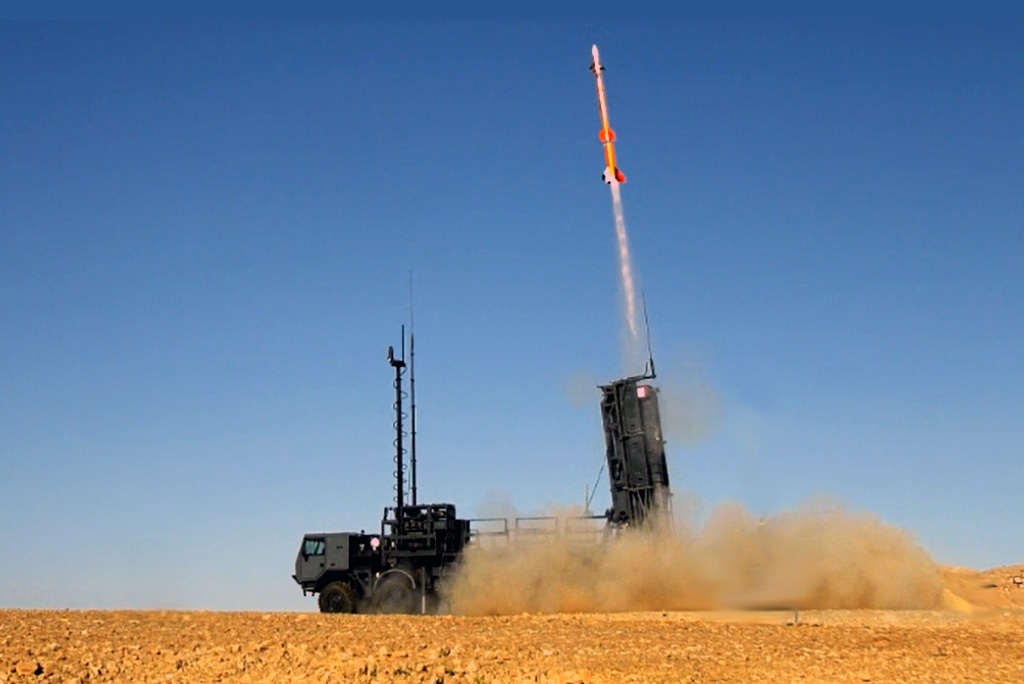
World
BUCHAREST/TEL AVIV, June 29, 2026 — Romania has signed a €2 billion (approximately $2.3 billion) framework agreement with Israel's Rafael Advanced Defense Systems to procure SPYDER short-range and very-short-range air defense (SHORAD-VSHORAD) systems, marking the largest contract in the Israeli defense company's history. The agreement represents a major milestone in Romania's air defense modernization program and forms part of a broader seven-year procurement framework concluded in July 2025. Deliveries of the first systems are expected to begin within 36 months, providing the Romanian Armed Forces with an initial operational capability. Framework Agreement and Procurement The initial contract includes the delivery of multiple integrated SHORAD-VSHORAD air defense batteries, together with launchers, interceptors, radar systems, training and simulation infrastructure, and comprehensive logistics support. Reports indicate that Romania plans to acquire six integrated V/SHORAD units over the seven-year framework period, along with associated ammunition and support services. Further details regarding the delivery schedule and implementation phases are expected as the program moves forward. The agreement also includes an industrial cooperation package that will establish local production capabilities in Romania, supporting the country's defense industrial base and enabling long-term maintenance and sustainment. Romania intends to finance part of the acquisition through European Union defense initiatives, including the Ammunition Production Support Act (ASAP) and the European Defence Industry Reinforcement through Common Procurement Act (EDIRPA). SPYDER Selected Through Competitive Tender Romania selected Rafael's SPYDER system following a competitive procurement process completed earlier in 2025. The Israeli system was chosen over competing offers from MBDA's Mistral 3, Diehl Defence's IRIS-T, and South Korea's LIG Nex1. The selection reflects Romania's effort to strengthen its layered air defense network in response to evolving regional security requirements. SPYDER Air Defense System Capabilities SPYDER is a mobile, quick-reaction air defense system designed to counter a broad range of aerial threats, including aircraft, helicopters, drones, cruise missiles, and precision-guided munitions. The system employs two interceptor missiles: Python-5, an infrared-guided interceptor with a range of approximately 40 kilometers. I-Derby, an active radar-guided interceptor capable of engaging targets at ranges of up to 80 kilometers. Its modular architecture allows deployment for both fixed-site air defense and protection of maneuvering military formations. One of SPYDER's key features is its "All-In-One" configuration, which integrates the radar, electro-optical sensors, command-and-control system, and interceptor launchers onto a single vehicle. This design reduces deployment time, minimizes the operational footprint, and provides 360-degree, all-weather coverage while allowing simultaneous engagement of multiple targets. The new SHORAD-VSHORAD capability will complement Romania's existing Patriot long-range air defense systems, creating a more comprehensive layered air defense architecture. Expanding Romania-Israel Defense Cooperation The agreement further strengthens more than three decades of defense cooperation between Romania and Rafael. The Israeli company has previously supplied the Romanian Air Force, Land Forces, and Navy with SPIKE tactical missile systems, electro-optical equipment, and communications technologies. Romania will also join a growing group of European and NATO members, including the Czech Republic, that have adopted Israeli air defense systems to enhance protection against modern aerial threats. Rafael's Largest Contract According to Rafael, the agreement is the largest contract in the company's history and the second-largest defense export deal ever secured by an Israeli defense company, surpassed only by Israel Aerospace Industries' $3.5 billion Arrow 3 missile defense agreement with Germany in 2023. The procurement is one of Romania's largest recent defense acquisitions and forms part of the country's broader investment strategy to strengthen national air defense capabilities, improve interoperability with NATO allies, and enhance protection of its airspace against evolving aerial threats.
Read More → Posted on 2026-06-29 10:19:08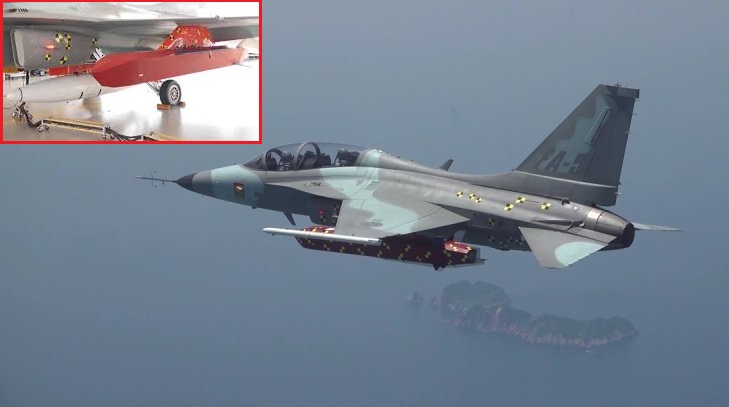
World
SEOUL, June 29, 2026 — South Korea has successfully completed a technical flight test of its domestically developed Cheonryong long-range air-to-ground missile, marking a major milestone in the country's effort to strengthen its long-range precision strike capability. According to the Defense Acquisition Program Administration (DAPA), the missile safely separated from a modified FA-50 light attack aircraft, successfully ignited its engine after release, and maintained a stable powered flight trajectory during the test conducted on June 23 at the Republic of Korea Air Force's 3rd Training and Combat Wing. The flight also confirmed safe separation from the aircraft without interference from the airframe. The successful test follows two unsuccessful attempts in January and March, when the missile failed to ignite its engine after separation. Engineers remotely terminated both flights and safely ditched the prototypes into the Yellow Sea (West Sea). No casualties or property damage were reported. Designed for Hardened Underground Targets Cheonryong, meaning "Heavenly Dragon," is designed to destroy heavily fortified underground military infrastructure, including ballistic missile storage sites, command centers, leadership bunkers, and other strategic facilities built into granite mountains. The missile carries a specialized bunker-busting warhead capable of penetrating up to 6 meters (20 feet) of reinforced concrete before detonation. According to the Seoul Economic Daily, the missile has a range exceeding 600 kilometers (373 miles) and uses a multi-mode guidance system combining terrain contour matching, inertial navigation, and image-based terminal guidance. The guidance package enables a reported circular error probable (CEP) of 1 to 2 meters, even in GPS-denied or jammed environments. Cheonryong also incorporates a stealth-optimized airframe, radar-absorbent materials, and a low-altitude flight profile to reduce its radar signature during penetration missions. Reducing Dependence on Imported Missiles South Korea currently operates around 260 German-built Taurus KEPD 350 cruise missiles, but the Republic of Korea Air Force estimates it requires approximately 600 long-range air-to-ground guided munitions for the initial phase of a potential conflict. The domestically developed Cheonryong is intended to fill this gap while reducing reliance on imported weapons. Compared with the Taurus, the missile is expected to retain about 90 percent of its bunker penetration capability while extending operational range by approximately 20 percent. Another operational advantage is its internal propellant storage system. Unlike the Taurus, which requires fueling before deployment, Cheonryong can remain fully fueled for five to ten years, allowing aircraft to remain on alert and reducing launch preparation time. Integration Across South Korea's Fighter Fleet Cheonryong has been designed for integration with the KF-21 Boramae, FA-50, KF-16, and F-15K, allowing long-range strike capability to be distributed across multiple aircraft types. Its reduced dimensions and weight also support compatibility with the KF-21's carriage requirements. The missile forms part of South Korea's Korean Three-Axis System, supporting the Kill Chain pre-emptive strike capability and the Korea Massive Punishment and Retaliation (KMPR) framework. Developed by the Agency for Defense Development (ADD) in partnership with LIG Nex1 and Hanwha Aerospace, the Cheonryong program is scheduled to complete development by 2028, begin mass production in 2029, and enter operational service aboard the KF-21 Boramae and other Republic of Korea Air Force aircraft in the early 2030s.
Read More → Posted on 2026-06-29 10:09:54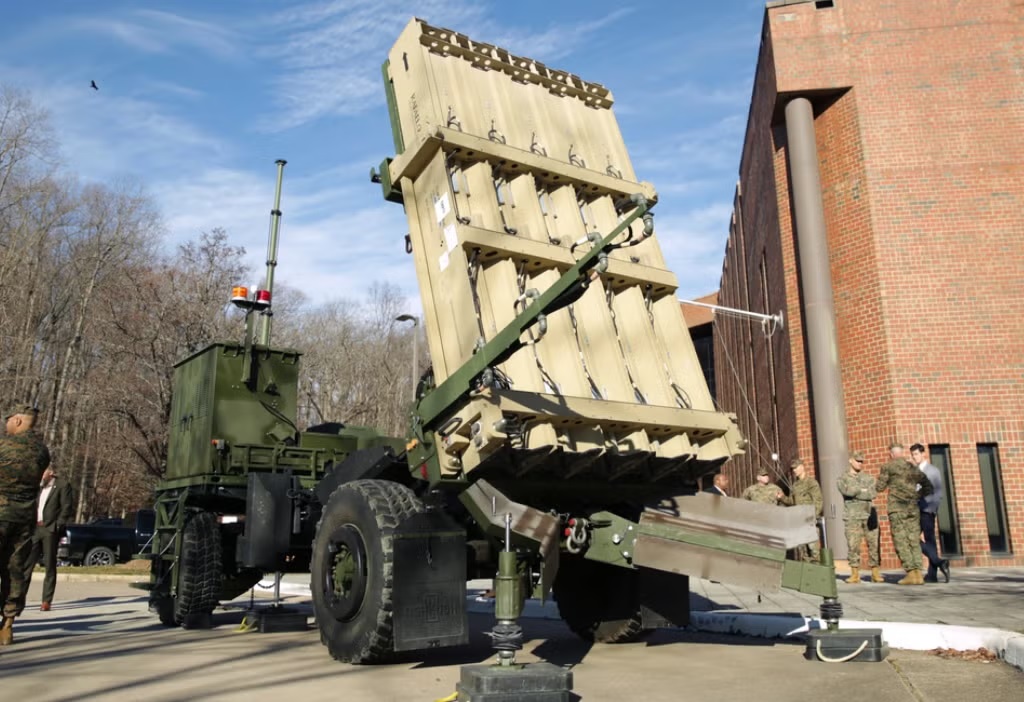
World
GUAM, June 28, 2026 — The U.S. Marine Corps has confirmed the first public deployment of its Medium-Range Intercept Capability (MRIC) air defense system in the Pacific during the ongoing Valiant Shield 2026 military exercise. Marines from the III Marine Expeditionary Force (III MEF) conducted calibration, evaluation, and operational drills with the system at the Mason Live Fire Training Range Complex on Guam between June 24 and June 26. The deployment marks a key step in the Marine Corps' effort to modernize its organic air defense capability for operations in the Indo-Pacific. Valiant Shield 2026, held from June 22 to July 1, is a biennial U.S.-led exercise involving U.S. military services and allied forces across Guam, the Northern Mariana Islands, Japan, and surrounding waters. The exercise focuses on improving joint interoperability and multi-domain operational readiness. Filling a Long-Standing Capability Gap The MRIC restores a medium-range air defense capability the Marine Corps has lacked since retiring its MIM-23 Hawk surface-to-air missile batteries in 1997. Since then, Marines have depended on the U.S. Army's Patriot and THAAD systems for theater-level air defense. Designed to engage aerial threats at ranges between approximately 4 and 70 kilometers (2.5 to 43 miles), the MRIC provides Marine Littoral Regiments with an organic capability to defend against drones, cruise missiles, precision-guided rockets, and fixed-wing aircraft while operating in dispersed expeditionary environments. System Features The MRIC integrates Israeli-developed Iron Dome technology with U.S. Marine Corps command-and-control systems. The trailer-mounted launcher carries up to 20 SkyHunter interceptor missiles, the U.S.-built version of Israel's Tamir interceptor. The SkyHunter features an active radar seeker, a two-way data link for mid-course guidance updates, and a fragmentation warhead with a proximity fuze. The system works with the AN/TPS-80 Ground/Air Task-Oriented Radar (G/ATOR), which provides 360-degree target detection and tracking, while the Common Aviation Command and Control System manages target prioritization and engagement. This integrated architecture enables the system to detect, track, and engage multiple aerial threats simultaneously. Operational Evaluation on Guam The deployment follows the delivery of the first batch of Tamir interceptors from Israel in May 2026, supporting the Marine Corps' first operational MRIC platoon. During the exercise, Marines evaluated radar performance, communications, and engagement procedures under operational conditions. On June 26, engagement control operator Lance Cpl. Billyson Garcia-Almanzar and aviation radar technician Lance Cpl. Caden Hart assessed radar tracking functions. Air defense systems technicians Cpl. Miles Taylor and Lance Cpl. Chris Dorr monitored system diagnostics using specialized SLK devices, while transmissions system operator Lance Cpl. Delano Tracey managed communications through an AN/PRC-117 tactical radio network. The drills expanded on earlier live-fire testing conducted at White Sands Missile Range in New Mexico by evaluating the system in a joint exercise environment. Production and Future Fielding Raytheon received a $380 million full-rate production contract for MRIC hardware in late 2025, increasing the total program value to approximately $412 million. SkyHunter interceptors are produced by Raytheon and Rafael Advanced Defense Systems through their R2S joint venture in East Camden, Arkansas. The Marine Corps plans to field the MRIC to all three Low Altitude Air Defense Battalions between 2026 and 2028. The Guam deployment demonstrates that the first operational platoon is prepared to support joint and expeditionary operations while providing mobile medium-range air defense for forward-deployed Marine forces.
Read More → Posted on 2026-06-28 14:27:35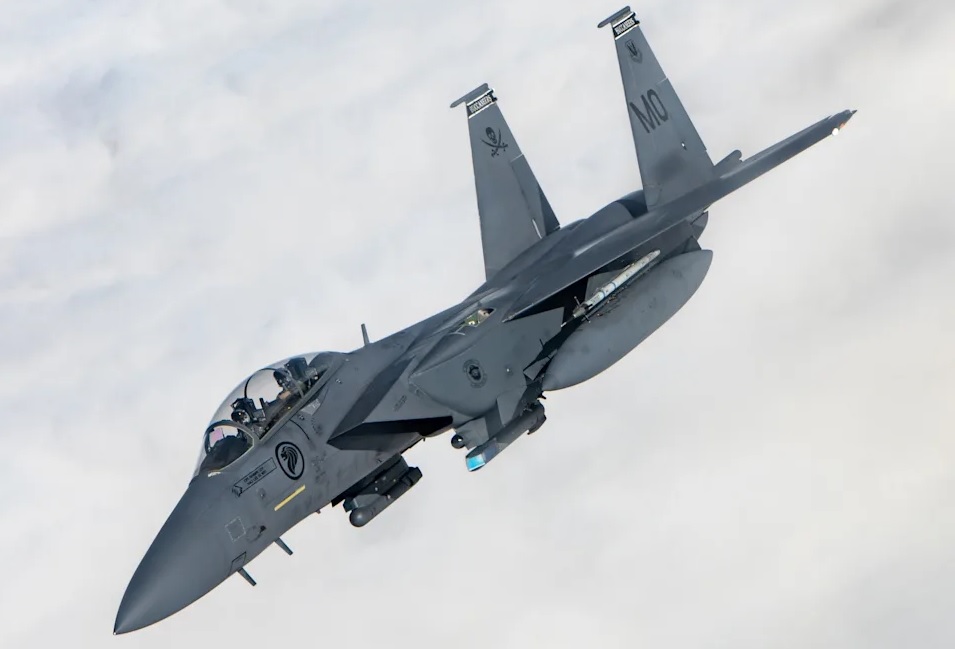
World
DAYTON, Ohio, June 28, 2026 — The U.S. Air Force is seeking industry solutions to modernize the Infrared Search and Track (IRST) capability across its F-15 fighter fleet, aiming to improve passive target detection and tracking in contested electronic warfare environments. On June 26, 2026, the Air Force Life Cycle Management Center (AFLCMC) WAQK F-15 Program Office, based in Dayton, Ohio, issued a sources sought notice on SAM.gov requesting industry input for the F-15 IRST modernization program. Issued under NAICS code 334511 for aeronautical system manufacturing, the notice seeks companies capable of developing, producing, or integrating advanced IRST systems. Responses are due by July 27, 2026. An IRST system detects aircraft by sensing the infrared heat signatures produced by engines and airframes rather than emitting radio waves like conventional radar. Because it operates passively, it allows pilots to detect, track, and engage targets without revealing their position through radar emissions. This capability is particularly valuable in environments where electronic warfare systems and radar jamming reduce the effectiveness of traditional radar. The Air Force's current IRST capability is based on the Eagle Integrated IRST (EI-IRST) program, which uses Lockheed Martin's Legion Pod housing the AN/ASG-34 infrared sensor derived from the F-14D Tomcat. The Air Force procured 38 Legion Pods for the F-15C fleet, and the system reached Initial Operational Capability (IOC) in February 2022. Operational testing, however, identified several limitations. Mounting the Legion Pod on the aircraft's centerline station restricts the F-15's maneuvering envelope during high-angle-of-attack flight, while funding constraints prevented completion of the full flight test program needed to remove those restrictions. The centerline installation also occupies a hardpoint that could otherwise carry an external fuel tank or additional weapons, reducing operational flexibility. The modernization effort comes as potential adversaries continue fielding more advanced passive sensing capabilities. China's J-20 stealth fighter incorporates an integrated IRST with a 360-degree distributed aperture system, while Russia's Su-35S uses the OLS-35 IRST, reportedly capable of detecting non-afterburning aircraft beyond 50 kilometers from the front and more than 90 kilometers from the rear. The Eurofighter Typhoon is equipped with the PIRATE IRST, providing comparable long-range passive detection capability. The Air Force believes the F-15EX Eagle II offers the best opportunity to integrate a next-generation IRST system. As of March 2026, the service expanded its planned F-15EX fleet from 80 to 267 aircraft, strengthening the platform's role alongside the F-35 in future air superiority operations. The F-15EX features a modern digital architecture built around the Advanced Display Core Processor II (ADCP II) mission computer and the AN/APG-82(V)1 Active Electronically Scanned Array (AESA) radar. This open architecture can support a fully integrated IRST as part of the aircraft's sensor fusion and fire-control system instead of relying on an externally mounted pod. Boeing has already demonstrated this concept by installing a nose-mounted IRST sensor ahead of the cockpit on an F-15 Advanced Eagle test aircraft in early 2025. Compared with the current centerline pod, a nose-mounted sensor would provide a wider field of regard while eliminating aerodynamic penalties and preserving the aircraft's centerline station for fuel or weapons. The Air Force said the sources sought notice is intended to identify industry capabilities and potential technical solutions before defining formal program requirements. Feedback received by the July 27 deadline will help shape future acquisition plans as the service works to improve the F-15's passive sensing capabilities and maintain its effectiveness in increasingly contested air combat environments.
Read More → Posted on 2026-06-28 12:32:59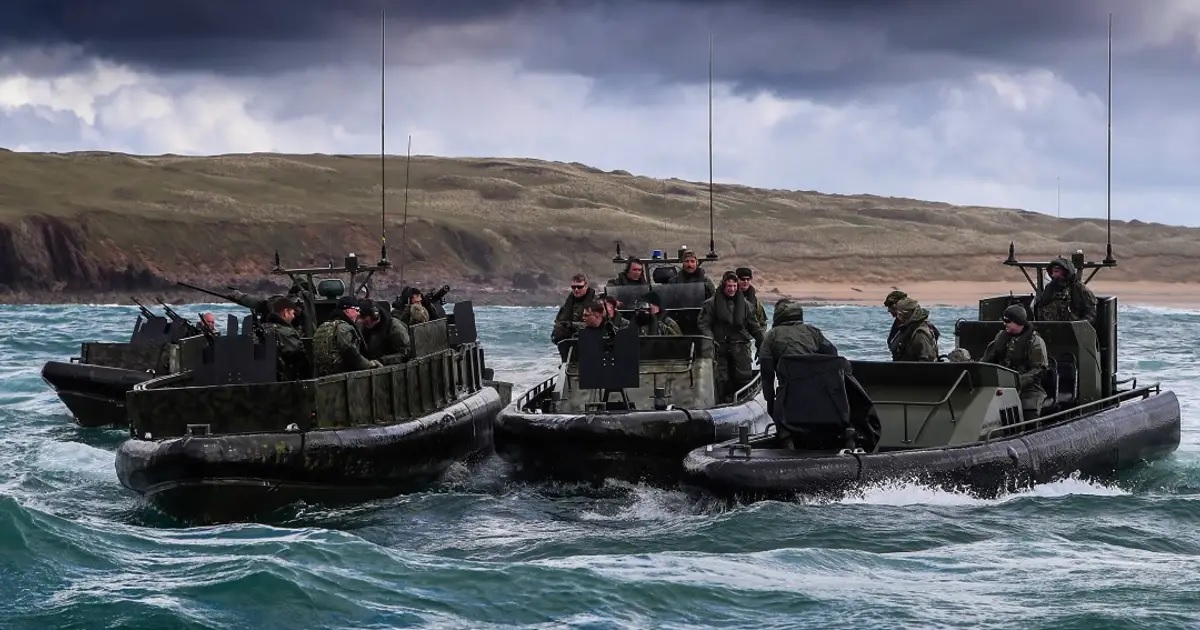
World
LONDON, June 28, 2026 — The United Kingdom will invest more than £500 million to modernize its elite Commando Force under the government's revised Defence Investment Plan (DIP), strengthening frontline capabilities through new maritime platforms, autonomous systems, and advanced communications technologies. The Defence Investment Plan, refocused by Defence Secretary Dan Jarvis, is scheduled to be published ahead of the NATO Summit in Ankara, Türkiye, on July 7–8. The programme aims to improve the operational readiness of the UK Armed Forces while supporting NATO's collective defence objectives. Investment in Advanced Capabilities Around £100 million of the funding has been allocated for advanced technologies that will support the transformation of the Royal Marines into the Future Commando Force. The planned procurement includes: Uncrewed surface vessels and autonomous systems Next-generation military communications Networked targeting systems Lethal strike drones These technologies are intended to improve situational awareness, command and control, and operational effectiveness during missions in contested environments. The investment is also expected to support the UK's defence industry through the development and production of advanced military technologies. New Commando Insertion Craft and Amphibious Fleet A major element of the modernization programme is the acquisition of new Commando Insertion Craft (CIC) under the Joint Commando Craft (JCC) programme with Norway. The two countries are exploring the joint procurement of up to 30 high-speed vessels designed to transport commandos, equipment, and support systems during littoral and coastal operations. The craft will enhance the UK's ability to conduct maritime security missions, rapid troop insertions, boarding operations, and the interception of sanctioned vessels. The Defence Investment Plan also includes funding for new Amphibious Transport Ships, supporting the UK's objective of developing a combined amphibious fleet with the Netherlands. The initiative is intended to improve interoperability and strengthen NATO's amphibious capabilities during joint operations. Increased Focus on the High North The revised investment plan places greater strategic emphasis on the High North, including the Arctic region, reflecting increased Russian military activity such as submarine deployments and the operation of shadow fleet vessels. The new Commando Insertion Craft and autonomous systems will support surveillance, deterrence, reconnaissance, and boarding missions in Arctic conditions, where Royal Marines regularly conduct joint training with Norwegian forces. Supporting Global Operations The Commando Force will continue to serve as the UK's rapid-reaction amphibious force, capable of deploying worldwide on short notice for crisis response, maritime security, and expeditionary operations. Recent missions have included the interception of the sanctioned tanker Smyrtos in the English Channel. The government said the investment will strengthen the Commando Force's ability to operate across maritime and coastal environments while improving overall readiness ahead of the NATO Summit. Additional details on programme funding, procurement schedules, and implementation are expected when the full Defence Investment Plan is published.
Read More → Posted on 2026-06-28 12:12:44
World
YELABUGA, Tatarstan, Russia, June 28, 2026 — The underground resistance movement Black Spark (Chernaya Iskra) has claimed that its members infiltrated Russia's Alabuga Special Economic Zone, where Geran-series kamikaze drones are produced, and carried out an operation involving both the extraction of sensitive data and sabotage of the drone assembly process. In a statement published on its X (formerly Twitter) account, the group said its operatives secured employment at the Alabuga drone production facility and worked undercover for several months before gaining access to the plant's internal computer systems. According to Black Spark, its members downloaded databases containing the identities and personal information of personnel involved in the production and assembly of the Geran-2 and Geran-3 unmanned aerial vehicles. The Geran-series drones are Russian-produced versions of the Iranian-designed Shahed loitering munitions that have been widely used during the conflict in Ukraine. The group also claimed that its operatives introduced undisclosed modifications to drones while they were being assembled. Describing the alterations as hidden "surprises," Black Spark stated that the modifications are intended to cause problems when operators attempt to launch the drones. The resistance movement said the objective of the operation is to disrupt drone deployments and reduce the number of military personnel involved in launching Geran drones against Ukrainian cities. The Alabuga Special Economic Zone, located near the city of Yelabuga in Russia's Republic of Tatarstan, has become one of the country's primary centers for manufacturing Geran-series drones. Production at the facility has expanded significantly in recent years as Russia increased domestic assembly of long-range one-way attack drones using components sourced from multiple suppliers. The facility plays an important role in supporting Russia's growing unmanned aerial vehicle (UAV) production capacity. Black Spark describes itself as an underground resistance movement conducting sabotage operations inside Russia. Information regarding the group's leadership, membership, and organizational structure has not been made public, with the movement stating that confidentiality is necessary to protect its operatives. The group operates in coordination with Ukraine's military intelligence and Special Operations Forces (SOF). The Command of the Ukrainian Special Operations Forces officially acknowledged cooperation with Black Spark representatives in 2025. Since then, the movement has been associated with several operations targeting military and industrial infrastructure inside Russia. Most recently, Black Spark stated that it coordinated with Ukrainian deep strike units during operations conducted on the night of June 23–24, 2026, targeting the Orenburg Gas Processing Plant and the Orenburg Helium Plant. Both facilities are considered important industrial sites that process materials used by Russia's military and aerospace sectors. The reported infiltration of the Alabuga facility represents one of the most significant claims made by the resistance movement regarding Russia's drone production network. However, the details of the operation have not been independently verified. As of June 28, Russian authorities had not issued an official response to the group's claims regarding the alleged infiltration, data extraction, or sabotage at the Alabuga drone production facility.
Read More → Posted on 2026-06-28 12:01:31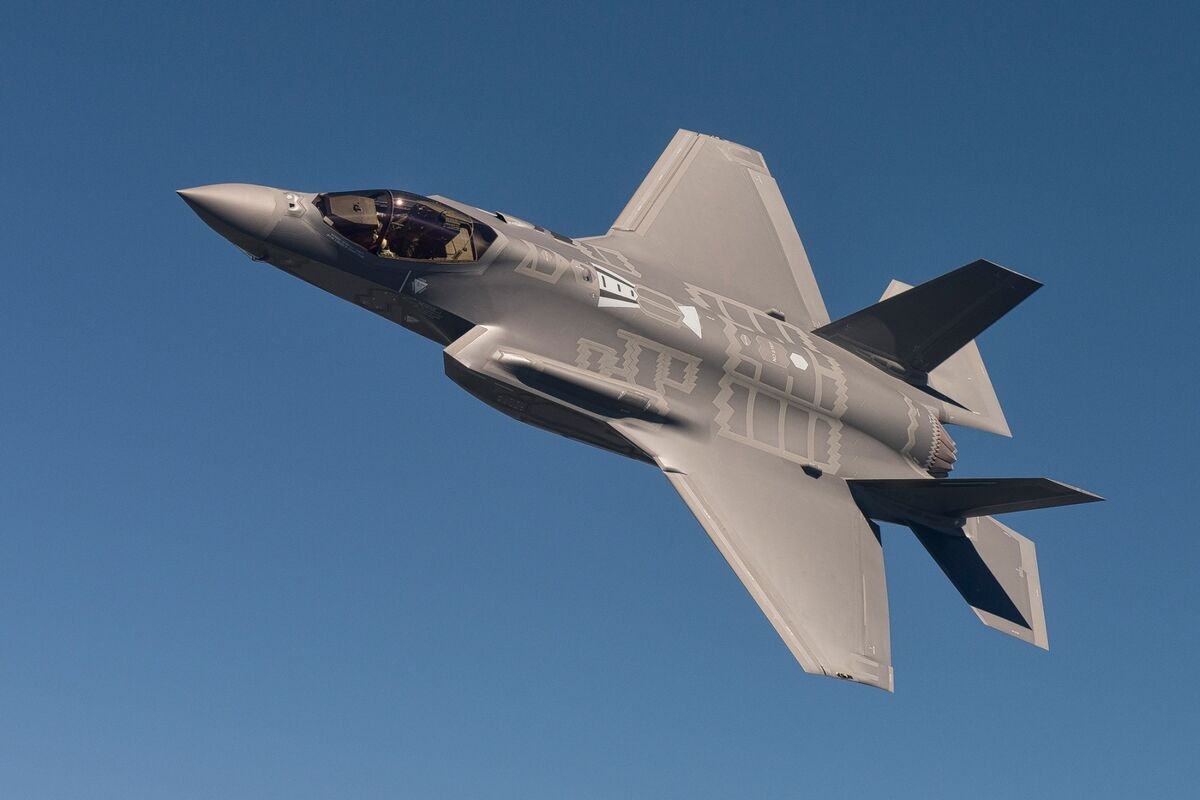
World
WASHINGTON, June 28, 2026 — The U.S. Department of Defense has awarded Lockheed Martin a $74.2 million contract modification to integrate sovereign weapons systems into the F-35 Lightning II fleets operated by the United Kingdom and Italy, expanding the combat capabilities of two key NATO allies under the aircraft's ongoing Block 4 modernization program. The contract, announced on June 26, 2026, supports the integration of nationally selected weapons from the system functional review phase through development and flight testing. Rather than procuring additional aircraft, the agreement focuses on software-driven modernization, enabling existing and future F-35s to employ domestically selected precision-guided munitions while maintaining full interoperability within NATO operations. The work includes systems engineering, software development, avionics integration, weapons certification, flight testing, and aerodynamic separation trials required to validate new weapons on the aircraft. These upgrades are intended to provide greater operational flexibility while allowing partner nations to retain their preferred national weapons inventories. The modernization effort forms part of the broader Block 4 upgrade program, which introduces a significant expansion of the F-35's combat capabilities through new sensors, electronic warfare functions, networking improvements, and support for a wider range of precision-guided weapons. These enhancements are made possible by the Technical Refresh 3 (TR-3) hardware architecture, which provides substantially greater computing power, expanded memory, and improved data processing capacity. For the United Kingdom, the contract supports the Royal Air Force and Royal Navy, both of which operate the short takeoff and vertical landing (STOVL) F-35B variant from land bases and the Queen Elizabeth-class aircraft carriers. Although the Department of Defense did not identify the specific weapons covered under this contract modification, the United Kingdom's established Block 4 roadmap includes integration of the MBDA SPEAR 3 network-enabled precision strike missile and the Meteor beyond-visual-range air-to-air missile. Once integrated, these sovereign weapons are expected to improve the ability of British F-35s to engage heavily defended ground targets and advanced airborne threats while preserving the aircraft's low observable characteristics by carrying weapons internally. Italy will receive similar integration work across its fleet of F-35A conventional takeoff and landing fighters and F-35B STOVL aircraft, providing greater flexibility in selecting weapons tailored to national operational requirements. Italy also continues to play a major industrial role in the multinational Joint Strike Fighter program through the Final Assembly and Check-Out (FACO) facility at Cameri, Novara. The site assembles F-35 aircraft for several European operators and serves as the regional Maintenance, Repair, Overhaul and Upgrade (MRO&U) center, making it a key element of the aircraft's long-term sustainment infrastructure across Europe. In addition to sovereign weapons integration, the contract includes the installation of a common tactical data recorder across all three F-35 variants—the F-35A, F-35B, and F-35C. The upgraded recorder will capture comprehensive mission data, including aircraft performance, sensor activity, electronic warfare events, weapons employment, and pilot inputs. The information collected will support post-mission debriefings, operational analysis, software verification, and the refinement of future combat tactics. It will also provide valuable data for validating future Block 4 software releases and accelerating capability upgrades across the international F-35 fleet. The sovereign weapons integration initiative provides several operational advantages for partner nations. By allowing the United Kingdom and Italy to field domestically selected munitions while maintaining compatibility with NATO combat operations, the program improves mission planning flexibility, reduces reliance on shared U.S. weapons inventories, and strengthens supply chain resilience during sustained military operations. The multinational structure of the Joint Strike Fighter program enables participating nations to share investment in the aircraft's common software architecture while incorporating national capabilities that meet their individual defense requirements. This approach helps control development costs while ensuring standardized coalition operations among F-35 operators. According to the Department of Defense, contract work will be performed primarily in Samlesbury, United Kingdom, Fort Worth, Texas, and other F-35 program locations responsible for software engineering, systems integration, and developmental testing. Although the $74.2 million contract represents a relatively small investment compared with large-scale F-35 production agreements, it marks another step in the aircraft's transition toward a software-defined combat platform. As Block 4 modernization continues, software upgrades, enhanced computing architecture, and sovereign weapons integration are expected to expand the operational capabilities of the F-35 while ensuring the aircraft remains effective against evolving air and missile threats for decades to come.
Read More → Posted on 2026-06-28 11:05:08
World
JERUSALEM, June 28, 2026 — Israeli defense companies Elbit Systems and Israel Aerospace Industries (IAI) have supplied advanced aerospace equipment, aircraft protection systems, and fighter jet components to Qatar and Saudi Arabia under export agreements collectively valued at hundreds of millions of dollars and shekels, according to documents and photographs reviewed by media outlets. The agreements include anti-missile defense systems for Qatar's royal aircraft as well as advanced pilot equipment for the F-15 fighter fleets operated by both Gulf countries. The exports were carried out under the regulatory oversight of the Israeli Defense Ministry, which requires licensing and compliance procedures for the transfer of strategic defense technologies. Advanced Equipment for F-15 Fighter Fleets A major part of the contracts focuses on improving the operational capabilities of Qatar's F-15QA (Qatari Advanced) and Saudi Arabia's F-15SA (Saudi Advanced) fighter aircraft. Israeli companies supplied Joint Helmet Mounted Cueing System (JHMCS) helmets and night vision goggles for pilots operating the aircraft. The JHMCS is an advanced digital helmet that projects essential flight data, targeting information, and sensor imagery directly onto the pilot's visor, allowing pilots to identify and engage targets simply by turning their heads toward them. The system significantly enhances situational awareness and enables faster target acquisition during both daytime and nighttime operations when used with compatible night vision equipment. Each JHMCS helmet is estimated to cost approximately $200,000 and is widely used on several advanced fighter aircraft, including F-15 variants. C-MUSIC Missile Defense System for Qatar's Royal Aircraft In addition to fighter aircraft equipment, Elbit Systems has installed its C-MUSIC (Multi-Spectral Infrared Countermeasure) system on three aircraft belonging to Qatar's royal fleet. The C-MUSIC system is designed to protect large aircraft, including VIP and government transport aircraft, against attacks from heat-seeking surface-to-air missiles. The system uses a directed infrared countermeasure that employs advanced laser technology to detect, track, and disrupt the infrared guidance sensors of incoming missiles before they can reach the aircraft. The installation provides an additional layer of protection for aircraft used by the Emir of Qatar during international travel and official missions. C-MUSIC has previously been integrated onto various military and civilian aircraft platforms for self-protection against missile threats. Financial Scope of the Agreements The combined value of the exports, including missile defense systems, advanced pilot equipment, and F-15 aircraft components, amounts to hundreds of millions of dollars and shekels, although official figures have not been publicly disclosed. Details regarding contract timelines and delivery schedules also remain limited because of the sensitive nature of defense exports. The transactions include specialized aerospace technologies supplied by Elbit Systems and Israel Aerospace Industries, reflecting continued demand for advanced aircraft protection systems and pilot equipment in the modernization programs of Gulf air forces. Regional Defense Modernization The agreements demonstrate the continued role of Israeli defense manufacturers in supplying specialized aerospace and defense technologies to regional partners. Qatar and Saudi Arabia have invested heavily in modernizing their air forces through advanced fighter aircraft, aircraft survivability systems, and next-generation pilot equipment designed to improve operational effectiveness. The deliveries also highlight the expanding use of Israeli-developed aircraft protection technologies, including laser-based missile defense systems and advanced helmet-mounted targeting systems, across modern military aviation platforms in the Middle East. All exports were conducted under the supervision of the Israeli Defense Ministry, which oversees licensing and compliance requirements for international sales of strategic defense equipment.
Read More → Posted on 2026-06-28 10:50:36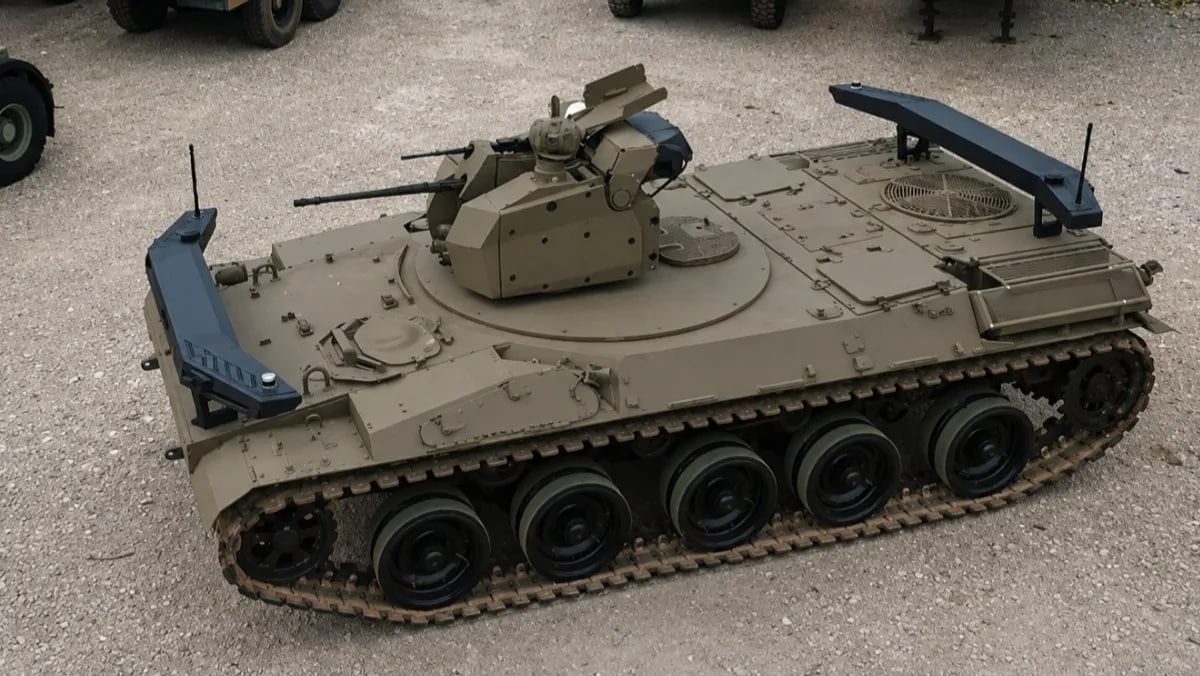
World
PARIS, June 28, 2026 — French defense companies S2M Equipment and KNDS France have unveiled the REFURBOT, a heavy unmanned ground combat vehicle (UGCV) developed by converting retired AMX-30 main battle tanks into remotely operated combat platforms. The system was showcased during Eurosatory 2026, highlighting a practical approach to extending the operational life of Cold War-era armored vehicles through modern robotics and remote weapon technologies. The REFURBOT concept focuses on repurposing surplus AMX-30 tank hulls instead of developing entirely new armored platforms. Thousands of these retired tanks remain in storage across Europe, providing a readily available base for conversion into unmanned combat systems while reducing development costs and making use of existing military infrastructure. AMX-30 Converted into a Heavy Unmanned Combat Vehicle As part of the conversion, the AMX-30's original manned turret and 105 mm main gun have been removed. They are replaced by the ARX-25 remotely operated weapon station, equipped with a 25 mm autocannon and a coaxial machine gun. The ARX-25 is capable of firing both armor-piercing and high-explosive fragmentation ammunition, allowing the vehicle to engage multiple battlefield targets, including: Light armored vehicles Infantry units Unmanned aerial vehicles (UAVs) Low-flying helicopters According to the companies, the weapon system has an effective engagement range of more than 2,500 meters and provides 360-degree fire coverage, enabling the vehicle to respond to threats from any direction. TOXO Robotics Kit Enables Crewless Operations To convert the 36-tonne AMX-30 into an unmanned platform, KNDS France integrated its proprietary TOXO robotics kit. The system enables both full remote control and autonomous mission capabilities, removing the need for an onboard crew. The vehicle has been fitted with sensor modules at both the front and rear, providing the situational awareness required for navigation, obstacle detection, surveillance, and autonomous operations across different battlefield environments. Despite the extensive modifications, the REFURBOT retains the mobility characteristics of the original AMX-30 chassis, including a maximum road speed of approximately 65 km/h. Giving Legacy Tanks a New Operational Role The AMX-30 entered production in 1966, with 3,571 tanks manufactured between 1966 and 1994. Although its approximately 80 mm frontal armor is considered insufficient against many modern anti-tank threats, converting the platform into an unmanned system removes the risk to onboard personnel while preserving the advantages of a tracked armored vehicle. By utilizing existing hulls, maintenance infrastructure, and logistics networks, the REFURBOT offers armed forces a cost-effective alternative to developing entirely new heavy robotic combat vehicles. Addressing Emerging Battlefield Requirements The REFURBOT reflects the growing demand for unmanned ground systems capable of operating in high-risk environments where crewed vehicles face increased threats from mines, loitering munitions, anti-tank weapons, and artillery. Heavy unmanned combat vehicles can provide direct fire support, reconnaissance, perimeter security, and operations in hazardous areas while reducing risks to military personnel. The combination of remote weapon stations, autonomous navigation, and legacy armored platforms demonstrates how existing military equipment can be adapted to meet evolving operational requirements. Displayed at Eurosatory 2026 S2M Equipment and KNDS France presented the REFURBOT demonstrator at the Eurosatory 2026 defense exhibition, held from June 15 to June 19 at Paris-Nord Villepinte. The project represents one of several initiatives within the European defense industry aimed at extending the service life of legacy armored vehicles through robotics and autonomous technologies. At the time of the unveiling, the companies had not announced production plans, procurement contracts, or potential customers. However, the REFURBOT demonstrates a practical method of transforming surplus Cold War-era tank hulls into modern heavy unmanned combat vehicles while leveraging existing military assets and infrastructure.
Read More → Posted on 2026-06-28 10:37:50
World
TEHRAN, Iran, June 28, 2026 — Iran's Islamic Revolutionary Guard Corps (IRGC) announced on Sunday that it carried out a joint ballistic missile and drone operation targeting United States military installations in Kuwait and Bahrain, describing the action as a response to recent US strikes on Iranian positions. According to a statement issued by the IRGC's Public Relations Department and broadcast by Iranian state media, the operation was conducted by the IRGC's naval and aerospace forces between 2:00 a.m. and 3:00 a.m. local time on Sunday. The IRGC claimed that the attack targeted Ali Al-Salem Air Base in Kuwait and the US Fifth Fleet headquarters at Port Salman in Bahrain. Iranian officials stated that the operation destroyed eight US military infrastructures across the two facilities. The claims have not been independently verified. Iran described the operation as a "decisive response" to what it called continued US aggression. The IRGC accused the United States of violating a 14-point ceasefire agreement outlined in the Islamabad Memorandum of Understanding (MoU), which was intended to reduce regional hostilities and maintain stability in the Strait of Hormuz. According to the Iranian statement, US forces had carried out strikes on five Iranian coastal military positions earlier on Sunday, prompting the latest response. The IRGC also referred to provisions within the MoU that it said authorize Iran to help regulate maritime traffic in the Strait of Hormuz. The statement warned that vessels violating agreed maritime arrangements could face stronger measures and added that any future military action against Iran would receive a firm response. The latest exchange follows a series of US military operations announced by US Central Command (CENTCOM). On June 27, US forces conducted additional strikes against multiple Iranian military facilities under the direction of President Donald Trump. According to CENTCOM, the operation targeted surveillance infrastructure, communication systems, air defense sites, drone storage facilities, and mine-laying capabilities. US officials stated that the June 27 operation was launched in response to an Iranian one-way drone attack on the Panama-flagged tanker M/T Kiku, which was struck near the Strait of Hormuz at approximately 4:30 a.m. Eastern Time. The tanker was carrying more than two million barrels of crude oil. CENTCOM said Iran had previously been given an opportunity to observe the ceasefire following an earlier incident but instead proceeded with the attack. The escalation follows another US military operation conducted on June 26, when US Navy and Air Force aircraft struck 10 Iranian military targets in and around the Strait of Hormuz. According to CENTCOM, that operation was launched after an Iranian drone attack on the Singapore-flagged cargo ship M/V Ever Lovely on June 25 while the vessel was transiting along the Omani coast after exiting the strait. Following Sunday's reported Iranian attack, Kuwaiti authorities stated that the country's air defense systems intercepted incoming missiles and drones. Kuwait's Army General Staff said residents might hear explosions caused by interception operations and urged the public to follow official safety guidance. In Bahrain, the Ministry of Interior activated warning sirens and instructed citizens and residents to remain calm, move to safe locations, and monitor official government updates. CENTCOM stated that commercial shipping through the Strait of Hormuz continues despite the ongoing military exchanges and said US forces remain prepared to respond to any further developments. The command added that it continues coordinating efforts to ensure the security and freedom of navigation for commercial traffic through the strategically important waterway. The reported Iranian operation marks the second consecutive day of military exchanges between the United States and Iran. Both sides have presented their own accounts of the recent events, while the security situation in and around the Strait of Hormuz remains fluid as regional tensions continue to rise.
Read More → Posted on 2026-06-28 10:28:57
World
Washington. June 28, 2026 — Lockheed Martin has outlined its strategy to combine the Global Positioning System (GPS) with emerging quantum navigation technologies to deliver more resilient and highly accurate Positioning, Navigation, and Timing (PNT) capabilities. The company said the integrated approach is intended to maintain reliable navigation for civilian and military users even in environments where GPS signals are degraded, jammed, spoofed, or unavailable. As electronic warfare and signal interference become more common, Lockheed Martin is developing a layered navigation framework that combines satellite-based positioning with quantum sensing technologies. The company believes this approach will support future operations across air, land, sea, space, and cyber domains. Enhancing the GPS Constellation Lockheed Martin said GPS remains the foundation of global navigation and continues to support billions of civilian users as well as military operations worldwide. The company manufactures the current GPS III satellites and is developing the next-generation GPS IIIF spacecraft, both designed to improve resilience in contested environments. The satellites are engineered to withstand severe space weather, high-radiation environments, cyberattacks, kinetic threats, and the effects of nuclear detonations. During ground processing, they are also designed to tolerate harsh environmental conditions, including hurricane-force winds. Their modular architecture allows future technologies and capabilities to be integrated as operational requirements evolve. For military users, the satellites provide enhanced M-Code signals with secure anti-jamming and anti-spoofing protection. GPS III delivers up to eight times greater anti-jamming capability than previous generations, while GPS IIIF will introduce Regional Military Protection (RMP), using beam-focusing technology to provide up to 63 times greater anti-jamming capability in designated operational areas. GPS IIIF will also support civilian search and rescue missions through specialized emergency signal processing and carry a nuclear detonation detection payload to support international treaty monitoring. Quantum Navigation Development Alongside GPS modernization, Lockheed Martin is investing in quantum navigation technology to improve positioning where satellite signals cannot be reliably received. Unlike GPS, quantum sensors determine movement by measuring the physical properties of atoms, allowing them to calculate acceleration, rotation, and position without relying on external satellite signals. Because they operate independently of radio-frequency transmissions, quantum sensors are resistant to conventional jamming and spoofing. The company said the technology remains in the beta stage but is moving toward operational deployment through partnerships with Q-CTRL and AOSense. These collaborations aim to transition quantum navigation systems from laboratory research to field-ready defense hardware. Lockheed Martin is also participating in two U.S. Department of Defense-funded programs. The Defense Innovation Unit's Quantum Inertial Navigation System (QuINS) initiative is developing a quantum-enabled inertial navigation system capable of determining a platform's position, speed, and orientation using internal quantum measurements. In addition, DARPA's Robust Quantum Sensors (RoQS) program focuses on advancing next-generation quantum sensors for defense platforms operating in contested environments. Integrated Navigation Approach Lockheed Martin said GPS and quantum navigation are designed to complement each other rather than compete. As an example, the company described a vehicle entering a multi-level parking garage, where concrete and steel structures block GPS signals. In this situation, GPS establishes the vehicle's initial location before signal loss, while an onboard quantum sensor continuously tracks its movement inside the structure, maintaining accurate positioning until satellite signals become available again. According to the company, this layered PNT architecture combines GPS's global coverage with the continuous accuracy of quantum sensors, enabling reliable navigation for military platforms, autonomous systems, and civilian applications operating in challenging environments. Lockheed Martin expects the integration of GPS and quantum navigation technologies to provide a more resilient navigation capability for next-generation operations while strengthening the reliability of positioning and timing services in increasingly contested environments.
Read More → Posted on 2026-06-28 10:14:21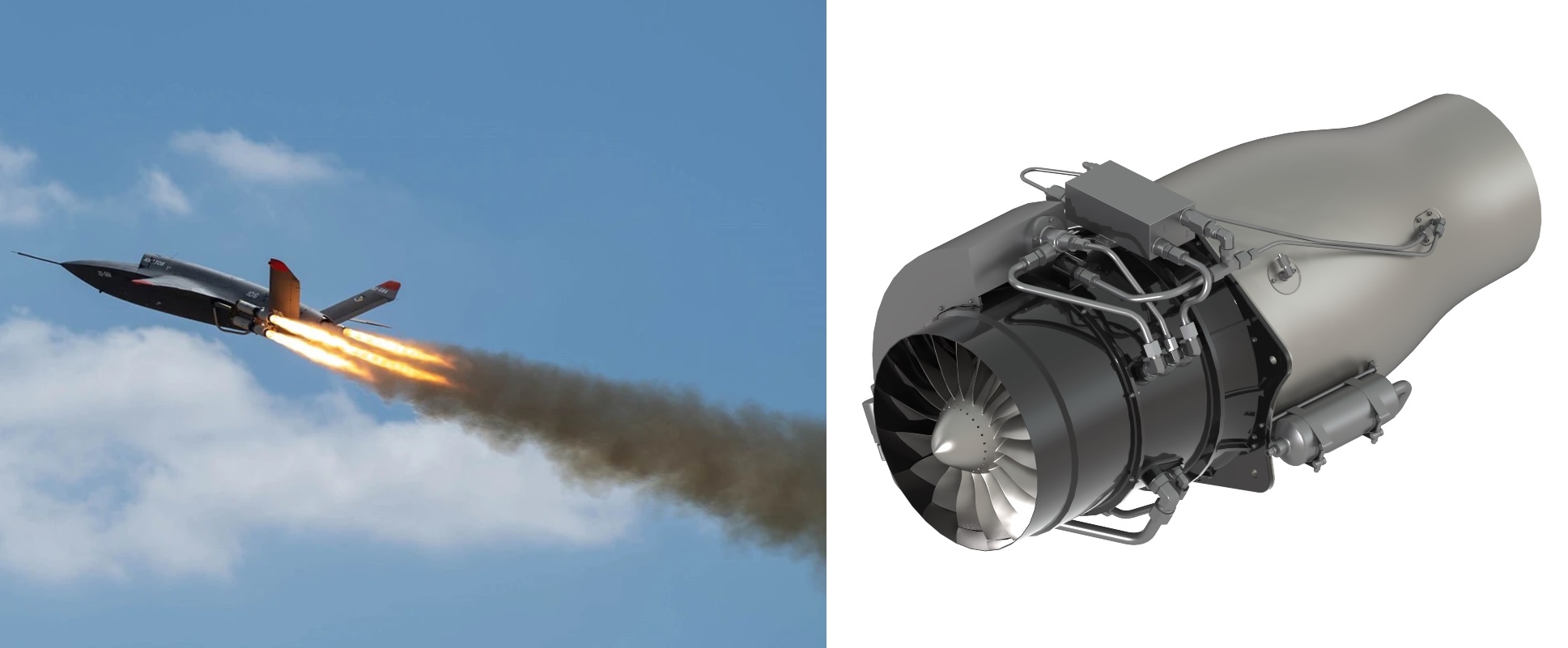
World
SAN DIEGO, June 28, 2026 — Kratos Defense & Security Solutions, Inc. (Nasdaq: KTOS) has announced plans to increase production of its Spartan family of turbojet engines to approximately 3,000 units annually by 2027 as demand grows across missile, loitering munition, and autonomous defense programs. The expansion is intended to support increasing requirements for tactical unmanned aerial systems, cruise missiles, and other precision-strike platforms while improving production capacity and delivery timelines. Kratos has positioned the Spartan engine family as an affordable propulsion solution that combines military-grade performance, reliability, and operational capability with manufacturing costs more commonly associated with commercial products. The engines are currently used by multiple defense customers across a range of missile and unmanned system programs, where demand for scalable, cost-effective propulsion continues to increase. To support the production ramp-up, the company has already begun internally funded procurement of long-lead materials and made strategic investments across its domestic supply chain. These efforts are aimed at improving production readiness, optimizing manufacturing operations, and reducing lead times for customers. In November 2025, Kratos opened a new Propulsion Manufacturing Facility in Auburn Hills, Michigan, which will support higher-rate production alongside the company's existing manufacturing sites. The Spartan family includes the TDI-J45, TDI-J50, TDI-J70, and TDI-J85 turbojet engines, offering thrust ratings ranging from approximately 30 to 200 pounds-force at sea level. The engines feature compact designs, modular exhaust nozzles, multi-fuel capability compatible with JP-8 and Jet-A, and integral generators to power onboard payloads. They also use fuel for cooling and lubrication, eliminating the need for conventional oil systems and simplifying integration into expendable and attritable platforms. A key feature of the Spartan program is its fully domestic manufacturing base. The engines are designed, produced, and supported entirely within the United States, helping strengthen the U.S. defense industrial base while reducing dependence on foreign suppliers for critical propulsion technologies. The manufacturing expansion aligns with ongoing U.S. efforts to replenish missile inventories and increase production capacity for precision-strike weapons. Growing procurement of cruise missiles, loitering munitions, and autonomous systems has increased demand for propulsion systems that can be produced rapidly and at scale. Beyond the Spartan engine family, Kratos continues to expand its propulsion portfolio, which also includes technologies supporting hypersonic vehicles and rocket systems. The company has benefited from growing investment in missile and autonomous defense programs, with its shares rising nearly 40 percent over the past year. By increasing Spartan engine production to approximately 3,000 units annually by 2027, Kratos aims to strengthen its role as a supplier of affordable, mission-ready propulsion systems for U.S. and allied defense programs.
Read More → Posted on 2026-06-28 10:01:52Search
Top Trending in 24 Hours
-
 U.S. Army Awards $10.64 Million Contract to Ukrainian Drone Maker Skyeton for Raybird Systems
-
 U.S. Space Force Seeks Rapid-Response Satellites for Close-Range Orbital Inspections
-
 U.S. Delivers First CH-47F Chinook to Egypt Under 12-Helicopter Deal
-
 BEL Showcase X-Band Multi-Function Radar for QRSAM to Japanese Delegation
-
 IRGC Experts Visit Bab El-Mandeb to Oversee Radar Installation and Tunneling, Houthi Sources Say
-
 Ukraine Reports First Use of Fire Point’s FP-7 Tactical Ballistic Missile inMoscow-Region Strikes on Oil Refinery
-
 India Successfully Completes Flight Test of KAL Long-Range One-Way Attack Drone at Pokhran
-
 Russia Plans Sharp Increase in Dan-T Missile Production, Targeting 2,000 Units by End-2026 and 14,000 in 2027
Top Trending in 4 Days
-
 Sensitive F-35 Components Diverted to Hong Kong, Some Parts Missing
-
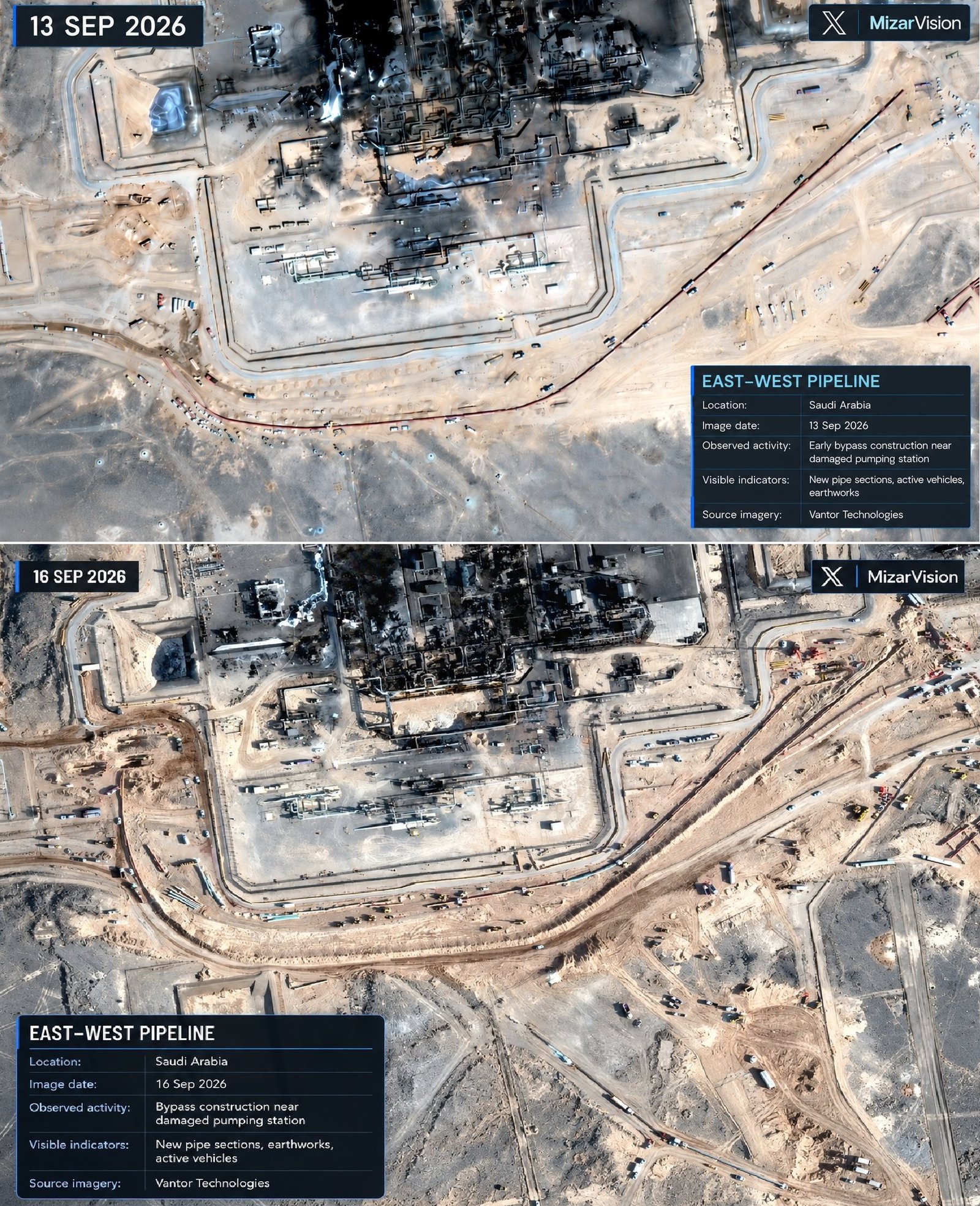 Satellite Images Show Saudi Arabia Building Emergency Bypass Around Damaged East-West Oil Pipeline Station
-
 U.S. Secures Permanent Military Rights in Greenland in Historic Security Pact with Denmark
-
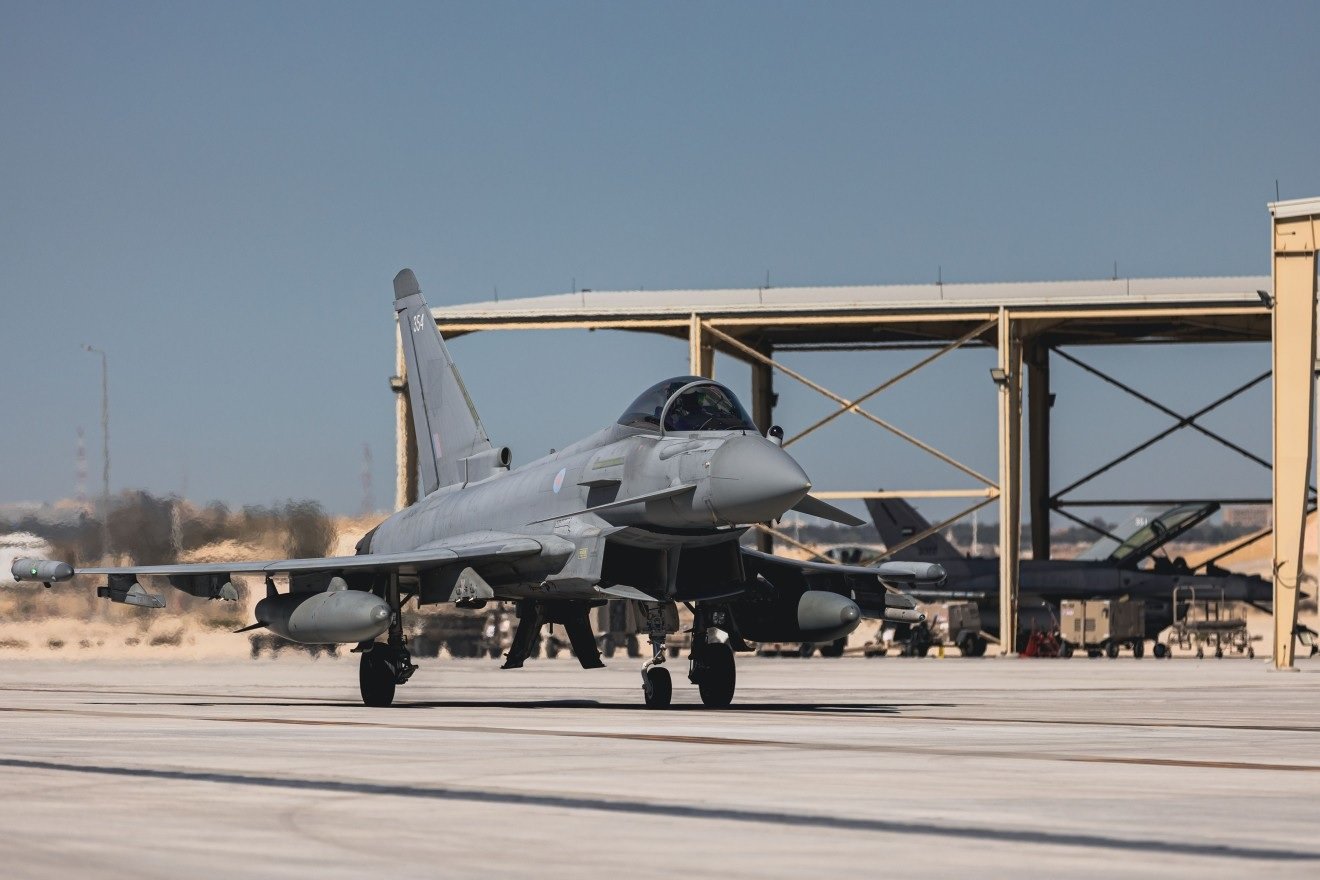 Italian Eurofighter Damaged in Houthi Attack on Saudi Arabia’s King Fahd Air Base
-
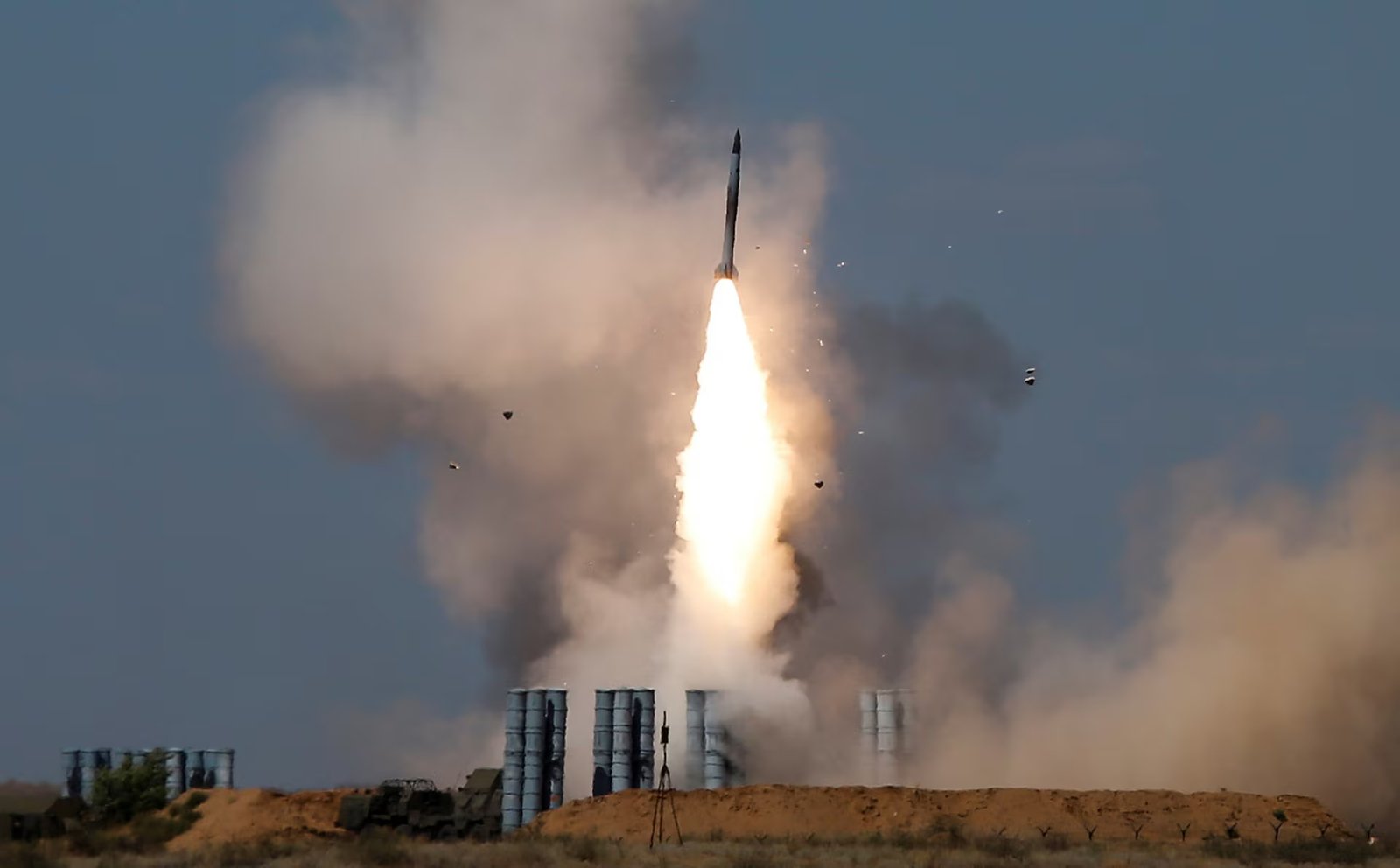 U.S. Approves Potential $2.68 Billion Air Defense Package for Ukraine Including S-300 Clone Missiles
-
 BEL Signs Export Deal with Elbit Systems for Directed Infrared Countermeasure Sub-Assemblies, Secures ₹648 Crore in Additional Orders
-
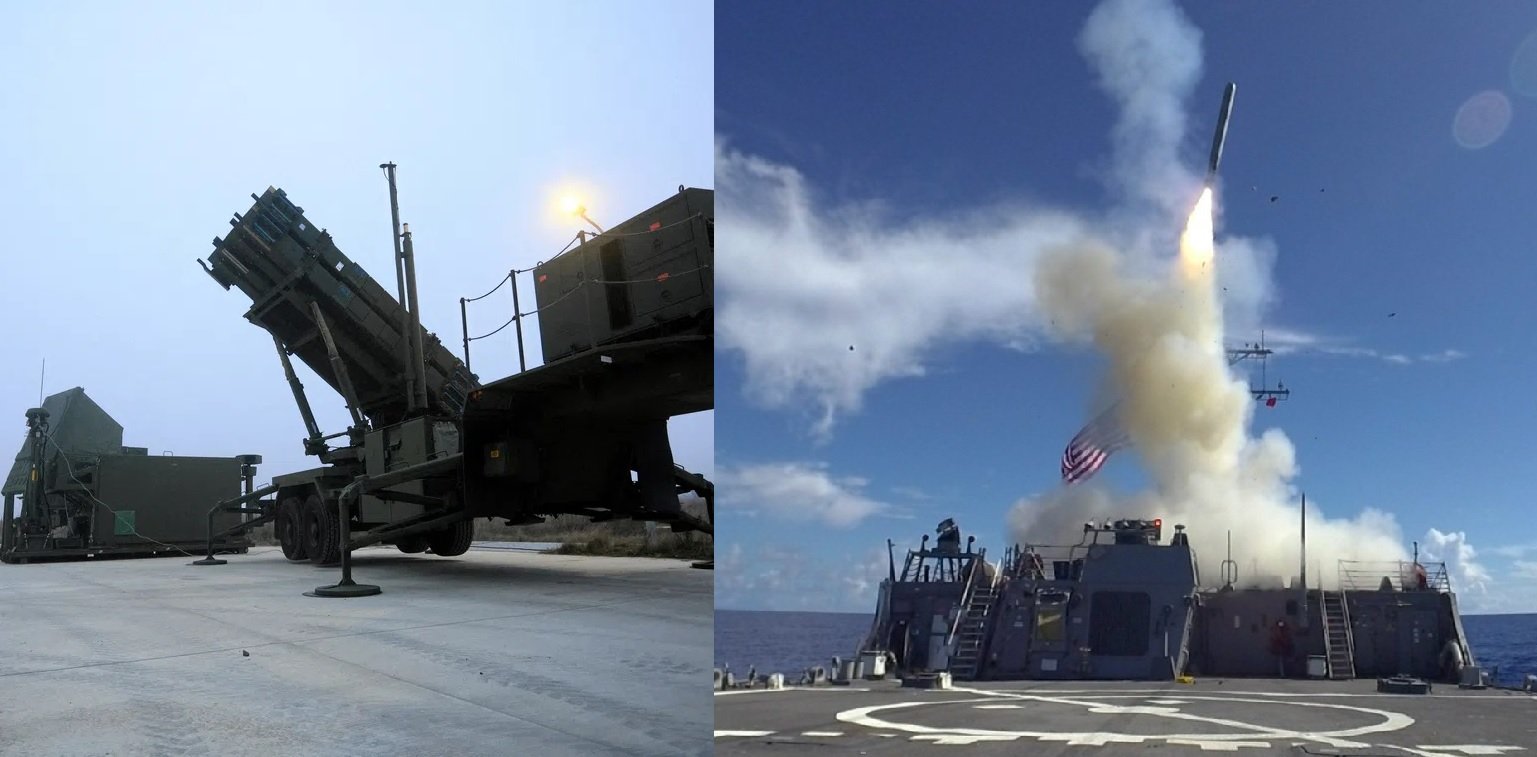 U.S. Warns Allies of Up to Five-Year Delays in Key Weapons Deliveries
-
 China Privately Urges Iran to Restrain Houthis After Saudi Appeal