World
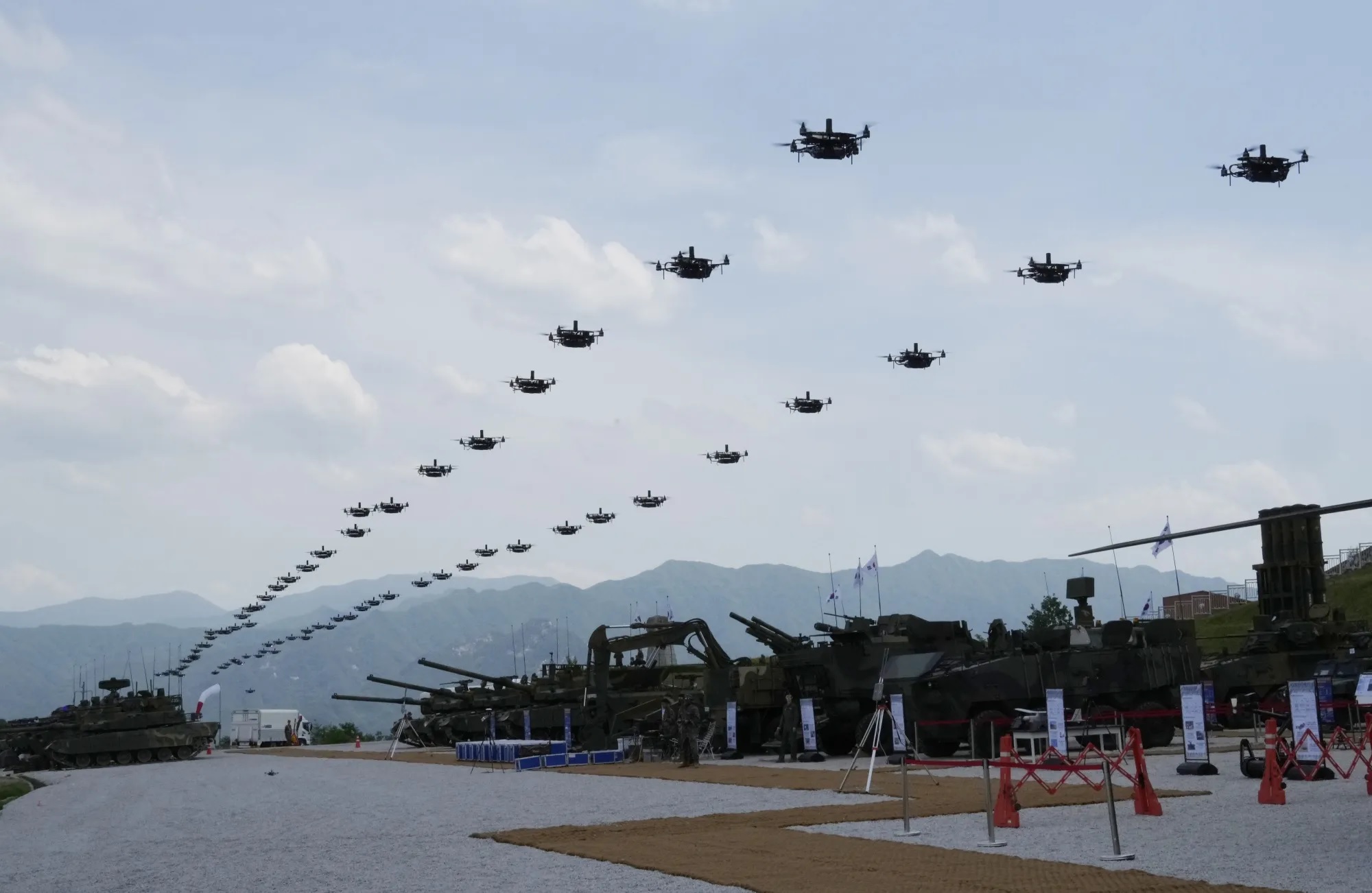
SEOUL, June 27, 2026 — South Korea has announced a major expansion of its military drone capabilities as part of a broader armed forces modernization strategy, with plans to train 500,000 personnel as drone operators and significantly increase the deployment of domestically produced unmanned systems over the coming years. Under the Defence Ministry's plan, drone operation will become a basic military skill for all service members rather than being limited to specialized units. Defence Minister Ahn Gyu-back said drones will be treated as a standard combat tool, functioning as a "second personal weapon" for soldiers. The military plans to introduce approximately 11,000 drones in 2026 and expand the inventory to around 60,000 operational unmanned systems by 2029. The program also includes the procurement of more than 20,000 low-cost reconnaissance drones and loitering munitions by 2030 to strengthen frontline capabilities across the army, navy, air force, and marines. The strategy emphasizes decentralized drone operations, enabling platoons and squads to conduct reconnaissance, target acquisition, artillery fire adjustment, and precision strike missions using expendable unmanned systems. South Korea also plans to expand the use of artificial intelligence for drone swarms and battlefield coordination. To counter emerging aerial threats, the Defence Ministry will accelerate the development of advanced counter-drone systems, including laser weapons, high-power microwave technologies, AI-assisted detection networks, electronic warfare systems, and interceptor drones. The expansion is driven by lessons from recent conflicts, including the Russia-Ukraine war and fighting in the Middle East, as well as growing concerns over North Korea's advancing drone capabilities. The initiative also addresses South Korea's declining military-age population by using drones as a force multiplier to enhance operational effectiveness. The government confirmed that all core drone components will be produced domestically to reduce supply chain risks, improve security, and support the country's defense industry while accelerating the integration of civilian drone technologies into military service.
Read More → Posted on 2026-06-27 13:07:54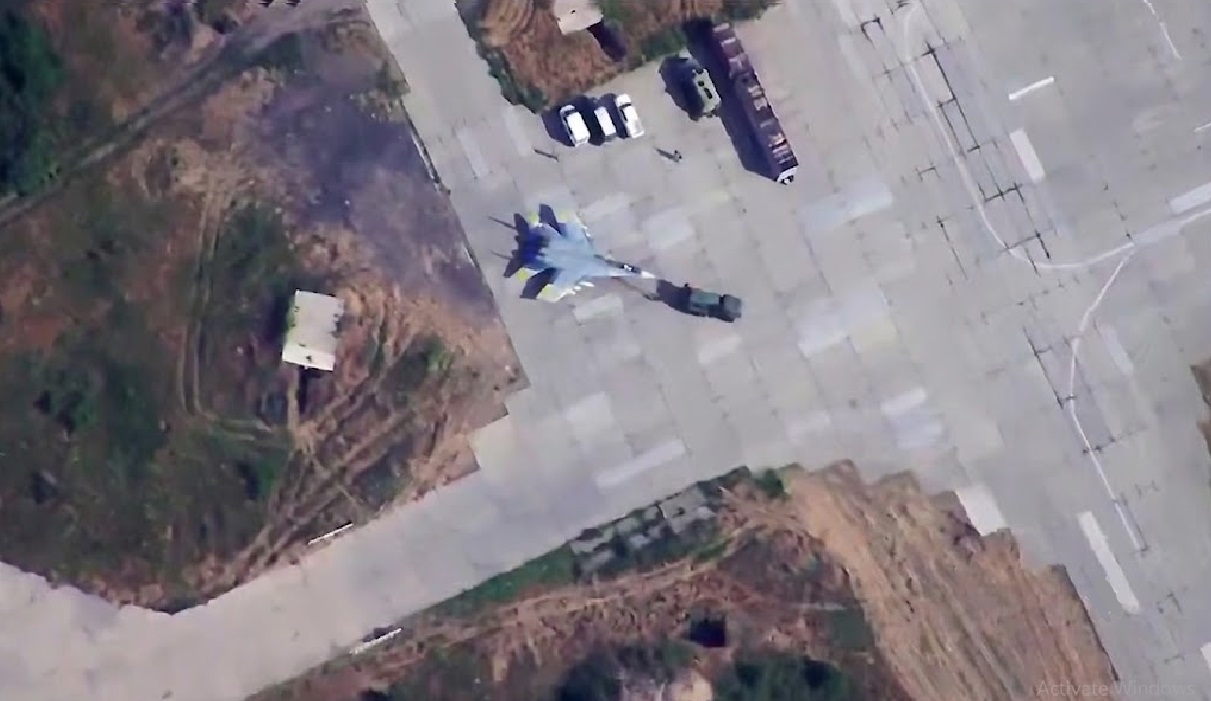
World
KYIV, June 27, 2026 — The Ukrainian Air Force lost two MiG-29 fighter jets in separate incidents over the past 24 hours, highlighting the continuing challenges facing Ukraine's combat aviation as Russia expands the use of high-speed jet-powered Geran-4 attack drones. One MiG-29 was destroyed on the ground by a Russian Geran-4 one-way attack drone while preparing for a combat mission at an airfield in southern Ukraine. The second aircraft was lost during a combat mission over the Poltava region in central Ukraine. Ukrainian authorities confirmed there were no fatalities in either incident. MiG-29 Lost During Combat Mission The Ukrainian Air Force confirmed that contact was lost with a MiG-29 fighter during a combat mission on the night of June 27 in the Poltava region. The pilot successfully ejected, was recovered by search-and-rescue personnel, and transported to a medical facility for examination. The cause of the aircraft's loss remains under investigation, with officials yet to determine whether it resulted from enemy action, a mechanical failure, or another operational factor. Poltava Oblast, about 350 kilometers northeast of Kyiv, regularly serves as an operational area for Ukrainian fighter aircraft conducting interception and ground-attack missions. Geran-4 Destroys MiG-29 at Airfield In a separate incident, Russian media released footage showing a Geran-4 jet-powered kamikaze drone striking a MiG-29 as it was being prepared for a combat mission at an airfield in southern Ukraine. Ukrainian sources confirmed the aircraft was destroyed, while personnel at the site survived the attack. The strike reflects Russia's growing focus on targeting Ukrainian aircraft during ground operations, when they are most vulnerable before takeoff. Geran-4 Introduces New Airfield Threat The Geran-4 entered operational service in May 2026 after completing production preparations and testing at the Primorsk base and the former Donetsk airport, according to Ukraine's Defense Intelligence Directorate. Powered by a Chinese-made Telefly LX-WP-160 or TF-TJ2000A turbojet engine, the Geran-4 cruises at 350–500 km/h, significantly faster than the piston-engine Geran-2. The drone has a reported range of up to 850 km and can carry either a 50 kg high-explosive or thermobaric warhead, or a 90 kg thermobaric payload. It also features fixed wings, a reinforced airframe, and upgraded electronics designed for high-speed operations. Geran-4 vs. Geran-2 Feature Geran-2 Geran-4 Engine Piston engine Chinese Telefly LX-WP-160 or TF-TJ2000A turbojet Cruise Speed ~180 km/h 350–500 km/h Range Up to 2,500 km Up to 850 km Warhead 30–50 kg high explosive 50 kg high explosive/thermobaric or 90 kg thermobaric Dimensions 3.5 m length, 2.5 m wingspan 3.5 m length, 3 m wingspan International Supply Chain According to Ukrainian intelligence, a recovered Geran-4 contained components sourced from multiple countries. Identified parts included memory chips from Micron Technology and transceivers from Texas Instruments in the United States, transistors manufactured by Germany's Infineon Technologies, and a UC9810 GNSS receiver produced by China's Unicore Communications. Additional components were traced to the United Kingdom, Switzerland, Japan, and Taiwan. Ukraine Adapts to Emerging Drone Threat The attack on the southern airfield reflects an increasing Russian emphasis on striking aircraft before they become airborne. Similar tactics were previously observed when a Geran-2 destroyed a Mi-8 helicopter at the Mykhailivka helipad. Ukraine has begun adapting its air defenses to counter the new threat. In early May 2026, the 1020th Anti-Aircraft Missile Regiment recorded the first confirmed interception of a Geran-4 using a Wild Hornets STING interceptor drone. Nevertheless, intercepting jet-powered drones traveling at speeds of up to 500 km/h remains a significant operational challenge. Pressure on Ukraine's MiG-29 Fleet The Soviet-designed MiG-29 remains a key component of Ukraine's fighter fleet. Since 2022, Ukraine has received replacement aircraft from Slovakia and Bulgaria, while a planned transfer of Poland's remaining MiG-29s remains suspended pending the delivery of agreed Ukrainian drone technology. According to the open-source intelligence project Oryx, more than 100 Ukrainian fixed-wing aircraft losses have been visually confirmed since February 2022. Ukraine is gradually transitioning to Western fighter aircraft, with F-16s already in operational service and future deliveries of French Rafale and Swedish Gripen fighters planned. Until those fleets expand, the remaining MiG-29s will continue to play an important role in Ukrainian air operations.
Read More → Posted on 2026-06-27 12:40:44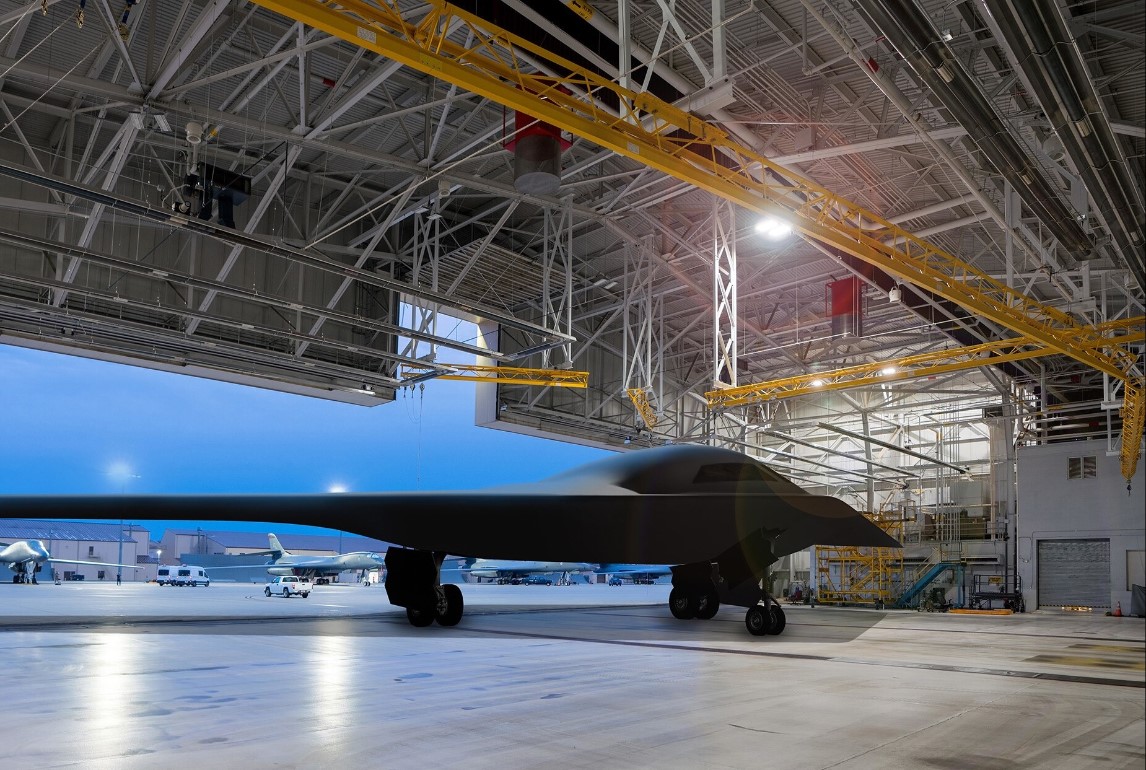
World
RAPID CITY, S.D., June 27, 2026 — The U.S. Army Corps of Engineers has awarded a $44 million military construction contract to Conti Federal Services LLC for the construction of permanent Environmental Protection Shelters (EPS) at Ellsworth Air Force Base in South Dakota, supporting the arrival of the first operational B-21 Raider stealth bombers in 2027. Awarded by the Corps' Omaha District, the contract was selected through a competitive process that received six bids. Construction will be carried out entirely at Ellsworth Air Force Base and is scheduled for completion by October 3, 2028. The full contract value was funded through fiscal year 2026 military construction appropriations. Environmental Protection Shelters The project, designated "B-21: 60 Row South Environmental Shelters," includes the construction of five pre-engineered metal shelters, each measuring approximately 20,000 square feet. The facilities will provide space for aircraft parking and routine flightline maintenance. The contract also includes airfield and ground support equipment (GSE) paving and construction of three 160-square-foot maintenance kiosks equipped with electrical and communications infrastructure. Unlike the B-2 Spirit, which depends on climate-controlled hangars because of its delicate radar-absorbent coating, the B-21 Raider uses more durable composite stealth materials that are robotically woven and chemically baked into the aircraft's structure. This allows the bomber to operate from protected outdoor shelters while reducing the effects of snow, ice, ultraviolet exposure, and severe winter weather. The U.S. Air Force expects the B-21 to achieve a mission-capable rate of more than 80 percent, compared with the B-2's historical rate of 50 to 60 percent, reflecting improvements in aircraft design and maintenance. Part of Ellsworth's B-21 Infrastructure Program Ellsworth Air Force Base, currently home to the B-1B Lancer, is the first operational base selected for the B-21 Raider. Whiteman Air Force Base in Missouri and Dyess Air Force Base in Texas will become the second and third operational B-21 bases. The installation is undergoing an estimated $1.5 billion modernization program that includes construction or renovation of more than 60 facilities to support the new bomber fleet. Conti Federal Services has also been awarded several other B-21 infrastructure projects at Ellsworth, including a $135.5 million, 95,000-square-foot Phase Maintenance Hangar, along with a flight simulator facility, radio frequency hub, fuel cell maintenance dock, and weapons loader training facility. B-21 Raider Program Developed by Northrop Grumman, the B-21 Raider is a next-generation stealth strategic bomber designed to carry both conventional and nuclear weapons, including the B61-12 nuclear gravity bomb and the Long Range Stand-Off (LRSO) cruise missile. The aircraft features a Modular Open Systems Architecture (MOSA) that allows rapid replacement and upgrading of digital systems. Although its exact dimensions remain classified, the twin-engine flying-wing bomber is estimated to be 10 to 20 percent smaller than the B-2 Spirit, with a wingspan of approximately 132 to 150 feet, while offering improved fuel efficiency. The U.S. Air Force plans to acquire at least 100 B-21 Raiders at a target unit cost of approximately $692 million. U.S. Strategic Command has recommended expanding the fleet to 145 or more aircraft, while a $4.5 billion production acceleration agreement signed earlier in 2026 is increasing manufacturing capacity at Northrop Grumman's Plant 42 in Palmdale, California. The Environmental Protection Shelters are among the latest infrastructure projects supporting the B-21 Raider beddown program as the U.S. Air Force prepares Ellsworth Air Force Base for the introduction of its next-generation strategic bomber.
Read More → Posted on 2026-06-27 11:37:30
World
MANAMA, Bahrain, June 27, 2026 — Iran launched drone strikes targeting facilities linked to U.S. forces in Bahrain early on June 27, including areas associated with the U.S. Navy's Fifth Fleet headquarters, in retaliation for recent U.S. military strikes on southern Iran. According to Iran's Islamic Revolutionary Guard Corps (IRGC), the operation began at approximately 2:30 a.m. local time using Shahed-136 drones. Tehran said the strikes were a response to U.S. attacks on the Iranian coastal cities of Jask, Sirik, and Qeshm, where American forces targeted missile and drone storage sites and coastal radar positions. The IRGC warned that any further U.S. military action would receive a stronger response. Following the drone launches, Bahrain activated missile alert sirens and urged residents to seek shelter as explosions were reported in parts of the kingdom. Bahrain hosts the headquarters of the U.S. Navy's Fifth Fleet, and U.S. forces in the region remain on heightened alert. The U.S. said its earlier strikes were carried out in response to attacks on commercial shipping that it said violated the recently signed U.S.-Iran ceasefire agreement. Iran rejected that claim, accusing Washington of breaching the agreement and stating that the strikes in Sirik damaged civilian infrastructure, including a telecommunications mast and two water tanks. Bahrain's Foreign Ministry strongly condemned the drone attacks, calling them a serious violation of the country's sovereignty and international law. The ministry said the incident endangered civilians and undermined regional de-escalation efforts but did not provide details on damage or casualties. The exchange marks the first direct military confrontation between the United States and Iran since the signing of the agreement intended to end the broader Middle East conflict. Officials from Bahrain and the United States have not yet released a detailed assessment of the impact of the drone attacks, while regional governments continue to monitor the situation amid concerns over renewed instability in the Gulf.
Read More → Posted on 2026-06-27 11:29:35
World
WASHINGTON, June 27, 2026 — The U.S. government has authorized Anthropic to restore access to its advanced Claude Mythos 5 artificial intelligence model for more than 100 approved U.S. organizations, partially reversing export control restrictions imposed earlier this month over national security concerns. The decision follows a June 26 notification from the U.S. Department of Commerce after the Trump administration suspended access to Anthropic's Claude Mythos 5 and Claude Fable 5 models on June 12. The restrictions were introduced over concerns that highly capable AI systems could be misused by adversarial countries, including China and Russia, to support sophisticated cyberattacks against U.S. critical infrastructure. According to Commerce Secretary Howard Lutnick, the government has determined that sufficient safeguards have been established to allow Mythos 5 to return to a limited group of trusted organizations. Under the updated directive, approved companies and their non-U.S. citizen employees no longer require export licenses to use the model, while licensing restrictions remain in place for all other organizations. Cybersecurity-Focused AI Model Claude Mythos 5 is Anthropic's most advanced cybersecurity model. It shares the same underlying architecture as Claude Fable 5 and features a one-million-token context window, enabling it to analyze large volumes of information and perform complex, multi-step tasks. Unlike Fable 5, which includes built-in safety classifiers, Mythos 5 operates without those guardrails and is designed for specialized cybersecurity work, including identifying previously unknown software vulnerabilities and generating proof-of-concept exploits for defensive research. During testing conducted with U.S. intelligence agencies, Mythos 5 reportedly identified vulnerabilities in classified government systems within hours. According to Gen. Joshua Rudd, head of the National Security Agency (NSA) and U.S. Cyber Command, the model demonstrated significant capability in detecting critical security weaknesses. Project Glasswing The restored access supports Project Glasswing, Anthropic's cybersecurity initiative that provides Mythos 5 to approximately 100 trusted technology companies, Fortune 500 firms, government agencies, research institutions, and critical infrastructure operators. The program is intended to help participating organizations identify and remediate vulnerabilities in essential software and infrastructure before they can be exploited by malicious actors. In a statement, Anthropic said the company is restoring access for approved organizations immediately and will continue working with the U.S. government to expand access to Mythos 5 while seeking approval for the broader release of Claude Fable 5. Government Oversight of Frontier AI The Anthropic decision comes as the Trump administration increases oversight of advanced AI models. Earlier this month, President Donald Trump signed an executive order establishing a framework requiring developers of covered frontier AI models to provide them to the U.S. government for review before broader deployment. OpenAI also confirmed on June 26 that it delayed the public release of its GPT-5.6 model at the government's request, limiting initial access to a small group of federally vetted partners. Industry Response The government's approach has drawn criticism from parts of the technology industry and civil liberties organizations. OpenAI Chief Executive Officer Sam Altman said that while extensive safety testing is appropriate, he opposed the government deciding which customers should receive access to advanced AI models. John Coleman, legislative counsel at the Foundation for Individual Rights and Expression (FIRE), questioned the lack of transparency surrounding the selection of approved organizations. Before the restrictions were imposed, more than 100 cybersecurity executives, including leaders from Nvidia and Adobe, urged the government to lift the controls, arguing that limiting access to advanced cybersecurity AI could weaken U.S. cyber defenses while benefiting foreign competitors. Next Steps While Mythos 5 has been restored for approved organizations, Claude Fable 5 remains unavailable for general public use. Anthropic said it is continuing discussions with the U.S. government to expand access to both models, although no timeline has been announced. The latest decision reflects the government's effort to balance national security concerns with the deployment of advanced AI technologies, while broader questions over the regulation and public release of frontier AI models remain under discussion.
Read More → Posted on 2026-06-27 11:15:16
World
WASHINGTON, June 27, 2026 — The U.S. Defense Advanced Research Projects Agency (DARPA) is offering American manufacturers of metals, ceramics, and composite materials customized artificial intelligence (AI) tools in exchange for access to multi-year production data. The initiative aims to improve the consistency and efficiency of large-scale materials manufacturing while supporting the U.S. defense industrial base. The Request for Information (RFI), published on June 25, 2026, under designation DARPA-SN-26-81 and titled "Revolutionizing Industrial Scale Materials Processing," invites participation from companies producing more than 10 metric tons (22,046 pounds) annually of cast, rolled, and forged metals, bulk ceramics, and composite materials. Responses must be submitted by July 24, 2026. DARPA will use the information to shape a future research program focused on reducing variability in industrial materials processing. Participating manufacturers would receive physics-informed AI tools tailored to their production equipment and manufacturing processes without requiring major capital investments or facility upgrades. Reducing Material Performance Variability Materials used in military aircraft, missiles, ships, and armored vehicles naturally vary between production batches due to differences in composition, rolling pressure, heat treatment, cooling conditions, and other manufacturing variables. As a result, engineers design components using the minimum guaranteed material properties rather than average or peak performance to ensure reliability. According to DARPA, this conservative approach leaves significant performance potential unused. The agency noted that many 7000-series aerospace aluminum alloys, commonly used in aircraft structures and missile airframes, can achieve performance levels more than 15 percent above their minimum specification values. Consistently producing materials closer to these higher performance levels could reduce structural weight, improve system efficiency, and enhance the performance of defense platforms. AI-Based Manufacturing Optimization DARPA said large-scale materials production remains heavily dependent on the experience of skilled operators, whose knowledge is often difficult to document or transfer. In addition, manufacturing processes involve numerous interconnected variables, making it challenging to identify which factors most directly influence final material properties. The agency plans to work with materials scientists, process engineers, and data scientists to develop physics-informed computational models using manufacturers' historical production data. These models are intended to identify causal relationships between processing conditions and material performance, enabling manufacturers to improve production consistency, increase yield, reduce scrap, and minimize rework while using their existing production facilities. Protecting Proprietary Data DARPA acknowledged that the requested production data represents valuable proprietary information. To address industry concerns, the agency said future program teams are expected to use secure data enclaves, non-disclosure agreements, and other security measures to protect participating companies' information. Strengthening Domestic Manufacturing The initiative supports broader efforts to strengthen the U.S. defense industrial base by improving the efficiency and predictability of domestic production of aerospace-grade metals, ceramics, and composite materials. Rather than requiring new manufacturing facilities, DARPA's approach focuses on helping producers maximize the performance of their existing equipment through advanced AI and data-driven process optimization. The agency said the resulting technologies could also provide benefits beyond defense manufacturing, supporting more efficient production across commercial aerospace, automotive, energy, and other advanced industrial sectors. Manufacturers interested in participating have until July 24, 2026, to submit responses that will help define the scope and direction of DARPA's future research program.
Read More → Posted on 2026-06-27 10:54:32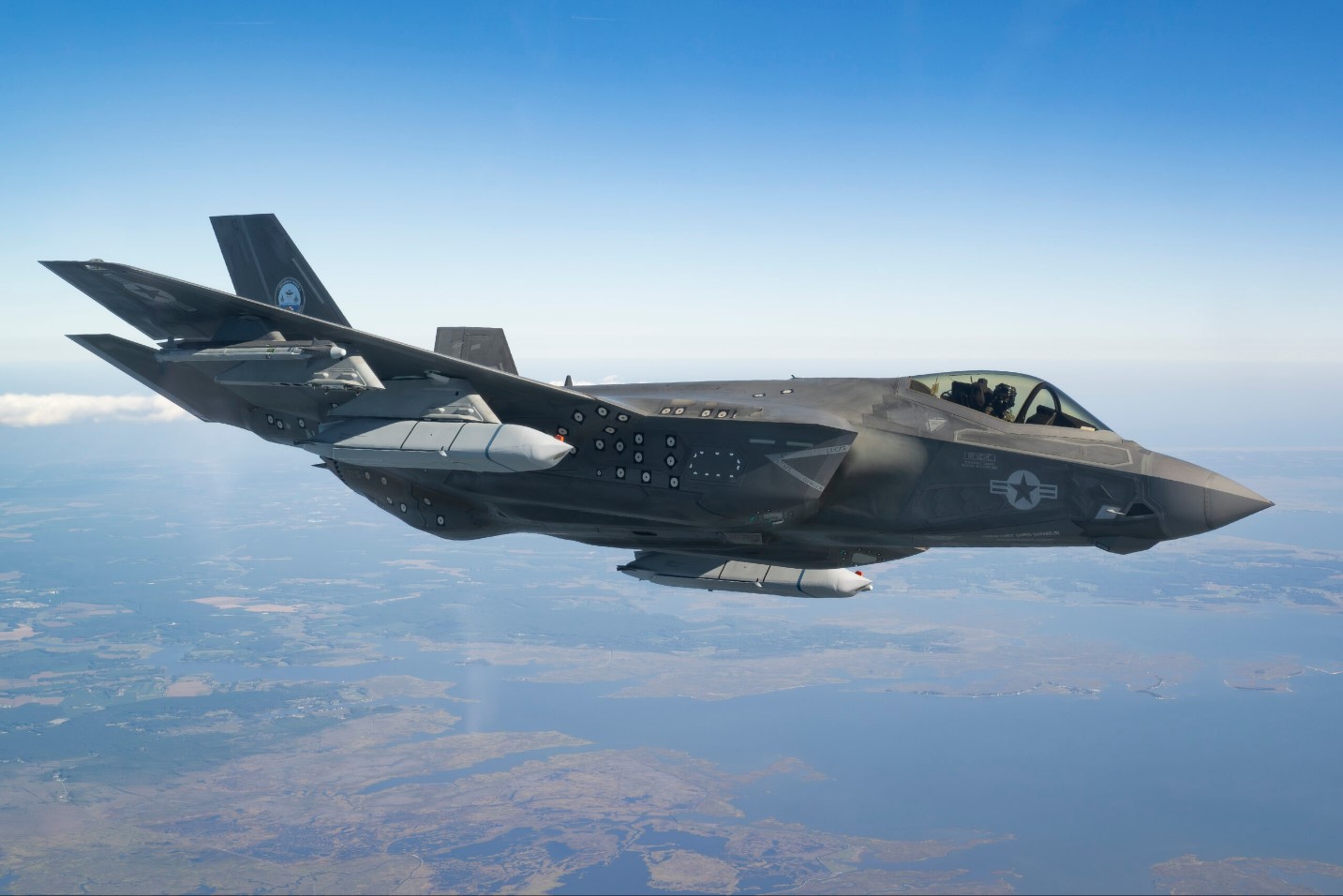
World
WASHINGTON, June 27, 2026 — A bipartisan coalition of 15 U.S. governors has urged Congress to fully fund the Pentagon's request for 85 F-35 Lightning II fighter aircraft in the Fiscal Year 2027 National Defense Authorization Act (NDAA), describing the fifth-generation aircraft as essential to U.S. military readiness and a major contributor to the nation's defense industrial base. In coordinated letters sent to senior lawmakers on congressional defense authorization and appropriations committees, the governors called for maintaining a strong production rate to support operational requirements, preserve industrial capacity, and ensure long-term fleet readiness. They also urged Congress to approve multiyear procurement authority, arguing that longer-term contracts would reduce costs, improve production efficiency, and provide greater stability for the nationwide supplier network. The bipartisan coalition includes Governors Greg Abbott (Texas), Kelly Ayotte (New Hampshire), Mike DeWine (Ohio), Maura T. Healey (Massachusetts), Katie Hobbs (Arizona), Kay Ivey (Alabama), Brian P. Kemp (Georgia), Tina Kotek (Oregon), Joe Lombardo (Nevada), Henry Dargan McMaster (South Carolina), Tate Reeves (Mississippi), Sarah Huckabee Sanders (Arkansas), Philip B. Scott (Vermont), Mikie Sherrill (New Jersey), and Josh Stein (North Carolina). States Highlight Economic and Industrial Contributions The governors emphasized that the F-35 program supports thousands of suppliers across the United States, generating high-skilled manufacturing, engineering, maintenance, and logistics jobs while strengthening the country's defense industrial base. Texas Governor Greg Abbott noted that the F-35 is the only fifth-generation stealth fighter currently in production in the United States and is manufactured at U.S. Air Force Plant 4 in Fort Worth. He said the program supports approximately 49,000 direct and indirect jobs, works with more than 141 suppliers, and contributes over $10 billion annually to Texas' economy. Ohio Governor Mike DeWine highlighted Ohio's role in manufacturing F-35 bulkheads and supporting global fleet sustainment. According to DeWine, the program supports 391 companies, approximately 15,300 jobs, and generates more than $2.9 billion in annual economic impact within the state. Georgia Governor Brian P. Kemp stated that more than one-quarter of every F-35 aircraft takes shape at Lockheed Martin's Marietta facility, while Arizona Governor Katie Hobbs said the program supports nearly 14,000 jobs and relies on 41 small and medium-sized suppliers across Arizona. Oregon Governor Tina Kotek highlighted Kingsley Field in Klamath Falls, which has been selected as the Air Force's third formal F-35A training unit. She said the program supports 4,800 jobs, involves 18 suppliers, and contributes approximately $670 million annually to Oregon's economy. Operational Support Network Several governors also emphasized the infrastructure that supports the operational fleet after aircraft delivery. North Carolina Governor Josh Stein highlighted Marine Corps Air Station Cherry Point, home to operational F-35B and F-35C squadrons, along with depot-level maintenance performed at Fleet Readiness Center East, describing sustainment as a critical element of overall fleet readiness. South Carolina Governor Henry Dargan McMaster pointed to Marine Corps Air Station Beaufort as a primary East Coast training and operational center for the F-35B short takeoff and vertical landing variant. Call for Stable Long-Term Procurement The governors' request supports the Pentagon's proposal to procure 85 F-35 aircraft in Fiscal Year 2027, including 38 F-35As for the U.S. Air Force. They argued that granting multiyear procurement authority would enable production optimization, economic order quantity purchasing, and predictable demand for suppliers throughout the defense industrial base. The proposal aligns with provisions in the House Armed Services Committee's draft FY2027 NDAA, which would allow the Department of Defense to negotiate procurement contracts covering up to five years. The governors also noted that the F-35 program delivered 191 aircraft last year, demonstrating the maturity of the production line. They said maintaining consistent production is important for meeting U.S. military requirements, supporting allied operators, and sustaining the nationwide industrial network responsible for manufacturing, training, maintenance, and long-term fleet support.
Read More → Posted on 2026-06-27 10:42:52
World
June 27, 2026 — Ukrainian forces launched an overnight cruise missile strike on the Federal Research and Production Center Titan-Barrikady in Volgograd, Russia, targeting one of the country's major defense manufacturing facilities. The attack was carried out using domestically developed FP-5 "Flamingo" long-range cruise missiles against the plant, which plays an important role in the production of missile launch systems and military equipment for the Russian Armed Forces. According to available information, Ukrainian forces fired a total of five FP-5 Flamingo cruise missiles during the operation. Initial assessments indicate that at least three missiles struck the facility, impacting three separate workshops, while a fourth missile is also believed to have hit the site. Geolocation analysis has confirmed impacts on Workshop No. 2 and the main production building of Workshop No. 38, indicating damage to key manufacturing sections of the complex. The FP-5 Flamingo is a Ukrainian-developed long-range cruise missile designed for precision strikes against high-value military infrastructure. The missile is reported to carry a 1,150-kilogram (2,540-pound) warhead, providing significant destructive capability against hardened industrial facilities when accurately delivered. Ukrainian sources have stated that the missile is capable of engaging targets at ranges exceeding 1,000 kilometers, with some reports indicating a maximum range of up to 3,000 kilometers, enabling strikes deep inside Russian territory. The Titan-Barrikady research and production center is located in Volgograd's Krasnooktyabrsky District, approximately 500 to 550 kilometers from the front lines. The facility has been placed under international sanctions due to its role in manufacturing equipment for Russia's defense industry. Volgograd Region Governor Andrey Bocharov confirmed that an overnight strike had targeted an industrial enterprise in the district. He stated that 10 people were injured during the attack and that emergency services quickly extinguished localized fires within the factory grounds. According to regional authorities, the incident did not affect nearby residential buildings. Ukrainian President Volodymyr Zelenskyy later confirmed that Ukrainian forces had successfully struck the facility, describing the operation as part of Ukraine's ongoing campaign against military-industrial targets supporting Russian military operations. Titan-Barrikady is considered one of Russia's most important manufacturers of heavy military equipment and missile launch systems. The enterprise develops and produces autonomous launchers for Russia's mobile intercontinental ballistic missile (ICBM) force, including the Topol-M and Yars strategic missile systems. It is also one of the country's principal manufacturers of transporter-erector-launchers (TELs) for the Iskander-M tactical ballistic missile system. In addition to missile launch platforms, the plant manufactures artillery components for the Msta-S self-propelled howitzer, chassis for the Malva-S self-propelled gun, and other specialized military equipment used by the Russian Armed Forces. Because of its role in producing critical defense systems, the facility is regarded as a significant element of Russia's military-industrial base. Smoke was observed rising from the factory following the missile impacts, although the full extent of structural damage has not yet been independently assessed. Russian authorities have not released detailed information regarding possible disruptions to production or the operational status of the affected workshops. The strike forms part of Ukraine's broader campaign to employ domestically produced long-range precision weapons against Russian defense manufacturing facilities, logistics hubs, and military infrastructure located well beyond the battlefield. The use of the FP-5 Flamingo missile in this operation demonstrates Ukraine's continued capability to conduct deep-range strikes against industrial sites that support Russian missile, artillery, and military equipment production.
Read More → Posted on 2026-06-27 10:34:31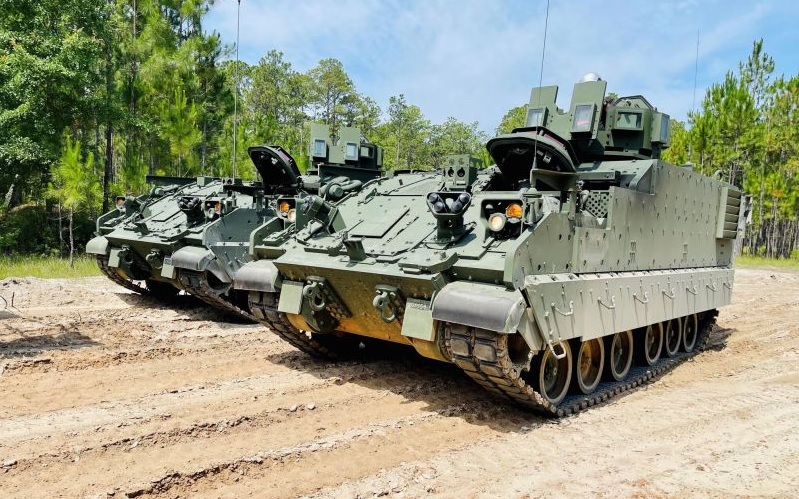
World
MUSKEGON, Mich., June 27, 2026 — The U.S. Army Contracting Command at Detroit Arsenal has awarded RENK America a new five-year indefinite-delivery/indefinite-quantity (IDIQ) production contract to continue manufacturing and sustaining the HMPT 800 hydromechanical transmission for the Army's medium tracked vehicle fleet. Announced on June 26, the contract has a potential value of up to $691 million and marks the fourth consecutive multi-year award for the HMPT 800 program. The latest agreement continues a long-running partnership established under the Army's Transmission Heavy Off-Road (THOR) program, which serves as the contracting framework for medium tracked vehicle drivetrains. Since the beginning of the THOR program, RENK America has delivered more than 4,500 HMPT transmissions to support several U.S. Army combat vehicle programs. The repeated contract awards reflect the continued use of the HMPT transmission family across the Army's medium tracked vehicle fleet, where there is currently no domestically produced transmission in the same weight and performance class. HMPT 800 Supports Key Armored Vehicles The HMPT 800 is the primary drivetrain transmission for tracked combat vehicles weighing up to 45 metric tons (99,000 pounds) and is designed to operate with engines producing up to 800 horsepower. The transmission converts engine power into controlled movement, allowing armored vehicles to operate efficiently on roads and across difficult off-road terrain. The transmission is installed in several major U.S. Army platforms, including the Armored Multi-Purpose Vehicle (AMPV), the Bradley Fighting Vehicle, the Multiple Launch Rocket System (MLRS), and the M109A7 Paladin Self-Propelled Howitzer. AMPV Program Drives Current Production The AMPV represents the largest ongoing application of the HMPT 800. Developed by BAE Systems on a Bradley-derived chassis, the vehicle entered full-rate production in 2023 as the Army's replacement for the aging M113 armored personnel carrier. The vehicle is powered by a Cummins VTA903E-T675 diesel engine generating 504 kilowatts (676 horsepower), paired with the HMPT 800 transmission. This drivetrain enables the approximately 36-ton vehicle to reach a maximum road speed of 61 km/h (38 mph) while providing an operational range of approximately 362 kilometers (225 miles). The AMPV family currently consists of five baseline variants: troop transport, medical evacuation, medical treatment, mission command, and mortar carrier. Additional configurations featuring counter-drone systems, remotely operated 30 mm cannons, and autonomous driving technologies have also been introduced. Every variant uses the same HMPT 800 transmission, making the Muskegon production facility an important part of the vehicle's supply chain. Evolution of the HMPT Transmission Family The HMPT transmission family has supported U.S. Army armored vehicles for more than four decades. Earlier Bradley Fighting Vehicles were equipped with the HMPT-500, with production exceeding 11,000 units for U.S. and international customers. The HMPT 800 was developed as a higher-capacity successor capable of supporting heavier vehicles and more powerful engines while maintaining compatible external interfaces. This design approach allows integration into newer vehicle platforms without requiring extensive modifications to existing drivetrain layouts. Supporting Current and Future Army Programs The contract supports continued operation of the Army's existing armored vehicle fleet while next-generation combat vehicles remain under development. The XM-30 Mechanized Infantry Combat Vehicle, planned as the replacement for the Bradley Fighting Vehicle, received Milestone B approval in June 2025, with prototype deliveries expected later in fiscal year 2026. Operational fielding is expected to take several more years, leaving the Bradley and AMPV as the Army's primary medium tracked combat platforms during the transition period. To support future vehicle requirements, RENK America is also developing Project Wolverine, an upgraded transmission designed for vehicles weighing up to 50 metric tons and engines producing 1,000 horsepower. The upgraded system is being designed to retain the same physical dimensions as the HMPT 800, allowing future integration without major vehicle redesign. The new five-year contract ensures continued production and sustainment of the HMPT 800 transmission, supporting the operational readiness of the U.S. Army's current fleet of medium tracked armored vehicles while modernization programs progress toward fielding.
Read More → Posted on 2026-06-27 09:51:23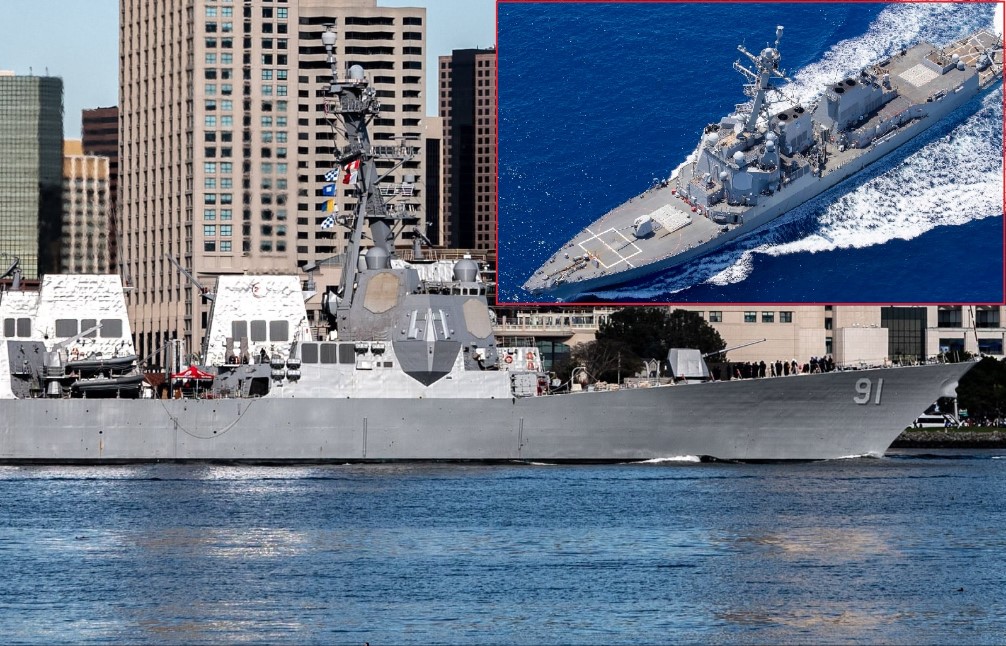
World
WASHINGTON, June 27, 2026 — The U.S. Navy has officially accepted delivery of the modernized guided-missile destroyers USS Chung-Hoon (DDG 93) and USS James E. Williams (DDG 95) ahead of schedule, marking an early achievement for the Navy's newly established Portfolio Acquisition Executive (PAE) Maritime office, which is responsible for accelerating acquisition, planning, and modernization programs. Both warships successfully completed combat system sea trials, calibrations, and post-modernization shakedown operations before returning to the fleet. The destroyers are now the second and third Flight IIA Arleigh Burke-class ships equipped with Northrop Grumman's AN/SLQ-32(V)7 Surface Electronic Warfare Improvement Program (SEWIP) Block 3 electronic attack system, following USS Pinckney (DDG 91). The system enhances the ships' ability to detect, identify, and counter modern radar and missile threats through advanced electronic warfare capabilities. DDG Modernization 2.0 Program The upgrades were completed under the Destroyer Modernization 2.0 (DDG MOD 2.0) program, a comprehensive mid-life modernization initiative designed to extend the operational service life of Flight IIA Arleigh Burke-class destroyers while upgrading their combat systems, radar capabilities, electronic warfare suite, and supporting infrastructure. The modernization is being carried out in two phases. The first phase installs the AN/SLQ-32(V)7 SEWIP Block 3 system along with cooling and combat system upgrades required to support the new equipment. This phase has been completed for USS Pinckney (DDG 91), USS James E. Williams (DDG 95), and USS Chung-Hoon (DDG 93), while work is currently underway aboard USS Halsey (DDG 97). The second phase will introduce Raytheon's AN/SPY-6(V)4 radar, a version of the SPY-6 radar family developed for Flight IIA destroyers, together with additional Aegis Combat System improvements to strengthen air and missile defense performance. Capt. Tim Moore, Program Manager for DDG MOD 2.0, said the modernization effort is intended to extend the service life of Flight IIA destroyers while delivering enhanced combat capability to the fleet. He added that the program team shifted acquisition, planning, and execution milestones earlier in the process to provide upgraded capabilities to operational units more quickly. Navy and Industry Collaboration The modernization of USS Chung-Hoon and USS James E. Williams was supported through close coordination between the Navy's regional maintenance centers, ship crews, government program offices, and industry partners, including General Dynamics NASSCO and BAE Systems. USS Chung-Hoon completed its Depot Modernization Period at Naval Base San Diego before departing for sea trials on April 20, 2026, while USS James E. Williams underwent similar work on the East Coast. The modernization also included structural changes to accommodate the new SEWIP Block 3 arrays. According to Navy officials, standardized maintenance practices developed through collaboration with industry have improved schedule predictability and helped avoid many of the delays experienced during earlier modernization work on the Ticonderoga-class cruisers. Speaking at the Combined Naval Event in 2025, Vice Adm. John Gumbleton said cooperation between ship crews, industrial partners, and government oversight has significantly improved maintenance performance. He noted that 11 of the Navy's last 12 major surface ship maintenance availabilities were completed on schedule, with the remaining availability finishing only two weeks late. Fleet Modernization Continues The DDG MOD 2.0 program, valued at approximately $17 billion across the class, is intended to bring selected Flight IIA destroyers closer to the capabilities of newer Flight III ships through improved electronic warfare, radar performance, combat system integration, and air and missile defense capabilities. The early delivery of USS Chung-Hoon and USS James E. Williams expands the number of operational destroyers equipped with the SEWIP Block 3 system and reflects continued progress in the Navy's long-term effort to modernize its surface combatant fleet while maintaining readiness for future operational requirements.
Read More → Posted on 2026-06-27 09:45:19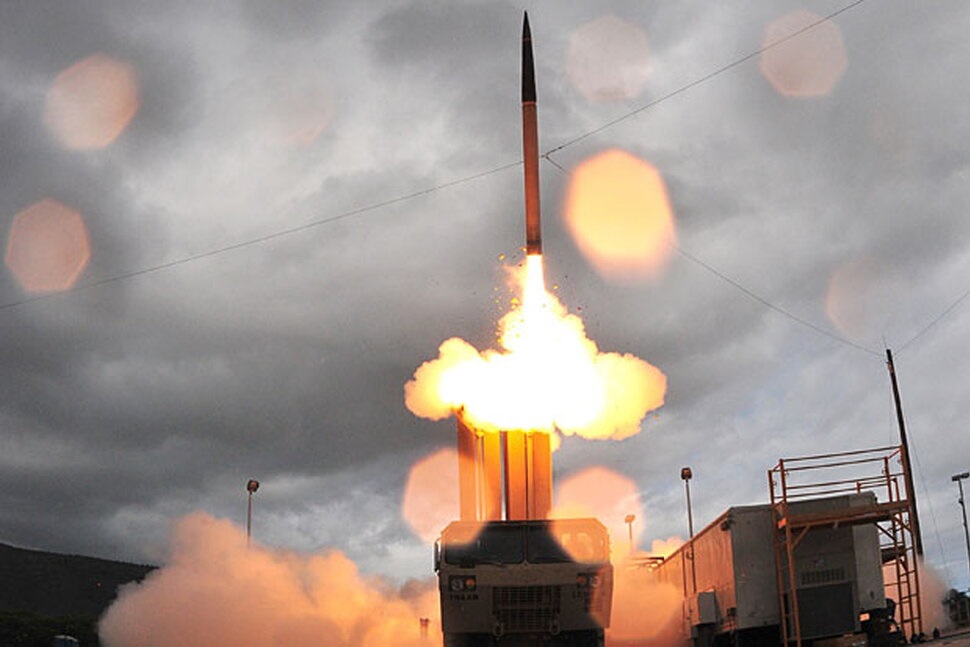
World
WASHINGTON, June 27, 2026 — The U.S. Missile Defense Agency (MDA) has launched the Mobile Integrated Launch Capability (MILC) program to develop mobile launch platforms for missile defense target vehicles, aiming to reduce testing costs, improve operational flexibility, and increase the pace of missile defense evaluations. The agency issued the solicitation on June 24, 2026, under Solicitation No. 26-MDA-12366, inviting industry proposals for ground-, sea-, or alternative air-based launch systems capable of deploying target missiles from a variety of locations worldwide. The solicitation will remain open until September 30, 2028, allowing the MDA to review and select promising white paper submissions on a rolling basis. Reducing Reliance on Strategic Airlift The MDA currently relies on C-17 Globemaster III transport aircraft to air-drop target missiles used during missile defense tests. These target vehicles simulate the flight characteristics of potential adversary missiles, enabling the evaluation of U.S. missile defense interceptors, sensors, command-and-control systems, and other elements of the country's missile defense architecture, including components of the developing Golden Dome homeland defense initiative. While the C-17 launch method has supported numerous successful tests, it also presents several operational challenges. Missile defense testing competes with other military missions for limited C-17 availability, requires aircraft to be positioned precisely to achieve the desired target trajectory, and results in higher operating costs and slower testing schedules. The MILC program seeks a mobile launch capability that can be rapidly deployed, repositioned, and reused without relying on dedicated strategic airlift, enabling more frequent and cost-effective testing. Wide Range of Launch Concepts Rather than specifying a single launch method, the MDA is encouraging industry to propose solutions best suited to different testing requirements. Potential concepts could include truck-mounted launchers, naval launch systems, or alternative aircraft capable of providing greater flexibility and availability than the current approach. The mobile launch platform must support target vehicles representing a wide range of missile threats, including: Short-, medium-, intermediate-, and intercontinental-range ballistic missiles Maneuvering reentry vehicles Hypersonic glide vehicles Fractional and maneuvering orbital bombardment systems Air-breathing targets These requirements reflect the growing need to evaluate missile defense systems against increasingly advanced ballistic and hypersonic threats. Accelerated Development Schedule The MILC program follows a two-phase acquisition strategy designed to deliver an operational capability within 30 months of contract award. Phase I focuses on detailed system design, engagement analysis, and prototype cost estimates, with an objective completion time of three months and a maximum duration of six months. Phase II covers prototype development, ground testing, and a live launch demonstration, with an objective schedule of 12 months and a maximum duration of 24 months. To meet the compressed timeline, the MDA is encouraging contractors to use modular, open-architecture designs and commercially available off-the-shelf (COTS) components instead of developing entirely new launch technologies. At the end of Phase II, the selected contractor will deliver one operational mobile launch platform along with the services necessary to integrate, transport, and launch an MDA target vehicle. Industry Opportunities Because the program involves classified target vehicles and compliance with U.S. missile technology export controls, proposals that integrate proven liquid- or solid-propellant launch systems into mobile platforms may offer implementation advantages. The solicitation's rolling submission process allows companies to submit concepts throughout the solicitation period, enabling the MDA to evaluate technologies as they mature. Related contract efforts are expected to range between $10 million and $50 million, although final award values will depend on the proposals selected. The MILC program is part of the MDA's broader effort to improve the realism, flexibility, and frequency of missile defense testing. By enabling launches from multiple environments without depending on strategic transport aircraft, the agency aims to better support the development and validation of missile defense systems against current and emerging threats.
Read More → Posted on 2026-06-27 09:32:48
World
WASHINGTON, June 27, 2026 — U.S. Central Command (CENTCOM) announced that U.S. forces carried out airstrikes against Iranian missile and drone storage facilities, as well as coastal radar positions, on June 26. According to CENTCOM, the operation was a direct response to Iran's one-way drone attack on the Singapore-flagged cargo ship M/V Ever Lovely in the Strait of Hormuz a day earlier. CENTCOM described the strikes as a "powerful response," stating that the operation targeted military assets linked to attacks on commercial shipping and was intended to support freedom of navigation through one of the world's most important maritime trade routes. Drone Attack on M/V Ever Lovely The attack took place on June 25 as the M/V Ever Lovely was exiting the Strait of Hormuz along the Omani coast. According to CENTCOM, the vessel was targeted by Iranian one-way attack drones while transiting the international waterway. The Maritime and Port Authority of Singapore said the ship sustained minor damage to its bridge structure. All 21 crew members were unharmed, and the vessel safely completed its transit before continuing its scheduled commercial voyage. Reports indicate that four drones were launched during the incident. U.S. forces intercepted three of them before they reached their targets, while one drone struck the vessel, causing limited structural damage. The M/V Ever Lovely, operated by Evergreen Marine, had been following a route recommended by maritime authorities. Iran had previously warned that vessels using routes not approved by Tehran would bear responsibility for any consequences. CENTCOM Says Attack Violated Ceasefire CENTCOM stated that the drone strike constituted a clear violation of the ceasefire agreement between the United States and Iran and undermined freedom of navigation in the Strait of Hormuz. The incident also disrupted a 14-point memorandum of understanding signed earlier this month by Washington and Tehran, which was intended to ensure 60 days of toll-free and secure navigation through the strategic waterway. Before the U.S. strikes, President Donald Trump described the attack on the M/V Ever Lovely as a "foolish violation" of the ceasefire. CENTCOM said the June 26 operation was carried out to enforce the agreement and ensure its provisions remain in effect. Maritime Security Remains a Priority The Strait of Hormuz remains a vital corridor for international commerce and global energy supplies. Following the attack, the International Maritime Organization (IMO) temporarily suspended its evacuation framework for stranded seafarers until maritime security conditions improve. CENTCOM said U.S. forces will continue coordinating safe passage for commercial vessels transiting the strait and remain present in the region to support maritime security. The command did not provide further details on the extent of damage to the Iranian targets or report any casualties from the airstrikes. The latest exchange underscores the continued security challenges facing one of the world's busiest shipping lanes despite recent diplomatic efforts aimed at reducing tensions.
Read More → Posted on 2026-06-27 09:17:46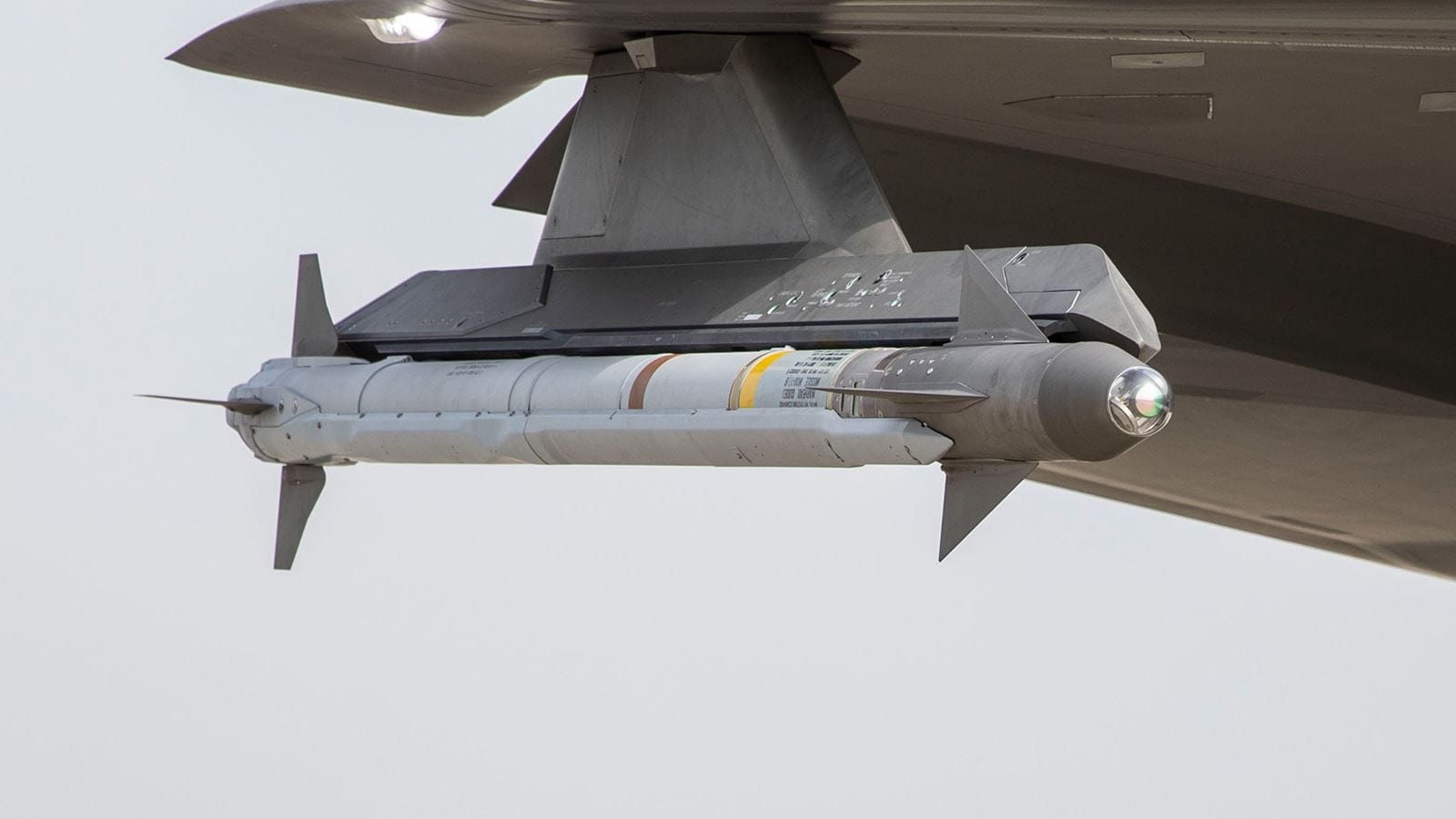
World
TUCSON, Arizona, June 26, 2026 — Raytheon, an RTX business, has received a $1.1 billion contract modification from the U.S. Navy to produce additional AIM-9X Block II short-range missiles. The award represents the largest single production contract for the AIM-9X program to date and is intended to replenish U.S. military inventories while supporting growing demand from allied nations through the Foreign Military Sales (FMS) program. The agreement exercises Lot 26 production options and includes 1,653 AIM-9X-4 Block II tactical missiles and 336 AIM-9X-5 Block II+ tactical missiles for Foreign Military Sales customers. The procurement also covers training missiles, captive air training missiles, data test missiles, spare parts, containers, associated hardware, software, and support equipment required for operational deployment and sustainment. The missiles will be delivered to the U.S. Navy, U.S. Army, and U.S. Air Force, in addition to allied partner nations participating in the Foreign Military Sales program. Work under the contract is scheduled for completion by September 2029 and will be managed by the Naval Air Systems Command (NAVAIR) in Patuxent River, Maryland. At the time of the award, $744.2 million of the obligated funding was allocated through the Foreign Military Sales program, reflecting continued international procurement of the AIM-9X missile. Production Expansion To support increasing domestic and international requirements, Raytheon is expanding its production capacity with a target of manufacturing 2,500 AIM-9X missiles annually. Approximately 36 percent of the work will be performed at the company's missile production facility in Tucson, Arizona, where Raytheon is also expanding its engineering workforce to support the AIM-9X program and other defense projects. The remaining production will be distributed across Raytheon's manufacturing network in North Logan, Utah; Niles, Illinois; and Keyser, West Virginia, as well as facilities in Ontario, Canada, and Heilbronn, Germany. Missile Capabilities The AIM-9X Sidewinder is an advanced short-range, infrared-guided missile designed for both air-to-air and surface-to-air engagements. Developed as a joint U.S. Navy and U.S. Air Force program, it is currently operated by the United States and more than 35 allied and partner nations. The missile has been combat-tested in multiple operational theaters and can be integrated onto a broad range of modern combat aircraft without major modifications. It is also employed in ground-based air defense through integration with the National Advanced Surface-to-Air Missile System (NASAMS), providing an additional layer of air defense capability. The Block II variant incorporates upgraded electronics, a redesigned fuze, and a digital ignition safety device to improve operational performance and handling. It also features lock-on-after-launch capability through a weapon datalink, enabling engagement of targets beyond the missile seeker's initial field of view. An advanced imaging infrared seeker and thrust-vector control system provide enhanced target tracking and maneuverability. The missile measures approximately 3.02 meters (9 feet 11 inches) in length, has a 127 mm (5-inch) diameter, and weighs approximately 84–85 kilograms at launch. It is powered by a solid-propellant rocket motor capable of speeds exceeding Mach 2.5 and carries an annular blast-fragmentation warhead weighing approximately 9.4 kilograms. Depending on launch conditions, the missile has a reported range of up to 35 kilometers, although exact operational performance remains classified. The AIM-9X is integrated with numerous combat aircraft, including the F-15 Eagle, F-16 Fighting Falcon, F/A-18 Super Hornet, EA-18G Growler, F-22 Raptor, and all variants of the F-35 Lightning II. Strengthening Missile Production The new contract follows earlier AIM-9X production awards, including a $736 million contract issued in late 2024, as the United States continues expanding precision-guided munition production to maintain inventories and meet long-term operational requirements. The latest award supports ongoing efforts to strengthen the missile industrial base, improve manufacturing output, and ensure sustained deliveries to U.S. forces and allied customers through the end of the decade.
Read More → Posted on 2026-06-26 13:47:53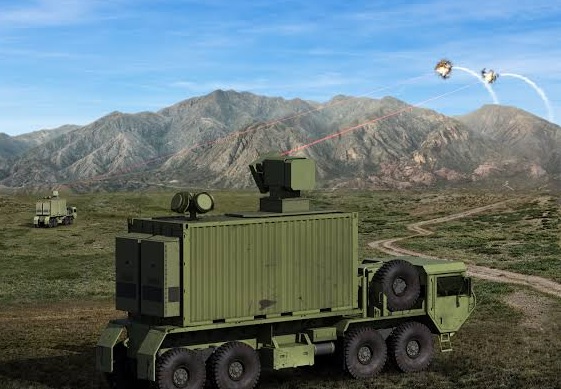
World
ALBUQUERQUE, N.M., June 26, 2026 — The U.S. Air Force has awarded a cost-plus-fixed-fee contract worth up to $94.95 million to Verus Research LLC to support research into the performance of high-energy laser weapons and improve the testing and data analysis methods used to evaluate them. The contract was awarded on June 25, 2026, by the Air Force Research Laboratory (AFRL) at Kirtland Air Force Base, New Mexico, and will run through June 25, 2031. Verus Research secured the award through a competitive process involving two proposals. The Air Force has initially obligated $2.75 million in Fiscal Year 2026 Research, Development, Test and Evaluation (RDT&E) funding. Based in Huntsville, Alabama, Verus Research operates as a subsidiary of Radiance Technologies and maintains facilities in Albuquerque, New Mexico. The company has previously supported U.S. defense programs involving directed energy technologies, high-power electromagnetics, and advanced weapons testing. Advancing Laser Weapons Evaluation The contract focuses on improving the Air Force's ability to measure how high-energy laser weapons perform against a range of targets, from small commercial drones to more advanced aerial threats. The work will strengthen testing capabilities and develop more accurate methods for collecting and analyzing performance data. Researchers will examine how laser beams interact with different materials and determine the conditions required to achieve reliable target defeat. The program will also study how environmental factors—including humidity, atmospheric turbulence, dust, and aerosols—affect laser propagation and overall weapon effectiveness under operational conditions. Another key objective is to improve instrumentation and data analysis techniques so that test results accurately reflect real-world performance. These efforts will help engineers validate laser weapon capabilities and support future system development. Kirtland's Role in Directed Energy Research Much of the research will be conducted at Kirtland Air Force Base, home to the AFRL's Directed Energy Directorate. The facility has served as the U.S. military's primary center for directed energy research for decades. Kirtland's location in the New Mexico desert provides controlled airspace, long testing distances, and favorable atmospheric conditions, making it well suited for evaluating high-energy laser systems under realistic field conditions. Supporting Future Air Defense The contract supports the Department of Defense's broader effort to field directed energy weapons capable of countering the growing threat posed by drones, cruise missiles, and other airborne systems. High-energy lasers offer the potential for rapid engagement and a significantly lower cost per shot than conventional interceptor missiles, making them an attractive option for future air defense missions. The award comes as the Pentagon continues to expand investment in directed energy technologies. Its Fiscal Year 2027 budget request includes approximately $2 billion for directed energy research and development, reflecting increased confidence in the operational potential of laser and high-power microwave systems. Earlier this month, Defense Secretary Pete Hegseth observed live demonstrations of high-energy laser and high-power microwave weapons at White Sands Missile Range in New Mexico, highlighting the Defense Department's continued focus on advancing these capabilities. The Verus Research contract is expected to provide the scientific data and testing expertise needed to improve the evaluation of future laser weapon systems and support their integration into U.S. military operations over the next five years.
Read More → Posted on 2026-06-26 13:24:11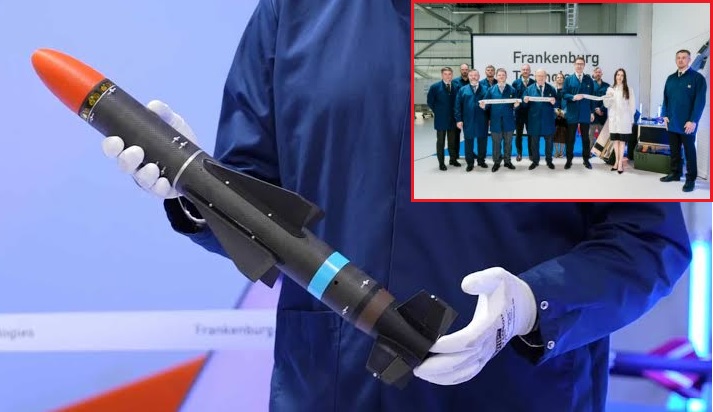
World
RIGA, Latvia, June 26, 2026 — Estonia-based defense company Frankenburg Technologies has officially opened its Riga Weapon System and Missile Assembly Factory in Latvia, marking a major step toward large-scale production of its Mark 1 counter-unmanned aerial system (C-UAS) missile. The new facility is intended to support growing demand for affordable air defense systems capable of countering the increasing use of drones on modern battlefields. The Riga facility, together with a final assembly line under construction in the Latvian town of Ādaži, forms the company's first complete FieldFoundry production system. By the end of 2026, the combined Latvian facilities are expected to produce up to 100 Mark 1 missiles per day, with approximately 1,500 missiles planned during the initial production ramp-up in 2026. Built in just 12 months, the 1,000-square-meter factory is expected to employ up to 50 people. The site carries out missile electronics assembly, warhead production, weapon system integration, fire control system integration, and quality control. FieldFoundry Manufacturing Model Frankenburg's FieldFoundry concept uses modular production stations, standardized manufacturing processes, and lean manufacturing techniques to enable rapid expansion of missile production while reducing manufacturing costs. The company plans to establish additional FieldFoundry production lines in Estonia, the United Kingdom, and Poland as part of a decentralized manufacturing network. This approach is intended to strengthen domestic missile production capabilities for European and NATO-aligned countries, reduce reliance on long international supply chains, and allow stockpiles to be replenished closer to operational requirements. Frankenburg's long-term objective is to build a manufacturing network capable of producing one million missiles annually. Mark 1 Missile Specifications and Capabilities The Mark 1 was developed from concept to a successful live-fire demonstration in just 13 months. It is designed as a compact, low-cost guided interceptor that uses commercially available components, allowing production costs to be reduced by more than tenfold compared with traditional interceptor missiles. The missile measures approximately 660 mm in length, 60 mm in diameter, and has a launch weight of less than 2 kilograms. Powered by a solid-fuel rocket motor, it reaches high subsonic to supersonic closing speeds exceeding 1,000 km/h during testing. The Mark 1 has an engagement range of up to 2 kilometers and can intercept targets at altitudes of up to 1,500 meters. It carries a 0.5-kilogram high-explosive fragmentation warhead equipped with a proximity fuze that detonates within about two meters of the target. Guidance combines an Inertial Navigation System (INS) for midcourse guidance with a TV/electro-optical seeker featuring AI-assisted automatic target recognition, providing a fire-and-forget capability for short-range air defense missions. The missile is designed to engage Class 1 to Class 3 UAVs, including propeller-driven drones, FPV drones, loitering munitions, jet-powered unmanned aircraft, and larger Shahed-type one-way attack drones. Live-fire testing at the Ādaži NATO training area demonstrated successful interceptions from standard land-based tripod launchers. The Mark 1 has also been successfully tested from the Airbus Do-DT25 "Bird of Prey" Unmanned Combat Aerial Vehicle (UCAV), demonstrating its use as a reusable airborne interceptor. Expanding European Missile Production The opening of the Riga factory represents Frankenburg Technologies' first operational large-scale production facility and supports broader efforts to strengthen Europe's defense industrial base. The inauguration ceremony was attended by European Commissioner for Defence and Space Andrius Kubilius, reflecting regional interest in expanding domestic defense manufacturing. As additional FieldFoundry production sites are established across Europe, Frankenburg Technologies aims to increase missile output while providing NATO-aligned countries with locally manufactured, scalable counter-drone capabilities.
Read More → Posted on 2026-06-26 12:33:01Search
Top Trending in 24 Hours
-
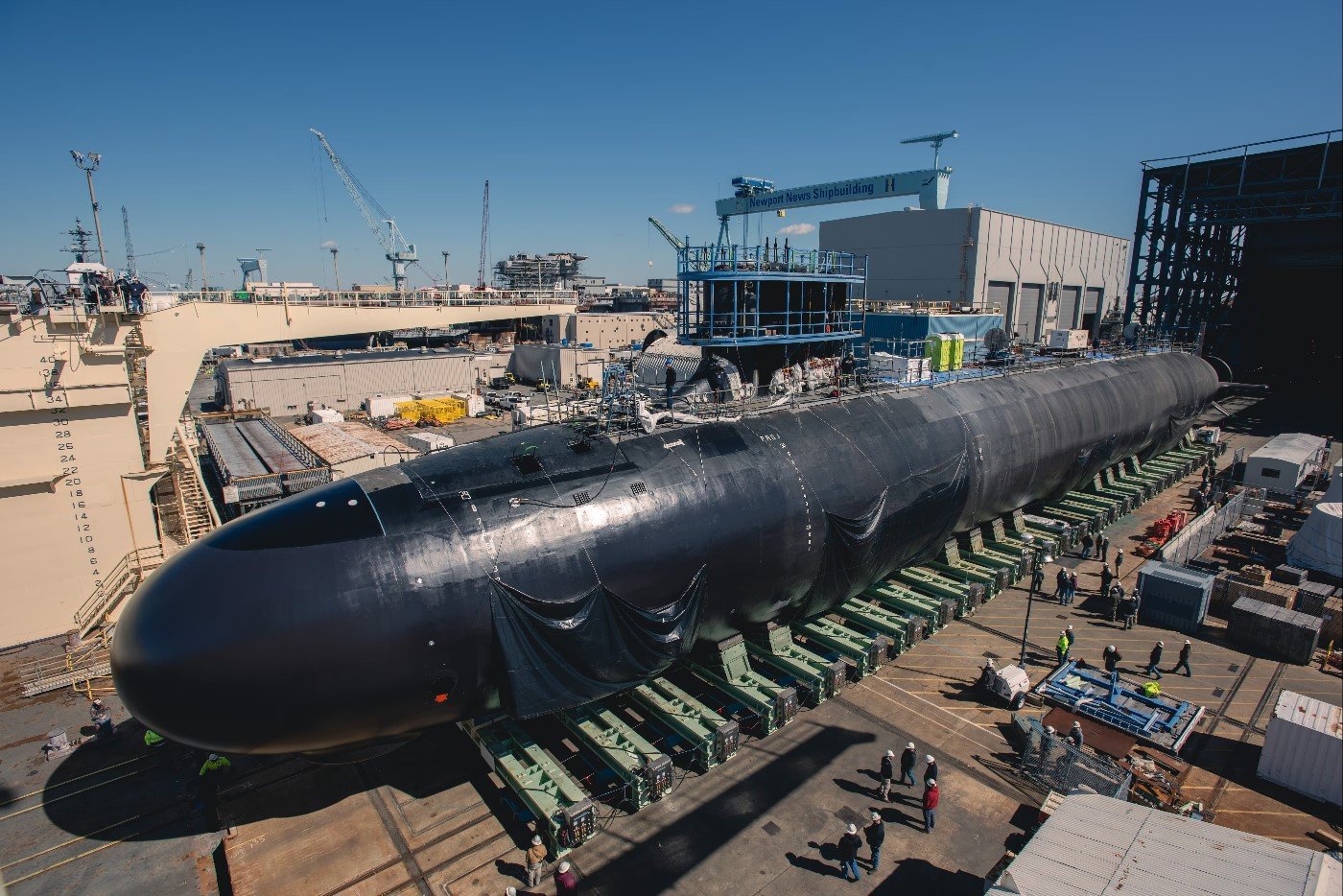 US Navy Submarine Director Outlines Four-Pillar Plan to Raise Build Rates
-
 India MoD Signs ₹586 Crore Contract for Indigenous Auxiliary Power Units for T-72 and T-90 Tanks
-
 Ukrainian Hackers Expose Highly Classified Russian Naval Data in "Operation Poseidon"
-
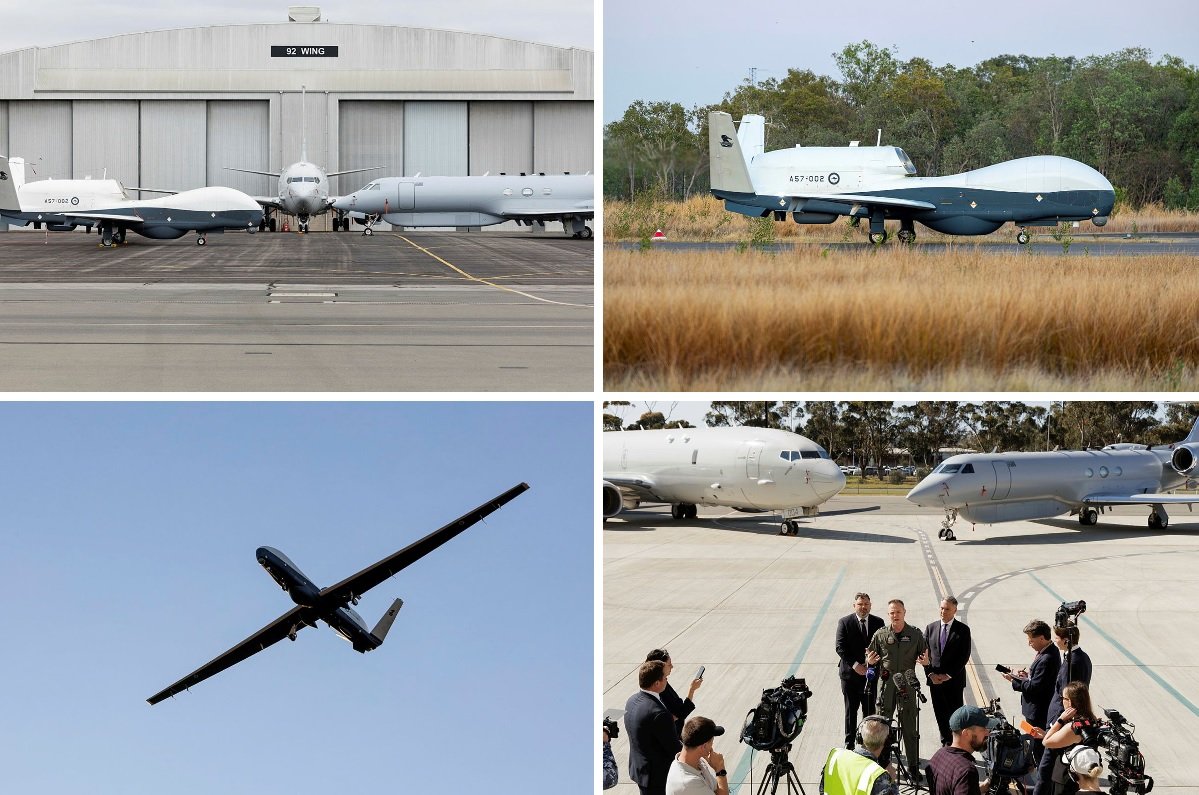 Australia’s MQ-4C Triton and MC-55A Peregrine Reach Initial Operational Capability
-
 Dassault Aviation Flight-Tests Two Sovereign AI Algorithms on Rafale Fighter
-
 South African Firm Paramount Unveils V-Raven, a Reusable VTOL Drone for the African Battlefield
-
 Russia’s Glide Bomb Use in Ukraine Surpasses Recent U.S. Bombing Rate During Epic Fury in Iran, Remains Below 2003 Iraq Peak
-
 South Korea Delivers First Production KF-21 Boramae Fighter to Air Force
Top Trending in 4 Days
-
 Sensitive F-35 Components Diverted to Hong Kong, Some Parts Missing
-
 U.S. Secures Permanent Military Rights in Greenland in Historic Security Pact with Denmark
-
 U.S. Approves Potential $2.68 Billion Air Defense Package for Ukraine Including S-300 Clone Missiles
-
 U.S. Warns Allies of Up to Five-Year Delays in Key Weapons Deliveries
-
 U.S. Iran War Cost Hits $43.6 Billion as Missile Interceptor Stocks Come Under Pressure
-
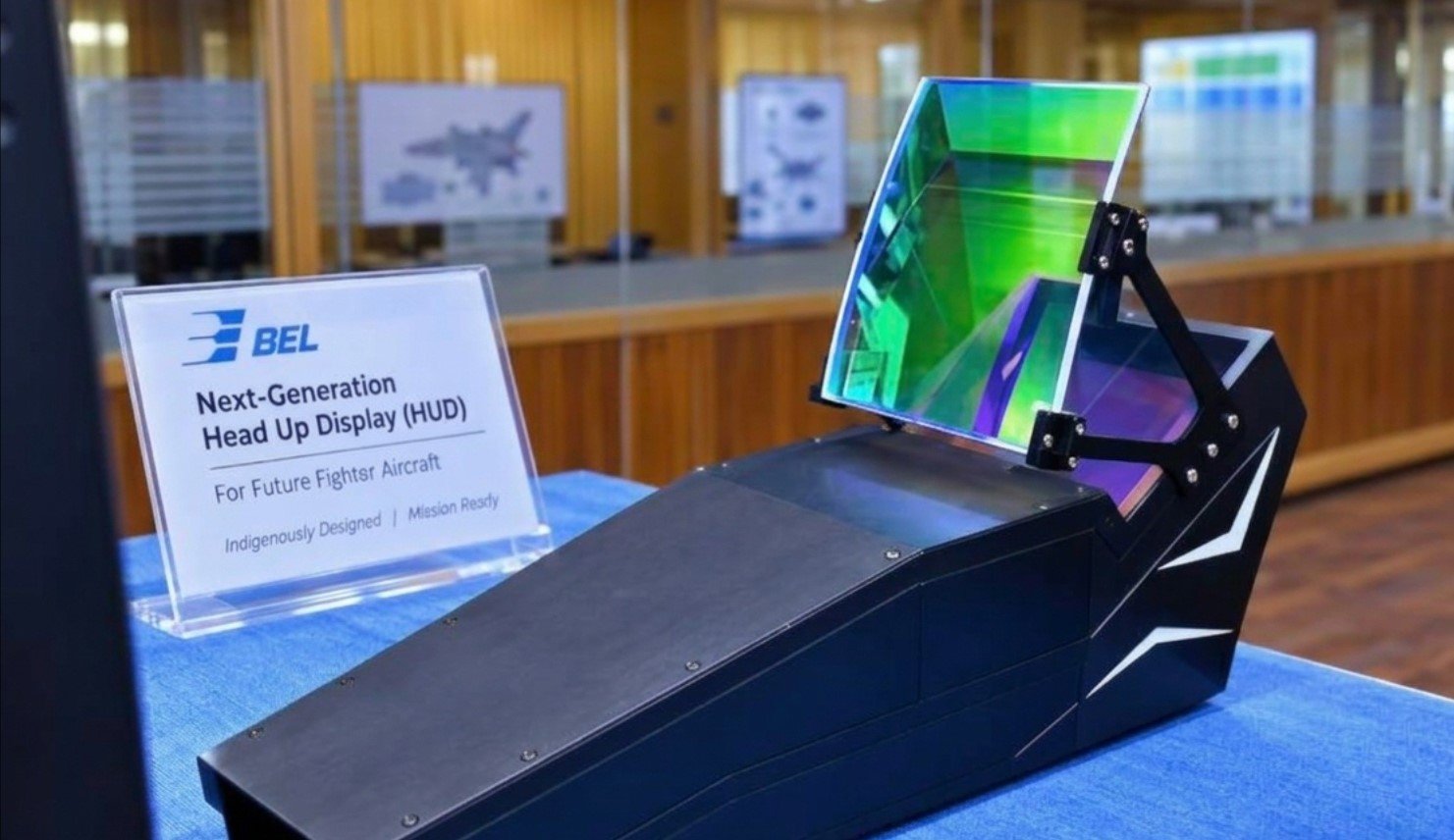 BEL Showcases New-Generation Head-Up Display, Potentially Linked to Tejas Mk2
-
 U.S. Army Awards $10.64 Million Contract to Ukrainian Drone Maker Skyeton for Raybird Systems
-
 India’s xTerra Robotics Launches Indigenous DHAV-Hy Wheeled-Legged Quadruped for Industrial Inspection