
World
London | Defence & Maritime Security : The UK Ministry of Defence (MoD) has awarded Thales a contract valued at up to GBP 100 million to design, develop, and deliver portable, remote command centres (RCCs) that will underpin a major transformation of the Royal Navy’s mine-hunting and wider seabed warfare capabilities. Issued through the MoD’s procurement arm, Defence Equipment & Support (DE&S), the three-and-a-half-year programme, with options for extension, will see Thales deliver up to eight containerised RCC units. The contract covers the full scope of hardware, software, operator training, and technical support, enabling the Royal Navy to integrate and operate an expanding fleet of autonomous and remotely operated systems from a single, unified command architecture. Design Phase to Complete by 2026 Within the overall programme, an initial GBP 10 million phase has been approved to complete the detailed design of the RCCs by late 2026 and to establish the programme’s core management and integration framework. This phase is intended to de-risk delivery while aligning the new command centres with existing and future Mine Hunting Capability (MHC) platforms. According to Thales, the RCCs will consolidate previously separate and independently controlled mine countermeasures systems into one integrated command-and-control (C2) environment, allowing operators to manage crewed and uncrewed platforms simultaneously. AI at the Core of Mine Countermeasures At the heart of the RCC concept is Thales’ M-Cube mission management system, combined with the Mi-Map data environment and cortAIx artificial intelligence applications. Together, these technologies form a digital backbone designed to accelerate decision-making and improve situational awareness across mine-hunting operations. M-Cube, already in service with several navies worldwide, provides mission planning, execution, and post-mission evaluation for both conventional and autonomous mine countermeasures. It delivers maritime situational awareness (MSA) from task-force level down to individual units. Mi-Map aggregates raw sensor data into a structured database, while cortAIx AI processes that data to generate faster, more accurate insights—supporting tasks such as automatic target recognition and threat classification. Containerised, Deployable at Sea or Ashore The RCCs are designed as containerised, modular units that can be deployed onboard ships or at shore-based facilities. This approach allows the Royal Navy to rapidly reposition command centres depending on operational requirements, from expeditionary mine clearance to the protection of ports, harbours, and critical seabed infrastructure. Once deployed, the RCCs will function as hub-style command centres, coordinating a multi-domain mix of autonomous underwater vehicles (AUVs), remotely operated vehicles (ROVs), surface systems, sensors, and effectors supplied by multiple vendors. The architecture is deliberately open and modular, enabling rapid integration of both legacy platforms and future autonomous systems. Supporting the Royal Navy’s ‘Hybrid Navy’ Vision The contract aligns closely with the MoD’s June 2025 Strategic Defence Review, which highlighted autonomous systems as central to transforming the Royal Navy into a “hybrid navy”—one that blends crewed platforms with large numbers of uncrewed assets. Autonomous mine countermeasures and seabed warfare capabilities are increasingly seen as critical to deterring threats to freedom of navigation, particularly in contested waters across NATO’s area of operations. These missions include securing maritime choke points, littoral zones, ports, harbours, and strategic sea lines of communication, as well as safeguarding critical seabed infrastructure such as data and energy cables. By increasing the use of uncrewed systems, the Royal Navy aims to generate greater sensing mass, improve persistence, and deliver faster and more adaptable operational responses while reducing risk to personnel. Built for Growth and Rapid Upgrades Thales emphasised that the RCCs’ software-driven architecture supports the MoD’s rapid capability adoption and spiral acquisition model. This allows the system to evolve through incremental upgrades based on operator feedback, emerging threats, and advances in autonomy and AI. The flexible internal configuration of each container enables commanders to tailor the RCCs for specific missions, while the underlying digital framework ensures interoperability with allied systems and NATO partners. Transition from Legacy to Autonomous Operations During the early stages of deployment, the Royal Navy’s existing mine countermeasures vessels (MCMVs) will continue to operate alongside autonomous systems. This parallel approach is intended to preserve operational readiness while allowing the service to capture lessons learned and refine doctrine as it transitions toward a more autonomous force structure. Defence officials see the RCC programme as a foundational step in reshaping how the Royal Navy conducts mine warfare and seabed security—moving from platform-centric operations to a “system-of-systems” model, with the RCCs acting as the digital nerve centres of future maritime operations.
Read More → Posted on 2025-12-29 12:58:22
World
Palm Beach, Florida: US President Donald Trump said on Sunday that negotiations to end the war in Ukraine are “getting a lot closer, maybe very close,” following an extended meeting with Ukrainian President Volodymyr Zelensky at Trump’s Mar-a-Lago resort. Both leaders confirmed substantial progress on core elements of a peace framework, while acknowledging that the future of the Donbas region remains the most difficult unresolved issue. Speaking at a joint news conference, Trump said talks had advanced on two of the most contentious pillars of the negotiations — security guarantees for Ukraine and the territorial arrangements in eastern Ukraine. However, he cautioned that “thorny issues” around territory still need to be settled and declined to set a firm deadline, saying it would become clear “in a few weeks” whether the talks would succeed. Security Guarantees Near Agreement Zelensky said negotiators have effectively reached agreement on security guarantees, describing them as the “key milestone in achieving a lasting peace.” Trump struck a slightly more cautious note, saying the sides were “95 percent” of the way to a deal on guarantees, with European countries expected to “take over a big part” of the responsibility, backed by the United States. Following the talks, French President Emmanuel Macron said progress had been made on security guarantees and announced that countries in the so-called “Coalition of the Willing” would meet in Paris in early January to finalise their concrete contributions to Ukraine’s post-war security architecture. European Commission President Ursula von der Leyen said Europe was ready to continue working closely with Kyiv and Washington, stressing that “ironclad security guarantees” would be of paramount importance. Donbas Remains the Hardest Question Both Trump and Zelensky acknowledged that the fate of Donbas, much of which Russia has sought to seize, remains unresolved. Kyiv has consistently argued for freezing the map at current battle lines, while Moscow has demanded full Ukrainian withdrawal from the region. Trump said discussions on Donbas were “moving in the right direction,” but admitted the issue was far from settled. “It’s unresolved, but it’s getting a lot closer. That’s a very tough issue,” he said. As part of a possible compromise, the United States has floated the idea of a free economic zone if Ukraine withdraws from parts of Donbas, though officials have not explained how such an arrangement would function in practice. 20-Point Peace Framework and Military Provisions Zelensky said Ukrainian and US negotiators had made significant progress on his 20-point peace proposal, which he said was now 90 percent agreed following the Mar-a-Lago talks. He added that the United States had agreed “100 percent” with the sections covering American security guarantees. Under the draft framework, Ukraine would retain an armed force of about 800,000 personnel, while fighting in eastern Ukraine would halt along current front lines. Both sides would withdraw to create a demilitarised zone, overseen by international forces. The proposal also envisions $800 billion in international aid to rebuild Ukraine’s economy and infrastructure, alongside a defined pathway for Ukraine to join the European Union at a future date. Zelensky said any final peace deal would require approval by Ukraine’s parliament or a national referendum, adding that legitimacy at home was essential for long-term stability. Trump said he would be willing to address the Ukrainian parliament personally if it helped secure the agreement. Trump–Putin Call and Moscow’s Position Shortly before Zelensky arrived in Florida, Trump held a call with Russian President Vladimir Putin, which Trump described as “productive” and the Kremlin characterised as “friendly.” Trump said the conversation lasted more than two hours, during which Putin pledged to help rebuild Ukraine, including through the supply of cheap energy. “Russia wants to see Ukraine succeed,” Trump said, adding, “It sounds a little strange.” He said he planned to speak with Putin again after his meeting with Zelensky. Kremlin foreign policy aide Yuri Ushakov said Putin told Trump that a 60-day ceasefire proposed by the EU and Ukraine would only prolong the war, and that Kyiv must make a decision on Donbas “without further delay.” Russia has also reiterated that it considers any foreign troop deployment in Ukraine unacceptable. Zaporizhzhia Nuclear Plant and Battlefield Reality Trump said negotiators had also discussed the fate of the Zaporizhzhia nuclear power plant, with proposals for shared control and recent progress on power-line repairs following a local ceasefire brokered by the International Atomic Energy Agency. He described the lack of recent attacks on the plant as “a big step,” saying it could restart almost immediately. Despite diplomatic momentum, the war continues to exact a heavy toll. Zelensky said Russia launched more than 2,100 attack drones, around 800 guided aerial bombs, and over 90 missiles at Ukraine over the past week alone. A day before his trip to Florida, Russian strikes hit Kyiv and other cities, knocking out power and heating in parts of the capital. Russia currently controls all of Crimea, annexed in 2014, and claims control over roughly 12 percent of Ukraine’s territory, including about 90 percent of Donbas, 75 percent of the Zaporizhzhia and Kherson regions, and smaller areas in several other regions. Cautious Optimism Amid Continuing War Trump said he believed both Zelensky and Putin were serious about peace, even as Russian forces continue to advance in some areas. European leaders who joined parts of Sunday’s discussions by phone underlined the urgency of ending what UK officials described as a “barbaric war” as soon as possible. While major hurdles remain — particularly over Donbas — both sides said the talks at Mar-a-Lago marked one of the closest points yet to a negotiated end to the conflict, with the coming weeks likely to determine whether the near-agreements can be turned into a durable peace.
Read More → Posted on 2025-12-29 12:50:11
World
Islamabad/New Delhi: Pakistan has been forced into an unusually candid admission over the May military escalation with India, with its own foreign minister publicly acknowledging that Indian precision strikes damaged a major Pakistani military installation and injured personnel. The disclosure has reignited scrutiny of India’s Operation Sindoor, launched in retaliation for the April 22 Pahalgam terror attack that killed 26 civilians in Jammu and Kashmir. The admission came from Ishaq Dar, Pakistan’s Foreign Minister and Deputy Prime Minister, during a year-end press briefing on Saturday. Dar confirmed that India struck the Nur Khan Air Base in Rawalpindi’s Chaklala area, a strategically sensitive installation located close to Pakistan’s military headquarters, marking one of the clearest acknowledgements yet of the impact of Indian strikes during the crisis. Speaking to reporters, Dar said that India had launched an extensive drone operation across Pakistani airspace within a short window. “They sent drones towards Pakistan. In 36 hours, at least 80 drones were sent,” he stated. According to the Pakistani foreign minister, 79 drones were intercepted, while one drone penetrated defences, damaging a military installation and injuring personnel at Nur Khan Air Base. The remarks effectively underlined both the scale and precision of India’s actions. Dar went on to outline the internal response within Pakistan, revealing that a late-night meeting of the country’s civil and military leadership was convened on May 9, chaired by Prime Minister Shehbaz Sharif. He said the leadership “authorised” certain decisions as the situation evolved, before adding that India, in his words, “made the mistake” of attacking Nur Khan Air Base in the early hours of May 10—a statement that nonetheless confirmed the strike and the resulting damage. The comments amount to a rare and significant acknowledgment of India’s strategic strikes on Pakistani military infrastructure, carried out after Operation Sindoor targeted nine terror camps across Pakistan and Pakistan-occupied Jammu and Kashmir (PoJK). The Indian Armed Forces launched the operation in the early hours of May 7, explicitly framing it as a calibrated response to the Pahalgam attack. According to multiple assessments, Nur Khan Air Base, officially known as Nur Khan Air Base, suffered significant damage during the Indian precision strikes. The base plays a crucial role in Pakistan Air Force operations and logistical support, making it a high-value military target. The exchange of strikes sharply escalated tensions between the two nuclear-armed neighbours. In the days following India’s operation, cross-border shelling intensified from the Pakistani side, prompting retaliatory action by the Indian Armed Forces along the Line of Control and elsewhere. However, the confrontation took an unexpected diplomatic turn when Pakistan initiated contact at the military level. In a notable development, Pakistan’s Director General of Military Operations (DGMO) reached out to his Indian counterpart to propose a ceasefire. India accepted the proposal, leading to a halt in hostilities. The outreach from Islamabad was later confirmed by India’s Foreign Secretary Vikram Misri, who stated that both sides agreed to stop all military operations on land, at sea, and in the air. Independent verification of the strikes emerged soon after. Satellite imagery released on May 13 by Maxar Technologies revealed visible damage to multiple Pakistani air bases, lending further credibility to India’s claims. The images showed impact marks and damaged infrastructure at Nur Khan Air Base in Rawalpindi, PAF Base Mushaf, Bholari Air Base, and PAF Base Shahbaz. Comparative satellite images dated April 25, 2025, and May 10, 2025, highlighted clear changes to airbase facilities, confirming that the strikes occurred during the escalation window. Dar’s admission is not the first from Pakistan’s top leadership. In May, Prime Minister Shehbaz Sharif himself publicly acknowledged that Indian ballistic missiles hit Nur Khan Air Base and other locations on May 10—an extraordinary departure from Pakistan’s traditional policy of denying Indian military action. Addressing a ceremony at the Pakistan Monument on May 16, Sharif said that at around 2:30 am, Army Chief General Syed Asim Munir informed him via a secure line that Indian missiles had struck multiple sites. Pakistani media outlet Geo News reported Sharif as saying that Pakistan’s Air Force relied on “homegrown technology” and modern systems, including on Chinese-origin jets, to respond. Taken together, the admissions by both the foreign minister and the prime minister mark a significant moment in the post-crisis narrative. They not only validate the depth and reach of India’s May strikes, but also underscore how Operation Sindoor altered the strategic calculus during one of the most serious India-Pakistan confrontations in recent years—before it was abruptly paused by a ceasefire initiated from Islamabad.
Read More → Posted on 2025-12-28 16:49:18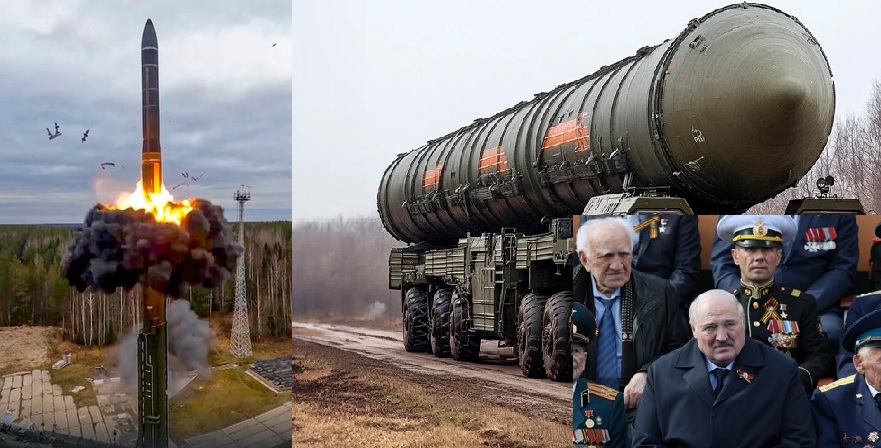
World
MINSK / MOSCOW: Belarus has reportedly deployed Russian-made Oreshnik missile systems at a former military airfield located just 4 kilometres from the Russian border, according to a new analysis of high-resolution satellite imagery. The development marks one of the most significant forward deployments of Russian strategic assets in Eastern Europe since the start of the Ukraine war. The airfield, long assessed as inactive, now shows freshly prepared launch zones, reinforced hardstands, fuel and power infrastructure, and expanded logistical areas, all consistent with missile operations. Defence analysts say the layout closely matches known Russian missile deployment patterns rather than conventional aviation use. At Least 10 Oreshnik Missiles Identified Imagery analysts assess that approximately 10 Oreshnik missile units are currently positioned at the site. The spacing of launch pads, transport-erector vehicle tracks, and support shelters suggests the facility is designed for rapid launch readiness rather than long-term storage. While neither Minsk nor Moscow has officially confirmed the deployment, the visible infrastructure indicates the missiles are operationally integrated, not merely pre-positioned. What Is the Oreshnik Missile? The Oreshnik is believed to be a next-generation Russian strike system, reportedly combining hypersonic speed, advanced manoeuvrability, and the ability to carry conventional or nuclear payloads. Some assessments describe it as nuclear-powered, a claim that—if accurate—would place it among Russia’s most strategically sensitive weapons. Although full technical specifications remain classified, analysts believe the missile is designed for deep-strike and deterrence roles, capable of threatening targets across Eastern and Central Europe with minimal warning time. 360,000 Russian Troops Stationed in Belarus The missile deployment coincides with the continued presence of around 360,000 Russian troops in Belarus, making the country one of Moscow’s largest overseas military hubs. These forces include ground troops, air defence units, electronic warfare elements, and logistical formations. Together, the troop presence and missile deployment significantly enhance Russia’s forward strike posture and reduce reaction times for NATO forces in the region. Deepening Military Integration Between Minsk and Moscow Security experts say the move underscores the deepening military integration between Belarus and Russia, with Belarus increasingly functioning as an extension of Russia’s western military district. Over the past two years, Belarus has hosted joint exercises, Russian nuclear weapons storage arrangements, air defence systems, and now advanced missile assets, effectively erasing the distinction between national and allied deployments. Regional and Strategic Implications By placing Oreshnik missiles so close to Russian territory while still inside Belarus, Moscow gains: Forward basing without formally expanding Russian borders Reduced detection and response time for adversaries Enhanced deterrence against NATO’s eastern flank Greater flexibility for escalation control Western defence officials are expected to closely monitor the site, as the deployment could alter regional strike calculations and intensify already heightened security tensions across Eastern Europe. No Official Denial—And No Confirmation As of now, neither Belarusian nor Russian authorities have denied the satellite findings. Analysts note that such silence often accompanies strategic deployments intended to signal capability without formal escalation. If confirmed, the presence of 10 Oreshnik missiles, backed by hundreds of thousands of Russian troops, would represent a qualitative shift in the military balance along NATO’s eastern frontier—one with implications extending far beyond Belarus itself.
Read More → Posted on 2025-12-28 16:08:16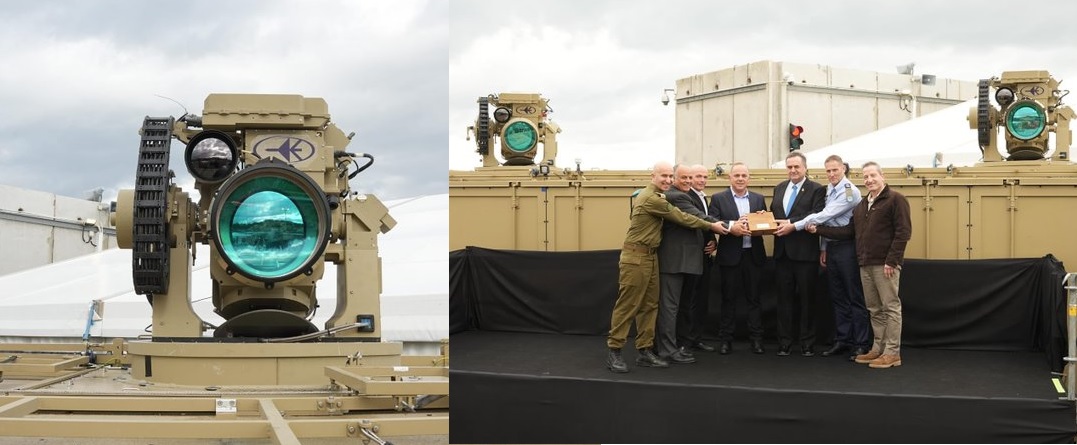
World
Northern Israel | 28 December 2025 — In a milestone moment for global air-defense technology, Israel’s Ministry of Defense (IMOD), through its Directorate of Defense Research & Development (DDR&D), together with Rafael Advanced Defense Systems, have formally delivered the Iron Beam high-power laser air-defense system to the Israel Defense Forces. The handover took place during an official ceremony at Rafael’s headquarters in northern Israel, marking the first time a laser interceptor has entered operational military service anywhere in the world. The system, also known by its Hebrew name Or Eitan, represents a decisive shift in how modern militaries counter short-range aerial threats. With its induction, Israel becomes the first country to deploy a combat-ready, high-energy laser capable of destroying incoming threats at the speed of light. A Proven System Enters Service According to Israeli defense officials, Iron Beam completed an extensive series of operational trials prior to delivery. During these tests, the system successfully intercepted rockets, mortar shells, and unmanned aerial vehicles (UAVs) under real-world battlefield conditions. The trials validated not only the system’s accuracy but also its ability to operate repeatedly and reliably against multiple threat types. Unlike missile-based interceptors, Iron Beam uses a directed-energy laser to engage targets, allowing for pinpoint precision and near-instantaneous response. Officials confirmed that the system demonstrated consistent performance against short-range projectiles commonly used in saturation attacks. Transforming the Cost Equation of Air Defense One of Iron Beam’s most disruptive advantages is economic. Traditional interceptors can cost tens of thousands of dollars per shot, while laser engagements are measured in negligible per-interception costs, limited primarily to electrical power and routine maintenance. This fundamentally alters the defense equation during high-volume attacks, where adversaries attempt to overwhelm defenses through sheer numbers. Israeli defense planners say the laser layer will significantly enhance endurance during prolonged engagements, allowing missile interceptors to be reserved for longer-range or more complex threats. Integrated into Israel’s Multi-Layered Shield Iron Beam is designed to operate as part of Israel’s well-known multi-tier air-defense architecture, working alongside Iron Dome, David’s Sling, and the Arrow systems. Together, these layers provide coverage from short-range rockets and drones to long-range ballistic missiles. Defense officials emphasized that Iron Beam does not replace existing systems but complements them, adding a rapid, low-cost layer optimized for close-range threats and mass attacks. A Strategic and Technological Milestone The delivery of Iron Beam follows years of accelerated development under the IMOD’s DDR&D, with Rafael serving as the system’s prime contractor. Israeli officials described the program as a response to evolving regional threats and the increasing use of low-cost rockets and drones by hostile actors. “This is more than a technological breakthrough,” one defense official said at the ceremony. “It is a fundamental shift in air-defense doctrine.” With Iron Beam now entering operational service, Israel has effectively opened the laser age of air defense, setting a precedent that is likely to influence military planning and directed-energy programs worldwide.
Read More → Posted on 2025-12-28 15:58:55
World
The FY2026 National Defense Authorization Act (NDAA) was signed into law on December 18, 2025, by Donald Trump, cementing one of the most expansive defence authorisations in modern American history. The legislation passed both the US House of Representatives and the US Senate with wide bipartisan margins, marking the 65th consecutive year that an NDAA has been enacted—an unmatched legislative streak underscoring its centrality to US national security policy. The law authorises $900.6 billion for national defence, covering the US Department of War (DOW), nuclear security programmes at the Department of Energy (DOE), and other classified national security activities. The total allocation is approximately $8 billion higher than the Administration’s original budget request, reflecting Congressional urgency to respond to rapidly evolving global threats. A Budget Shaped by Strategic Competition At its core, the FY2026 NDAA is designed to preserve and expand US military superiority amid accelerating competition with China and Russia, particularly in hypersonic weapons, space warfare, artificial intelligence, and supply-chain resilience. Major procurement allocations include $26 billion for shipbuilding, $38 billion for military aircraft, $4 billion for ground vehicles, and over $25 billion for munitions, signalling a decisive shift from theoretical capability development to large-scale, sustained production. Congress has made clear that readiness, resilience, and speed now outweigh incremental efficiency. Artificial Intelligence and the Push for “Decision Superiority” A defining theme of the FY2026 NDAA is the rapid operationalisation of Applied Artificial Intelligence (AAI). The DOW is directed to integrate AI across planning, logistics, intelligence, and combat operations to achieve what lawmakers describe as “decision superiority”—the ability to sense, decide, and act faster than any adversary. AI systems are intended to function as trusted teammates to human commanders, not autonomous replacements. The legislation stresses accountability, auditability, and traceability, responding to growing concerns over opaque algorithmic decision-making in lethal contexts. Data-driven logistics tools are also prioritised, particularly to manage disrupted supply lines in high-intensity conflicts. Hypersonics, Missile Defence, and the “Golden Dome” The Act authorises more than $2.6 billion for hypersonic programmes, accelerating research, testing, and fielding of both offensive and defensive systems. It grants multiyear procurement authority for low-cost hypersonic strike weapons, giving industry predictable demand signals and encouraging long-term investment. Missile defence receives renewed emphasis under the “Golden Dome” policy, informally described as an “Iron Dome for America.” The NDAA mandates development of a next-generation missile defence shield capable of countering ballistic, hypersonic, and cruise missile threats. Crucially, it prohibits outsourcing interceptor capabilities to private or subscription-based models, requiring that missile defence systems be owned and operated exclusively by the armed forces. The law also authorises US funding for Israeli missile-defence cooperation, including up to $60 million for Iron Dome, $40 million for David’s Sling, and $100 million for the Arrow-3 interceptor, with strict co-production requirements inside the United States. Space, Satellites, and the Next Frontier of Conflict Space emerges as a central war-fighting domain in the FY2026 NDAA. Significant investment is directed toward missile-warning and missile-tracking satellites, next-generation intelligence-collection systems, and resilient constellations designed to survive anti-satellite attacks. The Act extends streamlined acquisition authorities for the Proliferated Warfighter Space Architecture, allowing rapid prototyping and deployment of satellite “tranches.” It also funds advanced concepts, including nuclear power systems for sustained lunar operations, reflecting Washington’s determination to secure long-term strategic advantage beyond Earth orbit. Industrial Base Reform and Supply-Chain Security Recognising that military power depends on industrial depth, the NDAA introduces sweeping reforms to strengthen the defence industrial base. Acquisition rules are revised to prioritise “best value” rather than lowest upfront cost, while preserving price competition to control overruns. The DOW is directed to harmonise cybersecurity standards across defence suppliers by June 1, 2026, and to build a digital inventory of weapon-system technical data to prevent sustainment gaps. Contractors are required to maintain or invest in surge capacity, ensuring production can scale rapidly during crises. Critical materials policy is tightened further. Molybdenum, gallium, and germanium are added to the list of restricted strategic materials barred from adversary sourcing, with limited exceptions for recycled materials processed in allied nations. A new “Stockpile Manager” role is created, and the Strategic Materials Recovery and Reuse Program is expanded to recycle minerals from retired defence systems. Air Power, Drones, and Counter-UAS The NDAA authorises $28.1 billion for Air Force procurement, an $800 million increase year-on-year. Funding includes new aircraft such as the C-40 Clipper, the LC-130 “Skibird”, additional F-35A spares, and expanded inventories of Joint Strike Missiles and JASSM. Research and development spending climbs to nearly $54 billion, including $1.2 billion for the Sentinel ICBM and $647 million to sustain the E-7 Wedgetail programme, which will replace the ageing E-3 AWACS fleet with up to 26 aircraft. Lawmakers also blocked proposed retirements of 102 A-10 attack aircraft, 21 F-15E fighters, RQ-4 Global Hawk drones, B-1 bombers, and Air National Guard C-130 transports, underscoring Congressional scepticism toward rapid divestment. Unmanned systems receive parallel attention. The Act establishes new counter-UAS task forces, expands testing ranges, and mandates accelerated protection of critical military and civilian infrastructure from drone threats, including nuclear facilities and intelligence installations. Munitions, Shipbuilding, and Maritime Power More than $25 billion is authorised to rebuild depleted US munitions stockpiles. The Army is directed to expand robotic automation in ammunition manufacturing to improve safety, output, and workforce training. Multiyear procurement authority is granted for key missile systems, including Patriot PAC-3, THAAD, Tomahawk, JASSM, LRASM, SM-3, and AMRAAM, enabling stable long-term production. Naval shipbuilding receives over $26 billion, funding Columbia-class and Virginia-class submarines, DDG-51 destroyers, a Ford-class aircraft carrier, and new amphibious connectors. A three-year pilot programme will introduce automated shipbuilding technologies to cut construction time and address labour shortages. A Law Driven by Urgency Taken together, the FY2026 NDAA represents more than a budgetary exercise. It is a strategic statement that time is now a decisive factor in modern warfare. By emphasising acceleration, resilient supply chains, and rapid technology adoption, Washington is attempting to close perceived gaps with near-peer competitors and reclaim initiative across every domain of conflict. For the United States and its partners, including India and Japan, the message is unmistakable: future wars will be decided not only by ideas or doctrines, but by which nation can turn innovation into deployable capability fastest.
Read More → Posted on 2025-12-28 15:49:41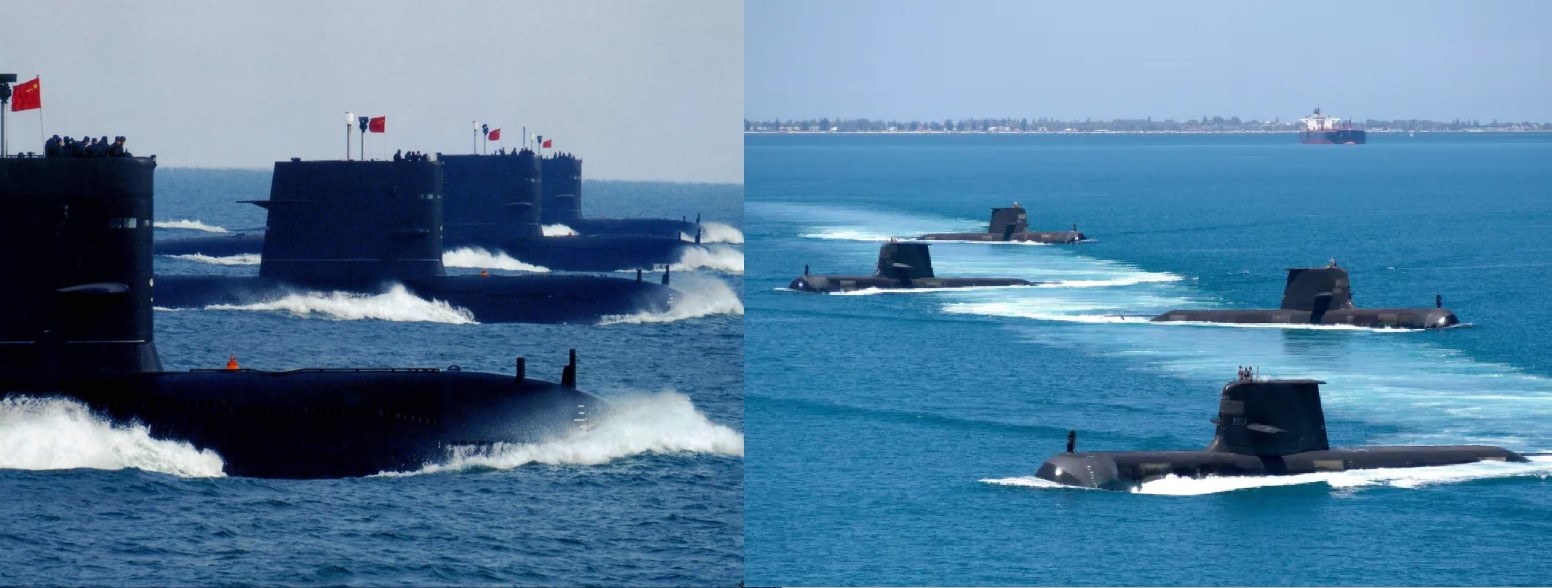
World
A recent Pentagon assessment has raised fresh alarm in Washington, warning that the People’s Liberation Army Navy (PLAN) is on course to surpass the United States Navy in submarine numbers by 2035 and could also match U.S. aircraft carrier strength within the same timeframe. While the United States continues to enjoy a qualitative advantage, driven largely by its nuclear-powered carrier fleet, the report underscores that China’s rapid shipbuilding pace is steadily narrowing the gap. China’s Submarine Expansion Accelerates According to Pentagon data, China currently operates a diverse and rapidly modernizing submarine force comprising nuclear-powered ballistic missile submarines (SSBNs), nuclear-powered attack submarines (SSNs), and a large number of diesel-electric attack submarines (SSKs). The assessment places the People’s Liberation Army Navy (PLAN) undersea fleet at around 60 submarines in the mid-2020s, already making it one of the largest submarine forces in the world. More significantly, Pentagon projections indicate that China’s submarine inventory is expected to expand to approximately 65 submarines by 2025 and reach around 80 submarines by 2035. This growth trajectory is being driven by high shipyard output, shorter construction timelines, and sustained investment in undersea warfare capabilities, even as older platforms are gradually retired from service. Corroborating this assessment, data from the Nuclear Threat Initiative (NTI) estimates that China currently operates about 60 submarines, of which only 12 are nuclear-powered. The remaining majority consists of conventionally powered boats optimized for regional sea-denial missions. In terms of fleet composition, China fields six ballistic missile submarines (SSBNs), six nuclear-powered attack submarines (SSNs), and 48 diesel-electric attack submarines (SSKs). Notably, 12 of these SSKs are equipped with Air-Independent Propulsion (AIP)—a technology that significantly reduces acoustic signatures and enables submarines to remain submerged for extended periods, enhancing their survivability and effectiveness in littoral and contested waters. Together, these figures underline why Pentagon planners increasingly view China’s undersea force as a central pillar of its naval modernization drive, with submarine numbers—and not just technological sophistication—emerging as a decisive factor in the evolving Indo-Pacific naval balance. U.S. Submarine Numbers Expected To Dip Before Recovery In contrast, the Pentagon warns that the U.S. Navy’s submarine force is heading into a temporary but strategically significant decline, even as it remains one of the most capable undersea fleets in the world. According to the Nuclear Threat Initiative (NTI), the United States currently operates 71 submarines, all of them nuclear-powered, underscoring Washington’s enduring qualitative edge in undersea warfare. The current U.S. submarine inventory consists of 14 Ballistic Missile Submarines (SSBNs), which form the sea-based leg of America’s nuclear deterrent; 53 Nuclear-Powered Attack Submarines (SSNs) tasked with intelligence, sea control, and strike missions; and four Guided Missile Submarines (SSGNs) capable of launching large salvos of cruise missiles and supporting special operations forces. Despite this formidable force structure, Pentagon projections indicate that U.S. attack submarine numbers are set to decline sharply due to procurement gaps following the Cold War and the retirement of older platforms. The number of American SSNs is expected to fall to around 47 boats by 2030, marking the lowest point of what U.S. naval planners describe as a submarine “valley.” Although U.S. submarine numbers are projected to stabilize and gradually recover later in the decade, this interim shortfall is a central concern for Pentagon strategists. The timing coincides with China’s continued submarine fleet expansion, raising the risk that undersea balance calculations in the Indo-Pacific could temporarily tilt during a critical window—particularly in scenarios involving Taiwan or contested waters in the Western Pacific. Aircraft Carriers: Numbers Versus Capability The Pentagon report also highlights China’s ambitions in aircraft carrier development. Beijing currently operates three carriers, including its newest and most advanced platform, Fujian, which is equipped with electromagnetic catapults and designed to support more capable fixed-wing aircraft. Looking ahead, the Pentagon assesses that China aims to field up to six operational carriers by 2035, bringing the total fleet to nine aircraft carriers if construction timelines hold. This would place China close to parity with U.S. carrier numbers, at least on paper. However, the report emphasizes a key distinction: All 11 U.S. aircraft carriers are nuclear-powered, enabling longer deployments, higher sortie rates, and sustained global operations, whereas China’s carriers remain conventionally powered. Why 2035 Matters To Washington Pentagon officials stress that the warning is not about an immediate loss of U.S. naval superiority, but about converging trendlines. By 2035, China could field more submarines, nearly equivalent carrier numbers, and a fleet increasingly optimized for regional dominance. In a potential crisis involving Taiwan, the South China Sea, or the Western Pacific, such shifts could compress U.S. response timelines, complicate deterrence, and raise operational risk—particularly during the years when U.S. submarine numbers are at their lowest. Industrial Power At The Core Of Naval Competition Ultimately, the Pentagon assessment frames the rivalry as a contest of industrial capacity as much as combat capability. China’s ability to build ships faster, replace losses quickly, and scale production is emerging as a decisive factor in naval planning. As the United States works to stabilize its submarine force and maintain its qualitative edge through advanced platforms, nuclear propulsion, and operational experience, the Pentagon’s message is clear: the balance of power in the Indo-Pacific is tightening, and the window between now and 2035 will be critical in shaping the future maritime order.
Read More → Posted on 2025-12-28 15:41:37
World
The United States has confirmed that military options remain fully prepared in its confrontation with Venezuela, but senior U.S. officials say Washington’s immediate strategy is to apply maximum economic pressure through tighter sanctions and aggressive enforcement aimed at forcing President Nicolás Maduro into major concessions by January 2026. According to U.S. officials, the White House believes a sustained economic squeeze—focused primarily on Venezuela’s oil exports and financial access—could push the country toward a systemic economic collapse, weakening the Maduro government’s ability to govern and finance its security apparatus. Sanctions First, Force in Reserve Officials emphasized that the current approach prioritizes economic coercion, not immediate military action. However, they stressed that all military options remain “ready and available” should sanctions fail to achieve strategic objectives. The strategy reflects a calibrated escalation: intensifying pressure without triggering an outright conflict, while maintaining credible deterrence. U.S. defense planners continue contingency preparations, signaling that Washington is not ruling out force if political outcomes stall. The “Quarantine” Strategy and Historical Echoes Notably, U.S. officials have avoided describing their actions as a blockade, instead using the term “quarantine.” The language deliberately echoes the 1962 Cuban Missile Crisis, when similar terminology was used to project resolve while limiting legal and diplomatic fallout. While largely rhetorical, the distinction carries weight. A blockade can be interpreted as an act of war under international law, whereas a quarantine is framed as enforcement of sanctions and maritime controls. In practice, however, the measures involve intercepting and seizing oil shipments, blurring the line between economic and military pressure. Targeting Venezuela’s Oil Lifeline At the center of the strategy is Venezuela’s oil sector, which provides the regime’s primary source of foreign currency. U.S. authorities have stepped up efforts to disrupt crude exports by: Expanding sanctions on shipping firms, insurers, and intermediaries Tracking and targeting vessels accused of sanctions evasion Seizing or redirecting tankers suspected of carrying Venezuelan oil U.S. officials say these steps are designed to make Venezuelan crude “commercially toxic,” deterring buyers and insurers even outside U.S. jurisdiction. Caracas Pushes Back The Maduro government has condemned the measures as economic warfare, accusing Washington of violating international law and threatening global energy stability. Venezuela’s legislature has passed laws criminalizing cooperation with foreign seizures of its oil shipments, while officials have labeled tanker interceptions as “maritime piracy.” Caracas continues to seek diplomatic and legal backing through international forums, arguing that unilateral sanctions are illegitimate and politically motivated. Limits of Sanctions and the Role of External Backers Despite Washington’s confidence, analysts caution that sanctions alone may not achieve regime change. Venezuela has survived years of restrictions by adapting—using intermediaries, barter trade, and alternative financial channels. Crucially, some countries remain willing to financially support Venezuela or maintain energy ties despite U.S. pressure. Such backing could cushion the economic shock and delay—or entirely prevent—the collapse Washington anticipates. The January 2026 Deadline The White House’s internal timeline centers on January 2026 as a decisive point. U.S. officials believe that, by then, the compounded impact of oil disruptions, restricted revenue, and fiscal strain could force Maduro into negotiations or political compromises. If that calculation proves wrong, the consequences could be severe. A failure of economic pressure would leave Washington facing a narrowing set of options—potentially making military action increasingly difficult to avoid if strategic objectives remain unmet. High-Stakes Strategy For now, the U.S. is betting that economic force can succeed where diplomacy has stalled. But as pressure intensifies and Venezuela searches for lifelines, the confrontation is entering a high-risk phase, where the line between sanctions and open conflict grows thinner with each escalation. What happens by early 2026 may determine whether Washington’s strategy ends at the negotiating table—or moves into far more dangerous territory.
Read More → Posted on 2025-12-28 15:22:01
PLA Navy Confirms First Operational Test of YJ-20 Hypersonic Anti-Ship Missile From Type 055 Warship
World
In a significant escalation of naval strike capability, official Chinese media on Sunday released rare footage confirming the first-ever live firing of the YJ-20 hypersonic anti-ship missile from a frontline warship, marking a major milestone in the People’s Liberation Army Navy’s (PLAN) modernization drive. The footage shows the 10,000-ton-class Type 055 large destroyer Wuxi conducting a finalization test of the YJ-20 hypersonic anti-ship aeroballistic missile, a weapon system widely regarded as one of China’s most formidable naval strike assets. According to analysts cited in the report, the missile’s high speed, maneuverability, and steep terminal attack profile make it exceptionally difficult to detect and intercept. This is the first time official Chinese media has publicly confirmed and visually documented a live YJ-20 launch from a surface combatant, underscoring the weapon’s apparent transition from developmental testing to operational readiness. Hypersonic Strike From the Sea The YJ-20 is described as a ship-launched hypersonic anti-ship missile capable of reaching speeds of around Mach 5 while executing high-G evasive maneuvers throughout its flight. With a reported maximum range of approximately 1,000 kilometers, the missile provides the PLA Navy with a powerful stand-off strike capability, allowing surface vessels to engage high-value maritime targets well beyond the reach of conventional naval air defenses. Experts noted that the missile can descend on targets from an almost vertical angle during its terminal phase, a trajectory designed to defeat layered shipborne missile defense systems. This attack profile, combined with hypersonic velocity, drastically reduces reaction time for defending forces. “The YJ-20’s aeroballistic flight path and maneuverability significantly complicate interception,” a Chinese military analyst stated in the report, adding that current naval air defense systems are not optimized to counter such threats. Type 055 Destroyer: China’s Capital Surface Combatant The launch platform, Type 055 destroyer Wuxi, belongs to China’s most advanced class of surface warships. Often described by Western analysts as a guided-missile cruiser in all but name, the Type 055 displaces over 10,000 tons and features 112 vertical launch system (VLS) cells, advanced AESA radar, and integrated air, missile, and undersea warfare capabilities. The successful YJ-20 firing demonstrates the Type 055’s role as a core strike node within China’s blue-water fleet, capable of delivering long-range precision attacks against surface targets while operating as part of a networked naval task force. Strategic Implications The public disclosure of the YJ-20 test is widely seen as a strategic signaling move, highlighting China’s growing ability to challenge hostile naval forces at extended distances. Military observers note that hypersonic anti-ship missiles such as the YJ-20 are specifically designed to threaten large surface formations, including aircraft carrier strike groups. With its high speed, long range, and near-interception-proof flight profile, the YJ-20 significantly alters the balance of naval power in contested maritime regions, particularly in the Western Pacific. As hypersonic weapons continue to redefine modern warfare, the confirmed operational testing of the YJ-20 from a frontline warship places the PLA Navy among the world’s leading forces in hypersonic maritime strike capability. A Turning Point in Naval Warfare The release of this footage marks more than a technical achievement. It signals a broader doctrinal shift toward long-range, precision, stand-off naval warfare, where surface combatants can hold adversary fleets at risk without closing distance. For the PLA Navy, the YJ-20’s debut from the Type 055 destroyer represents a critical step toward full-spectrum maritime deterrence—and a clear indication that hypersonic weapons are no longer theoretical assets, but active components of China’s naval arsenal.
Read More → Posted on 2025-12-28 15:14:07
World
China has entered a new phase of advanced aviation development after a 6-ton-class tiltrotor aircraft, the Lanying R6000, successfully completed its maiden flight on Sunday in Sichuan Province, marking a global first in its weight category. The aircraft was independently developed by United Aircraft, the company confirmed in a release shared with Global Times. The Lanying R6000 is currently the largest tiltrotor aircraft ever to complete a first flight in China, underscoring the country’s rapid ascent in one of aviation’s most complex and strategically significant technologies. A Dual-Mode Aircraft Redefining Distance Designed to bridge the gap between helicopters and fixed-wing aircraft, the R6000 seamlessly transitions between vertical take-off and landing (VTOL) and high-speed horizontal flight. This allows it to combine precise hovering and vertical access with long-range, high-speed cruise performance, enabling point-to-point connectivity across urban centers, offshore routes, and mountainous terrain. According to United Aircraft, the platform is intended to support cross-regional “door-to-door” air transport networks, sharply reducing travel time while expanding access to areas traditionally underserved by conventional aviation. Breaking a Long-Standing Technological Barrier “The emergence of the R6000 shows that China has reached the forefront of global tiltrotor aviation, breaking a long-standing technological monopoly,” said Zhao Fengming, project manager of the program. A key milestone is the aircraft’s powerplant. The R6000 is powered by the AES100 turboshaft engine, which has been independently developed by AERO Engine Corporation of China, marking another step toward full domestic control over critical aviation technologies. Advanced Rotor Architecture and Safer Operations Unlike traditional tiltrotors that rotate the entire engine nacelle, the Lanying R6000 adopts an advanced tilting rotor shaft design. This configuration delivers major breakthroughs in flight control and power transmission, while also addressing operational safety challenges. By avoiding exposure to high-temperature exhaust airflow during take-off and landing, the design reduces risks to ground personnel and prevents thermal damage to maritime platforms without heat-resistant coatings. This feature is expected to significantly expand shipborne and offshore operations, including take-offs and landings on ordinary sea platforms. Performance Figures That Redefine the Class In fixed-wing flight mode, the R6000 achieves a cruising speed of 550 km/h, approximately twice that of conventional helicopters. It carries a maximum commercial payload of 2,000 kilograms, far exceeding helicopters of similar weight. The aircraft’s maximum range reaches 4,000 kilometers, around four times greater than traditional helicopters, while its service ceiling stands at 7,620 meters, nearly double the typical helicopter operating altitude. To support operations in confined environments, the R6000 incorporates wing tandem-folding and rotor blade retraction technologies, reducing its parking footprint and overcoming deployment limitations associated with fixed-wing aircraft. Independent Systems and Aviation-Grade Safety United Aircraft emphasized that the maiden flight reflects a series of fully independent breakthroughs in core tiltrotor technologies. The R6000 is equipped with an intelligent tilt and flight-control system with complete intellectual property rights, designed to maintain stability and safety throughout all phases of flight. Its transmission system meets the most stringent aviation safety standards, while the use of high-performance composite rotor blades balances power, efficiency, and noise reduction, laying the groundwork for future large-scale commercial and government use. Role in China’s Expanding Low-Altitude Economy The successful flight comes as China accelerates the development of its low-altitude economy, a sector increasingly visible in daily life. Xinhua News Agency has reported that drones are already being used for food delivery, logistics, and urban services, while helicopter tourism is reshaping high-end travel experiences. Beyond air commuting, the Lanying R6000 is expected to play a critical role in medical evacuation, firefighting, police patrols, and large-scale disaster relief, enabling rapid and precise deployment of personnel and supplies. The aircraft also opens new possibilities for high-end private travel and aerial sightseeing tourism. A Market Measured in Trillions According to forecasts from the Civil Aviation Administration of China, China’s low-altitude economy is projected to reach 1.5 trillion yuan by 2025 and could exceed 3.5 trillion yuan by 2035. Below the 1,000-meter altitude band, growth opportunities are described as “boundless.” With the Lanying R6000’s maiden flight, China has not only demonstrated technical maturity in tiltrotor aviation but has also signaled its intent to shape the future of regional air mobility, emergency response, and next-generation transport systems on a global scale. If you want, I can tighten the tone further for a Western defence or aviation outlet, or add comparative context with platforms like the V-22 Osprey for international readers.
Read More → Posted on 2025-12-28 14:38:23
World
Japan has officially begun mass production of its upgraded Type 03 Chu-SAM Kai medium-range air defense system, marking a major transition from development to large-scale operational deployment. The move was confirmed in an annual defense investment document released on December 26, 2025 by the Japanese Ministry of Defense, underscoring Tokyo’s determination to reinforce its integrated air and missile defense architecture amid intensifying regional missile activity. The start of production signals that the Type 03 Kai has cleared critical testing, evaluation, and validation milestones. Japanese defense officials characterize the system as a core mid-layer interceptor, specifically optimized to counter ballistic missiles, maneuvering re-entry vehicles, and emerging hypersonic glide threats that challenge traditional air defense systems. Evolution from Type 03 to Type 03 Kai The original Type 03 Chu-SAM entered service with the Japan Ground Self-Defense Force (JGSDF) in 2003, replacing the aging Type 81 Tan-SAM. Developed and manufactured by Mitsubishi Electric, the baseline system introduced active radar-homing missiles, truck-mounted vertical launchers, and a phased-array fire-control radar capable of engaging multiple targets simultaneously. Designed from the outset as a mobile and networked system, the Type 03 was integrated into Japan’s multi-layered air defense strategy, operating alongside U.S.-supplied Patriot PAC-3 systems for higher-altitude interception and indigenous short-range defenses for point protection. The Kai (improved) variant represents a substantial technological leap, rather than a routine upgrade. According to officials, improvements focus on enhanced sensor fusion, advanced guidance algorithms, and greater effectiveness against high-speed, maneuvering targets operating in contested electromagnetic environments. Budget Allocation and Production Funding Japan’s draft Fiscal Year 2026 defense budget, approved by the Cabinet on December 26, 2025, formally includes ¥5.1 billion (approximately USD 32.6 million) for the initial production tranche of the Type 03 Chu-SAM Kai. This allocation marks the system’s first dedicated procurement funding line, aligning with Japan’s record defense spending framework driven by accelerating regional security challenges. Defense planners indicate that early production units will be used for frontline deployment, operator training, and doctrinal refinement, ensuring smooth integration into Japan’s expanding command, control, and early-warning network. Missile and System Specifications While the Japanese Ministry of Defense has withheld certain classified parameters, available data and defense-industry disclosures outline the system’s core capabilities. The Type 03 Chu-SAM Kai interceptor is assessed to have a maximum engagement range of approximately 50 kilometers and an intercept altitude of up to 25 kilometers, firmly positioning it in the medium-range air defense category. The missile employs active radar homing with mid-course guidance updates, allowing autonomous terminal engagement while remaining fully networked with external early-warning sensors. The upgraded radar is believed to incorporate an advanced AESA (Active Electronically Scanned Array), improving detection of low-observable targets, tracking of high-velocity threats, and resilience against electronic warfare and jamming. Launchers remain truck-mounted with vertical launch capability, preserving 360-degree coverage, rapid shoot-and-scoot mobility, and high survivability in dynamic combat environments. Each battery is designed to operate as part of a distributed, network-centric formation, receiving targeting data from ground-based radars, airborne sensors, and national-level command nodes. Strategic Significance Defense analysts view the start of mass production as a strategic inflection point in Japan’s homeland defense modernization. With regional actors expanding their ballistic missile inventories and accelerating hypersonic weapons development, Tokyo’s investment in an indigenous, high-performance medium-range interceptor reflects both operational necessity and a drive for defense-industrial self-reliance. Once fully fielded, the Type 03 Chu-SAM Kai is expected to rank among the most capable medium-range air defense systems in the Asia-Pacific region, significantly enhancing Japan’s ability to detect, track, and intercept next-generation aerial threats and reinforcing the credibility of its multi-layered national missile defense shield.
Read More → Posted on 2025-12-28 14:28:46
World
Japan has reached a major milestone in its maritime defence transformation with the launch of the twelfth and final Mogami-class stealth frigate, formally closing one of the most ambitious surface-combatant programs in the history of the Japan Maritime Self‑Defense Force (JMSDF). The final vessel, JS Yoshii (FFM-12), was launched on December 22, 2025, at Mitsubishi Heavy Industries’ Nagasaki Shipyard, marking the completion of a 12-ship program valued at approximately ¥550 billion (about USD 3.7–4.0 billion). The frigate is scheduled to enter active service in FY 2026, following outfitting, sea trials, and combat-system integration. Program Origins and Order Details The Mogami-class frigate program originated under Japan’s 30FFM (Fast, Flexible, Multi-Mission) initiative, aimed at replacing ageing destroyer escorts and mine-countermeasure vessels while reducing crew burden through automation. The initial procurement contract for the first batch of Mogami-class frigates was approved in FY 2018, with construction formally commencing in 2019. Subsequent batches were authorised through Japan’s Medium-Term Defense Programs (MTDPs), with final funding approval secured by FY 2021, completing orders for all 12 hulls. Key program figures include: Total ships ordered: 12 Estimated total budget: ~¥550 billion Average unit cost: ¥45–46 billion per ship Prime contractor: Mitsubishi Heavy Industries (MHI) Construction period: 2019–2025 Planned full operational fleet: By March 2027 The accelerated build schedule allowed Japan to launch multiple hulls annually, an unusually rapid pace for complex surface combatants. A New Era of Surface Warfare The Mogami class, also designated under Japan’s “30FFM” (Fast, Flexible, and Future-Ready Multi-Mission Frigate) project, represents a leap forward in autonomous operation, modular mission capability, and survivability. With a standard displacement of approximately 3,900 tons and a full load displacement near 5,500 tons, these vessels blend stealth features with modern sensors and weapons to ensure dominance in littoral and open-ocean environments. Key specifications for the class include: Length: ~132.5 m; Beam: ~16.3 m; Draft: ~9 m Propulsion: CODAG (Combined Diesel And Gas) with one Rolls-Royce MT30 gas turbine and two MAN diesel engines Speed: Over 30 knots Crew: ~90 personnel Sensors & Combat Systems: Advanced AESA radar, integrated electro-optical/IR systems, mine-hunting sonar, and a modern combat management suite Armament: 1 Mk-45 naval gun, 8 Type 17 anti-ship missiles, 16 Mk-41 Vertical Launch System (VLS), 1 SeaRAM, 2 Triple lightweight torpedo launchers, and 2 Remote weapon stations Aviation Facilities: Capability to operate an SH-60L Seahawk helicopter and unmanned systems for expanded mission sets. These capabilities position the Mogami class as highly networked, automated platforms capable of a broad spectrum of missions — from anti-surface and anti-submarine warfare to air defense, mine countermeasures, and maritime surveillance. From First Keel to Final Hull The JMSDF’s Mogami-class program has progressed at an ambitious pace since its inception, with two hulls typically under construction each year once the program accelerated under Japan’s Medium-Term Defense Program. Eight of the vessels were already in active service by 2025, with all 12 expected to be commissioned by March 2027. Timeline of the class’s launches and induction dates so far: Ship Name Pennant Laid Down Launch Date Induction/Commissioned JS Mogami FFM-1 29 Oct 2019 3 Mar 2021 28 Apr 2022 JS Kumano FFM-2 Date N/A Nov 2019 (reported) Mar 2022 JS Noshiro FFM-3 Date N/A 22 Jun 2021 Dec 2022 JS Mikuma FFM-4 Date N/A Date N/A Mar 2023 JS Yahagi FFM-5 Date N/A Date N/A May 2024 JS Agano FFM-6 Date N/A Date N/A Jun 2024 JS Niyodo FFM-7 Date N/A Date N/A 21 May 2025 JS Yūbetsu FFM-8 30 Aug 2022 14 Nov 2023 19 Jun 2025 Tatsuta FFM-11 Date N/A 2 Jul 2025 Scheduled Nagara FFM-10 6 Jul 2023 19 Dec 2024 Mar 2026 (est.) Yoshii FFM-12 3 Jul 2024 22 Dec 2025 FY2026 (est.) (Note: Some lay-down dates and induction dates are publicly available only for select vessels; others follow planned schedules under the JMSDF shipbuilding program.) Strategic Significance and Regional Impact The completion of the Mogami fleet represents more than just a procurement milestone for Japan. In an era marked by intensifying maritime competition — particularly in the East China Sea and wider Indo-Pacific — these stealth frigates provide Tokyo with flexible, survivable assets to safeguard sea lines of communication and counter a range of threats, from submarine incursions to missile engagements. The progressively automated systems aboard Mogami vessels also help address JMSDF manpower constraints linked to broader demographic trends in Japan, allowing smaller crews to maximize operational effectiveness. International interest in the Mogami design has also surged. In 2025, Australia selected an upgraded Mogami variant as its preferred option for future general-purpose frigates — a landmark defense export for Japan following decades of post-war restrictions on arms exports. This deal highlights the vessel’s performance, modularity, and adaptability to varied strategic requirements. Looking Ahead With the launch of JS Yoshii, Japan formally closes the Mogami-class construction chapter — but operationally, the story is just beginning. As the final ships enter service in 2026, the JMSDF will field one of the most modern frigate fleets in the Indo-Pacific, reshaping regional maritime balance for decades to come.
Read More → Posted on 2025-12-28 14:16:19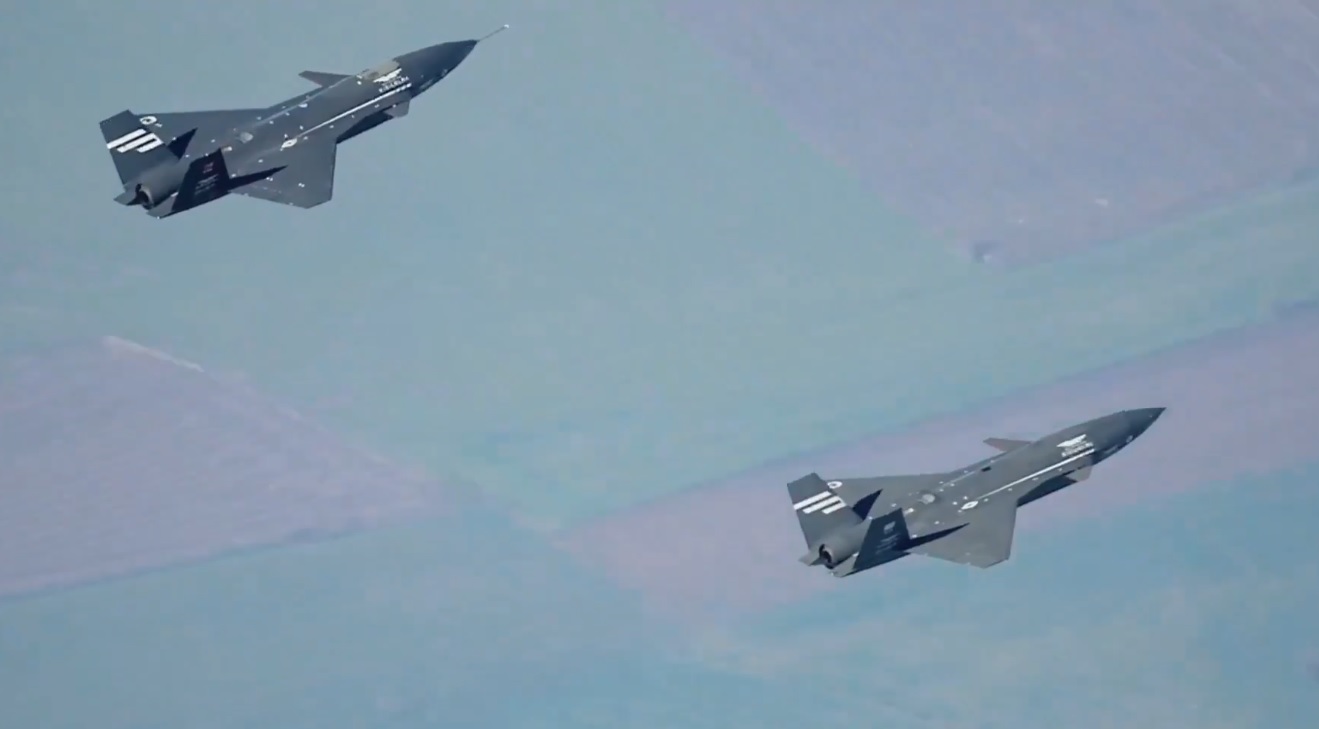
World
Turkey has reached a historic milestone in military aviation after two KIZILELMA unmanned fighter jets successfully carried out the world’s first fully autonomous close formation flight using artificial intelligence alone, without pilots or remote human control. The breakthrough was announced by Baykar on December 28, 2025, marking a decisive step toward a future of AI-driven air combat. According to Baykar, the two jet-powered aircraft flew in tight, coordinated formation, continuously adjusting position, speed, and altitude in real time through onboard AI algorithms, advanced sensors, and encrypted data sharing. At no point was human input required, distinguishing the flight from existing remotely piloted or semi-autonomous drone operations. Defense experts describe the achievement as a turning point that elevates Turkey into a select group of nations shaping the next era of aerial warfare. A Global First in Autonomous Combat Aviation The aircraft involved were Bayraktar KIZILELMA platforms—armed, combat-capable unmanned fighter jets, not experimental drones. Close formation flying is among the most demanding tasks in military aviation, traditionally requiring years of pilot training and constant human judgment. Successfully executing such maneuvers using AI alone demonstrates a level of autonomy not yet publicly shown by any other defense manufacturer worldwide. Analysts note that no Western or Eastern aerospace firm has confirmed or released evidence of two fully autonomous, jet-powered unmanned fighters performing close formation flight without pilot oversight. The demonstration therefore sets a new global benchmark for autonomous decision-making in high-risk aerial environments. What Makes KIZILELMA a Game-Changer KIZILELMA is designed as a low-observable, high-performance unmanned fighter aircraft, capable of operating from short-runway aircraft carriers as well as land bases. The platform integrates advanced radar, sensor fusion, and AI-enabled mission systems, allowing it to conduct air-to-air and strike missions in contested environments. Baykar has indicated that future variants are expected to achieve supersonic performance, further expanding its combat role. The ability of two KIZILELMA jets to fly autonomously in formation is a critical step toward swarm warfare, cooperative dogfighting, and manned–unmanned teaming, where multiple aircraft operate as a single, adaptive combat network. Ahead of Major Powers The announcement places Turkey visibly ahead in public demonstrations of autonomous fighter capabilities. While the United States continues to develop programs such as Skyborg and the Navy’s Collaborative Combat Aircraft, and China’s loyal wingman projects remain largely classified, none have yet confirmed an AI-only formation flight between armed unmanned fighter jets. Baykar’s demonstration suggests that Turkey’s indigenous AI and autonomy technologies have moved beyond theory and controlled testing into operationally relevant performance. Path to Service and Future Tests As of late 2025, the KIZILELMA program is in its advanced flight-test phase, with serial production expected to begin in 2026. The aircraft is projected to enter service with the Turkish Air Force and Turkish Navy within the next 12 to 18 months. Baykar has also confirmed plans for further demonstrations in 2026, including beyond-visual-range combat simulations, swarm coordination, and joint operations with manned fighter aircraft. Redefining the Future of Dogfighting Military strategists say the successful AI-only formation flight challenges long-standing assumptions about the role of human pilots in air combat. With artificial intelligence now capable of executing precision maneuvers once reserved for elite aviators, the balance of air power is increasingly shifting toward algorithms, autonomy, and data dominance. The KIZILELMA formation flight signals more than a technological success—it marks the arrival of a new chapter in warfare, where the future of dogfighting is not just unmanned, but autonomous.
Read More → Posted on 2025-12-28 13:58:40
World
On December 23, the U.S. Department of Defense announced the signing of a new long-term framework agreement with Lockheed Martin, securing the future of the C-130J Super Hercules programme through at least July 2035. The agreement provides the legal and contractual foundation for continued procurement, upgrades, and engineering work on one of the world’s most widely used military transport aircraft. The framework contract carries a maximum potential value of $10 billion and is structured to support both U.S. requirements and international export orders executed under the Foreign Military Sales (FMS) mechanism. At the time of signing, the Department of Defense confirmed that no immediate funding was obligated, underscoring the agreement’s role as a procurement enabler rather than an instant purchase order. Export Customers Already Identified According to U.S. defense officials, the initial group of export customers covered under the new framework includes Egypt, Australia, New Zealand, France, the Philippines, Norway, and the Federal Republic of Germany. These nations already operate or have selected variants of the C-130J, and the agreement simplifies future aircraft orders, system upgrades, and long-term sustainment support. By extending the programme’s ordering window well into the next decade, the framework ensures production continuity and supply-chain stability for both U.S. and allied operators, particularly as airlift demand grows amid heightened global security requirements and humanitarian response missions. Beyond New Aircraft: Engineering and System Integration The agreement is not limited to the manufacture of new airframes. It also covers development and engineering activities, modernization work, and the integration of new onboard systems, enabling the C-130J fleet to evolve with emerging mission requirements. This includes avionics upgrades, mission-specific equipment, and enhancements related to survivability, connectivity, and interoperability with allied forces. Such provisions are increasingly important as operators seek to extend the aircraft’s service life while incorporating next-generation sensors, communications, and electronic warfare capabilities. Building on a $15 Billion Predecessor Contract The newly announced framework follows an earlier multi-year agreement signed in July 2020, which remains in force through July 2030 and carries a maximum value of $15 billion. Together, the two contracts provide Lockheed Martin with a continuous contractual bridge from 2020 to 2035, allowing customers to place orders without renegotiating core terms for each procurement cycle. This long-term approach reflects sustained confidence by the U.S. government and partner nations in the C-130J platform as a cornerstone of tactical airlift and multi-mission operations. Global Fleet and Operational Record To date, more than 560 C-130J aircraft have been delivered worldwide. Collectively, the fleet has accumulated over three million flight hours, demonstrating high utilization across combat, logistics, disaster relief, and special mission profiles. The aircraft has been ordered by 25 countries, in addition to one civilian operator conducting missions on behalf of U.S. government agencies. Multiple Variants for Expanding Missions Alongside the standard transport version, Lockheed Martin offers a family of specialised C-130J configurations. These variants support intelligence gathering, electronic warfare, special operations forces insertion and resupply, search and rescue, and airborne command roles, reinforcing the aircraft’s reputation as one of the most adaptable platforms in military aviation. Strategic Signal By extending the C-130J Super Hercules programme to 2035, the United States has sent a clear signal to allies and industry alike: the iconic airlifter will remain a central pillar of global tactical airlift for decades to come, backed by assured production capacity, upgrade pathways, and long-term sustainment under a single, scalable contractual framework.
Read More → Posted on 2025-12-27 17:00:44
World
On 23 December, the United States Department of War announced the signing of a major new cruise missile production contract with RTX, reinforcing America’s long-range precision strike capabilities amid rising global security demands. Under the agreement, RTX will manufacture and deliver 350 Tomahawk Block V cruise missiles, along with associated support equipment, in a deal valued at $785.2 million. The contract is fully funded at the time of signature, enabling immediate execution without phased budget releases. Deliveries Scheduled Through 2028 According to official details, missile deliveries will be completed by the end of 2028. The Tomahawk Block V missiles produced under this contract will be supplied to multiple U.S. military branches, including the United States Navy, United States Marine Corps, and the United States Army. In addition to domestic users, the contract includes foreign deliveries valued at approximately $500 million, executed through the Foreign Military Sales (FMS) program. While two foreign customers remain undisclosed, the FMS portion underscores sustained allied demand for U.S. long-range strike weapons. Expanding Global Tomahawk Operators To date, Tomahawk missiles acquired via the FMS framework have been purchased by Australia, Netherlands, Japan, and the United Kingdom. Operational testing among allies has accelerated. In December 2024, Australia successfully conducted Tomahawk test launches from the HMAS Brisbane. This was followed in March 2025 by a launch from the Dutch frigate HNLMS De Ruyter. Meanwhile, preparations are ongoing for Japan’s first Tomahawk firing, planned from the destroyer JS Chokai, which is currently undergoing modifications in San Diego. Production Surge and New Launch Platforms RTX confirmed that it is gradually expanding Tomahawk production capacity in response to increased operational requirements and growing export demand. Once operated exclusively by the U.S. Navy and the Royal Navy, the Tomahawk missile system has now been integrated with mobile, land-based launchers for both the U.S. Army and Marine Corps, significantly broadening its deployment options. This shift marks a doctrinal evolution, allowing Tomahawk missiles to be fired not only from surface ships and submarines, but also from ground-based platforms, enhancing flexibility in contested environments. Block V: Longer Reach, Greater Survivability The Tomahawk Block V variant represents the most advanced iteration of the missile family. It features extended service life, modernized navigation systems, improved resilience against electronic warfare, and, in the Block Va configuration, a maritime strike capability designed to engage moving naval targets at long range. With a combat-proven range exceeding 1,600 kilometers, the missile remains a cornerstone of U.S. and allied deep-strike and deterrence strategies. Allied Interest Continues to Grow Eased U.S. export criteria and heightened regional security concerns have fueled broader interest among NATO and Indo-Pacific partners. Canada and Norway have both been cited as potential future Tomahawk customers, signaling that the missile’s international footprint may continue to expand beyond its current operator base. Strategic Signal The December contract reflects Washington’s prioritization of precision strike capabilities, sustained industrial readiness, and deeper interoperability with allies. With 350 additional Tomahawk Block V missiles entering the pipeline and deliveries extending to 2028, the agreement strengthens both U.S. deterrence posture and allied long-range strike capacity in an increasingly contested global security environment. If you want, I can adapt this for a defense magazine layout, tighten it for web news, or localize it for Indian or Indo-Pacific strategic coverage.
Read More → Posted on 2025-12-27 16:56:48Search
Top Trending in 24 Hours
-
 India Successfully Conducts AD-1, AD-2 Interceptor Tests and Maiden NASM-MR Flight Trial
-
 Russia Launches 1,400 Jet-Powered Drones in 2026 as Strike Tactics Evolve to Challenge Ukraine's Air Defenses
-
 U.S Navy Orders 50 Blackbeard Hypersonic Missiles in New $23.4 Million Contract
-
 UAE Denies Reports of Releasing Up to $20 Billion in Funds to Iran Amid Regional De-Escalation Efforts
-
 F-35 Fleet Readiness Falls to 25% Amid Parts Shortages and Software Delays: GAO Report
-
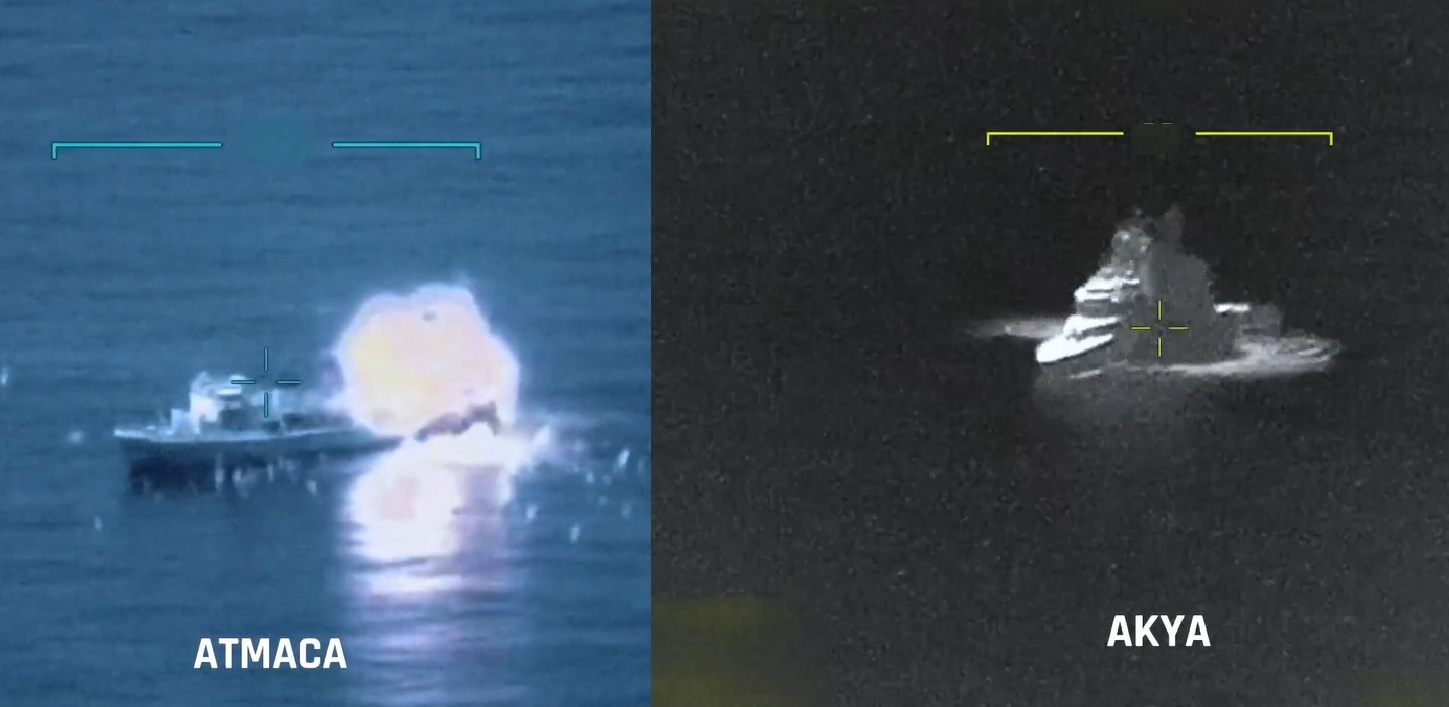 Turkey Navy Successfully Tests AKYA Torpedo and ATMACA Missile During Major Denizkurdu-II Naval Exercise
-
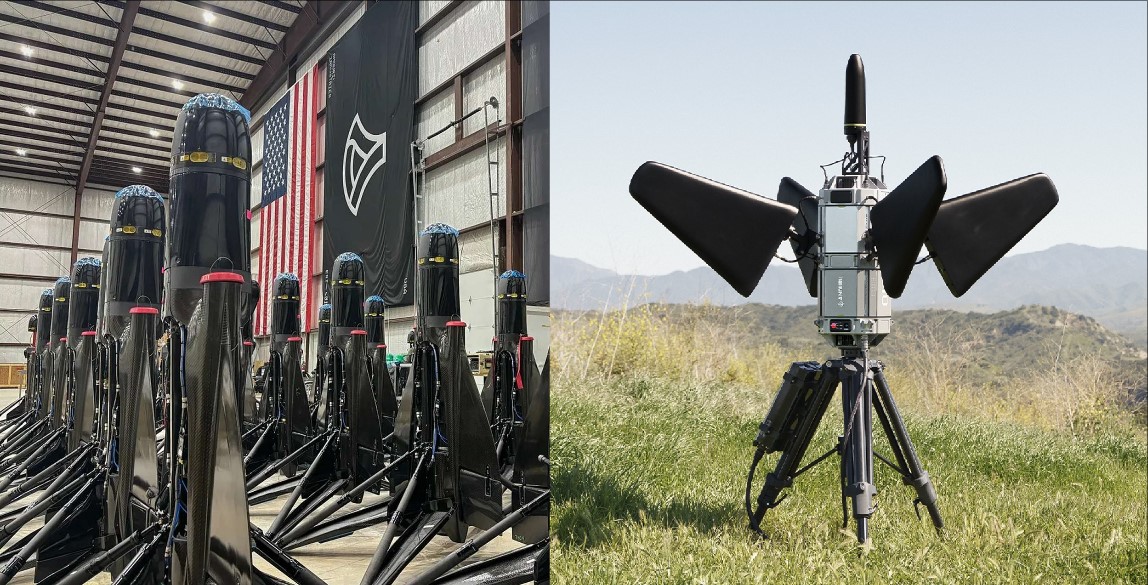 U.S. Approves $1.98 Billion Sale of Anduril AI-Powered Counter-Drone Systems to Kuwait
-
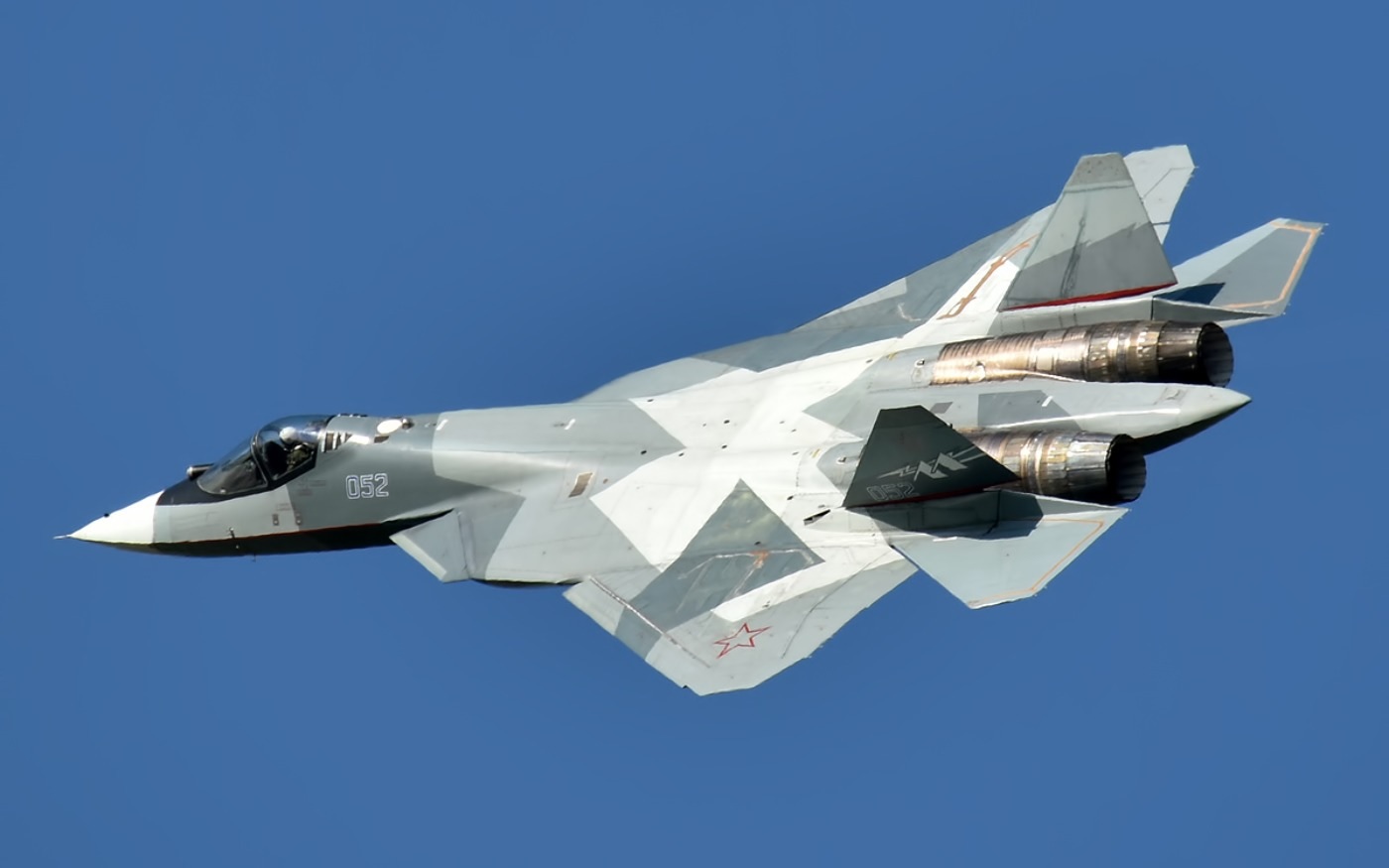 Russian Analysts Debate Su-57 Capabilities After Putin Calls Fighter Superior to F-35
Top Trending in 4 Days
-
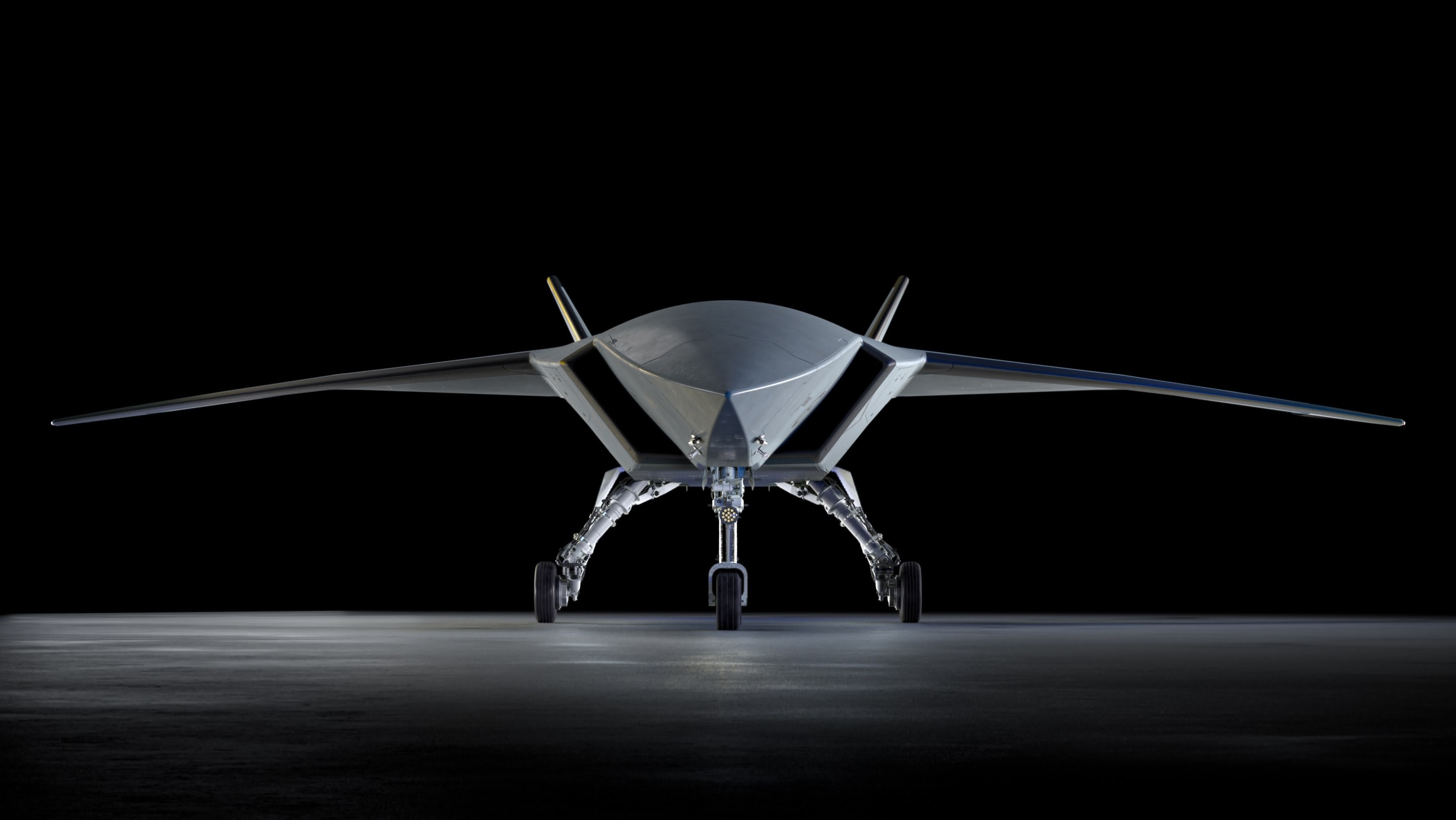 Boeing Introduces New MQ-28 Ghost Bat Upgrades with Increased Range, Payload and Weapons Capacity at ILA Berlin 2026
-
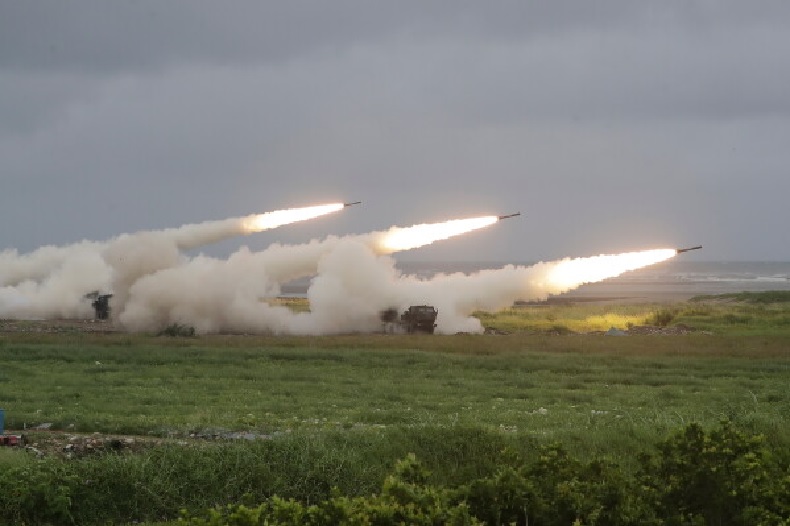 Taiwan Conducts First Live-Fire of HIMARS Rockets From West Coast During Invasion Defense Drill
-
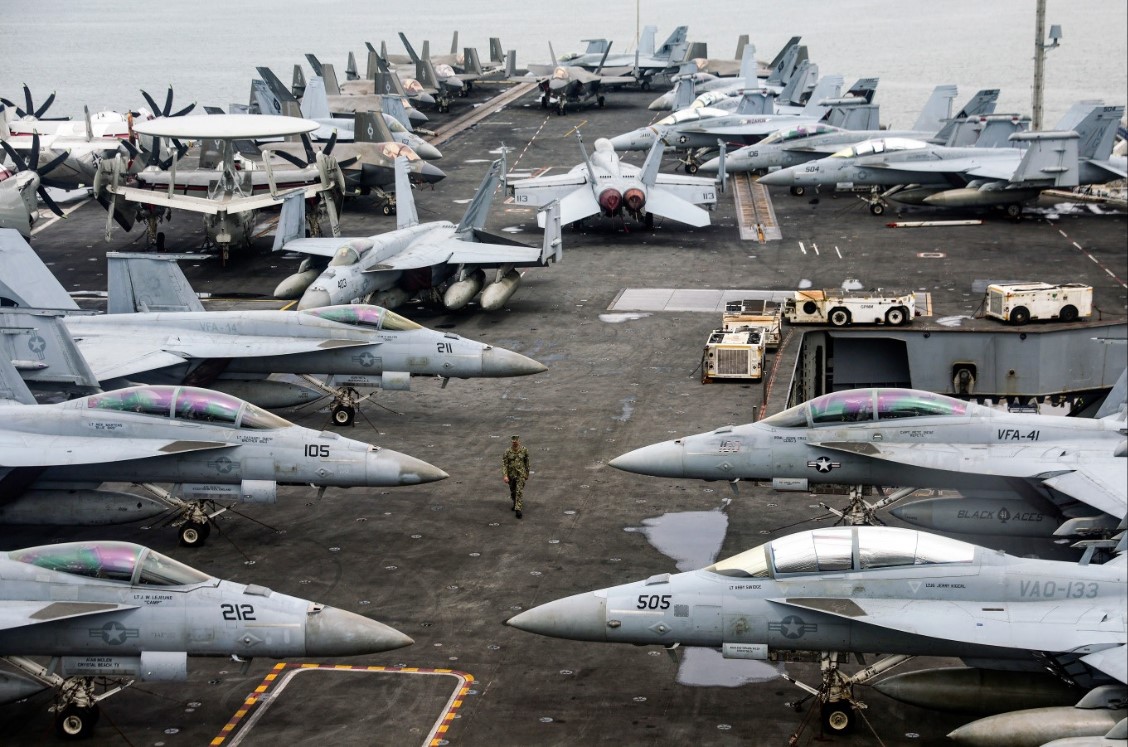 US Plans Significant Reduction of Fighter Jets and Warships for NATO Operations in Europe
-
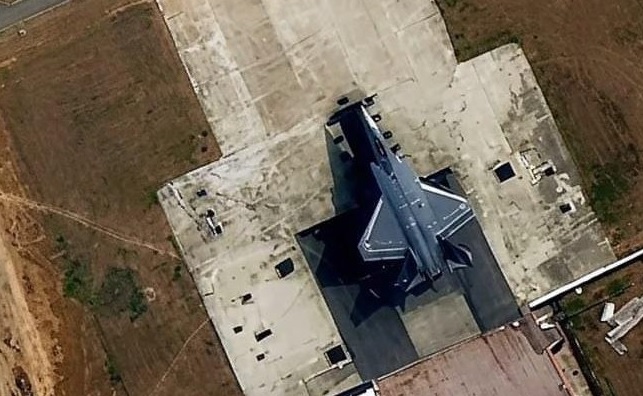 AMCA Airframe Spotted at DRDO’s ORANGE Facility for Radar Cross-Section Testing
-
 Iranian Media Leaks 14-Point U.S.-Iran Peace Framework Amid Ongoing Negotiations
-
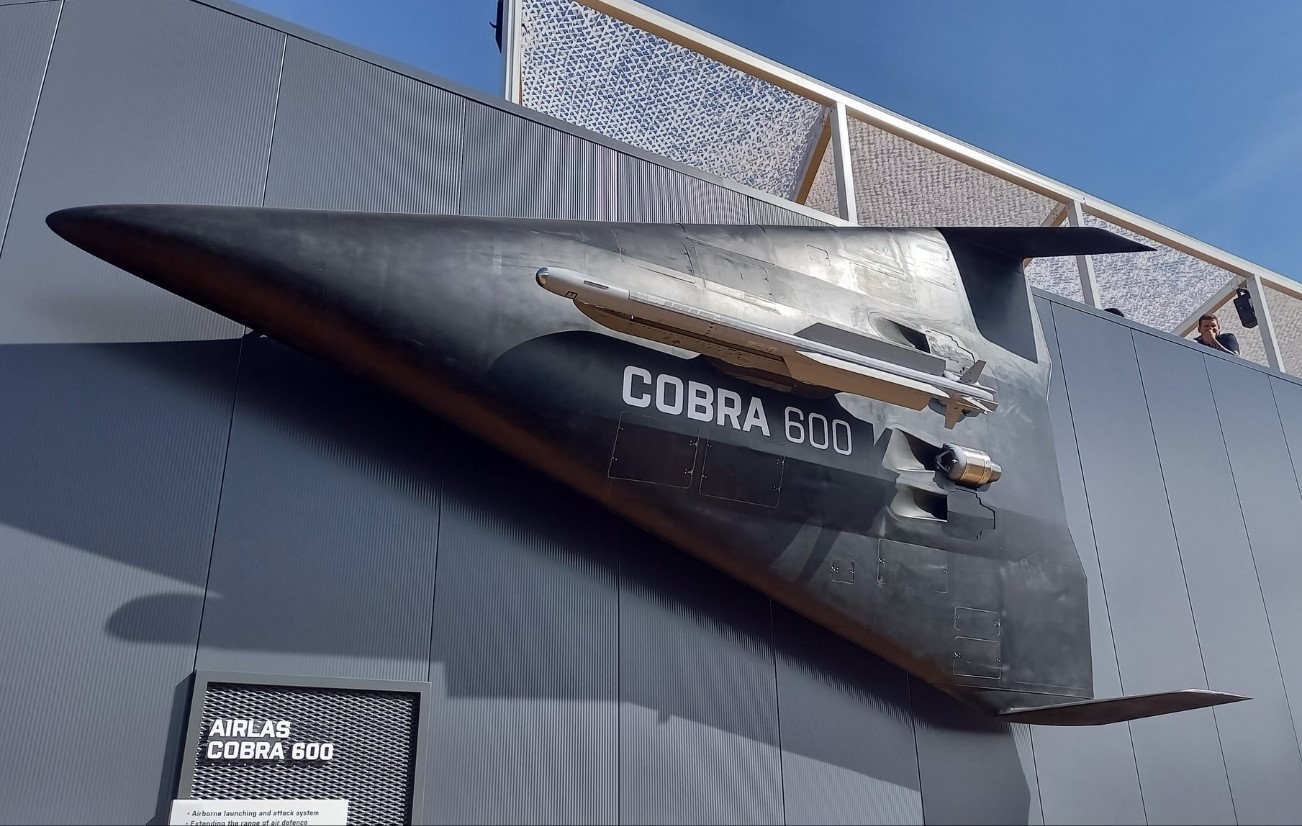 Diehl Defence Unveils IRIS-T Armed Cobra 600 Air Defense Drone at ILA Berlin 2026
-
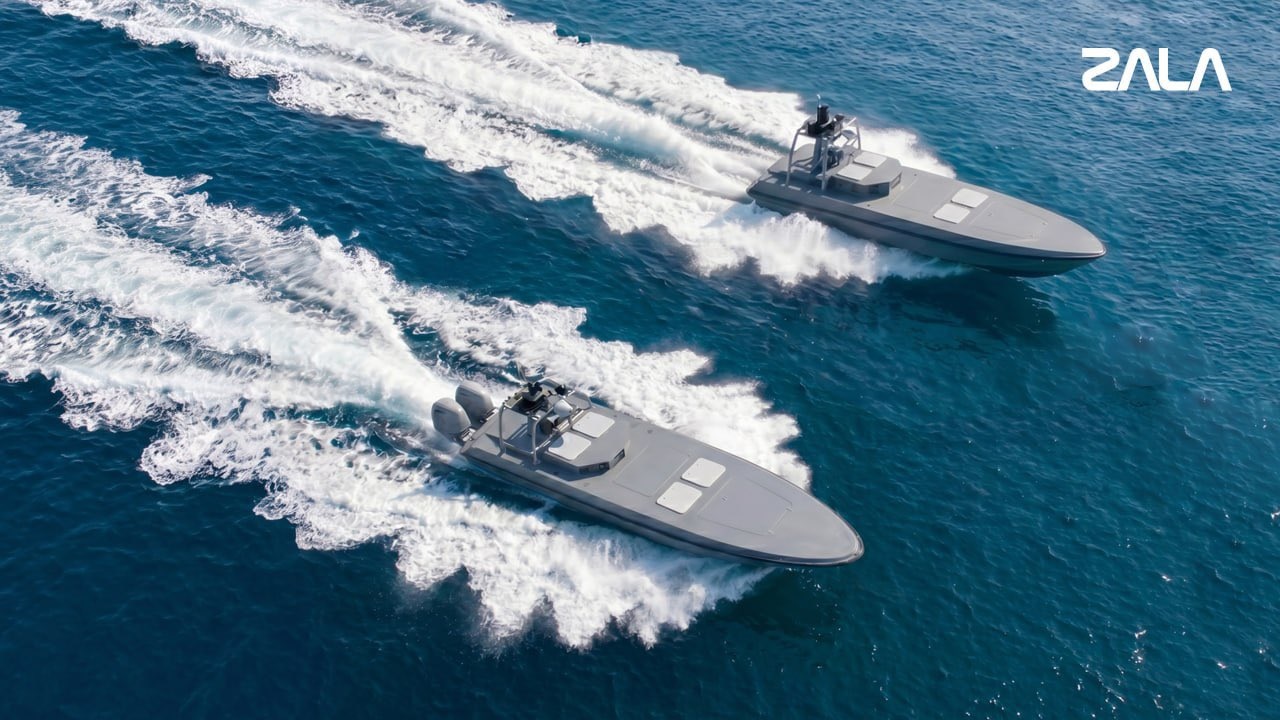 Russian Defense Firm ZALA Unveils KAMA Unmanned Surface Vessel Family at FLOT-2026 Naval Exhibition
-
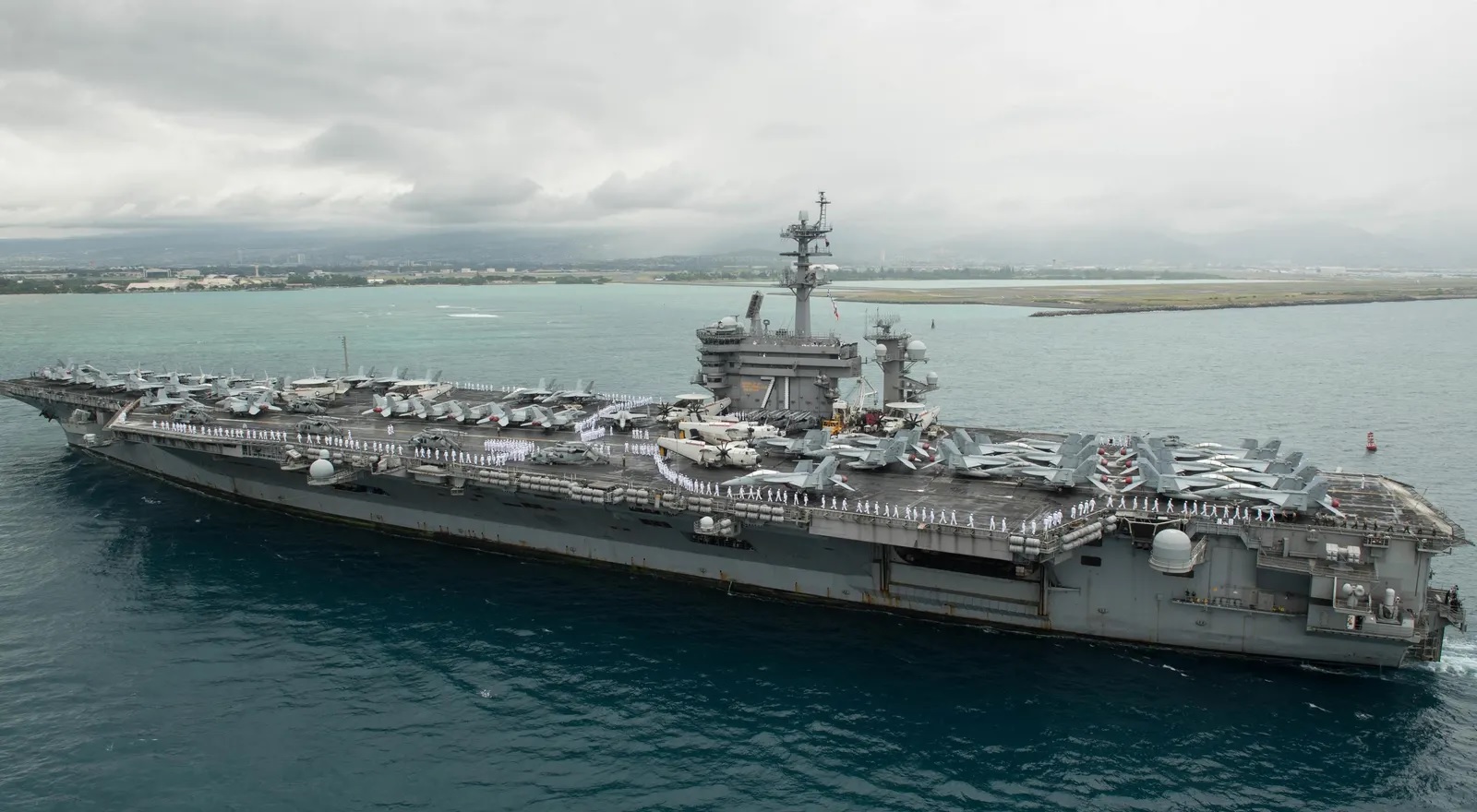 U.S Aircraft Carrier USS Theodore Roosevelt Departs San Diego for Major RIMPAC 2026 Naval Exercise