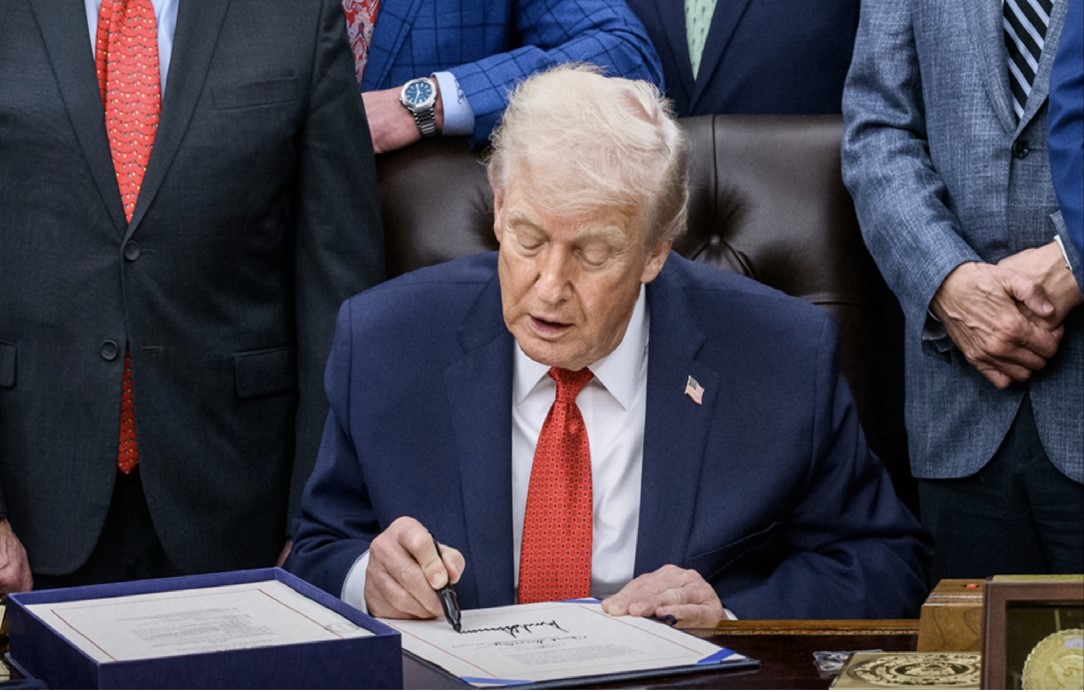
The FY2026 National Defense Authorization Act (NDAA) was signed into law on December 18, 2025, by Donald Trump, cementing one of the most expansive defence authorisations in modern American history. The legislation passed both the US House of Representatives and the US Senate with wide bipartisan margins, marking the 65th consecutive year that an NDAA has been enacted—an unmatched legislative streak underscoring its centrality to US national security policy.
The law authorises $900.6 billion for national defence, covering the US Department of War (DOW), nuclear security programmes at the Department of Energy (DOE), and other classified national security activities. The total allocation is approximately $8 billion higher than the Administration’s original budget request, reflecting Congressional urgency to respond to rapidly evolving global threats.
A Budget Shaped by Strategic Competition
At its core, the FY2026 NDAA is designed to preserve and expand US military superiority amid accelerating competition with China and Russia, particularly in hypersonic weapons, space warfare, artificial intelligence, and supply-chain resilience.
Major procurement allocations include $26 billion for shipbuilding, $38 billion for military aircraft, $4 billion for ground vehicles, and over $25 billion for munitions, signalling a decisive shift from theoretical capability development to large-scale, sustained production. Congress has made clear that readiness, resilience, and speed now outweigh incremental efficiency.
Artificial Intelligence and the Push for “Decision Superiority”
A defining theme of the FY2026 NDAA is the rapid operationalisation of Applied Artificial Intelligence (AAI). The DOW is directed to integrate AI across planning, logistics, intelligence, and combat operations to achieve what lawmakers describe as “decision superiority”—the ability to sense, decide, and act faster than any adversary.
AI systems are intended to function as trusted teammates to human commanders, not autonomous replacements. The legislation stresses accountability, auditability, and traceability, responding to growing concerns over opaque algorithmic decision-making in lethal contexts. Data-driven logistics tools are also prioritised, particularly to manage disrupted supply lines in high-intensity conflicts.
Hypersonics, Missile Defence, and the “Golden Dome”
The Act authorises more than $2.6 billion for hypersonic programmes, accelerating research, testing, and fielding of both offensive and defensive systems. It grants multiyear procurement authority for low-cost hypersonic strike weapons, giving industry predictable demand signals and encouraging long-term investment.
Missile defence receives renewed emphasis under the “Golden Dome” policy, informally described as an “Iron Dome for America.” The NDAA mandates development of a next-generation missile defence shield capable of countering ballistic, hypersonic, and cruise missile threats. Crucially, it prohibits outsourcing interceptor capabilities to private or subscription-based models, requiring that missile defence systems be owned and operated exclusively by the armed forces.
The law also authorises US funding for Israeli missile-defence cooperation, including up to $60 million for Iron Dome, $40 million for David’s Sling, and $100 million for the Arrow-3 interceptor, with strict co-production requirements inside the United States.
Space, Satellites, and the Next Frontier of Conflict
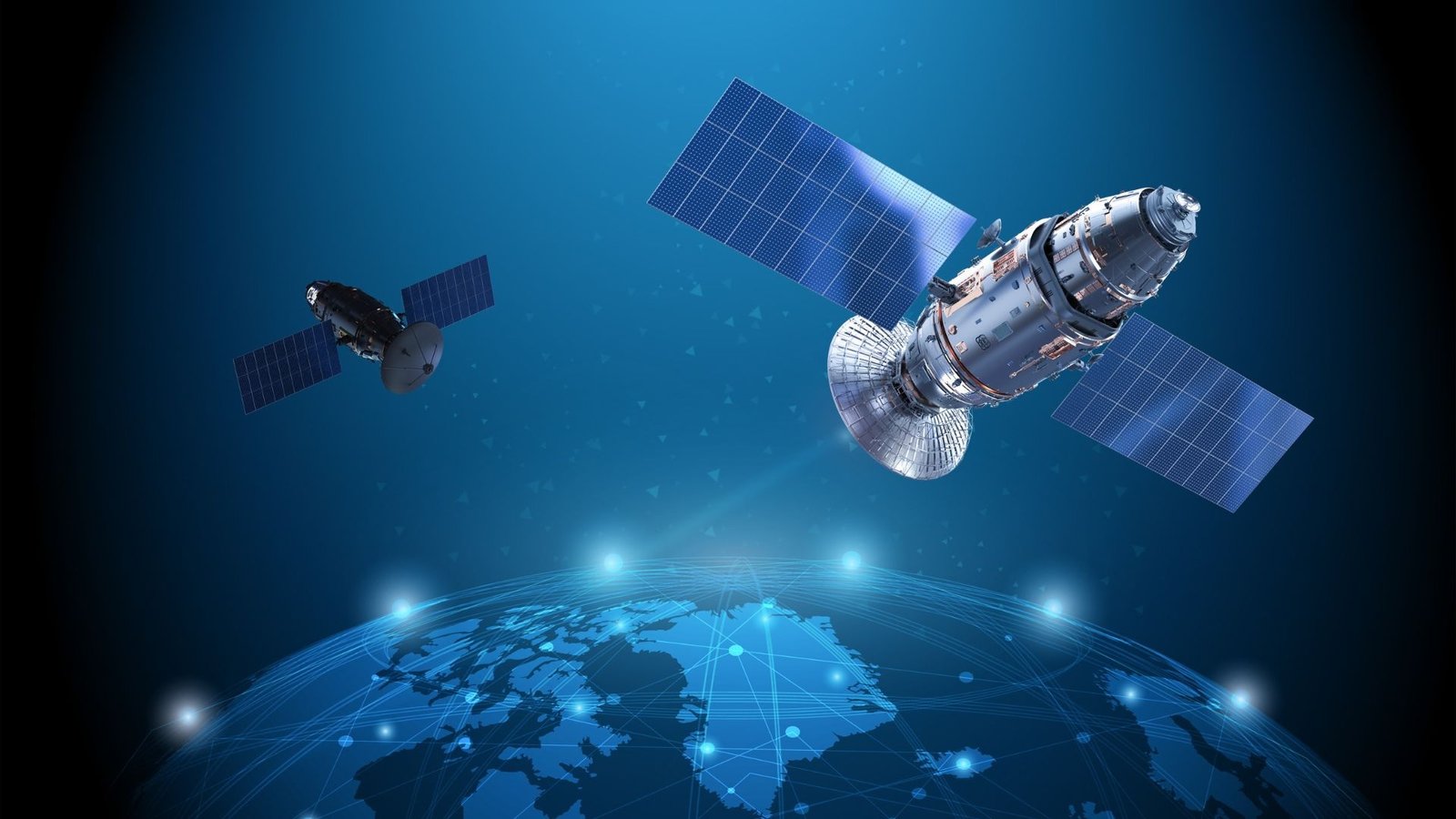
Space emerges as a central war-fighting domain in the FY2026 NDAA. Significant investment is directed toward missile-warning and missile-tracking satellites, next-generation intelligence-collection systems, and resilient constellations designed to survive anti-satellite attacks.
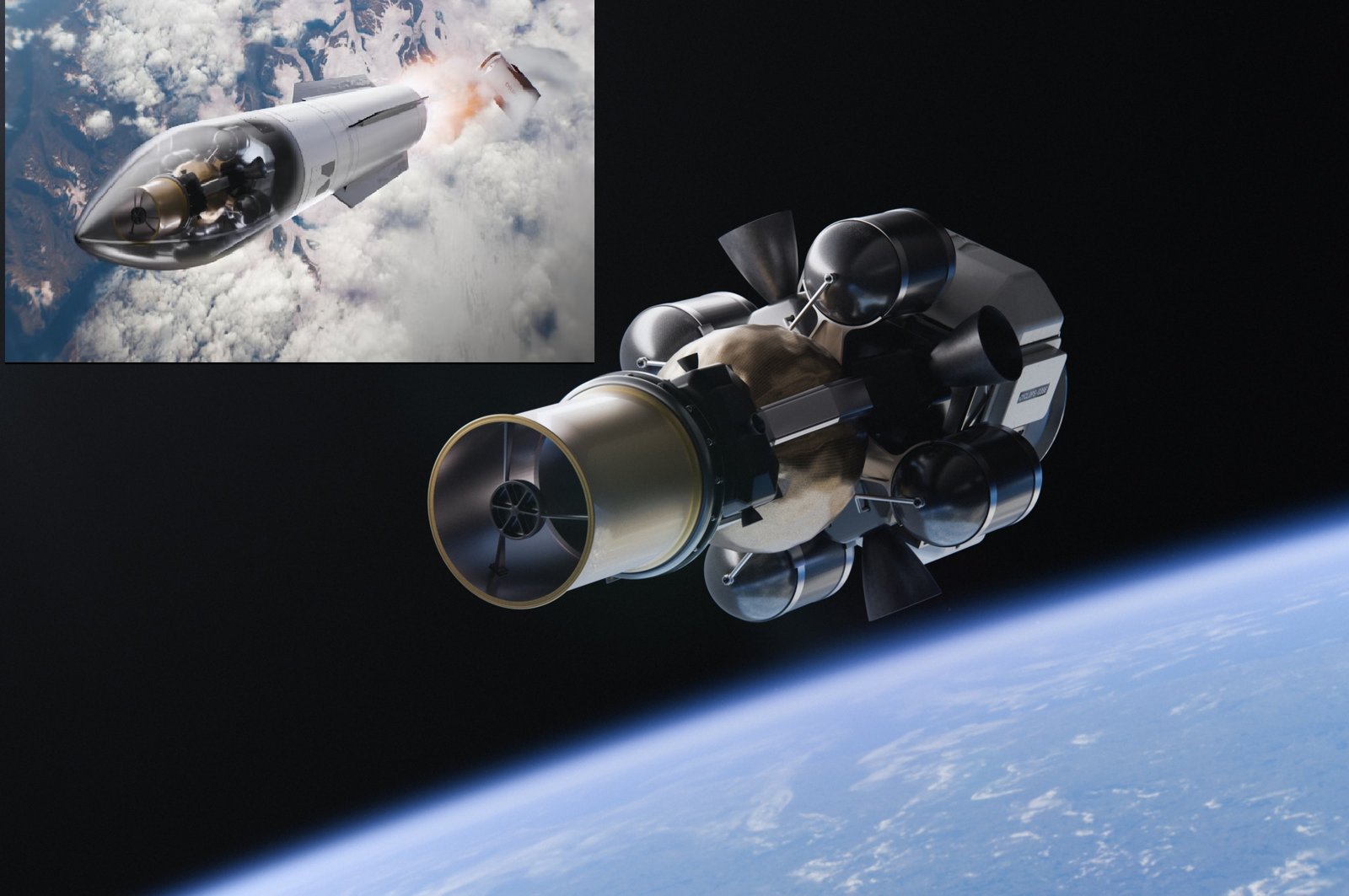
The Act extends streamlined acquisition authorities for the Proliferated Warfighter Space Architecture, allowing rapid prototyping and deployment of satellite “tranches.” It also funds advanced concepts, including nuclear power systems for sustained lunar operations, reflecting Washington’s determination to secure long-term strategic advantage beyond Earth orbit.
Industrial Base Reform and Supply-Chain Security
Recognising that military power depends on industrial depth, the NDAA introduces sweeping reforms to strengthen the defence industrial base. Acquisition rules are revised to prioritise “best value” rather than lowest upfront cost, while preserving price competition to control overruns.
The DOW is directed to harmonise cybersecurity standards across defence suppliers by June 1, 2026, and to build a digital inventory of weapon-system technical data to prevent sustainment gaps. Contractors are required to maintain or invest in surge capacity, ensuring production can scale rapidly during crises.
Critical materials policy is tightened further. Molybdenum, gallium, and germanium are added to the list of restricted strategic materials barred from adversary sourcing, with limited exceptions for recycled materials processed in allied nations. A new “Stockpile Manager” role is created, and the Strategic Materials Recovery and Reuse Program is expanded to recycle minerals from retired defence systems.
Air Power, Drones, and Counter-UAS
The NDAA authorises $28.1 billion for Air Force procurement, an $800 million increase year-on-year. Funding includes new aircraft such as the C-40 Clipper, the LC-130 “Skibird”, additional F-35A spares, and expanded inventories of Joint Strike Missiles and JASSM.
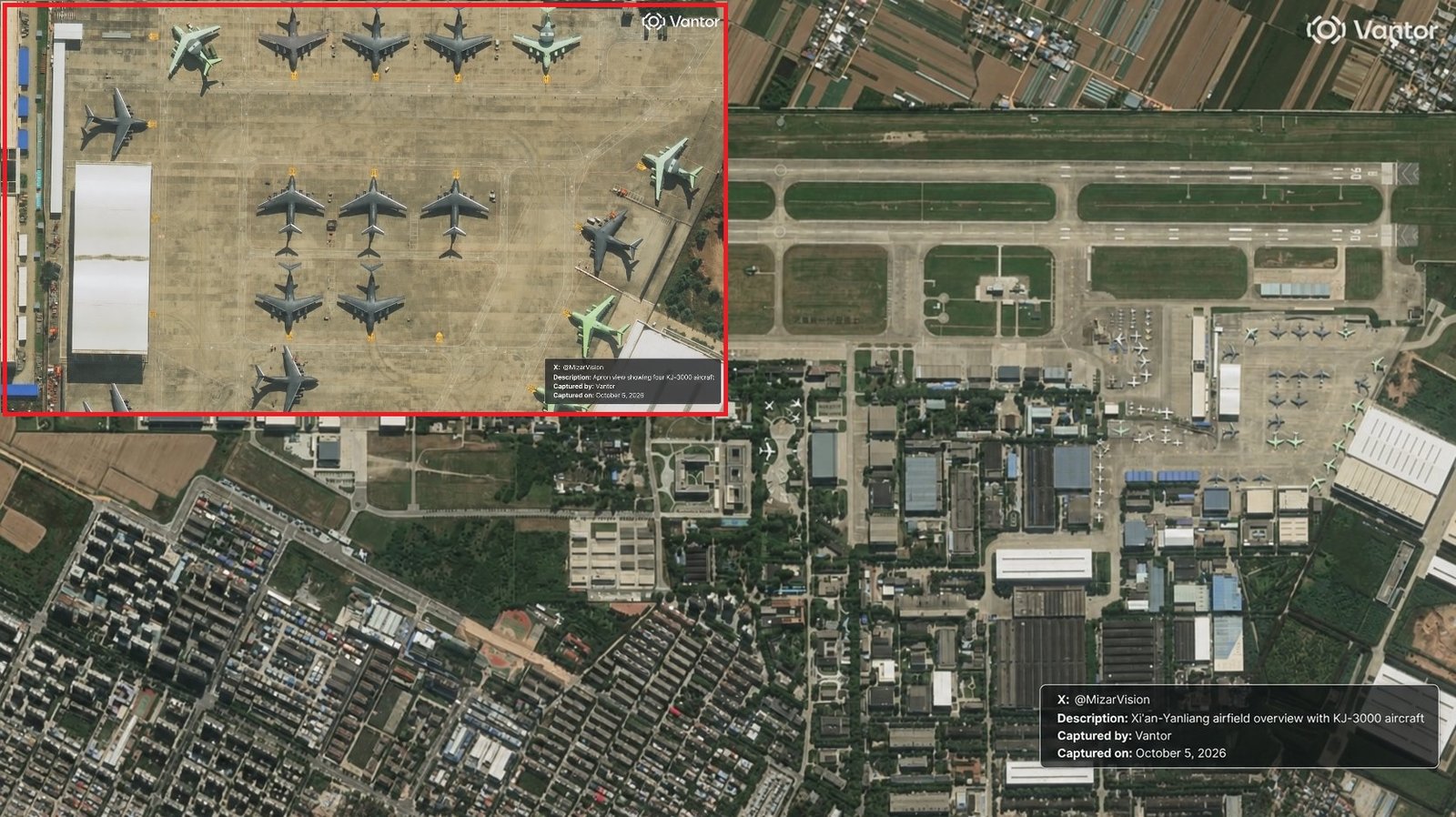
Research and development spending climbs to nearly $54 billion, including $1.2 billion for the Sentinel ICBM and $647 million to sustain the E-7 Wedgetail programme, which will replace the ageing E-3 AWACS fleet with up to 26 aircraft.
Lawmakers also blocked proposed retirements of 102 A-10 attack aircraft, 21 F-15E fighters, RQ-4 Global Hawk drones, B-1 bombers, and Air National Guard C-130 transports, underscoring Congressional scepticism toward rapid divestment.
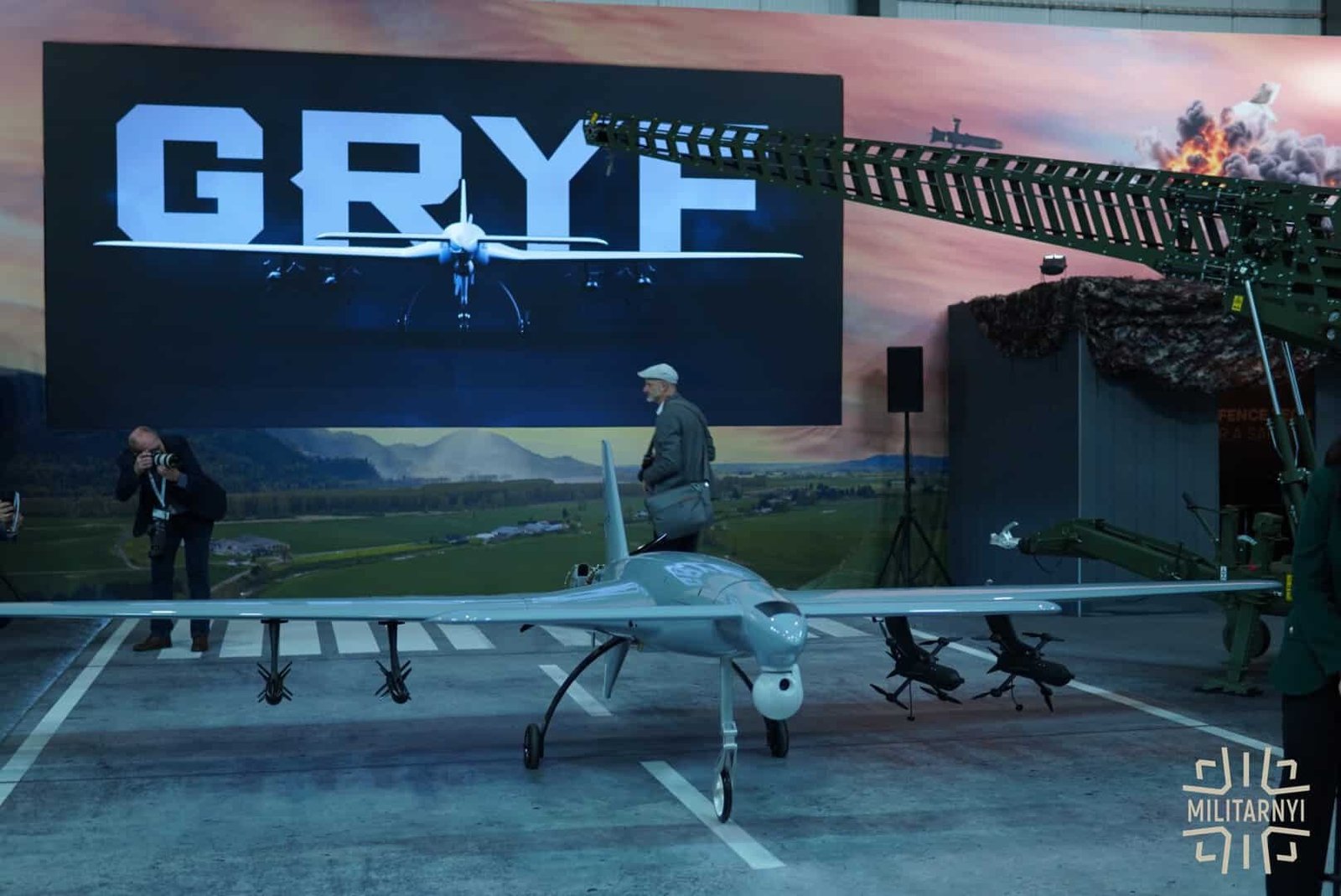
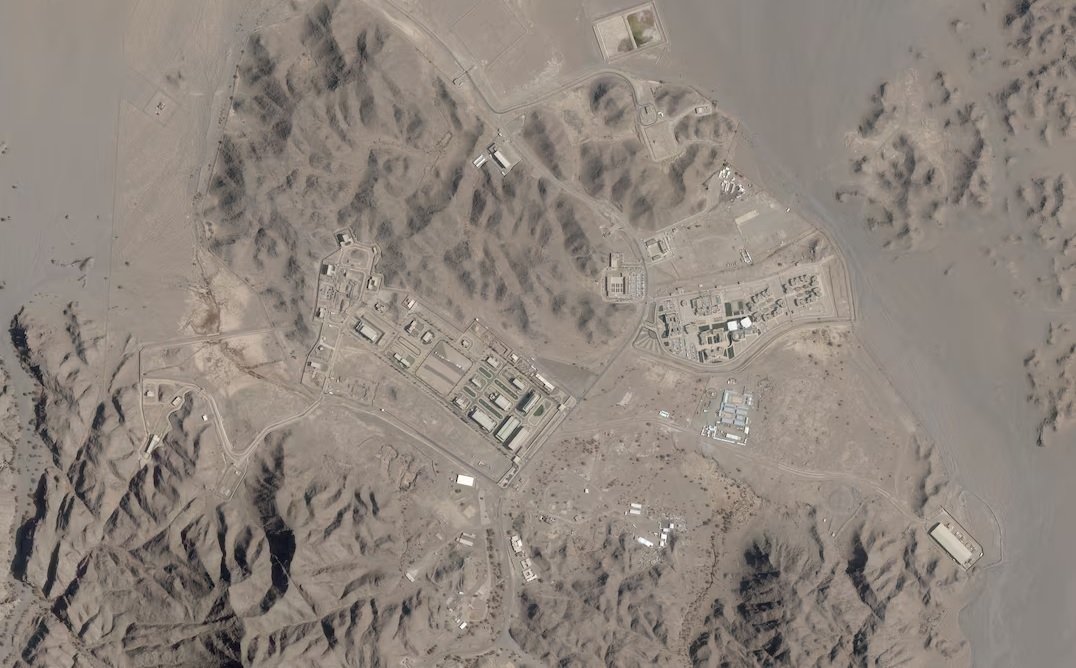
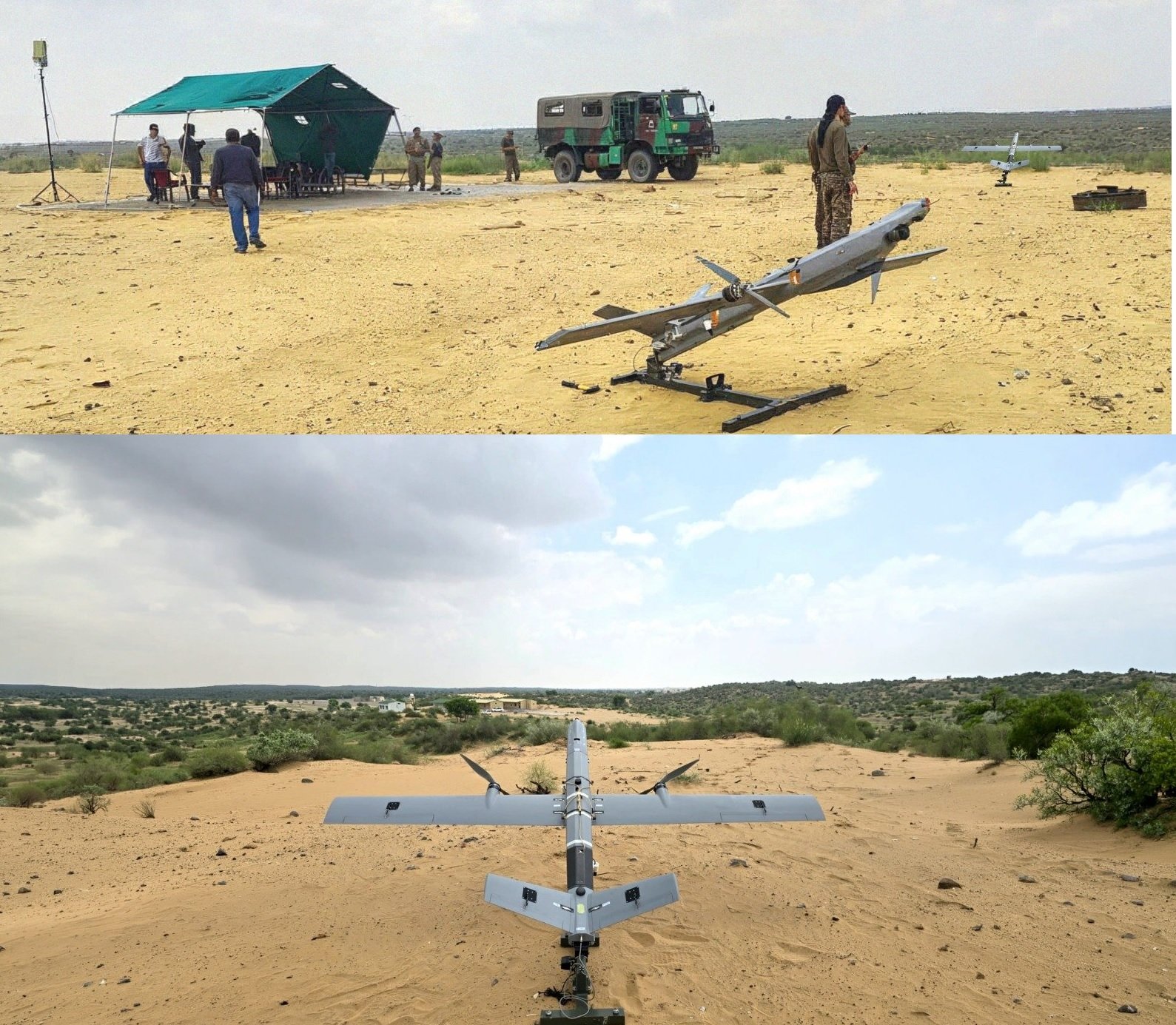
Unmanned systems receive parallel attention. The Act establishes new counter-UAS task forces, expands testing ranges, and mandates accelerated protection of critical military and civilian infrastructure from drone threats, including nuclear facilities and intelligence installations.
Munitions, Shipbuilding, and Maritime Power
More than $25 billion is authorised to rebuild depleted US munitions stockpiles. The Army is directed to expand robotic automation in ammunition manufacturing to improve safety, output, and workforce training. Multiyear procurement authority is granted for key missile systems, including Patriot PAC-3, THAAD, Tomahawk, JASSM, LRASM, SM-3, and AMRAAM, enabling stable long-term production.
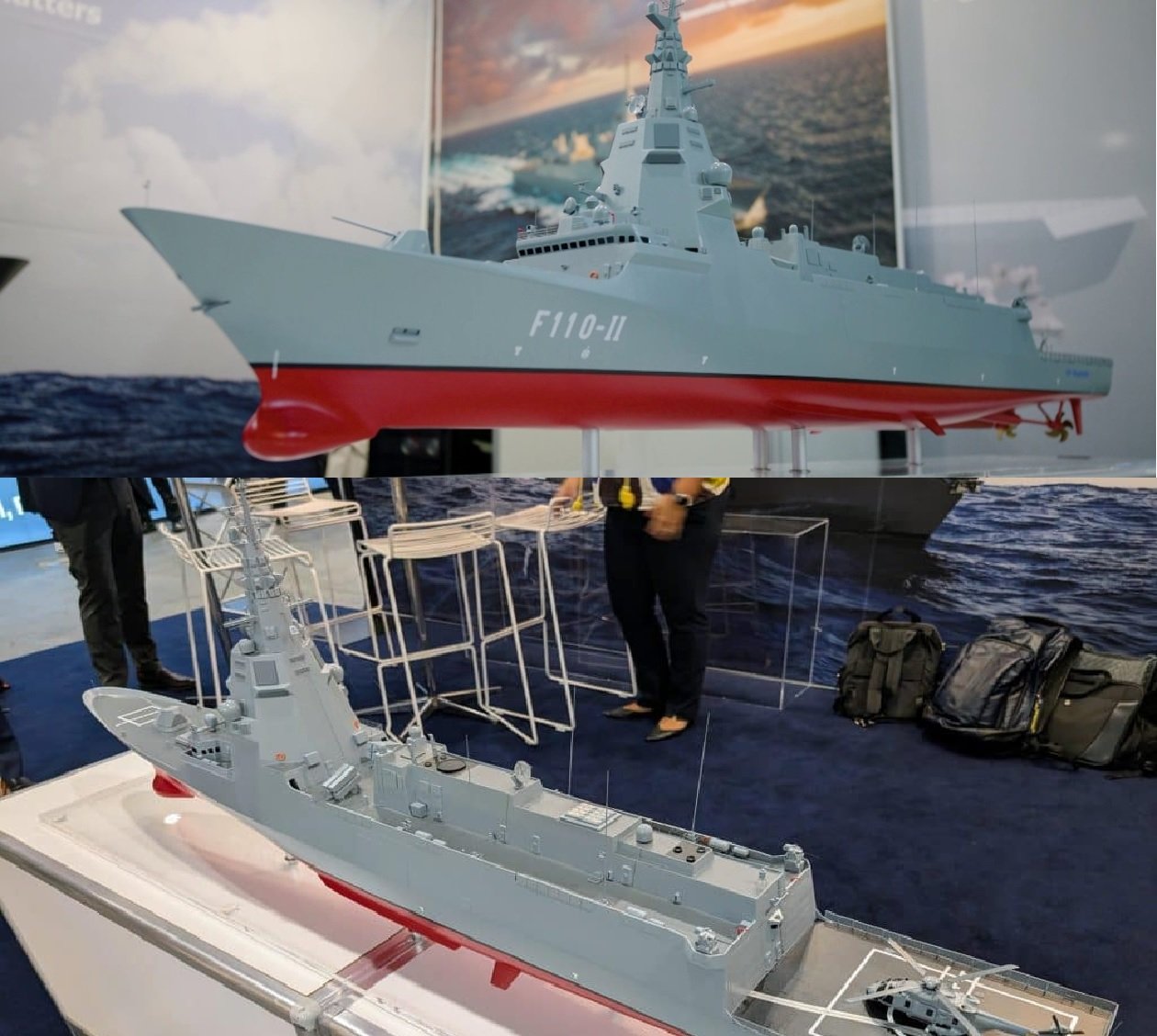
Naval shipbuilding receives over $26 billion, funding Columbia-class and Virginia-class submarines, DDG-51 destroyers, a Ford-class aircraft carrier, and new amphibious connectors. A three-year pilot programme will introduce automated shipbuilding technologies to cut construction time and address labour shortages.
A Law Driven by Urgency
Taken together, the FY2026 NDAA represents more than a budgetary exercise. It is a strategic statement that time is now a decisive factor in modern warfare. By emphasising acceleration, resilient supply chains, and rapid technology adoption, Washington is attempting to close perceived gaps with near-peer competitors and reclaim initiative across every domain of conflict.
For the United States and its partners, including India and Japan, the message is unmistakable: future wars will be decided not only by ideas or doctrines, but by which nation can turn innovation into deployable capability fastest.
——— End of Article ———