World
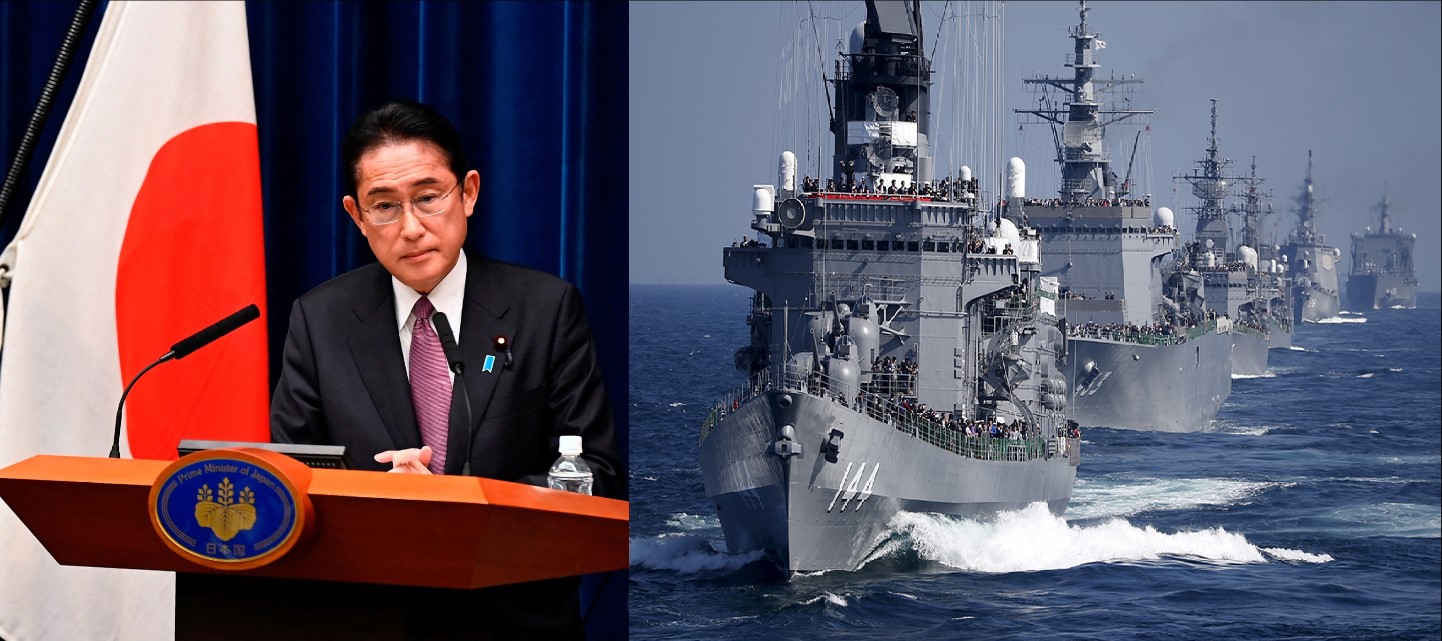
Japan has formally approved a ¥785 billion (approximately $785 billion) national budget for fiscal year 2026, signalling a decisive break from decades of restrained defense policy. The budget includes a record $58 billion allocation for defense, the largest in Japan’s post-war history, as the government responds to what it calls the most severe and complex security environment since World War II. Senior officials say the scale and direction of the spending reflect a recognition that Japan must rapidly modernize its forces to deter emerging threats in the Indo-Pacific, particularly those involving long-range precision strikes, unmanned systems, and high-end air combat. Defense Spending Accelerates Toward 2% of GDP The 2026 defense budget places Japan on track to reach 2 percent of gross domestic product in military spending by March 2026, a level long associated with NATO standards. Once the threshold is met, Japan is projected to become the world’s third-largest military spender, behind only the United States and China, underscoring the magnitude of Tokyo’s strategic shift. Government planners describe the increase not as militarization, but as a necessary evolution of deterrence in an era defined by missile proliferation, gray-zone coercion, and rapid regional force expansion. Long-Range Strike Becomes a Core Capability A central pillar of the new budget is the development of long-range standoff strike capability. Approximately $6.2 billion has been allocated for standoff weapons designed to allow the Japan Self-Defense Forces to neutralize threats from outside enemy air-defense envelopes. Within this total, $1.13 billion is dedicated to upgrading the Type-12 missile, extending its range and adapting it for land-attack missions. The enhanced system is intended to strengthen Japan’s ability to defend its southwestern island chain and critical maritime routes across the East China Sea and the wider western Pacific. Unmanned Systems and Drone-Based Coastal Defense The 2026 budget also reflects a strong shift toward unmanned and autonomous warfare, influenced by recent conflicts demonstrating the battlefield impact of drones. Around $640 million has been earmarked for large-scale unmanned systems, including surveillance drones, maritime platforms, and drone-based coastal defense networks. Defense officials say these systems will enable persistent monitoring of Japan’s extensive coastline, improve early warning against amphibious operations, and reduce risks to personnel in high-threat environments. Next-Generation Airpower Through Global Partnership Japan’s airpower modernization continues through its participation in the Global Combat Air Programme, a joint next-generation fighter initiative with the United Kingdom and Italy. The 2026 budget allocates approximately $1 billion to the program, which aims to deliver a sixth-generation stealth fighter by the mid-2030s. The aircraft is expected to integrate artificial intelligence, advanced sensors, and networked combat systems, eventually replacing Japan’s aging F-2 fleet and reinforcing interoperability with allied air forces. From Restrained Defense to Full-Spectrum Deterrence Analysts view the 2026 budget as further evidence of Japan’s transformation from a strictly defensive force posture toward full-spectrum deterrence, including the ability to hold adversary assets at risk over long distances. While the government continues to emphasize adherence to its pacifist constitution, the scale, speed, and focus of the buildup mark a profound strategic recalibration. As Japan implements its 2026 budget, the effects are expected to ripple across the Pacific security landscape, intensifying regional competition while deepening coordination with allies. The message from Tokyo is clear: Japan is no longer preparing solely to defend its territory, but to deter conflict across the broader Indo-Pacific through reach, resilience, and advanced military capability.
Read More → Posted on 2025-12-26 15:32:05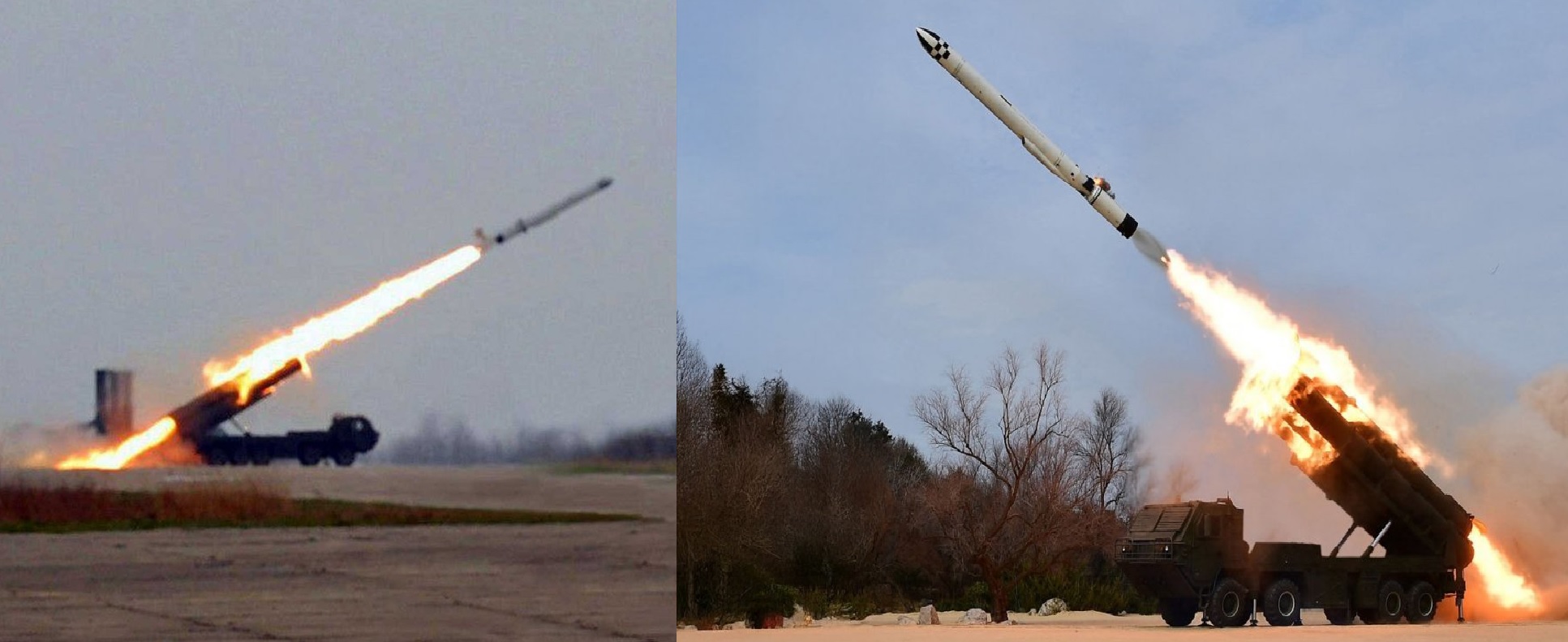
World
Moscow is reportedly preparing to deploy a variant of North Korea’s Hwasal-1 Ra-3 strategic cruise missile in combat operations against Ukraine, according to information shared by the OSINTWarfare open-source intelligence account on X on December 25, 2025. The claims, attributed to multiple Russian military-linked sources, indicate that the missile variant could carry a one-ton (1,000 kg) high-explosive warhead and possess an estimated operational range of 130 to 250 kilometres, a configuration that would prioritise destructive payload over long-distance reach. If confirmed, the reported deployment would mark a significant escalation in Russia’s use of foreign-supplied precision strike weapons, and potentially the first combat employment of a North Korean cruise missile in a major conventional war. From Test Range to Battlefield The Hwasal-1 Ra-3, also referenced in some assessments as Hwasal-1D-3, first appeared publicly in April 2024, when North Korean state media released imagery of the missile during a strategic cruise missile test conducted by the DPRK Missile Administration. The system was shown mounted on a transporter erector launcher (TEL) and later during a launch sequence from what analysts assess to be a paved runway at Onchon Airbase on North Korea’s western coast. The missile was officially unveiled during a strategic cruise missile test on April 20, 2024, with imagery highlighting a visibly enlarged, large-diameter warhead section. Compared to the baseline Hwasal-1, the Ra-3 variant appears structurally modified to accommodate what North Korean media described as a “super-large” warhead, signalling a doctrinal shift toward maximising blast effects against hardened or high-value targets. Design Trade-offs and Lethality The standard Hwasal-1 is assessed by analysts to be a subsonic, terrain-following land-attack cruise missile, broadly comparable in role to early Kalibr variants. The Ra-3 modification, however, is believed to sacrifice internal fuel volume to accommodate the heavier payload. This trade-off likely explains the reduced estimated range of 130–250 km, significantly shorter than many modern cruise missiles but still sufficient for operational-level strikes in a dense battlefield environment like eastern and southern Ukraine. With a warhead reportedly approaching one metric ton, the missile would be optimised for area destruction, making it particularly dangerous against logistics hubs, ammunition depots, troop concentrations, fortified command posts, and critical infrastructure. Even without advanced penetration features, such a payload could overwhelm structures through sheer explosive force. A Deepening Moscow–Pyongyang Arms Axis The reported appearance of the Hwasal-1 Ra-3 in Russia’s arsenal does not occur in isolation. Since the opening phase of Russia’s full-scale invasion of Ukraine in February 2022, Moscow and Pyongyang have steadily expanded military cooperation, forming what analysts increasingly describe as a new arms corridor between two heavily sanctioned states. By late 2023, U.S. intelligence agencies publicly assessed that millions of North Korean artillery rounds—including 122 mm and 152 mm shells as well as 122 mm Grad rockets—had been transferred to Russia. These munitions were widely believed to have been used to offset acute ammunition shortages faced by Russian units across Donetsk, Kharkiv, and Zaporizhzhia. The relationship escalated further in early 2024, when U.S. and South Korean officials accused North Korea of supplying short-range ballistic missiles to Russia. Subsequent strike analysis and satellite imagery linked several attacks in eastern Ukraine to North Korean-produced KN‑23 and KN‑25 systems—platforms inspired by Russia’s Iskander-M but adapted for North Korea’s industrial base. The KN-23’s quasi-ballistic trajectory and terminal manoeuvrability have made it particularly challenging for Ukrainian air defences. A New Threat Vector for Ukraine The potential introduction of the Hwasal-1 Ra-3 would add a new layer of complexity to Ukraine’s air defence challenge. Unlike ballistic missiles, low-flying cruise missiles can exploit terrain, approach from unexpected azimuths, and bypass radar coverage optimised for high-altitude threats. Analysts warn that such systems could stress Ukrainian defences in areas where Western-supplied assets such as NASAMS or IRIS-T are thinly distributed. Moreover, the reported GPS-guided navigation of the Hwasal family suggests a capability for precision strikes, even with a reduced range. Combined with a massive warhead, the missile would be well-suited for high-impact strikes designed to compensate for Russia’s dwindling stocks of indigenous cruise missiles, including Kalibr and Kh-101 types, which have been heavily expended over nearly four years of high-intensity conflict. Strategic and Global Implications Beyond its immediate battlefield impact, the reported deployment carries profound strategic implications. Russia’s apparent willingness to integrate foreign-designed missile systems from an internationally isolated state underscores both the strain on its defence industry and its growing reliance on non-traditional partners. For North Korea, the conflict offers an unprecedented opportunity to field-test advanced weapons in a live combat environment, gathering real-world performance data that would otherwise be impossible under sanctions. Security experts warn that this dynamic should alarm not only Ukraine and NATO, but also the broader Indo-Pacific security community, as it demonstrates Pyongyang’s capacity to project its weapons technology far beyond the Korean Peninsula. Awaiting Confirmation As of now, no official confirmation has been issued by Russian or North Korean authorities regarding the operational deployment of the Hwasal-1 Ra-3. However, analysts note that satellite imagery, debris analysis, and strike-pattern correlation could soon provide conclusive evidence if the system is used in combat. If verified, the use of the Hwasal-1 Ra-3 in Ukraine would represent a watershed moment in modern proliferation, effectively internationalising North Korea’s cruise missile programme and further eroding already fragile global non-proliferation norms—with consequences likely to extend far beyond the current war.
Read More → Posted on 2025-12-26 15:12:31
World
China on Friday announced sweeping sanctions against 10 U.S. individuals and 20 American defence companies, intensifying diplomatic and economic pressure on Washington following the approval of the largest-ever U.S. arms sales package to Taiwan. The sanctions, issued by the Ministry of Foreign Affairs of the People's Republic of China, include asset freezes within mainland China and a blanket prohibition on Chinese organisations and citizens conducting any business with the listed firms and individuals. Executives Blacklisted, Assets Frozen Among the individuals sanctioned are the founder of Anduril Industries and nine senior executives from the affected defence companies. China has also imposed entry bans, barring all sanctioned individuals from travelling to or transiting through Chinese territory, including Hong Kong and Macau. The companies named include major players in the U.S. defence-industrial complex, notably Boeing’s St. Louis defence division, Northrop Grumman Systems Corporation, L3Harris Maritime Services, and Anduril Industries. All are directly or indirectly involved in supplying advanced military systems to Taiwan. Under the sanctions, any assets held by these entities or individuals in China will be frozen, and existing or future commercial cooperation with Chinese partners is strictly prohibited. Trigger: $11.1 Billion U.S. Arms Deal With Taiwan The move follows Washington’s announcement last week of $11.1 billion in military assistance and weapons sales to Taiwan, marking the largest U.S. defence package ever approved for the island. The deal reportedly includes air defence systems, surveillance equipment, missile components, and logistics support aimed at strengthening Taiwan’s deterrence capabilities. Beijing has consistently condemned such arms sales, viewing them as direct interference in China’s internal affairs and a violation of U.S. commitments under past bilateral communiqués. China Issues Sharp Warning to Washington In a strongly worded statement, a Chinese foreign ministry spokesperson said the Taiwan issue represents “the core of China’s core interests” and constitutes “the first red line that cannot be crossed in China–U.S. relations.” “Any provocative actions that cross the line on the Taiwan issue will be met with a strong response from China,” the spokesperson said, urging the United States to immediately halt what Beijing described as “dangerous and destabilising efforts” to arm the island. Taiwan at the Centre of Great-Power Rivalry China claims Taiwan as part of its sovereign territory and has not ruled out the use of force to achieve reunification. The democratically governed island, however, rejects Beijing’s claims and maintains that only Taiwan’s people can decide its future. The United States does not formally recognise Taiwan as a sovereign state but is legally bound under the Taiwan Relations Act to provide Taipei with the means to defend itself. U.S. officials argue that arms sales are defensive in nature and intended to preserve peace and stability in the Taiwan Strait. Strategic and Economic Implications While the immediate financial impact of the sanctions on major U.S. defence firms is expected to be limited—given their relatively modest exposure to the Chinese market—analysts view the move as symbolic and strategic, signalling Beijing’s willingness to escalate retaliation amid deteriorating bilateral ties. The sanctions add to a growing list of retaliatory measures exchanged between the world’s two largest economies, underscoring how Taiwan remains the most volatile and consequential flashpoint in U.S.–China relations. As military posturing increases on both sides of the Taiwan Strait, Friday’s announcement highlights how economic tools and targeted sanctions are increasingly being used as instruments of geopolitical competition, with global security implications far beyond East Asia.
Read More → Posted on 2025-12-26 14:10:27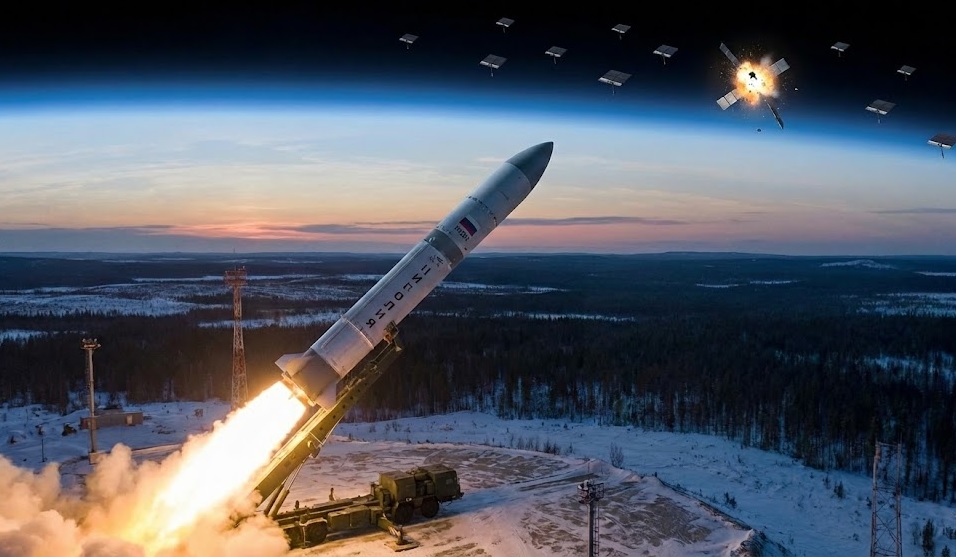
World
New intelligence assessments from two NATO countries are fueling fresh concern that Russia may be pursuing a new class of anti-satellite (ASAT) weapon aimed at SpaceX’s Starlink—the vast low-Earth orbit (LEO) constellation that has become a critical communications backbone for Ukraine’s military and a pillar of Western connectivity in contested environments. According to reporting citing officials and experts familiar with the assessments, the suspected approach is not a traditional missile intercept nor a jamming-only campaign. Instead, it reportedly centers on a “zone-effect” concept: creating a cloud of high-density pellets or fragments in orbit capable of damaging or disabling satellites transiting through a targeted orbital band—potentially affecting multiple satellites simultaneously. A Weapon Concept Built Around Debris, Not A Single Strike Western officials and analysts describe the alleged system as a mass-disruption tool. Rather than hunting satellites one by one, it would seek to contaminate an entire “zone” in orbit with fast-moving projectiles that are difficult to track and catastrophic on impact given extreme orbital velocities. The intelligence assessments discussed publicly do not claim the system has been deployed. Reporting also highlights skepticism among some experts regarding technical feasibility and whether Moscow would risk consequences that could also damage Russia’s own space assets. Why Starlink Is The Obvious Target Starlink’s strength—and its vulnerability—comes from scale. As of December 19, 2025, tracking summaries cited by Space.com place Starlink at 9,357 satellites in orbit, with 9,347 operational. Another independent tracker lists 9,404 active satellites, noting that 10,750 satellites have been launched in total, while 1,346 have decayed or been deorbited—underscoring how rapidly the constellation changes week to week. That sheer density in LEO makes Starlink highly resilient to the loss of individual spacecraft, but also uniquely exposed to any tactic designed to strike “many at once” within a specific orbital region rather than precisely targeting single satellites. The Battlefield Link: Ukraine, Western Space Advantage, And The New “High Ground” Starlink terminals have been widely credited with supporting Ukraine’s battlefield communications, enabling secure connectivity for dispersed units, unmanned systems, and command elements operating far from reliable terrestrial networks. This role has transformed commercial satellite constellations into strategic military infrastructure, intensifying Russia’s hostility toward Western space-enabled capabilities. In parallel, the United States and its allies have accelerated plans for more distributed and resilient military space architectures, reflecting the reality that space systems can no longer be assumed safe in crisis or war. What Happens If A Debris Cloud Is Created: From Local Outages To A Runaway Orbital Crisis Space experts warn that the most dangerous feature of a “zone-effect” debris strategy is that it may not remain confined. In LEO, even tiny fragments can become long-lived hazards, spreading collision risk across multiple orbital shells and threatening unrelated spacecraft. If a large number of satellites were damaged or shattered, the result could be a sharp rise in space debris, increasing the likelihood of cascading collisions—often described under the Kessler Syndrome, where debris from one collision triggers additional impacts. Even without a full cascade, a dense debris field could force operators into costly avoidance maneuvers, shorten satellite lifespans, and create persistent “no-go” orbital bands that degrade global services. The collateral risk would extend far beyond Starlink, potentially endangering civil, commercial, and military satellites worldwide, complicating human spaceflight, and increasing risks to space stations and crewed vehicles operating at similar altitudes. Analysts argue this makes the concept strategically destabilizing, even if it is never employed. Feasibility Questions And The Deterrence Angle A central counterargument raised by analysts is self-harm. Any state that deliberately seeds orbit with hard-to-detect hazards could create a long-term threat to its own satellites, those of its partners, and even its future launch and spaceflight operations. This has led some experts to suggest the concept may function primarily as deterrence signaling—a warning that Western reliance on proliferated LEO constellations carries inherent risk—rather than a weapon Moscow would realistically use. What To Watch Next The most immediate indicators will be technical and behavioral:unusual Russian launches into crowded orbital regimes, satellites exhibiting unexplained release events, or intelligence-linked warnings about new counterspace demonstrations. For now, the public record remains a collection of suspicions and assessments, not proof of deployment. Yet the debate itself is already intensifying calls for tighter space traffic management, improved debris tracking, and clearer international norms against actions that could pollute shared orbits and endanger space for all.
Read More → Posted on 2025-12-26 13:54:49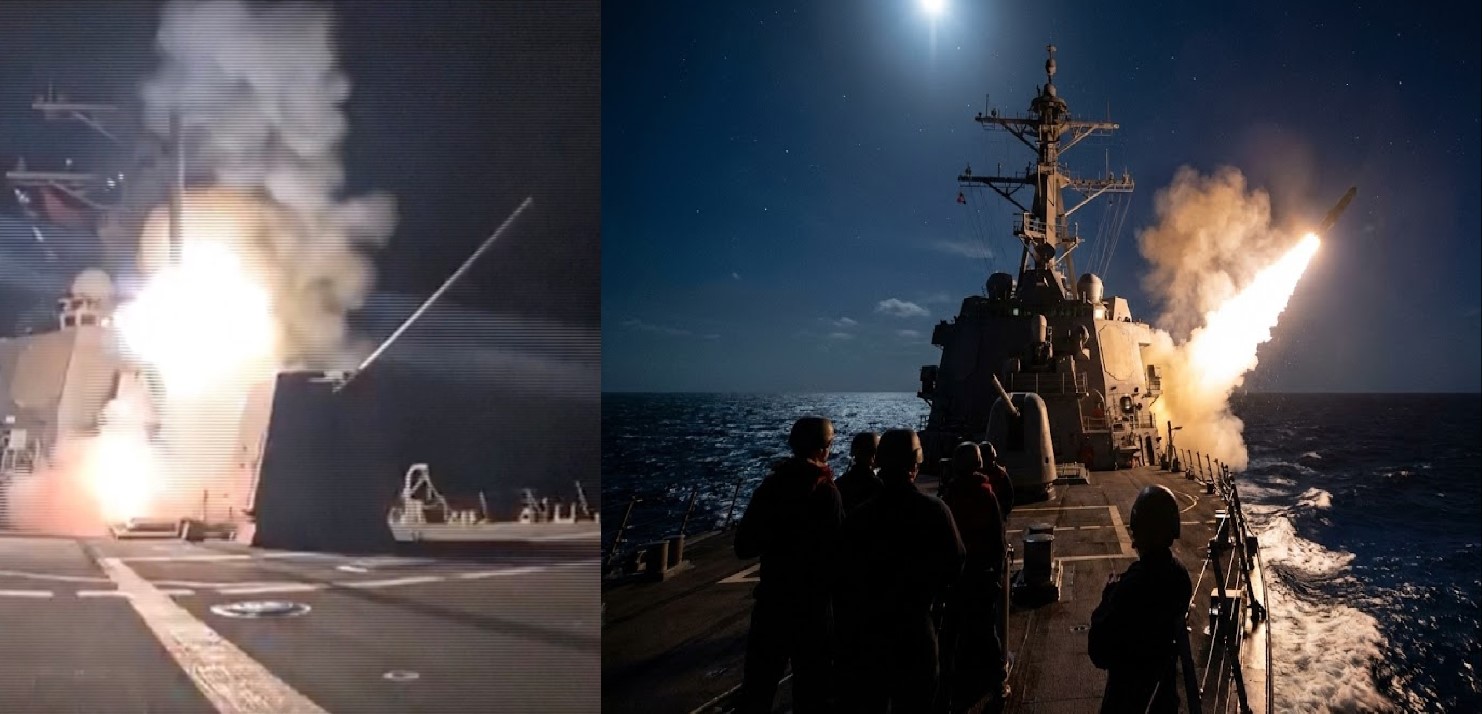
World
The United States has carried out a precision military strike against Islamic State (ISIS) positions in northwestern Nigeria, marking one of the most significant maritime-based counterterrorism actions by U.S. forces in West Africa in recent years. According to information released by the U.S. Department of War, the strike took place on December 25, 2025, targeting ISIS-linked elements operating in Sokoto State, Nigeria. The announcement was accompanied by night-time video footage showing the vertical launch of a missile from a U.S. Navy surface combatant operating offshore, strongly suggesting the use of a long-range cruise missile. AFRICOM Confirms Coordinated Operation With Nigeria Shortly after the video release, U.S. Africa Command (AFRICOM) formally confirmed the operation in a public statement. “At the direction of the President of the United States and the Secretary of War, and in coordination with Nigerian authorities, U.S. Africa Command conducted strikes against ISIS terrorists in Nigeria on December 25, 2025, in Sokoto State,” AFRICOM said. The statement underscores that the strike was not unilateral, highlighting prior coordination with the Nigerian government and indicating high-level political authorization for the mission. Video Analysis Points to Tomahawk Missile Launch Defense analysts reviewing the footage note that the ignition signature, launch angle, and exhaust plume are consistent with a missile fired from the Mk 41 Vertical Launching System (VLS). This system is standard equipment aboard Arleigh Burke-class destroyer warships. While the U.S. military has not officially confirmed the weapon type or the specific vessel involved, multiple analysts assess that the strike likely involved a BGM-109 Tomahawk Land Attack Missile, a system routinely used for long-range, high-precision strikes against fixed ground targets. Why the United States Struck ISIS in Nigeria U.S. officials point to escalating ISIS activity in West Africa as the primary driver behind the operation. Sokoto State lies near regions where Islamic State West Africa Province (ISWAP) has expanded operations, exploiting porous borders, weak local governance, and existing insurgent networks. According to U.S. defense assessments, ISIS-affiliated groups in Nigeria have: Increased attacks on civilian populations, including religious minorities Targeted security forces and local authorities Sought to establish safe havens capable of supporting regional and transnational operations The strike is intended to degrade leadership, infrastructure, and operational planning nodes, preventing imminent attacks and limiting ISIS’s ability to project power across Nigeria and the wider Sahel region. Context: Political Signals From Washington The operation also follows heightened political attention on Nigeria from Washington. On November 1, 2025, former U.S. President Donald Trump publicly warned that the United States could take direct military action if jihadist violence against Christian communities continued unchecked. At the time, Nigeria was designated a “country of particular concern” under U.S. religious freedom legislation. While U.S. officials have not explicitly linked the December 25 strike to those remarks, the timing aligns with a sharpened U.S. counterterrorism posture toward West Africa. The Role of U.S. Navy Destroyers Arleigh Burke-class destroyers form the backbone of the U.S. Navy’s surface combatant fleet. Equipped with the Aegis Combat System and up to 96 VLS cells, these warships can conduct air defense, anti-submarine warfare, and land-attack missions simultaneously. Their ability to operate in international waters, including the Gulf of Guinea, allows the United States to strike inland targets without relying on regional air bases or overflight permissions. Tomahawk: A Proven Long-Range Strike Weapon The Tomahawk cruise missile is a subsonic, long-range precision weapon with an operational reach exceeding 1,600 kilometers. Using a combination of GPS guidance, inertial navigation, and terrain contour matching, it can strike hardened or high-value targets with high accuracy while flying at low altitude to evade radar detection. First used operationally during the 1991 Gulf War, the Tomahawk has since been employed in Iraq, Syria, Libya, and Yemen, making it one of the most combat-tested precision weapons in the U.S. arsenal. A Strategic Shift in U.S. Operations in Africa Historically, U.S. kinetic operations in Africa have relied heavily on armed drones and manned aircraft operating from land bases in Niger, Djibouti, or allied territories. The December 25 strike signals a notable shift toward maritime-based standoff attacks, offering greater flexibility, lower personnel risk, and reduced political sensitivity. Naval platforms allow the U.S. military to respond rapidly to emerging threats while maintaining a minimal on-shore footprint, an approach increasingly favored in politically complex regions. What Comes Next No post-strike damage assessment or casualty figures have been released, and Nigerian authorities have yet to issue a detailed public statement. However, U.S. officials indicate that the operation is part of ongoing counterterrorism efforts, not a one-off action. As ISIS-affiliated networks continue to adapt and expand across West Africa and the Sahel, the December 25 strike may mark the beginning of a more prominent role for U.S. naval power in African counterterrorism—one defined by precision, mobility, and strategic distance.
Read More → Posted on 2025-12-26 13:13:20
World
Japan has formally reaffirmed its long-standing Three Non-Nuclear Principles following a brief but politically sensitive controversy triggered by remarks linked to the office of Prime Minister Sanae Takaichi. Defence Minister Minoru Kihara confirmed there would be no change in Japan’s nuclear policy, underlining Tokyo’s determination to preserve strategic stability and avoid disruption to the US–Japan security alliance. The clarification was issued after comments attributed to a senior official associated with the prime minister’s office were interpreted as opening space for debate on Japan acquiring nuclear weapons. The government moved swiftly to contain the fallout, stressing that such views do not reflect official policy and that Japan’s non-nuclear stance remains intact. Protecting US Extended Deterrence Senior officials indicated that the reaffirmation was aimed squarely at safeguarding US extended deterrence—the nuclear umbrella provided by the United States—which remains central to Japan’s defence posture. Tokyo has consistently argued that its security is best ensured through alliance-based deterrence, combining strong conventional military capabilities with close coordination with Washington. Any suggestion that Japan might reconsider its nuclear position risks injecting uncertainty into alliance signalling, particularly during periods of heightened regional tension. Japanese policymakers fear that even speculative debate could weaken deterrence credibility and complicate crisis management. The Meaning of the Three Non-Nuclear Principles Japan’s Three Non-Nuclear Principles—not possessing, not producing, and not permitting the introduction of nuclear weapons—were first articulated in 1967 and formally endorsed by the Diet in 1971. While political rather than constitutional in nature, they have become a cornerstone of Japan’s post-war identity, reinforced by public opinion shaped by the atomic bombings of Hiroshima and Nagasaki. Successive governments have upheld the principles while relying on the US nuclear umbrella, a balance that requires careful political messaging both domestically and internationally. Regional Reactions Add Pressure The controversy drew immediate attention from neighbouring states. North Korea criticised what it described as Japan’s “dangerous thinking,” while commentary from China framed the episode as evidence of destabilising rhetoric in the region. Japanese diplomats sought to reassure partners that Tokyo remains committed to nuclear non-proliferation and regional restraint. Reality Check: Strategic Balance Remains Unchanged Despite Japan’s renewed pledge, analysts note that the regional nuclear balance is largely unaffected. China continues to expand and modernise its nuclear arsenal, estimated at more than 600 warheads, with projections pointing toward around 1,000 by 2030. North Korea, meanwhile, is pressing ahead with nuclear and missile development, including efforts to enhance second-strike capability through submarine-based systems. In this context, Japan’s reaffirmation is seen less as a shift in military posture and more as a move to reinforce political clarity and alliance coherence. Outlook For now, Tokyo appears determined to draw a firm line under the episode. Officials insist Japan’s future security strategy will focus on defence modernisation, alliance integration, and deterrence through partnership, rather than nuclear weapons. As China and North Korea continue to expand their capabilities, Japan’s challenge will be to maintain credible deterrence while keeping domestic debate from unsettling an already fragile regional security environment.
Read More → Posted on 2025-12-25 15:57:10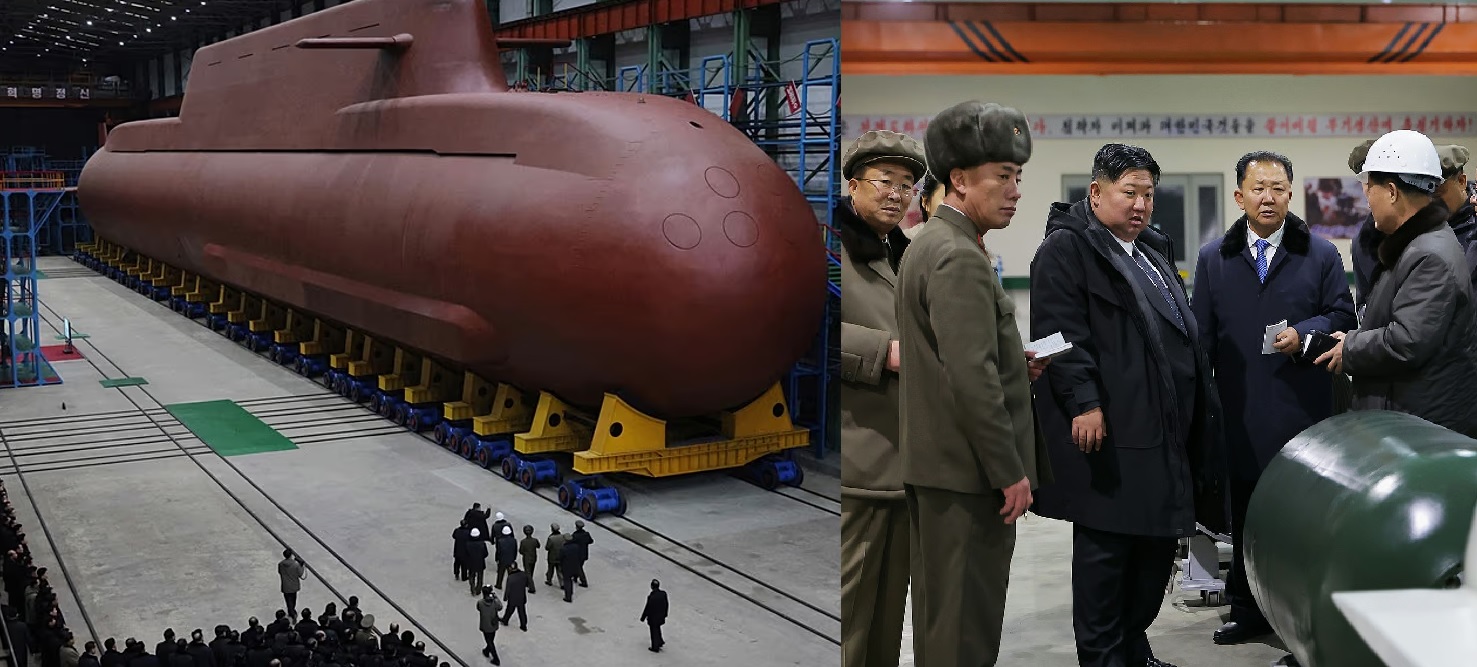
World
North Korea has revealed fresh details of what it claims is an 8,700-ton nuclear-powered strategic missile submarine, a development that analysts say could fundamentally reshape Pyongyang’s ballistic missile and nuclear deterrence posture, while raising growing questions about possible technical support from Russia. State media reported that Kim Jong Un personally inspected and guided the construction of the submarine at an undisclosed shipyard, describing it as a cornerstone of North Korea’s future naval nuclear force. The disclosure, carried by the Korean Central News Agency, included images showing a largely completed hull, suggesting the project has moved beyond early construction stages. A Major Milestone In Naval Nuclear Ambitions With a reported displacement of 8,700 tons, the vessel would be the largest submarine ever built by North Korea. If the claim of nuclear propulsion is accurate, it would represent a dramatic technological leap for a country whose submarine fleet has historically relied on diesel-electric platforms with limited endurance and survivability. A nuclear-powered submarine would be able to remain submerged for extended periods, operate farther from North Korean waters, and provide a far more survivable platform for nuclear-armed missiles—a long-standing objective in Pyongyang’s pursuit of a secure second-strike capability. Current Ballistic Missile Strength North Korea already fields a broad and increasingly sophisticated missile arsenal. Its land-based forces include short- and medium-range ballistic missiles, as well as intercontinental systems such as the Hwasong-17 and the solid-fuel Hwasong-18, both assessed by analysts to have ranges exceeding 15,000 kilometres, theoretically capable of reaching the continental United States. On the naval side, Pyongyang has conducted multiple tests of submarine-launched ballistic missiles (SLBMs), including the Pukguksong-3 and follow-on variants. These missiles are generally believed to have ranges in the 2,000–3,000 kilometre class, though they have so far been associated with relatively noisy and vulnerable diesel-powered submarines or test barges. How A Nuclear Submarine Changes Missile Reach Military experts caution that a nuclear-powered submarine would not automatically extend the maximum design range of North Korea’s SLBMs. Instead, it would significantly expand their operational reach. By enabling submarines to patrol deeper into the Pacific and remain hidden for longer durations, North Korea could threaten targets such as Guam, Hawaii, and potentially parts of the continental United States using existing or moderately upgraded SLBMs. Future generations of submarine-launched missiles could also be larger, allowing for heavier payloads, improved accuracy, or penetration aids designed to defeat missile defences. The result would be a far more complex detection and interception challenge for the United States, South Korea, and Japan. Experts Point To Possible Russian Assistance A growing number of regional security experts and officials now say the pace and scale of North Korea’s submarine project raise the possibility of Russian technical support, particularly in areas related to nuclear propulsion and submarine design. Following closer military and political ties between Pyongyang and Moscow in recent years, analysts note that Russia possesses extensive experience in compact naval reactors and submarine construction—expertise that North Korea has never publicly demonstrated on its own. While Russia has not confirmed any such assistance, and no conclusive evidence has been made public, defence officials in South Korea and allied countries have said the issue is under active scrutiny. Any transfer of nuclear-propulsion technology would represent a serious escalation and a challenge to international non-proliferation norms. Strategic Messaging And Regional Impact During the inspection, Kim Jong Un reportedly framed the submarine as a defensive response to what he called intensifying military pressure from the United States and South Korea, including expanded joint exercises and discussions in Seoul about advanced naval capabilities. The announcement comes as diplomacy remains stalled and North Korea continues to prioritise strategic weapons over engagement. No timeline has been given for the submarine’s launch, sea trials, or operational deployment. Even so, analysts say the combination of long-range ICBMs, advancing SLBM technology, and a potential nuclear-powered launch platform points to a future in which North Korea’s nuclear force is more survivable, flexible, and difficult to neutralise. If realised, the program would mark one of the most consequential shifts in the military balance on the Korean Peninsula in decades—one that could reverberate well beyond Northeast Asia.
Read More → Posted on 2025-12-25 15:43:45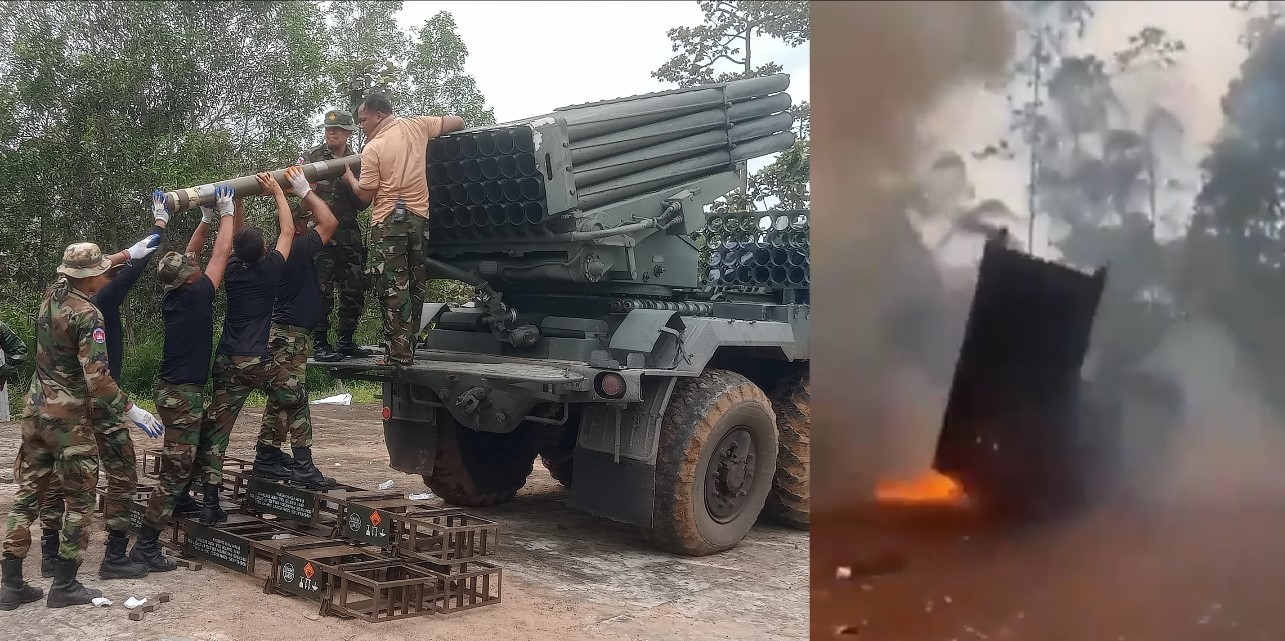
World
In the escalating border war between Cambodia and Thailand, a Chinese-made multiple-launch rocket system (MLRS) operated by Cambodian forces exploded on the battlefield, killing eight Cambodian soldiers, according to confirmed reports and frontline video evidence that circulated widely on social media and among defence analysts. The footage, reportedly captured near contested border zones between the two nations, shows the aftermath of the catastrophic malfunction, sparking renewed scrutiny of Chinese weapon systems deployed in regional conflicts. Deadly Incident on the Front Lines The explosion occurred during active exchanges of artillery fire between Cambodian and Thai military units in a sector of the disputed border region. Visual material from the scene shows heavy damage to the MLRS vehicle and bodies of soldiers in proximity to the wreckage. Multiple eyewitnesses and combat footage suggest that the blast resulted from a catastrophic failure in the rocket system’s launch mechanism, though independent verification remains incomplete. Cambodian military officials have not yet released a formal public statement attributing the cause of the explosion. Thai military sources, while confirming intense engagements in the area, did not claim responsibility for the specific blast. Chinese MLRS Deployment in Cambodian Forces Cambodia’s armed forces operate a significant arsenal of Chinese-origin MLRS variants, which have been integral to its artillery strategy in the ongoing conflict against Thailand. According to defence equipment records, the Royal Cambodian Armed Forces (RCAF) possess: About 100 units of Chinese PHL-81 122 mm MLRS and approximately 25 units of the upgraded PHL-90B variant, part of the same family of Chinese truck-mounted rocket systems. Additionally, the RCAF fields 6 Chinese PHL-03 300 mm long-range multiple launch rocket systems capable of deep-strike missions up to 70–130 km. These systems have been deployed alongside other Soviet-designed BM-21 launchers as Cambodia’s military seeks to offset Thailand’s comparatively larger ground and air capabilities. Warfare Challenges and System Reliability Questions The explosion comes amid growing scrutiny of Chinese military hardware performance in recent conflicts. Earlier in 2025, Chinese-made weapon systems supplied to Pakistan were reported to have suffered failures during the May 2025 India–Pakistan war, raising questions about their battlefield reliability in high-intensity engagements. Now, the apparent malfunction of a Chinese-made MLRS in Cambodian service fuels further concerns among military analysts about the performance of such systems under combat stress. While no official assessment has been released, defence experts note that rocket artillery systems are inherently complex and sensitive to maintenance and handling practices — especially in harsh frontline conditions. Broader Conflict Dynamics Since mid-2025, the long-simmering Thailand–Cambodia border dispute has escalated into open warfare, with both sides exchanging artillery barrages, rocket salvos, and even airstrikes. A previously brokered ceasefire, facilitated by regional diplomatic efforts, including by Malaysia and China, collapsed in December, leading to renewed hostilities. The fighting has involved heavy weapons on both sides — Cambodian forces with their mix of Chinese and Russian artillery and rocket systems, and Thai forces leveraging modern Western-supplied platforms such as F-16 jets. Regional and Humanitarian Impact The conflict has had severe humanitarian consequences, with civilians on both sides killed or displaced by violence. Reports indicate hundreds of thousands of civilians have fled border areas since the clashes intensified, while both governments accuse the other of violations of ceasefire agreements and international law. International actors, including China, have reiterated calls for an immediate return to negotiations and a sustainable ceasefire, even as fighting continues.
Read More → Posted on 2025-12-25 15:14:40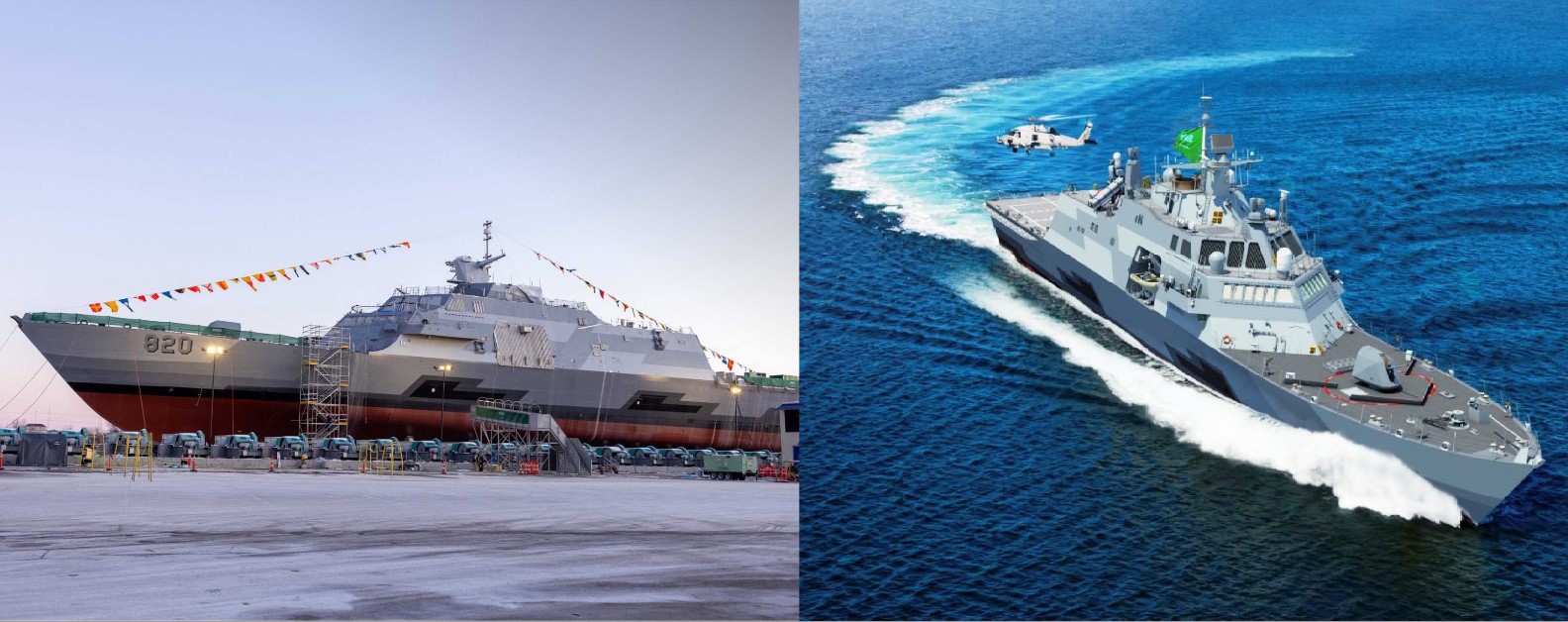
World
The first of four Multi-Mission Surface Combatant (MMSC) warships being built for the Royal Saudi Naval Forces (RSNF) under Project Tuwaiq has formally entered the water, marking a long-awaited milestone in one of Saudi Arabia’s most ambitious naval modernisation programmes. The first-of-class vessel, HMS Saud (820), was launched at the Fincantieri Marinette Marine shipyard in Wisconsin following a blessing ceremony held on 13 December 2025. Although the ship was rolled out from its construction shed to the waterfront on 27 October 2025, ship-spotter imagery confirms that HMS Saud actually floated for the first time on 20 December 2025, using the yard’s newly installed syncrolift system. Naval sources indicate this is the first vessel ever launched using the new syncrolift, a major infrastructure investment originally intended to support the now-cancelled Constellation-class frigate programme of the US Navy. Project Tuwaiq and Saudi Naval Modernisation Speaking at the ceremony, RSNF Chief of Naval Staff Lieutenant General Mohammed Al-Ghuraibi described Project Tuwaiq as a strategic cornerstone in Saudi Arabia’s drive to build a modern, professional, and technologically advanced naval force. He emphasised that the programme integrates advanced combat systems, alongside training and qualification initiatives, to ensure the RSNF can safeguard Saudi Arabia’s strategic interests and vital maritime routes. According to the RSNF, the new combatants will significantly enhance the Kingdom’s ability to conduct multi-domain naval warfare, enabling effective engagement against aerial, surface, and subsurface threats across the Red Sea and Arabian Gulf. The four-ship MMSC programme is being procured by the Kingdom of Saudi Arabia through a Foreign Military Sales (FMS) agreement signed in May 2017. The vessels are intended to form the backbone of the recapitalised RSNF Eastern Fleet, part of the broader Saudi Naval Expansion Program II. Under the programme structure, Lockheed Martin serves as prime contractor, while Gibbs & Cox is responsible for the functional ship design. Fincantieri Marinette Marine is tasked with ship construction, integration, and launch activities. The FMS case also includes RSNF crew training, as well as shore-based support, training systems, and combat-system integration. Design Origins and Combat Capability The MMSC design is derived from the US Navy’s Freedom-variant Littoral Combat Ship (LCS), retaining the same 118-metre hull and combined diesel and gas (CODAG) propulsion system. However, unlike the US Navy’s modular LCS concept, the Saudi variant adopts a fully integrated, permanent multi-mission combat system. At the heart of the ship’s air-defence capability is MBDA’s Sea Ceptor system, employing Common Anti-air Modular Missile (CAMM) interceptors. These are quad-packed into an eight-cell Mk 41 Vertical Launch System, providing 32 ready-to-fire missiles for local and area air defence. Surface-strike capability is delivered by two quad launchers for Boeing Harpoon anti-ship missiles, while close-range protection includes two Nexter Narwhal 20 mm remote weapon stations. Additional enhancements over the baseline LCS include the integration of Saab’s Ceros 200 fire-control radar and Indra’s Rigel electronic support measures (ESM) system, significantly improving target tracking, electronic warfare awareness, and engagement precision. Equipment shared with the late-build Freedom-variant LCS includes the Lockheed Martin COMBATSS-21 combat management system, derived from the Aegis Common Source Library, and the Hensoldt TRS-4D multimode surveillance radar. The ship is also armed with BAE Systems’ Mk 110 57 mm medium-calibre naval gun, the Raytheon Mk 15 Mod 31 SeaRAM for inner-layer missile defence, and Lockheed Martin’s ALEX 130 mm decoy launching system for soft-kill protection. The MMSC features a full-capability flight deck and hangar, designed to operate one MH-60R Seahawk helicopter, alongside support for unmanned aerial vehicles (UAVs). Saudi Arabia has separately acquired 10 MH-60R helicopters through another FMS case, providing the RSNF with advanced anti-submarine warfare (ASW), anti-surface warfare (ASuW), and maritime surveillance capabilities. Years of Delay and Revised Timelines Despite the successful launch of HMS Saud, the MMSC programme remains several years behind its original schedule. Initial plans called for all four ships to be delivered to the US Navy’s NAVSEA International Small Combatants programme office (PMS 525) by the end of 2025. However, deliveries slipped due to a combination of Covid-19-related shipyard disruptions, workforce shortages, the extended time required to finalise the MMSC design, and customer-driven design changes requested by Saudi Arabia. Industry sources now expect a phased delivery schedule extending beyond 2026, as outfitting, combat-system integration, and trials continue. Strategic Significance The entry of HMS Saud (820) into the water represents more than a shipyard milestone. It signals tangible progress in a programme critical to Saudi Arabia’s maritime security posture, particularly as regional naval competition intensifies. Once fully operational, the four MMSC warships are expected to provide the RSNF with a modern, networked, and heavily armed surface combatant force, capable of sustained operations across contested sea lanes. As harbour trials and systems integration move forward in 2026, attention will now shift to how quickly Project Tuwaiq can transition from delayed construction to operational deployment, reshaping the future balance of naval power in the region.
Read More → Posted on 2025-12-25 14:43:19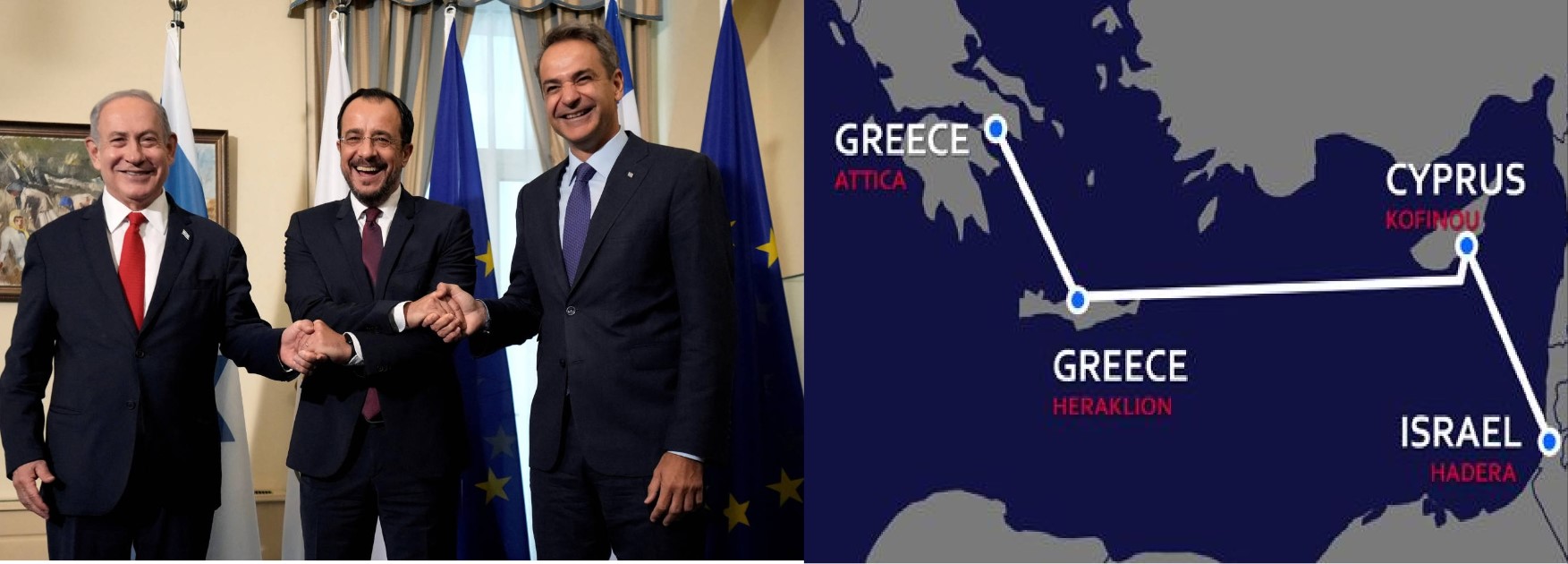
World
Israel, Greece and Cyprus are considering a new security arrangement in the Eastern Mediterranean that would bring together air, naval and ground forces into a 2,500-member rapid response force, according to several reports linked to talks among senior defense officials from the three countries. The idea, first reported in Greek media and echoed in Israeli and regional outlets, envisages a brigade-level force built around 1,000 troops from Israel, 1,000 from Greece and 500 from Cyprus, with each of Israel and Greece also allocating one air force squadron to support the unit. Potential operating nodes cited in the reporting include Cyprus, Israel, and the Greek islands of Rhodes and Karpathos, allowing the force to shift quickly in response to a crisis at sea, in the air or on land. What the Force Would Look Like While the proposals vary by source, the most detailed versions describe a package combining warships, aircraft and pre-positioned infrastructure for surge deployments. One Cyprus-based report, attributed to the original Greek coverage, said the concept includes naval contributions such as a Greek frigate and submarine, and Israeli naval participation including a corvette and submarine, alongside aviation and ground components. Israeli reporting has framed the mechanism as a way to provide additional “strategic depth” and tighter regional coordination at a time when Athens and Nicosia have grown increasingly wary of Ankara’s posture and maritime claims. Officials Stress Talks Are Preliminary, Cyprus Minister Denies Any Formal Plan Despite the prominence of the reports, the proposal is not yet an announced policy. In an interview carried by Cyprus media, Cyprus Defense Minister Vasilis Palmas denied that Cyprus’s political leadership had discussed creating such a force, saying no meeting with that specific agenda had taken place and that no such issue “existed” in official talks. That denial has been a central point for analysts tracking the story: the emerging picture is of exploratory planning and signaling rather than a signed, operational agreement—at least for now. The Jerusalem Summit: Broader Defense Cooperation, Maritime Security and Infrastructure The debate over a rapid-response force unfolded alongside the 10th Trilateral Summit in Jerusalem on December 22, 2025, where Israeli Prime Minister Benjamin Netanyahu, Greek Prime Minister Kyriakos Mitsotakis and Cypriot President Nikos Christodoulides signed a joint declaration committing to deepen cooperation on security, defense and military matters, while emphasizing maritime security and the protection of critical infrastructure and sea lanes. At the same summit, the leaders highlighted connectivity projects with strategic implications, including plans to advance an undersea power cable linking their electricity grids—an initiative repeatedly framed as both an economic and geopolitical anchor for the partnership. Turkey and Turkish Cypriot Reaction: “Escalation” Warnings The reported force concept has drawn sharp criticism from the Turkish Cypriot administration in northern Cyprus. Turkish Republic of Northern Cyprus (TRNC) Prime Minister Ünal Üstel warned that proposals for a 2,500-strong “rapid intervention force”, presented as deterrence against Türkiye and Turkish Cypriots, would constitute a dangerous escalation and a threat to regional peace, according to Turkish media coverage. Separately, Turkish media reports also referenced Ankara’s position that the trilateral initiative should not be treated as a direct military threat, reflecting a parallel messaging track aimed at downplaying the immediacy of the move while still contesting its intent. Why Now: Energy, Deterrence and a Tightening Israel–Greece Defense Axis The rapid-response proposal is landing in a region already crowded with overlapping disputes over exclusive economic zones (EEZs), gas exploration, and maritime boundaries, where Greece and Turkey—both NATO members—have long clashed over airspace and sea claims. It also comes as Israel and Greece deepen defense ties through procurement and joint training. Earlier this month, Reuters reported that Greece’s parliament approved the purchase of 36 PULS rocket artillery systems from Israel for about €650 million, part of a broader military modernization program worth roughly €28 billion by 2036, as Athens seeks to bolster deterrence along its borders and islands. What Happens Next For now, the “rapid response force” remains a reported concept—high-profile enough to trigger public denials and regional backlash, but still short of an official trilateral announcement. The most concrete, on-record outcomes remain the Jerusalem joint declaration, expanded coordination on maritime security, and renewed momentum behind shared energy and infrastructure projects that the three governments say can anchor stability in the Eastern Mediterranean.
Read More → Posted on 2025-12-25 14:07:57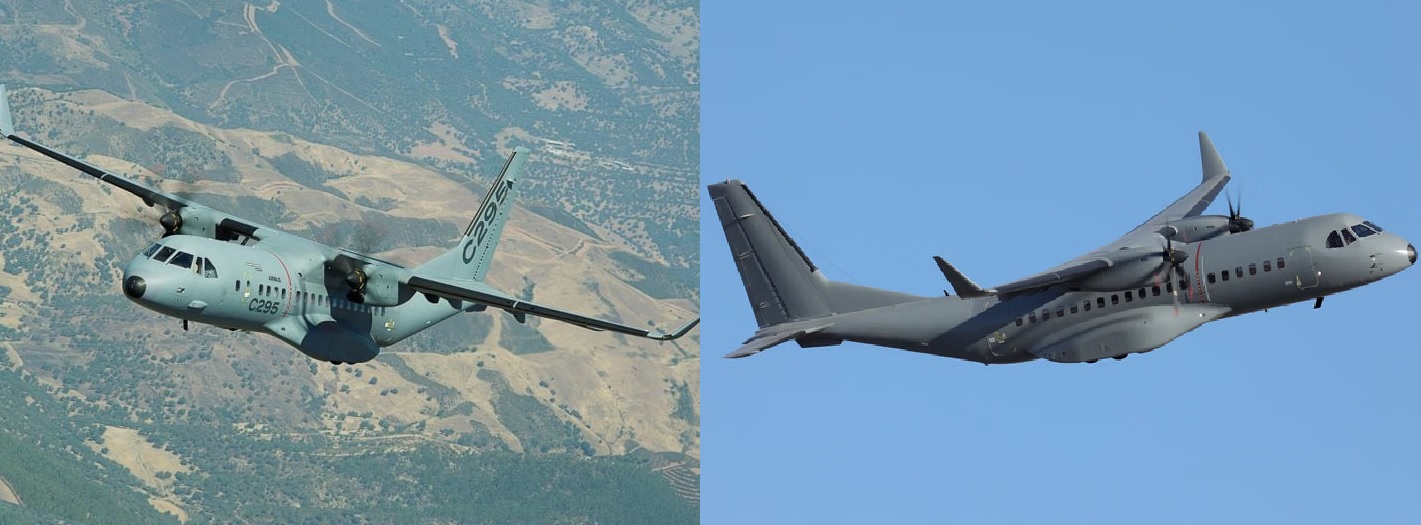
World
The Spanish Ministry of Defence has signed a contract for 18 new Airbus C295 military transport aircraft, marking a major step in the modernisation of pilot training and airborne operations of the Spanish Air and Space Force. The acquisition will replace ageing CN235 and C212 aircraft and is designed to streamline operations by harmonising fleets around a single, versatile platform. The programme significantly expands Spain’s reliance on the C295, a tactical transport aircraft developed and produced domestically. With this order, Spain’s total C295 fleet will rise to 46 aircraft, covering transport, maritime patrol, surveillance, training, and paratrooper support roles, reinforcing long-term operational continuity across the Air and Space Force. Strengthening Strategic Autonomy and Industry Commenting on the contract, Jean-Brice Dumont, Head of Air Power at Airbus Defence and Space, said the order underlines Spain’s commitment to national defence sovereignty and industrial capability. He noted that the programme supports strategic autonomy, sustains high-value aerospace jobs, and strengthens Spain’s broader aeronautical supply chain. All 18 aircraft will be assembled at Airbus facilities in Seville, further consolidating Spain’s position as a key European hub for military transport aircraft manufacturing. Operational Capabilities of the C295 The C295 transport variant is capable of carrying up to 70 fully equipped troops or 50 paratroopers, while operating from short or unprepared runways. The aircraft supports cargo and paratrooper drops, tactical airlift missions, and medical evacuation, making it particularly suitable for both training and operational environments. Its high-wing configuration, rear ramp, and proven reliability have made the C295 one of the most widely used medium tactical transports globally. Two Batches, Two Distinct Roles To meet specific operational requirements, the Spanish programme is divided into two separate batches. The first batch will be assigned to the Military Air Transport School at Matacán Air Base in Salamanca, where the aircraft will be used for pilot training and transport missions. These aircraft will replace the CN235 fleet, with deliveries beginning in 2026 and concluding in 2028. The second batch will support manual and automatic paratrooper and cargo drop operations at the Military Parachuting School at Alcantarilla Air Base in Murcia. These aircraft will replace the ageing C212 fleet, with deliveries scheduled between 2030 and 2032. Integrated Training and Long-Term Support Beyond aircraft deliveries, the contract includes a comprehensive integrated ground training system. This will feature full-mission flight simulators, computer-aided instruction tools, and training management software for both Salamanca and Murcia training centres. Airbus will also provide end-to-end fleet support at the Military Air Transport School, covering maintenance services and training centre management through December 2032, ensuring high availability and reduced lifecycle costs. A Proven Global Platform The C295 has established a strong international footprint, with 329 aircraft ordered by 38 countries worldwide and an operational record exceeding 710,000 flight hours. Spain’s latest order further cements the aircraft’s status as a backbone platform for medium airlift, training, and special mission roles. With this acquisition, Spain not only modernises critical Air and Space Force training and airborne capabilities, but also reinforces a domestically produced aircraft as the cornerstone of its future tactical air transport fleet.
Read More → Posted on 2025-12-25 13:48:02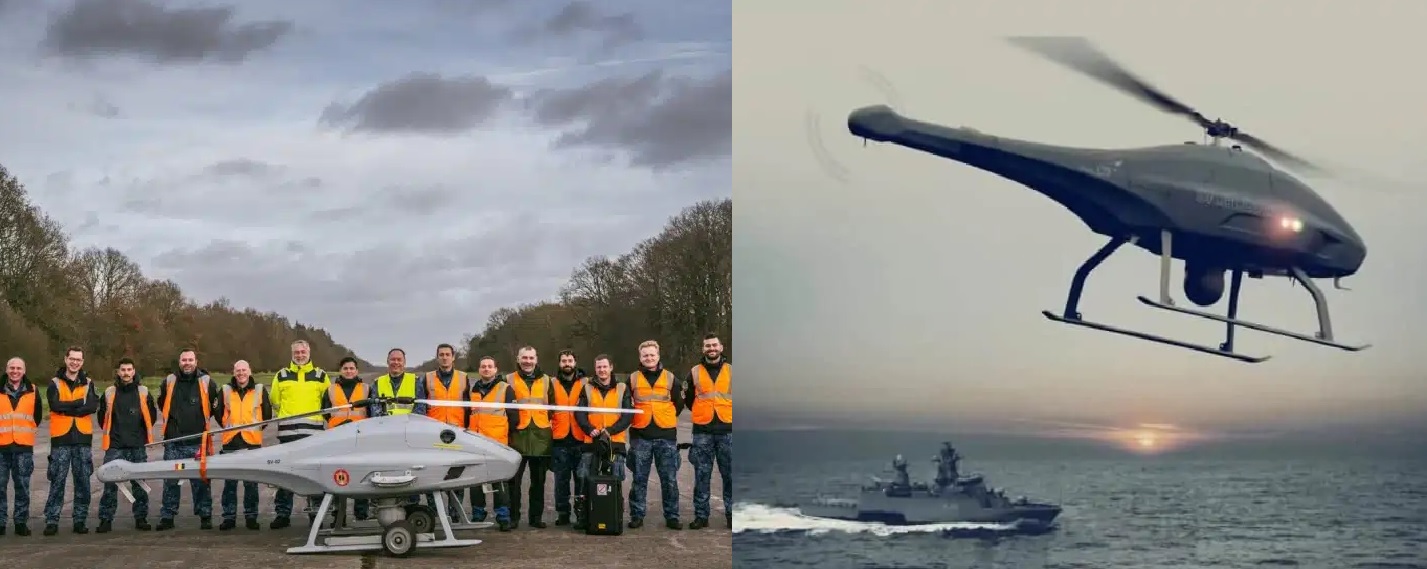
Belgian Navy Conducts First Training Flights of Skeldar V-200 Drone For Next-Generation Mine Hunting
World
In a significant advance for European naval mine warfare, the Belgian Navy has successfully completed its first training flights of the Skeldar V-200 unmanned helicopter, laying the groundwork for a new era of remote, data-driven mine countermeasures. The initial trials were conducted in recent weeks at Ursel Airfield, a key training site for the service’s expanding unmanned aviation capability. The Skeldar V-200 will become an integral sensor and surveillance asset for Belgium’s new-generation mine countermeasures vessels, enabling crews to detect, classify, and track naval mines at standoff distances—dramatically reducing the risk to sailors and ships operating in contested waters. Unmanned Helicopter Designed for the Mine Threat The Skeldar V-200 is a rotary-wing unmanned aerial system (UAS) optimized for maritime operations. With a rotor span of around 4.5 metres, a maximum weight of approximately 250 kilograms, and an endurance of up to four hours depending on payload, the platform is designed to remain airborne long enough to support sustained mine-hunting missions. Operating via a secure data link, the unmanned helicopter can relay real-time information to operators aboard ship or ashore. According to Captain Kristof Van Belleghem, Chief of Staff of the Navy, this capability fundamentally changes how mine countermeasures are conducted. By extending the detection range well beyond the immediate vicinity of the ship, vessels can remain outside the minefield, enhancing survivability and operational safety. Beyond seabed mines, the system is also suited to detecting drifting or floating mines, a persistent threat to shipping lanes and port approaches. Focus on Piloting and System Mastery The training campaign at Ursel has concentrated on pilot proficiency and system familiarisation. Operators are building routines, mastering flight controls, and accumulating the mandatory flight hours required for operational certification—an approach comparable to civilian and military aviation standards. The Skeldar V-200 offers three distinct piloting modes. Operators can fly the aircraft manually with direct control over trajectory, speed, and altitude; employ an automatic mode following a predefined route; or conduct missions using fully programmed flight patterns, ideal for systematic area coverage during mine reconnaissance. From Land to Sea: Flexible Deployment Control of the Skeldar V-200 is carried out from a Remote Pilot System (RPS), effectively a dedicated cockpit that allows operators to monitor sensors, manage flight profiles, and respond to changing tactical conditions. While the first training flights relied on supplier-provided systems, Belgian Defence is set to field its own RPS units in the near future. Crucially, these systems are also available in containerised configurations, allowing the unmanned helicopter to be deployed from both land bases and naval vessels. Although the aircraft is primarily intended for maritime use, training traditionally begins ashore, where simpler flight profiles can be executed in a controlled environment. Building a Full Skeldar Fleet Belgium currently operates two Skeldar V-200 drones, but this number is set to increase significantly. Over the coming years, the fleet will expand to ten unmanned helicopters, forming part of a modular mine countermeasures toolkit. Depending on mission requirements, different combinations of aerial, surface, and underwater drones can be embarked and deployed from sea or land. This unmanned ecosystem is being introduced alongside Belgium’s new mine countermeasures vessels. The first of these ships, M940 Oostende, has already arrived in Zeebrugge, marking the tangible start of a long-term fleet renewal effort. Belgium–Netherlands Partnership Drives Capability The integration of the Skeldar V-200 also highlights the depth of Belgian–Dutch naval cooperation under the Replacement Mine Countermeasures (rMCM) programme. Conducted jointly with the Royal Netherlands Navy, the programme aims to completely modernise mine warfare capabilities for both countries. In total, twelve advanced mine countermeasures vessels will be built—six for Belgium and six for the Netherlands—with the entire fleet scheduled to be fully operational by 2030. The programme was awarded in 2019 to Belgium Naval & Robotics, a consortium bringing together Naval Group and Exail. The Skeldar training flights at Ursel were carried out in close coordination with Dutch counterparts, reinforcing interoperability and shared operational concepts from the earliest stages. Positioning Europe at the Forefront of Mine Warfare As naval mines continue to pose a low-cost but highly effective threat in modern conflicts, Belgium and the Netherlands are positioning themselves at the forefront of European mine countermeasures innovation. The successful initial operation of the Skeldar V-200 unmanned helicopter represents a critical step toward safer, more remote, and more efficient mine warfare, with lessons that are likely to resonate well beyond the North Sea.
Read More → Posted on 2025-12-25 13:33:19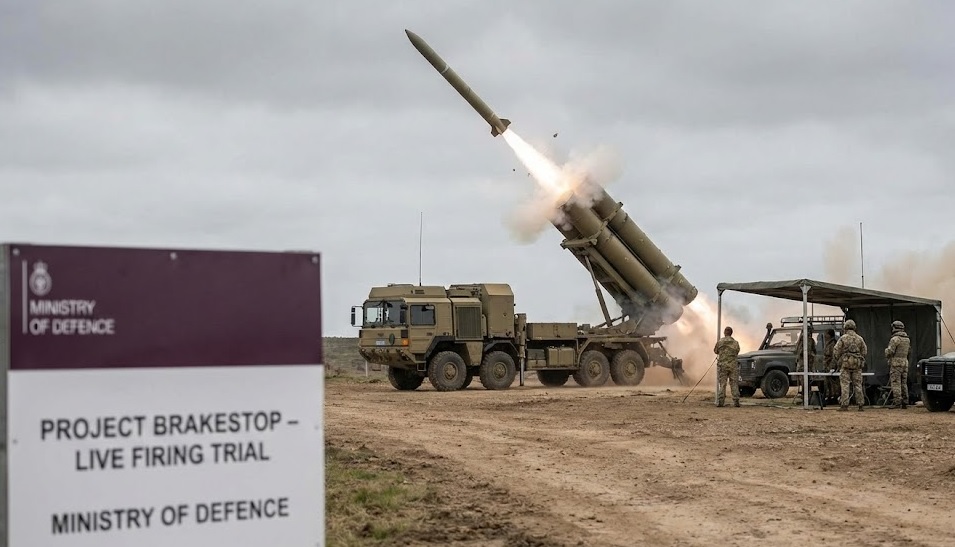
World
The Ministry of Defence (MoD) has confirmed that Project Brakestop, a new British long-range cruise-missile / “one-way effector” effort built around rapid production and scalable manufacturing, has moved into live firing trials, signalling a wider shift in how Britain intends to buy strike weapons in an era of accelerating demand and wartime consumption rates. Senior officials told MPs that the programme is being run to an unusually tight, industry-driven rhythm — a deliberate departure from traditional procurement cycles — with the MoD prioritising speed, repeatability, and production capacity over “exquisite” bespoke solutions. A Missile Programme Designed Around Mass And Tempo Project Brakestop was first signalled publicly in a Prior Information Notice published on the UK government’s Find a Tender service on 25 September 2024, framing the requirement as a cost-effective, ground-launched One Way Effector (OWE) Heavy for high-threat environments. The notice set out an explicit manufacturing ambition: scalable production at a minimum of 20 units per month, with the ability to increase output further if operations demand. In evidence and reporting around the latest trials, officials have described Brakestop as a programme built on a tight loop — “buy, try and scale” — intended to take systems from prototype to firing range quickly, then expand what works. What The MoD Asked Industry To Build The 2024 MoD notice provides unusually clear performance targets for what the UK wants Brakestop to do. The requirement describes a system able to deliver a 200kg–300kg class payload over a target range of 600km, at around 600km/h, launched safely from a mobile ground platform and able to operate day or night in harsh conditions. The same document stresses survivability and navigation resilience: the weapon should be of low multispectral signature, operate in a complex electromagnetic environment, and navigate in a GNSS-denied and degraded scenario while resisting electronic warfare, including spoofing. For end-game accuracy, the MoD referenced a CEP (0.5) of 30m for a low-level cruise profile with terminal guidance “as required”. Cost, Sovereignty And Upgrade Path Cost is central to the concept. The MoD set a target unit price of no more than £400,000 (ex-VAT) per delivery platform, explicitly excluding the launcher and certain government-furnished items. The notice also underlined that designs should be free from external government trade and usage restrictions — a clear sovereignty and exportability signal — and capable of spiral development for upgrades over time. From Industry Day To Firing Range: The Programme’s Fast Track The MoD’s early planning laid out a compressed pathway. An official industry day was scheduled for Tuesday, 8 October 2024 in London, with attendance capped at two personnel per company and registration responses due by 15:00 (GMT+1) on 2 October 2024. For selection, the MoD described a “3-2-1” down-select model — narrowing submitted proposals to a small set of firms, then to two to five companies, with up to £5 million in funding (subject to contract) to rapidly mature and demonstrate systems. The original schedule aimed at a demonstration firing in Q2 2025, with potential serial production from Q3 2025, still anchored around the 20-per-month minimum output expectation. By late 2025, officials indicated the effort had drawn interest from 27 companies, spanning established prime contractors and newer entrants, highlighting the MoD’s stated intent to widen supplier participation beyond a small circle of incumbents. Live Firing Trials Begin And What We Know About The First Shot The MoD confirmation that Brakestop has entered live firing trials follows disclosure that a first test firing occurred in mid-December 2025, discussed publicly in the context of a wider procurement reform push. Reporting from the parliamentary session indicates the first firing took place on 15 December 2025, revealed the following day during evidence to MPs. The specific company behind that initial test firing was not publicly identified in that account. Brakestop As A Case Study In Britain’s Procurement Reset While Project Brakestop is a weapons programme, it is also being treated inside government as a template for a broader cultural shift: moving procurement from slower, requirement-heavy cycles toward faster experimentation, shorter decision loops, and production readiness. In parallel evidence to Parliament, senior defence figures have argued the UK must adapt to the “dangerous times” environment and absorb lessons from Ukraine — not only about battlefield technology, but about the industrial ability to surge output. The direction of travel, as presented to MPs, is toward simplified processes, more rapid prototyping, and a procurement mindset designed for wartime resilience. For the MoD, Brakestop’s underlying logic is that long-range strike capacity can no longer be judged only by peak performance; it must also be judged by how quickly it can be produced, replaced, and scaled — at a price point that allows meaningful stockpiles and sustained operations.
Read More → Posted on 2025-12-25 13:26:10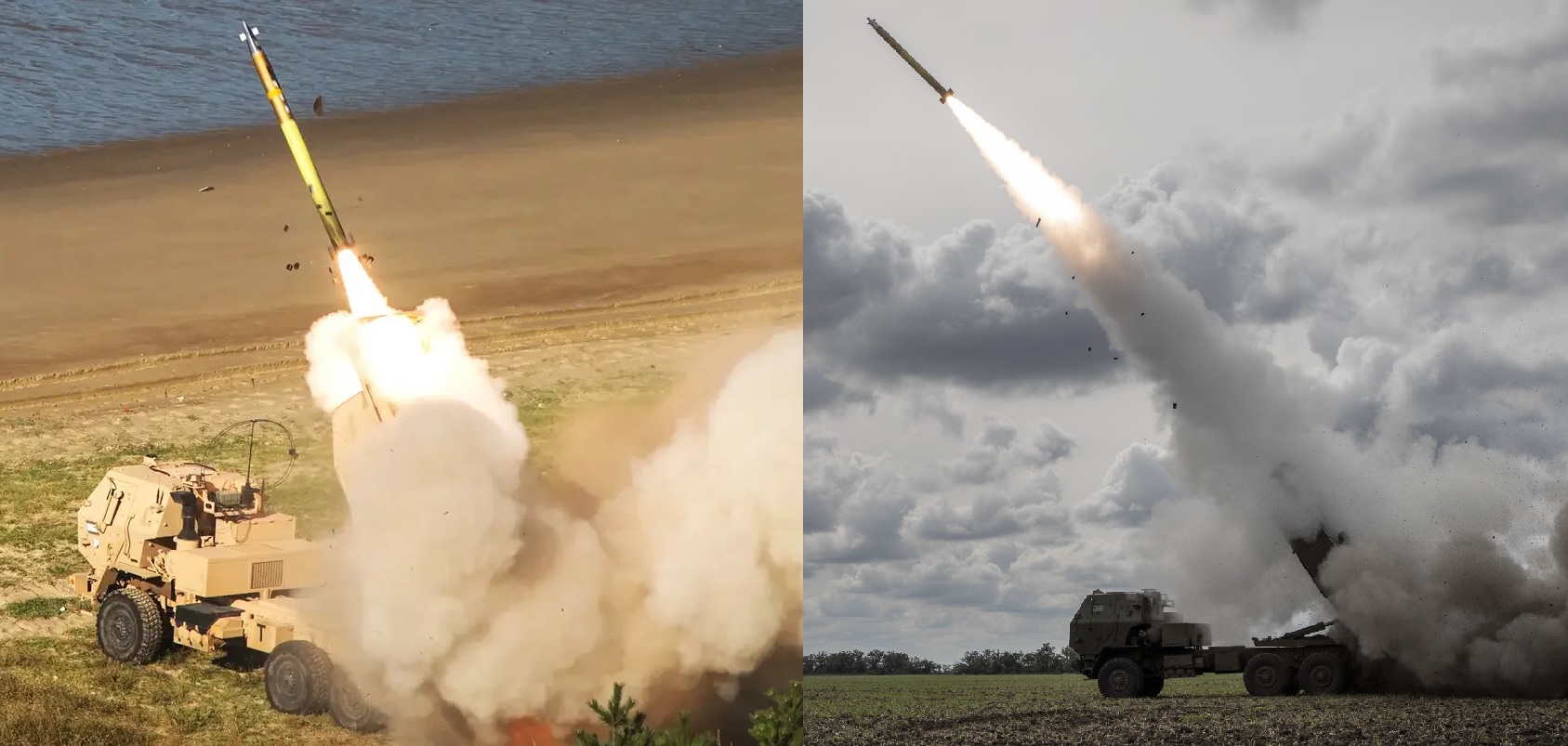
World
Ukraine is accelerating the development of a domestically produced, high-mobility precision strike launcher, conceptually modeled on the U.S.-supplied M142 HIMARS, as part of a wider effort to modernize missile forces and reduce long-term dependence on foreign weapons deliveries, Ukrainian officials and defense analysts say. The project focuses on creating a universal missile and rocket launcher capable of firing multiple types of guided munitions from a single mobile platform. The design is directly shaped by battlefield experience from the ongoing war, where mobility, precision, and sustained long-range firepower have proven decisive in countering Russian artillery and logistics networks. A Universal Launcher Driven by Combat Lessons According to Colonel Andrii Zhuravlov, Deputy Chief of Staff of Ukraine’s Missile Forces and Artillery Command, the Armed Forces are working toward a “multifunctional missile complex” that consolidates guided rockets and missiles of different classes onto one launcher. The approach mirrors the operational philosophy behind HIMARS—notably rapid deployment, shoot-and-scoot tactics, and high-accuracy strikes—but is being tailored to Ukraine’s industrial base and indigenous missile programs. Officials stress that the objective is adaptation, not duplication, enabling Ukraine to field a system that can evolve independently over time. Impact of Western Precision Weapons Western precision systems have fundamentally reshaped Ukraine’s strike capabilities. Following the arrival of HIMARS and the tracked M270 MLRS in mid-2022, Ukrainian forces gained the ability to conduct deep precision strikes against ammunition depots, command posts, and logistics hubs, forcing Russian forces to disperse assets and operate farther from the front. Zhuravlov noted that Ukraine initially relied on 227-mm GMLRS guided rockets, with a strike range of up to 80 kilometers. In the second half of 2023, the United States began supplying ATACMS missiles with a 165-kilometer range, followed in 2024 by extended-range versions capable of reaching up to 300 kilometers. While these systems delivered a major operational advantage, Ukrainian officials underline that munition availability remains tied to foreign production rates and political decisions, reinforcing the case for a domestic alternative. Integration With Ukrainian Missile Programs The planned launcher is expected to support existing and future Ukrainian missile systems, including the Vilkha MLRS, the Sapsan operational-tactical missile program, and extended-range variants of the Neptune missile. Defense sources describe the Vilkha family as Ukraine’s most mature guided rocket capability, with advanced variants such as Vilkha-M reportedly achieving ranges of up to 130 kilometers, compared with 70 kilometers for earlier versions. Analysts see these systems as a core building block for the new universal launcher. Platform and Industrial Outlook Although technical specifications and prototype imagery have not been released, defense analysts expect the launcher to be mounted on a wheeled, high-mobility truck chassis, potentially sourced from European manufacturers. Such a configuration would align with Ukraine’s emphasis on rapid relocation, lower operating costs, and ease of maintenance under wartime conditions. A domestically controlled launcher would also give Kyiv greater freedom to integrate non-U.S. munitions, avoiding potential compatibility or export restrictions associated with foreign systems. Strategic Significance The development of a Ukrainian HIMARS-style launcher highlights Kyiv’s broader strategy of defense self-sufficiency under fire. By investing in a homegrown precision strike platform, Ukraine aims to secure long-term operational depth, maintain effective counter-battery fire, and preserve its ability to conduct deep strikes even if external supplies fluctuate. While timelines, testing milestones, and production numbers remain undisclosed, Ukrainian officials describe the project as a long-term strategic investment rather than a short-term replacement for Western aid. If successful, the system would mark a significant step toward independent, sustainable precision warfare capability for Ukraine.
Read More → Posted on 2025-12-25 12:11:05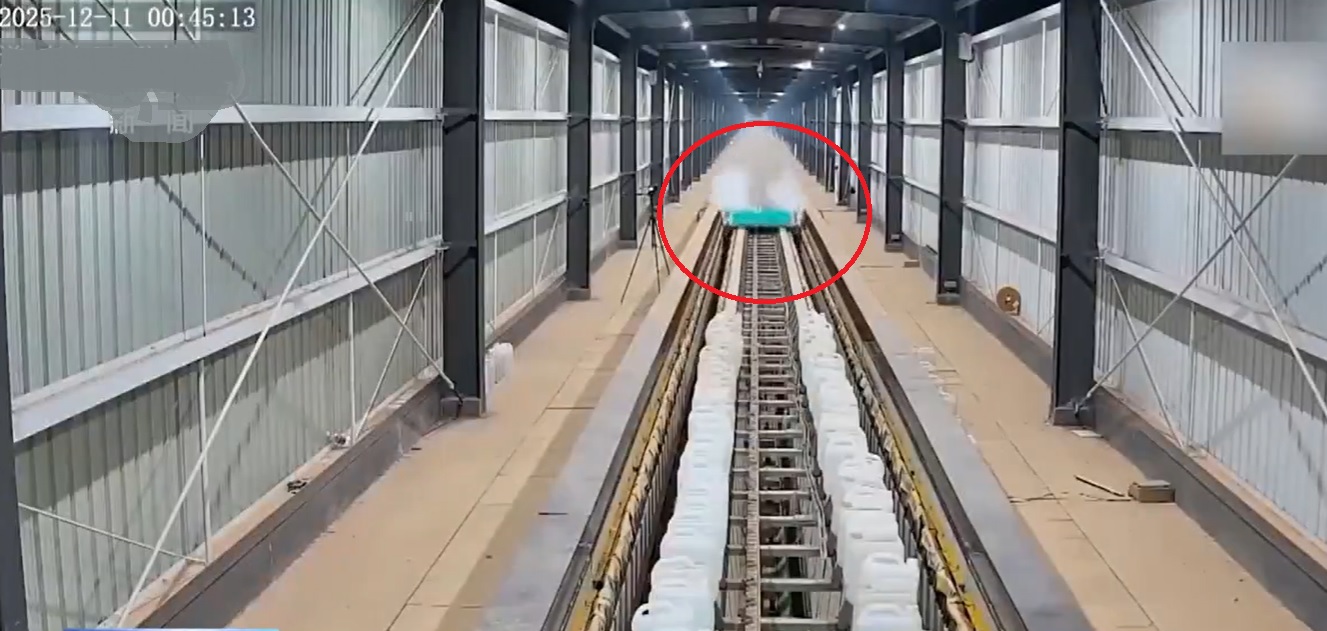
World
China has recorded a major breakthrough in ultra-high-speed ground transportation, successfully accelerating a one-ton superconducting maglev test vehicle to an extraordinary 700 km/h in just 2 seconds, the fastest acceleration and peak speed ever achieved in a controlled maglev test environment. The landmark trial was conducted on a 400-metre experimental maglev track by researchers from the National University of Defense Technology (NUDT). Beyond achieving the headline speed, the team also confirmed the vehicle’s ability to decelerate and stop safely, a critical requirement for future real-world applications. Extreme Acceleration on a Short Test Track Reaching 700 km/h (194.4 m/s) in 2 seconds implies an average acceleration close to 9.9 g, underscoring that the experiment was designed to test propulsion power, electromagnetic stability, and control systems, rather than passenger comfort. Officials clarified that this was a technology demonstrator, not a passenger vehicle, aimed at validating the limits of superconducting magnetic levitation under extreme conditions. The test vehicle weighed approximately 1,000 kilograms, making the achievement notable not only for speed but also for the mass involved, as higher loads significantly increase propulsion and stability challenges. Key Technologies Behind the Breakthrough According to Chinese state media, the success follows nearly 10 years of sustained research. The team reportedly overcame several long-standing engineering challenges, including ultra-high-speed electromagnetic propulsion, high-precision electric suspension and guidance, high-power transient energy-storage inverters, and strong-field superconducting magnets capable of remaining stable during rapid acceleration and braking. Researchers said the experiment validated system-level integration, proving that propulsion, levitation, guidance, power delivery, and braking can function reliably at extreme speeds within a compact test environment. Opening the Door to Vacuum Tube Maglev Transport The breakthrough is being widely linked to China’s ambitions in vacuum tube maglev transportation, where reduced air pressure inside sealed tubes drastically cuts aerodynamic drag — the primary barrier to speeds above 600–800 km/h in open air. Chinese scientists say the new results provide a technical foundation for future near-supersonic ground transport concepts, potentially enabling train speeds of 1,000 km/h and beyond. Such systems could eventually connect major cities hundreds of kilometres apart in under an hour. How It Compares Globally It’s difficult to compare records cleanly because “record” can mean peak speed, sustained speed, crewed vs uncrewed, or full-system demonstrations. Still, China’s 700 km/h in 2 seconds test stands out for acceleration and peak speed on a very short line, not for passenger operation. For broader context, the widely cited crewed maglev speed record is 603 km/h, set by Japan’s L0 Series in 2015. China has also showcased other rapid-acceleration maglev testing in 2025: CGTN reported that researchers at Donghu Laboratory accelerated a 1.1-tonne test vehicle to 650 km/h in about 7 seconds, reaching that speed over a 600-meter run on a 1,000-meter test track, with a stated speed/positioning accuracy of up to 4 millimeters and the ability to decelerate to zero in 200 meters. What Comes Next Researchers say the focus will now shift to repeatability, system endurance, and scaling up test distances, especially for low-vacuum or vacuum-tube environments. Further trials are expected to explore longer runs, thermal management, and emergency response systems, all essential before any commercial deployment. For now, the achievement cements China’s position at the forefront of next-generation maglev and ultra-high-speed transport research, signaling that the race toward near-supersonic trains is accelerating faster than ever.
Read More → Posted on 2025-12-25 11:58:03Search
Top Trending in 24 Hours
-
 India Successfully Conducts AD-1, AD-2 Interceptor Tests and Maiden NASM-MR Flight Trial
-
 Russia Launches 1,400 Jet-Powered Drones in 2026 as Strike Tactics Evolve to Challenge Ukraine's Air Defenses
-
 U.S Navy Orders 50 Blackbeard Hypersonic Missiles in New $23.4 Million Contract
-
 UAE Denies Reports of Releasing Up to $20 Billion in Funds to Iran Amid Regional De-Escalation Efforts
-
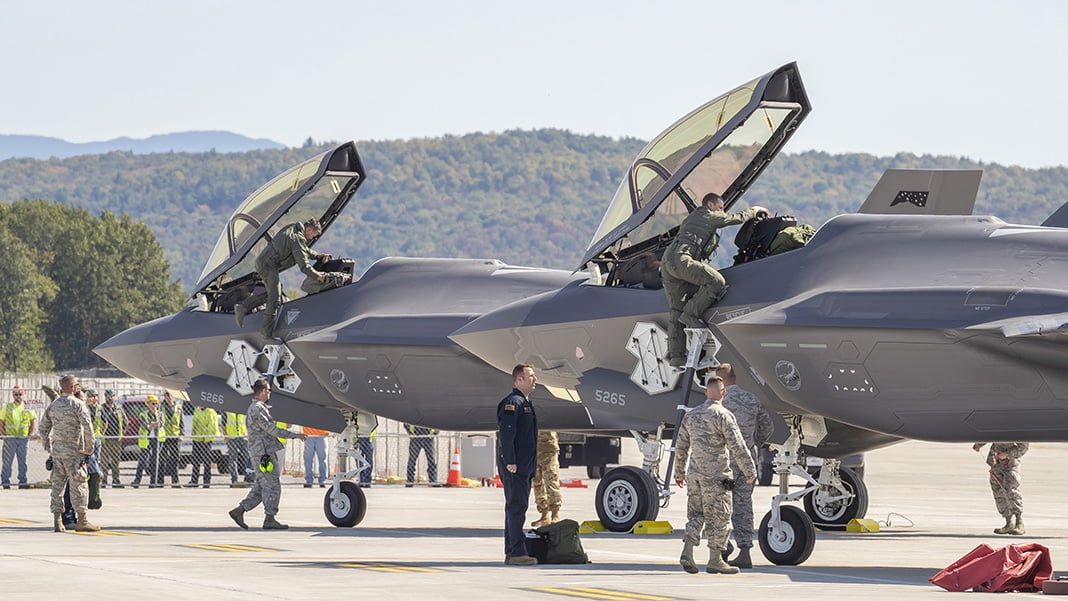 F-35 Fleet Readiness Falls to 25% Amid Parts Shortages and Software Delays: GAO Report
-
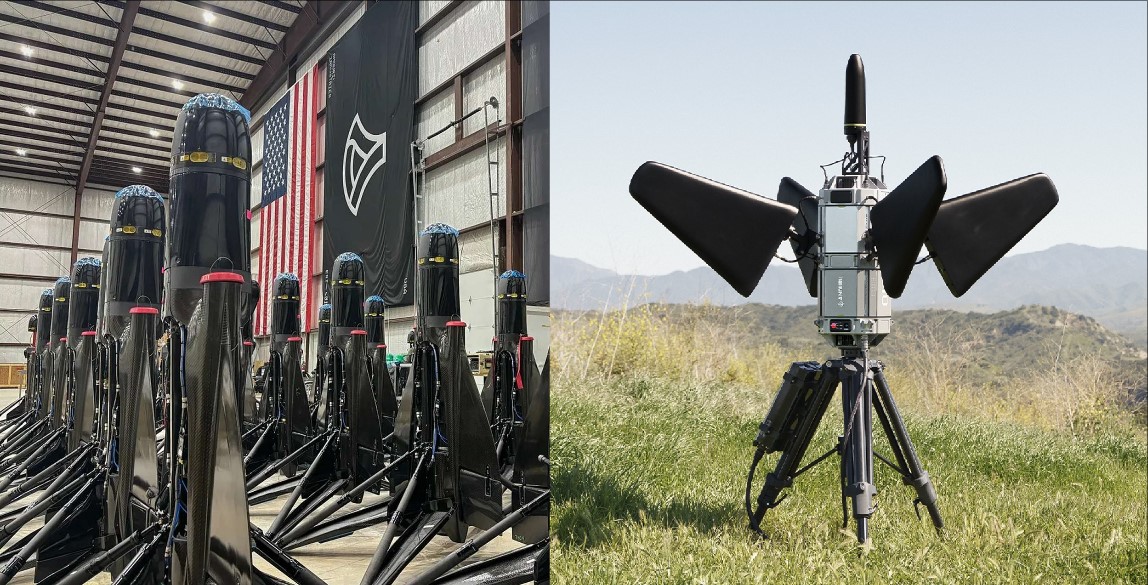 U.S. Approves $1.98 Billion Sale of Anduril AI-Powered Counter-Drone Systems to Kuwait
-
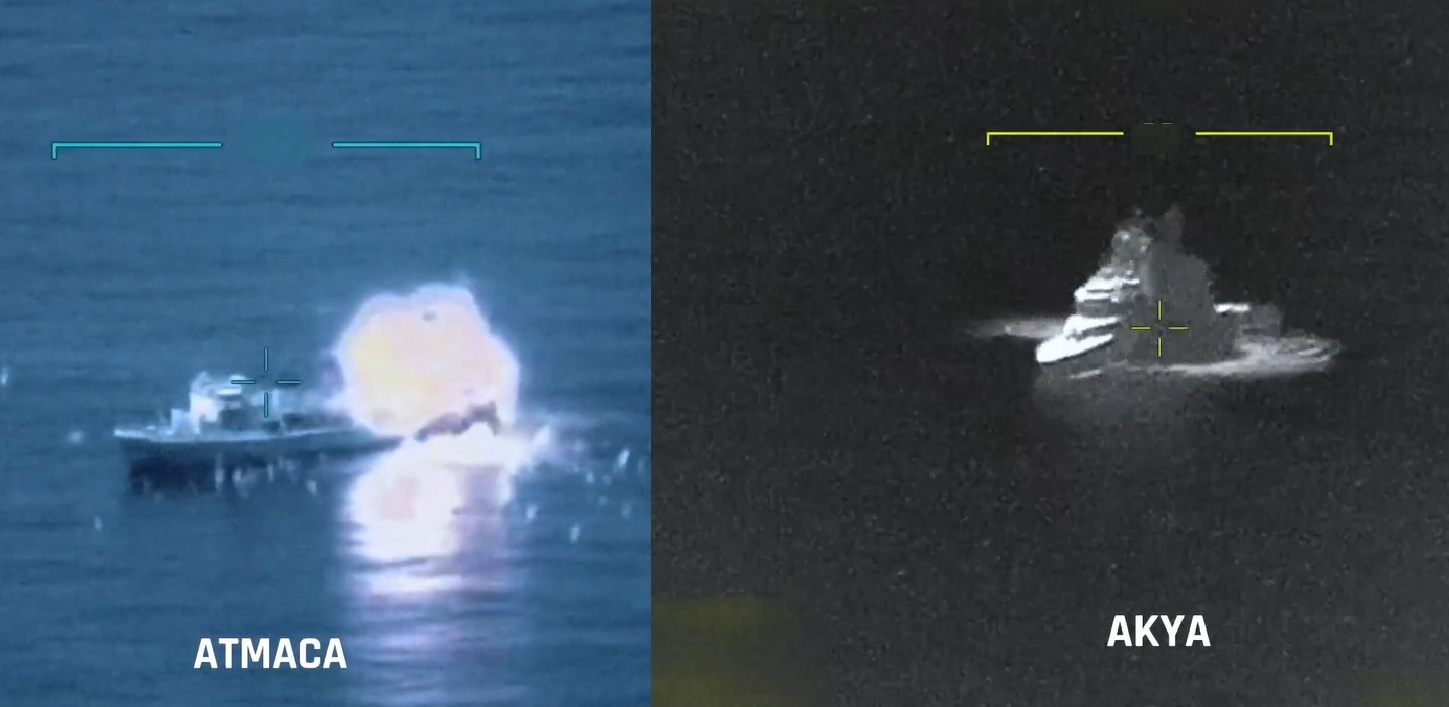 Turkey Navy Successfully Tests AKYA Torpedo and ATMACA Missile During Major Denizkurdu-II Naval Exercise
-
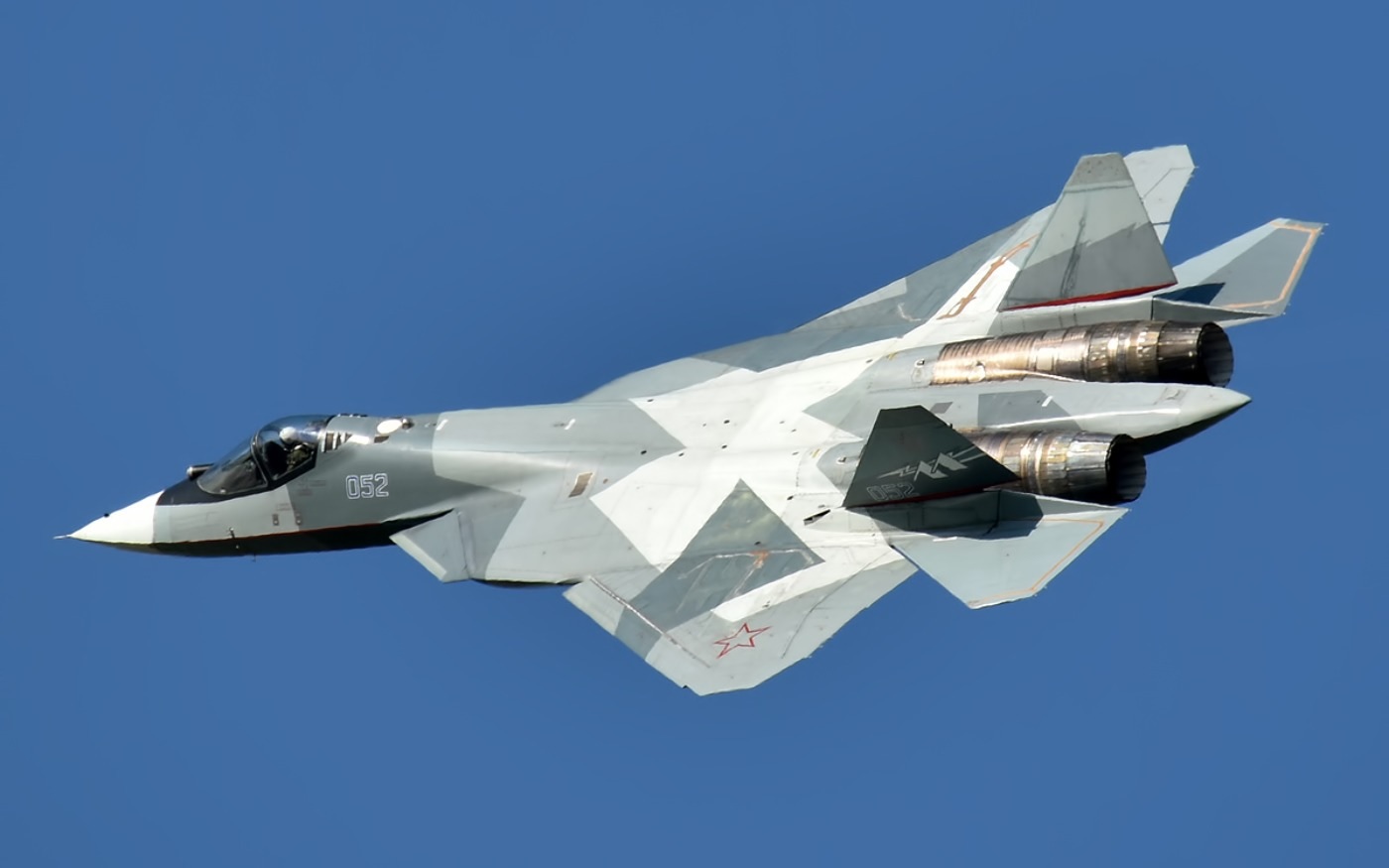 Russian Analysts Debate Su-57 Capabilities After Putin Calls Fighter Superior to F-35
Top Trending in 4 Days
-
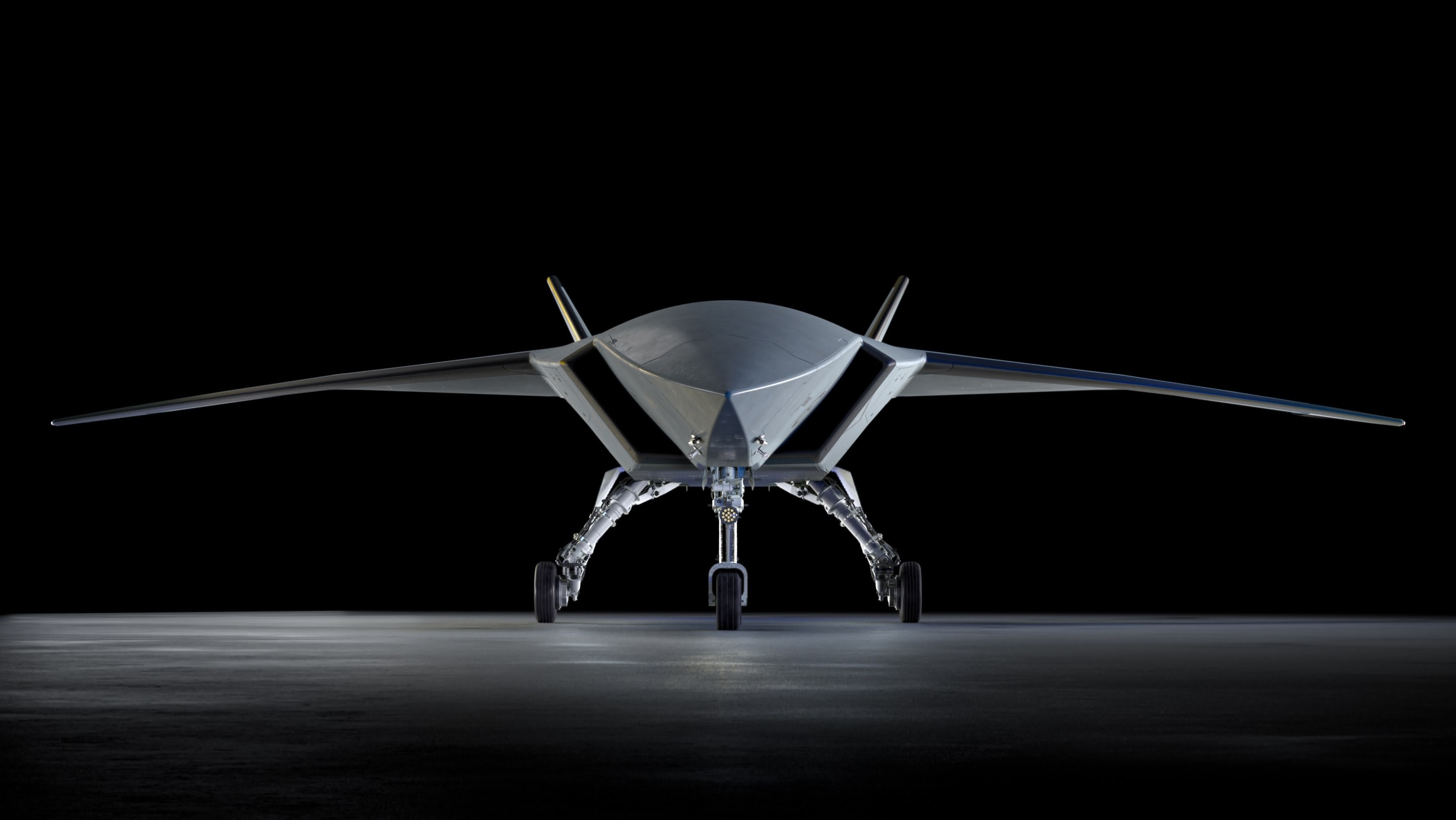 Boeing Introduces New MQ-28 Ghost Bat Upgrades with Increased Range, Payload and Weapons Capacity at ILA Berlin 2026
-
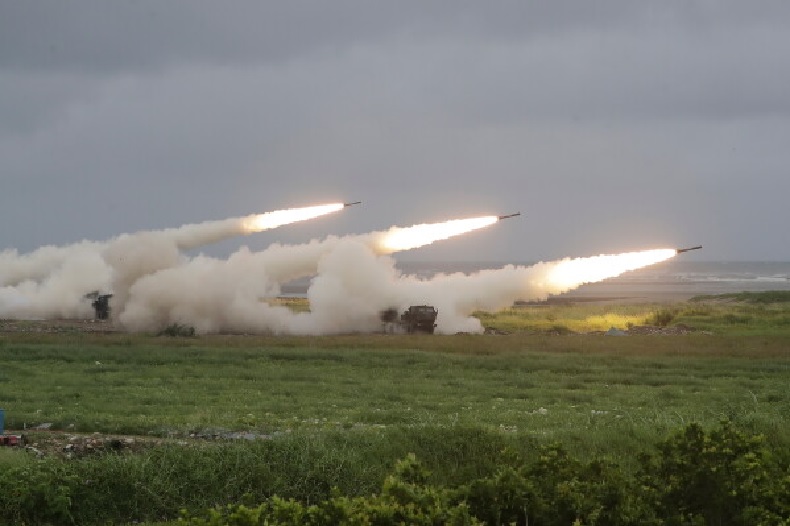 Taiwan Conducts First Live-Fire of HIMARS Rockets From West Coast During Invasion Defense Drill
-
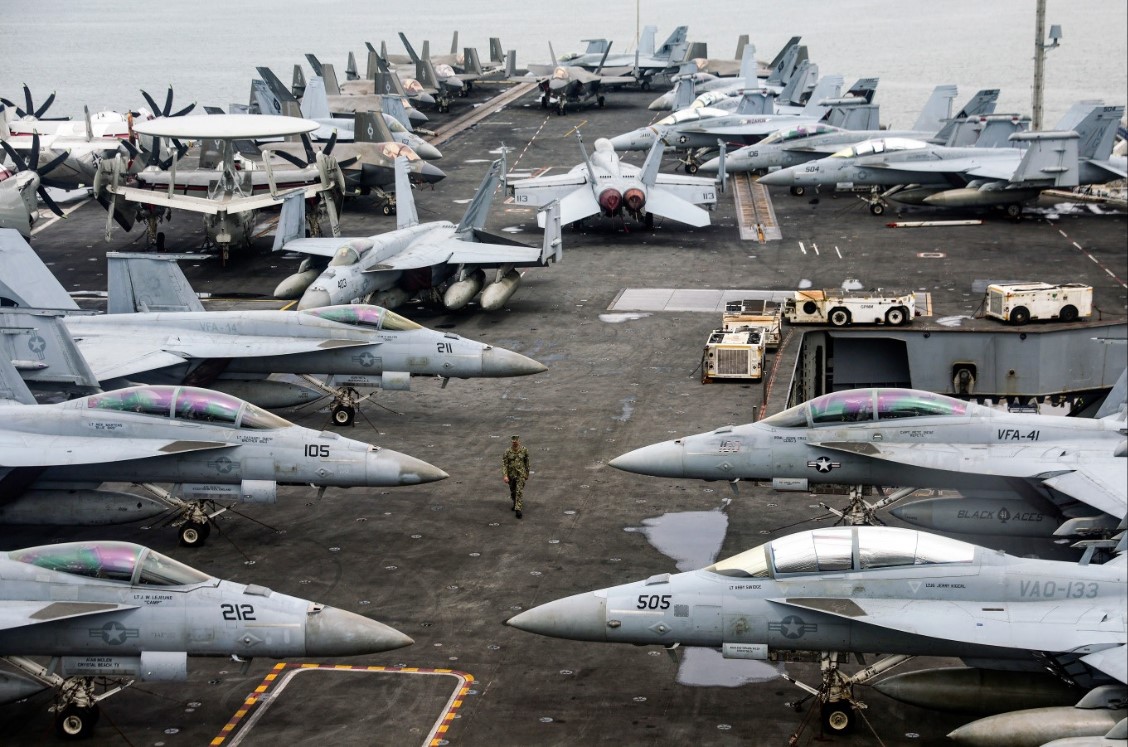 US Plans Significant Reduction of Fighter Jets and Warships for NATO Operations in Europe
-
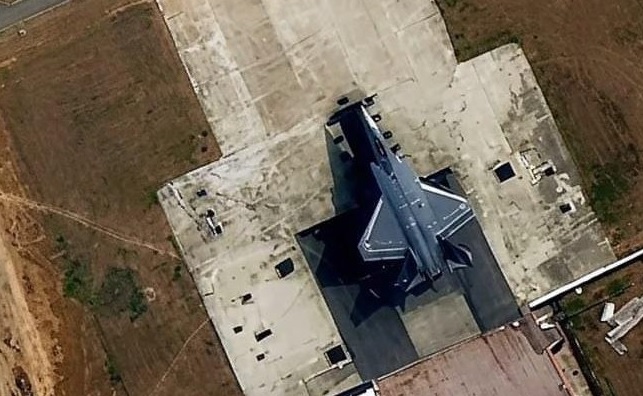 AMCA Airframe Spotted at DRDO’s ORANGE Facility for Radar Cross-Section Testing
-
 Iranian Media Leaks 14-Point U.S.-Iran Peace Framework Amid Ongoing Negotiations
-
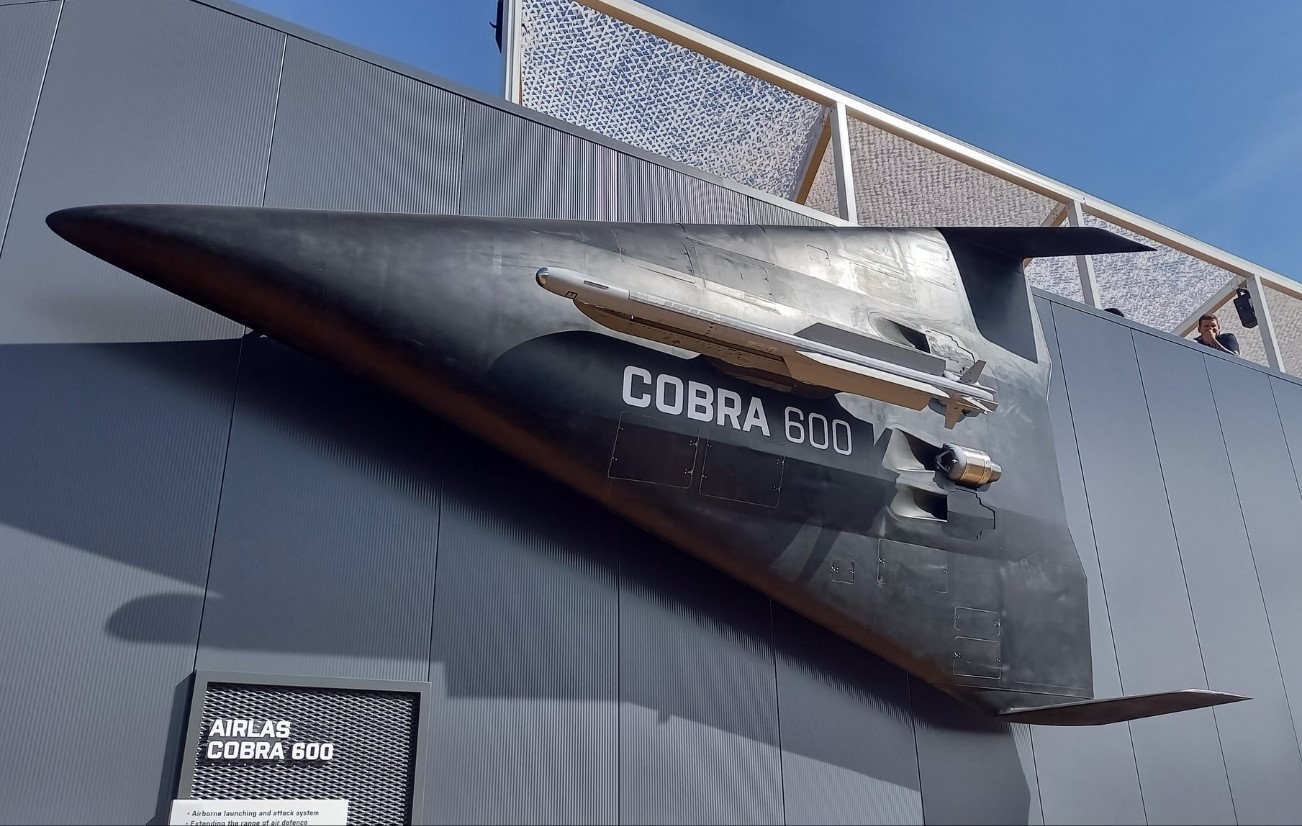 Diehl Defence Unveils IRIS-T Armed Cobra 600 Air Defense Drone at ILA Berlin 2026
-
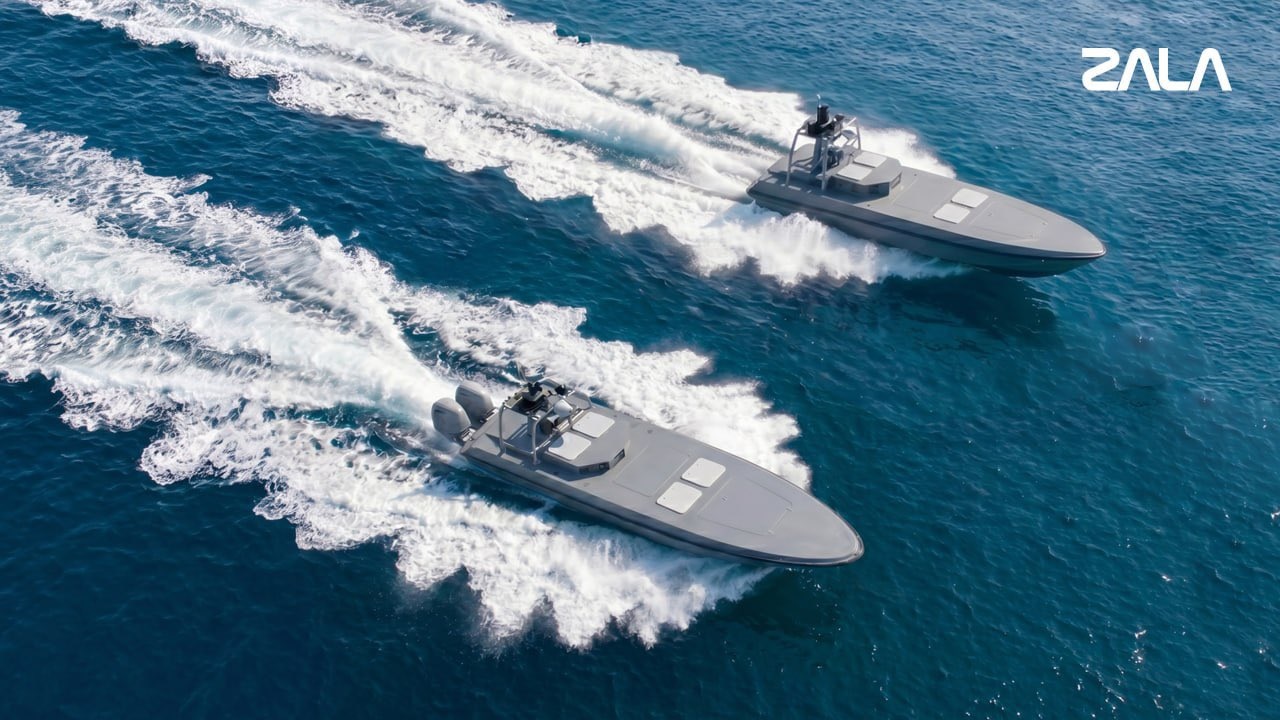 Russian Defense Firm ZALA Unveils KAMA Unmanned Surface Vessel Family at FLOT-2026 Naval Exhibition
-
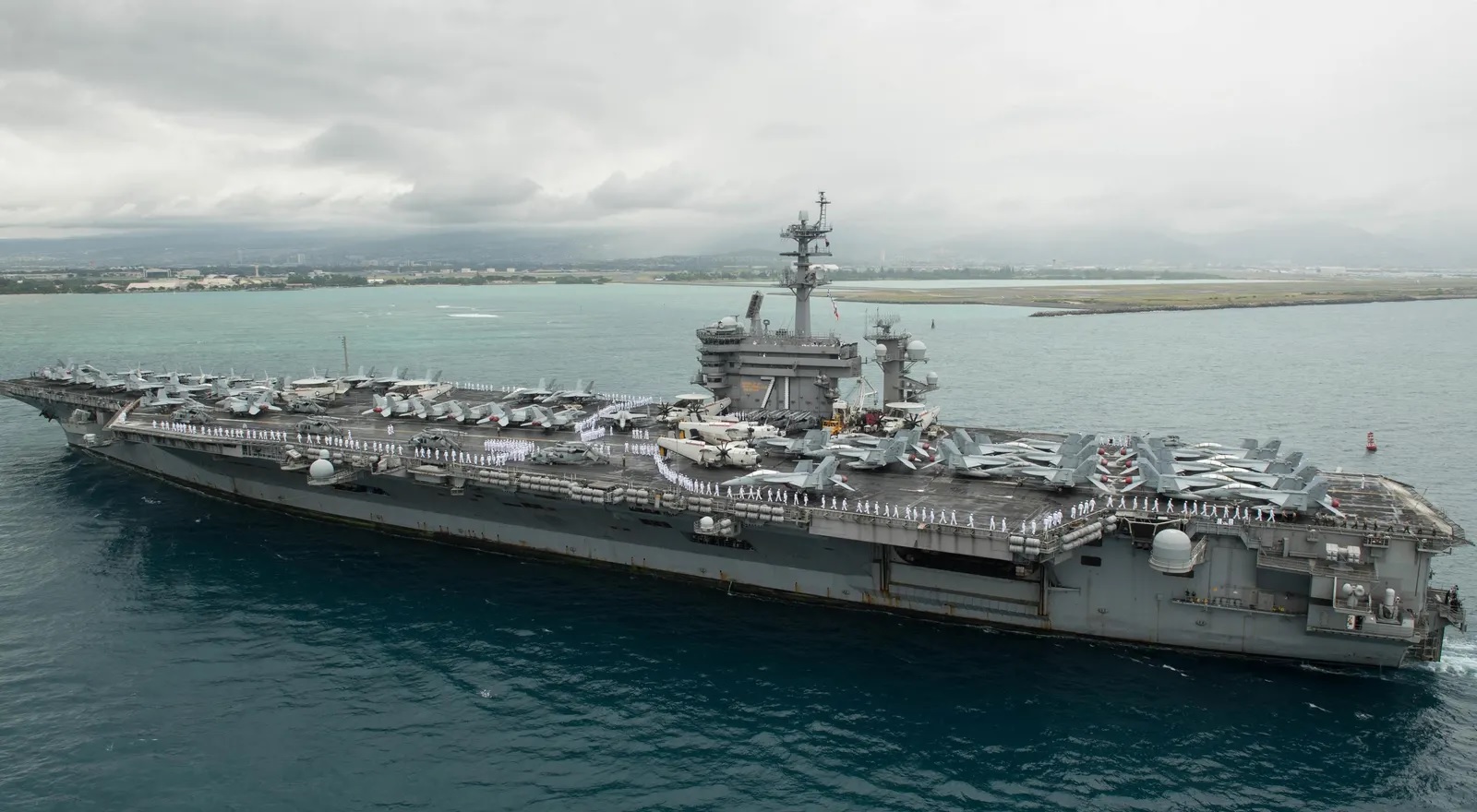 U.S Aircraft Carrier USS Theodore Roosevelt Departs San Diego for Major RIMPAC 2026 Naval Exercise