World
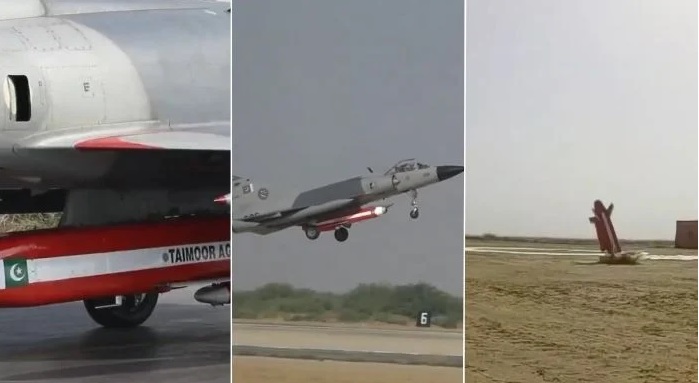
RAWALPINDI : The Pakistan Air Force has successfully conducted a flight test of the indigenously developed Taimoor Weapon System, an air-launched cruise missile (ALCM) capable of engaging land and sea targets at a range of 600 kilometres, according to an official military statement. The successful launch marks another important step in the advancement of Pakistan’s aerospace and defence capabilities, reflecting steady progress in indigenous missile development, system integration and operational testing. Range, Guidance and Strike Role The Taimoor Air-Launched Cruise Missile is designed to carry a conventional warhead and conduct high-precision strikes against a wide spectrum of targets. Its 600-km stand-off range allows Pakistan Air Force combat aircraft to launch from outside hostile air defence envelopes, enhancing mission survivability. The missile is equipped with a modern navigation and guidance system, enabling accurate mid-course flight and precise terminal engagement, even in complex operational environments. Speed and Flight Profile Although official speed figures have not been disclosed, defence analysts assess that the Taimoor cruises at high-subsonic speeds close to Mach 1, placing it in the near-Mach category. This speed profile aligns with traditional cruise missile design, where range, fuel efficiency and low-altitude penetration are prioritised over high velocity. However, analysts note that a subsonic or near-Mach speed remains a limitation against modern, layered air defence systems, where faster interception timelines favour supersonic strike weapons. The missile’s survivability therefore relies heavily on its very-low-altitude flight path, which is intended to reduce radar detection and tracking. Operational Significance Despite speed-related constraints, the military said the Taimoor significantly enhances the conventional deterrence and operational flexibility of the Pakistan Air Force. The ability to integrate long-range cruise missiles with fighter aircraft provides a credible stand-off precision strike option without exposing aircrews to high-risk airspace. Indigenous Development and Leadership Response The test was witnessed by senior officers of the Pakistan Armed Forces, along with scientists and engineers involved in the programme. The military said the successful flight test highlights the technical maturity, innovation and self-reliance achieved by Pakistan’s defence industry. Chief of Air Staff Zaheer Ahmed Baber Sidhu congratulated the scientists, engineers and Pakistan Air Force team, praising their professional excellence and dedication to strengthening national defence capabilities. The Taimoor Weapon System, with its 600-kilometre range, precision guidance and low-altitude penetration capability, represents a notable addition to Pakistan’s conventional strike arsenal, even as future improvements may focus on enhancing survivability against evolving air defence threats.
Read More → Posted on 2026-01-03 15:48:13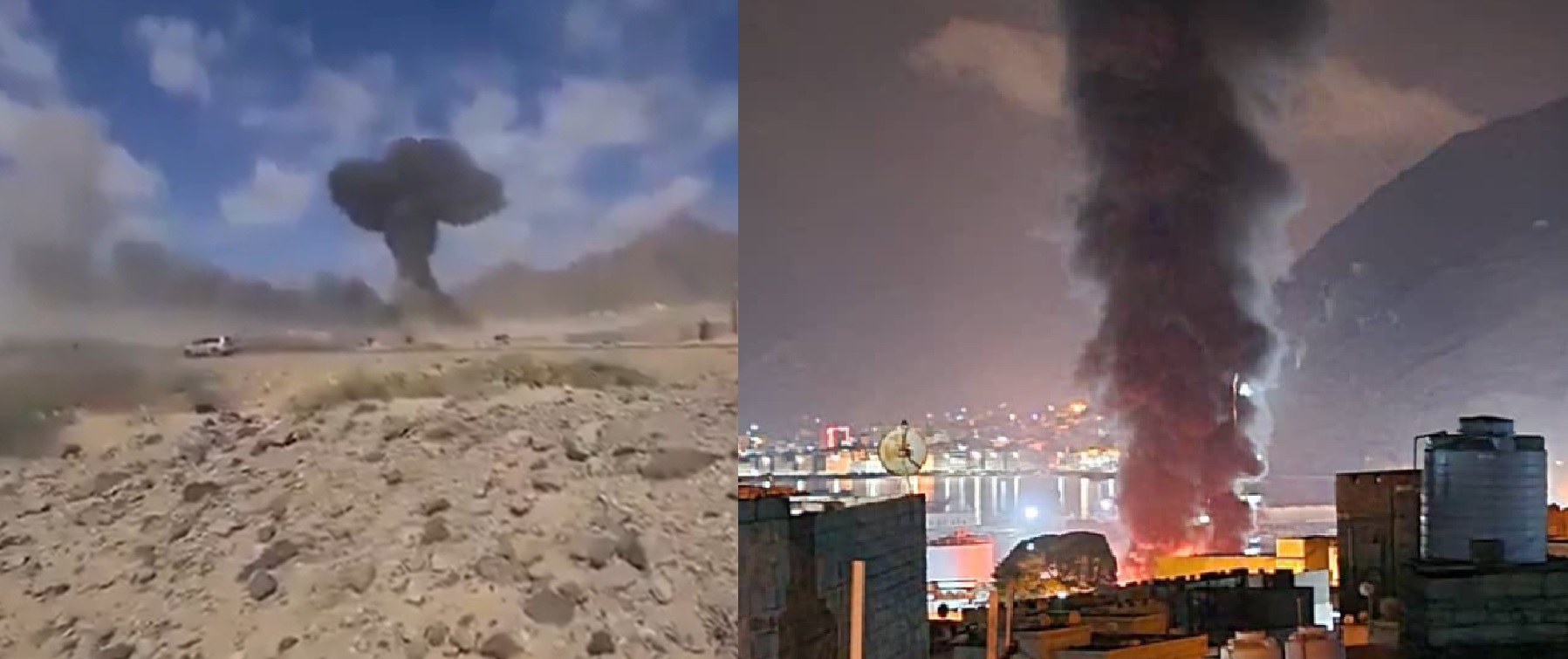
World
Al-Mukalla, Yemen — Fighter aircraft of the Royal Saudi Air Force (RSAF) carried out precision airstrikes on UAE-backed Southern Transitional Council (STC) camps in and around the strategic port city of Al-Mukalla, sharply escalating tensions between Saudi Arabia and the United Arab Emirates over control and influence in eastern Yemen. The strikes underscore Riyadh’s assertion of full air superiority over Yemen and signal a decisive shift toward direct action against Emirati-aligned forces operating outside the authority of Yemen’s internationally recognised government. Saudi Ultimatum Expired, Air Campaign Begins According to regional security sources and Yemeni officials, the air operation followed the expiry of a Saudi ultimatum demanding the immediate withdrawal of Emirati forces and their STC proxies from Hadramout Province. The ultimatum reportedly included the evacuation of camps, weapons depots, and logistics hubs linked to the STC. When the deadline passed without compliance, Saudi jets began targeted strikes aimed at neutralising STC military infrastructure. Riyadh accused the STC of refusing to disengage despite repeated warnings, leaving airstrikes as what officials described as a “necessary security response.” Targets Near Port And Military Camps Hit Local sources reported multiple air raids striking STC camps, command centres, and vehicle concentrations, including locations close to Al-Mukalla Port, a vital commercial and logistical hub. Footage circulating from the aftermath showed destroyed facilities, damaged vehicles, and heavy smoke rising from targeted areas. STC officials acknowledged the attacks, confirming that several of their positions were hit. They reported fatalities and injuries among fighters, though exact numbers remain unverified due to restricted access and ongoing security operations. Civil authorities advised residents to avoid military zones and port areas, citing the risk of further strikes. Rival Gulf Powers, Competing Agendas Saudi officials say the airstrikes were designed to halt what they describe as unauthorised foreign military support to separatist forces. Riyadh has repeatedly accused the UAE of supplying the STC with weapons, armoured vehicles, and financial backing, claims Abu Dhabi has denied. The UAE maintains that it has significantly reduced its military presence in Yemen and insists its remaining role is focused on counter-terrorism and local security support. Abu Dhabi has so far issued no detailed public response to the latest Saudi strikes. The Southern Transitional Council, which seeks autonomy or independence for southern Yemen, condemned the attacks, accusing Saudi Arabia of undermining southern political aspirations and warning that continued air operations could destabilise Hadramout. Strategic And Humanitarian Risks Al-Mukalla, the capital of Hadramout, is one of Yemen’s most important ports and a critical artery for trade, fuel imports, and humanitarian aid. Any sustained military activity around the city risks disrupting civilian life and worsening an already severe humanitarian crisis. Analysts warn that the Saudi-Emirati rift, now spilling into open military confrontation, could redefine alliances within Yemen’s fragmented conflict and complicate international efforts to stabilise the country. Uncertain Path Ahead With Saudi Arabia demonstrating a willingness to directly strike UAE-backed forces, attention now turns to whether the air campaign will expand, whether the STC will retaliate on the ground, and whether diplomatic channels can prevent a broader Gulf confrontation. For Yemen, the strikes represent yet another escalation in a long-running war — one in which regional rivalries continue to shape the battlefield, and civilians remain the most vulnerable victims.
Read More → Posted on 2026-01-03 15:35:33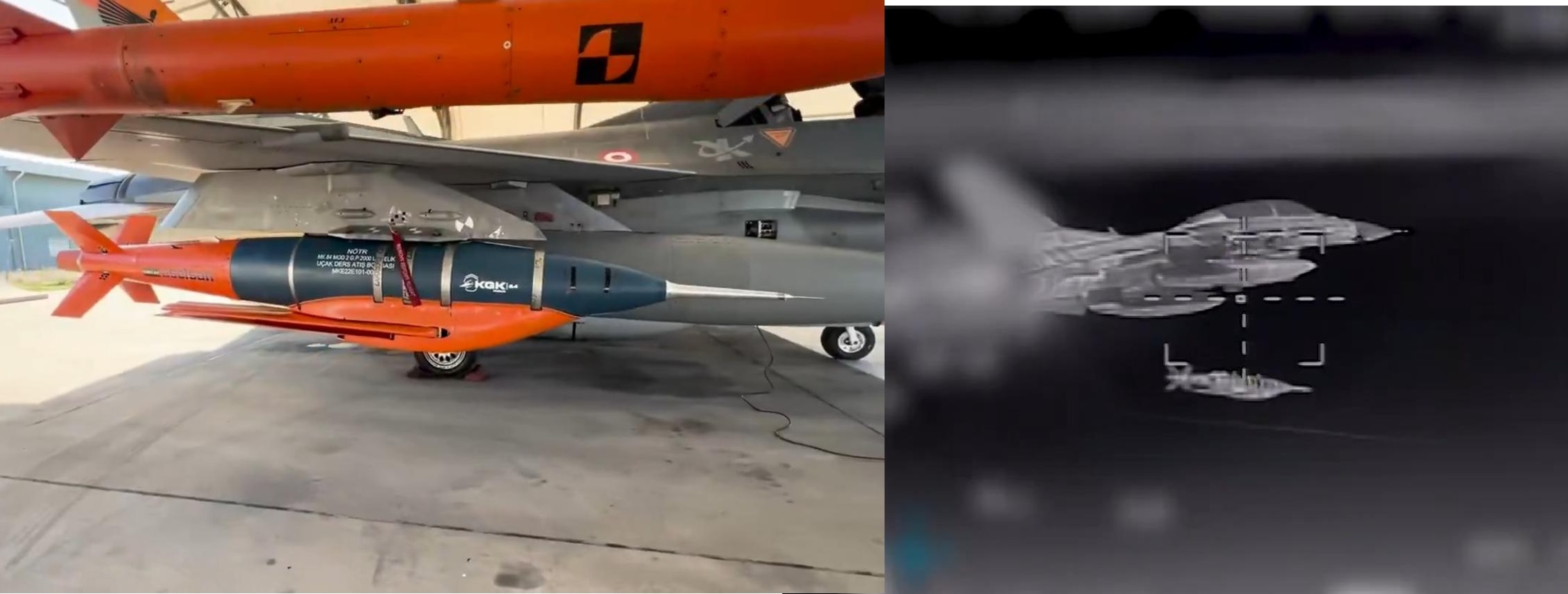
Turkey Successfully Tests ASELSAN’s Heaviest Winged Guidance Kit KGK-84 in Precision Maritime Strike
World
Ankara: Turkey has marked a major milestone in precision-guided munitions with the successful first target-engagement drop test of the KGK-84 Winged Guidance Kit, developed by ASELSAN for 2,000-pound (one-ton) class bombs. The test demonstrated a direct hit on a defined maritime target, underscoring Turkey’s growing maturity in long-range, high-precision strike technologies. According to official details, the test munition was released from a Turkish Air Force F-16 fighter jet and autonomously navigated through pre-programmed waypoints before striking the target with high accuracy. The trial marked the first live drop involving a real target for the KGK-84 and validated its long-range guidance performance after separation from the aircraft. Heaviest and Longest-Range Member of the KGK Family The KGK-84 is the largest and heaviest variant within ASELSAN’s KGK (Winged Guidance Kit) family. During the test, the munition was observed with a nose-mounted pitot tube, used to collect aerodynamic and performance data. The flight profile confirmed the system’s ability to maintain precise navigation over extended ranges, even after long-distance glide following release. Designed as a non-propulsive, wing-assisted guidance kit, the KGK-84 converts conventional gravity bombs into stand-off precision weapons, allowing launch aircraft to remain outside hostile air-defence envelopes. Leadership Highlights National Guidance Breakthrough Commenting on the successful test, Haluk Görgün, head of the Turkish Presidency of Defense Industries, said the achievement once again demonstrated the advanced level reached by Turkey in guidance technologies. He emphasized that the KGK-84’s ability to follow predetermined waypoints with very high precision from long range and its advanced design features place it among the most capable systems of its class globally. Görgün added that the program reflects Turkey’s long-term vision of developing indigenous technologies and achieving global competitiveness through national solutions. ASELSAN: A ‘Game-Changer’ for Heavy Precision Strike ASELSAN CEO Ahmet Akyol described the KGK-84 as a “game-changer”, highlighting its unique combination of long-range strike capability for one-ton munitions, cost-effective design, and high resistance to electronic jamming. He noted that the system offers selectable impact angles, enabling optimized attacks against hardened targets, while its INS/GPS-based navigation with a jamming-resistant antenna ensures reliable performance in all-weather, day-and-night conditions. Akyol also stated that ASELSAN will continue work on even longer-range, higher-accuracy, and more cost-effective solutions tailored to modern conflict environments. Technical Profile and Operational Role The KGK-84 is designed for integration with 2,000-pound general-purpose bombs, including MK-84, MK-84-T, NEB, and NEB-T variants. It is intended primarily for stationary hard and soft ground targets, but the successful maritime strike test indicates broader operational flexibility. The system enables stand-off launches exceeding 100 kilometres, allowing strike aircraft to avoid enemy airspace while maintaining high accuracy. This capability makes the KGK-84 a cost-effective alternative to cruise missiles, particularly for missions requiring heavy payloads such as bunker-buster operations. Strategic Impact for the Turkish Air Force With the induction of KGK-84, the Turkish Air Force is expected to gain a significant enhancement in deep-strike capability, especially against high-value, well-defended targets. The ability to deliver heavy munitions with precision from long distances strengthens Turkey’s options for suppression and destruction of enemy air defences (SEAD/DEAD) and strategic strike missions. The successful test of the KGK-84 not only validates ASELSAN’s engineering expertise but also reinforces Turkey’s position as a rising developer of advanced, indigenous precision-guided weapon systems on the global stage.
Read More → Posted on 2026-01-03 15:20:47
World
Bogotá / Caracas / Washington — Latin America was plunged into its most serious geopolitical crisis in decades on Saturday after US airstrikes on Venezuela culminated in the capture of President Nicolás Maduro and his wife, Cilia Flores, triggering immediate military, diplomatic and humanitarian alarms across the region. Colombian President Gustavo Petro announced the deployment of Colombian security forces to the Venezuelan border, warning that Washington’s actions amounted to an “assault on the sovereignty of Latin America” and risked igniting a regional humanitarian crisis. Petro said Colombia would simultaneously pursue dialogue and international diplomacy, but confirmed that military readiness was essential to preserve border stability as tensions rapidly escalated. Colombia Moves Forces to Border, Seeks Emergency Global Talks In a series of statements posted on X, Petro confirmed he had ordered the deployment of military and security units along Colombia’s eastern frontier to prevent spillover violence, infiltration by armed groups, or mass displacement of civilians. He also called for an “immediate” emergency meeting of the Organization of American States and the United Nations, urging both bodies to examine the legality of US military action against a sitting head of state. Colombia’s Defence Minister Pedro Sánchez said security forces had activated “all operational capacities” to prevent terrorist attacks or destabilisation attempts by illegal armed groups, including the National Liberation Army (ELN), which has historically operated in border regions. Petro, a long-time critic of US military deployments in the Caribbean, said Colombia’s posture was defensive, designed to “preserve stability at the border” while avoiding direct confrontation. Trump Confirms Capture of Maduro After ‘Large-Scale Strike’ US President Donald Trump publicly confirmed the operation, stating that US forces had carried out a “large-scale strike” on Venezuela and had captured President Nicolás Maduro and his wife, who were flown out of the country. “The United States of America has successfully carried out a large-scale strike against Venezuela and its leader, President Nicolás Maduro, who has been, along with his wife, captured and flown out of the Country,” Trump said on Truth Social. Trump added that the operation was conducted “in conjunction with US law enforcement”, but did not provide details on the location of detention, the legal framework for the capture, or whether extradition or prosecution proceedings were under way. The White House has so far not released operational details, citing national security concerns. Russia Demands Clarification, Warns of International Fallout Moscow reacted sharply. Russia’s foreign ministry said it was “extremely alarmed” by reports of the forcible removal of Venezuela’s president, demanding immediate clarification from Washington. The ministry warned that the abduction of a sitting head of state raised serious questions under international law and could destabilise not only Latin America but global security norms governing sovereignty and the use of force. Caracas in Shock as Uncertainty Looms Inside Venezuela, the sudden removal of Maduro has left political and security institutions in disarray. State media has issued limited statements, while military leadership has not publicly clarified who now exercises executive authority. The absence of clear succession has heightened fears of internal unrest, power struggles, and economic paralysis in a country already battered by years of sanctions, hyperinflation and mass emigration. A Long History of US Intervention in Latin America The Venezuela operation fits into a long and controversial pattern of US intervention in Latin America, stretching back more than seven decades. In 1954, Washington-backed forces overthrew Guatemalan President Jacobo Árbenz after land reforms threatened US corporate interests.In 1961, the CIA-backed Bay of Pigs invasion sought — and failed — to topple Fidel Castro in Cuba.In 1965, US troops landed in the Dominican Republic, citing a communist threat. Throughout the 1970s, Washington supported or tolerated military dictatorships across South America, including Augusto Pinochet’s 1973 coup in Chile and Argentina’s 1976 military junta, during which at least 10,000 dissidents disappeared.Under Operation Condor, six South American dictatorships coordinated repression with tacit US support. During the 1980s, US-backed conflicts in Nicaragua and El Salvador claimed more than 120,000 lives combined, while interventions in Grenada (1983) and Panama (1989) again demonstrated Washington’s willingness to use direct military force in the region. Both Hugo Chávez and Nicolás Maduro repeatedly accused the United States of sponsoring coup attempts and destabilisation campaigns — accusations Washington consistently denied. Region Braces for Humanitarian and Political Shockwaves With Colombian troops deployed, Russia demanding answers, and regional organisations scrambling for emergency talks, Latin America now faces the prospect of border instability, refugee flows, and deep diplomatic fractures. Petro warned that the crisis could spiral rapidly if international mediation fails. “This is not only about Venezuela,” he said. “It is about whether Latin America’s sovereignty will be respected in the 21st century.” As night fell across the region, one reality was clear: the US capture of Venezuela’s president has opened a dangerous new chapter in hemispheric relations, the consequences of which are only beginning to unfold.
Read More → Posted on 2026-01-03 14:30:25
World
Caracas, Venezuela — An extraordinary set of battlefield claims, videos, and intercepted broadcasts emerging from Venezuela has triggered intense scrutiny among military analysts after hours of apparent unchallenged helicopter activity over the capital, raising questions about the operational integrity of the country’s air-defence network and the loyalty of its senior command. While no official confirmation has been issued by either Washington or Caracas regarding a direct U.S. operation or the capture of the Venezuelan leadership, the absence of visible air-defence activity during reported strikes has become the central mystery. Helicopters Over Caracas, Little Resistance Observed Footage circulating online shows attack helicopters operating at low altitude over central Caracas for prolonged periods. Analysts note that such conditions would normally provoke immediate engagement, particularly given Venezuela’s widely cited stockpile of approximately 5,000 MANPADS, including Igla-S systems. For more than two hours, no confirmed imagery showed sustained MANPADS fire, radar-guided missile launches, or coordinated anti-aircraft barrages. Only isolated launches later appeared in scattered clips, suggesting that some units attempted to respond, but without centralized coordination. A Spanish-language broadcast monitoring the events reported that national air-defence command systems were not active, implying that Venezuelan forces may have been taken by surprise or were operating under severe communication disruption. La Carlota Hit, Key Systems Neutralised One of the most widely circulated visuals shows a destroyed Buk-M2E launcher near La Carlota Air Base, a strategically sensitive installation in central Caracas known for VIP and government transport operations. Military analysts note that the launcher was positioned approximately 40 metres from the highway north of the base, consistent with a point-defence role protecting elite movements rather than broad area coverage. The system appears never to have fired, according to available footage. Unverified reports also point to the possible neutralisation or bypassing of a long-range S-300VM “Antey-2500” battery assigned to the wider Caracas defence ring, though no confirmed imagery of the system in action has surfaced. A Stark Contrast With Past Conflicts Commentators have repeatedly contrasted the silence over Caracas with U.S. strikes in Iraq, where skies were historically filled with intense anti-aircraft fire despite overwhelming odds. The comparison has sharpened doubts about whether Venezuela’s Integrated Air Defence System (IADS) functioned at all during the reported window. “Even heavy machine guns would normally engage low-flying helicopters,” one regional defence analyst said. “The lack of fire suggests something far deeper than simple hesitation.” Electronic Warfare and Command Paralysis Several defence observers believe the most plausible explanation lies in electronic warfare (EW). Reports suggest that communications between command centres and dispersed missile units were severed, leaving frontline troops without authorization, targeting data, or situational awareness. If accurate, this would explain why individual soldiers may have been willing to fight, yet were unable to coordinate or respond effectively. Claims of ‘Operation Southern Spear’ More dramatic claims circulating online describe a rapid U.S. special-operations mission, sometimes referred to as “Operation Southern Spear,” allegedly targeting the Venezuelan leadership. These accounts assert that Nicolás Maduro and his wife Cilia Flores were captured during a short-duration operation involving helicopters and special forces. According to these narratives, the operation lasted less than 30 minutes and relied on precise intelligence about leadership movements and defence layouts. None of these claims have been independently verified, and Venezuelan state media has not acknowledged any such outcome. The ‘Inside Job’ Theory Gains Traction Despite the lack of confirmation, the speed, precision, and apparent absence of resistance have intensified speculation about deep intelligence penetration within Venezuela’s military and security institutions. Analysts argue that knowledge of weapons locations, ammunition depots, radar coverage, and leadership movements at such a granular level would be difficult to obtain through surveillance alone. This has fuelled allegations of high-level betrayal or insider cooperation, though no evidence has been publicly presented. “The free movement of helicopters over a defended capital suggests either a stand-down order or catastrophic internal sabotage,” one security expert noted. “That kind of paralysis does not happen by accident.” This type of situation shows that there are Deep CIA agents in Venezuela who easily disturbed the force's internal network communications," stated a former Venezuelan officer now in exile. "This could not have happened without the deep involvement of Venezuelan top officials working with the USA from the inside. They provided the keys to the kingdom." Timeline of a Decapitation Strike According to Pentagon sources and on-the-ground reports, the operation unfolded with a speed that left the Venezuelan military paralyzed. 01:45 AM (VET): Electronic Blackout. The first sign of the attack was invisible. U.S. Navy EA-18G Growler electronic warfare aircraft initiated a massive jamming campaign, severing communication links between Venezuelan command centers and their missile batteries. Civilian cellular networks in Caracas also went dark. 02:00 AM: The Kinetic Strike. Seven precision explosions rocked the capital, specifically targeting the Fuerte Tiuna military complex and La Carlota Airbase. These strikes neutralized the command nodes for the dreaded S-300VM "Antey-2500" long-range missile systems, effectively blinding the outer layer of Caracas’s air defense. 02:15 AM: The Insertion. With the air defense grid down, Delta Force operators, supported by the 160th Special Operations Aviation Regiment (Night Stalkers), fast-roped directly into the presidential compound. 02:30 AM: Extraction Complete. Less than 30 minutes after boots hit the ground, the package—Maduro and Flores—was secured. They were flown out of Venezuelan airspace on modified helicopters. 04:21 AM: U.S. President Donald Trump confirmed the success on Truth Social, hailing the mission as a "brilliant operation." A Strategic Shock With Regional Implications Regardless of how the claims ultimately resolve, the episode has already sent shockwaves through regional security circles. The events underscore how command cohesion, internal loyalty, and information security can be more decisive than the mere possession of advanced weapons. As clearer imagery and official statements emerge, analysts say the critical question will be whether Venezuela can reassert effective control of its airspace — or whether the silence over Caracas signals a far deeper fracture within the state’s military and political system. As the sun rises over a leaderless Caracas, the remaining loyalist forces are left to wonder: Was their President captured by superior American firepower, or was he sold out by his own generals?
Read More → Posted on 2026-01-03 14:20:51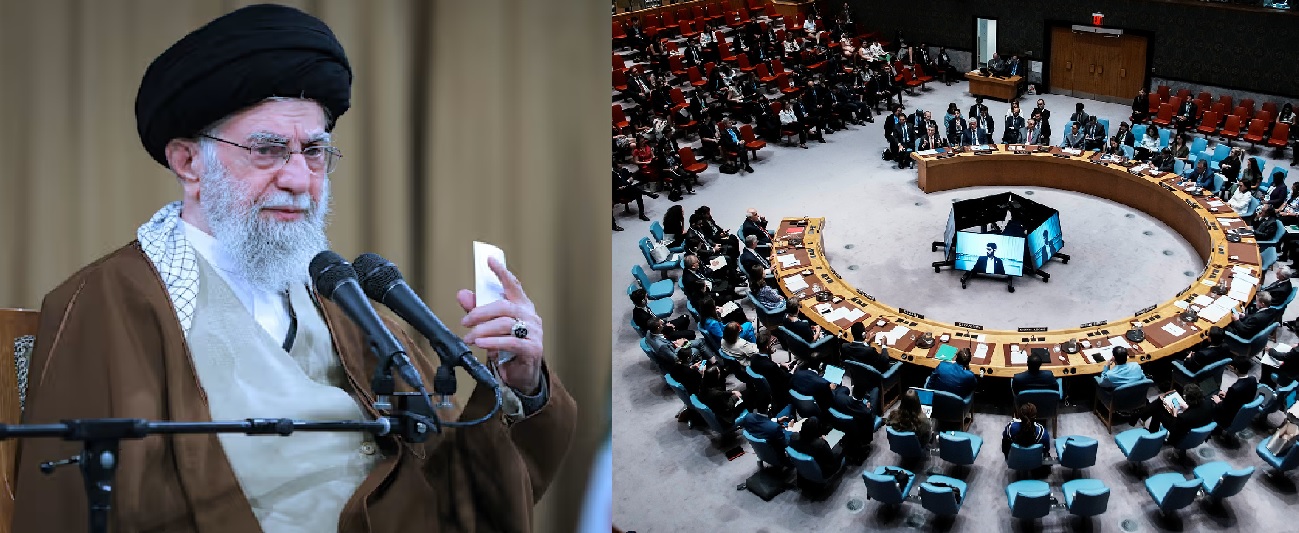
World
New York / Tehran: Iran has formally submitted a letter to the United Nations and the UN Security Council, strongly condemning recent public remarks by Donald Trump on protests inside the country and warning that Tehran will defend its sovereignty and national security if the United States intervenes. The diplomatic communication, sent by Iran’s Permanent Representative to the UN, Amir-Saeid Iravani, describes Trump’s statements as “reckless, interventionist and inflammatory”, arguing that they constitute a violation of international law and the UN Charter. Iran has requested that the letter be circulated as an official Security Council document, formally placing the issue before the world body. Allegations of Threats and Foreign Interference In the letter addressed to UN Secretary-General António Guterres and the Security Council presidency, Iran accuses Washington of threatening its sovereignty, territorial integrity and political independence. Tehran argues that Trump’s comments go beyond political rhetoric and amount to an implied threat of force, which is explicitly prohibited under the UN Charter. Iran rejected what it called the repeated U.S. practice of invoking “support for the Iranian people” as a pretext for pressure, warning that such language encourages instability and undermines established norms of international relations. Warning of Self-Defence Reaffirming its inherent right to self-defence under Article 51 of the UN Charter, Iran said it would respond decisively and proportionately to any foreign interference. The letter states that the United States would bear full responsibility for any consequences arising from what Tehran described as unlawful threats or escalation. Historical Grievances Highlighted The document outlines a long record of U.S. actions cited by Iran, including the 1953 coup against Prime Minister Mohammad Mossadegh, U.S. backing of Iraq during the Iran–Iraq War, the downing of Iran Air Flight 655 in 1988 killing 290 civilians, the assassination of Major General Qassem Soleimani in 2020, and decades of unilateral sanctions. Iran said these actions resulted in civilian casualties, humanitarian suffering, and systematic violations of fundamental human rights, including the right to life and development. Appeal to the Security Council Iran urged the UN Security Council, particularly its permanent members, to unequivocally condemn Trump’s remarks and to demand that Washington cease threats or use of force and comply with its international obligations. Tehran also called on the Council to uphold the credibility of the UN system and prevent further escalation. Context of Domestic Unrest The letter was sent amid ongoing protests in Iran, driven by economic pressures and political grievances. Trump’s public warnings about the unrest and references to possible U.S. action were described by Tehran as crossing a diplomatic red line. Iranian officials have repeatedly stated that the protests are a domestic matter and have rejected any foreign involvement. Broader International Implications The formal complaint highlights rising tensions between Tehran and Washington at a time of heightened regional uncertainty. Diplomats say the issue now places renewed pressure on the United Nations to respond, even as divisions among Security Council members complicate a unified stance. For Iran, the message delivered through the UN is clear: while it is pursuing the issue through formal diplomatic channels, any shift by the United States from rhetoric to action would trigger a firm and lawful response.
Read More → Posted on 2026-01-03 13:26:33
World
Washington / Caracas: In one of the most dramatic military escalations in the Western Hemisphere in decades, U.S. President Donald Trump announced that American forces have captured Venezuelan President Nicolás Maduro and his wife, Cilia Flores, following a large-scale U.S. military operation against Venezuela. Trump described the action as a “brilliant operation,” praising the planning and execution by U.S. troops. Speaking in a brief telephone interview with The New York Times, Trump said, “A lot of good planning and a lot of great, great troops and great people. It was a brilliant operation, actually.” The U.S. president later confirmed on Truth Social that Maduro had been captured and flown out of the country, adding that the mission was conducted “in conjunction with U.S. law enforcement.” Operation Timeline and Scale According to U.S. and international media reports, the operation began in the pre-dawn hours of January 3, with coordinated air, naval, and special-forces actions across Venezuelan territory. U.S. forces struck more than 100 military targets during the operation, focusing on command centers, air bases, radar sites, and coastal facilities linked to Venezuela’s security apparatus. Explosions were reported across Caracas and surrounding regions, with residents describing loud blasts, aircraft overhead, and temporary power disruptions. Key military locations, including Fort Tiuna and the Generalissimo Francisco de Miranda Air Base, were among the sites affected, according to multiple reports. Delta Force Capture Mission CBS News reported that Maduro was captured by “Delta Force,” the elite special operations unit of the U.S. Army, renowned for high-risk missions involving high-value targets. The unit is known for operating with extreme secrecy and precision, often deep behind enemy lines. U.S. officials said the capture phase was executed swiftly after the initial strikes neutralized key defenses, allowing special-forces teams to secure Maduro and his wife before extracting them from Venezuelan territory. Massive U.S. Military Buildup The strike followed months of escalating U.S. military pressure. A huge naval and aerial presence had been assembled in the Caribbean, including the aircraft carrier USS Gerald R. Ford, escort warships, and long-range surveillance and strike aircraft. Defense analysts described the deployment as one of the largest U.S. force concentrations in the region in decades. In the weeks leading up to the operation, U.S. forces seized Venezuelan oil tankers at sea, imposed an expanded oil blockade, and carried out airstrikes on small boats Washington accused of drug trafficking. U.S. officials said more than 100 suspected trafficking vessels and facilities had been destroyed as part of the broader campaign. Background: Indictment and $50 Million Bounty Maduro has been indicted by a U.S. court since March 2020 on charges including narco-terrorism and drug trafficking. Last year, Washington doubled the reward for information leading to his capture to $50 million, underscoring the administration’s determination to detain him. Trump has repeatedly warned that Maduro’s “days are numbered,” while also accusing Venezuela of exporting drugs to the United States and seizing U.S. oil interests. Venezuela Reacts Amid Uncertainty Despite Trump’s announcement, senior figures in Maduro’s government remain in place. Interior Minister Diosdado Cabello and Defense Minister Vladimir Padrino López have not been detained and continue to exercise authority. Vice President Delcy Rodríguez, speaking on state-run television, said the government had no official confirmation of Maduro’s whereabouts and publicly called on Trump to clarify his status. Cabello urged calm, asking citizens to trust the Political and Military High Command during what he described as a critical national moment. The U.S. Embassy in Bogotá issued an emergency advisory urging Americans in Venezuela to shelter in place, citing reports of explosions and unstable security conditions. International and Legal Implications The reported capture of a sitting head of state has triggered intense global reaction. While some U.S. allies expressed cautious support for efforts to combat drug trafficking, several countries condemned the operation as a violation of Venezuelan sovereignty. Regional leaders called for emergency diplomatic consultations as fears grew of prolonged instability in South America. U.S. officials say Maduro will now face criminal proceedings in U.S. courts, though legal experts warn the case could ignite complex disputes over international law, jurisdiction, and the use of force. What Comes Next Maduro reportedly in U.S. custody, and key members of his government still operational, Venezuela faces a profound power vacuum. The coming days are expected to determine whether the country moves toward political transition—or deeper crisis—as Washington prepares to present further details at Trump’s announced news conference at Mar-a-Lago.
Read More → Posted on 2026-01-03 13:17:20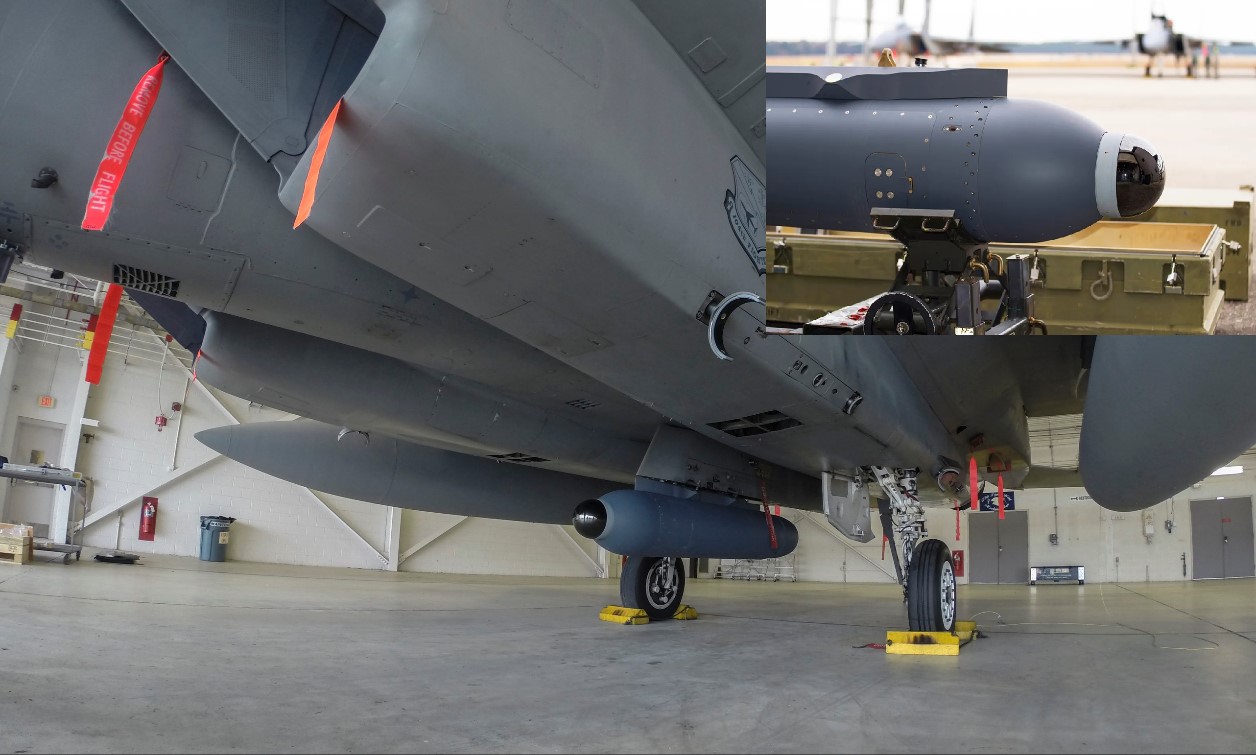
World
The United States Department of Defense has fast-tracked a $328.5 million foreign military sales contract with Lockheed Martin, approving the delivery of 55 Legion Infrared Search and Track (IRST) Enhanced Sensor pods to Taiwan’s F-16 fighter fleet. The deal has been classified by the Pentagon as an “urgent operational requirement,” underscoring growing concerns over the changing air combat balance in the Taiwan Strait. According to official contract disclosures, work will be carried out at Lockheed Martin’s Orlando, Florida facility, with deliveries and integration extending through June 30, 2031. An initial $157.3 million has already been obligated, signaling immediate execution. The approval follows closely after December 2025’s $11.1 billion U.S. arms package for Taiwan, the largest such package in recent years. What Taiwan Is Receiving: Legion Pod And IRST21 Stealth-Tracking Technology At the core of the agreement is Lockheed Martin’s Legion Pod, an externally mounted sensor system built around the IRST21 infrared sensor. Unlike traditional radar, IRST systems are passive, meaning they do not emit signals that can be detected, jammed, or targeted by enemy forces. Instead, they track aircraft by detecting infrared heat signatures, engine exhaust plumes, and subtle thermal contrasts in the atmosphere. This capability is particularly relevant against low-observable stealth aircraft, whose designs are optimized to evade radar detection but cannot fully conceal heat emissions. The IRST21 is marketed as providing long-range, weapon-quality tracking, enabling pilots to detect, follow, and engage targets even in heavy electronic warfare environments. The Legion Pod is already operational on U.S. Air Force F-15C fighters, where it has reached Initial Operational Capability, and has completed flight testing on the F-16 platform, making it compatible with Taiwan’s upgraded F-16V fleet. How U.S. Fighters Detect Stealth Aircraft Today The sale to Taiwan mirrors a broader shift in U.S. air combat doctrine, where infrared sensing and sensor fusion complement radar to counter stealth threats. On U.S. Navy F/A-18E/F Super Hornets, the IRST21 Block II system is deployed in a centerline pod configuration, allowing passive long-range detection of airborne threats. Meanwhile, fifth-generation aircraft rely on embedded infrared networks rather than pods. The F-35 Lightning II, for example, employs the Electro-Optical Targeting System (EOTS) for long-range air-to-air and air-to-ground detection, while its Distributed Aperture System (DAS) uses six infrared sensors to provide 360-degree situational awareness, missile warning, and aircraft tracking. These systems demonstrate how infrared sensing has become central to counter-stealth operations, particularly when integrated through secure data links and cooperative tracking between multiple aircraft. Why This Matters For Taiwan Against China For Taiwan, the acquisition directly addresses a growing challenge posed by the People’s Liberation Army Air Force (PLAAF), which has increasingly deployed advanced aircraft such as the J-20 stealth fighter around the island. The addition of IRST-equipped F-16s significantly enhances Taiwan’s ability to detect and track stealth aircraft without revealing its own position. This improves survivability during high-intensity operations, especially in scenarios involving electronic jamming, cyber warfare, or pre-emptive missile strikes on ground-based radar systems. Operationally, IRST gives Taiwan greater flexibility. Fighters can conduct silent patrols, cue weapons using passive tracks, and share target data across networks linking airborne and ground-based sensors. Even if stealth aircraft remain difficult to lock onto at long range, forcing them to operate under the assumption of detection complicates Chinese mission planning, affects flight profiles, and reduces the confidence of surprise. While IRST systems are affected by weather, cloud cover, and atmospheric conditions, defense analysts widely view them as a critical force multiplier for fourth-generation fighters facing modern stealth threats. Strategic Timing After December’s $11.1 Billion Arms Package The timing of the fast-tracked contract is politically significant. The December 2025 $11.1 billion U.S. arms package triggered strong condemnation from Beijing, followed by large-scale Chinese military exercises simulating blockade and strike operations around Taiwan. By accelerating delivery of stealth-detection sensors, Washington is signaling a focus on immediate battlefield relevance, prioritizing systems that directly impact early-phase air superiority and survivability rather than long-term force expansion alone. Looking Ahead With deliveries scheduled through 2031, the Legion Pod program represents a multi-year enhancement of Taiwan’s air combat capabilities rather than a one-time upgrade. Combined with ongoing F-16V modernization, expanded missile inventories, and deeper U.S.–Taiwan defense cooperation, the IRST deal adds another layer to Taiwan’s evolving anti-access and air denial strategy. As competition over air dominance intensifies in the Indo-Pacific, the ability to see without being seen is becoming just as decisive as speed or firepower—and Taiwan is now moving rapidly to close that gap.
Read More → Posted on 2026-01-02 15:59:22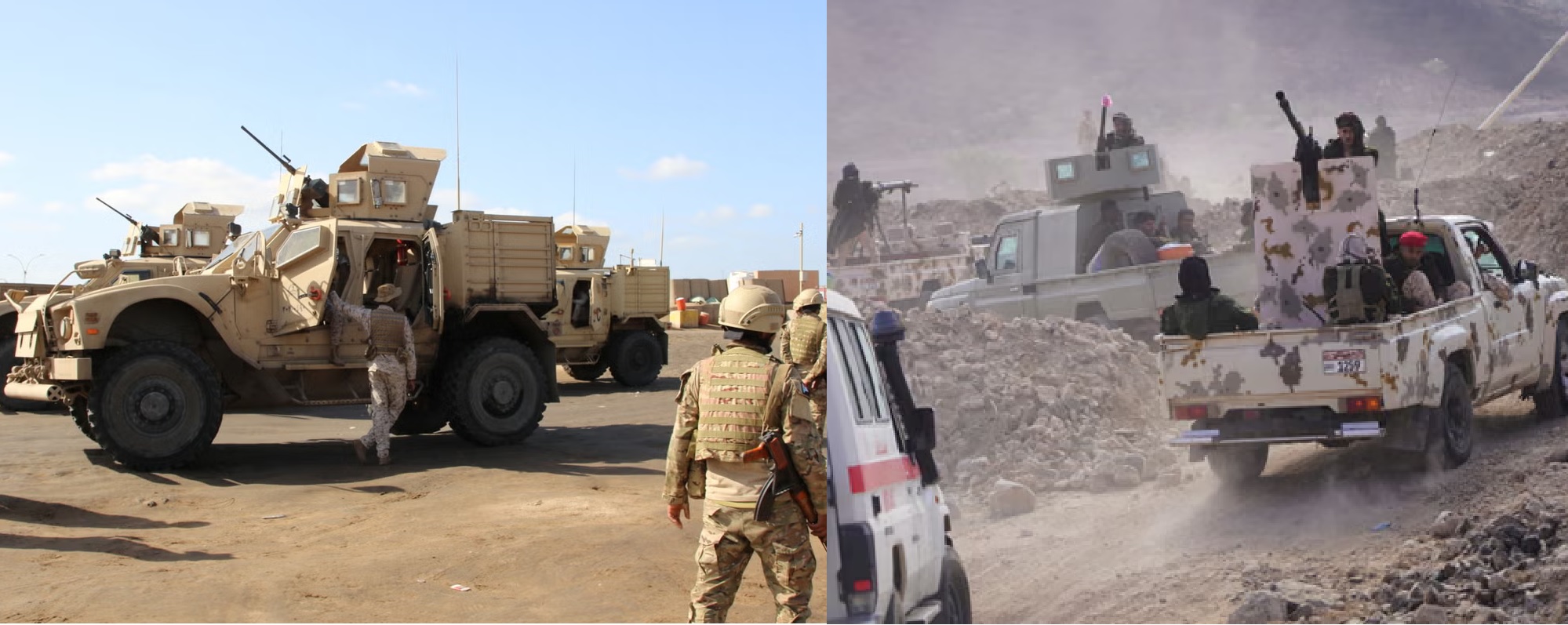
World
Saudi-supported Homeland Shield Forces have deployed to Al-Khasha’a and the 37th Mechanized Brigade base in central Hadhramaut, eastern Yemen, marking a significant escalation in the struggle for control over one of the country’s most strategic regions. Verified visuals and ground reports confirm the presence of the forces inside this sensitive military sector, underscoring a rapid shift in the local balance of power. Confirmed Deployment In Strategic Military Zone Video footage and images circulating on regional and Yemeni media platforms show armoured vehicles, troop convoys, and fortified positions belonging to the Homeland Shield Forces inside Al-Khasha’a, a key military hub in Wadi Hadhramaut. The forces were also seen securing areas around the 37th Mechanized Brigade base, a long-established installation capable of hosting thousands of troops and heavy equipment. Multiple regional sources describe the move as coordinated and deliberate, aimed at re-establishing Saudi-backed government authority over camps previously held by UAE-backed Southern Transitional Council (STC) forces. Government Declares Control Over Major Camp Hadhramaut Governor Salem Ahmed Saeed Al-Khunbashi, aligned with Yemen’s internationally recognised government, announced that government forces had taken control of Al-Khasha’a camp, describing it as “the largest and most important military base in the governorate.” Officials confirmed that armoured units and reinforcements were moved into the area, consolidating control and securing surrounding supply routes. Al-Khunbashi was also formally appointed overall commander of the Homeland Shield Forces in Hadhramaut, granting him full military, security, and administrative authority across the province. STC Rejects ‘Peaceful Operation’ Claim The Southern Transitional Council strongly rejected the government’s claim that the takeover was peaceful. Senior STC officials stated that the operation involved direct confrontation, alleging multiple Saudi airstrikes, including three strikes near Al-Khasha’a camp. According to STC sources, the airstrikes targeted positions held by UAE-aligned southern forces, escalating tensions dramatically. While casualty figures remain unverified, the strikes marked a rare instance of Saudi air power being used against anti-Houthi factions backed by the UAE. Why Al-Khasha’a And Hadhramaut Matter Hadhramaut, Yemen’s largest governorate by territory, holds enormous strategic, economic, and geopolitical value. It borders Saudi Arabia, contains critical oil-producing zones, and controls vital east-west and north-south supply corridors. Al-Khasha’a camp serves as a command-and-control hub for central Hadhramaut, making it pivotal for any force seeking dominance over eastern Yemen. Saudi Arabia also maintains deep historical and tribal links to Hadhramaut, adding another layer of strategic sensitivity. Saudi-UAE Rift Spills Onto Yemeni Soil The latest deployment highlights a growing fracture within the anti-Houthi coalition. While Saudi Arabia backs the Yemeni government, the United Arab Emirates supports the STC, which seeks southern independence. This rivalry has increasingly transformed Yemen’s eastern provinces into arenas of proxy competition rather than unified opposition to the Iran-aligned Houthi movement. The escalation follows the UAE’s recent decision to end the mission of its remaining counterterrorism units in Yemen, a move widely interpreted as part of a broader strategic recalibration amid rising tensions with Riyadh. Aden Airport Dispute Adds Pressure Military developments in Hadhramaut have coincided with a diplomatic and logistical crisis in Aden, where flights were temporarily halted amid accusations that the STC blocked the landing of a Saudi delegation aircraft. The STC, in turn, accused Saudi authorities of imposing restrictive air measures amounting to an informal blockade. What Comes Next With Homeland Shield Forces consolidating positions in central Hadhramaut and STC units on high alert, eastern Yemen now risks becoming a new frontline in an already fragmented conflict. Control of Al-Khasha’a will likely determine future troop movements, oil security, and political leverage in the region. Whether this deployment leads to stabilisation or wider confrontation will depend on how Riyadh and Abu Dhabi manage their rivalry — and whether Yemen’s eastern provinces can avoid becoming the next prolonged battleground in the country’s decade-long war.
Read More → Posted on 2026-01-02 15:41:36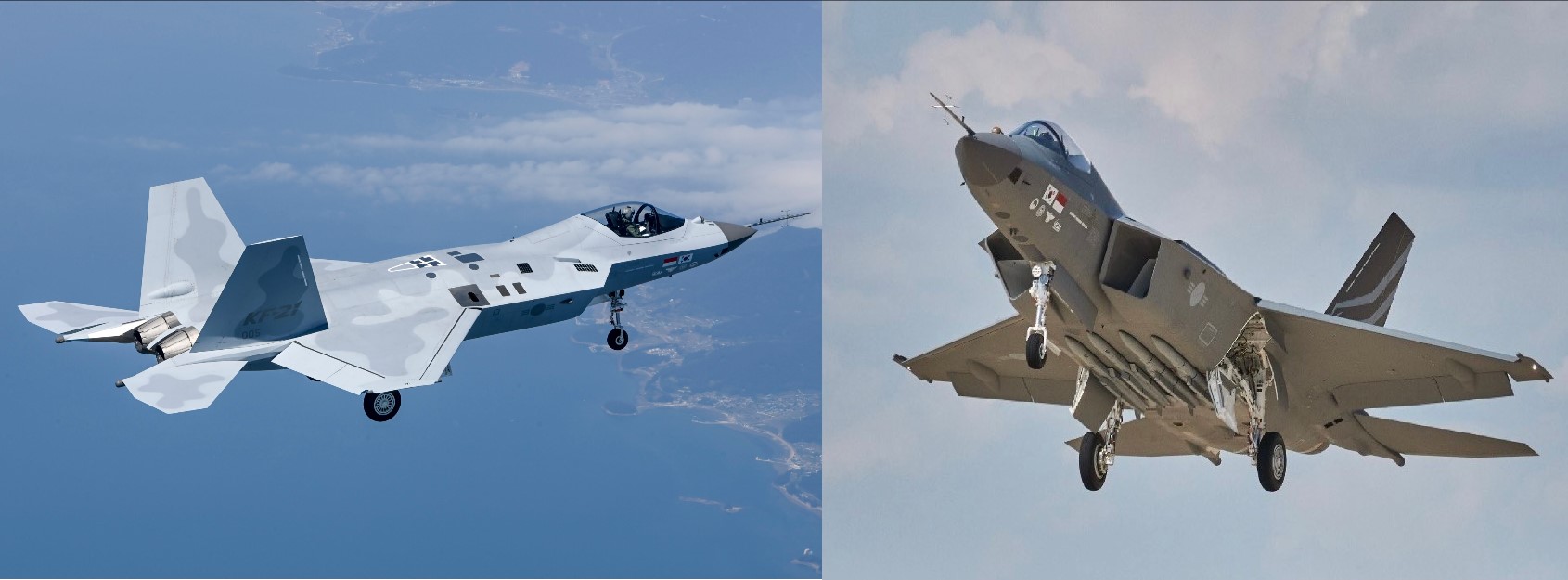
World
South Korea will begin delivering its first indigenously developed KF-21 Boramae multirole fighter jets to the Republic of Korea Air Force (ROKAF) in 2026, marking a decisive step in the country’s push for defence self-reliance and advanced aerospace manufacturing. The deliveries, reported by Korea JoongAng Daily on January 2, 2026, signal the transition of the KF-21 program from development to operational service after more than a decade of sustained national investment. Developed by Korea Aerospace Industries (KAI) under the KF-X fighter program, the KF-21 Boramae is the most technologically complex weapons system ever produced domestically by South Korea. The aircraft is designed to replace ageing fourth-generation fighters while complementing higher-end stealth aircraft already in ROKAF service. From Prototype to Production The KF-21 program entered its decisive phase following a series of successful flight tests and systems validation trials. The first prototype took to the air in July 2022, confirming the aircraft’s aerodynamic design, avionics architecture, and twin-engine propulsion system. By mid-2024, KAI formally began mass production, and the first production-standard fighters are now approaching final assembly. South Korea plans to induct approximately 120 KF-21 fighters by 2032, with initial deliveries starting in 2026. These aircraft will progressively replace older F-4 Phantom II and F-5 Tiger II fleets, significantly reducing the Air Force’s long-term dependence on foreign-built combat aircraft. Capabilities and Design Philosophy The KF-21 Boramae is classified as a 4.5-generation, twin-engine multirole fighter, designed to balance advanced combat capability, cost efficiency, and ease of maintenance. Powered by two F414 turbofan engines, the aircraft can achieve speeds in excess of Mach 1.8 and offers a combat radius well suited for sustained operations across the Korean Peninsula and surrounding maritime regions. The fighter incorporates stealth-influenced shaping, an Active Electronically Scanned Array (AESA) radar, advanced electronic warfare systems, and full digital fly-by-wire flight controls. While the initial Block-I variant does not feature internal weapons bays, it supports a wide range of air-to-air and air-to-ground munitions via external hardpoints. Future blocks are expected to introduce enhanced sensor fusion, reduced radar cross-section, and eventually internal weapons carriage, positioning the KF-21 squarely between the F-16 and F-35 in both capability and cost. Strategic Importance for South Korea For Seoul, the KF-21 Boramae is not merely a fighter aircraft but a strategic industrial programme. By indigenising critical technologies such as radar systems, mission computers, and avionics software, South Korea aims to secure long-term operational autonomy and sovereign sustainment capability across the aircraft’s lifecycle. Defence planners view the Boramae as a foundation for future manned-unmanned teaming, network-centric warfare, and next-generation air combat systems, reinforcing South Korea’s ambition to remain at the forefront of regional airpower. Export Prospects and Global Interest The export potential of the KF-21 is drawing growing international attention. Marketed as a cost-effective alternative to Western fifth-generation fighters, the Boramae offers modern capabilities without the financial burden, political restrictions, or complex maintenance ecosystems often associated with U.S.-built platforms. Indonesia, a development partner in the KF-X programme, remains involved despite earlier funding delays, potentially opening pathways for joint production and regional technology transfer. Several Southeast Asian and Middle Eastern air forces have also expressed interest, viewing the KF-21 as a balanced solution combining performance, affordability, and strategic flexibility. A New Chapter for Korean Airpower As deliveries begin in 2026, the induction of the KF-21 Boramae will mark a historic turning point for South Korea’s airpower modernisation and defence industry maturity. The aircraft’s entry into service underscores Seoul’s arrival as a nation capable of designing, producing, and exporting advanced fighter jets, reshaping the competitive landscape of the global combat aviation market.
Read More → Posted on 2026-01-02 14:42:16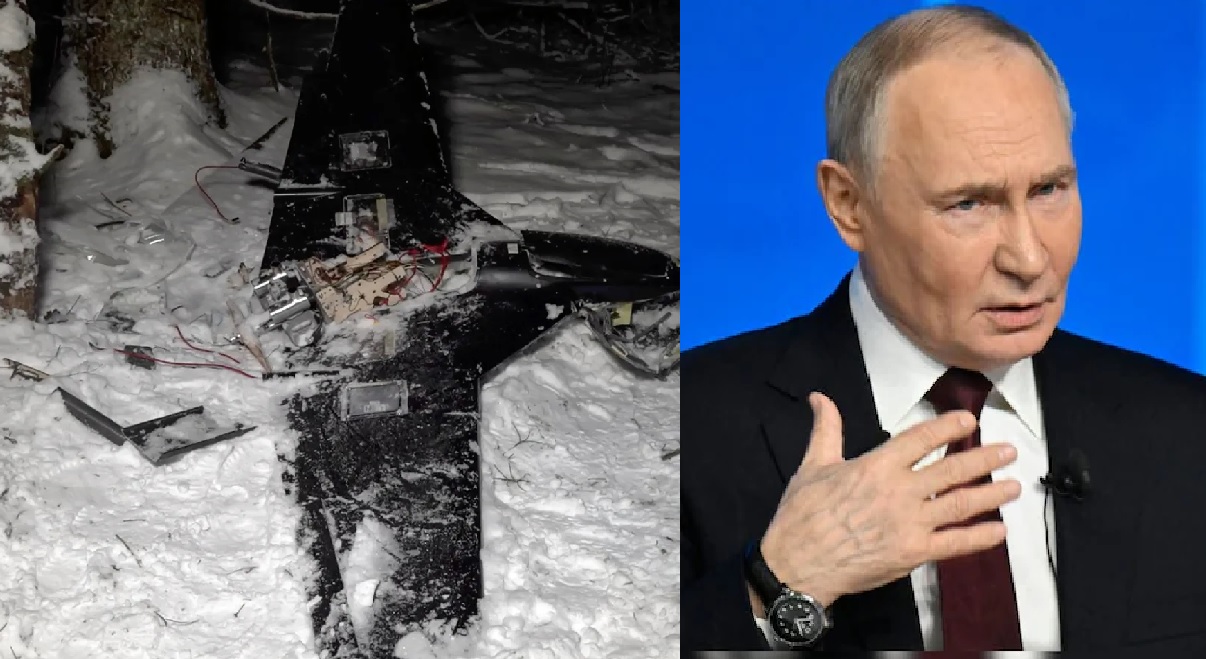
World
MOSCOW / WASHINGTON — Russia has elevated an alleged Ukrainian drone attack on President Vladimir Putin’s residence into a high-visibility diplomatic episode, publicly briefing U.S. military attachés and releasing video footage that analysts say is designed to establish a formal justification framework for future retaliation under a claimed “right to respond.” The briefing was led by Igor Kostyukov, Chief of Russia’s Main Intelligence Directorate (GRU)—an organization broadly comparable in role to India’s Defence Intelligence Agency (DIA). In a move described as highly unorthodox, the interaction was conducted on camera, with Russian officials handing over what they claim is recovered drone hardware linked to the alleged attack. The Alleged Attack And Russia’s Claims According to Russian authorities, the incident involved a coordinated drone operation targeting a presidential residence complex used by Vladimir Putin. Moscow claims that 91 long-range drones were launched during the operation, most of which were intercepted by Russian air defenses. Russian military sources allege that debris recovered from the downed drones included a navigation controller, which Russian specialists say was digitally analyzed. Based on stored flight data, Moscow asserts that the drones’ intended endpoint corresponded to the presidential site. One recovered munition was described by Russian media as carrying an explosive payload of approximately 6 kilograms, though these technical claims remain unverified by independent observers. Public Briefing As Strategic Signaling Defense analysts note that the decision to stage the briefing publicly, rather than through closed diplomatic or intelligence channels, is central to the message. By documenting the exchange, Russia appears to be locking in a narrative that can be cited later to justify retaliatory escalation, should it choose to do so. This approach allows Moscow to maintain strategic flexibility—keeping the option of response open while avoiding immediate escalation. The framing suggests the incident may serve less as an operational turning point and more as a stored political trigger. Kyiv And Washington Push Back Ukraine has categorically denied any attempt to target the Russian president or his residences, dismissing the allegation as information warfare designed to undermine Kyiv’s standing with Western partners. Western intelligence assessments cited by U.S. officials indicate that Washington has seen no conclusive evidence supporting Russia’s claim that Ukraine directly targeted Putin. American officials have emphasized that the incident, as presented by Moscow, cannot be independently confirmed. Peace Talks, Trump, And Rising Pressure On Kyiv The timing of the episode is significant. It unfolds as Donald Trump intensifies efforts to push both sides toward a negotiated settlement. Diplomatic sources say Trump’s team is applying substantial pressure on Kyiv to show flexibility, raising concerns in Ukraine that Russia is seeking to manufacture leverage ahead of key negotiating moments. For Ukrainian President Volodymyr Zelenskyy, the alleged incident introduces an additional political and diplomatic vulnerability, one that Moscow can activate selectively to complicate talks or justify hardened positions. The Chinese-Made Controller Claim Russian officials and affiliated media have pointed out that the recovered drone controller shown during the briefing was Chinese-manufactured. While no independent verification of the specific device has been provided, analysts note that Chinese-origin components and commercial drone electronics are widespread across the conflict, appearing in systems used by both Russia and Ukraine due to globalized supply chains. Beijing has not commented on the allegation, and no evidence has emerged to suggest state involvement by China in the incident. A Calculated Move, Not An Immediate Escalation Whether the alleged attack occurred as Moscow describes remains contested, but its political utility is already evident. By formalizing the claim in front of U.S. military representatives, Russia has created a documented grievance that can be referenced at a future time of its choosing. For now, the episode stands less as a confirmed act of war and more as a carefully positioned pressure point—one that could influence diplomacy, justify escalation, or be quietly shelved depending on how negotiations evolve. As peace efforts intensify and strategic narratives harden, the world may indeed be watching not an explosion, but a trigger being deliberately set aside—ready to be pulled later.
Read More → Posted on 2026-01-02 13:24:01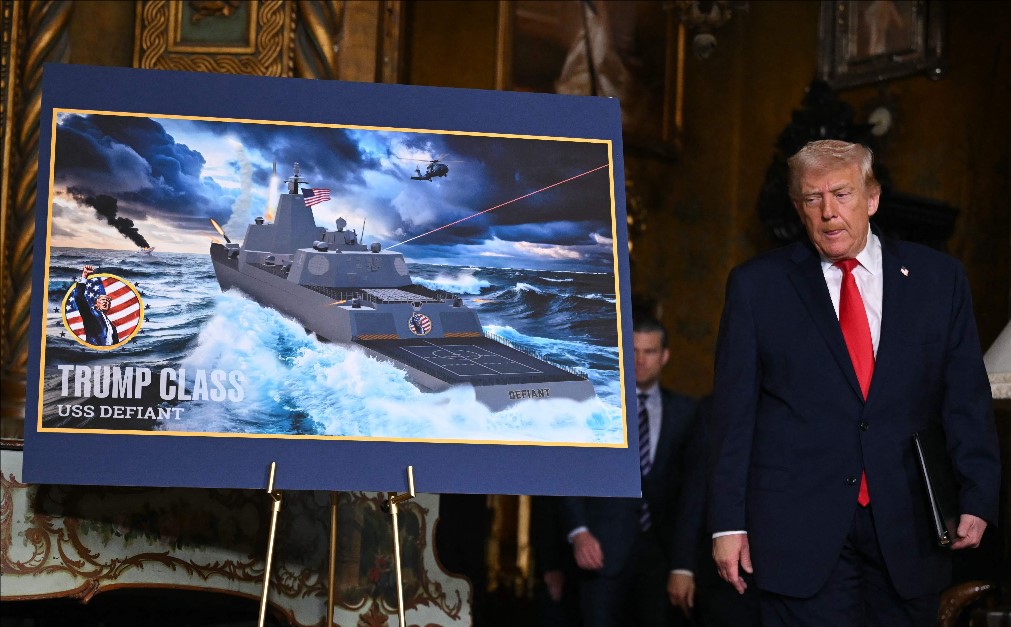
World
Washington, D.C : A newly released report by the Congressional Research Service (CRS) has brought renewed attention to one of the most ambitious and contentious naval proposals in decades: the U.S. Navy’s plan to build new Trump-class guided-missile battleships, the first since the end of the Second World War. The report, titled Navy Guided Missile Battleship (BBG[X]) Program: Background and Issues for Congress, was published on December 30, 2025, and is intended to brief lawmakers ahead of upcoming defence budget deliberations and scrutiny of the Navy’s long-term shipbuilding plans. While the CRS stops short of endorsing the programme, it lays out the strategic rationale, technical ambitions and unresolved questions surrounding the proposed BBG(X) class. According to the report, the Navy envisions BBG(X) as a new category of large surface combatant, significantly exceeding the size and firepower of today’s cruisers and destroyers. The ships would form the centrepiece of a broader “Golden Fleet” concept aimed at expanding and recapitalising the U.S. surface force amid intensifying great-power naval competition. A Battleship for the Missile Age CRS notes that the lead ship of the class, reportedly to be named USS Defiant, is expected to be ordered in the early 2030s, with entry into operational service projected for the late 2030s or around 2040. The Navy has already initiated the design phase, issuing contract notices for six years of preliminary and detailed design work late in 2025. Preliminary specifications outlined in the report describe a vessel approximately 840 to 880 feet in length, with a displacement exceeding 35,000 tonnes. That would make BBG(X) substantially larger than the Arleigh Burke-class (DDG-51) destroyers that currently form the backbone of the surface fleet. The proposed battleships are intended to carry an exceptionally heavy weapons load. CRS references Navy and administration statements pointing to future integration of hypersonic missiles, large numbers of vertical launch system (VLS) cells, and emerging technologies such as electromagnetic railguns and high-energy laser weapons. However, the report stresses that several of these systems remain in development and may not be mature when construction decisions are required. Administration Backing And Political Overtones The BBG(X) concept received high-profile backing in a December 2025 Department of War press release, in which Donald J. Trump and senior defence officials described the ships as the largest, most lethal and most versatile warships ever planned by the U.S. Navy. The administration outlined a long-term vision for a fleet of 20 to 25 battleships, informally dubbed the Trump-class, to be built entirely in American shipyards. Officials argued that the programme would not only enhance U.S. naval firepower but also revitalise domestic shipbuilding capacity and skilled industrial employment. CRS, however, cautions that such ambitions would place significant strain on an already stretched shipbuilding industrial base. Key Questions for Congress Rather than advocating a specific policy outcome, the CRS report frames a series of critical issues for lawmakers. Central among them is the fundamental question of why battleships are needed in the 21st century, particularly as U.S. naval doctrine has increasingly emphasised distributed maritime operations, networked forces and survivability through dispersion rather than concentration. The report also highlights concerns over cost and opportunity trade-offs. While no official cost figures have been released, CRS notes that ships of this size and complexity could each cost well into the tens of billions of dollars, raising questions about their affordability relative to other priorities, including submarines, unmanned systems and the next-generation DDG(X) destroyer programme. Another issue flagged by CRS is whether the BBG(X) proposal has been informed by a sufficiently robust analysis of alternatives, including smaller or more numerous platforms capable of delivering similar missile firepower at lower risk and cost. Debate Intensifies The battleship proposal has already sparked debate among defence analysts and legislators. Supporters argue that a heavily armed, resilient surface platform could provide unmatched strike capacity, command-and-control capabilities and deterrent value. Critics counter that large surface combatants may be increasingly vulnerable in high-end conflicts dominated by long-range precision weapons. As Congress prepares to review the Navy’s 30-year shipbuilding plan in the coming months, the CRS report is set to play a central role in shaping deliberations. Whether BBG(X) emerges as a cornerstone of future U.S. naval power or a cautionary example of overreach will depend on decisions now facing lawmakers — decisions that could define the character of the U.S. Navy well into the middle of the century.
Read More → Posted on 2026-01-02 12:55:48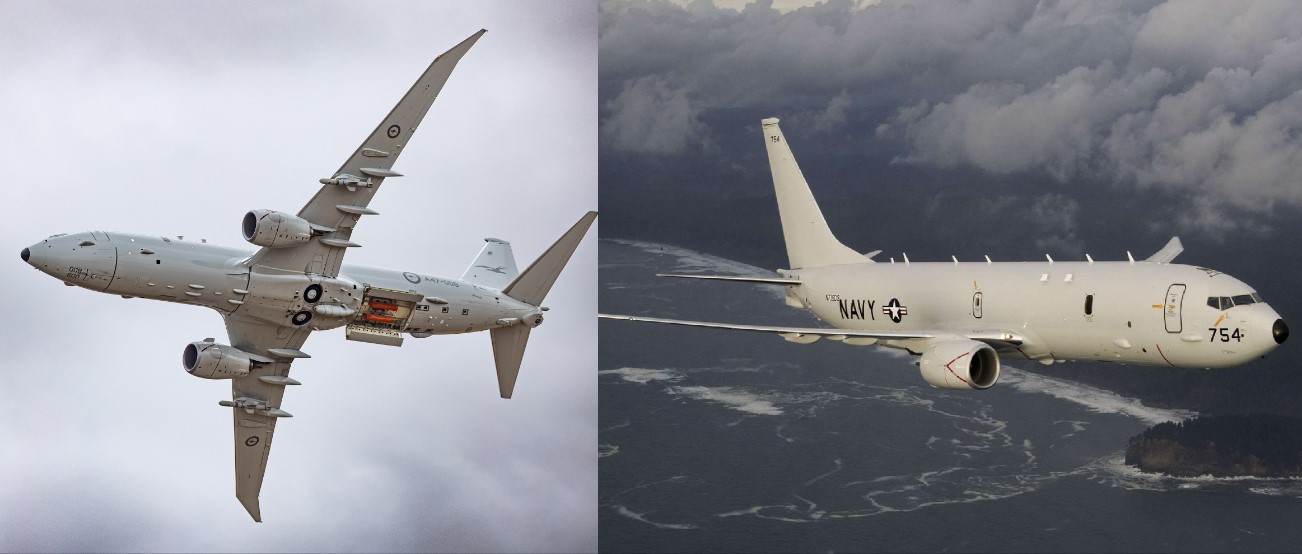
World
Washington : The United States has approved a major defence sale to Denmark, clearing the potential transfer of three P-8A Poseidon Maritime Patrol Aircraft (MPA) under the Foreign Military Sales (FMS) framework. The decision, announced by the U.S. Defense Security Cooperation Agency (DSCA) following authorization by the U.S. Department of State, places the total estimated value of the program at $1.8 billion. The proposed sale is intended to significantly strengthen Denmark’s maritime surveillance, anti-submarine warfare, and intelligence-gathering capabilities, while deepening interoperability with the United States and other NATO allies. The DSCA formally notified the U.S. Congress of the approval on December 29, 2025, initiating the mandatory congressional review process. Aircraft and Systems Package According to the DSCA notification, Denmark has requested up to three P-8A Poseidon aircraft, supported by a comprehensive suite of mission systems, sensors, and secure communications equipment. The package includes four Multifunctional Distribution System Joint Tactical Radio Systems, four Guardian Laser Transmitter Assemblies for the AN/AAQ-24(V)N, and four system processor replacements for the same defensive system incorporating Selective Availability Anti-Spoofing Modules (SAASM). Navigation and positioning capabilities will be enhanced through eight LN-251 Embedded GPS/Inertial Navigation Systems, also fitted with SAASM technology. In addition, the sale covers a wide range of non-major defence equipment, including Tactical Open Mission Software, MX-20HD electro-optical and infrared sensor turrets, NexGEN missile warning sensors, AN/APY-10 maritime surveillance radar, AN/AAQ-2(V) acoustic systems, and ALQ-213 electronic warfare management systems. The support package further extends to Identification Friend or Foe (IFF) systems, secure UHF/VHF radios, countermeasures dispenser system programmers, cryptographic equipment, and a full spectrum of U.S. government and contractor engineering, technical, training, and logistics support services. These elements are designed to ensure rapid induction and sustained operational readiness of the aircraft within the Royal Danish Air Force. Strategic and NATO Significance U.S. officials emphasized that the proposed sale directly supports American foreign policy and national security objectives by reinforcing the capabilities of a key NATO ally. Denmark is regarded as a stabilizing force in Northern Europe, with growing responsibility for security in the North Atlantic, Baltic Sea, and Arctic regions, including areas surrounding Greenland and the Faroe Islands. “The proposed sale will enhance Denmark’s capability to meet current and future threats by providing a credible force capable of deterring adversaries and participating in NATO operations,” the DSCA said in its statement. The agency added that Denmark is assessed to have no difficulty absorbing the aircraft and associated systems into its existing force structure. P-8A Poseidon Capability The P-8A Poseidon, manufactured by Boeing, is a long-range, multi-mission maritime patrol aircraft derived from the Boeing 737-800 platform. It is optimized for anti-submarine warfare, anti-surface warfare, intelligence, surveillance, and reconnaissance missions, and is capable of deploying torpedoes, sonobuoys, and anti-ship weapons while sharing data across NATO command networks. The aircraft is already in service with several allied nations, including the United States, the United Kingdom, Norway, Germany, Australia, and India, making it a common and interoperable platform across NATO and partner air forces. Industrial and Contractual Details The principal contractor for the Danish sale will be Boeing, based in Arlington, Virginia. The U.S. government has stated that it is not currently aware of any offset agreements linked to the proposed transaction, noting that any such arrangements would be determined during subsequent negotiations between Denmark and the contractor. While the approval does not constitute a final contract, it represents a critical step toward modernizing Denmark’s maritime patrol fleet and expanding NATO’s collective ability to monitor and secure vital sea lanes in Northern Europe and the Arctic. If finalized following congressional review, the $1.8 billion program would mark one of Denmark’s most significant defence aviation investments in recent years, underscoring the growing strategic importance of maritime domain awareness in an increasingly contested security environment.
Read More → Posted on 2026-01-02 12:44:38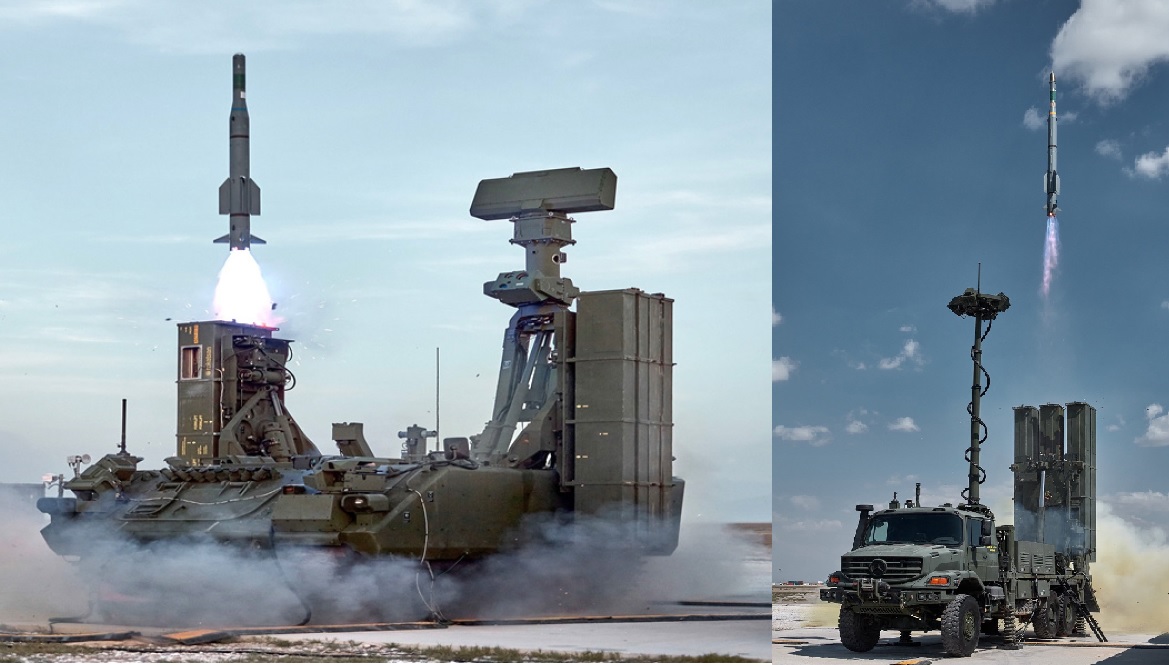
World
Ankara: Türkiye has marked a major milestone in its indigenous air-defense programme after the HİSAR-A IIR Low-Altitude Air-Defense System successfully intercepted and destroyed a high-speed aerial target with full accuracy during an official Acceptance Firing Test, defence authorities announced. The trial was conducted using Serial-Production Configuration Systems, confirming that the latest variant of HİSAR-A has met all Operational And Performance Requirements and is now cleared for Frontline Deployment. High-Speed Interception Validates End-To-End Combat Capability Officials stated that the acceptance firing represented a Full Operational Scenario. The target was first Detected, Identified, And Tracked by the system’s Radar And Fire-Control Elements before engagement authorization was issued. A HİSAR-A Missile equipped with an Imaging Infrared (IIR) Seeker was then launched from the Missile Launching System, achieving a Direct Hit and Neutralising The Target within the designated engagement envelope. The successful engagement validated the New-Generation Launcher, Command-And-Control Links, and the complete Sensor-To-Shooter Kill Chain, demonstrating readiness for Operational Service. Radar Detection Range Enhances Early Warning A critical strength of the HİSAR-A System is its advanced Surveillance And Fire-Control Radar, developed by ASELSAN. The system employs an AESA-Based Radar with a Detection Range Of Up To 120 Kilometres, enabling early warning and persistent tracking of Low-Altitude And High-Speed Aerial Threats. This extended radar range provides Increased Reaction Time, Improved Target Classification, and enhanced Situational Awareness, particularly against fast and low-flying targets operating close to terrain. IIR Seeker Delivers High Terminal Accuracy The defining feature of the latest variant is the Imaging Infrared (IIR) Seeker, designed to deliver High Precision In The Terminal Phase of interception. The seeker generates High-Resolution Infrared Imagery, allowing accurate tracking of Manoeuvring Targets and improved resistance to Electronic And Infrared Countermeasures. This capability significantly boosts effectiveness against Cruise Missiles, Unmanned Aerial Vehicles (UAVs), Helicopters, Fixed-Wing Aircraft, and Air-To-Ground Munitions. System Performance And Technical Profile Jointly developed by ROKETSAN and ASELSAN, the HİSAR-A System is designed to provide Point And Area Air Defence for military units and Critical Infrastructure. The system offers an Interception Range Of More Than 15 Kilometres, uses a High-Explosive Blast-Fragmentation Warhead, and employs a guidance package combining Inertial Navigation, Data-Link Updates, and IIR Terminal Homing. Propulsion is provided by a Dual-Pulse Solid-Fuel Rocket Motor, ensuring High Agility and sustained End-Game Energy. Role Within Türkiye’s ‘Steel Dome’ Architecture The successful acceptance test strengthens Türkiye’s emerging Steel Dome (Çelik Kubbe) air-defense concept, which aims to integrate Radars, Electro-Optical Sensors, Command-And-Control Systems, and Layered Missile Defences into a unified national shield. Within this framework, HİSAR-A forms the Low-Altitude Defence Layer, complementing medium- and high-altitude systems and providing close-in protection for Military Bases, Critical Assets, and Manoeuvre Forces. Cleared For Operational Deployment With acceptance testing completed, Serial-Production HİSAR-A IIR Systems are now cleared for Operational Use. Deliveries to the Turkish Armed Forces are continuing, with deployments expected to expand as part of Steel Dome Force Planning. The successful firing underscores Türkiye’s growing Self-Reliance In Advanced Air-Defense Technologies, reinforcing its ability to Detect, Track, And Defeat Modern Aerial Threats using domestically developed systems.
Read More → Posted on 2026-01-02 12:09:08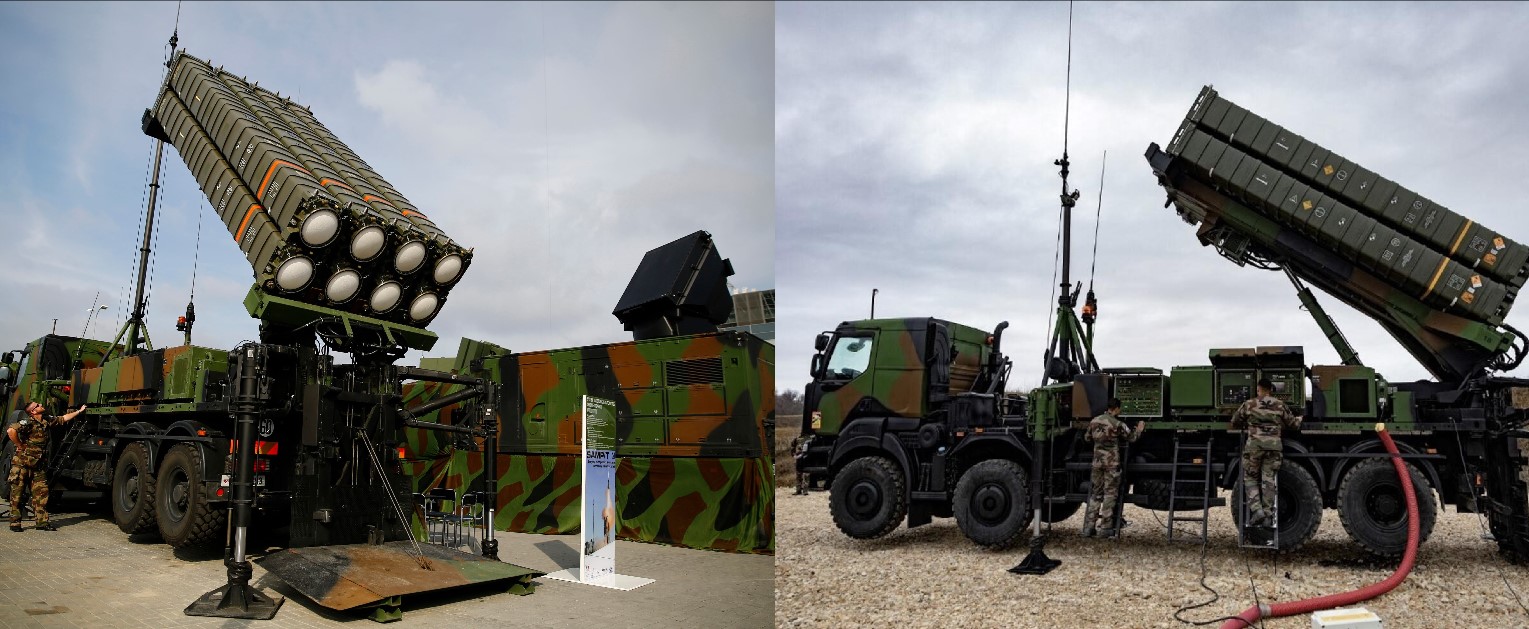
World
Paris/Rome — France and Italy have formally confirmed the continuation of development and production work on SAMP/T NG (New Generation), the most advanced iteration of Europe’s long-range, ground-based air and missile defence system. The move signals a decisive transition from development into industrial-scale production, with initial operational deliveries planned from 2026, as Europe accelerates efforts to strengthen its sovereign air-defence architecture amid rapidly evolving missile and aerial threats. Developed under the management of OCCAR and led industrially by EUROSAM—a joint venture between MBDA and Thales—SAMP/T NG represents a deep modernization of the existing SAMP/T system already in service with several European armed forces. A New Interceptor at the Core At the heart of SAMP/T NG is the Aster 30 Block 1 NT interceptor, a substantially upgraded missile designed to counter short- to medium-range ballistic missiles, cruise missiles, combat aircraft, and unmanned aerial vehicles. The Block 1 NT variant introduces a new Ka-band active radar seeker, enhanced processing power, and improved end-game discrimination, significantly boosting effectiveness against complex and manoeuvring targets. The interceptor provides engagement ranges beyond 150 km against aerodynamic threats, while its ballistic-missile defence envelope is designed to counter missiles with ranges exceeding 600 km, marking a major step forward for European land-based missile defence. New AESA Radars and Digital Command Systems SAMP/T NG also replaces legacy sensors with new-generation AESA radars, tailored to national requirements. France will deploy the Ground Fire 300, while Italy has selected the Kronos Grand Mobile High Power. Both radars offer 360-degree coverage, high refresh rates, and detection ranges exceeding 350–400 km, alongside strong resistance to electronic warfare and jamming. These sensors are paired with an upgraded command-and-control module, enabling faster engagement cycles, multi-target tracking, and seamless NATO-level interoperability. A standard SAMP/T NG battery can deploy up to six launchers, each carrying eight ready-to-fire missiles, allowing a single battery to field as many as 48 Aster interceptors. Orders, Investment and Industrial Momentum France and Italy have already placed firm orders for the new system. France has committed to eight SAMP/T NG units, while Italy has ordered ten systems, supported by substantial long-term funding allocations. Production contracts signed in 2023 secured both system integration and sustained ASTER missile manufacturing, ensuring industrial continuity well into the next decade. Industry sources confirm that radar production, missile qualification, and system integration activities are now aligned to support first deliveries in early 2026, with subsequent batches to follow as production scales up. Testing Success Strengthens Confidence Recent successful live-fire tests of the Aster 30 Block 1 NT missile have reinforced confidence in the programme’s maturity. These firings validated long-range interception performance and confirmed compatibility with the new SAMP/T NG architecture, underlining the system’s readiness for operational fielding. Strategic Significance for Europe Beyond its technical advances, SAMP/T NG carries major strategic weight. As Europe debates the future structure of continental air defence, France and Italy are positioning the system as a fully European solution, designed to preserve industrial autonomy while remaining tightly integrated with NATO command networks. With high-end threats—from ballistic missiles to advanced cruise missiles—becoming more prevalent, SAMP/T NG is intended to serve as a cornerstone of Europe’s long-range air and missile defence well into the 2030s. The confirmation of continued production work marks a critical milestone, bringing Europe’s most advanced land-based air-defence system firmly onto the path toward frontline service in 2026.
Read More → Posted on 2026-01-01 15:55:11Search
Top Trending in 24 Hours
-
 India Successfully Conducts AD-1, AD-2 Interceptor Tests and Maiden NASM-MR Flight Trial
-
 Russia Launches 1,400 Jet-Powered Drones in 2026 as Strike Tactics Evolve to Challenge Ukraine's Air Defenses
-
 U.S Navy Orders 50 Blackbeard Hypersonic Missiles in New $23.4 Million Contract
-
 UAE Denies Reports of Releasing Up to $20 Billion in Funds to Iran Amid Regional De-Escalation Efforts
-
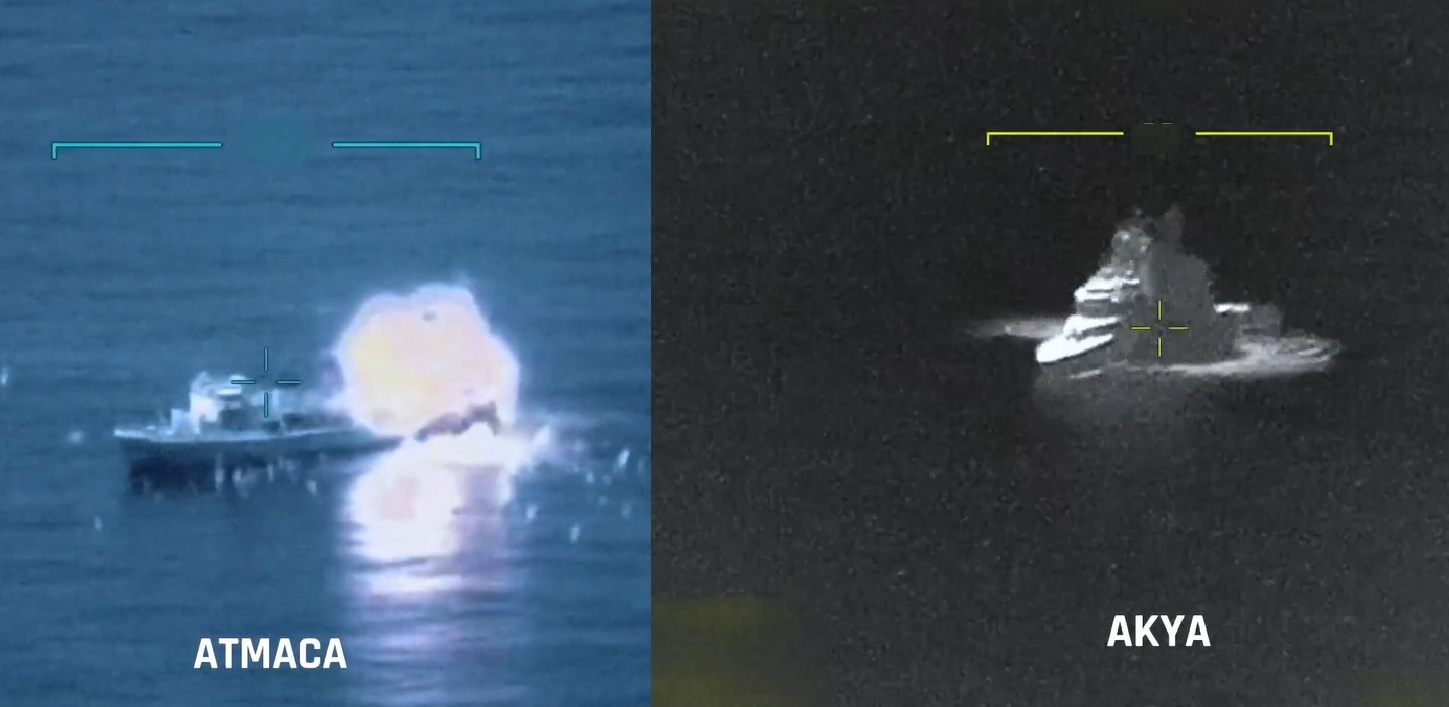 Turkey Navy Successfully Tests AKYA Torpedo and ATMACA Missile During Major Denizkurdu-II Naval Exercise
-
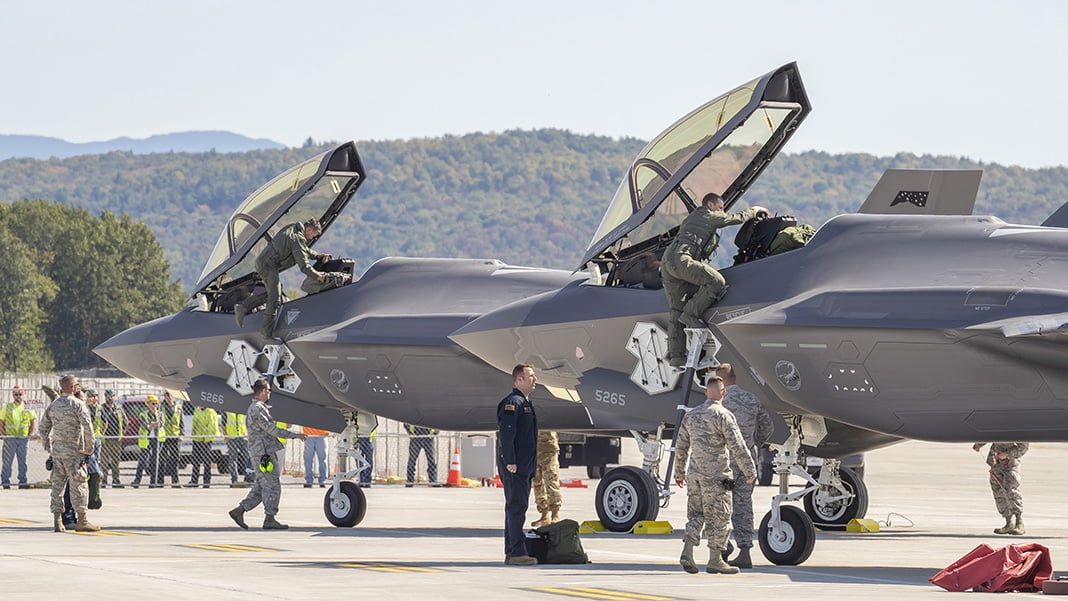 F-35 Fleet Readiness Falls to 25% Amid Parts Shortages and Software Delays: GAO Report
-
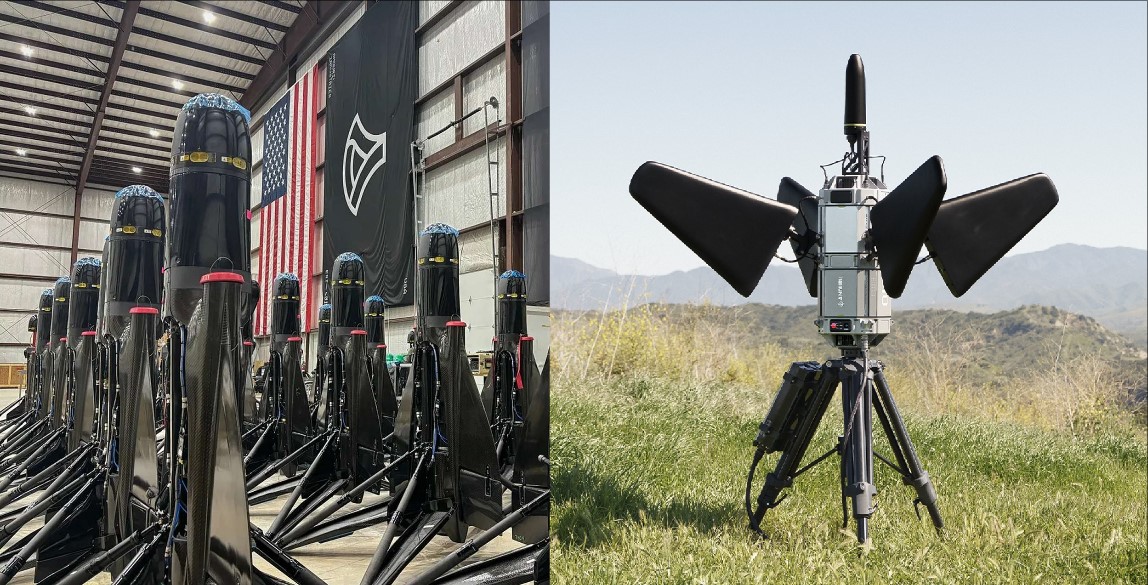 U.S. Approves $1.98 Billion Sale of Anduril AI-Powered Counter-Drone Systems to Kuwait
-
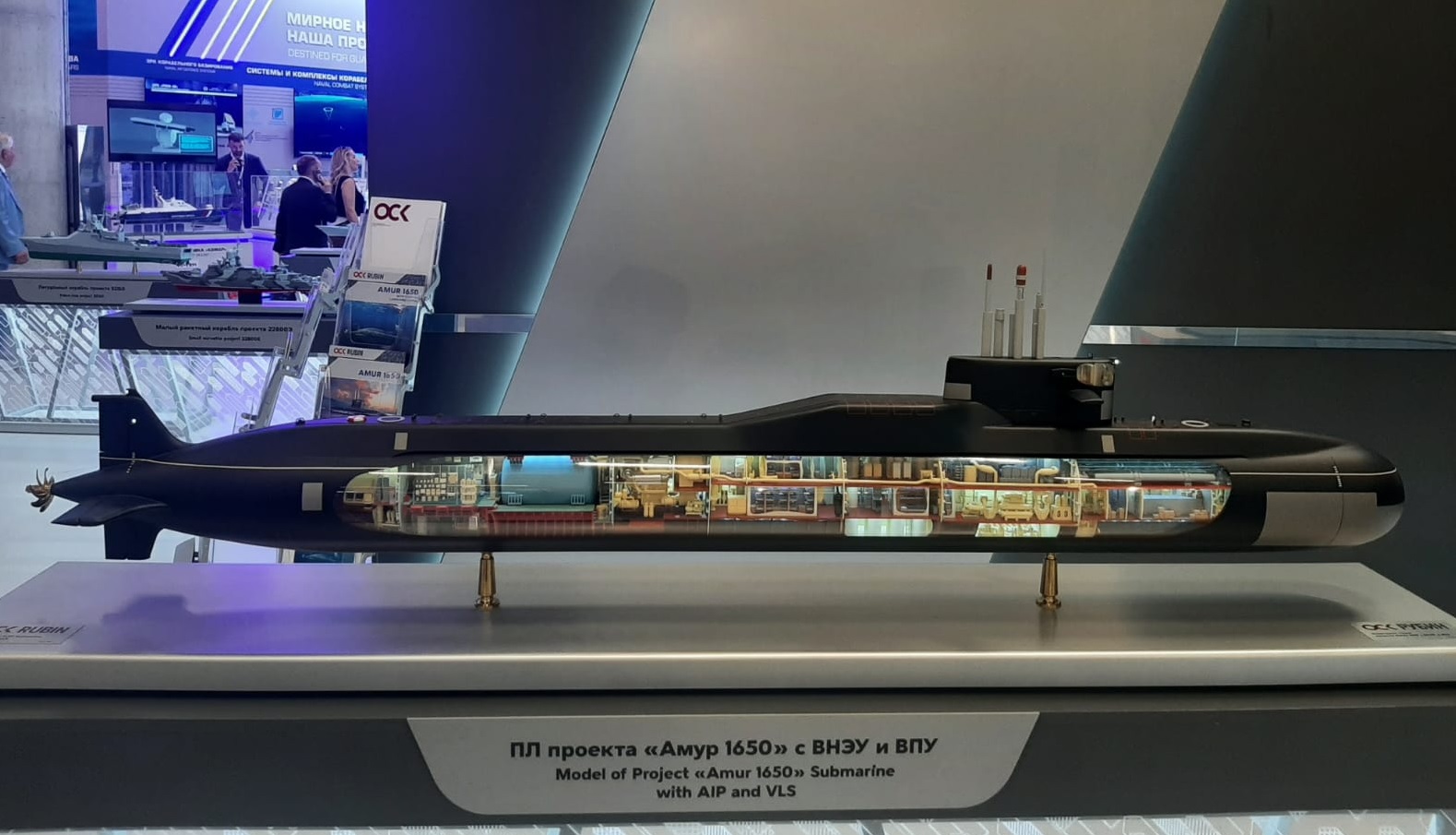 Russia Unveils Amur-1650 AIP Submarine Equipped with BrahMos Vertical Launch System at Fleet-2026
Top Trending in 4 Days
-
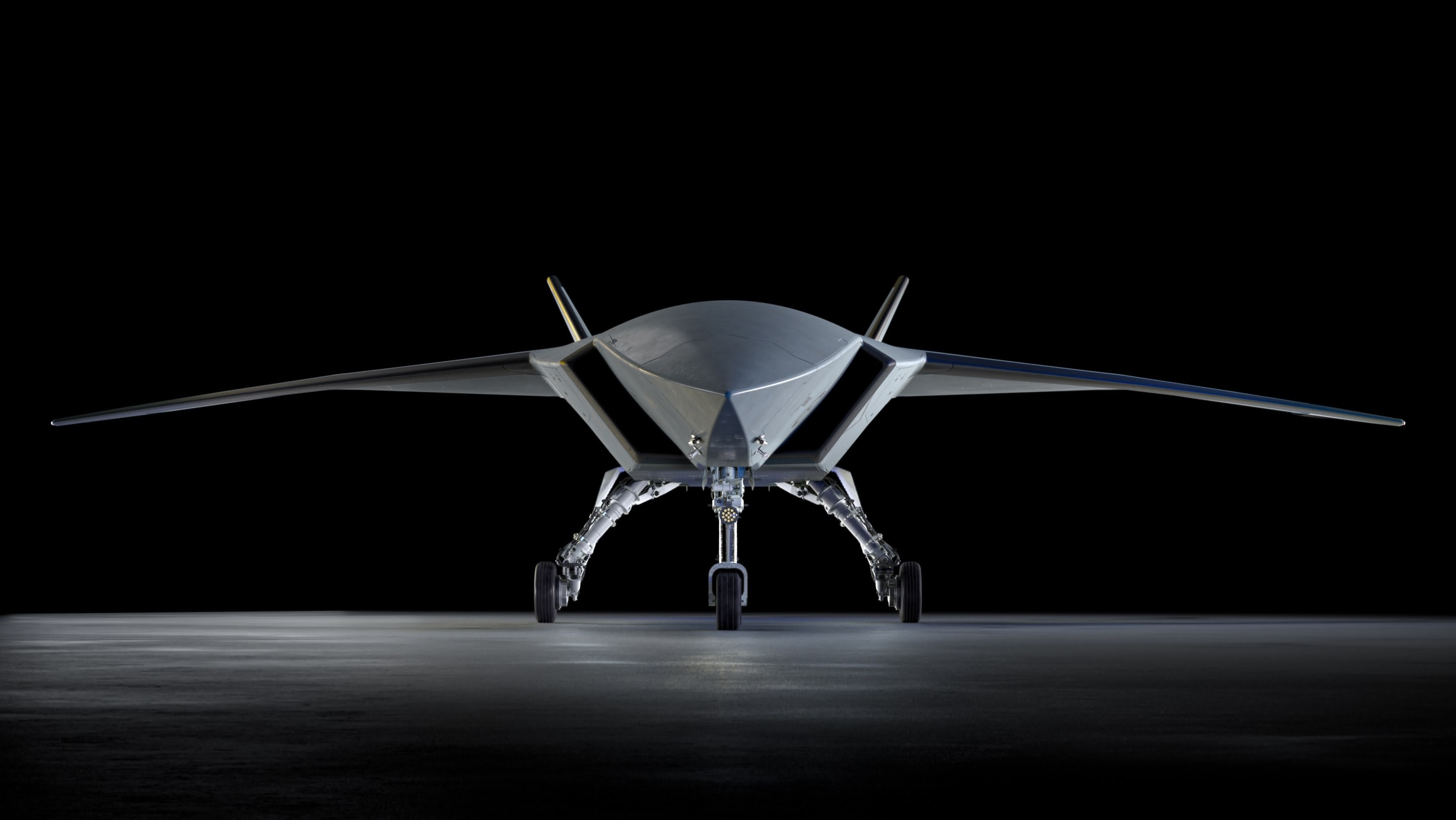 Boeing Introduces New MQ-28 Ghost Bat Upgrades with Increased Range, Payload and Weapons Capacity at ILA Berlin 2026
-
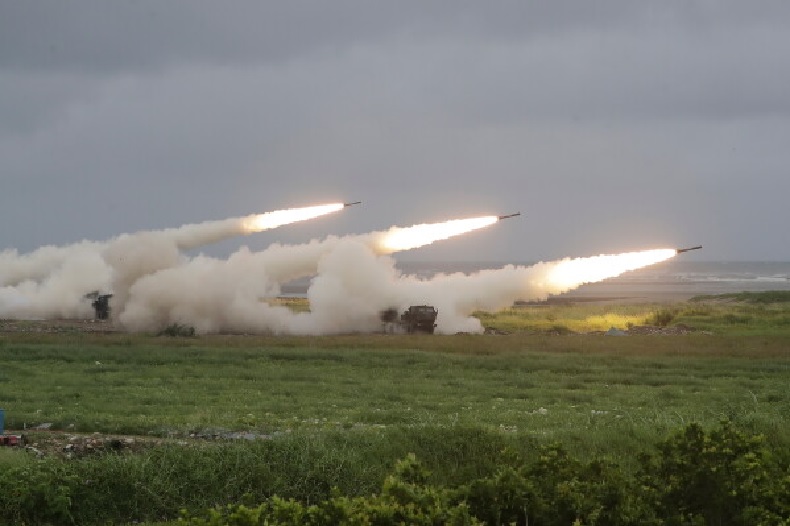 Taiwan Conducts First Live-Fire of HIMARS Rockets From West Coast During Invasion Defense Drill
-
 AMCA Airframe Spotted at DRDO’s ORANGE Facility for Radar Cross-Section Testing
-
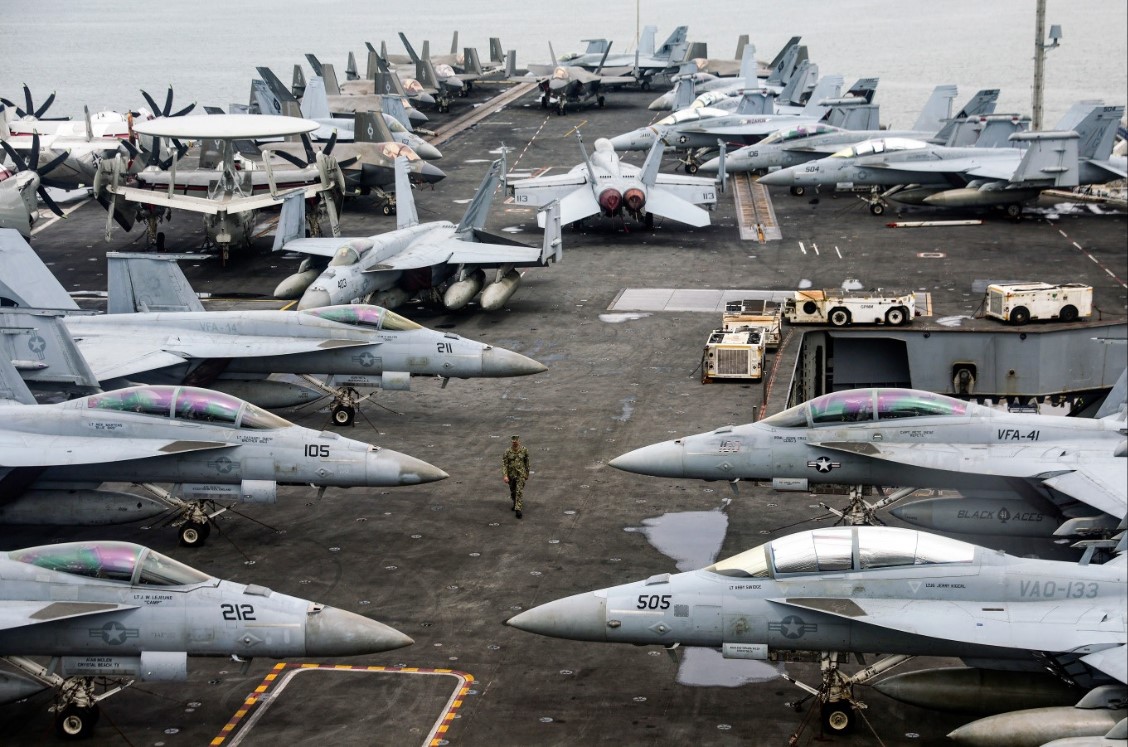 US Plans Significant Reduction of Fighter Jets and Warships for NATO Operations in Europe
-
 Iranian Media Leaks 14-Point U.S.-Iran Peace Framework Amid Ongoing Negotiations
-
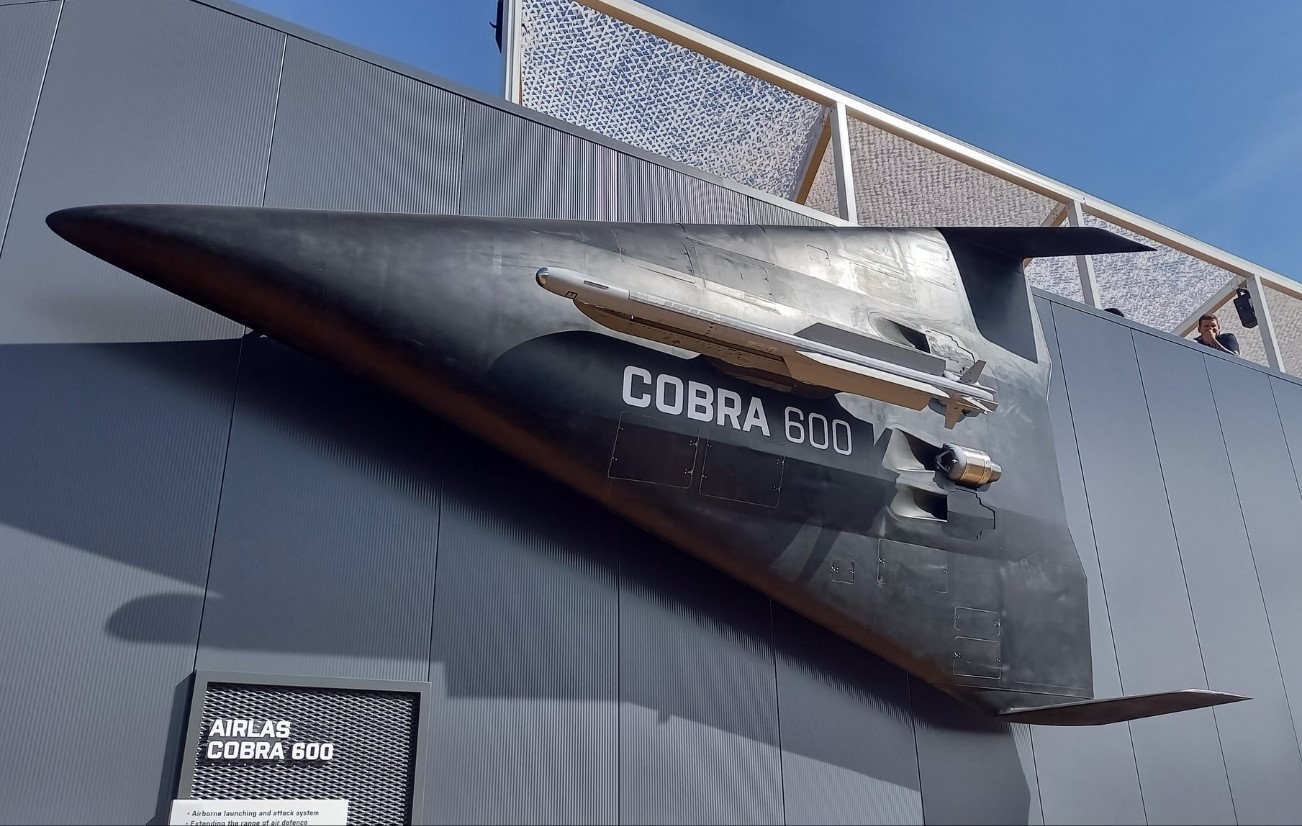 Diehl Defence Unveils IRIS-T Armed Cobra 600 Air Defense Drone at ILA Berlin 2026
-
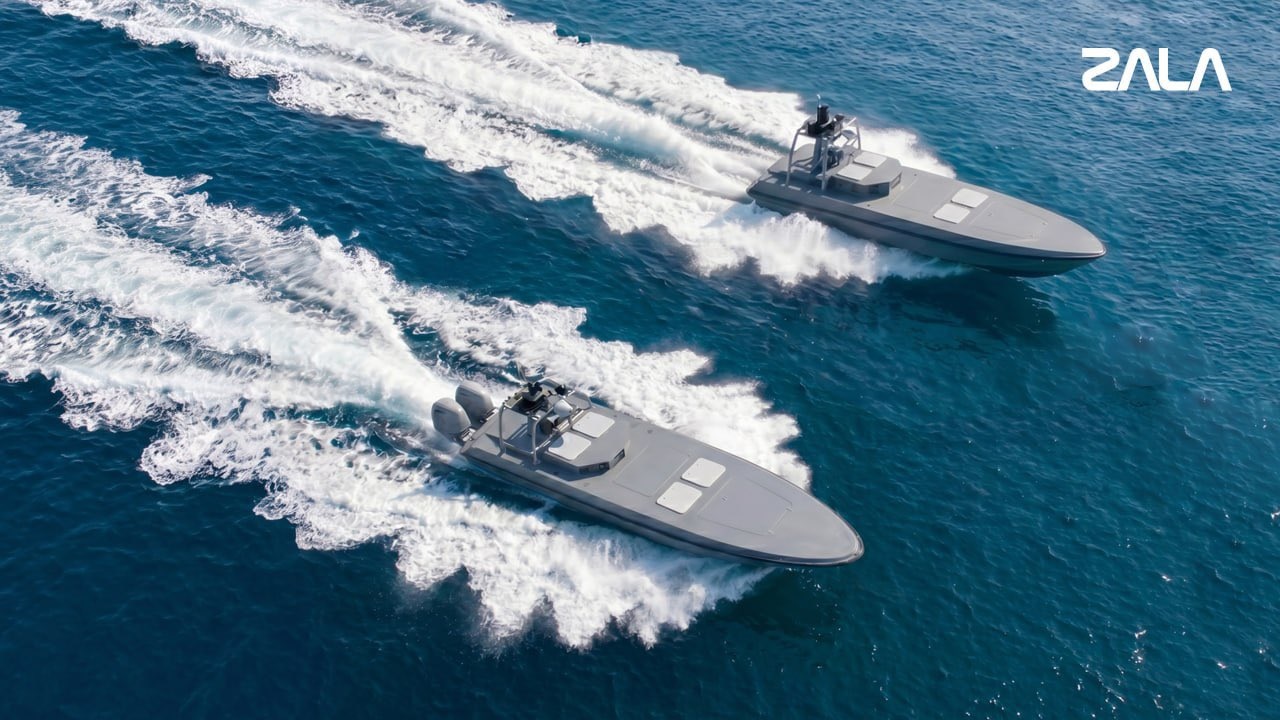 Russian Defense Firm ZALA Unveils KAMA Unmanned Surface Vessel Family at FLOT-2026 Naval Exhibition
-
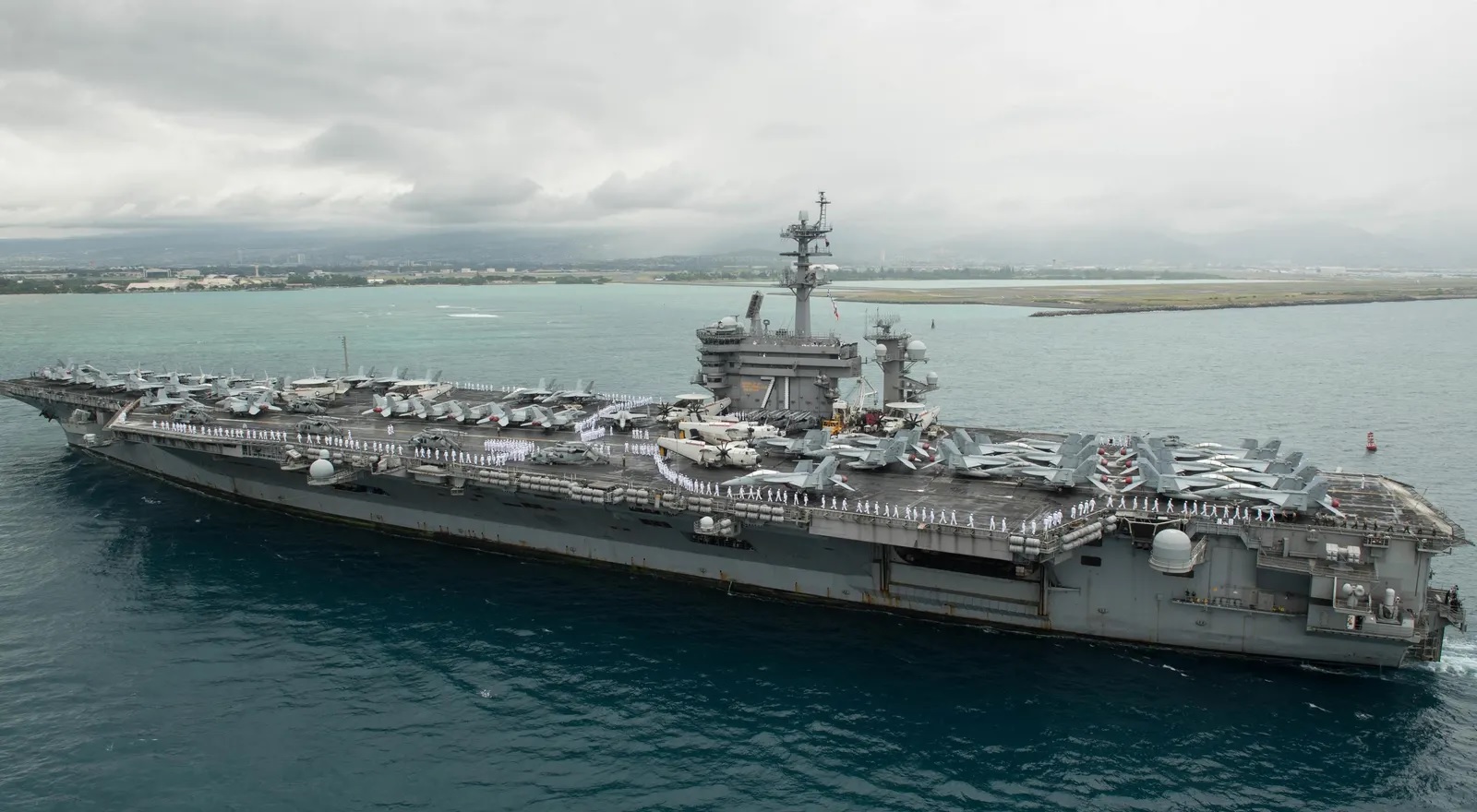 U.S Aircraft Carrier USS Theodore Roosevelt Departs San Diego for Major RIMPAC 2026 Naval Exercise