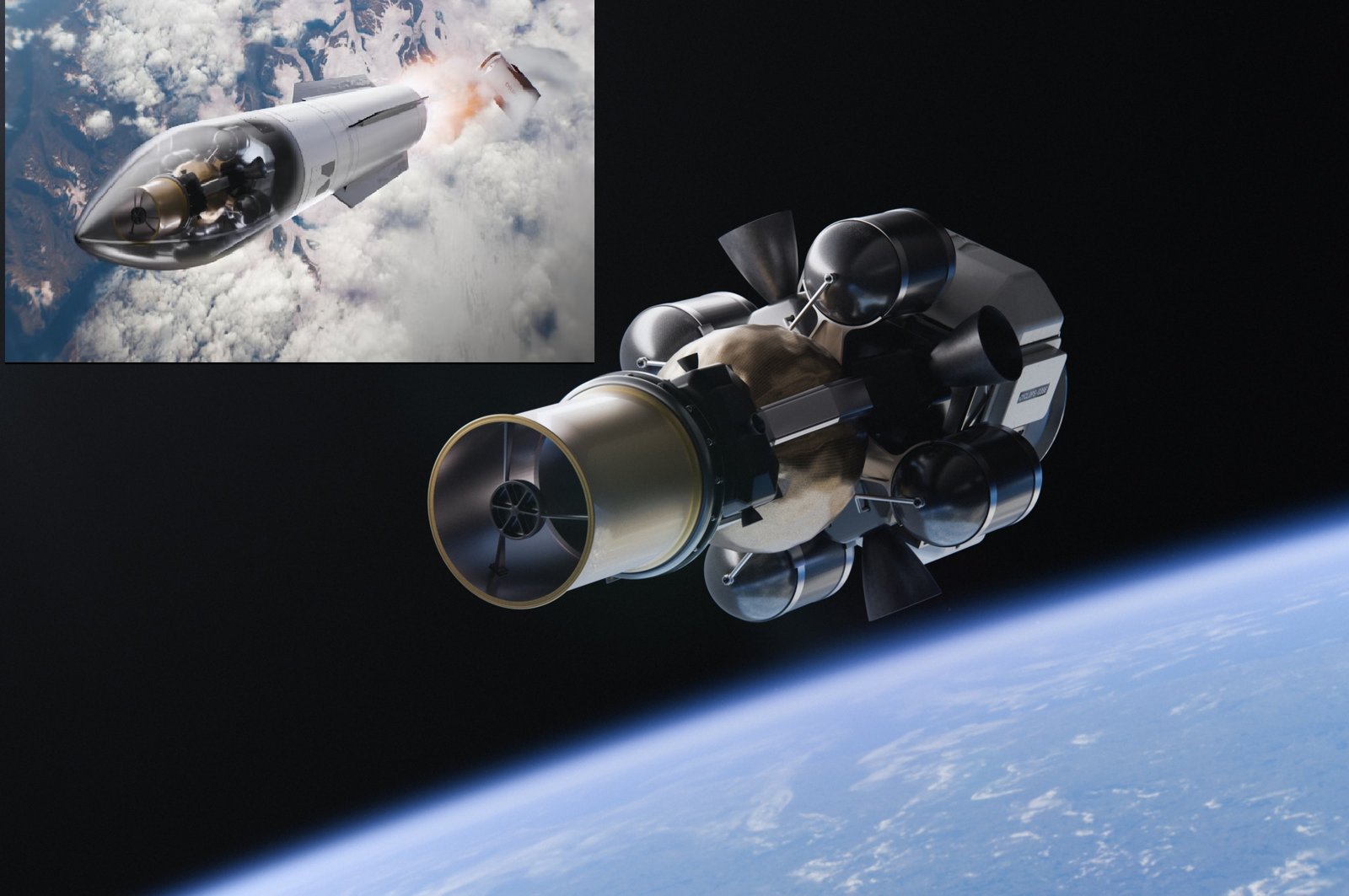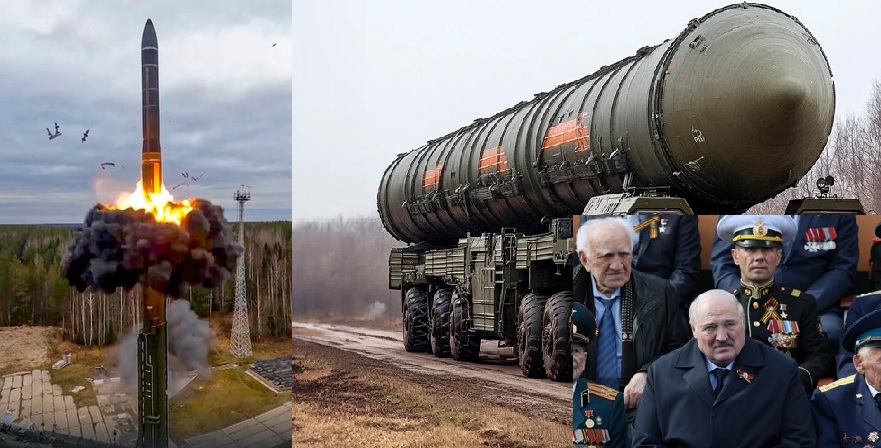
MINSK / MOSCOW: Belarus has reportedly deployed Russian-made Oreshnik missile systems at a former military airfield located just 4 kilometres from the Russian border, according to a new analysis of high-resolution satellite imagery. The development marks one of the most significant forward deployments of Russian strategic assets in Eastern Europe since the start of the Ukraine war.
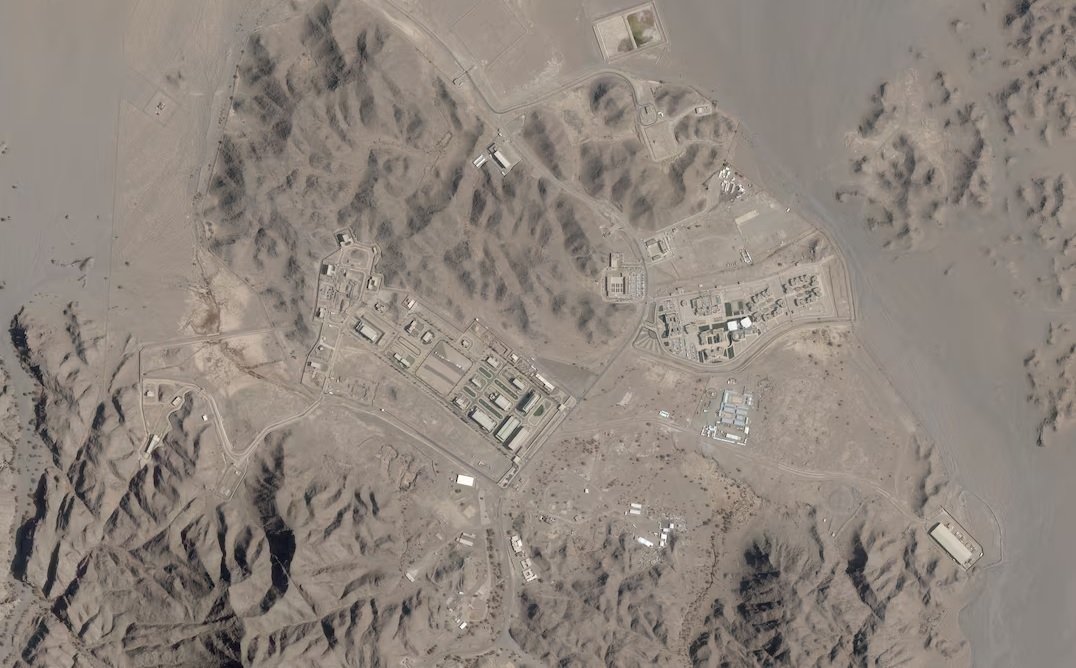
The airfield, long assessed as inactive, now shows freshly prepared launch zones, reinforced hardstands, fuel and power infrastructure, and expanded logistical areas, all consistent with missile operations. Defence analysts say the layout closely matches known Russian missile deployment patterns rather than conventional aviation use.
At Least 10 Oreshnik Missiles Identified
Imagery analysts assess that approximately 10 Oreshnik missile units are currently positioned at the site. The spacing of launch pads, transport-erector vehicle tracks, and support shelters suggests the facility is designed for rapid launch readiness rather than long-term storage.
While neither Minsk nor Moscow has officially confirmed the deployment, the visible infrastructure indicates the missiles are operationally integrated, not merely pre-positioned.
What Is the Oreshnik Missile?
The Oreshnik is believed to be a next-generation Russian strike system, reportedly combining hypersonic speed, advanced manoeuvrability, and the ability to carry conventional or nuclear payloads. Some assessments describe it as nuclear-powered, a claim that—if accurate—would place it among Russia’s most strategically sensitive weapons.
Although full technical specifications remain classified, analysts believe the missile is designed for deep-strike and deterrence roles, capable of threatening targets across Eastern and Central Europe with minimal warning time.
360,000 Russian Troops Stationed in Belarus
The missile deployment coincides with the continued presence of around 360,000 Russian troops in Belarus, making the country one of Moscow’s largest overseas military hubs. These forces include ground troops, air defence units, electronic warfare elements, and logistical formations.
Together, the troop presence and missile deployment significantly enhance Russia’s forward strike posture and reduce reaction times for NATO forces in the region.
Deepening Military Integration Between Minsk and Moscow
Security experts say the move underscores the deepening military integration between Belarus and Russia, with Belarus increasingly functioning as an extension of Russia’s western military district.
Over the past two years, Belarus has hosted joint exercises, Russian nuclear weapons storage arrangements, air defence systems, and now advanced missile assets, effectively erasing the distinction between national and allied deployments.
Regional and Strategic Implications
By placing Oreshnik missiles so close to Russian territory while still inside Belarus, Moscow gains:
-
Forward basing without formally expanding Russian borders
-
Reduced detection and response time for adversaries
-
Enhanced deterrence against NATO’s eastern flank
-
Greater flexibility for escalation control
Western defence officials are expected to closely monitor the site, as the deployment could alter regional strike calculations and intensify already heightened security tensions across Eastern Europe.
No Official Denial—And No Confirmation
As of now, neither Belarusian nor Russian authorities have denied the satellite findings. Analysts note that such silence often accompanies strategic deployments intended to signal capability without formal escalation.
If confirmed, the presence of 10 Oreshnik missiles, backed by hundreds of thousands of Russian troops, would represent a qualitative shift in the military balance along NATO’s eastern frontier—one with implications extending far beyond Belarus itself.
——— End of Article ———