World
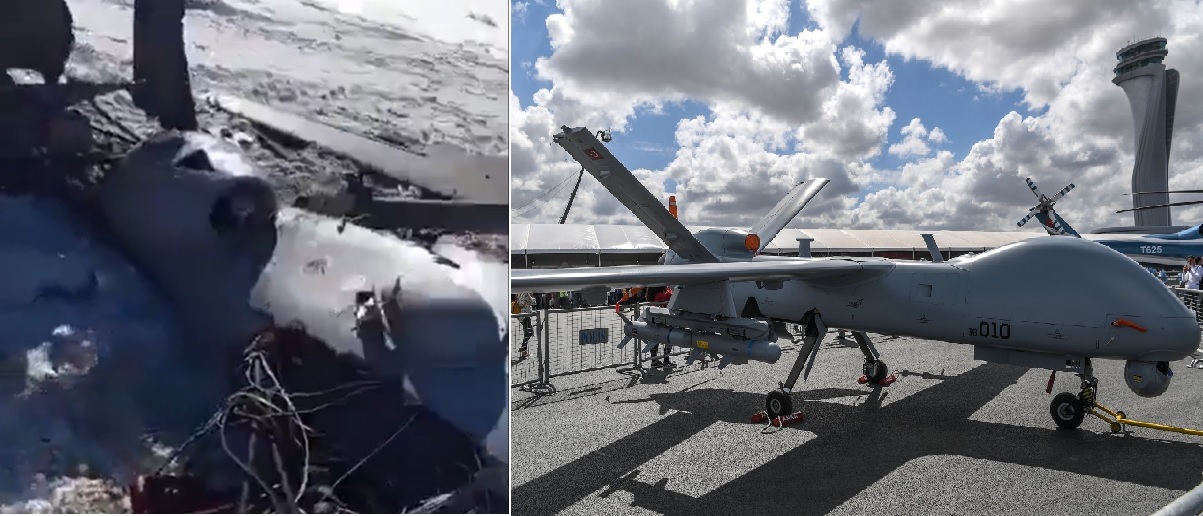
Reports and social-media posts circulating on X (formerly Twitter) and other platforms claim Afghan forces shot down a drone allegedly operated by the Pakistan Air Force (PAF) inside Afghanistan, with “more details awaited” as officials have yet to release a full statement or technical readout. One widely shared post described a drone crash near Maidan Shahr, the provincial capital of Maidan Wardak, while other posts framed the incident as an air-defense interception rather than a mechanical failure. As of publication, no independently verifiable official confirmation from Kabul or Islamabad has appeared in major wire reporting on this specific shootdown claim, and the available footage and images have not been authenticated by an independent third party. The episode is unfolding against a backdrop of elevated cross-border tensions, including recent exchanges of fire and competing allegations of drone and air strikes. Video Analysis Points To A MALE-Class Drone, But Identification Is Contested Open-source observers reviewing the visuals have floated multiple possibilities for the aircraft type. Some posts suggested the wreckage resembles an Israeli Heron-type UAV, while other discussions compared it to U.S.-origin silhouettes such as the MQ-9 Reaper. Additional commentary argued it could be a Chinese Wing Loong / CH-4-family lookalike. Separately, a growing thread of analysis has suggested the drone “may be” from Turkey’s TAI ANKA family—an identification that, if confirmed, would be notable because the ANKA is widely regarded as a Medium-Altitude Long-Endurance (MALE) platform used for long-dwell surveillance and, in some variants, strike missions. At this stage, however, the ANKA link remains inference, not a confirmed designation, as publicly available imagery does not clearly show serial numbers, operator markings, or a unique payload fit that would make identification definitive. Why The ANKA Theory Is Plausible In The Pakistan Context The TAI ANKA is a Turkish-developed MALE UAV produced by Turkish Aerospace Industries. Open-source reference material lists the Pakistan Air Force among operators and notes that components are manufactured under license at Pakistan Aeronautical Complex (PAC), Kamra, indicating an established industrial relationship around the platform. The ANKA’s known mission set—persistent ISR (Intelligence, Surveillance, Reconnaissance) and, for some configurations, weapons carriage—aligns with the type of asset a military would deploy in a high-tension border environment where both sides accuse each other of cross-border activity. What The ANKA-S Is, And The Numbers Associated With It If the drone involved is an ANKA variant, the most commonly referenced operational model is the ANKA-S, associated in some configurations with beyond-line-of-sight operations via satellite communications. Open-source specifications frequently cite ANKA-family endurance in the 24–30 hour class. A widely referenced profile lists the ANKA-S payload capacity at ~200 kg, supporting EO/IR sensors and other mission systems. Additional reporting on the platform’s size and performance cites a ~17.5-meter wingspan, ~8-meter length, maximum take-off weight around ~1,700 kg, endurance of 24–30 hours depending on load, cruise speed around ~204 km/h, and an operational ceiling near 30,000 ft, with some sources describing up to ~12,000 meters (≈39,000 ft) for newer developments or related variants. Because multiple ANKA variants exist, and sources do not always agree on which figures apply to which sub-model, any identification of the wreckage as “ANKA” would still require confirmation of the exact variant to lock in a precise performance baseline. The Wider Backdrop: A Drone-Heavy Afghanistan–Pakistan Confrontation The alleged shootdown claim emerges during a period of heightened Afghanistan–Pakistan tensions, marked by border closures, firefights, and competing claims of air and drone strikes. International reporting has previously documented closures of key crossings following exchanges of fire and allegations tied to strikes and retaliation along the frontier. Accusations by Afghanistan’s Taliban government that Pakistan carried out drone strikes—which Pakistan has denied—underscore how rapidly claims and counterclaims now move, often outpacing verifiable detail. What To Watch Next The facts that would settle the story—where the drone came down, whether it was shot down or crashed, who operated it, and what model it was—typically hinge on a small set of follow-on disclosures: official Afghan statements, recovered-component photographs showing data plates, and confirmation or denial from Pakistan. Until such evidence emerges, the most responsible framing is that a drone incident has been reported and visually documented in open channels, while the claim it involved a PAF aircraft—potentially a Turkish-made ANKA—remains unconfirmed pending official detail and independent verification.
Read More → Posted on 2026-01-01 15:43:06
World
WASHINGTON: President Donald Trump on Wednesday announced the withdrawal of National Guard troops from Chicago, Los Angeles and Portland, marking a significant reversal in his administration’s controversial domestic security strategy following a string of adverse court rulings. In a post on social media, Trump said the deployments had contributed to a reduction in crime in the three cities, but warned that federal forces could return if crime rates rise. “We are removing the National Guard… despite the fact that crime has been greatly reduced by having these great patriots in those cities,” he wrote, adding that a renewed deployment could occur “in a much different and stronger form” if crime “begins to soar again.” Legal Pressure Forces Policy Shift The decision came amid mounting legal pressure on the White House. Federal judges overseeing lawsuits filed by cities and states repeatedly ruled that the administration had exceeded its authority by deploying National Guard troops without state consent. Courts also found insufficient evidence to support claims that federal property or personnel faced threats requiring military protection. Hours before Trump’s announcement, a federal appellate court ordered the return of hundreds of California National Guard troops to the control of Gavin Newsom, dealing a major blow to the administration’s legal justification for the deployments. Earlier, the U.S. Supreme Court blocked the president’s attempt to deploy National Guard forces in Illinois, stating that federal control of state Guard units likely applies only in “exceptional” circumstances. In its unsigned order, the Supreme Court said the government had failed, at least at this stage, to identify a lawful basis allowing the military to execute domestic laws in Illinois, a finding that weakened similar deployments elsewhere. Local Leaders Reject Crime Claims Democratic leaders in the affected cities said the withdrawals were the direct result of legal defeats rather than improved public safety. Officials in Chicago pointed to city data showing that violent crime in 2025 fell 21.3% compared with 2024, marking the lowest level in more than a decade. Mayor Brandon Johnson’s office said the statistics contradicted the administration’s claims that federal troops were necessary. Newsom’s office dismissed Trump’s announcement as political posturing, saying the courts had already stripped the administration of its authority to maintain the deployments. “This was compelled by the rule of law,” a spokesperson said, adding that California had consistently opposed federal control of its Guard forces. Background of the Deployments Trump began deploying National Guard troops in June 2025, initially in response to protests against his hardline immigration policies and later expanding the mission to include crime prevention and the protection of federal facilities. In addition to Chicago, Los Angeles and Portland, troops were also sent to Washington, D.C. and Memphis, with the president citing what he described as rampant crime despite local statistics showing mixed or declining trends. Military officials have gradually scaled back the operations in recent months as ongoing litigation left the deployments in legal limbo. Several lawsuits remain active, challenging the scope of presidential authority to federalize National Guard units without state approval. Ongoing Debate Over Federal Power While the withdrawal ends the Guard’s presence in three major cities, Trump’s warning that federal forces could return underscores the continuing political and legal debate over the use of the military in domestic law enforcement. Legal scholars say the recent court rulings reaffirm long-standing limits on executive power, while supporters of the deployments argue the president must retain broad authority to respond to unrest. For now, the pullback marks a rare retreat for the administration, driven less by policy change than by decisive intervention from the courts.
Read More → Posted on 2026-01-01 15:26:18
World
DUBAI / RIYADH — In a dramatic escalation of tensions between two of the Gulf’s most influential powers, the United Arab Emirates announced on Tuesday that it would withdraw its remaining military forces from Yemen, following a sharp Saudi-backed ultimatum demanding Emirati troops leave within 24 hours. The decision marks a significant rupture in relations between the long-time allies and underlines the growing complexity of regional geopolitics. The announcement came just hours after Saudi-led coalition forces carried out an airstrike on the southern Yemeni port of Mukalla. Riyadh said the strike targeted a weapons shipment linked to the UAE, calling it the most serious escalation so far in a widening dispute. The attack highlighted a stark shift from military cooperation to open confrontation between the two Gulf monarchies. In an official statement, the UAE defence ministry said it had “voluntarily ended the mission of its counterterrorism units” in Yemen. These units represented the last Emirati military presence in the country after Abu Dhabi formally concluded its broader deployment in 2019. The ministry said the remaining personnel were “specialised”, operating solely on counterterrorism tasks alongside international partners, and that recent developments had prompted a comprehensive assessment of the mission. Saudi Ultimatum and Rising Hostilities The escalation reflects longstanding disagreements over influence in Yemen. Saudi Arabia, which leads a coalition backing Yemen’s internationally recognised government, accused the UAE of pressuring and supporting the Southern Transitional Council (STC) to pursue territorial ambitions that Riyadh says threaten its national security. Saudi officials described the issue as a “red line”, one of the strongest warnings issued since the rift began. Yemen’s Saudi-backed presidential council chief, Rashad al-Alimi, publicly demanded that all UAE forces leave within 24 hours, while also cancelling a defence agreement with Abu Dhabi. He accused the UAE of fueling internal conflict and undermining state authority through military escalation. Saudi warplanes struck Mukalla alleging the shipment contained arms and ammunition intended for distribution in the strategic Hadramout region, an area where STC forces wield significant influence. Saudi authorities released footage they said showed containers being unloaded from a UAE-linked vessel. The UAE denied the claims, insisting the shipment did not include weapons and was destined for its own forces. International Reactions and Regional Impact The crisis quickly drew international diplomatic attention. In Washington, U.S. Secretary of State Marco Rubio spoke with both Saudi and Emirati foreign ministers, urging restraint and warning of the broader implications for Middle East stability. Gulf states including Kuwait and Bahrain voiced support for dialogue, while Qatar said the security of Saudi Arabia and other Gulf countries was inseparable from its own. Oman has also moved to facilitate discussions between Saudi and regional counterparts, signalling a push toward de-escalation amid rising regional anxiety. Implications for Yemen and Gulf Unity Yemen’s decade-long civil war, once defined by a coalition united against the Iran-aligned Houthis, has been further complicated by this intra-coalition fracture. Although the UAE scaled back its troop presence in 2019, it continued to support the STC, whose control over southern territories has increasingly clashed with Saudi strategic objectives. Analysts warn the dispute could undermine peace efforts in Yemen and destabilise broader Gulf Cooperation Council (GCC) unity. With both Saudi Arabia and the UAE central players in OPEC+, prolonged tensions could also affect oil market coordination, a key factor in managing global supply and prices. For Yemen, the crisis adds another layer of uncertainty to an already severe humanitarian emergency, raising fears of renewed fighting in the south. As the UAE withdrawal unfolds, regional leaders and diplomats are watching closely to see whether the confrontation leads to renewed diplomacy or a deeper and more lasting strategic divide between two states that have long shaped Gulf security.
Read More → Posted on 2025-12-31 17:31:11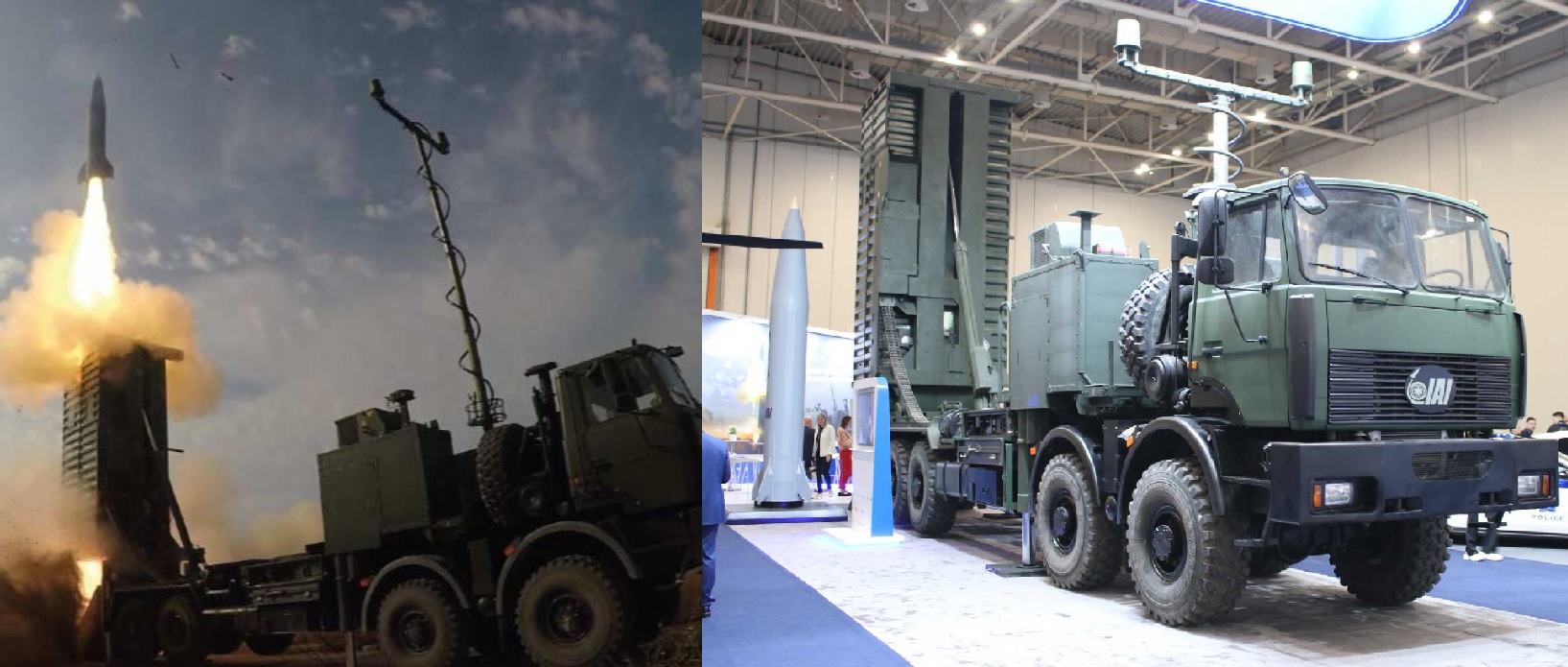
World
ATHENS — Greece is moving ahead with plans to deploy Israel’s LORA (Long-Range Artillery) surface-to-surface ballistic missile system across strategically located Aegean islands and key positions in the Eastern Mediterranean, significantly expanding the country’s long-range precision strike capability and reshaping its island defence posture. The decision, according to defence officials and regional security reporting, forms a core part of Greece’s broader armed forces modernisation programme, aimed at strengthening deterrence, improving rapid-reaction options, and countering emerging missile and drone threats in the region. While the Greek Ministry of National Defence has not yet disclosed full contractual details, political and parliamentary approvals are understood to have cleared the acquisition path. 430-Kilometre Precision Strike Capability The LORA missile, developed by Israel Aerospace Industries, is designed for deep-strike missions with an operational range of 90 to 430 kilometres. From island-based launch positions, the system would allow Greece to cover large parts of the Aegean Sea and extend its strike reach well into the Eastern Mediterranean, depending on deployment geometry and targeting doctrine. LORA is a road-mobile system, typically mounted on a 16-ton flatbed truck, and employs sealed launch canisters that enable rapid “shoot-and-scoot” operations. The launcher provides full 360-degree engagement capability, allowing missiles to be fired in any direction without repositioning—an important survivability feature against counter-strikes. Guidance is provided through a combined inertial navigation system with satellite updates, delivering a reported circular error probable (CEP) of approximately 10 metres. This level of accuracy places LORA firmly in the category of precision strike weapons, suitable for engaging hardened military infrastructure, command centres, and other high-value targets. Island-Based Deterrence And Operational Flexibility Planned deployment across major Aegean islands reflects a broader shift in Greek military thinking. Islands are increasingly viewed not only as defensive bastions but as forward-based strike platforms, forming part of a layered network that includes air defence, anti-ship missiles, and long-range land-attack systems. Dispersed LORA batteries would complicate adversary targeting, reduce vulnerability to pre-emptive attacks, and preserve Greece’s ability to conduct retaliatory precision strikes even under sustained pressure. Defence sources indicate that both the Hellenic Army and the Hellenic Air Force are expected to participate in operating and targeting the system, suggesting a joint command-and-control structure. Strategic Context In The Eastern Mediterranean The acquisition comes amid a period of accelerated military modernisation across the Eastern Mediterranean, particularly in the fields of missiles, long-range artillery, and unmanned systems. Greek defence planners argue that land-based precision strike weapons are critical for countering threats to air bases, ports, logistics hubs, and critical national infrastructure. The LORA programme also highlights the deepening defence partnership between Greece and Israel, which already includes training cooperation, intelligence sharing, and multiple procurement projects. Within Athens’ wider plan to invest approximately €28 billion through 2036 in defence modernisation, the missile acquisition represents a key pillar of long-term deterrence strategy. Timeline And Outlook Although the exact number of launchers and missiles has not been publicly confirmed, defence sources indicate that initial deliveries are expected from 2026, with deployments phased alongside upgrades to island infrastructure, sensor networks, and command systems. Once operational, the LORA ballistic missile system is expected to become one of the most consequential additions to Greece’s land-based strike arsenal in decades—enhancing its strategic reach, reinforcing Aegean and Eastern Mediterranean deterrence, and signalling Athens’ intent to adapt decisively to a rapidly evolving regional security environment.
Read More → Posted on 2025-12-31 16:46:12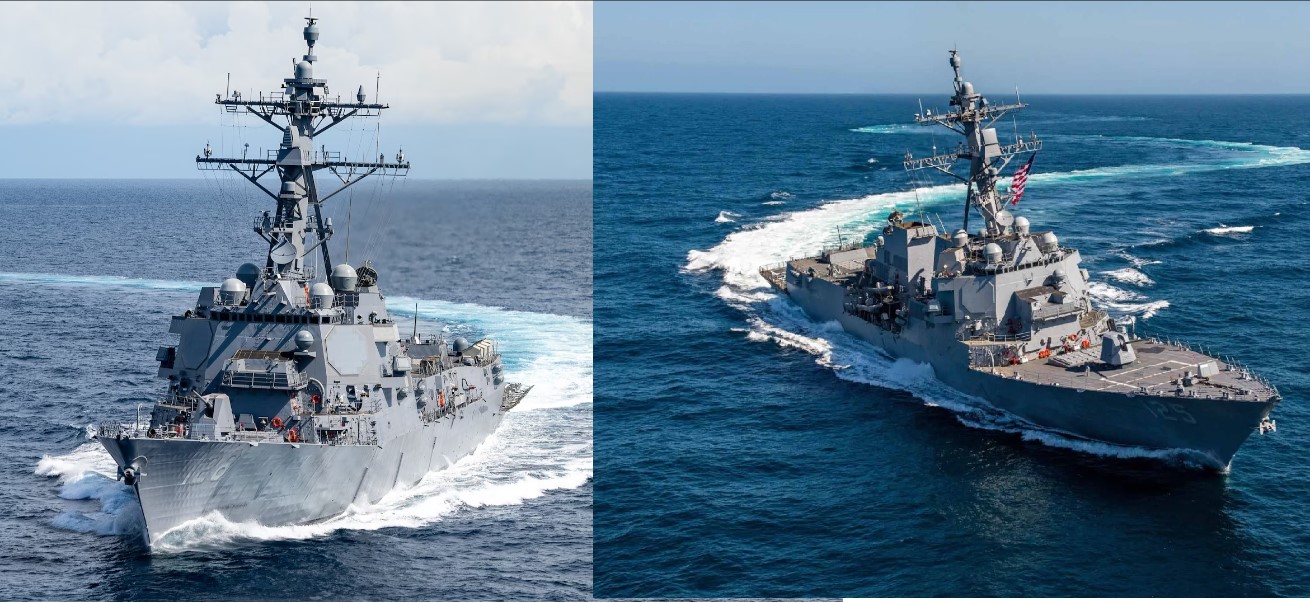
World
PASCAGOULA, Mississippi : On 29 December 2025 The United States Navy has formally taken delivery of the guided-missile destroyer USS Ted Stevens (DDG-128), marking another significant step in the service’s effort to modernise its surface fleet and strengthen high-end naval combat capability. The ship was handed over by Huntington Ingalls Industries, through its Ingalls Shipbuilding division, at the company’s Pascagoula shipyard in Mississippi. The delivery of Ted Stevens reinforces the Navy’s expanding Flight III Arleigh Burke-class destroyer programme at a time of intensifying maritime competition and growing demand for advanced air and missile defence assets. Navy officials described the handover as a critical milestone in enhancing fleet readiness and supporting Distributed Maritime Operations, the operational concept guiding future U.S. naval warfare. A Key Addition to the Flight III Programme Ted Stevens is one of the most advanced variants of the Arleigh Burke-class, the longest-running destroyer production programme in U.S. Navy history. More than 80 ships of the class have been delivered, are under construction, or are planned, underscoring its central role in American naval power. Flight III ships represent a major generational upgrade over earlier Flight IIA destroyers. While retaining the proven hull, propulsion and weapons architecture of the DDG-51 family, the Flight III design introduces substantial improvements in sensors, power generation and cooling capacity, enabling the integration of next-generation combat systems and significantly improving survivability in contested environments. SPY-6 Radar Brings Step-Change in Capability At the core of Ted Stevens’ enhanced combat capability is the AN/SPY-6(V)1 Air and Missile Defense Radar, the most capable radar ever deployed on a U.S. Navy surface combatant. Built using scalable gallium nitride (GaN) technology, SPY-6 offers up to a 30-times increase in sensitivity compared with the legacy SPY-1 radar. This capability allows the destroyer to simultaneously detect, track and discriminate among ballistic missiles, cruise missiles, aircraft and surface threats, even in dense electronic warfare conditions. The radar’s modular design also improves resilience and long-term upgrade potential as threat profiles evolve. Aegis Baseline 10 and Expanded Warfighting Roles The radar is paired with the Aegis Baseline 10 combat system, enabling Flight III destroyers to function as theatre-level air and missile defence nodes. Baseline 10 supports full integration of advanced weapons such as the SM-6 missile, alongside next-generation electronic warfare and command-and-control capabilities. Together, these systems allow ships like Ted Stevens to conduct complex, multi-domain engagements across wide maritime battlespaces, extending their role beyond traditional escort duties to become central elements in joint and allied defence architectures. Industrial Momentum at Pascagoula Ingalls Shipbuilding officials highlighted the delivery as evidence of sustained production momentum at the Pascagoula yard. The shipbuilder is currently constructing multiple Flight III destroyers in parallel, including DDG-129 Jeremiah Denton, DDG-131 George M. Neal, DDG-133 Sam Nunn and DDG-135 Thad Cochran. To support this increased tempo, Ingalls has expanded its distributed shipbuilding model, spreading fabrication and outfitting work across partner facilities to stabilise schedules, manage workforce demand and accelerate delivery timelines. With Ted Stevens, Ingalls has now delivered 36 Arleigh Burke-class destroyers to the U.S. Navy. Honouring a National Figure The destroyer is named after Ted Stevens, the long-serving U.S. Senator from Alaska whose career spanned four decades and who was a prominent advocate for national defence and military readiness. Navy leaders have said the ship will carry forward that legacy through decades of operational service. Strengthening Fleet Readiness As the U.S. Navy confronts increasingly sophisticated missile threats and contested maritime domains, the induction of USS Ted Stevens underscores a clear strategic direction: sustained investment in high-end surface combatants capable of operating at the centre of modern naval warfare. With Flight III destroyers entering service in growing numbers, the Navy is positioning its surface fleet to retain technological and operational advantage well into the coming decades.
Read More → Posted on 2025-12-31 16:37:25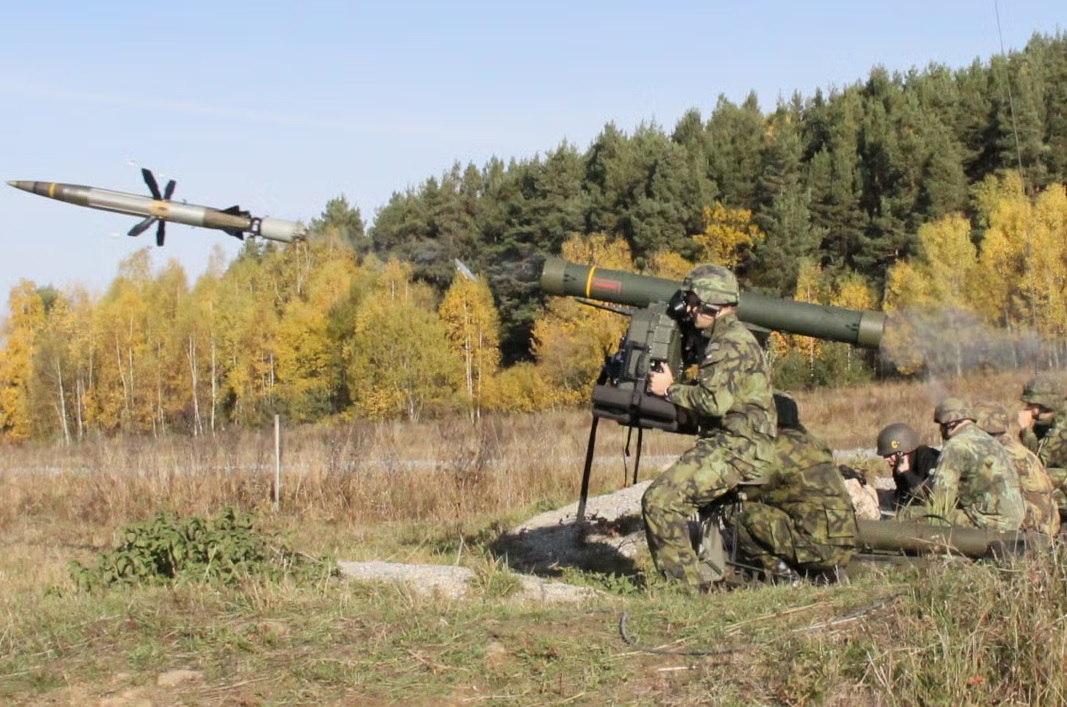
World
Stockholm / Vilnius: Swedish defence major Saab AB has received a major SEK 3 billion order from the Lithuanian Ministry of National Defence for RBS 70 Bolide short-range air defence missiles, marking a significant reinforcement of Lithuania’s layered air defence posture. Deliveries of the missiles are scheduled to take place over a five-year period from 2028 to 2032, Saab confirmed. The procurement has been placed under a framework agreement for Saab’s RBS 70 NG short-range air defence system, involving Saab, the Swedish Defence Materiel Administration (FMV), and the Lithuanian Ministry of National Defence. The framework is designed to ensure long-term availability, predictable deliveries, and sustained operational support for Lithuania’s air defence forces. Strengthening Lithuania’s Air Defence Network Lithuania has operated the RBS 70 air defence system since 2004, making it one of the longest-serving users of the Swedish-designed solution. Over two decades, the system has become a cornerstone of Lithuania’s short-range air defence, valued for its high mobility, battlefield robustness, and resistance to electronic warfare. The latest order focuses on the Bolide missile, the most advanced interceptor developed for the RBS 70 family. The Bolide significantly expands the engagement envelope of the system, enabling Lithuanian forces to counter a broad spectrum of modern aerial threats. “With this order, we continue our commitment to supporting the Lithuanian Armed Forces with our world-leading RBS 70 missiles. These form a key part of the nation’s air defence capability and contribute to keeping Lithuania’s airspace safe,” said Görgen Johansson, Head of Saab’s Business Area Dynamics. Bolide Missile: Capabilities and Performance The RBS 70 Bolide is a high-speed, laser beam-riding missile specifically designed to defeat modern and emerging airborne threats. Unlike heat-seeking missiles, its laser-guided system makes it immune to jamming, flares, and infrared decoys, a decisive advantage in today’s electronic warfare-intensive environment. Key performance parameters of the Bolide missile include: Maximum engagement range: up to 9 km Maximum engagement altitude: up to 5 km Target set: UAVs and loitering munitions, helicopters, fast jets, and low-flying cruise missiles Warhead penetration: capable of penetrating approximately 200 mm of armour, increasing lethality against hardened or fast-moving targets These capabilities significantly enhance Lithuania’s ability to defend critical infrastructure, military formations, and manoeuvring units against low-altitude and high-speed threats. Integration with Mobile Air Defence Systems The RBS 70 NG is already integrated into Lithuania’s vehicle-mounted mobile air defence systems, providing protection to moving military units during manoeuvres and deployments. The system combines missile launchers with surveillance sensors and command-and-control elements, enabling rapid reaction and high operational flexibility. The newly ordered Bolide missiles will further strengthen this mobile air defence layer, ensuring sustained readiness and ammunition availability for years to come. Strategic Significance Lithuanian Minister of National Defence Robertas Kaunas underlined the importance of the deal, stating that strengthening air defence remains a top national priority. The acquisition, he said, ensures an uninterrupted supply of critical air defence ammunition for the Lithuanian Armed Forces at a time of heightened regional security concerns. The SEK 3 billion contract also underscores Saab’s growing role as a key air defence supplier to NATO and European frontline states. As demand rises for highly mobile, short-range air defence systems capable of countering drones, cruise missiles, and fast jets, the RBS 70 NG and Bolide combination continues to attract sustained international interest. With deliveries beginning in 2028 and running through 2032, the agreement represents a long-term investment in Lithuania’s airspace security and a further deepening of defence cooperation between Lithuania and Sweden.
Read More → Posted on 2025-12-31 16:27:10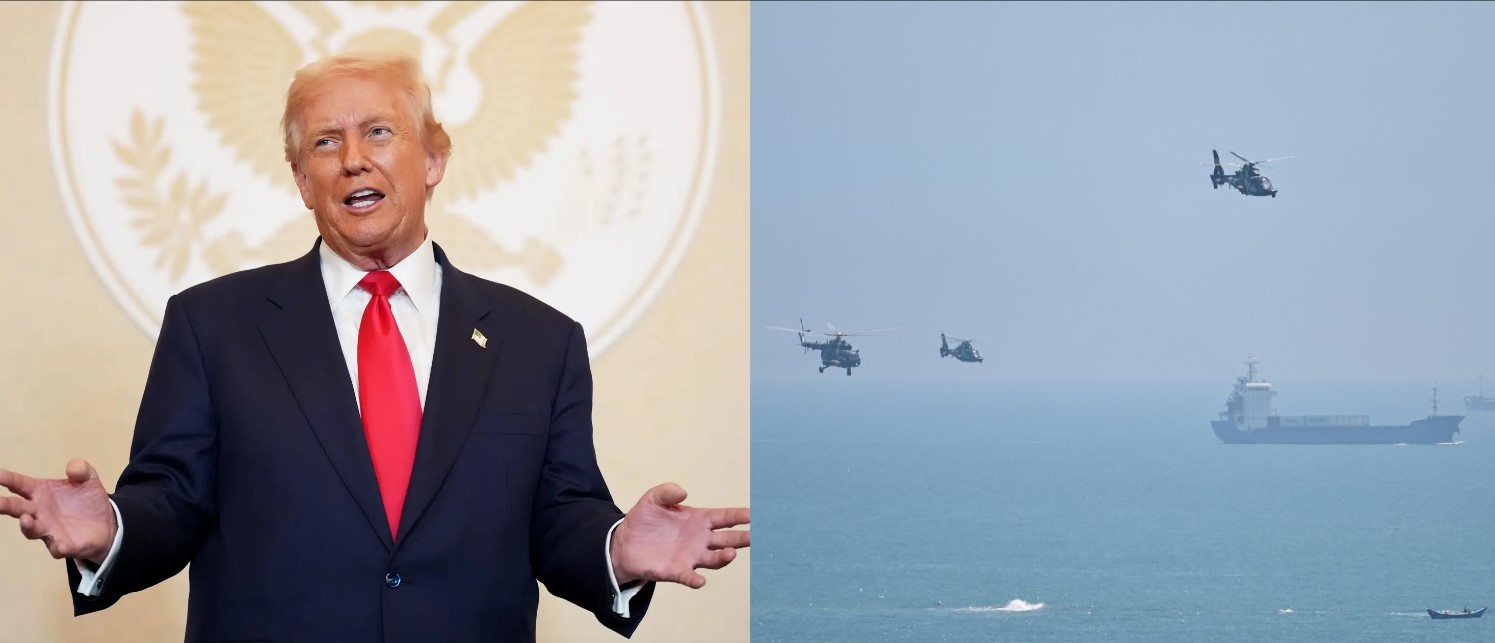
World
U.S. President Donald Trump has dismissed concerns over China’s latest live-fire military exercises around Taiwan, telling reporters he is “not worried” and describing the maneuvers as part of a long-running regional pattern. Speaking to the media, Trump noted that China has conducted naval exercises in the Taiwan Strait for years, and leaned heavily on personal diplomacy, stressing what he called a “great relationship” with Chinese President Xi Jinping. Trump also revealed that Xi did not give him advance notice of the drills, but he nevertheless played down the risk of a near-term crisis. His remarks came as Beijing concluded some of the largest Taiwan-focused military exercises seen in recent years. What China Did: “Justice Mission 2025” Around Taiwan China’s People’s Liberation Army (PLA) launched a large-scale, two-day operation dubbed “Justice Mission 2025” on December 29–30, 2025. The exercise featured extended live-fire activity and multi-domain operations, combining air, naval, and missile forces. According to international reporting, the drills simulated encirclement and blockade scenarios, along with joint air-and-sea strike operations and other integrated combat missions. While official tallies varied, the overall message was consistent: a show of force aimed at Taiwan and a warning to outside powers. Reuters reported that the operation involved around 10 hours of live-fire drills, with 71 military aircraft and 24 naval vessels taking part. The scenarios reportedly included strike missions, maritime control, and anti-submarine warfare components. Why Now: Arms Sales, Signaling, And Deterrence The timing of the drills coincided with a sharp rise in cross-strait tensions following a major U.S. decision. The Trump administration recently announced an $11.1 billion arms package for Taiwan, described as the largest-ever U.S. weapons sale to the island. The package reportedly includes HIMARS rocket systems, artillery, and drones, aimed at strengthening Taiwan’s asymmetric defense posture. Analysts say China’s exercises were intended to send a clear deterrent signal, particularly against what Beijing calls “external interference”—language widely interpreted as a warning to Washington and its allies. Taipei’s Response: Condemnation And Readiness Taiwan’s government strongly condemned the drills, calling them destabilizing and escalatory. Taiwanese defense authorities said they closely monitored PLA aircraft and naval vessels operating around the island and maintained a heightened state of military readiness. International reporting also highlighted concerns over the psychological and coercive impact of the exercises, with Taiwanese officials warning that such actions increase the risk of miscalculation, even in the absence of an immediate crisis. International Pushback: UK And Allies Urge Restraint Diplomatic reactions widened as the drills concluded. The United Kingdom publicly expressed concern and urged restraint, warning that large-scale military activity near Taiwan raises tensions and the risk of escalation. London reiterated its opposition to any unilateral attempt to change the status quo by force or coercion. Debate In Washington: Confidence Versus Caution Trump’s confidence is rooted in his belief that personal rapport with Xi Jinping reduces the chances of a major confrontation. However, China experts and allied governments caution that Taiwan remains a core sovereignty issue for Beijing. They argue that Chinese military activity around the island is often used to test resolve, signal deterrence, and shape political decisions, rather than to indicate a single, imminent move. Recent analysis has framed the exercises as a test of Trump’s Taiwan policy following the record-breaking arms package. What Happens Next As 2026 approaches, the Taiwan Strait enters the new year under heightened international scrutiny. With China intensifying military pressure, the United States expanding military support for Taiwan, and leaders relying heavily on strategic signaling and personal diplomacy, even routine drills now carry amplified geopolitical meaning—especially when they coincide with weapons transfers, elections, or shifts in regional posture.
Read More → Posted on 2025-12-31 16:16:09
World
Moscow / Kyiv : Russia has signalled a fresh escalation in its war against Ukraine, with its top military commander stating that President Vladimir Putin has ordered preparations to expand a so-called “buffer zone” inside northeastern Ukraine in 2026. The announcement was made by Chief of the General Staff Valery Gerasimov, who said Russian forces were pressing forward in border areas of Ukraine’s Sumy and Kharkiv regions. Gerasimov was speaking during an inspection of Russia’s “North” troop grouping, according to Russian state news agencies. Moscow’s Buffer Zone Plan Russian officials describe the buffer zone as a security measure intended to push Ukrainian troops and weapons systems farther away from Russia’s border. Moscow has repeatedly cited cross-border shelling and drone attacks on Russian regions such as Belgorod and Kursk as justification for the policy. The “North” grouping, formed in early 2024, has been operating along the northeastern frontier with the stated aim of creating the buffer zone and preventing Ukrainian forces from staging attacks into Russian territory. Gerasimov said the expansion ordered by Putin would be implemented next year, indicating that Russia intends to deepen and consolidate its presence inside Ukraine’s border regions. Context of Rising Tensions Gerasimov’s remarks come amid heightened tensions following Russia’s vow to retaliate over what it claimed — without presenting evidence — was an attempt to attack Putin’s residence. Ukraine has denied the allegation, saying it was designed to derail diplomatic efforts as the war nears its fourth year. There was no immediate response from Ukrainian military officials to the latest Russian statement. However, Kyiv has consistently rejected the concept of a buffer zone, arguing that it is being used by Moscow to justify further territorial expansion. Ukraine’s Rejection President Volodymyr Zelenskiy has previously dismissed Russia’s plans for Sumy and Kharkiv as “mad” and has pledged that Ukrainian forces will defend the regions. Ukrainian officials say the proposed buffer zone violates Ukraine’s sovereignty and international law, accusing Moscow of disguising offensive operations as defensive measures. Northeastern Ukraine has been a contested front since early 2024, with Russian units attempting to establish footholds near the border and Ukrainian forces conducting counter-operations to repel advances. Fighting in the area has underscored the strategic importance of Sumy and Kharkiv, which lie close to major supply routes and population centres. Outlook for 2026 The announcement of a planned buffer-zone expansion in 2026 suggests that Moscow is preparing for a prolonged conflict rather than a near-term political settlement. Analysts say the move points to continued fighting along the northeastern front, even as diplomatic efforts remain stalled. As both sides harden their positions, the regions bordering Russia are likely to remain a focal point of military activity, keeping tensions high well into the coming year and beyond.
Read More → Posted on 2025-12-31 16:08:58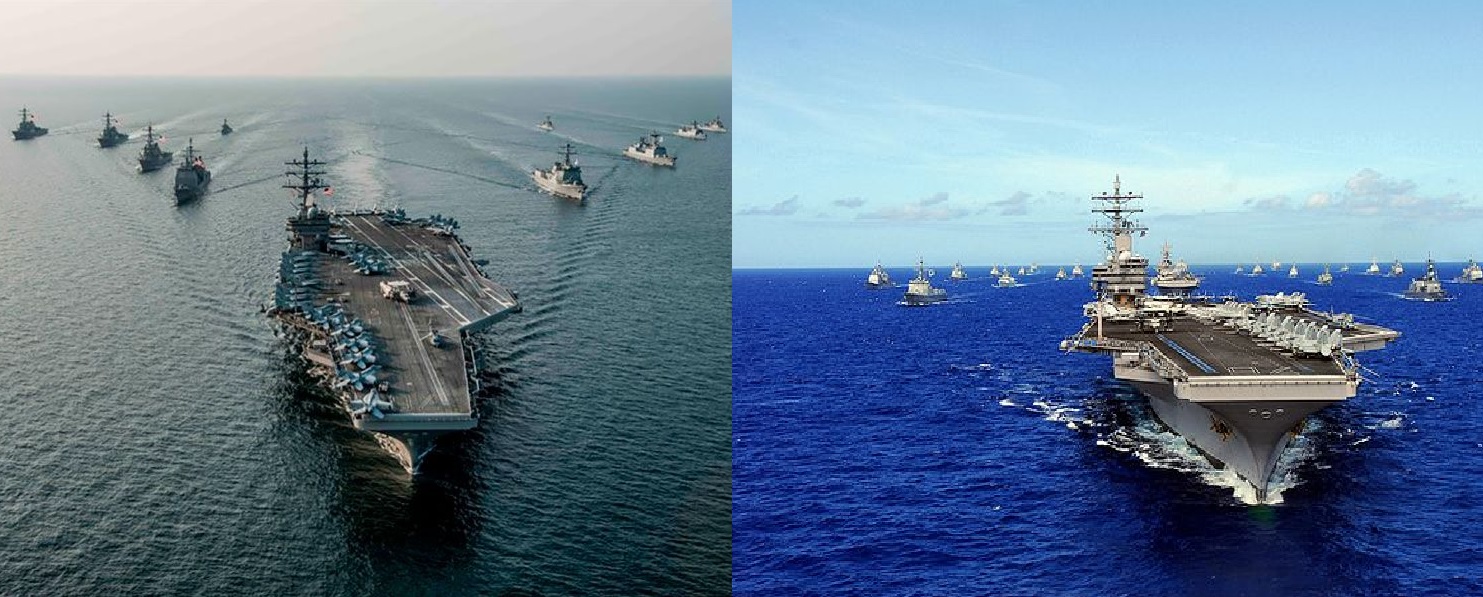
World
Washington/Taipei : The United States has intensified its naval posture in the Western Pacific with the deployment of two aircraft carriers and an amphibious assault ship amid China’s largest live-fire military exercises near Taiwan. The moves reflect escalating tensions in the Taiwan Strait, with Washington signaling its commitment to maintaining freedom of navigation and supporting regional security amid Beijing’s growing military assertiveness. China’s “Justice Mission 2025” drills — spanning multiple designated zones encircling Taiwan — have involved extensive live-fire exercises, simulated blockades of key ports, and combined sea-air operations. Taiwanese authorities reported disruptions to international flights and maintained elevated alert levels as missiles, warships and fighter aircraft operated in waters and airspace around the island. The People’s Liberation Army (PLA) described the maneuvers as a stern warning against “external interference” and a necessary action to safeguard national sovereignty and unity. China’s military activity followed the recent approval of a record U.S. arms package to Taiwan, including missiles, drones and artillery systems — a move denounced by Beijing as provocative. U.S. Naval Deployment: Carriers and Amphibious Power According to fleet-tracking data and defense reports, the U.S. Navy currently has two aircraft carriers operating in the Western Pacific: USS Abraham Lincoln (CVN-72) — A Nimitz-class carrier that recently transited from Guam through the Philippine Sea into the South China Sea, conducting routine operations and integrating with allied maritime forces. USS George Washington (CVN-73) — Forward-deployed at Yokosuka, Japan, and maintaining presence in the wider Pacific amid regional tensions. Both carriers serve as flagship elements of their respective carrier strike groups, bringing significant air power, surveillance, and strike capabilities to the region. Nuclear-powered and equipped with a full complement of fighter aircraft, early warning planes and support helicopters, these carriers are central to U.S. force projection in the Indo-Pacific. In addition to the carriers, the U.S. amphibious assault ship USS Tripoli has been active in the vicinity, operating with embarked F-35B Lightning II jets and supporting extended maritime operations. Tripoli’s presence enhances the U.S. capability to launch aviation and expeditionary missions, underscoring multidomain readiness amid rising tensions. Strategic Implications and Regional Responses The concurrent deployment of two U.S. carriers represents one of the most robust American naval postures in the region in recent years. Analysts view the strengthened presence as designed to deter further escalation and reassure allies such as Japan, South Korea, the Philippines and Taiwan of continued U.S. commitment to regional stability. For its part, Taiwan has maintained heightened defensive readiness, conducting rapid-response drills and monitoring PLA movements with coast guard and military forces. The island’s leadership has condemned Beijing’s drills as intolerable provocations threatening peace in the region. Beijing, however, insists the exercises were a demonstration of integrated combat capability and a direct counter to what it casts as separatist movements and foreign interference. Senior Chinese officials have reiterated the goal of reunification with Taiwan, framing the operations within broader national security objectives. Global Repercussions and Future Outlook The standoff around Taiwan is drawing international scrutiny as the PLA’s extensive live-fire exercises and U.S. naval deployments contribute to heightened strategic competition in East Asia. Allies within the Quad grouping — the United States, Japan, Australia and India — have also discussed regional security concerns, signaling a broad diplomatic response to China’s military expansion. Defense experts caution that sustained military posturing, if not managed through diplomatic channels, could increase the risk of miscalculation. With China’s drills described as among the largest to date and U.S. carriers showcasing operational reach, the Taiwan Strait remains a focal point of potential flashpoints in the coming months. As the new year begins, Washington and Beijing face mounting pressure to navigate the delicate balance between deterrence and escalation, with far-reaching implications for Indo-Pacific security and the broader international order
Read More → Posted on 2025-12-31 14:23:41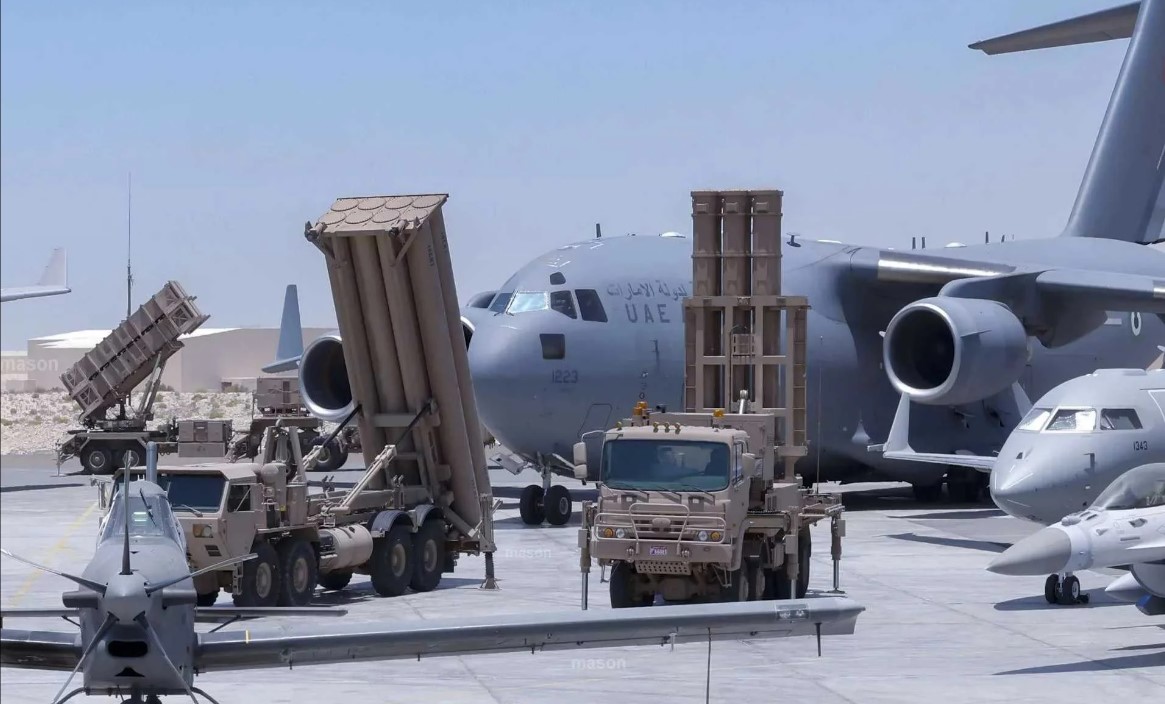
World
Washington / Abu Dhabi : Lockheed Martin has secured a $142.6 million contract modification from the United States government to continue long-term sustainment support for the United Arab Emirates’ Terminal High Altitude Area Defense (THAAD) missile defence system, reinforcing Washington’s commitment to strengthening integrated air and missile defence capabilities among key Gulf partners. The award, issued under the U.S. Foreign Military Sales (FMS) programme, raises the total value of the overarching THAAD sustainment contract to $876.7 million. The contract is being administered by the Missile Defense Agency (MDA) from Huntsville, Alabama, under contract number HQ0147-19-C-5001, with all funds fully obligated at the time of award. Sustainment of a Critical Missile Shield The latest modification ensures continued operational readiness of the UAE’s two THAAD batteries, which form the upper tier of the country’s layered missile defence architecture. The scope of work includes logistics and supply chain support, engineering and technical services, hardware and software sustainment, missile and ground system repair, training support, hardware-in-the-loop testing, missile field surveillance, and country-specific engineering enhancements tailored to Emirati operational requirements. THAAD is designed to intercept and destroy short-, medium-, and intermediate-range ballistic missiles during the terminal phase of flight using hit-to-kill kinetic interceptors, providing protection over wide areas and complementing lower-tier systems such as Patriot. Strategic Importance for the Gulf The UAE was the first international customer to acquire THAAD, with deliveries beginning in 2015, marking a major milestone in U.S. missile defence exports. Since then, the system has become a cornerstone of Emirati airspace defence amid a regional environment characterised by growing ballistic and cruise missile proliferation. Defence analysts view the sustainment award as a signal of deepening U.S.–UAE strategic alignment, particularly as Gulf states prioritise integrated, networked missile defence to counter evolving aerial threats. Continued investment in sustainment reflects the reality that high-end missile defence systems require constant technical support and upgrades to remain effective. Industrial and Operational Footprint Work under the contract will be carried out across multiple U.S. locations — including Alabama, Texas, Arkansas, and California — as well as at operational sites in the UAE. While Lockheed Martin has not issued a public statement on the award, the programme is expected to support skilled jobs and specialised defence manufacturing and sustainment capabilities within the U.S. industrial base. Long-Term Defence Cooperation The contract modification underscores the long-term nature of missile defence partnerships under the FMS framework, where sustainment, training, and lifecycle support often extend well beyond initial system delivery. As missile threats in the Middle East continue to evolve, systems like THAAD are expected to remain central to regional deterrence and air defence planning. With the latest $142.6 million award, Lockheed Martin and the U.S. government reaffirm their commitment to ensuring that the UAE’s THAAD system remains fully mission-capable, technologically current, and operationally resilient for years to come.
Read More → Posted on 2025-12-31 14:00:35
World
San Diego / Europe : Kratos Defense & Security Solutions, Inc. has successfully completed the first Factory Acceptance Test (FAT) of its EPOCH Command and Control (C2) software in collaboration with Airbus Defence and Space, marking a critical milestone in the deployment of Airbus’s OneSat next-generation software-defined satellite platform. The successful test confirms that EPOCH can fully support OneSat’s dynamic in-orbit reconfiguration capability, enabling satellite operators to rapidly reshape coverage, bandwidth, and mission profiles after launch. This capability represents a fundamental shift away from traditional fixed-payload satellites toward flexible, software-defined space systems. Enabling Next-Generation Software-Defined Satellites Unlike conventional satellites with static configurations, the OneSat platform is designed for frequent software updates, greater onboard autonomy, and long-term mission adaptability. While this architecture significantly enhances operational flexibility and commercial responsiveness, it also increases the complexity of ground command and control operations. To address these challenges, Kratos integrated new advanced capabilities into a recent EPOCH software release, specifically engineered to operate in tandem with OneSat’s highly dynamic architecture. These upgrades allow the ground system to manage real-time mission reconfiguration, autonomous satellite behavior, and rapid operational changes while maintaining high levels of safety, redundancy, and reliability. Factory Acceptance Test Confirms Operational Readiness During the Factory Acceptance Test, joint engineering teams from Kratos and Airbus conducted extensive system validation. The test verified that EPOCH’s hardware and software complied with all safety, redundancy, and performance requirements, successfully communicated with a simulated OneSat satellite, and functioned exactly as designed across multiple operational scenarios. Upon completion, the system achieved formal acceptance by Airbus, confirming its readiness for operational deployment. Maurizio Scotta, President of Kratos Communications, stated that the successful milestone reflects the close collaboration between the two companies. He emphasized that the flexibility of the EPOCH system architecture, combined with the deep expertise of Kratos personnel, enables Airbus to unlock the full operational potential of the OneSat platform, delivering faster reconfiguration, smarter operations, and greater mission agility for customers. Airbus Signals Confidence Ahead of Launch Elodie Viau, Senior Vice President of Telecommunication and Navigation at Airbus Defence and Space, said the achievement provides full confidence in the reliability and performance of the EPOCH command and control system that will operate OneSat satellites in orbit. She described the milestone as a key step forward as Airbus prepares for upcoming launches and continues to deliver innovative software-defined satellite solutions to commercial and government operators worldwide. Strategic Impact on the Global Space Sector With more than 20 years of experience in satellite command and control systems, Kratos positions EPOCH as a cornerstone technology for managing next-generation space assets. The successful validation with OneSat underscores a broader industry transition toward software-defined satellite constellations, where ground systems must evolve to keep pace with autonomous, reconfigurable, and mission-adaptive spacecraft. As demand grows for greater flexibility, resilience, and responsiveness in space operations, the successful integration of Kratos EPOCH with Airbus OneSat places both companies at the forefront of the software-defined space revolution, reinforcing the critical role of advanced ground control software in shaping the future of satellite operations.
Read More → Posted on 2025-12-31 13:33:32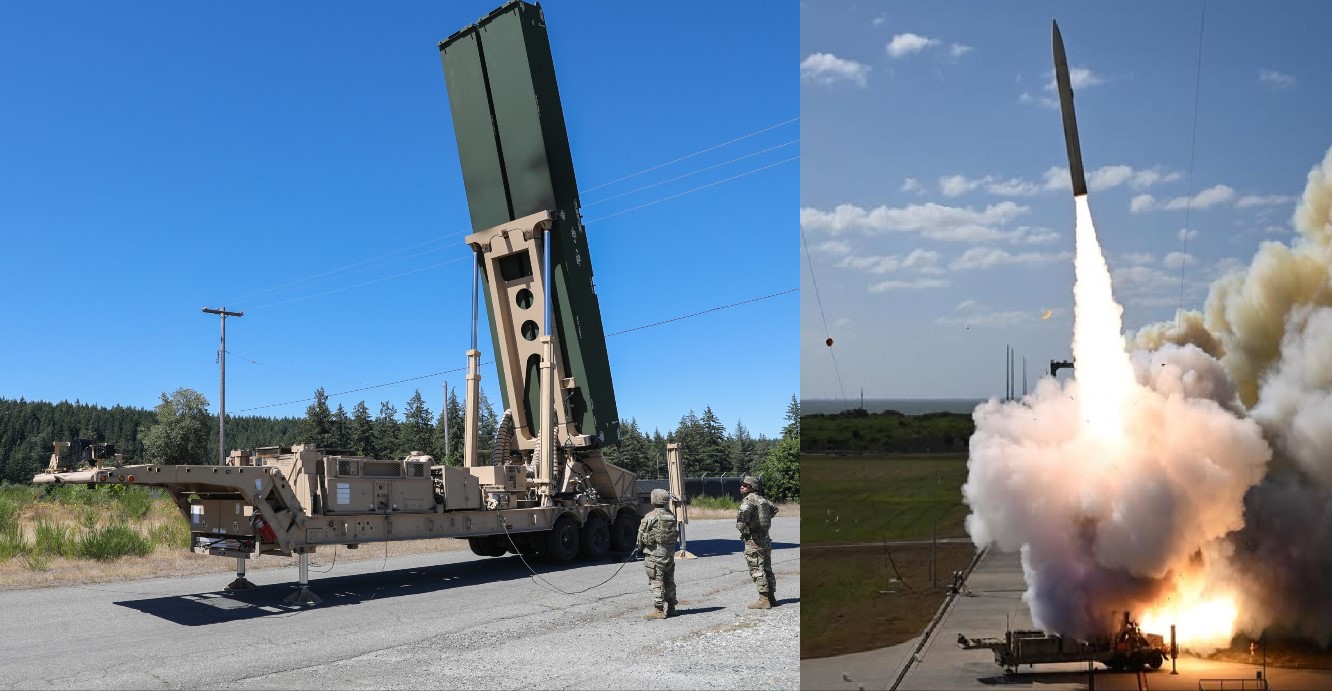
World
BERLIN/WASHINGTON : The United States is under growing pressure to accelerate its planned deployment of land-based, long-range strike weapons to Germany after Russia and Belarus showcased the arrival of the nuclear-capable “Oreshnik” hypersonic missile system on Belarusian soil — a move that dramatically compresses warning times for parts of NATO’s eastern flank and reinforces Moscow’s message that it can escalate faster than Western capitals can deliberate. While Washington and Berlin have not publicly announced a revised schedule, the baseline plan already envisions U.S. Army “episodic deployments” of a package that includes Tomahawk land-attack cruise missiles, SM-6 missiles, and a developmental hypersonic weapon widely referred to as the Long-Range Hypersonic Weapon (LRHW) / “Dark Eagle”, starting in 2026. The Trigger: Oreshnik Footage, a Former Airbase, and a New Forward Posture On December 30, 2025, Belarus released footage showing Oreshnik launchers being placed on combat duty, with President Alexander Lukashenko confirming the system’s presence in-country. Independent analysts cited in reporting said indicators point to a former airbase near Krichev in eastern Belarus as a likely deployment site. Russia has cast Oreshnik as exceptionally hard to stop, with reporting describing speeds over Mach 10 and a range in the 5,000 km to 5,500 km class, depending on the public claim or assessment — distances that place large parts of Europe within reach from Belarus. Russia has also spoken of stationing up to 10 systems there, underscoring the scale of the messaging effort as much as the military effect. What the U.S. Package for Germany Includes The U.S.–Germany plan was formally announced on July 10, 2024, on the sidelines of the NATO summit in Washington. The joint statement said the U.S. would begin 2026 “episodic deployments” of the long-range fires capabilities associated with its Multi-Domain Task Force construct, as groundwork for “enduring stationing” later. When fully developed, the deployed toolkit is expected to include three headline systems. First is Tomahawk, a long-range land-attack cruise missile adapted for ground launch as part of the U.S. Army’s mid-range capability architecture. Second is SM-6, a multi-mission missile better known as a naval weapon but now being positioned as a land-based option for air defense and maritime/land strike roles under the same family of launch systems tied to U.S. Army long-range fires. Third is the LRHW / “Dark Eagle” — the developmental hypersonic element of the 2026 package. Open-source technical descriptions commonly cite a maximum speed around Mach 17 and a range on the order of 1,725 miles (2,775 km) for the weapon concept as presented publicly. The Launchers and the Math Behind “Salvo” Capacity A key enabling system for the non-hypersonic portion of this approach is the U.S. Army’s Typhon launcher (also referred to in analysis as a Mid-Range Capability system), designed to fire Tomahawk and SM-6 from ground-based launchers. One NATO-region assessment describes a Typhon battery as four launchers capable of firing up to 16 missiles in a single collective salvo (a mix of Tomahawks and SM-6s), a detail that helps explain why planners view the system as more than symbolic: it is designed for repeatable, mobile, land-based strike at scale. Is the Pentagon “Fast-Tracking” the Move? Claims that the Pentagon is “fast-tracking” missile deployments to Germany have circulated in OSINT and social media commentary in recent days, largely framed as a response to the Belarus/Oreshnik developments. However, the most authoritative public record still points to the previously announced 2026 start for episodic deployments, and no official U.S. or German statement has yet confirmed a formally accelerated timeline. What has changed is the strategic context. Russia’s Belarus deployment is being interpreted by multiple observers as an attempt to deter NATO support for Ukraine and to complicate Western basing decisions — especially as arms control timelines tighten and European capitals debate how much risk they can absorb. Why Germany Matters — and Why the U.S. Needs Allies The 2024 announcement tied the deployments to broader European integrated deterrence, implicitly acknowledging that geography, access, and allied infrastructure are decisive in any contest of long-range fires. That reality is now sharper: Belarus offers Russia a more forward location for advanced missiles, while Germany offers the United States the central logistics, command connectivity, and political weight to field countervailing capabilities credibly inside NATO’s core. Whether Washington keeps to 2026 or tries to compress preparations, the direction of travel is the same — more land-based long-range strike in Europe, more hypersonic signaling from Moscow, and less room for ambiguity about how dependent the U.S. is on allied territory when the strategic clock speeds up.
Read More → Posted on 2025-12-30 17:21:54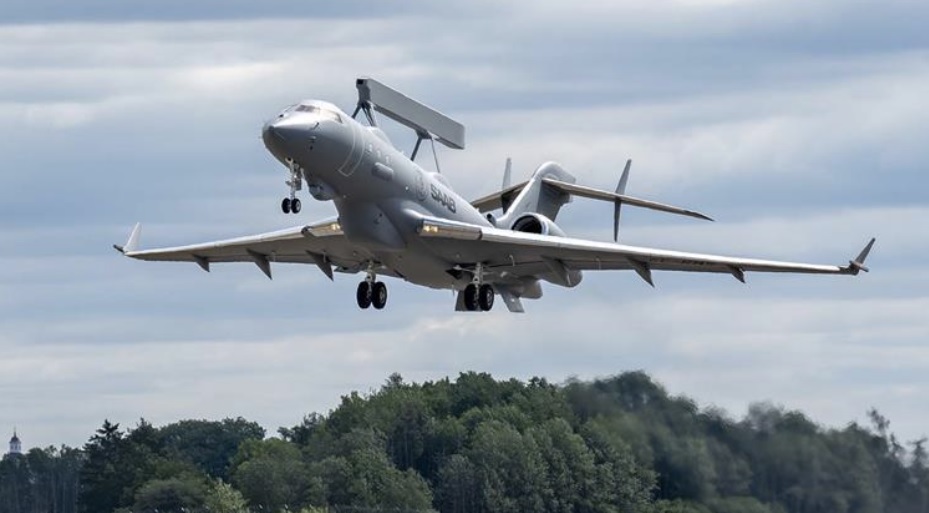
World
France : France has signed a major defence procurement contract with Saab for the acquisition of two GlobalEye Airborne Early Warning and Control (AEW&C) aircraft, marking a significant upgrade to the country’s long-range surveillance and command-and-control capabilities. The agreement was concluded with France’s defence procurement authority, the Direction générale de l’armement (DGA), and is valued at approximately SEK 12.3 billion. According to Saab, the contract covers not only the aircraft themselves but also ground-based support equipment, comprehensive training programmes, and long-term logistical and technical support. Deliveries of the two GlobalEye platforms are scheduled to take place between 2029 and 2032. The agreement further includes an option for the DGA to procure two additional aircraft, potentially doubling France’s GlobalEye fleet in the next decade. Commenting on the development, Micael Johansson, President and CEO of Saab, said the order highlights the strength of the strategic partnership between France and Sweden. He stated that France’s selection of GlobalEye represents an investment in a highly advanced AEW&C capability and reinforces national sovereignty while contributing to broader European security. With this decision, both France and Sweden will operate the same airborne early warning platform. The GlobalEye system is designed as a multi-domain surveillance and command solution, capable of detecting and tracking threats across air, sea, and land environments. The platform integrates a combination of active and passive sensors, enabling long-range detection, identification, and tracking of a wide spectrum of targets, including aircraft, surface vessels, and low-observable threats. A defining feature of GlobalEye is its ability to fuse data from multiple sensors into a single, real-time operational picture. This information can be shared with air force, army, and naval units, significantly improving situational awareness and enabling earlier warning of potential threats. Such capabilities are increasingly critical as modern battlefields become more complex and contested, with faster decision-making and cross-domain coordination playing a decisive role. For France, the acquisition aligns with its broader defence modernisation efforts and its emphasis on strategic autonomy, high-end capabilities, and interoperability with European and allied forces. The GlobalEye aircraft are expected to complement existing airborne surveillance assets while offering extended range, endurance, and multi-domain coverage. The contract also strengthens Saab’s footprint in the European defence market, underlining growing demand for advanced airborne early warning solutions amid a changing security environment. As deliveries begin in 2029 and continue through 2032, the GlobalEye programme is set to become a central pillar of France’s future air surveillance and battle-management architecture, while further deepening defence cooperation between Paris and Stockholm.
Read More → Posted on 2025-12-30 17:05:36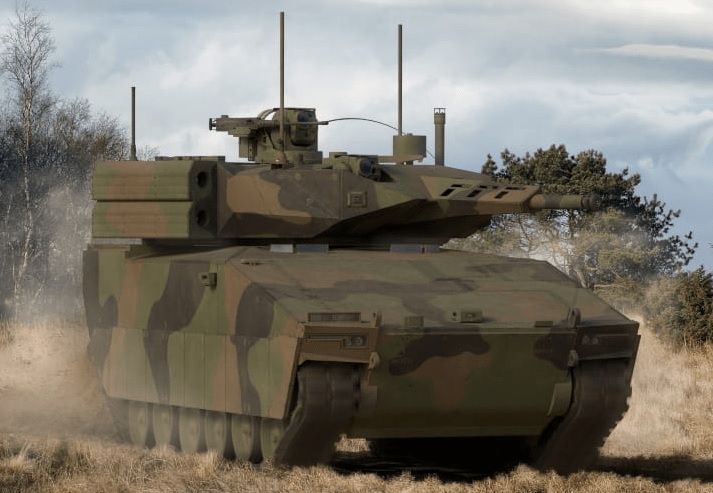
World
WASHINGTON, D.C: The U.S. Army is poised to accelerate development of its next-generation mechanized combat vehicle after the Department of Defense unveiled its Fiscal Year (FY) 2026 budget request, allocating approximately $386.4 million to the XM30 Combat Vehicle program. The investment sustains momentum for the long-planned Bradley Infantry Fighting Vehicle replacement and moves the program deeper into detailed engineering and prototype efforts without yet committing to full-scale production. From Concept to Prototype The XM30 Combat Vehicle, previously known as the Optionally Manned Fighting Vehicle (OMFV), represents the Army’s most ambitious effort in decades to modernize its armored forces and replace the aging M2 Bradley Fighting Vehicle, which has been in service since 1981. Under the FY 2026 budget blueprint, funding will support the transition from the Preliminary Design Review (PDR) to the Critical Design Review (CDR) phase. This shift marks a milestone in moving from abstract design toward the construction of physical prototypes and integrated systems testing. Army leaders have framed this stage as essential for validating vehicle architecture, survivability suites, and digital systems that will define the XM30’s battlefield effectiveness. Both industry competitors — General Dynamics Land Systems, with its Griffin III-based platform, and American Rheinmetall Vehicles, offering a variant based on the Rheinmetall KF41 Lynx — are under firm-fixed-price contracts supporting system development and demonstration. The Army’s continued investment in dual pathways preserves competitive tension and technical comparison ahead of a future selection decision. A Strategic Pivot for Army Modernization The XM30 program is part of the broader Next Generation Combat Vehicle (NGCV) portfolio, one of several key modernization priorities that also includes the new M1E3 Abrams main battle tank. Unlike previous replacement efforts that faltered under technical and budgetary challenges, the XM30 initiative leverages an open systems architecture and digital engineering tools to enable rapid upgrades as technologies evolve. According to Congressional Research Service documentation, the XM30 is being acquired through a five-phase approach, starting with market research and advancing through concept and detailed design, prototype build and test, and ultimately limited production. The platform is designed as an optionally manned vehicle, meaning it can operate with an onboard crew or with remote control, depending on mission requirements — a significant leap in tactical flexibility. Technical Aspirations and Future Capabilities The XM30 is expected to deliver decisive lethality on the modern battlefield with advanced sensors, robust troop protection, and enhanced situational awareness. Hybrid-electric propulsion is a core program requirement, offering improved fuel efficiency, reduced thermal signature, and support for silent watch operations. Digital backbone architecture and modular systems are intended to future-proof the vehicle against emerging threats, including integration with unmanned systems and AI-enabled targeting solutions. While the Army has not finalized exact production numbers or dates, planning documents indicate that prototype fabrication and system trials could accelerate in 2027, with a Milestone C decision — the formal authorization to enter low-rate initial production — targeted for early FY 2028. Balancing Legacy and Innovation Despite the XM30’s progress, the Bradley family of vehicles will remain in service for years to come. Modernized Bradley variants, such as the M2A4E1 equipped with improved powerplants and active protection systems, will continue to support Army formations while XM30 prototypes are tested and matured. The FY 2026 investment in the XM30 program underscores the Pentagon’s commitment to transforming ground combat capabilities in the face of evolving global threats. By advancing detailed design and prototyping efforts, the Army aims to field a vehicle that not only replaces the Bradley but reshapes infantry maneuver warfare for the decades ahead.
Read More → Posted on 2025-12-30 16:59:59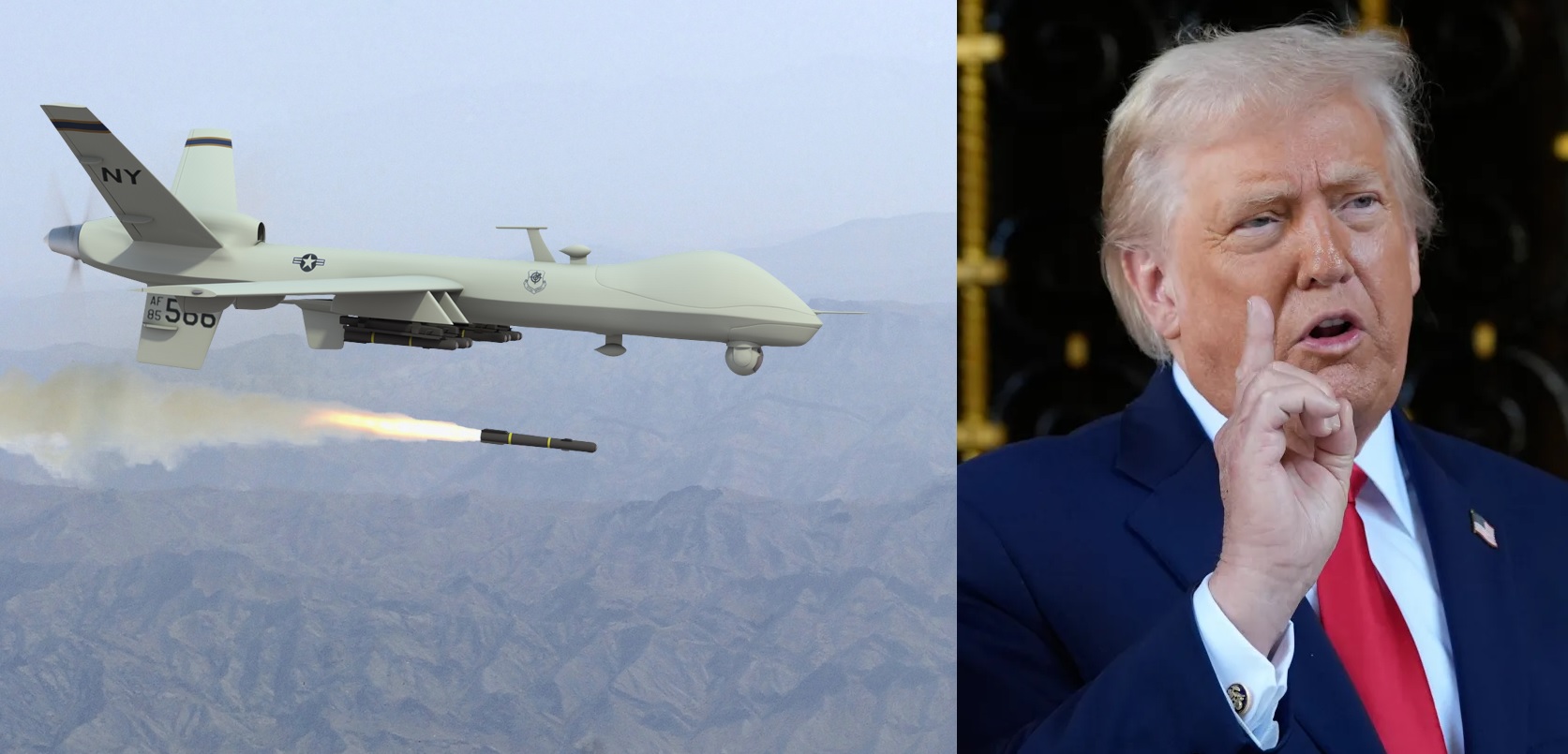
World
Washington / Caracas: The United States has quietly carried out what appears to be its first known drone strike inside Venezuela, targeting a coastal port facility believed to be linked to drug-trafficking networks, according to multiple sources familiar with the matter. The operation, attributed to the Central Intelligence Agency, marks a significant escalation in Washington’s counter-narcotics posture in the Caribbean region and introduces new diplomatic and legal questions in an already strained U.S.–Venezuela relationship. Sources cited by CNN said the drone strike took place earlier this month against a remote dock facility on Venezuela’s coastline, believed by U.S. authorities to be used as a logistics node for maritime drug shipments. The facility was reportedly associated with the Tren de Aragua, a transnational criminal organization that U.S. officials have increasingly linked to narcotics trafficking and organized crime across the Americas. Conflicting Accounts on Military Involvement Two individuals familiar with the operation told CNN that U.S. Special Operations Forces provided intelligence support, underscoring continued American involvement in counter-drug activities near Venezuelan territory. However, that claim was publicly denied by Col. Allie Weiskopf, a spokesperson for U.S. Special Operations Command, who stated that Special Operations did not support the mission, “to include intel support.” The denial highlights the opaque nature of the operation, with no formal acknowledgment from the Pentagon or the CIA, and no release of imagery, strike footage, or after-action details. Trump Statement Triggers Scrutiny Public attention intensified after Donald Trump made a brief but striking claim on December 29, 2025, saying the United States had “hit” and destroyed a dock or coastal loading area in Venezuela, describing a “major explosion.” The president did not disclose the location, the platform used, the type of munition, or whether the strike was conducted by the U.S. military or another government agency. That statement, coupled with subsequent media reporting, has been interpreted as tacit confirmation of a U.S. lethal action on Venezuelan soil, something Washington has previously avoided even amid years of sanctions, covert pressure, and maritime drug interdictions. Target, Tactics, and Likely Weapons According to CNN’s reporting, the dock was unoccupied at the time of the strike, resulting in no casualties. U.S. officials believed the site was used to store narcotics, refuel boats, and transfer drug consignments onto small vessels for onward shipment through Caribbean trafficking routes. Military analysts note that such remote boat-loading docks present compact, high-value aimpoints, including pier decking, fuel storage, and small craft, making them suitable for precision engagement. A medium-altitude, long-endurance armed drone is considered a plausible platform, given its ability to conduct extended surveillance and strike when a site is clear of civilians. A precision missile, such as a Hellfire-class weapon, would align with the reported level of destruction, with the described “major explosion” potentially caused by secondary fires or fuel ignition rather than the warhead alone. However, U.S. officials have not confirmed the platform or munition used, and all assessments remain informed inference, not verified fact. Legal and Diplomatic Implications The strike represents a sharper and more unilateral turn in U.S. counter-narcotics enforcement. Conducting a covert drone strike inside Venezuela, a country with which the United States has no formal security cooperation, raises questions under international law, particularly regarding sovereignty and the use of force outside active armed conflict zones. Caracas has not issued a detailed public response, but any confirmed U.S. attack could further inflame tensions with Venezuela, whose government has long accused Washington of covert aggression and regime-change operations. A Broader Shift in U.S. Counter-Narcotics Strategy The operation suggests a potential expansion of U.S. drone use beyond traditional theaters such as the Middle East and Africa, into the Western Hemisphere. While the United States has routinely conducted maritime interdictions, surveillance flights, and partner-nation operations in the Caribbean, direct kinetic action inside Venezuela would represent a notable policy shift. For now, the strike remains unacknowledged in official channels, but its implications are significant: a signal that Washington may be prepared to act unilaterally and covertly against perceived drug-trafficking infrastructure, even inside politically hostile states. As more details emerge, the incident is likely to face intense scrutiny from lawmakers, legal experts, and regional governments—testing the boundaries of U.S. counter-narcotics authority in the Americas.
Read More → Posted on 2025-12-30 15:47:10Search
Top Trending in 24 Hours
-
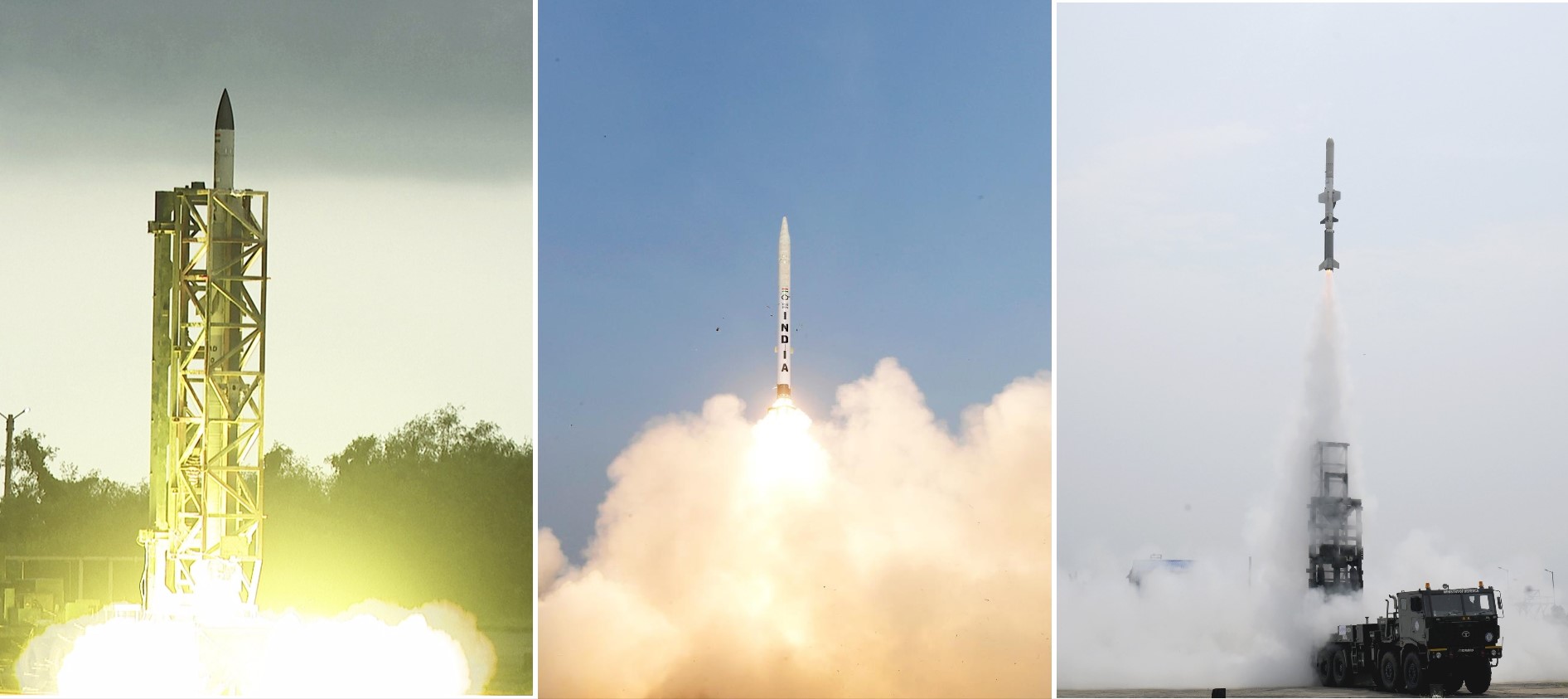 India Successfully Conducts AD-1, AD-2 Interceptor Tests and Maiden NASM-MR Flight Trial
-
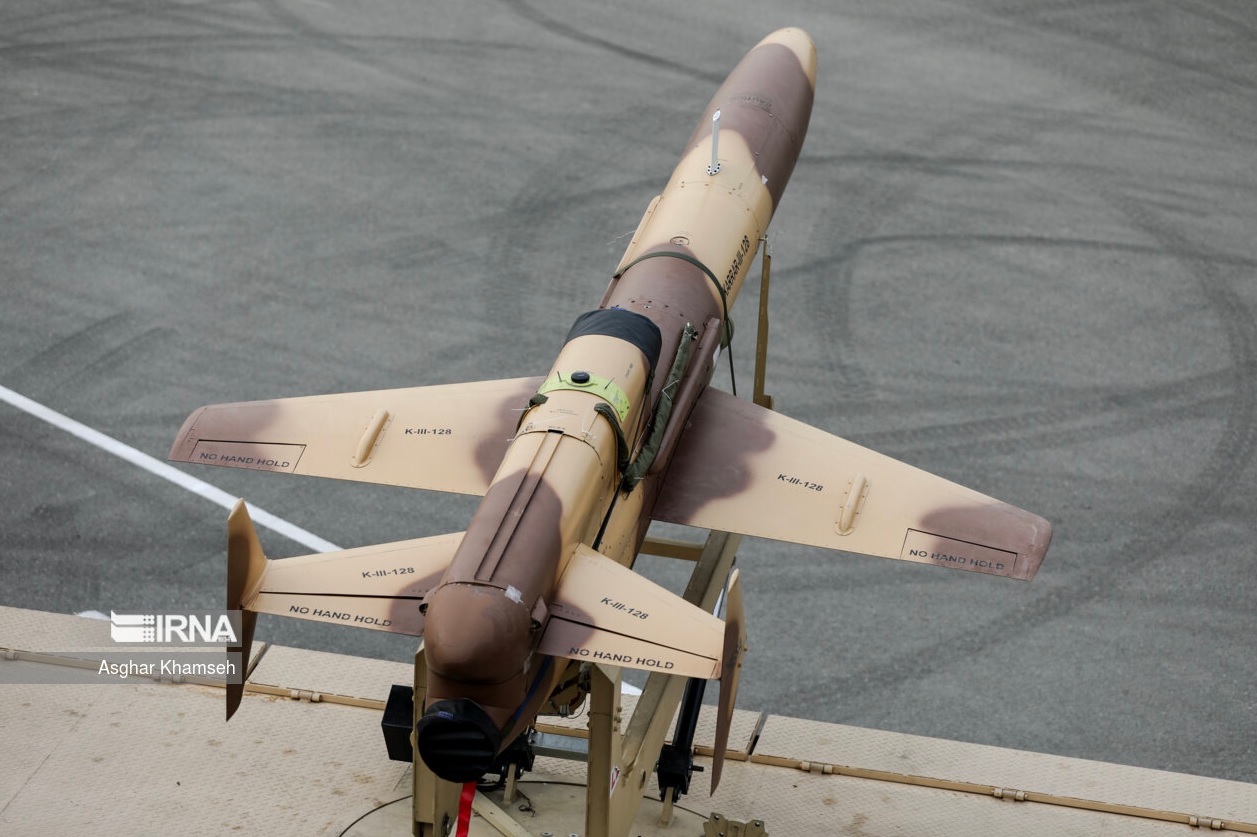 Russia Launches 1,400 Jet-Powered Drones in 2026 as Strike Tactics Evolve to Challenge Ukraine's Air Defenses
-
 U.S Navy Orders 50 Blackbeard Hypersonic Missiles in New $23.4 Million Contract
-
 UAE Denies Reports of Releasing Up to $20 Billion in Funds to Iran Amid Regional De-Escalation Efforts
-
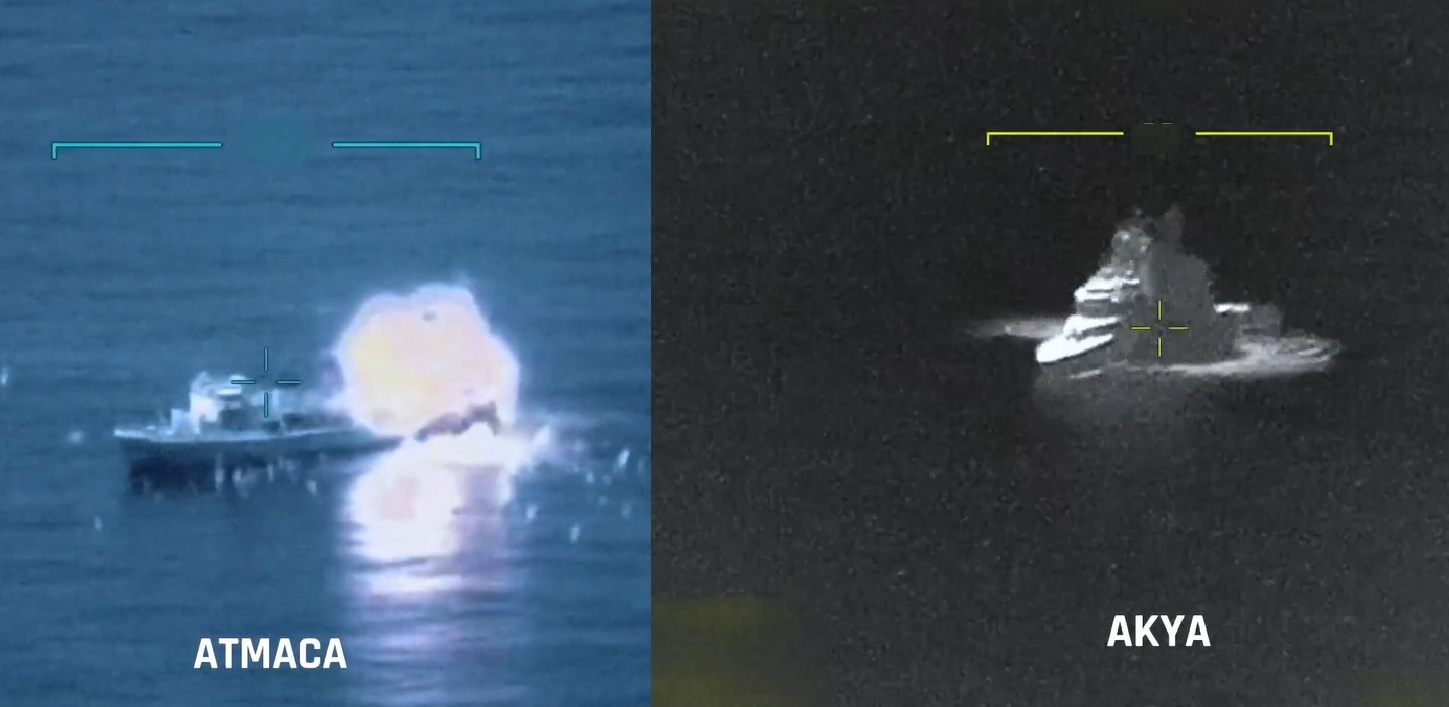 Turkey Navy Successfully Tests AKYA Torpedo and ATMACA Missile During Major Denizkurdu-II Naval Exercise
-
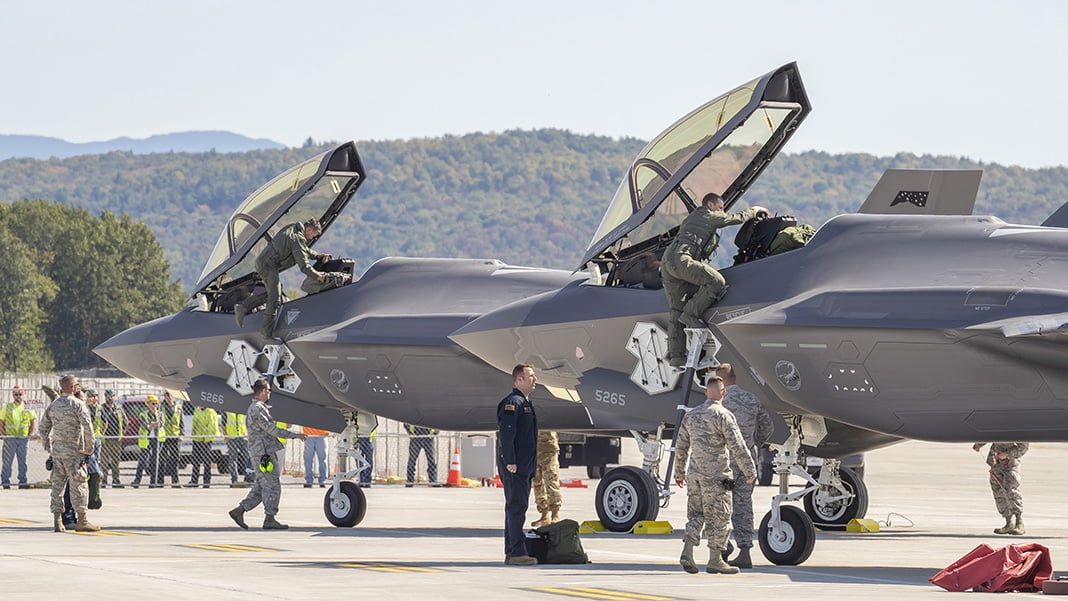 F-35 Fleet Readiness Falls to 25% Amid Parts Shortages and Software Delays: GAO Report
-
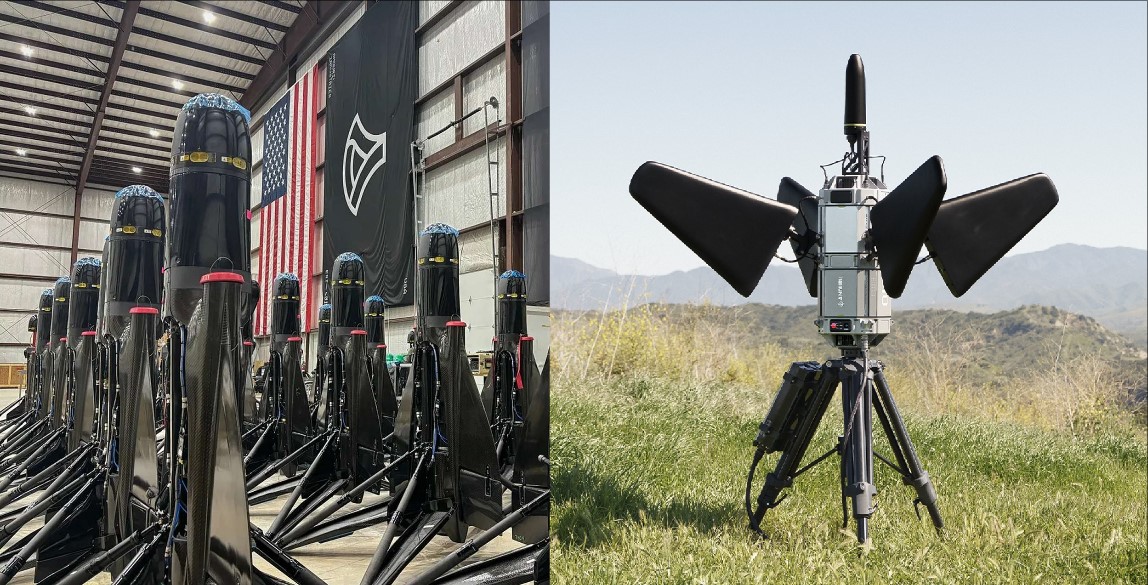 U.S. Approves $1.98 Billion Sale of Anduril AI-Powered Counter-Drone Systems to Kuwait
-
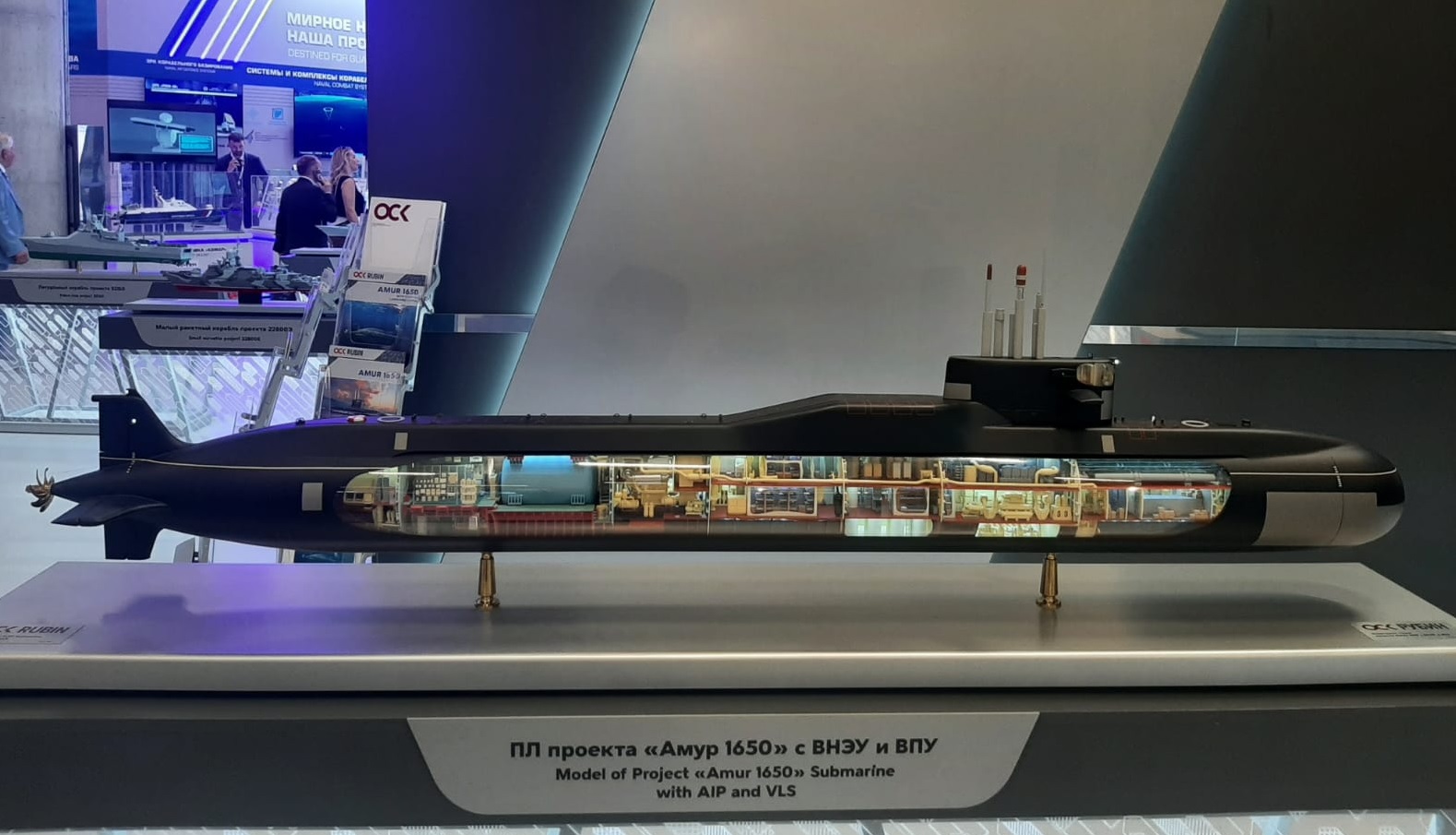 Russia Unveils Amur-1650 AIP Submarine Equipped with BrahMos Vertical Launch System at Fleet-2026
Top Trending in 4 Days
-
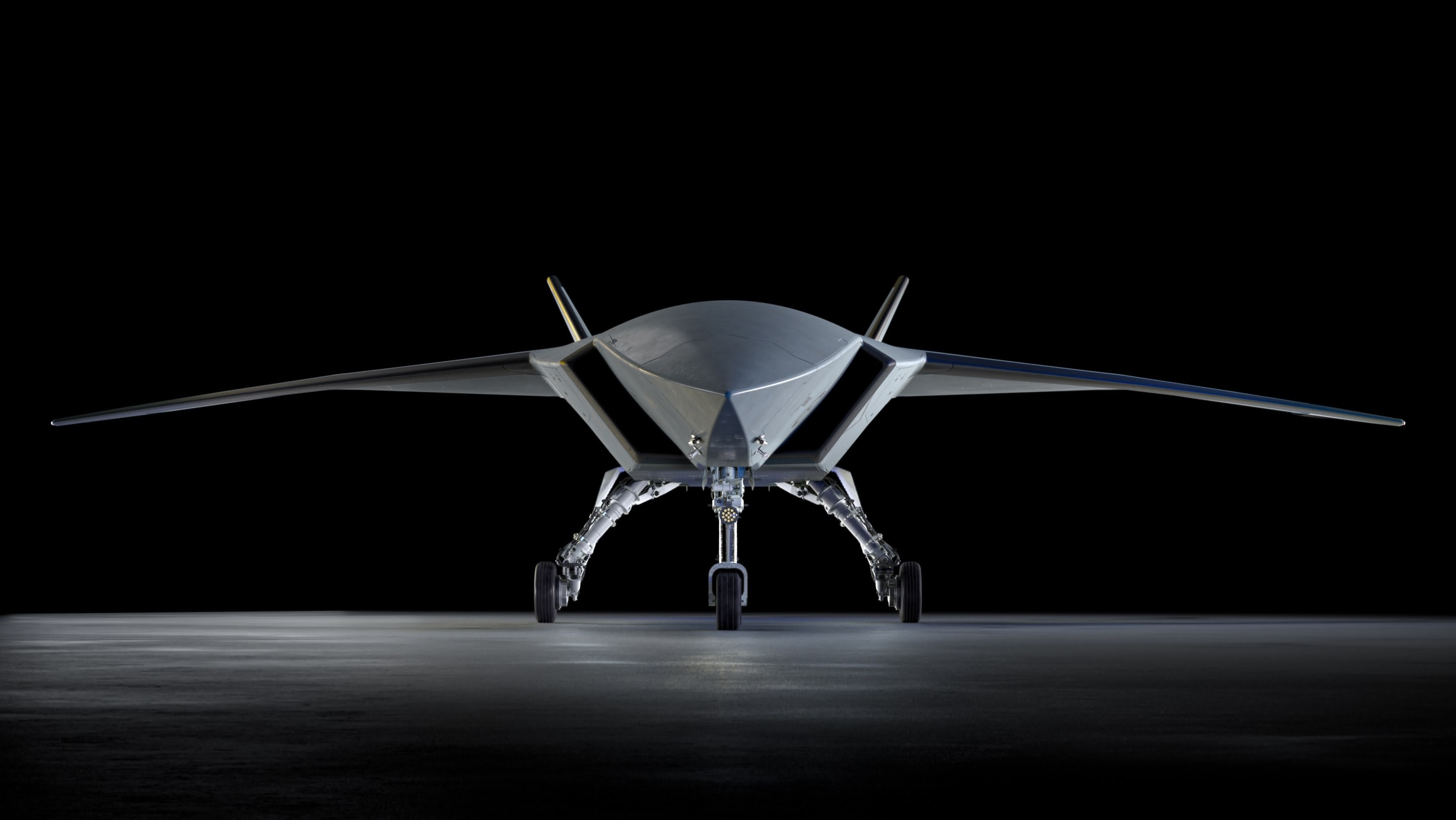 Boeing Introduces New MQ-28 Ghost Bat Upgrades with Increased Range, Payload and Weapons Capacity at ILA Berlin 2026
-
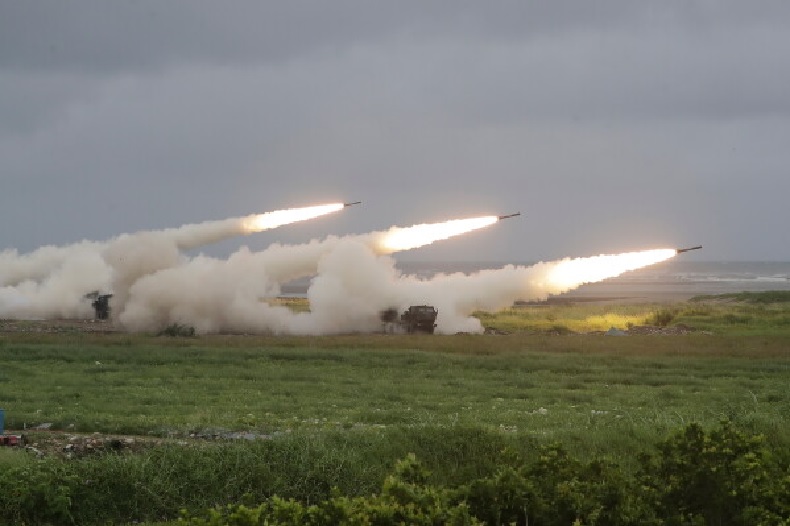 Taiwan Conducts First Live-Fire of HIMARS Rockets From West Coast During Invasion Defense Drill
-
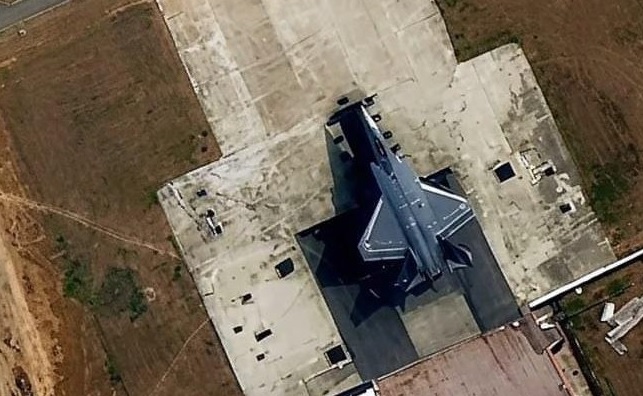 AMCA Airframe Spotted at DRDO’s ORANGE Facility for Radar Cross-Section Testing
-
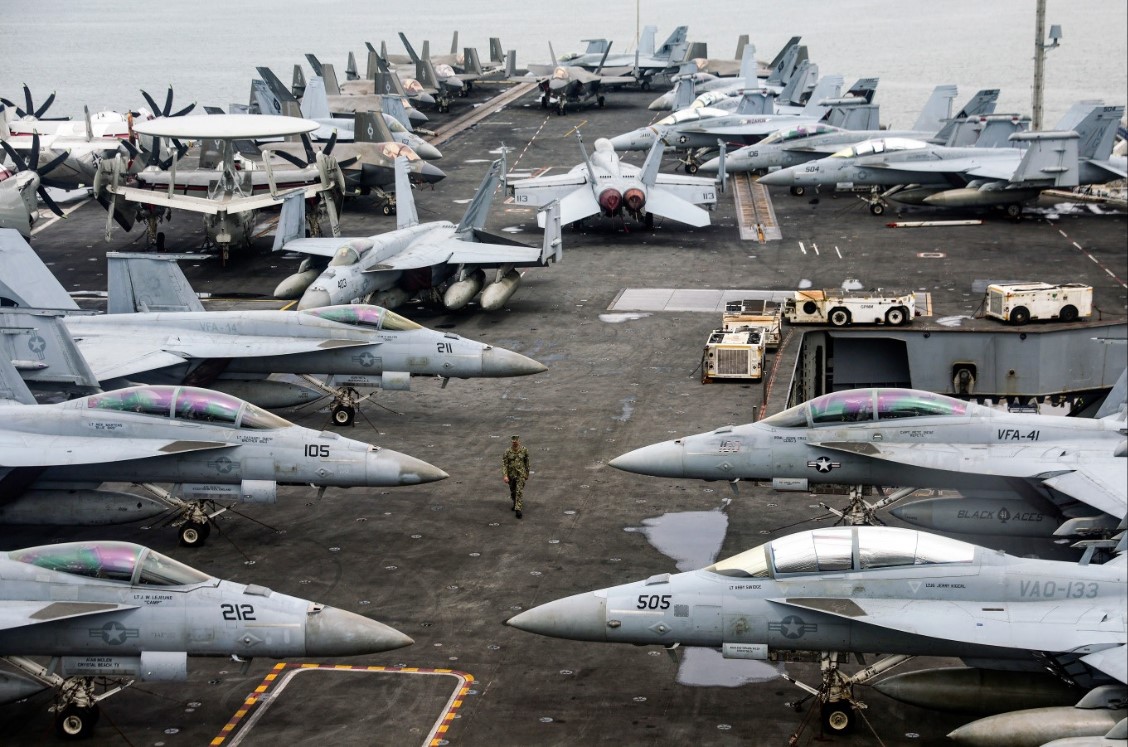 US Plans Significant Reduction of Fighter Jets and Warships for NATO Operations in Europe
-
 Iranian Media Leaks 14-Point U.S.-Iran Peace Framework Amid Ongoing Negotiations
-
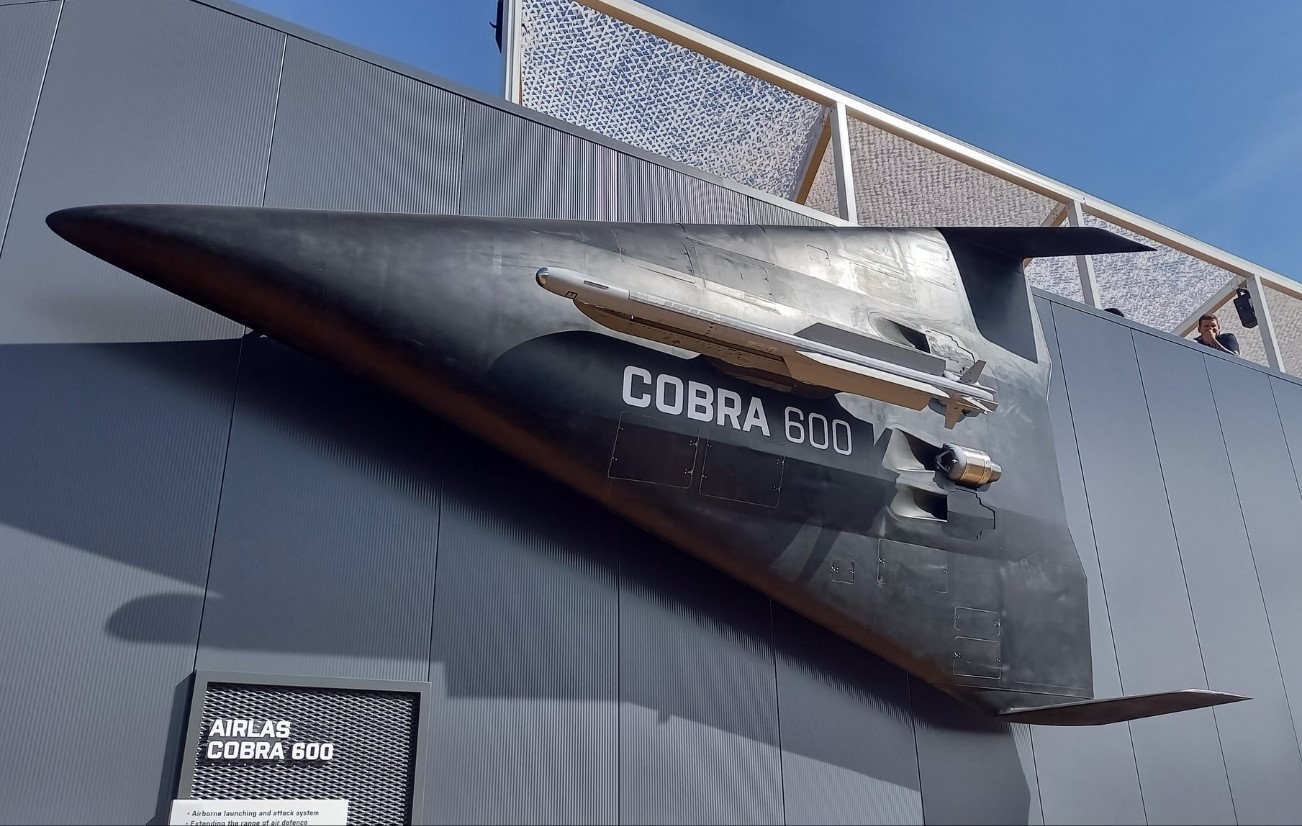 Diehl Defence Unveils IRIS-T Armed Cobra 600 Air Defense Drone at ILA Berlin 2026
-
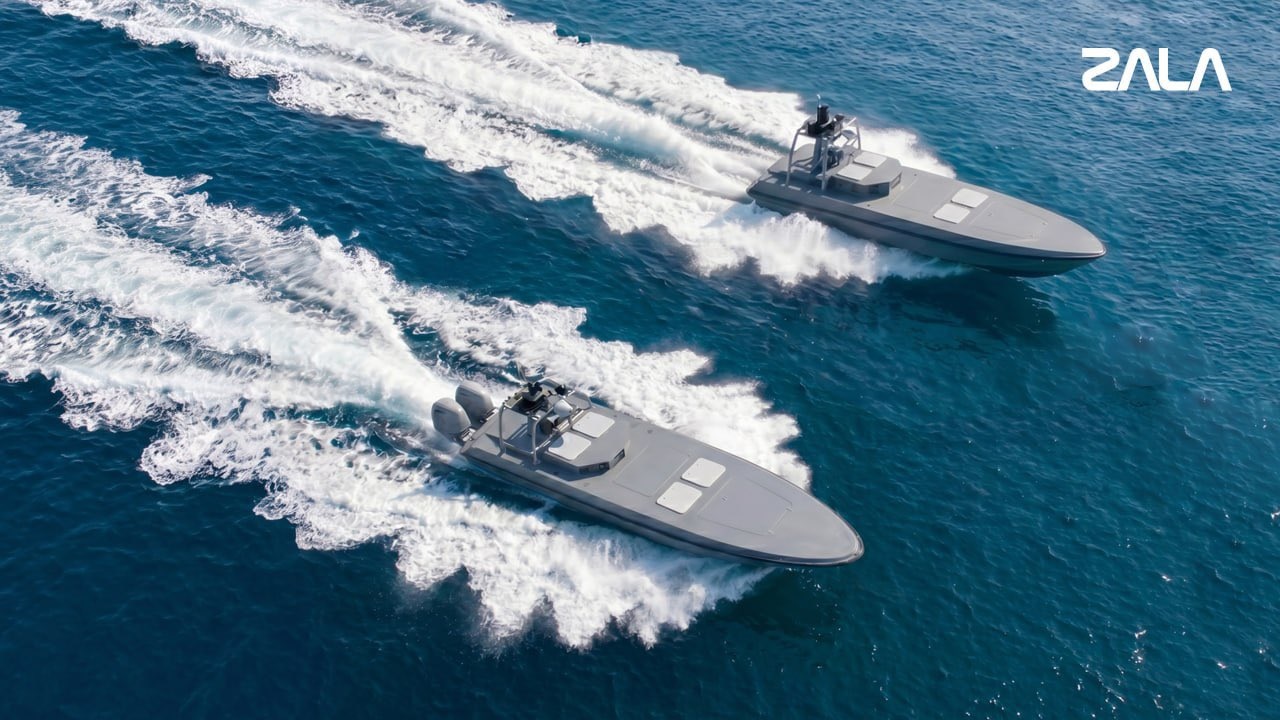 Russian Defense Firm ZALA Unveils KAMA Unmanned Surface Vessel Family at FLOT-2026 Naval Exhibition
-
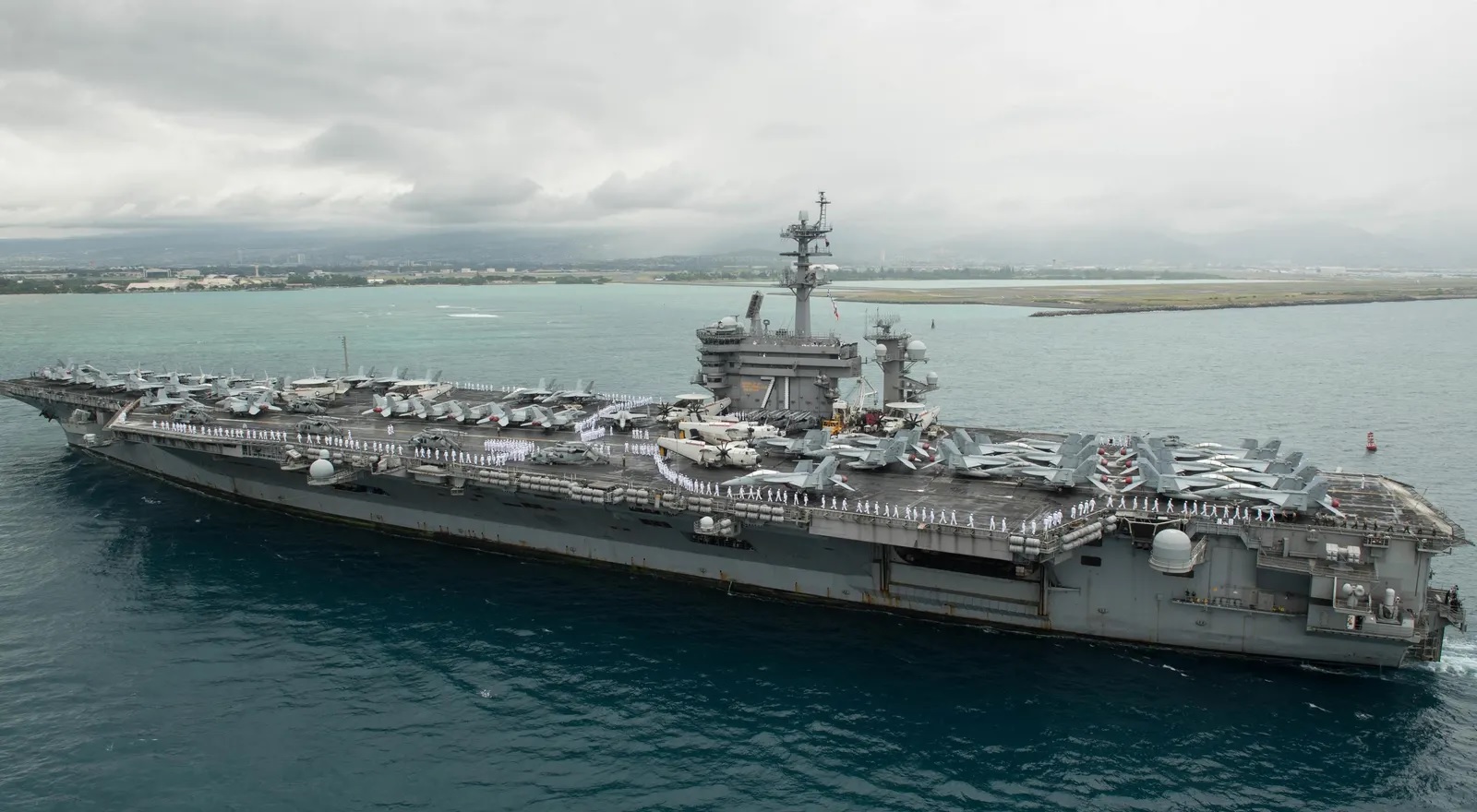 U.S Aircraft Carrier USS Theodore Roosevelt Departs San Diego for Major RIMPAC 2026 Naval Exercise