
World
FBI Director Kash Patel is facing renewed scrutiny after reports revealed that the Federal Bureau of Investigation purchased a fleet of luxury armored BMW vehicles for his official travel, a decision that has reignited debate over agency spending and leadership judgment. The development comes amid ongoing questions about Patel’s use of taxpayer-funded resources and has drawn criticism from former officials and lawmakers, who argue that the optics risk undermining public trust in the nation’s premier law enforcement agency. Details of the Vehicle Procurement According to a report by Forbes, citing sources from MS Now, the FBI acquired an unspecified number of armored BMW X5 sport utility vehicles at Patel’s request. The bureau later confirmed the purchase, saying the vehicles were intended to make the FBI director less conspicuous during official travel and to enhance security by avoiding predictable vehicle profiles. Traditionally, FBI directors have relied on armored Chevrolet Suburbans, a long-standing symbol of executive protection within U.S. law enforcement. The switch to BMWs marks a notable departure from precedent and has raised questions about necessity and symbolism. Criticism and Official Response The decision quickly drew sharp criticism from former Justice Department officials. Stacey Young described the purchase as “an embarrassment,” arguing that it projects an image of excess at odds with the FBI’s mission and responsibilities. In response, FBI spokesperson Ben Williamson defended the procurement, stating that the BMWs were selected after a review of available options and were more cost-effective than other armored vehicle upgrades under consideration. While the bureau has not disclosed the exact number of vehicles or their final price, unofficial estimates cited in media reports suggest the total cost could be around $480,000. Political Tensions Add to Pressure The controversy over the vehicles follows a public exchange between Patel and Democratic Representative Eric Swalwell. The dispute erupted on social media after reports surfaced that Patel was seen wearing a female FBI officer’s jacket during a trip to Utah, allegedly after failing to bring his own. Swalwell mocked the incident, saying the FBI director should focus on addressing domestic terrorism rather than engaging in what he portrayed as distractions. Patel pushed back, accusing critics of politicizing trivial matters and diverting attention from the bureau’s core work. Broader Allegations and Public Perception Patel’s challenges have been compounded by lingering, unverified allegations circulating online about his personal life, including claims that he is dating an Israeli intelligence operative. No evidence has been publicly presented to support these assertions, and they have not been confirmed by U.S. or foreign officials. Still, the rumors have added to a broader atmosphere of controversy surrounding his tenure. Implications for the FBI Together, the armored vehicle purchase, the public clash with a sitting congressman, and the swirl of personal allegations have placed Patel under unusually intense scrutiny for an FBI director. For the Federal Bureau of Investigation, the episode underscores how leadership decisions involving taxpayer money and public symbolism can quickly become political flashpoints. As questions continue, observers say the outcome may shape not only Patel’s standing but also perceptions of transparency and accountability within the FBI at a time when confidence in federal institutions remains fragile.
Read More → Posted on 2025-12-24 17:09:54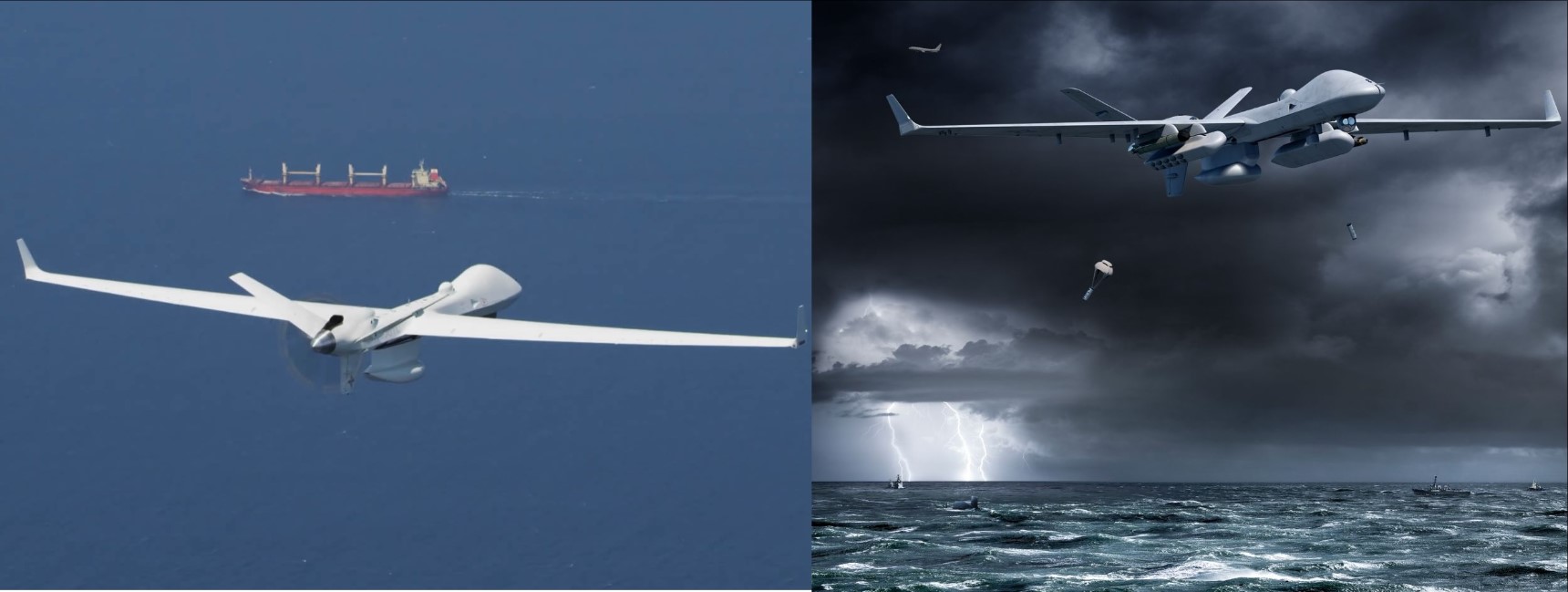
World
Germany has formally set the course for a major expansion of its unmanned maritime aviation capabilities, approving the procurement of advanced long-endurance drones for the German Navy. The decision is aimed at significantly strengthening maritime surveillance and, in a later phase, anti-submarine warfare (ASW) in close coordination with NATO allies. The Budget Committee of the German Bundestag has approved funding for the “Unmanned Component of the Maritime Airborne Warfare System (uMAWS)”. Under the program, the Navy will procure four Medium Altitude Long Endurance (MALE) unmanned aerial systems from General Atomics Aeronautical Systems. Each system includes two MQ-9B SeaGuardian drones, mission sensors, ground control stations, and an integrated command-and-control system, bringing the total to eight MQ-9B aircraft. According to well-informed sources, the overall contract value of approximately €1.52 billion will be financed through Germany’s special defense fund and the regular federal defense budget. The package covers not only the aircraft but also spare parts, logistics support, and flight crew and operator training for an initial two-year operational period. The acquisition will be managed by the NATO Support and Procurement Agency, acting on behalf of the German government. Officials say the NATO-managed approach is intended to improve cost efficiency, reduce procurement risk, and ensure interoperability with allied forces that already operate the same platform. Deployment Timeline and Capability Development Delivery of the MQ-9B SeaGuardian systems is planned for 2028 to 2030. The drones will be stationed at Nordholz naval air base, the central hub of German naval aviation. In their initial configuration, the aircraft will focus on long-range maritime reconnaissance, including surveillance of sea lines of communication, exclusive economic zones, and critical maritime infrastructure. A second development phase foresees a transition to full anti-submarine warfare capability. Between 2031 and 2032, the unmanned aircraft are expected to be upgraded to deploy sonobuoys and process underwater acoustic data, enabling them to support submarine detection and tracking in cooperation with manned platforms and surface vessels. Allied Interoperability and Strategic Context The German Navy has repeatedly emphasized the synergy effects of selecting the MQ-9B SeaGuardian, which is also operated by partner nations such as the United Kingdom and Canada. Shared use of the platform is expected to generate benefits in training, maintenance, and operational planning, while strengthening NATO’s maritime situational awareness in the North Atlantic and Baltic Sea regions. The decision also reflects the evolution of Germany’s maritime aviation strategy. The Maritime Airborne Warfare System (MAWS) was originally conceived as a Franco-German initiative to develop a next-generation maritime patrol aircraft. After the partners failed to agree on a common approach, Germany opted to procure the manned P-8A Poseidon as an interim solution, while advancing unmanned capabilities in parallel. Political Support and Implementation Challenges Political backing for the uMAWS program has been strong, though lawmakers have highlighted the need for careful execution. Bastian Ernst, naval affairs spokesperson for the CDU/CSU parliamentary group on the Bundestag’s Defense Committee, described the project as a crucial capability enhancement for the Navy. While acknowledging the ambitious timeline, he said the systems would make a significant contribution to Germany’s anti-submarine warfare capabilities. Ernst also stressed that infrastructure development, including hangars, data links, and trained personnel, must progress alongside drone procurement. Once fully operational, the MQ-9B SeaGuardian fleet is expected to become a key pillar of the Bundeswehr’s maritime domain awareness. Combining long endurance, advanced sensors, and close integration with allied forces, the unmanned systems are set to play a central role in Germany’s future naval aviation and maritime security strategy.
Read More → Posted on 2025-12-24 17:02:46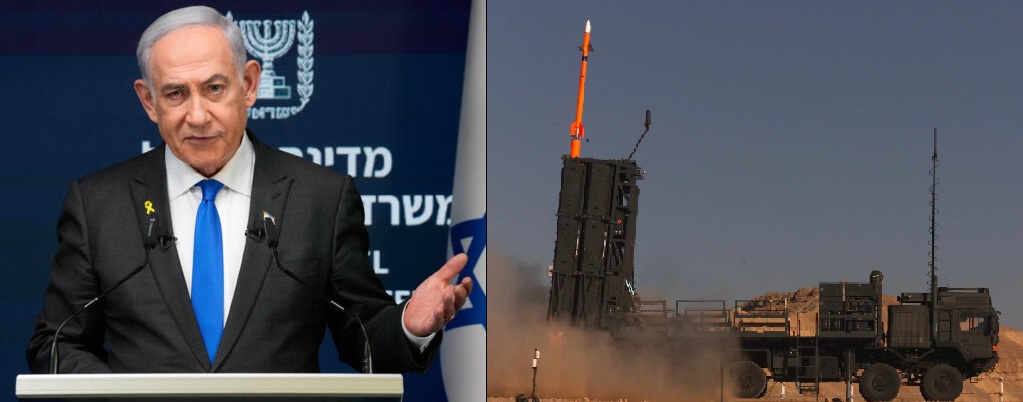
World
Israeli Prime Minister Benjamin Netanyahu said on Wednesday that Israel will invest 350 billion shekels (about $110 billion) over the next decade to develop a more independent arms industry, a sweeping pledge aimed at reducing dependence on overseas suppliers, including allies, according to Reuters. Speaking at a ceremony for newly qualified Air Force pilots, Netanyahu said Israel would continue purchasing critical military equipment from abroad while expanding domestic weapons production. “I don’t know if a country can be completely independent,” he said, “but we will strive to ensure our arms are produced as much as possible in Israel,” Reuters reported. Decade-Long Program Set Against War-Driven Spending Pressures The announcement comes as Israel’s defense spending has surged since the October 7, 2023 Hamas attack and the subsequent regional escalation. War spending in Gaza and Lebanon topped 112 billion shekels in 2024, while overall defense expenditure rose sharply as a share of the economy, according to a Finance Ministry report cited by Reuters. At the budget level, the government has already shifted toward much higher baseline defense funding. On December 5, 2025, Reuters reported that Israel’s cabinet approved a 2026 defense budget of 112 billion shekels (about $35 billion), underscoring the scale of resources being directed toward national security despite ongoing political and fiscal pressures. Netanyahu’s 350-billion-shekel plan, spread over 10 years, would average about 35 billion shekels annually, placing it on par with an entire annual defense budget line item. However, the government has not yet released detailed breakdowns covering factories, stockpiles, research and development, or workforce expansion, Reuters said. Supply-Chain Shocks And U.S Leverage Sharpen The Drive For Self-Reliance Israel’s push to manufacture more weapons at home has been underway for years but gained urgency during the Gaza war, amid heightened global scrutiny and periodic friction with key partners. In May 2024, the United States paused shipments of certain heavy bombs, citing concerns over their use in densely populated areas. Reuters later reported that U.S. officials weighed “end-use” risks and withheld high-payload munitions over fears of civilian harm. At the same time, Israel remains closely tied to U.S. security assistance. A 10-year U.S.–Israel Memorandum of Understanding, signed in 2016, allocated $38 billion in military aid for fiscal years 2019–2028, helping finance major weapons procurements and joint missile-defense programs. Israeli defense officials and industry executives say wartime demand exposed vulnerabilities in ammunition and raw-material supply chains, reinforcing the need for greater domestic production capacity. Early Building Blocks: Domestic Bomb Production And Industrial Expansion Concrete steps toward greater self-sufficiency have already begun. In January 2025, Israel’s Defense Ministry signed agreements worth about $275 million with Elbit Systems to expand domestic production of heavy aerial munitions and establish local manufacturing of key raw materials previously sourced from abroad, according to Reuters and official statements. These moves align with Netanyahu’s stated goal of maintaining access to foreign supplies where necessary, while ensuring Israel can sustain military operations with locally produced weapons during prolonged conflicts or diplomatic disruptions. Strong Export Sector Raises Balancing Challenge Israel’s defense industry is already a major global exporter of missiles, air-defense systems, drones, and electronic-warfare technology. According to Reuters, defense exports rose 13% in 2024 to nearly $15 billion, with Europe accounting for the largest share as demand surged for air defense and precision-strike systems. Israel has also continued securing high-value international contracts. Last week, Reuters reported that Israel and Germany signed a $3.1 billion expansion deal for the Arrow-3 missile defense system, described by Israeli officials as part of the country’s largest-ever defense export package. The renewed focus on domestic production presents a key challenge: scaling factories and supply chains quickly enough to meet rising local military demand while maintaining lucrative export commitments, particularly for systems co-developed with foreign partners. What Happens Next Netanyahu framed Wednesday’s announcement as a long-term national strategic project, not a single procurement decision. However, the government has yet to publish an implementation plan, legislative framework, or detailed funding timetable. With defense spending already dominating fiscal debates, decisions on how the program will be financed and which weapons systems will be prioritized for “Made in Israel” production are expected to play a central role in political and economic discussions in the months ahead.
Read More → Posted on 2025-12-24 16:52:27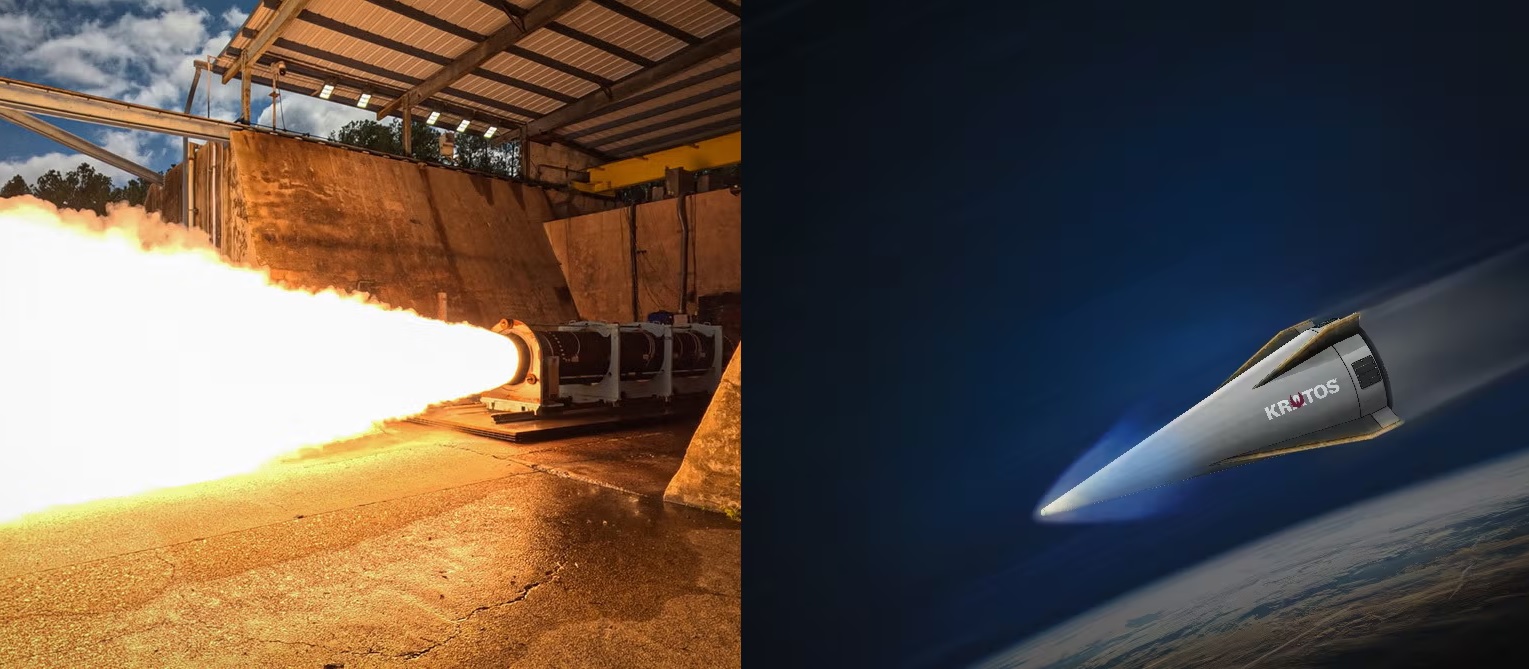
World
L3Harris Technologies has received a letter of intent for a commercial contract to manufacture 60 Zeus hypersonic solid rocket motors for Kratos Defense & Security Solutions, marking a significant step toward scaling U.S. hypersonic propulsion capacity. If the agreement is finalised, the order would increase L3Harris’ annual production rate of Zeus motors by more than 50 percent, following the successful development and flight testing of the Zeus 1 and Zeus 2 variants by Kratos. The proposed contract underscores growing demand for advanced solid rocket motors as the United States accelerates testing and evaluation of hypersonic systems. Zeus motors are intended to support Kratos’ customers within the U.S. Department of Defense, particularly in programmes focused on hypersonic vehicles and ballistic missile defence experimentation. Scaling After Successful Flight Tests L3Harris’ propulsion business, operating under its Aerojet Rocketdyne division, has positioned the Zeus motor line as a modern replacement for legacy suborbital rocket motors. The motors are designed to match existing systems in fit and form, allowing them to be integrated into current test architectures without extensive infrastructure changes, while delivering significantly higher performance. Ken Bedingfield, President of Aerojet Rocketdyne at L3Harris, said the letter of intent reflects both companies’ confidence in the maturity of the Zeus design and its relevance to future missions. He noted that the motors incorporate advanced propulsion technologies to meet today’s demanding test requirements while remaining scalable for more complex hypersonic challenges ahead. Supporting Hypersonic and Missile Defence Testing The Zeus motors will be used in support of U.S. hypersonic vehicle development and missile defence testing, areas that have become central to Pentagon modernisation efforts. Among the efforts expected to benefit is the Multi-Service Advanced Capability Hypersonic Test Bed, a joint initiative that provides a flexible platform for rapid, cost-effective hypersonic flight experiments across multiple U.S. military services. By enabling repeated and reliable test flights, solid rocket motors such as Zeus play a critical role in validating guidance systems, advanced materials, sensors, and defensive countermeasures in the extreme speed and temperature regimes associated with hypersonic flight. Design and Manufacturing Footprint L3Harris designed the Zeus motors in Huntsville, Alabama, leveraging decades of experience in large solid rocket motor engineering. Production takes place at the company’s energetics campus in Camden, Arkansas, one of the largest solid rocket motor manufacturing sites in the United States. The Camden facility produces more than 115,000 solid rocket motors annually across a broad spectrum of sizes and mission profiles, supporting defence, space, and test applications. The potential increase in Zeus motor output would further expand activity at the Arkansas site, reinforcing its role as a key industrial hub for U.S. propulsion manufacturing. Growing Momentum in Hypersonic Propulsion The letter of intent comes amid heightened investment across the U.S. defence sector in hypersonic technologies, where propulsion reliability, production scalability, and rapid turnaround are increasingly seen as strategic advantages. For Kratos, securing a higher-volume supply of Zeus motors supports its role as a provider of affordable, responsive test solutions for government customers. For L3Harris, the prospective contract strengthens its position in the hypersonic propulsion market at a time when demand is expected to continue rising. Finalisation of the contract would formalise the next phase of collaboration between the two companies, translating recent test successes into sustained production and operational support for U.S. hypersonic and missile defence programmes.
Read More → Posted on 2025-12-24 16:17:40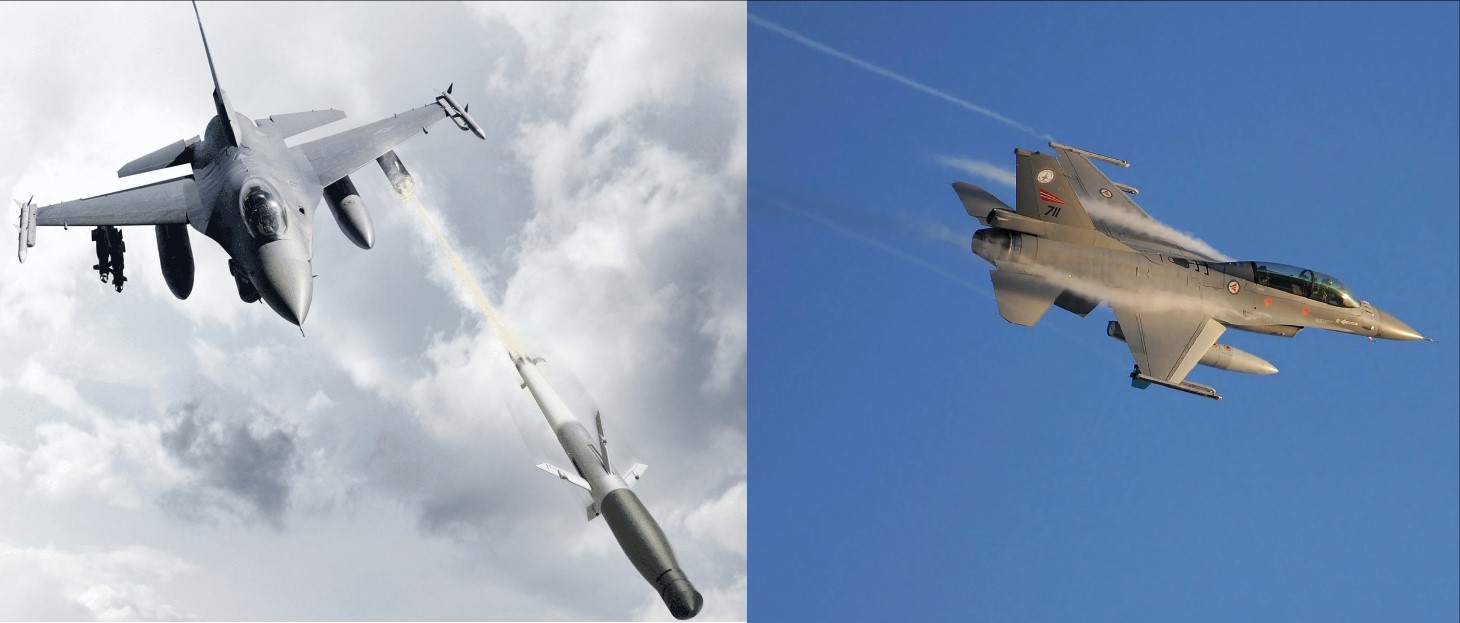
World
Norway’s government has pledged a new military aid package worth approximately NOK 3.2 billion ($312 million) to bolster Ukraine’s defence capabilities as its war with Russia enters its fourth year. The announcement was made by Prime Minister Jonas Gahr Støre during his half-yearly press conference in Oslo and forms a key component of Norway’s long-term Nansen Support Programme for Ukraine. Under this latest allocation, funds will be channelled through the JUMPSTART mechanism, a procurement route modelled on the U.S. Foreign Military Sales programme that allows Norway to purchase complete defence systems directly from the U.S. Department of Defense. The new support package includes F-16 ammunition, laser-guided precision systems, and long-range missiles, all of which Kyiv relies on to sustain its defensive operations against Russian military advances. Prime Minister Støre Emphasises Swift Delivery and Strategic Impact Prime Minister Støre underscored the urgency of rapid delivery, noting that “We expect swift delivery of this package, which Ukraine relies on to repel Russian attacks and continue its fight for freedom.” He reiterated that Ukraine’s defence hinges on sustained military contributions from international partners to uphold its sovereignty and territorial integrity. Defence Minister Highlights Broad Capabilities Boost Defence Minister Tore O. Sandvik elaborated on the composition of the aid, stating that over NOK 1 billion is allocated for F-16 ammunition, complemented by advanced guidance systems that convert lower-cost missiles into precision weapons. The package also designates more than NOK 500 million for S-300 surface-to-air missile systems, widely used by Ukrainian forces to protect critical infrastructure and airspace. Sandvik stressed that both short-range and long-range capabilities are essential to defend against cruise missiles and other high-performance threats. He further reiterated that air defence remains a core priority of Norway’s military support strategy, reflecting ongoing commitments to strengthen Ukraine’s layered defence architecture. JUMPSTART and Norway’s Long-Term Ukraine Support Framework The JUMPSTART mechanism has been instrumental in Norway’s defence support for Ukraine, previously facilitating the acquisition of F-16 aircraft donations, spare parts, and weapons systems. Through JUMPSTART, countries like Norway are able to leverage U.S. procurement channels to deliver integrated systems efficiently and with oversight. This latest package forms part of the Nansen Support Programme for Ukraine, Norway’s largest and longest-running aid initiative. Launched in 2023 with an originally planned budget of NOK 75 billion for military and civilian support, the programme was extended through 2030 and expanded to a total funding envelope of NOK 205 billion. It is designed to combine military assistance, humanitarian aid, reconstruction, and resilience programmes for Ukraine and affected neighbouring regions. Norway’s Total Aid Commitment to Ukraine Norway has emerged as one of Ukraine’s staunchest supporters among European nations. In addition to the recent JUMPSTART allocations: Norway’s total planned aid for 2025 has been raised to approximately NOK 85 billion (about $7.8 billion), combining both military and civilian support — a more than twofold increase compared to earlier plans for the year. Under the Nansen Support Programme, Norway has committed to long-term support through 2030, with total funding earmarked at NOK 205 billion. Civilian and humanitarian assistance has included NOK 12.5 billion allocated for energy security, reconstruction, and relief efforts in 2025, alongside earlier humanitarian allocations. From 2022–2024, Norway provided an estimated NOK 8.45 billion in humanitarian support to Ukraine and refugee responses. Together, these figures place Norway’s cumulative Ukraine aid well into the tens of billions of kroner, blending direct defence support, civilian relief, and reconstruction assistance — making Norway one of the most significant contributors relative to its population in Europe. Political and Strategic Rationale Government officials have consistently framed Norway’s aid as not only a moral obligation but also a strategic investment in European security. Officials argue that strengthening Ukraine’s defence capabilities helps deter broader Russian aggression and stabilises the security landscape in the Euro-Atlantic region. As Norway continues its multi-year support trajectory, defence officials have also emphasised the need to balance immediate battlefield needs with long-term capacity building, including air defence and precision strike systems that can sustain Ukraine’s forces in future phases of the conflict.
Read More → Posted on 2025-12-24 14:56:18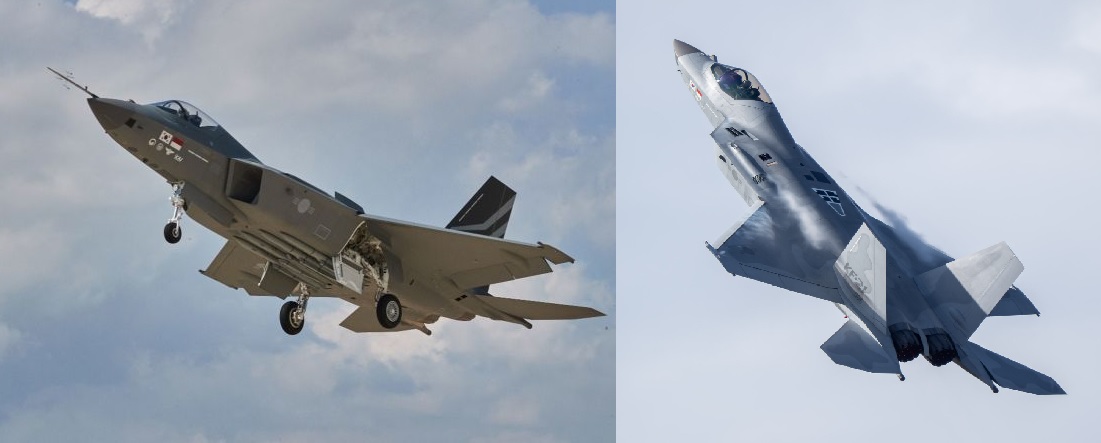
World
The Philippines is emerging as a potential early export customer for South Korea’s next-generation KF-21 Boramae Fighter Aircraft, according to reporting by Yonhap News Agency, a development that would mark a major step in Manila’s Long-Running Effort To Rebuild And Modernize Its Air Combat Fleet. South Korean media reports circulated by Korea Now have identified the Philippines among countries expected to receive the KF-21 under an existing contractual framework. The reports say a formal agreement between the Philippine Department Of National Defense (DND) and Korea Aerospace Industries (KAI) is expected to be signed by 2026, although no official confirmation has yet been issued by either government. If concluded, the deal would represent one of the most significant Fighter Aircraft Acquisitions in Philippine history and an early Export Breakthrough for South Korea’s flagship combat aircraft, which is approaching Operational Service with its home air force. Existing Fleet Strengthens Korean Link The Philippines already maintains a close operational relationship with KAI through the FA-50PH Light Combat Aircraft. According to defense data cited by regional analysts, the Philippine Air Force currently has 11 FA-50PH Jets In Active Service, with 12 Additional Aircraft On Order, underscoring Manila’s Reliance On Korean Platforms as the backbone of its jet capability. The FA-50 Fleet has played a central role in Air Defense Alert Duties, Training, and limited Strike Missions, and has often been described by Philippine officials as an Interim Solution while the country works toward acquiring full Multi-Role Fighters. The growing number of FA-50s in the inventory is also seen as easing the transition to more advanced aircraft such as the KF-21, particularly in Pilot Conversion, Maintenance Practices, and Logistics Support. KF-21 Aligns With Modernization Timeline The KF-21 Boramae is a Twin-Engine, Supersonic Fighter designed to bridge the gap between Advanced Fourth-Generation Jets and Fifth-Generation Stealth Aircraft. The program conducted its First Flight In 2022 and is scheduled to begin Deliveries To The Republic Of Korea Air Force From 2026—the same year cited in reports as the target for a Philippine contract signing. For Manila, the timing fits squarely within its broader Armed Forces Modernization Program, which emphasizes Air Defense, Maritime Domain Awareness, and Credible Deterrence amid heightened regional security concerns. Defense planners have repeatedly highlighted the need for aircraft with Greater Range, Payload, and Sensor Capability than the FA-50, particularly for operations over the country’s extensive Maritime Zones. Competition And Industrial Incentives Despite the apparent momentum behind the KF-21, the Philippines continues to evaluate multiple Fighter Options from different suppliers. Analysts note that any decision will hinge not only on Aircraft Performance, but also on Financing Terms, Weapons Integration, Delivery Schedules, and Long-Term Sustainment Costs. Industrial Cooperation has also emerged as a key factor. Discussions with KAI have reportedly included the possibility of establishing Maintenance, Repair, And Overhaul (MRO) Facilities in the Philippines, a move that would reduce reliance on Overseas Support and improve overall Fleet Availability. Strategic Implications For South Korea, securing the Philippines as a KF-21 Customer would significantly bolster the aircraft’s Export Credentials and deepen Seoul’s Defense Ties In Southeast Asia. For Manila, a KF-21 acquisition would represent a Generational Shift In Air Combat Capability, shaping Pilot Training, Basing, and Interoperability With Partners for decades to come. While officials in Manila have yet to publicly confirm the reports, the inclusion of a 2026 Signing Timeline suggests that discussions may be entering a more advanced phase. Should an agreement be finalized, it would mark a milestone not only for the Philippine Air Force, but also for South Korea’s Ambitions As A Leading Exporter Of Advanced Combat Aircraft.
Read More → Posted on 2025-12-24 14:27:49
World
Raytheon, an RTX business, has been awarded a $1.7 billion Foreign Military Sales (FMS) contract to supply four advanced Patriot air and missile defence systems to the Spanish Armed Forces, marking one of the most significant enhancements to Spain’s air defence posture in recent years. The deal, confirmed on December 23, 2025, encompasses a comprehensive suite of equipment, including radars, launchers, command and control stations, and training resources, aimed at strengthening Spain’s ability to counter evolving aerial and ballistic threats.Reuters In announcing the award, Pete Bata, Senior Vice President of Global Patriot at Raytheon, emphasised the strategic importance of modernising Spain’s air defence architecture, stating that such upgrades are “vital to Spain’s security and sovereignty.” Bata highlighted close cooperation with the Spanish government and domestic defence industry, reinforcing Spain’s readiness to confront dynamic threat environments. Strategic Collaboration With Spanish Industry Under the contract, Raytheon will work closely with Spanish defence firms, notably Sener, which is contributing electro-mechanical control systems for the GEM-T (Guidance Enhanced Missile–Tactical) missile as part of the broader Patriot supply chain. The partnership reflects ongoing efforts to integrate Spanish industrial capabilities into major defence programmes, supporting local employment, technology transfer, and industrial participation. The Patriot system, widely recognised as the only combat-proven, ground-based air and missile defence solution, is capable of engaging long-range cruise missiles, tactical ballistic missiles, and a broad spectrum of aerial threats. It serves as the cornerstone of integrated air defence for 19 allied nations, with its advanced radar and interceptor technologies credited with hundreds of successful engagements in conflicts worldwide. Spain’s Current Air Defence Fleet Spain has been steadily modernising its air and missile defence capabilities in recent years. The Spanish Army currently operates Patriot missile units, supported by other systems such as NASAMS and legacy HAWK batteries, forming a layered air defence network designed to counter threats across multiple ranges. According to available defence data, Spain maintains three Patriot batteries in active service, primarily with the Regimiento de Artillería Antiaérea nº 73, and operates approximately 18 Patriot M901 launchers. Plans are underway to integrate newer interceptors, including the PAC-3 MSE, to enhance ballistic missile defence performance. Beyond long-range systems, the Spanish Armed Forces employ a mix of short- and medium-range air defence assets, including NASAMS for medium-range engagements and various short-range systems and anti-drone technologies, creating a multi-tiered defensive posture against contemporary aerial threats. Broader European Context Spain’s contract follows a series of Patriot orders placed in 2025 by other European allies, including Germany, the Netherlands, and Romania, highlighting growing regional demand for advanced air and missile defence solutions amid heightened security concerns across Europe. Defence analysts note that strengthening integrated air and missile defence is central to Spain’s contribution to NATO collective defence, aligning national capabilities with alliance priorities. The newly ordered Patriot systems are expected to significantly augment Spain’s defence posture once delivered and integrated, building on existing capabilities to address current and future threats. Officials from Spain’s Ministry of Defence have not yet disclosed detailed delivery timelines, but the programme is expected to progress over the coming years as part of broader modernisation efforts within the Spanish Armed Forces.
Read More → Posted on 2025-12-24 13:46:52
World
A Dassault Falcon 50 business jet carrying Libya’s Chief Of General Staff, Lt. Gen. Mohammed Ali Ahmed Al-Haddad, crashed south of Ankara shortly after departing the Turkish capital, killing everyone on board, according to Turkish and Libyan officials. Investigators have recovered the aircraft’s flight-data recorder and cockpit voice recorder as Turkey launched a formal investigation into what officials initially described as a technical malfunction that escalated into a fatal emergency. What Happened In The Final Minutes According to Turkish officials cited in multiple reports, the Falcon 50 took off from Ankara’s Esenboğa Airport bound for Tripoli but soon reported an electrical emergency and requested an emergency landing. Radar contact was lost minutes later while the aircraft was descending, and the wreckage was later located in the Haymana district south of Ankara. Turkish authorities confirmed that the aircraft’s black boxes have been found and are now being examined by investigators. The crash site was reported near the village area of Kesikkavak/Haymana, where search-and-rescue teams were deployed in large numbers overnight. Libyan officials also dispatched a delegation to Turkey to participate in the inquiry and coordinate repatriation procedures. Who Was On Board Contrary to early claims circulating online that “five” people had died, authorities and major news organizations confirmed eight fatalities — five passengers and three crew members. Those killed included Lt. Gen. Al-Haddad and other senior Libyan military officials, along with the flight crew. Libya’s Government Of National Unity (GNU) announced three days of mourning, while senior Libyan and Turkish officials issued condolences, describing the crash as a major blow to Libya’s military leadership. The Ankara Visit And Libya–Turkey Defense Ties Turkish and international reporting said the Libyan delegation had been in Ankara for defense and military-cooperation talks with Turkish counterparts, reflecting the close security relationship Turkey has developed with Libya’s Tripoli-based authorities since the 2019 security agreements. Turkey’s parliament has also recently extended aspects of its military engagement, underscoring how central Libya remains to Ankara’s regional policy. Why Pakistan’s New Libya Arms Deal Is Part Of The Backdrop — But Not The Crash Trip The crash occurred just after Pakistan finalized and publicized a major arms agreement with Libya’s eastern-based Libyan National Army (LNA), aligned with commander Khalifa Haftar. According to reports, the deal is valued at roughly $4.6 billion over about 2.5 years, and includes JF-17 fighter jets, Super Mushak trainer aircraft, and additional land, air, and naval military equipment. The Pakistan–LNA deal has drawn attention because Libya remains under a United Nations arms embargo and continues to be politically and militarily divided between the U.N.-backed GNU in the west and the LNA in the east and south. However, officials and reporting on the Ankara crash indicated the Libyan delegation was in Turkey for Libya–Turkey talks, not Pakistan-related meetings. While the timing has fueled online speculation, investigators have emphasized the reported technical fault and the need to rely on flight-recorder evidence before drawing conclusions. What Investigators Will Look At Next With both black boxes recovered, investigators are expected to focus on the sequence of electrical warnings, the aircraft’s systems status during the attempted return, pilot communications with air traffic control, and any maintenance or leasing arrangements linked to the jet. Reports also indicate the aircraft was leased and registered in Malta, adding another layer to the ownership and maintenance trail under review. Turkish prosecutors have been assigned to the case, and officials confirmed the investigation is continuing in close coordination with Libyan representatives.
Read More → Posted on 2025-12-24 13:27:05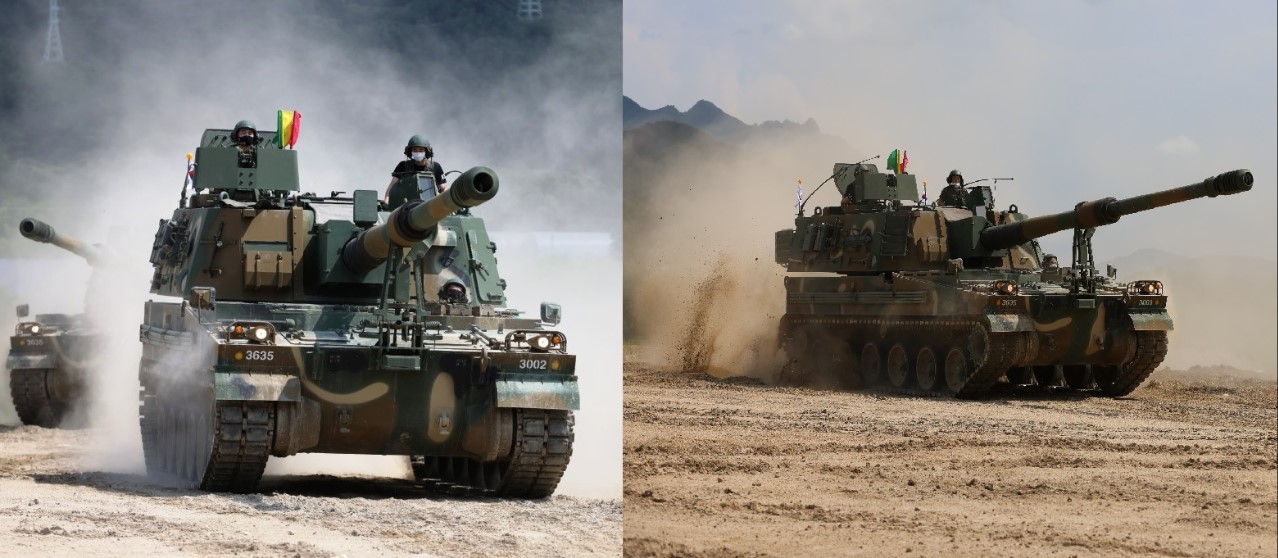
World
The Egyptian Armed Forces have formally received the first batch of K9A1 EGY Thunder 155mm self-propelled howitzers, marking a major milestone in the country’s defense modernization and industrial localization efforts. The systems were manufactured at Factory 200, located near Cairo, under a strategic defense industrial partnership between Egypt and South Korea. The delivery represents the first operational outcome of a long-term cooperation framework designed to transfer advanced artillery manufacturing capabilities to Egypt. Defense officials described the program as a cornerstone of Cairo’s broader plan to strengthen domestic military production while upgrading core combat capabilities. Advanced Artillery Capability Enters Egyptian Service The K9 Thunder, developed by South Korea’s Hanwha Aerospace, is regarded as one of the most capable self-propelled howitzers currently in global service. The platform combines high mobility, long-range precision firepower, and sustained firing capability, making it suitable for both conventional warfare and high-tempo operations. Equipped with a 155mm/L52 gun, the K9A1 EGY can engage targets at ranges of up to 40 kilometers using extended-range ammunition. It is capable of firing between six and eight rounds per minute and features an automated fire control system compatible with NATO artillery standards. The system is already operational with multiple armed forces worldwide, including South Korea, India, Turkey, Poland, Finland, and Norway, underscoring its operational maturity. Strategic Deal And Integrated Artillery Ecosystem Egypt’s induction of the K9A1 EGY stems from a $1.7 billion defense agreement signed with South Korea in 2022. The contract covers the procurement of hundreds of K9 howitzers and establishes a framework for progressive local assembly and manufacturing within Egypt. Over time, this approach is expected to reduce reliance on foreign supply chains while expanding domestic technical expertise. In addition to the howitzers, the agreement includes K10 ammunition resupply vehicles and K11 command and fire-direction vehicles, forming a fully integrated artillery system. A notable element of the deal is the allocation of part of the fleet to the Egyptian Navy, where the platforms are intended to support coastal defense and naval fire support missions. Analysts note that this marks the first instance of a K9 variant being tailored for maritime and littoral operations. New Powerplant Enhances Technological Independence A key technological feature of the K9A1 EGY variant is the introduction of a new 1,000-horsepower diesel engine developed domestically in South Korea in cooperation with STX Engine. The powerplant replaces the German-made MTU 881 Ka-500 engine used in earlier export versions, reflecting a deliberate move toward greater technological self-reliance. According to Hanwha Aerospace, the engine underwent extensive qualification trials, accumulating more than 10,000 kilometers of testing across desert and mountainous environments. These trials were designed to validate performance under conditions similar to those encountered in Egypt’s operational theaters, with improvements noted in reliability, mobility, and sustainment. Industrial And Regional Implications For Egypt, the K9A1 EGY Thunder program extends beyond battlefield capability. Local production at Factory 200 is expected to contribute to workforce development, technology transfer, and the long-term growth of the national defense industrial base. Officials have indicated that Egypt aims to position itself as a regional hub for the maintenance, overhaul, and potential future production of K9 systems serving North Africa and the Middle East. As the first locally manufactured howitzers enter service, the K9A1 EGY Thunder stands as a symbol of Egypt’s evolving defense strategy—one that pairs advanced foreign technology with expanding domestic industrial capacity. The program reinforces Cairo’s deterrence posture while signaling its ambition to play a larger role in the regional military-industrial landscape.
Read More → Posted on 2025-12-24 13:10:56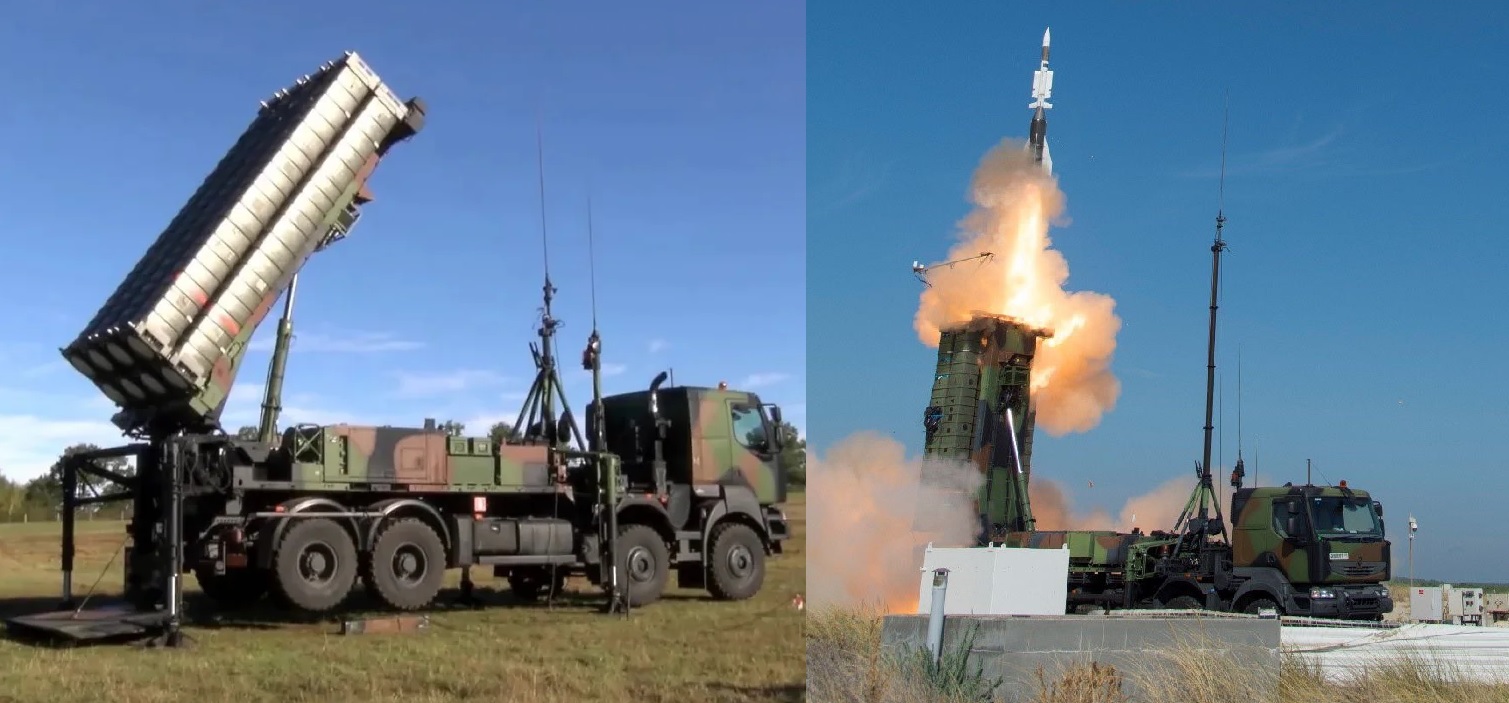
World
In 2026, France is expected to transfer an unspecified number of SAMP/T NG air defense systems to the Ukrainian Air Force, significantly strengthening Ukraine’s ability to counter Russian ballistic and aeroballistic missile threats. The planned transfer would represent a major upgrade over Ukraine’s current European-made air-defense capabilities and mark the first operational use of the next-generation SAMP/T NG system in an active conflict. According to information circulating among European defense sources, the future delivery is tied to the industrial rollout schedule of the SAMP/T NG program, which is being developed jointly by France and Italy. While exact quantities and delivery phases remain undisclosed, the 2026 timeline aligns with the first production batches expected to enter service with European armed forces. ASTER-30 Interceptors: A Step Toward Ballistic Missile Defense A central feature of the expected transfer is the inclusion of ASTER-30 active radar-homing interceptors, which offer a maximum engagement range of around 120 kilometers, depending on the variant. Unlike shorter-range air-defense missiles, ASTER-30 is designed to engage high-speed, high-altitude targets, including ballistic and aeroballistic missiles as well as large aircraft. The missile’s active radar seeker, combined with its high maneuverability, allows it to intercept targets during the terminal phase of flight—an ability Ukraine currently lacks within its SAMP/T inventory. Later sub-variants of ASTER-30, developed alongside the SAMP/T NG, are specifically optimized for anti–tactical ballistic missile (ATBM) missions. How SAMP/T NG Differs From Earlier Versions The SAMP/T NG (New Generation) system is an upgraded evolution of the original SAMP/T platform. It integrates a new-generation multifunction radar, enhanced battle management software, and improved launch coordination, allowing it to track and engage multiple high-speed targets simultaneously across a 360-degree coverage area. Compared with earlier configurations, SAMP/T NG is designed to counter more complex threats, including maneuvering ballistic missiles, while maintaining interoperability with NATO command-and-control architectures. European defense officials have repeatedly described the system as Europe’s most advanced ground-based air and missile defense solution. Ukraine’s Current SAMP/T Capability Gap At present, Ukraine operates one full SAMP/T battery, delivered jointly by Italy and France in 2023. However, despite possessing the launchers, radar, and command elements, Ukraine does not currently field ASTER-30 interceptors capable of ballistic-missile defense. Instead, Ukrainian forces rely mainly on ASTER-15 missiles, which have an effective range of approximately 30–35 kilometers and are primarily used to intercept Russian cruise missiles and aircraft. While effective in that role, ASTER-15 lacks the speed and altitude envelope required to counter ballistic or aeroballistic threats, leaving a critical vulnerability in Ukraine’s layered air-defense network. Missile Shortages And Industrial Constraints Ukrainian officials have repeatedly acknowledged that missile availability, rather than launcher numbers, is the main limiting factor for SAMP/T operations. Production of Aster-family interceptors is complex, costly, and time-consuming, with European manufacturers facing long lead times even under accelerated wartime production conditions. This constraint has fueled concerns that advanced systems alone will not be sufficient unless accompanied by sustained interceptor resupply and long-term industrial expansion. Strategic Implications If confirmed and fully equipped with ASTER-30 interceptors, the 2026 delivery of SAMP/T NG systems would substantially enhance Ukraine’s ability to defend against Russia’s most dangerous missile systems, including Iskander-class ballistic missiles and other high-speed strike weapons. It would also signal a deeper European commitment to providing high-end air and missile defense, complementing U.S.-supplied systems already in Ukrainian service. For Kyiv, the stakes are clear: the arrival of next-generation hardware must be matched by adequate missile stocks, training, and maintenance support to translate technological potential into real battlefield protection.
Read More → Posted on 2025-12-24 12:57:07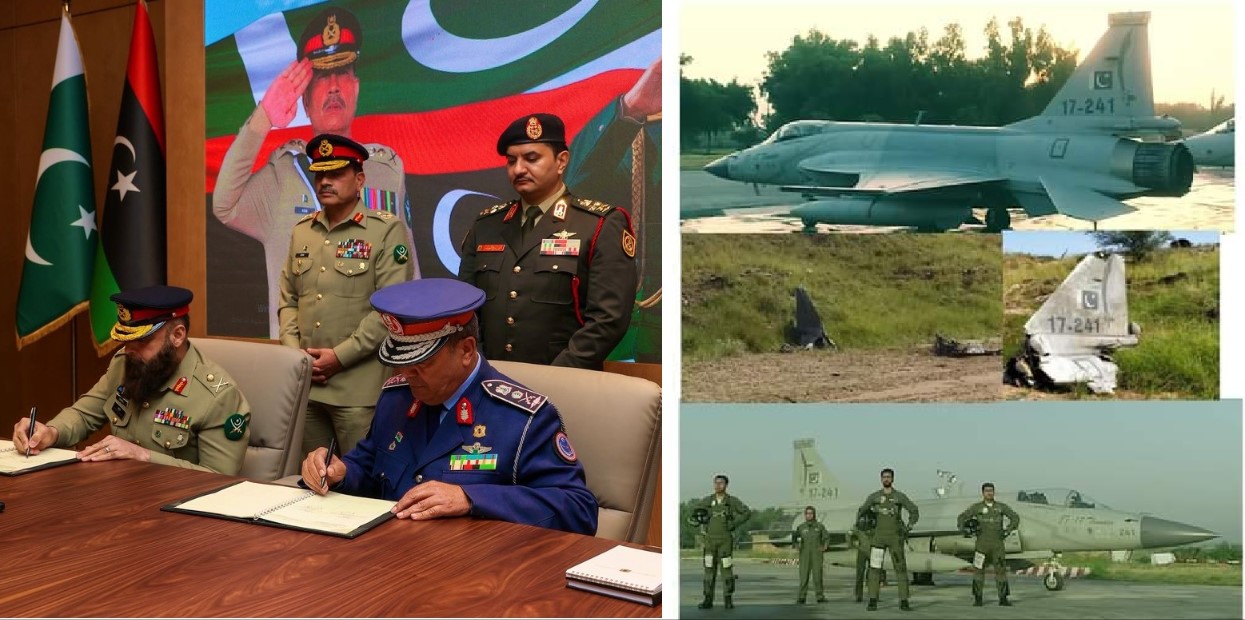
Pakistan Signs $4 Billion Libya Arms Pact Under UN Embargo as Army Chief Makes Unverified War Claims
World
Pakistan and Libya have concluded a major military equipment agreement valued at more than $4 billion, according to a report by Reuters, significantly expanding Islamabad’s defence footprint in North Africa. The deal was finalised after a meeting last week in Benghazi between Pakistan Army chief General Asim Munir and senior leaders of the Libyan National Army (LNA), despite an existing United Nations arms embargo on Libya. The agreement was sealed during Munir’s engagement with Saddam Khalifa Haftar, the Deputy Commander-in-Chief of the LNA, according to four Pakistani officials familiar with the negotiations. The officials, speaking on condition of anonymity due to the sensitivity of defence matters, said the pact spans land, sea and air force equipment and will be implemented over roughly two-and-a-half years. Fighter Jets, Trainers and Broader Military Supplies A copy of the agreement reviewed by Reuters before its finalisation lists the sale of 16 JF-17 multi-role fighter aircraft and 12 Super Mushak trainer aircraft to Libya. The JF-17, jointly developed by Pakistan and China, is the centrepiece of Islamabad’s defence export push, while the Super Mushak is used for basic and intermediate pilot training. Two of the officials valued the deal at more than $4 billion, while the remaining two placed the figure at around $4.6 billion. In addition to aircraft, the agreement reportedly includes equipment for Libya’s ground and naval forces, though specific systems were not publicly detailed. The LNA’s official media channel later confirmed that it had entered into a defence cooperation framework with Pakistan covering weapons sales, joint training and military manufacturing, without disclosing further terms. Agreement Signed Despite UN Arms Embargo The timing of the deal has drawn attention because Libya remains under a United Nations arms embargo imposed amid years of political instability and armed conflict. The country continues to be divided between rival administrations in the east and west, with the LNA controlling large parts of eastern Libya. Neither Pakistan nor Libyan authorities have publicly explained how the agreement aligns with the UN restrictions. Analysts say the deal underscores the growing competition among regional and global powers seeking influence over Libya’s fragmented security institutions and oil-backed economy. Munir’s Speech and Contested Claims on India During his interaction with Libyan commanders, General Asim Munir highlighted Pakistan’s military experience and domestic defence industry. He said that removing fear allows a nation to achieve its goals and claimed Pakistan had learned this lesson “long ago.” Munir also reiterated claims regarding Pakistan’s recent clashes with India, asserting that nearly 90 per cent indigenous technology was used by Pakistan during the conflict. He further claimed that Pakistan’s air force shot down Indian Rafale jets, Mirage 2000s, Su-30s and MiG-29 aircraft, and destroyed India’s S-400 air defence system. India has repeatedly rejected these assertions, stating that Pakistan has not produced a single piece of verifiable evidence to support its claims of downing Indian aircraft or destroying the S-400 system. Indian officials have said no such losses occurred, describing Pakistan’s statements as false and misleading. India Cites Evidence, Independent Assessments Indian authorities, by contrast, have pointed to what they describe as multiple forms of evidence, including official briefings, imagery and independent assessments. India has said that independent commercial satellite imagery showed significant damage to Pakistani military infrastructure, indicating heavy losses on Pakistan’s side, including the destruction of air bases and the loss of multiple Pakistani military aircraft Military analysts and defence experts from several countries have also publicly assessed the conflict, with many concluding that India achieved all its stated operational objectives, while Pakistan failed to meet its military goals. These experts have cited the absence of proof from Pakistan, alongside satellite data and open-source intelligence, to support their conclusions. Defence Exports and Strategic Outreach Munir told Libyan leaders that Pakistan was prepared to share its military technology, describing Libya as a “brotherly nation” and stating that a strong armed force ensures the survival of a state. The Libya deal fits into Pakistan’s broader effort to expand defence exports by promoting its aircraft, training and maintenance capabilities as lower-cost alternatives outside Western supply chains. Islamabad has frequently highlighted its counter-insurgency experience and domestic defence industry, spanning aircraft production, armoured vehicles, munitions and naval construction. At the same time, Pakistan has been deepening security ties in the Middle East, recently signing a Strategic Mutual Defence Agreement with Saudi Arabia and holding senior-level defence talks with Qatar. Expanding Presence in North Africa The Libya agreement is expected to boost Pakistan’s strategic presence in North Africa at a time when Libya remains a focal point of international competition. As implementation moves forward, the deal is likely to face close international scrutiny, both for its implications under the UN arms embargo and for what it signals about Pakistan’s ambitions as an emerging defence exporter. If you want, I can tighten the language further, add quotes-style attribution, or rewrite it to match a specific Indian or international newsroom tone.
Read More → Posted on 2025-12-23 16:46:11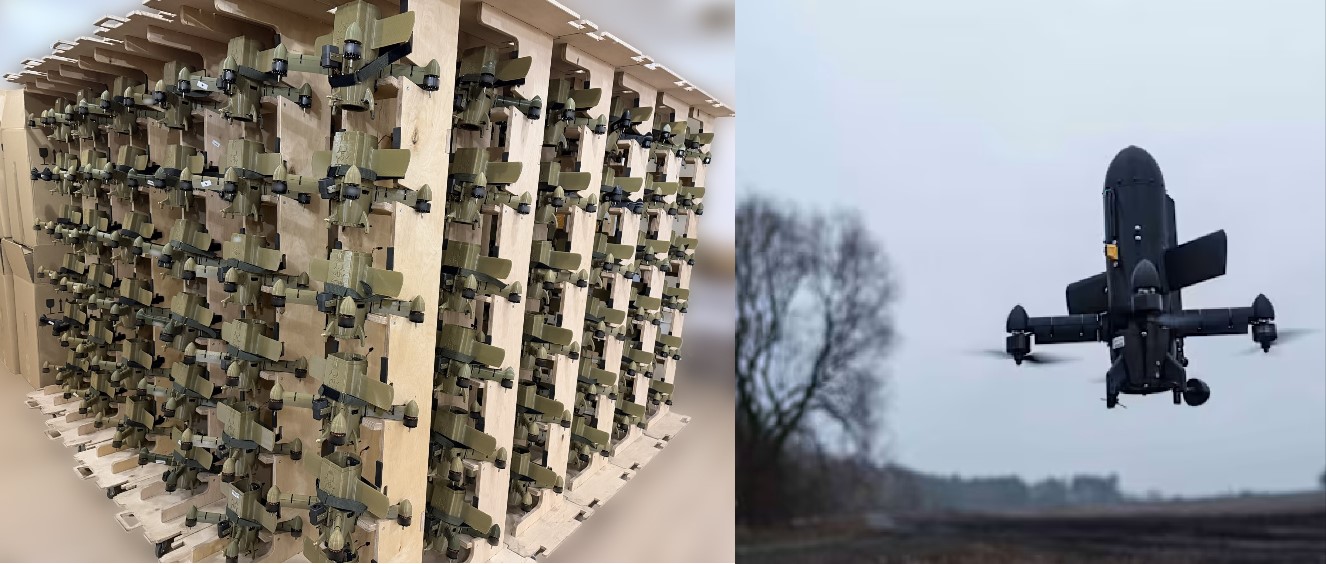
World
Ukraine has quietly reshaped how modern air defense can function under sustained attack, deploying swarms of low-cost interceptor drones to counter Russia’s relentless use of unmanned aerial vehicles. Some of these Ukrainian interceptors cost as little as $1,000, a fraction of the price of traditional air-defense missiles, and are now being produced at industrial scale. Officials say output has reached nearly 950 units per day, marking a significant shift in how the country protects its airspace. The move comes as Russia continues large-scale nightly strikes designed to overwhelm Ukrainian defenses. On December 21–22, Russian forces launched 86 attack drones. Over recent months, Ukraine estimates that Russia has been using roughly 5,500 Shahed-type drones per month, relying on low cost and mass deployment to exhaust Ukraine’s missile stocks. From Prototype to Frontline in Months Ukraine’s interceptor drones were developed and fielded at unusual speed. What began as experimental systems tested by volunteer groups and frontline units moved from prototype to combat use within months. The Defense Ministry of Ukraine has since formalized the effort, signing contracts with more than 10 domestic manufacturers to ensure steady production and standardization. According to Ukrainian defense officials, the interceptors have already destroyed more than 1,500 incoming Russian drones. Each interception allows Ukraine to conserve expensive surface-to-air missiles, which are now reserved for faster and more dangerous threats, including cruise missiles and aircraft. The result is a layered air-defense model that better matches the cost of defense to the cost of attack. How the Interceptor Drones Work Unlike traditional air-defense systems, many of Ukraine’s interceptors rely on human operators rather than complex radar guidance. One prominent system, known as the “Sting,” was developed by the volunteer group Wild Hornets. Operators pilot the drone using virtual-reality goggles, visually tracking enemy drones and steering the interceptor directly into them. The method is deliberately simple. Instead of explosive warheads, the interceptor destroys its target through direct collision, sacrificing itself in the process. This approach keeps unit costs low and allows rapid scaling, even under wartime constraints. Ukrainian officials say the system’s effectiveness depends as much on trained operators as on the hardware itself. Protecting Cities and Infrastructure Military commanders stress that the impact of the interceptor program extends beyond battlefield metrics. Russian drone strikes have frequently targeted energy facilities, industrial sites, and residential areas, making air defense a matter of civilian protection as well as military necessity. One Ukrainian commander described each intercepted drone as “one less strike on homes, families, and critical infrastructure.” By reducing the success rate of Russian drone attacks, Ukraine has limited the broader economic and psychological damage those strikes are intended to inflict. Power grids, transport hubs, and urban centers remain prime targets, particularly during winter months. Implications Beyond Ukraine Defense analysts say Ukraine’s experience is likely to influence global military planning. Russia’s reliance on cheap, mass-produced drones exposed the vulnerability of air-defense systems built around high-cost missiles. Ukraine’s response—countering low-cost threats with equally low-cost defenses—offers a potential blueprint for other countries facing similar challenges. While interceptor drones cannot replace traditional air-defense systems, they have altered the balance by making sustained drone campaigns far less economical for the attacker. For Ukraine, the strategy is preserving critical resources in a war of attrition. For the wider defense community, it underscores a growing reality of modern conflict: economics and production speed can matter as much as advanced technology.
Read More → Posted on 2025-12-23 16:30:32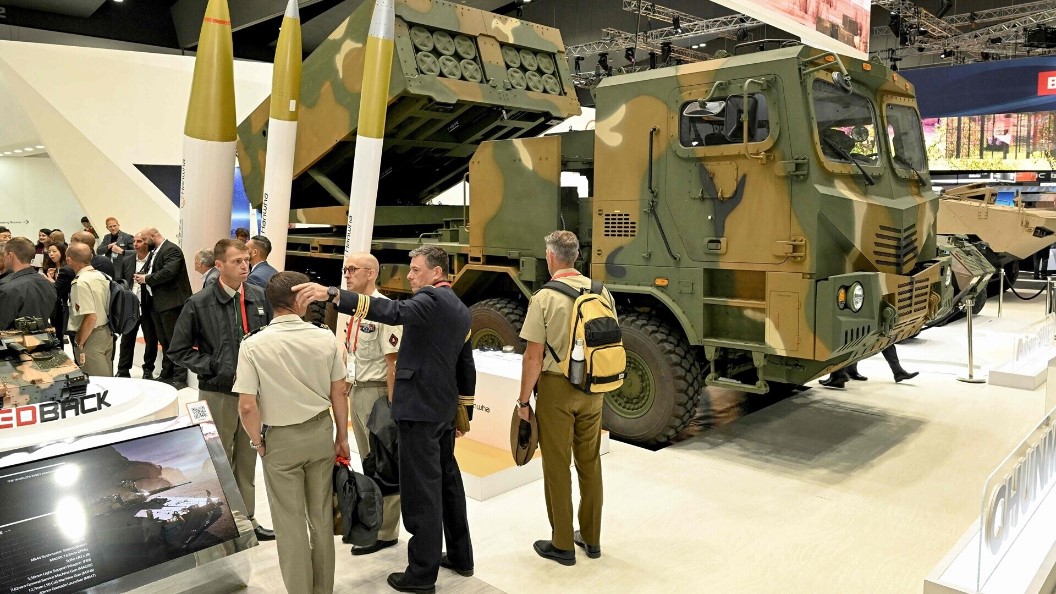
World
Estonia has officially announced the purchase of the South Korean K239 Chunmoo long-range missile artillery system, marking one of the most significant defence procurements in the country’s modern history. Valued at approximately €300 million, the agreement covers six launchers along with three types of precision-guided munitions: CGR-080, CTM-MR, and CTM-290 missiles. The deal places Estonia among a growing group of nations investing in advanced, high-mobility rocket artillery as Europe accelerates the modernization of long-range strike capabilities. For Estonia, the acquisition represents a substantial leap in both range and precision compared to its existing indirect fire assets, significantly strengthening deterrence on NATO’s eastern flank. A First for CTM-MR Abroad One of the most notable aspects of the agreement is Estonia’s decision to procure the CTM-MR missile, making it the first foreign country to operate this particular Chunmoo munition. The CTM-MR is designed to bridge the gap between shorter-range guided rockets and long-range ballistic-class missiles, offering commanders greater targeting flexibility while maintaining high accuracy. Alongside the CTM-MR, the package includes CGR-080 guided rockets for medium-range precision strikes and CTM-290 missiles, which extend the system’s reach deep into operational depth. Together, these munitions allow Estonia to tailor its fire missions across a wide spectrum, from counter-battery operations to long-range strategic targets. A Modular System with Expanding Options The Chunmoo system is known for its modular architecture, enabling it to fire a broad family of missiles and rockets from the same launcher. Beyond the three munitions included in Estonia’s initial order, there are more than three times as many additional Chunmoo-compatible missiles, ranging from heavier high-explosive variants to specialized warheads designed for niche missions. This flexibility allows customer nations to expand or adapt their arsenals over time without replacing launch vehicles, a factor that has played a major role in Chunmoo’s growing international appeal. In practical terms, operators can order or employ munitions as required, depending on mission requirements, terrain, and escalation considerations. Hanwha’s Growing Footprint in Europe South Korea’s Hanwha Aerospace, the manufacturer of the Chunmoo system, confirmed that Estonia’s purchase is part of a broader push into Northern Europe and the Baltic region. According to the company, the system is being actively marketed to countries including Norway, Latvia, and Lithuania, while negotiations are also underway with several Middle Eastern and Asian states. Hanwha’s momentum reflects a wider shift in global defence procurement, where non-US systems are increasingly being adopted alongside, or in some cases instead of, traditional Western platforms. The Chunmoo has benefited from this trend by offering NATO-compatible precision, high production scalability, and rapid delivery timelines. Global Operators and Strategic Context At present, the Chunmoo system is operated in large numbers by South Korea, the United Arab Emirates, Poland, and Saudi Arabia. In terms of current and planned deployments worldwide, it ranks just below the US HIMARS system, underscoring its status as one of the most widely adopted modern multiple launch rocket systems on the global market. For Estonia, the acquisition aligns closely with lessons from recent conflicts, where long-range precision fires have proven decisive. It also enhances interoperability with allied forces, strengthening collective deterrence across the region. Production Scale and Long-Term Value Defence analysts often note that the nature of weapons systems procurement is cumulative: the more a system is produced, the stronger and more resilient its supply network becomes. Increased production volumes help cushion manufacturers and customers alike against inflationary pressures, stabilize spare-parts availability, and encourage continuous reinvestment in upgrades and new capabilities. In this context, Estonia’s decision contributes not only to its own national security but also to the broader industrial ecosystem surrounding the Chunmoo platform. For Hanwha Aerospace, the deal represents another clear strategic victory, reinforcing confidence in the system and accelerating its global expansion. As Estonia prepares to integrate the K239 Chunmoo into its armed forces, the announcement stands as both a strategic milestone for the country and a symbol of South Korea’s expanding role as a major global defence supplier
Read More → Posted on 2025-12-23 16:18:07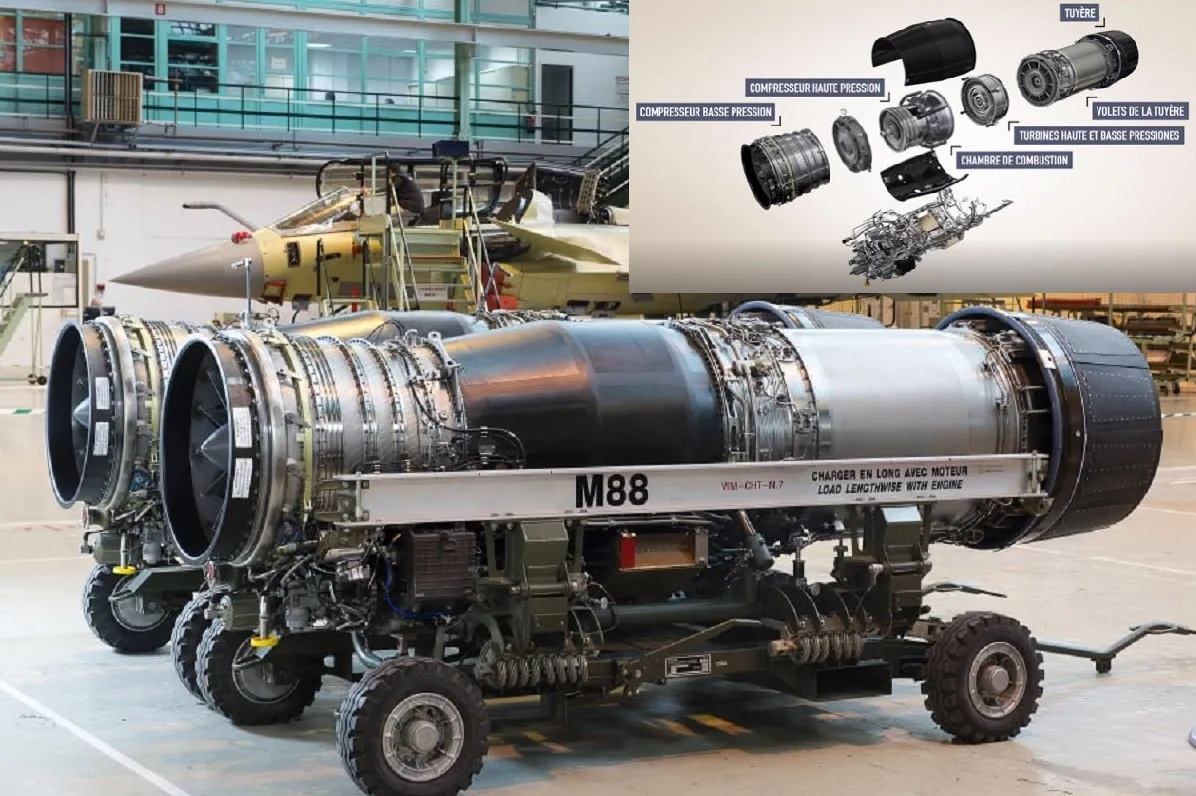
CIA Assessment Reveals Franch SNECMA’s M88 Engine as Emerging Challenger to Global Jet Engine Giants
World
A late-Cold War intelligence assessment by the U.S. Central Intelligence Agency, declassified in 2012, reveals that American analysts viewed France’s state-backed engine maker SNECMA as a serious emerging competitor to the world’s dominant jet-engine manufacturers as early as the late 1980s, driven largely by progress on its M88 fighter engine and a sustained modernization strategy. The report, completed in 1987 and originally classified Secret, is titled “France’s SNECMA: Tough, New Competitor in Advanced Propulsion Systems.” It provides detailed insight into SNECMA’s technology roadmap, industrial base, and export ambitions, warning that the French company could gradually erode the dominance of the so-called “Big Three” engine makers — General Electric, Rolls-Royce, and Pratt & Whitney — particularly in military markets . Intelligence Focus on Propulsion Competition According to the CIA’s scope note, the assessment formed part of a broader effort to evaluate how foreign aerospace advances could affect U.S. economic and military interests. Analysts concluded that SNECMA was no longer merely a licensed producer of foreign designs, but a fully capable developer of indigenous jet engines, supported by deep government involvement and long-term funding . By the mid-1980s, SNECMA employed roughly 30,000 workers and had become a core pillar of France’s aerospace and defense sector, with activities spanning commercial, military, and space propulsion. The M88 Engine and a Strategic Shift At the center of the assessment was the M88, then under development to power France’s next-generation Rafale fighter. The CIA described the M88 as a modern, modular turbofan emphasizing high thrust-to-weight ratio, durability, and maintainability, rather than maximum thrust alone. While U.S. engines under development at the time were expected to outperform the M88 in raw power, the report noted that SNECMA’s design philosophy prioritized exportability, cost control, and operational flexibility — features that could appeal to air forces constrained by budgets or wary of U.S. export restrictions . Analysts assessed that the M88’s performance would be “lower than top-tier U.S. fighter engines,” but still competitive enough for a wide range of tactical aircraft, especially outside NATO’s core markets. Heavy State Backing and Industrial Depth The CIA report emphasized that SNECMA’s rise was inseparable from French government support, which absorbed financial risk through direct investment, launch funding, and export assistance. The state also enabled SNECMA to pursue advanced research in high-temperature materials, turbine blade manufacturing, and precision machining, areas traditionally dominated by U.S. firms . The document highlighted SNECMA’s modern production facilities and extensive test infrastructure, noting that its engine test capacity compared favorably with that of major American manufacturers — a key indicator of long-term competitiveness. Export Ambitions and Competitive Pressure From a U.S. perspective, one of the most concerning findings was SNECMA’s growing attractiveness to Third World and non-aligned countries. The CIA assessed that France’s more flexible export policies, combined with SNECMA’s willingness to share technology and tailor engines to customer needs, could allow it to win contracts that U.S. firms might lose due to political or regulatory constraints . The report warned that over time, this strategy could chip away at U.S. market share not only in engines, but also in complete combat aircraft packages. Long-Term Significance Although the CIA stopped short of predicting that SNECMA would displace the global leaders, it concluded that the company represented a durable, long-term challenge to U.S. and British dominance in advanced propulsion systems. The assessment suggested that continued investment and incremental upgrades to engines like the M88 could gradually narrow remaining performance gaps. More than three decades later, the declassified analysis offers a revealing snapshot of how U.S. intelligence viewed the early foundations of France’s modern jet-engine industry — foundations that later enabled SNECMA’s transformation into Safran Aircraft Engines, now one of the world’s most influential aerospace propulsion companies .
Read More → Posted on 2025-12-23 15:14:27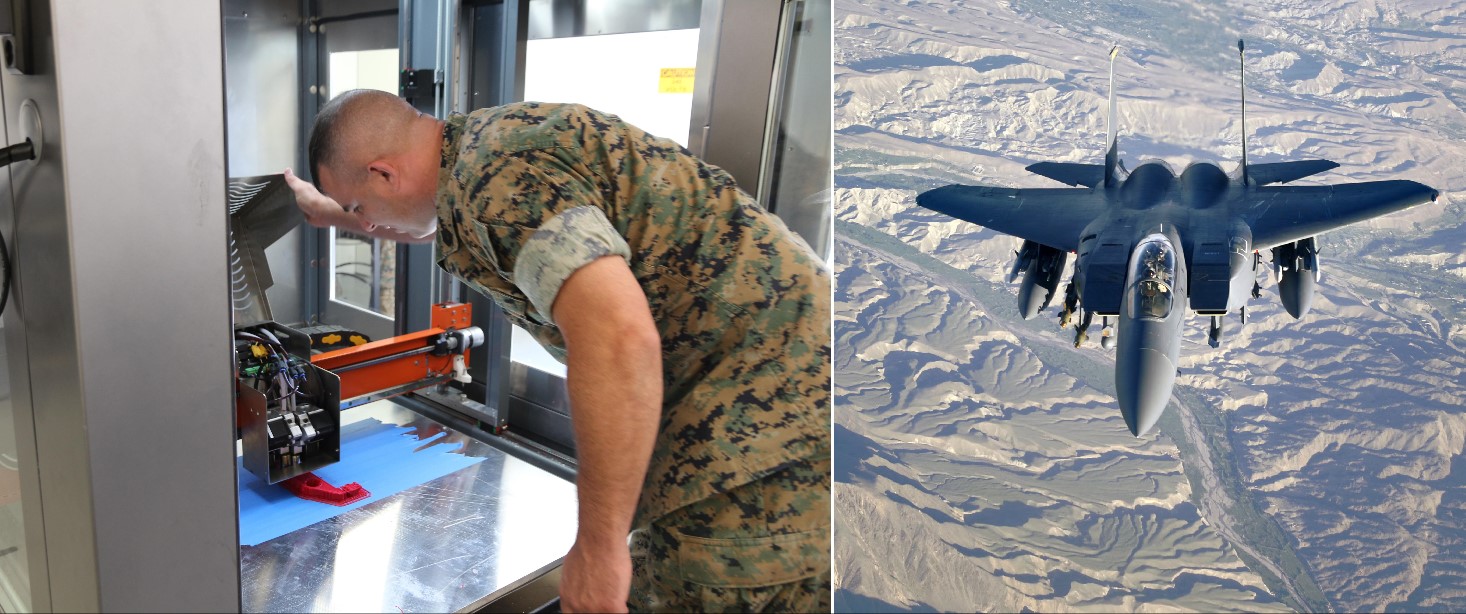
World
A U.S. Air Force F-15 fighter aircraft, grounded by a damaged cooling component, was restored to flight status in just a few hours on Dec. 10, following a rapid joint repair effort between Air Force and Marine Corps maintenance teams that sharply outpaced an original repair estimate of several months. The repair was led by the 18th Maintenance Group, which maintains fighter aircraft at Kadena Air Base. After identifying a failure in a specialized cooling duct, Air Force maintainers determined that replacing the part through conventional supply channels could take up to four months, potentially impacting aircraft availability at one of the U.S. military’s most important forward-deployed installations in the Indo-Pacific. Rather than accept the prolonged downtime, the 18th Maintenance Group sought assistance from the Marine Aircraft Logistics Squadron 36 (MALS-36), a Marine Corps logistics unit with on-site additive manufacturing capabilities. Rapid Manufacturing Replaces Months-Long Timeline The aircraft, an F-15, had been removed from flight operations after the cooling duct malfunction threatened safe system performance. Cooling ducts play a critical role in regulating temperatures within aircraft components, and failure can render an aircraft non-mission capable. Using digital design data and industrial-grade 3D printers, Marine Corps technicians at MALS-36 began producing replacement duct prototypes almost immediately after the request was received. Within approximately 12 hours, two prototype parts were printed, transported to Kadena, and installed by Air Force maintainers. Post-installation inspections and functional checks confirmed the component met operational requirements, allowing the aircraft to be cleared for flight the same day. Inter-Service Coordination Drives Readiness Officials involved in the repair emphasized that the success of the operation was driven by close coordination between the Air Force and Marine Corps, as well as the growing maturity of additive manufacturing within military maintenance operations. By producing the part locally, the joint team avoided supply chain delays related to manufacturing backlogs, transportation, and overseas delivery. The rapid turnaround ensured the F-15 returned to the flight line far sooner than anticipated, preserving combat capability at Kadena Air Base, which supports regional deterrence and air operations across the western Pacific. Broader Implications for Military Logistics The Dec. 10 repair underscores a broader shift within the U.S. military toward agile and resilient logistics practices. Additive manufacturing is increasingly being used to produce hard-to-source or time-sensitive components, particularly in forward-deployed environments where traditional supply chains can slow operational readiness. For Air Force and Marine Corps teams in Japan, the successful F-15 repair serves as a practical example of how joint innovation and emerging technology can deliver immediate operational benefits, reducing downtime and keeping critical aircraft mission-ready.
Read More → Posted on 2025-12-23 15:03:17Search
Top Trending in 24 Hours
-
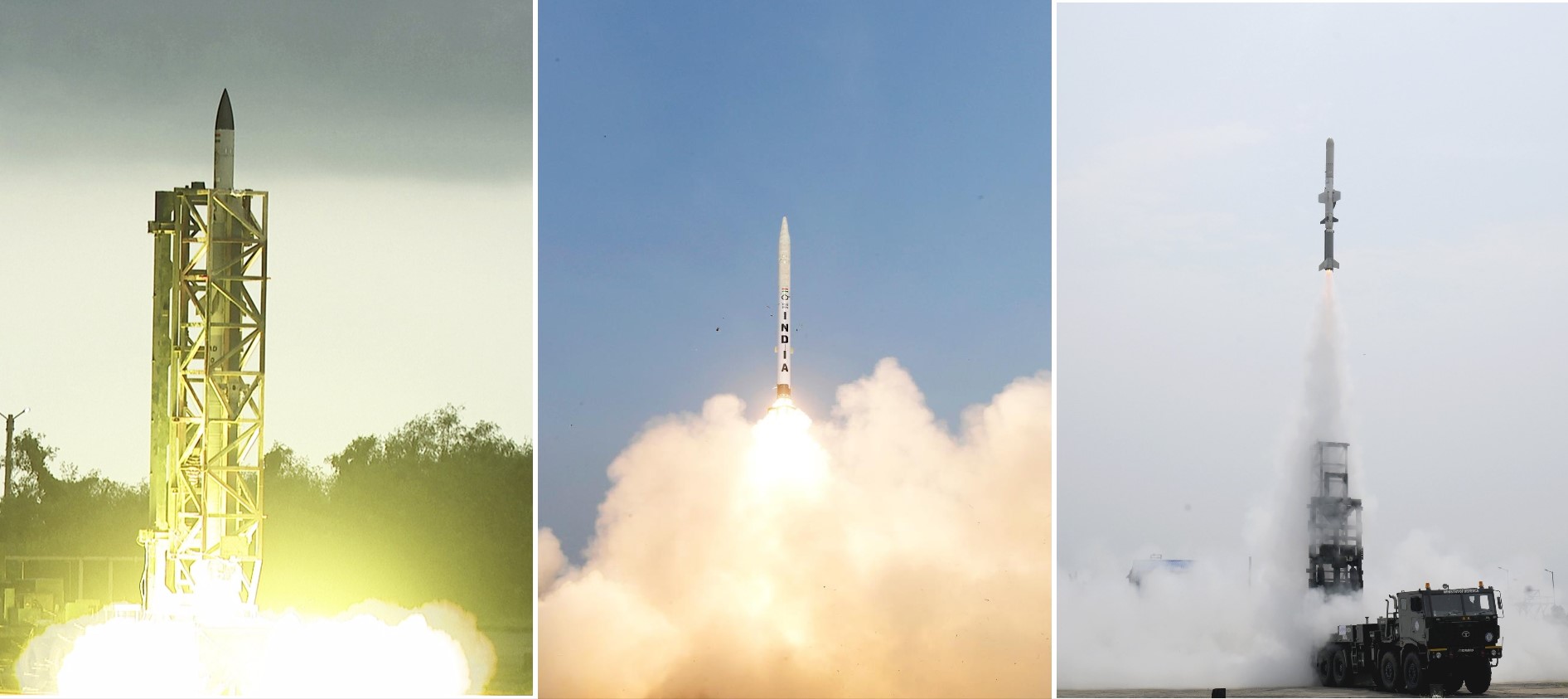 India Successfully Conducts AD-1, AD-2 Interceptor Tests and Maiden NASM-MR Flight Trial
-
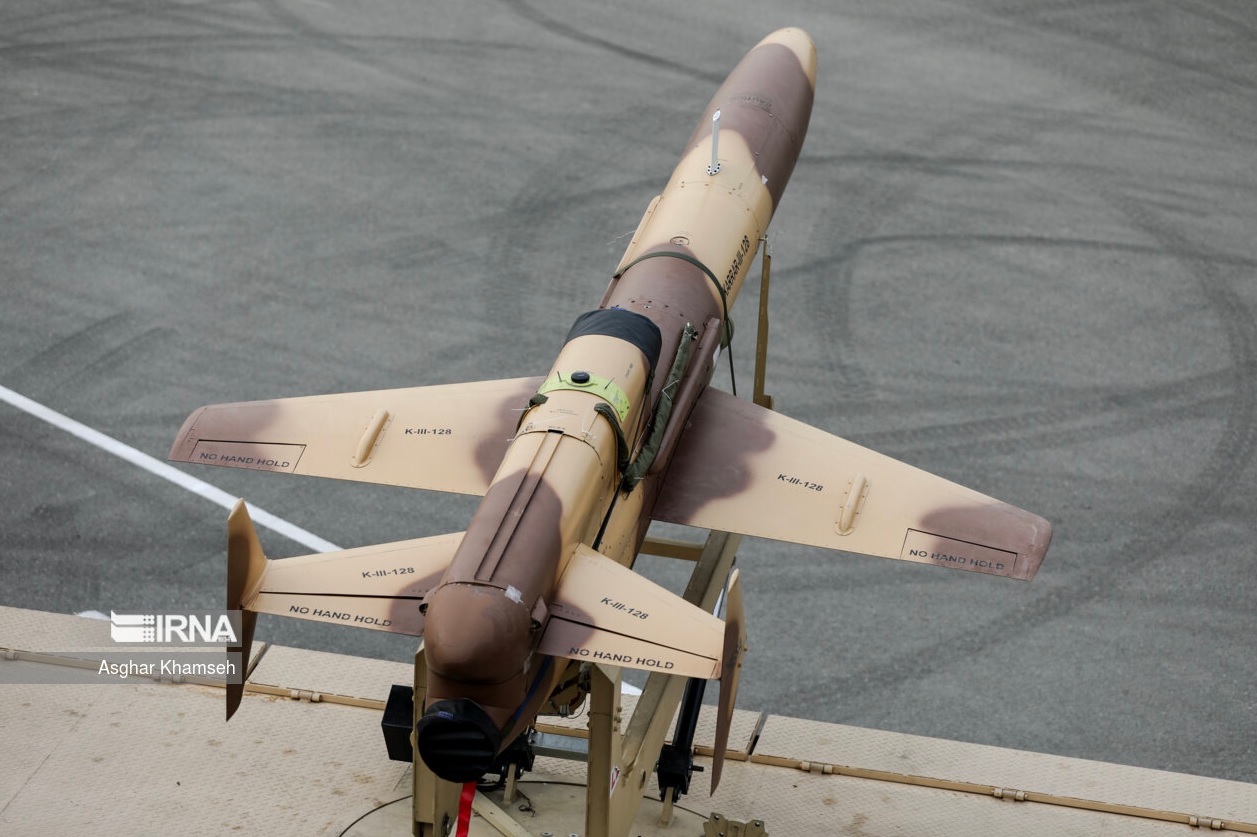 Russia Launches 1,400 Jet-Powered Drones in 2026 as Strike Tactics Evolve to Challenge Ukraine's Air Defenses
-
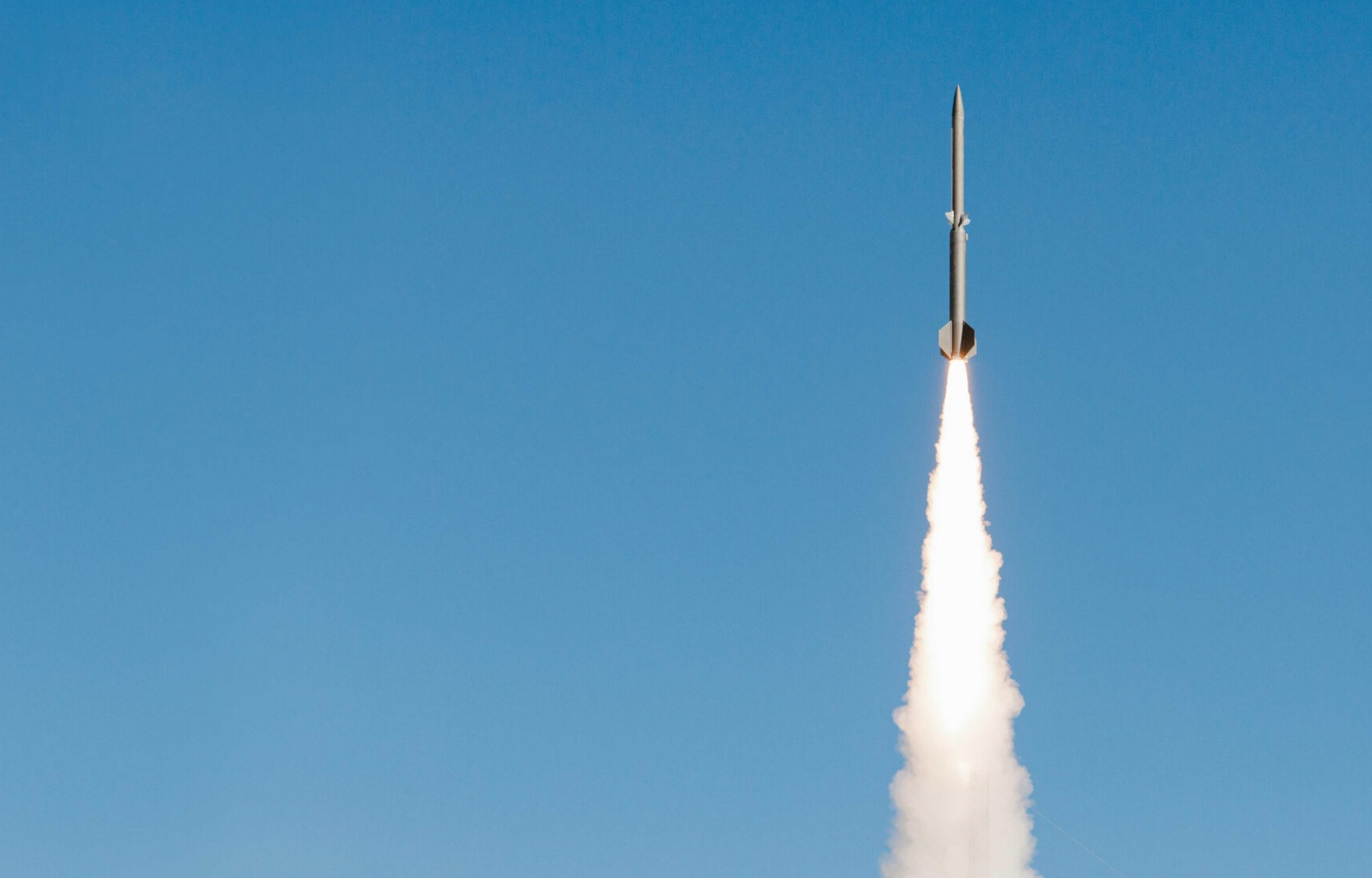 U.S Navy Orders 50 Blackbeard Hypersonic Missiles in New $23.4 Million Contract
-
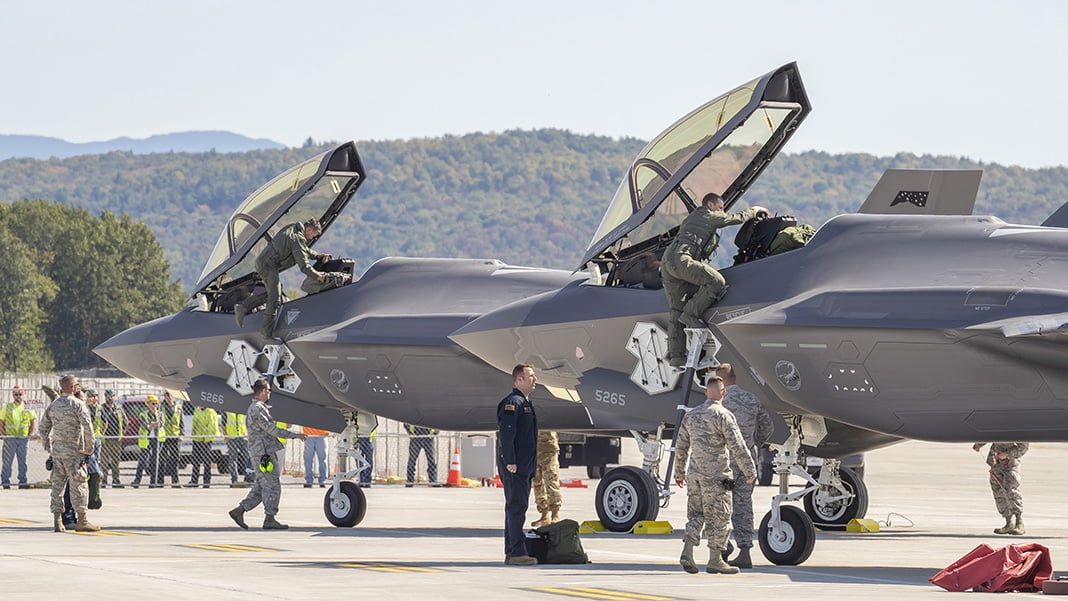 F-35 Fleet Readiness Falls to 25% Amid Parts Shortages and Software Delays: GAO Report
-
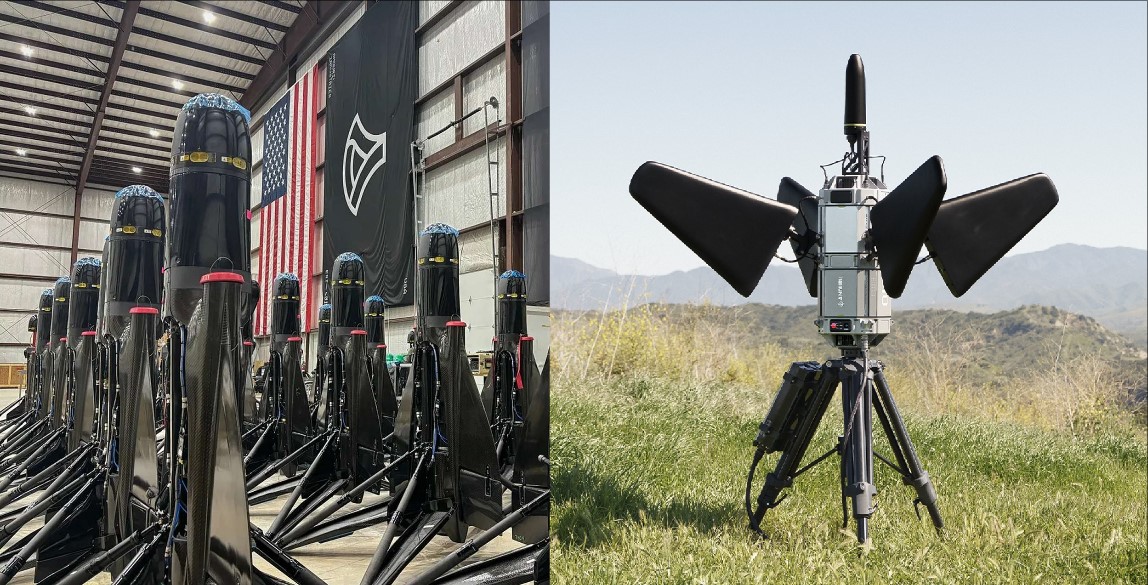 U.S. Approves $1.98 Billion Sale of Anduril AI-Powered Counter-Drone Systems to Kuwait
-
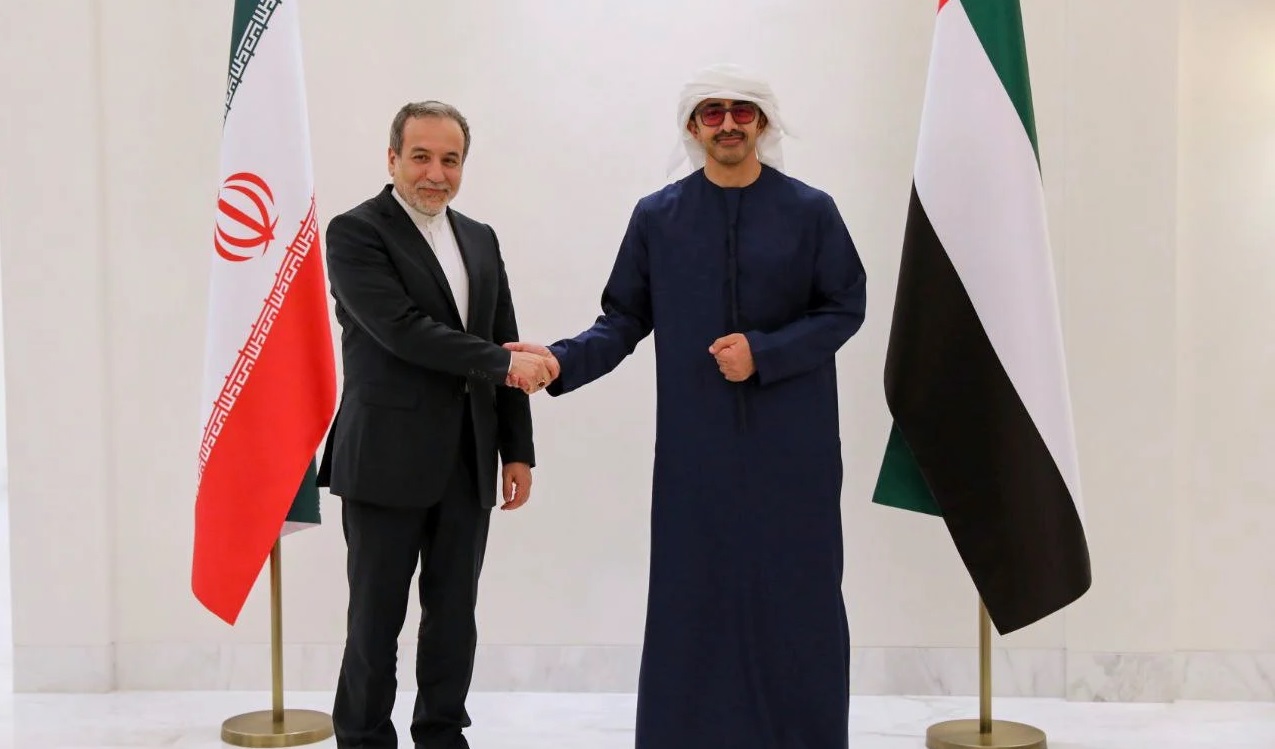 UAE Denies Reports of Releasing Up to $20 Billion in Funds to Iran Amid Regional De-Escalation Efforts
-
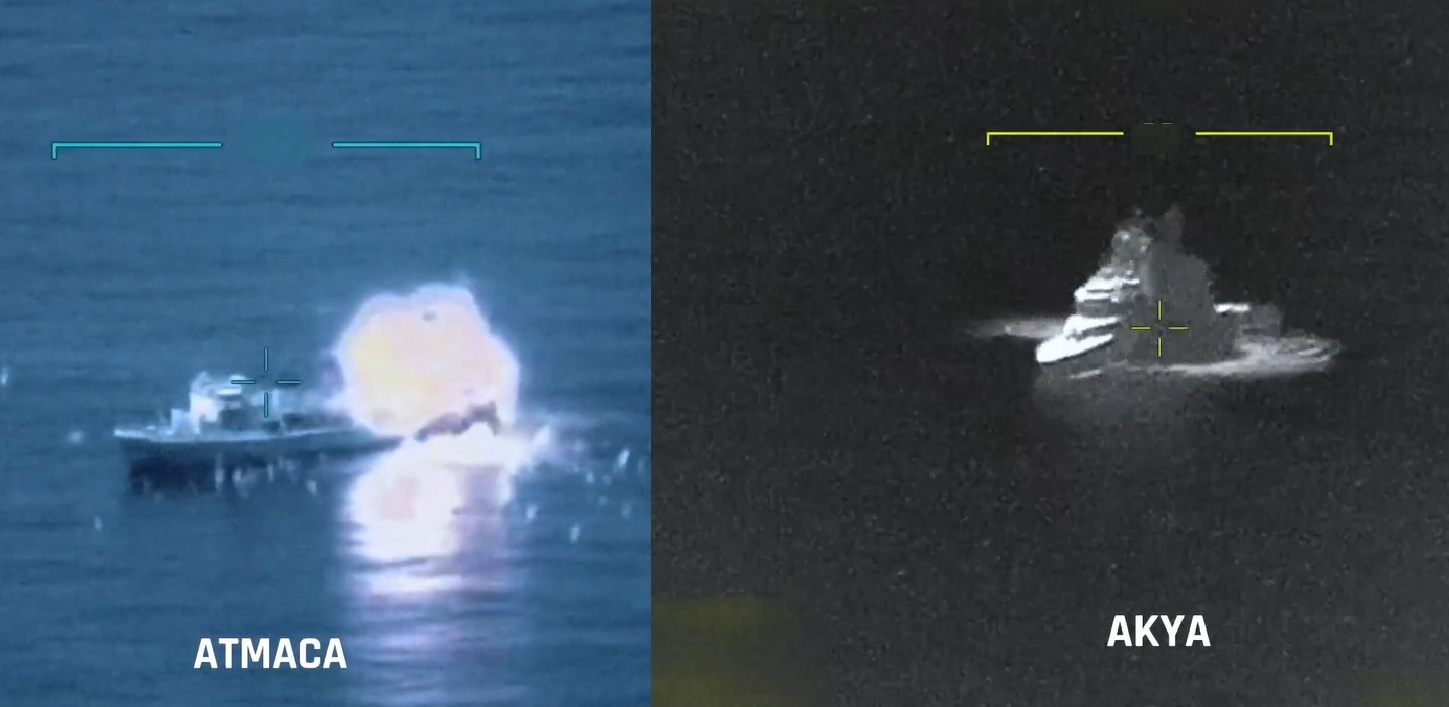 Turkey Navy Successfully Tests AKYA Torpedo and ATMACA Missile During Major Denizkurdu-II Naval Exercise
-
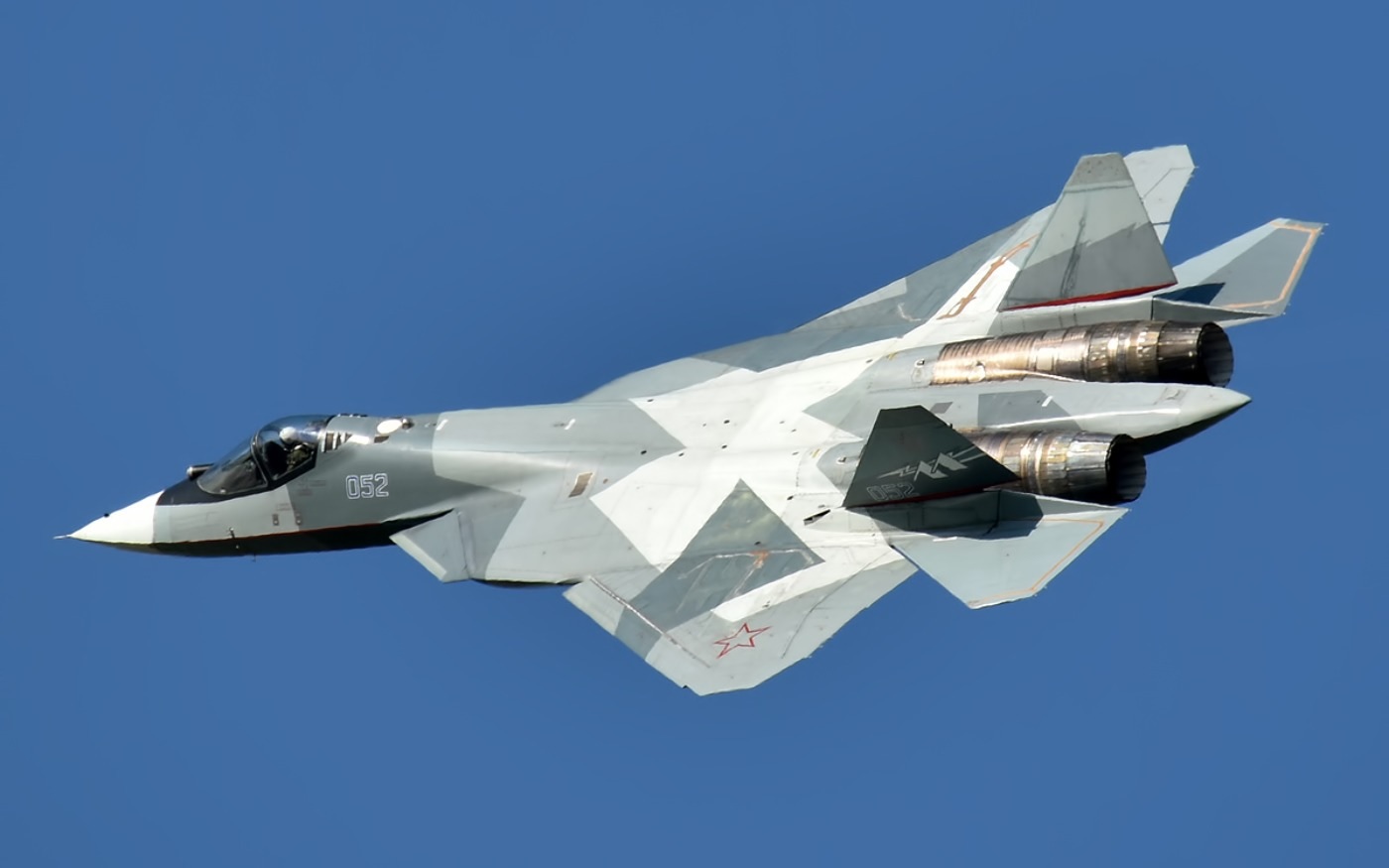 Russian Analysts Debate Su-57 Capabilities After Putin Calls Fighter Superior to F-35
Top Trending in 4 Days
-
 Iranian Media Leaks 14-Point U.S.-Iran Peace Framework Amid Ongoing Negotiations
-
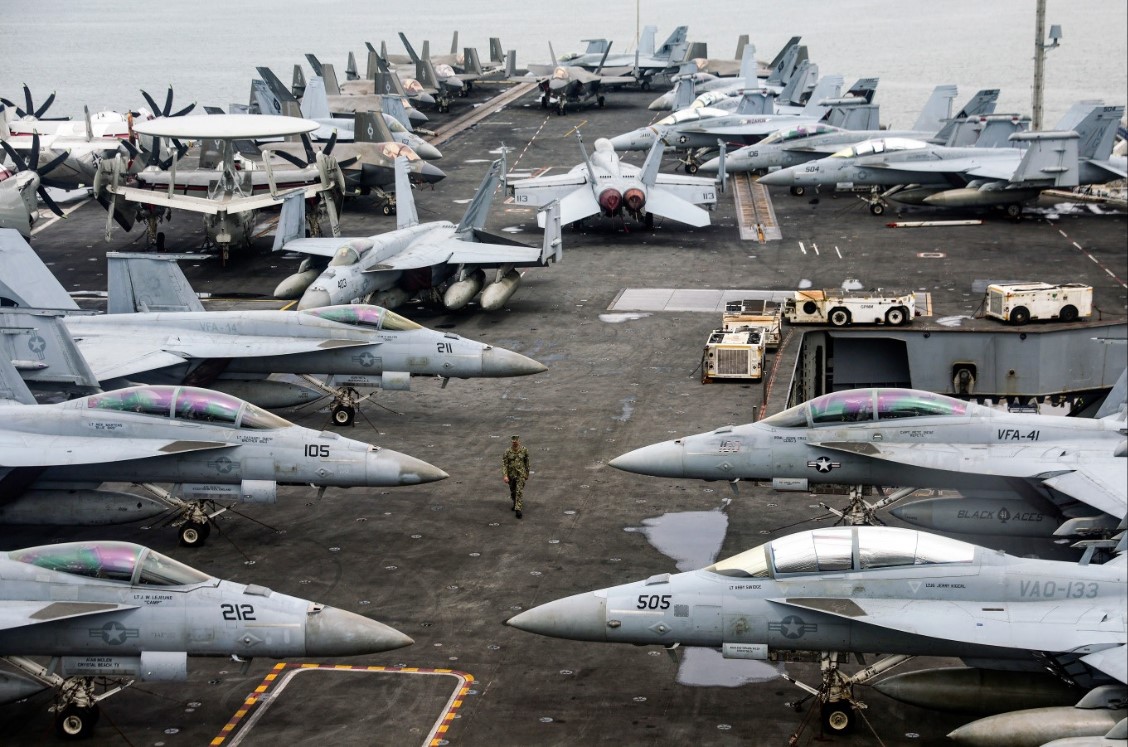 US Plans Significant Reduction of Fighter Jets and Warships for NATO Operations in Europe
-
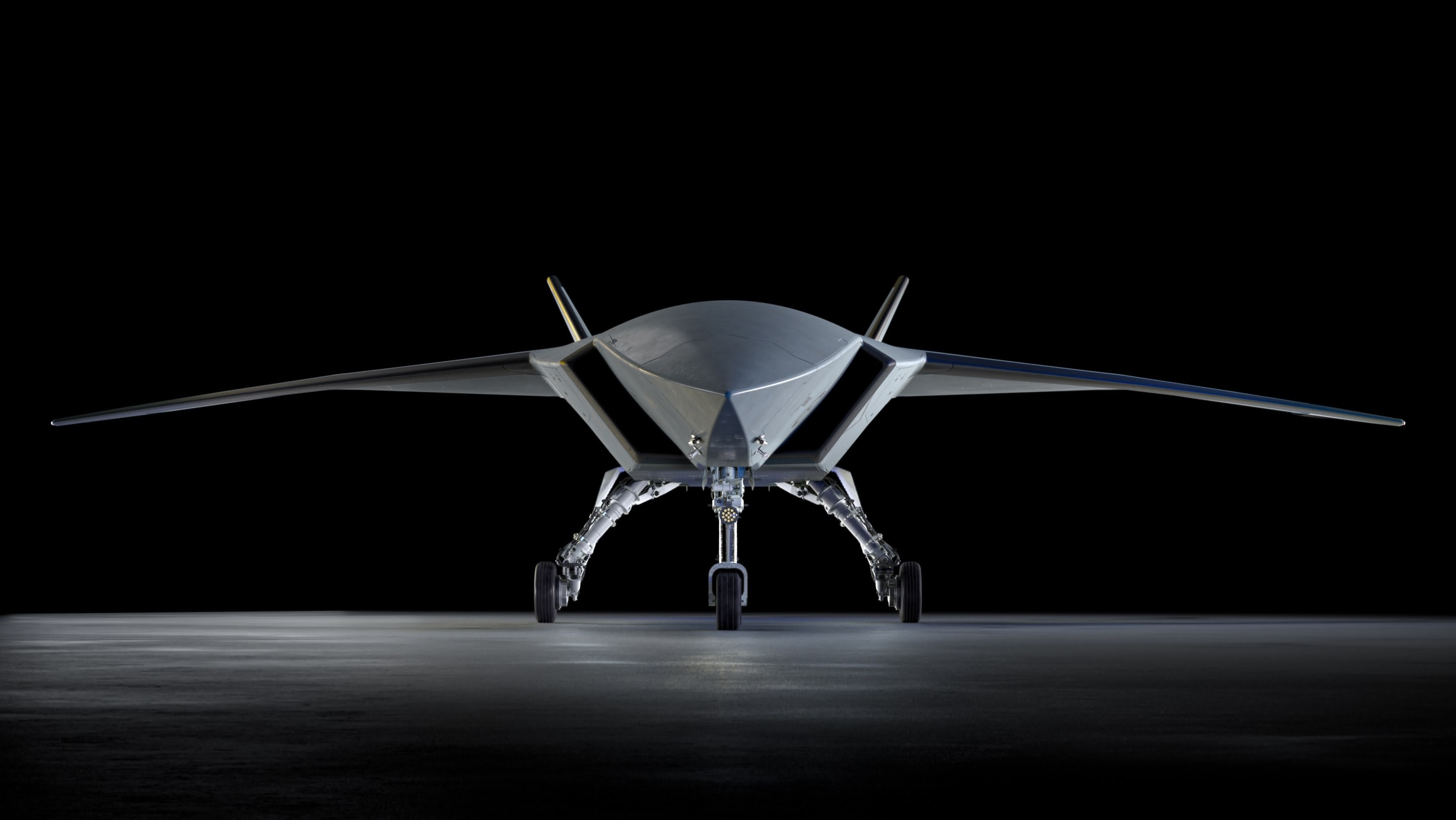 Boeing Introduces New MQ-28 Ghost Bat Upgrades with Increased Range, Payload and Weapons Capacity at ILA Berlin 2026
-
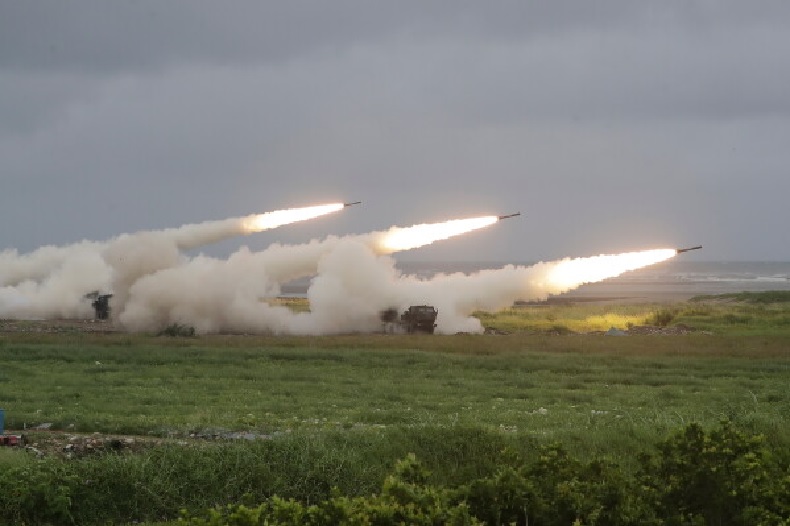 Taiwan Conducts First Live-Fire of HIMARS Rockets From West Coast During Invasion Defense Drill
-
 AMCA Airframe Spotted at DRDO’s ORANGE Facility for Radar Cross-Section Testing
-
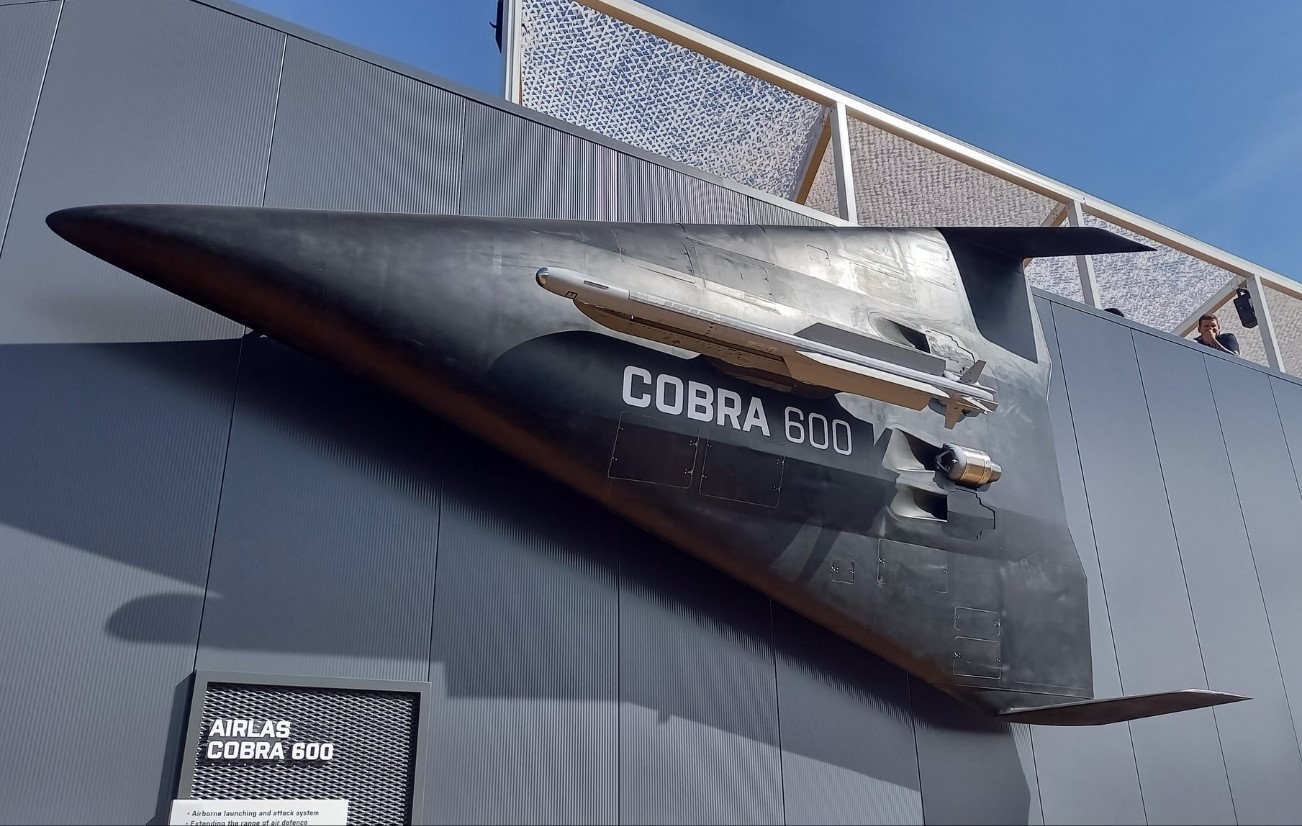 Diehl Defence Unveils IRIS-T Armed Cobra 600 Air Defense Drone at ILA Berlin 2026
-
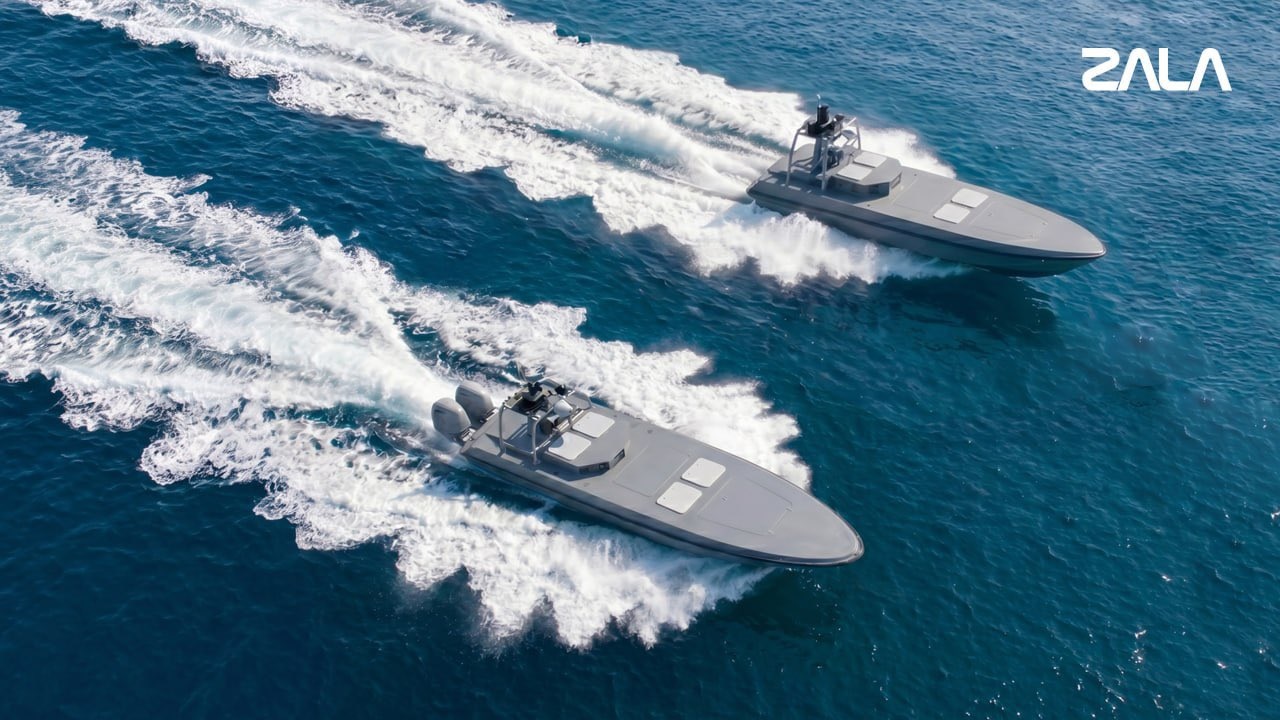 Russian Defense Firm ZALA Unveils KAMA Unmanned Surface Vessel Family at FLOT-2026 Naval Exhibition
-
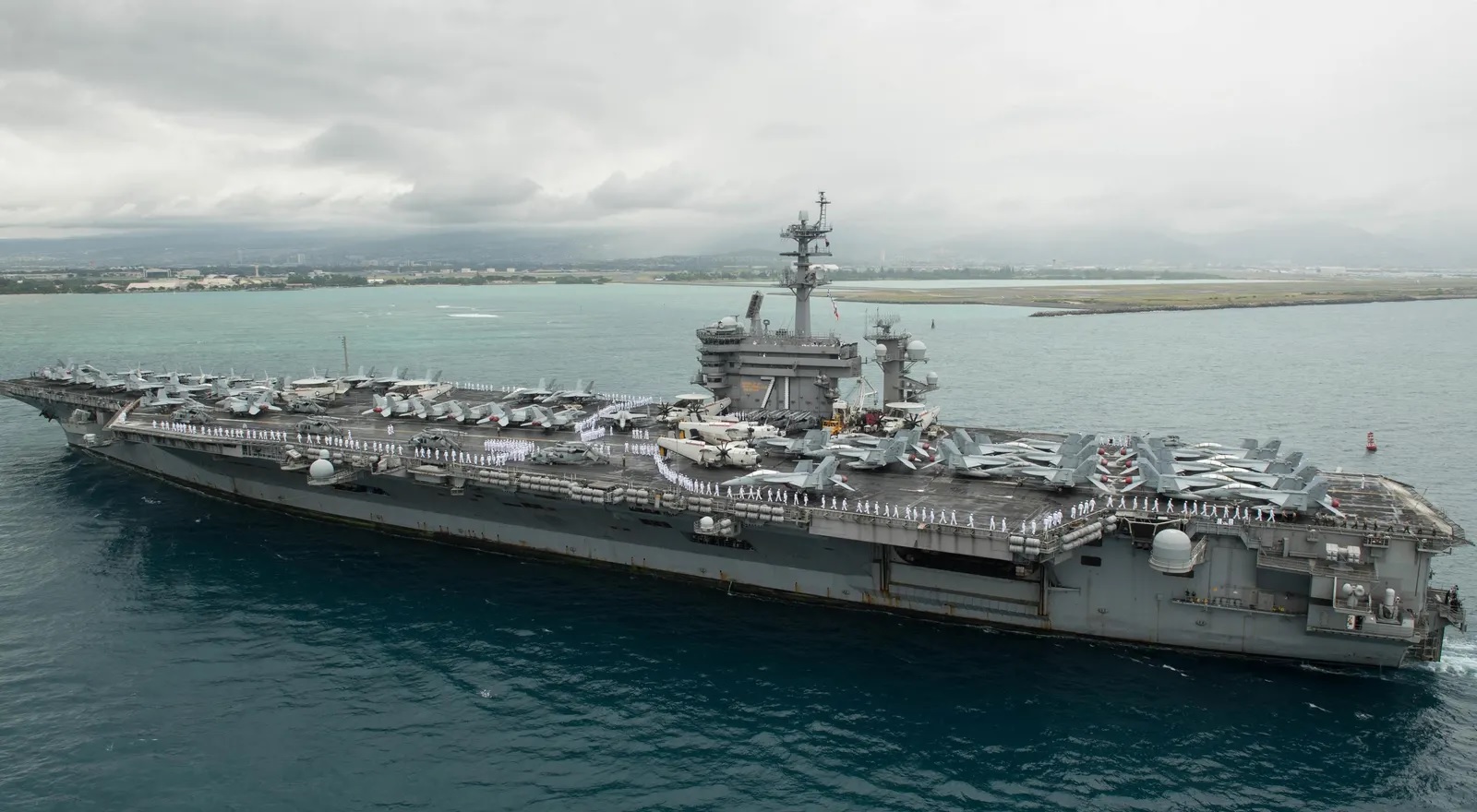 U.S Aircraft Carrier USS Theodore Roosevelt Departs San Diego for Major RIMPAC 2026 Naval Exercise