Islamabad/New Delhi: Pakistan has been forced into an unusually candid admission over the May military escalation with India, with its own foreign minister publicly acknowledging that Indian precision strikes damaged a major Pakistani military installation and injured personnel. The disclosure has reignited scrutiny of India’s Operation Sindoor, launched in retaliation for the April 22 Pahalgam terror attack that killed 26 civilians in Jammu and Kashmir.
The admission came from Ishaq Dar, Pakistan’s Foreign Minister and Deputy Prime Minister, during a year-end press briefing on Saturday. Dar confirmed that India struck the Nur Khan Air Base in Rawalpindi’s Chaklala area, a strategically sensitive installation located close to Pakistan’s military headquarters, marking one of the clearest acknowledgements yet of the impact of Indian strikes during the crisis.
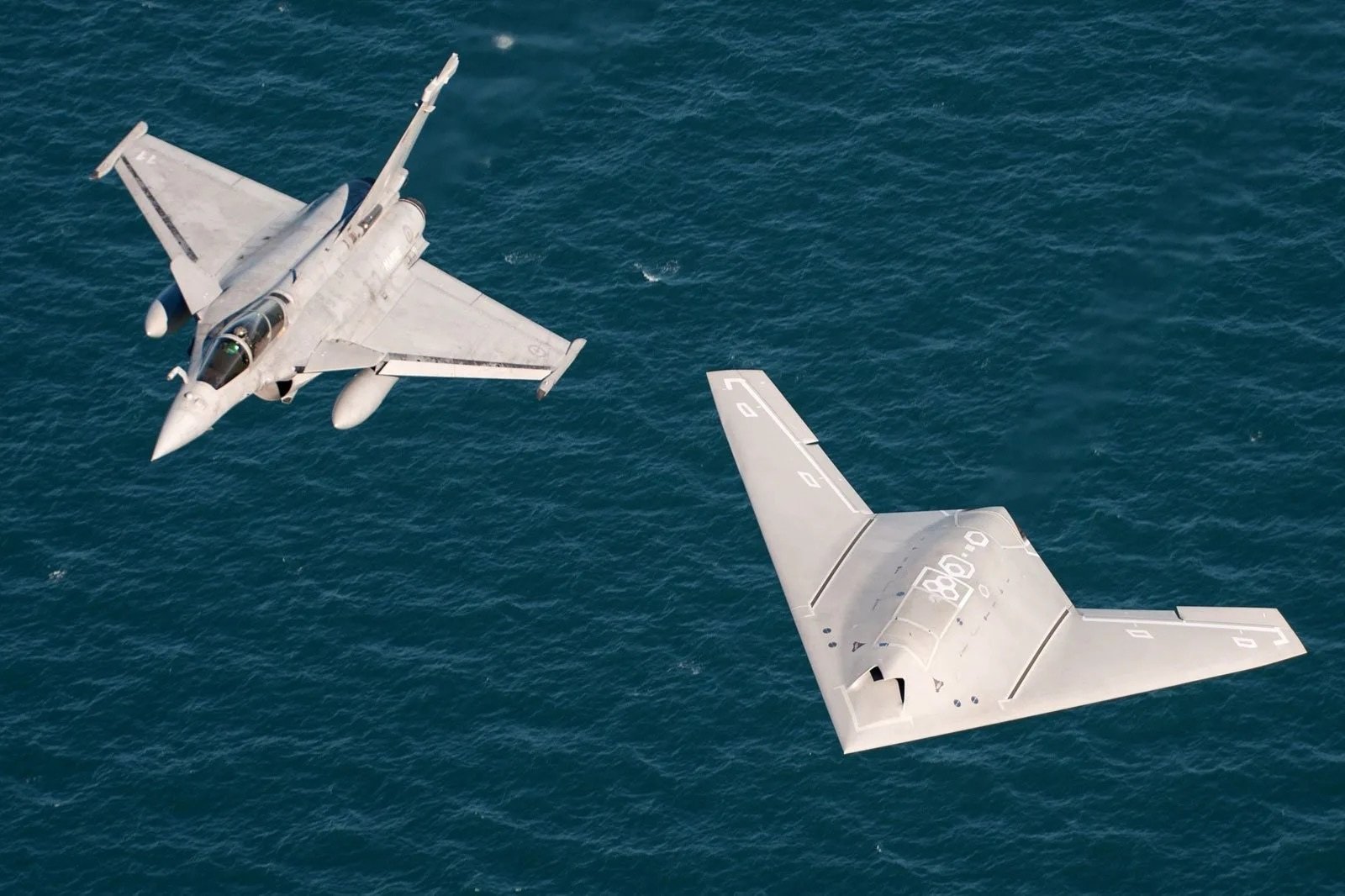
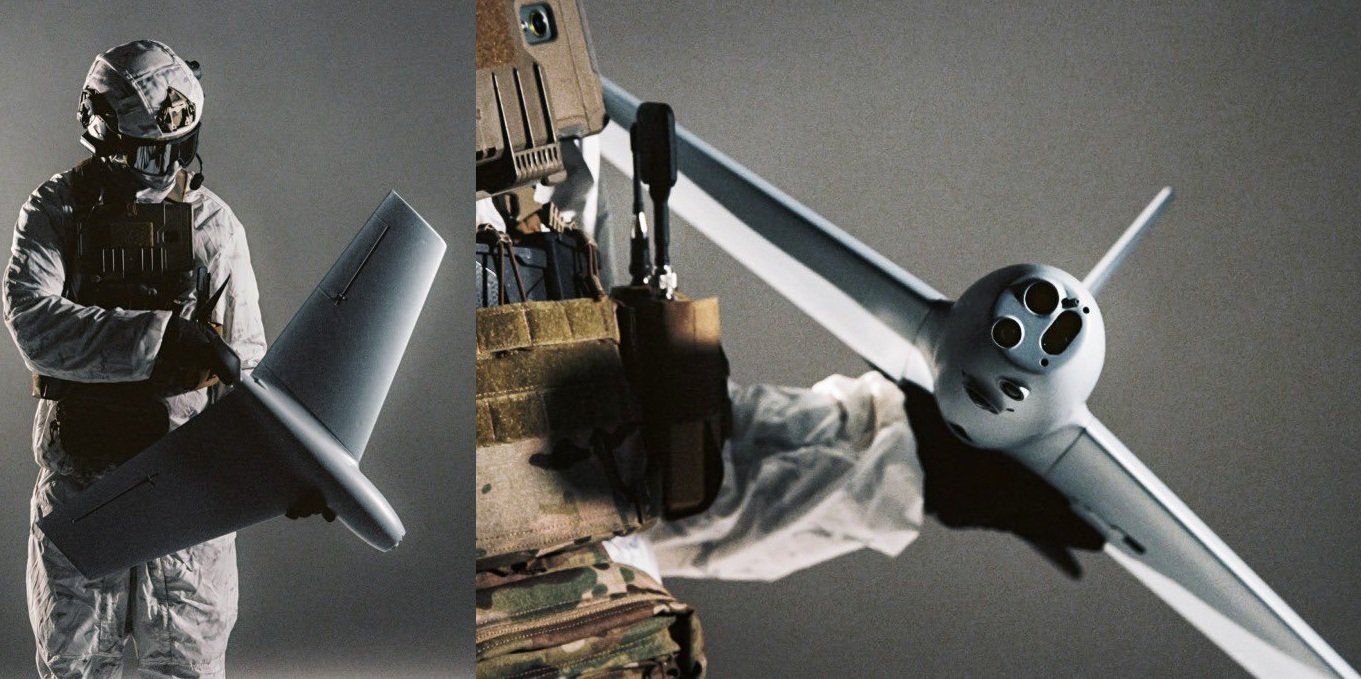
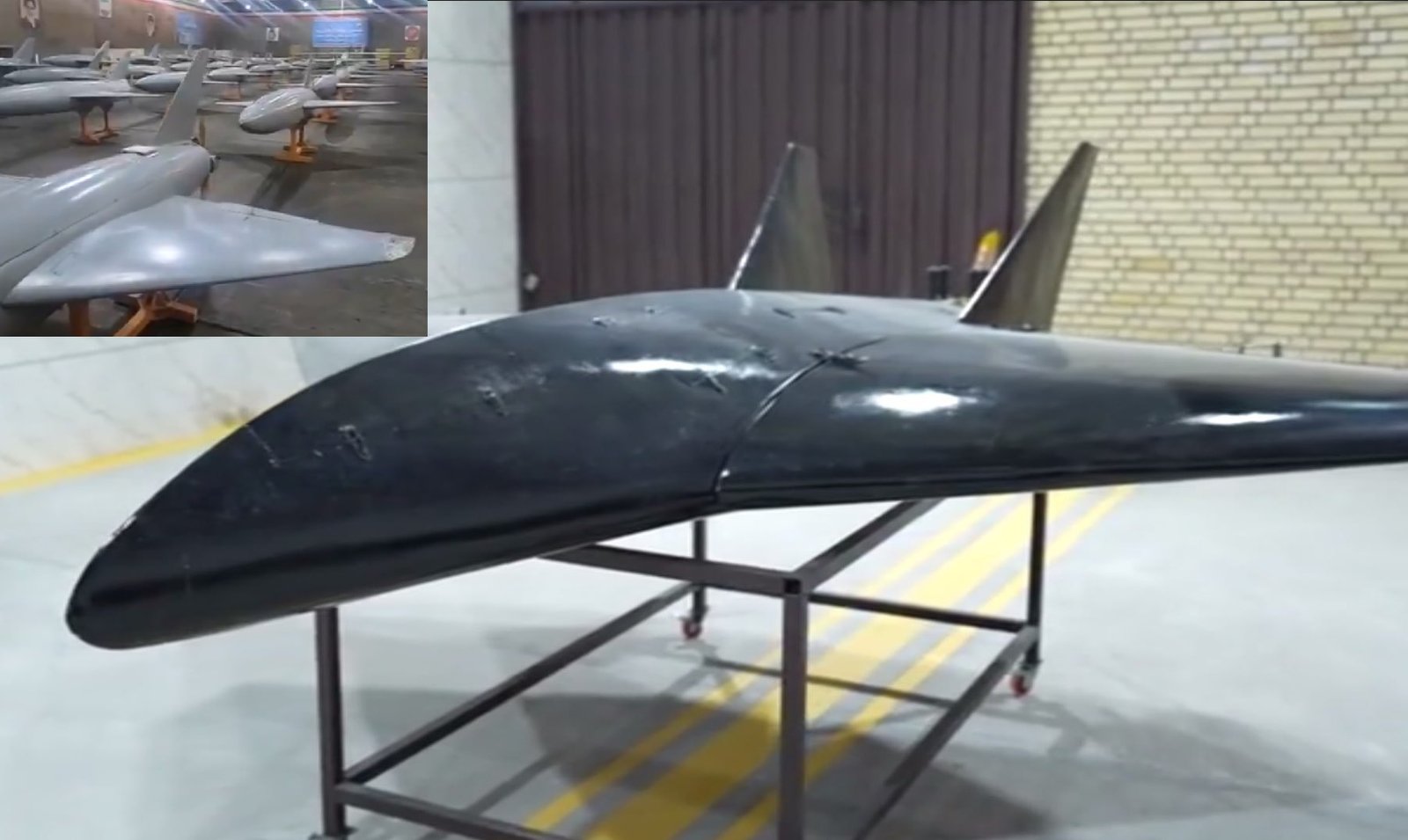
Speaking to reporters, Dar said that India had launched an extensive drone operation across Pakistani airspace within a short window. “They sent drones towards Pakistan. In 36 hours, at least 80 drones were sent,” he stated. According to the Pakistani foreign minister, 79 drones were intercepted, while one drone penetrated defences, damaging a military installation and injuring personnel at Nur Khan Air Base. The remarks effectively underlined both the scale and precision of India’s actions.
Dar went on to outline the internal response within Pakistan, revealing that a late-night meeting of the country’s civil and military leadership was convened on May 9, chaired by Prime Minister Shehbaz Sharif. He said the leadership “authorised” certain decisions as the situation evolved, before adding that India, in his words, “made the mistake” of attacking Nur Khan Air Base in the early hours of May 10—a statement that nonetheless confirmed the strike and the resulting damage.
The comments amount to a rare and significant acknowledgment of India’s strategic strikes on Pakistani military infrastructure, carried out after Operation Sindoor targeted nine terror camps across Pakistan and Pakistan-occupied Jammu and Kashmir (PoJK). The Indian Armed Forces launched the operation in the early hours of May 7, explicitly framing it as a calibrated response to the Pahalgam attack.
According to multiple assessments, Nur Khan Air Base, officially known as Nur Khan Air Base, suffered significant damage during the Indian precision strikes. The base plays a crucial role in Pakistan Air Force operations and logistical support, making it a high-value military target.
The exchange of strikes sharply escalated tensions between the two nuclear-armed neighbours. In the days following India’s operation, cross-border shelling intensified from the Pakistani side, prompting retaliatory action by the Indian Armed Forces along the Line of Control and elsewhere. However, the confrontation took an unexpected diplomatic turn when Pakistan initiated contact at the military level.
In a notable development, Pakistan’s Director General of Military Operations (DGMO) reached out to his Indian counterpart to propose a ceasefire. India accepted the proposal, leading to a halt in hostilities. The outreach from Islamabad was later confirmed by India’s Foreign Secretary Vikram Misri, who stated that both sides agreed to stop all military operations on land, at sea, and in the air.
Independent verification of the strikes emerged soon after. Satellite imagery released on May 13 by Maxar Technologies revealed visible damage to multiple Pakistani air bases, lending further credibility to India’s claims. The images showed impact marks and damaged infrastructure at Nur Khan Air Base in Rawalpindi, PAF Base Mushaf, Bholari Air Base, and PAF Base Shahbaz. Comparative satellite images dated April 25, 2025, and May 10, 2025, highlighted clear changes to airbase facilities, confirming that the strikes occurred during the escalation window.
Dar’s admission is not the first from Pakistan’s top leadership. In May, Prime Minister Shehbaz Sharif himself publicly acknowledged that Indian ballistic missiles hit Nur Khan Air Base and other locations on May 10—an extraordinary departure from Pakistan’s traditional policy of denying Indian military action. Addressing a ceremony at the Pakistan Monument on May 16, Sharif said that at around 2:30 am, Army Chief General Syed Asim Munir informed him via a secure line that Indian missiles had struck multiple sites. Pakistani media outlet Geo News reported Sharif as saying that Pakistan’s Air Force relied on “homegrown technology” and modern systems, including on Chinese-origin jets, to respond.
Taken together, the admissions by both the foreign minister and the prime minister mark a significant moment in the post-crisis narrative. They not only validate the depth and reach of India’s May strikes, but also underscore how Operation Sindoor altered the strategic calculus during one of the most serious India-Pakistan confrontations in recent years—before it was abruptly paused by a ceasefire initiated from Islamabad.
——— End of Article ———