Space & Technology
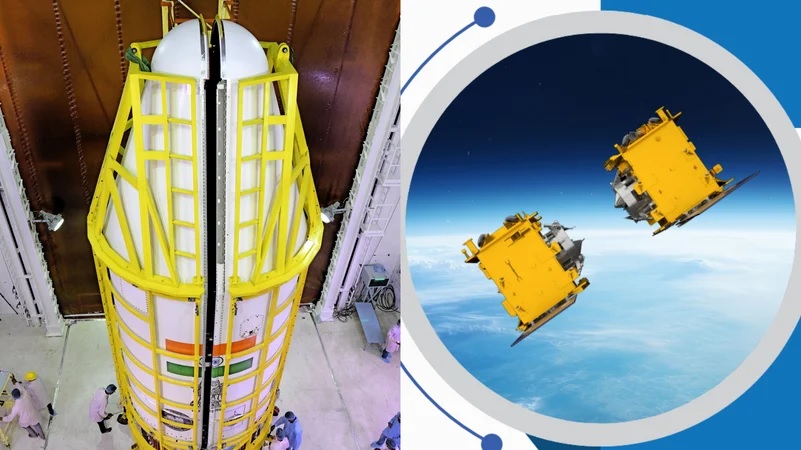
The Indian Space Research Organisation (ISRO) achieved a significant milestone on January 16, 2025, by successfully docking two indigenous satellites, SDX01 (Chaser) and SDX02 (Target), under the Space Docking Experiment (SpaDeX) mission. This accomplishment positioned India as the fourth nation, following the United States, Russia, and China, to demonstrate in-space docking capabilities. Post-docking, the mission plan included an undocking procedure anticipated to occur by the morning of January 21, 2025. However, as of 1:46 PM IST on January 21, this operation has not been executed. ISRO is likely conducting thorough analyses of the data and assessing power requirements to ensure a safe and successful undocking process. The initial docking, conducted on January 16, involved precise maneuvers to bring the two satellites together, followed by successful retraction and stabilization. This event marked a critical step forward in India's space capabilities, enabling future missions involving satellite servicing, space station operations, and complex interplanetary endeavors. Prior to the successful docking, the mission experienced postponements. Originally scheduled for January 7, the docking was deferred to January 9 to allow for additional ground simulations based on an identified abort scenario. Subsequently, on January 8, ISRO postponed the docking again due to unexpected excess drift between the satellites during a maneuver to reach a 225-meter separation. Despite these challenges, the docking was accomplished on January 16, showcasing ISRO's commitment to meticulous planning and execution. The undocking procedure is a critical component of the SpaDeX mission, testing the ability to safely separate docked satellites and paving the way for advancements in modular spacecraft design and on-orbit assembly. The delay in undocking suggests that ISRO is exercising caution, likely analyzing telemetry data and power systems to mitigate any potential risks. Additionally, the window for re-docking operations was projected to extend until January 20, 2025. With this date now passed, it remains to be seen how ISRO will adjust its mission timeline to accommodate further tests and objectives. The organization has not released an official statement regarding the undocking delay, but it is expected that comprehensive assessments are underway to determine the optimal course of action. The SpaDeX mission represents a significant leap in India's space exploration endeavors, demonstrating capabilities essential for future projects such as the construction of the Bharatiya Antariksh Station and potential interplanetary sample return missions. The current focus on data analysis and system readiness underscores ISRO's dedication to ensuring mission success and safety. Further updates from ISRO are anticipated, providing clarity on the revised schedule for the undocking procedure and subsequent mission milestones.
Read More → Posted on 2025-01-21 08:22:56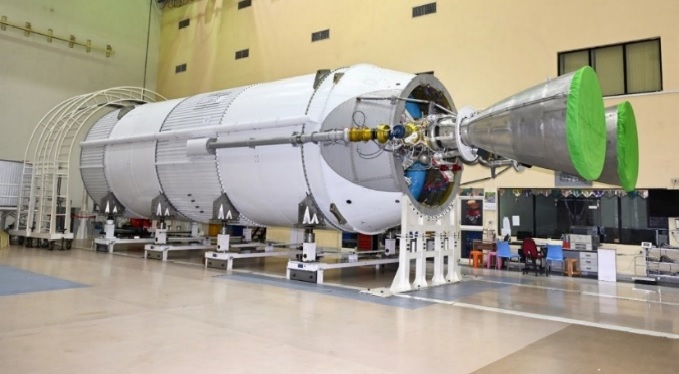
Space & Technology
In a significant step toward another milestone in India's space program, the core liquid stage (L110) of the LVM3 launch vehicle was officially flagged off on January 17, 2025. The event took place in the presence of Secretary of the Department of Space (DOS) and Chairman of ISRO, along with the Directors of Vikram Sarabhai Space Centre (VSSC), Satish Dhawan Space Centre (SDSC-SHAR), and ISRO Propulsion Complex (IPRC). The stage is now en route to the launch complex at Sriharikota for integration into its upcoming mission. This marks the 10th L110 liquid stage successfully integrated at the ISRO Propulsion Complex in Mahendragiri. The L110 stage is a critical component of ISRO’s LVM3 (Launch Vehicle Mark-3), India’s most powerful rocket, often referred to as its "heavy-lift" vehicle. It is designed to handle the heaviest payloads and is a cornerstone for India's ambitions in commercial satellite launches and interplanetary missions. Key Features of the L110 Liquid Stage The L110 stage is powered by two indigenously developed Vikas engines, which have been a workhorse of ISRO's liquid propulsion technology. The stage uses 110 tonnes of hypergolic propellants — unsymmetrical dimethylhydrazine (UDMH) as fuel and nitrogen tetroxide (N2O4) as the oxidizer. This powerful combination generates the necessary thrust to lift the LVM3 and its payloads into space. Originally designed and developed by the Liquid Propulsion Systems Centre (LPSC), the L110 stage plays a pivotal role during the initial phase of flight, ensuring a smooth transition to the cryogenic stage for orbit insertion. A Commercial Milestone: The AST & Science Partnership This particular mission involving the L110 stage is part of a commercial agreement between NewSpace India Limited (NSIL), the commercial arm of ISRO, and AST & Science, LLC. The mission will deploy AST & Science's BlueBird Block 2 satellite into orbit. The collaboration highlights ISRO's growing role in the global commercial space industry, leveraging its reliable and cost-effective launch capabilities to attract international customers. AST & Science’s BlueBird Block 2 satellite is a part of a larger constellation aimed at delivering low-latency broadband communication services across the globe. The satellite's deployment using the LVM3 rocket not only demonstrates the capability of India's launch vehicles but also reinforces its standing as a preferred launch partner for commercial satellite operators. LVM3: India’s Heavy-Lift Workhorse The LVM3, previously known as the GSLV Mk-III, has earned its reputation as ISRO’s flagship rocket. It can carry payloads of up to 4 tonnes to Geostationary Transfer Orbit (GTO) and up to 10 tonnes to Low Earth Orbit (LEO). Its reliability and performance have made it a key vehicle for both national missions, such as Chandrayaan-2, and commercial launches. The LVM3 consists of three stages: S200 Solid Rocket Boosters: These provide the initial thrust during liftoff. L110 Liquid Stage: Powered by twin Vikas engines, this core stage takes over after the boosters separate. C25 Cryogenic Upper Stage: The final stage, fueled by liquid hydrogen and liquid oxygen, places payloads into their designated orbit. ISRO’s Growing Commercial Success The commercial agreement for this mission underscores ISRO's expanding role in the global space economy. NSIL, which oversees ISRO's commercial activities, has been instrumental in marketing India's space capabilities to international clients. The deployment of AST & Science’s satellite using the LVM3 demonstrates the confidence global players have in ISRO’s technology and expertise. This mission adds to the growing list of achievements for LVM3, which has previously launched multiple satellites under commercial contracts, including successful missions for OneWeb and other international clients. With this flag-off, ISRO is poised to further cement its position as a reliable, affordable, and cutting-edge player in the competitive commercial launch market. The Road Ahead As the L110 liquid stage makes its way to Sriharikota, preparations for the mission will ramp up at the SDSC-SHAR launch complex. The integration of the L110 stage with other components of the LVM3 rocket will be closely monitored to ensure a flawless mission. This mission serves as a reminder of ISRO’s commitment to advancing indigenous technology while actively contributing to global space initiatives. The successful completion of this launch will not only add another feather to ISRO’s cap but also strengthen its reputation as a preferred partner for commercial space ventures worldwide.
Read More → Posted on 2025-01-20 08:01:28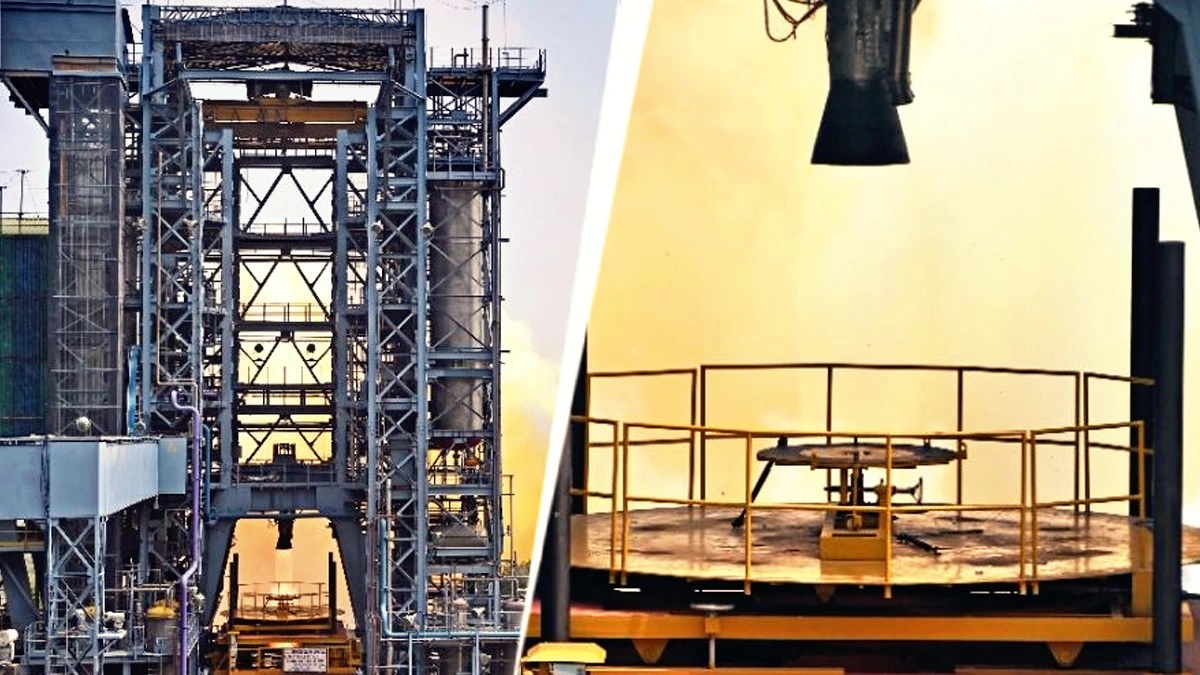
Space & Technology
On January 17, 2025, the Indian Space Research Organisation (ISRO) successfully demonstrated the restart capability of its Vikas liquid engine at the ISRO Propulsion Complex in Mahendragiri. The Vikas engine, a vital component powering the liquid stages of ISRO's launch vehicles, underwent a test where it was ignited for 60 seconds, followed by a 120-second shutdown, and then restarted for an additional 7 seconds. All engine parameters during the test were normal and met expectations. This successful demonstration marks a significant milestone in ISRO's pursuit of reusable launch vehicle technologies. The ability to restart liquid engines is crucial for the recovery and reuse of rocket stages, potentially reducing the cost of access to space. A series of tests are being conducted to validate the engine's restart capabilities under various conditions. Notably, a prior test in December 2024 involved a shorter shutdown period of 42 seconds, followed by a 7-second restart, which was also successful. In addition to the engine restart test, ISRO Chairperson V. Narayanan flagged off the core liquid stage (L110) of the LVM3 launch vehicle to the launch complex at Sriharikota. This stage, powered by twin Vikas engines with a propellant loading of 110 tonnes, is designated for the LVM3 mission under a commercial agreement between NewSpace India Limited (NSIL) and AST SpaceMobile & Science, LLC to launch their BlueBird Block 2 satellite. These developments underscore ISRO's commitment to advancing its launch capabilities and achieving technological self-reliance in space exploration.
Read More → Posted on 2025-01-19 09:39:28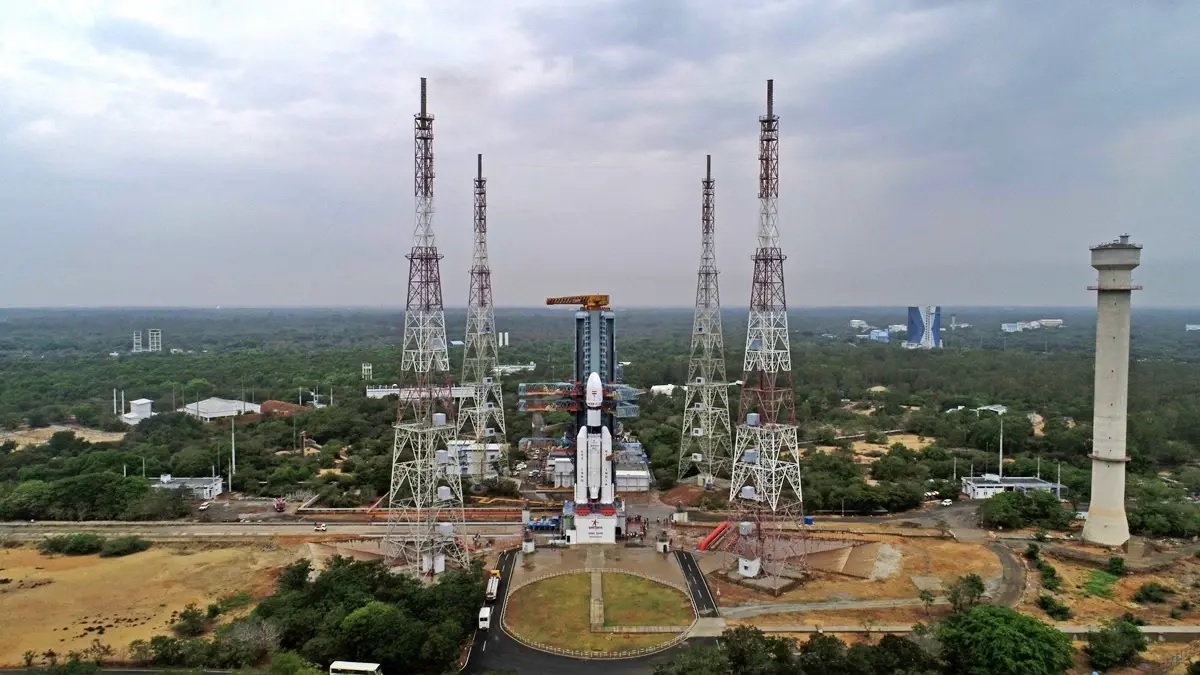
Space & Technology
The Union Cabinet, chaired by Prime Minister Narendra Modi, has approved the establishment of a Third Launch Pad (TLP) at the Satish Dhawan Space Centre (SDSC) in Sriharikota. This strategic decision represents a significant step forward in bolstering India’s space exploration capabilities, particularly for next-generation launch vehicles, human spaceflight missions, and enhanced launch frequency for the Launch Vehicle Mark-3 (LVM-3). Key Details of the Project Project Budget: ₹3,984.86 crore. Timeline: 48 months, with completion anticipated by early 2029. Purpose: To meet the growing demands of India’s expanding space program and improve the launch infrastructure at ISRO’s premier launch site. Why a Third Launch Pad? The decision to establish a third launch pad reflects the increasing pace of ISRO’s missions, which include a mix of scientific exploration, commercial satellite launches, and human spaceflight missions. Support for Next-Generation Launch Vehicles:The TLP will accommodate ISRO’s next-generation launch vehicles, which are designed to carry larger payloads and offer better reliability. Human Spaceflight Missions:As India prepares for its Gaganyaan human spaceflight program, the new launch pad will play a critical role in ensuring the safety and success of manned missions. Increased Launch Frequency:The LVM-3 (formerly GSLV Mk III), ISRO’s workhorse rocket, has seen growing demand for both domestic and international satellite launches. The TLP will help meet this demand by reducing turnaround times between launches. Augmenting Infrastructure for Future Needs:With ambitious plans for lunar, interplanetary, and space station missions, ISRO requires state-of-the-art infrastructure to stay competitive on the global stage. Advanced Features of the Third Launch Pad The Third Launch Pad will be a state-of-the-art facility equipped with: Advanced Launch Vehicle Integration Systems: To handle multiple vehicle configurations, including heavy-lift rockets. Enhanced Safety Features: Critical for human spaceflight missions, ensuring the safety of astronauts and payloads. High-Speed Turnaround Capabilities: To enable rapid preparation for successive launches. Upgraded Tracking Systems: To ensure precise monitoring of launches and post-liftoff trajectories. Significance for India’s Space Program Strengthening India’s Global Space Presence:The new launch pad will help ISRO compete with international players like SpaceX and Arianespace by enhancing its capability to launch satellites at a competitive price. Boosting Commercial Opportunities:With the growing demand for satellite launches worldwide, the TLP will position ISRO to capture a larger share of the commercial launch market. Support for Strategic Missions:The enhanced infrastructure will aid in the development and deployment of critical national assets, including defense and communication satellites. Catalyst for Scientific Exploration:From lunar exploration missions like Chandrayaan to ambitious interplanetary projects like Aditya-L1, the TLP will ensure ISRO’s readiness for future scientific endeavors. Economic and Strategic Impacts The ₹3,984.86 crore investment will not only strengthen India’s space capabilities but also stimulate the local economy through job creation and infrastructure development. Additionally, the TLP will enhance India’s strategic autonomy in space, reducing reliance on foreign launch facilities. A Leap Towards the Future With the approval of the Third Launch Pad at Sriharikota, India is taking a giant leap toward solidifying its position as a global space power. This forward-looking initiative underscores the government’s commitment to advancing space technology, fostering innovation, and contributing to the nation’s overall technological and scientific growth. As ISRO continues to push boundaries with missions like Gaganyaan, Shukrayaan, and beyond, the Third Launch Pad will serve as a cornerstone for achieving these ambitious goals, propelling India into a new era of space exploration.
Read More → Posted on 2025-01-17 15:54:08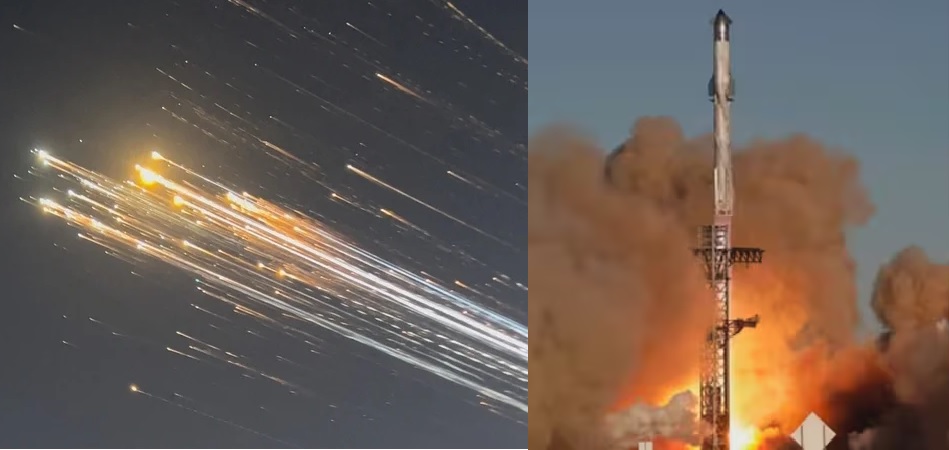
Space & Technology
In a dramatic turn of events, SpaceX's Starship prototype disintegrated shortly after its launch from the company's test site in Boca Chica, Texas. This mishap, which unfolded just minutes into the flight, has not only raised serious questions about the vehicle's safety and reliability but also caused disruptions to air traffic over the Gulf of Mexico, highlighting the broader implications of large-scale space launches. What Happened During the Launch? The launch started as planned, with Starship lifting off atop its Super Heavy booster, which is touted as the most powerful rocket ever built. However, moments after separating from the booster, the spacecraft encountered a critical failure in its upper stage. According to SpaceX Communications Manager Dan Huot, "We did lose all communications with the ship – that is essentially telling us we had an anomaly with the upper stage." Shortly after, the Starship disintegrated, marking yet another setback for SpaceX’s ambitious program. Safety Concerns and Air Traffic Disruptions The immediate aftermath of the incident revealed significant safety risks. Air traffic control had to divert commercial flights operating near the Gulf of Mexico, underscoring the potential dangers of conducting launches in areas close to heavily trafficked airspace. While SpaceX has managed successful launches in the past, this incident demonstrates how failures can have far-reaching consequences beyond the realm of space exploration. Starship Specifications Despite its challenges, Starship remains an engineering marvel with revolutionary specifications. Height: 120 meters (394 feet) when fully stacked with its Super Heavy booster. Payload Capacity: Capable of carrying 150 metric tons to low Earth orbit (LEO) in a fully reusable configuration and up to 250 metric tons in an expendable mode. Engine Power: Powered by 33 Raptor engines in the booster and six in the spacecraft itself, running on liquid methane and liquid oxygen (methalox) for higher efficiency and lower cost. Reusable Design: Both the spacecraft and the booster are designed for reusability, a key feature that aims to reduce the cost of space travel significantly. Future Missions: SpaceX envisions using Starship for a range of missions, including deploying satellites, lunar landings, and eventually crewed missions to Mars. Previous Challenges and Future Ambitions This isn't the first time Starship has faced challenges. A notable failure occurred in April 2023 during its inaugural test flight, where the spacecraft exploded after losing control. SpaceX has since made modifications to the design, but the latest incident demonstrates that there are still hurdles to overcome. One of the key criticisms of Starship’s design is its lack of a launch escape system, a safety mechanism that allows the crew to eject from the spacecraft in case of an emergency. While Elon Musk has maintained confidence in the vehicle's reliability, this recent failure is likely to attract increased scrutiny from regulators, including the Federal Aviation Administration (FAA). Despite these setbacks, SpaceX remains steadfast in its ambitions. The company envisions Starship as a cornerstone of its plans to revolutionize space exploration, aiming for missions that include sending humans to Mars and establishing a sustainable presence on the Red Planet. What’s Next for Starship? In light of the recent failure, SpaceX will likely focus on identifying and addressing the technical issues that caused the anomaly. This process will involve detailed analysis of flight data and potential design adjustments. Additionally, the company may face stricter regulatory oversight, particularly concerning the safety protocols for future launches. While the path ahead may be challenging, SpaceX’s track record of learning from failures suggests that the company will continue to push the boundaries of space exploration. The Starship program, with its groundbreaking capabilities and ambitious goals, remains a critical component of humanity’s journey toward interplanetary travel. Conclusion The breakup of SpaceX’s Starship prototype serves as a reminder of the complexities and risks inherent in space exploration. As the company works to address these challenges, the world watches closely, hoping that Starship will eventually fulfill its promise of revolutionizing space travel and opening new frontiers for humanity.
Read More → Posted on 2025-01-17 15:21:23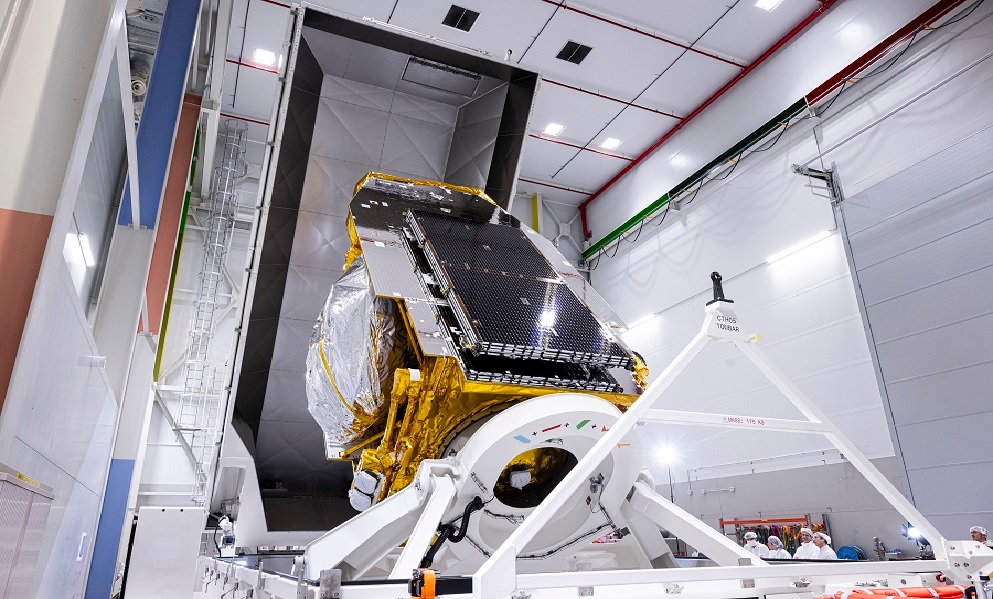
Space & Technology
The Spanish satellite operator Hisdesat is gearing up for a landmark event as it prepares to launch its highly advanced secure communications satellite, SpainSat NG I, on January 28, 2025. The mission will be executed by SpaceX, leveraging its Falcon 9 rocket, with the launch set to take place at Cape Canaveral, Florida. This event signifies a pivotal moment for Spain’s space industry, showcasing years of innovation and collaboration. Specifications and Features of SpainSat NG I SpainSat NG I is an engineering marvel and a testament to Spain’s growing capabilities in the aerospace sector. Weighing a substantial 6.1 tons and standing at an impressive 7.2 meters, it is the largest and most sophisticated satellite ever developed in Spain. The satellite’s construction is a result of a significant national effort, with 45% of its components being designed and manufactured by Spanish companies. Equipped with cutting-edge payload technology, SpainSat NG I will deliver secure, high-bandwidth communications for various critical applications. The satellite will operate in both X-band and military Ka-band frequencies, ensuring secure communication channels for its users. These capabilities make it a vital asset for defense and governmental operations, particularly for the Spanish Armed Forces and NATO allies. Mission Purpose and Impact SpainSat NG I is poised to be Europe’s most advanced secure communications satellite, offering unparalleled services to a range of stakeholders. These include the Spanish Ministry of Defence, NATO, allied governments, and the European Commission under the GOVSATCOM program. The satellite will play a critical role in ensuring secure and reliable communication for defense and governmental purposes. Once operational, the satellite will provide coverage across Europe, the Americas, the Middle East, and Africa, solidifying its strategic importance. Its advanced anti-jamming and encryption technologies will ensure uninterrupted service, even in high-threat environments. Development and Collaboration The development of SpainSat NG I is a shining example of public-private partnership. Hisdesat worked closely with the Spanish Ministry of Defence, with additional support from the Ministry of Industry and the European Space Agency (ESA) under its Pacis 3 program. This collaboration underscores Spain’s commitment to advancing its space capabilities while contributing to Europe’s broader space ambitions. SpainSat NG I’s journey to this point has been marked by five years of intensive development. The satellite recently arrived at Cape Canaveral, where it is undergoing final preparations for its launch. If all goes as planned, the satellite will reach its orbital position in the early hours of January 29 in Europe, beginning its service life that is expected to extend well into the 2030s. Timeline for Full Operations While the satellite is set to launch this month, full operational capabilities are projected to be achieved by the second half of 2025. This timeline includes rigorous in-orbit testing and the gradual integration of its services for military and government users. A New Era for Spain’s Space Industry SpainSat NG I represents a quantum leap for Spain’s space industry, not just in terms of technical achievement but also in fostering national collaboration. It serves as a source of pride and a stepping stone for future advancements in Spain’s aerospace endeavors. As SpaceX and Hisdesat collaborate to make this mission a success, the SpainSat NG I satellite is poised to set a new benchmark in secure communications, bolstering both Spain’s and Europe’s strategic autonomy in space.
Read More → Posted on 2025-01-17 14:41:55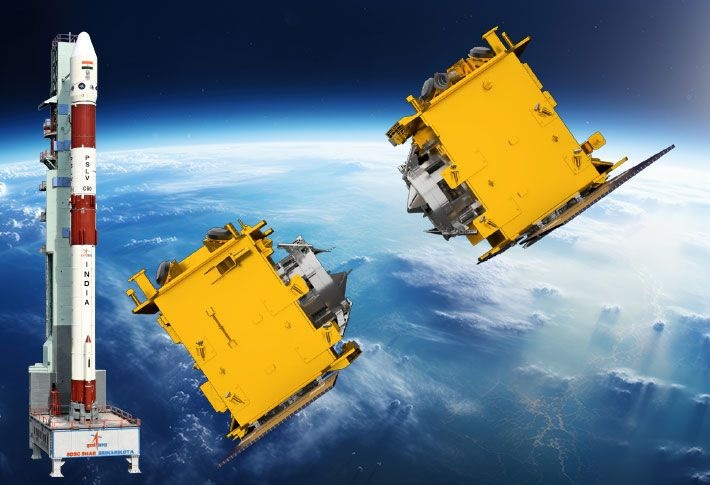
Space & Technology
The Indian Space Research Organisation (ISRO) has etched its name in the annals of space history by successfully completing its Space Docking Experiment (SpaDeX) mission. On January 16, 2025, ISRO announced the successful docking of two satellites—SDX01, the Chaser, and SDX02, the Target—at an altitude of 475 kilometers above Earth. With this achievement, India joins an elite group of nations—Russia, the USA, and China—that have mastered the complex art of spacecraft docking. A Mission of Precision and Perseverance The SpaDeX mission was launched on December 30, 2024, aboard the PSLV C60 rocket from the Satish Dhawan Space Centre. The mission involved a series of meticulously planned manoeuvres to bring the Chaser satellite within docking range of the Target. Initially separated by 20 kilometers, the Chaser gradually closed the distance, performing a delicate approach that brought the two satellites as close as 3 meters before initiating docking. The process, which required remarkable precision, was accomplished using ISRO's indigenous Bhartiya Docking System (BDS). This system, developed to meet international standards while addressing India’s specific requirements, ensured smooth spacecraft capture, stabilization, and rigidisation post-docking. After the successful docking, ISRO confirmed that control of the two satellites as a single entity was achieved seamlessly. Following this milestone, undocking procedures will include conducting power transfer checks, essential for validating the compatibility of the docking mechanisms for future missions. Specifications of the SpaDeX Satellites The two satellites involved in the experiment were equipped with cutting-edge technology designed specifically for the docking process: SDX01 (Chaser Satellite): Equipped with advanced navigation and propulsion systems for precise manoeuvres. Fitted with cameras and sensors for real-time imaging and guidance during docking. Designed to autonomously approach and capture the Target satellite. SDX02 (Target Satellite): Engineered with docking-compatible ports to facilitate seamless integration. Fitted with stabilization mechanisms to ensure structural integrity during and after docking. Includes diagnostic tools to monitor power transfer and docking efficacy. Challenges Overcome and Future Implications The SpaDeX mission faced its share of challenges. Originally planned for docking on January 7 and January 9, technical hurdles necessitated rescheduling. However, ISRO's perseverance paid off with a flawless execution of the mission. Prime Minister Narendra Modi hailed the achievement as a historic milestone for India's space program. He highlighted its significance in advancing key future missions, including Chandrayaan-4 and the establishment of the Bharatiya Antariksha Station, India’s proposed independent space station. India’s Space Ambitions: What’s Next? The success of SpaDeX is more than just a technological feat—it is a stepping stone toward groundbreaking projects in space exploration and human spaceflight. With this achievement: Human Spaceflight: The mission validates key technologies necessary for docking crewed spacecraft, a critical requirement for the Gaganyaan program. Satellite Servicing: ISRO can now explore in-orbit satellite repairs and upgrades, a capability that could extend the lifespan of existing satellites. Space Stations: The docking technology lays the groundwork for the assembly of modular components for India’s future space station. A Giant Leap for India As ISRO celebrates this landmark achievement, the success of the SpaDeX mission underscores India’s growing prowess in space technology. The precision, innovation, and perseverance demonstrated during this mission reflect a vision that extends beyond Earth’s orbit. SpaDeX not only solidifies India’s position among the world's top spacefaring nations but also propels the country toward an era of ambitious exploration and collaboration in the final frontier.
Read More → Posted on 2025-01-16 10:16:25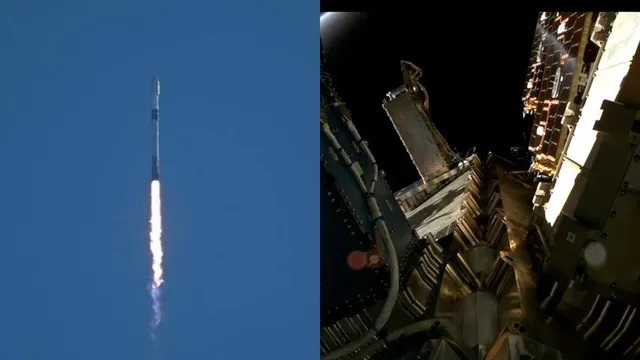
Space & Technology
In a historic milestone for India’s space industry, Bangalore-based start-up Pixxel has achieved a remarkable feat by launching the country's first private Earth imaging satellite constellation, aptly named 'Firefly.' This groundbreaking initiative not only positions Pixxel as a pioneering force in satellite-based precision imaging but also signifies a major leap for India’s burgeoning private space sector. About Pixxel: A Rising Star in Space Technology Founded in 2019 by Awais Ahmed and Kshitij Khandelwal, students at the prestigious Birla Institute of Technology and Science (BITS), Pilani, Pixxel has quickly risen to prominence. The company specializes in developing advanced hyperspectral imaging satellites that capture detailed data across multiple wavelengths, enabling unparalleled insights into Earth’s surface. With offices in India and the United States, Pixxel has already raised an impressive $95 million from global investors to fuel its ambitious projects. The 'Firefly' Constellation: Key Specifications and Launch Details The 'Firefly' satellite constellation is designed to provide high-resolution hyperspectral images of the Earth, which are invaluable for sectors like agriculture, environmental monitoring, and disaster management. Key specifications of the satellites include: Orbit: Low Earth Orbit (LEO) at an altitude of 550 km. Camera Resolution: Hyperspectral sensors capable of capturing data across 150+ spectral bands. Size: Small, compact form factor, approximately the size of a shoebox. Weight: Around 15 kilograms per satellite. Data Applications: Monitoring crop health, detecting illegal mining, tracking environmental changes, and managing urban infrastructure. The initial launch deployed three satellites aboard a SpaceX Falcon 9 rocket from the Vandenberg Space Force Base in California. An additional three satellites are planned for deployment later this year, completing the first phase of the constellation. Importance of Hyperspectral Imaging Unlike traditional imaging technologies, hyperspectral imaging collects information across hundreds of spectral bands, revealing detailed insights about the physical and chemical properties of objects. This capability makes the 'Firefly' constellation an essential tool for addressing global challenges like climate change, deforestation, and water resource management. For instance: Agriculture: Early detection of crop diseases and optimization of irrigation. Environment: Tracking deforestation, pollution, and biodiversity loss. Disaster Response: Real-time data for managing floods, wildfires, and earthquakes. A Game-Changer for India's Space Sector Until now, India's Earth imaging capabilities have been dominated by the Indian Space Research Organisation (ISRO), which operates around 52 satellites in orbit. Pixxel’s entry into the market marks a significant shift, opening up opportunities for private players to contribute to the country’s space ambitions. The successful deployment of 'Firefly' not only enhances India's satellite imaging capabilities but also aligns with the government’s vision to encourage private sector participation under the Indian National Space Promotion and Authorization Center (IN-SPACe). The Road Ahead for Pixxel With its innovative technology and ambitious vision, Pixxel is poised to expand its constellation further. The company aims to deploy a total of 36 satellites by 2025, creating a comprehensive global hyperspectral imaging network. This network is expected to transform industries by providing actionable insights, enabling better decision-making across various sectors. As Pixxel continues to scale new heights, it symbolizes the growing confidence and capability of India’s private space sector. The 'Firefly' constellation is not just a testament to Pixxel’s ingenuity but also a glimpse into the future of space technology powered by private enterprises.
Read More → Posted on 2025-01-15 17:45:41
Space & Technology
The Swedish Space Corporation (SSC) has emerged as a pivotal player in Firefly Aerospace’s Blue Ghost Mission 1, a groundbreaking lunar expedition launched under NASA’s Commercial Lunar Payload Services (CLPS) initiative. This mission, launched aboard a SpaceX Falcon 9 rocket on January 15, 2025, is set to deliver critical scientific payloads to the Moon, paving the way for advanced lunar science and sustainable exploration. SSC's state-of-the-art tracking and communication systems are playing an indispensable role in the mission's success. Mission Overview: A Leap Toward Lunar Science Blue Ghost Mission 1 is an integral part of NASA's efforts to establish a long-term lunar presence. The mission aims to deploy ten high-priority science and technology payloads to Mare Crisium, a basin on the Moon's surface. These payloads will conduct experiments on regolith behavior, space weather impacts, radiation-tolerant computing, and lunar dust mitigation, providing valuable insights for future lunar exploration. The Blue Ghost lander, built by Firefly Aerospace, was launched at 7:11 a.m. CET on January 15 and is expected to reach the Moon in early March after a 45-day journey. Once on the lunar surface, the lander will operate its payloads for approximately 14 Earth days, the equivalent of one lunar day, ensuring maximum sunlight exposure for power generation. SSC’s Role: The Backbone of Communication SSC is the exclusive provider of satellite ground station networks for Blue Ghost Mission 1. Leveraging its ground stations in Santiago (Chile), Hawaii, and Australia, along with two partner stations, SSC ensures uninterrupted communication and tracking capabilities throughout the mission. These global tracking services are critical for navigating the spacecraft during its transit and operational phases on the Moon. Nick Priborsky, President of SSC’s Connect division, highlighted the organization’s comprehensive support:“We provide all the antennas required to track and communicate with the lander throughout the mission.” This robust network allows SSC to ensure precise spacecraft positioning and the timely transmission of mission-critical data. Specifications of SSC’s Ground Station Network Antenna Array: High-gain antennas capable of tracking spacecraft at lunar distances. Global Coverage: Ground stations strategically located in three continents for seamless communication. Real-Time Support: Continuous monitoring and data relay during the 45-day transit and 14-day surface operations. High Data Throughput: Enables the transmission of scientific findings, including high-resolution imagery and environmental data. Collaboration with Firefly Aerospace SSC’s contribution to the mission extends beyond hardware. Will Coogan, Chief Engineer of Firefly Aerospace’s Blue Ghost, acknowledged SSC's indispensable role:“SSC’s reliable global network provides the pass coverage and communications performance required for the mission.” Advancing Lunar Exploration The data collected during this mission will not only advance scientific understanding but also support technological innovations essential for future lunar missions. SSC’s partnership with Firefly Aerospace underscores its commitment to enabling space exploration and scientific discovery. As the world looks forward to humanity’s return to the Moon, SSC stands at the forefront, ensuring that every step of the journey is meticulously tracked and communicated. Nick Priborsky aptly summed up their involvement:“We are proud to be a part of Blue Ghost Mission 1 and to support the return to the Moon by providing critical services between Earth and space.” This mission marks another milestone in SSC’s legacy of supporting cutting-edge space missions, demonstrating its capability to bridge the gap between Earth and the farthest reaches of space.
Read More → Posted on 2025-01-15 16:54:31
Space & Technology
A Shenzhen-based robotics company, Engine AI, is making waves in the humanoid robotics industry with its latest creation, the SE01 robot. The humanoid robot recently captured global attention after Jim Fan, a senior research scientist at Nvidia and leader of its AI Agents Initiative, praised its lifelike walking gait on social media. Fan’s post raised the question, “Is this real?” sparking curiosity and excitement within the tech community. SE01 Robot: A Technological Marvel Engine AI’s SE01 is a humanoid robot designed for both industrial and home use. Announced in October 2023, this cutting-edge machine stands 170 cm tall and is packed with advanced capabilities: Movements: The SE01 can mimic human actions such as walking, squatting, performing push-ups, and grabbing objects. Durability: The robot is engineered to have a lifespan of over 10 years, demonstrating the company’s commitment to long-term functionality. Applications: From industrial tasks to household chores, the SE01 aims to blend seamlessly into real-world scenarios. Although Engine AI has not disclosed the exact price of SE01, it plans to keep the cost of its full-sized humanoid robots between 150,000 and 200,000 yuan (approximately $20,500 to $27,300). This aligns with the company’s goal of making advanced robotics more accessible without compromising on quality. Other Innovations by Engine AI Engine AI, founded in October 2023 by Zhao Tongyang and Yao Qiyuan, has already introduced several notable humanoid robots: SA01: An open-source bipedal robot for educational and research purposes, priced at 38,500 yuan ($5,250). PM01: A 138 cm tall humanoid robot designed for specialized tasks, priced at 88,000 yuan ($12,000). The company is also focusing on reducing production costs, targeting below 100,000 yuan ($13,600) per robot to make humanoid robotics more economically viable. A New Era for Chinese Robotics Engine AI’s innovations reflect a growing trend among Chinese companies to create humanoid robots capable of addressing real-world challenges. However, financial sustainability remains a significant hurdle in the industry. UBTech Robotics, China’s largest humanoid robot manufacturer, exemplifies these struggles, reporting substantial losses despite its public listing in 2023. Nevertheless, with backing from investors such as SenseCapital, the venture capital arm of AI powerhouse SenseTime, Engine AI is well-positioned to carve out a niche in this competitive market. What Sets SE01 Apart Jim Fan’s acknowledgment highlights the SE01’s naturalistic walking motion as a major leap forward in robotics. This innovation not only captures the imagination of tech enthusiasts but also underlines Engine AI’s potential to redefine how humanoid robots integrate into society. While challenges like high production costs and fierce competition persist, the SE01 represents a promising step toward a future where humanoid robots become indispensable companions in both industrial and domestic settings. The journey of Engine AI is a testament to the growing ambition of Chinese tech companies, aiming to combine innovation with affordability to lead the next wave of robotics evolution.
Read More → Posted on 2025-01-13 17:04:54
Space & Technology
The Indian Space Research Organisation (ISRO) is steadily advancing its capabilities with the development of the Next Generation Launch Vehicle-Heavy (NGLV-H). This cutting-edge platform is poised to redefine India's space exploration potential, catering to heavier payloads and a diverse range of missions, from satellite launches to interplanetary expeditions. Revolutionizing Payload Capacities The NGLV-H is designed to bridge the gap between ISRO's existing launch vehicles and the growing demand for higher payload capacities in low Earth orbit (LEO) and geostationary transfer orbit (GTO). The vehicle's specifications are impressive, showcasing the following payload capabilities: 31.7 tonnes to LEO: This remarkable capacity will enable the deployment of massive satellite constellations, space station modules, and cargo for future lunar or Martian missions. 12.4 tonnes to GTO: With this capability, the NGLV-H can efficiently support the launch of large communication satellites, critical for bolstering India's space-based infrastructure and global connectivity. Advanced Design and Features The NGLV-H represents a significant leap in design and engineering compared to its predecessors, such as the Polar Satellite Launch Vehicle (PSLV) and Geosynchronous Satellite Launch Vehicle (GSLV) series. Its advanced features include: Modular Architecture: The vehicle's design emphasizes flexibility, allowing it to accommodate diverse payload configurations and mission requirements. Enhanced Propulsion Systems: Leveraging advancements in cryogenic and semi-cryogenic technologies, the NGLV-H is expected to achieve higher thrust levels and improved fuel efficiency. Reusable Components: In line with global trends, ISRO is exploring reusability for key stages of the NGLV-H, reducing costs and increasing the frequency of launches. Sustainability: Environmentally conscious propellants and efficient engine systems will minimize the vehicle's carbon footprint. Strategic Importance The NGLV-H holds strategic significance for India’s space ambitions: Global Competitiveness: With its ability to carry heavier payloads, the NGLV-H will position ISRO as a formidable competitor in the global satellite launch market. Space Exploration: The vehicle’s high payload capacity is a critical enabler for India's future manned space missions, lunar landings, and even Mars exploration projects. Defense and Security: The NGLV-H can support the launch of advanced defense satellites, enhancing India's surveillance, communication, and navigation capabilities. Future Prospects As space exploration and commercialization expand rapidly, the NGLV-H represents a cornerstone of ISRO's vision for the next decade. It aligns with India’s aspirations to lead in space technology while fostering international collaboration in science and exploration. With its development, ISRO is not just preparing for future challenges but is also setting the stage for a thriving space economy that benefits humanity as a whole. In conclusion, the NGLV-H is more than just a launch vehicle; it is a testament to ISRO's ingenuity, resilience, and determination to push boundaries. As it evolves, the NGLV-H will undoubtedly play a pivotal role in cementing India’s place among the top-tier spacefaring nations.
Read More → Posted on 2025-01-12 15:25:05
Space & Technology
The Indian Space Research Organisation (ISRO) recently achieved a significant milestone by conducting a test drive to maneuver its #SpaDeX (Space Docking Experiment) satellites into close proximity. This mission is part of India's pioneering efforts to develop technologies for satellite docking and in-orbit servicing, which are critical for future space operations. Close-Proximity Maneuvering During the test, the SpaDeX satellites were guided to approach each other within a distance of just 3 meters. This delicate operation required precise control and synchronization, with ISRO utilizing advanced algorithms and cutting-edge navigation systems. Once the satellites reached the targeted separation, they were subsequently moved to a safe distance to ensure mission safety. Ensuring Accuracy and Safety ISRO's team carefully monitored the test in real time, analyzing the satellites’ trajectory, speed, and attitude control systems. The operation highlights the importance of proximity operations, which involve maintaining the delicate balance between gravitational forces, thruster activity, and orbital dynamics. The test also served as a precursor for future docking missions, where two spacecraft will not only approach but physically connect. Such capabilities are crucial for refueling satellites, repairing them, or even assembling larger structures in space. Data Analysis and Next Steps The data gathered from this test is now under detailed analysis. ISRO plans to refine its approximation algorithms based on this information, with the aim of achieving even closer proximity between the satellites in future attempts. This iterative process underscores the organization’s commitment to precision and technological advancement. Why This Matters The success of the #SpaDeX program marks a major leap forward for ISRO and India’s ambitions in space technology. Mastery of docking and proximity operations opens new possibilities for satellite maintenance, space station construction, and interplanetary missions. It also aligns India with the capabilities of major spacefaring nations that are investing heavily in on-orbit servicing technologies. A Look Ahead With this successful test, ISRO has demonstrated its ability to handle one of the most challenging aspects of modern space exploration. As the organization refines its technology and prepares for subsequent trials, #SpaDeX is poised to play a transformative role in shaping the future of space operations. The next phases of this experiment will likely bring even greater precision and pave the way for ambitious missions involving autonomous spacecraft interaction. This achievement reaffirms India’s position as a leading innovator in the global space arena, pushing the boundaries of what is possible in orbit.
Read More → Posted on 2025-01-12 15:22:01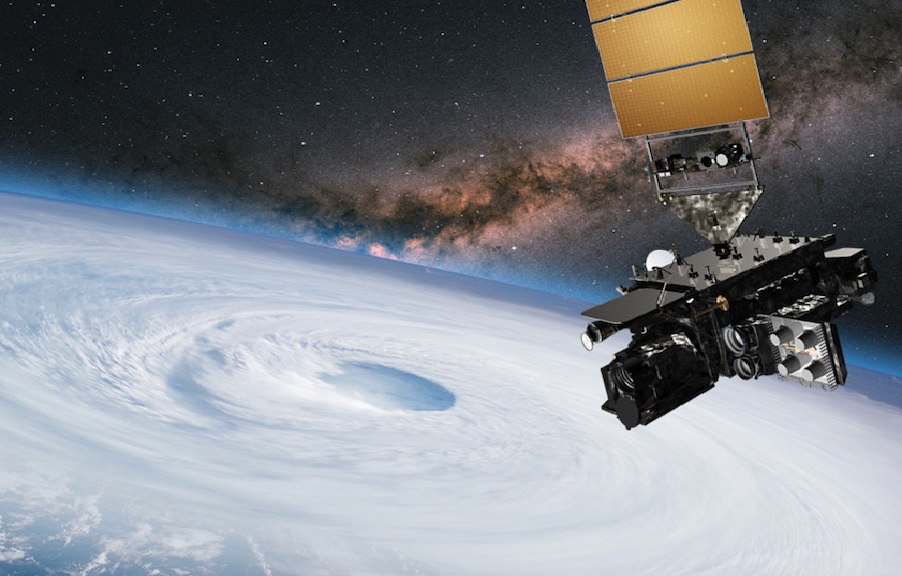
Space & Technology
L3Harris Technologies, a prominent US aerospace and defense company, has achieved a significant milestone in the development of Japan’s next-generation Himawari-10 weather satellite. The firm has successfully completed the Preliminary Design Review (PDR) for the satellite's key instruments, marking a critical step toward launching a satellite equipped with groundbreaking meteorological capabilities. Himawari-10: A Leap Forward in Weather Forecasting Himawari-10, commissioned by the Japan Meteorological Agency (JMA) and to be manufactured by Mitsubishi Electric Corporation, is designed to elevate Japan's ability to predict and monitor weather patterns. The satellite will serve as a crucial tool for improving disaster preparedness and mitigating risks across Japan and the Asia-Pacific region. The two primary instruments under development by L3Harris are: Advanced Imager: This is derived from L3Harris' proven Advanced Baseline Imager technology, modified to include unique spectral bands tailored to Japan’s meteorological needs. It will provide high-resolution images for real-time tracking of severe weather phenomena such as typhoons. Hyperspectral Infrared Sounder: This cutting-edge tool will deliver three-dimensional atmospheric profiles, including precise data on temperature, humidity, and pressure. Its capabilities promise a substantial improvement in weather modeling accuracy. These systems are designed to support not just regional weather forecasting but also contribute to global meteorological data sharing. Specifications and Features of Himawari-10 Himawari-10 represents the next step in Japan’s highly successful Himawari satellite series, which has been operational since the 1970s. Key specifications include: Imaging Technology: Advanced multi-spectral imaging for visible, near-infrared, and thermal infrared wavelengths. Hyperspectral Sounding: Over 2,000 spectral channels for precise atmospheric observations. Data Refresh Rate: High-frequency updates, enabling near real-time weather monitoring. Coverage Area: Focused on Japan and the Asia-Pacific but capable of capturing global weather patterns. Longevity: Designed for a lifespan of over 10 years in geostationary orbit. These features are specifically aimed at addressing modern challenges such as climate change, extreme weather events, and disaster risk reduction. L3Harris’ Role and Vision L3Harris secured a five-year contract in 2023 to develop and deliver these advanced meteorological systems. The company’s president of Space and Airborne Systems, Ed Zoiss, highlighted the importance of this project, stating, “Our world-class weather instruments will assist JMA in their efforts to enhance real-time disaster monitoring and warning capabilities.” The collaboration aligns with global initiatives to advance Earth observation technologies and improve responses to climate-related risks. Himawari-10's capabilities are expected to strengthen not only Japan’s weather prediction systems but also contribute to international meteorological networks, fostering global cooperation in climate monitoring. Conclusion With the successful completion of the design review, Himawari-10 is on track to redefine weather forecasting standards. Once operational, it will play a pivotal role in safeguarding lives and property by delivering faster, more accurate weather data. This satellite embodies the collaborative spirit between Japanese and American aerospace industries, showcasing the technological advancements shaping the future of meteorology.
Read More → Posted on 2025-01-11 15:32:45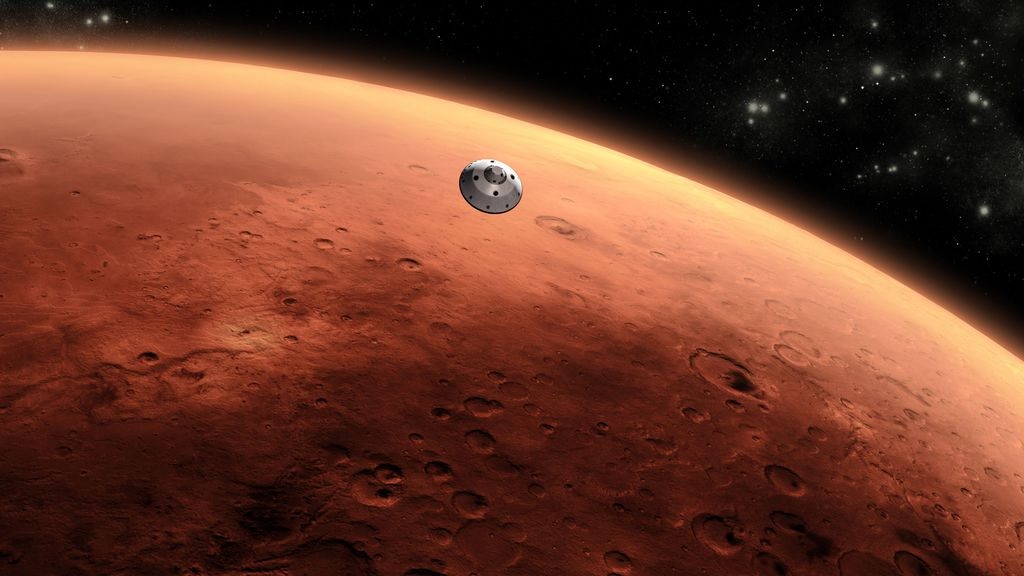
Space & Technology
China has surged ahead in the ambitious race to bring Martian soil back to Earth, leaving NASA trailing by at least four years. The Tianwen-3 mission, announced by Chinese space officials, aims to return 600 grams (21 ounces) of Martian soil by 2031, while NASA’s Perseverance rover samples might not reach Earth until 2035 or even later. This shift in the Mars exploration timeline highlights a growing competition reminiscent of the Cold War-era “space race,” with astrophysicist Quentin Parker calling it a potential “Sputnik moment.” China’s Bold Plan with Tianwen-3 The Tianwen-3 mission represents a streamlined approach. The Chinese spacecraft will execute a straightforward “grab-and-go” maneuver: land at a preselected location, collect samples, and return to Earth. Key Specifications of Tianwen-3: Sample Type: 600 grams of Martian soil and rock. Collection Techniques: Drilling, scooping, and rover-assisted sampling. Mission Timeline: Targeting Earth return by 2031. Landing Strategy: Focus on scientifically rich locations selected for maximum value. China’s recent success with lunar missions, such as the Chang’e-5 and Chang’e-6, has demonstrated its ability to conduct rapid, efficient sample-return missions, further bolstering confidence in the Tianwen-3 mission. NASA’s Perseverance Challenges While NASA’s Mars Sample Return (MSR) mission is highly sophisticated, it faces significant delays due to technical and budgetary hurdles. Initially estimated at $3 billion in 2020, the project’s costs ballooned to $11 billion by 2023. Key Highlights of NASA’s Approach: Sample Collection: Conducted by Perseverance since 2021, with samples gathered from multiple geological sites in Jezero Crater. Scientific Focus: Aiming to provide a detailed record of Mars’ geological history. Mission Complexity: Plans involve multiple spacecraft, private sector involvement, and cutting-edge technology, adding time and cost to the mission. Earliest Return: Now projected for 2035, with a potential delay to 2039. NASA Administrator Bill Nelson emphasized the mission’s scientific value, noting that the samples could reveal a comprehensive history of Mars spanning millions of years. However, the delays and escalating costs could pose risks to continued funding. Comparing Approaches: Pragmatism vs. Precision China’s mission prioritizes feasibility and efficiency, focusing on a single landing and rapid sample return. In contrast, NASA’s plan involves a meticulous, multi-step process to gather samples from diverse locations, ensuring maximum scientific yield. Chinese planetary geologist Yang Wei stressed the importance of diversifying sample sites, while NASA’s methodical selection process adds complexity and time to the mission. Implications of the Race The outcome of this race could significantly impact global space exploration leadership. If China succeeds in delivering Martian soil by 2031, it would mark a historic first and establish the nation as a dominant player in interplanetary science. Meanwhile, NASA’s mission, though slower, may yield deeper insights into Mars’ geological and potential biological history. As these contrasting approaches unfold, the Mars sample return race underscores the growing importance of international competition and collaboration in advancing humanity’s understanding of the Red Planet.
Read More → Posted on 2025-01-09 16:14:22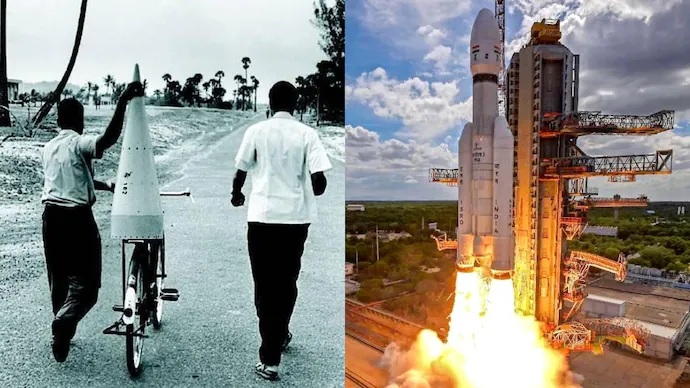
Space & Technology
The Indian Space Research Organisation (ISRO) has charted an extraordinary path, evolving from modest beginnings to a globally recognized leader in space exploration. With 125 spacecraft missions and 92 successful launches under its belt, ISRO has proven its capability to achieve technological marvels that benefit humanity and elevate India's position in the global space arena. Origins of ISRO: Visionaries Behind the Stars ISRO, India's state-run space agency, was established on August 15, 1969, replacing the earlier Indian National Committee for Space Research (INCOSPAR), founded in 1962 by Dr. Vikram Sarabhai. It operates under the Department of Space (DOS), established in 1972, with the aim of leveraging space technology to address national needs such as communication, resource monitoring, meteorology, and navigation. Infrastructure and Key Centres ISRO's operations are spread across multiple dedicated centres: Vikram Sarabhai Space Centre (VSSC), Thiruvananthapuram: Develops launch vehicles. UR Rao Satellite Centre (URSC), Bengaluru: Designs and develops satellites. Satish Dhawan Space Centre (SDSC), Sriharikota: Handles integration and launches. Liquid Propulsion Systems Centre (LPSC): Develops liquid and cryogenic propulsion stages. Space Applications Centre (SAC), Ahmedabad: Develops sensors and applications for communication and remote sensing. National Remote Sensing Centre (NRSC), Hyderabad: Processes satellite data for dissemination. Launch Vehicles and Milestones ISRO has developed advanced launch vehicles, including the Polar Satellite Launch Vehicle (PSLV) and the Geosynchronous Satellite Launch Vehicle (GSLV). These have enabled ISRO to launch satellites for communication, earth observation, navigation, and scientific exploration. Notable milestones include: Aryabhata (1975): India’s first satellite, launched by the Soviet Union. SLV-3 (1980): The first indigenously developed vehicle that launched RS-1, making India the seventh country capable of orbital launches. Chandrayaan-3 (2023): Achieved a historic soft landing near the Moon’s south pole, a first for humanity. Current Achievements: 125 Spacecraft Missions ISRO's achievements extend across a wide spectrum: Earth Observation Satellites (EOS): Used for mapping, agriculture, and disaster management. Navigation Satellites: The NavIC system provides regional GPS services. Communication Satellites (GSAT): Facilitate telecommunication and broadcasting. Space Science Missions: Chandrayaan (Moon missions), Mangalyaan (Mars Orbiter Mission), and Astrosat (India’s first space telescope). Pioneering Space Exploration ISRO is among the few agencies globally with capabilities to soft-land spacecraft, launch interplanetary missions, and deploy cryogenic engines. Its success with Chandrayaan-3 has positioned it alongside NASA, Roscosmos, and CNSA in achieving lunar soft landings. Future Ambitions: Gaganyaan and Beyond ISRO’s roadmap includes: Gaganyaan: India’s first crewed space mission, scheduled for 2025. Chandrayaan-4 and Mangalyaan-2: Follow-up missions to explore the Moon and Mars. Shukrayaan: A planned mission to Venus, aiming to study its atmosphere and surface. India’s Space Station: A long-term goal to establish an independent orbital platform. Technical Advancements and Global Collaboration ISRO continues to refine propulsion systems, satellite platforms, and deep-space exploration technologies. It has launched over 400 foreign satellites for global clients, earning India recognition as a cost-effective and reliable space partner. Conclusion: A Legacy Written in the Stars From launching the humble Aryabhata to landing on the Moon’s south pole, ISRO has come a long way, demonstrating resilience, innovation, and a commitment to scientific progress. With upcoming missions like Gaganyaan and Shukrayaan, ISRO is poised to take its achievements to greater heights, not just for India but for the global community.
Read More → Posted on 2025-01-09 15:45:04Search
Top Trending in 24 Hours
-
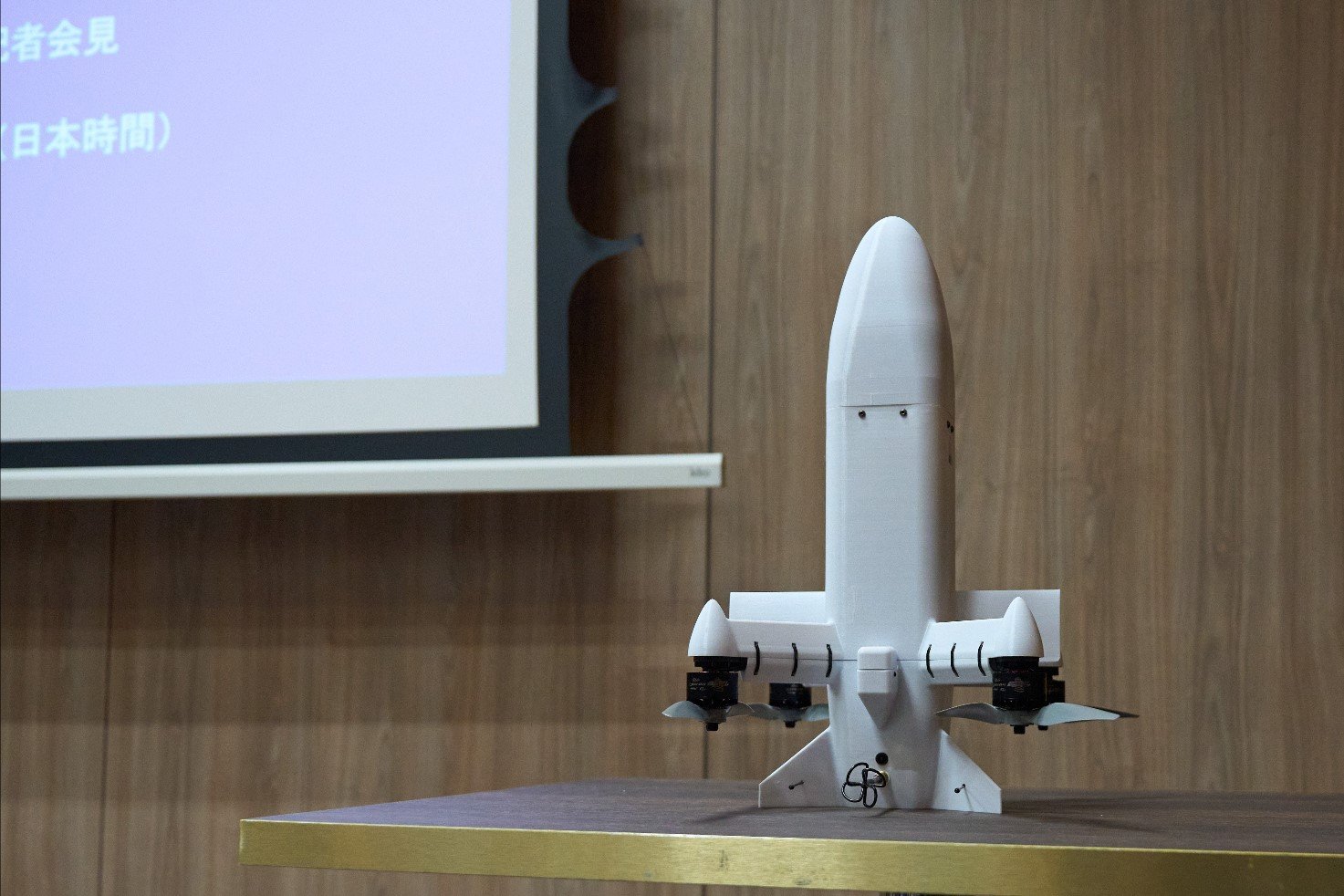 Japan Selects Terra Drone’s Terra B1 for Mass Production of Interceptor UAVs
-
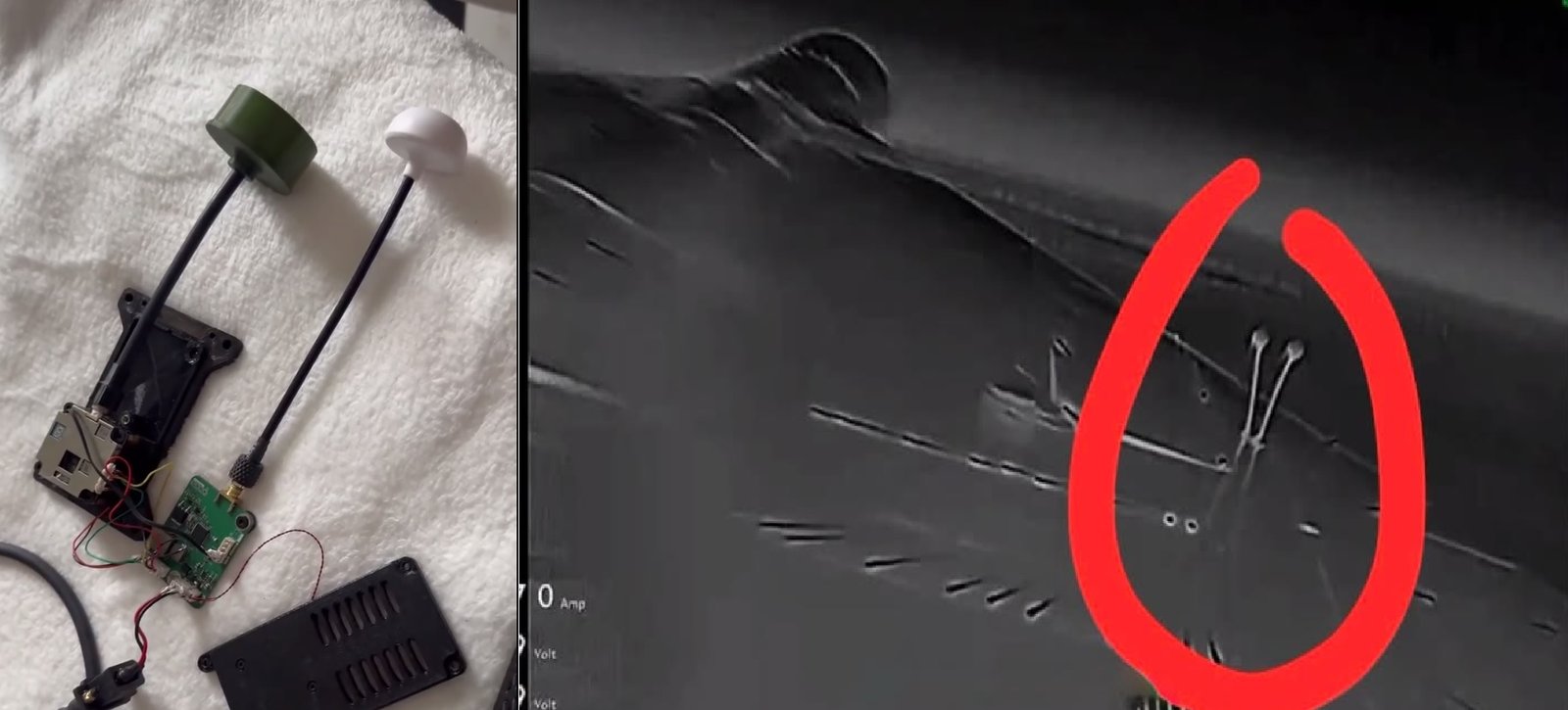 Russia Equips Shahed and Geran Drones With Electronic Warfare Systems to Jam Ukrainian Interceptor Video Links
-
 Austria Receives First Modernized Leopard 2A4Ö Tank and Ulan NV Infantry Fighting Vehicle
-
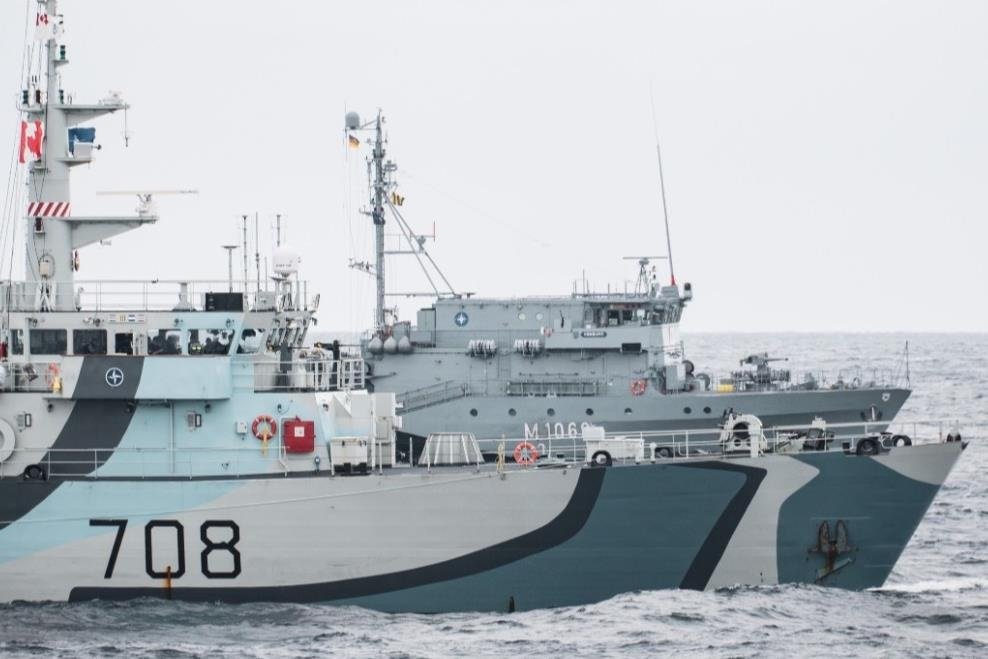 NATO Launches Exercise Northern Viking 26 in Iceland to Secure North Atlantic Routes
-
 Ukraine Reduces Use of Western Tanks as Cheap Drones Become a Major Battlefield Threat
-
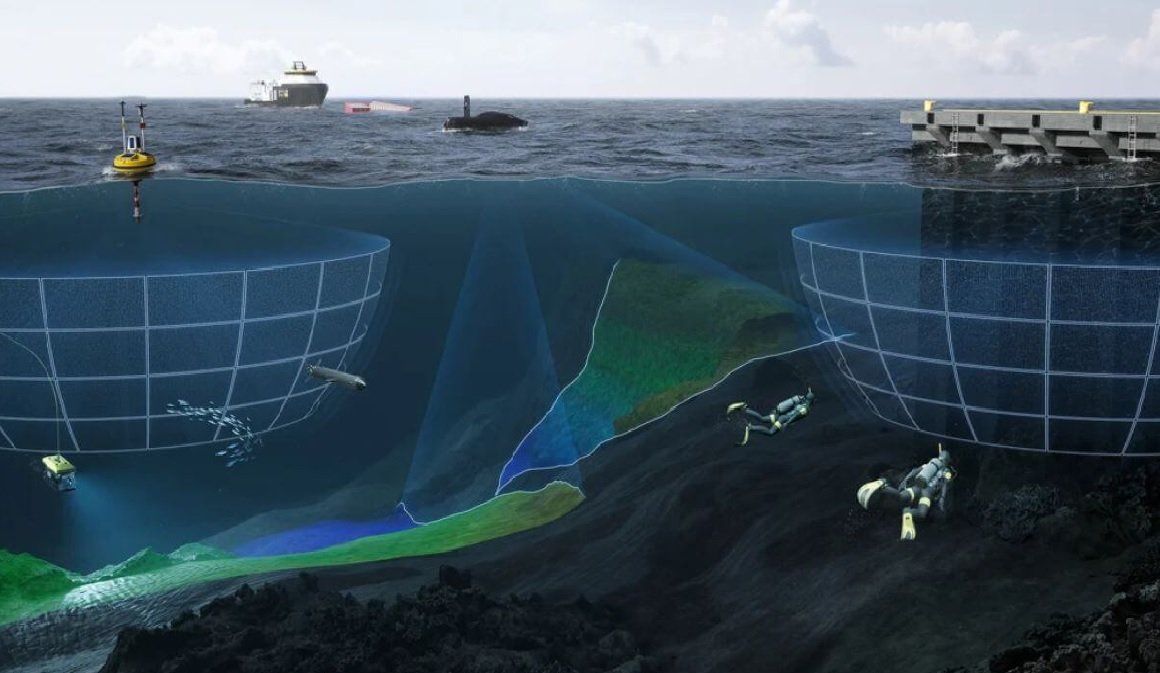 Kongsberg Introduces Aegir SSA Sonar Family With AI-Powered Monitoring for Continuous Underwater Surveillance
-
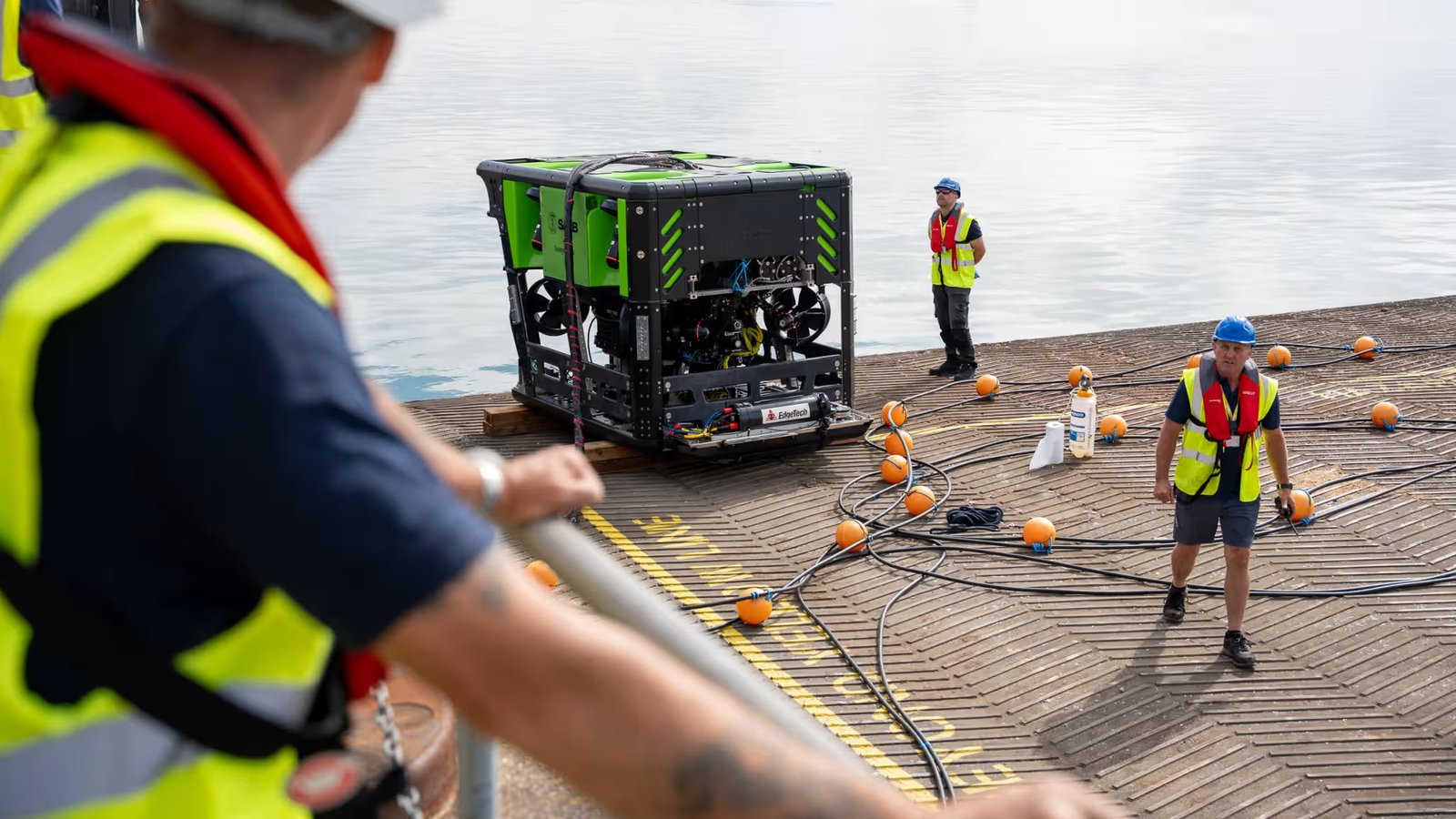 Saab UK Completes Key Trials of Seaeye SR20 eWROV, Moves to Next Development Phase
-
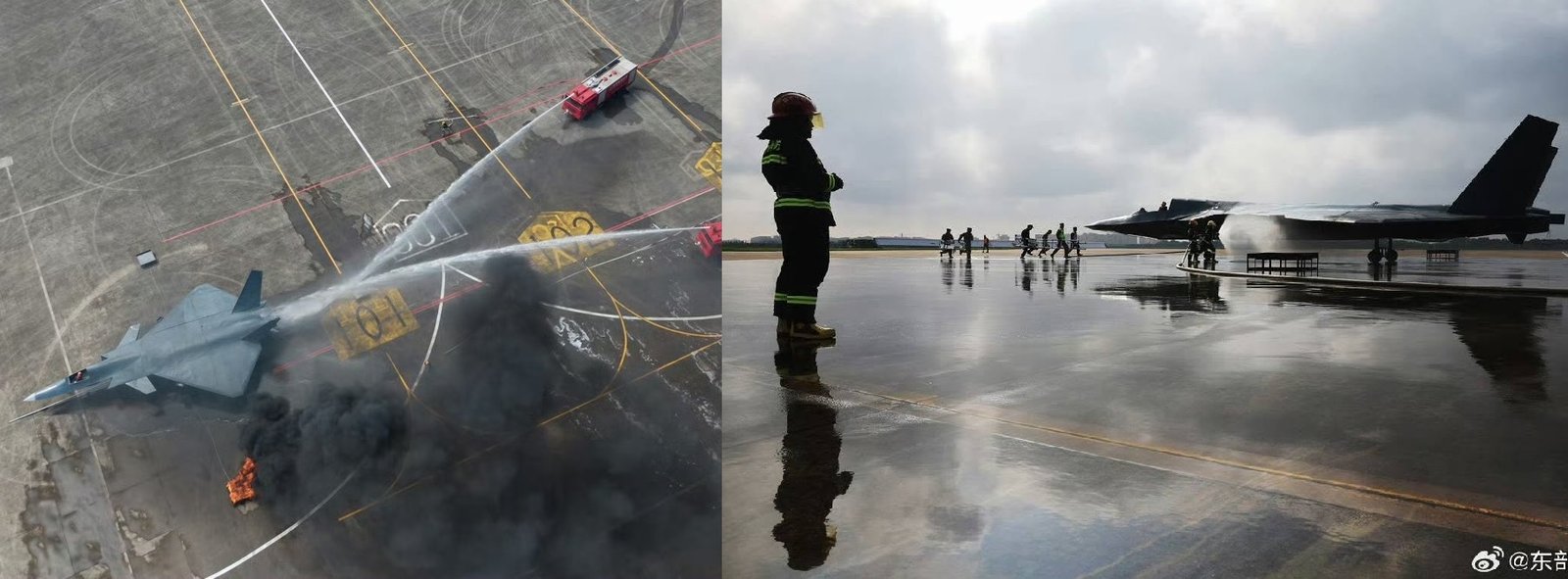 Mystery Chinese J-20-Like Object Seen at Former Airport Was a Firefighting Training Mock-Up
Top Trending in 4 Days
-
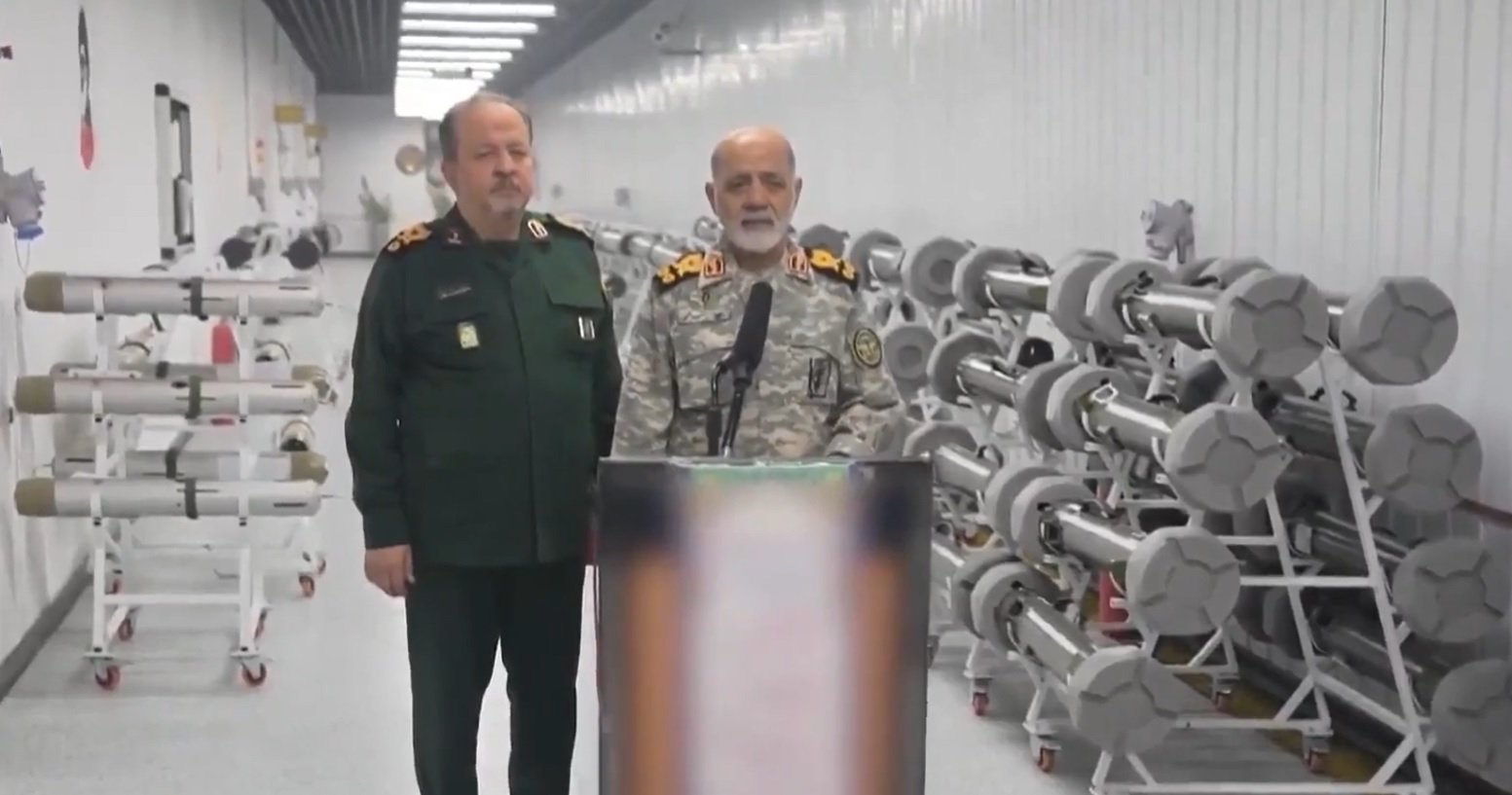 Iran Reveals Underground Weapons Manufacturing Facility for First Time on State TV
-
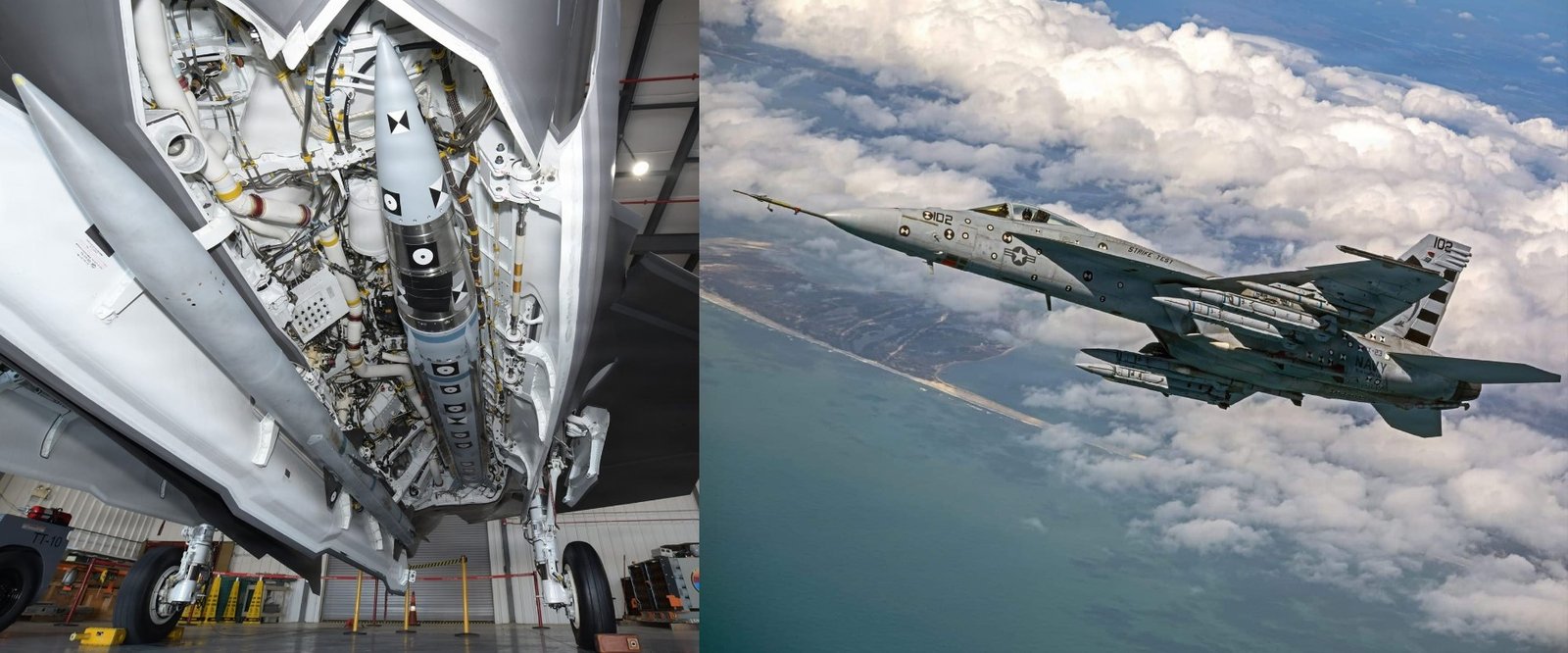 U.S. Navy Unveils New AIM-424 ‘Malice’ Air-to-Air Missile With 463+ km Range for F-35C, Super Hornet and F/A-XX
-
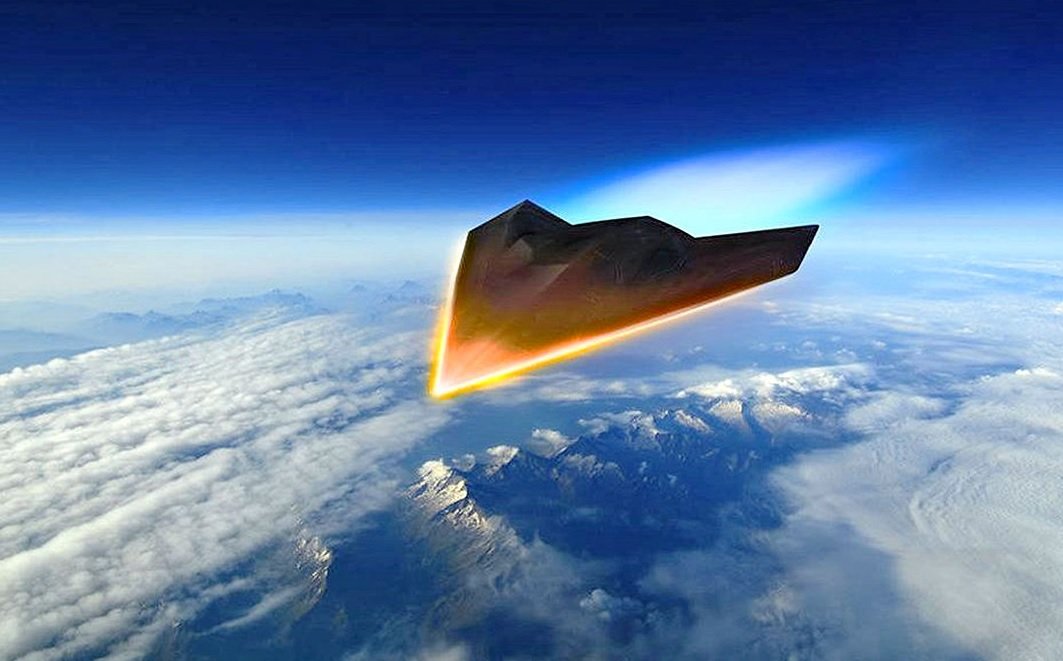 China Develops Hypersonic Glide Vehicles Capable of Launching Air-to-Air Missiles Mid-Flight
-
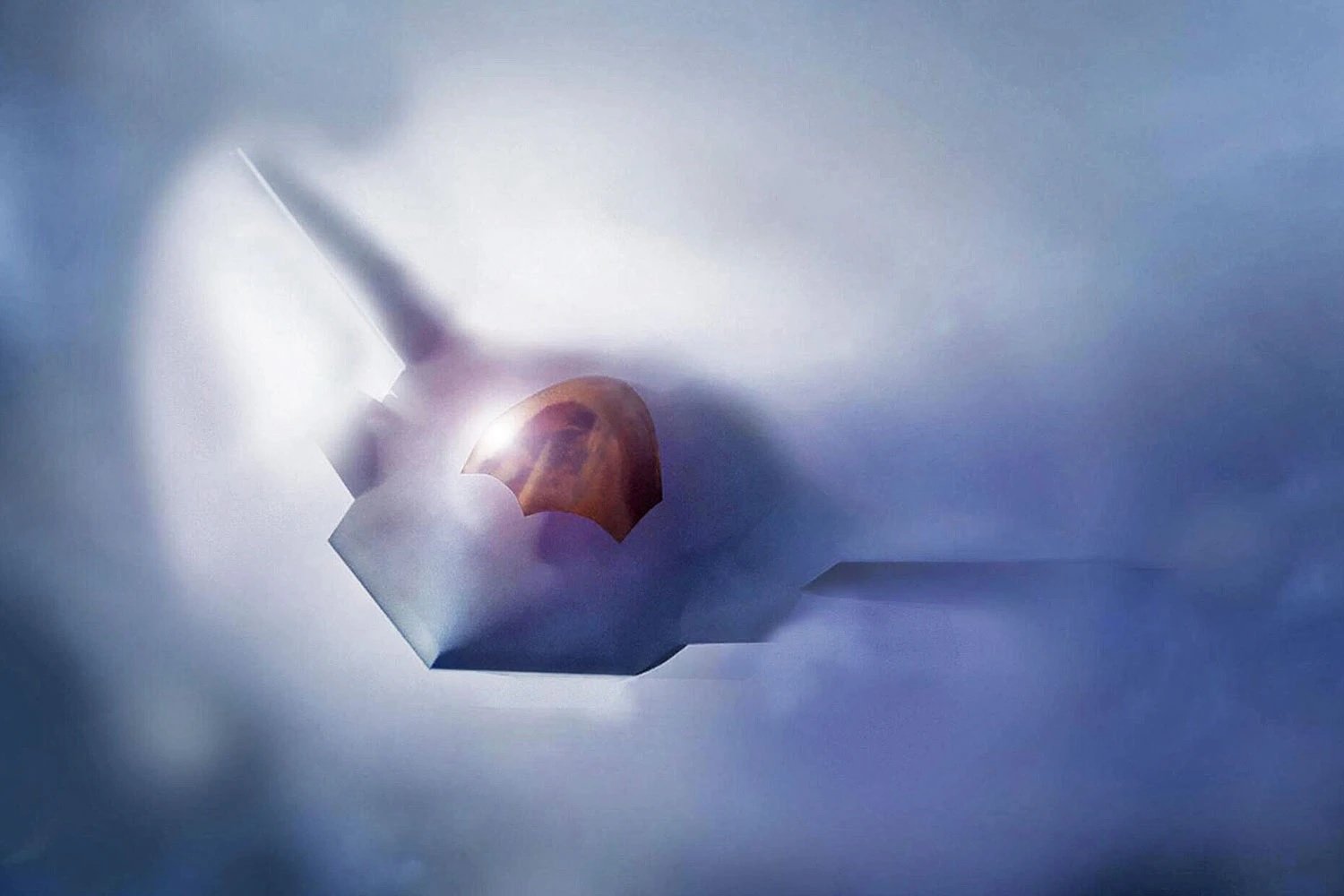 Israel Explores Potential Acquisition of U.S. F-47 Sixth-Generation Fighter
-
 Iran-Linked Hackers Shut Down UK Power Plant for Four Days in First Known Attack
-
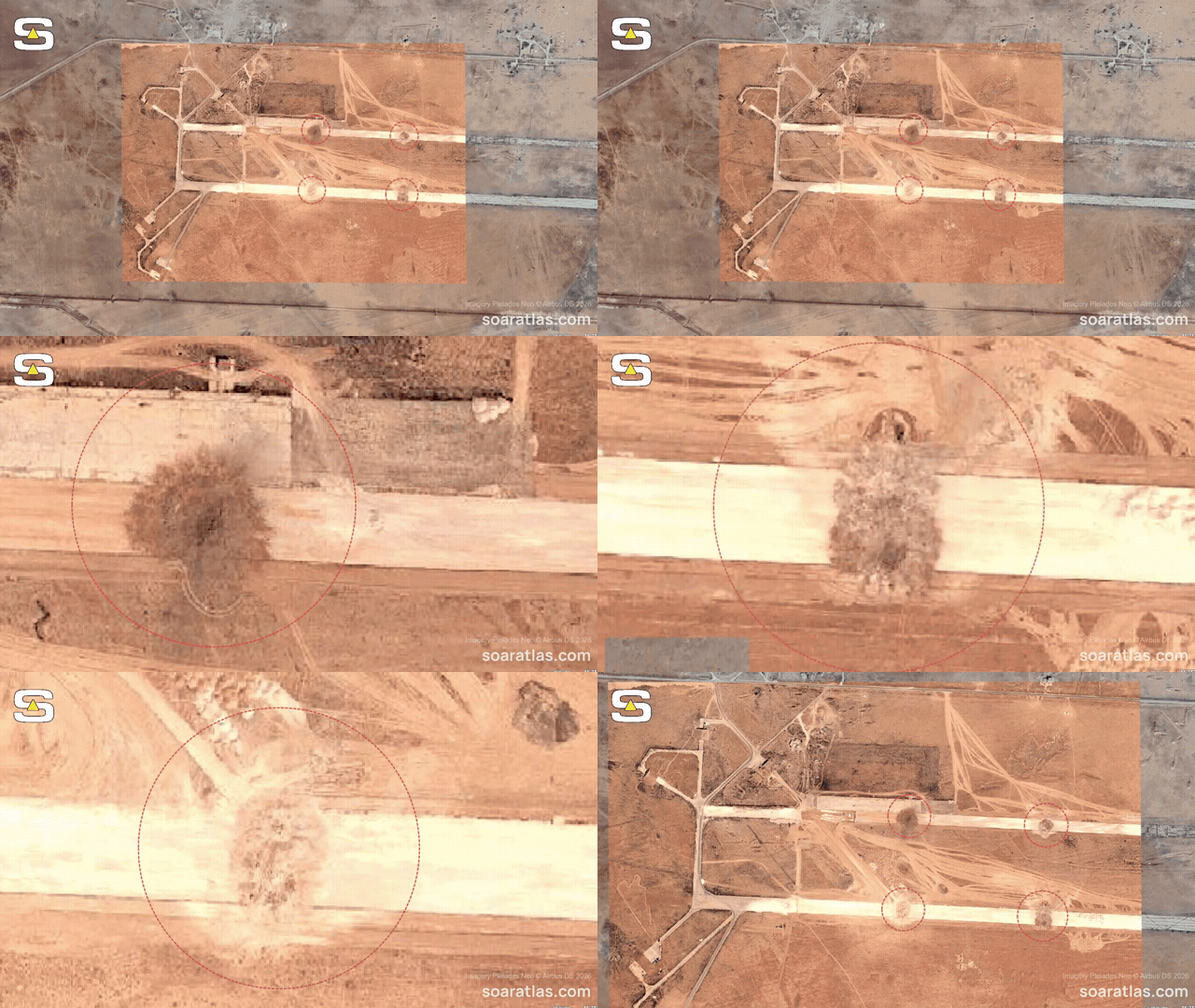 Satellite Imagery Shows Damage From Israeli Strikes on Turkey Military Occupied Syria’s Abu al-Duhur Airbase
-
 Ukraine Holds World’s First Unmanned Military Parade on 35th Independence Day
-
 UAE Completes Protective Metal Structures Around Fuel Tanks Near Dubai International Airport