As ISRO sets its sights on Venus, India is preparing to embark on one of its most ambitious space missions yet. The Venus Orbiter Mission (VOM), set to launch on March 29, 2028, will represent a significant leap forward in planetary exploration for ISRO, while also highlighting the critical role private industry and academic institutions will play in shaping the mission's success. This collaboration could usher in a new era of space exploration for India, combining public and private expertise, while helping to drive technological advancements in other sectors along the way.
Venus, often referred to as Earth's twin due to its similar size and structure, remains an enigmatic neighbor. Despite its resemblance to our planet, Venus harbors a thick atmosphere of carbon dioxide, with clouds of corrosive sulfuric acid and surface temperatures exceeding 450 degrees Celsius. It's a challenging environment, making any mission to Venus a particularly complex undertaking.
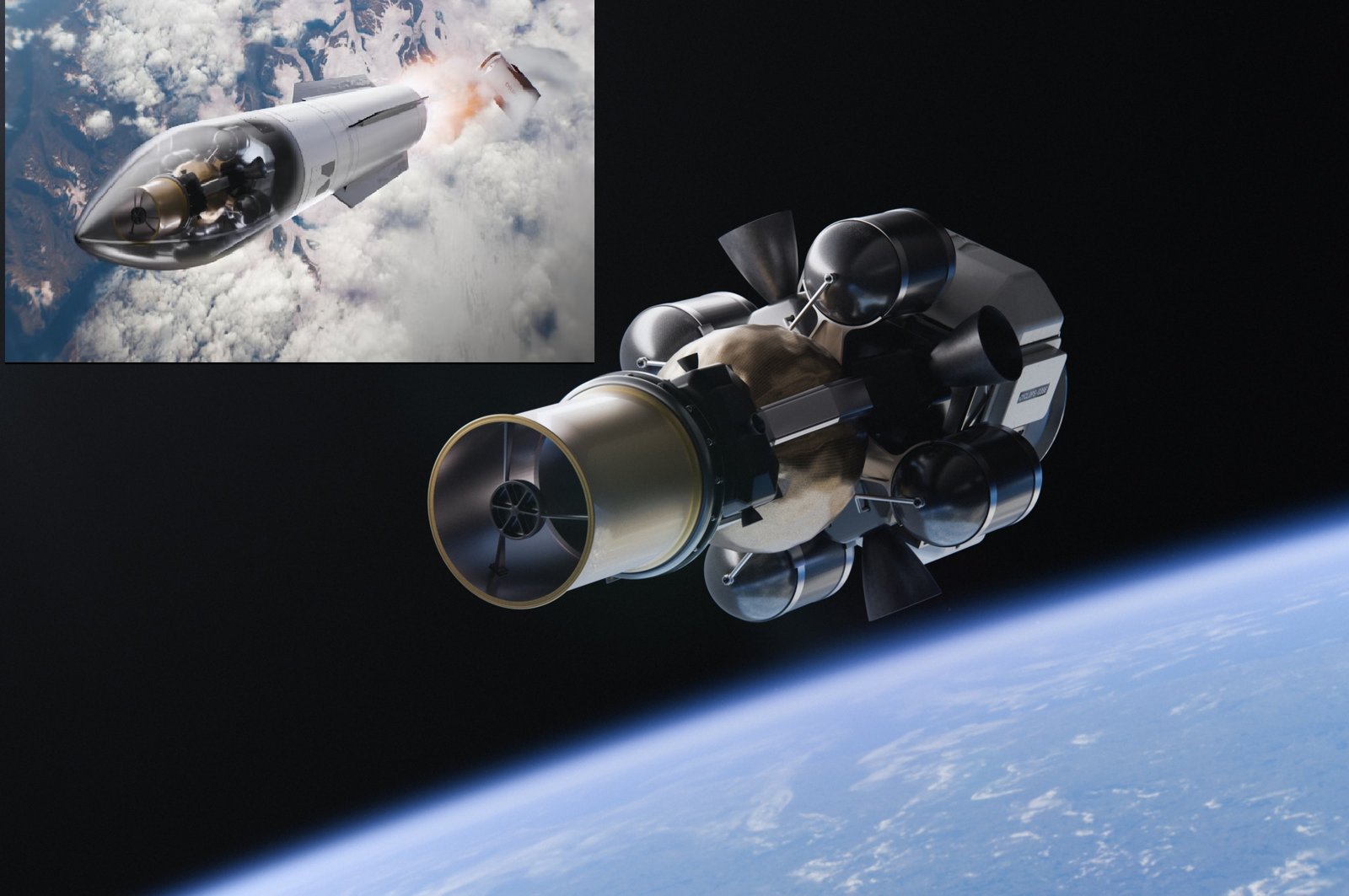
To meet these challenges, ISRO has devised an advanced spacecraft, **Shukrayaan-1**, to gather critical data on Venus' atmosphere, geology, and volcanic activity. Equipped with an array of sophisticated instruments, the orbiter will seek to unlock the mysteries of Venus by studying the planet's surface and atmospheric dynamics in unprecedented detail. Among the cutting-edge tools onboard will be a **Venus S-Band Synthetic Aperture Radar (VSAR)** and instruments like the **Venus Surface Emissivity and Atmospheric Mapper (VSEAM)**, **Venus Thermal Camera (VTC)**, and more. Together, these devices will allow scientists to peer beneath the thick clouds that shroud Venus, detecting geological activity and uncovering the secrets of its toxic atmosphere.
What sets this mission apart from previous interplanetary efforts is the deep involvement of private players and academic institutions. ISRO has long been the sole authority in space exploration in India, but recent reforms have encouraged greater participation from private enterprises and academia. This mission will be no different, marking one of the most significant collaborations yet between the government and India’s rapidly growing private space sector.
As ISRO Chairman S. Somanath recently confirmed, all future missions, including the VOM, will benefit from the expertise and capabilities of the private sector. Private companies will be instrumental in a wide range of mission-critical tasks, including materials procurement, supply chain management, rocket engineering, and even launch operations. Startups in the space-tech sector will be able to provide innovative solutions and advanced technologies that can push the boundaries of what’s possible. For instance, the development of ISRO's **Launch Vehicle Mark-3 (LVM-3)**, the heavy-lift rocket designed to carry Shukrayaan-1 into space, will likely benefit from inputs across various private companies specializing in rocket engineering and manufacturing.
On the academic front, Indian universities and research institutions will play a pivotal role. By partnering with ISRO, these institutions will help design, develop, and test mission components, giving students and researchers invaluable hands-on experience in space technology. This initiative promises to nurture a new generation of scientists and engineers, ensuring India’s continued leadership in space exploration. For many of these young minds, contributing to such a groundbreaking mission represents the ultimate educational experience. In addition to hardware development, academia will contribute to data analysis and mission planning, ensuring that the research gathered from Venus leads to impactful discoveries.
The Venus Orbiter Mission is set to launch aboard the **LVM-3**, a rocket capable of carrying heavy payloads, highlighting ISRO’s advancements in launch vehicle technology. After entering an **Elliptical Parking Orbit (EPO)** around Earth, the spacecraft will begin its 112-day journey to Venus, arriving on July 19, 2028. Upon reaching Venus, Shukrayaan-1 will undergo a crucial **Venus Orbit Injection (VOI)**, moving into an elliptical orbit around the planet ranging from 500 km to 60,000 km.
The spacecraft's mission will last five years, during which time it will conduct a detailed study of Venus, including a closer orbit (200 x 600 km) achieved through a slow process called **aerobraking**. This allows the spacecraft to gradually adjust its orbit using atmospheric drag rather than relying on fuel-heavy propulsion methods, demonstrating ISRO's advanced orbital maneuvering techniques.
International collaboration will also be a key component of the mission. Various space agencies and organizations worldwide, including from Russia, Sweden, France, and Germany, will contribute to the scientific instruments and analysis. One notable contribution is from Sweden’s **Institute of Space Physics (IRF)**, which will provide the **Venusian Neutrals Analyzer (VNA)** to study the interaction between solar winds and Venus’ atmosphere. This collaboration not only enhances the scientific output of the mission but also strengthens India’s role in global space exploration efforts.
In terms of challenges, the mission will face numerous hurdles. Venus is a hostile environment, with extreme heat, high atmospheric pressure, and corrosive chemicals present in the atmosphere. The surface is hidden beneath thick clouds, making observation difficult. However, the recent discovery of phosphine gas in Venus' clouds has reignited interest in the possibility of microbial life on the planet, adding a new layer of intrigue to the mission. While the phosphine detection remains controversial, it serves as a reminder that Venus still holds many secrets, which ISRO’s mission may help to reveal.
In conclusion, the Venus Orbiter Mission represents a bold new chapter in ISRO's interplanetary exploration efforts. It is not just a technological challenge but also a significant example of how India's space landscape is evolving. By leveraging the talents of both the private sector and academic institutions, ISRO is ensuring that India continues to be at the forefront of global space exploration. The mission to Venus, like Chandrayaan and Mangalyaan before it, will further cement India’s status as a spacefaring nation capable of tackling some of the most complex and exciting challenges in the cosmos.
——— End of Article ———