Space & Technology
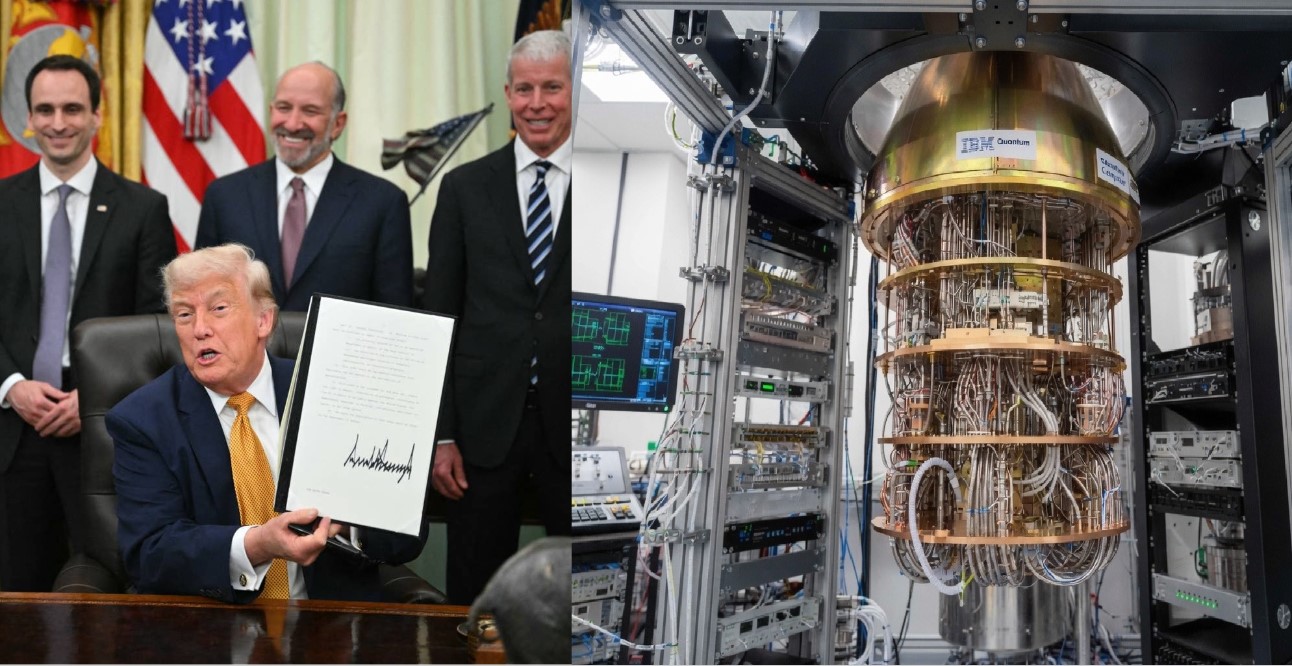
WASHINGTON, June 23, 2026 — President Donald Trump has signed two executive orders aimed at strengthening U.S. leadership in quantum technology and protecting federal digital infrastructure from future cyber threats posed by advanced quantum computing systems. The directives establish a dual-track strategy focused on accelerating domestic quantum research and development while requiring federal agencies to transition more rapidly to post-quantum cryptography (PQC), a new generation of encryption designed to withstand attacks from future quantum computers. National Initiative to Expand Quantum Computing Capabilities The first executive order, EO 14411, launches a coordinated national effort to develop a large-scale quantum computer capable of performing complex scientific calculations and supporting advanced research applications. The initiative, known as the Quantum Computer for Application Development and Discovery Science (QC-ADDS) program, seeks to establish a quantum computing system suitable for scientific research by 2028. The Department of Energy will host at least one such system as part of the program. The order also directs the Departments of Commerce, War, and Energy, along with NASA, to deploy advanced quantum-enabled sensors and networking technologies within the next five years. These systems are expected to improve scientific research, sensing capabilities, and secure communications. To support the effort, the Department of Energy has been instructed to define the technical requirements for the new quantum computing system within 90 days. Workforce Development Measures The executive order includes several workforce development initiatives intended to address the growing demand for skilled personnel in the quantum technology sector. Under the directive, the Department of Labor and the National Science Foundation will align education and training programs with industry requirements, expand apprenticeship opportunities, and support the establishment of National Quantum Workforce Development Institutes. Administration officials said these efforts are intended to strengthen the domestic talent pipeline and support long-term growth of the U.S. quantum industry. Accelerated Transition to Post-Quantum Cryptography The second executive order, EO 14409, focuses on protecting federal systems from future cryptographic threats by accelerating the adoption of post-quantum cryptography across government networks. The order requires federal agencies to transition high-value assets and high-impact systems to quantum-resistant encryption standards on an accelerated timeline. Under the new requirements: Federal agencies must complete migration to post-quantum cryptography for key establishment functions by December 31, 2030. Migration for digital signature systems must be completed by December 31, 2031. Each federal agency must designate a post-quantum cryptography migration lead within 30 days. Agencies must begin structured migration planning within 90 days. The Department of Commerce must launch a pilot migration project by the end of 2027 to demonstrate successful deployment methods and establish best practices for broader government adoption. The revised deadlines move forward previous transition targets that extended to 2035 for some systems. Addressing the “Harvest Now, Decrypt Later” Risk A key objective of the cybersecurity order is addressing the growing threat known as “harvest now, decrypt later.” Under this scenario, adversaries collect and store encrypted government and corporate data today, even though current computing technology cannot decrypt it. Once large-scale quantum computers become available, those stored files could potentially be decrypted, exposing sensitive information. Officials warned that future quantum computers could break many of the encryption standards currently used to secure government networks, communications, intellectual property, and critical infrastructure systems. The executive order states that the emergence of large-scale quantum computers, particularly if developed by adversarial nations, could pose a significant threat to widely used cryptographic security systems. By establishing a 2031 compliance deadline, the administration aims to reduce the period during which sensitive data remains vulnerable to future decryption efforts. Strategic Importance The executive orders reflect growing international competition in quantum technologies and cybersecurity, particularly as countries invest heavily in quantum computing research and related infrastructure. Quantum computing is expected to support advances in scientific research, materials science, optimization, artificial intelligence, and national security applications. At the same time, the technology presents challenges for existing cybersecurity frameworks because of its potential ability to break current encryption methods. Administration officials said the measures are intended to strengthen U.S. technological leadership, support supply chain development, expand workforce training, encourage public-private collaboration, and promote commercialization of quantum technologies. The orders build on previous federal initiatives, including the National Quantum Initiative, and establish a government-wide framework aimed at advancing quantum innovation while preparing federal systems for the security challenges of the quantum era.
Read More → Posted on 2026-06-23 11:21:19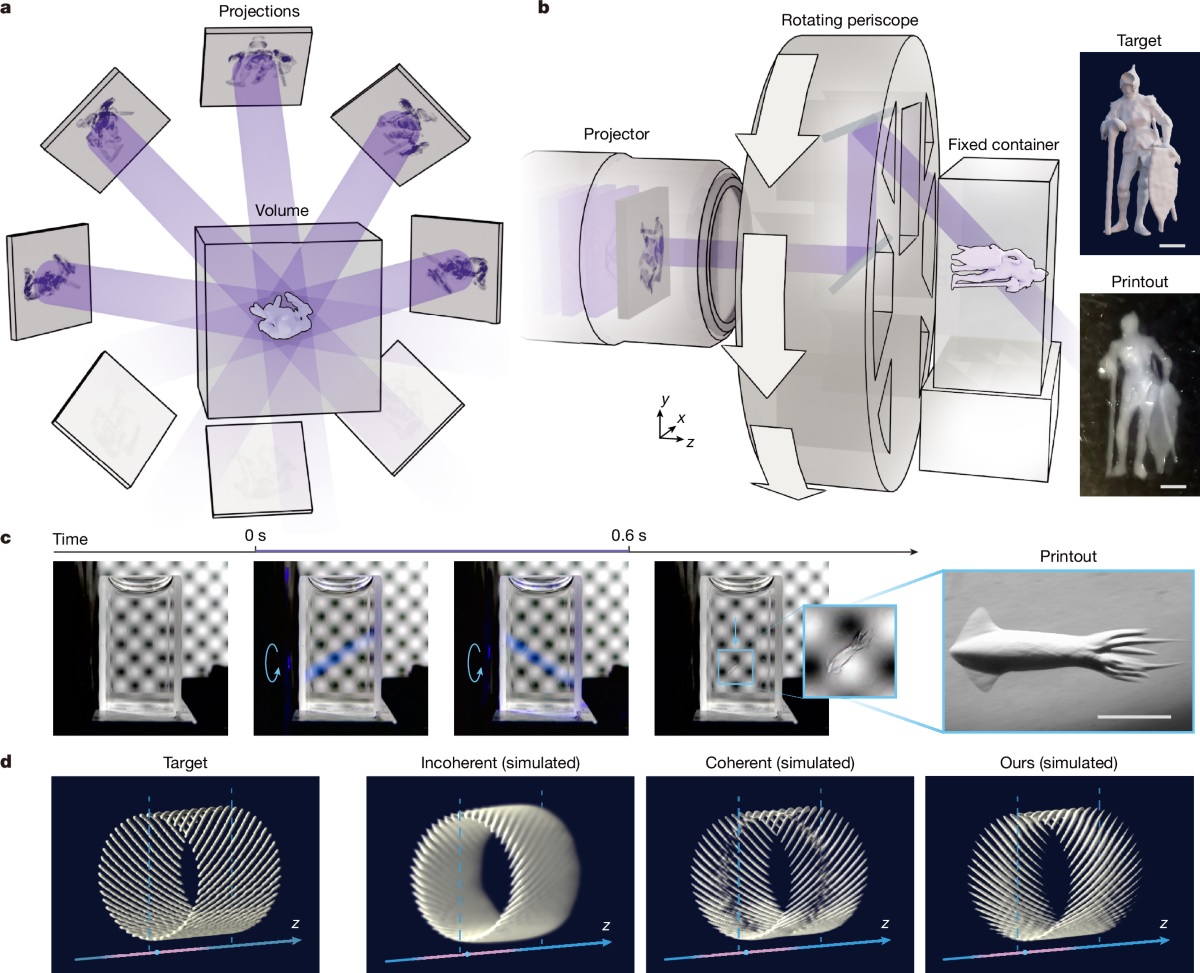
Space & Technology
BEIJING, — June 22, 2026 : Researchers at Tsinghua University have developed a new volumetric 3D printing technology capable of fabricating complex millimeter-scale objects in just 0.6 seconds. The system, known as Digital Incoherent Synthesis of Holographic Light Fields (DISH), uses holographic light projections to create entire three-dimensional structures simultaneously within a stationary vat of liquid resin, eliminating the need for traditional layer-by-layer manufacturing. The research, published in the journal Nature, was led by Academician Dai Qionghai of the Chinese Academy of Engineering, alongside Associate Professor Wu Jiamin and Professor Fang Lu. The project represents more than five years of work in computational optics and additive manufacturing. New Approach to Volumetric Manufacturing Conventional high-resolution 3D printers build objects point by point or layer by layer, often requiring several minutes or hours to complete small components. While previous volumetric printing technologies attempted to produce entire objects at once, many relied on rotating resin containers, creating mechanical instability and limiting the range of usable materials. The DISH system removes these constraints by keeping the resin completely stationary during the printing process. Instead of moving the material or print head, the technology manipulates light through a combination of advanced optics and computational algorithms. At the core of the system is a high-speed rotating periscope capable of revolving around the resin container up to ten times per second. Simultaneously, a Digital Micromirror Device (DMD) projects optimized binary holographic laser patterns at speeds of up to 17,000 times per second. As multiple light fields intersect within the photosensitive resin, specific regions reach the required exposure threshold and solidify almost instantly into a three-dimensional structure. Advanced Optical Modeling Improves Accuracy To maintain image quality and printing precision, the research team developed a wave-optics computational model that compensates for light refraction as it passes from air into liquid resin. This correction prevents distortion and maintains sharp focus throughout the printing volume. According to the researchers, the system achieves a consistent printing resolution of approximately 19 micrometers across a depth range of one centimeter. Independent positive features as small as 12 micrometers were successfully produced, making them thinner than a typical human hair. Record Printing Speed Published performance data show that DISH currently delivers the highest volumetric printing speed reported for this type of manufacturing technology. Key specifications include: Fabrication of millimeter-scale objects in approximately 0.6 seconds. Volumetric printing speed of 333 cubic millimeters per second. Processing capability of roughly 125 million voxels per second. Uniform 19-micrometer resolution throughout a one-centimeter printing depth. Minimum feature sizes reaching 12 micrometers. Broader Material Compatibility One of the major advantages of the technology is its ability to work with low-viscosity materials. Because the resin remains stationary, there are no centrifugal forces acting on the liquid during fabrication. As a result, DISH can utilize watery resins with viscosities as low as 4.7 centipoise, materials that are difficult or impossible to use in many previous volumetric printing systems. The researchers successfully demonstrated printing with multiple acrylate-based resins and biocompatible hydrogel materials. Applications in Bioprinting and Micro-Manufacturing During testing, the team fabricated a variety of detailed structures, including gear-like components, hollow bifurcated tubes resembling vascular networks, and miniature sculptural models. The ability to process biocompatible hydrogels opens opportunities for tissue engineering and biomedical research, particularly in the production of three-dimensional scaffolds for cell growth. The technology also demonstrated potential for continuous manufacturing. Researchers integrated the printer with a fluid channel and pump system that continuously supplied fresh resin while removing completed parts from the exposure region. This setup enables sequential production without stopping the machine or replacing molds. Potential applications include: Bioprinting and tissue engineering Microfluidic devices Customized medical components Photonic computing devices Micro-robotics systems Smartphone camera modules Rapid prototyping and precision manufacturing Current Challenges Despite its performance, the technology remains focused on millimeter-scale objects. Expanding the process to larger parts while maintaining high speed and resolution remains a key challenge for future development. The system also requires significant computational resources to generate and optimize the holographic light-field patterns used during printing. However, researchers noted that calibration procedures can be completed within minutes without modifying the hardware.
Read More → Posted on 2026-06-22 09:20:41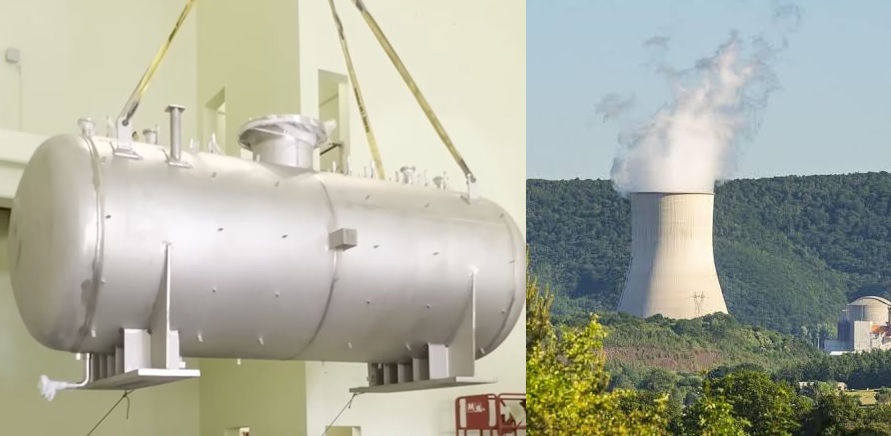
Space & Technology
BOLOGNA, Italy — June 21, 2026 : France-headquartered advanced reactor developer Newcleo has completed the installation of the main reactor vessel for its PRECURSOR facility at the ENEA Brasimone Research Centre near Bologna, marking a major milestone in the development of lead-cooled fast reactor (LFR) technology. The project is designed to demonstrate the operation of a full-scale reactor system and generate electricity without the use of nuclear fuel. Instead, the facility will use electric heaters and molten lead coolant to simulate the thermal behavior of a commercial nuclear reactor, allowing engineers to validate key technologies before introducing radioactive materials. Main Vessel Installed The centerpiece of the PRECURSOR facility is a large reactor vessel manufactured by Fucina Italia srl in Piombino, Tuscany, and engineered within the Newcleo group. The vessel weighs approximately 20 metric tons when empty and reaches around 155 tons once filled with molten lead and internal components. Its dimensions are close to those planned for Newcleo's future commercial lead-cooled reactors, including the company's proposed 200 MWe reactor design. According to Newcleo, the installation represents one of the largest and most advanced non-nuclear demonstrations of lead-cooled reactor technology currently under development in Europe. How PRECURSOR Generates Electricity Unlike conventional nuclear reactors, PRECURSOR does not contain uranium fuel or rely on nuclear fission to produce heat. Instead, banks of high-powered electric heaters deliver approximately 10 MW of thermal energy into a pool of molten lead. The lead absorbs the heat and circulates through the reactor vessel in the same manner expected in a fueled reactor. The thermal energy is then transferred to steam generators, producing steam that drives a commercial turbine supplied by Fincantieri. The turbine is capable of generating approximately 2 MW of electricity, with part of the output helping offset the electricity consumed by the heating system. The facility is intended to demonstrate the complete power conversion chain, from heat production and coolant circulation to steam generation and electricity production. Supporting Infrastructure In addition to the main reactor vessel, the PRECURSOR facility includes several specialized systems required for handling molten lead. These include: A melting tank used to liquefy solid lead ingots. A storage vessel for holding and conditioning molten lead during startup and maintenance operations. A transfer vessel for moving liquid metal between different parts of the facility. Together, these systems will allow engineers to evaluate operational procedures and long-term performance under realistic conditions. Testing Program The facility is scheduled for completion during 2026 and will support a broad testing campaign covering: Thermal-hydraulic performance Normal operating conditions Steam generation Electricity production at different power levels Operation of the Decay Heat Removal (DHR) system Performance of heat exchangers and coolant circulation systems The overall plant configuration, including the turbine and condenser systems, is designed at approximately one-ninth the scale of the future LFR-AS-30 demonstration reactor. Why Lead-Cooled Fast Reactors? Lead-cooled fast reactors (LFRs) are among the advanced Generation IV nuclear technologies being developed to improve safety, efficiency, and fuel utilization. Unlike conventional water-cooled reactors, LFRs use molten lead as the primary coolant. Because lead has a boiling point above 1,700°C, reactors can operate at atmospheric pressure while maintaining substantial thermal safety margins. This eliminates the need for the high-pressure cooling systems used in traditional nuclear power plants and reduces the risk of coolant boiling. Another key advantage is passive safety. Molten lead can circulate naturally as temperatures change, allowing residual heat to be removed without relying entirely on electric pumps or operator intervention during emergency conditions. Role of ENEA Brasimone The ENEA Brasimone Research Centre has been involved in lead-cooled reactor research for decades and hosts several experimental facilities dedicated to heavy liquid metal technologies. Its expertise includes thermal-hydraulics, coolant chemistry, corrosion studies, materials testing, and safety analysis. The collaboration with Newcleo also includes additional experimental infrastructure such as the OTHELLO research loop. The PRECURSOR project builds on this long-standing research base and provides a bridge between laboratory-scale experiments and commercial reactor deployment. Development Roadmap Newcleo plans to use data from PRECURSOR to support the development of its first fueled reactor, the LFR-AS-30, a lead-cooled fast reactor with an electrical output of approximately 30 MWe. The company aims to bring the reactor online in France around 2031 before moving forward with larger commercial units, including the LFR-AS-200 design. Newcleo is also expanding its activities internationally. The company recently announced a partnership with California-based reactor developer Oklo and has outlined plans to invest up to $2 billion in advanced fuel fabrication infrastructure in the United States. The initiative is focused on producing Mixed Oxide (MOX) fuel using recycled nuclear materials, including surplus plutonium and depleted uranium. Significance for Advanced Nuclear Development By demonstrating the operation of a full non-nuclear power conversion system before introducing fuel, Newcleo is pursuing a development strategy aimed at reducing technical and licensing risks associated with advanced reactors. Successful operation of PRECURSOR will provide valuable data on molten lead cooling systems, heat transfer equipment, steam generation, and electricity production at an integrated system level. As countries continue to seek reliable low-carbon energy sources, the project represents an important step toward the commercialization of lead-cooled fast reactor technology and the broader deployment of next-generation nuclear power systems.
Read More → Posted on 2026-06-21 13:38:03
Space & Technology
SEATTLE, — June 20, 2026 : Microsoft has developed a rapidly growing artificial intelligence business in China by providing access to OpenAI’s advanced AI models through its Azure cloud platform, serving major technology companies including ByteDance, Tencent, Meituan, and Ant Group. The arrangement comes as the United States continues to tighten restrictions on advanced technology exports and as leading AI developers such as OpenAI and Anthropic avoid direct sales of their models in China due to intellectual property and security concerns. Microsoft's partnership with OpenAI allows the company to distribute GPT-series models under its own commercial framework. To address concerns over hosting sensitive technology in mainland China, Microsoft provides access through offshore Azure infrastructure, primarily using data centers in Singapore. ByteDance Becomes Largest Customer ByteDance, the Beijing-based parent company of TikTok, has emerged as Microsoft's largest AI customer in the region and is reportedly on track to spend more than $1 billion annually on Microsoft's cloud and AI services. Other major customers include Tencent, Meituan, and Ant Group. Much of the demand is linked to overseas operations, international business expansion, and cross-border digital services. Strong Growth in Azure AI Revenue Demand from Chinese enterprises has fueled rapid growth in Microsoft's regional AI business. During an internal sales meeting in July 2025, former Chief Commercial Officer Judson Althoff said Azure AI revenue in China was growing faster than in any other Microsoft market globally. Revenue from Azure AI in China roughly tripled during the fiscal year ending June 2025, following a 400% increase in the previous year. Despite this growth, Microsoft President Brad Smith previously told Congress that China accounted for approximately 1.5% of Microsoft's total global revenue in 2024. Offshore Access Model Microsoft does not host OpenAI's GPT models on its mainland Chinese data centers near Beijing and Shanghai. Instead, Chinese enterprise customers access the models over the public internet through Azure facilities located outside China, with Singapore serving as a key hub. This structure allows Microsoft to serve Chinese customers while keeping core AI models and infrastructure outside mainland Chinese jurisdiction. Anthropic's models are not available through Microsoft's China-focused offerings. Concerns Over AI Model Distillation The arrangement has attracted attention amid growing U.S.-China competition in artificial intelligence. OpenAI has reportedly raised concerns about the possibility of "distillation," a process in which outputs from advanced AI systems could be used to improve domestic AI models. Microsoft says it uses automated monitoring systems to prevent misuse of its services and limits access to established enterprise customers rather than individual developers. At the same time, Chinese technology companies continue investing heavily in their own AI capabilities. ByteDance operates the Doubao AI chatbot, while Tencent, Alibaba, and Ant Group are developing their own foundation models alongside the use of international AI technologies. Microsoft's China AI business highlights how advanced AI services continue to flow across borders through cloud platforms, even as governments increase scrutiny of strategic technologies and AI-related exports.
Read More → Posted on 2026-06-20 11:54:45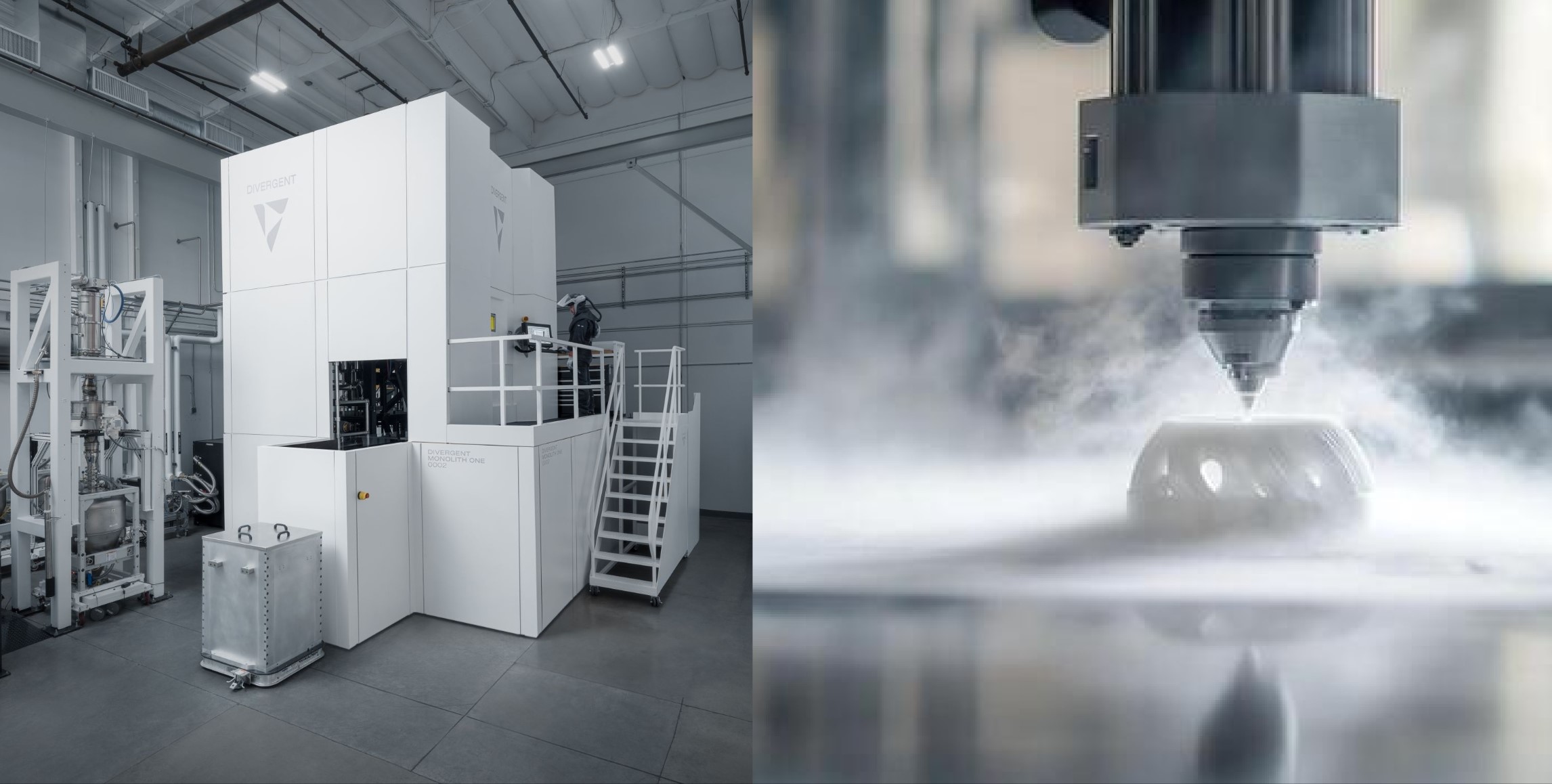
Space & Technology
TORRANCE, California — June 19, 2026 : Divergent Technologies has unveiled the Monolith One, a large-scale industrial metal 3D printer designed for high-volume aerospace, defense, and automotive manufacturing. The company also announced plans to significantly expand its production footprint through a new manufacturing facility in Long Beach, California. The Monolith One represents a shift in additive manufacturing from traditional prototyping and limited production runs toward continuous, software-driven mass production of mission-critical hardware. The announcement comes as the U.S. defense sector seeks to strengthen domestic manufacturing capacity and improve supply chain resilience amid growing demand for missiles, drones, and other defense systems. Designed for High-Volume Production Unlike conventional metal 3D printers primarily used for prototyping or small-batch manufacturing, the Monolith One is engineered for continuous industrial-scale production. The system uses laser powder bed fusion (LPBF) technology, a process in which high-powered lasers selectively melt and fuse layers of metal powder to create complex components. The machine was developed internally by Divergent over a period of 28 months under the leadership of Chief Technology Officer Brian Erhartic. The printer is not available for commercial sale or licensing and serves exclusively as a core component of the company's Divergent Adaptive Production System (DAPS), which combines AI-driven design tools, additive manufacturing, robotics, and automated assembly. Standing more than eight meters (26 feet) tall and measuring approximately six meters wide, the Monolith One is among the largest industrial metal additive manufacturing systems developed in the United States. Key Specifications Laser Power: 24 kilowatts total through twelve 2-kilowatt lasers Build Volume: 700 × 700 × 835 mm Materials: Aluminum, titanium, steel, and nickel-based alloys Thermal Control: Active build-plate heating and cooling up to 200°C Gas Flow System: 1,700 cubic meters per hour to support extended operation Manufacturing Capability: Designed for continuous, high-throughput production of large and complex metal structures According to Divergent, the Monolith One delivers approximately double the production output of existing competing systems while maintaining part quality and process stability through advanced beam-shaping technology. Long Beach Manufacturing Expansion To support deployment of the new system, Divergent is establishing a 430,000-square-foot manufacturing facility in Long Beach, California. The company currently operates six Monolith One printers at its headquarters in Torrance. Over the next 24 months, Divergent plans to install 64 additional Monolith One systems at the Long Beach facility. Once fully operational, the combined manufacturing network is expected to increase annual production capacity by approximately eight times compared with current levels. The expansion is projected to create more than 1,000 direct jobs and significantly reduce manufacturing timelines for complex metal structures. Components that traditionally require months of casting, machining, and assembly could be produced within weeks or even days using the new production system. Expected Production Capacity At full operational capacity, Divergent expects the facility to produce: More than 30,000 missile airframes in the 500-pound class annually More than 60,000 warhead casings in the 100-pound class annually Hundreds of thousands of additional critical metal components each year Automotive structures, including subframes and suspension systems The facility will support both defense and commercial manufacturing programs. Supporting Defense Supply Chains The introduction of the Monolith One comes at a time when defense manufacturers are facing increasing pressure to expand production of missiles, munitions, and autonomous systems. Traditional manufacturing methods often require dedicated tooling, lengthy setup times, and complex supplier networks, which can slow production. Divergent's software-defined manufacturing approach allows production lines to switch between different products by updating digital design files rather than reconfiguring extensive tooling and manufacturing equipment. This flexibility can enable rapid production changes based on operational requirements. The company is already supplying components to major defense contractors. Divergent currently produces Tomahawk cruise missile midbody components under contract with RTX and is working with Lockheed Martin on structures for autonomous drone programs. Advancing Software-Defined Manufacturing By integrating computational design, large-scale additive manufacturing, robotics, and automated assembly within a single production ecosystem, Divergent aims to industrialize additive manufacturing for large-volume production. The company believes the Monolith One and its broader DAPS platform can help accelerate manufacturing of complex aerospace and defense components that are difficult, time-consuming, or costly to produce using conventional methods. With the addition of the Long Beach facility and deployment of dozens of new Monolith One systems, Divergent is positioning software-defined manufacturing as a key element of future U.S. industrial and defense production capabilities.
Read More → Posted on 2026-06-19 16:19:23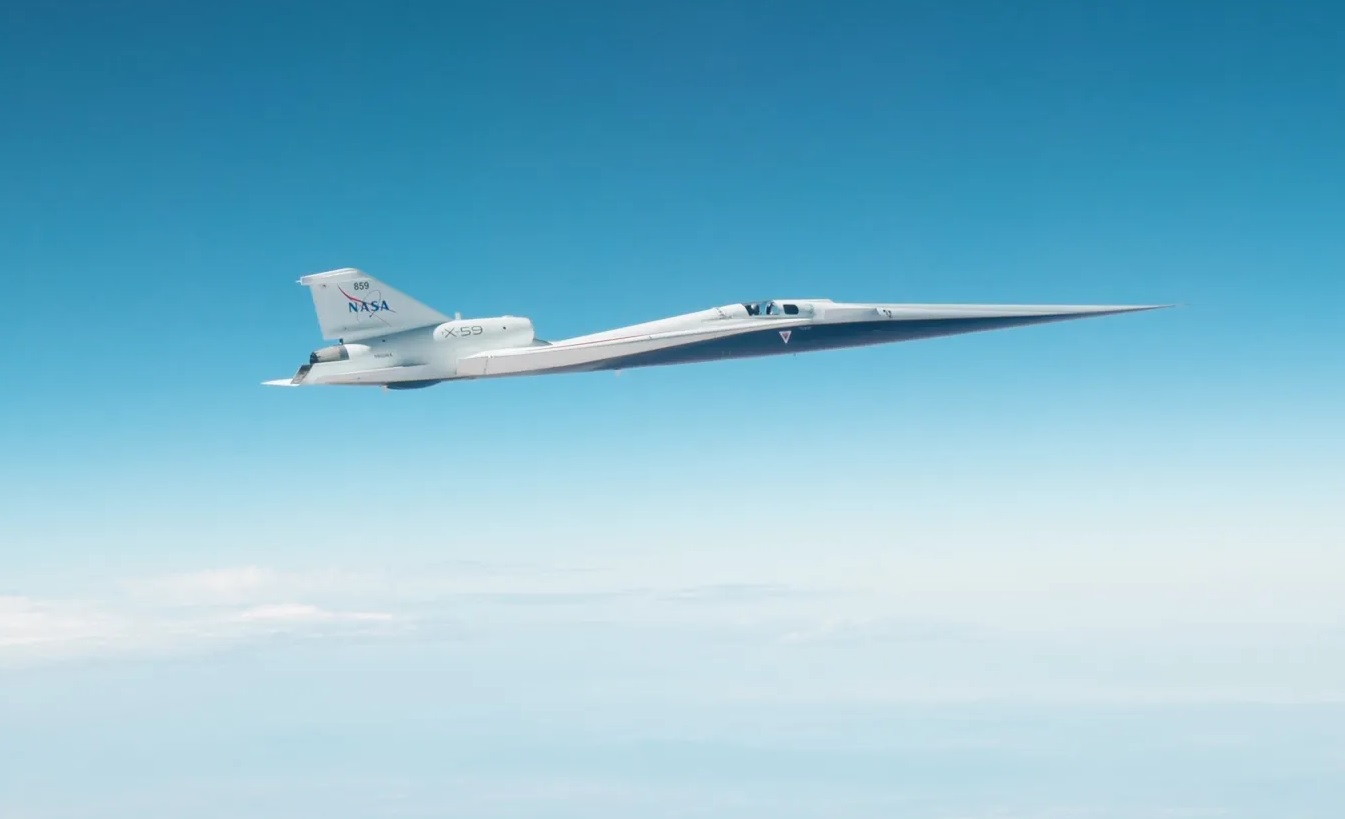
Space & Technology
EDWARDS, California, — June 13, 2026 : NASA’s X-59 quiet supersonic research aircraft has successfully completed its first flight under planned mission conditions, reaching a speed of Mach 1.4 and an altitude of 55,000 feet on June 12, 2026. The achievement marks the fastest and highest flight conducted by the aircraft to date and represents a significant milestone in NASA’s Quesst (Quiet SuperSonic Technology) mission. The flight took place exactly one week after the X-59 completed its first supersonic flight. On June 5, NASA test pilot Jim “Clue” Less flew the aircraft to approximately Mach 1.1 at an altitude of 43,400 feet during an 81-minute sortie from Edwards Air Force Base in California. Envelope Expansion Testing Continues The recent flights are part of NASA’s ongoing envelope expansion program, a testing process in which engineers gradually increase an aircraft’s speed and altitude to assess performance, verify system reliability, and calibrate onboard instruments under increasingly demanding conditions. During the initial supersonic test flights, a NASA F-15 chase aircraft accompanied the X-59. The sonic booms generated by the F-15 masked any sound produced by the X-59, as the current phase of testing is focused on evaluating structural integrity, aerodynamic performance, and flight systems rather than measuring acoustic signatures. NASA officials stated that the June 12 flight successfully demonstrated the aircraft’s ability to operate at its intended mission conditions, providing valuable data for future testing phases. Designed to Reduce Sonic Booms The X-59, developed by NASA in partnership with Lockheed Martin’s Skunk Works, is specifically designed to address one of the primary challenges associated with supersonic flight: the loud sonic boom. When conventional aircraft travel faster than the speed of sound, they generate pressure waves that combine into a powerful shockwave. As this shockwave reaches the ground, it is heard as a loud sonic boom that can exceed 100 perceived noise decibels. Concerns about noise pollution led regulators to prohibit commercial supersonic flights over land in the United States in 1973. The X-59 incorporates several design features intended to reduce this effect. The aircraft measures approximately 99.7 feet in length with a 29.5-foot wingspan. Its distinctive needle-like nose accounts for nearly one-third of the aircraft’s overall length. The elongated structure and carefully shaped airframe are designed to separate the pressure waves generated by different parts of the aircraft, including the nose, wings, cockpit, and engine. Instead of merging into a single shockwave, these separated waves travel through the atmosphere independently and reach the ground as a series of smaller pressure changes. NASA expects this configuration to produce a quieter sonic “thump” of approximately 75 perceived noise decibels, a sound level comparable to a car door closing. Advanced Systems and Modified Airframe The X-59 is based on a modified Gulfstream aircraft design and incorporates several advanced technologies. One of its most notable features is the eXternal Vision System (XVS), which replaces a traditional forward-facing cockpit windshield with a combination of high-resolution cameras and display systems. This arrangement provides pilots with forward visibility while allowing the aircraft to maintain its extended nose design. The aircraft serves as the centerpiece of NASA’s Quesst mission, which aims to collect scientific data on public reactions to quieter supersonic flight and support the development of future commercial supersonic aircraft. Community Overflights Planned Following the completion of performance testing, NASA plans to transition the program into its acoustic validation phase. The X-59 will conduct a series of flights over selected communities across the United States while operating at its established mission conditions of Mach 1.4 and 55,000 feet. During these overflights, NASA will deploy ground-based microphone arrays to record the aircraft’s acoustic signature. Residents in the test areas will also be surveyed to gather information on how they perceive the sound generated by the aircraft. The collected data will be shared with aviation regulatory bodies, including the Federal Aviation Administration (FAA) and the International Civil Aviation Organization (ICAO). Path Toward Future Supersonic Travel NASA plans to continue flight testing over the coming months, with additional envelope expansion flights expected to reach speeds of up to Mach 1.6 and altitudes approaching 60,000 feet. The agency hopes that data gathered through the Quesst mission will help establish new science-based noise standards for supersonic aircraft. If regulators determine that quieter supersonic flight can be conducted without significant disturbance to communities, the findings could support future changes to existing regulations governing commercial supersonic operations over land. NASA officials believe the research could contribute to the development of next-generation commercial aircraft capable of significantly reducing travel times while meeting modern environmental and noise requirements.
Read More → Posted on 2026-06-13 17:31:58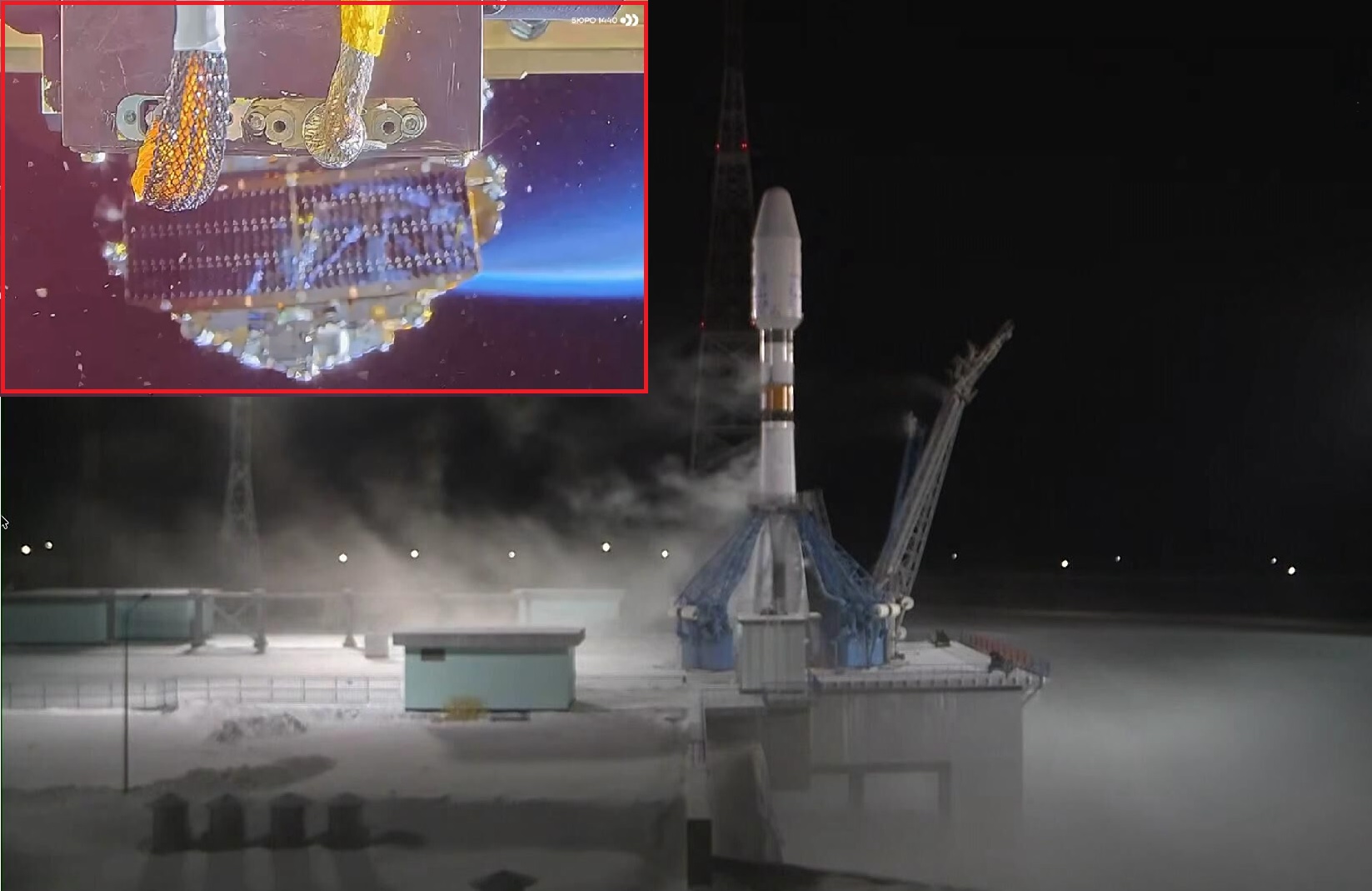
Space & Technology
MOSCOW — June 6, 2026 : Russia's effort to develop a domestic low Earth orbit (LEO) broadband satellite network has recorded its first confirmed satellite loss after one of the spacecraft launched under the Rassvet program reentered Earth's atmosphere and burned up less than three months after launch. The satellite, designated Object 4 and assigned NORAD tracking number 68363, reentered the atmosphere on or around June 6, according to orbital tracking data analyzed by space journalist Anatoly Zak, founder of RussianSpaceWeb.com. The spacecraft was part of a group of 16 Rassvet satellites launched on March 23, 2026, by Russian satellite communications company Bureau 1440, which is developing a domestic satellite internet network intended to provide capabilities similar to Starlink. Satellite Failed to Perform Orbit-Raising Maneuvers Tracking data showed that Object 4 never carried out a single orbit-raising maneuver after reaching space. The satellite remained at an altitude of approximately 300 to 310 kilometers, where atmospheric drag gradually reduces orbital altitude unless propulsion systems are used. Because the spacecraft showed no signs of maneuverability, its orbit steadily decayed until atmospheric reentry became unavoidable. Analysts believe the satellite may have suffered a propulsion system failure, a loss of spacecraft control, or another technical issue that prevented it from receiving or executing commands from ground controllers. Uneven Performance Across the Constellation The loss comes as tracking data continues to show mixed performance among the first batch of Rassvet satellites. For roughly two weeks after launch, none of the spacecraft appeared to conduct propulsion maneuvers, raising questions about the status of their onboard systems. By April 6, Object 16 began raising its orbit, followed by another satellite on April 7. Additional spacecraft later demonstrated maneuvering capability and started moving toward higher operational altitudes. As of early June 2026, six satellites were actively raising their orbits, gaining between 40 and 50 kilometers in altitude. Eight other satellites were maintaining their positions through station-keeping maneuvers, while Object 4 remained the only spacecraft that never showed any propulsion activity. Launch Conducted Without Immediate Official Announcement The satellites were launched aboard a Soyuz-2.1b rocket from Plesetsk Cosmodrome on March 23. The mission attracted attention because neither Roscosmos nor the Russian Ministry of Defense publicly announced the launch. Several hours later, Bureau 1440 released footage showing the deployment of the satellites, providing the first official confirmation that the mission had reached orbit. The absence of an official launch announcement was unusual, as routine launch notifications have traditionally been standard practice in the Russian space program. Russia Continues Expansion Plans The Rassvet project is intended to provide Russia with an independent satellite internet network for commercial, government, and strategic communications. Despite the loss of Object 4, reports within the Russian space community indicate that a second Rassvet launch could take place around June 18, 2026, although no official confirmation has been issued. If the launch proceeds, it would suggest that Bureau 1440 and Russian authorities view the failure as an isolated incident and remain committed to expanding the constellation. While the loss of Object 4 represents the first confirmed setback for the program, most of the satellites launched in March remain operational as Russia continues development of its domestic LEO broadband constellation.
Read More → Posted on 2026-06-06 17:52:17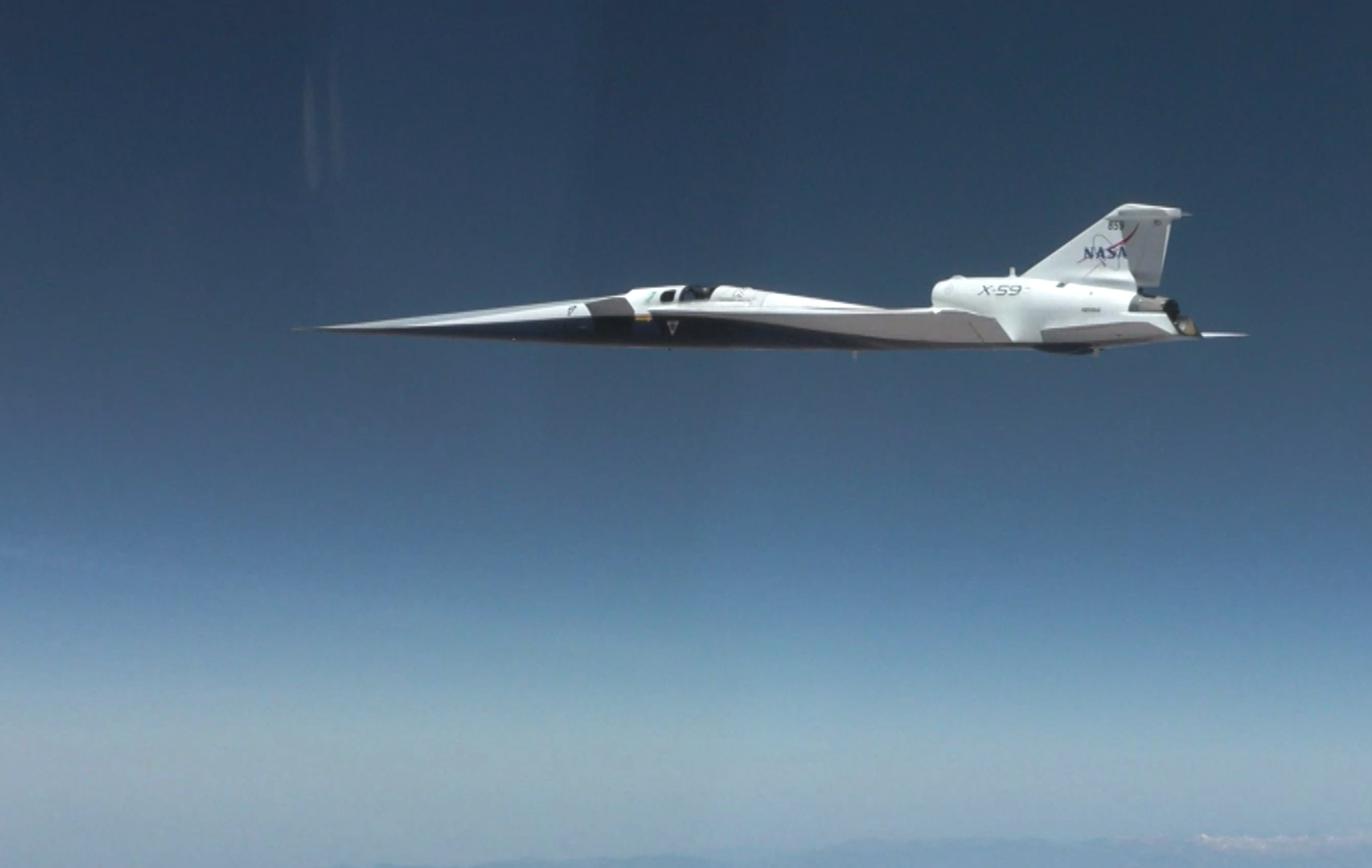
Space & Technology
EDWARDS AIR FORCE BASE, California — June 06, 2026 : NASA’s X-59 quiet supersonic research aircraft has successfully reached supersonic speeds for the first time, marking a major milestone in the agency’s Quesst mission and moving the program into the next phase of flight testing aimed at demonstrating quieter supersonic travel over land. The milestone flight took place on June 5 from Edwards Air Force Base in California, where NASA test pilot Jim “Clue” Less flew the experimental aircraft for 81 minutes. During the mission, the X-59 climbed to an altitude of approximately 43,400 feet and reached a top speed of Mach 1.1, or about 713 mph (1,147 km/h), successfully crossing the speed of sound for the first time. The achievement marks the completion of the aircraft’s initial subsonic flight-testing phase and the beginning of more demanding supersonic evaluations. NASA officials said the flight was focused on assessing the aircraft’s handling characteristics, stability, and system performance at supersonic speeds. For the test, the X-59 was accompanied by a NASA F-15 chase aircraft. The sonic booms generated by the F-15 were intentionally used to mask any acoustic signatures from the X-59, as the objective of this flight was not to measure noise levels but to verify aircraft performance during supersonic operations. Developed under NASA’s Quesst mission and built by Lockheed Martin Skunk Works, the X-59 is designed to address one of the biggest challenges associated with supersonic flight: the loud sonic boom produced when aircraft exceed the speed of sound. Traditional supersonic aircraft, including the retired Concorde, generated powerful shockwaves that created disruptive booms on the ground, leading regulators to prohibit commercial supersonic flights over land in many countries. The X-59 has been specifically engineered to reduce this effect. Instead of producing a loud sonic boom, the aircraft is designed to generate a significantly quieter “sonic thump” that NASA estimates will be about 75 perceived decibels, roughly comparable to the sound of a car door closing. Several design features contribute to this capability. The aircraft’s most distinctive feature is its nearly 38-foot-long, needle-shaped nose, which helps separate shockwaves generated during flight and prevents them from merging into a single powerful boom. The X-59 also uses a top-mounted General Electric F414-GE-100 engine producing approximately 22,000 pounds of thrust. Positioning the engine on top of the fuselage helps direct engine noise upward and away from the ground. In addition, the aircraft’s swept wings and carefully shaped underbody are designed to minimize the formation of additional shockwaves. Because the extended nose blocks the pilot’s forward view, the X-59 does not have a traditional forward-facing cockpit window. Instead, pilots rely on an advanced eXternal Vision System (XVS), which uses high-resolution cameras and displays to provide a real-time forward view. The X-59 measures approximately 99.7 feet (30.4 meters) in length and has a wingspan of 29.5 feet (9 meters). The aircraft first flew on October 28, 2025, and has since completed a series of subsonic flight tests, including wheels-up operations and envelope expansion flights reaching speeds close to Mach 0.95. With the first supersonic flight completed, NASA plans to continue expanding the aircraft’s flight envelope. Future tests will gradually increase operating speeds toward the X-59’s planned cruise condition of Mach 1.4, or approximately 925 mph, at an altitude of 55,000 feet. Additional testing is expected to evaluate performance at speeds approaching Mach 1.6 and altitudes up to 60,000 feet. Once flight performance and safety requirements are fully validated, the program will move into acoustic testing and community overflight operations. During this phase, NASA will fly the X-59 over selected communities across the United States and collect public feedback regarding the aircraft’s quieter sonic signature. The data gathered from those flights will be shared with the Federal Aviation Administration (FAA) and international aviation regulators. NASA hopes the results will support the development of new noise standards for supersonic aircraft and potentially lead to revisions of regulations that have restricted commercial supersonic flight over land since the 1970s. The Quesst mission is intended to provide the technical and acoustic data needed to support future generations of commercial supersonic aircraft, with the goal of enabling faster air travel while reducing the noise impacts that limited earlier supersonic passenger operations.
Read More → Posted on 2026-06-06 15:30:19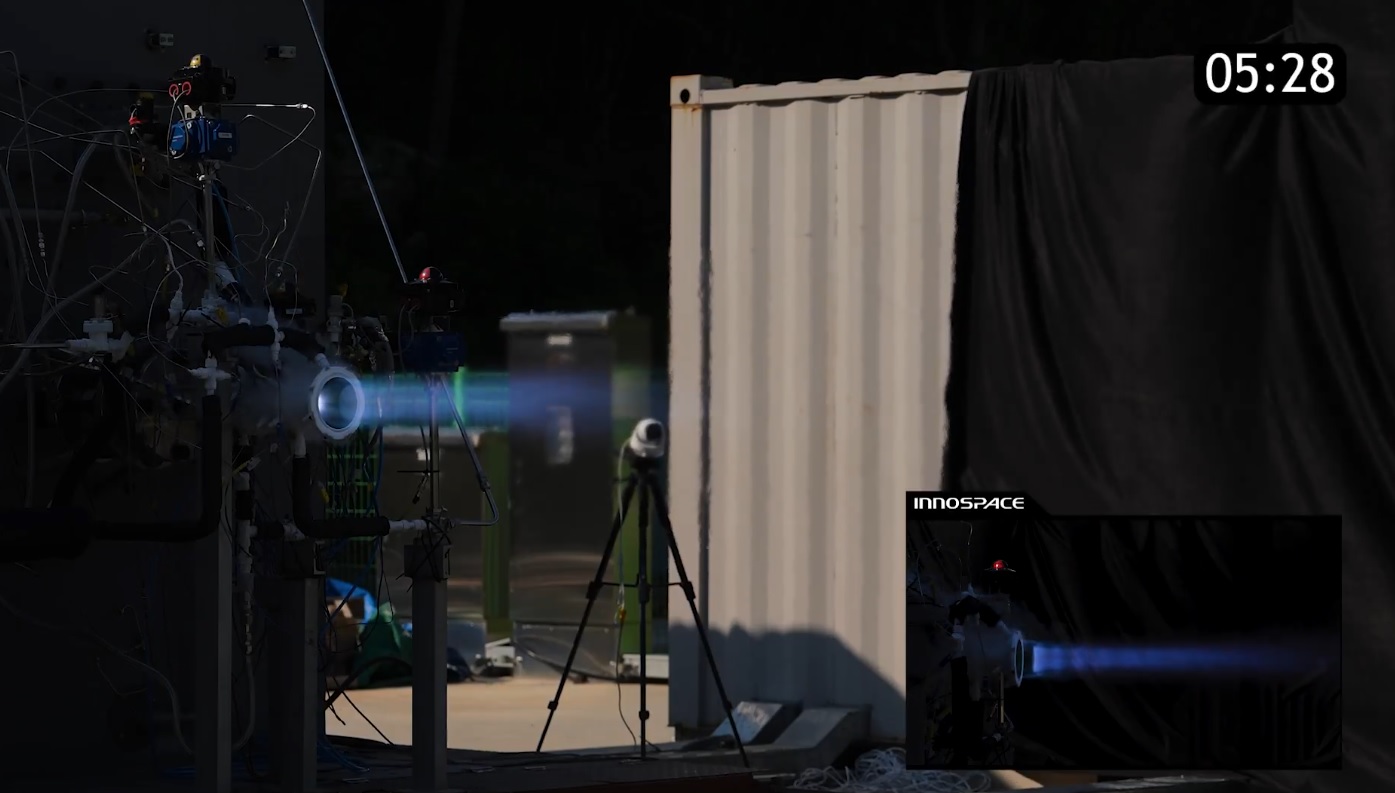
Space & Technology
SEOUL, South Korea — June 04, 2026 : South Korean commercial space launch company INNOSPACE has successfully completed a 420-second ground combustion test of its LiMEK-04 liquid methane rocket engine, setting a new national record for the longest continuous methane engine firing conducted in South Korea. The achievement marks a major milestone in the company's propulsion development efforts and validates a key dual-propellant regenerative cooling technology that will be used in the HANBIT-Micro launch vehicle, currently being developed for small satellite missions. LiMEK-04 Engine Designed for HANBIT-Micro Kick Stage The LiMEK-04 is a 0.4-ton-thrust (approximately 880 lbf) liquid methane engine specifically designed for the kick stage of the HANBIT-Micro rocket. A kick stage serves as the final propulsion system after the primary rocket stages complete their mission, enabling precise orbital insertion and accurate deployment of satellites into their designated orbits. The successful long-duration test demonstrated both the engine's operational stability and the effectiveness of several advanced propulsion technologies that are expected to enhance future launch vehicle performance. Dual-Propellant Cooling Technology Successfully Validated A key objective of the recent test was the validation of INNOSPACE's independently developed dual-propellant regenerative cooling system. Rocket engines operate under extremely high temperatures and require efficient cooling systems to protect the combustion chamber and nozzle. In regenerative cooling, propellants circulate through channels surrounding the engine before entering the combustion chamber, absorbing heat and preventing structural damage. While conventional methane engines typically use liquid methane alone as the coolant, INNOSPACE's system simultaneously utilizes both liquid methane (fuel) and liquid oxygen (oxidizer) as cooling agents. According to the company, this approach increases coolant flow rates by approximately 3.0 to 3.4 times compared with traditional single-propellant cooling methods. The technology offers several advantages: Reduced pressure requirements, allowing stable cooling performance under lower operating pressures. Lower structural mass, as reduced pressure requirements enable the use of lighter propellant tanks and feed systems. Improved payload capability, a critical factor for small launch vehicles where every kilogram of saved weight can be allocated to payload capacity. INNOSPACE stated that the technology could also support future applications involving reusable methane engines, orbital transfer vehicles, and space exploration propulsion systems. Commenting on the achievement, INNOSPACE CEO Kim Soo-jong said that structural lightweighting technologies play a significant role in improving payload performance and enhancing competitiveness within the small launch vehicle market. Methane Propulsion Gains Importance in Global Space Industry The successful test also highlights the growing importance of methane-fueled rocket engines across the global launch sector. Compared with traditional kerosene-based rocket fuels, methane offers several operational benefits. It burns more cleanly, produces fewer carbon deposits within engines, supports potential reusability, and provides higher performance while remaining easier to manage than liquid hydrogen. As a result, methane propulsion has become a key technology for many next-generation launch systems being developed worldwide. For emerging launch providers such as INNOSPACE, methane propulsion is viewed as an important pathway toward more efficient and commercially competitive launch services. LiMEK-04 Development Reaches New Milestone The latest record-setting test represents the culmination of a phased development program that has progressed over the past two years. Key milestones include: March 2024: Successful first ignition test under Technology Demonstration Model 1 (TDM#1). May 2024: Successful combustion test reaching 237 seconds under TDM#2. July 2025: First successful ignition using the newly integrated dual-propellant regenerative cooling system under Engineering Development Model 1 (EDM#1). May 2026: Successful 420-second long-duration combustion test under Engineering Development Model 3 (EDM#3), establishing a new South Korean record. The latest firing demonstrated sustained engine operation for approximately seven minutes, a duration considered important for propulsion systems intended for orbital insertion and upper-stage missions. Supporting the HANBIT-Micro Launch Vehicle INNOSPACE plans to integrate the LiMEK-04 engine into the kick stage of the HANBIT-Micro launch vehicle, which is being developed to serve the growing small satellite launch market. Reliable long-duration engine performance is essential for kick-stage operations, as these systems are responsible for final orbital adjustments, satellite deployment, and mission-specific maneuvers after separation from the main rocket stages. The company believes the successful validation of the methane engine will strengthen HANBIT-Micro's capabilities and improve its competitiveness in the expanding commercial small satellite launch sector. Preparations Continue for Next HANBIT-Nano Launch Alongside engine development activities, INNOSPACE is continuing preparations for its next launch mission following the early termination of its first commercial HANBIT-Nano launch in December 2025. The anomaly occurred approximately one minute after liftoff and was subsequently traced to a first-stage electric pump failure. Since then, the company has completed a comprehensive root-cause analysis, upgraded relevant hardware components, and implemented manufacturing process improvements aimed at increasing vehicle reliability. INNOSPACE is currently undergoing a launch license review with the Korea AeroSpace Administration (KASA). Subject to final approval, the company plans to conduct a follow-up HANBIT-Nano launch during the third quarter of 2026. The mission is scheduled to lift off from the Alcântara Space Center in Brazil and will carry InnoSat-0, INNOSPACE's first in-house test satellite. The flight will also utilize a 6U-class satellite deployment system developed by SpaceBey to validate key orbital separation and deployment technologies. Expanding South Korea's Commercial Space Capabilities The successful 420-second combustion test provides important technical validation for INNOSPACE's future launch vehicle roadmap while demonstrating progress in the development of advanced methane-fueled rocket propulsion systems. As the company advances both the HANBIT-Micro and HANBIT-Nano programs, the latest achievement further strengthens South Korea's growing capabilities in commercial launch services, small satellite transportation, and next-generation space propulsion technologies.
Read More → Posted on 2026-06-04 18:02:58
Space & Technology
GREENBELT, Md. — May 30, 2026 : NASA is preparing an unprecedented commercial spacecraft-servicing mission to extend the operational life of the Neil Gehrels Swift Observatory, a scientific satellite facing increasing orbital decay after more than two decades in low Earth orbit. The mission, scheduled for launch no earlier than June 2026, will attempt to raise Swift’s orbit before atmospheric drag forces the spacecraft to re-enter Earth’s atmosphere, potentially ending one of NASA’s most important astrophysics programs dedicated to observing short-lived cosmic events. The operation is being conducted in partnership with Arizona-based Katalyst Space Technologies, which will deploy a robotic servicing spacecraft known as LINK to rendezvous with and reposition the observatory. NASA officials view the mission as both an operational effort to preserve an active scientific platform and a demonstration of emerging commercial satellite-servicing capabilities intended to support long-term sustainability of spacecraft operating in orbit. Swift Observatory remains operational despite growing orbital challenge Launched on Nov. 20, 2004, the Neil Gehrels Swift Observatory was developed to detect and study gamma-ray bursts, among the most energetic electromagnetic explosions in the universe. The spacecraft was designed to rapidly identify these brief but powerful cosmic events and immediately reposition itself to collect follow-up observations. Over the last 21 years, Swift has become a major component of NASA’s astrophysics fleet, contributing to research involving gamma-ray bursts, neutron star mergers, supernovae, black holes, active galaxies and other transient astronomical events. The observatory carries three primary scientific instruments capable of observing the universe across multiple wavelengths, including gamma-ray, X-ray, ultraviolet and visible light. Its Burst Alert Telescope is responsible for detecting gamma-ray bursts and triggering rapid spacecraft targeting, while onboard follow-up instruments help astronomers analyze newly detected cosmic activity. Despite remaining fully operational, Swift is facing an increasingly serious orbital problem. The spacecraft was originally placed in low Earth orbit at an altitude of roughly 600 kilometers but was launched without an onboard propulsion system, meaning it cannot independently raise or maintain its orbit. Solar activity accelerates orbital decay Since launch, atmospheric drag has gradually lowered Swift’s orbital altitude. However, NASA reported that orbital decay accelerated significantly following increased solar activity associated with the recent solar maximum cycle, which peaked in 2024. Solar activity heats and expands Earth’s upper atmosphere, increasing atmospheric density at higher altitudes and producing greater drag on spacecraft operating in low Earth orbit. According to NASA, this process caused Swift’s altitude to steadily decline to approximately 370 kilometers. Orbital projections conducted during 2025 indicated that, without intervention, the spacecraft could re-enter Earth’s atmosphere and burn up by mid-to-late 2026 or potentially before the end of the year depending on atmospheric conditions. Because Swift lacks propulsion capability, NASA determined that external assistance would be required to preserve the observatory and extend scientific operations. NASA awards Katalyst contract for robotic servicing mission To prevent the loss of the spacecraft, NASA awarded a $30 million contract in September 2025 to Flagstaff, Arizona-based Katalyst Space Technologies to conduct a commercial orbital-servicing mission. Under the agreement, Katalyst will launch its 400-kilogram robotic servicing spacecraft, LINK, which is specifically designed to autonomously rendezvous with, inspect and maneuver satellites in orbit. The mission is scheduled to launch no earlier than June 2026 aboard Northrop Grumman’s Pegasus XL launch vehicle. Unlike conventional rockets launched from fixed ground pads, Pegasus XL is deployed from a modified Stargazer L-1011 aircraft during flight, allowing increased flexibility for orbital insertion and improved access to mission-specific trajectories. NASA selected Pegasus partly because Swift operates in an orbital inclination that can be reached efficiently through the air-launched system. LINK spacecraft faces complex capture operation Once deployed into orbit, LINK will begin autonomous rendezvous and proximity operations to intercept the observatory. The servicing spacecraft is equipped with lidar imaging systems, navigation sensors and three robotic arms designed to support spacecraft inspection and capture. Engineers face a significant challenge because Swift was never designed for in-orbit servicing. Unlike more recently designed satellites that may include docking mechanisms or servicing interfaces, Swift lacks dedicated docking ports, grappling fixtures and standardized attachment hardware. To address those limitations, LINK will first perform a detailed flyby inspection to evaluate spacecraft condition, confirm orientation and identify structural attachment points. Following inspection, robotic grippers are expected to attach to one of Swift’s load-bearing structural flanges originally designed for launch integration rather than servicing operations. After securing the observatory, LINK will activate onboard Hall-effect thrusters to conduct an orbital reboost maneuver intended to move Swift into a safer and more stable orbit above approximately 300 kilometers. Mission planners expect the maneuver to significantly extend Swift’s operational life and allow continued scientific observations before the robotic spacecraft detaches following completion of the boost. NASA modifies Swift operations to preserve altitude The mission is progressing under a compressed development timeline. While satellite-servicing missions typically require years of planning and systems integration, NASA and Katalyst advanced the project from contract award to launch preparation in roughly eight months due to the urgency created by Swift’s declining altitude. To increase the probability of mission success, NASA temporarily adjusted Swift’s operations during early 2026 to reduce atmospheric drag and preserve altitude. Controllers suspended portions of the observatory’s science activities, powered down the Burst Alert Telescope and halted rapid spacecraft-targeting maneuvers that normally allow Swift to quickly reposition toward new gamma-ray burst detections. NASA also placed the spacecraft into a low-drag orientation designed to minimize atmospheric resistance and conserve onboard power while engineers continued orbital tracking and mission planning. Flight dynamics teams at NASA’s Goddard Space Flight Center continue generating updated orbital forecasts and weekly assessments to ensure Swift remains above approximately 300 kilometers, a threshold considered important for maximizing the likelihood of a successful servicing mission. Environmental testing completed ahead of launch As preparations continue, LINK recently completed a series of environmental and systems tests at NASA’s Goddard Space Flight Center in Maryland. Testing included vibration evaluations, thermal-vacuum assessments, robotic arm deployment checks, propulsion verification and spacecraft systems validation intended to confirm launch readiness and operational reliability during orbital servicing. NASA officials stated that successful completion of these milestones supports final launch integration efforts ahead of the June 2026 launch opportunity. Mission could influence future orbital infrastructure planning Beyond preserving Swift, the mission is being closely watched as a demonstration of commercial robotic satellite-servicing technology. If successful, the operation would become the first known instance of a privately developed robotic spacecraft autonomously rendezvousing with, capturing and boosting an operational U.S. government scientific satellite that was not originally designed for servicing. Government agencies and commercial aerospace firms are increasingly investing in technologies capable of satellite inspection, orbital repositioning, refueling, component replacement, debris management and mission-life extension as operators seek alternatives to replacing expensive spacecraft prematurely. For NASA, the mission provides an opportunity to preserve a still-functional observatory that continues producing valuable astrophysics data more than 20 years after launch. During its operational lifetime, Swift has detected thousands of gamma-ray bursts and played a major role in time-domain astronomy through rapid observations of short-duration cosmic phenomena. The mission also reflects broader cooperation between government agencies and commercial aerospace providers in maintaining orbital infrastructure. Rather than replacing an aging but operational observatory, NASA is attempting to preserve an existing spacecraft through robotic servicing — an approach that may influence how future scientific satellites are designed, operated and maintained. NASA and Katalyst Space Technologies are continuing final mission readiness activities ahead of the planned June 2026 launch window as teams complete preparations for one of the agency’s most significant robotic spacecraft-servicing demonstrations in low Earth orbit.
Read More → Posted on 2026-05-30 17:42:24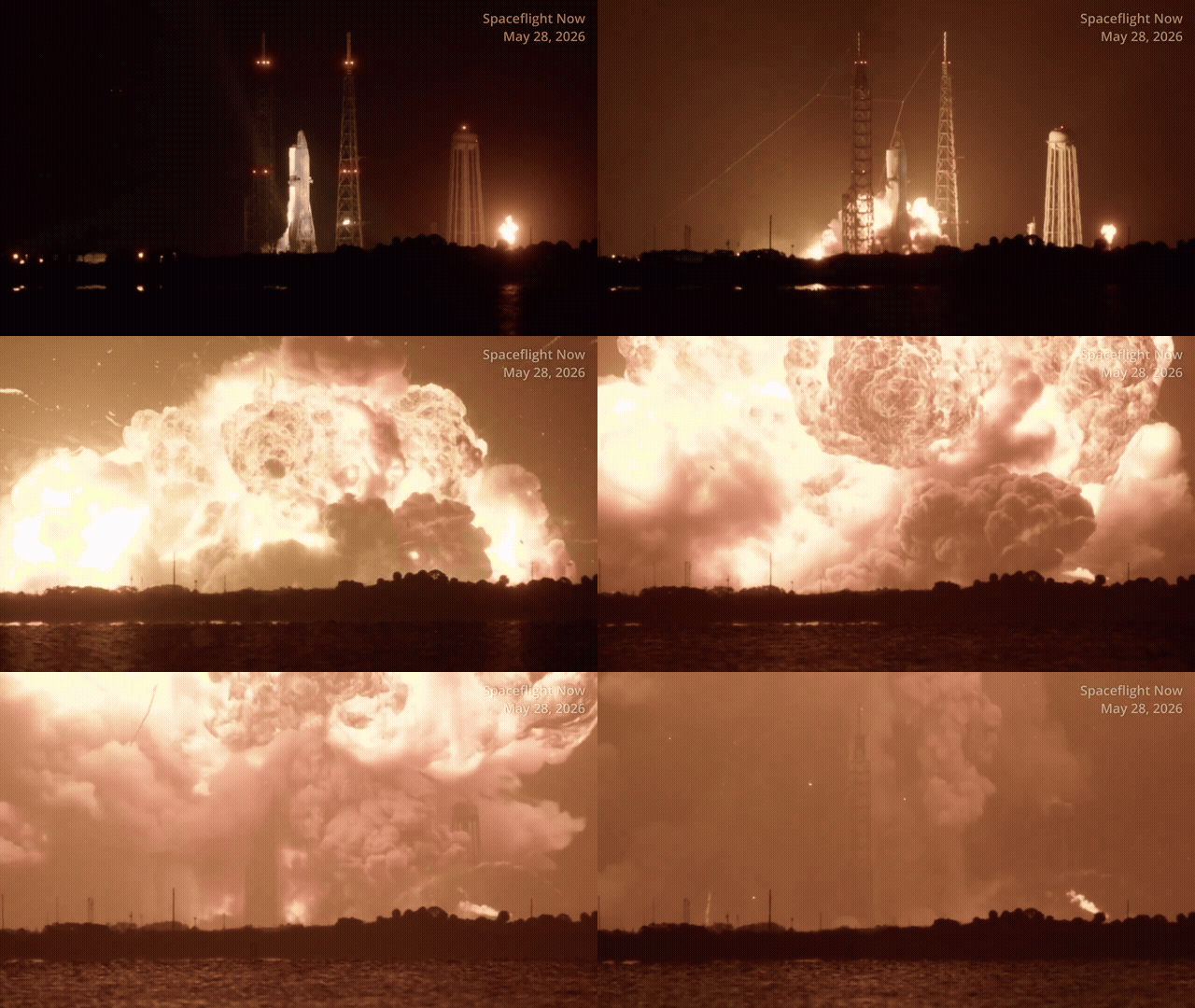
Space & Technology
CAPE CANAVERAL, Fla. — May 29, 2026 : Blue Origin’s New Glenn rocket was destroyed Thursday evening after an anomaly occurred during a routine static fire test at Cape Canaveral Space Force Station in Florida, resulting in an explosion at the launch site. The company confirmed that all personnel were accounted for and no injuries were reported. The incident occurred at approximately 9:00 p.m. EDT at Space Launch Complex 36 (LC-36), where engineering teams were conducting a hotfire static fire test as part of preparations for the rocket’s fourth overall mission, designated NG-4. During a static fire test, a rocket’s engines are ignited while the vehicle remains firmly secured to the launch pad to verify propulsion system performance, engine behavior, and overall launch readiness prior to flight. According to preliminary information, the fully fueled 320-foot-tall New Glenn rocket experienced a failure moments after ignition of its seven BE-4 engines, triggering an explosion and fire at the launch complex. Video footage from the site showed a large fireball and pressure wave shortly after engine startup. Residents in nearby Cocoa Beach reported hearing the blast and feeling vibrations. Public Safety and Damage Assessment Following the explosion, local emergency authorities, including Brevard County Emergency Management and the U.S. Space Force, confirmed there was no threat to public safety from toxic fumes or other hazards. Officials stated that all personnel at the launch facility were accounted for, while the Federal Aviation Administration (FAA) said the test was not part of licensed launch operations and had no impact on commercial air traffic. Although Blue Origin has not yet released a complete damage assessment, local reports and visual evidence indicate that the blast caused major destruction to the launch vehicle and infrastructure at LC-36. Early reports suggested structural damage at the site, including the collapse of a nearby lightning tower. Engineers are continuing evaluations to determine the full extent of the damage. NG-4 Mission and Planned Satellite Deployment The static fire test was being conducted ahead of New Glenn’s fourth planned mission, NG-4, which had been scheduled to launch as early as June 4, 2026. The mission was expected to carry 48 broadband satellites into low-Earth orbit for Amazon’s Project Kuiper, also referred to as Amazon Leo, a satellite internet constellation intended to compete with SpaceX’s Starlink network. Blue Origin confirmed that the payload of satellites was not installed on the rocket during the test, meaning losses were limited to the launch vehicle itself and infrastructure at Space Launch Complex 36. Statements from Blue Origin and Industry Leaders Following the incident, Blue Origin issued a public statement confirming that an anomaly had occurred during the hotfire test and that all personnel remained safe. Founder Jeff Bezos later stated that it was too early to determine the root cause of the failure but confirmed that an investigation had begun to identify what caused the explosion. Industry leaders also reacted to the incident. SpaceX Chief Executive Elon Musk described the event as unfortunate and acknowledged the technical difficulty involved in rocket development. NASA Administrator Jared Isaacman said the agency was monitoring the situation closely and would coordinate with partners to evaluate possible mission impacts while supporting a thorough investigation. New Glenn Program and Broader Impact New Glenn is Blue Origin’s two-stage, partially reusable heavy-lift launch vehicle designed for commercial, government, and lunar exploration missions. Standing approximately 98 meters tall, the rocket uses seven methane-fueled BE-4 engines on its first stage and two BE-3U engines on the second stage. The vehicle is designed to carry up to 45 metric tons to low-Earth orbit and around 13 metric tons to geostationary transfer orbit. The rocket is also a key component of Blue Origin’s participation in NASA’s Artemis lunar exploration program, where New Glenn is expected to support launches related to the Blue Moon lunar lander system. Thursday’s explosion represents another setback for the New Glenn program after an engine-related issue during the vehicle’s third flight in April 2026 resulted in a satellite being inserted into an incorrect orbit. The FAA had recently cleared the rocket to resume flights following that investigation. With LC-36 currently serving as Blue Origin’s only launch facility capable of supporting New Glenn missions, the damage is expected to delay upcoming operations while investigators determine the cause of the failure and repair work begins at the launch site.
Read More → Posted on 2026-05-29 15:39:17
Space & Technology
MOSCOW — May 25, 2026 : New Cloud Technologies, the Russian software developer behind the MyOffice office productivity suite, is preparing large-scale workforce reductions after reporting multibillion-ruble losses and a sharp decline in revenue, according to reports from Russian business newspaper Vedomosti. The planned restructuring marks a significant challenge for Russia’s broader effort to replace Western software products with domestic alternatives. Employees at the company reportedly received internal notifications in mid-May warning of upcoming staff cuts across multiple divisions. Sources familiar with the matter told Vedomosti that entire departments may be dissolved as part of the restructuring, while technical support operations are expected to remain largely intact to ensure continuity for existing customers and government clients. MyOffice was launched in 2014 by businessman Dmitry Komissarov as part of Russia’s long-term import-substitution strategy aimed at reducing dependence on foreign technology providers, particularly following sanctions and increasing geopolitical tensions. The software suite was promoted as a domestic replacement for Microsoft Office and later adopted by several Russian public institutions, including the State Duma, which reportedly allocated more than 20 million rubles in 2023 for MyOffice licenses to support the transition away from Microsoft products. Financial Decline Deepens The planned layoffs follow what company management described as a period of severe financial deterioration despite restructuring efforts undertaken throughout 2025. In an internal letter to staff, Chief Executive Officer Vyacheslav Zakorzhevsky acknowledged declining performance across major business segments, stating that the company’s operational model required substantial changes to ensure long-term sustainability. Financial records from Russia’s SPARK corporate database indicate that New Cloud Technologies employed slightly more than 1,000 personnel at the conclusion of 2025. During the same period, the company recorded a net loss exceeding 4 billion rubles (approximately $50 million), more than tripling compared with losses reported a year earlier. Revenue performance also weakened considerably. According to financial statements referenced by Vedomosti, company revenue declined by approximately 50 percent in 2025, falling to around 1 billion rubles (approximately $12.7 million). Debt obligations to the company’s majority shareholder simultaneously increased by roughly one-third, reaching nearly 25 billion rubles (around $318 million). Historical financial data further shows that MyOffice has struggled to sustain profitability over time. The company reported positive net income only once in the previous five fiscal years, posting a profit of 386.5 million rubles in 2022. Workforce Disputes Emerge The restructuring process has also generated internal tensions between management and employees. Former staff members cited by Vedomosti alleged that company leadership initially sought to encourage workers to resign voluntarily, a move that would reduce severance-related costs. According to those accounts, employees were reportedly warned about possible disciplinary dismissal for relatively minor workplace violations, including arriving around ten minutes late to work or submitting travel documentation after reporting deadlines. In response, employees reportedly formed a labor union and formally warned management about potential legal proceedings concerning alleged unlawful dismissal practices. Zakorzhevsky had earlier informed staff on March 23, 2026, that restructuring plans would involve revisions to the company’s organizational structure and product portfolio. He also reportedly assured employees that the process would comply with Russian labor regulations and that affected staff could receive consideration for vacant positions at Kaspersky Lab. Ownership and Broader Economic Context Corporate registry records show that Russian cybersecurity company Kaspersky Lab currently holds approximately 68.8 percent of New Cloud Technologies, making it the majority shareholder. Founder Dmitry Komissarov retains a smaller stake of roughly 5 percent. The operational difficulties facing MyOffice coincide with broader concerns surrounding Russia’s corporate sector. Earlier assessments issued by Ukraine’s Foreign Intelligence Service suggested that both private and state-linked Russian companies could begin broader workforce reductions during mid-2026 amid elevated interest rates, weaker commercial revenues, slowing consumer demand, and mounting macroeconomic pressure. Neither New Cloud Technologies nor company management disclosed the exact number of jobs expected to be eliminated or a timeline for completing the layoffs.
Read More → Posted on 2026-05-25 15:39:29
Space & Technology
WASHINGTON — May 16, 2026 : The Federal Communications Commission (FCC) has approved SpaceX’s acquisition of approximately 65 megahertz of nationwide wireless spectrum from EchoStar, a regulatory decision that significantly expands the company’s Starlink direct-to-device (D2D) mobile communications program. The approval, issued on May 12, authorizes SpaceX to obtain exclusive-use, contiguous wireless spectrum intended for satellite-to-phone connectivity services that allow standard smartphones to connect directly to low-Earth orbit satellites without requiring specialized hardware. The transaction is valued at approximately $17 billion and includes three separate spectrum assets previously held by EchoStar: 15 MHz of unpaired AWS-3 spectrum, 40 MHz of AWS-4 spectrum, and 10 MHz of H-Block spectrum. The acquisition gives SpaceX its first nationwide portfolio of dedicated wireless spectrum licenses. At the same time, the FCC approved EchoStar’s separate sale of an additional 50 MHz of spectrum to AT&T in a transaction valued at approximately $23 billion. Combined, the two agreements represent more than $40 billion in spectrum divestitures by EchoStar. Spectrum Approval Expands Starlink Direct-to-Device Capacity The newly acquired spectrum will support the expansion of Starlink’s next-generation direct-to-cell network, which is designed to provide mobile voice, text, and data connectivity directly from satellites to conventional smartphones. SpaceX’s initial direct-to-device operations relied on sharing terrestrial carrier spectrum through agreements with telecommunications companies including T-Mobile. That system enabled basic messaging and emergency communication services in areas without terrestrial cellular coverage, but shared-spectrum operations imposed substantial bandwidth limitations. According to FCC filings associated with the transaction, the addition of dedicated and contiguous spectrum is expected to increase network capacity by more than 100 times compared to SpaceX’s first-generation direct-to-device platform. SpaceX has stated that the long-term objective is to provide satellite-based connectivity comparable to conventional LTE and future 5G mobile services. The system is intended to operate similarly to terrestrial cellular networks, allowing smartphones to connect automatically to satellites when ground-based coverage is unavailable. FCC Grants Technology-Neutral Waivers As part of the approval, the FCC granted SpaceX a series of technology-neutral waivers that permit the deployment of a hybrid communications architecture integrating satellite and terrestrial network infrastructure. The waivers allow SpaceX to combine space-based and ground-based network components in order to improve service reliability, coverage continuity, latency performance, and spectral efficiency. The regulatory framework also enables more flexible deployment of future direct-to-cell infrastructure across the United States. The approval further strengthens Starlink’s broader second-generation satellite network expansion. Earlier FCC authorizations, including the January 2026 approval for an additional 7,500 Gen2 satellites, support the deployment of enhanced direct-to-device services both domestically and internationally. SpaceX Expands Role in Telecommunications Sector The acquisition substantially changes SpaceX’s position within the telecommunications industry. Previously, the company primarily operated as a satellite infrastructure provider supporting mobile carriers through partnership agreements. By securing its own nationwide wireless spectrum licenses, SpaceX gains the independent capacity necessary to operate large-scale mobile communications services directly under its own network framework. Although the company continues to maintain commercial partnerships with terrestrial operators, including T-Mobile, the spectrum ownership structure provides SpaceX with greater operational control over future mobile connectivity services and creates a new competitive dynamic within the wireless communications sector. Traditional mobile carriers are increasingly evaluating satellite-based coverage solutions to extend connectivity into rural, remote, maritime, and underserved regions where terrestrial infrastructure remains limited or economically difficult to deploy. FCC Imposes $2.4 Billion Escrow Requirement on EchoStar The FCC approval includes a major financial condition affecting EchoStar. The commission ordered the company to establish a $2.4 billion escrow account intended to cover potential liabilities involving third-party infrastructure companies. The condition is linked to ongoing litigation and multi-billion-dollar disputes involving telecommunications tower operators and fiber infrastructure providers following EchoStar and Dish Network’s earlier reduction of plans to construct a nationwide terrestrial 5G network. Companies connected to the disputes include major infrastructure operators such as Crown Castle and American Tower. EchoStar publicly objected to the escrow requirement, describing it as an “unprecedented involuntary escrow condition,” while also acknowledging that the FCC considered the spectrum transactions to be pro-competitive. Deployment Timeline and Regulatory Obligations The final closing of the spectrum transfer between EchoStar and SpaceX is expected on or about November 30, 2027. Following completion of the transaction, SpaceX will be required to comply with long-term FCC performance obligations covering technical and operational standards for the direct-to-device network. These requirements include measurable benchmarks for downlink quality, uplink throughput, and spectral efficiency over a nine-year period. The FCC stated that Starlink’s direct-to-device operations will remain subject to interference protections, international spectrum coordination requirements, and additional regulatory oversight governing satellite communications services. SpaceX has not yet announced a full commercial deployment timeline for expanded satellite-to-phone services, but the company continues testing and limited rollout operations in selected markets as it develops broader global direct-to-cell capabilities.
Read More → Posted on 2026-05-16 17:00:37
Space & Technology
KYOTO, Japan — Researchers from Kyoto University and Hiroshima University have successfully developed and experimentally demonstrated a method to identify a complex form of quantum entanglement known as the “W state” using a single measurement process, overcoming a major experimental limitation that has persisted in quantum physics for more than 25 years. The research, led by Shigeki Takeuchi and published in Science Advances, introduces a stable three-photon optical quantum circuit capable of directly distinguishing multipartite entangled W states without relying on conventional quantum state tomography, a process traditionally used to reconstruct quantum states through repeated measurements. The achievement is considered an important step for practical quantum information systems, particularly in the fields of quantum communication, quantum networking and photonic quantum computing, where efficient measurement of entangled states remains a major technical challenge. Long-Standing Measurement Problem in Quantum Physics Quantum entanglement is a physical phenomenon in which multiple particles become linked so that the state of one particle is directly connected to the state of another, even across large distances. Among multipartite entangled systems, W states are regarded as especially important because they distribute entanglement symmetrically among multiple particles and retain partial entanglement even when one particle is lost or measured. For a three-qubit system, a W state is represented as: In this configuration, measuring one particle does not completely destroy the entanglement among the remaining particles. This characteristic distinguishes W states from Greenberger-Horne-Zeilinger (GHZ) states, where measurement of one particle collapses the entire entangled system. Because of this robustness, W states are considered valuable for distributed quantum systems, quantum communication protocols and fault-tolerant quantum networking. Despite their importance, experimentally verifying W states has remained difficult for decades. Researchers have traditionally relied on quantum state tomography, a method that reconstructs a quantum state through a large number of repeated measurements on identical quantum systems. However, tomography is computationally expensive, slow and difficult to scale. As the number of photons or qubits increases, the number of required measurements grows exponentially, creating a major bottleneck for larger quantum systems. The process also introduces another limitation: quantum measurements typically destroy the original quantum state. Extensive measurement procedures therefore consume large numbers of usable entangled states, reducing efficiency for practical applications. Development of a Single-Measurement Technique To overcome these limitations, the Japanese research team developed an entangled measurement method capable of identifying W states through a deterministic one-shot process. The researchers exploited a mathematical property known as cyclic shift symmetry, which is naturally present in W states. Using this symmetry, the team designed a three-mode discrete Fourier transform optical circuit that projects incoming photons onto specific W-state configurations. The transformation applied inside the circuit is based on the quantum Fourier transform: The experimental setup was implemented using a displaced-Sagnac interferometer architecture combined with hybrid beam splitters. According to the researchers, the optical quantum circuit remains stable for extended periods without requiring active stabilization or continuous adjustment, an important feature for future scalable quantum systems. During the experiment, three single photons with carefully prepared polarization states were injected into the optical circuit. The system then analyzed the resulting non-classical correlations between the photons and successfully distinguished multiple types of three-photon W states. The circuit achieved a measurement discrimination fidelity of 0.871 ± 0.039, indicating a high probability of correctly identifying pure W-state inputs. The researchers described the system as a direct entangled measurement approach that eliminates the need for full quantum tomography and extensive post-processing. First Practical Entangled Measurement for Photonic W States The study represents the first experimental realization of entangled measurements for W states in photonic systems. Earlier theoretical and experimental work on entangled measurements primarily focused on GHZ states, which were first proposed more than two decades ago. However, practical measurement methods capable of directly identifying W states had not previously been demonstrated in stable photonic quantum systems. The research team included first author Geobae Park, theoretical physicist Holger F. Hofmann and quantum optics researcher Ryo Okamoto, who contributed to both the theoretical framework and experimental implementation. According to the researchers, the work builds upon earlier stable optical quantum circuits previously developed for other photonic quantum information tasks. Implications for Quantum Networks and Computing The ability to directly measure W states is expected to support several emerging quantum technologies. In quantum teleportation systems, multipartite entanglement can be used to transfer quantum information between distant nodes without physically transporting the particles carrying that information. In secure quantum communication systems, entangled states can create cryptographic channels that are resistant to interception because any attempt to observe the system alters the quantum correlations and becomes detectable. The findings are also relevant to development of the quantum internet, a proposed communication infrastructure designed to transmit quantum states and entanglement between distributed quantum processors, sensors and communication nodes. Photonic quantum computing may also benefit from the research. Measurement-based quantum computing architectures rely heavily on controlled measurements of entangled resource states rather than conventional transistor-based computational logic. Efficient entangled measurements are therefore considered essential for scaling photonic quantum processors. Researchers said the circuit’s stability and modular structure could allow future expansion to larger multipartite systems involving greater numbers of photons and more generalized entangled states. Future Research and On-Chip Quantum Circuits Following the successful three-photon demonstration, the research team plans to extend the technique to larger-scale multi-photon entangled systems. Future objectives include development of integrated on-chip photonic quantum circuits capable of performing practical entangled measurements in compact and scalable architectures. Such systems could improve long-term operational stability while reducing the size and complexity of photonic quantum devices. The researchers believe these advances could contribute to the development of scalable quantum communication networks and improve the performance of future photonic quantum processors. The study was funded through Japanese research programs and published in Science Advances (2025, Vol. 11, Issue 37, DOI: 10.1126/sciadv.adx4180). The results provide a verified experimental method for direct measurement of W states in photonic systems, addressing a long-standing challenge in quantum information science and advancing efforts toward scalable quantum technologies.
Read More → Posted on 2026-05-15 17:33:41
Space & Technology
MOUNT PLEASANT, Wisconsin — May 13, 2026 : Foxconn has confirmed that several of its North American manufacturing facilities were targeted in a cyberattack following claims by the Nitrogen ransomware group that it breached the company’s network and exfiltrated more than 8 terabytes of data. The company acknowledged the incident in a statement issued on May 12, 2026, saying its cybersecurity team immediately activated internal response procedures to contain the breach and maintain manufacturing operations. “The cybersecurity team immediately activated the response mechanism and implemented multiple operational measures to ensure the continuity of production and delivery. The affected factories are currently resuming normal production,” a Foxconn spokesperson stated. U.S. Facilities Impacted The cyberattack primarily affected Foxconn facilities in the United States, including the company’s manufacturing complex in Mount Pleasant, Wisconsin, and another operational site in Houston, Texas. The disruption reportedly began in early May and caused temporary outages across internal IT and network systems. Employees at the Wisconsin facility reported Wi-Fi disruptions and interruptions to internal digital systems, forcing some staff to temporarily shift to manual paper-based processes. Some workers were also reportedly sent home during parts of the outage while systems were being restored. Foxconn stated that despite the IT disruptions, production operations were not permanently halted. The company said affected factories are gradually returning to normal operational status, although it has not provided a timeline for full restoration of internal networks. Nitrogen Claims Theft of 11 Million Files The Nitrogen ransomware group claimed responsibility for the breach on May 11 after listing Foxconn on its dark web leak site. The group alleged it had stolen approximately 11 million files totaling more than 8TB of data from Foxconn’s network infrastructure. According to the ransomware group, the stolen data includes confidential instructions, technical hardware drawings, internal project documentation, circuit board layouts, integrated circuit documentation, temperature sensor records, and financial files associated with the Houston facility. Nitrogen also claimed the compromised files contained information connected to projects involving major technology companies including Apple, Intel, Google, Dell, Nvidia, and AMD. Foxconn has not confirmed the authenticity or scope of the alleged stolen data and has not stated whether customer information was compromised. Analysts Review Leaked Samples Cybersecurity analysts reviewing sample files released by Nitrogen reported that some leaked documents appeared to include network topology maps linked to Google and Intel projects. Security researchers noted that such infrastructure maps could potentially expose operational architecture details that may be useful in identifying vulnerabilities within data center environments. However, analysts examining the leaked material also stated that no critical Apple consumer product schematics or sensitive quality-control documentation appeared in the initial sample release. Researchers noted that Foxconn’s Mount Pleasant facility primarily manufactures televisions and data servers rather than Apple consumer devices. Nitrogen Ransomware Group Nitrogen emerged in 2023 as a ransomware-as-a-service (RaaS) operation using a double-extortion strategy in which attackers both encrypt corporate systems and threaten to publicly release stolen data. Cybersecurity researchers monitoring the group recently identified a programming flaw affecting Nitrogen malware used against VMware ESXi environments. According to security analysts, the flaw can corrupt public encryption keys during the attack process, potentially making encrypted files unrecoverable even if victims obtain the group’s decryptor tool after paying a ransom. Security firms have warned organizations that ransom payments may not successfully restore encrypted data in incidents involving the flawed malware variant. Ongoing Response Foxconn, one of the world’s largest electronics contract manufacturers, operates more than 230 factories across 24 countries, including facilities in Wisconsin, Ohio, Texas, Virginia, Indiana, and multiple locations in Mexico. The company has not disclosed whether it has received a ransom demand or whether negotiations with the attackers are taking place. Foxconn stated that its current priority remains securing affected infrastructure, restoring full network stability, and ensuring continuity of production across its North American operations.
Read More → Posted on 2026-05-13 16:54:37Search
Top Trending in 24 Hours
-
 Damage to U.S. Navy Base in Bahrain From Iranian Strikes Estimated at $400 Million, Pentagon Reviews Regional Force Posture
-
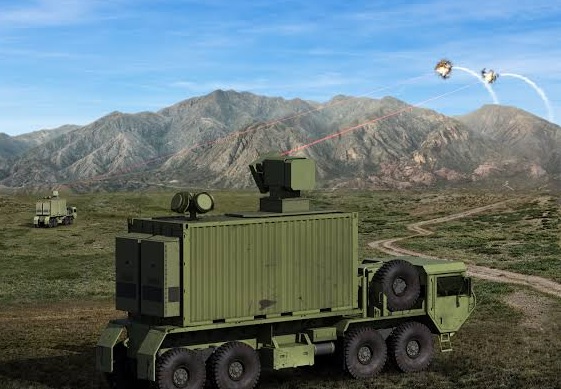 U.S. Air Force Awards Up to $95 Million Contract to Verus Research to Study How Laser Weapons Perform Against Different Targets
-
 U.S. Marine Corps Receives Six F-35B Fighters Without APG-85 Radar Due to Block 4 Delays
-
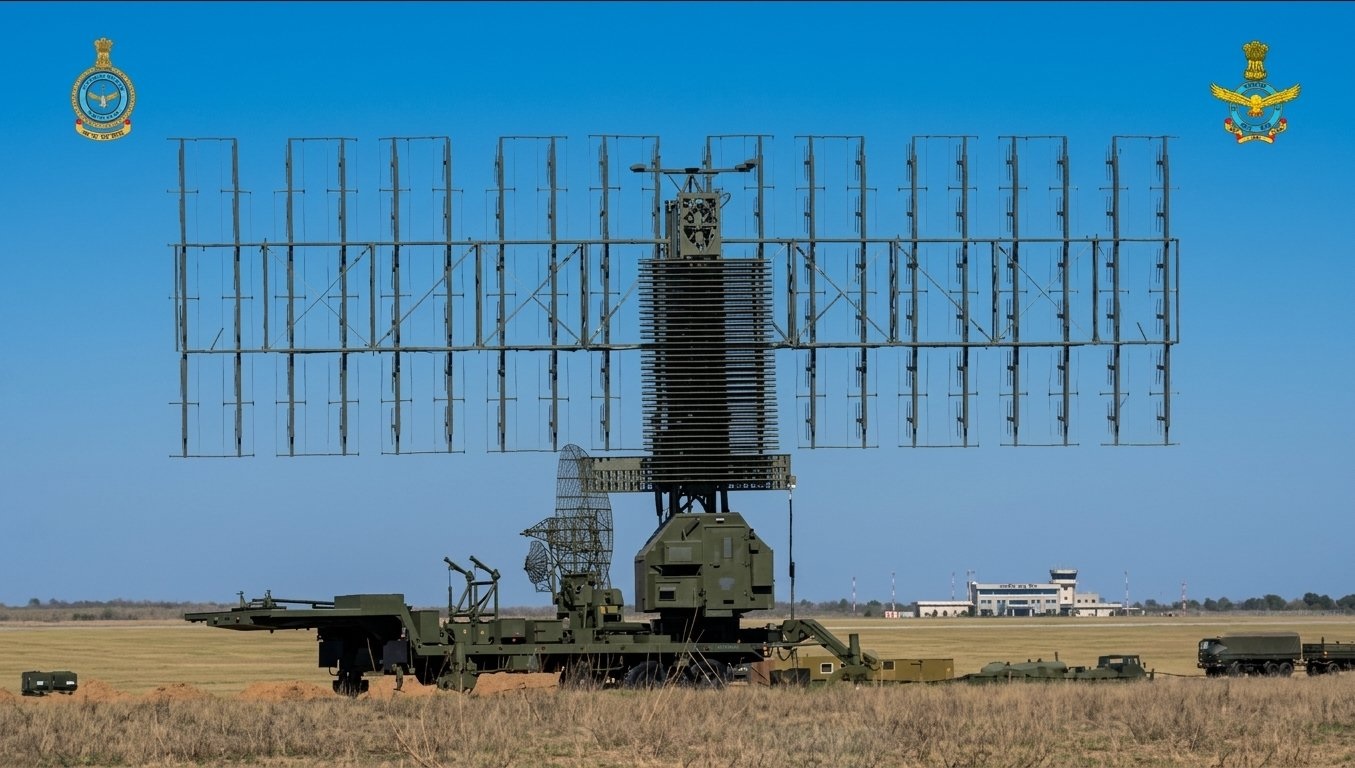 Indian Air Force Inducts 55Zh6ME Nebo-UM Radar to Enhance Early Warning Against Stealth Aircraft and Missiles
-
 Ukraine Deploys Protector UGV for Frontline Logistics as Combat and Air Defense Capabilities Expand
-
 Russia's Yak-130M Completes Maiden Flight; AESA Radar and R-77 Missile Integration Planned
-
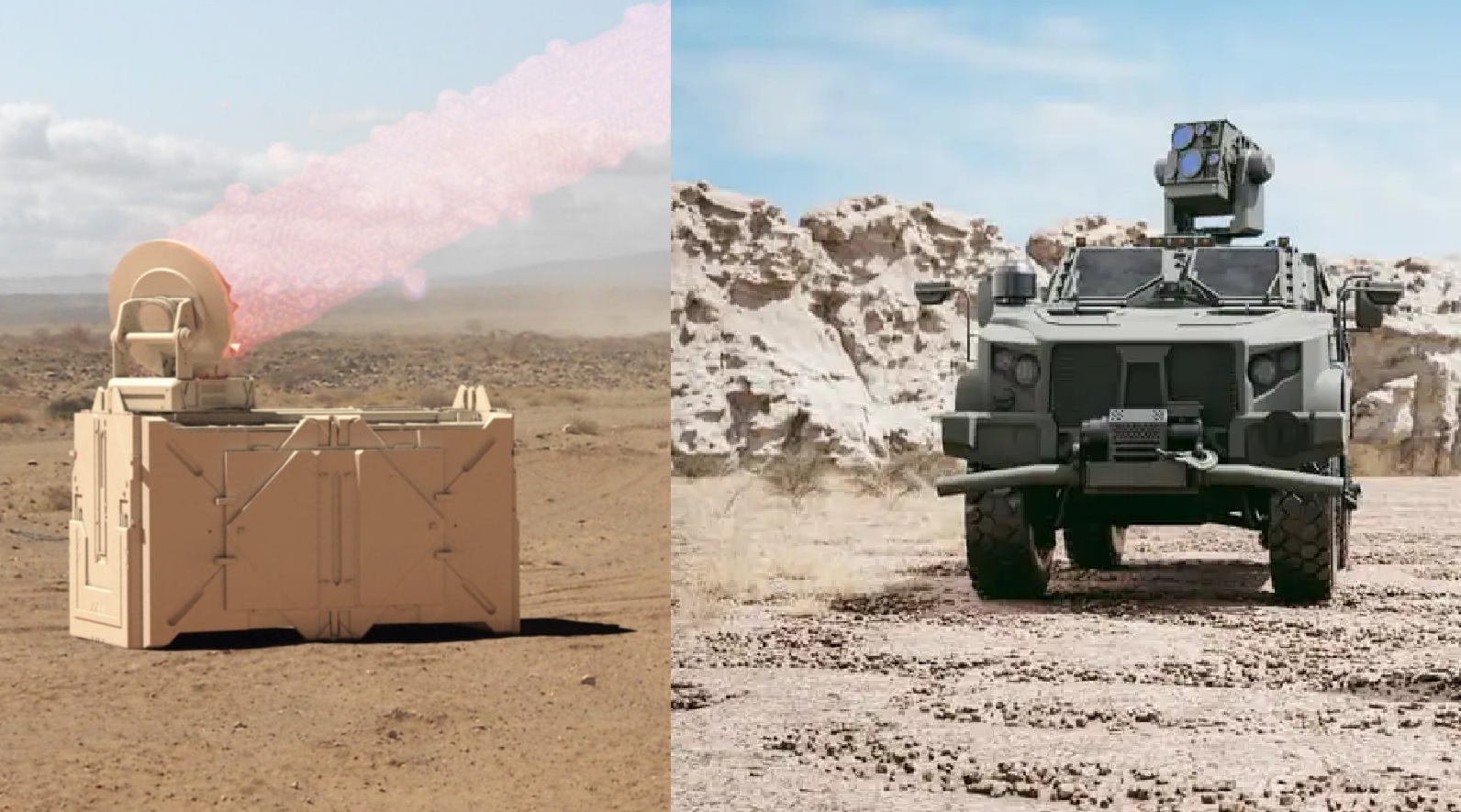 Pentagon Demonstrates Advanced Laser and High-Power Microwave Weapons to Defense Secretary Pete Hegseth
-
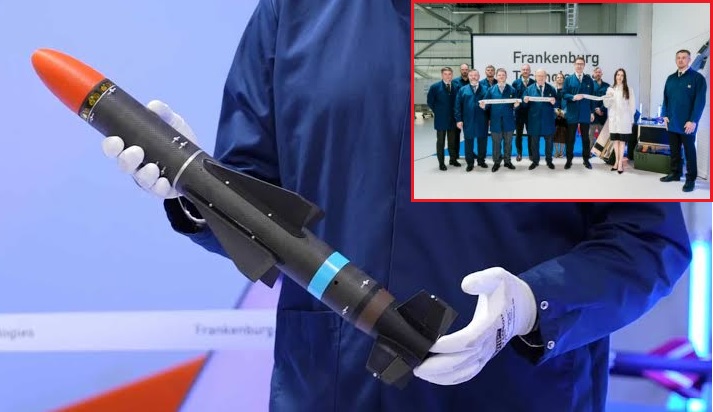 Frankenburg Technologies Opens Riga Factory to Produce 100 Mark 1 Counter-Drone Missiles Daily
Top Trending in 4 Days
-
 U.S. Pilot Described ‘Jellyfish’ Drone Formation Before F-15E Was Downed Over Iran
-
 Trump Signs Executive Orders to Advance U.S. Quantum Computing, Sets 2031 Post-Quantum Security Deadline
-
Damage to U.S. Navy Base in Bahrain From Iranian Strikes Estimated at $400 Million, Pentagon Reviews Regional Force Posture
-
 U.S. Successfully Conducts First Live Intercept Test of Golden Dome Missile Defense System
-
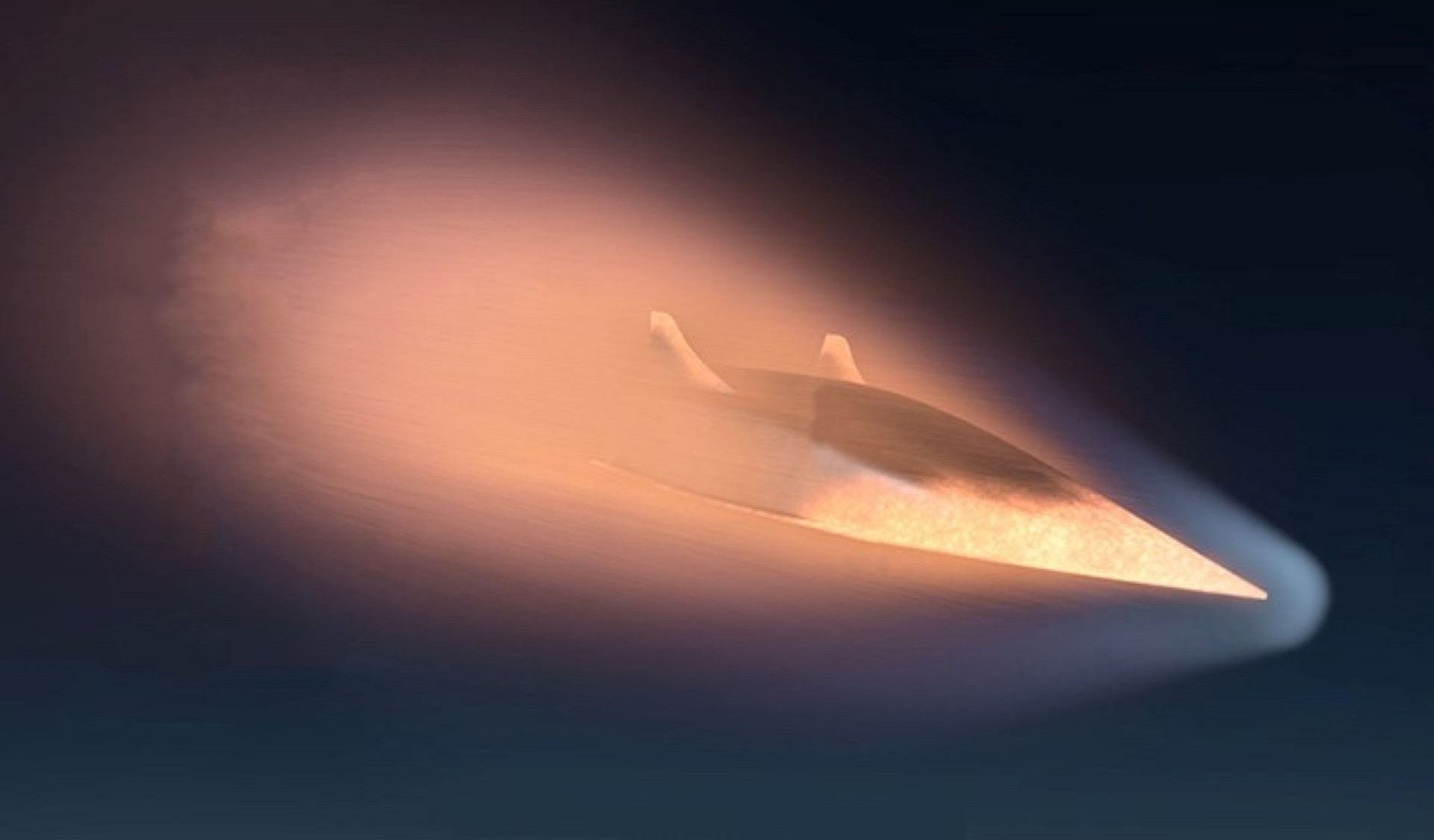 Lockheed Martin Unveils Next-Generation NXGB Hypersonic Glide Body, Flight Test Set for 2027
-
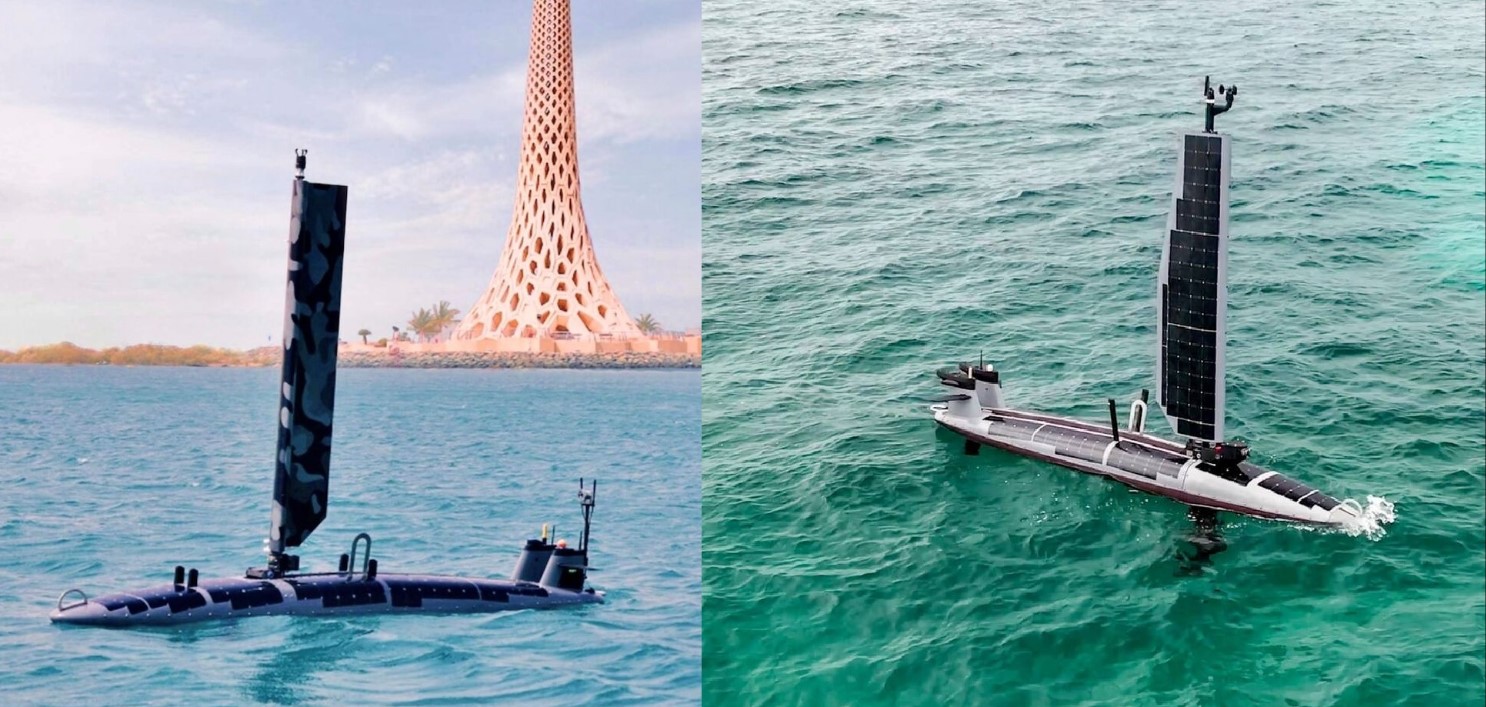 United States Transfers Four Ocean Aero Triton AUSVs Worth $13 Million to Philippine Navy
-
 South Korean Air Force Downs 50 Drones in First Live-Fire Counter-Swarm Exercise Using Vulcan Cannons and Lasers
-
 Russian Satellites Maneuver Within 13 Kilometers of ICEYE Radar Satellite Used by Ukraine