MOSCOW — June 6, 2026 : Russia's effort to develop a domestic low Earth orbit (LEO) broadband satellite network has recorded its first confirmed satellite loss after one of the spacecraft launched under the Rassvet program reentered Earth's atmosphere and burned up less than three months after launch.
The satellite, designated Object 4 and assigned NORAD tracking number 68363, reentered the atmosphere on or around June 6, according to orbital tracking data analyzed by space journalist Anatoly Zak, founder of RussianSpaceWeb.com.
The spacecraft was part of a group of 16 Rassvet satellites launched on March 23, 2026, by Russian satellite communications company Bureau 1440, which is developing a domestic satellite internet network intended to provide capabilities similar to Starlink.
Satellite Failed to Perform Orbit-Raising Maneuvers
Tracking data showed that Object 4 never carried out a single orbit-raising maneuver after reaching space. The satellite remained at an altitude of approximately 300 to 310 kilometers, where atmospheric drag gradually reduces orbital altitude unless propulsion systems are used.
Because the spacecraft showed no signs of maneuverability, its orbit steadily decayed until atmospheric reentry became unavoidable.
Analysts believe the satellite may have suffered a propulsion system failure, a loss of spacecraft control, or another technical issue that prevented it from receiving or executing commands from ground controllers.
Uneven Performance Across the Constellation
The loss comes as tracking data continues to show mixed performance among the first batch of Rassvet satellites.
For roughly two weeks after launch, none of the spacecraft appeared to conduct propulsion maneuvers, raising questions about the status of their onboard systems.
By April 6, Object 16 began raising its orbit, followed by another satellite on April 7. Additional spacecraft later demonstrated maneuvering capability and started moving toward higher operational altitudes.
As of early June 2026, six satellites were actively raising their orbits, gaining between 40 and 50 kilometers in altitude. Eight other satellites were maintaining their positions through station-keeping maneuvers, while Object 4 remained the only spacecraft that never showed any propulsion activity.
Launch Conducted Without Immediate Official Announcement
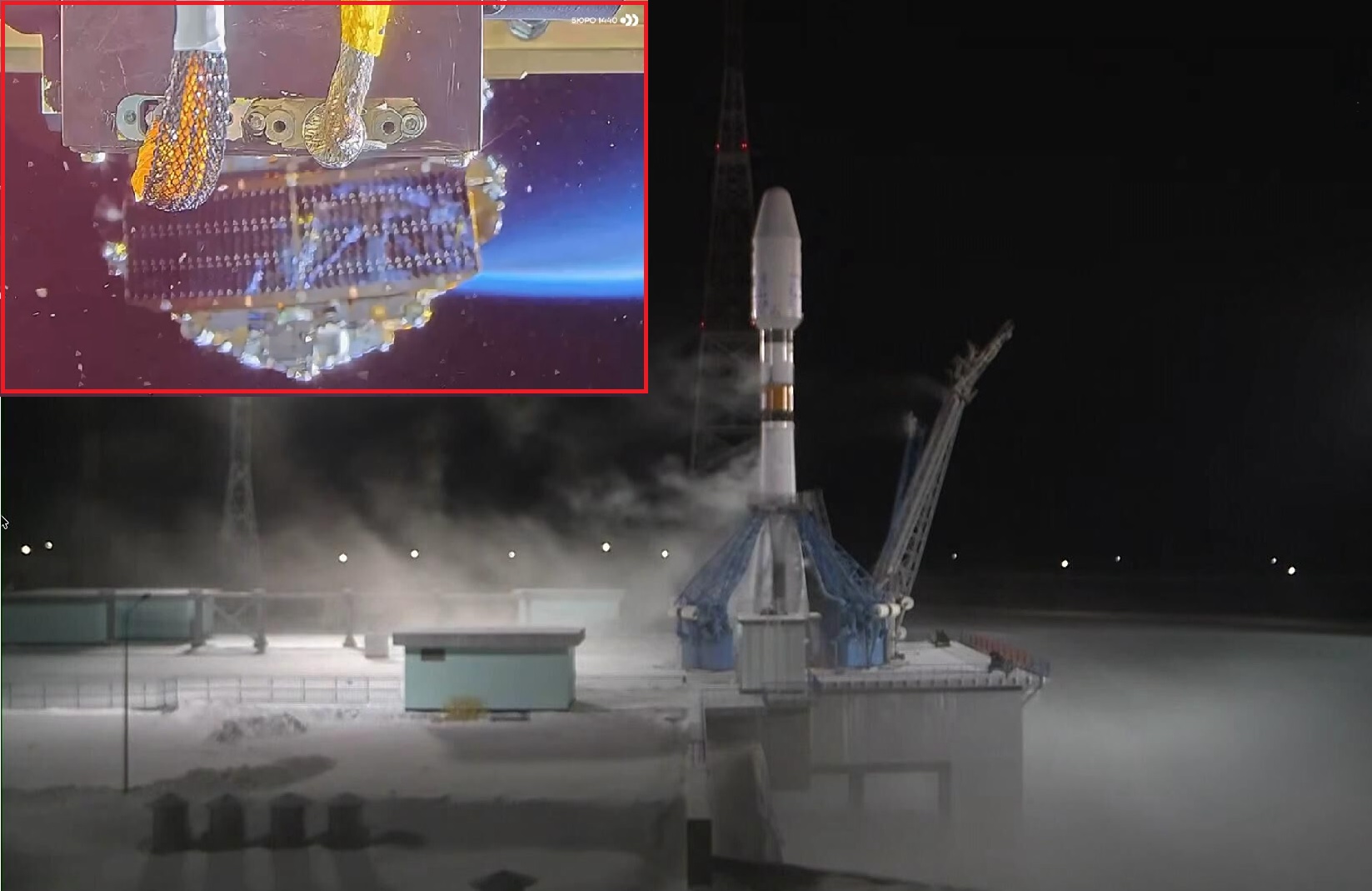
The satellites were launched aboard a Soyuz-2.1b rocket from Plesetsk Cosmodrome on March 23.
The mission attracted attention because neither Roscosmos nor the Russian Ministry of Defense publicly announced the launch. Several hours later, Bureau 1440 released footage showing the deployment of the satellites, providing the first official confirmation that the mission had reached orbit.
The absence of an official launch announcement was unusual, as routine launch notifications have traditionally been standard practice in the Russian space program.
Russia Continues Expansion Plans
The Rassvet project is intended to provide Russia with an independent satellite internet network for commercial, government, and strategic communications.
Despite the loss of Object 4, reports within the Russian space community indicate that a second Rassvet launch could take place around June 18, 2026, although no official confirmation has been issued.
If the launch proceeds, it would suggest that Bureau 1440 and Russian authorities view the failure as an isolated incident and remain committed to expanding the constellation.
While the loss of Object 4 represents the first confirmed setback for the program, most of the satellites launched in March remain operational as Russia continues development of its domestic LEO broadband constellation.
——— End of Article ———