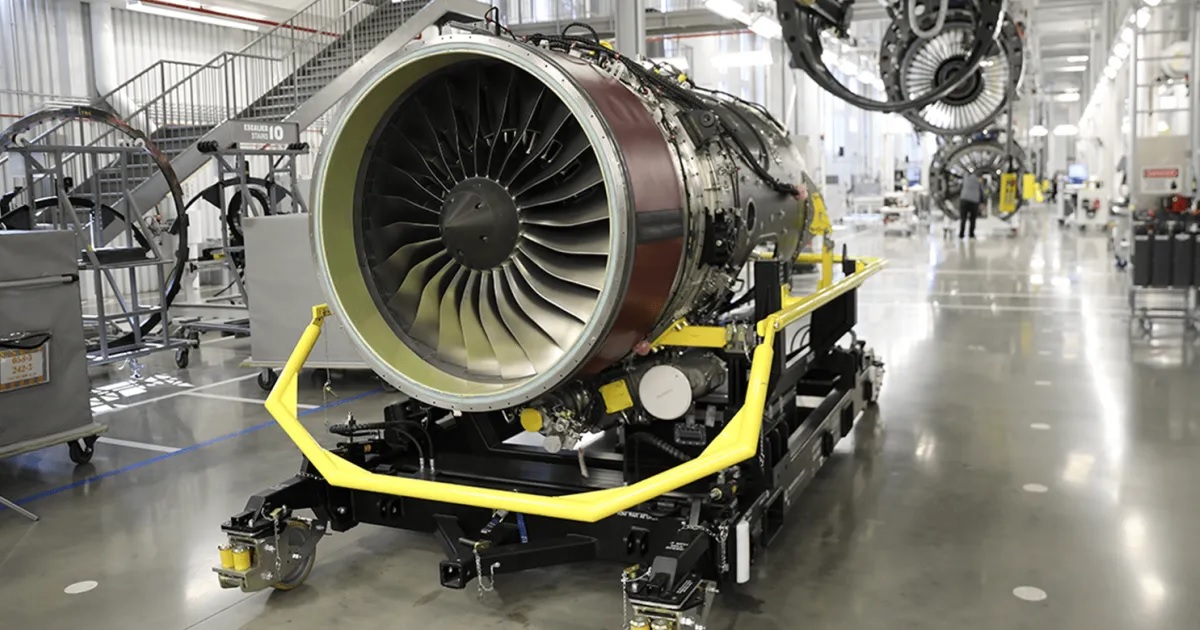
BENGALURU : The Gas Turbine Research Establishment (GTRE), a Bengaluru-based laboratory under the Defence Research and Development Organisation (DRDO), has issued a formal Expression of Interest (EoI) inviting Indian industry to participate in the creation of a domestic manufacturing ecosystem for indigenous aero gas turbine engines. The move is intended to transition laboratory designs into flight-ready hardware and establish sustained production capability within the country.
Industrial Partnership Framework
According to the tender documents, GTRE is seeking a Development-cum-Production Partner (DcPP) from either the private or public sector. The engagement is structured to cover both development support and long-term manufacturing, with the selected entity responsible for converting GTRE’s detailed designs into certified, airworthy components and assemblies. The EoI has been issued under Tender ID 2026_DoDR_827463_1.
The initiative is directly linked to the Advanced High Thrust Class Engine (AHTCE) programme, which is being developed to power future Indian combat aircraft, including the Advanced Medium Combat Aircraft (AMCA) Mk-2. The AHTCE represents a new propulsion class for India, intended to bridge the gap between existing medium-thrust engines and the requirements of next-generation stealth platforms.
Scope of Manufacturing and Integration
The EoI outlines a comprehensive manufacturing scope. The DcPP will be required to fabricate approximately 2,300 distinct aero-engine components, translating into more than 23,000 individual parts across multiple engine builds. In addition to component manufacturing, the partner will undertake the assembly and integration of 11 major engine sub-systems, covering the full propulsion chain from intake to exhaust.
These sub-systems include high-pressure and low-pressure compressors, combustion chambers, turbines, afterburners, accessory gearboxes, and associated control and support systems. GTRE will retain design authority, while the partner will be responsible for process engineering, tooling, quality assurance, and repeatable production.
Infrastructure and Capability Requirements
GTRE has specified that shortlisted firms must either possess or establish dedicated infrastructure to support advanced aero-engine manufacturing. This includes precision multi-axis machining, high-temperature metallurgy, and specialised processes such as the production of single-crystal turbine blades and super-alloy castings. Facilities for non-destructive testing, materials characterisation, and sub-system level testing are also part of the requirement.
The production plan calls for the delivery of 18 test engines over a 10-year development and validation period. Beyond the test phase, the DcPP must demonstrate the capacity to scale up for serial production of at least 200 engines, aligned with future aircraft induction timelines.
Technical Parameters of the AHTCE
The AHTCE is being designed in the 110–130 kilonewton thrust class, positioning it significantly above the engines currently in service on India’s light combat aircraft. This thrust range is considered essential for meeting performance targets such as sustained supersonic cruise without afterburner use, higher payload capacity, and improved manoeuvrability in low-observable configurations.
By comparison, the engines powering the Tejas Mk-1 operate in the lower thrust bracket, underscoring the step change represented by the AHTCE in terms of thermal efficiency, materials technology, and overall engine architecture.
Timeline and Eligibility Criteria
The tender schedule specifies a bid submission deadline of March 26, 2026, with technical bids to be opened on March 27, 2026. Eligibility is restricted to Indian entities, including Indian-registered joint ventures involving foreign original equipment manufacturers (OEMs), provided that control and compliance requirements are met.
Responding firms must demonstrate prior experience in high-precision aerospace manufacturing and adherence to military and aviation quality standards. Following evaluation of the EoI responses, shortlisted participants will be issued a detailed Request for Proposal (RFP) covering contractual terms, cost structures, and programme milestones.
Industry Context and Strategic Rationale
Several established Indian aerospace and advanced manufacturing companies are viewed as potential contenders, including firms that have already invested in titanium processing, super-alloy casting, and complex machining capabilities. The EoI reflects a deliberate shift toward early and sustained industry involvement, aimed at avoiding production bottlenecks that have affected earlier indigenous engine programmes.
By integrating a production partner during the design and validation stages, GTRE intends to streamline the transition from prototype engines to series manufacture. The approach also aligns with national objectives under the Atmanirbhar Bharat framework, which emphasises domestic control over critical defence technologies and the retention of intellectual property within India.
Long-Term Implications
The establishment of an indigenous aero-engine manufacturing hub under the AHTCE programme is expected to contribute to a broader propulsion ecosystem, supporting not only combat aircraft but also future unmanned platforms and potential derivative applications. For GTRE and DRDO, the EoI represents a structured step toward embedding industrial capability alongside research and development, with the stated aim of ensuring continuity from design conception through operational deployment.
——— End of Article ———