Analytical Outlook (not a claim): Prediction based on analysis, not an official or confirmed claim.
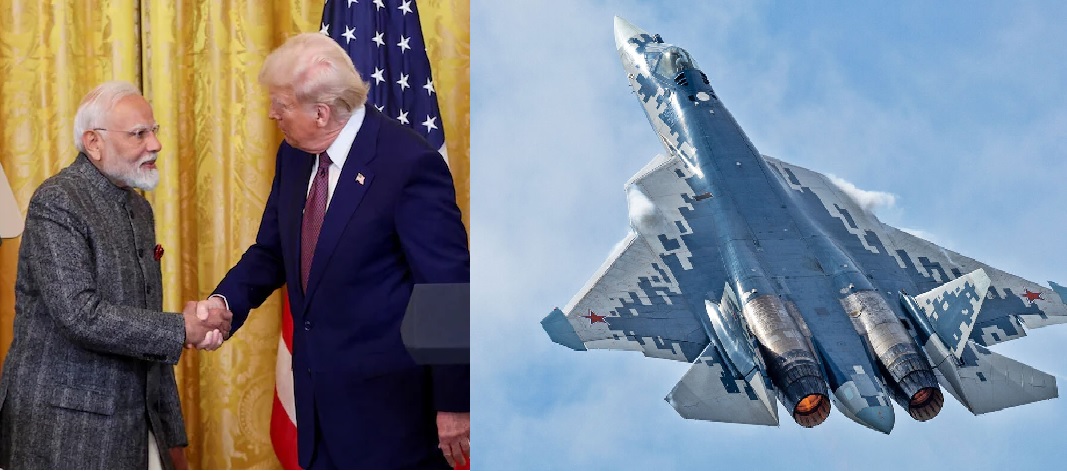
India is finalising a large-scale trade framework with the United States while simultaneously evaluating long-term air power options that include the Russian Sukhoi Su-57 fighter aircraft, a move complicated by the continued applicability of the U.S. Countering America’s Adversaries Through Sanctions Act (CAATSA).
The trade arrangement under discussion is aimed at significantly expanding bilateral commerce, with officials on both sides outlining a long-term target of approximately $500 billion in cumulative trade. The framework includes tariff relief on selected Indian exports, expanded Indian purchases of U.S. energy products such as LNG and crude oil, and increased imports of American technology, data-centre infrastructure, and information and communications technology (ICT) equipment. The agreement also reflects a broader effort to stabilise economic ties and reduce trade friction.
While New Delhi has publicly welcomed the trade breakthrough, Washington has reiterated that CAATSA remains in force. U.S. officials have recently signalled that countries entering major defence transactions involving the Russian Su-57 could face sanctions. The warning follows ongoing U.S. scrutiny of potential Su-57 acquisitions by other states, including Algeria, in transactions linked to Russia’s state defence conglomerate Rostec.
These signals have direct implications for India, which has been assessing options to address Indian Air Force (IAF) capability requirements. Discussions with Russia have included the possibility of acquiring the Su-57 through domestic production rather than direct import. Under the proposal being evaluated, the aircraft would be manufactured in India by Hindustan Aeronautics Limited (HAL) under licence, following a model similar to the Su-30MKI programme.
According to officials familiar with the talks, Moscow has offered extensive technology transfer as part of the proposal. This includes access to mission systems, source code access, local manufacturing of airframes and components, and integration flexibility for Indian-origin sensors and weapons. The offer is being examined at a time when the Indian Air Force faces an estimated 10-year capability gap before the indigenous Advanced Medium Combat Aircraft (AMCA) is expected to enter operational service.
Indian planners view the licensed-production model as a method to mitigate CAATSA exposure. By avoiding direct imports from Russia and instead focusing on domestic manufacturing, phased localisation, and industrial collaboration, New Delhi believes it can bypass or soften the application of certain CAATSA provisions while remaining aligned with its “Make in India” defence policy.
India’s approach is also informed by past experience. The country proceeded with the acquisition of the Russian S-400 air defence system despite U.S. objections and ultimately avoided sanctions. Officials cite this episode as evidence that CAATSA-related pressure can be managed through diplomatic engagement and strategic restraint.
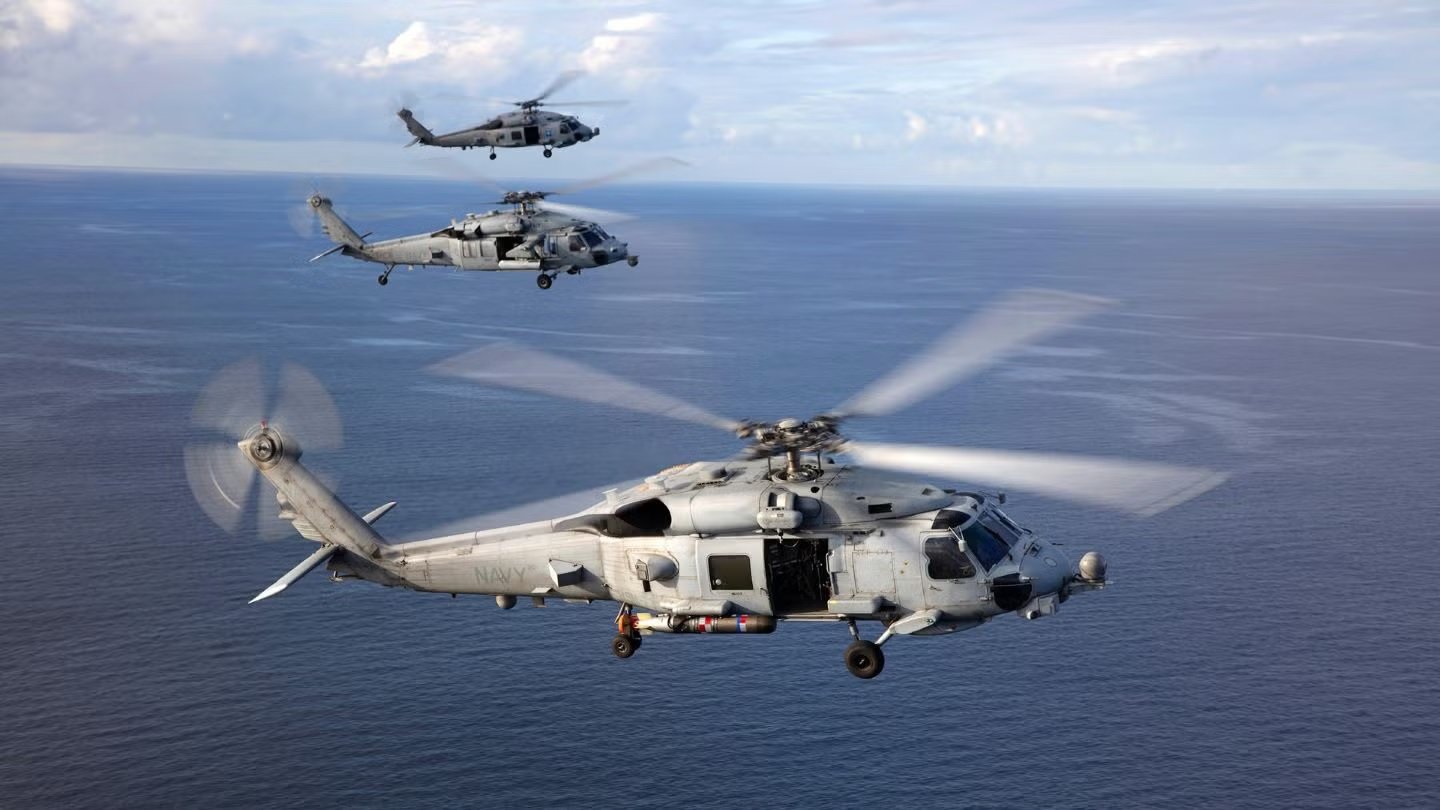
At the same time, India continues to expand defence cooperation with the United States, including the acquisition of helicopters, drones, maritime surveillance platforms, and critical technologies such as aircraft engines for indigenous programmes. This growing interdependence increases the stakes associated with any potential sanctions, which could disrupt defence supply chains and technology transfers on both sides.
New Delhi is also factoring in geopolitical developments related to the Russia-Ukraine conflict. Officials indicate that India may delay any final decision on the Su-57 until there is a peace settlement or significant de-escalation. A post-conflict environment is viewed as reducing political sensitivity and improving the stability of Russian aerospace production, a key requirement for a long-term licensed manufacturing programme in India.
Within government circles, the expanding $500 billion trade engagement with the United States is increasingly seen as a form of strategic insulation. Policymakers assess that the scale of economic interdependence could raise the cost of imposing CAATSA sanctions, given the potential impact on U.S. exporters, energy suppliers, and defence companies with growing exposure to the Indian market.
As India moves to formalise the trade framework with Washington while continuing technical and financial evaluations of the Su-57 proposal, the outcome will shape how New Delhi balances strategic autonomy, industrial capability development, and its evolving partnership with the United States under the continuing shadow of CAATSA.
——— End of Article ———