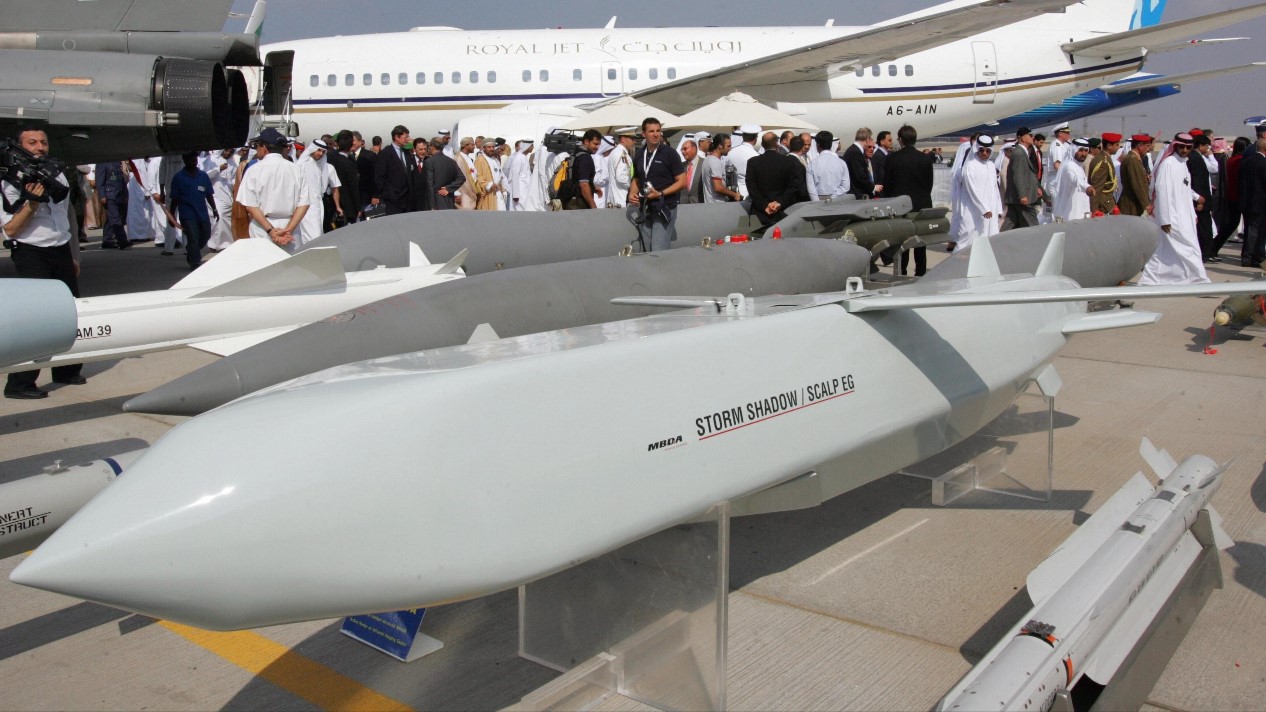
New Delhi : India and France are in the advanced stages of negotiations for a new defence agreement covering the procurement of SCALP air-launched cruise missiles for the Indian Air Force (IAF), according to officials familiar with the discussions. The proposed deal, estimated at around €300 million (approximately ₹2,700 crore), is intended to replenish and expand India’s long-range precision strike inventory following their operational use during Operation Sindoor in May 2025.
Defence officials said talks are nearing completion and a decision is expected shortly. The final announcement could coincide with high-level diplomatic engagements between New Delhi and Paris, reflecting the broader strategic partnership between the two countries in defence and aerospace cooperation.
Operational Background: Operation Sindoor
The renewed push for additional SCALP missiles follows their combat employment by the Indian Air Force during Operation Sindoor on the night of May 6–7, 2025. Launched from Rafale fighter aircraft, the missiles were used in coordinated strikes against targets located deep inside Pakistan.
According to official briefings, SCALP cruise missiles, operating alongside BrahMos supersonic cruise missiles, were employed against infrastructure linked to Jaish-e-Mohamed (JeM) and Lashkar-e-Toiba (LeT) in the Muridke and Bahawalpur districts. Indian authorities stated that the targets were destroyed with high accuracy.
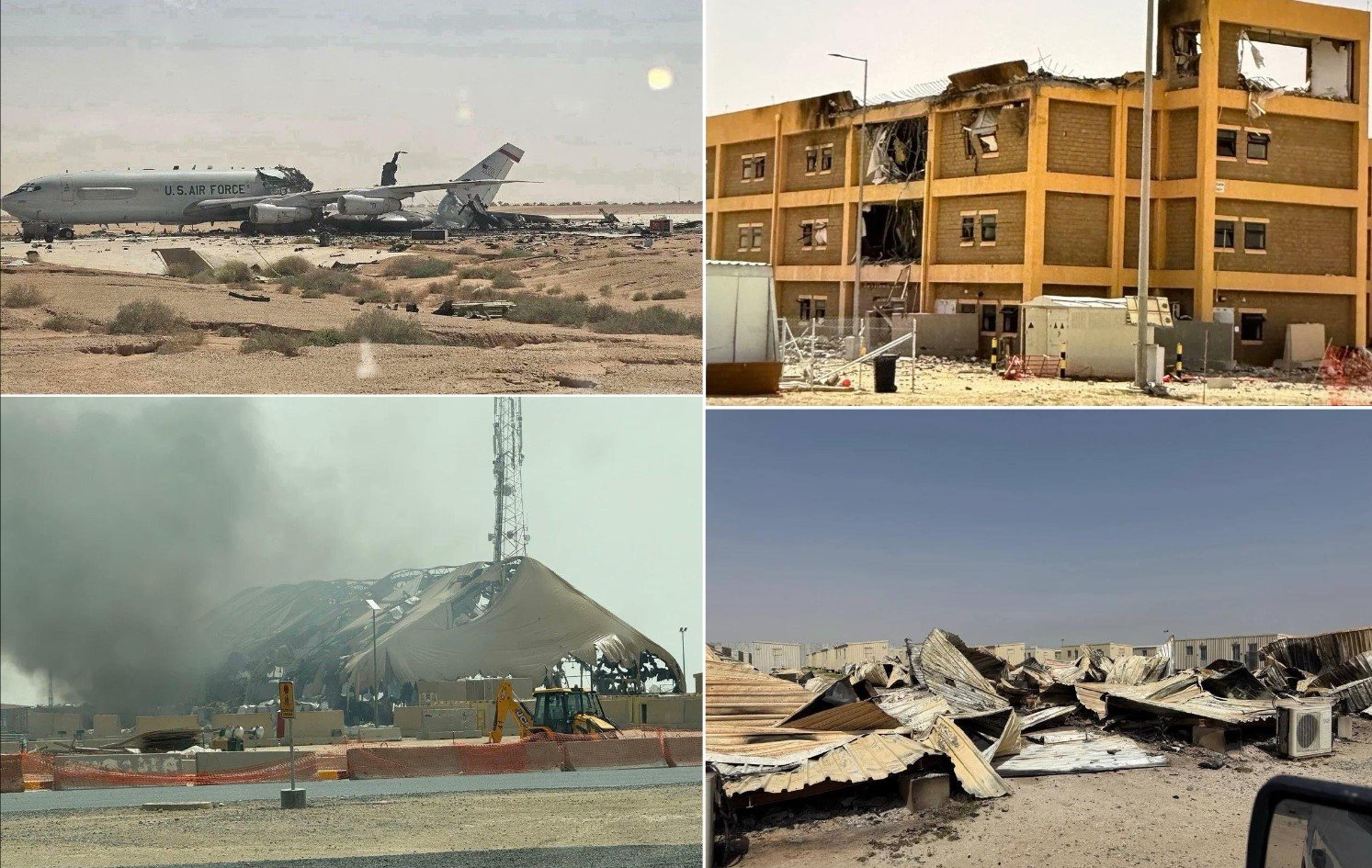
In subsequent phases of the operation, the Indian Air Force carried out strikes on 12 major bases belonging to the Pakistan Air Force (PAF). These attacks reportedly resulted in the loss of multiple high-value assets on the ground, including fighter aircraft and surveillance platforms.
Role of SCALP in India’s Strike Capability
SCALP, also known internationally as Storm Shadow, is a long-range air-launched cruise missile designed for deep-strike missions against hardened and high-value targets. Integrated with India’s Rafale fleet, the missile provides the IAF with a stand-off strike capability, enabling engagement of targets from beyond hostile air-defence coverage.
The export variant of the missile has an operational range commonly assessed between 250 and 560 kilometres and carries a 450-kilogram BROACH warhead designed for reinforced-structure penetration. Guidance is provided through a combination of inertial navigation, GPS updates, and an imaging infrared (IIR) seeker for terminal accuracy.
Scale of the Proposed Procurement
Industry assessments cited by TheAviationist indicate that the unit cost of a SCALP or Storm Shadow missile is approximately $3 million. Based on the reported €300 million valuation of the proposed agreement, India is expected to induct between 100 and 120 additional missiles. These weapons are likely to be shared between the Indian Air Force and the Indian Navy.
Officials noted that the missiles will equip existing Rafale squadrons as well as future aircraft, ensuring continuity in precision strike capability as fleet numbers grow.
Expansion of the Rafale Fleet
The SCALP procurement is linked to a broader expansion of the Rafale ecosystem within the Indian armed forces. The Indian Air Force is pursuing a proposal to acquire an additional 114 Rafale combat aircraft, a programme valued at approximately ₹3.25 lakh crore. The proposal is expected to be considered by the Defence Acquisition Council (DAC) in the near term.
In parallel, the Indian Navy has already placed orders for 26 Rafale Marine fighters for deployment aboard its aircraft carriers. Deliveries of the naval variant are scheduled over the next three to four years, with the SCALP missile planned for integration into this fleet.
Future Weapons Integration
Alongside the SCALP agreement, the Indian Air Force is also moving forward with plans to acquire a substantial number of Meteor beyond-visual-range (BVR) air-to-air missiles for its Rafale squadrons. Officials assess this combination of long-range strike and advanced air-to-air capability as essential for maintaining regional operational balance.
Defence planners project that the Rafale will form the backbone of the Indian Air Force over the next decade, with total numbers expected to approach 200 aircraft within 10 to 15 years. Within this framework, the proposed SCALP missile deal is viewed as a key measure to sustain and expand India’s precision strike capacity, without altering existing operational doctrines or declared policy positions.
——— End of Article ———