
India
Chennai : Researchers at Indian Institute of Technology Madras (IIT-Madras), working in partnership with Bharat Electronics Limited (BEL), have unveiled an indigenous 80mm precision rocket system intended for deployment from military helicopters. The development represents a new addition to India’s domestically produced air-launched munitions and supports the national objective of defence self-reliance under the Atmanirbhar Bharat initiative. The rocket has been designed and engineered at the Sudha Murty Centre for Electronic Systems and Instrumentation at IIT-Madras. It is configured to deliver an effective engagement range of approximately 10 to 12 kilometres while remaining compatible with standard helicopter rocket launch pods. According to project officials, the design ensures that multiple-rocket salvo firing can be carried out without adversely affecting aircraft balance or flight stability. Technically, the munition is powered by a solid-fuel propulsion system that provides sustained thrust, allowing the rocket to achieve velocities in excess of Mach 2. The payload section follows a modular architecture, enabling the same rocket body to be fitted with different warhead options, including high-explosive fragmentation, anti-armor, and airburst variants. This approach allows the weapon to be tailored for a range of mission profiles without structural modification. Although primarily conceived as a high-accuracy unguided rocket, the system incorporates advanced aerodynamic shaping to improve flight stability and terminal precision. The design also allows for future enhancement with inertial navigation and GPS-based guidance kits, extending its applicability to longer-range and beyond-visual-range engagements if required. Validation trials were conducted at the Aeronautical Test Range, Chitradurga, where the rocket was tested under simulated operational conditions. During these evaluations, the munition consistently demonstrated impact accuracy within a sub-10-meter circular error margin, meeting the performance thresholds set for helicopter-launched strike weapons. The rocket is optimized for integration with India’s indigenous rotary-wing platforms, including the HAL Dhruv and the Light Combat Helicopter (LCH) Prachand. BEL has been responsible for production scaling and electronic and systems integration, ensuring compatibility with existing avionics and weapon management systems used by the Indian Armed Forces. Officials associated with the program stated that the project was initiated to address operational requirements for lightweight, extended-range armaments suited to contemporary asymmetric and high-mobility warfare scenarios. Faculty involved in the development noted that several of the propulsion and aerodynamic technologies demonstrated in the 80mm rocket are also being adapted for other defence applications, including ramjet-assisted artillery concepts, as part of a broader research and development effort.
Read More → Posted on 2026-02-09 18:13:00
India
BENGALURU : Axiscades Technologies Limited on Monday said its wholly owned subsidiary, Mistral Solutions, has secured a production order valued at approximately ₹80 crore ($8.8 million) from Hindustan Aeronautics Limited (HAL) for the Light Combat Aircraft (LCA) Tejas Mk-1A programme. The contract covers the manufacture and supply of critical avionics hardware for the Tejas Mk-1A, a 4.5-generation fighter aircraft that forms a central element of the Indian Air Force’s fleet modernisation plans. The order is part of ongoing efforts to scale up production of the Mk-1A variant to meet committed delivery schedules. Scope of the Contract Under the agreement, Mistral Solutions will deliver hardware for two key onboard systems. The first is the mission computer, which functions as the central processing unit of the aircraft, integrating sensor inputs, avionics data, and weapon system management to support mission execution. The second is the Smart Multifunction Display, an advanced cockpit interface that provides pilots with real-time flight parameters, navigation information, and situational awareness through high-resolution visual displays. These systems are considered core elements of the Tejas Mk-1A’s avionics architecture and are essential for multi-role combat operations, including air-to-air and air-to-ground missions. Manufacturing and Localisation All hardware covered by the order will be produced at Axiscades’ recently commissioned Devanahalli Atmanirbhar Complex (DAL). The facility is located within the Bengaluru Aerospace Park, near Kempegowda International Airport, and has been developed as a dedicated centre for indigenous defence electronics manufacturing. The production work at DAL aligns with the government’s “Make in India” and “Aatmanirbhar Bharat” policies, which aim to expand domestic manufacturing capabilities and reduce reliance on imported defence systems. The Tejas Mk-1A incorporates more than 64 per cent indigenous content, including advanced subsystems such as the Uttam active electronically scanned array (AESA) radar and indigenous electronic warfare and self-protection suites. Industry and Programme Context Mistral Solutions has an established role in India’s defence electronics ecosystem and has previously worked with the Defence Research and Development Organisation (DRDO) and HAL on embedded systems for military platforms. Axiscades stated that the latest order reinforces its position within the domestic aerospace and defence supply chain. Commenting on the development, C. Manikandan, Chief Executive Officer of Mistral Solutions, said the contract reflects the group’s continued focus on defence indigenisation and its intent to participate in future defence programmes. The announcement follows other recent defence-related orders for Axiscades. In January 2026, the company secured a separate ₹100 crore contract for the supply of signal and data processing units for the LLTR Ashwini radar programme, adding to its order book in the defence segment. Tejas Mk-1A Background The LCA Tejas Mk-1A represents the most advanced operational variant of India’s indigenously designed fighter aircraft. In September 2025, the Ministry of Defence signed a ₹62,370 crore contract with HAL for the procurement of 97 additional Mk-1A aircraft. This brought the total number of Mk-1A fighters on order to 180 for the Indian Air Force (IAF). Deliveries of the additional aircraft are expected to begin during the 2027–28 period. The programme is intended to strengthen the IAF’s combat capabilities while supporting long-term growth of India’s indigenous aerospace and defence manufacturing base.
Read More → Posted on 2026-02-09 18:08:50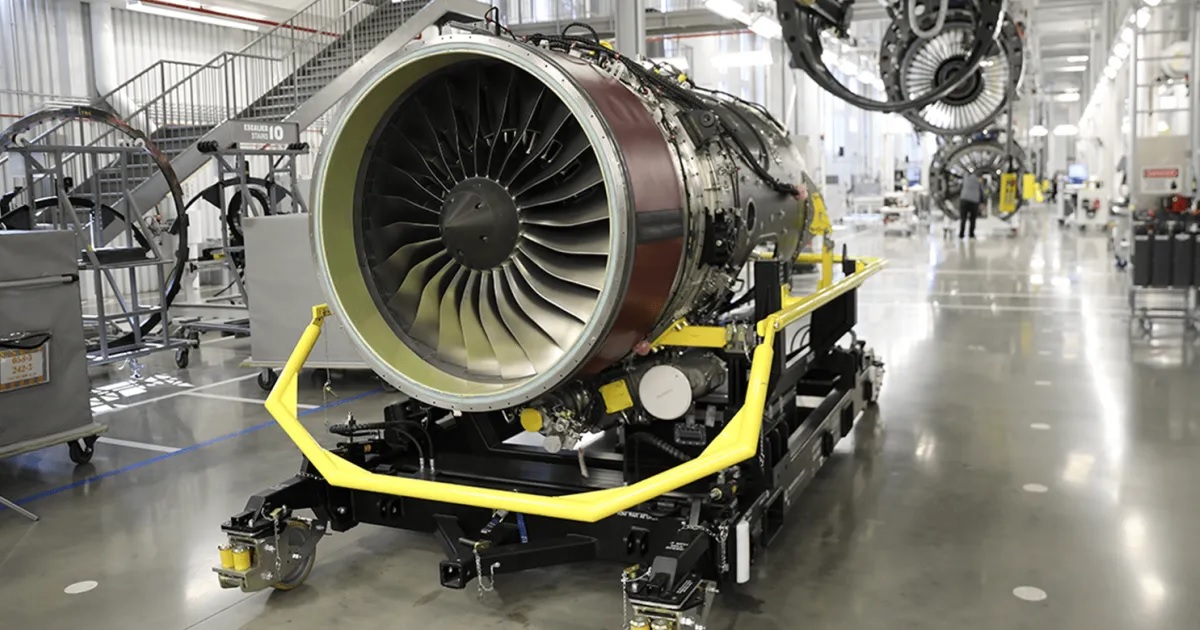
India
BENGALURU : The Gas Turbine Research Establishment (GTRE), a Bengaluru-based laboratory under the Defence Research and Development Organisation (DRDO), has issued a formal Expression of Interest (EoI) inviting Indian industry to participate in the creation of a domestic manufacturing ecosystem for indigenous aero gas turbine engines. The move is intended to transition laboratory designs into flight-ready hardware and establish sustained production capability within the country. Industrial Partnership Framework According to the tender documents, GTRE is seeking a Development-cum-Production Partner (DcPP) from either the private or public sector. The engagement is structured to cover both development support and long-term manufacturing, with the selected entity responsible for converting GTRE’s detailed designs into certified, airworthy components and assemblies. The EoI has been issued under Tender ID 2026_DoDR_827463_1. The initiative is directly linked to the Advanced High Thrust Class Engine (AHTCE) programme, which is being developed to power future Indian combat aircraft, including the Advanced Medium Combat Aircraft (AMCA) Mk-2. The AHTCE represents a new propulsion class for India, intended to bridge the gap between existing medium-thrust engines and the requirements of next-generation stealth platforms. Scope of Manufacturing and Integration The EoI outlines a comprehensive manufacturing scope. The DcPP will be required to fabricate approximately 2,300 distinct aero-engine components, translating into more than 23,000 individual parts across multiple engine builds. In addition to component manufacturing, the partner will undertake the assembly and integration of 11 major engine sub-systems, covering the full propulsion chain from intake to exhaust. These sub-systems include high-pressure and low-pressure compressors, combustion chambers, turbines, afterburners, accessory gearboxes, and associated control and support systems. GTRE will retain design authority, while the partner will be responsible for process engineering, tooling, quality assurance, and repeatable production. Infrastructure and Capability Requirements GTRE has specified that shortlisted firms must either possess or establish dedicated infrastructure to support advanced aero-engine manufacturing. This includes precision multi-axis machining, high-temperature metallurgy, and specialised processes such as the production of single-crystal turbine blades and super-alloy castings. Facilities for non-destructive testing, materials characterisation, and sub-system level testing are also part of the requirement. The production plan calls for the delivery of 18 test engines over a 10-year development and validation period. Beyond the test phase, the DcPP must demonstrate the capacity to scale up for serial production of at least 200 engines, aligned with future aircraft induction timelines. Technical Parameters of the AHTCE The AHTCE is being designed in the 110–130 kilonewton thrust class, positioning it significantly above the engines currently in service on India’s light combat aircraft. This thrust range is considered essential for meeting performance targets such as sustained supersonic cruise without afterburner use, higher payload capacity, and improved manoeuvrability in low-observable configurations. By comparison, the engines powering the Tejas Mk-1 operate in the lower thrust bracket, underscoring the step change represented by the AHTCE in terms of thermal efficiency, materials technology, and overall engine architecture. Timeline and Eligibility Criteria The tender schedule specifies a bid submission deadline of March 26, 2026, with technical bids to be opened on March 27, 2026. Eligibility is restricted to Indian entities, including Indian-registered joint ventures involving foreign original equipment manufacturers (OEMs), provided that control and compliance requirements are met. Responding firms must demonstrate prior experience in high-precision aerospace manufacturing and adherence to military and aviation quality standards. Following evaluation of the EoI responses, shortlisted participants will be issued a detailed Request for Proposal (RFP) covering contractual terms, cost structures, and programme milestones. Industry Context and Strategic Rationale Several established Indian aerospace and advanced manufacturing companies are viewed as potential contenders, including firms that have already invested in titanium processing, super-alloy casting, and complex machining capabilities. The EoI reflects a deliberate shift toward early and sustained industry involvement, aimed at avoiding production bottlenecks that have affected earlier indigenous engine programmes. By integrating a production partner during the design and validation stages, GTRE intends to streamline the transition from prototype engines to series manufacture. The approach also aligns with national objectives under the Atmanirbhar Bharat framework, which emphasises domestic control over critical defence technologies and the retention of intellectual property within India. Long-Term Implications The establishment of an indigenous aero-engine manufacturing hub under the AHTCE programme is expected to contribute to a broader propulsion ecosystem, supporting not only combat aircraft but also future unmanned platforms and potential derivative applications. For GTRE and DRDO, the EoI represents a structured step toward embedding industrial capability alongside research and development, with the stated aim of ensuring continuity from design conception through operational deployment.
Read More → Posted on 2026-02-09 13:52:39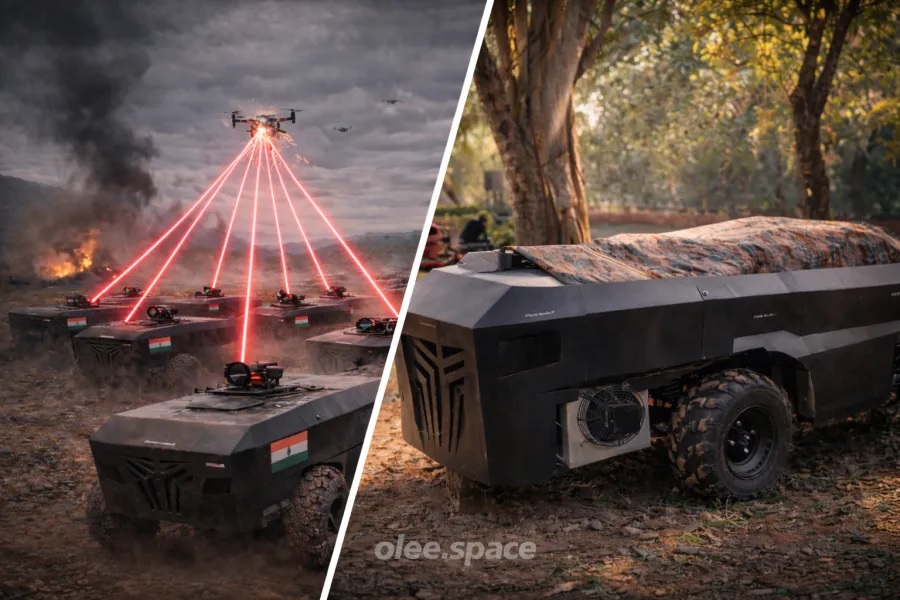
India
NEW DELHI : Indian defense technology company olee.space has formally unveiled a compact 2-kilowatt (2 kW) artificial-intelligence-enabled laser sniper system integrated onto an Unmanned Ground Vehicle (UGV), marking a new milestone in indigenous directed-energy and autonomous ground warfare capabilities. The company said the system has completed field trials with defense stakeholders and has entered an operationally ready, sale-ready phase. System Overview and Classification The newly developed platform is categorized as a ground-based Directed Energy Weapon (DEW) intended for close-combat, perimeter security, and tactical area defense. The laser system is designed to deliver precise, non-kinetic engagements against a range of targets while operating autonomously or as part of a coordinated unit. According to olee.space, the laser sniper delivers a maximum output of 2 kW and is optimized for rapid engagement scenarios. A key technical parameter is its 30-microsecond (30µs) switching time, enabling near-instant target acquisition and firing once a threat is identified. Cost and Sustainment Characteristics One of the defining features of the system is its low operational cost. The company estimates the cost per engagement at under $3 per shot, significantly lower than conventional kinetic munitions. This cost profile is intended to support sustained defensive operations without the logistical burden of ammunition resupply. UGV Platform and Mobility The laser module is mounted on a compact, ruggedized UGV platform measuring approximately five feet by three feet. The vehicle’s total weight is under 250 kilograms, allowing it to operate in environments where heavier armored systems face mobility constraints. The UGV is powered by a diesel engine and offers a base operational range of approximately 130 kilometers, with the option to extend range through additional fuel capacity. The system supports one-touch autonomous deployment, enabling rapid activation in response to emerging threats. The platform is designed for use across urban areas, forests, deserts, and border regions with limited infrastructure. Artificial Intelligence and Autonomous Functions The platform integrates proprietary AI and machine-learning algorithms for navigation, surveillance, and target recognition. These systems allow the UGV to operate with minimal human intervention, identifying predefined threats and responding in dynamic operational environments. A central capability of the system is swarm operation. Multiple UGVs can be networked to function collaboratively, forming coordinated defensive formations around sensitive installations or operational zones. This machine-to-machine coordination enables distributed coverage and faster response times compared with centrally controlled platforms. Intended Operational Roles The laser sniper system is designed to perform a range of defensive functions, including neutralization, dazzling, and functional disabling of hostile personnel, vehicles, and equipment. As a non-kinetic option, it is suited for perimeter defense of strategic assets, critical infrastructure, and inland security locations where controlled escalation and precision engagement are required. The system is also positioned for use in infantry support and special operations, providing mobile, autonomous fire support while reducing direct exposure of personnel to hostile threats. Company Statement and Development Status James Solomon, Founder and Chief Executive Officer of olee.space, said the platform combines directed-energy technology, artificial intelligence, and autonomous mobility into a single deployable system. He stated that the design focuses on engaging known targets in rapidly changing environments, while reducing operational risk to human operators. olee.space confirmed that the system has progressed from prototype development and field-testing phases to full operational readiness. The company is currently engaged in discussions with defense and security clients, including international partners aligned with India. Strategic Context The introduction of the AI-enabled laser sniper UGV aligns with India’s broader push to develop indigenous advanced defense technologies and reduce dependence on imported optical, autonomous, and weapon subsystems. Defense analysts note that the move into ground-based directed-energy platforms places India among a small but growing group of countries actively fielding such systems. With the platform now available for deployment and commercial sale, the development represents a step toward the operational use of autonomous, non-kinetic ground combat systems within India’s evolving defense ecosystem.
Read More → Posted on 2026-02-09 13:38:56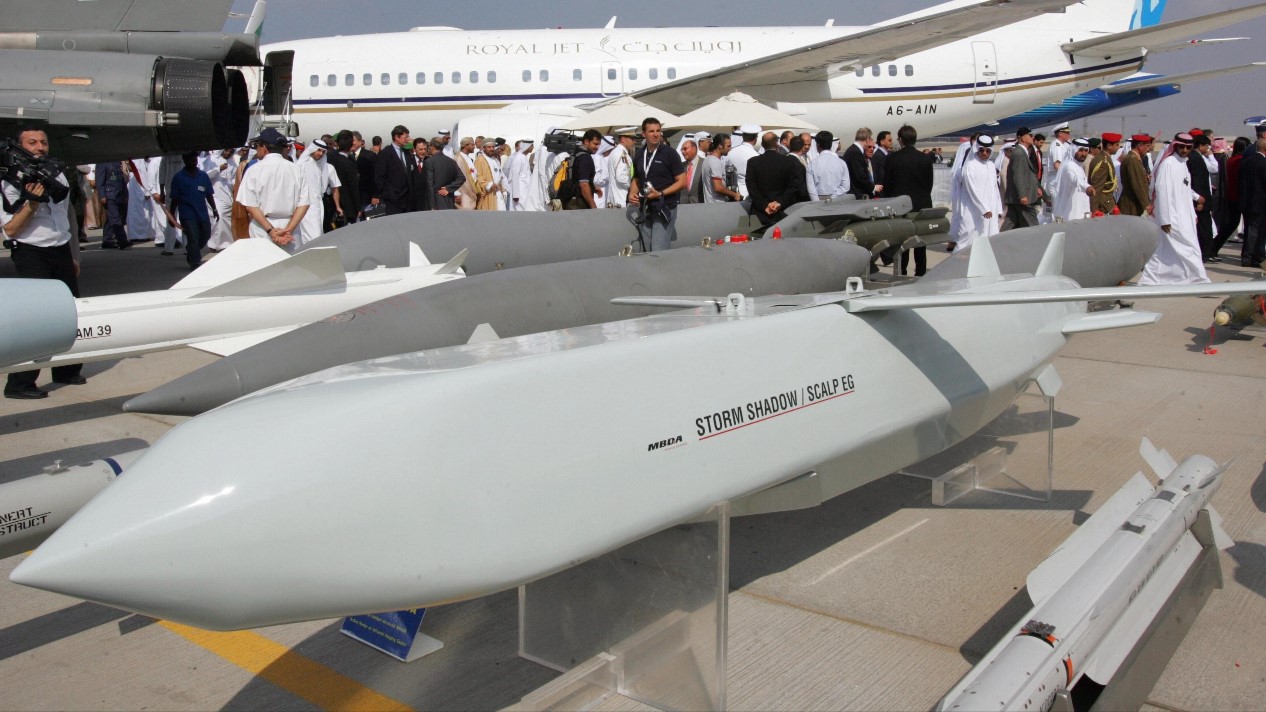
India
New Delhi : India and France are in the advanced stages of negotiations for a new defence agreement covering the procurement of SCALP air-launched cruise missiles for the Indian Air Force (IAF), according to officials familiar with the discussions. The proposed deal, estimated at around €300 million (approximately ₹2,700 crore), is intended to replenish and expand India’s long-range precision strike inventory following their operational use during Operation Sindoor in May 2025. Defence officials said talks are nearing completion and a decision is expected shortly. The final announcement could coincide with high-level diplomatic engagements between New Delhi and Paris, reflecting the broader strategic partnership between the two countries in defence and aerospace cooperation. Operational Background: Operation Sindoor The renewed push for additional SCALP missiles follows their combat employment by the Indian Air Force during Operation Sindoor on the night of May 6–7, 2025. Launched from Rafale fighter aircraft, the missiles were used in coordinated strikes against targets located deep inside Pakistan. According to official briefings, SCALP cruise missiles, operating alongside BrahMos supersonic cruise missiles, were employed against infrastructure linked to Jaish-e-Mohamed (JeM) and Lashkar-e-Toiba (LeT) in the Muridke and Bahawalpur districts. Indian authorities stated that the targets were destroyed with high accuracy. In subsequent phases of the operation, the Indian Air Force carried out strikes on 12 major bases belonging to the Pakistan Air Force (PAF). These attacks reportedly resulted in the loss of multiple high-value assets on the ground, including fighter aircraft and surveillance platforms. Role of SCALP in India’s Strike Capability SCALP, also known internationally as Storm Shadow, is a long-range air-launched cruise missile designed for deep-strike missions against hardened and high-value targets. Integrated with India’s Rafale fleet, the missile provides the IAF with a stand-off strike capability, enabling engagement of targets from beyond hostile air-defence coverage. The export variant of the missile has an operational range commonly assessed between 250 and 560 kilometres and carries a 450-kilogram BROACH warhead designed for reinforced-structure penetration. Guidance is provided through a combination of inertial navigation, GPS updates, and an imaging infrared (IIR) seeker for terminal accuracy. Scale of the Proposed Procurement Industry assessments cited by TheAviationist indicate that the unit cost of a SCALP or Storm Shadow missile is approximately $3 million. Based on the reported €300 million valuation of the proposed agreement, India is expected to induct between 100 and 120 additional missiles. These weapons are likely to be shared between the Indian Air Force and the Indian Navy. Officials noted that the missiles will equip existing Rafale squadrons as well as future aircraft, ensuring continuity in precision strike capability as fleet numbers grow. Expansion of the Rafale Fleet The SCALP procurement is linked to a broader expansion of the Rafale ecosystem within the Indian armed forces. The Indian Air Force is pursuing a proposal to acquire an additional 114 Rafale combat aircraft, a programme valued at approximately ₹3.25 lakh crore. The proposal is expected to be considered by the Defence Acquisition Council (DAC) in the near term. In parallel, the Indian Navy has already placed orders for 26 Rafale Marine fighters for deployment aboard its aircraft carriers. Deliveries of the naval variant are scheduled over the next three to four years, with the SCALP missile planned for integration into this fleet. Future Weapons Integration Alongside the SCALP agreement, the Indian Air Force is also moving forward with plans to acquire a substantial number of Meteor beyond-visual-range (BVR) air-to-air missiles for its Rafale squadrons. Officials assess this combination of long-range strike and advanced air-to-air capability as essential for maintaining regional operational balance. Defence planners project that the Rafale will form the backbone of the Indian Air Force over the next decade, with total numbers expected to approach 200 aircraft within 10 to 15 years. Within this framework, the proposed SCALP missile deal is viewed as a key measure to sustain and expand India’s precision strike capacity, without altering existing operational doctrines or declared policy positions.
Read More → Posted on 2026-02-08 17:29:56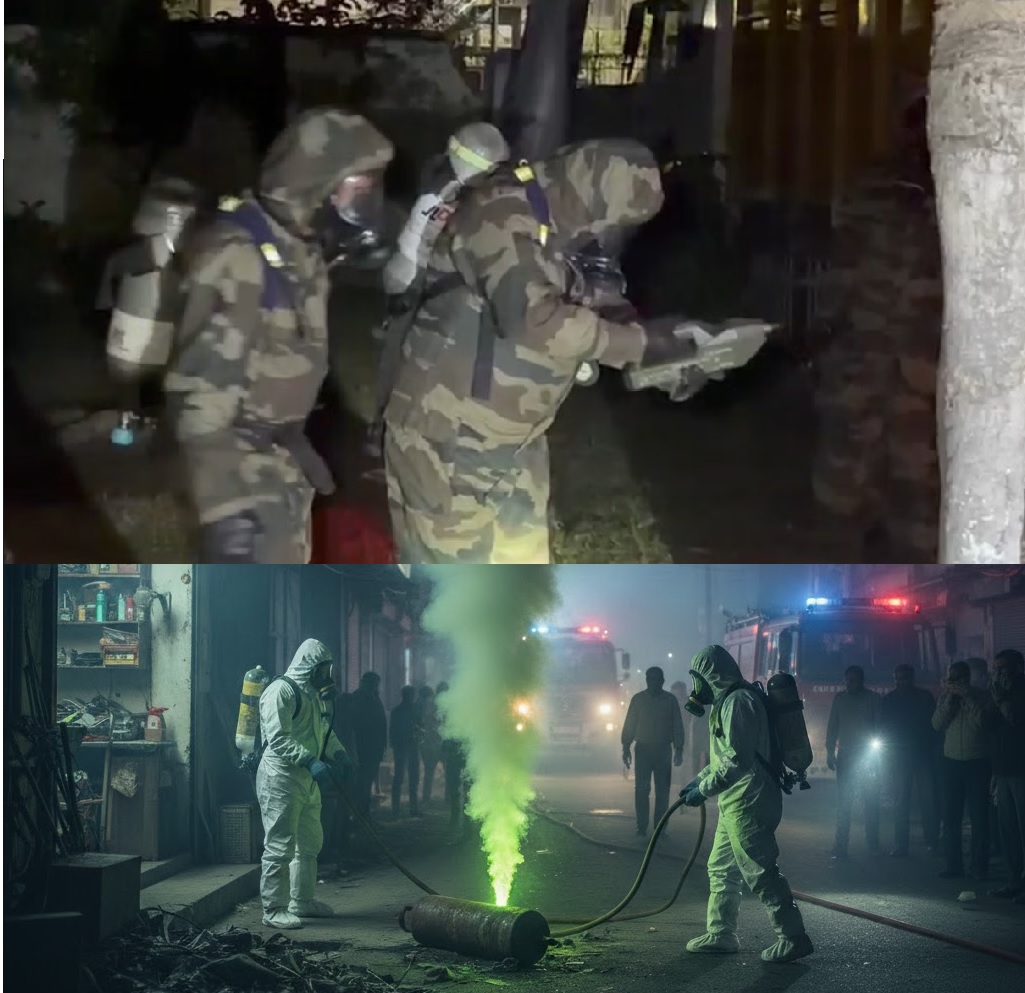
India
JAMMU, INDIA : A gas leak from an abandoned cylinder at a scrap dealer’s shop triggered panic and a coordinated emergency response in a residential locality near Jammu airport on Saturday, February 7, 2026, prompting the deployment of national and state disaster-response units and the launch of a scientific investigation to determine the nature and origin of the substance involved. Incident and Emergency Response The incident occurred in the Rani Bagh area, a mixed residential and commercial neighbourhood located close to the airport perimeter. Residents reported a sudden onset of breathlessness and respiratory discomfort, leading to immediate alerts to local authorities. Joint teams from the National Disaster Response Force and the State Disaster Response Force, along with police and fire and emergency services, were dispatched to the site. Responders wearing specialised protective equipment isolated the affected premises, contained the leak, and secured the cylinder. Authorities confirmed that the situation was stabilised and that there was no ongoing release after containment measures were completed. Residents in the immediate vicinity were advised to remain cautious while monitoring continued. Investigation and Chemical Analysis Officials stated that a formal investigation has been initiated to identify the gas and establish how the cylinder came to be stored at a scrap dealer’s shop. Samples have been collected for laboratory analysis to determine the chemical composition and assess potential health and environmental risks. While no official identification has yet been made public, authorities have not ruled out the possibility that the cylinder may have contained a hazardous chemical, including sulfur mustard. The findings of the scientific analysis will guide subsequent legal, environmental, and security actions. Regulatory and Security Context Sulfur mustard is classified as a Schedule 1 chemical weapon under the Chemical Weapons Convention, an international treaty that prohibits the development, production, acquisition, stockpiling, and use of chemical weapons. Schedule 1 substances are defined as having no legitimate industrial or commercial applications, and their presence outside tightly controlled research or defence settings raises serious regulatory and security concerns. India is a signatory to the convention, which mandates strict controls and reporting requirements for any handling of such substances, even in minute quantities for permitted laboratory purposes. Technical Characteristics of Sulfur Mustard Sulfur mustard, commonly referred to as mustard gas, is a vesicant agent that causes blistering of the skin, damage to the eyes, and injury to the respiratory tract when inhaled. It is heavier than air and can accumulate in low-lying or enclosed areas. Depending on environmental conditions such as temperature and humidity, it can persist for extended periods, increasing exposure risks. Medical effects may not be immediately apparent, with symptoms often developing hours after exposure. This delayed onset complicates early diagnosis and response in civilian settings. Historical Use and Documented Fatalities Mustard gas was first deployed on a large scale during World War I, notably by German forces in July 1917 near Ypres, Belgium. During the conflict, chemical weapons caused an estimated 1.3 million casualties and nearly 90,000 deaths. Mustard gas accounted for a significant share of these casualties, primarily through incapacitating injuries rather than immediate fatalities. Its most extensive modern use occurred during the Iran–Iraq War (1980–1988), when Iraqi forces employed sulfur mustard against Iranian troops and Kurdish civilians. The 1988 attack on Halabja involved a combination of chemical agents and resulted in an estimated 3,200 to 5,000 deaths, with thousands more injured. Latest Documented Attacks In more recent conflicts, sulfur mustard has been documented in attacks by non-state actors. The Organisation for the Prohibition of Chemical Weapons confirmed its use by ISIS in Marea, Syria (August 2015), and in Taza, Iraq (March 2016). These incidents involved improvised or laboratory-grade forms of the agent rather than military-standard munitions. Industrial Status and Controlled Precursors Sulfur mustard itself has no lawful industrial application. International regulations permit only extremely limited use for medical research or for testing protective equipment in authorised defence laboratories. Certain related chemicals, such as thiodiglycol, are used in civilian industries including ink and textile manufacturing, but these substances are strictly monitored because they can be converted into sulfur mustard. Ongoing Probe and Next Steps Authorities in Jammu are examining whether the cylinder recovered from the scrap shop could be a legacy military munition, an improperly disposed industrial container, or material originating from an illicit source. The outcome of the chemical analysis will determine the scope of any criminal investigation and the involvement of specialised national or international agencies. Officials have stated that public updates will be issued once laboratory results confirm the identity of the gas. At present, authorities maintain that the immediate threat has been neutralised, while emphasising that the investigation remains ongoing.
Read More → Posted on 2026-02-08 15:55:03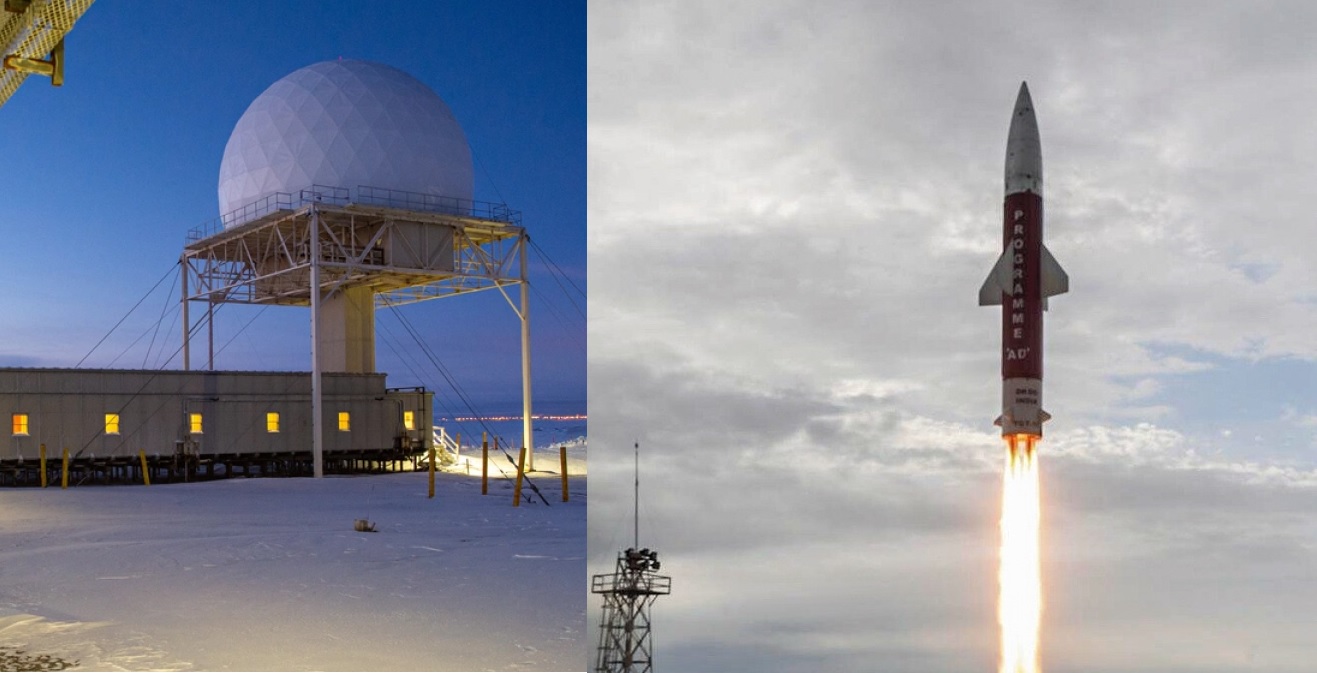
India
NEW DELHI : India is advancing the next stage of its national Ballistic Missile Defence (BMD) architecture with the planned development of a new strategic radar and sensor facility in the southern peninsular region. The installation is intended to function as a critical node in BMD Phase II, which is focused on countering long-range ballistic missile threats, including Intermediate-Range Ballistic Missiles (IRBMs) and Intercontinental Ballistic Missiles (ICBMs) with ranges exceeding 5,000 kilometres. The precise location of the facility remains classified to preserve operational security. However, available information indicates that it is distinct from the existing Swordfish radar network deployed along India’s western and northern axes. The move reflects a deliberate expansion of India’s early-warning and tracking coverage beyond traditional threat directions and marks a transition from regionally focused missile defence to a broader, long-range architecture. Evolution of India’s Ballistic Missile Defence Program India’s BMD program has been structured in two clearly defined phases. Phase I, which is already operational, was designed to intercept ballistic missiles with ranges of up to 2,000 kilometres. This phase relies on a layered interception approach using the Prithvi Air Defence (PAD) interceptor for high-altitude, exo-atmospheric engagements and the Advanced Air Defence (AAD) interceptor for endo-atmospheric, lower-altitude interceptions. Phase II represents a significant technological and operational expansion. It is specifically engineered to counter missiles in the 5,000-kilometre class and beyond, covering advanced IRBMs and early-generation ICBMs. These threats require detection and tracking at much greater distances, as well as interception during the mid-course phase of flight, often outside the Earth’s atmosphere. Objectives and Technical Scope of Phase II Phase II has been designed around several core technical objectives. These include extended-range interception at altitudes exceeding 100 kilometres in the exo-atmospheric regime, the ability to track maneuvering warheads and Hypersonic Glide Vehicles (HGVs) travelling at speeds greater than Mach 5, and the deployment of larger and faster kill vehicles capable of destroying hardened re-entry vehicles through kinetic impact. Meeting these objectives requires not only new interceptor missiles but also a substantial upgrade in sensor performance, tracking accuracy, and command-and-control integration. New Interceptor Missiles: AD-1 and AD-2 At the centre of the Phase II interceptor layer are two new missiles, the AD-1 and the AD-2. The AD-1 interceptor was successfully flight-tested in November 2022. It is a long-range, two-stage solid-fuel missile designed for endo-atmospheric and low exo-atmospheric interception. The AD-1 is configured as a dual-role interceptor, capable of engaging long-range ballistic missiles as well as high-value aerial targets such as airborne early warning aircraft and aerial refuelling platforms. It employs an advanced guidance, navigation, and control system to achieve hit-to-kill accuracy. The AD-2 interceptor is currently under advanced stages of development. It is intended for high exo-atmospheric interception and is designed to serve as the primary weapon against ICBM-class threats during their mid-course phase of flight. By engaging targets well outside the Earth’s atmosphere, the AD-2 is expected to reduce the risk of debris fallout over Indian territory. Role of the Southern Radar and Sensor Facility Interceptors such as the AD-1 and AD-2 depend on highly accurate and timely tracking data. The new southern facility is expected to host Very Long Range Tracking Radars (VLRTRs) capable of detecting and tracking ballistic missiles at distances of approximately 1,500 to 3,000 kilometres. These radars are designed to detect objects as small as a cricket ball and to maintain track continuity on high-speed targets during the boost and mid-course phases of flight. The development of these sensors is being led by the Defence Research and Development Organisation (DRDO), with specialised technical input from laboratories such as the Instruments Research and Development Establishment (IRDE). Unlike conventional air-surveillance radars, these systems are optimised for strategic missile defence roles, including high-velocity tracking, target discrimination, and interceptor cueing. Strategic Logic Behind a Southern Location The decision to locate the new radar and sensor site in southern India is based on several operational and geometrical considerations. A southern sensor provides a side-on or perpendicular view of ballistic missiles launched from northern or eastern regions toward the Indian Ocean. This geometry allows for more accurate calculation of missile velocity, trajectory, and impact point compared with head-on tracking alone. The location also addresses a critical gap in monitoring the Indian Ocean Region, enhancing early warning against Submarine-Launched Ballistic Missiles (SLBMs). Detecting threats earlier in their mid-course phase increases the reaction time available to the battle management system for interceptor assignment and engagement planning. Network Integration and Command Structure The new southern facility is expected to be integrated into India’s national BMD command-and-control network. This system fuses data from multiple sources, including satellite-based sensors, existing Swordfish radars, and the Indian Navy’s missile tracking ship INS Dhruv. The integrated network enables real-time data sharing, multi-sensor fusion, and coordinated engagement across different interceptor layers. Strategic Context and Rationale The acceleration of Phase II development is occurring amid a changing regional missile environment, marked by the deployment of longer-range systems, Multiple Independently-targetable Re-entry Vehicles (MIRVs), and maneuvering warheads, all of which place greater demands on early warning and interception timelines. In response, India’s BMD program is transitioning from a point-defence model, focused on protecting specific urban or strategic locations, to a broader area-defence architecture capable of covering larger portions of national territory. The southern radar site, together with the AD-1 and AD-2 interceptors, constitutes a core element of this expanded defensive framework. Defence analysts assess the effort as a capability-driven expansion, emphasizing sensor coverage, tracking accuracy, system redundancy, and survivability as foundational requirements for India’s long-range early-warning and missile defence posture.
Read More → Posted on 2026-02-08 09:01:20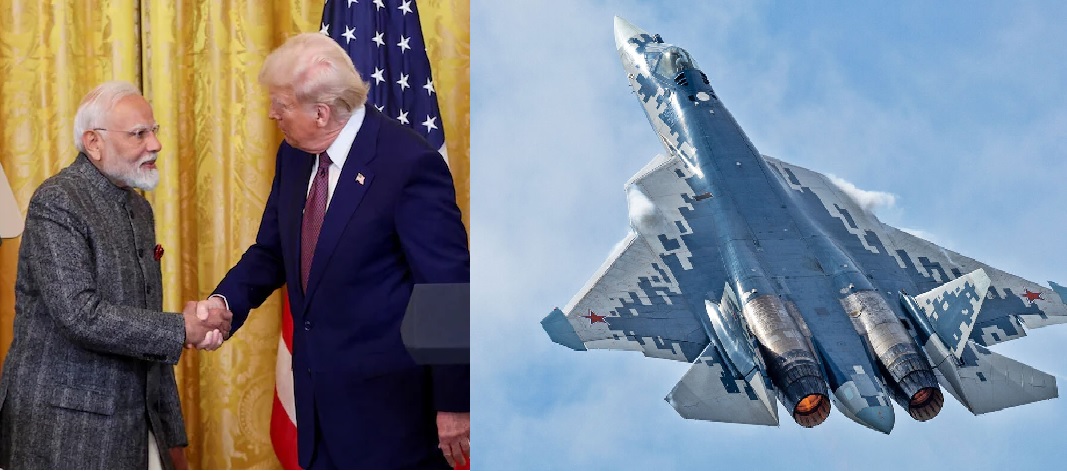
India
Analytical Outlook (not a claim): Prediction based on analysis, not an official or confirmed claim. India is finalising a large-scale trade framework with the United States while simultaneously evaluating long-term air power options that include the Russian Sukhoi Su-57 fighter aircraft, a move complicated by the continued applicability of the U.S. Countering America’s Adversaries Through Sanctions Act (CAATSA). The trade arrangement under discussion is aimed at significantly expanding bilateral commerce, with officials on both sides outlining a long-term target of approximately $500 billion in cumulative trade. The framework includes tariff relief on selected Indian exports, expanded Indian purchases of U.S. energy products such as LNG and crude oil, and increased imports of American technology, data-centre infrastructure, and information and communications technology (ICT) equipment. The agreement also reflects a broader effort to stabilise economic ties and reduce trade friction. While New Delhi has publicly welcomed the trade breakthrough, Washington has reiterated that CAATSA remains in force. U.S. officials have recently signalled that countries entering major defence transactions involving the Russian Su-57 could face sanctions. The warning follows ongoing U.S. scrutiny of potential Su-57 acquisitions by other states, including Algeria, in transactions linked to Russia’s state defence conglomerate Rostec. These signals have direct implications for India, which has been assessing options to address Indian Air Force (IAF) capability requirements. Discussions with Russia have included the possibility of acquiring the Su-57 through domestic production rather than direct import. Under the proposal being evaluated, the aircraft would be manufactured in India by Hindustan Aeronautics Limited (HAL) under licence, following a model similar to the Su-30MKI programme. According to officials familiar with the talks, Moscow has offered extensive technology transfer as part of the proposal. This includes access to mission systems, source code access, local manufacturing of airframes and components, and integration flexibility for Indian-origin sensors and weapons. The offer is being examined at a time when the Indian Air Force faces an estimated 10-year capability gap before the indigenous Advanced Medium Combat Aircraft (AMCA) is expected to enter operational service. Indian planners view the licensed-production model as a method to mitigate CAATSA exposure. By avoiding direct imports from Russia and instead focusing on domestic manufacturing, phased localisation, and industrial collaboration, New Delhi believes it can bypass or soften the application of certain CAATSA provisions while remaining aligned with its “Make in India” defence policy. India’s approach is also informed by past experience. The country proceeded with the acquisition of the Russian S-400 air defence system despite U.S. objections and ultimately avoided sanctions. Officials cite this episode as evidence that CAATSA-related pressure can be managed through diplomatic engagement and strategic restraint. At the same time, India continues to expand defence cooperation with the United States, including the acquisition of helicopters, drones, maritime surveillance platforms, and critical technologies such as aircraft engines for indigenous programmes. This growing interdependence increases the stakes associated with any potential sanctions, which could disrupt defence supply chains and technology transfers on both sides. New Delhi is also factoring in geopolitical developments related to the Russia-Ukraine conflict. Officials indicate that India may delay any final decision on the Su-57 until there is a peace settlement or significant de-escalation. A post-conflict environment is viewed as reducing political sensitivity and improving the stability of Russian aerospace production, a key requirement for a long-term licensed manufacturing programme in India. Within government circles, the expanding $500 billion trade engagement with the United States is increasingly seen as a form of strategic insulation. Policymakers assess that the scale of economic interdependence could raise the cost of imposing CAATSA sanctions, given the potential impact on U.S. exporters, energy suppliers, and defence companies with growing exposure to the Indian market. As India moves to formalise the trade framework with Washington while continuing technical and financial evaluations of the Su-57 proposal, the outcome will shape how New Delhi balances strategic autonomy, industrial capability development, and its evolving partnership with the United States under the continuing shadow of CAATSA.
Read More → Posted on 2026-02-07 18:11:23
India
CHANDIPUR (ODISHA) : India on Friday successfully carried out a training launch of the Intermediate Range Ballistic Missile (IRBM) Agni-3 from the Integrated Test Range (ITR) at Chandipur, off the coast of Odisha. The test, conducted on February 6, 2026, was carried out under the aegis of the Strategic Forces Command (SFC), which is responsible for the management and administration of the country's strategic nuclear assets. According to defense officials, the launch successfully validated all operational and technical parameters. Routine User Trial Sources indicated that the test was a "routine user training launch" aimed at validating the operational readiness of the system. The missile was reportedly selected randomly from the production lot for the trial, a standard procedure to ensure the reliability of the country's nuclear deterrence backbone. The flight path was monitored in real-time by a network of radars, telemetry stations, and electro-optical systems positioned along the eastern coast. Two naval ships stationed down-range in the Bay of Bengal also tracked the missile's terminal phase to ensure it impacted the pre-designated target area with high accuracy. Strategic Capabilities The Agni-3 is a cornerstone of India’s nuclear arsenal. It is a two-stage, solid-propellant missile capable of carrying a warhead payload of approximately 1.5 tons. With a strike range of over 3,000 kilometers, the Agni-3 provides India with the capability to engage targets deep within neighboring regions. The missile, measuring 17 meters in length and 2 meters in diameter, has already been inducted into the armed forces. The successful test reinforces the credibility of India's deterrence capabilities and demonstrates the high state of readiness of the Strategic Forces Command.
Read More → Posted on 2026-02-06 15:54:45
India
BENGALURU: Hindustan Aeronautics Limited (HAL) has formally clarified the delivery status of the Light Combat Aircraft (LCA) Tejas Mk1A program, stating that five fighter jets are now fully ready for handover to the Indian Air Force (IAF). The clarification, issued on Thursday, follows persistent concerns from stakeholders over production delays, caused primarily by disruptions in engine supply. In its statement, HAL said the five aircraft incorporate all major contracted capabilities and meet the specifications agreed upon with the IAF. The company added that beyond this initial batch, nine additional Tejas Mk1A aircraft have already been manufactured and flown. These aircraft are currently in storage and will be made ready for delivery immediately upon receipt of engines. Engine Supply Position The Tejas Mk1A production schedule has been significantly affected by delays in the delivery of F404-GE-IN20 engines from GE Aerospace. HAL acknowledged that the engine shortage has been the single largest constraint on the program. According to the company, five engines have been received so far. HAL stated that the supply outlook from GE has improved and is now aligned with its delivery planning. Separately, The Tribune reported that a sixth F404 engine was delivered in January 2026, adding to the five engines supplied during 2025. While limited in number, each engine delivery enables HAL to move completed airframes from storage to final integration, testing, and acceptance. Delivery Targets for FY 2025–26 HAL reiterated that it remains committed to meeting its delivery guidance for the current financial year. The company plans to hand over five Tejas Mk1A fighters to the IAF by March 31, 2026. To meet this timeline, HAL is following a production strategy that prioritizes mating newly arrived engines with already built airframes. This approach reduces turnaround time by avoiding fresh manufacturing cycles and allows faster progression to ground runs, flight trials, and acceptance. HAL also stated that all design and development issues identified during production are being addressed in an expedited manner, with continuous coordination underway with the IAF to streamline acceptance procedures. Contract Background and Supply Chain Impact The delays in the Tejas Mk1A program trace back to the original engine contract signed in August 2021, under which HAL placed an order valued at approximately ₹5,375 crore (about $716 million) for 99 F404 engines. Global supply chain disruptions after 2021 affected GE’s production schedules, which in turn stalled deliveries of the 83 Mk1A aircraft ordered by the IAF. The impact of these delays has been particularly significant as the IAF faces a steady reduction in squadron strength due to the phased retirement of legacy aircraft, including the MiG-21 fleet. Timely induction of the Tejas Mk1A is considered critical to maintaining operational readiness during this transition period. Subsequent Engine Agreement In November 2025, HAL entered into a separate agreement with GE Aerospace for the supply of 113 F404-GE-IN20 engines, along with a comprehensive support package. This contract is intended to support the execution of the 97-aircraft LCA Mk1A order for the IAF. At the time, HAL Chairman and Managing Director DK Sunil described the agreement as a key milestone, noting that engines have the longest lead time in fighter aircraft production. He said that lessons from earlier procurement phases — including production stoppages and COVID-19 related disruptions — had informed HAL’s decision to finalize engine negotiations well in advance. According to HAL, supplies under the new contract are expected to begin in 2027 and continue through 2032. The company has indicated that it does not anticipate major delays under this arrangement, though near-term production will continue to depend largely on the steady arrival of engines under existing commitments.
Read More → Posted on 2026-02-05 15:05:07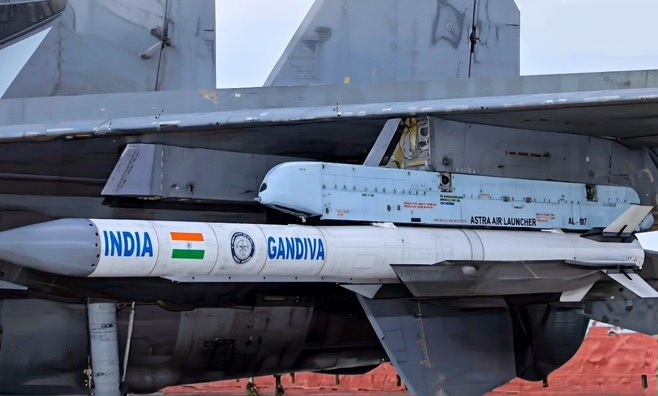
India
CHANDIPUR, ODISHA : India has entered a new phase in the development of its long-range air-to-air missile capability, with the Defence Research and Development Organisation (DRDO) commencing integration and captive flight trials of the Astra Mk-III (Gandiva) on the Indian Air Force (IAF) Su-30MKI fighter aircraft. The trials are being conducted from the Integrated Test Range (ITR), Chandipur, marking the first physical integration of a Solid Fuel Ducted Ramjet (SFDR)–powered Beyond Visual Range Air-to-Air Missile (BVRAAM) with an operational fighter platform. This phase follows the SFDR propulsion flight demonstration on February 3, 2026, which validated sustained supersonic combustion and thrust control in flight conditions. Integration and Captive Flight Trial Phase Captive flight trials involve mounting an inert, non-explosive missile on one of the Su-30MKI’s external hardpoints. The missile is dimensionally, structurally and aerodynamically identical to the operational weapon but remains electrically and electronically isolated from the aircraft’s avionics, radar and weapon control systems. The objective of this phase is to validate structural compatibility, ensure aerodynamic loads remain within design limits, and assess the vibrational environment experienced by the missile during representative flight conditions. Test sorties include straight-and-level flight, high-g manoeuvres, altitude transitions, and speed variations across the aircraft’s operational envelope. Engineers are also analysing the impact of missile carriage on aircraft handling, drag, and fuel consumption. Data collected during these flights will be used to refine mounting hardware, pylon interfaces, and structural margins before progressing to separation trials and live firing tests. Only after successful completion of captive trials will the missile proceed to electronic integration with the aircraft’s mission computer and radar, followed by separation trials to evaluate safe missile release. Missile Design and Technical Characteristics The Astra Mk-III Gandiva represents a major advancement over earlier Astra variants through the adoption of an air-breathing propulsion system in place of a conventional solid rocket motor. The missile is powered by a Solid Fuel Ducted Ramjet (SFDR) that uses atmospheric oxygen to sustain combustion during flight. This configuration enables continuous thrust over a longer portion of the trajectory, allowing the missile to retain high energy and manoeuvrability at extended ranges. Programme data indicate an engagement range exceeding 350 kilometres, speeds between Mach 3 and Mach 4.5, and engagement altitudes of up to approximately 20 kilometres. The missile is designed to engage fighter aircraft as well as high-value targets such as airborne early warning platforms and aerial refuelling aircraft. Operational Implications of SFDR Technology The primary operational advantage of SFDR propulsion is the significant expansion of the missile’s no-escape zone (NEZ). Unlike conventional missiles that lose energy in the terminal phase, continuous thrust allows the Gandiva to sustain high speed deeper into the engagement envelope, improving interception probability against evasive targets. This capability is particularly relevant in environments where adversary aircraft employ advanced electronic countermeasures and long-range air-to-air weapons. The Gandiva is expected to provide the IAF with a counter to contemporary regional BVRAAM systems, including China’s PL-15 and PL-17 . Programme Background and Future Roadmap Development of the SFDR-based missile programme began in 2013, followed by extensive ground testing, booster trials, and subsystem validation. These efforts culminated in the recent propulsion flight demonstration. With the start of captive trials on the Su-30MKI, the programme has transitioned to full weapon integration. Subsequent phases will include electronic integration, separation trials, and guided flight tests. The Astra Mk-III is planned for integration across multiple IAF platforms, including the Su-30MKI, Tejas Mk-1A, Tejas Mk-2, and the Advanced Medium Combat Aircraft (AMCA). Once operationally cleared, the missile will form a key element of India’s long-range air combat capability.
Read More → Posted on 2026-02-04 09:20:13
India
NEW DELHI : In a landmark development for India’s aerospace sector, the Ministry of Defence has shortlisted three private sector–led consortiums to develop the nation’s first indigenous fifth-generation stealth fighter, the Advanced Medium Combat Aircraft (AMCA). Following a rigorous technical evaluation of seven initial bids, state-owned aerospace major Hindustan Aeronautics Limited (HAL) has been excluded from the race, indicating a clear policy move toward greater private-sector participation in high-end defence manufacturing. The final winner of the contract is expected to be announced within the next three months. The Three Contenders The Aeronautical Development Agency (ADA) has selected the following entities to advance to the commercial proposal stage: Tata Advanced Systems Limited (TASL): The Tata Group arm has qualified to bid independently, leveraging its extensive existing aerospace supply chain and infrastructure. Larsen & Toubro (L&T) Consortium: Engineering heavyweight L&T is leading a consortium that includes state-run electronics major Bharat Electronics Limited (BEL) and private aerospace firm Dynamatic Technologies Limited (DTL). Bharat Forge Consortium: The Kalyani Group flagship, Bharat Forge, heads an alliance with defence PSU BEML Limited and private avionics specialist Data Patterns (India) Limited. HAL’s Historic Exclusion The disqualification of HAL, long the dominant manufacturer of Indian military aircraft, represents a notable shift in defence policy. According to officials, the exclusion is linked to criteria set out in the Expression of Interest (EoI) aimed at broadening India’s industrial base. One clause assessed bidders’ order-book load, ensuring the selected partner could allocate adequate capacity to the AMCA programme. HAL’s large backlog, including Tejas LCA production and associated engine programmes, reportedly affected its order-to-turnover ratio under these rules. The policy objective is to build a parallel private aerospace ecosystem, reducing dependence on a single public-sector entity for critical combat platforms. Project Scope and Timeline The AMCA programme is India’s most advanced combat aircraft development effort to date. The initial contract, valued at approximately ₹15,000 crore, covers the design, development, testing, and manufacture of five prototypes. Next steps: The shortlisted bidders will receive a formal Request for Proposal (RFP). The final Development-cum-Production Partner (DcPP) will be selected on the basis of commercial competitiveness (L1). Rollout target: 2028–2029 for the first prototype.Induction: Around 2035, with an initial requirement of 120 aircraft for the Indian Air Force. Next-Generation Capabilities The AMCA is planned as a twin-engine, stealth multirole fighter designed for deep-strike and air-superiority missions. Key features include an internal weapons bay for low radar cross-section, supercruise capability, and advanced AI-enabled sensor fusion. Officials expect that selecting a private development partner will help streamline project execution and accelerate technology integration, addressing delays seen in earlier indigenous defence programmes.
Read More → Posted on 2026-02-04 05:35:41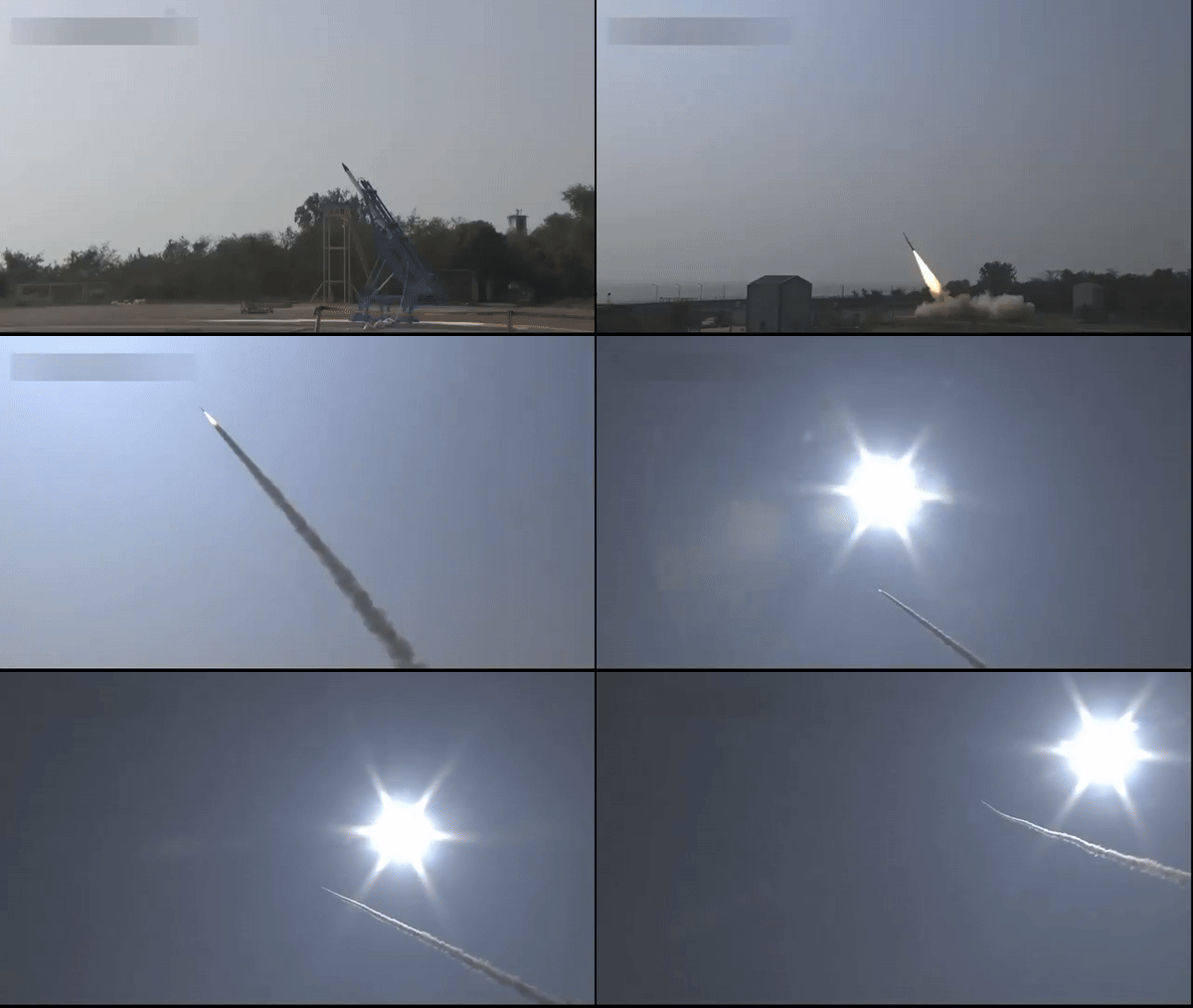
India
Chandipur, Odisha : India recorded a major advancement in indigenous missile propulsion capabilities on Tuesday with the successful flight demonstration of Solid Fuel Ducted Ramjet (SFDR) technology. The test was conducted by the Defence Research and Development Organisation (DRDO) at approximately 10:45 a.m. from the Integrated Test Range (ITR), located off the Odisha coast. According to official data released by DRDO, the demonstration met all planned mission objectives and validated critical subsystems required for the development of long-range air-to-air missiles. With this achievement, India joins a limited group of countries possessing operationally relevant SFDR technology, a key enabler for next-generation Beyond Visual Range Air-to-Air Missiles (BVRAAMs), including the Astra Mk-III programme. Flight Test Profile and System Performance The SFDR system was subjected to a carefully sequenced flight profile designed to replicate air-launch conditions. The missile was initially accelerated by a ground-based solid booster to the required supersonic speed. After achieving the designated Mach number, the nozzle-less booster separated, allowing the SFDR motor to ignite and sustain propulsion during the cruise phase. DRDO confirmed that all major subsystems performed as designed. These included the nozzle-less booster, the solid fuel ducted ramjet motor, and the fuel flow controller, which regulates the combustion process by precisely metering fuel into the ramjet combustor. The ability to maintain stable combustion at high supersonic speeds was a central objective of the test and was successfully demonstrated. Instrumentation and Data Validation System performance was verified through comprehensive flight data captured by a network of tracking instruments deployed along the Bay of Bengal coastline. Telemetry stations, radar systems, and electro-optical sensors monitored the missile throughout its flight, providing real-time data on speed, trajectory, combustion stability, and subsystem behaviour. Officials stated that the collected data closely matched pre-flight predictions derived from extensive computational modelling and ground testing. The results confirmed sustained thrust generation by the SFDR engine and stable aerodynamic performance across the planned flight envelope. Scientific and Institutional Oversight Senior scientists from multiple DRDO laboratories were present at the launch site and monitored the test in real time. These included teams from the Defence Research and Development Laboratory (DRDL), High Energy Materials Research Laboratory (HEMRL), Research Centre Imarat (RCI), and the Integrated Test Range (ITR). Each laboratory contributed to different aspects of the system, ranging from propulsion and energetic materials to guidance integration and flight testing. Relevance to Astra Mk-III Programme The successful SFDR demonstration is directly linked to the development of the Astra Mk-III, also referred to as Gandiva, a future long-range air-to-air missile intended for deployment on Indian Air Force fighter platforms. Unlike conventional solid rocket motors, SFDR propulsion systems use atmospheric oxygen for combustion, eliminating the need to carry an onboard oxidiser. This approach reduces overall propellant mass and allows the missile to sustain thrust over a longer duration. As a result, the missile can maintain high supersonic speeds deeper into its engagement range, improving end-game energy and increasing the effective no-escape zone against manoeuvring aerial targets. Strategic and Programmatic Significance Defence analysts note that mastery of SFDR technology is essential for achieving extended engagement ranges without compromising missile agility or payload. The successful test indicates that India has reached a level of technological maturity sufficient for integrating SFDR propulsion into operational missile configurations. The demonstration also supports broader goals of self-reliance in critical defence technologies, reducing dependence on foreign propulsion systems for advanced missile programmes. Official Statements Following the test, Defence Minister Rajnath Singh congratulated DRDO and associated industry and scientific teams, acknowledging the achievement as an important step in strengthening indigenous defence capabilities. Secretary, Department of Defence R&D and Chairman DRDO, Samir V. Kamat, also commended the teams involved, stating that the successful validation of the fuel flow controller and sustained ramjet operation confirmed the effectiveness of extensive simulations and ground trials conducted during the development phase. Programme Status DRDO officials indicated that this test marks the culmination of a series of developmental trials for the SFDR booster system. With the propulsion technology now demonstrated under flight conditions, the programme is expected to progress towards integration with the complete Astra Mk-III missile system and subsequent evaluation trials. The February 3 demonstration represents a critical step in India’s ongoing efforts to field long-range, high-performance air-to-air missiles using fully indigenous technologies.
Read More → Posted on 2026-02-03 13:35:53
India
New Delhi : India’s Defence Research and Development Organisation (DRDO) is preparing to conduct the third developmental flight trial of the Long-Range Anti-Ship Missile (LR-AShM), a hypersonic glide vehicle (HGV) designed to provide long-range precision strike capability against maritime targets. The upcoming test follows the system’s first public appearance during the Republic Day parade on January 26, 2026, where the missile was formally unveiled. According to officials familiar with the program, the third trial will focus on validating advanced terminal-phase maneuvers and assessing the performance of the missile’s indigenously developed X-band synthetic-aperture radar (SAR) seeker at sustained hypersonic speeds. These evaluations are intended to confirm the seeker’s ability to discriminate and track moving naval targets in complex electromagnetic environments. System Design and Performance The LR-AShM is a two-stage hypersonic glide vehicle powered by a solid-fuel booster that accelerates the weapon to hypersonic velocity before releasing the maneuvering glide body. The missile is designed to reach peak speeds of around Mach 10, with an average glide speed near Mach 5. Current configurations are intended to achieve operational ranges in excess of 1,500 kilometers, with extended-range variants planned to reach up to 3,500 kilometers. Mid-course guidance is provided through an inertial navigation system (INS) supported by multiple global navigation satellite systems (GNSS), while terminal guidance relies on an active radio-frequency seeker optimized for hypersonic flight. The missile follows a quasi-ballistic trajectory with atmospheric glide phases, allowing it to maneuver laterally and vertically to reduce predictability. Launch Platforms and Deployment Path Initial deployment phases are focused on land- and sea-based launch options. The land-launched version is configured for mobile 12×12 transporter-erector-launchers (TELs), enhancing survivability and operational flexibility. A naval variant compatible with vertical launch systems (VLS) is also under development to support surface combatants. An air-launched variant is planned for a later phase, once the surface-launched versions complete developmental and user trials. This version is expected to be integrated with the Su-30MKI fleet, enabling long-range stand-off hypersonic strike capability from aerial platforms. Land-Attack Variant Under Development In parallel with the anti-ship configuration, DRDO has confirmed work on a land-attack variant of the LR-AShM. This version is intended to engage high-value fixed targets deep inside hostile territory and is currently at an earlier stage of development. Once matured, it is expected to be aligned with the proposed Integrated Rocket Force (IRF), contributing to a conventional hypersonic deterrence role. Program Outlook Officials indicate that successful completion of the third developmental trial would mark a key milestone for the LR-AShM program, clearing the way for additional validation flights and user-oriented trials. The system is expected to move toward limited series production following satisfactory performance across these stages, subject to further operational assessments.
Read More → Posted on 2026-02-02 17:52:35
India
NEW DELHI : India has moved the Advanced Medium Combat Aircraft (AMCA) programme into its next phase after the Ministry of Defence shortlisted three industrial consortiums for further participation in the country’s fifth-generation stealth fighter project. The development was confirmed by Rajesh Kumar Singh, Secretary, Department of Defence, who said the shortlist followed a detailed pre-qualification process that began with seven competing aerospace and defence consortiums. The three selected bidders will receive the formal Request for Proposal (RFP) within the next two to three months. The AMCA programme received approval from the Cabinet Committee on Security (CCS) in March 2024, with an allocation of about ₹15,000 crore for prototype development. The project is being implemented through a Special Purpose Vehicle (SPV) model that brings together the Ministry of Defence, the Defence Research and Development Organisation (DRDO) and its Aeronautical Development Agency (ADA), along with an Indian production partner from the public or private sector. Officials indicated that the original pool of bidders included established domestic aerospace manufacturers such as Hindustan Aeronautics Limited (HAL), Larsen & Toubro (L&T), Tata Advanced Systems, and Adani Defence. The government has not yet disclosed the identities of the three shortlisted consortiums. Once the RFP is issued, the selected development partner will be responsible for building five AMCA Mark-1 prototypes. The first prototype rollout is currently planned for the 2028–2029 timeframe. The aircraft is designed as a 25-tonne, twin-engine stealth platform with internal weapons bays, advanced avionics, sensor fusion, and reduced radar cross-section features. The Mark-1 variant will be powered by the GE F414 engine, while a higher-thrust indigenous engine is planned for the Mark-2 version, which remains under development discussions. According to defence officials, the transition to the industrial development phase marks a key milestone for the programme. The Indian Air Force (IAF) plans to induct the AMCA in the mid-2030s as part of its long-term force modernisation roadmap, alongside existing fourth- and fifth-generation combat aircraft.
Read More → Posted on 2026-02-02 17:40:02Search
Top Trending in 24 Hours
-
 Pentagon Inspector General Report Finds Iran War Caused U.S. Ammunition Shortfalls and Industrial Bottlenecks
-
 Satellite Imagery Shows Extensive Damage to Saudi Arabia’s East-West Oil Pipeline, Indicating More Than a Single Strike
-
 U.S. Navy Awards Boeing $562 Million Contract for First Production MQ-25A Stingray Tanker Drones
-
 Pentagon and Honeywell Complete Four-Hour Pacific Flight Using Quantum Magnetic Navigation Without GPS
-
 U.S. Air Force Special Operations Command Clears AGM-190A Havoc Spear for Wider Service After Combat Evaluation in Africa
-
 U.S. Confirms Deployment of On-Orbit Space Control Weapons for First Time
-
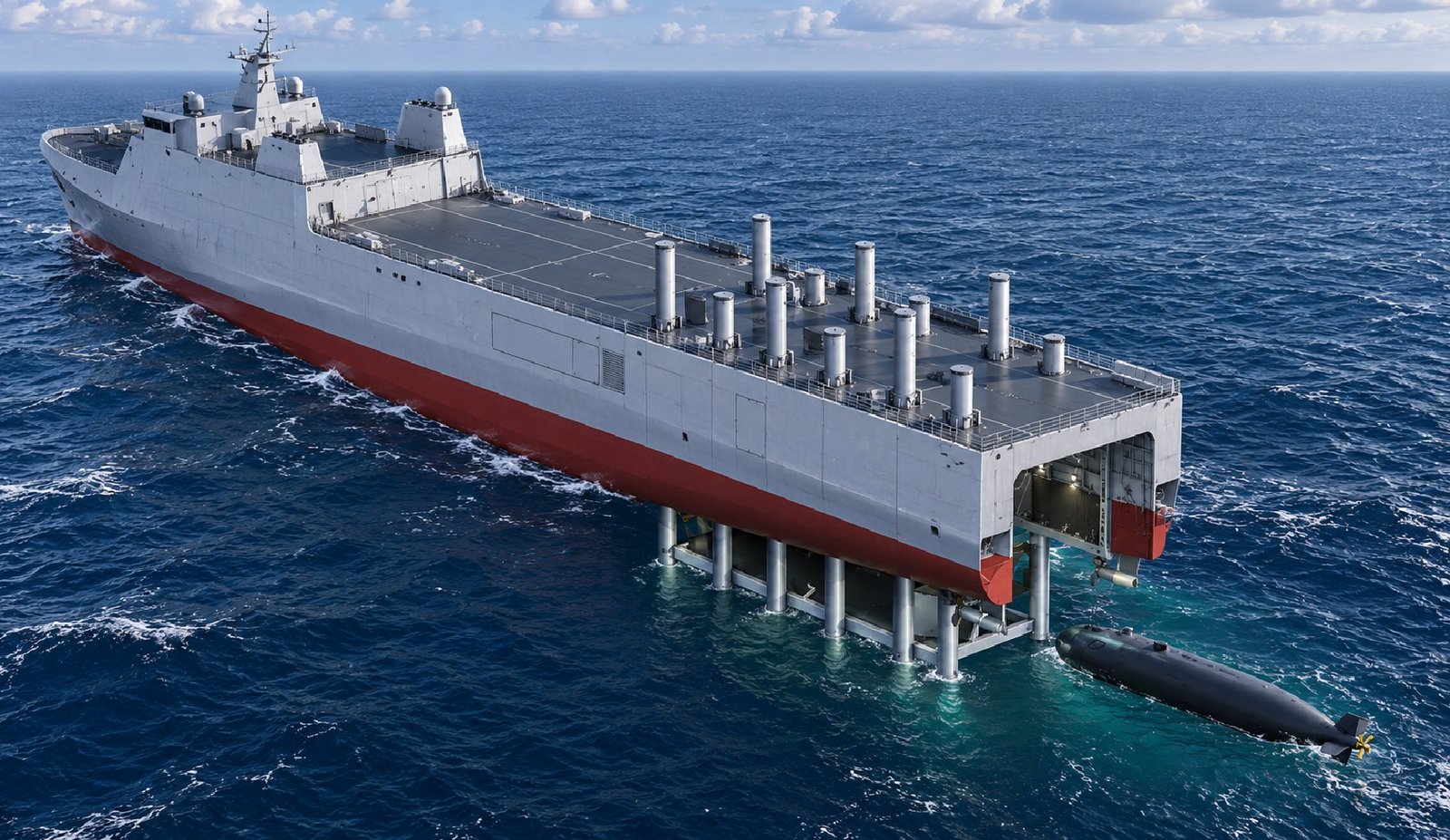 China Builds New Shanghai Vessel to Serve as Mothership for Large Uncrewed Submarines
-
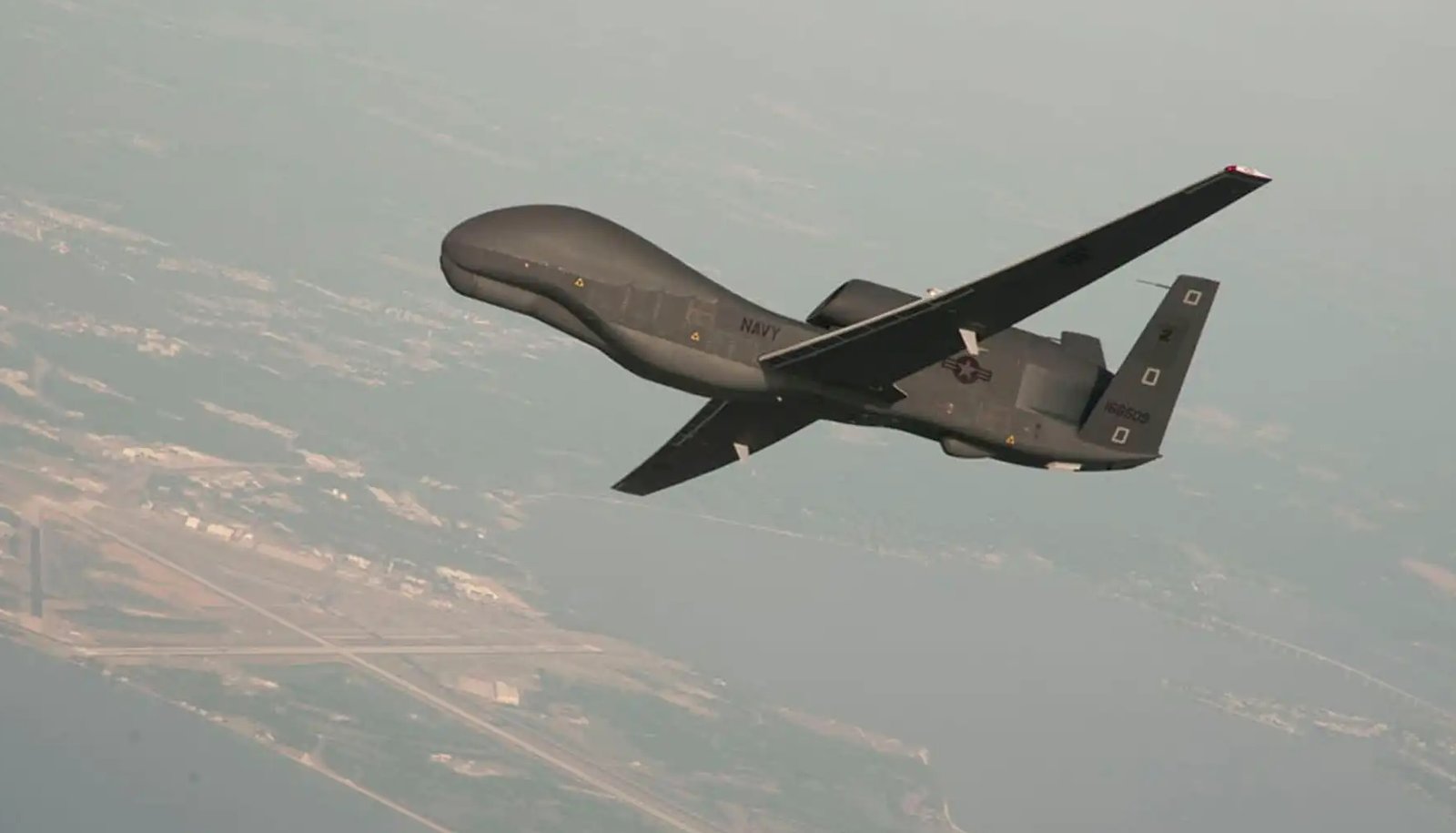 Japan Air Self-Defense Force Loses Contact With Global Hawk Surveillance Drone Off Tottori Coast; Aircraft Presumed Crashed
Top Trending in 4 Days
-
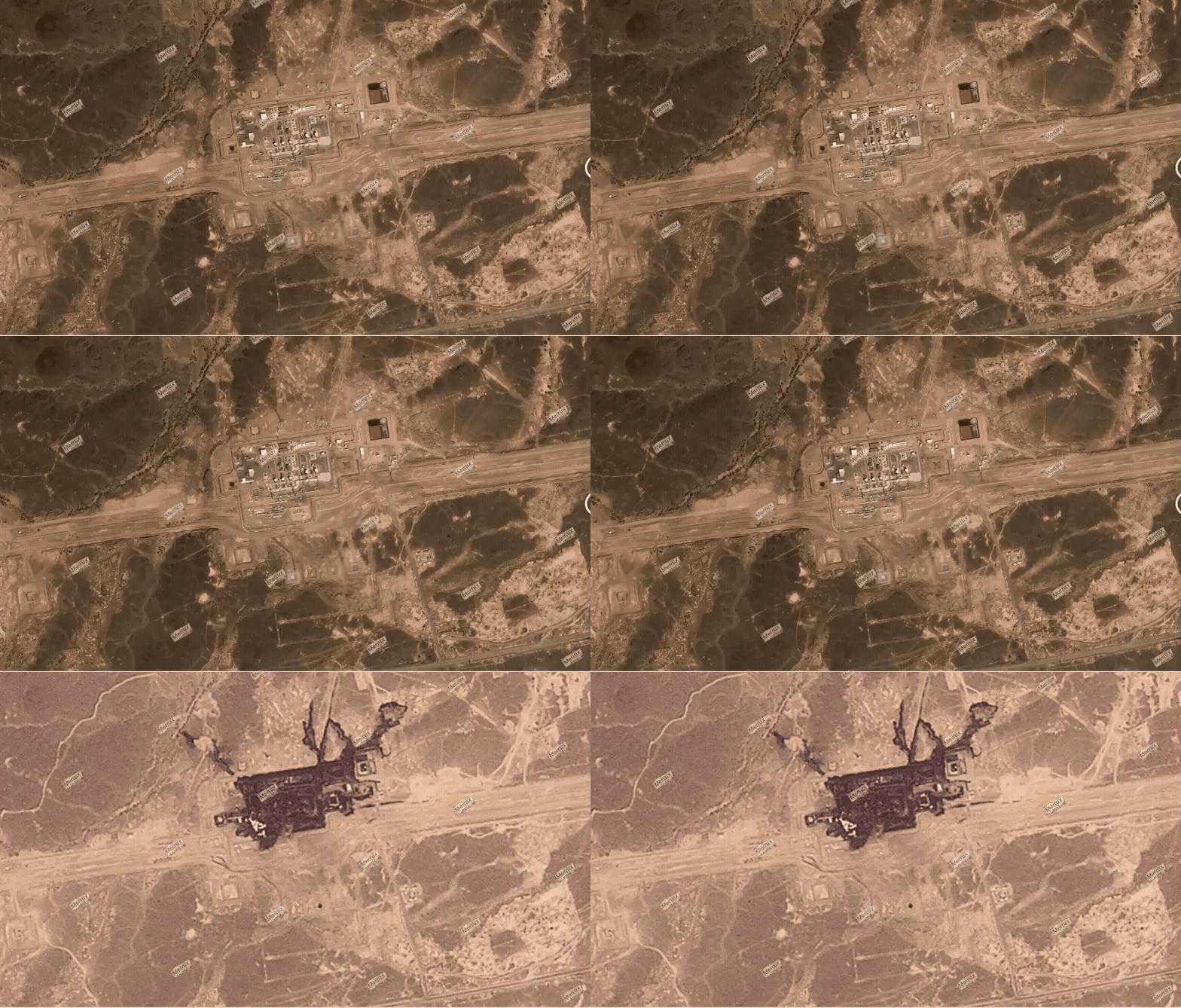 Satellite Imagery Shows Heavy Damage to Saudi East–West Oil Pipeline Pumping Stations
-
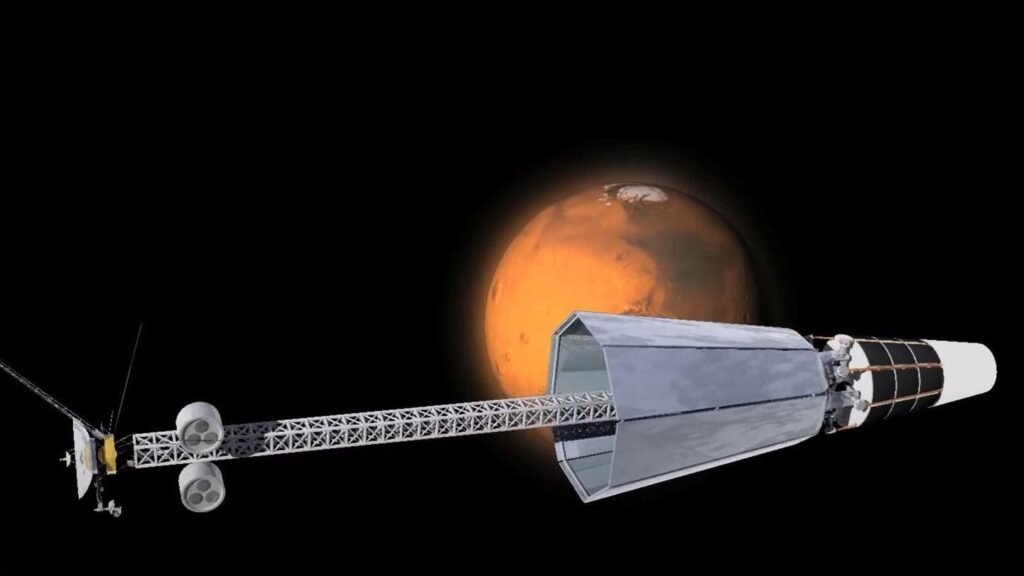 U.S. Air Force Awards Antares $161 Million to Develop Nuclear Reactor for Spacecraft
-
 Pentagon Awards BlueHalo Up to $99.8 Million Contract for Orbital Battlespace R&D Program
-
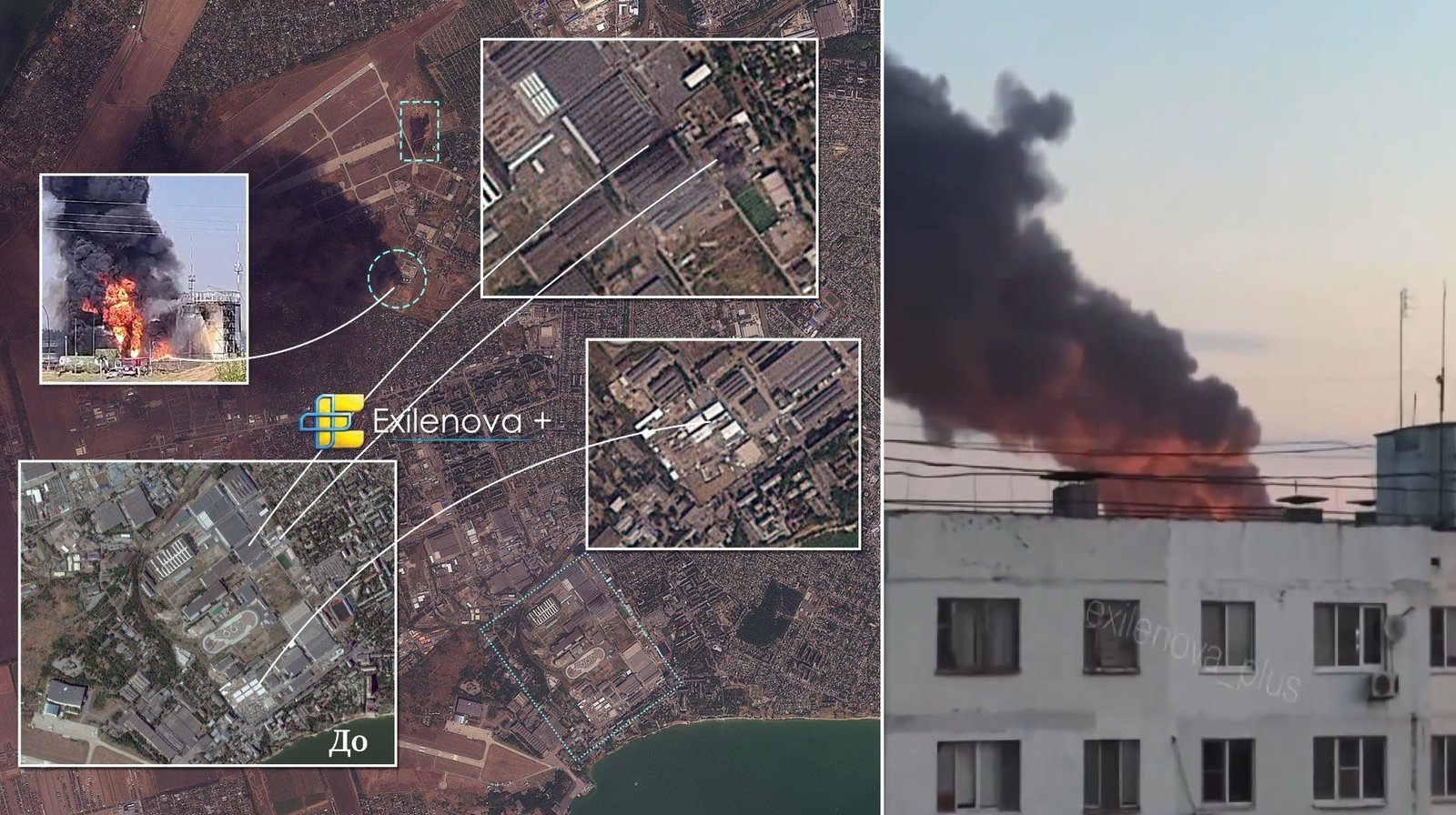 Ukrainian Drones Strike Russian UAV Manufacturer and Chemical Plants in Taganrog and Tolyatti
-
 U.S. Officials Link Chinese Satellite Imagery to Iranian Strike That Killed Three American Soldiers in Jordan
-
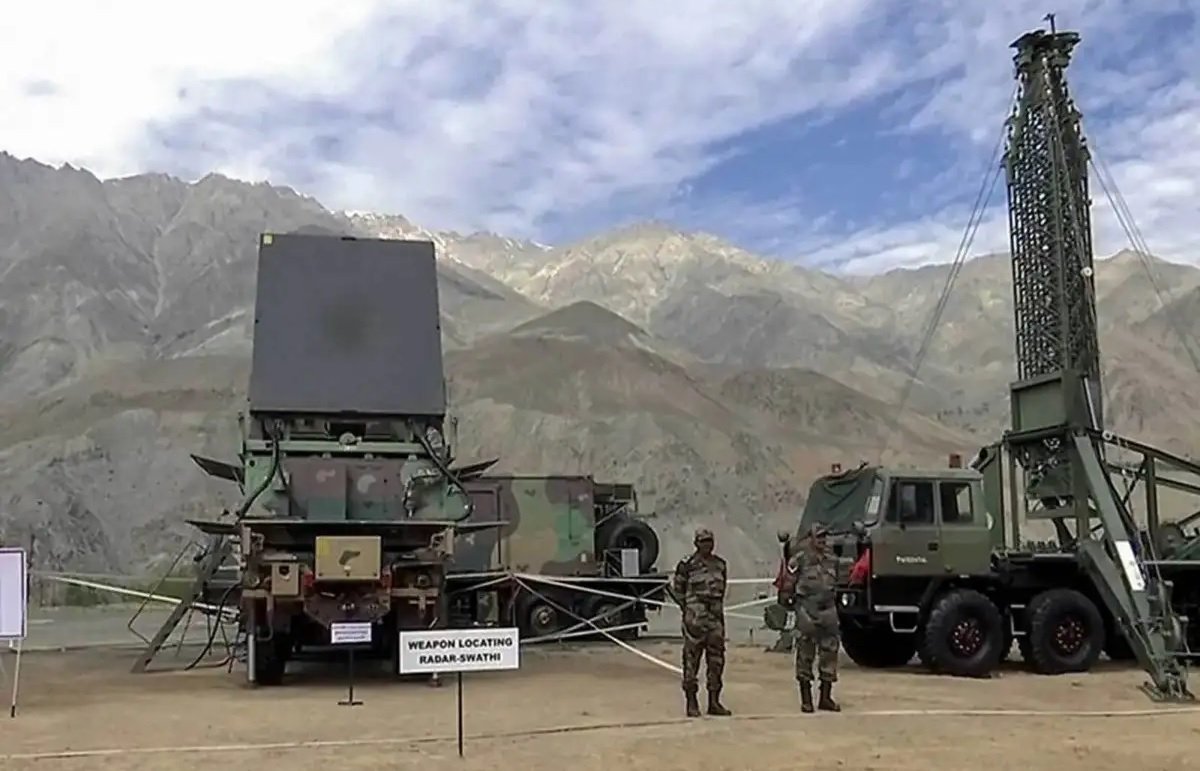 DRDO Demonstrates Indigenous 3.5×3 mm GaN Chip Delivering 30 Watts for Next-Generation Radars and Electronic Warfare
-
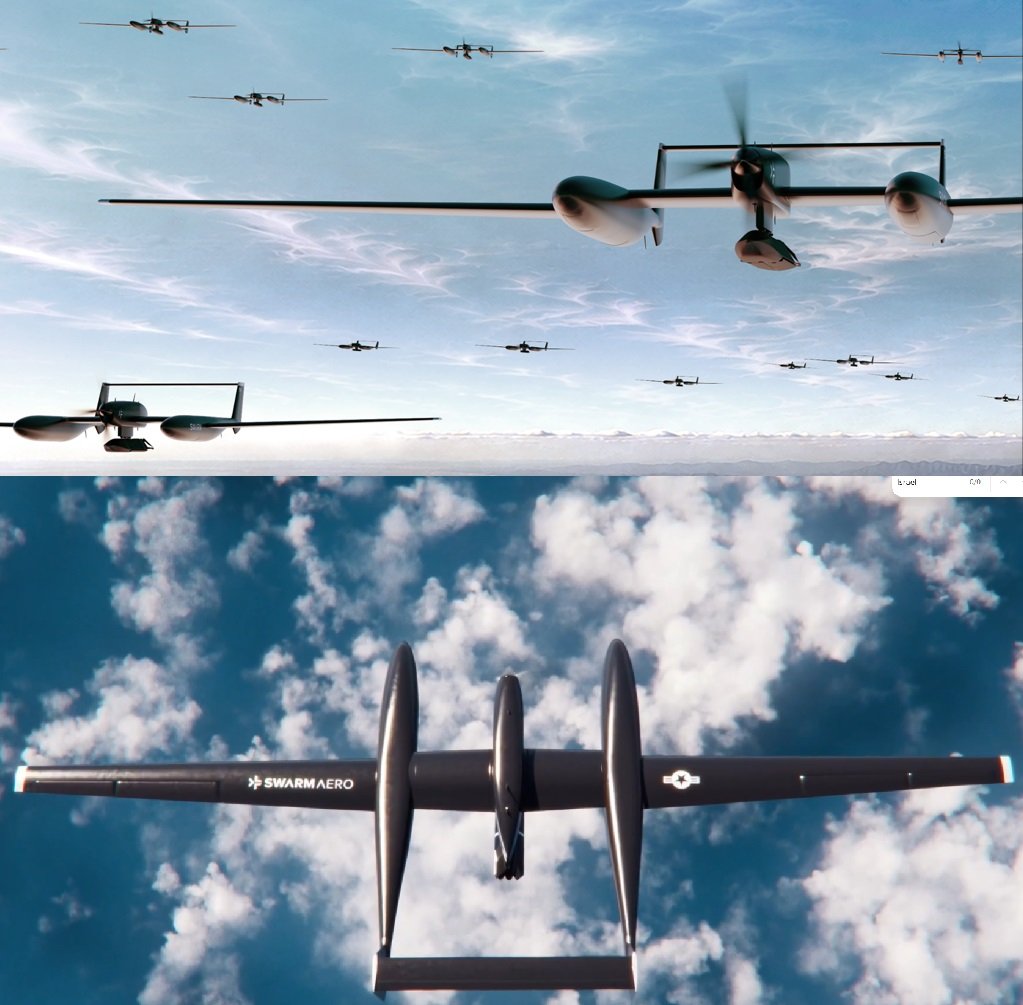 U.S. Firm Swarm Aero Unveils Gamera Group 5 UAS With 9,000-Nautical-Mile Range and Heavy Strike Payload
-
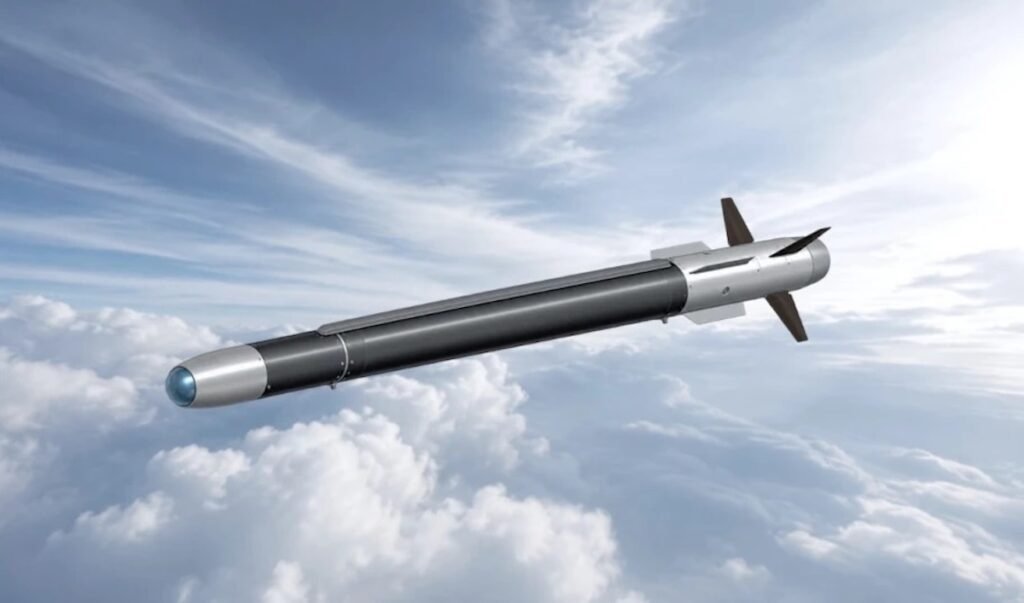 MBDA and Poland’s WITU Advance Low-Cost Supersonic Interceptor Against Swarm Attacks, Seeker Trials Successfully Completed