NEW DELHI : India is advancing the next stage of its national Ballistic Missile Defence (BMD) architecture with the planned development of a new strategic radar and sensor facility in the southern peninsular region. The installation is intended to function as a critical node in BMD Phase II, which is focused on countering long-range ballistic missile threats, including Intermediate-Range Ballistic Missiles (IRBMs) and Intercontinental Ballistic Missiles (ICBMs) with ranges exceeding 5,000 kilometres.
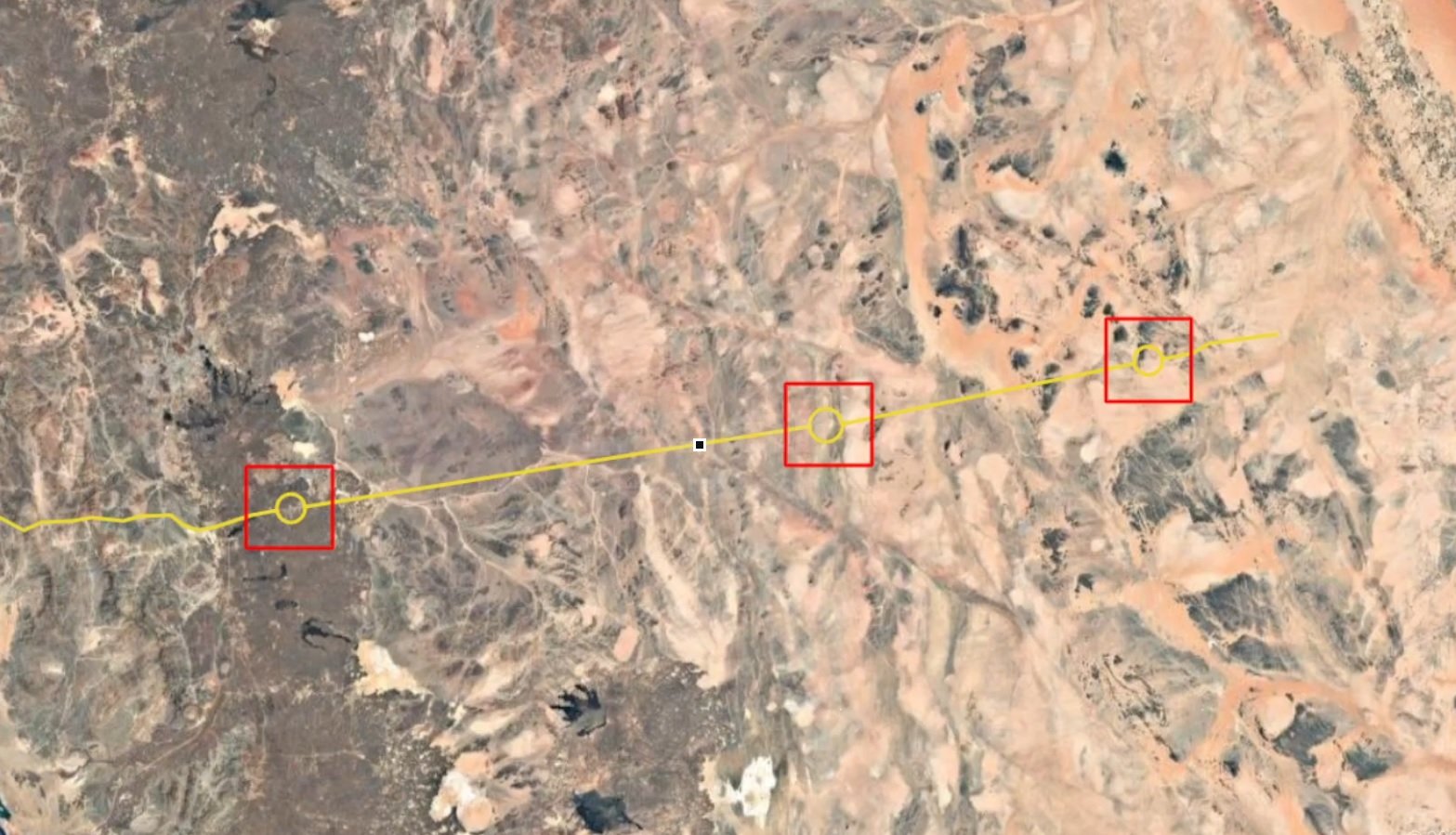
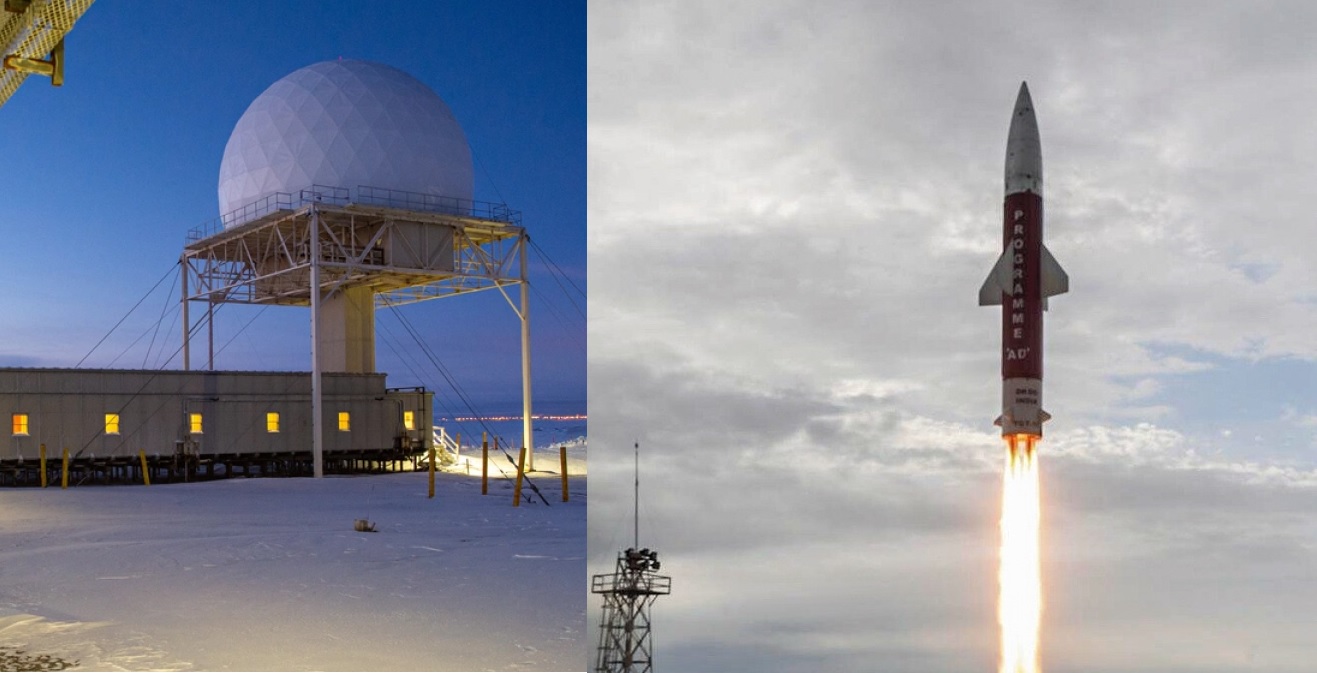
The precise location of the facility remains classified to preserve operational security. However, available information indicates that it is distinct from the existing Swordfish radar network deployed along India’s western and northern axes. The move reflects a deliberate expansion of India’s early-warning and tracking coverage beyond traditional threat directions and marks a transition from regionally focused missile defence to a broader, long-range architecture.
Evolution of India’s Ballistic Missile Defence Program
India’s BMD program has been structured in two clearly defined phases. Phase I, which is already operational, was designed to intercept ballistic missiles with ranges of up to 2,000 kilometres. This phase relies on a layered interception approach using the Prithvi Air Defence (PAD) interceptor for high-altitude, exo-atmospheric engagements and the Advanced Air Defence (AAD) interceptor for endo-atmospheric, lower-altitude interceptions.
Phase II represents a significant technological and operational expansion. It is specifically engineered to counter missiles in the 5,000-kilometre class and beyond, covering advanced IRBMs and early-generation ICBMs. These threats require detection and tracking at much greater distances, as well as interception during the mid-course phase of flight, often outside the Earth’s atmosphere.
Objectives and Technical Scope of Phase II
Phase II has been designed around several core technical objectives. These include extended-range interception at altitudes exceeding 100 kilometres in the exo-atmospheric regime, the ability to track maneuvering warheads and Hypersonic Glide Vehicles (HGVs) travelling at speeds greater than Mach 5, and the deployment of larger and faster kill vehicles capable of destroying hardened re-entry vehicles through kinetic impact.
Meeting these objectives requires not only new interceptor missiles but also a substantial upgrade in sensor performance, tracking accuracy, and command-and-control integration.
New Interceptor Missiles: AD-1 and AD-2
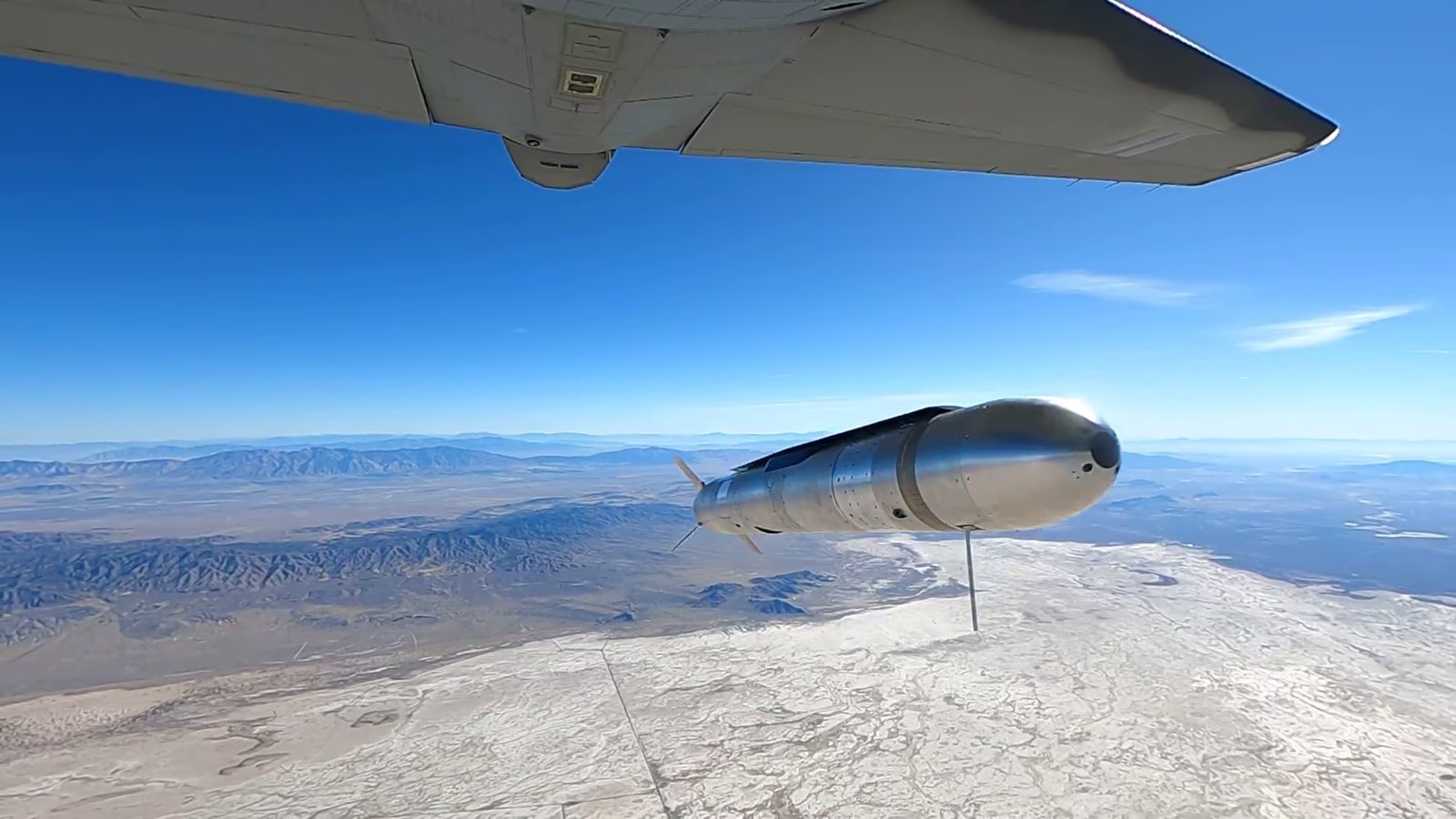
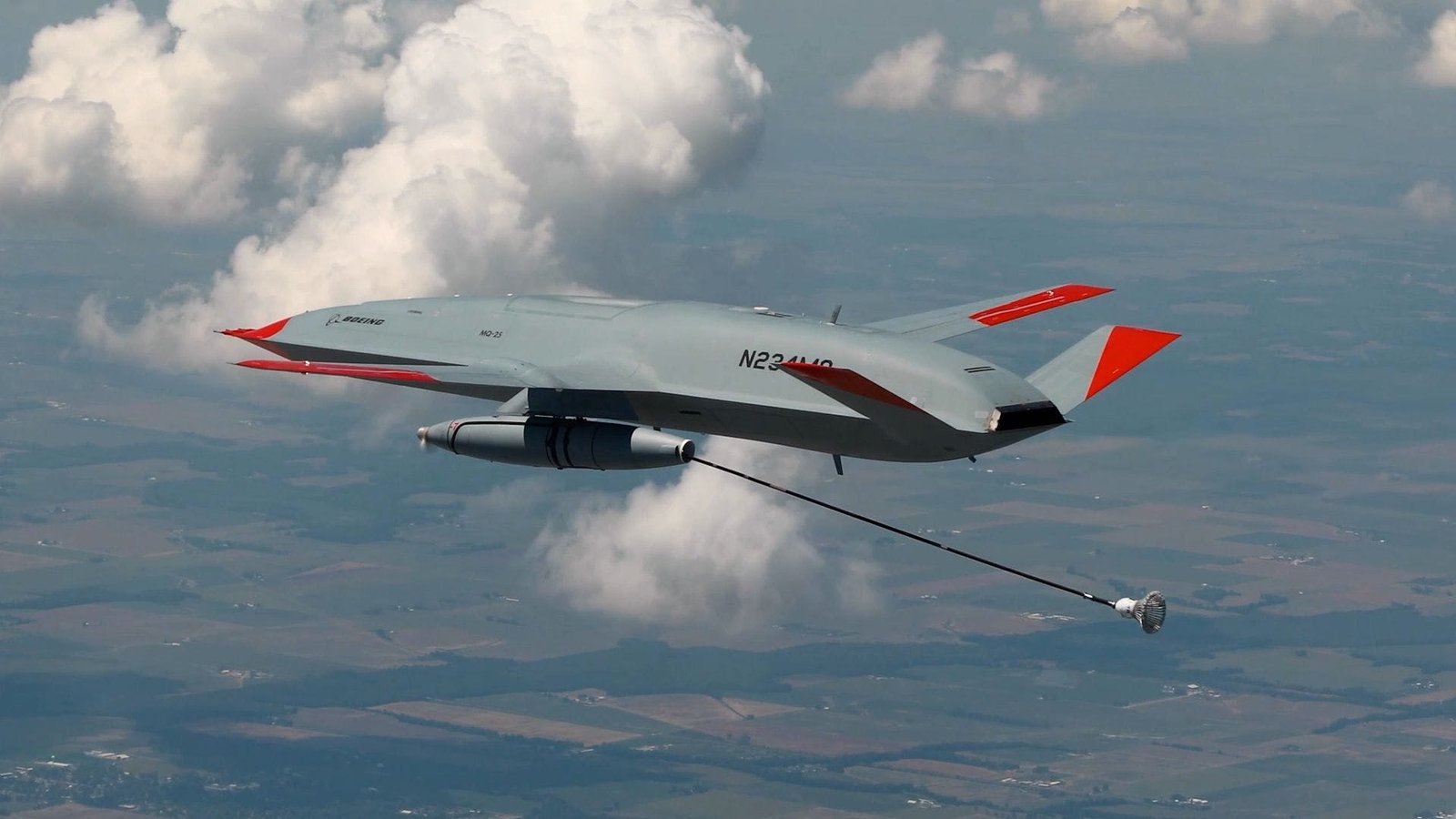
At the centre of the Phase II interceptor layer are two new missiles, the AD-1 and the AD-2. The AD-1 interceptor was successfully flight-tested in November 2022. It is a long-range, two-stage solid-fuel missile designed for endo-atmospheric and low exo-atmospheric interception. The AD-1 is configured as a dual-role interceptor, capable of engaging long-range ballistic missiles as well as high-value aerial targets such as airborne early warning aircraft and aerial refuelling platforms. It employs an advanced guidance, navigation, and control system to achieve hit-to-kill accuracy.
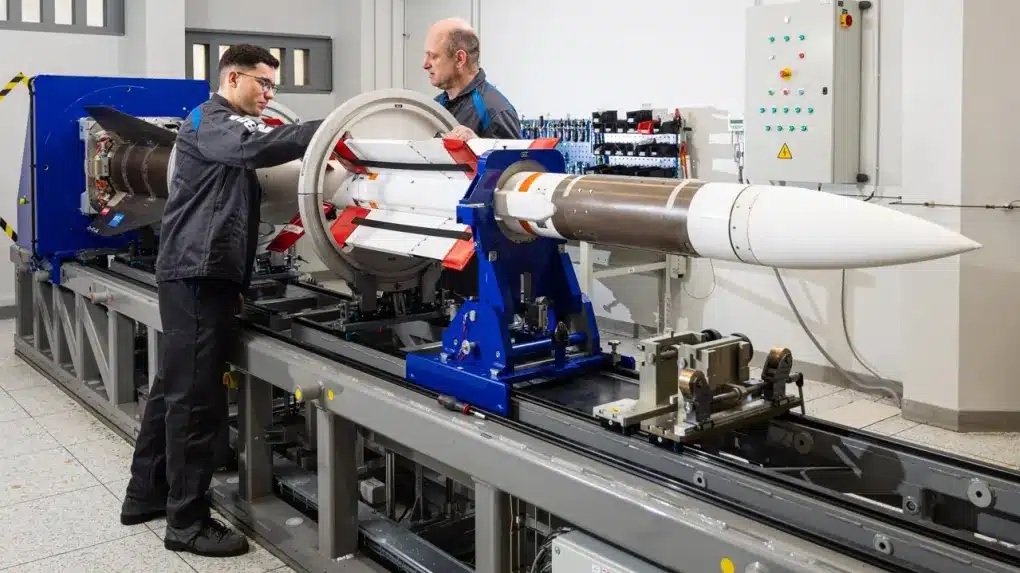
The AD-2 interceptor is currently under advanced stages of development. It is intended for high exo-atmospheric interception and is designed to serve as the primary weapon against ICBM-class threats during their mid-course phase of flight. By engaging targets well outside the Earth’s atmosphere, the AD-2 is expected to reduce the risk of debris fallout over Indian territory.
Role of the Southern Radar and Sensor Facility
Interceptors such as the AD-1 and AD-2 depend on highly accurate and timely tracking data. The new southern facility is expected to host Very Long Range Tracking Radars (VLRTRs) capable of detecting and tracking ballistic missiles at distances of approximately 1,500 to 3,000 kilometres. These radars are designed to detect objects as small as a cricket ball and to maintain track continuity on high-speed targets during the boost and mid-course phases of flight.
The development of these sensors is being led by the Defence Research and Development Organisation (DRDO), with specialised technical input from laboratories such as the Instruments Research and Development Establishment (IRDE). Unlike conventional air-surveillance radars, these systems are optimised for strategic missile defence roles, including high-velocity tracking, target discrimination, and interceptor cueing.
Strategic Logic Behind a Southern Location
The decision to locate the new radar and sensor site in southern India is based on several operational and geometrical considerations. A southern sensor provides a side-on or perpendicular view of ballistic missiles launched from northern or eastern regions toward the Indian Ocean. This geometry allows for more accurate calculation of missile velocity, trajectory, and impact point compared with head-on tracking alone.
The location also addresses a critical gap in monitoring the Indian Ocean Region, enhancing early warning against Submarine-Launched Ballistic Missiles (SLBMs). Detecting threats earlier in their mid-course phase increases the reaction time available to the battle management system for interceptor assignment and engagement planning.
Network Integration and Command Structure
The new southern facility is expected to be integrated into India’s national BMD command-and-control network. This system fuses data from multiple sources, including satellite-based sensors, existing Swordfish radars, and the Indian Navy’s missile tracking ship INS Dhruv. The integrated network enables real-time data sharing, multi-sensor fusion, and coordinated engagement across different interceptor layers.
Strategic Context and Rationale
The acceleration of Phase II development is occurring amid a changing regional missile environment, marked by the deployment of longer-range systems, Multiple Independently-targetable Re-entry Vehicles (MIRVs), and maneuvering warheads, all of which place greater demands on early warning and interception timelines.
In response, India’s BMD program is transitioning from a point-defence model, focused on protecting specific urban or strategic locations, to a broader area-defence architecture capable of covering larger portions of national territory. The southern radar site, together with the AD-1 and AD-2 interceptors, constitutes a core element of this expanded defensive framework.
Defence analysts assess the effort as a capability-driven expansion, emphasizing sensor coverage, tracking accuracy, system redundancy, and survivability as foundational requirements for India’s long-range early-warning and missile defence posture.
——— End of Article ———