
India
NEW DELHI : India has moved the Advanced Medium Combat Aircraft (AMCA) programme into its next phase after the Ministry of Defence shortlisted three industrial consortiums for further participation in the country’s fifth-generation stealth fighter project. The development was confirmed by Rajesh Kumar Singh, Secretary, Department of Defence, who said the shortlist followed a detailed pre-qualification process that began with seven competing aerospace and defence consortiums. The three selected bidders will receive the formal Request for Proposal (RFP) within the next two to three months. The AMCA programme received approval from the Cabinet Committee on Security (CCS) in March 2024, with an allocation of about ₹15,000 crore for prototype development. The project is being implemented through a Special Purpose Vehicle (SPV) model that brings together the Ministry of Defence, the Defence Research and Development Organisation (DRDO) and its Aeronautical Development Agency (ADA), along with an Indian production partner from the public or private sector. Officials indicated that the original pool of bidders included established domestic aerospace manufacturers such as Hindustan Aeronautics Limited (HAL), Larsen & Toubro (L&T), Tata Advanced Systems, and Adani Defence. The government has not yet disclosed the identities of the three shortlisted consortiums. Once the RFP is issued, the selected development partner will be responsible for building five AMCA Mark-1 prototypes. The first prototype rollout is currently planned for the 2028–2029 timeframe. The aircraft is designed as a 25-tonne, twin-engine stealth platform with internal weapons bays, advanced avionics, sensor fusion, and reduced radar cross-section features. The Mark-1 variant will be powered by the GE F414 engine, while a higher-thrust indigenous engine is planned for the Mark-2 version, which remains under development discussions. According to defence officials, the transition to the industrial development phase marks a key milestone for the programme. The Indian Air Force (IAF) plans to induct the AMCA in the mid-2030s as part of its long-term force modernisation roadmap, alongside existing fourth- and fifth-generation combat aircraft.
Read More → Posted on 2026-02-02 17:40:02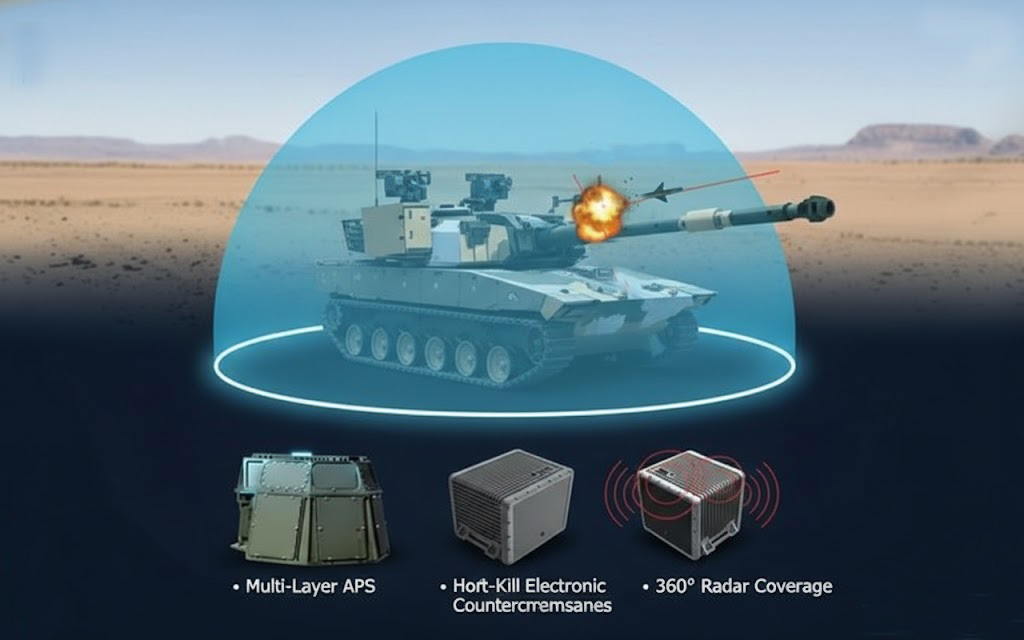
India
NEW DELHI : India’s forthcoming light tank Zorawar is set to incorporate a multi-layered Active Protection System (APS) as part of a broader effort to enhance survivability in high-altitude combat environments. The approach reflects a doctrinal shift away from passive armour toward active interception and electronic counter-measures against contemporary threats such as anti-tank guided missiles (ATGMs), loitering munitions, and armed drones. Officials familiar with the programme say the APS architecture is being pursued in two phases, combining an off-the-shelf combat-proven solution for early induction with an indigenous system under development for later production lots. Initial Induction with Trophy APS The first batch of 59 Zorawar tanks planned for induction into the Indian Army will be equipped with the Trophy Active Protection System. Trophy is a hard-kill APS developed by Rafael Advanced Defense Systems and has been operationally deployed on multiple armoured platforms. The system employs a radar-based detection suite that continuously scans the vehicle’s surroundings to identify incoming threats. Once a hostile projectile is classified, Trophy launches a kinetic countermeasure to intercept and neutralise the threat at a safe stand-off distance. The configuration provides near-spherical coverage, including protection against top-attack munitions, a vulnerability highlighted in recent armoured warfare. By integrating Trophy from the outset, the Army aims to ensure that the first operational Zorawar units enter service with established protection against RPGs, ATGMs, and selected loitering munitions, without waiting for indigenous solutions to mature. Indigenous APS Development for Follow-On Batches In parallel, India is developing a domestic APS intended for subsequent Zorawar production runs. The programme is being led by the Defence Research and Development Organisation and involves several specialised laboratories. The Laser Science and Technology Centre is responsible for sensor development and laser-based counter-measures, while the Terminal Ballistics Research Laboratory focuses on interception physics and warhead effectiveness. Platform integration, including interfaces with the fire-control system and onboard electronics, is being handled by the Combat Vehicles Research and Development Establishment. Officials indicate that the indigenous APS will be a hybrid system, combining soft-kill and hard-kill elements. Soft-kill measures are designed to disrupt or deceive missile guidance through electronic warfare, while hard-kill components physically intercept incoming threats. This dual-layer approach is intended to counter drone swarms and loitering-munition attacks, assessed as increasingly relevant in mountainous terrain. Design Role and Operational Context Zorawar is a 25-tonne-class light tank designed specifically for high-altitude operations in regions such as Ladakh and the eastern Himalayan sector. The platform addresses the mobility and deployment limitations faced by heavier main battle tanks (MBTs) in steep, oxygen-depleted environments. The tank emphasises a high power-to-weight ratio, a reduced logistical footprint, and the ability to operate across narrow roads, bridges, and soft ground. It is also amphibious, enabling limited water-crossing operations without extensive engineering support. Armament and Systems Integration Zorawar is armed with a 105 mm rifled main gun, capable of firing gun-launched ATGMs for extended engagement ranges. The platform supports integration with unmanned systems, including tethered drones for over-the-horizon surveillance, and incorporates digital fire-control systems and decision-support tools to assist crew members in target acquisition and engagement. Trials and Induction Timeline User evaluation trials for Zorawar are expected to begin in 2026, following the completion of development and initial system integration. The trials will assess mobility, firepower, protection, and endurance under high-altitude conditions. If the trials proceed as planned, limited induction of the Trophy-equipped batch is expected to follow, with later production lots incorporating the indigenous APS once development and validation are complete. The phased induction strategy is intended to balance near-term operational readiness with long-term self-reliance in critical protection technologies. With the integration of active protection systems, the Zorawar programme aims to ensure that a lighter armoured platform maintains survivability standards comparable to heavier tanks while remaining optimised for India’s mountainous theatres of operation.
Read More → Posted on 2026-02-02 17:23:25
India
NEW DELHI : India’s long-running effort to achieve self-reliance in high-thrust military jet engines has entered a more clearly defined phase, with the head of the Defence Research and Development Organisation (DRDO) outlining a tentative but detailed timeline for the powerplant intended for the Advanced Medium Combat Aircraft (AMCA) Mark-2. Speaking to news agency ANI, Samir V. Kamat said that the indigenous engine programme could reach the integration stage by 2035–2036, provided it receives formal approval from the Cabinet Committee on Security (CCS) during the current year. According to Dr. Kamat, the projected timeline reflects both the complexity of modern jet engine development and lessons learned from earlier programmes. He stated that if the CCS clears the proposal this year, development trials of the engine would begin well before the mid-2030s, with formal acceptance trials planned to start around 2035. Integration with the aircraft platform would follow once those trials are completed. The engine under discussion is a 110 kilonewton-class high-thrust turbofan designed to power the AMCA Mark-2, the more advanced variant of India’s fifth-generation fighter aircraft programme. The AMCA programme itself is being pursued in phased form to manage technological risk and avoid delays to induction into service. The first phase, AMCA Mark-1, will rely on imported powerplants. These aircraft are planned to be powered by the GE F414-INS6 engine, produced by General Electric. The F414 engine, generating approximately 98 kN of thrust, is already in service on several modern fighter platforms worldwide. Its selection is intended to allow flight testing and induction of the AMCA to proceed without waiting for the indigenous engine to mature. Current timelines place the rollout of the first AMCA prototype in the 2028–2029 period. The AMCA Mark-2, however, is designed around the higher-thrust indigenous engine. The additional power is considered essential for meeting the aircraft’s full performance requirements, including sustained supersonic flight without afterburner, commonly referred to as supercruise. Achieving this capability also depends on advances in high-temperature materials, cooling technologies, and digital engine control systems. Development of the new engine is being planned as a co-development programme, rather than a purely domestic effort. DRDO’s Gas Turbine Research Establishment (GTRE) has been in negotiations with Safran for a joint development arrangement. Discussions have focused on shared design responsibilities, manufacturing processes, and testing infrastructure, while ensuring that India retains intellectual property rights over the final engine. Officials familiar with the talks say the proposed agreement differs from earlier arrangements in that it aims for full transfer of technology (ToT). This would allow Indian agencies and industry partners to manufacture, modify, and potentially export the engine in the future, subject to government approvals. Such control is viewed as critical for the long-term sustainment of the AMCA fleet and for future derivative aircraft programmes. The emphasis on collaboration reflects experience from the Kaveri engine programme, initiated in the 1980s, which achieved partial technical success but did not meet the thrust and reliability requirements for frontline fighter aircraft. DRDO leadership has acknowledged that while Kaveri helped build a domestic knowledge base, modern engine development has advanced significantly in areas such as single-crystal turbine blades, high-temperature superalloys, and thermal barrier coatings. The urgency behind securing CCS approval is closely tied to programme sequencing. While AMCA Mark-1 received government sanction in March 2024, delays in starting the Mark-2 engine programme could widen the capability gap between the two variants, complicating production planning and force-structure decisions for the Indian Air Force. If the engine programme proceeds as outlined, India would eventually join a small group of nations with the capability to design, test, and manufacture high-performance military jet engines across the full lifecycle. For policymakers, the project is viewed not only as a requirement for the AMCA but also as a foundational capability for future combat aircraft, unmanned platforms, and advanced aerospace systems. At present, the proposed timeline remains contingent on formal approval and sustained funding. DRDO officials have indicated that once sanctioned, the programme will progress along parallel tracks of design, materials development, component testing, and full-engine trials, with increasing participation from Indian industry partners as the project advances.
Read More → Posted on 2026-02-02 14:58:02
India
NEW DELHI / PUNE : The Indian Navy has begun inducting its first indigenous autonomous weaponized Fast Interceptor Crafts (FICs), marking a significant expansion of India’s unmanned maritime warfare capabilities and placing the country among a small group of navies capable of deploying armed unmanned surface vehicle (USV) swarms. The initial batch of two unmanned surface vehicles has been delivered by Pune-based Sagar Defence Engineering and dispatched for operational deployment under the Western Naval Command. The induction forms part of a larger order for 12 platforms, officials familiar with the programme said. First Indigenous Weaponized USVs This induction represents the first time the Indian Navy has fielded an indigenously designed and weaponized unmanned surface combat platform. Until now, the Navy’s unmanned surface capabilities were largely limited to imported systems, primarily employed for mine counter-measure (MCM) roles under restricted mission profiles. The newly inducted platforms are configured as Fast Interceptor Crafts, intended for high-speed maritime security missions, coastal defence, and offensive interdiction tasks. Their entry into service reflects a doctrinal shift towards the use of unmanned systems in frontline combat and deterrence roles. Programme and Procurement Framework The vessels have been developed under the Innovations for Defence Excellence (iDEX) initiative and overseen by the Defence Innovation Organisation, which supports indigenous defence innovation, rapid prototyping, and competitive development. Defence officials said Sagar Defence secured the order after completing extensive trials demonstrating endurance, autonomy, and operational reliability. A key milestone trial involved an autonomous long-distance transit of around 1,500 kilometres from Mumbai to Tuticorin, validating the platform’s navigation, propulsion, and systems integration over extended durations. Design and Operational Capabilities The autonomous interceptor crafts are approximately 17 metres in length and are engineered for sustained maritime operations. According to defence sources and manufacturer data, the vessels offer over 48 hours of continuous endurance and an operational range of about 400 nautical miles, enabling persistent surveillance and response missions along India’s western seaboard. The crafts are capable of speeds exceeding 50 knots, allowing interception of fast-moving surface targets, including small boats and asymmetric maritime threats. Their performance supports roles in port security, offshore asset protection, and rapid reaction operations. Armament and Modularity In their primary configuration, the USVs are equipped with a 12.7 mm stabilized remote-controlled gun system, enabling precise engagement of surface threats while operating autonomously or under remote control. The platform incorporates a modular architecture, allowing future integration of short-range guided missiles, loitering munitions, or specialized surveillance payloads, depending on mission requirements. Naval officials said the modular design allows rapid role reconfiguration without major structural changes, increasing operational flexibility. Swarm Operations and Command Control A defining capability of the Fast Interceptor Crafts is their ability to operate in coordinated swarm formations. Multiple USVs can be controlled from a single ground control station or from a mother ship, enabling synchronized manoeuvres, distributed target engagement, and wide-area coverage. This concept allows the Navy to multiply force projection while reducing risk to human personnel. Navigation and Electronic Warfare Resilience The platforms are designed for operations in contested electromagnetic environments. In the event of GPS jamming or denial, the USVs can continue navigation using India’s indigenous NavIC, supported by advanced inertial navigation systems. This ensures mission continuity in electronic warfare conditions. Manned–Unmanned Flexibility Although primarily unmanned, the Fast Interceptor Crafts retain manned–unmanned teaming capability. The vessels can be reconfigured to carry up to 14 personnel, including special operations teams, for insertion, extraction, or boarding missions, expanding their operational utility. Deployment and Future Role The first two USVs are expected to be based along the western coast, contributing to the protection of critical sea lines of communication, ports, and offshore installations. The remaining platforms from the 12-unit order are scheduled for phased induction following further operational evaluation. Defence officials said the programme reflects a broader effort to integrate autonomous systems into India’s naval force structure while strengthening domestic defence manufacturing. The induction of the Sagar Defence Fast Interceptor Crafts is expected to support future development of unmanned surface combat platforms in India.
Read More → Posted on 2026-01-31 16:50:54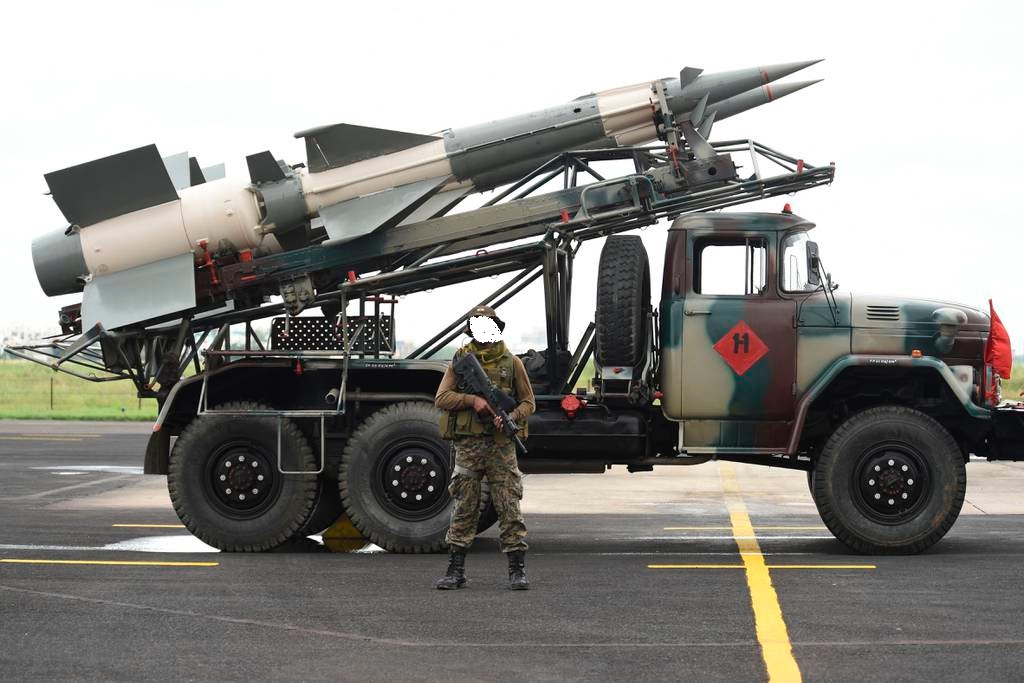
India
BENGALURU : Bengaluru-based defence equipment manufacturer Alpha Design Technologies Ltd (ADTL) has completed a comprehensive upgrade of the Indian Air Force’s (IAF) Pechora surface-to-air missile (SAM) system, marking a significant step in the Centre’s push to modernise ageing military platforms through indigenous capability. The upgraded Pechora system has been fully digitised and is expected to enhance India’s air defence posture. It is also slated to form part of Mission Sudarshan Chakra, the IAF’s long-term programme aimed at creating a layered and integrated air defence shield capable of countering a broad spectrum of aerial threats, ranging from small unmanned aerial vehicles to high-speed fighter aircraft. Legacy System, Modernised Role The Pechora SAM system, of Russian origin, was inducted into IAF service in the 1970s and has remained a key component of India’s air defence network for nearly five decades. While the system has been regarded as reliable, technological advances and the increasing difficulty of sustaining legacy hardware prompted the IAF to initiate a life-extension and capability enhancement programme. Under this initiative, ADTL emerged as the strategic partner responsible for upgrading the system, drawing on its prior experience in delivering defence electronics and mission-critical systems for the armed forces. The company formally secured the project with the signing of a contract valued at ₹591.3 crore on September 25, 2020. Trials and Operational Validation According to Wing Commander (retd) Vishal Anand, programme director for the Pechora upgrade at ADTL, firing and user trials of the first fully upgraded system were successfully conducted at the Pokhran range between November 6 and December 26, 2025. He confirmed to The Times of India that the trials validated the operational readiness of the digitised system under field conditions, demonstrating its performance after the extensive modernisation effort. Group Captain (retd) Raghavendra Aroor, chief operating officer of ADTL, said the project marked a first for the Indian private sector. He stated that ADTL had become the first Indian company to modernise a vintage Russian-origin weapon system and the first private Indian firm to carry out successful surface-to-air missile launches as part of such an upgrade programme. Scope of the Upgrade The modernisation involved complete digitisation of the missile’s tracking radar system, including the integration of a new transmitter. The entire receiver chain was upgraded, replacing vintage valve- and transistor-based components with contemporary electronic chips. The operators’ cabin was modernised with advanced displays, data collection systems, and integrated health monitoring, leading to a significant reduction in the number of personnel required to operate the system. In addition, mechanical systems across the missile complex were refurbished or replaced, addressing long-standing issues associated with wear and obsolescence in the legacy platform. Collectively, these changes are intended to improve reliability, maintainability, and combat effectiveness while extending the system’s service life. Indigenous Capability and Cost Efficiency Aroor noted that the successful upgrade demonstrated that imported legacy systems could be indigenously modernised to meet current operational standards. He added that such upgrades can be carried out at a fraction of the cost of procuring entirely new platforms, resulting in substantial savings while maintaining operational readiness. For the IAF, the upgraded Pechora provides a means to sustain combat capability during the transition to newer air defence technologies. ADTL CEO Hariprasad and CFO K S Ramesh stated that the modernised system would make a meaningful contribution to Mission Sudarshan Chakra, while also enabling Alpha Design Technologies to explore opportunities in the global defence market. Broader Defence Portfolio Beyond the Pechora programme, ADTL has indigenously manufactured and supplied a range of defence systems, including thermal imaging fire control units, software-defined radios, handheld laser target designators, and missile launch detection systems. The company has also developed the Aerial Targeting System, SkyStriker, which was deployed during Operation Sindoor. With the completion of the Pechora upgrade, ADTL’s role in sustaining and modernising critical air defence assets underscores the growing involvement of Indian private industry in defence modernisation efforts aligned with national self-reliance objectives.
Read More → Posted on 2026-01-30 18:20:18
India
BENGALURU : The Defence Research and Development Organisation (DRDO) has formally initiated the process to induct a private-sector partner for the co-development and manufacture of a high-thrust indigenous military jet engine, marking a major shift in India’s aero-engine development approach. The Gas Turbine Research Establishment (GTRE), DRDO’s Bengaluru-based propulsion laboratory, has issued an Expression of Interest (EoI) to identify a Development-cum-Production Partner (DcPP) for the Advanced High Thrust Class Engine (AHTCE) programme. The EoI invites qualified Indian defence and aerospace companies to participate in a long-term programme covering design support, manufacturing, assembly, integration, testing and certification of a next-generation indigenous aero gas turbine engine. GTRE will retain design authority and programme ownership, while the selected DcPP will assume responsibility for industrial execution across the engine’s full lifecycle. Shift to an Industry-Anchored Model The AHTCE initiative represents a structural shift from a laboratory-centric development model to an industry-anchored propulsion ecosystem. Under this framework, the DcPP will not function as a conventional vendor but as the primary industrial execution agency. Responsibilities will include design translation, tooling, precision manufacturing, system integration, quality assurance, configuration control and long-term product support. The programme is being pursued in collaboration with an international engine house, enabling access to global best practices while progressively transferring manufacturing depth and execution capability to Indian industry. Design ownership and intellectual control remain with the Government of India, with intellectual property generated under the programme owned by the government or jointly with the development partner, as determined by DRDO-GTRE. Programme Scope and Engine Architecture The AHTCE programme covers the complete architecture of a modern military turbofan engine. The scope includes manufacturing and assembly of major turbomachinery modules such as the low-pressure compressor, high-pressure compressor, combustor, high-pressure turbine, low-pressure turbine, afterburner, exhaust cone and exhaust nozzle. It also includes rotor support systems and critical accessories and subsystems, including gearboxes, oil and fuel systems, actuators and Full Authority Digital Engine Control (FADEC) integration units. Under the development phase, the DcPP is required to deliver 18 complete, flight-worthy engines over a 10-year period. In addition, the partner must manufacture nearly 2,300 components, sub-assemblies and modules, progressively building capability from individual parts to full engine build-up, validation and sustainment. Four-Phase Execution Framework GTRE has defined a four-phase execution model to manage technical risk and ensure controlled industrial capability development. In the design phase, the DcPP will support GTRE through detailed engineering activities, including preparation of 2D drawings, 3D models, tooling concepts and manufacturing routings. Engineering teams from the partner will work alongside GTRE personnel on design iterations and configuration updates driven by test feedback. The manufacturing planning phase focuses on industrial readiness. This includes development of master process sheets, digital mock-ups, assembly layouts, inspection strategies and resource loading plans. All processes must align with aero-engine quality management systems and NADCAP-approved standards. The manufacturing phase covers physical production of components, sub-assemblies and modules. Responsibilities include raw material procurement, management of bought-out items, first-article inspection, non-destructive testing, dimensional validation and statistical quality control. The assembly and integration phase places primary responsibility on the DcPP for establishing engine assembly bays, defining build sequences, conducting rotor balancing, integrating modules and subsystems, and completing final engine build-up. These activities will be carried out in coordination with GTRE and certification agencies. Infrastructure and Technology Requirements The EoI specifies extensive infrastructure requirements that go beyond conventional aerospace manufacturing. The DcPP must possess or establish capabilities in multi-axis CNC machining for large casings and blisks, high-precision electrical discharge machining, electron beam welding, laser processing, advanced heat treatment and vacuum furnace operations. Special processes required under the programme include thermal barrier coatings, plasma spraying, electron-beam physical vapour deposition, vacuum brazing, diffusion bonding, nitriding, carburising and powder metallurgy. These processes must be qualified under NADCAP or equivalent international regimes. Inspection and quality assurance requirements include turbine-class coordinate measuring machines, ultrasonic testing, radiography, eddy current inspection, fluorescent penetrant testing, surface metrology and hardness testing. The EoI makes clear that the DcPP must function as a full-spectrum aero-engine manufacturing entity rather than a build-to-print supplier. Financial and Eligibility Criteria To ensure financial robustness and execution capacity, GTRE has set stringent eligibility benchmarks. Applicant companies must demonstrate a minimum consolidated annual turnover of ₹1,500 crore and a minimum consolidated net worth of ₹1,500 crore. Firms must show at least 3 percent consolidated revenue growth in three of the last five financial years and hold a minimum credit rating of BBB+ (Stable) or equivalent. Companies under insolvency proceedings are not eligible. Eligibility is restricted to Indian defence and aerospace companies with demonstrated experience in aero-engine or turbomachinery manufacturing, advanced materials such as titanium and nickel alloys, and certified aerospace quality systems aligned with AS9100, AQMS and national airworthiness frameworks. Certification and Institutional Framework GTRE will continue as the design authority, providing engineering data, materials support, instrumentation philosophy and coordination with airworthiness agencies. The DcPP will be responsible for production engineering, tooling, fixtures, assembly systems, quality assurance and configuration control. The programme framework integrates GTRE, the international engine house, certification bodies such as CEMILAC and DGAQA, and the industrial partner into a coordinated execution structure. The DcPP will also manage documentation, traceability and lifecycle data in support of certification and operational sustainment. Delivery Timeline and Future Production According to the EoI, initial engine deliveries are expected to begin around the seventh year following contract signature, with a gradual ramp-up thereafter. This phased delivery approach reflects the complexity of aero-engine industrialisation and the need to stabilise quality and repeatability. While the immediate contract is limited to development and delivery of 18 engines, the Ministry of Defence has indicated intent to place a separate production order for up to 200 engines following successful certification. The selected DcPP must formally agree to support serial production, integrated logistics and product support for the engine’s full operational life. The AHTCE is widely viewed as a potential powerplant for future Indian military platforms, including next-generation fighter aircraft and unmanned combat systems, although specific platform allocations have not been formally announced. Strategic Context The AHTCE Development-cum-Production Partner programme is one of the most comprehensive propulsion initiatives undertaken by DRDO. By transferring substantial manufacturing and assembly responsibility to the private sector while retaining design control, GTRE aims to establish a sustainable national aero-engine ecosystem encompassing materials, processes, inspection, digital manufacturing, assembly engineering and long-term sustainment. The EoI underscores India’s intent to build sovereign capability in one of the most complex and strategically sensitive areas of defence technology, addressing a long-standing gap in the country’s aerospace industrial base without altering established ownership or control structures.
Read More → Posted on 2026-01-30 17:10:10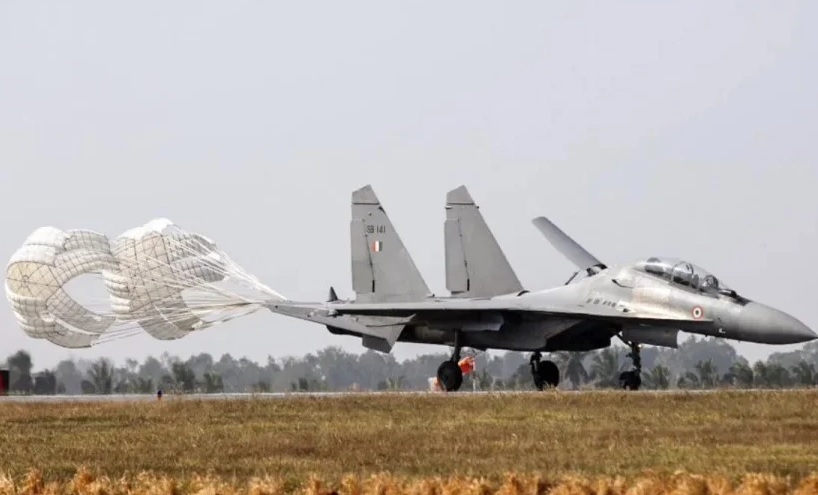
India
New Delhi : India’s expanding defence manufacturing ecosystem has recorded another export success, with Gliders India Limited (GIL) securing a Rs 30 crore export contract from Vietnam for the supply of specialised parachute systems for military aircraft. The agreement involves the export of brake parachutes and pilot parachutes designed for Vietnam’s Sukhoi Su-30 fighter aircraft fleet. Gliders India Limited, a Defence Public Sector Undertaking (DPSU) functioning under the Department of Defence Production, Ministry of Defence, specialises in aerospace textiles, parachute systems and recovery equipment used across military aviation platforms. The latest export order represents one of GIL’s notable overseas defence contracts in the domain of aviation safety systems. Scope of the Contract Under the terms of the contract, GIL will manufacture and deliver brake parachutes and pilot parachutes specifically engineered for Su-30 fighter jets. These systems are critical safety components used during landing operations and emergency scenarios. Brake parachutes are deployed immediately after touchdown to reduce landing distance by increasing aerodynamic drag, particularly on shorter runways or during high-speed landings. Pilot parachutes assist in the reliable deployment of the main brake parachute, ensuring controlled and predictable deceleration of the aircraft. Given the operational role of the Su-30 multirole fighter, the parachute systems must withstand extreme aerodynamic loads, high deployment speeds and repeated operational cycles. Industry standards require strict adherence to material strength, stitching precision, packing accuracy and quality assurance protocols. Manufacturing and Indigenous Content The parachutes for the Vietnamese Air Force will be produced at GIL manufacturing facilities in India using domestically sourced raw materials. The manufacturing process involves specialised textile fabrication, canopy design, high-strength stitching and rigorous inspection procedures. A trained and experienced workforce will oversee production to ensure compliance with international military aviation safety requirements. Officials familiar with the programme state that the systems are engineered to perform reliably under demanding environmental and operational conditions, including high temperatures, variable runway surfaces and heavy aircraft landing weights. Each unit undergoes multiple stages of testing before delivery. International Confidence in Indian Defence Products The Vietnamese Air Force’s decision to procure these systems from an Indian manufacturer reflects growing international confidence in India’s defence production capabilities. Defence analysts note that aviation safety equipment, unlike standard consumables, requires proven reliability and consistency, making such contracts an indicator of trust in technical standards and quality control processes. This order also highlights India’s increasing role as a supplier of niche and specialised defence equipment, particularly in aerospace safety systems where precision engineering and material performance are critical. Impact of OFB Corporatisation Industry observers link GIL’s export success to structural changes following the corporatisation of the former Ordnance Factory Board (OFB). Since becoming an independent corporate entity, Gliders India Limited has focused on product modernisation, process optimisation and compliance with global certification norms. The company has expanded its engagement with foreign defence customers and demonstrated the capability to meet platform-specific military requirements. Alignment with National Defence Policies The contract aligns with the Government of India’s “Make in India” and “Atmanirbhar Bharat” initiatives, which aim to reduce import dependence, strengthen domestic industrial capacity and expand defence exports. By delivering high-value products manufactured largely from indigenous resources, GIL contributes to foreign exchange earnings while supporting domestic defence supply chains. Strategic and Bilateral Significance Beyond its commercial value, the agreement carries strategic significance by strengthening defence cooperation between India and Vietnam. Both countries have steadily expanded military and technical collaboration, particularly in maritime security and defence capacity building. The current contract opens avenues for further cooperation in aerospace maintenance, aviation safety systems and technical support. With the execution of this order, Gliders India Limited adds to India’s growing portfolio of defence exports and reinforces the country’s position as a reliable supplier of specialised military aviation equipment, reflecting a broader shift in India’s defence industry towards an export-capable manufacturing base.
Read More → Posted on 2026-01-30 15:32:22
India
NEW DELHI : India has formally launched Bharat Container Line (BCL), a state-backed shipping company designed to reduce the country’s overwhelming reliance on foreign container carriers and to regain greater control over its maritime trade flows. The initiative targets one of India’s long-standing structural vulnerabilities: despite being among the world’s largest trading nations, India depends on overseas shipping lines for nearly all of its containerised exports and imports. Government estimates indicate that close to 95 percent of India’s container trade is currently handled by global shipping companies. As a result, India pays tens of billions of dollars annually in freight charges to foreign carriers. Officials involved in the project estimate that this outflow approaches $75 billion per year, an amount comparable to India’s annual defence expenditure. BCL has been established to gradually reverse this imbalance by building a nationally controlled container shipping capability. Formation and Ownership Structure Bharat Container Line has been set up as a consortium of public-sector maritime and logistics institutions. The Shipping Corporation of India (SCI) and the Container Corporation of India (CONCOR) each hold a 30 percent stake, forming the operational backbone of the venture. The Sagarmala Finance Corporation holds 20 percent, underlining the project’s alignment with the government’s port-led development strategy. India’s largest and most strategically significant ports are also equity participants. The Jawaharlal Nehru Port Authority holds 10 percent, while the Chennai Port Authority and VO Chidambaranar Port Authority each hold 5 percent. This ownership structure is designed to integrate shipping operations, port infrastructure, financing, and inland logistics under a single coordinated framework. Strategic Rationale The creation of BCL is rooted in concerns that India’s trade competitiveness is constrained by high logistics costs and limited influence over shipping schedules, freight rates, and route prioritisation. During recent global supply-chain disruptions, including the pandemic and regional conflicts, Indian exporters faced container shortages, freight volatility, and delays largely beyond domestic control. By operating Indian-flagged container vessels on dedicated trade routes, BCL is expected to provide predictable shipping capacity for key export sectors such as manufacturing, pharmaceuticals, textiles, electronics, and agricultural products. Import-dependent industries are also expected to benefit from greater schedule reliability and reduced exposure to sudden freight surcharges imposed by foreign carriers. Economic and Trade Benefits A central objective of Bharat Container Line is foreign exchange savings. As India’s trade volumes expand, freight payments to overseas carriers have grown steadily. Retaining a larger share of these payments within the domestic economy is expected to ease pressure on the current account and strengthen India’s balance of payments. Lower logistics costs are another key goal. Freight rates constitute a significant share of export pricing, particularly for low-margin, high-volume goods. A domestically controlled shipping line allows policymakers to better align shipping capacity with national trade priorities, potentially improving the global competitiveness of Indian exports over time. The project is also expected to generate employment and industrial spillovers, particularly in ship management, maritime services, port operations, and logistics. Over the medium term, fleet expansion plans are expected to support India’s shipbuilding and ship-repair ecosystem, reinforcing broader industrial and manufacturing policy objectives. Integration With National Maritime Policy Bharat Container Line is closely aligned with the Sagarmala programme, which focuses on port modernisation, coastal shipping, multimodal connectivity, and logistics efficiency. By linking ports, rail terminals, and shipping operations through a unified institutional framework, BCL aims to improve end-to-end cargo movement rather than function as a standalone carrier. Officials indicate that route planning will initially prioritise high-volume trade corridors, including connections to the Middle East, Southeast Asia, East Asia, and Africa, with gradual expansion to Europe and other long-haul markets as capacity increases. Long-Term Implications While BCL is not expected to immediately displace global shipping majors, policymakers view it as a strategic counterweight that strengthens India’s negotiating position within the global maritime system. Over time, the presence of a national container carrier is expected to reduce India’s vulnerability to freight volatility, enhance supply-chain resilience, and improve oversight of trade-critical infrastructure. With the launch of Bharat Container Line, India has taken a structural step toward building an integrated maritime trade framework linking shipping, ports, finance, and logistics under domestic control. The initiative signals a shift from near-total dependence on foreign carriers toward a model in which an increasing share of Indian trade is carried on Indian-controlled vessels, aligned with national economic and strategic priorities.
Read More → Posted on 2026-01-29 13:27:16
India
NEW DELHI : On 29 January 2026, The Bhaskaracharya National Institute for Space Applications and Geo-informatics (BISAG-N), an autonomous scientific society under the Ministry of Electronics and Information Technology (MeitY), has signed a Memorandum of Understanding (MoU) with QNu Labs Pvt. Ltd. to collaborate on the development, integration, and deployment of quantum-resilient cybersecurity solutions in India. The MoU was signed in the presence of Shri Jitin Prasada, Union Minister of State for Commerce & Industry and Electronics & Information Technology, and Shri S. Krishnan, Secretary, MeitY. Senior officials from MeitY, along with leadership teams from BISAG-N and QNu Labs, were also present during the signing ceremony. Focus on Long-Term Cybersecurity Preparedness The agreement comes amid growing global focus on the implications of quantum computing for digital security. As quantum technologies advance, conventional cryptographic systems face the risk of becoming vulnerable over time. The collaboration aims to strengthen India’s long-term cybersecurity preparedness by developing and deploying indigenous, quantum-safe solutions aligned with national priorities. Under the MoU, BISAG-N’s indigenous cryptographic software capabilities will be integrated with quantum hardware and secure infrastructure platforms developed by QNu Labs. The partnership is intended to support the transition from research and pilot implementations to operational deployment across critical government and public sector systems. Integration of Indigenous Technologies A key component of the collaboration is BISAG-N’s cryptographic solution “Vedic Kavach”, which has been developed as part of the institute’s efforts to build indigenous security technologies. BISAG-N has already undertaken one of the early government-led implementations in India involving quantum-resilient web servers and an indigenous secure web browser. These systems have been integrated with Quantum Random Number Generation (QRNG), an important building block for enhancing cryptographic strength. Through the MoU, Vedic Kavach and related software systems will be combined with QNu Labs’ quantum-enabled hardware and secure platforms to create hardware-backed, quantum-resilient cybersecurity solutions. The framework covers technology transfer, system integration, testing, and deployment, in accordance with applicable government policies and security requirements. Applications Across Critical Sectors Officials stated that the collaboration is designed to address cybersecurity requirements across a wide range of sectors, including government networks, defence systems, critical infrastructure, and public sector digital platforms. By focusing on indigenous development and integration, the initiative seeks to reduce long-term dependence on external technologies while ensuring compatibility with evolving security standards. The structured framework established under the MoU also allows for future expansion of joint work, enabling the partners to respond to emerging security challenges and evolving national requirements in the domain of quantum-resilient cybersecurity. Statements from Government and Industry Speaking at the event, Union Minister of State Shri Jitin Prasada said that India’s approach to digital development must account for long-term security needs as digital systems become increasingly embedded in governance, commerce, and daily life. MeitY Secretary Shri S. Krishnan highlighted that as India’s digital ecosystem expands across finance, governance, and citizen-centric services, ensuring the long-term security of data and digital transactions is a critical priority. He noted that the adoption of quantum-resilient cybersecurity technologies is increasingly necessary to maintain trust in digital systems. Commenting on the collaboration, the Chief Growth Officer, QNu Labs Pvt. Ltd., said that the company has followed an India-first approach to technology development. He described the partnership with BISAG-N as a step toward building indigenous quantum-resilient cybersecurity capabilities by combining government-developed software with Indian-designed quantum hardware. Alignment With National Missions Senior officials from both organizations highlighted that the MoU reflects the importance of sustained government–industry collaboration in addressing emerging technology challenges. The agreement is aligned with the objectives of the National Quantum Mission, Digital India, Atmanirbhar Bharat, and the Viksit Bharat @2047 vision. By formalizing collaboration in quantum-resilient cybersecurity, the partnership aims to contribute to the creation of secure, trusted, and future-ready digital infrastructure for the country. About BISAG-N The Bhaskaracharya National Institute for Space Applications and Geo-informatics (BISAG-N) is an autonomous scientific society registered under the Societies Registration Act, 1860, under the Ministry of Electronics and Information Technology, Government of India. The institute is engaged in technology development and management, research and development, national and international cooperation, capacity building, and support for technology transfer and entrepreneurship. BISAG-N’s core areas of work include satellite communication, geo-informatics, and geo-spatial technologies, with a growing focus on secure digital systems and indigenous technology development in support of national priorities.
Read More → Posted on 2026-01-29 13:01:23
India
MOSCOW / HYDERABAD : India and Russia have entered advanced technical discussions on the potential joint production of the fifth-generation Sukhoi Su-57E fighter jet in India, according to senior officials of Russia’s aerospace industry, signaling a possible revival and expansion of long-term defence industrial cooperation between the two countries. The disclosure was made on Wednesday by Vadim Badekha, Chief Executive Officer of Russia’s United Aircraft Corporation (UAC), who said negotiations had reached an advanced technical stage. There was no immediate confirmation or public response from the Indian government or the Indian Air Force regarding the claims. Advanced Technical Talks on Su-57E Production Speaking to Russian reporters on the sidelines of the Wings India air show held at Begumpet airport in Hyderabad, Badekha said the proposed agreement would go beyond aircraft supply and focus on licensed production within India. “Today, we are in the advanced stage of technical negotiations on this contract. Such contracts, given our experience, determine the trajectory of our cooperation for several decades to come,” Badekha said, according to Russia’s state-run TASS news agency. He stated that discussions include the possibility of manufacturing Su-57E fighters at Indian facilities currently used for assembling Su-30MKI aircraft, with extensive involvement of Indian industry. According to Badekha, the plan under consideration предусматриes maximum integration of Indian-made systems, components, and subsystems into the aircraft. “Licensed production of the Su-57 fighters in India and the maximum use of Indian industry and Indian systems in this aircraft are being discussed,” he said, adding that the complexity of such an arrangement requires detailed technical and industrial assessment. Rosoboronexport Offer and AMCA Cooperation Earlier, Russia’s state arms exporter Rosoboronexport also outlined its proposals to New Delhi. Alexander Mikheev, the company’s Chief Executive Officer, said Russia was offering India not only the direct supply of Su-57E fifth-generation fighters but also the organisation of their production in India. According to state-run RIA Novosti, Mikheev also said Russia was prepared to assist India in the development of its indigenous Advanced Medium Combat Aircraft (AMCA) programme, which aims to produce a domestically designed stealth fighter. India had previously been associated with Russia’s fifth-generation fighter effort through the Fifth Generation Fighter Aircraft (FGFA) programme, which was later shelved. Any renewed cooperation would mark a significant shift in India’s fighter aircraft acquisition strategy, although no official Indian position has been announced. Superjet-100 Production Agreement with HAL In parallel with fighter jet discussions, Russian and Indian companies have moved forward on cooperation in civil aviation. Russian news agency Interfax reported that UAC and Hindustan Aeronautics Limited (HAL) have signed an agreement related to the production of Superjet-100 regional passenger aircraft in India. Under the agreement, HAL will assist UAC in the certification and validation process of the Superjet aircraft in India. HAL will also receive a licence to manufacture, sell, and support the SJ-100, including the production of components, parts, and spare units required for maintenance and repair. UAC, in return, will support HAL in re-tooling and organising its production facilities for SJ-100 manufacturing. This assistance will include consulting services, design support, and the involvement of Russian specialists. Details related to project timelines, financial parameters, production volumes, and workforce deployment are expected to be finalised in a comprehensive master agreement. Localisation and Export Plans Badekha said UAC expects the cooperation to extend beyond Indian domestic needs. He stated that localisation of components, units, and systems in India could eventually support supplies to Russia as well, reducing production costs and strengthening industrial integration between the two countries. “This is an opportunity to expand cooperation, reduce aircraft costs, and create a new level of interaction in the aviation industry,” he said. UAC and HAL had earlier signed a memorandum of understanding (MoU) in October for the production of Superjet aircraft in India, laying the groundwork for the latest agreement. Import-Independent Superjet Variant The version of the Superjet-100 being offered to India is the so-called “import-independent” variant. According to UAC, this model uses exclusively Russian-made components, including the newly developed PD-8 engines, and is not dependent on Western suppliers. Until 2022, Russia produced Superjet aircraft using components sourced through international cooperation. That production model was halted after Western sanctions disrupted supply chains, prompting Russia to redesign the aircraft with fully domestic systems. Broader Context Russia showcased both the Ilyushin Il-114-300 regional transport aircraft and the Sukhoi SJ-100 in static display at Wings India, underlining Moscow’s push to expand aerospace cooperation with India across both military and civilian sectors. While Russian officials have described the talks as advanced and substantive, any future joint production of the Su-57E or large-scale civil aircraft manufacturing in India would require formal approval from New Delhi, detailed contractual agreements, and alignment with India’s defence and industrial policies.
Read More → Posted on 2026-01-28 17:47:10
India
BENGALURU : Hindustan Aeronautics Limited (HAL) on Wednesday said that five Tejas Mk1A fighter aircraft are ready for delivery to the Indian Air Force (IAF) after completing all required tests. HAL Chairman and Managing Director D.K. Sunil said the aircraft have cleared firing and missile trials, which were the final steps before acceptance. He said HAL will approach the IAF to take delivery of the five aircraft within the current financial year. Readiness for Delivery Speaking in Bengaluru, Mr. Sunil said the completion of weapon trials allows HAL to offer the aircraft to the IAF before the end of the financial year on March 31, 2026. These aircraft are part of the first batch of the Tejas Mk1A, an upgraded version of the earlier Mk1 fighter. The Mk1A includes improved avionics, radar, and electronic warfare systems. Delivery schedules were delayed earlier due to engine supply issues and certification work. Engine Supply Delays The Tejas Mk1A program was delayed mainly because of problems in the supply of GE F404-IN20 engines from GE Aerospace in the United States. Several aircraft were completed by HAL but could not be delivered due to the lack of engines. HAL officials said the engine supply situation has improved. This has allowed the company to complete integration and final testing. HAL has now started clearing aircraft that were waiting for engines. Weapon Trials Completed HAL said the five aircraft have completed firing and missile integration trials. These trials included tests of the Astra beyond-visual-range air-to-air missile and the ASRAAM short-range air-to-air missile. The completion of these trials confirms that the aircraft meet the IAF’s operational requirements and are ready for service after formal acceptance. Importance for the IAF The delivery comes at a time when the Indian Air Force is facing a shortage of fighter aircraft due to the retirement of older jets. The Tejas Mk1A is expected to help fill this gap and strengthen the IAF’s combat fleet. The IAF signed a contract with HAL in February 2021 for 83 Tejas Mk1A aircraft, worth about ₹48,000 crore. The government has also approved an additional order for 97 aircraft. Production Plans HAL plans to increase Tejas production to 24 aircraft per year. Production will take place at facilities in Bengaluru and Nashik. The increase is intended to meet revised delivery timelines and reduce existing delays. With five aircraft ready for delivery, HAL and the IAF are expected to begin a phased induction process in the coming months, subject to acceptance procedures and continued engine supply.
Read More → Posted on 2026-01-28 13:56:21
India
NEW DELHI / BRUSSELS : India and the European Union have reached a landmark free trade agreement, ending nearly 20 years of on-and-off negotiations and setting the stage for one of the most consequential realignments in global trade in decades. Dubbed by officials and analysts as the “Mother of All Trade Deals,” the agreement links two economic blocs representing nearly two billion people and around 25 percent of global GDP. If fully ratified and implemented, the pact is expected to redraw supply chains, investment routes and geopolitical alignments well into the 2030s, as both sides seek to reduce strategic dependence on the United States and hedge against renewed protectionism in global markets. A Strategic Breakthrough After Two Decades Talks between India and the EU began in the mid-2000s but repeatedly stalled over tariffs, market access, regulatory standards and climate commitments. The breakthrough reflects India’s stronger negotiating position as one of the world’s fastest-growing major economies and the EU’s push to secure reliable partners amid trade tensions and uncertainty over future US tariff policy. Negotiators say the agreement removes or sharply reduces tariffs on more than 90 percent of goods traded between the two sides, making it India’s largest and most comprehensive free trade agreement to date. Tariff Cuts Across Key Sectors Under the deal, India has agreed to sweeping tariff reductions on a wide range of European exports. Tariffs on EU-made cars, among the most sensitive issues in the talks, will be cut dramatically from around 110 percent to 10 percent over a phased timeline. Duties on European wines are set to fall from as high as 150 percent to roughly 20–30 percent, while tariffs on spirits, machinery, chemicals and pharmaceuticals will be largely slashed. Several sectors will see zero tariffs for EU exporters, including chemicals, optical instruments, EU-made aircraft and spacecraft, and around 90 percent of surgical and medical tools. Tariffs on olive oil are expected to fall to zero within five years. In return, the EU has agreed to grant duty-free access to Indian exports in key labour-intensive sectors. Indian textiles, leather goods, seafood, gems and jewellery will enter European markets at zero duty, a move expected to significantly boost India’s manufacturing and export employment. Exports, Investment and Climate Commitments Officials estimate that EU exports to India could double by 2032, while India is targeting a similar expansion of its exports to Europe over the same period. The agreement is expected to accelerate foreign direct investment, particularly in manufacturing, green technology, pharmaceuticals and advanced engineering. As part of the deal, the EU has also committed €500 million to support India’s emissions-reduction and climate-transition efforts, aligning trade liberalisation with sustainability goals. This component is seen as crucial in bridging long-standing differences over environmental standards and carbon regulation. Existing Trade Ties Highlight the Scale The agreement builds on already substantial trade flows. According to recent trade data referenced by European statistics, India’s total exports to the EU stand at roughly €71.3 billion, while imports from the EU amount to about €48.8 billion, giving India a trade surplus of approximately €22.5 billion. Key European partners include Germany, the Netherlands, France and Italy, while Indian exports are spread across textiles, chemicals, engineering goods, gems and pharmaceuticals. The new deal is expected to deepen these ties and broaden trade into higher-value and technology-driven sectors. Geopolitical Implications Beyond economics, the India–EU agreement carries significant geopolitical weight. Analysts view it as a clear signal that New Delhi and Brussels are seeking greater strategic autonomy, diversifying trade relationships at a time when global commerce is increasingly shaped by geopolitical rivalry and tariff disputes. By locking in preferential access to each other’s markets, India and the EU are positioning themselves as central pillars in a multipolar global trading system, with implications for supply chains stretching from Asia to Europe. What Comes Next While political agreement has reportedly been reached, the deal must still undergo legal scrubbing, formal signing and ratification across EU institutions and member states, as well as approval within India. If the process moves smoothly, phased implementation could begin within the next few years. For now, the agreement stands as a milestone: a long-delayed but far-reaching trade pact that could reshape India–Europe economic relations and influence the balance of global trade for the next decade and beyond.
Read More → Posted on 2026-01-27 17:14:00
India
NEW DELHI : In a milestone that reshapes both India’s defence posture and its semiconductor ambitions, the Defence Research and Development Organisation (DRDO) has declared its indigenously developed Gallium Nitride (GaN) technology fully operational, closing a strategic capability gap that foreign suppliers once refused to bridge. The announcement on January 25, 2026, marks the culmination of a decade-long effort that traces its origins to the 2016 Rafale fighter jet deal with France. At the time, India pushed hard for the transfer of GaN technology under the contract’s mandatory 50 percent offset clause. Paris declined, agreeing to supply advanced systems but withholding the core GaN fabrication process, citing export controls and the technology’s strategic sensitivity. What was denied diplomatically became the spark for a high-stakes domestic technological gamble. A Refusal That Changed Course Senior officials involved in the Rafale negotiations recall that while France was willing to deliver state-of-the-art hardware, the “recipe” behind the semiconductor heart of modern radars and electronic warfare systems remained off-limits. For New Delhi, the choice was stark: accept long-term import dependence for a mission-critical technology, or attempt a high-risk indigenous breakthrough. The government chose the latter. DRDO entrusted the mission to two of its most advanced research hubs — the Solid State Physics Laboratory (SSPL), Delhi, and the Gallium Arsenide Enabling Technology Centre (GAETEC), Hyderabad. Their mandate went far beyond reverse engineering. India aimed to master the entire GaN technology cycle, from material growth and wafer fabrication to system-level integration. From Concept to Combat-Ready Progress was incremental and largely invisible to the public. By March 2023, DRDO scientists had achieved a critical breakthrough, successfully developing GaN-based Monolithic Microwave Integrated Circuits (MMICs) at the laboratory level. What followed was a rigorous multi-year phase of validation, reliability testing, and ruggedisation, ensuring the chips could withstand the extreme stresses of combat platforms. That journey reached a decisive milestone this month with the unveiling of India’s first fully deployment-ready GaN MMIC. Measuring just a few millimetres across, the chip can handle exceptionally high power densities and ultra-fast switching speeds far beyond the limits of conventional silicon-based semiconductors, while operating reliably at temperatures approaching 1,000 degrees Celsius. Defence officials describe the achievement as a quiet but transformative leap. “This is not a prototype anymore,” a senior DRDO scientist said. “This is a system-ready technology.” Why GaN Redefines Modern Warfare Gallium Nitride has emerged globally as the gold standard for high-power, high-frequency electronics. Compared to silicon, GaN enables power switching speeds up to 300 times faster, significantly higher voltage handling, and dramatically improved thermal resilience. These characteristics allow designers to build smaller, lighter, and more powerful systems without the burden of heavy cooling infrastructure. For modern militaries, this translates directly into sharper radars, longer detection ranges, more effective electronic jammers, and compact, highly accurate missile seekers. A GaN-based radar module that once required bulky arrays can now be miniaturised without sacrificing performance, a decisive advantage for fighter aircraft, drones, and space platforms. Strategic Independence Secured With this breakthrough, India joins an elite group of nations — the United States, France, Russia, Germany, South Korea, and China — that possess end-to-end GaN technology under sovereign control. The implications for the Indian Armed Forces are immediate and far-reaching. Indigenous GaN chips are slated to power the Uttam Mk2 AESA radar for the Tejas Mk2 fighter, the Virupaksha radar planned for the Su-30MKI upgrade programme, advanced electronic warfare suites, next-generation missile seekers, unmanned aerial vehicles (UAVs), and military satellites. Crucially, full intellectual property (IP) ownership ensures that production lines cannot be disrupted by foreign political pressure during crises. Defence analysts describe this as a decisive shift from platform-level self-reliance to component-level sovereignty. “In wartime, no external supplier can switch us off,” one analyst noted. “That changes the calculus entirely.” Economic and Industrial Ripple Effects Beyond the battlefield, the GaN breakthrough carries major economic significance. The global GaN semiconductor market is projected to exceed $21 billion by 2031, driven by demand across defence, telecommunications, electric vehicles, and space systems. DRDO has already begun transferring fabrication processes to Indian industry partners at a nominal cost, a move aimed at seeding a domestic GaN ecosystem. This approach is expected to push Indian companies beyond assembly and integration into high-value semiconductor manufacturing, aligning closely with the government’s Make in India and Atmanirbhar Bharat initiatives. Industry executives see the development as a rare strategic opening. “Very few countries have cracked GaN independently,” said one semiconductor sector expert. “India now has a chance to compete not just as a buyer, but as a global supplier.” Rewriting the Rafale Offset Story What France declined to transfer under the Rafale deal has now been built indigenously, from the ground up. The episode has quietly rewritten the narrative of India’s defence procurement, transforming a high-profile refusal into a catalyst for technological self-confidence. A decade after being told “no,” India has answered with a capability that places it among the world’s most advanced semiconductor powers — on its own terms, and under its own control.
Read More → Posted on 2026-01-27 13:18:43
India
NEW DELHI : India’s long-range air combat capability is entering a new phase as the Defence Research and Development Organisation (DRDO) advances the Astra missile family toward full operational deployment, significantly enhancing the Indian Air Force’s (IAF) Beyond Visual Range (BVR) combat reach. Defence officials confirmed that the Astra Mk2, a 240-kilometre-range BVR air-to-air missile, has completed its primary developmental trials and is on course for operational readiness by the end of 2026. Development of the Astra Mk3, codenamed Gandiva, is progressing in parallel, with a projected range of 350 kilometres and a targeted induction timeframe of 2028–2029. Together, the two missiles place India’s indigenous BVR capability in the same performance category as the AIM-120D AMRAAM, China’s PL-15, and Europe’s Meteor. The Astra Mk2 represents a substantial upgrade over the in-service Astra Mk1, offering both extended range and improved terminal-phase performance. According to DRDO sources, the missile has cleared aerodynamic, propulsion, and guidance evaluations, confirming its suitability for long-range, high-altitude engagements. The missile is powered by a dual-pulse solid rocket motor, enabling sustained energy during the end phase of flight and improving effectiveness against maneuvering targets. It is equipped with an indigenous Active Electronically Scanned Array (AESA) seeker and electronic counter-countermeasure (ECCM) systems, supported by a two-way data link for mid-course guidance updates. Integration of the Astra Mk2 with the Su-30MKI has been completed, including captive carriage and systems compatibility trials. The Su-30MKI, which forms the backbone of the IAF’s air-dominance fleet, will serve as the missile’s initial operational platform. Integration with the LCA Tejas Mk1A is continuing and is expected to be completed before fleet-wide clearance, allowing deployment across lighter, network-centric fighter formations. Once inducted, the Astra Mk2 is expected to expand the IAF’s engagement envelope, enabling stand-off engagements against hostile aircraft. The induction of the Astra Mk2 comes amid growing emphasis on long-range BVR weapons across the region. China has deployed extended-range PL-15 variants on frontline fighters, while Pakistan operates Chinese-origin BVR missiles, increasing the importance of long-range air combat capability in regional deterrence planning. Indian defence planners view the Astra Mk2 as a means of reducing dependence on imported munitions while retaining operational flexibility in electronically contested environments. Alongside the Mk2, DRDO is accelerating work on the Astra Mk3, officially designated Gandiva, which is being developed as a ramjet-powered BVR missile using Solid Fuel Ducted Ramjet (SFDR) propulsion. Unlike conventional rocket motors that exhaust their fuel early in flight, the SFDR system allows sustained thrust throughout the missile’s trajectory, increasing both effective range and the size of the no-escape zone. With an estimated reach of 350 kilometres, the Astra Mk3 is intended to match or exceed the performance of the most advanced BVR missiles currently in service. The Astra Mk3 will share much of the Mk2’s avionics architecture, including its seeker and guidance systems, a design approach intended to reduce development risk and speed up operational induction. Current timelines indicate that the missile could be combat-ready within two years of the Astra Mk2’s entry into service. The steady progression of the Astra programme reflects India’s broader push to establish independent, end-to-end air-to-air missile capabilities. With the Astra Mk2 nearing operational deployment and the Astra Mk3 under development, the Indian Air Force is expected to field a layered, indigenous BVR missile inventory that strengthens long-range air combat capability in the coming decade.
Read More → Posted on 2026-01-26 17:35:16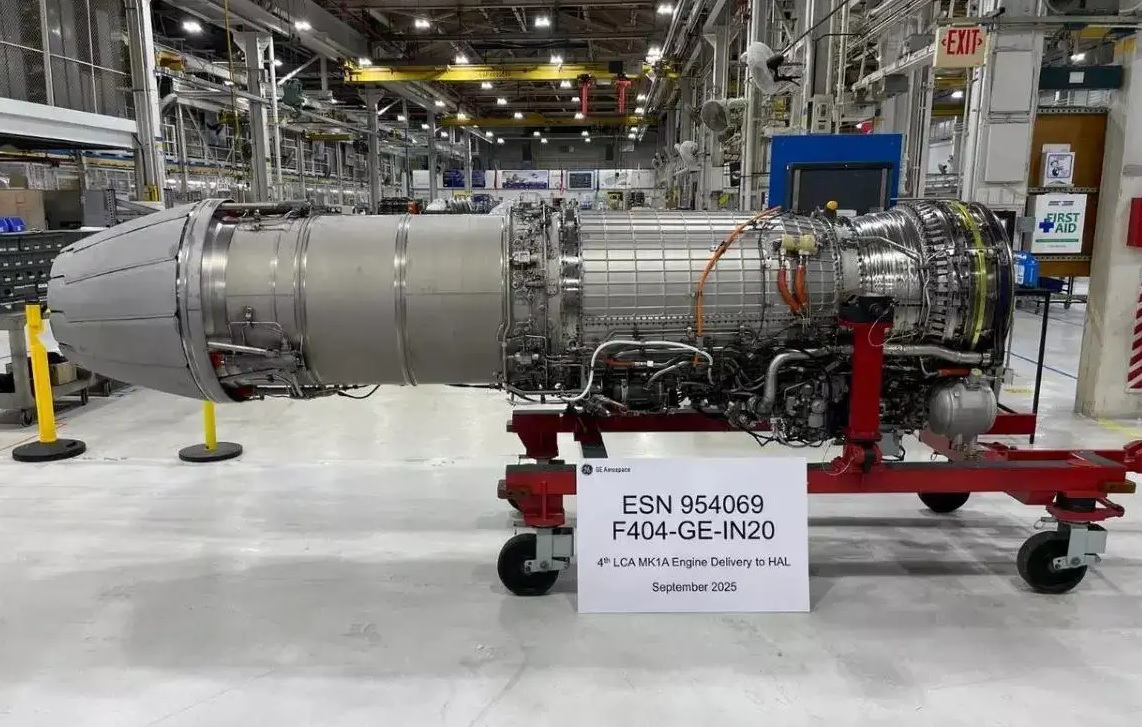
India
New Delhi / Bengaluru : General Electric (GE) Aerospace has committed to supplying 20 F404 fighter jet engines annually to Hindustan Aeronautics Limited (HAL) beginning in financial year 2026, a move expected to stabilise India’s flagship Tejas fighter programme and ease long-standing production bottlenecks faced by the Indian Air Force (IAF). The assurance, conveyed as part of ongoing engagements between the US engine manufacturer and India’s state-owned aerospace major, significantly reinforces New Delhi’s ‘Make in India’ defence manufacturing initiative. It comes as the IAF races to rebuild depleted squadron strength amid delays in aircraft induction caused largely by engine supply disruptions. Engine Supply at the Core of Tejas Delays The GE F404-IN20 turbofan engine powers the Tejas MK-1 and MK-1A variants, which form the backbone of the IAF’s light combat aircraft fleet. While HAL has steadily expanded its airframe manufacturing capacity, engine availability has emerged as the most critical constraint, pushing back delivery schedules originally planned for 2024. GE’s commitment of a steady annual supply from FY2026 is designed to align engine deliveries with HAL’s production targets of 16–24 Tejas MK-1A aircraft per year. Final assembly lines in Bengaluru and Nashik are being prepared for higher throughput once engine supply predictability improves. Background of the GE–HAL Partnership The pledge builds on a landmark 2021 agreement under which GE licensed the manufacture of F404-IN20 engines in India through HAL. The agreement includes technology transfer provisions, enabling up to 80 per cent indigenisation over time, covering components, assembly, testing and maintenance. The F404-IN20, equipped with Full Authority Digital Engine Control (FADEC), delivers approximately 84 kilonewtons of thrust with afterburner. This provides the Tejas with its required thrust-to-weight ratio, agility, and high sortie availability for modern combat roles. Impact on the IAF’s Modernisation Drive The timing is critical, with the IAF having ordered 83 Tejas MK-1A aircraft under a ₹48,000-crore contract signed in February 2021. Squadron numbers, currently well below the sanctioned strength of 42, have placed mounting pressure on HAL and its suppliers. Defence planners assess that a reliable engine pipeline from FY2026 could enable meaningful fleet induction by FY2028, provided parallel issues—such as radar integration, electronic warfare systems, and flight certification—remain on schedule. Strategic and Industrial Significance GE Aerospace’s renewed focus on India reflects broader strategic calculations. With global demand for fighter jet engines rising, India represents one of the largest medium-term growth markets, spanning current Tejas variants and future platforms like the Tejas MK-2 and the Advanced Medium Combat Aircraft (AMCA). While the F404 powers existing variants, the larger F414 engine, producing around 110 kilonewtons of thrust, is planned for next-generation Indian fighters. A 2023 MoU outlines co-production of the F414 in India, widely viewed as a test case for deep technology transfer under expanding US-India defence cooperation. Economic and Regional Effects The expanded engine programme is expected to inject momentum into India’s aerospace ecosystem, particularly in Karnataka’s aerospace corridor. Industry estimates suggest more than 1,000 skilled jobs could be created through manufacturing, testing, overhaul and maintenance, strengthening a domestic MRO (Maintenance, Repair and Overhaul) ecosystem. Greater localisation is also expected to reduce foreign exchange outflows, which defence officials estimate run into hundreds of millions of dollars over the life of the Tejas MK-1A programme. Remaining Challenges Despite the positive outlook, challenges remain. Certification of locally manufactured engine modules, access to high-temperature alloys, and building a resilient supplier base are still works in progress. GE’s on-site technical teams at HAL facilities signal a long-term industrial commitment rather than a short-term supply arrangement. Officials familiar with the programme indicate that formal ratification of production schedules and localisation milestones could be showcased at Aero India 2026, where both companies are expected to highlight progress in engine manufacturing and indigenisation. If executed as planned, GE’s commitment to supply 20 F404 engines per year could mark a turning point for the TEJAS programme—restoring confidence in delivery timelines, strengthening India’s defence industrial base, and reinforcing the strategic alignment between India and the United States in aerospace and defence manufacturing.
Read More → Posted on 2026-01-25 18:27:32Search
Top Trending in 24 Hours
-
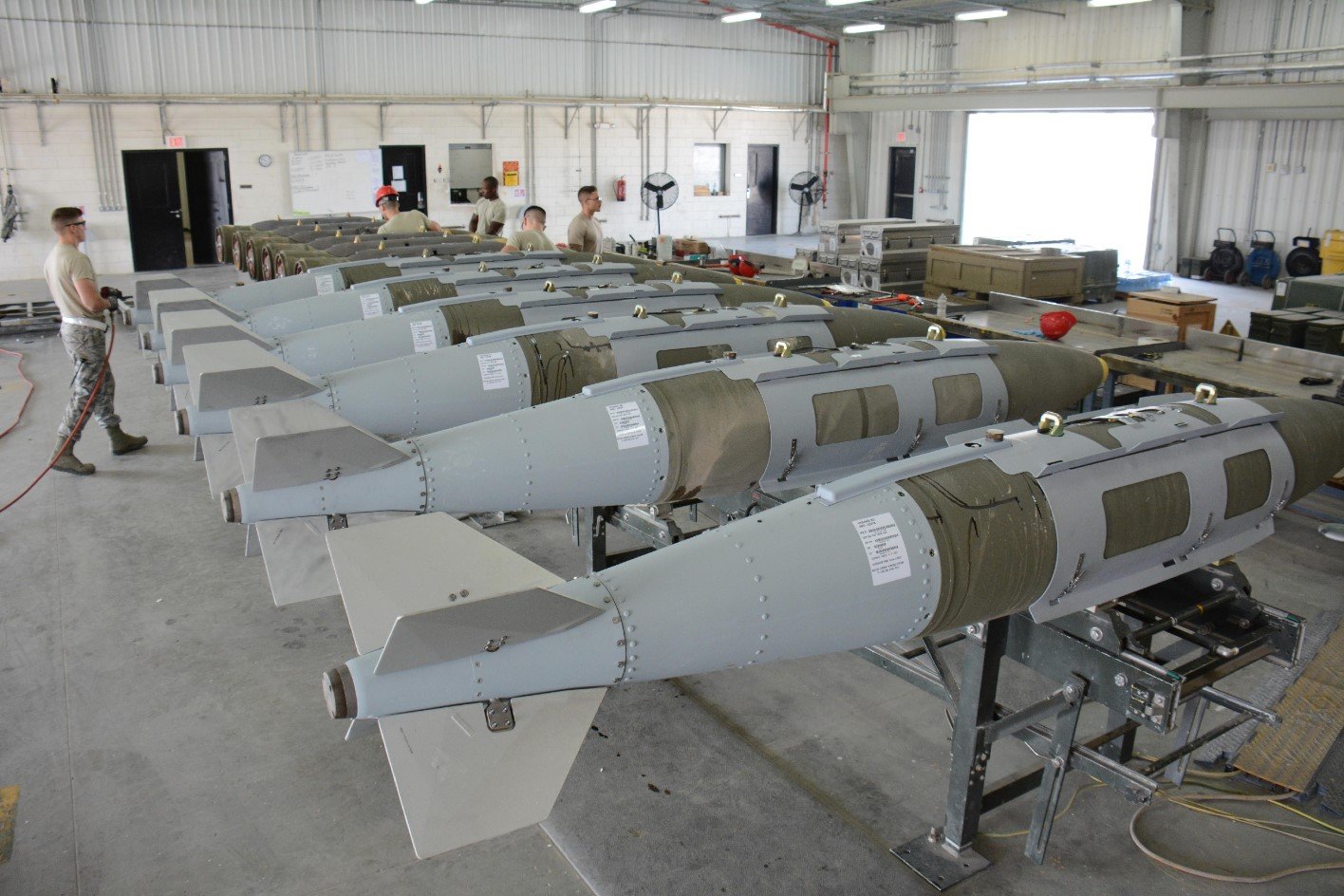 U.S. Plans $2.8 Billion Sale of 40,000 Heavy Bombs and 20,000 I-2000 Penetrator Warheads to Israel
-
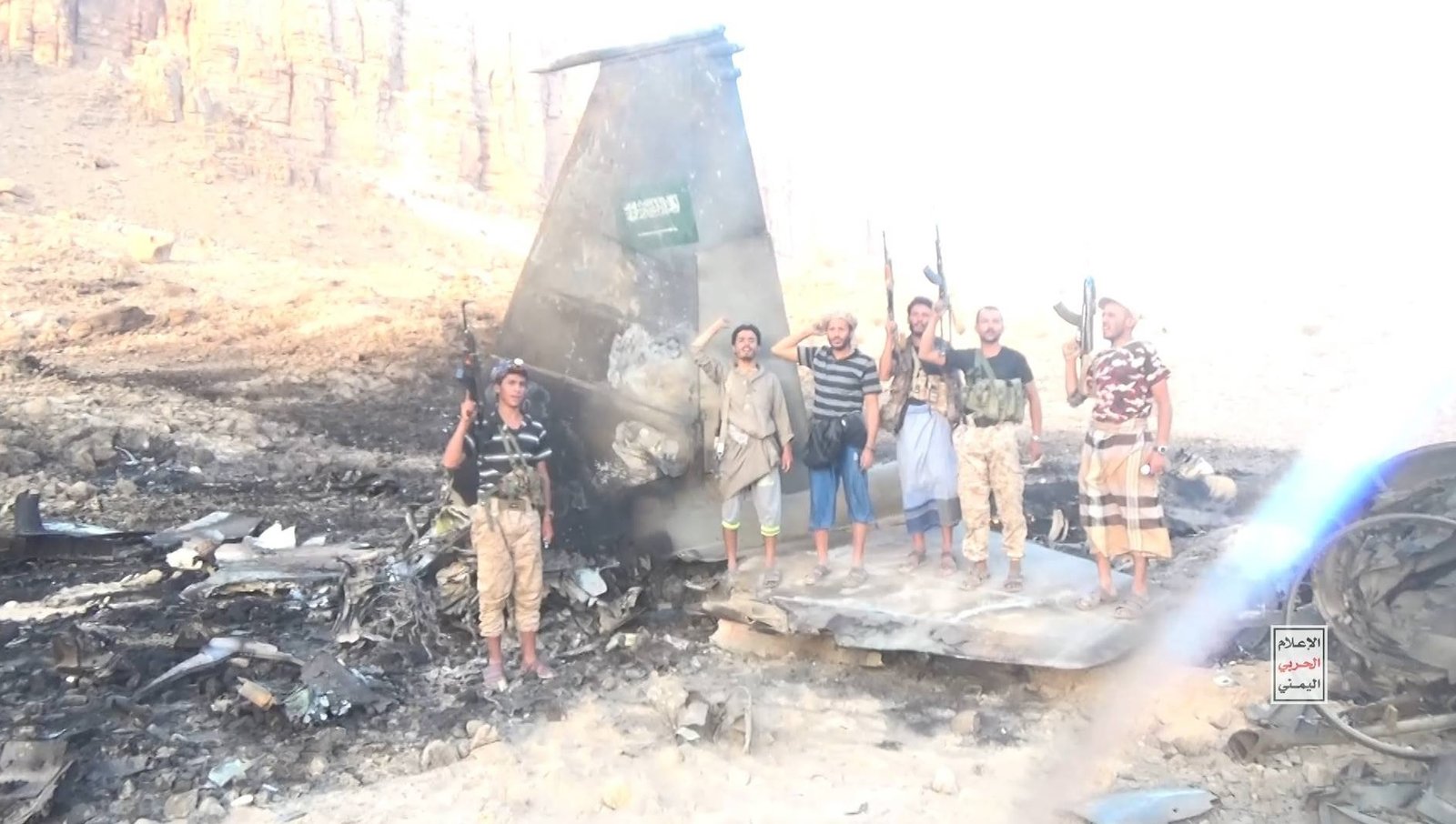 Houthis Claim Downing of Saudi F-15 and Wing Loong II Drone Over Marib
-
 Photos Reveal Damaged E-3 Sentry, Buildings and Vehicles at U.S. Bases in Saudi Arabia and Kuwait After Iranian Strikes
-
 Bharat Forge, Pratt & Whitney Canada to Evaluate Turboprop Engines for DRDO’s Indigenous HALE UAV
-
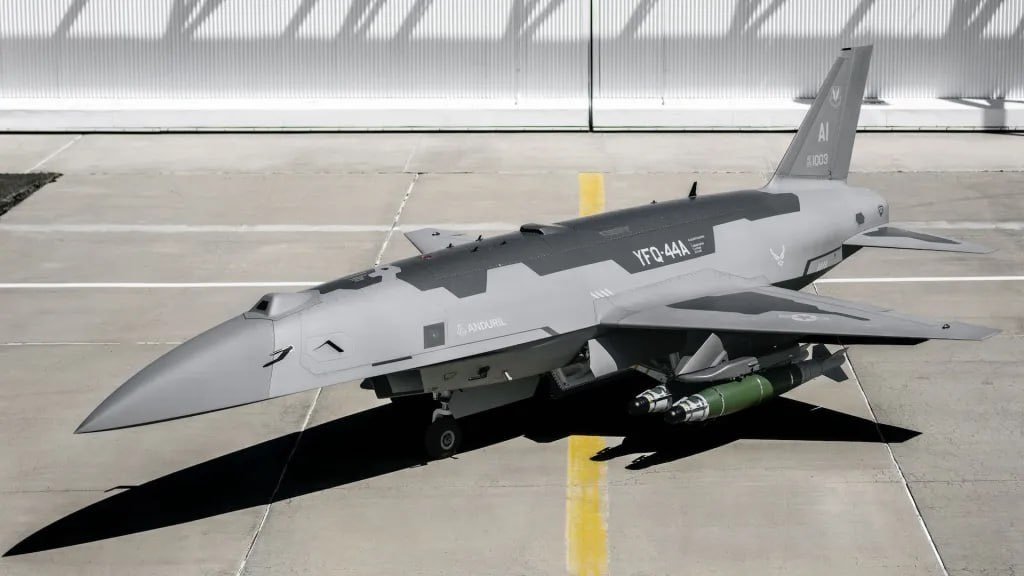 Anduril Conducts Ground Fit-Checks of Air-to-Ground Weapons on YFQ-44A Fury
-
 BAE Systems Unveils Shadow EW Suite for Small Drones and Autonomous Aircraft
-
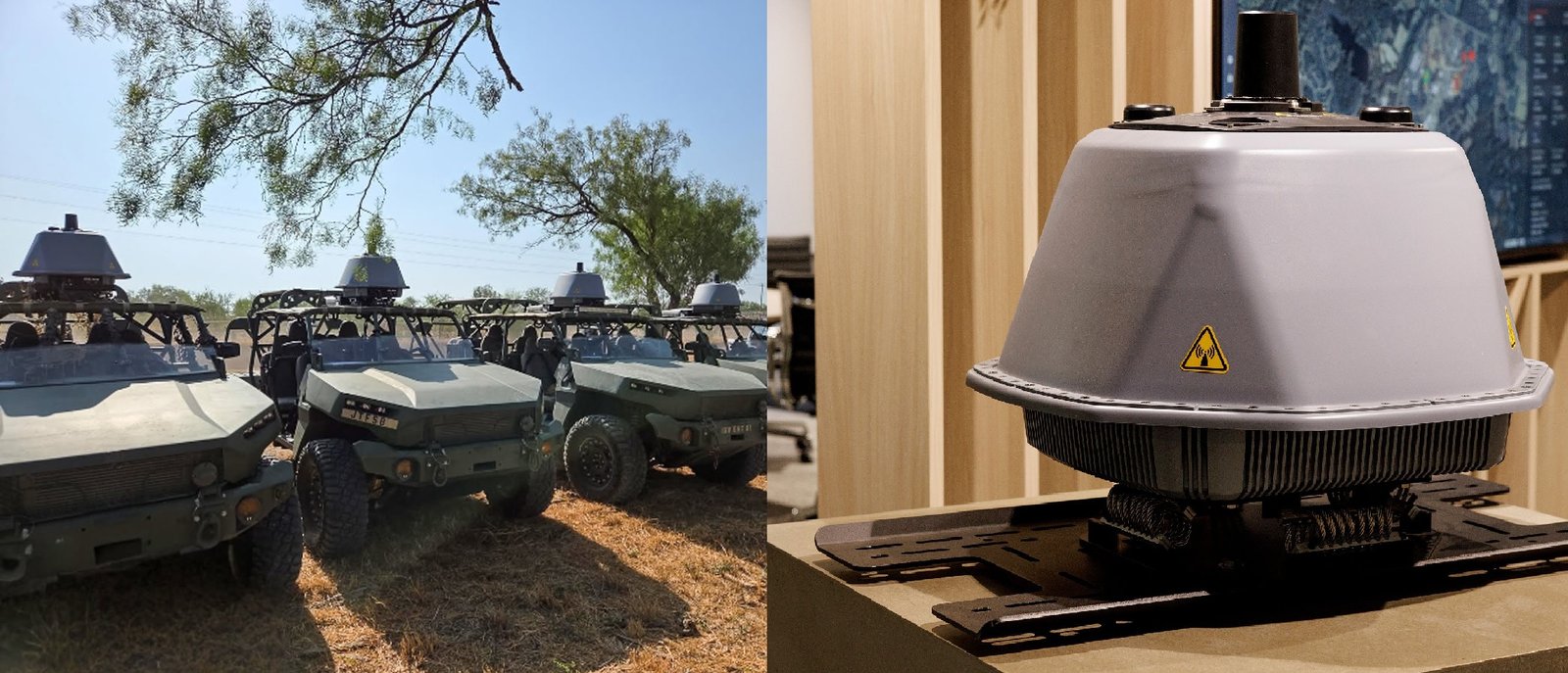 U.S. Military Deploys DroneShield Counter-Drone Systems on Infantry Squad Vehicles
-
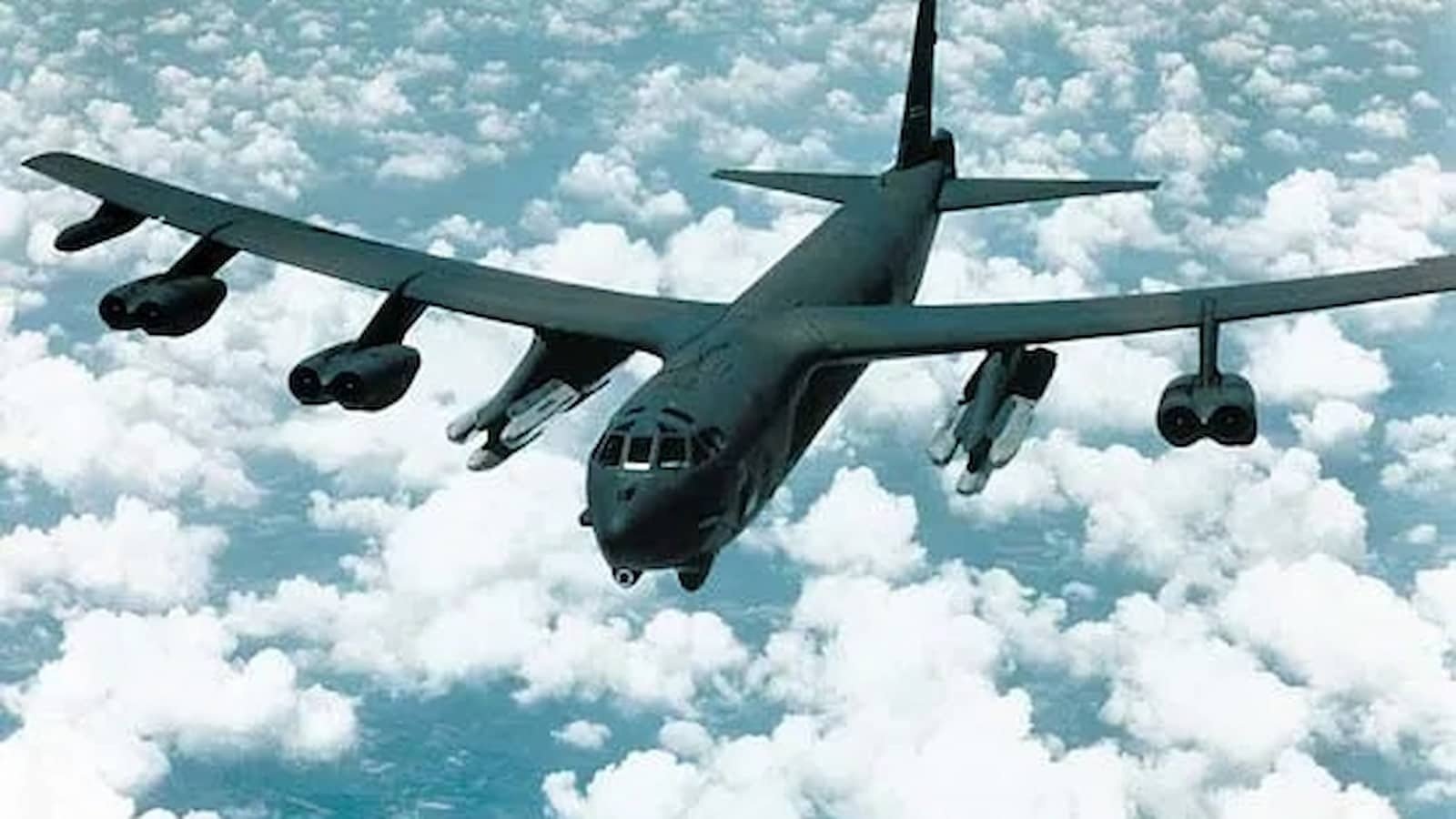 V2X Awarded Position on $46 Million U.S. Air Force Contract Supporting B-52 Long Range Standoff Cruise Missile Program
Top Trending in 4 Days
-
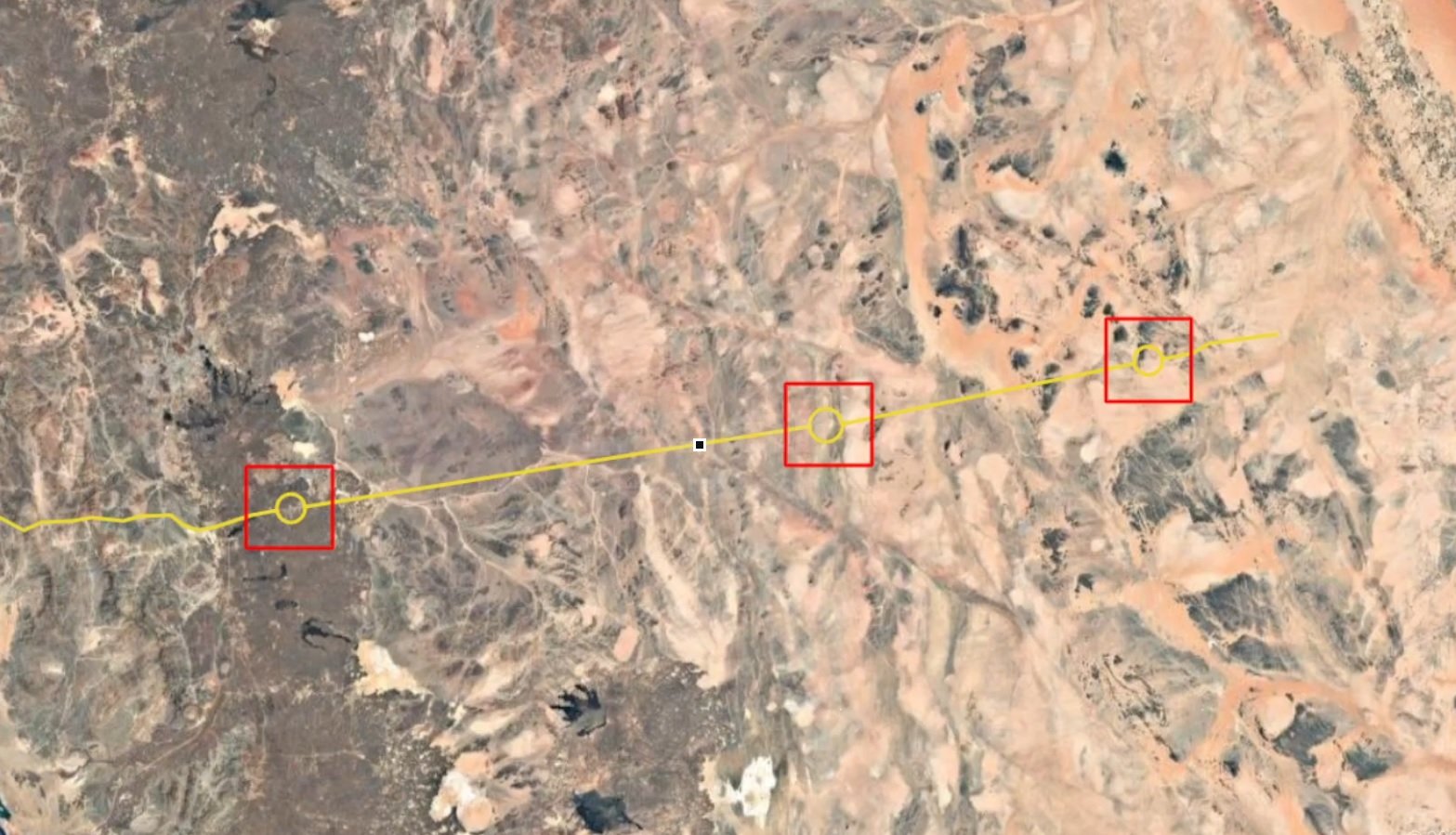 Satellite Imagery Shows Extensive Damage to Saudi Arabia’s East-West Oil Pipeline, Indicating More Than a Single Strike
-
 Pentagon Awards BlueHalo Up to $99.8 Million Contract for Orbital Battlespace R&D Program
-
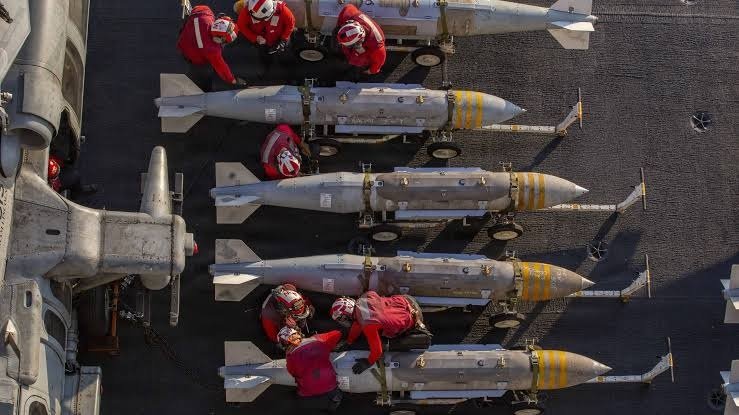 Pentagon Inspector General Report Finds Iran War Caused U.S. Ammunition Shortfalls and Industrial Bottlenecks
-
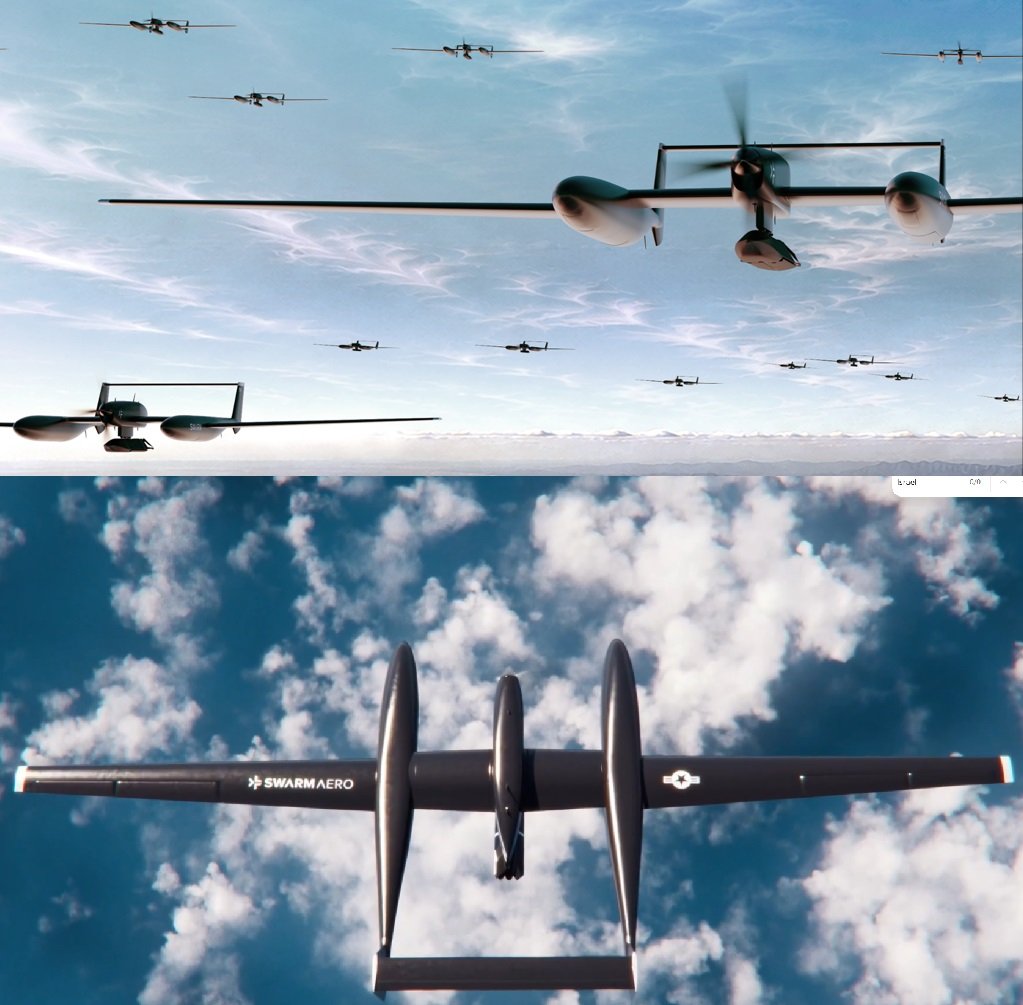 U.S. Firm Swarm Aero Unveils Gamera Group 5 UAS With 9,000-Nautical-Mile Range and Heavy Strike Payload
-
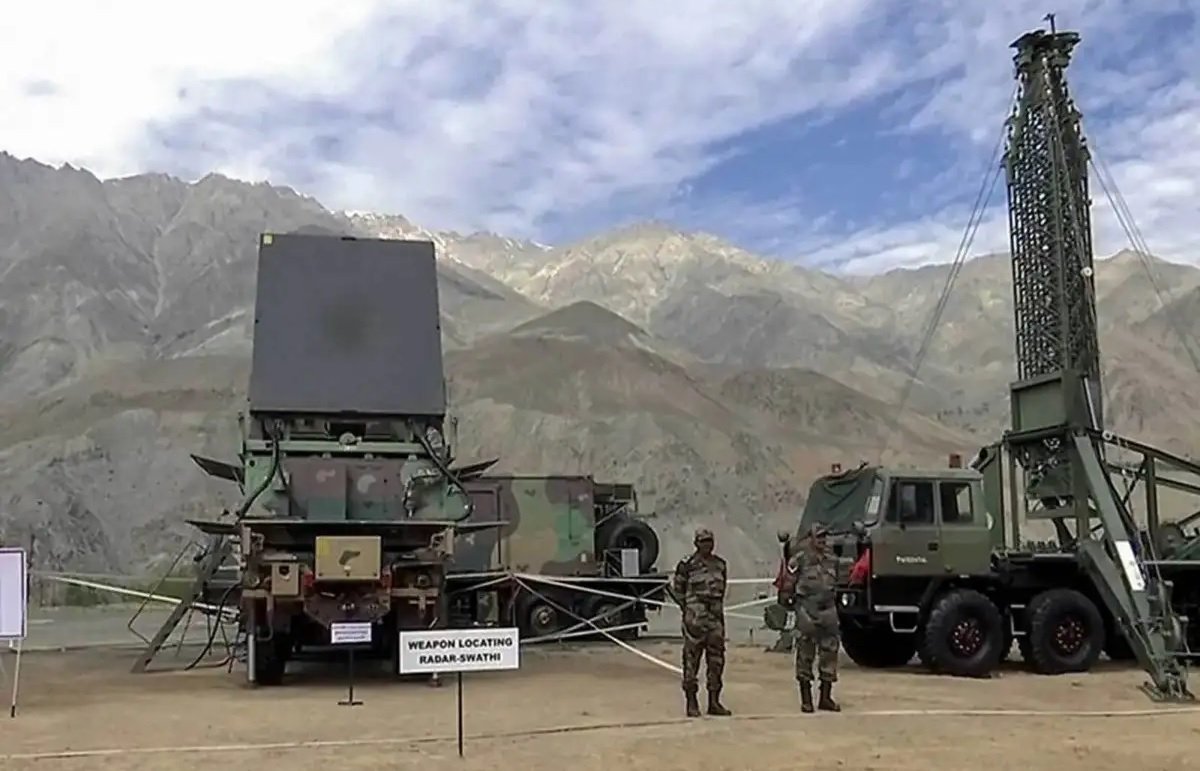 DRDO Demonstrates Indigenous 3.5×3 mm GaN Chip Delivering 30 Watts for Next-Generation Radars and Electronic Warfare
-
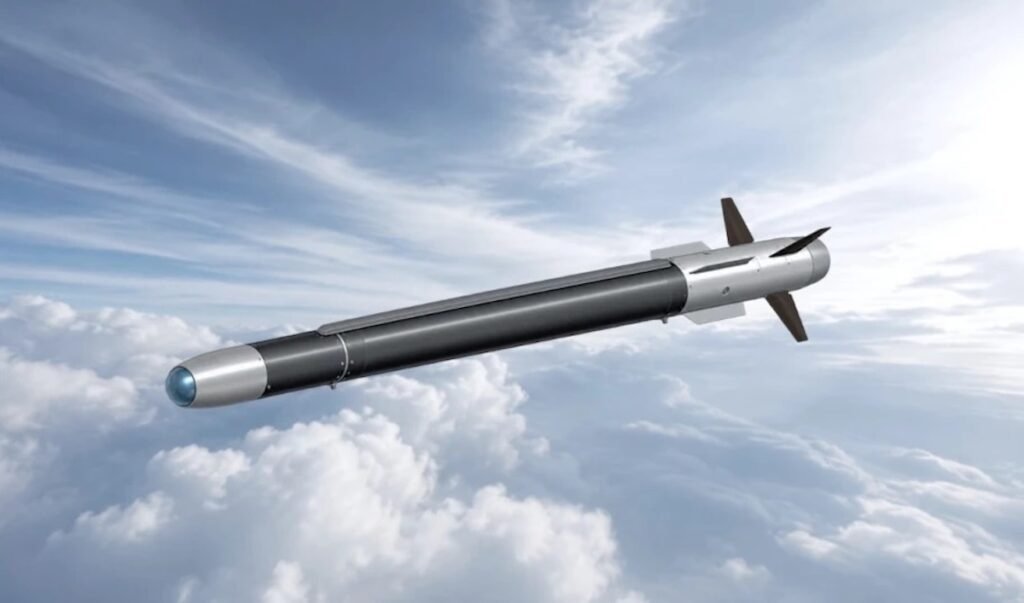 MBDA and Poland’s WITU Advance Low-Cost Supersonic Interceptor Against Swarm Attacks, Seeker Trials Successfully Completed
-
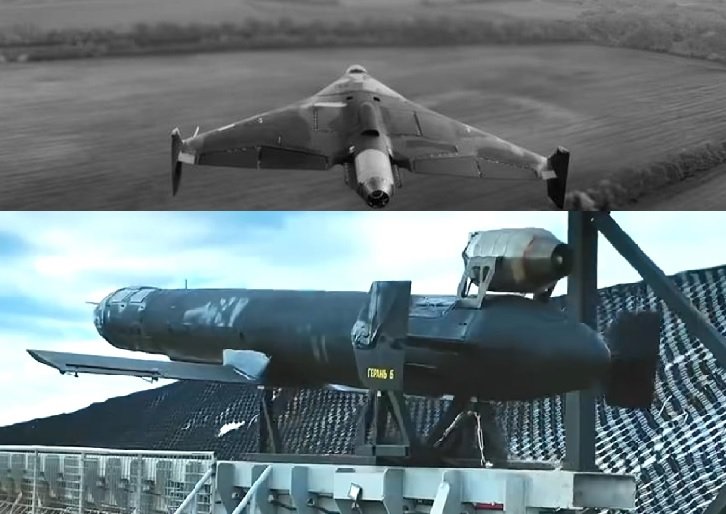 Iran Requests Advanced Geran-4 and Geran-5 Drones From Russia, FT Reports
-
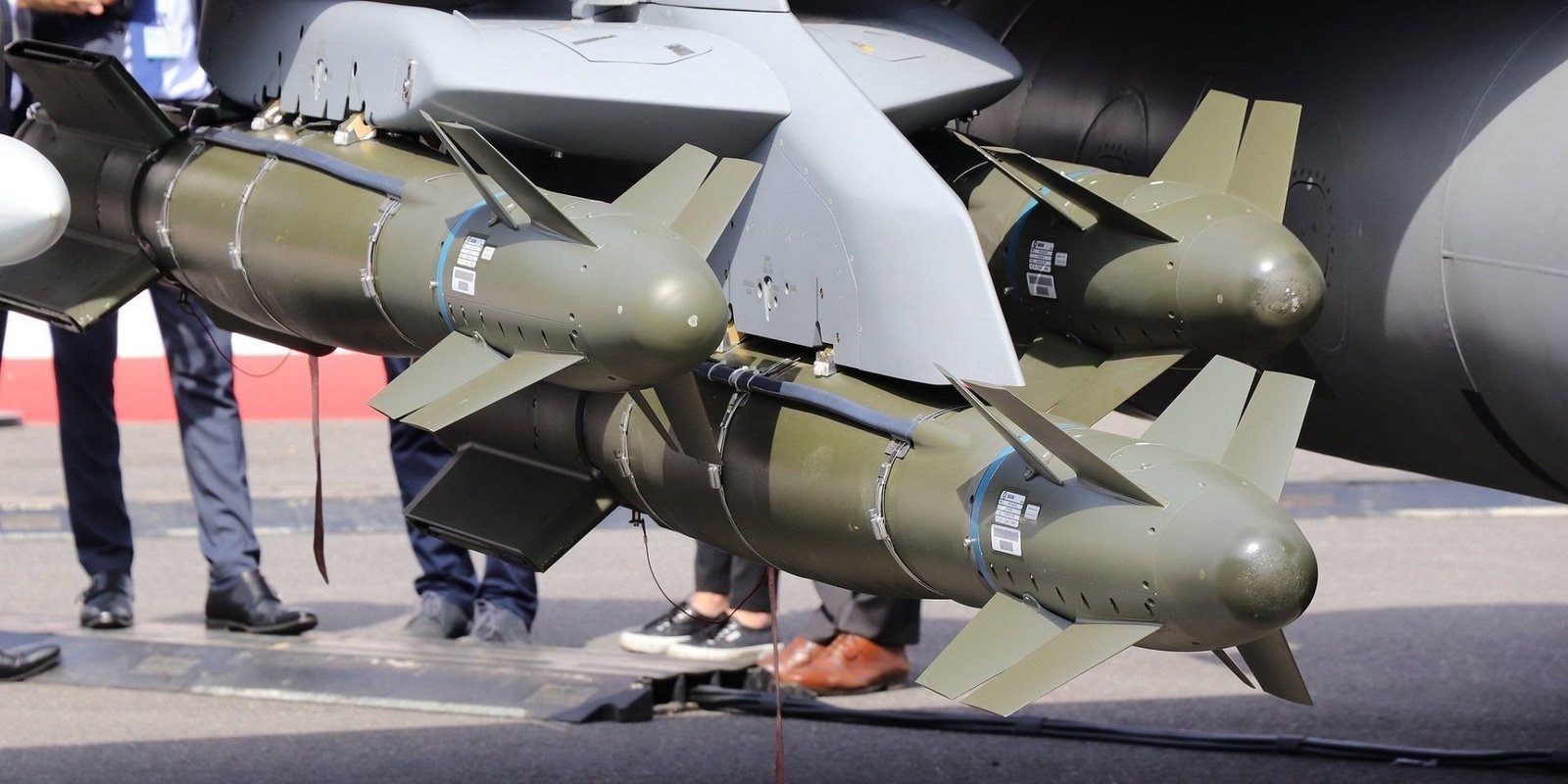 Swedish Gripens Bound for Ukraine to Be Armed with French Rocket-Assisted Hammer Precision Bombs