
World
KYIV, Ukraine — May 24, 2026 : Russian forces carried out a large-scale overnight aerial attack on Ukraine between the evening of May 23 and the morning of May 24, launching a total of 690 aerial assets, including 90 missiles and 600 drones, according to the Ukrainian Air Force. Kyiv and the surrounding Kyiv region were identified as the primary targets of the assault, which resulted in casualties, widespread infrastructure damage, and emergency operations across multiple districts. Large-Scale Missile and Drone Barrage The Ukrainian Air Force reported that the attack began at approximately 18:00 on May 23 and involved a combination of ballistic missiles, cruise missiles, hypersonic weapons, strike drones, loitering munitions, and decoy drones launched from multiple locations in Russia and Russian-occupied Ukrainian territories. According to Ukrainian officials, Russia launched one intermediate-range ballistic missile (IRBM) identified as an Oreshnik from the Kapustin Yar launch site in Russia’s Astrakhan region. Ukrainian President Volodymyr Zelenskyy stated that the missile struck Bila Tserkva in the Kyiv region, describing it as the third known use of the multiple-warhead Oreshnik missile during the war. The missile attack also included two Kh-47M2 Kinzhal air-launched ballistic missiles fired from Russia’s Lipetsk region, along with three 3M22 Zircon anti-ship hypersonic missiles launched from occupied Crimea and the Kursk region. In addition, Russian forces launched 30 Iskander-M/S-400 ballistic missiles from the Bryansk and Kursk regions and occupied Crimea. Ukraine’s Air Force further reported the launch of 54 cruise missiles, including Kh-101, Iskander-K, and Kalibr variants, fired from the Vologda and Kursk regions, as well as from Russian naval platforms operating in the Black Sea. Hundreds of Drones Deployed Alongside the missile barrage, Russia launched 600 drones of various types, including Shahed unmanned aerial vehicles (UAVs), Gerbera and Italmas drones, Banderol loitering munitions, and Parodiya decoy drones. According to military officials, launch sites included Russia’s Bryansk, Kursk, Oryol, and Rostov regions, including the Millerovo area, as well as Primorsko-Akhtarsk in Krasnodar Krai and the Hvardiiske and Chauda bases in occupied Crimea. Air Defense Response Despite the scale of the assault, the Ukrainian Air Force stated that air defense systems and electronic warfare units destroyed or electronically suppressed 604 aerial targets. The reported interceptions included: 11 Iskander-M/S-400 ballistic missiles 44 Kh-101, Iskander-K, and Kalibr cruise missiles 549 drones of various types Military officials also reported that approximately 19 missiles failed to reach their intended targets due to electronic jamming and suppression measures. Casualties and Damage in Kyiv As of 11:00 a.m. on May 24, Ukrainian authorities confirmed that at least four people were killed and 65 injured across Kyiv and the surrounding Kyiv region, while later local updates indicated the number of injured had approached 100 as rescue efforts continued. In Kyiv city, officials reported that two women aged 44 and 86 were killed. A total of 56 people were injured, including two children, with 30 hospitalized in city medical facilities. Authorities said three people remained in critical condition. Kyiv Mayor Vitali Klitschko stated that damage had been recorded in every district of the capital. Authorities confirmed damage to at least 27 apartment buildings, a shopping mall, a business center, and local markets. Emergency services also reported that a school building caught fire while civilians were sheltering inside, while the Ukrainian National Chornobyl Museum in Kyiv’s Podil district and nearby civilian businesses sustained damage. Damage Across Kyiv Region In the wider Kyiv region, two additional people were killed and nine injured, according to regional authorities. Officials reported damage and destruction affecting private homes, apartment buildings, a medical outpatient clinic, and a logistics center across the Vyshhorod, Brovary, Fastiv, and Bucha districts. Regional governor Mykola Kalashnyk stated that emergency teams continued inspections, debris removal, and recovery operations throughout the affected areas. The State Emergency Service of Ukraine released images showing damaged residential buildings, emergency response operations, and rescue personnel working in Kyiv following the overnight strikes. Retaliation Context The attack followed warnings issued by both the U.S. Embassy in Kyiv and President Zelenskyy regarding intelligence assessments indicating a possible combined Russian missile and drone strike. Russia’s Defense Ministry stated that the operation was conducted in retaliation for a Ukrainian drone strike on the Russian-occupied town of Starobilsk in the Luhansk region between the night of May 21 and May 22. According to Russian emergency services and occupation authorities, the Starobilsk strike hit a college dormitory, killing at least 18 people, primarily young women born between 2003 and 2008, and injuring 42 others. Ukrainian officials said the operation targeted a Russian drone unit stationed in the area. Prior to the overnight attack, Russia’s Foreign Ministry stated that strikes on Russian-controlled territory would face what it described as “inevitable and severe punishment.”
Read More → Posted on 2026-05-24 13:59:42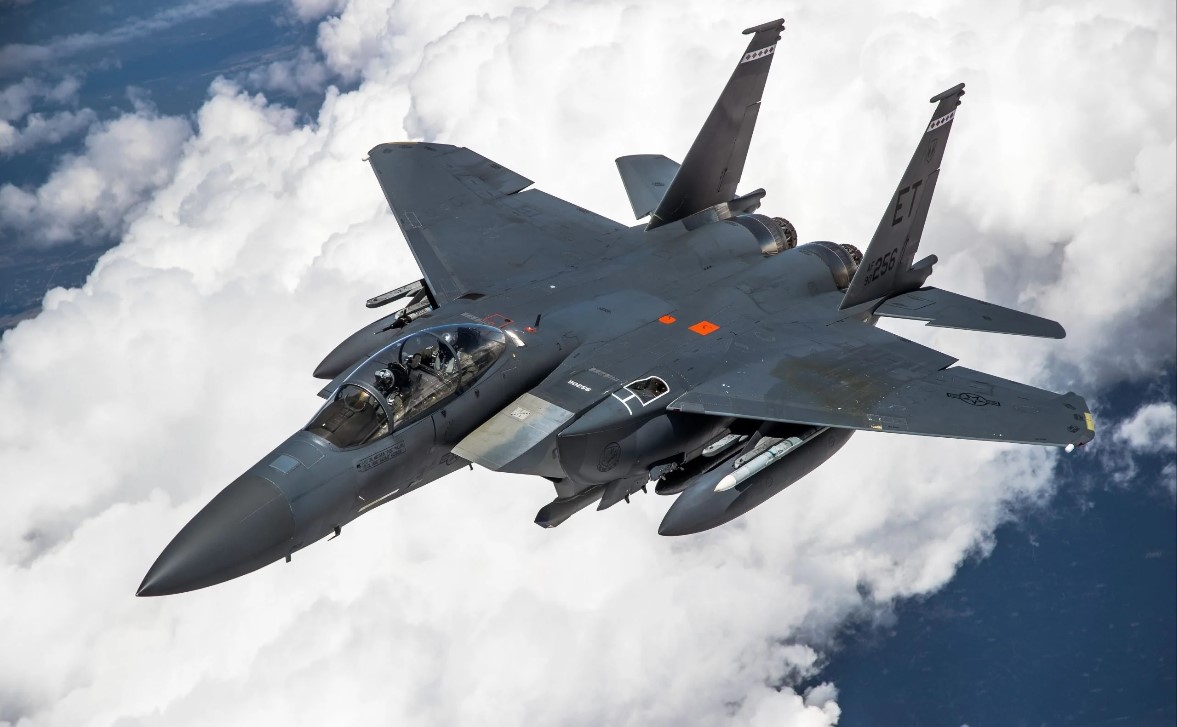
World
WASHINGTON, — May 24, 2026 : The U.S. Department of Defense’s fiscal 2027 budget proposal includes an emergency request to acquire 24 additional F-15EX Eagle II heavy fighter aircraft for the U.S. Air Force at a projected cost of $2.66 billion, reinforcing the service’s ongoing effort to modernize its combat fleet and replace aging fighter platforms. According to fiscal 2027 procurement documents, the aircraft are planned for distribution across both active-duty operational units and the Air National Guard. The proposal also indicates that F-15EX production is expected to continue through fiscal year 2031 as part of a broader long-term fighter recapitalization strategy. Fleet Modernization and Expanded Procurement The F-15EX program was originally established to provide a rapid replacement for the Air Force’s aging F-15C/D fleet, which has faced years of structural fatigue, declining operational readiness, and increasing sustainment costs. Over time, however, the role of the aircraft has expanded in response to changing modernization priorities and budget planning. Initial acquisition plans envisioned a procurement ceiling of 144 aircraft, but later budget revisions significantly expanded the objective. Current planning documents outline a target fleet of 267 aircraft, more than double the earlier plan of 129 fighters. The expanded fleet is intended not only to retire the remaining F-15C/D interceptor force but also to gradually replace portions of the aging F-15E Strike Eagle inventory. Air Force officials view the aircraft as a practical near-term capability to preserve fighter capacity while next-generation modernization programs continue to develop. Advanced Systems and Digital Combat Capabilities Derived from the advanced F-15QA and F-15SA export variants, the F-15EX incorporates mission systems specifically tailored to U.S. Air Force operational requirements. The platform modernizes the long-serving F-15 design into a digitally enhanced combat aircraft designed for modern network-centric warfare. The aircraft features advanced digital avionics, large-area cockpit displays, and an open mission systems architecture intended to support rapid software updates, future weapons integration, and evolving mission requirements. For sensor performance and survivability, the F-15EX is equipped with the Raytheon AN/APG-82(V)1 active electronically scanned array radar and the Eagle Passive/Active Warning and Survivability System, improving threat detection, situational awareness, and electronic warfare protection in contested operational environments. Payload Capacity and Mission Flexibility One of the F-15EX’s major operational advantages is its large payload capacity. The aircraft can carry up to 14,000 kilograms of weapons and equipment, allowing it to transport significantly larger weapons loads than many stealth aircraft. The fighter can carry more than 13 air-to-air missiles on external pylons and is capable of conducting multiple mission types, including homeland air defense, maritime strike operations, precision attacks against ground targets, and weapons transport to forward operating bases. Its external weapons carriage capability also positions the F-15EX as a platform for future long-range strike systems, including hypersonic weapons and extended-range standoff munitions that exceed the internal carriage limits of fifth-generation stealth fighters. Production Timeline and Operational Integration The Department of Defense awarded Boeing an initial production contract valued at approximately $1.2 billion in July 2020 for the first lot of F-15EX aircraft. The first aircraft was delivered to the U.S. Air Force in March 2021, and operational examples have already entered service with Air National Guard units, including at Portland Air National Guard Base. Production of the aircraft takes place at Boeing’s facility in St. Louis, Missouri. Powered by two Pratt & Whitney F100-PW-229 engines, the aircraft can reach speeds of up to Mach 2.5 and is designed with an operational service life of approximately 20,000 flight hours. A major advantage of the Eagle II program is its compatibility with existing Air Force infrastructure. The F-15EX can be integrated into current maintenance systems, support equipment, operational bases, and pilot training pipelines with minimal infrastructure modification. This allows the Air Force to field the aircraft more rapidly and at lower transition costs while continuing wider modernization efforts, including procurement of the F-35A Lightning II.
Read More → Posted on 2026-05-24 13:22:12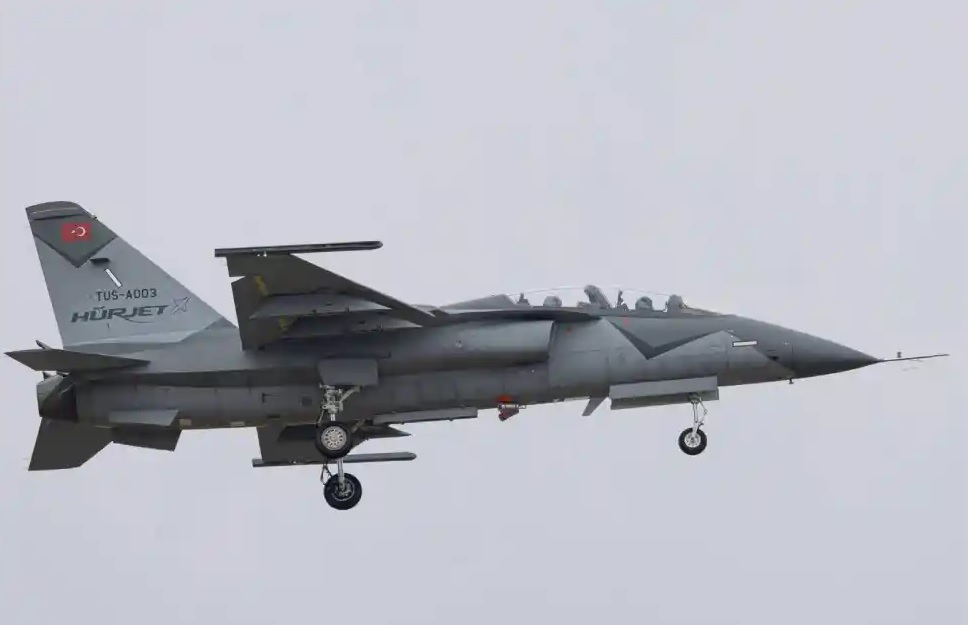
World
ANKARA, — May 24, 2026 : Turkish Aerospace Industries (TAI) has continued development of its Hürjet advanced jet trainer, with new imagery indicating progress toward an armed light combat configuration after a prototype aircraft was photographed equipped with a full complement of weapon pylons during a recent test flight. On May 19, 2026, aviation photographer Enes Ötken published images showing the second Hürjet prototype, designated TUS-A003 (PT-2), flying with wingtip and underwing pylons while returning from a test sortie near Turkish Aerospace Industries facilities northwest of Ankara. The aircraft was photographed during landing with its landing gear and speedbrakes extended, reinforcing indications that the flight formed part of ongoing developmental testing of the platform’s combat-oriented configuration. The sighting follows earlier reports this month that TAI is actively pursuing a light attack variant of the Hürjet aimed at competing in the international market for advanced trainers and lightweight combat aircraft. Flight Test Configuration and Prototype Details The aircraft photographed is the second Hürjet prototype and previously debuted a new light and dark gray camouflage scheme in November 2024. The latest imagery revealed an extensive external pylon arrangement, including wingtip pylons intended for within-visual-range air-to-air missiles, four underwing pylons, and one centerline fuselage pylon, representing a full external weapons carriage configuration under evaluation. Several pieces of flight-test instrumentation were also visible. A pitot tube mounted on the nose was installed for air-data collection, while cameras positioned in a V-pattern behind the landing gear and ahead of the fuselage pylon appeared to monitor structural and aerodynamic behavior during flight. Such systems are commonly used to assess pylon vibration, airflow interaction, and the mechanical impact of external stores on the airframe during testing. TAI has not publicly issued a statement regarding the exact purpose of the flight or confirmed details surrounding the pylon-equipped configuration observed on TUS-A003. Weapons Integration and Combat Role The Hürjet program has entered the serial production phase, with four prototypes currently engaged in flight testing. The armed version of the aircraft is expected to support close air support, armed air policing, and secondary light combat operations alongside its primary training mission. Industry reporting, including information published by Turkish defense outlets, indicates the combat Hürjet will integrate the domestically developed MURAD family of Active Electronically Scanned Array (AESA) radars. Planned air-to-air armament includes the Gökdoğan beyond-visual-range missile and Bozdoğan within-visual-range missile, both developed to enhance indigenous air combat capability. Initial production aircraft are expected to remain powered by the U.S.-manufactured General Electric F404-GE-104 turbofan engine, producing approximately 17,700 pounds of thrust with afterburner, allowing speeds of up to Mach 1.4. Over the longer term, future production batches are expected to transition to Turkey’s domestically developed TF-series turbofan engines under development by TUSAŞ Engine Industries (TEI). Aircraft Specifications and Program Development The Hürjet is a single-engine, tandem-seat supersonic aircraft developed by TAI to serve both training and light combat missions. The platform incorporates a full-authority digital fly-by-wire flight control system, glass cockpit, head-up display, helmet-mounted display compatibility, night-vision imaging system support, and aerial refueling capability. The aircraft has a reported service ceiling of 45,000 feet, an operational range of approximately 1,060 nautical miles, and a payload capacity of up to 3,400 kilograms distributed across seven hardpoints. Measuring 13.6 meters in length, with a 9.5-meter wingspan and 4.1-meter height, the Hürjet is intended to provide a modern replacement for aging trainer fleets while maintaining operational flexibility for light combat missions. Development of the Hürjet program began in 2017, while the first prototype completed its maiden flight on April 25, 2023. The second prototype, TUS-A003, completed its maiden flight on November 12, 2024, before later appearing in an updated camouflage scheme. Turkish Air Force Modernization and Naval Variant Plans For the Turkish Air Force (Türk Hava Kuvvetleri), the Hürjet is expected to replace the service’s aging fleet of 68 T-38 Talon advanced jet trainers. Turkey has ordered 12 Hürjet aircraft, which are expected to support pilot training requirements while also providing secondary operational capability for limited combat tasks. TAI has also officially outlined plans for a carrier-capable Hürjet variant. Unveiled during SAHA EXPO 2026, the naval derivative is being designed for Short Take-Off But Arrested Recovery (STOBAR) operations aboard Turkey’s planned MUGEM aircraft carrier, while retaining future compatibility with Catapult Assisted Take-Off But Arrested Recovery (CATOBAR) systems if operational requirements evolve. Spain’s SAETA II Export Program The Hürjet has secured its first international export customer through Spain’s Integrated Combat Training System (ITS-C) program, under which the Spanish Air and Space Force (Ejército del Aire y del Espacio) will acquire 30 aircraft designated as the SAETA II. The fleet will replace 19 F-5M Freedom Fighter trainers currently operated by Ala 23 (23rd Wing) at Talavera La Real Air Base, supporting pilot transition training for frontline aircraft including the Eurofighter Typhoon and F/A-18 Hornet. Spain’s procurement places strong emphasis on domestic industrial participation, with approximately 60% of production and systems integration to be handled locally through an Airbus-led consortium. Under the agreement, Airbus will lead certification, aircraft nationalization, and simulator systems, while GMV will contribute mission computers and navigation systems, Sener datalink communications, Aertec and Airtificial fly-by-wire technologies and interface systems, and Indra identification friend-or-foe (IFF) systems. The rollout of the SAETA II fleet will take place in two phases. Beginning in 2028, Spain will receive 21 baseline aircraft, including one configured as a dedicated test platform for Spanish avionics and mission systems. Ground-based training systems are scheduled to become operational between 2029 and 2030. During the second phase, running from 2031 to 2035, the remaining nine aircraft will be delivered and standardized to the final SAETA II configuration. The total program value is estimated at approximately €2.6 billion. Market Position The emergence of weaponized testing on TUS-A003 highlights TAI’s effort to position the Hürjet beyond a conventional trainer platform and into the competitive global market for advanced training and light combat aircraft. The aircraft is expected to compete against platforms including the South Korean KAI T-50 and FA-50, Boeing-Saab T-7A Red Hawk, Leonardo M-346 Master, and Yakovlev Yak-130, as countries increasingly seek cost-effective platforms capable of combining pilot training and limited combat operations within a single airframe.
Read More → Posted on 2026-05-24 13:12:36
World
MOSCOW / NIZHNY NOVGOROD, Russia — May 23, 2026 : Russian technology firm Inferit Security, operating within the Softline Group ecosystem, has unveiled a laser-based anti-unmanned aerial vehicle (UAV) system designed specifically for the civilian sector. The system was presented on May 19, 2026, during the CIPR (Digital Industry of Industrial Russia) conference, with the company describing it as the first fully domestically developed and manufactured laser complex of its kind in Russia. The newly introduced system is intended to protect industrial facilities, transport infrastructure, energy installations, and other critical civilian assets against drone threats. According to Inferit Security, the laser complex is designed for deployment at fuel and energy sector facilities, nuclear and hydroelectric power plants, logistics hubs, manufacturing sites, and densely populated infrastructure zones where minimizing collateral damage is essential. The system can operate autonomously or function as part of a layered air-defense and security network integrated alongside traditional air-defense and electronic warfare systems. Technical Design and System Capabilities Inferit Security stated that the laser complex operates through an integrated combination of radar, optical-electronic sensors, thermal imaging systems, LiDAR technology, and artificial intelligence-assisted software to detect, track, and neutralize UAV threats. The system’s standard configuration includes a 3-kilowatt (kW) laser module, while the company plans to expand output capability to 12 kW without altering the external dimensions or structural form factor of the platform. The transmitting unit incorporates a dedicated refocusing mechanism and precision beam-positioning technology, reportedly maintaining an error margin of approximately 2 centimeters at a range of 1,000 meters. According to the developer, the system achieves a destruction accuracy exceeding 90 percent against copter-type UAVs. The platform is also designed to counter drones operating in autonomous flight mode, radio-controlled UAVs employing frequency-hopping technology, and systems controlled through fiber-optic communication links. The laser complex can reportedly operate continuously for up to 100 seconds, while average engagement time against small UAVs ranges between three and five seconds, depending on target type and operational conditions. Three-Stage Operational Process Inferit Security stated that the laser complex neutralizes aerial threats through a sequential three-stage operational process involving detection, tracking, and engagement. During the detection phase, an integrated radar system scans surrounding airspace and identifies UAVs at distances of up to 3,000 meters, simultaneously registering target coordinates, speed, altitude, direction, and trajectory data. In the tracking and identification phase, optical-electronic systems functioning across visible and infrared spectrums assume responsibility for target recognition and monitoring. These systems, supported by thermal imaging equipment, a video surveillance module, LiDAR complex, and laser rangefinder, continuously track objects at distances ranging from approximately 2,000 meters to 200 meters. The final engagement phase begins once the UAV enters direct line of sight at distances of up to 1,000 meters. The laser module can apply either functional suppression, intended to blind or disable drone optics and onboard systems, or physical suppression, in which thermal energy is used to damage and neutralize the target. For standard quadcopter-type drones, Inferit Security stated that neutralization may occur in roughly three seconds, depending on operational conditions and target exposure. Cost Efficiency and Operational Advantages A key operational characteristic highlighted by Inferit Security is the system’s economic efficiency. Since the platform relies on directed laser energy rather than missiles or kinetic interceptors, it possesses an effectively unlimited ammunition supply, removing the logistical constraints associated with conventional interception systems. The company stated that the financial cost of a single engagement corresponds primarily to the electricity consumed during laser firing, significantly lowering operational expenses during sustained infrastructure protection missions. Inferit Security also emphasized that the point-focused nature of laser engagement minimizes risks associated with falling debris, explosive fragmentation, or collateral structural damage. This characteristic is particularly relevant for deployment near sensitive facilities such as industrial plants, nuclear infrastructure, hydroelectric stations, and densely populated urban environments. Launch of Dedicated UAV Countermeasures Center Alongside the unveiling of the laser complex, Inferit Security announced the establishment of a dedicated UAV Countermeasures Center, intended to support physical infrastructure protection requirements beyond traditional cyber and information security measures. According to the company, the center will deploy specialized teams responsible for evaluating industrial sites, conducting risk assessments, developing drone-threat models, and integrating laser counter-UAV technologies into existing security ecosystems. Ivan Kireev, Managing Director of Inferit Security, stated that the project was developed in response to increasing market demand for practical infrastructure protection solutions suited to civilian-sector operations. He noted that the system was designed to provide operational cost efficiency, reduced collateral damage, compatibility with layered security systems, and technological independence from export restrictions. Deployment Status Inferit Security positioned the laser complex as a mobile and scalable solution intended for seamless integration into existing protection systems for civilian and industrial infrastructure. However, the company has not released information regarding serial production schedules, procurement agreements, deployment timelines, or confirmed contracts for operational use.
Read More → Posted on 2026-05-23 17:18:17
India
TAMPA, Florida, — May 23, 2026 : A viral image emerging from the recently concluded joint capability demonstrations at Special Operations Forces (SOF) Week 2026 has sparked discussion among defence analysts and military observers regarding soldier-level tactical equipment used by Indian Special Forces, particularly the apparent absence of visible tactical hearing protection during helicopter operations. India made a significant appearance at the event, held in Tampa, Florida, from May 18 to 21, where a high-level Indian Armed Forces delegation participated in multinational engagements and showcased operational capabilities alongside partner nations during the “Battle in the Bay” capability demonstration. The exercise highlighted interoperability, tactical coordination, and special operations readiness among participating forces. However, attention shifted to a widely circulated photograph showing a mixed team of Indian and US Special Forces personnel seated on the edge of a helicopter flying low over water during an operational demonstration. In the image, US personnel, including a visible door gunner, appear equipped with advanced tactical communication headsets widely recognized as 3M PELTOR ComTac systems, while one Indian Special Forces operative is clearly seen covering both ears with his hands to shield himself from helicopter rotor noise. The image has triggered questions among defence analysts and social media users over why Indian Special Forces personnel visible during the helicopter demonstration were not wearing tactical hearing protection systems in an environment known for extreme noise exposure. Several defence observers have questioned whether the absence of visible headsets reflected equipment availability, mission-specific loadout decisions, interoperability limitations, or differing operational practices. Many analysts have particularly questioned why an Indian Special Forces operative, participating in a multinational special operations event, was seen manually covering his ears from rotor noise while US Special Forces personnel in the same helicopter were visibly equipped with integrated hearing protection and communication systems. The viral image has intensified discussion around whether Indian Special Forces units possess standardized access to advanced hearing-protection headsets, such as PELTOR ComTac systems, or equivalent tactical equipment. Role of Tactical Hearing Protection in Helicopter Operations In modern special operations environments, tactical communication headsets such as PELTOR ComTac and equivalent systems are generally regarded as standard mission equipment, particularly during helicopter-based operations. Military helicopters generate sustained high-decibel noise levels capable of causing discomfort, temporary hearing disruption, and long-term auditory damage during prolonged exposure. Tactical hearing protection systems are designed to reduce harmful noise while allowing operators to remain operationally aware and connected during missions. These systems generally perform two key operational functions: Active Hearing Protection Electronic suppression or compression of dangerous sound levels, including rotor noise, aircraft engines, explosions, and gunfire, while amplifying low-level environmental sounds required for situational awareness. Integrated Tactical Communication Connection to squad radios and helicopter intercom systems, enabling operators to receive instructions, coordinate movement, and maintain communication during high-risk operations, including air insertion, maritime assault missions, and fast-roping exercises. The viral image has drawn wider attention because the Indian operative appears to be physically covering his ears rather than using visible electronic hearing protection, while US Special Forces personnel in the same aircraft are seen wearing integrated tactical communication headsets. Procurement and Modernization Questions The incident has also renewed questions regarding equipment standardization and modernization priorities for elite Indian units. Currently, 3M PELTOR ComTac and SWAT-TAC tactical communication headsets are commercially available in India, and specialized Indian military formations are known to operate different secure communication systems during missions. The Indian defence establishment has also accelerated modernization efforts through programmes such as Innovations for Defence Excellence (iDEX), supporting tactical communication systems, secure battlefield networking, tactical LAN radios, and indigenous soldier modernization initiatives. However, there is no publicly known record of a recent large-scale standardized procurement specifically involving advanced active hearing protection systems, such as PELTOR ComTac headsets, for widespread issue across Indian Special Forces battalions. The viral photograph has therefore raised a broader operational question among defence observers: why Indian Special Forces personnel at SOF Week 2026 were not visibly wearing tactical hearing protection during helicopter operations while US counterparts in the same operational environment appeared equipped with integrated headset systems. Military analysts continue to note that Indian Special Forces are globally recognized for combat effectiveness, operational capability, and performance in high-risk and demanding environments. At the same time, the incident has highlighted continued discussion surrounding modernization of individual soldier equipment, particularly systems linked to hearing protection, communication, mission safety, and interoperability during multinational special operations exercises.
Read More → Posted on 2026-05-23 16:50:17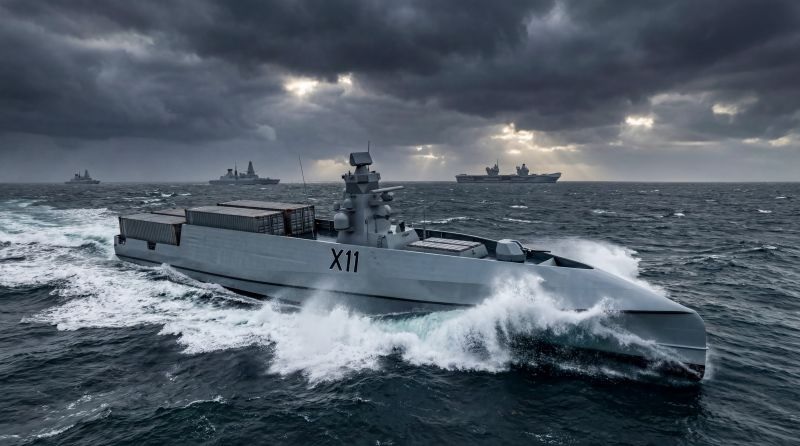
World
FARNBOROUGH, United Kingdom — May 23, 2026 : Navantia UK has unveiled a scale model of its new Large Autonomous Surface Vessel (LASV75) concept during the Navy Leaders Combined Naval Event (CNE), held at the Farnborough International Exhibition Centre from May 19 to 21, 2026, presenting a platform designed to support the UK Royal Navy’s evolving “hybrid navy” doctrine that combines crewed and uncrewed naval systems. Developed by Navantia UK’s Bristol-based design team, the LASV75 is intended to provide a persistent, mission-adaptable capability capable of operating independently or alongside traditional warships. The concept reflects growing emphasis within naval planning on integrating autonomous systems into fleet operations to enhance endurance, operational flexibility, and force sustainability. Vessel Design and Specifications The LASV75 features a 75-metre modular hull, an 11.8-metre beam, and a displacement of more than 1,000 tonnes. Unlike conventional naval vessels, it has been designed from the keel up as an entirely uncrewed platform, removing traditional crew accommodation and life-support systems to maximise mission payload capacity and operational endurance. According to Navantia UK, the vessel’s architecture prioritises adaptability, enabling rapid reconfiguration for different operational requirements. The scale model displayed at CNE showcased a highly configurable payload deck designed to accommodate containerised mission systems, interchangeable sensor packages, and modular mast configurations. Depending on mission requirements, the LASV75 is designed to undertake a range of operational roles including intelligence gathering, surveillance, escort missions, electronic warfare, and strike-related operations, including the integration of mounted naval gun systems. The platform is also intended to operate either independently or in support of a wider naval task group. Hybrid Navy Vision and Operational Role Speaking at the event, Simon Jones, Product Development Director at Navantia UK, said the vessel was developed to meet anticipated operational demands of the Royal Navy and allied fleets, particularly in harsh maritime environments requiring long-duration deployment capability. “This is our vision for what we think the hybrid navy will need in the future to have a credible and persistent capability,” Jones said. “To have true persistent capability in the North Atlantic, for example, in harsh cold weather conditions, we believe something of this scale is necessary.” The company stated that the concept is intended to support future hybrid force structures where autonomous vessels operate alongside crewed surface combatants to expand mission coverage, reduce risk exposure, and improve operational persistence. Modular Payloads and NATO Interoperability To improve compatibility with allied naval forces, Navantia UK is incorporating ‘NavyPOD’-style modular payload systems and interfaces aligned with NATO standards, allowing mission equipment and operational systems to be exchanged more efficiently between partner navies. According to Simon Jones, the company is focusing on common standards to ensure future interoperability and flexibility across allied maritime operations. “We’re thinking about standard interfaces aligned to NATO standards to make these as interoperable and interchangeable as possible,” he stated. The modular approach is expected to allow the platform to adapt quickly to evolving operational needs without requiring major structural redesigns, while also simplifying maintenance and mission reconfiguration. Manufacturing Strategy and Industrial Scale Navantia UK stated that manufacturability was a key consideration during the LASV75’s design phase. The company is working with autonomy and mission-system partners across industry to mature the concept while ensuring that future vessels can be produced more rapidly and at lower cost than similarly sized crewed platforms. Initial construction of the LASV75, if progressed, would take place at Navantia UK’s Appledore shipyard in Devon, a facility capable of manufacturing vessels of up to 120 metres in length. The company said scalable production and lower-cost manufacturing are central objectives as autonomous naval systems become more prominent in future fleet structures. Wider Shipyard Modernisation Programme The unveiling of the LASV75 comes during a broader period of industrial expansion following Navantia UK’s acquisition of Harland & Wolff assets in early 2025. Navantia UK is currently implementing a £157 million investment programme to modernise its four UK shipyards located at Appledore, Arnish, Belfast, and Methil. The initiative includes digital shipbuilding technologies and advanced automated manufacturing systems aimed at improving efficiency and reducing production timelines. Among the upgrades is a new automated panel line in Belfast for the production of large steel sections, alongside digital design and engineering tools being introduced across all facilities. The company said the effort is intended to transition operations toward a “Shipyard 5.0” model, focused on advanced automation and digitally integrated production processes. Derek Jones, Chief Commercial and Business Development Officer at Navantia UK, said autonomous systems will become increasingly important to future sovereign naval capability. “Autonomous vessels are fundamental to the future of sovereign defence capabilities. Naval capabilities of the future will comprise a hybrid mixture of crewed warships with uncrewed escorts and ancillary ships,” he said. According to Navantia UK, the industrial improvements are expected to reduce standard naval vessel delivery timelines by up to 30 percent, supporting ambitions outlined in the 2025 Strategic Defence Review, which aims to accelerate the delivery of major modular naval platforms. Progress on Fleet Solid Support Programme While Appledore could support future LASV75 production, Navantia UK’s Belfast facility remains focused on the £1.6 billion Fleet Solid Support (FSS) programme for the Royal Fleet Auxiliary. The programme advanced following the cutting of first steel for the lead vessel at Appledore in December 2025. To support distributed manufacturing between facilities, Navantia UK launched an 85-metre transport barge, Seahorse, in early May 2026 from the Methil yard. The barge is intended to transport major ship sections and structural components between Appledore and Belfast for final assembly, supporting production continuity across multiple shipyards.
Read More → Posted on 2026-05-23 16:30:10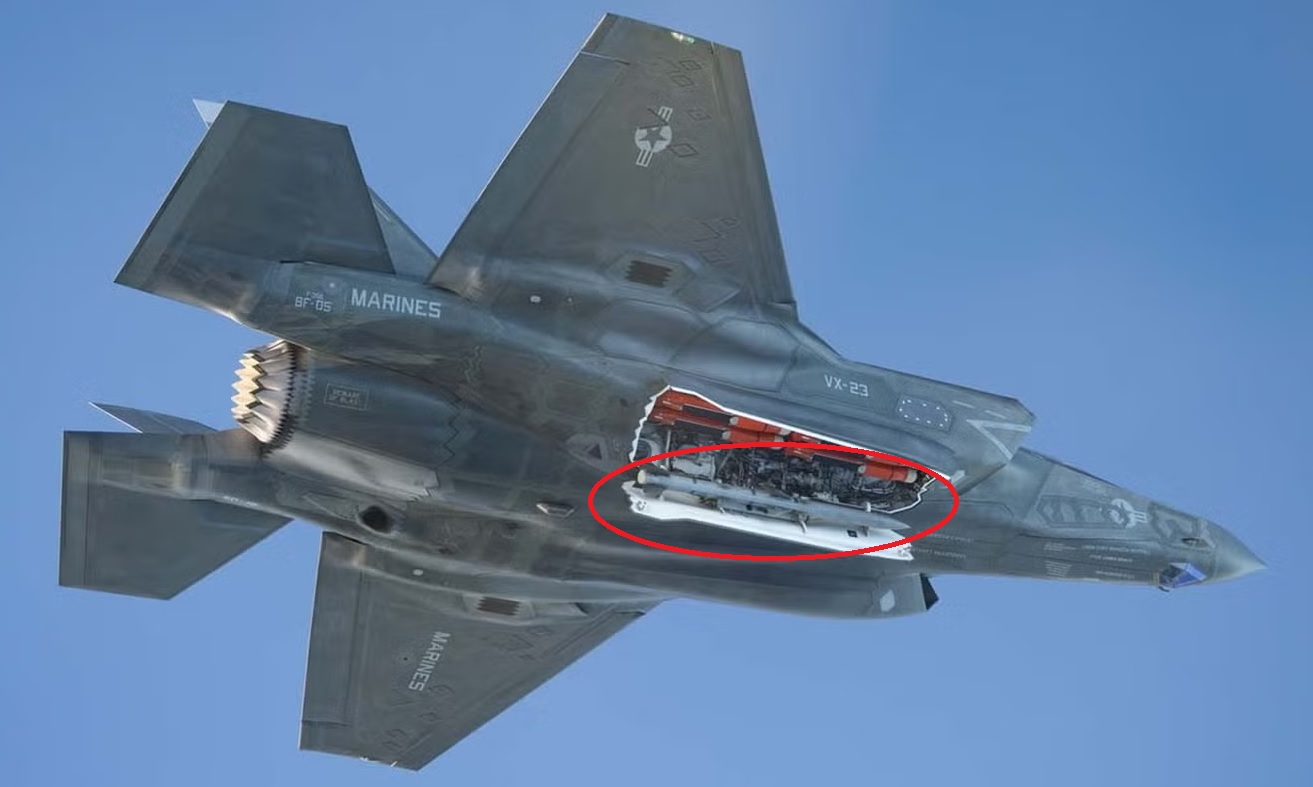
World
PATUXENT RIVER, Maryland, — May 23, 2026 : A United States Marine Corps F-35B Lightning II fighter jet has conducted its first integration and carriage flight tests with the British-developed SPEAR 3 small-diameter air-to-ground cruise missile, marking an early milestone in efforts to equip the fifth-generation stealth aircraft with a new stand-off precision weapon. The milestone was confirmed by the official F-35 Lightning II program and follows flight trials carried out earlier in 2026 at Naval Air Station Patuxent River by the F-35 Integrated Test Force. The tests were conducted jointly by specialists from the aerospace manufacturer Lockheed Martin and British missile developer MBDA UK as part of a broader engineering effort to formally integrate the SPEAR 3 into the Royal Air Force (RAF) and Royal Navy F-35B fleets. Internal Weapons Bay Configuration and Stealth Preservation Official photographs released during the trials showed a U.S. Marine Corps F-35B carrying four SPEAR 3 missiles fitted inside one internal weapons bay alongside a single AIM-120 Advanced Medium-Range Air-to-Air Missile (AMRAAM). Under an operational configuration, the aircraft is expected to carry up to eight SPEAR 3 missiles across both internal bays while maintaining air-to-air armament. The internal carriage arrangement enables the aircraft to preserve its low-observable stealth characteristics by avoiding the use of external hardpoints, which can increase radar visibility. The integration is also expected to expand future export prospects for the missile, with countries including Italy and Germany evaluating the SPEAR 3 for potential use on F-35 and Eurofighter Typhoon aircraft. UK Sovereign Weapons Integration Program The SPEAR 3 integration forms part of a wider United Kingdom Ministry of Defence effort to strengthen sovereign missile and precision-strike capabilities while reducing dependence on U.S.-produced weapons systems. Alongside SPEAR 3, British authorities are also progressing plans to integrate the Meteor Beyond Visual Range Air-to-Air Missile (BVRAAM) onto the F-35 platform. The UK’s F-35B fleet already employs domestically integrated weaponry, including the ASRAAM short-range air-to-air missile and the Paveway IV laser-guided precision bomb. Britain’s ability to independently integrate such systems originates from its position as the sole Tier 1 partner in the original Joint Strike Fighter program, which later evolved into the F-35 Lightning II program. This role granted the United Kingdom technical access and integration capabilities not available to most countries procuring the aircraft through standard U.S. Foreign Military Sales (FMS) channels. In addition, the country operates as one of Europe’s largest maintenance and support centers for F-35 variants, particularly the short takeoff and vertical landing (STOVL) F-35B. Building on Previous Typhoon Trials in Sweden The current F-35B integration effort builds upon earlier SPEAR 3 guided firing tests conducted in November 2024 at the Vidsel military range in northern Sweden. During those trials, a Royal Air Force Eurofighter Typhoon from the 41st Test and Evaluation Squadron, operating alongside a BAE Systems test team, launched a telemetry-equipped missile in place of a live warhead. The missile autonomously navigated its flight path and successfully engaged a target during guided firing evaluations. Data gathered during these Typhoon trials is currently being used to support software development and compatibility work required for full F-35B integration. SPEAR 3 Missile Technical Specifications The SPEAR 3 (Selective Precision Effects At Range Capability 3) is a compact air-launched cruise missile derived from the Brimstone anti-armor missile family. Measuring approximately 1.8 meters in length and 180 millimeters in diameter, and weighing under 90 kilograms, the missile replaces a traditional rocket motor with a PBS TJ150 turbojet engine and deployable wings. This propulsion system enables high subsonic flight and extends the missile’s launch range to approximately 150 kilometers. During mid-course flight, the weapon relies on an inertial navigation system (INS) combined with GPS guidance to track position and trajectory. For terminal engagement, SPEAR 3 uses a modular seeker package that can be configured with active radar, semi-active laser, or anti-radiation guidance depending on mission requirements. This flexibility enables the missile to engage armored targets, radar stations, and enemy air defense systems. Due to its compact size, the missile can also be mounted on triple-launch configurations, theoretically allowing a Eurofighter Typhoon to carry up to 18 SPEAR 3 missiles. However, under current operational planning, the F-35B remains the primary integration platform, maximizing both stand-off strike range and low-observable combat characteristics. Future Integration Timeline Data collected during the recent carriage flight tests is expected to support future mission systems integration, weapons separation and jettison testing, and software validation activities. According to current program expectations, the SPEAR 3 is anticipated to enter operational service with the UK F-35B fleet in the early 2030s, further expanding the aircraft’s precision stand-off strike capabilities.
Read More → Posted on 2026-05-23 16:12:19
World
PARIS, — May 23, 2026 : France has prepared a draft resolution for the United Nations Security Council aimed at establishing an international mission to restore freedom of navigation in the Strait of Hormuz, as diplomatic efforts intensify to address maritime insecurity in one of the world’s most critical shipping corridors. The French Foreign Ministry confirmed on May 21 that the draft text could be introduced to the Security Council when diplomatic conditions are considered favourable. The proposal comes as a separate draft resolution co-sponsored by the United States and Bahrain continues to face delays due to expected opposition from Russia and China. French Foreign Ministry spokesman Pascal Confavreux confirmed that Paris is working on an international mission focused on restoring maritime movement and protecting commercial shipping in the Strait of Hormuz. He stated that France, as a permanent member of the Security Council, has prepared a draft resolution that may be discussed when conditions are appropriate. French President Emmanuel Macron announced that Paris will soon propose a Franco-British led initiative at the United Nations for an international maritime mission intended to reopen the strait once the security situation permits. According to French officials, the initiative follows consultations with Washington and Tehran and is designed to remain separate from parties directly involved in the conflict. French-Led Defensive Maritime Mission The proposed mission is intended to operate as a strictly defensive and multinational force focused on restoring safe maritime transit through the Strait of Hormuz. French and British officials stated that the mission would prioritize the protection of merchant vessels, escort commercial shipping, and conduct mine-clearance operations in accordance with international law. Military planning is currently being coordinated between France, the United Kingdom, and potential partner countries. Officials said deployment would only take place after a sustainable ceasefire or when security conditions allow for safe operations in the region. France and the United Kingdom had earlier reinforced their plans during a mid-April international summit on the Strait of Hormuz attended by representatives from more than 50 countries. A joint statement issued after the meeting confirmed preparations for an independent multinational mission aimed at ensuring safe passage for merchant shipping. Separate US-Bahrain Resolution Faces Diplomatic Delays France’s proposal remains separate from an ongoing United States-Bahrain draft resolution currently under discussion at the Security Council. The US-Bahraini text, operating under Chapter VII of the UN Charter, calls on Iran to immediately cease attacks and threats against merchant vessels, halt the laying of naval mines, and disclose mine locations to assist international clearance operations. Although the United States reportedly secured support from nearly 140 co-sponsoring countries, repeated delays have prevented a vote from taking place. Russia and China have indicated that they may veto the proposal, arguing that the text unfairly targets Tehran and lacks diplomatic balance. Paris has not formally endorsed the US-Bahraini draft, despite previously supporting related maritime security measures. In April 2026, France voted in favour of an earlier Bahrain-led Security Council resolution on maritime security in the Strait of Hormuz. However, that proposal failed after vetoes from Russia and China. France’s Permanent Representative to the United Nations, Jérôme Bonnafont, defended France’s position at the time, stating that freedom of navigation and maritime security in the Strait of Hormuz remain essential for regional stability in the Middle East and global international security. Iran Rejects US-Bahraini Proposal Iran has strongly criticized the US-Bahraini draft resolution. Iranian Foreign Minister Abbas Araghchi sent letters to the United Nations Secretary-General and member states urging them to reject the proposal, describing it as “one-sided and provocative.” Iran argued that the draft overlooks the broader causes of regional instability, including recent military actions by the United States and Israel. Tehran warned that adopting the resolution could damage the credibility of the Security Council and stated that normal maritime transit could resume if hostilities decline and sanctions are eased. Maritime and Economic Impact The diplomatic negotiations are unfolding against the backdrop of a three-month regional conflict involving the United States, Israel, and Iran, which has significantly disrupted maritime activity in the Strait of Hormuz. The strategic waterway remains a vital route for global energy supplies and international trade, and insecurity in the region has disrupted merchant shipping, fertilizer transport, and humanitarian deliveries. Ongoing disruptions have also contributed to rising global oil prices and increased concerns over international supply chain stability. Ongoing Diplomatic Coordination France continues to coordinate with the United Kingdom and international partners regarding preparations for a defensive multinational mission aimed at restoring maritime security and freedom of navigation in the Strait of Hormuz. French officials stated that no timeline has yet been set for formally presenting the draft Security Council resolution, with diplomatic consultations expected to continue as regional conditions evolve.
Read More → Posted on 2026-05-23 15:57:15
World
WASHINGTON, — May 23, 2026 : Newly declassified infrared footage released by the U.S. Department of War has provided the first visual record of the February 12, 2023, shootdown of an unidentified aerial phenomenon (UAP) over Lake Huron, with federal analysts assessing that the object was likely balloon-like in nature. The 46-second black-and-white infrared video, officially titled “USAF ANG F-16C (callsign [CALLSIGN]) Shoots Down UAP over Lake Huron with [Weapon System], 12 Feb 2023,” was made public on May 22, 2026, as part of the second batch of records released under the Presidential Unsealing and Reporting System for UAP Encounters (PURSUE), a federal transparency initiative established to review and declassify unidentified aerial incident files. The footage, recorded by an F-16C fighter jet’s Advanced Targeting Pod (ATP), documents an engagement that concluded a week of heightened military aerial interceptions across North American airspace in February 2023 following changes to radar filtering systems and Rules of Engagement (ROE), which enabled earlier detection of slow-moving airborne objects considered potential risks to aviation and national security. Lake Huron Engagement On February 12, 2023, an F-16C from the Minnesota Air National Guard’s 148th Fighter Wing, based in Duluth, intercepted an unidentified object flying in Canadian airspace above Lake Huron before it entered the North American Aerospace Defense Command (NORAD) monitoring zone. The aircraft reportedly launched from Madison, Wisconsin, to engage the target. Military officials at the time described the object as octagonal in appearance and operating at an altitude of approximately 20,000 feet. Authorities said it lacked a visible propulsion system or identifiable payload but was regarded as a possible hazard to commercial aviation because of its altitude and flight path. According to newly released details, an initial AIM-9X Sidewinder infrared-guided missile reportedly missed the object during the interception. A second AIM-9X missile successfully struck and destroyed the target at approximately 2:42 p.m. CST, ending the operation. Footage Analysis and AARO Assessment The newly declassified footage was assessed by the U.S. government’s All-domain Anomaly Resolution Office (AARO), which stated that the infrared sensor begins tracking a distinct area of thermal contrast near the center of the frame at approximately the 11-second mark. At around the 20-second mark, the footage depicts what AARO described as a “kinetic interaction” between two distinct areas of contrast, representing the missile’s impact with the target. Following the strike, the object fragments in what officials described as a radial displacement pattern, consistent with a high-energy event. Visual analysis of the footage indicates the object possessed a roughly spherical structure with a cluster of tangled wires or cable-like material suspended beneath it. No visible payload is immediately identifiable in the video. Officials said the way the object ruptures and disperses upon impact is broadly consistent with balloon-like behavior under sudden kinetic force, though the object remains technically classified as unidentified in official documentation. AARO further stated that the footage originated from an infrared sensor aboard a U.S. military platform operating within the United States Northern Command (NORTHCOM) area of responsibility and was uploaded to classified systems in February 2023. Officials noted that some records in the reviewed collection do not contain a fully substantiated chain of custody. Fourth Aerial Intercept in February 2023 The Lake Huron incident marked the fourth aerial shootdown over North America in just over one week, during a period of heightened monitoring after military radar settings were adjusted to better identify slow-moving high-altitude objects. The sequence began on February 4, 2023, when a Chinese high-altitude surveillance balloon was shot down off the coast of South Carolina by an F-22 Raptor from the 1st Fighter Wing using an AIM-9X missile. On February 10, 2023, another high-altitude object described by officials as “cylindrical” and “silver-ish gray” was intercepted and destroyed over Alaska by an F-22 launched from Joint Base Elmendorf-Richardson. A day later, on February 11, 2023, a third unidentified object was shot down over Canada’s Yukon territory by another U.S. Air Force F-22 operating in coordination with Canadian authorities. Subsequent reporting and government assessments suggested the Alaska and Yukon objects were also likely balloon-related, although significantly smaller than the Chinese surveillance balloon intercepted earlier that month. Yukon Evidence and Recovery Details Visual evidence connected to the Yukon incident later surfaced through a Canadian freedom of information request after a grainy image obtained by CTV News showed a cylindrical object featuring a metallic upper section, a white lower body, and a wire measuring approximately 20 feet suspending a small package beneath it. Additional reporting related to the Lake Huron incident indicated debris linked to the destroyed object was recovered by Canadian authorities from shoreline areas in March 2023 and later associated with commercial weather-monitoring equipment, reinforcing assessments that the object may not have been a sophisticated surveillance platform. Military aviation analysts have continued to note that despite the advanced targeting pods and imaging systems carried by front-line fighter aircraft, publicly released imagery connected to unidentified aerial encounters often remains limited in resolution, complicating definitive identification and contributing to early uncertainty surrounding such incidents. PURSUE Declassification Initiative The Lake Huron footage was released under the PURSUE declassification initiative following a February 2026 directive issued by President Donald Trump ordering expanded transparency concerning government-held records on unidentified anomalous phenomena. The program involves cooperation between the Department of War, the Office of the Director of National Intelligence (ODNI), the FBI, NASA, and other federal agencies through a centralized disclosure portal. According to government records, the latest disclosures stem in part from a March 6, 2026 request by eight members of the U.S. House of Representatives seeking access to 51 potentially UAP-related records reportedly held across the Department of War and the Intelligence Community, prompting AARO to identify and compile responsive materials. The first batch of PURSUE files was released on May 8, 2026, while the second tranche, including the Lake Huron footage, became public on May 22, 2026. Officials said additional records are expected to be released on a rolling basis as the federal review of historical classified files continues.
Read More → Posted on 2026-05-23 15:44:00
World
SEMBACH, Germany, — May 23, 2026 : The U.S. Army’s 52nd Air Defense Artillery Brigade (52d ADA Brigade) is testing and evaluating the IonStrike low-cost kinetic interceptor developed by DZYNE Technologies in Europe this spring as part of efforts to strengthen layered air and missile defense against one-way attack drones and other unmanned aircraft systems (UAS). The evaluation is focused on determining whether IonStrike can provide a mid-range kinetic air defense capability capable of countering low-cost aerial threats while integrating into existing U.S. Army and NATO air defense networks. Senior leaders from U.S. Army Europe and Africa (USAREUR-AF) and NATO’s Allied Land Command observed recent demonstrations of the interceptor, while soldiers from the brigade conducted hands-on assessments to evaluate how the system integrates with equipment already used in operational environments. Army Evaluates Cost-Effective Response to Drone Threats The assessment comes amid increasing concerns over the growing battlefield use of low-cost unmanned aircraft systems. Since 2022, conflicts in Eastern Europe, particularly the war in Ukraine, have demonstrated how inexpensive one-way attack drones—often costing only a few hundred dollars—can strike armored vehicles, logistics infrastructure, and fixed military installations. Military planners have identified a significant economic challenge in defending against such threats, as traditional missile interceptors frequently cost far more than the drones they are used to destroy. During saturation attacks involving multiple aerial threats, reliance on expensive missile systems can become increasingly difficult to sustain. IonStrike is being evaluated as a low-cost kinetic alternative intended to address this cost imbalance by offering an interceptor designed to cost less than the threats it defeats while expanding available defensive options within the Army’s layered air defense structure. The interceptor is positioned between electronic warfare systems, gun-based defenses such as M-SHORAD, and higher-end missile interceptors, providing an additional engagement layer intended to increase operational flexibility against evolving aerial threats. Designed for Flexibility During Swarm Attacks Unlike conventional fire-and-forget interceptors that commit fully to a target immediately after launch, IonStrike incorporates a precision terminal infrared seeker paired with a proximity-fuzed warhead, enabling operators to adjust engagements after launch if operational conditions change. According to Army officials, operators can abort an engagement or redirect the interceptor toward another target if a threat is reclassified or battlefield priorities shift. The capability is viewed as particularly important during swarm attacks, where commanders may need to adapt rapidly as multiple drones enter defended airspace. Maj. Cody Davis, operations officer for the 52d ADA Brigade, stated that IonStrike provides an additional kinetic option without requiring soldiers to learn an entirely new engagement process. He said the interceptor integrates into approved command-and-control systems, uses existing radar feeds, and supports commanders within established air defense architectures. Integration With Existing Army Networks A key feature of IonStrike under evaluation is its ability to function without requiring a separate radar system. Instead, the interceptor receives targeting cues from radars already connected to approved Army command-and-control networks, including the Forward Area Air Defense (FAAD) system and the Integrated Battle Command System Maneuver (IBCS-M). This integration is intended to reduce operational complexity by enabling soldiers to employ the system using existing kill chains and familiar battlefield management systems rather than introducing entirely new infrastructure. The interceptor currently launches from a multi-interceptor pallet equipped with four interceptors, though the brigade is working with DZYNE Technologies to develop a 12-interceptor launcher configuration aimed at increasing magazine depth during saturation attacks involving multiple incoming drones. Army planners view greater launcher capacity as necessary for maintaining defensive endurance in scenarios where adversaries attempt to overwhelm defenses through mass aerial attacks. Linked to NATO Eastern Flank Defense Efforts The ongoing evaluation is tied to the Eastern Flank Deterrence Initiative (EFDI), a warfighting concept designed to strengthen NATO’s eastern flank through integrated command systems supported by unmanned and minimally manned technologies. Headquartered in Sembach, Germany, the 52nd Air Defense Artillery Brigade, assigned to the 10th Army Air and Missile Defense Command, conducts air and missile defense operations across the areas of responsibility of both the U.S. European Command and U.S. Africa Command. Because the brigade operates in regions where drone threats continue to evolve, Army officials view the formation as well positioned to assess emerging counter-unmanned aircraft capabilities under operational conditions. Summer Operational Assessment to Measure Performance A larger operational assessment planned for summer 2026 will evaluate multiple aspects of IonStrike’s performance under realistic battlefield conditions. The testing will assess command-and-control integration, radar cueing performance, launcher configuration, reload procedures, lethality against representative one-way attack drones, and the reliability of the system’s abort and retasking capabilities. Maj. Benjamin Bowman, the brigade’s forward operations officer, stated that the assessment will determine whether IonStrike can function as a repeatable and sustainable combat layer in operational environments. He said evaluators will focus on whether the system can integrate into existing command structures, extend defended areas, be redirected in flight, and remain sustainable for soldiers during field operations. The Army stated that the 52d ADA Brigade continues to identify, test, and integrate capabilities intended to strengthen layered air defense and provide commanders with additional options against increasingly complex aerial threats, particularly the growing use of low-cost drones in modern combat operations.
Read More → Posted on 2026-05-23 15:07:41
World
NEW YORK, — May 23, 2026 : U.S. authorities have charged Mohammad Baqer Saad Dawood Al-Saadi, a 32-year-old Iraqi national allegedly linked to Iran-backed militant networks, in connection with multiple terrorism-related offenses, including a reported assassination plot targeting Ivanka Trump and nearly 20 attacks or attempted attacks across North America and Europe. According to a criminal complaint unsealed by the U.S. Department of Justice, Al-Saadi, described as a senior commander of Kata’ib Hezbollah and an operative allegedly linked to Iran’s Islamic Revolutionary Guard Corps (IRGC), was arrested in Turkey on May 15, 2026, while reportedly in transit to Russia. He was later extradited to the United States and appeared before U.S. Magistrate Judge Sarah Netburn in Manhattan federal court, where he was ordered detained pending trial. He is currently being held at the Metropolitan Detention Center in Brooklyn. Alleged Plot Targeting Ivanka Trump According to intelligence sources cited by the New York Post, investigators discovered what authorities described as an alleged assassination plot targeting Ivanka Trump, the eldest daughter of President Donald Trump. Officials reportedly found detailed blueprints of Ivanka Trump’s residence on Indian Creek Island, Florida, allegedly in Al-Saadi’s possession. Investigators believe the alleged plot was motivated by retaliation for the January 3, 2020, U.S. drone strike in Baghdad that killed Qasem Soleimani, commander of the IRGC’s Quds Force, and Abu Mahdi al-Muhandis, former leader of Kata’ib Hezbollah. Authorities allege Al-Saadi considered Soleimani a mentor and maintained close operational links with Iran-backed militant figures. Former Iraqi deputy military attaché in Washington Entifadh Qanbar, cited in reporting on the case, stated that Al-Saadi allegedly expressed intent to target members of the Trump family following Soleimani’s death. Investigators also reportedly linked the suspect to online threats directed at Americans and the Trump family. Authorities allege Al-Saadi posted warnings on social media suggesting that security protections would not prevent retaliation and shared images of weapons, including firearms equipped with silencers. Prosecutors also stated that he frequently praised Soleimani and promoted retaliatory attacks against American and Israeli interests online. Broader Terrorism Allegations Across Europe and North America Federal prosecutors allege that Al-Saadi coordinated and directed at least 18 terrorist attacks and attempted attacks between March and May 2026, targeting American, Israeli, and Jewish-linked institutions across Europe and North America. According to court filings, incidents linked to the case include an explosive attack on the Bank of New York Mellon office in Amsterdam in March 2026, the stabbing of two Jewish men in London in April, and a shooting at the U.S. consulate in Toronto. Prosecutors also cited an arson attack on a synagogue in Skopje, North Macedonia, attempted attacks in Belgium, and incidents in Rotterdam, including an alleged arson attack on a religious institution. In North America, prosecutors allege Al-Saadi directed attacks and plots targeting Jewish institutions in the United States and Canada. Authorities claim he supplied maps, photographs, and exact location details to an undercover operative in connection with plans to target a prominent synagogue in New York City, as well as institutions in Los Angeles, California, and Scottsdale, Arizona. Alleged Network, Travel Cover, and IRGC Links The Department of Justice alleges Al-Saadi maintained close operational connections with senior Iran-linked figures, including Soleimani and his successor Esmail Qaani. Investigators further allege he used a religious travel agency as operational cover while coordinating with militant networks and frequently traveled internationally using an Iraqi service passport, which prosecutors say enabled easier movement with reduced screening. Authorities also allege that Al-Saadi posted photographs of himself at various European locations while maintaining communication channels connected to militant operations. Charges and Legal Proceedings Federal prosecutors charged Al-Saadi with six terrorism-related offenses, including conspiracy to provide material support to Kata’ib Hezbollah and the IRGC, providing material support for acts of terrorism, conspiracy to commit acts of terrorism, conspiracy to bomb a place of public use, and attempted destruction of property by fire or explosive. Following his arrest and extradition, Al-Saadi was presented before Judge Sarah Netburn in Manhattan federal court and ordered detained pending trial. No trial date has yet been announced. In a statement, FBI Director Kash Patel described the arrest as a significant counterterrorism action involving an individual accused of directing international terrorist activity. U.S. Attorney for the Southern District of New York Jay Clayton stated that prosecutors allege Al-Saadi spent years advancing the objectives of Kata’ib Hezbollah and IRGC-linked networks through violent operations and intimidation targeting civilians and institutions. Although the publicly available Justice Department complaint does not explicitly name Ivanka Trump, officials familiar with the matter said she and her family remain safe. The investigation remains ongoing with support from the FBI, the U.S. Department of Justice, and interagency partners.
Read More → Posted on 2026-05-23 14:43:30
World
WASHINGTON, — May 23, 2026 : Director of National Intelligence (DNI) Tulsi Gabbard plans to release findings from several high-profile intelligence investigations before stepping down from office on June 30, 2026, according to reporting by The Daily Wire, which cited officials familiar with the matter. The documents are expected to be released in weekly installments over the coming month, continuing Gabbard’s broader declassification and transparency efforts during her tenure. The planned releases follow Gabbard’s formal resignation announcement on May 22, in which she informed President Donald Trump that she would step down from the administration to support her husband, Abraham Williams, who was recently diagnosed with an extremely rare form of bone cancer. In her resignation letter, Gabbard stated that she must “step away from public service” to fully support him through treatment while remaining committed to ensuring continuity within the intelligence leadership structure. Trump later confirmed her resignation and praised her work in office. Weekly Intelligence Releases Planned According to officials cited in the report, the Office of the Director of National Intelligence (ODNI) plans to publish a series of declassified materials and investigative findings covering several politically and strategically significant subjects. These include intelligence assessments related to the origins of the COVID-19 pandemic, information concerning Havana Syndrome, also known as Anomalous Health Incidents (AHI) affecting U.S. diplomatic and intelligence personnel, materials tied to the alleged politicization and weaponization of federal institutions, and documents connected to the 2020 U.S. presidential election. The releases are expected to occur on a weekly basis throughout Gabbard’s final month in office, although officials have not publicly detailed exact publication dates for the first installment. Focus on 2016 Election Intelligence Activities A significant portion of the forthcoming disclosures is expected to focus on intelligence community actions surrounding the 2016 U.S. presidential election and the so-called “Russian case.” Officials familiar with the effort said Gabbard directed particular attention toward examining intelligence assessments and investigative actions connected to allegations of Russian election interference. The declassifications are also expected to include materials tied to the 2017 Intelligence Community Assessment on Russian interference and records linked to Crossfire Hurricane, the FBI investigation launched in 2016. Gabbard has previously argued that the administration of Barack Obama used intelligence agencies against Trump’s presidential campaign, an issue that reportedly remains central to several of the investigations. Broader Declassification Effort During Tenure During her roughly 15-month tenure as DNI, Gabbard oversaw the declassification of more than 500,000 pages of government records, according to officials. Previously released materials included historical archives related to the assassinations of John F. Kennedy, Robert F. Kennedy, and Martin Luther King Jr. Her office also released documents concerning the disappearance of Amelia Earhart and internal records from the administration of Joe Biden related to the federal government’s Strategic Implementation Plan for Countering Domestic Terrorism. Much of the declassification work has reportedly been conducted through the Director’s Initiatives Group (DIG), a task force established under Gabbard to review classified material, investigate allegations of politicization within intelligence agencies, examine the origins of COVID-19, and review intelligence matters tied to Crossfire Hurricane and broader transparency efforts. Leadership Transition After June 30 Gabbard formally submitted her resignation during a meeting in the Oval Office and emphasized in her letter that she remained committed to a smooth transition process to avoid disruption in intelligence operations. Following her departure on June 30, Principal Deputy Director of National Intelligence Aaron Lukas is expected to assume responsibilities as acting director until a permanent replacement is appointed.
Read More → Posted on 2026-05-23 14:31:49
World
WASHINGTON, — May 23, 2026 : The United States Special Operations Command (USSOCOM), in coordination with the Naval Surface Warfare Center (NSWC) Crane, has launched the Hypervelocity Improved Capability Assault Rifle (HICAR) program to develop a next-generation individual weapon system designed to improve the combat effectiveness of U.S. special operations forces. The initiative seeks industry partners to design a new carbine platform capable of significantly extending the effective range of the standard 5.56×45 mm NATO system while maintaining compatibility with existing operational equipment. The effort was formally announced through the U.S. government procurement platform SAM.gov under solicitation N0016426SCA004, issued on May 18, 2026. The program is intended to replace or upgrade the current M4A1 Upper Receiver Group – Improved (URG-I) while retaining interoperability with the existing M4A1 lower receiver group used across USSOCOM formations. USSOCOM’s primary objective is to integrate advancements in materials science, weapon durability, and ammunition performance into a technically improved lightweight assault rifle capable of effective engagement at 600 meters and beyond, doubling the approximately 300-meter recognized effective range of current standard 5.56 NATO platforms. Focus on Hypervelocity Ammunition Capability A central objective of the HICAR program is the ability to operate reliably with both currently fielded ammunition and emerging hypervelocity 5.56 mm ammunition developed to deliver increased ballistic performance. The system must fire and cycle standard M855A1 Enhanced Performance Round, Mk262 77-grain ammunition, and government-supplied M855A1+ hypervelocity ammunition loaded to chamber pressures of up to 82,000 pounds per square inch (82 kpsi). The rifle must also remain adaptable to future hypervelocity ammunition designs. According to program requirements, hypervelocity ammunition is intended to improve battlefield performance through greater effective range, enhanced terminal performance, and improved penetration against body armor and hardened barriers. Increased projectile velocity allows rounds to retain energy over longer distances, providing improved lethality and engagement capability in extended-range combat scenarios. Because chamber pressures associated with M855A1+ ammunition are substantially higher than those of conventional 5.56 mm systems, USSOCOM is requiring significant engineering improvements to gas systems, bolts, barrels, and materials to ensure reliability and durability during prolonged operational use. Technical Requirements and Weapon Specifications USSOCOM has outlined strict technical specifications aimed at preserving the portability and ergonomics of a standard assault rifle while significantly improving performance. The HICAR system must be compatible with the M4A1 lower receiver without irreversible modifications, with zero modification preferred. The weapon must feature a barrel length between 11 and 12 inches, measured from the bolt face to the open muzzle, enabling compact maneuverability for special operations missions. The unloaded weapon weight, excluding ammunition and suppressor, must remain below 8 pounds (3.63 kilograms), while a preferred target weight of 6.5 pounds (2.95 kilograms) has been identified. Overall length from the receiver extension to the muzzle device must not exceed 31 inches, with an objective target of 28 inches. USSOCOM has also established demanding precision standards. The weapon must maintain accuracy of no worse than 1 minute of angle (1 MOA) when fired without a suppressor, while a preferred performance target of 0.5 MOA has been established. Accuracy testing will involve multiple ten-round shot groups fired from separate rifles at 100 meters using Black Hills Mk262 Mod1-C 77-grain ammunition, with no single group permitted to exceed 2.5 MOA extreme spread. Additional system requirements include: Trigger pull weight below 5 pounds, with a preferred objective of under 3 pounds. Safe and semi-automatic fire modes as baseline requirements, with full automatic capability listed as an objective. A minimum 16-inch M1913 Picatinny rail at the 12 o’clock position for optics and accessories. Compatibility with all existing USSOCOM Visual Augmentation Systems (VAS) and Weapon Accessories (VASWA) enablers. Recoil impulse lower than that of the Mk17 7.62 NATO rifle. Compatibility with Gen3 PMAG magazines. M-LOK mounting points at seven radial positions on the handguard. Ambidextrous controls, including bolt release, charging handle, magazine release, and safety selector, as an objective requirement. Protective fencing around controls to reduce accidental activation during operations. Suppressor and Signature Reduction Requirements Until a suppressor optimized for hypervelocity ammunition becomes available, USSOCOM has specified the use of the HUXWRX Flow 556k L suppressor in the Black Magic configuration, manufactured from Inconel 718, during evaluation and testing. The suppressor will be used to reduce visual and acoustic signatures while providing a standardized baseline for prototype assessment. The HICAR system must also include heat mitigation rail covers, a multi-point adjustable buttstock, seven Gen3 PMAG 5.56 magazines, a field maintenance kit, a cleaning kit, and both user and maintenance manuals as part of the complete weapon package. Durability, Reliability, and Environmental Performance Given the mechanical stress generated by 82 kpsi chamber pressures, durability and reliability remain major program priorities. USSOCOM requires a minimum barrel life of 8,000 rounds when firing M855A1+ ammunition, while a preferred objective of 20,000 rounds has been outlined. Barrel degradation thresholds will be determined through muzzle velocity reduction and shot dispersion measurements. Reliability requirements call for a minimum of 800 Mean Rounds Between Stoppages (MRBS), with a preferred objective of 1,600 MRBS. Additionally, the system must achieve 5,000 Mean Rounds Between Failures (MRBF) as a threshold and 10,000 MRBF as an objective. The rifle must remain fully functional across extreme operating conditions, including temperatures ranging from –40°C to 73.9°C (–40°F to 165°F). It must also withstand submersion in three feet of seawater for up to two hours and be capable of firing within 30 seconds after immersion, with a preferred objective of firing within 10 seconds. USSOCOM also requires corrosion-resistant, abrasion-resistant, and NBC-environment-compatible protective coatings, with self-lubricating materials preferred to reduce debris accumulation and maintenance demands in harsh operating environments. Procurement Timeline and Industry Participation USSOCOM has established a defined acquisition schedule for the HICAR initiative. White papers from interested industry partners are due by June 8, 2026, after which selected companies will be invited to physically demonstrate prototype systems during pitch days scheduled for September 15–16, 2026, at the U.S. Army Marksmanship Unit Parks Range at Fort Moore, Georgia. The procurement process will be conducted under Other Transaction Authority (OTA) through a Commercial Solutions Opening (CSO) mechanism, enabling faster prototyping and development pathways with the potential for follow-on production contracts. Program guidance also states that if a prototype is manufactured outside the United States, developers must submit a detailed industrialization plan for transitioning production to U.S.-based facilities before contract completion. Supply chains must comply with restrictions under the National Defense Authorization Act (NDAA) and avoid dependence on components sourced from adversary nations where possible. Broader U.S. Military Rifle Modernization Context The HICAR initiative runs parallel to wider U.S. military modernization efforts focused on next-generation infantry weapons. While USSOCOM seeks to extend the effectiveness of the 5.56 mm platform for special operations missions, the U.S. Army is separately introducing the XM8 compact rifle, a lightweight derivative of the M7 rifle chambered in 6.8×51 mm. The Army accepted initial deliveries of XM8 carbines from Sig Sauer in April 2026, with early operational fielding expected from October 2026 among close combat formations. However, HICAR remains distinct from the Army’s rifle transition effort, focusing specifically on improving special operations capability through enhanced 5.56 mm hypervelocity ammunition compatibility, extended range, reliability, and interoperability with existing M4A1 systems.
Read More → Posted on 2026-05-23 14:17:50
India
NEW DELHI, — May 23, 2026 : India is considering the acquisition of 50 Australian-developed MQ-28 Ghost Bat unmanned combat aerial vehicles (UCAVs) amid reports of Turkey’s potential transfer of Bayraktar Kizilelma unmanned fighter aircraft to Pakistan, as New Delhi evaluates options to strengthen autonomous air combat capabilities and maintain operational balance in the region. The proposed procurement is being examined as part of the Indian Air Force’s (IAF) broader push toward manned-unmanned teaming (MUM-T), an operational concept that enables crewed fighter aircraft to operate alongside autonomous systems. The MQ-28 Ghost Bat is designed to function as a collaborative combat aircraft capable of supporting frontline fighters such as the Su-30MKI and Rafale in high-risk operational environments through artificial intelligence, sensor sharing, electronic warfare, and long-range mission support. India is understood to be in discussions regarding the possible acquisition of 50 MQ-28 Ghost Bat platforms, developed by Boeing Defence Australia in partnership with the Royal Australian Air Force (RAAF). The aircraft is the first military platform designed, manufactured, and flown in Australia in more than five decades and has been developed specifically to operate as a “loyal wingman” supporting crewed combat aircraft. Regional Context Behind the Consideration The reported interest in the MQ-28 Ghost Bat comes amid expanding defence interactions between Turkey and Pakistan concerning the Bayraktar Kizilelma, a jet-powered stealth UCAV developed by Turkish defence company Baykar. Recent defence engagements, including the Pakistan Air Force Chief’s visit to Turkey and briefings on advanced Turkish aerospace systems, have increased attention around a possible Kizilelma sale or co-production arrangement between Islamabad and Ankara. The Bayraktar Kizilelma is designed for operations in contested airspace and incorporates low-observable characteristics, artificial intelligence-assisted autonomy, and beyond-visual-range air combat capability. The platform has reportedly demonstrated air-to-air missile functionality during recent tests and is scheduled for initial deliveries to the Turkish Armed Forces during the first quarter of 2026. Indian defence planners are assessing developments in autonomous combat aviation as part of wider military modernisation efforts, with emphasis on expanding electronic warfare, intelligence, surveillance and reconnaissance (ISR), and force-multiplying capabilities without increasing operational risk to pilots. Technical Profile of the MQ-28 Ghost Bat The MQ-28 Ghost Bat has been designed as a stealth-enabled collaborative combat aircraft capable of supporting crewed fighter jets through independent mission execution and coordinated network operations. The platform measures approximately 11.7 metres in length, features a 7.3-metre wingspan, and has a maximum take-off weight of around 3,175 kilograms. Powered by a Williams FJ44 turbofan engine, the aircraft can operate at high subsonic speeds reaching up to Mach 0.9 and altitudes exceeding 40,000 feet. It possesses an operational range of more than 3,700 kilometres, making it suitable for long-range operations across the Indo-Pacific and South Asian theatres. The platform incorporates a modular mission architecture that enables rapid payload reconfiguration according to operational requirements. Ground crews can modify mission systems through a configurable nose section designed to accommodate ISR payloads, electronic warfare systems, communications support equipment, tactical sensors, and other mission-specific technologies. Combat and Operational Capabilities The MQ-28 Ghost Bat is intended to perform a broad mission set, including intelligence gathering, surveillance, tactical early warning, electronic warfare, combat support operations, and autonomous mission coordination with manned aircraft. In December 2025, the platform successfully demonstrated an autonomous air-to-air combat engagement by firing an AIM-120 AMRAAM missile against a target drone while operating in coordination with crewed Royal Australian Air Force aircraft. The demonstration highlighted the aircraft’s intended role in collaborative combat operations, where autonomous platforms provide additional combat mass, persistence, and survivability during high-risk missions. The aircraft is also designed to integrate with existing command-and-control systems, allowing seamless coordination with fighter aircraft while extending sensor reach and reducing exposure of pilots to contested environments. In operational scenarios, the Ghost Bat could support electronic suppression missions, ISR collection, tactical targeting, stand-off strike support, and reconnaissance activities while crewed platforms operate from safer distances. Growing India–Australia Defence Cooperation The discussions surrounding the MQ-28 Ghost Bat acquisition are taking place alongside expanding defence cooperation between India and Australia in advanced aerospace and autonomous systems. During the 12th India-Australia Air Staff Talks held earlier in May 2026, Australian officials showcased the MQ-28 Ghost Bat to representatives of the Indian Air Force as part of discussions focused on interoperability, autonomous warfare systems, air power cooperation, and future aerospace technologies. The engagement reflected growing strategic coordination between New Delhi and Canberra in emerging defence sectors, including unmanned systems, network-centric warfare, and advanced combat aviation technologies. No Official Confirmation Yet India has not issued an official statement regarding the reported talks or a formal procurement timeline for the acquisition of 50 MQ-28 Ghost Bat UCAVs. However, the reported discussions indicate continued evaluation of advanced autonomous combat systems as regional air forces expand investments in next-generation unmanned aerial combat platforms.
Read More → Posted on 2026-05-23 12:09:53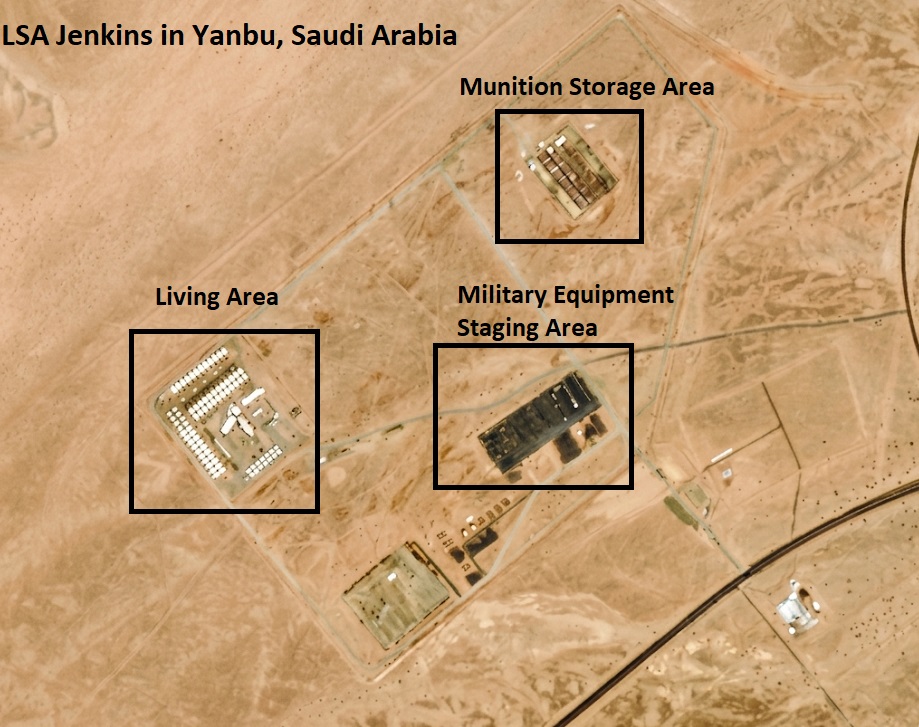
World
WASHINGTON, — May 23, 2026 : Recent satellite imagery has confirmed that significant expansion work has been underway since April 2026 at the U.S. Army Logistics Support Area (LSA) Jenkins in Yanbu, Saudi Arabia, highlighting a continued increase in American military logistics activity along the Red Sea corridor. LSA Jenkins, located approximately 30 kilometres inland from the Yanbu commercial port on Saudi Arabia’s western coast, functions as a logistical support facility for U.S. forces, providing depot, accommodation and transportation hub capabilities. The installation relies on the nearby King Fahd Industrial Port in Yanbu for the offloading of military equipment, which is subsequently moved inland through overland transportation networks. Infrastructure Expansion Observed in Satellite Imagery Satellite imagery collected since April 2026 shows visible construction activity across the installation, including the development of additional paved areas, newly established structures and expanded logistical zones. The imagery further indicates a higher presence of U.S. personnel and military materiel, suggesting increased operational activity at the site. Recent developments also point to upgrades in troop accommodation facilities, logistical storage areas and protective infrastructure designed to support sustained military operations. Expanded depot functions and additional staging areas appear intended to improve the handling and movement of personnel, equipment and supplies entering through the Red Sea. Defence-related assessments and observational reporting additionally indicate the presence of increased military hardware and force-protection systems around the base. This includes motor transport assets, support vehicles and reports of defensive systems such as Patriot and Terminal High Altitude Area Defense (THAAD) batteries, alongside radar infrastructure aimed at strengthening the security of logistical operations. Strategic Role of Yanbu in U.S. Military Logistics Situated on Saudi Arabia’s Red Sea coast and facing Egypt across the waterway, Yanbu provides an important logistical access point for military operations across the Arabian Peninsula. In military planning, logistics support areas function as central depots that receive, store and transport personnel and supplies to operational locations. The western positioning of LSA Jenkins provides direct access to Red Sea maritime shipping routes while remaining geographically separated from U.S. military facilities concentrated in the Persian Gulf. The location also benefits from Saudi Arabia’s road network, enabling overland transportation of military cargo to operational areas across the region. Military analysts note that the site offers strategic logistical depth by positioning key infrastructure farther from regional missile and drone threat environments concentrated in eastern areas of the Gulf region. This allows supply operations to be sustained through alternate maritime and land routes while maintaining force protection and operational flexibility. Development Since 2022 and Native Fury Exercises LSA Jenkins was first identified in commercial satellite imagery in early 2022 and has since developed into a key support location for U.S.-Saudi military cooperation. The facility played a role in joint exercises including Native Fury 2022 and Native Fury 24 in 2024, where U.S. Marine Corps and U.S. Army personnel worked with Saudi counterparts on port operations, joint limited technical inspections, equipment offloading and long-distance convoy operations across the Arabian Peninsula. During those exercises, military units utilised the Yanbu port to unload vehicles, equipment and supplies before transporting them inland to LSA Jenkins for staging and operational support. According to reporting published by The New York Times in June 2025, development at the facility accelerated beginning around 2024. Earlier upgrades focused on expanding ammunition storage, troop accommodation, logistical functions and perimeter security. Prior to that expansion phase, the site reportedly consisted primarily of tents, shipping containers, scattered barbed wire, abandoned bunker infrastructure and limited paved areas. Part of Broader U.S. Regional Military Posture The ongoing expansion of LSA Jenkins coincides with a broader adjustment of U.S. military posture across the Middle East. Beginning in late January 2026, the United States increased regional deployments amid heightened geopolitical tensions, involving additional naval assets, air power and ground support forces operating under U.S. Central Command (CENTCOM). As troop levels and operational requirements increase, logistics facilities such as LSA Jenkins are expected to play a greater role in supporting equipment throughput, troop accommodation, sustainment operations and secure supply chains necessary for long-term regional readiness. U.S. officials have not issued public statements regarding the latest expansion activities at LSA Jenkins. The facility continues to operate as a logistical support site for U.S. military requirements in coordination with Saudi Arabia.
Read More → Posted on 2026-05-23 11:57:00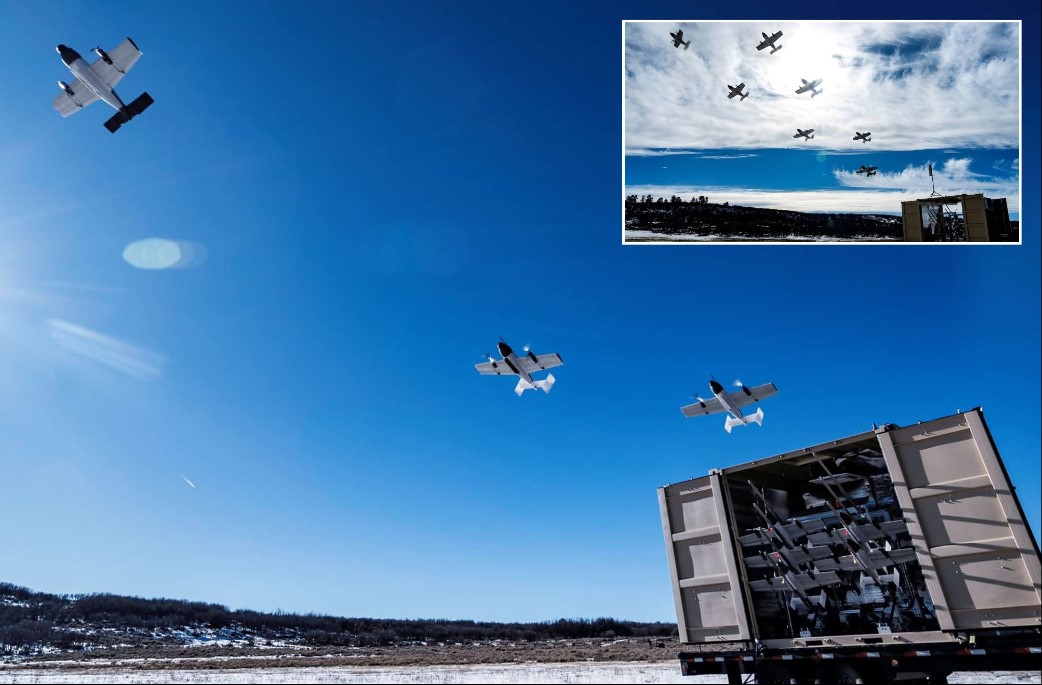
World
TAMPA, Fla., — May 23, 2026 : DZYNE Technologies has officially unveiled Blitz, a next-generation expendable Group 1 unmanned aerial system (UAS) designed to provide affordable mass, rapid adaptability and autonomous operations for modern military requirements. Displayed at the SOF Week 2026, the platform is intended to support the growing demand for small, attritable and cost-effective unmanned aircraft capable of operating individually or in coordinated, high-volume deployments. The fixed-wing aircraft is designed to bridge the operational gap between shorter-range multi-rotor drones and larger Group 2 unmanned systems by combining portability, modularity and scalable deployment options. According to the company, Blitz reflects lessons learned from contemporary conflicts and aligns with defence priorities focused on affordable, interoperable and rapidly deployable unmanned capabilities. Compact Design for Rapid Deployment Blitz is a fixed-wing aircraft weighing approximately 15 pounds (6.8 kg) and features a compact airframe with dual tailfins and mid-mounted wings. Constructed using molded foam and powered by quiet electric propulsion, the aircraft is intended to maintain a low operational signature during missions. Designed for expeditionary and small-unit operations, Blitz uses a foldable and packable airframe with removable wings that fits entirely inside an 80-litre rucksack. The company stated that operators can assemble and prepare the aircraft for hand launch in under two minutes, enabling rapid deployment in austere operating environments. “Blitz represents a fundamental shift in how warfighters can project mass, adaptability, and speed,” said Connor Toler, Blitz Product Manager at DZYNE Technologies. Toler stated that the platform combines affordability with a modular architecture, enabling operators to scale missions from single-asset reconnaissance to synchronized multi-aircraft operations while integrating into existing digital ecosystems. Modular Architecture and Mission Flexibility DZYNE Technologies designed Blitz using a Modular Open Systems Approach (MOSA), enabling operators to rapidly reconfigure the aircraft for different operational requirements. The system includes two primary payload bays, interchangeable nose sections, modular wingtips, telemetry tails, GNSS and visual navigation modules, and multiple battery configurations. According to the company, these components can be swapped in the field with minimal tools, allowing operators to modify mission profiles without replacing aircraft platforms. Open interfaces and Payload Development Kits also allow integration of DZYNE payloads, third-party systems and end-user-developed modules, including mission-specific payload configurations. Blitz integrates natively with ATAK and MAVLink, enabling compatibility with existing command-and-control ecosystems while reducing integration and mission preparation time. The aircraft’s tail-mounted communications package also supports multiple radio configurations for short-range line-of-sight missions and longer-range operational requirements. Performance and Payload Capability DZYNE Technologies stated that Blitz offers an estimated operational range of 50 to 93 miles (80 to 150 kilometres) without forward staging and an endurance of one to two hours, depending on battery configuration. Long-endurance battery options are also available. The aircraft operates within a cruise envelope of 40 to 75 knots equivalent airspeed (KEAS) and can achieve speeds of up to 86 mph when equipped with a high-performance propulsion kit. Blitz is capable of carrying payloads of up to 5 pounds (2.3 kg) and can be configured for intelligence, surveillance and reconnaissance (ISR), electronic warfare (EW), kinetic effects, seekers, deception systems and other mission requirements. The company stated that a baseline aircraft costs under $10,000, excluding payloads. Scalable Launch Options and BlitzBox System In addition to hand-launch capability for low-footprint missions, DZYNE Technologies has developed multiple deployment methods to support larger and distributed force operations. Small teams or maritime platforms can employ a four-pack rail launcher for repeated sorties, while larger synchronized deployments can be conducted using BlitzBox, an ISO container-based launch system developed for scalable mass deployment. BlitzBox is available in multiple configurations, including a 10-foot variant capable of housing up to 16 drones on rail launchers and a 40-foot version capable of carrying up to 100 mission-ready aircraft or as many as 900 disassembled units. The containerized system includes integrated charging infrastructure and can be transported by truck, ship or cargo aircraft. While fully autonomous swarming capabilities remain under development, DZYNE Technologies stated that current software enables a single operator to assign missions to dozens of aircraft simultaneously, automatically sequencing launches and deconflicting flight paths to reduce the risk of in-air collisions. Training and Production Readiness The company stated that Blitz has been designed for ease of use, with ATAK compatibility and an intuitive interface allowing unfamiliar operators to be trained in under two hours. To support potential high-volume demand, DZYNE Technologies reported that its existing manufacturing footprint can currently produce up to 5,000 aircraft per month, with additional expansion capacity available if required. Blitz is currently available for demonstrations and procurement to eligible U.S. and allied customers, with the system being showcased alongside its modular payload architecture and deployment configurations during SOF Week 2026.
Read More → Posted on 2026-05-23 11:44:34
India
AVADI, — May 23, 2026 : Armoured Vehicles Nigam Limited (AVNL) delivered the 1000th T-90(IM) tank to the Indian Army on May 22, 2026 . The tank was produced at the Heavy Vehicles Factory (HVF) of AVNL in Avadi, near Chennai. The T-90(IM), also designated as the T-90 Bhishma in Indian service, is a main battle tank manufactured under licence from Russia. Production at HVF began with the assembly of tanks supplied in semi-knocked-down and completely-knocked-down kits following a 2001 contract for 310 tanks, of which 124 were completed in Russia and the remainder assembled in India. A subsequent 2006 agreement provided for the licensed production of 1,000 T-90S/SK tanks at HVF. The first fully indigenous T-90S tanks rolled out from the facility in 2009. In November 2019, the Indian Army contracted for an additional 464 tanks of an upgraded configuration, designated T-90 Mk III (Bhishma Mk III). Deliveries of the first batch of 10 such tanks took place in May 2024, with the remainder scheduled over the following five years. The 1000th T-90(IM) delivered today forms part of this ongoing licensed production programme. AVNL, established in 2021 as a public sector undertaking following the restructuring of the Ordnance Factory Board, oversees tank production at HVF. The factory, located in Avadi and operational since 1965, has manufactured a range of armoured vehicles including the T-72 Ajeya, Arjun MBT, and Vijayanta tanks, in addition to the T-90 series. Production has progressed from initial assembly of imported components to deep indigenisation of major systems. AVNL has achieved full localisation of the V-92S2 engine used in the T-90 Bhishma, along with engines for the T-72 and BMP-2 platforms. Overall indigenisation levels for the T-90 have reached high percentages, with continued efforts on subsystems such as electromagnetic turret traverse systems to replace older hydraulic drives. These developments have reduced reliance on imported parts. The T-90 Bhishma is equipped with a 125 mm smooth-bore main gun capable of firing guided missiles, APFSDS, HEAT, and HE rounds at a rate of eight rounds per minute. It has a crew of three, weighs 46.5 tonnes, and is powered by a 1,000 hp engine providing a power-to-weight ratio of 21.5 hp per tonne. Maximum road speed is 60 km/h. Additional features include explosive reactive armour, CBR protection, smoke grenade launchers, and fording capability up to 5 metres with a snorkel. The Indian Army operates the T-90 Bhishma as a key element of its armoured formations, alongside the T-72 fleet. The delivery brings the total number of T-90 tanks produced under the programme to 1,000 units at HVF/AVNL. AVNL continues production and upgrade work on armoured vehicles to support army requirements.
Read More → Posted on 2026-05-23 11:34:33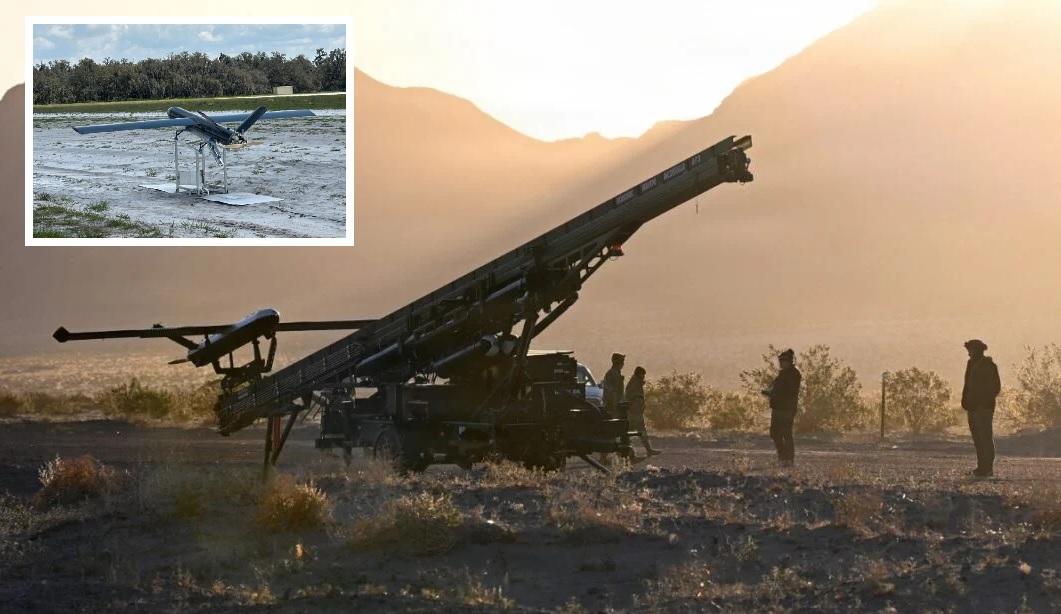
World
ALBUQUERQUE, N.M., — May 23, 2026 : X-Bow Systems has delivered its 600th rocket-assisted takeoff (RATO) motor to AEVEX Aerospace under a $12.2 million contract supporting the U.S. Army’s Disruptor strike drone program, marking a production milestone in the Army’s effort to field long-range unmanned systems capable of operating without fixed runway or catapult infrastructure. The contract covers the supply of hundreds of RATO production kits, thousands of solid rocket motors, and associated components, with deliveries scheduled between March and August 2026. The agreement centers on X-Bow Systems’ RATO² (Rapidly Assembled Tactical Option for Rocket-Assisted Takeoff) system, which enables the Disruptor drone to launch from unprepared surfaces, confined spaces, and temporary operational sites without reliance on traditional runway facilities or large pneumatic launch systems. Additive Manufacturing Supports Rapid Production The milestone also marks the first high-volume operational use of X-Bow’s patented Additive Manufactured Solid Propellant (AMSP) technology in a Group 3 unmanned aircraft system (UAS), introducing additive manufacturing into large-scale solid rocket motor production for tactical drones. The AMSP process builds solid propellant layer by layer, similar to industrial 3D-printing manufacturing techniques, allowing tighter control over propellant geometry and burn characteristics compared with conventional casting or pressing methods. According to the company, the approach improves manufacturing flexibility and enables efficient scaling of production during periods of rapid demand growth. X-Bow Systems, headquartered in Albuquerque, New Mexico, stated that its manufacturing model is designed to reduce timelines between contract award, production, and field deployment. The company has secured approximately $212 million in contracts over the past six months, reflecting broader efforts within the U.S. defense industrial base to expand scalable propulsion production and strengthen supply chain resilience for unmanned systems. RATO² System Expands Tactical Mobility The RATO² system consists of compact solid rocket motors and launch cradle assemblies attached directly to the aircraft during takeoff. Once airborne, the booster burns out and separates from the drone, removing the requirement for heavy, stationary launch systems. Traditionally, Group 3 fixed-wing drones require large pneumatic catapults that involve significant setup time, level terrain, calibration, and logistical support. These systems are often difficult to conceal and limit operational mobility. By contrast, the RATO² system enables launches from dirt roads, field clearings, temporary launch sites, or nearly any surface accessible by military vehicles, significantly reducing deployment time and allowing units to relocate quickly after launch. This capability supports a more mobile operational approach without leaving launch equipment behind. Disruptor Drone Origins and Design The AEVEX Disruptor serves as the long-range tier of the U.S. Army’s Launched Effects family of unmanned systems and is designed for intelligence, surveillance, reconnaissance, and precision-strike missions. The platform evolved from the classified Phoenix Ghost family of loitering munitions, which was originally fast-tracked by the U.S. Air Force beginning in April 2022 for operational requirements linked to Ukraine. Between the Phoenix Ghost initiative (2022–2025) and the subsequent EUCOM Deep Strike Program, AEVEX Aerospace has delivered or committed more than 9,300 systems valued at approximately $1.2 billion through the end of 2026. The aircraft is classified as a Group 3 UAS, a military category covering systems weighing 25 to 600 kilograms, operating at altitudes between 1,000 and 5,500 meters, and flying at speeds ranging from 185 to 460 kilometers per hour. Structurally, the drone is built around a 3.06-meter tubular carbon-fiber fuselage reinforced with aluminum structural elements. It features a V-tail configuration and straight wings spanning 4.8 meters, incorporating foam-filled aerofoil sections and wooden rib structures. When launched using traditional pneumatic systems, the Disruptor has a maximum takeoff weight of 84 kilograms. Integration of the X-Bow RATO kit increases safe takeoff capacity to approximately 93 kilograms, expanding payload flexibility. Engine Variants and Strike Capabilities AEVEX produces the Disruptor in two primary engine configurations, both designed to carry a 22.5-kilogram warhead capable of engaging light vehicles, radar systems, equipment, and personnel concentrations. The standard configuration, powered by a carburetor engine, provides approximately 4.5 hours of endurance and an operational range of up to 600 kilometers. The extended-range configuration, equipped with an electronic fuel injection engine, can remain airborne for more than 11 hours and extend operational reach to roughly 1,300 to 1,400 kilometers. To maintain effectiveness in contested environments where satellite navigation signals may be disrupted or denied, the aircraft integrates alternative positioning, navigation, and timing systems supported by visual-based navigation frameworks. Operational Validation During Exercise Arcane Thunder 26 The Disruptor’s operational role was formally validated during Exercise Arcane Thunder 26, conducted between April 6 and April 29, 2026, across Germany, Poland, and the United States. During the exercise, soldiers from Multi-Domain Command Europe’s (MDC-E) Innovations Cell conducted night preparation and launch operations involving the system at the National Training Center at Fort Irwin, California. The exercise confirmed the Disruptor’s role as the long-range launched effects platform within the Army’s evolving unmanned systems structure and demonstrated its suitability for multi-domain operational environments. Growing Interest in the RATO² Launch Concept Beyond U.S. Army integration, X-Bow Systems recently demonstrated the RATO² system to international special operations forces during SOF Week in Tampa, Florida, indicating growing allied interest in both the launch system and the additive manufacturing approach supporting rapid drone deployment. The delivery of the 600th RATO motor represents a production milestone achieved within months of contract execution and reflects continuing efforts to scale manufacturing capacity for the Disruptor program as the U.S. Army expands deployment of long-range unmanned strike systems.
Read More → Posted on 2026-05-23 11:32:33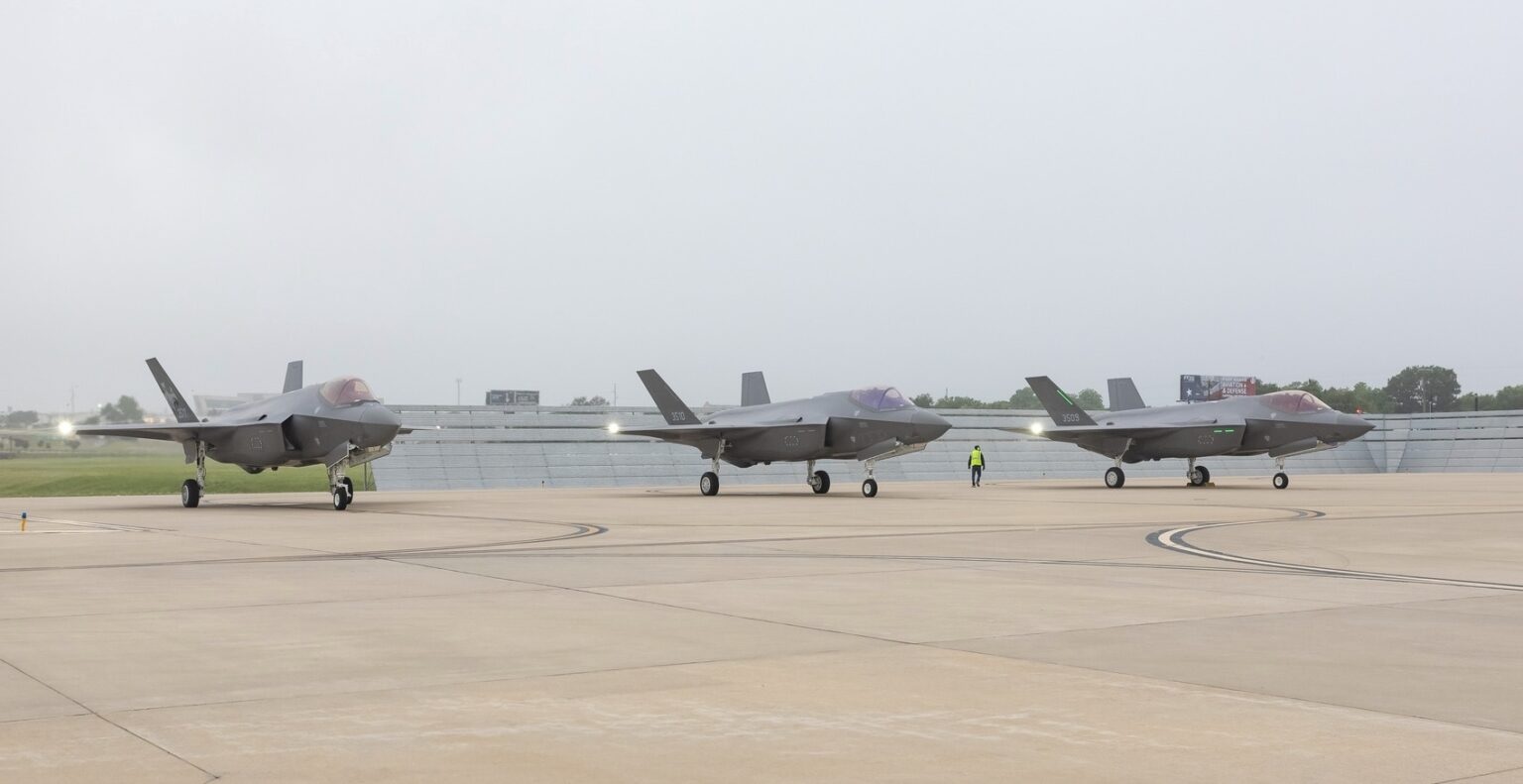
World
ŁASK, Poland, — May 22, 2026 : Poland has officially received the first three Lockheed Martin F-35A Lightning II fighter aircraft at the 32nd Tactical Air Base in Łask, marking the beginning of operational deployment of the country’s first fifth-generation combat aircraft. The aircraft arrived in central Poland following a transatlantic flight from a Lockheed Martin production facility near Fort Worth, Texas. The delivery route included a scheduled stop at Lajes Field Air Base in the Azores before the aircraft continued to Poland. During the transit, the aircraft legally remained under United States jurisdiction and were flown by American pilots, while the Polish national insignia on the jets remained temporarily covered until the formal transfer process was completed. The delivery is part of Poland’s $4.6 billion agreement signed with Lockheed Martin on January 31, 2020, for the procurement of 32 F-35A fighter aircraft. The contract, concluded during the first term of U.S. President Donald Trump, also includes flight simulators, logistics support, technical assistance, and training programs for 24 Polish pilots and approximately 90 ground personnel. Although these are the first F-35A aircraft delivered to Polish territory, earlier aircraft from the order were previously sent to Ebbing Air National Guard Base for training activities. Since January 2025, Polish pilots, engineers, logistics personnel, and system administrators have been undergoing operational and maintenance training in the United States. Pilots completing instructor-level qualification are expected to return to Poland to support future domestic training operations. The Polish Air Force has officially designated the aircraft as the “F-35A Husarz”, referencing Poland’s historic winged hussar cavalry formations. The aircraft is a fifth-generation multirole fighter equipped with low-observable stealth technology, advanced electronic warfare systems, sensor fusion capabilities, and network-centric combat systems designed to share real-time operational data with allied forces. The 32nd Tactical Air Base in Łask, which currently operates F-16C/D Block 52+ fighter aircraft, underwent extensive modernization work ahead of the arrival of the F-35A fleet. Infrastructure upgrades began in 2022 and included the construction of secure maintenance hangars, specialized technical facilities, mission planning systems, and integrated support infrastructure compatible with both F-16 and F-35 operations. The base received official certification for F-35 operations in March 2026 and will serve as the primary operating location for the first squadron of 16 aircraft. Poland plans to base the second squadron of 16 F-35A aircraft at the 21st Tactical Air Base in Świdwin, which is currently undergoing infrastructure adaptation work to support future operations. According to current delivery schedules, additional aircraft are expected to arrive progressively through 2029. Polish defense authorities expect all 32 aircraft to enter service by the end of 2030, while full operational readiness of the fleet is projected in the following years after completion of infrastructure integration and personnel training. The new F-35A fleet will gradually replace Poland’s aging Soviet-era MiG-29 and Su-22 aircraft as part of the country’s broader air force modernization program. Polish Defense Minister Władysław Kosiniak-Kamysz stated that the introduction of the aircraft marks the deployment of the first fifth-generation fighter capability on NATO’s eastern flank and will improve operational interoperability between Poland, the United States, and other NATO allies operating the F-35 platform. The arrival of the first three aircraft marks the beginning of long-term operational integration of the F-35A into the Polish Air Force, strengthening Poland’s national air defense capabilities and supporting NATO collective defense operations in Eastern Europe.
Read More → Posted on 2026-05-22 18:14:27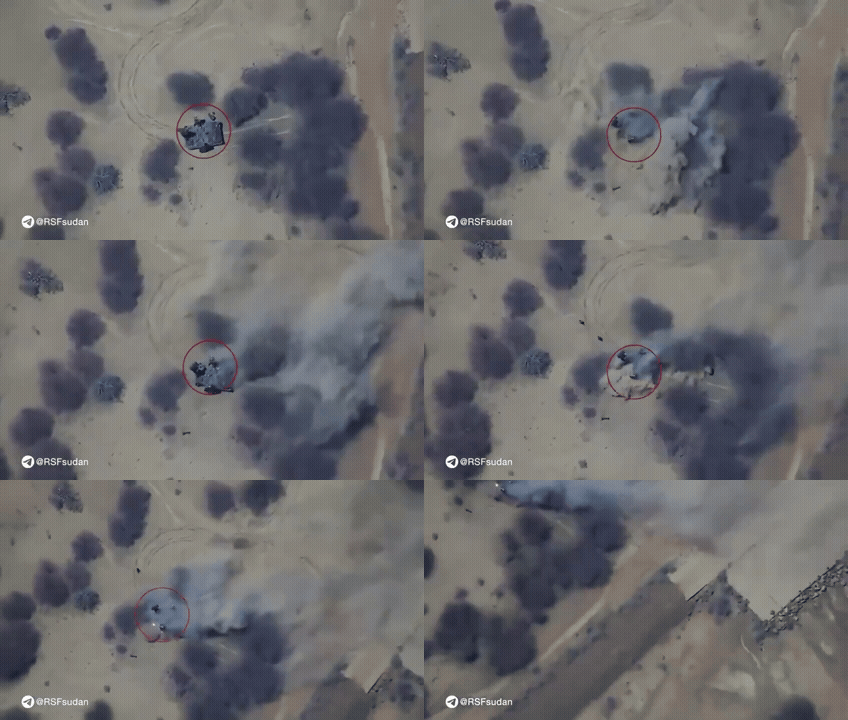
World
KHARTOUM, — May 22, 2026 : The Rapid Support Forces (RSF) have released combat footage claiming to show the destruction of a Turkish-made HİSAR-A mobile low-altitude air defense system operated by the Sudanese Armed Forces (SAF) during ongoing fighting in Sudan’s North Kordofan region. The reported strike took place near Rahid al-Nuba, also referred to as Rihaid al-Nuba, amid continued escalation in the country’s civil war. According to the RSF, the operation was conducted through coordination between its military intelligence, air force, and special forces units. The released footage reportedly shows a precision-guided munition launched from a Chinese-manufactured combat drone striking the HİSAR-A system shortly after deployment. The video shows crew members exiting the vehicle moments before missiles onboard detonated in secondary explosions, resulting in the system catching fire. The RSF stated that the targeted platform belonged to forces aligned with the Sudanese Armed Forces. Open-source analysts reviewing the footage said the strike location was geolocated to coordinates near 14.809, 31.607 in North Kordofan. Metadata associated with the footage reportedly corresponds to May 21, 2026. However, no independent third-party verification confirming the destruction of the system has been released. Some accounts aligned with the SAF have disputed the authenticity of the footage, describing it as unverified or fabricated. Turkish-Made HİSAR-A System The HİSAR-A is a short-range air defense (SHORAD) system jointly developed by Turkish defense companies Aselsan and Roketsan. The mobile missile system is designed to intercept low-altitude threats including unmanned aerial vehicles, helicopters, cruise missiles, and fixed-wing aircraft. The system uses infrared-guided missiles with a reported engagement range of up to 15 kilometers and can operate within layered air defense networks. Sudan has received Turkish defense equipment, including drones and air defense systems, through bilateral military cooperation agreements signed before the conflict intensified. The Sudanese Armed Forces have also previously operated Turkish-made Bayraktar Akıncı unmanned combat aerial vehicles during operations against RSF positions. Expanding Drone Warfare in Sudan The reported strike highlights the growing role of drones in the Sudan conflict, where both the SAF and RSF have increasingly relied on unmanned systems for reconnaissance missions and precision attacks. Military analysts note that the incident reflects a broader trend in modern warfare, where relatively low-cost drones are increasingly being used to target expensive air defense systems and armored platforms. The reported destruction of the HİSAR-A system has renewed attention on the vulnerability of traditional air defense assets against small, low-observable UAV threats operating in active combat zones. Defense observers also state that the Sudan conflict has increasingly become a live operational environment for foreign-supplied military technology. Since the outbreak of war in 2023 between forces led by General Abdel Fattah al-Burhan and RSF commander Mohamed Hamdan Dagalo, both sides have relied heavily on externally supplied drones, missile systems, and surveillance platforms. Debate Over Operational Testing Standards The incident has also renewed discussion regarding operational testing standards for rapidly developed military systems. Turkey has expanded its defense exports significantly over the past decade, gaining international attention through platforms such as the Bayraktar TB2 drone series and the HİSAR family of air defense systems. However, some defense analysts argue that rapidly fielded systems can face operational challenges when exposed to evolving threats such as low-signature drones, coordinated UAV attacks, and electronic warfare environments. This approach is often contrasted with procurement and testing cycles used by countries such as India, where the armed forces and the Defence Research and Development Organisation (DRDO) conduct extensive multi-environment field trials before large-scale induction. Such testing procedures are intended to identify vulnerabilities under varied operational and climatic conditions prior to deployment. Escalation in North Kordofan The reported strike comes amid intensified fighting across North Kordofan and several other regions of Sudan. The United Nations and humanitarian organizations have repeatedly expressed concern regarding the increasing use of combat drones by both sides, citing repeated strikes on military facilities, infrastructure, and civilian-populated areas. UN reporting indicates that drone-related incidents now account for a significant portion of verified civilian casualties recorded during 2026. As the conflict enters its third year, battlefield performance of imported military systems is expected to remain under close international observation, particularly as drone warfare continues to shape tactical operations across Sudan. No official statement regarding the reported strike has been issued by the Sudanese Armed Forces, Turkish authorities, or the manufacturers of the HİSAR-A system as of May 22, 2026.
Read More → Posted on 2026-05-22 18:09:55Search
Top Trending in 24 Hours
-
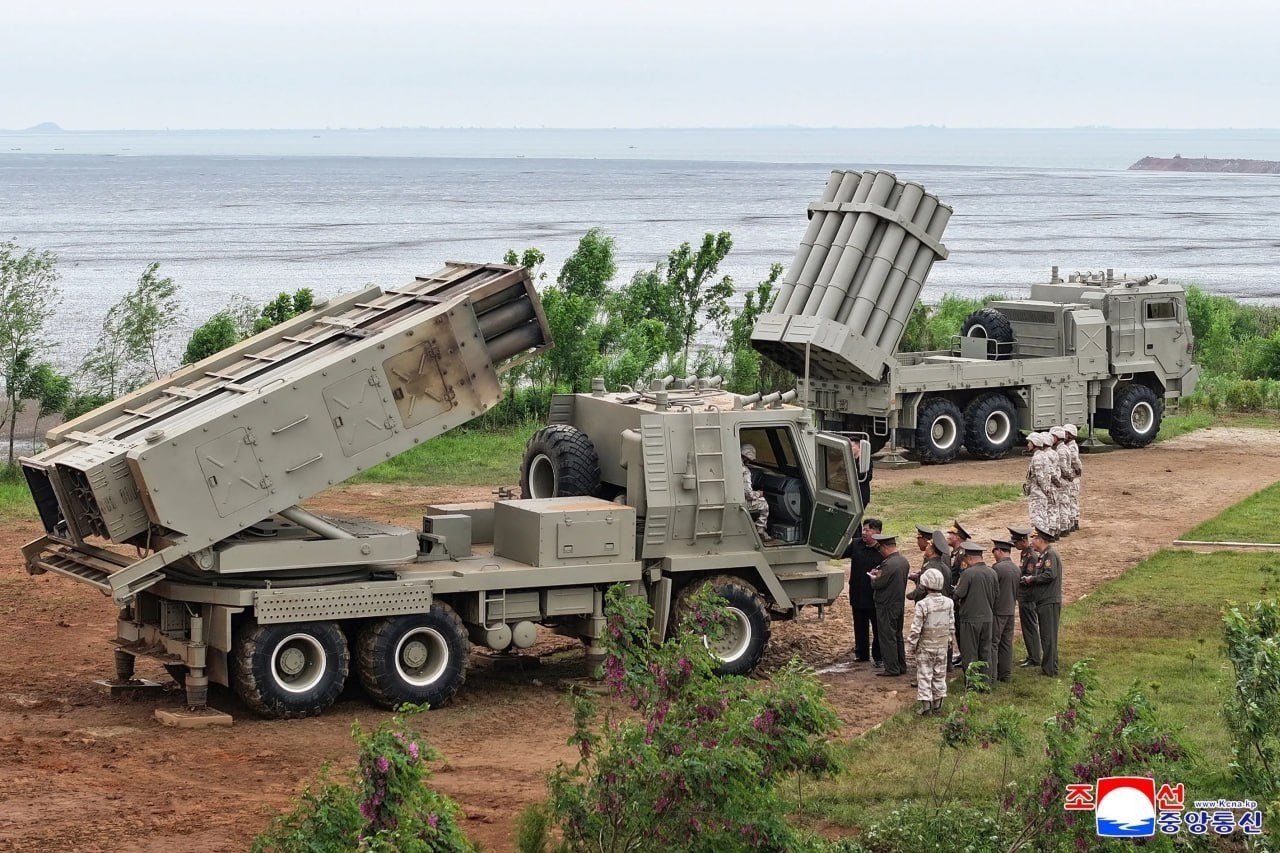 North Korea Tests AI-Powered Missile Capable of Changing Flight Path
-
 NASA Develops Humanoid Robots for Future Moon and Mars Missions
-
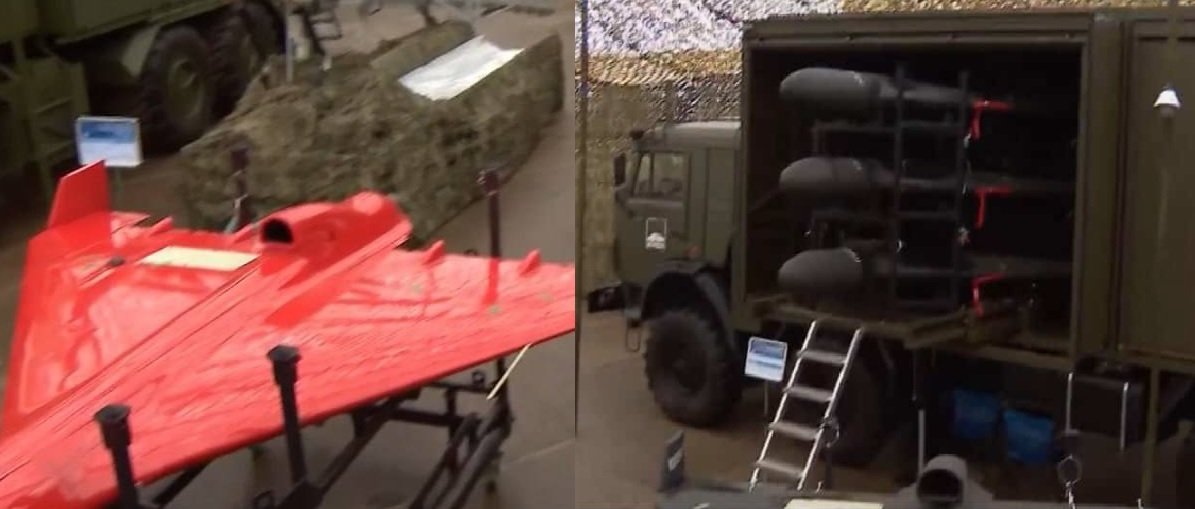 Russia Reveals Jet-Powered Harpy Attack Drones and Mobile Launchers
-
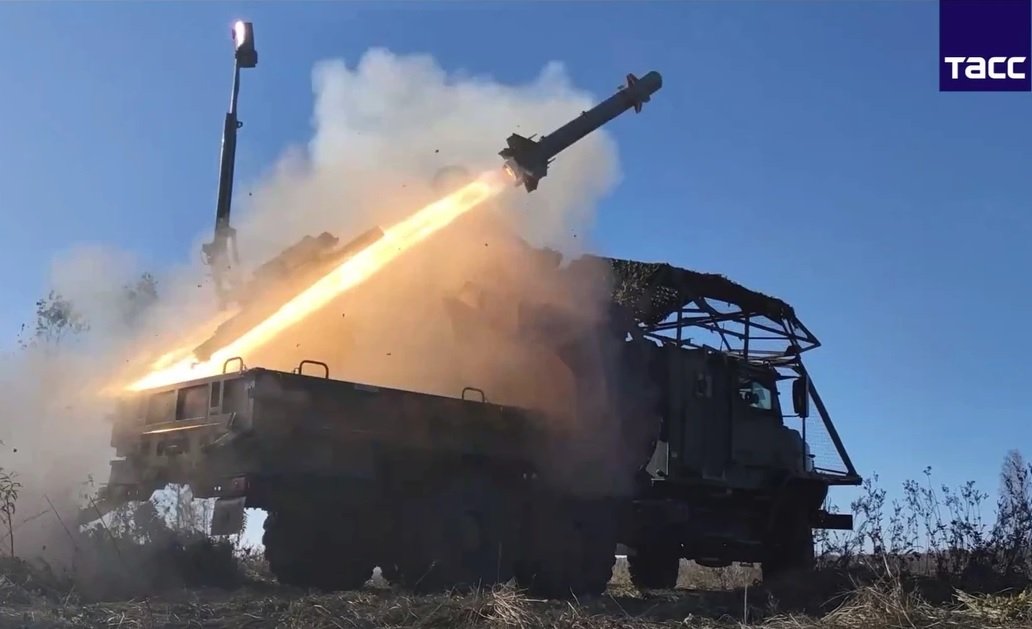 Russia Demonstrates Truck-Mounted LMUR Missile System During Tsentr-2026
-
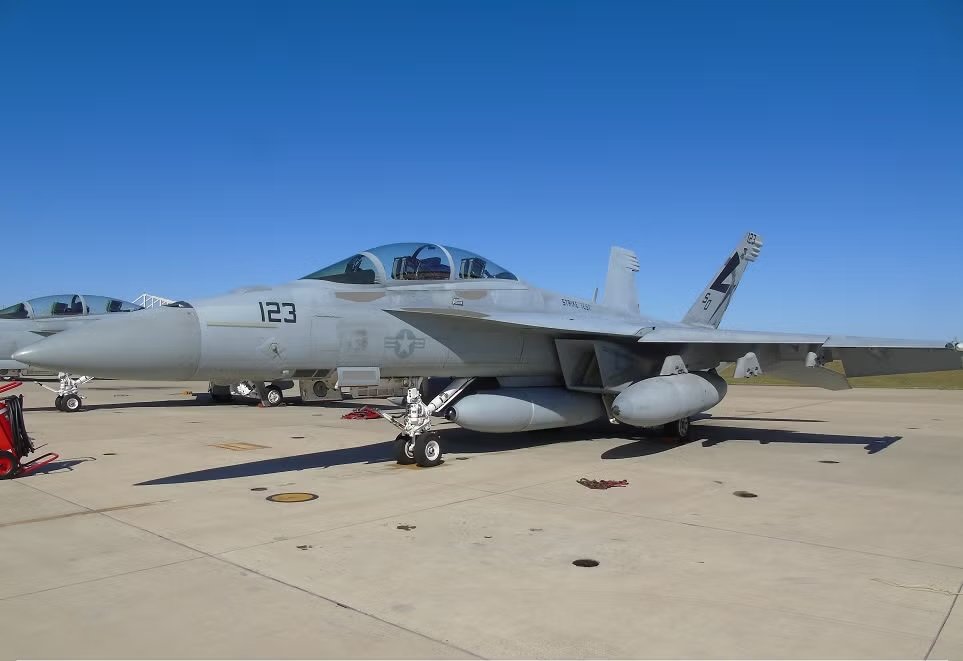 Lockheed Martin Secures $245 Million Contract for F/A-18 Super Hornet IRST Systems
-
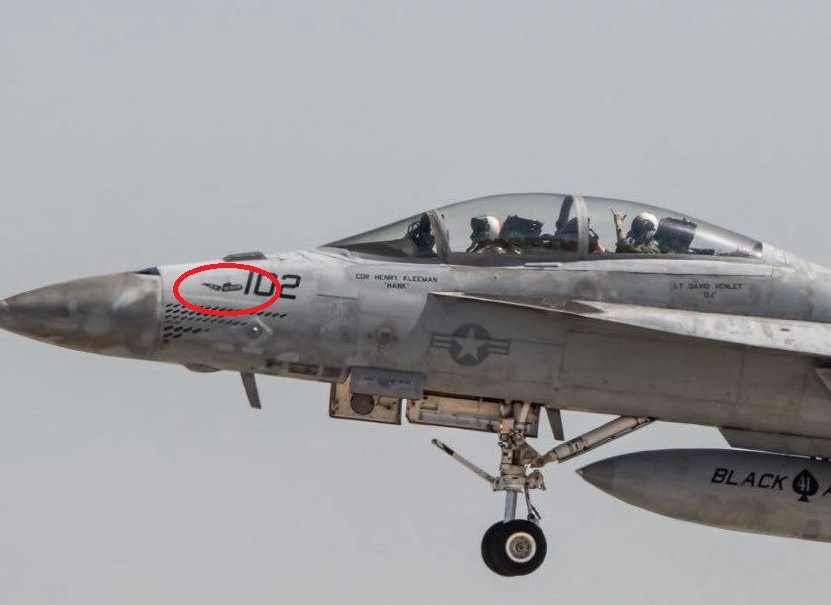 U.S. Navy F/A-18 Super Hornet Returns from 'Operation Epic Fury' Sporting 'Sub Buster' Kill Mark
-
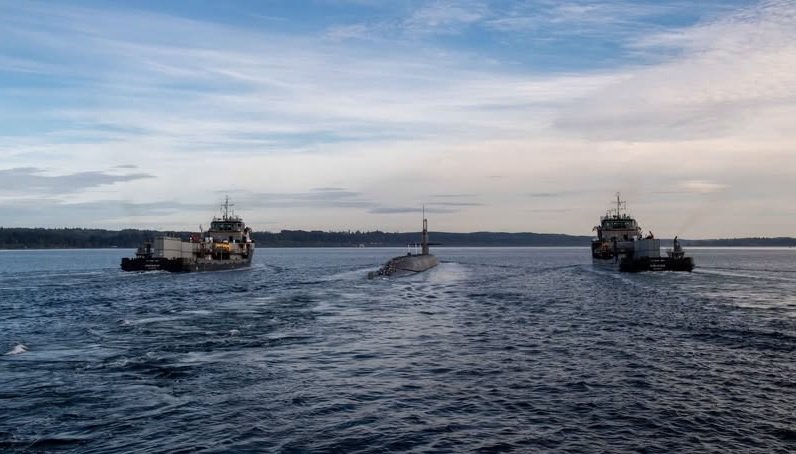 U.S. Navy Swaps Homeports of USS Wyoming and USS Pennsylvania Ahead of Columbia-Class Transition
-
 IG Defence Successfully Tests Two Solid Rocket Motors for JWALA Micro-Missile
Top Trending in 4 Days
-
 Northrop Grumman Delivers First 21 Satellites for Pentagon’s Next-Generation Military Network
-
 NASA Adds Blue Origin’s Upgraded New Glenn 9×4 to Launch Services Contract
-
 U.S. Army Selects Five Companies to Develop 1,000-Km Precision Strike Missile Prototypes
-
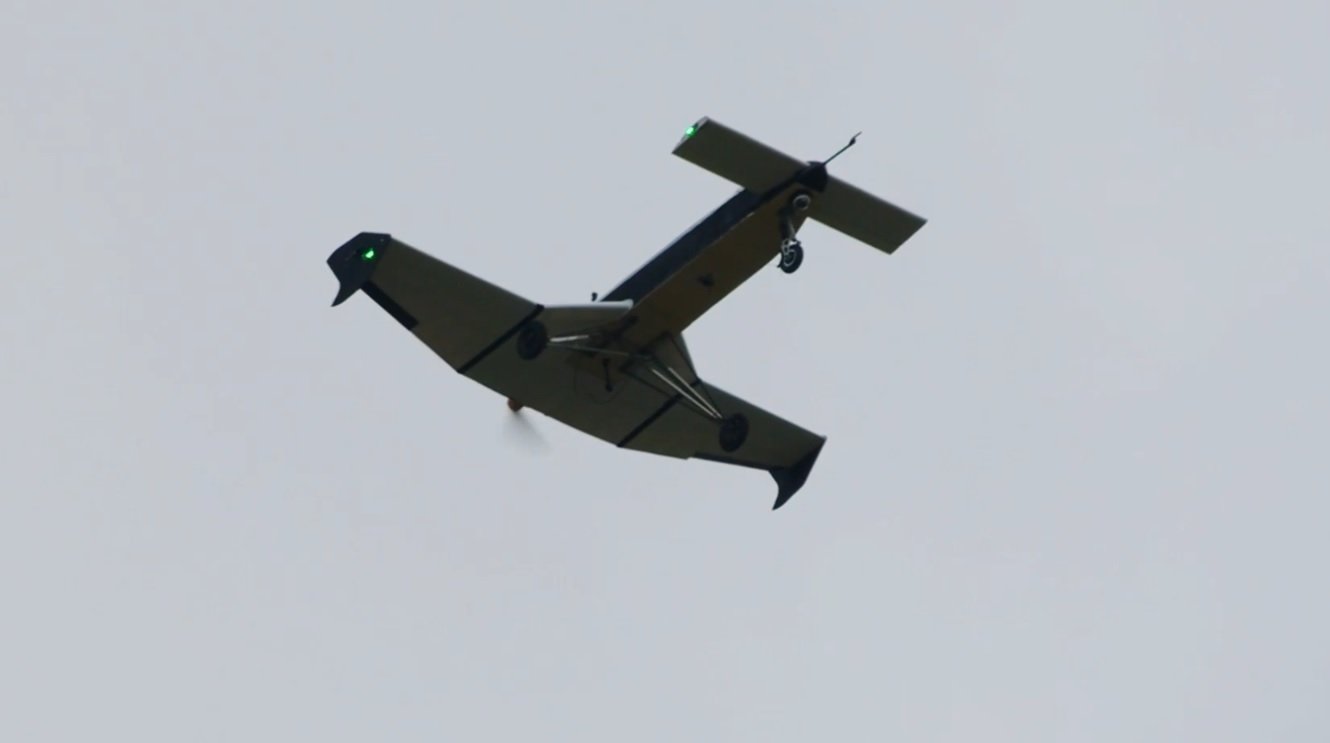 Ukraine’s SkyFall Unveils Thor Hammer Strike UAV With Up to 600-Km Range
-
 Boeing Wins $20 Billion U.S. Navy Contract for F/A-XX Sixth-Generation Fighter
-
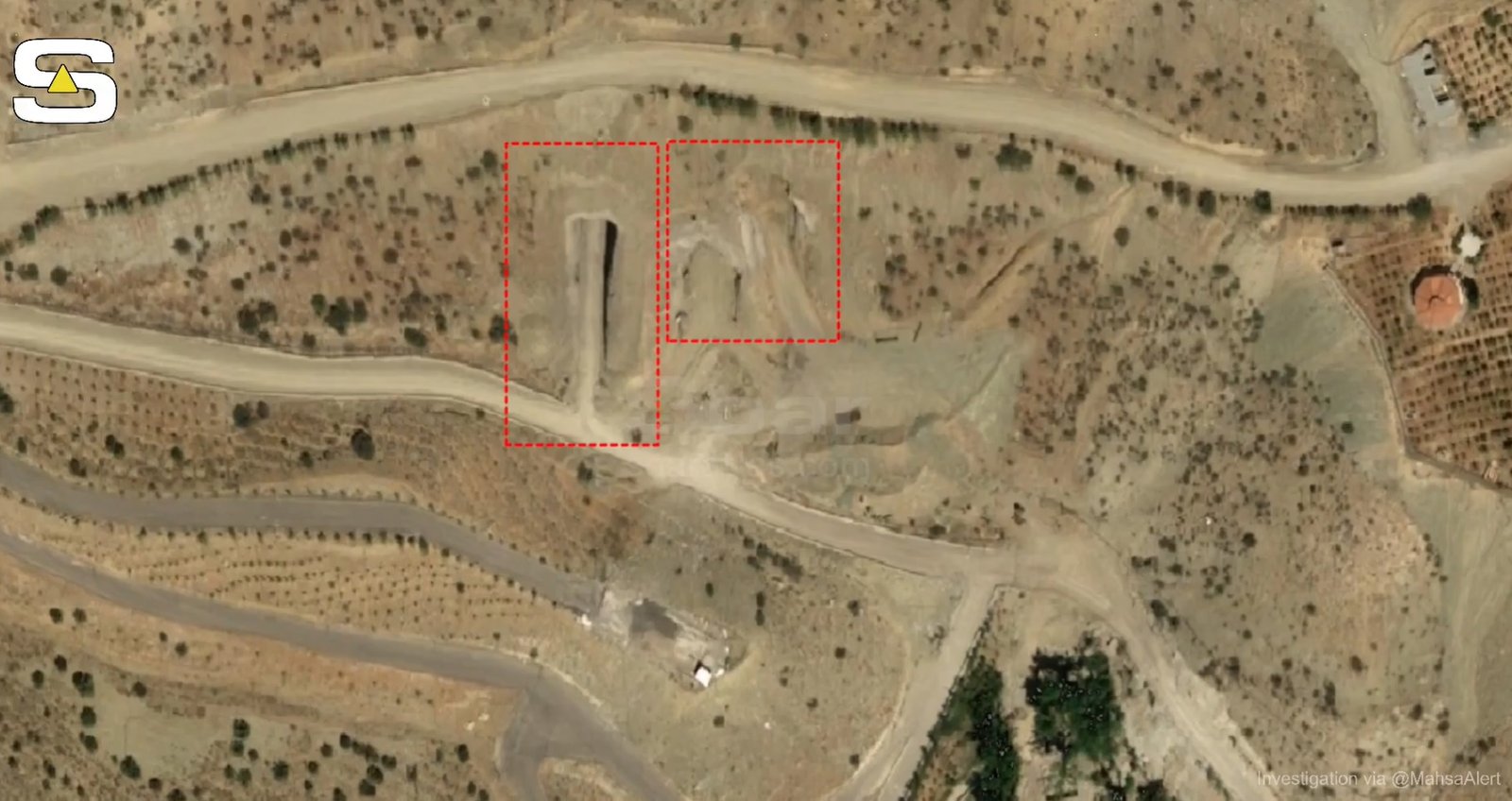 Satellite Imagery Shows Construction Changes at Hillside Site Linked to Iran’s Supreme National Security Council
-
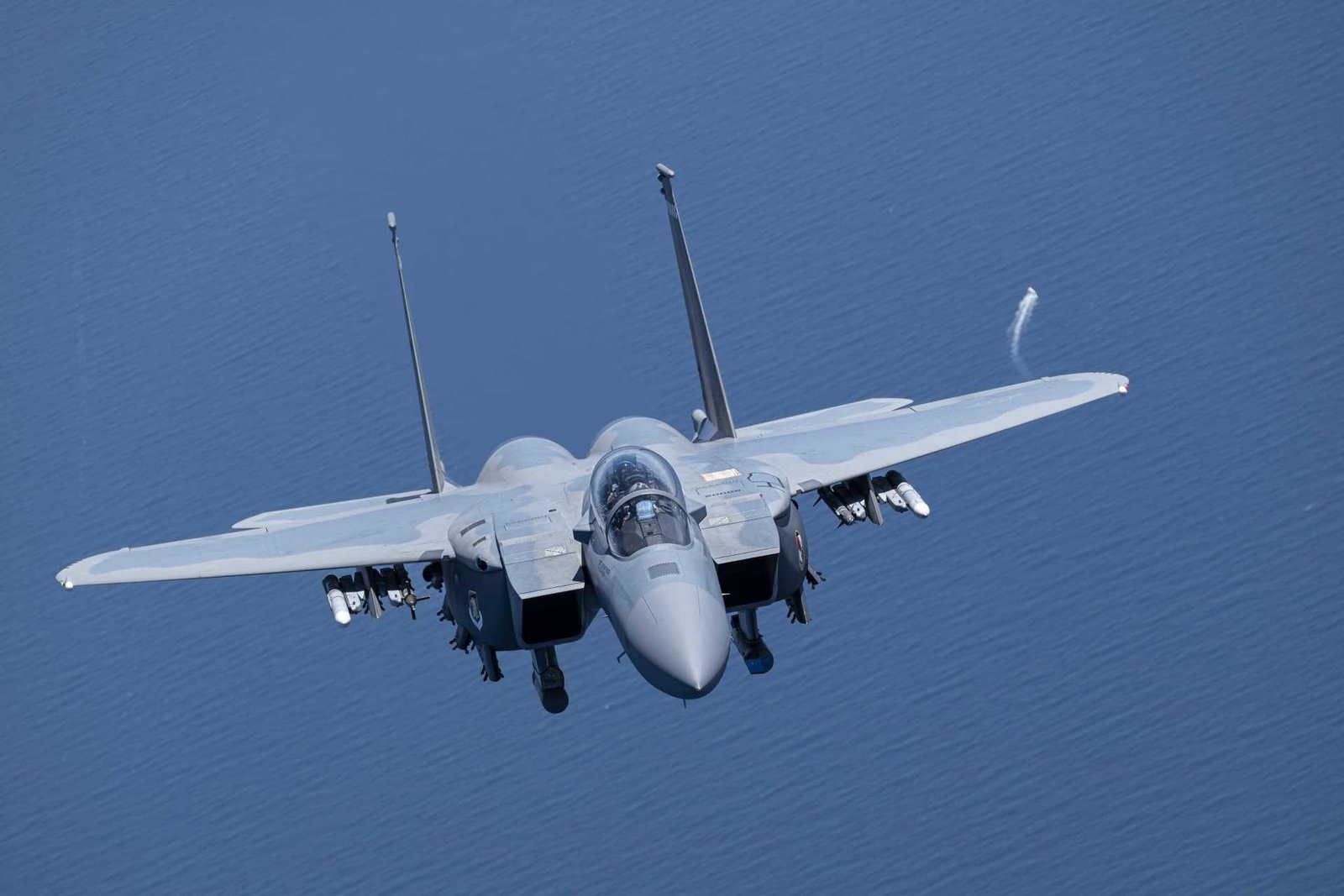 U.S. Air Force Seeks Missile Warning System for F-15EX Fleet
-
 NASA Awards Modulate Space $38 Million Contract to Develop Lunar 5G and Wi-Fi Network
