India
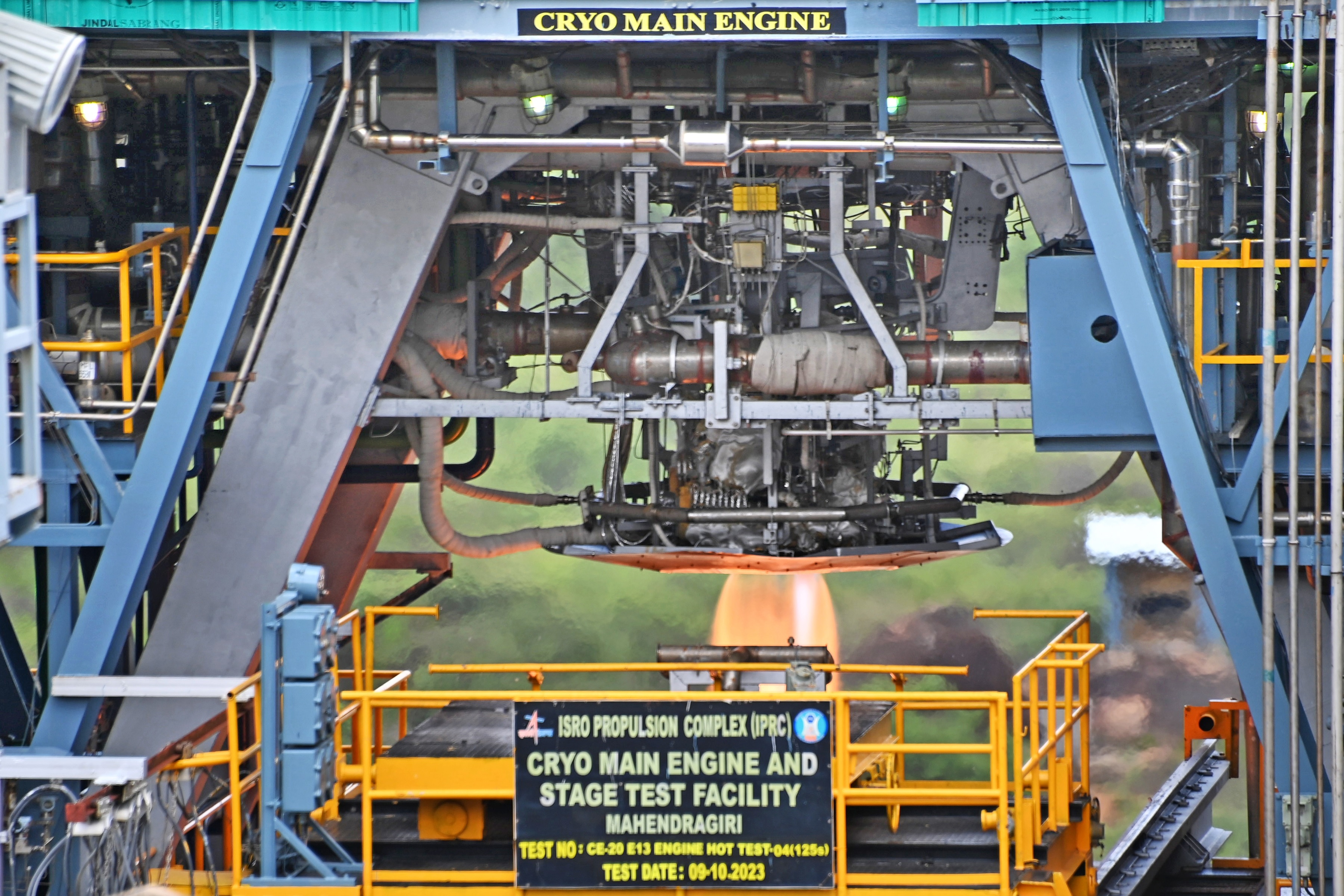
The CE20 engine stands as a groundbreaking achievement, being the first cryogenic engine developed indigenously to power the upper stage (C25) of the LVM3 rocket. Originally qualified to operate at a thrust level of 19 tonnes, this engine has demonstrated its prowess in six consecutive LVM3 missions, including notable endeavors like Chandrayaan-2, Chandrayaan-3, and two commercial OneWeb missions. To enhance the payload capability of the LVM3, the upper cryogenic stage has been reconfigured into the C32 stage, boasting enhanced propellant loading. This modification enables the engine to operate at an increased thrust level of 22 tonnes. However, to meet this higher thrust requirement, the engine must undergo re-qualification through a series of ground hot tests. The current focus is on the twelfth hardware iteration of the CE20 engine, designated as the E13 engine, which is pivotal for the 22-tonne thrust level qualification program. Notably, after successfully completing the engine tuning hot test (E13 HT-01) for a duration of 50 seconds, the second long-duration hot test (E13 HT-02) achieved success with a duration of 720 seconds on August 30, 2023. Subsequently, the third hot test (E13 HT-03) was also accomplished, lasting 670 seconds with a thrust of 22 tonnes on September 22, 2023. The culmination of the E13 HT-03 marked the completion of the Gaganyaan qualification for the CE20 engine. The fourth hot test (E13 HT-04), designed to demonstrate off-nominal operation of the engine (22t+5%PC & -5%MR), was conducted successfully for a duration of 125 seconds on October 9, 2023, at the MET facility, IPRC, Mahendragiri. During this test, both the engine and facility performed normally, achieving the required engine performance parameters as predicted. With this accomplishment, the CE20 engine is now officially qualified for operating at the 22-tonne thrust level in flight.
Read More → Posted on 2021-06-30 18:30:00Search
Top Trending in 24 Hours
-
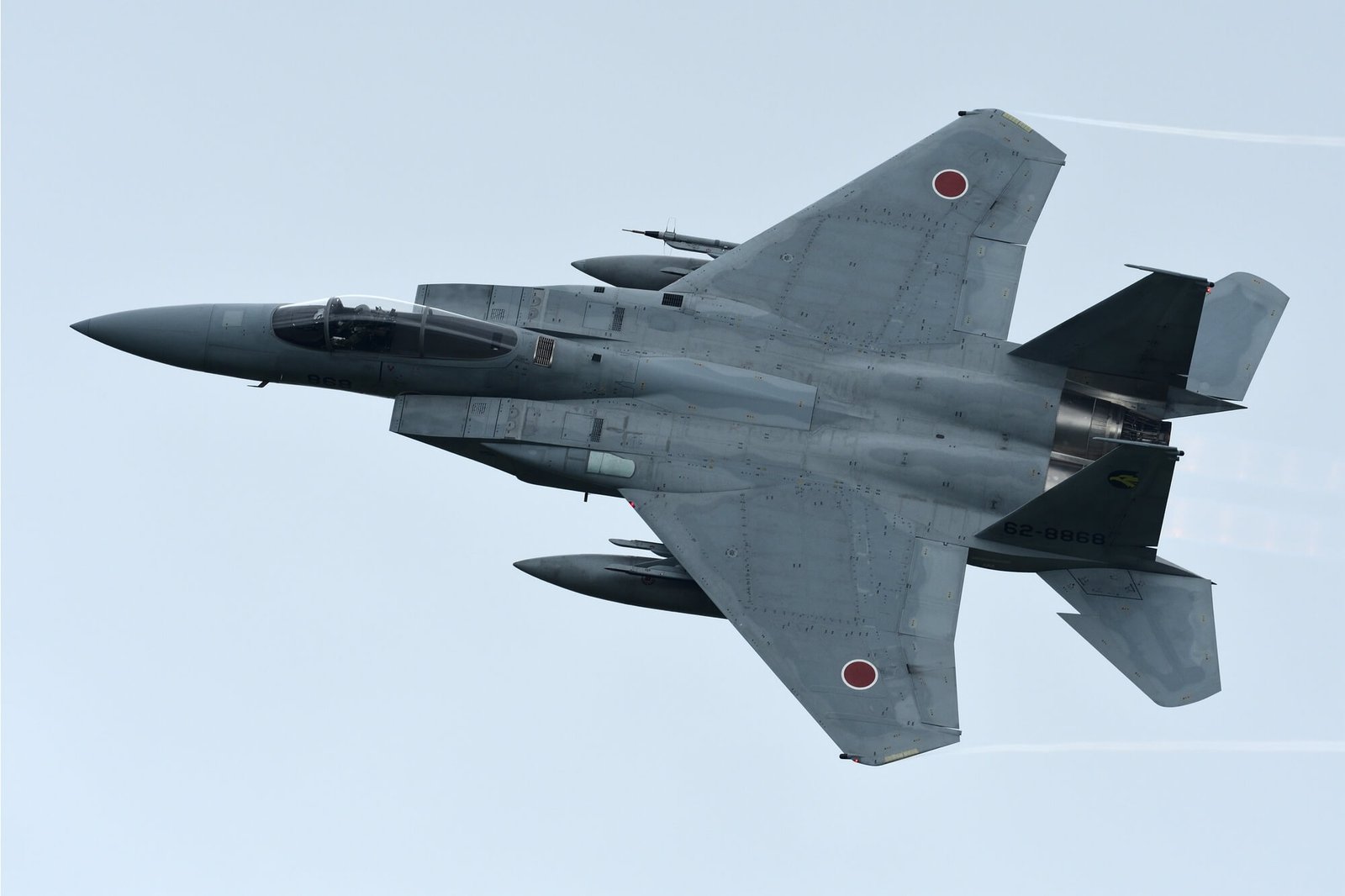 Japan Signs $267 Million in Contracts for F-15J Japan Super Interceptor Upgrade
-
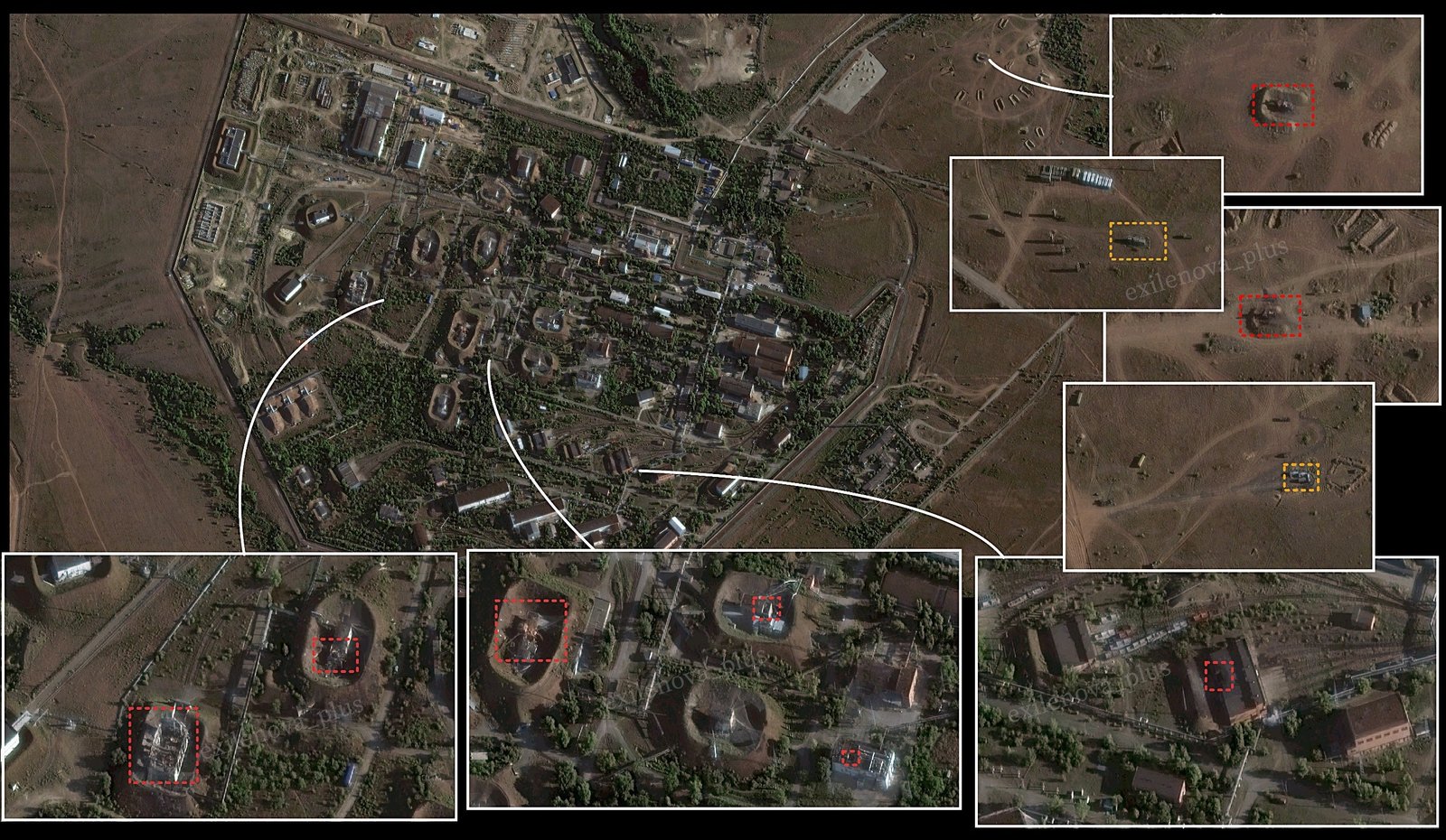 Satellite Images Show Ukrainian Drone Strike Hits Russian Rocket Fuel Plant and Air Defense Systems in Rostov Region
-
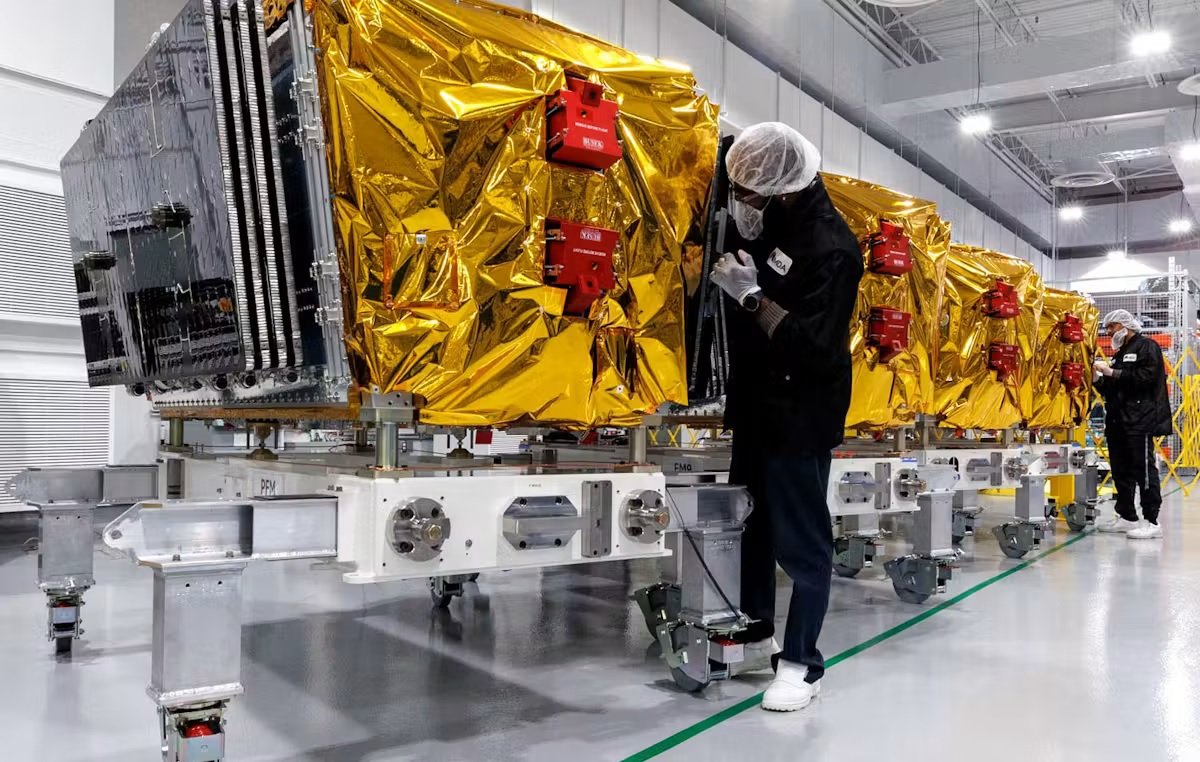 MDA Space Deploys First Eight Replenishment Satellites for Globalstar Constellation
-
 Honeywell Aerospace Tests AI-Powered SAMURAI Counter-Drone System at CENTCOM’s EXTiC 26-2
-
 U.S. Navy Awards Raytheon $22.9 Billion Contract to Boost Tomahawk Production
-
 HII’s Watcher Autonomous Vessel Completes DIU PRIME Testing, Moves Closer to Production
-
 Russia Expands Moscow’s Anti-Drone Defense Network With Specialized 35-Meter Towers for Pantsir Systems
-
 Russia Expands Drone Launch Network Near Ukraine and Belarus Borders, Putting NATO Territory Within Range
Top Trending in 4 Days
-
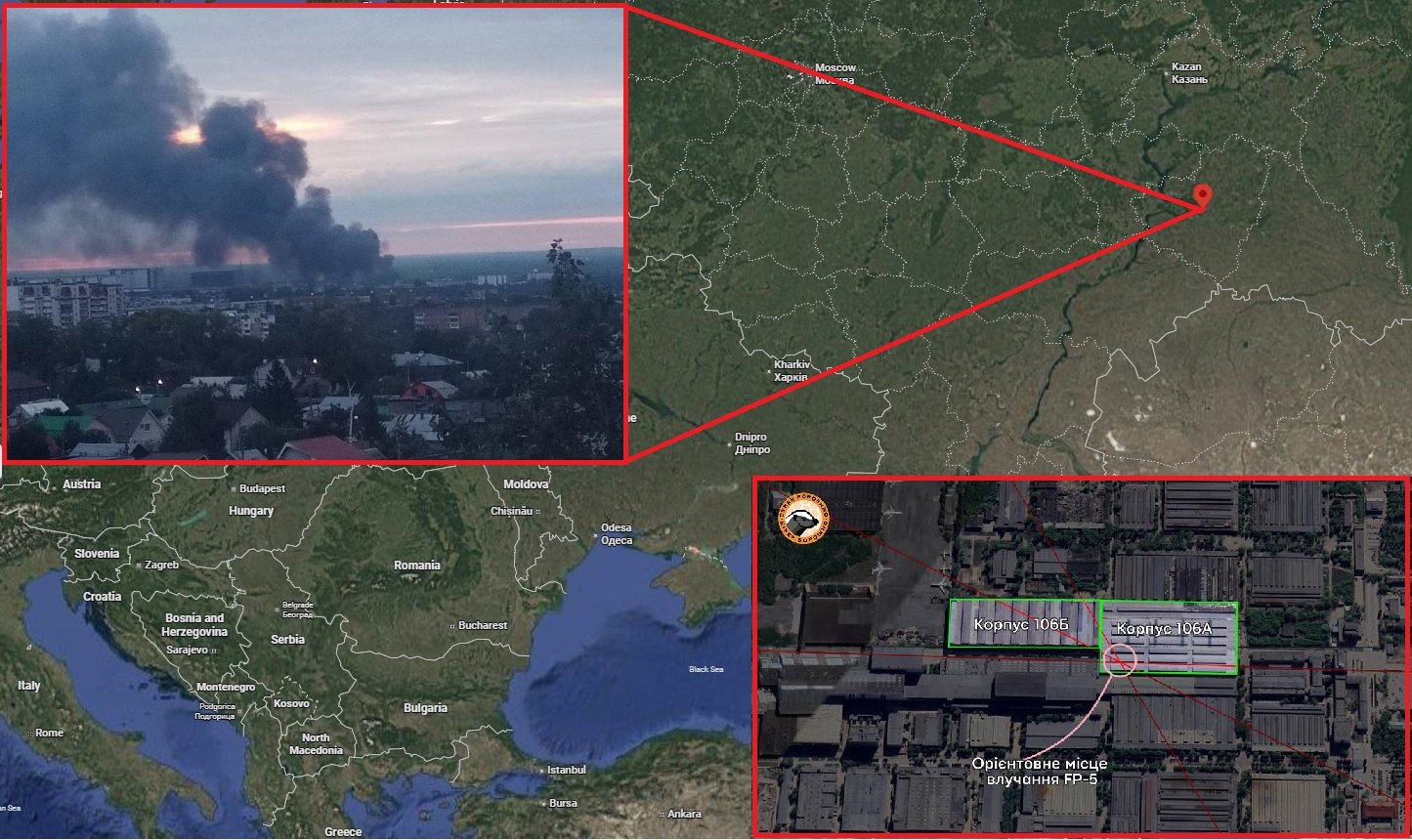 Ukraine Strikes Russia’s Progress Rocket Center in Samara With Long-Range Missile
-
 President Trump Orders Return to Steam Catapults From EMALS on Future Ford-Class Carriers Starting With USS Doris Miller
-
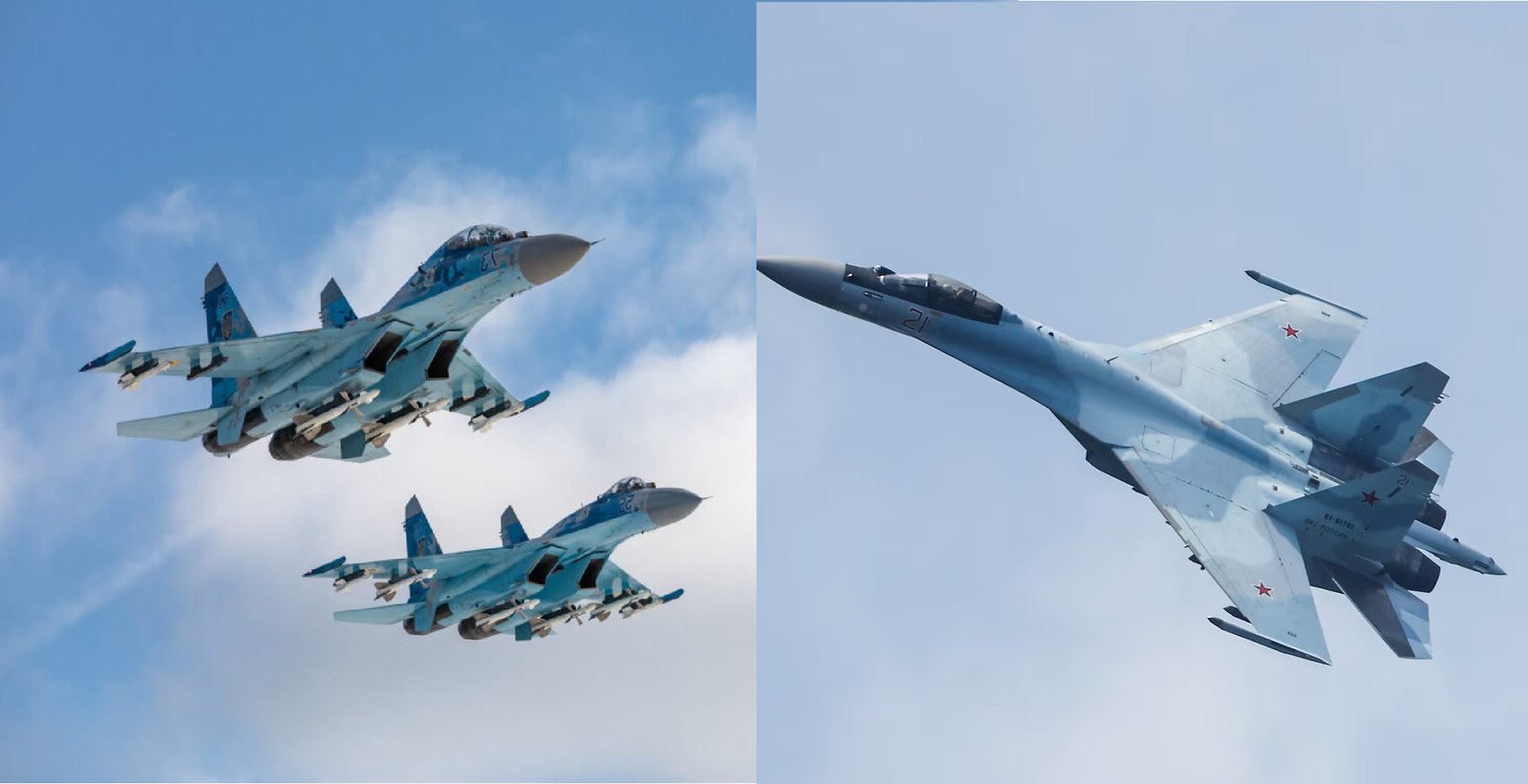 Russian Su-35S Pilot Reportedly Downs Two Ukrainian Su-27s in One Engagement
-
 US CENTCOM Launches Task Force 'Falcon Strike' for Multinational Attack Drone Operations
-
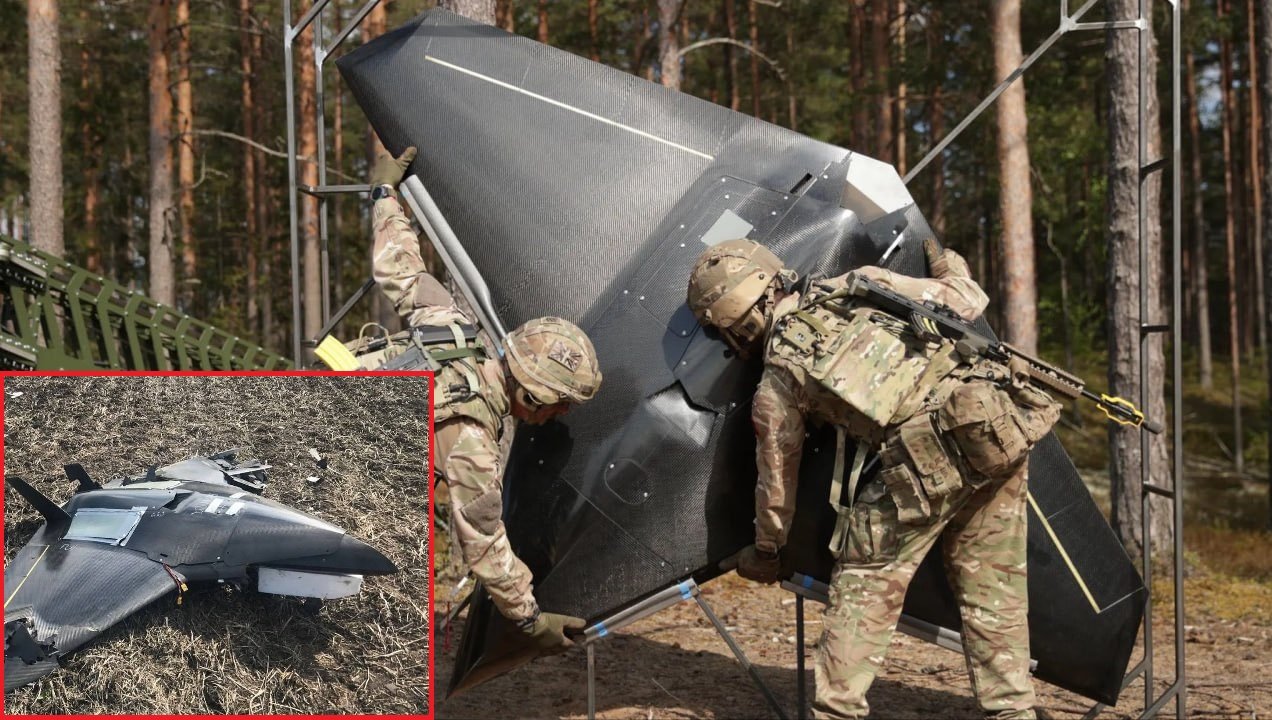 Ukraine Uses British-Made Nyan Drones in Deep Strikes Against Russian Targets
-
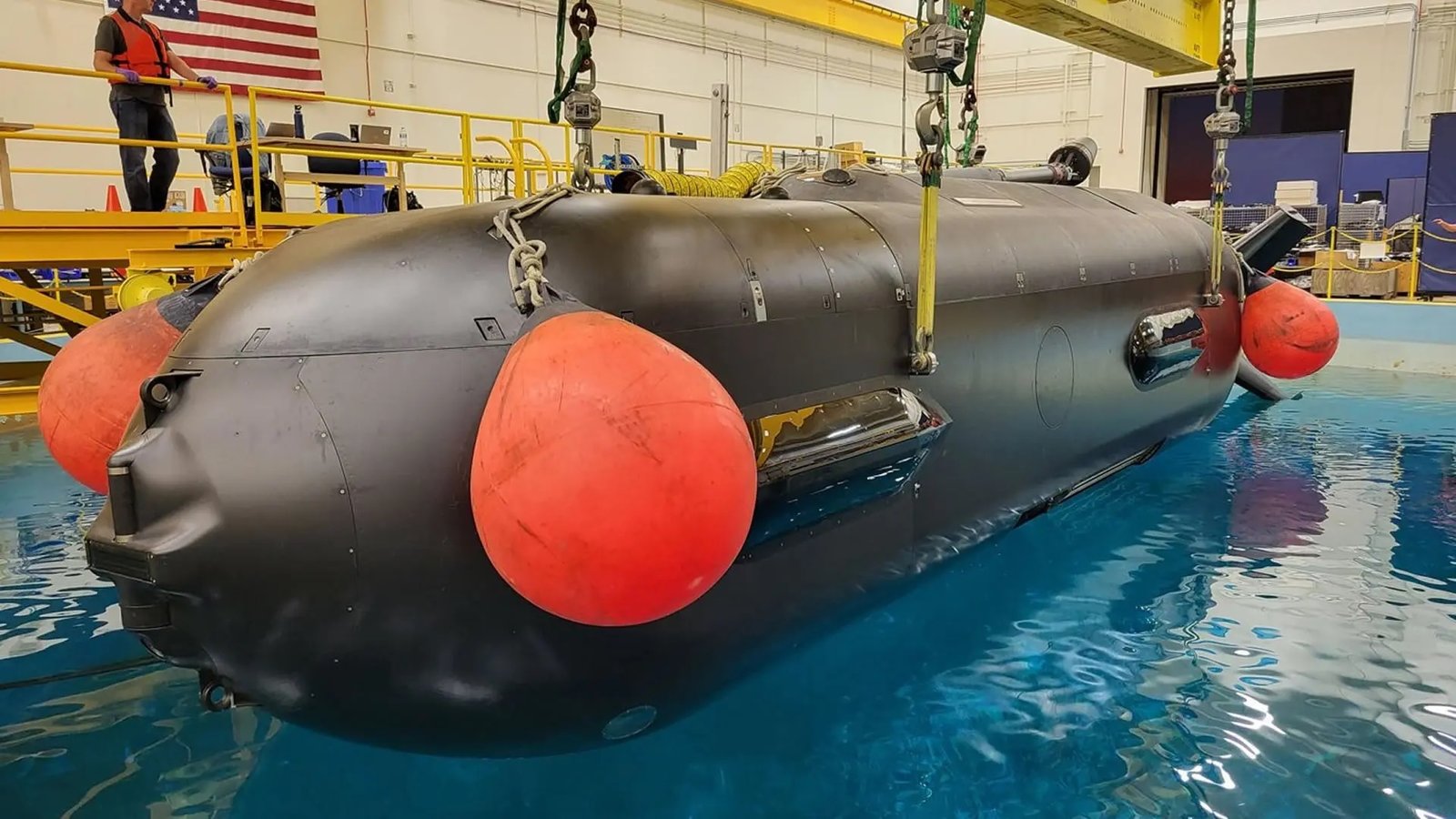 U.S. Navy’s Orca XLUUV Completes First 1,000-Nautical-Mile Pacific Transit
-
 USS Abraham Lincoln Crew Faces Extended Deployment Strain as U.S. Navy Sends USS George Washington as Relief Carrier
-
 U.S. Navy Reviews Ford-Class Carrier Redesign as $275 Billion Trump-Class Battleship Program Advances
