World
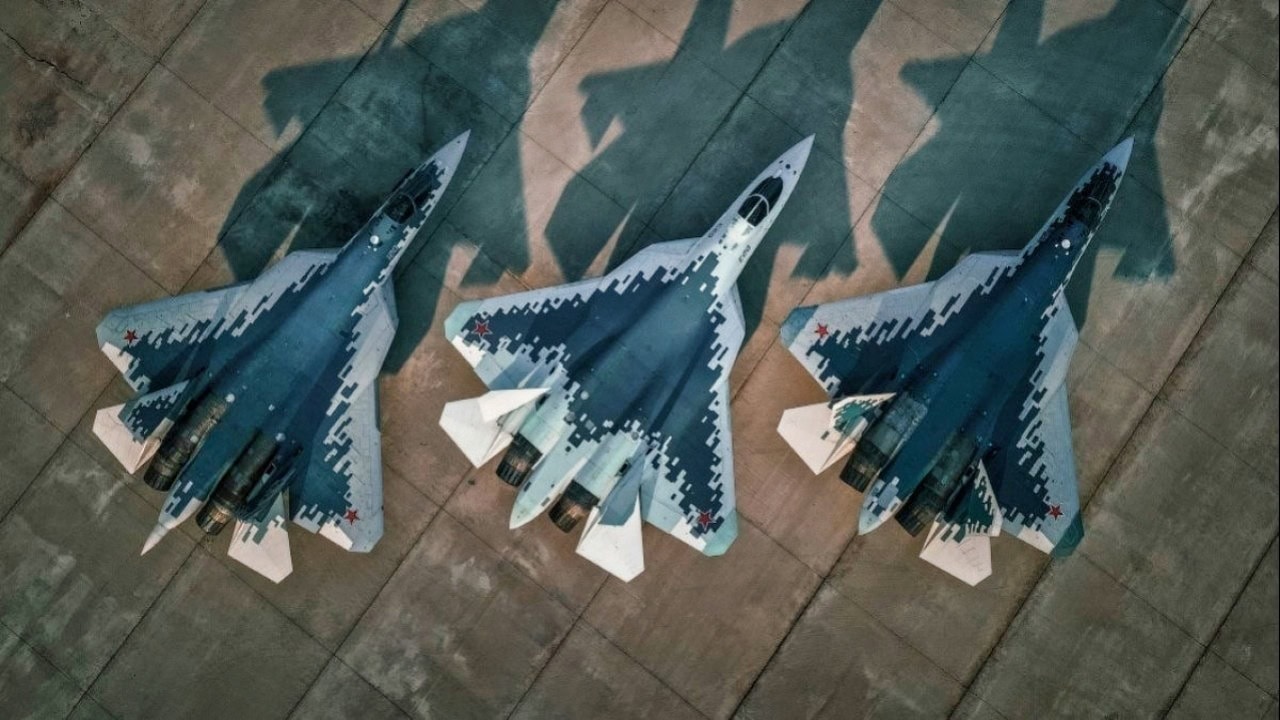
Moscow : Rostec has delivered a new batch of Su-57 fifth-generation multirole fighter aircraft to the Russian Ministry of Defense, continuing the implementation of the state defense order for advanced combat aviation. The handover was carried out by the United Aircraft Corporation (UAC), a Rostec subsidiary, following the completion of factory testing and acceptance procedures. According to UAC, the newly supplied aircraft are built in a revised technical configuration that reflects incremental upgrades to onboard systems, weapons integration, and operational performance. The fighters were manufactured at the Komsomolsk-on-Amur Aviation Plant, Russia’s primary production facility for the Su-57 program. Factory Trials and Military Acceptance Before transfer to the Ministry of Defense, each aircraft underwent a full cycle of factory trials, including ground inspections, systems verification, and test flights. After delivery, pilots from the Russian Aerospace Forces (VKS) conducted acceptance flights across multiple operational modes to confirm the performance of the upgraded avionics, flight control systems, and integrated weapons complex. Officials involved in the acceptance process stated that the testing focused on validating the reliability of new electronic components and ensuring compatibility with recently introduced airborne munitions. The aircraft were formally accepted into service after completing these evaluations. Program Status and Production Timeline The latest delivery follows the previous batch of Su-57 fighters transferred to the Russian military in November 2024. These handovers are part of a long-term contract under which the Russian Ministry of Defense is scheduled to receive 76 serially produced Su-57 aircraft by the end of 2027. Rostec has reported that production of the Su-57 is proceeding on a continuous basis, with design updates introduced in successive batches rather than through a single major modernization program. This approach is intended to incorporate operational feedback while maintaining steady output from the production line. Statements from Industry Leadership Rostec Chief Executive Officer Sergey Chemezov said that the Su-57 program remains in active development, with modernization driven by data gathered during operational use. He noted that the aircraft delivered in the current batch incorporate enhancements aimed at improving combat effectiveness and survivability when operating against advanced air defense systems. UAC Chief Executive Officer Vadim Badekha stated that the Su-57 is presently the most advanced combat aircraft in service with the Russian military. He added that work is ongoing to further expand the platform’s weapons options and electronic warfare capabilities, with additional upgrades planned for future production lots. Technical Configuration and Capabilities The Su-57 is designed as a multirole frontline aircraft capable of engaging air, ground, and maritime targets. The updated technical configuration delivered in this batch includes refinements to the integrated weapons system, allowing for the use of additional long-range and precision-guided munitions. Avionics upgrades include improved cockpit displays and automated flight control functions intended to enhance pilot situational awareness and reduce workload during complex missions. The aircraft also features updated electronic countermeasure systems designed to increase resistance to electronic jamming and radar detection. The Su-57 is engineered for round-the-clock operation and is certified for use in adverse weather conditions and high-threat environments. A VKS pilot who participated in the acceptance flights confirmed that the latest modifications expand the range of missions the aircraft can perform, particularly through the integration of new airborne weapons and updated mission systems. Fleet Size and Engine Development Industry estimates suggest that between 55 and 60 Su-57 airframes have been produced to date, including prototypes and serial production aircraft. In parallel with airframe production, development continues on the second-stage engine, known as the AL-51F1. This engine is intended to provide increased thrust, improved fuel efficiency, and sustained supersonic cruise without afterburner use once it enters full operational service. Rostec has stated that new production facilities and upgraded manufacturing lines have been introduced at Komsomolsk-on-Amur to support higher output rates, despite ongoing constraints on international supply chains. The company maintains that these measures will allow it to meet the delivery schedule outlined in the current state defense order.
Read More → Posted on 2026-02-09 15:03:17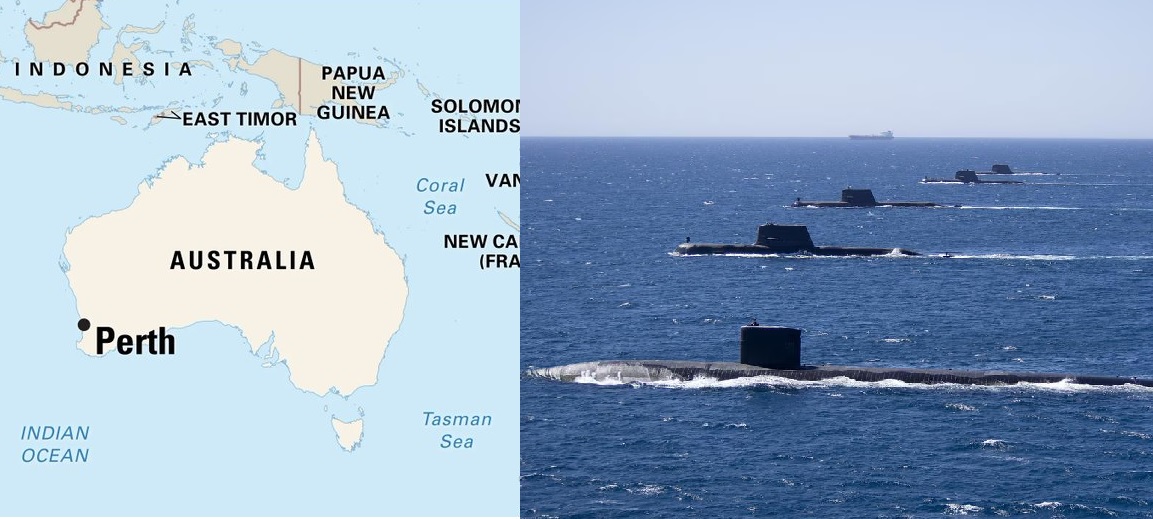
World
PERTH, Australia : The United States and the United Kingdom are moving toward the finalization of plans to establish a rotational deployment of nuclear-powered attack submarines in Western Australia beginning in 2027, marking a major operational milestone under the AUKUS security partnership with Australia. The initiative, formally known as Submarine Rotational Force–West (SRF-West), is a central element of Pillar One of AUKUS, the trilateral defense framework focused on undersea warfare capabilities and long-term submarine cooperation. Under the arrangement, U.S. and UK submarines will rotate through HMAS Stirling, Australia’s primary submarine base, located on Garden Island near Perth. According to official government frameworks and defense planning documents, the United States will rotate up to four Virginia-class submarines through the base, while the United Kingdom will deploy one Astute-class submarine as part of the same rotational cycle. The submarines will operate on a non-permanent basis, remaining under the sovereign command of their respective nations. Strategic Purpose in the Indo-Pacific The deployment is intended to expand allied undersea presence in the Indo-Pacific and strengthen deterrence amid ongoing regional military modernization, particularly by China. By positioning nuclear-powered attack submarines in Western Australia, the AUKUS partners aim to significantly increase the number of allied submarines operating west of the international dateline. Defense planners say the rotational presence will also help bridge a capability gap for Australia as it prepares to acquire its own nuclear-powered submarines. Australia is expected to receive Virginia-class submarines transferred from the United States in the early 2030s, ahead of the construction of a new, domestically built submarine design under AUKUS. In addition, basing rotations at HMAS Stirling extends the operational reach of the U.S. Navy beyond established hubs in Guam and Hawaii, providing greater flexibility for sustained undersea operations across the Indian and Pacific Oceans. Infrastructure Upgrades at HMAS Stirling To support SRF-West, the Australian government has committed approximately AUD 8 billion to expand and modernize infrastructure at HMAS Stirling. Planned upgrades include new submarine wharves, enhanced dry-dock and maintenance facilities, high-voltage electrical systems, and specialized infrastructure required to safely support nuclear-powered vessels. Preparatory work is already underway, with the base hosting an increasing number of allied submarine visits and technical activities ahead of the 2027 start date. In August 2024, Australian personnel conducted their first maintenance activities on a U.S. nuclear-powered submarine, the USS Hawaii, while it was docked at HMAS Stirling. The event marked the first time such work had been performed on Australian soil and was described by defense officials as a key readiness milestone. Workforce Development and Training Alongside infrastructure upgrades, AUKUS partners are expanding workforce and training programs to ensure Australia can support nuclear submarine operations over the long term. Australian sailors, engineers, and officers have begun embedding within U.S. and UK submarine crews to gain direct operational experience. Australian personnel are currently serving aboard U.S. submarines, including the USS Vermont, as part of a structured training pipeline focused on nuclear propulsion, maintenance, and undersea warfare operations. The Australian Submarine Agency is coordinating closely with U.S. shipyards in Pearl Harbor and UK facilities in Barrow-in-Furness to build a domestic workforce of nuclear-qualified technicians and engineers. This effort is intended to establish a sovereign industrial base capable of sustaining Australia’s future submarine fleet. Operational Structure Under AUKUS SRF-West represents the first of three major phases under the AUKUS “Optimal Pathway.” While the submarines will be forward-deployed for extended periods, Australian officials have emphasized that the arrangement does not create a permanent foreign military base. Instead, it is structured as a rotational presence supported by a combined workforce of Australian, U.S., and UK personnel. Operational command of the submarines will remain with the U.S. Navy and the Royal Navy, with Australia providing basing, logistical support, and increasing levels of technical involvement as its workforce matures. The rotational force is expected to grow gradually and reach full operational capacity by around 2031. Defense planners view the deployment as a continuous undersea deterrent that will remain in place until Australia commissions its domestically built SSN-AUKUS fleet in the early 2040s. Once fully implemented, SRF-West is expected to play a central role in allied undersea operations across the Indo-Pacific, integrating Australian facilities into long-term U.S. and UK submarine deployment patterns while supporting Australia’s transition to nuclear-powered submarines under AUKUS.
Read More → Posted on 2026-02-09 14:27:26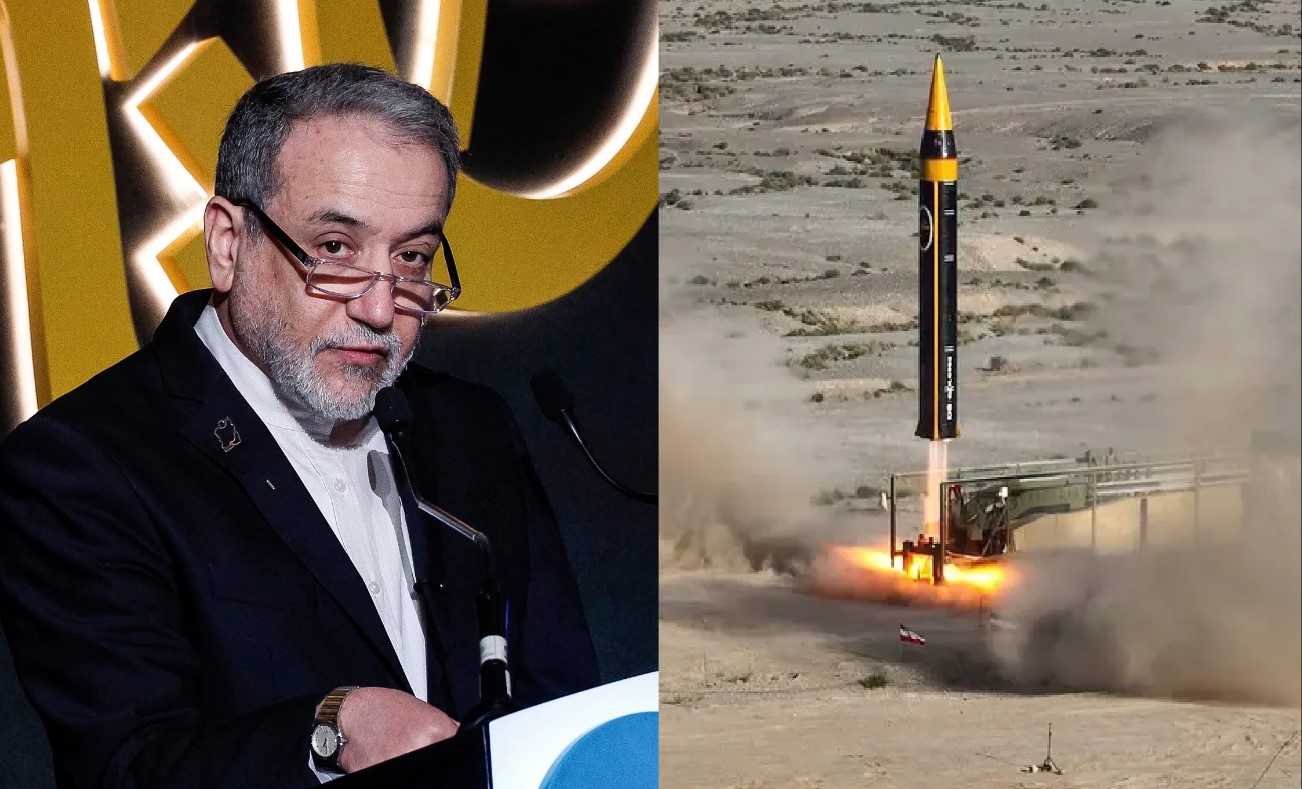
World
MUSCAT, Oman : The United States has informed Iran that it expects substantive concessions on nuclear energy and related issues at the next round of negotiations scheduled to continue in Oman, according to officials familiar with the discussions. The message reflects a hardened position by the administration of Donald Trump as indirect talks resume following a period of heightened regional tension. The renewed diplomatic engagement began with an initial meeting in Muscat on Friday, February 6, 2026, marking the first diplomatic contact between Washington and Tehran since a 12-day regional conflict in June last year. U.S. officials described the opening session as focused on procedural issues and the establishment of a framework for continued dialogue, while acknowledging that major policy differences remain unresolved. U.S. Position and Expectations According to U.S. officials, the administration has conveyed that progress will depend on what it describes as “meaningful substance” from Iran, particularly with regard to the scope, limits, and verification of its nuclear activities. While specific demands were not detailed publicly, officials stressed that the United States remains cautious based on what it views as a long history of Iranian commitments that were not fully implemented. One senior U.S. official said the administration continues to question the reliability of assurances from Tehran, citing past experiences in previous negotiations. The official added that any actions threatening U.S. sovereignty or the safety of American citizens would prompt a forceful response, reinforcing that military deterrence remains part of U.S. policy alongside diplomatic engagement. Iranian Red Lines Iranian Foreign Minister Abbas Araghchi stated on Sunday that Tehran would reject any agreement requiring Iran to suspend uranium enrichment or dismantle its missile program. Speaking at a forum in Tehran, Araghchi described uranium enrichment as an inherent national right and emphasized that Iran’s missile capabilities are defensive and non-negotiable. He said discussions should instead center on arrangements allowing enrichment to continue, paired with assurances that the program is used exclusively for peaceful purposes. Araghchi also reiterated that Iran’s regional activities and alliances are not part of the negotiating agenda. Structure of the Talks The Muscat meeting was conducted indirectly, with U.S. and Iranian delegations communicating through intermediaries. The U.S. delegation included Middle East special envoy Steve Witkoff, senior adviser Jared Kushner, and U.S. Central Command Commander Adm. Brad Cooper. The Iranian delegation was led by Araghchi. Officials familiar with the discussions said the initial session focused on setting parameters for future meetings rather than negotiating specific technical provisions. Both sides agreed to continue talks in Oman, though no formal schedule for subsequent rounds has been announced. Regional Context and Israel’s Position The negotiations coincide with parallel diplomatic activity involving Israel. Benjamin Netanyahu is scheduled to meet President Trump at the White House later this week. Israeli officials have reiterated that any agreement with Iran must ensure that Tehran is prevented from acquiring a nuclear weapon, include strict constraints on ballistic missile development, and address Iran’s regional influence. Israeli Foreign Minister Gideon Sa’ar said during a meeting with Paraguay’s foreign minister that Iran’s long-range missile capabilities now extend beyond the Middle East, arguing that the issue has implications for parts of Europe. Military Posture Diplomatic engagement has continued alongside visible military activity in the region. On Saturday, Witkoff and Kushner visited the USS Abraham Lincoln aircraft carrier operating in the Arabian Sea. U.S. officials said the visit underscored continued U.S. military presence while negotiations proceed. In Iran, Army Commander Maj.-Gen. Amir Hatami said on Sunday that the Iranian Air Force remains at a high level of readiness. He noted that the presence of U.S. naval forces in nearby waters is longstanding, but said Iranian forces are monitoring developments closely and are prepared to respond to any actions they consider hostile.
Read More → Posted on 2026-02-09 14:14:19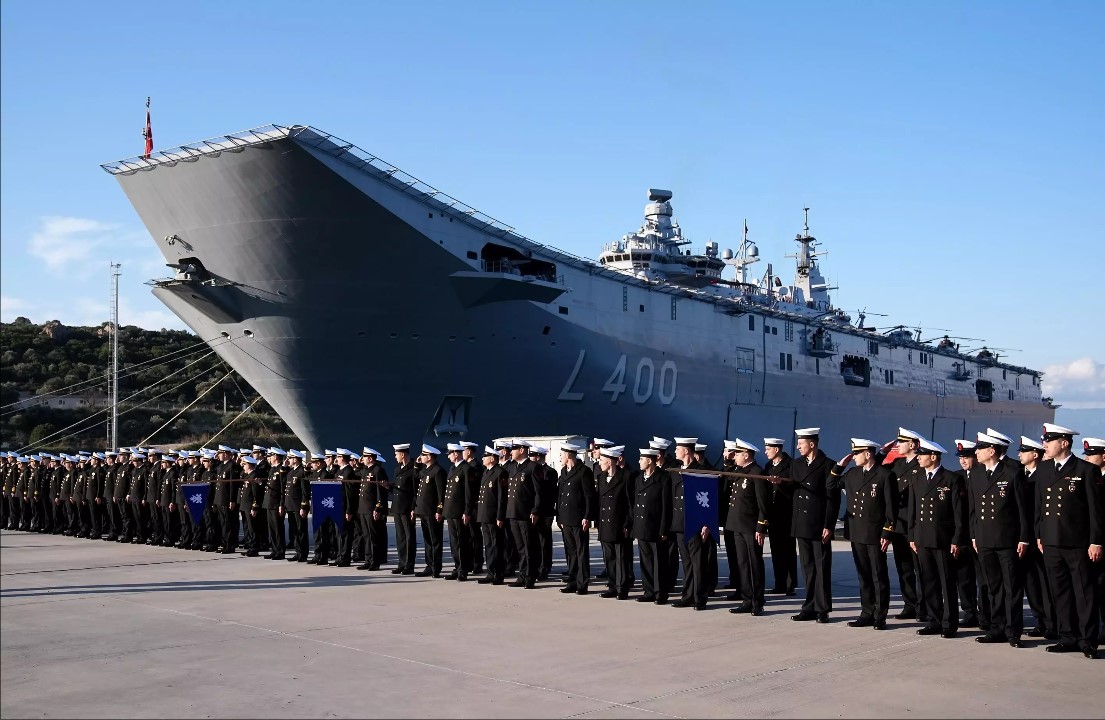
World
EMDEN, Germany : Turkish armoured forces and supporting elements have arrived in northern Germany as part of NATO Steadfast Dart 2026, marking a key phase of the Alliance’s largest exercise of the year and the first major peacetime operational test of the Allied Reaction Force (ARF). The deployment includes approximately 2,000 Turkish troops and a substantial package of vehicles and equipment, underscoring Turkey’s role in NATO’s collective defence and rapid reinforcement posture. The arrival took place at the Port of Emden and at Wunstorf Air Base, where elements of the Turkish Land Forces’ 66th Mechanized Infantry Brigade began onward movement and reception procedures. Turkish officials confirmed that 650 personnel from the brigade are directly participating, supported by 149 vehicles, including armoured combat platforms and logistical support assets. The contingent is equipped with domestically produced systems, reflecting Turkey’s expanding defence industrial capacity. Maritime Deployment via TCG ANADOLU For the first time, Turkish ground forces were transported to northern Europe aboard TCG ANADOLU, the Turkish Navy’s flagship multi-purpose amphibious assault ship. Acting as a command-and-control hub during the transit, the vessel departed Turkey on January 20 and sailed as part of a maritime task group that included the frigate TCG ISTANBUL, the logistics ship TCG DERYA, and the corvette TCG KINALIADA. The deployment demonstrated integrated sea lift, sustainment, and command functions over a long-distance movement. Purpose of Steadfast Dart 2026 Steadfast Dart 2026 is designed to validate the ARF, a high-readiness, multi-domain formation created to deploy faster and with greater integration than previous NATO force structures. The exercise involves roughly 10,000 personnel from 11 allied nations—Bulgaria, Czechia, Germany, Greece, Italy, Lithuania, Spain, and Turkey—with additional support provided by Belgium, France, and the United Kingdom. Activities are focused on rapid reinforcement, command and control, and interoperability under realistic operational conditions. Multi-Domain Integration and Interoperability The exercise scenario is based on a near-peer adversary framework, requiring coordinated action across land, air, maritime, cyber, and space domains. For Turkey, the deployment represents a strategic mobility operation spanning more than 6,400 kilometers from home bases to the Baltic region. Turkish officials noted that the movement and integration of forces into NATO command structures form a central element of the exercise’s objectives. Rear Admiral Zeki Aktürk, spokesperson for the Turkish Ministry of National Defense, stated that the deployment highlights the Turkish Armed Forces’ ability to project and sustain a sizeable force within the Alliance’s northern defence framework. Turkey currently holds the rotating NATO roles of Commander Amphibious Task Force (CATF) and Commander Landing Force (CLF) through June 2026, responsibilities that are being exercised during Steadfast Dart. Scheduled Events The exercise will progress through a series of planned milestones. On February 18, participating forces are scheduled to conduct an amphibious landing demonstration along the Baltic Sea coast at the Putlos Training Area. This will be followed on February 20 by a Distinguished Visitors Day at the Bergen Military Training Area, where NATO leadership will assess the ARF’s readiness and the effectiveness of multinational integration. NATO officials said Steadfast Dart 2026 is intended to provide a comprehensive assessment of the Alliance’s ability to deploy, command, and sustain forces at speed, with Turkey’s participation forming a significant component of the overall evaluation.
Read More → Posted on 2026-02-09 14:01:37
India
BENGALURU : The Gas Turbine Research Establishment (GTRE), a Bengaluru-based laboratory under the Defence Research and Development Organisation (DRDO), has issued a formal Expression of Interest (EoI) inviting Indian industry to participate in the creation of a domestic manufacturing ecosystem for indigenous aero gas turbine engines. The move is intended to transition laboratory designs into flight-ready hardware and establish sustained production capability within the country. Industrial Partnership Framework According to the tender documents, GTRE is seeking a Development-cum-Production Partner (DcPP) from either the private or public sector. The engagement is structured to cover both development support and long-term manufacturing, with the selected entity responsible for converting GTRE’s detailed designs into certified, airworthy components and assemblies. The EoI has been issued under Tender ID 2026_DoDR_827463_1. The initiative is directly linked to the Advanced High Thrust Class Engine (AHTCE) programme, which is being developed to power future Indian combat aircraft, including the Advanced Medium Combat Aircraft (AMCA) Mk-2. The AHTCE represents a new propulsion class for India, intended to bridge the gap between existing medium-thrust engines and the requirements of next-generation stealth platforms. Scope of Manufacturing and Integration The EoI outlines a comprehensive manufacturing scope. The DcPP will be required to fabricate approximately 2,300 distinct aero-engine components, translating into more than 23,000 individual parts across multiple engine builds. In addition to component manufacturing, the partner will undertake the assembly and integration of 11 major engine sub-systems, covering the full propulsion chain from intake to exhaust. These sub-systems include high-pressure and low-pressure compressors, combustion chambers, turbines, afterburners, accessory gearboxes, and associated control and support systems. GTRE will retain design authority, while the partner will be responsible for process engineering, tooling, quality assurance, and repeatable production. Infrastructure and Capability Requirements GTRE has specified that shortlisted firms must either possess or establish dedicated infrastructure to support advanced aero-engine manufacturing. This includes precision multi-axis machining, high-temperature metallurgy, and specialised processes such as the production of single-crystal turbine blades and super-alloy castings. Facilities for non-destructive testing, materials characterisation, and sub-system level testing are also part of the requirement. The production plan calls for the delivery of 18 test engines over a 10-year development and validation period. Beyond the test phase, the DcPP must demonstrate the capacity to scale up for serial production of at least 200 engines, aligned with future aircraft induction timelines. Technical Parameters of the AHTCE The AHTCE is being designed in the 110–130 kilonewton thrust class, positioning it significantly above the engines currently in service on India’s light combat aircraft. This thrust range is considered essential for meeting performance targets such as sustained supersonic cruise without afterburner use, higher payload capacity, and improved manoeuvrability in low-observable configurations. By comparison, the engines powering the Tejas Mk-1 operate in the lower thrust bracket, underscoring the step change represented by the AHTCE in terms of thermal efficiency, materials technology, and overall engine architecture. Timeline and Eligibility Criteria The tender schedule specifies a bid submission deadline of March 26, 2026, with technical bids to be opened on March 27, 2026. Eligibility is restricted to Indian entities, including Indian-registered joint ventures involving foreign original equipment manufacturers (OEMs), provided that control and compliance requirements are met. Responding firms must demonstrate prior experience in high-precision aerospace manufacturing and adherence to military and aviation quality standards. Following evaluation of the EoI responses, shortlisted participants will be issued a detailed Request for Proposal (RFP) covering contractual terms, cost structures, and programme milestones. Industry Context and Strategic Rationale Several established Indian aerospace and advanced manufacturing companies are viewed as potential contenders, including firms that have already invested in titanium processing, super-alloy casting, and complex machining capabilities. The EoI reflects a deliberate shift toward early and sustained industry involvement, aimed at avoiding production bottlenecks that have affected earlier indigenous engine programmes. By integrating a production partner during the design and validation stages, GTRE intends to streamline the transition from prototype engines to series manufacture. The approach also aligns with national objectives under the Atmanirbhar Bharat framework, which emphasises domestic control over critical defence technologies and the retention of intellectual property within India. Long-Term Implications The establishment of an indigenous aero-engine manufacturing hub under the AHTCE programme is expected to contribute to a broader propulsion ecosystem, supporting not only combat aircraft but also future unmanned platforms and potential derivative applications. For GTRE and DRDO, the EoI represents a structured step toward embedding industrial capability alongside research and development, with the stated aim of ensuring continuity from design conception through operational deployment.
Read More → Posted on 2026-02-09 13:52:39
India
NEW DELHI : Indian defense technology company olee.space has formally unveiled a compact 2-kilowatt (2 kW) artificial-intelligence-enabled laser sniper system integrated onto an Unmanned Ground Vehicle (UGV), marking a new milestone in indigenous directed-energy and autonomous ground warfare capabilities. The company said the system has completed field trials with defense stakeholders and has entered an operationally ready, sale-ready phase. System Overview and Classification The newly developed platform is categorized as a ground-based Directed Energy Weapon (DEW) intended for close-combat, perimeter security, and tactical area defense. The laser system is designed to deliver precise, non-kinetic engagements against a range of targets while operating autonomously or as part of a coordinated unit. According to olee.space, the laser sniper delivers a maximum output of 2 kW and is optimized for rapid engagement scenarios. A key technical parameter is its 30-microsecond (30µs) switching time, enabling near-instant target acquisition and firing once a threat is identified. Cost and Sustainment Characteristics One of the defining features of the system is its low operational cost. The company estimates the cost per engagement at under $3 per shot, significantly lower than conventional kinetic munitions. This cost profile is intended to support sustained defensive operations without the logistical burden of ammunition resupply. UGV Platform and Mobility The laser module is mounted on a compact, ruggedized UGV platform measuring approximately five feet by three feet. The vehicle’s total weight is under 250 kilograms, allowing it to operate in environments where heavier armored systems face mobility constraints. The UGV is powered by a diesel engine and offers a base operational range of approximately 130 kilometers, with the option to extend range through additional fuel capacity. The system supports one-touch autonomous deployment, enabling rapid activation in response to emerging threats. The platform is designed for use across urban areas, forests, deserts, and border regions with limited infrastructure. Artificial Intelligence and Autonomous Functions The platform integrates proprietary AI and machine-learning algorithms for navigation, surveillance, and target recognition. These systems allow the UGV to operate with minimal human intervention, identifying predefined threats and responding in dynamic operational environments. A central capability of the system is swarm operation. Multiple UGVs can be networked to function collaboratively, forming coordinated defensive formations around sensitive installations or operational zones. This machine-to-machine coordination enables distributed coverage and faster response times compared with centrally controlled platforms. Intended Operational Roles The laser sniper system is designed to perform a range of defensive functions, including neutralization, dazzling, and functional disabling of hostile personnel, vehicles, and equipment. As a non-kinetic option, it is suited for perimeter defense of strategic assets, critical infrastructure, and inland security locations where controlled escalation and precision engagement are required. The system is also positioned for use in infantry support and special operations, providing mobile, autonomous fire support while reducing direct exposure of personnel to hostile threats. Company Statement and Development Status James Solomon, Founder and Chief Executive Officer of olee.space, said the platform combines directed-energy technology, artificial intelligence, and autonomous mobility into a single deployable system. He stated that the design focuses on engaging known targets in rapidly changing environments, while reducing operational risk to human operators. olee.space confirmed that the system has progressed from prototype development and field-testing phases to full operational readiness. The company is currently engaged in discussions with defense and security clients, including international partners aligned with India. Strategic Context The introduction of the AI-enabled laser sniper UGV aligns with India’s broader push to develop indigenous advanced defense technologies and reduce dependence on imported optical, autonomous, and weapon subsystems. Defense analysts note that the move into ground-based directed-energy platforms places India among a small but growing group of countries actively fielding such systems. With the platform now available for deployment and commercial sale, the development represents a step toward the operational use of autonomous, non-kinetic ground combat systems within India’s evolving defense ecosystem.
Read More → Posted on 2026-02-09 13:38:56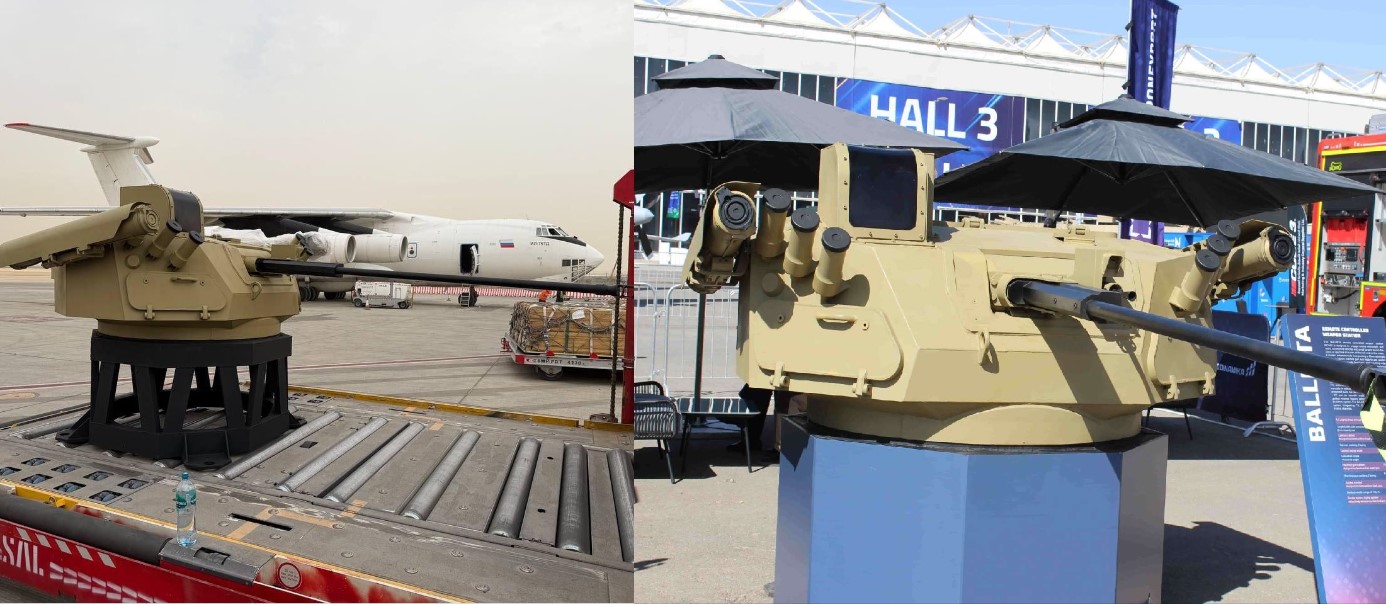
World
Riyadh, Saudi Arabia : Russia has formally unveiled the Ballista remote-controlled weapon station (RCWS) as an export-oriented combat module during the World Defense Show 2026 in Riyadh. The system was presented by Rosoboronexport, Russia’s state defense export agency, as a modular lethality upgrade intended for installation on existing armored vehicles and fixed defense positions. The presentation positions Ballista as a modernization solution for international customers seeking enhanced firepower and protection without replacing legacy vehicle fleets. The debut took place within the framework of the World Defense Show 2026, where Russian defense manufacturers highlighted systems tailored to markets in the Middle East, Africa, and Asia. Ballista was promoted as export-ready and optimized for rapid integration on wheeled and tracked platforms already in service. Design Concept and Integration Approach Ballista is designed as a remotely operated, unmanned combat module emphasizing modular installation and compatibility with older armored platforms. With a reported dry weight of approximately 1,650 kilograms, the system remains within roof-load limits typical of many legacy armored personnel carriers. This weight threshold is critical for vehicles that cannot accommodate heavier infantry fighting vehicle turrets without extensive structural modification. The turret has a low vertical profile and is intended for retrofit on platforms such as the BTR family of armored vehicles and comparable chassis. Overall dimensions are listed as 4,035 millimeters in length, 2,418 millimeters in width, and 1,239 millimeters in height from the mounting surface. These proportions reflect an effort to balance compactness with the integration of medium-caliber armament and missile systems. Armament Configuration The primary weapon fitted to Ballista is the 30 mm 2A42 automatic cannon, a dual-feed system allowing the operator to select between different ammunition types during engagement. The ammunition load is stated as 300 rounds. The 2A42 cannon is widely used across Russian and export combat vehicles and is intended for engagements against infantry, lightly armored vehicles, and field fortifications. Secondary armament consists of a coaxial 7.62 mm PKTM machine gun supplied with 2,000 rounds. This weapon supports close-range engagements and provides sustained suppressive fire while conserving main gun ammunition. For extended-range and anti-armor missions, Ballista carries two Konkurs-M anti-tank guided missiles (ATGMs) mounted externally on either side of the turret. These missiles provide an engagement range of up to 4,000 meters and are intended for use against heavy armor, hardened positions, and other high-value targets. The inclusion of ATGMs places Ballista closer in capability to unmanned medium-caliber turrets rather than light remote weapon stations. Traverse, Elevation, and Crew Protection Ballista offers continuous 360-degree traverse and an elevation range from −5 degrees to +70 degrees. This elevation envelope is intended to support operations in dense urban environments, mountainous terrain, and against elevated targets. The system is operated entirely from within the vehicle through a remote console, keeping the crew under armor at all times. Remote operation reduces exposure to small-arms fire, snipers, shrapnel, and threats from unmanned aerial systems. This design reflects broader trends in armored vehicle development prioritizing crew survivability through unmanned or remotely controlled weapon systems. Fire Control and Sensors The weapon station integrates a stabilized fire-control suite combining high-resolution daylight television cameras, thermal imaging sensors for night and reduced-visibility conditions, and a laser rangefinder. The stabilization of these sensors allows target detection and engagement while the host vehicle is in motion. According to promotional material, the system is designed to operate under varied weather conditions and during high-speed maneuvering. The fire-control architecture supports day-and-night operations and is intended to provide accurate target tracking and engagement across the full range of the mounted weapons. Self-Protection Features In addition to its offensive armament, Ballista incorporates an organic self-protection system. Six 81 mm smoke grenade launchers are mounted on the turret, providing rapid obscuration for the host vehicle. This capability is intended to support maneuver, disengagement, or response to detection by enemy optics and range-finding systems. Export Strategy and Market Positioning The introduction of Ballista reflects a broader Russian export strategy focused on incremental modernization rather than wholesale fleet replacement. By offering a heavily armed but modular unmanned turret compatible with existing vehicles, Russia is targeting armed forces operating large inventories of legacy platforms with limited modernization budgets. At the World Defense Show, Ballista was displayed alongside other Russian systems aimed at the same market segment, including the BTR-22 armored personnel carrier and the Sarma 300 mm multiple launch rocket system (MLRS). Together, these exhibits formed part of a coordinated effort to maintain visibility and competitiveness in the Middle Eastern defense market. On the exhibition floor in Riyadh, journalists observed Ballista configured as a compact yet heavily armed combat module that bridges the gap between light remote weapon stations and full infantry fighting vehicle turrets. Russian officials presented the system as suitable not only for wheeled armored vehicles but also for fixed defensive installations requiring remote, protected operation. As presented at WDS 2026, Ballista is positioned as an export-ready solution delivering increased direct-fire capability, extended engagement range, and improved crew protection, while allowing customer nations to extend the operational relevance of existing armored fleets without transitioning to entirely new vehicle families.
Read More → Posted on 2026-02-09 13:14:15
World
This report is based on analysis of events and does not represent an official position of the U.S. government. WASHINGTON : Over a concentrated 48-hour period ending this weekend, Donald Trump undertook a series of policy moves that, when viewed together, indicate a coordinated effort to restructure federal institutions, trade enforcement mechanisms, and parts of the U.S. healthcare market. While each action was announced separately and addressed a different sector, analysts say the timing and scope suggest a broader strategic recalibration rather than isolated decisions. The developments span foreign policy enforcement, monetary governance, military education, pharmaceutical distribution, and homeland security funding. Administration officials have not formally linked the actions under a single strategy, but policy analysts note consistent themes of executive leverage, institutional realignment, and the reduction of intermediary influence. Escalation of Secondary Sanctions on Iran On Friday, February 6, President Trump signed an executive order establishing a legal framework that would allow the United States to impose tariffs on countries that continue commercial trade with Iran. The order references tariffs of up to 25 percent as a potential penalty, though implementation would be determined on a case-by-case basis. The measure extends U.S. sanctions enforcement beyond Iran itself to its trading partners, including major energy importers such as China, India, and Turkey. By tying access to the U.S. consumer market to compliance with sanctions, the administration is using trade policy as a secondary enforcement tool for foreign policy objectives. Analysts note that the approach may also be intended to discourage oil transactions conducted outside U.S. dollar–denominated systems. By penalizing countries that rely on alternative currencies or non-U.S. payment mechanisms for Iranian energy purchases, the policy reinforces U.S. influence over global financial channels tied to energy trade. Pressure on Federal Reserve Independence On Saturday, February 7, during a private dinner hosted by the Alfalfa Club, President Trump reportedly warned his Federal Reserve chair nominee, Kevin Warsh, that legal action could be considered if interest rates were not lowered. The President later characterized the remarks as a joke, but the comments came amid heightened scrutiny of the Federal Reserve. At the same time, the Department of Justice is continuing an investigation involving current Federal Reserve Chair Jerome Powell, adding to uncertainty around the central bank’s leadership environment. Policy observers say the episode signals a willingness by the executive branch to challenge long-standing norms surrounding central bank independence. While no formal legal action has been announced, the public nature of the comments has renewed debate over the extent to which monetary policy could be influenced by executive priorities. Pentagon Ends Academic Ties with Harvard Also on February 6, Defense Secretary Pete Hegseth announced that the Department of Defense would terminate all academic partnerships, military fellowships, and professional education programs with Harvard University. The decision ends a decades-long relationship that placed military officers and civilian defense officials in advanced academic programs at the university. According to the Defense Department, the move reflects a reassessment of how and where future military leaders should be trained. Administration officials said the department intends to shift professional military education toward public universities, service academies, and internal military graduate institutions. The stated rationale is to align leadership development more closely with operational requirements and institutional culture within the armed forces. Launch of TrumpRx.gov Pharmaceutical Platform During the same period, the administration formally launched TrumpRx.gov, a direct-to-consumer website offering a list of 43 commonly prescribed medications. Among them is Ozempic, a high-demand drug used for diabetes management and weight loss. Under “Most-Favored Nation” pricing agreements negotiated with manufacturers including Eli Lilly and Novo Nordisk, the administration reports that the monthly price of Ozempic has been reduced from approximately $1,000 to about $350. The platform bypasses traditional Pharmacy Benefit Managers (PBMs) and insurance intermediaries, allowing the federal government to negotiate prices directly with manufacturers and sell medications at set rates. Economists note that the model represents a significant intervention in the pharmaceutical supply chain and challenges existing pricing structures. Department of Homeland Security Funding Deadline Separately, funding for the Department of Homeland Security (DHS) is scheduled to expire on February 13, following a two-week continuing resolution passed earlier this month. Unlike most other federal agencies, which are funded through September 30, 2026, DHS remains subject to short-term extensions. White House officials have indicated that the deadline provides leverage to pursue structural changes within Immigration and Customs Enforcement (ICE). A funding lapse or temporary shutdown would allow the administration to suspend certain operations and reissue operational guidelines under revised executive directives once funding is restored. Broader Policy Context Taken together, the five actions affect global trade enforcement, monetary governance, military leadership development, healthcare pricing, and immigration administration. Analysts observing the sequence say the common element is the use of executive authority to reduce reliance on established intermediaries and institutional buffers. In foreign policy, trade penalties are being used to extend sanctions enforcement beyond national borders. In monetary policy, public pressure challenges the convention of an insulated central bank. In defense education, elite academic partnerships are being replaced with alternative training pipelines. In healthcare, federal purchasing power is being applied directly to retail drug pricing. In homeland security, funding mechanisms are being used to compel organizational change. While the administration has not issued a formal policy document linking these initiatives, their close timing and breadth suggest a deliberate approach to institutional restructuring. Officials emphasize that each move addresses specific policy objectives, but analysts say the cumulative effect represents a shift toward greater executive direction across multiple sectors of governance.
Read More → Posted on 2026-02-08 18:13:52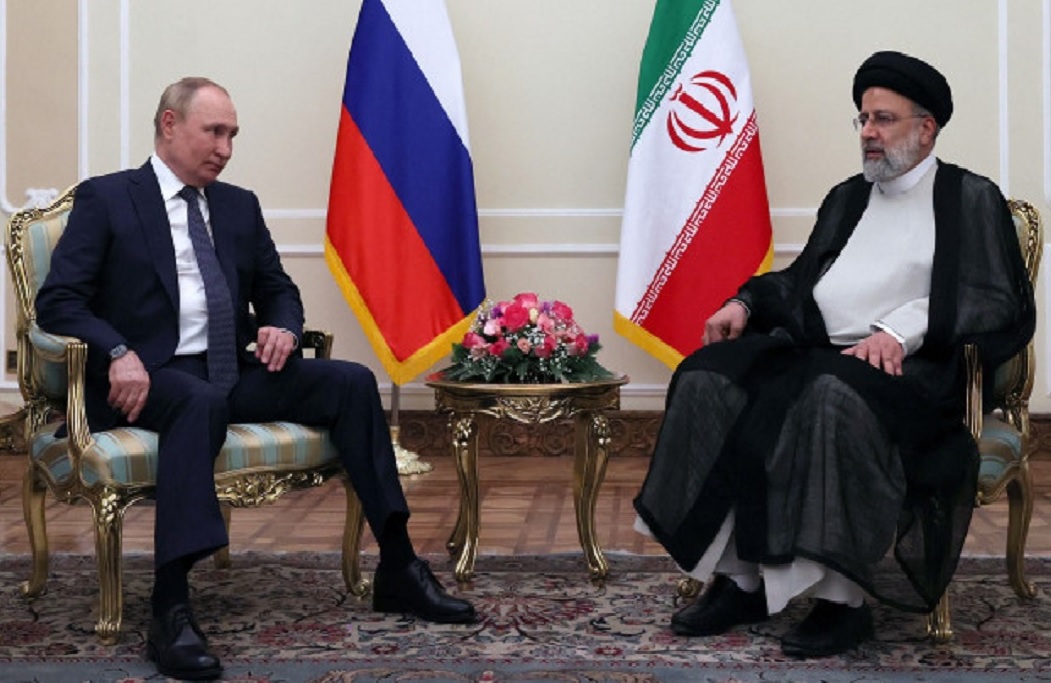
World
TEHRAN : Newly uncovered customs and trade records have revealed a large-scale covert financial operation in which Russia secretly transferred approximately $2.5 billion in physical cash to Iran, providing Tehran with a critical financial lifeline during a period of intensified international sanctions. The data, first obtained by The Telegraph and corroborated by multiple analysts familiar with the records, sheds new light on how Moscow and Tehran coordinated to bypass U.S.-led financial monitoring systems after sanctions were reinstated in 2018. The documents indicate that the transfers were carried out through Russia’s state-owned Promsvyazbank, which facilitated the movement of nearly five tons of banknotes to the Central Bank of Iran. The operation began in August 2018, just one week after the administration of Donald Trump reimposed sweeping sanctions on Iran following the U.S. withdrawal from the nuclear agreement. Structure and Logistics of the Caspian Corridor According to the customs records, the transfers were conducted over a four-month period and involved 34 separate shipments. Each consignment was valued between $57 million and $115 million. To reduce physical volume and weight, the shipments primarily consisted of 500-euro banknotes, although the declared values in the paperwork were recorded in U.S. dollars. The cash followed a carefully planned transit route designed to minimize scrutiny. It was first transported by rail from Moscow to the southern Russian port city of Astrakhan. From there, the cargo was shipped across the Caspian Sea to the Iranian port of Amirabad. After arrival on Iran’s northern coast, the banknotes were again moved by rail to Tehran, where they were delivered to Iran’s central banking authorities. Investigators reviewing the records note that the frequency and scale of the shipments point to a centrally coordinated state operation rather than ad hoc financial assistance. The timing of the transfers closely aligned with Iran’s most acute liquidity shortages following its exclusion from key international banking channels. Promsvyazbank and Kremlin Oversight At the time of the operation, Promsvyazbank was led by Petr Fradkov, the son of former Russian prime minister and intelligence chief Mikhail Fradkov. The bank had been nationalized by the Kremlin in 2017 and reassigned a specialized role as a lender to Russia’s defense and security sectors. This restructuring was intended to insulate other Russian financial institutions from secondary sanctions by concentrating high-risk transactions within a single state-controlled entity. Analysts say this institutional setup made Promsvyazbank a suitable channel for sensitive operations involving sanctioned partners such as Iran, allowing Moscow to provide financial support while limiting exposure to the broader Russian banking system. Financial Support and Sanctions Evasion The use of physical cash was central to the operation’s effectiveness. By moving banknotes rather than electronic transfers, Russia and Iran avoided reliance on the SWIFT international messaging system and other financial mechanisms closely monitored by Western regulators. The cash inflows helped Tehran stabilize domestic finances, maintain essential imports, and continue funding key state institutions during a period of sharp economic contraction. The records indicate that these funds were especially important for sustaining Iran’s security apparatus, including the Islamic Revolutionary Guard Corps (IRGC), at a time when oil revenues and foreign currency reserves were under severe pressure. Link to Current Military and Economic Cooperation Experts reviewing the historical data say the operation established a model that continues to influence Russia-Iran cooperation today. By early 2026, intelligence and trade assessments suggest that financial ties between the two countries have become increasingly linked to military procurement. Available data from 2026 indicates that Iran has supplied Russia with nearly $2.7 billion worth of ballistic and anti-aircraft missile systems, including the Fath-360. In addition, a separate contract valued at approximately $1.75 billion has supported the localized production in Russia of Iranian-designed Shahed-136 drones, known domestically as Geran-2. At the same time, Iran’s national currency experienced renewed depreciation in early 2026 amid domestic unrest and renewed international pressure. Analysts note that access to hard currency in physical form allows Iranian authorities to finance security operations and manage internal stability without dependence on traceable digital transactions. Strategic and International Implications The disclosure of the 2018 cash transfers highlights the limitations of traditional financial sanctions when states coordinate alternative trade and payment mechanisms. For Moscow, continued engagement with Tehran is widely viewed as strategically important, both to prevent a geopolitical realignment in the Middle East and to secure a reliable source of military equipment amid the ongoing conflict in Ukraine. In response to evolving sanctions-evasion techniques, the United States Department of the Treasury announced in February 2026 the designation of several Iran-linked cryptocurrency exchanges and digital asset firms. Officials said the measures were aimed at disrupting newer, digital counterparts to earlier cash-based corridors. While the newly revealed documents focus on operations conducted more than seven years ago, analysts warn that similar methods may still be in use. The scale and organization of the transfers underscore the depth of financial coordination between Russia and Iran and provide insight into how sanctioned states adapt to prolonged economic isolation without relying on the conventional global banking system.
Read More → Posted on 2026-02-08 17:47:27
World
World : For nearly forty years, military airpower has been shaped by the principle of low observability, commonly known as stealth. From aircraft design to operational doctrine, avoiding detection was treated as the most reliable path to survivability. As of early 2026, that assumption is being reassessed across defense establishments, as technological advances are steadily eroding the effectiveness of traditional stealth. In its place, speed—specifically hypersonic speed—is emerging as a central requirement for future military platforms and strike concepts. Defense analysts point to the convergence of advanced sensing technologies, artificial intelligence (AI), and high-speed propulsion as the drivers of this shift. Together, these developments are reducing the margin of advantage once provided by radar-evading designs and are reshaping how modern conflicts are expected to unfold. Limits of Traditional Stealth Stealth technology relies primarily on airframe shaping and radar-absorbent materials (RAM) to reduce radar cross-section (RCS). These methods were highly effective against legacy radar systems designed during the Cold War and its immediate aftermath. However, contemporary detection environments no longer depend on a single sensor or frequency band. One area of concern is the development of quantum-based sensing. Experimental quantum radars and magnetometers operate on principles that measure subtle disturbances in electromagnetic fields rather than relying solely on reflected radar waves. While still maturing, these systems are designed to detect anomalies caused by aircraft movement, limiting the protective value of conventional stealth coatings and geometries. At the same time, artificial intelligence is transforming how sensor data is processed. Modern defense networks increasingly rely on AI-driven fusion of inputs from satellites, airborne platforms, maritime sensors, and ground-based systems. Even if an aircraft remains difficult to detect by radar, secondary signatures such as infrared emissions, atmospheric wake effects, or electromagnetic interference can be correlated to establish a track. Officials and researchers associated with the U.S. Defense Advanced Research Projects Agency (DARPA) have publicly acknowledged that concealment in a comprehensive operational sense is becoming more difficult. The emphasis, they note, is shifting from remaining unseen to remaining uncatchable. Speed as a Defensive Measure As detection becomes more likely, military planners are focusing on hypersonic speed—defined as velocities above Mach 5—as a means of reducing vulnerability. The underlying rationale is based on time compression. Faster systems sharply reduce the interval available for an adversary to detect, assess, decide, and respond. A conventional subsonic or supersonic cruise missile may take close to an hour to reach a target several hundred miles away. By contrast, a hypersonic vehicle traveling at Mach 6 can cover the same distance in minutes. This difference significantly alters defensive calculations, particularly for missile defense systems that depend on layered detection and engagement sequences. Hypersonic weapons also operate primarily within the atmosphere and are capable of maneuvering during flight. This combination of speed and maneuverability complicates tracking and interception, as existing defensive systems were largely designed to counter predictable ballistic trajectories or slower airborne threats. The result is a sharply reduced engagement window, often measured in seconds rather than minutes. Technological Adaptation Achieving sustained hypersonic performance requires a departure from many design assumptions of the stealth era. Highly specialized surface coatings optimized for radar absorption are giving way to heat-resistant structures capable of withstanding extreme aerodynamic heating and plasma effects. Scramjet propulsion systems, advanced thermal protection materials, and autonomous flight control algorithms are central to this transition. Artificial intelligence plays a critical role in managing flight dynamics at extreme speeds, where human reaction times are insufficient. In this environment, human operators are expected to oversee mission objectives and decision-making rather than manually controlling flight. The shift is also reflected in the types of systems under development. While earlier generations of airpower focused on stealth fighters and bombers, current programs increasingly emphasize hypersonic glide vehicles (HGVs) and hypersonic cruise missiles (HCMs) designed to penetrate heavily defended airspace through speed rather than concealment. Strategic Implications The growing emphasis on speed does not suggest that stealth will disappear from military design. Instead, low observability is increasingly viewed as one element among many, rather than the defining characteristic of survivability. In complex, sensor-dense battlefields, advantage is expected to favor forces that can process information faster and act within compressed timelines. As military doctrine adapts to these conditions, the balance between detection and response is being redefined. The central challenge is no longer whether a platform can be seen, but whether it can be engaged effectively before it completes its mission. In that context, speed is becoming a primary operational requirement, reshaping procurement priorities and long-term strategic planning across major defense powers.
Read More → Posted on 2026-02-08 17:38:09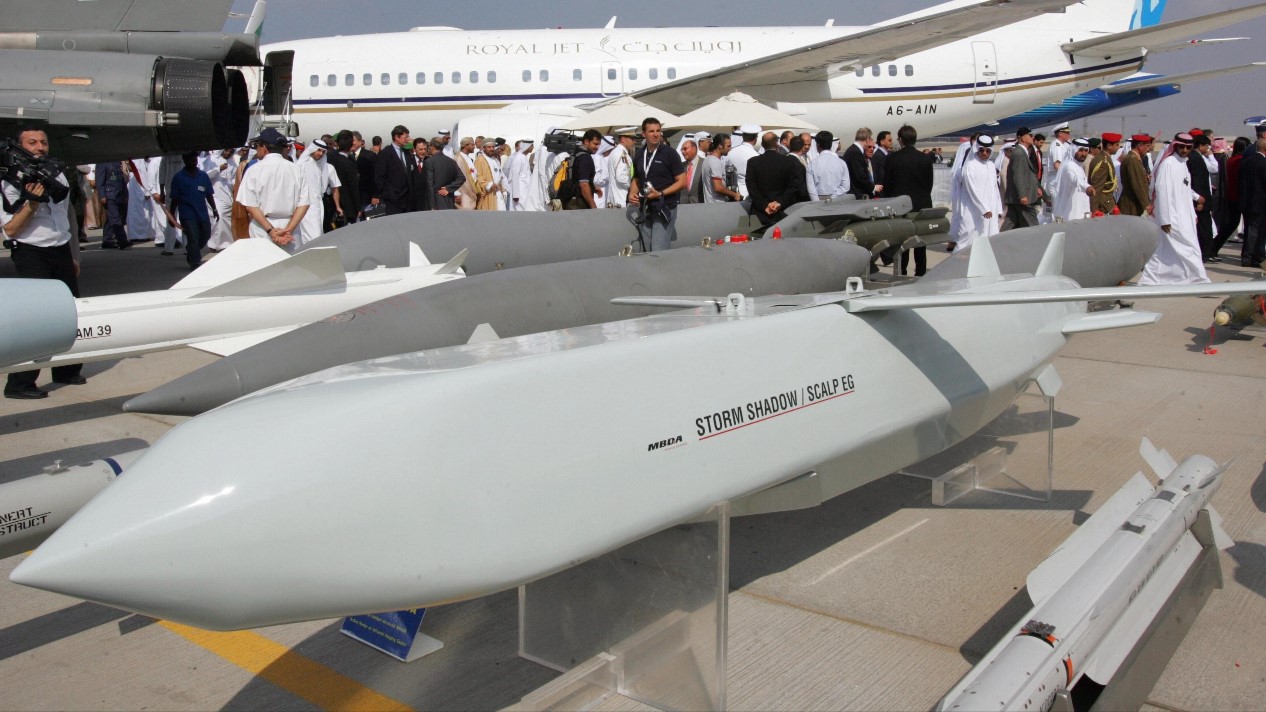
India
New Delhi : India and France are in the advanced stages of negotiations for a new defence agreement covering the procurement of SCALP air-launched cruise missiles for the Indian Air Force (IAF), according to officials familiar with the discussions. The proposed deal, estimated at around €300 million (approximately ₹2,700 crore), is intended to replenish and expand India’s long-range precision strike inventory following their operational use during Operation Sindoor in May 2025. Defence officials said talks are nearing completion and a decision is expected shortly. The final announcement could coincide with high-level diplomatic engagements between New Delhi and Paris, reflecting the broader strategic partnership between the two countries in defence and aerospace cooperation. Operational Background: Operation Sindoor The renewed push for additional SCALP missiles follows their combat employment by the Indian Air Force during Operation Sindoor on the night of May 6–7, 2025. Launched from Rafale fighter aircraft, the missiles were used in coordinated strikes against targets located deep inside Pakistan. According to official briefings, SCALP cruise missiles, operating alongside BrahMos supersonic cruise missiles, were employed against infrastructure linked to Jaish-e-Mohamed (JeM) and Lashkar-e-Toiba (LeT) in the Muridke and Bahawalpur districts. Indian authorities stated that the targets were destroyed with high accuracy. In subsequent phases of the operation, the Indian Air Force carried out strikes on 12 major bases belonging to the Pakistan Air Force (PAF). These attacks reportedly resulted in the loss of multiple high-value assets on the ground, including fighter aircraft and surveillance platforms. Role of SCALP in India’s Strike Capability SCALP, also known internationally as Storm Shadow, is a long-range air-launched cruise missile designed for deep-strike missions against hardened and high-value targets. Integrated with India’s Rafale fleet, the missile provides the IAF with a stand-off strike capability, enabling engagement of targets from beyond hostile air-defence coverage. The export variant of the missile has an operational range commonly assessed between 250 and 560 kilometres and carries a 450-kilogram BROACH warhead designed for reinforced-structure penetration. Guidance is provided through a combination of inertial navigation, GPS updates, and an imaging infrared (IIR) seeker for terminal accuracy. Scale of the Proposed Procurement Industry assessments cited by TheAviationist indicate that the unit cost of a SCALP or Storm Shadow missile is approximately $3 million. Based on the reported €300 million valuation of the proposed agreement, India is expected to induct between 100 and 120 additional missiles. These weapons are likely to be shared between the Indian Air Force and the Indian Navy. Officials noted that the missiles will equip existing Rafale squadrons as well as future aircraft, ensuring continuity in precision strike capability as fleet numbers grow. Expansion of the Rafale Fleet The SCALP procurement is linked to a broader expansion of the Rafale ecosystem within the Indian armed forces. The Indian Air Force is pursuing a proposal to acquire an additional 114 Rafale combat aircraft, a programme valued at approximately ₹3.25 lakh crore. The proposal is expected to be considered by the Defence Acquisition Council (DAC) in the near term. In parallel, the Indian Navy has already placed orders for 26 Rafale Marine fighters for deployment aboard its aircraft carriers. Deliveries of the naval variant are scheduled over the next three to four years, with the SCALP missile planned for integration into this fleet. Future Weapons Integration Alongside the SCALP agreement, the Indian Air Force is also moving forward with plans to acquire a substantial number of Meteor beyond-visual-range (BVR) air-to-air missiles for its Rafale squadrons. Officials assess this combination of long-range strike and advanced air-to-air capability as essential for maintaining regional operational balance. Defence planners project that the Rafale will form the backbone of the Indian Air Force over the next decade, with total numbers expected to approach 200 aircraft within 10 to 15 years. Within this framework, the proposed SCALP missile deal is viewed as a key measure to sustain and expand India’s precision strike capacity, without altering existing operational doctrines or declared policy positions.
Read More → Posted on 2026-02-08 17:29:56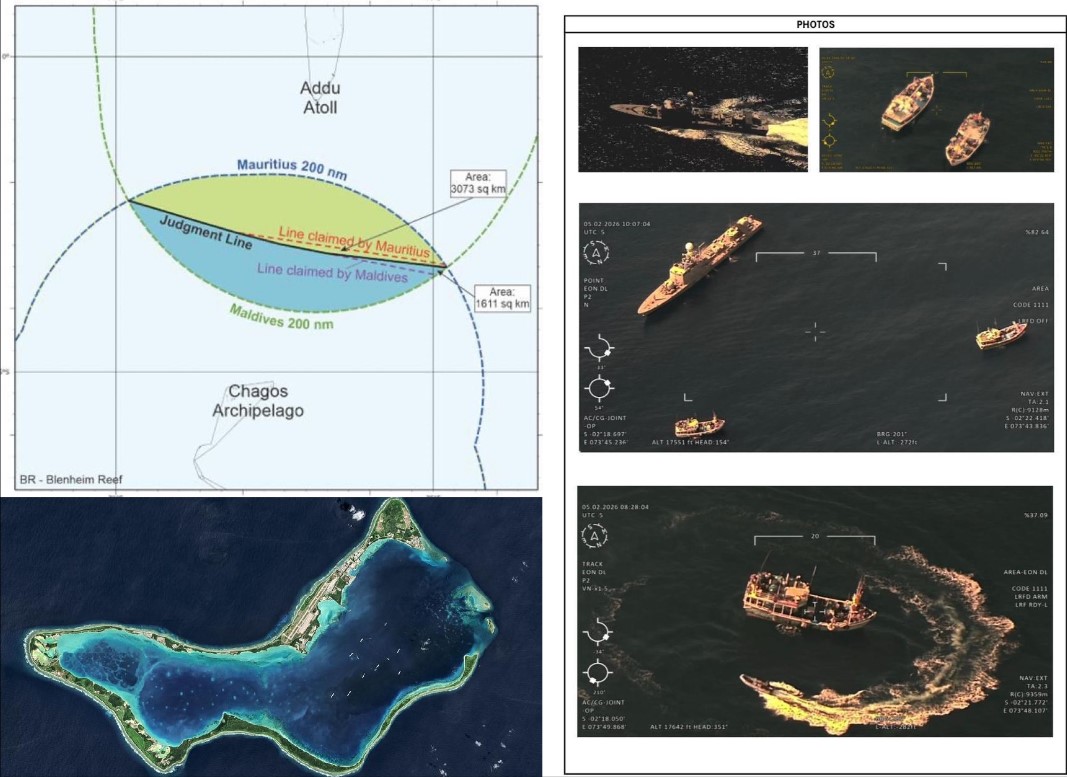
World
Maldives / UK : The Maldives has formally rejected an international ruling on its southern maritime boundary and initiated an expanded military surveillance operation in waters surrounding the northern Chagos area, marking a significant policy reversal and a new phase in a long-running Indian Ocean maritime dispute. In a statement released on Thursday, the Ministry of Defence confirmed that the Maldives National Defence Force (MNDF) has begun what it described as a “special surveillance operation” covering up to 200 nautical miles from the country’s southern baseline. The operation, which commenced on February 4, involves the MNDF Coast Guard vessel Dharumavantha and unmanned aerial systems operated by the MNDF Air Corps. According to the ministry, the deployment is intended to monitor and protect maritime zones that the government considers part of the Maldives’ exclusive economic zone (EEZ), following the administration’s decision not to recognise maritime boundaries established by an international tribunal. Legal Position and Constitutional Basis The defence ministry said the move follows President Mohamed Muizzu’s presidential address to Parliament earlier on Thursday. In that address, Muizzu stated that the Maldivian state does not recognise any changes to national territory that contradict the Constitution or domestic law. The ministry cited Article 115(d) of the Constitution, which assigns the president responsibility for safeguarding national independence and territorial integrity. It also referenced Article 243, the Armed Forces Act, and the Maldives Maritime Zones Act as providing the legal basis for continued military monitoring and protection of maritime areas, including the EEZ. Officials stressed that the MNDF is conducting surveillance within what the government defines as Maldivian maritime zones under national legislation, rather than undertaking offensive military action. Withdrawal of Previous Government Correspondence President Muizzu also announced the formal withdrawal of a letter sent in 2022 by former president Ibrahim Mohamed Solih to the prime minister of Mauritius concerning the sovereignty of the Chagos Archipelago. Muizzu said consultations with local and international legal experts concluded that the letter had negatively affected national security interests and maritime claims. The current administration maintains that the correspondence departed from the Maldives’ long-standing legal position during international proceedings. The former government has rejected accusations of legal mishandling, stating that its actions were consistent with international law. ITLOS Ruling and Its Implications The dispute centres on a 2023 ruling by the International Tribunal for the Law of the Sea (ITLOS) on the maritime boundary between the Maldives and Mauritius. Under that decision, the Maldives was awarded approximately 92,563 square kilometres of disputed maritime area but lost around 45,331 square kilometres of waters it had previously claimed as part of its EEZ. The tribunal’s reasoning relied in part on an advisory opinion issued by the International Court of Justice (ICJ), which concluded that sovereignty over the Chagos Archipelago lies with Mauritius and described the United Kingdom’s historical administration of the islands as unlawful. President Muizzu has stated that his government will not recognise the maritime boundary determined by ITLOS, arguing that Maldivian EEZ limits are already defined under domestic law through archipelagic baselines established in the Maritime Areas Act. United Kingdom Response and Absence of Military Measures Despite the Maldivian military deployment and the rejection of international rulings, the United Kingdom has not announced any military response to the developments in the northern Chagos area. British officials have reiterated that the sovereignty dispute over the Chagos Archipelago is a legal matter between the United Kingdom and Mauritius, and have emphasised diplomatic engagement rather than enforcement action. The UK Foreign Office has cited existing international court opinions and rulings as the appropriate framework for resolving the issue. Analysts note that the absence of a military response reflects the United Kingdom’s current strategic posture, which prioritises legal processes, diplomatic negotiations, and alliance coordination, particularly in regions involving United States military facilities. The presence of the US base on Diego Garcia and ongoing discussions over the future status of the archipelago are widely seen as factors limiting unilateral military action. There has been no indication from London that the UK intends to challenge Maldivian surveillance activities through force, and officials have not characterised the MNDF operation as a direct security threat. Chagos Archipelago and International Context The maritime dispute is closely linked to the Chagos Archipelago, including Diego Garcia, which hosts a major United States military facility. The Maldivian government has said it has engaged in diplomatic communication with the United Kingdom, sending two formal letters asserting what it describes as a stronger Maldivian claim to the Chagos area than that of Mauritius. Muizzu confirmed that he also held a telephone conversation with the British deputy prime minister to convey Malé’s position. According to the president, his administration has additionally proposed an arrangement to the United States under which Washington could continue operating its naval base on Diego Garcia if sovereignty over the islands were to be transferred to the Maldives. Commission of Inquiry and Institutional Changes The president announced the establishment of a Commission of Inquiry to examine how the Maldives’ case before international tribunals was handled under the previous administration. He also said that a specialised government office would be created to manage legal, technical, and diplomatic work related to maritime disputes and boundary claims. Government officials described these steps as necessary to coordinate future international litigation and negotiations more effectively. Ongoing Surveillance Operations The MNDF has stated that it will continue surveillance activities in the southern maritime zone, characterising them as routine enforcement and monitoring measures consistent with national law. Authorities have emphasised that the Maldives regularly conducts patrols within its EEZ, and that the current operation reflects a policy decision to actively assert its interpretation of maritime boundaries. The situation remains under close observation as diplomatic discussions continue and regional stakeholders assess the implications of the Maldives’ rejection of the ITLOS ruling.
Read More → Posted on 2026-02-08 17:04:50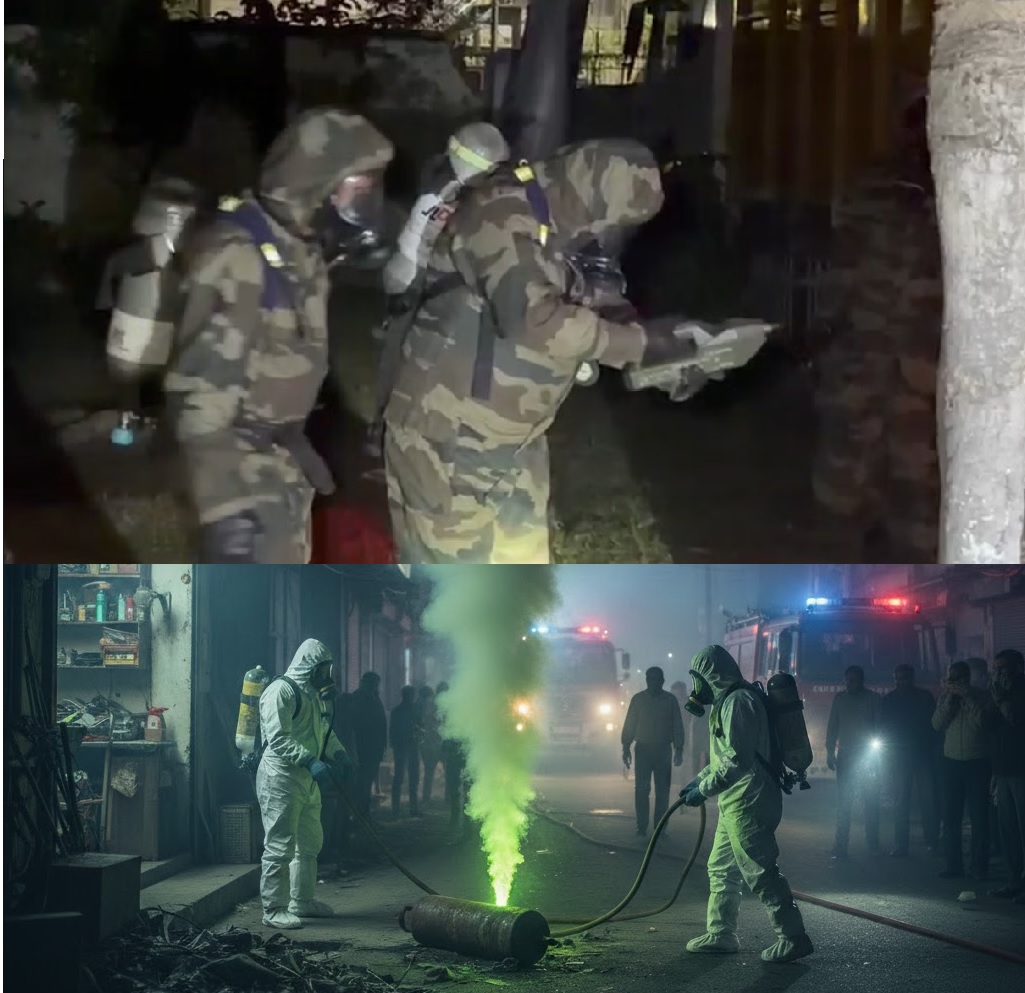
India
JAMMU, INDIA : A gas leak from an abandoned cylinder at a scrap dealer’s shop triggered panic and a coordinated emergency response in a residential locality near Jammu airport on Saturday, February 7, 2026, prompting the deployment of national and state disaster-response units and the launch of a scientific investigation to determine the nature and origin of the substance involved. Incident and Emergency Response The incident occurred in the Rani Bagh area, a mixed residential and commercial neighbourhood located close to the airport perimeter. Residents reported a sudden onset of breathlessness and respiratory discomfort, leading to immediate alerts to local authorities. Joint teams from the National Disaster Response Force and the State Disaster Response Force, along with police and fire and emergency services, were dispatched to the site. Responders wearing specialised protective equipment isolated the affected premises, contained the leak, and secured the cylinder. Authorities confirmed that the situation was stabilised and that there was no ongoing release after containment measures were completed. Residents in the immediate vicinity were advised to remain cautious while monitoring continued. Investigation and Chemical Analysis Officials stated that a formal investigation has been initiated to identify the gas and establish how the cylinder came to be stored at a scrap dealer’s shop. Samples have been collected for laboratory analysis to determine the chemical composition and assess potential health and environmental risks. While no official identification has yet been made public, authorities have not ruled out the possibility that the cylinder may have contained a hazardous chemical, including sulfur mustard. The findings of the scientific analysis will guide subsequent legal, environmental, and security actions. Regulatory and Security Context Sulfur mustard is classified as a Schedule 1 chemical weapon under the Chemical Weapons Convention, an international treaty that prohibits the development, production, acquisition, stockpiling, and use of chemical weapons. Schedule 1 substances are defined as having no legitimate industrial or commercial applications, and their presence outside tightly controlled research or defence settings raises serious regulatory and security concerns. India is a signatory to the convention, which mandates strict controls and reporting requirements for any handling of such substances, even in minute quantities for permitted laboratory purposes. Technical Characteristics of Sulfur Mustard Sulfur mustard, commonly referred to as mustard gas, is a vesicant agent that causes blistering of the skin, damage to the eyes, and injury to the respiratory tract when inhaled. It is heavier than air and can accumulate in low-lying or enclosed areas. Depending on environmental conditions such as temperature and humidity, it can persist for extended periods, increasing exposure risks. Medical effects may not be immediately apparent, with symptoms often developing hours after exposure. This delayed onset complicates early diagnosis and response in civilian settings. Historical Use and Documented Fatalities Mustard gas was first deployed on a large scale during World War I, notably by German forces in July 1917 near Ypres, Belgium. During the conflict, chemical weapons caused an estimated 1.3 million casualties and nearly 90,000 deaths. Mustard gas accounted for a significant share of these casualties, primarily through incapacitating injuries rather than immediate fatalities. Its most extensive modern use occurred during the Iran–Iraq War (1980–1988), when Iraqi forces employed sulfur mustard against Iranian troops and Kurdish civilians. The 1988 attack on Halabja involved a combination of chemical agents and resulted in an estimated 3,200 to 5,000 deaths, with thousands more injured. Latest Documented Attacks In more recent conflicts, sulfur mustard has been documented in attacks by non-state actors. The Organisation for the Prohibition of Chemical Weapons confirmed its use by ISIS in Marea, Syria (August 2015), and in Taza, Iraq (March 2016). These incidents involved improvised or laboratory-grade forms of the agent rather than military-standard munitions. Industrial Status and Controlled Precursors Sulfur mustard itself has no lawful industrial application. International regulations permit only extremely limited use for medical research or for testing protective equipment in authorised defence laboratories. Certain related chemicals, such as thiodiglycol, are used in civilian industries including ink and textile manufacturing, but these substances are strictly monitored because they can be converted into sulfur mustard. Ongoing Probe and Next Steps Authorities in Jammu are examining whether the cylinder recovered from the scrap shop could be a legacy military munition, an improperly disposed industrial container, or material originating from an illicit source. The outcome of the chemical analysis will determine the scope of any criminal investigation and the involvement of specialised national or international agencies. Officials have stated that public updates will be issued once laboratory results confirm the identity of the gas. At present, authorities maintain that the immediate threat has been neutralised, while emphasising that the investigation remains ongoing.
Read More → Posted on 2026-02-08 15:55:03
Space & Technology
Bengaluru : India has completed the design and tape-out of a 2-nanometer (2nm) semiconductor chip, marking a significant step in the country’s advanced technology capabilities. The development was formally announced by Union Minister for Electronics and Information Technology, Ashwini Vaishnaw, at Qualcomm’s Bengaluru facility, where the work was carried out by Indian engineering teams. The 2nm node represents the most advanced level of semiconductor design currently achievable, operating at the limits of silicon physics. With this achievement, India joins a small group of regions—including the United States, South Korea, Taiwan, Japan, and parts of Europe—that are capable of developing architectures at this scale. China, by comparison, remains at around the 7-nanometer level due to restrictions on access to Extreme Ultraviolet (EUV) lithography systems required for advanced manufacturing. Design Milestone at the Frontier of Silicon Technology The completed tape-out confirms that the full chip design cycle—from product definition and architecture to physical design and validation—was executed in India. Tape-out is the final stage of the design process before fabrication, indicating that the layout is ready to be manufactured at an advanced foundry. According to technical details shared during the announcement, each die on the 2nm wafer integrates approximately 20 to 30 billion transistors. The design combines high-performance central processing unit (CPU) cores with graphics processing unit (GPU) functionality on a single die. Compared with 3nm technology, 2nm designs typically deliver around 15 percent higher performance and up to 30 percent lower power consumption, improving efficiency for both computing and battery-powered devices. The architecture is optimized for edge artificial intelligence workloads, enabling on-device AI processing without continuous reliance on cloud infrastructure. Target applications include smartphones, autonomous vehicles, satellites, advanced Wi-Fi routers, data-intensive industrial systems, and defense platforms. Role of Indian Engineering Centers The project was executed by Indian engineers working across Qualcomm’s research and development centers in Bengaluru, Chennai, and Hyderabad. These centers collectively represent Qualcomm’s largest engineering base outside the United States. Officials noted that nearly one-fifth of the global semiconductor design workforce is now based in India, reflecting the country’s growing importance in high-end chip design rather than only support and services. Speaking at the unveiling, Vaishnaw said the achievement demonstrates a shift in India’s role within the global technology ecosystem. He emphasized that India is now participating across the full semiconductor value chain on the design side, rather than being limited to back-end engineering functions. Strategic and Geopolitical Context Semiconductors have become a core element of national economic and strategic strength, particularly as artificial intelligence, high-performance computing, and modern defense systems increasingly depend on advanced chips. Manufacturing processes below 5nm require EUV lithography tools produced by ASML, access to which is restricted for certain countries under US-led export controls. While these constraints have limited progress in some regions, India has advanced through a design-first approach that secures intellectual property and system-level expertise, even as domestic fabrication capabilities are still developing. By completing a 2nm design, India now holds the technical knowledge and design IP required for next-generation hardware platforms. This positions the country to influence future standards and collaborate with leading global foundries for manufacturing, while continuing to expand its production ecosystem. Semicon India Mission 2.0 and Future Plans The government has linked the milestone to the transition toward Semicon India Mission 2.0. The first phase of the mission focused on building foundational infrastructure and human capital, including the training of approximately 67,000 engineers in semiconductor-related disciplines over four years. As of now, 315 universities offer specialized semiconductor curricula. The next phase will prioritize indigenous chip design by supporting Indian startups and product companies, advancing domestic fabrication from current 28nm capabilities toward 7nm and, over time, 2nm, and strengthening the local supply chain by attracting equipment, materials, and specialty gas suppliers. Officials also pointed to ongoing investments of around $70 billion in domestic data center infrastructure, which are expected to increase demand for advanced processors designed in India. Broader Implications The successful design and tape-out of a 2nm chip places India firmly within the global group of advanced semiconductor design leaders. While large-scale manufacturing at this node will still depend on international foundries in the near term, the achievement establishes India’s capability at the highest level of chip architecture and system design. Government and industry officials view the milestone as a foundation for long-term goals to build a self-reliant, globally competitive semiconductor ecosystem by the end of the decade, with India playing a central role in the development of future computing, artificial intelligence, and strategic technologies.
Read More → Posted on 2026-02-08 15:42:46
World
Brussels : The European Union (EU) is preparing a new defense financing mechanism to replace the SAFE lending initiative, as the existing €150 billion program is expected to be fully committed within months, according to officials familiar with ongoing discussions in Brussels. A report by Bloomberg, citing sources involved in the talks, says demand from EU member states for SAFE-backed loans has been significantly higher than anticipated, accelerating the depletion of available funds. Current projections indicate that the program could be exhausted as early as this spring. Review of Remaining Funds and Transition Planning The European Commission is now reviewing the remaining SAFE resources following the signing of preliminary contracts. At the same time, it is developing a successor framework designed to ensure continuity in weapons procurement and to avoid funding gaps that could disrupt the European defense-industrial base. Officials involved in the process say the Commission is assessing the effectiveness of earlier funding tranches, with particular attention to preventing administrative bottlenecks and delays in payments to manufacturers. The aim is to design a more sustainable instrument that allows member states to plan defense procurement on a multi-year basis, rather than relying on short-term emergency measures. Background: The SAFE Credit Initiative SAFE (Security Action for Europe) was created as a strategic EU credit initiative to rapidly finance joint defense procurement. The mechanism enables member states to access preferential loans and financial guarantees at low interest rates, provided that purchases are made cooperatively and directly from manufacturers. The program prioritizes projects involving multiple countries pooling their orders, a structure intended to strengthen cooperation, reduce costs, and improve interoperability across European armed forces. Priority Capabilities and Cost Advantages Under SAFE, funding focused on critical capability gaps, particularly in air and missile defense. Priority systems included Germany’s IRIS-T and the Franco-Italian SAMP/T air defense systems, as well as modern ground combat equipment. By aggregating demand, the program allowed participating states to benefit from economies of scale, lowering unit prices compared with national procurement conducted independently. Preliminary applications from member states, however, far exceeded the €150 billion ceiling, underscoring the scale of Europe’s rearmament needs. Drivers of Demand and Strategic Context EU officials attribute the program’s popularity to the urgent effort by European governments to strengthen military capabilities following Russia’s actions against Ukraine. This security environment has led many countries to accelerate procurement timelines, placing additional strain on existing financing tools. Brussels is now examining options to expand overall lending capacity, either through a second SAFE round or through a newly designed financial scheme tailored to longer-term defense cooperation. Options for the New Financing Model Among the options under consideration are drawing on resources from the European Investment Bank (EIB) or establishing a joint EU bond mechanism dedicated to defense spending. Any new instrument would form part of a broader strategy to enhance EU strategic autonomy and reduce dependence on U.S. security guarantees. Discussions remain at an early stage, but officials say the pace and intensity of negotiations reflect a political commitment to maintaining momentum in defense investment. Emphasis on Standardization and Industrial Capacity A central objective of the future mechanism is to promote greater standardization of weapons systems across Europe. EU planners see joint procurement through a single fund as a way to reduce the complexity of operating dozens of different platforms, particularly in areas such as main battle tanks and infantry fighting vehicles. The Commission is also considering directing funds toward expanding production capacity at major European defense firms, including Rheinmetall, Leonardo, and Saab. Increasing output is seen as critical to shortening delivery times, which for some air defense systems currently extend several years. Timeline and Approval Process Final proposals for the replacement of the SAFE program are expected to be presented by the end of spring 2026. Any new mechanism will require unanimous approval from all EU member states, a process that can be complex. However, officials say the shared assessment of the security threat from Russia is likely to support swift agreement on the budget and structure. Until then, the Commission’s priority remains ensuring that the transition from SAFE to its successor does not interrupt ongoing procurement projects or weaken Europe’s defense-industrial momentum.
Read More → Posted on 2026-02-08 15:24:29
Science
Science : A wave of social-media posts and online headlines claiming that multiple cancers have been “cured” spread rapidly in early February, coinciding with the United States’ formal withdrawal from the World Health Organization (WHO) on January 22, 2026. The timing led to widespread speculation that the WHO had previously suppressed or delayed life-saving research. A closer review of the underlying data, however, shows that the surge was driven not by sudden discoveries, but by a convergence of scheduled scientific disclosures, ongoing clinical trials, and changes in how research is communicated to the public. The claims centered on six areas of cancer research reported between February 1 and February 8, spanning pancreatic cancer, colorectal and colon cancers, metastatic lung disease, HPV-related cancers, blood cancers, and a Russian mRNA-based cancer vaccine. In each case, the science represents meaningful progress, but none supports the idea of a newly available, universal cancer cure. Pancreatic Cancer Research From Spain Between February 1 and February 4, reports circulated about a “pancreatic cancer cure” emerging from Spain. The research originated at the Spanish National Cancer Research Centre (CNIO), where scientists demonstrated that a triple-combination therapy could fully eliminate pancreatic tumors in mouse models. One component of the therapy involves daraxonrasib, a KRAS-targeting drug developed by the U.S. biotechnology company Revolution Medicines and tested in collaboration with major American research hospitals, including the Huntsman Cancer Institute at the University of Utah. The findings represent a genuine scientific achievement, as pancreatic cancer has long resisted effective treatment. However, the results are limited to animal studies. No human clinical trials have yet been completed, and crowdfunding efforts are currently underway to initiate early-phase trials. At this stage, the research is best described as a promising preclinical breakthrough, rather than a proven therapy for patients. Colon, Colorectal, and Lung Metastatic Cancers From February 3 to February 7, new data presented at the American Society of Clinical Oncology Gastrointestinal Cancers Symposium (ASCO GI 2026) fueled claims of cures for colon cancer, colorectal cancer, and lung metastases. The studies showed that combining immunotherapy with targeted treatments significantly extends survival in patients whose tumors have specific genetic features, particularly mismatch repair deficiency (dMMR). These results mark an important advance in precision oncology, demonstrating improved outcomes for a defined subset of patients. They do not apply to all cases of colorectal or metastatic cancer, nor do they constitute a complete cure. The research emerged from large international academic networks, typically associated with ASCO and the European Society for Medical Oncology (ESMO), following timelines established years earlier. HPV-Related Cancers and Vaccination Between February 6 and February 7, new reports confirmed that a single dose of the HPV vaccine provides protection comparable to traditional multi-dose regimens. The data, released ahead of World Cancer Day on February 4, were widely shared as evidence of a “new HPV cancer cure.” In reality, the findings reinforce vaccination as a preventive tool, not a treatment. The confirmation of single-dose efficacy is significant for global public health, as it reduces costs and logistical barriers, enabling broader immunization coverage. It does not offer a therapeutic solution for individuals already diagnosed with HPV-related cancers. Blood Cancer and Leukemia Therapies From February 7 to February 8, attention turned to blood cancers after reports highlighted the success of BE-CAR7 therapy, an advanced gene-editing treatment using base-editing technology. Developed through research at Great Ormond Street Hospital and University College London, and funded by the UK government’s Medical Research Council, along with charities such as Blood Cancer UK, the therapy has achieved remission rates of approximately 82 percent in patients with previously untreatable leukemia. Unlike several other viral claims, this development reflects an active clinical success. The therapy is already being used in hospital settings and is saving lives, though it remains highly specialized, resource-intensive, and limited to specific patient groups. Russia’s Experimental mRNA Cancer Vaccine From February 4 to February 8, Russian officials announced progress on an experimental mRNA cancer vaccine known as Enteromix. The project is being developed by the Russian Federal Medical and Biological Agency and the Gamaleya Center, the same institution responsible for the Sputnik V COVID-19 vaccine. According to official statements, animal trials have shown success rates of 60 to 80 percent, and human trials are planned for 2026. The vaccine is not approved for public use, and its effectiveness in humans has not been established. While the WHO has never overseen or controlled these laboratories, the absence of independent international verification has contributed to uncertainty surrounding the claims. Why the WHO Was Not Blocking Research Contrary to viral narratives, the WHO does not run or control most biomedical research. Since a policy adopted in 1949, the organization has avoided establishing its own research institutions, instead coordinating with a global network of WHO Collaborating Centres. These include national bodies such as the U.S. Centers for Disease Control and Prevention (CDC) and institutions like the Pasteur Institute in France. The WHO does not own these centers or direct their experiments. When the United States withdrew, American agencies such as the National Institutes of Health (NIH) and the National Cancer Institute (NCI) continued their research activities unchanged, but stopped sharing data through WHO coordination channels. The underlying studies were not delayed or released because of the withdrawal. Why the Announcements Clustered in Early February Several factors explain why multiple cancer-related announcements appeared almost simultaneously. World Cancer Day (February 4) traditionally prompts major organizations, including the WHO and its cancer research arm IARC, to release annual data and updates. In 2026, this included confirmation that the combined five-year survival rate for all cancers reached 70 percent for the first time. At the same time, the ASCO GI 2026 conference, held from January 8 to February 5, served as the formal venue for presenting pancreatic and colorectal cancer trial results. The coincidence of these events with the U.S. exit from the WHO amplified their visibility. Shifts in Public Communication Another factor has been a change in messaging. While the United States participated in WHO-coordinated communication, preliminary findings were often framed cautiously, with attention to global equity and affordability. Following the withdrawal, U.S. agencies and private companies have increasingly released early-phase trial results directly to the public, sometimes using simplified language interpreted as proof of a cure. Russia’s announcement also reflects heightened competition for scientific attention in a less centralized global health environment. A Fragmented Information Landscape The viral spread of cancer “cure” claims in early 2026 illustrates how a fragmented public-health landscape can blur the line between experimental progress and established treatment. Significant advances are being made, but most remain incremental steps within long clinical pathways. Medical experts emphasize that the public should distinguish between prevention, early-phase research, and therapies that are proven safe and effective in large-scale human trials.
Read More → Posted on 2026-02-08 14:41:55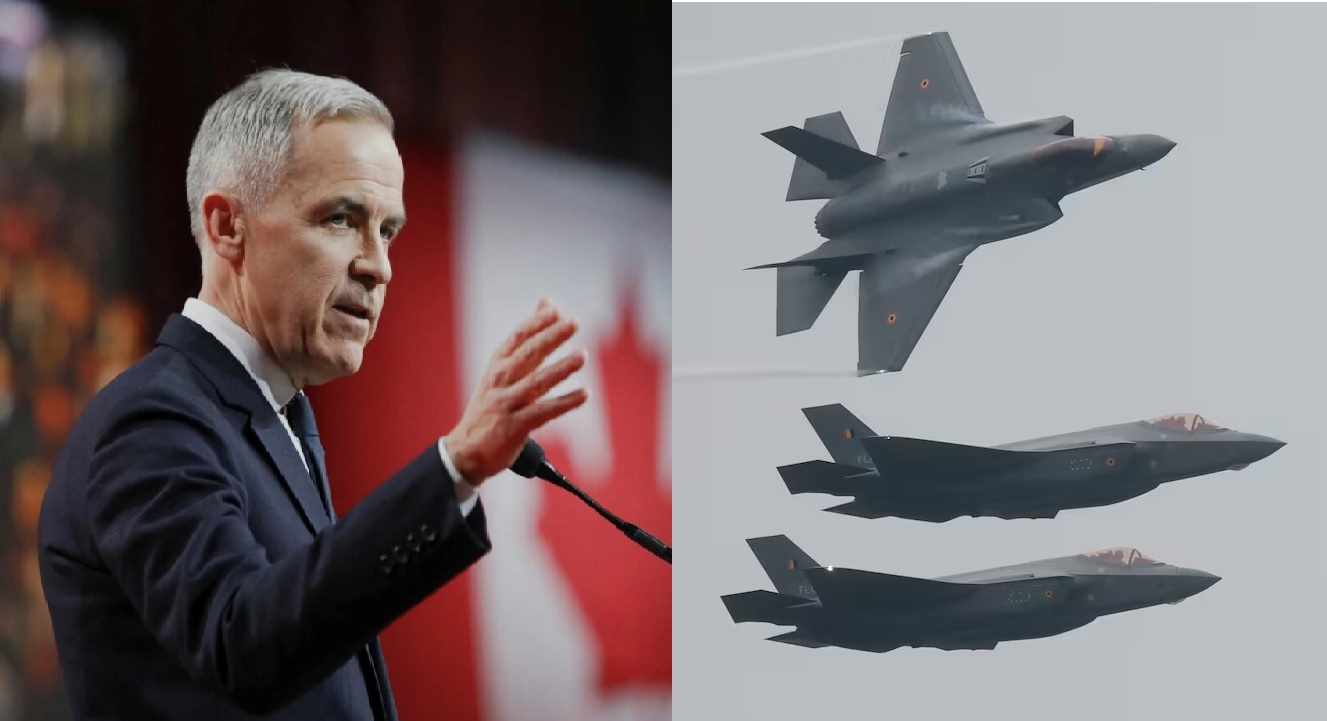
World
Ottawa : The Canadian government has initiated a comprehensive strategic review of its planned purchase of F-35 fighter jets, a $27 billion agreement that is now facing scrutiny over escalating costs, long-term financial exposure, and diplomatic pressure from Washington. The reassessment represents one of the most consequential defense procurement reviews in Canada’s recent history and reflects a broader effort by Ottawa to reassert control over military spending and strategic autonomy. The agreement, signed in 2022, committed Canada to acquiring 88 F-35 Lightning II aircraft to replace the Royal Canadian Air Force’s aging CF-18 fleet. At the time of approval, the acquisition was estimated to cost between $14 billion and $19 billion. Updated government audits, however, now place the projected acquisition cost at approximately $27.7 billion, excluding several major ancillary expenses. Escalating Costs and Budgetary Revisions According to the Auditor General of Canada, the increase stems from higher inflation assumptions, updated sustainment costs, and revised foreign exchange projections. The report also noted that earlier cost estimates understated the full scope of expenditures required to operate the aircraft. Further analysis by the Parliamentary Budget Officer (PBO) estimates the full life-cycle cost of the F-35 fleet—covering operations, maintenance, upgrades, and sustainment over a projected 45-year service life—at roughly $73.9 billion. The PBO cautioned that this figure does not fully incorporate the cost of infrastructure upgrades at Canadian air bases or the procurement of advanced weapons systems compatible with the aircraft. These additional requirements could add an estimated $5.5 billion to total expenditures. Members of Parliament from multiple parties have since questioned whether the program, as structured, aligns with Canada’s long-term fiscal and defense priorities. Diplomatic Pressure and Political Pushback The financial reassessment has unfolded alongside heightened diplomatic friction with Washington. Officials in the administration of U.S. President Donald Trump, as well as U.S. Ambassador to Canada Pete Hoekstra, publicly warned that reducing or canceling the planned 88-jet purchase could carry consequences. These warnings included references to potential trade measures, such as tariffs exceeding 50 percent on selected Canadian exports, and suggestions that the United States could deploy additional American fighter aircraft into Canadian airspace under the framework of NORAD to compensate for any perceived capability gaps. Canadian lawmakers, from both government and opposition benches, characterized these statements as inappropriate interference in a sovereign procurement decision. Senior officials emphasized that Canada remains committed to continental defense obligations but retains the right to determine the composition of its own air force. Public opinion data appears to have reinforced this position. Recent national polling indicates that approximately 72 percent of Canadians support diversifying the fighter fleet or considering non-U.S. alternatives to reduce reliance on American-controlled software, upgrades, and mission data systems. Saab Gripen Gains Renewed Attention As the F-35 review continues, Sweden’s Saab has emerged as the leading alternative supplier. Saab has renewed its offer of the Gripen E/F, proposing a package that includes 72 fighter aircraft and six GlobalEye airborne early-warning and surveillance platforms. Saab’s proposal places significant emphasis on industrial participation within Canada. The company has pledged to assemble the aircraft domestically, a move it says could support approximately 12,600 Canadian jobs across manufacturing, maintenance, and supply chains. Operational cost comparisons have also featured prominently in the debate. Saab estimates the Gripen’s cost per flight hour at between $8,000 and $12,000, compared with estimates ranging from $33,000 to $50,000 for the F-35. Canadian defense analysts have noted that the Gripen model would also allow greater national control over maintenance schedules, mission software, and technology upgrades. International Context and Comparable Decisions Canada’s reassessment mirrors decisions taken or considered by several other countries evaluating their participation in the F-35 program. Spain has moved away from F-35 acquisition plans, opting instead to invest in the Eurofighter Typhoon and the Future Combat Air System (FCAS). In Switzerland, lawmakers are debating the cancellation of a $9.1 billion order for 36 F-35 aircraft amid trade tensions and cost concerns. India has previously declined F-35 offers, citing limited technology transfer and strategic autonomy considerations. Defense analysts describe these developments as part of a broader trend in which governments are weighing stealth capabilities against long-term independence in operations, logistics, and data control. Current Commitments and Next Steps Despite the review, Canada has reaffirmed its commitment to an initial batch of 16 F-35 aircraft already under contract, with deliveries scheduled to begin in 2026. These jets are expected to provide near-term capability continuity as the CF-18 fleet is phased out. Parliamentary committees and defense officials are now examining options for the remaining 72 aircraft, including reducing the total order or adopting a mixed-fleet approach that would combine F-35s with an alternative platform such as the Gripen. Government sources stress that no final decision has been made and that the review is intended to ensure affordability, operational effectiveness, and long-term sovereignty. The outcome is expected to shape Canada’s defense posture, procurement policy, and defense relationship with the United States for decades to come.
Read More → Posted on 2026-02-08 14:14:21
World
Concarneau, France : The PIRIOU shipyard in Concarneau, Brittany, on Wednesday launched Trolley de Prévaux, the first vessel of the French Navy’s new Patrouilleur Hauturier (PH) class of offshore patrol vessels. The launch marks a key milestone in a seven-ship program ordered in November 2023 by the Direction Générale de l’Armement (DGA), France’s defense procurement authority. The PH program is intended to renew and modernize France’s offshore patrol fleet, replacing older patrol ships while expanding endurance, sensor coverage, and operational availability across metropolitan waters and overseas maritime zones. Industrial Organization and Program Management The Patrouilleur Hauturier program is being executed by a consortium of three French shipbuilders—PIRIOU, CMN (Constructions Mécaniques de Normandie), and SOCARENAM—under the overall design authority and systems integration leadership of Naval Group. PIRIOU is responsible for construction of the lead vessel, while production of subsequent ships is distributed among the partner yards to maintain schedule and industrial capacity. Construction of Trolley de Prévaux began in May 2024. Following its launch, the vessel will undergo fitting-out, systems integration, and sea trials before delivery to the French Navy’s Brest-based fleet, which is scheduled for April 2027. Work on follow-on ships is already underway. d’Estiennes d’Orves has been under construction since February 2025 and is expected to be launched in early 2027. Jeanne Bohec entered construction in June 2025, with launch planned for late 2027. According to the current program timeline, the seventh and final ship of this initial batch is scheduled for delivery in 2030. Design, Size, and Endurance The PH class represents a substantial increase in capability compared with earlier French patrol vessels. Each ship measures approximately 92 meters in length and displaces around 2,400 tonnes. The design emphasizes long-duration patrols, sustained presence missions, and multi-role flexibility in both national and overseas operational areas. The vessels are capable of speeds exceeding 21 knots and have an operational range of approximately 6,000 nautical miles. This allows deployments of up to 30 days without resupply. Accommodations are provided for up to 84 personnel, including the core crew as well as embarked mission specialists or additional detachments when required. The class has been designed for a projected service life of 35 years, with an availability objective of up to 300 operational days per year, reflecting the Navy’s requirement for continuous maritime surveillance and patrol coverage. Sensors, Combat Systems, and Mission Equipment The PH-class sensor suite is supplied primarily by Thales and includes the NS54 4D active electronically scanned array (AESA) radar, providing air and surface surveillance capabilities. In addition, the vessels are equipped with the BLUEWATCHER hull-mounted sonar. The inclusion of sonar reflects evolving operational requirements, particularly the need to monitor underwater activity and support the protection of French ballistic missile submarine movements during transit to and from their bases. Armament on the Patrouilleur Hauturier class is centered on the RAPIDFire 40 mm artillery system, intended for surface engagement, air defense, and counter-asymmetric missions. Short-range air defense is provided by SIMBAD RC missile launchers, while integrated electronic warfare and counter-drone systems are fitted to address emerging aerial and asymmetric threats. Naming Policy and Future Fleet Expansion Most ships in the PH class are named after figures associated with the Free French Forces and the French Resistance during the Second World War. An exception within the class is Île de Sein, named after the Breton island whose entire male population joined General Charles de Gaulle in London in 1940. Under France’s 2024–2030 Military Planning Law, provision has been made for an additional order of three Patrouilleur Hauturier vessels. If exercised, this option would bring the total number of ships in the class to ten. The French Navy expects the full fleet of ten PH-class patrol vessels to be operational by 2035, supporting long-term maritime security, sovereignty missions, and protection of France’s territorial waters and exclusive economic zones.
Read More → Posted on 2026-02-08 13:47:43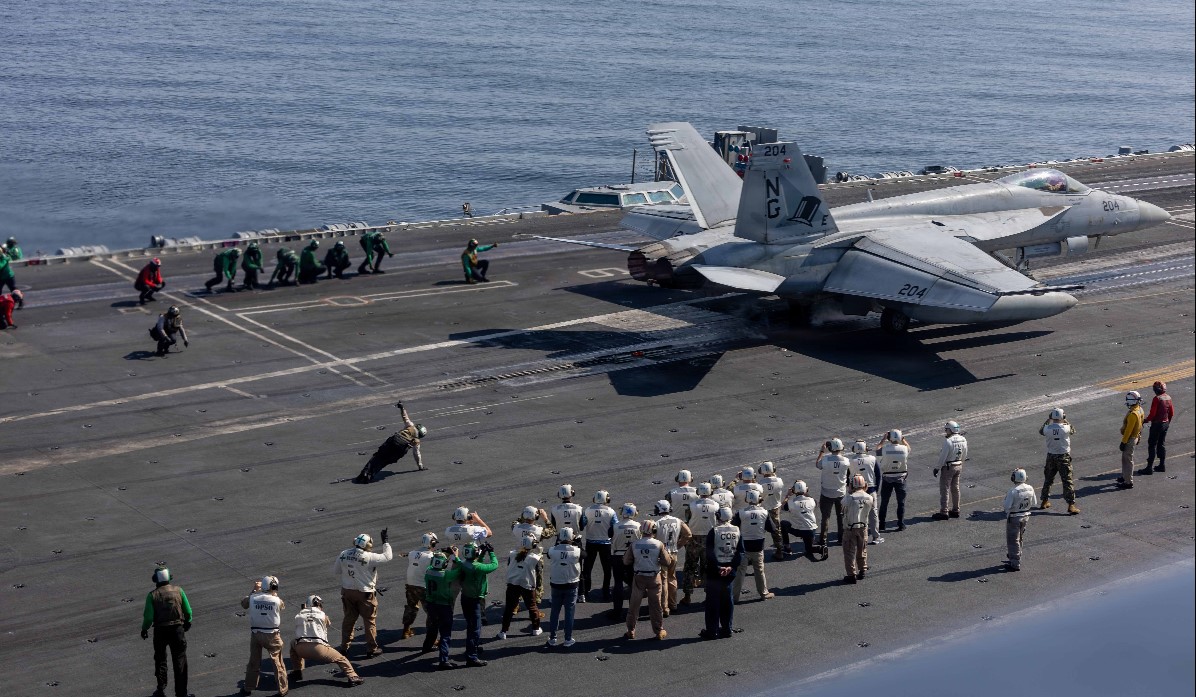
World
ARABIAN SEA : The commander of U.S. Central Command, Gen. Michael Erik Kurilla, conducted an official visit aboard the Nimitz-class aircraft carrier USS Abraham Lincoln on Feb. 7, as the carrier strike group continued operations in the Arabian Sea. The visit took place during a scheduled deployment within the U.S. Central Command area of responsibility, where the strike group is supporting maritime security and regional stability missions. Gen. Kurilla was accompanied by U.S. Special Envoy for Peace Missions Steve Witkoff and Jared Kushner. The delegation toured the nuclear-powered aircraft carrier, observed flight deck operations, and received briefings from senior officers on the operational environment and current security conditions across the Middle East. Navy leadership provided updates on ongoing missions, force posture, and coordination with regional partners. During the visit, Gen. Kurilla met with sailors and Marines assigned to the Abraham Lincoln Carrier Strike Group and expressed appreciation for their service and professionalism. He emphasized the role of forward-deployed naval forces in maintaining freedom of navigation and supporting U.S. security objectives in the region. According to officials present, the engagement focused on readiness, operational discipline, and the execution of assigned missions under U.S. Central Command. Special Envoy Witkoff also held discussions with members of the ship’s air wing, including a Navy pilot who earlier in the week intercepted an Iranian unmanned aerial vehicle that approached the carrier while it was operating in international waters. U.S. defense officials stated that the interception was conducted in accordance with established rules of engagement and was intended to ensure the safety of the ship and its crew. Deployment History and Mission The USS Abraham Lincoln is homeported in San Diego, California, and serves as the flagship of Carrier Strike Group Three. The strike group departed for its current deployment in November 2025 and initially operated in the Indo-Pacific region. During the early phase of the deployment, the group conducted routine exercises and operations in the Philippine Sea and the South China Sea, working alongside allied and partner navies. In January 2026, the carrier strike group was redirected to the Middle East in response to regional operational requirements. The group transited the Strait of Malacca on Jan. 19 and entered the North Arabian Sea later that month. Since arriving in the region, the strike group has been operating under the tactical control of U.S. 5th Fleet, which is responsible for naval forces in the U.S. Central Command area. Force Composition Carrier Strike Group Three is built around the USS Abraham Lincoln (CVN-72) and includes the staffs of Carrier Strike Group Three, Destroyer Squadron 21, and Carrier Air Wing Nine. The strike group is escorted by guided-missile destroyers USS Frank E. Petersen Jr. (DDG-121), USS Spruance (DDG-111), and USS Michael Murphy (DDG-112), providing air defense, surface warfare, and maritime security capabilities. The carrier’s air wing operates more than 60 aircraft, including F-35C Lightning II stealth fighters, F/A-18E/F Super Hornet strike fighters, EA-18G Growler electronic warfare aircraft, and multiple rotary-wing platforms used for logistics, surveillance, and maritime operations. Together, these assets provide the strike group with a full spectrum of air, surface, and subsurface capabilities. Regional Context U.S. defense officials noted that the current deployment reflects ongoing efforts to maintain a persistent naval presence in the Middle East amid continued regional security challenges. This deployment represents the third instance in recent years in which a U.S. aircraft carrier strike group initially assigned to the Pacific has been reassigned to the Middle East to meet operational demands. The visit by the U.S. Central Command commander underscored the strategic importance of naval forces operating in the Arabian Sea and highlighted the role of carrier strike groups in supporting U.S. objectives, deterring threats, and ensuring maritime stability across one of the world’s most critical regions for global trade and energy transit.
Read More → Posted on 2026-02-08 12:58:55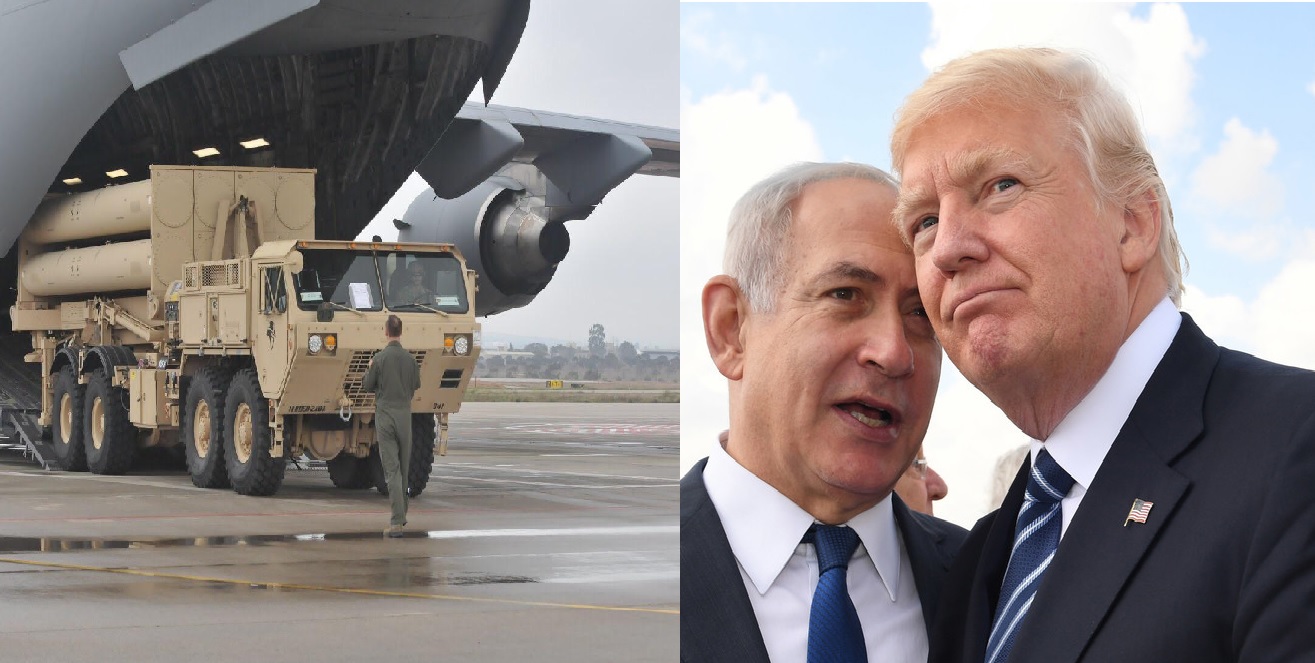
World
DUBAI : A broad and largely non-public military logistics operation is unfolding across the Middle East as the United States and Israel prepare for what defense analysts describe as a sustained, long-term military campaign against Iran. While public debate has focused on political signaling and diplomatic messaging, military planners and regional security specialists say the current absence of large-scale offensive action reflects unresolved operational constraints rather than a shift in policy. According to a detailed regional military assessment by Persian analyst Shahin Modarres, U.S. and Israeli planning is based on the assumption that any direct strike on Iran would trigger immediate retaliation against Israel and American military facilities across the Middle East. The present phase, he argues, is defined by defensive preparation—specifically, efforts to protect U.S. forces and infrastructure from Iranian ballistic missiles, cruise missiles, and unmanned aerial systems before any offensive phase can be initiated. Exposure of U.S. Military Infrastructure At the center of the planning challenge are at least 19 major U.S. bases and strategic command centers distributed across the Gulf and the wider Middle East. Despite the scale of the American military footprint, not all of these installations are equipped with permanent, integrated air and missile defense systems capable of countering advanced ballistic threats. Among the most significant facilities are Al Udeid Air Base in Qatar, which hosts the forward headquarters of United States Central Command; Naval Support Activity Bahrain, home to the U.S. Fifth Fleet headquarters; and Camp Arifjan in Kuwait, a critical logistics and sustainment hub for U.S. ground operations. In addition to these fixed installations, U.S. forces operate at forward locations and smaller bases in Syria, Iraq, Jordan, and several Gulf states. Modarres notes that some of these sites rely primarily on short-range air defense systems designed to counter rockets, artillery, and drones. Such systems, while effective against limited threats, provide little protection against medium- and long-range ballistic missiles, which Iran has developed in significant numbers over the past decade. Missile Defense Build-Up Across the Gulf To address these vulnerabilities, the Pentagon has accelerated the deployment of Terminal High Altitude Area Defense (THAAD) batteries and Patriot missile systems throughout the region. These assets are being positioned in coordination with host nations, including Saudi Arabia, Kuwait, and the United Arab Emirates, with the goal of establishing overlapping layers of missile defense coverage for U.S. forces and key infrastructure. Military officials and analysts emphasize that this process is technically complex. Each deployment requires the transport of launchers, radars, command vehicles, and interceptor missiles, followed by calibration, testing, and digital integration into existing command-and-control networks. Linking national and U.S. systems into a coherent, shared air defense architecture can take weeks or months, particularly in a high-threat environment. Until this network is fully operational, any offensive action would leave multiple U.S. bases exposed to retaliatory strikes, increasing the risk of casualties and infrastructure damage during the opening stages of a conflict. Naval and Air Assets in a Defensive Posture Naval and air force movements in recent weeks further underscore the defensive nature of the current phase. The aircraft carrier USS Abraham Lincoln has been positioned off the coast of Oman, a location selected to reduce exposure to Iran’s coastal anti-ship missile systems while maintaining operational reach into the region. Additional air defense assets have reportedly been activated along parts of the Emirati coastline to support the protection of high-value naval units operating nearby. At the same time, allied air forces are being configured primarily for interception and air defense missions rather than deep strike operations. U.S. F-15 fighter aircraft stationed in Jordan are tasked with intercepting incoming missiles or drones approaching from the east. British F-35 aircraft deployed to RAF Akrotiri in Cyprus are focused on defending Israeli airspace, particularly against loitering munitions and drone swarms such as Iran’s Shahed-131 and Shahed-136 systems. According to the assessment, these aircraft are not currently postured or tasked for sustained offensive operations against Iranian territory, reinforcing the view that the present stage is preparatory rather than escalatory. Policy Continuity and Operational Constraints The extended military buildup has fueled speculation that the administration of Donald Trump is reconsidering its approach toward Iran. Modarres rejects this interpretation, arguing that the delay reflects operational necessity rather than political hesitation. In his assessment, the strategic intent remains unchanged, but execution is constrained by the requirements of modern, high-intensity warfare. Military planners, he says, are effectively constructing a regional defensive framework before initiating any offensive actions. This includes missile defense coverage for fixed bases, protection of naval assets, and coordinated air defense for Israel and U.S. partners. “The process is ongoing,” Modarres concludes, describing the current phase as one of logistics, coordination, and system integration. The timeline, he argues, is being set by the completion of this defensive architecture rather than by public statements or diplomatic developments.
Read More → Posted on 2026-02-08 09:21:42Search
Top Trending in 24 Hours
-
 Pentagon Launches FORTRESS Initiative to Make Major U.S. Bases Self-Sufficient for 90 Days
-
 Saudi Arabia, Pakistan and Turkey Hold High-Level Security Talks with Iran in Tehran Amid Reports of Potential Iranian Integration
-
 SpaceX Secures $40 Billion in Debt Financing for AI Chips as Musk Predicts Industry Consolidation
-
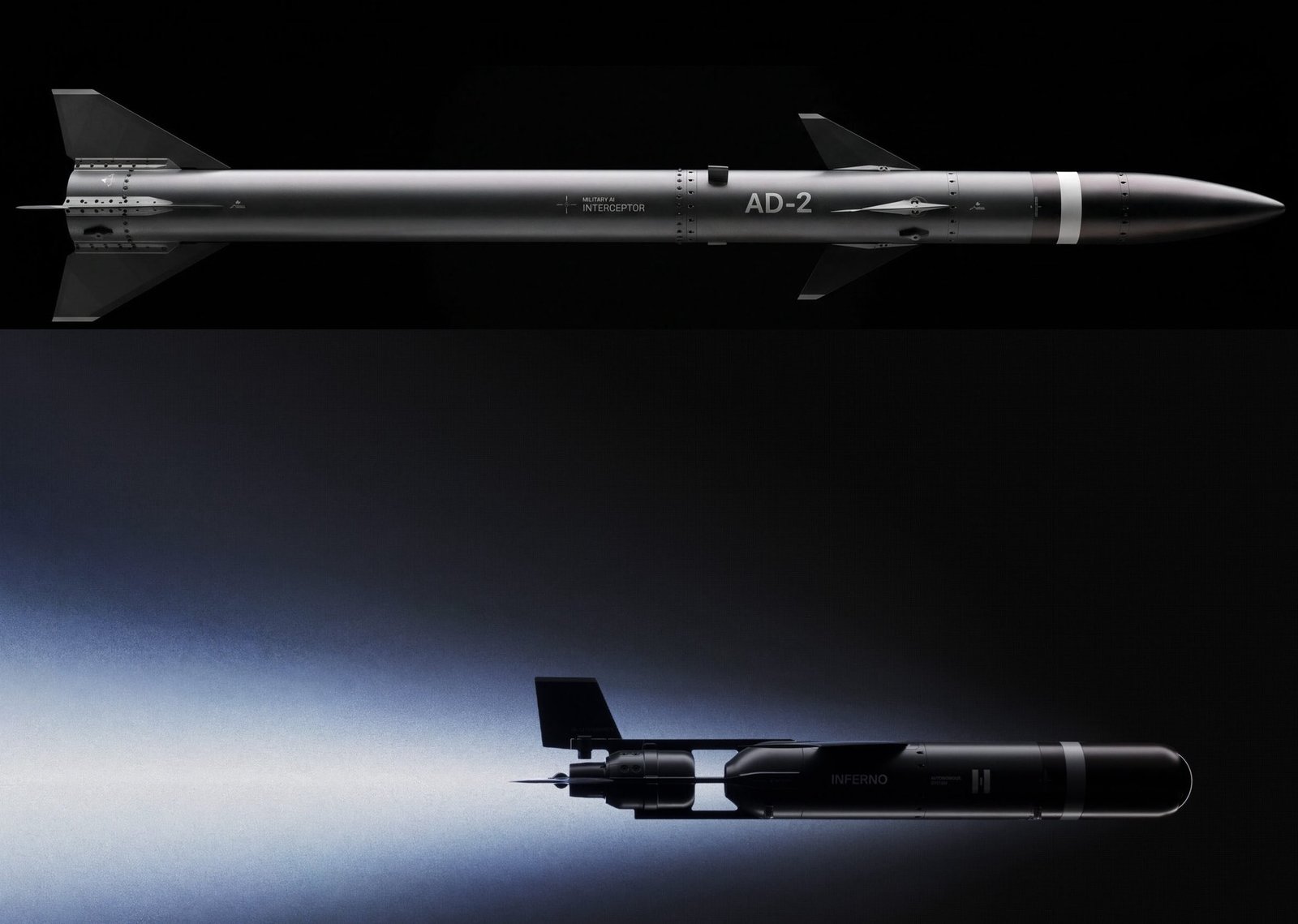 German Firm Helsing Unveils Contra AI Air Defence System with AD-1 Inferno and AD-2 Ambush Interceptor Missiles
-
 Elbit Systems Secures $200 Million Contract for Airborne Surveillance and Training Systems in Asia-Pacific
-
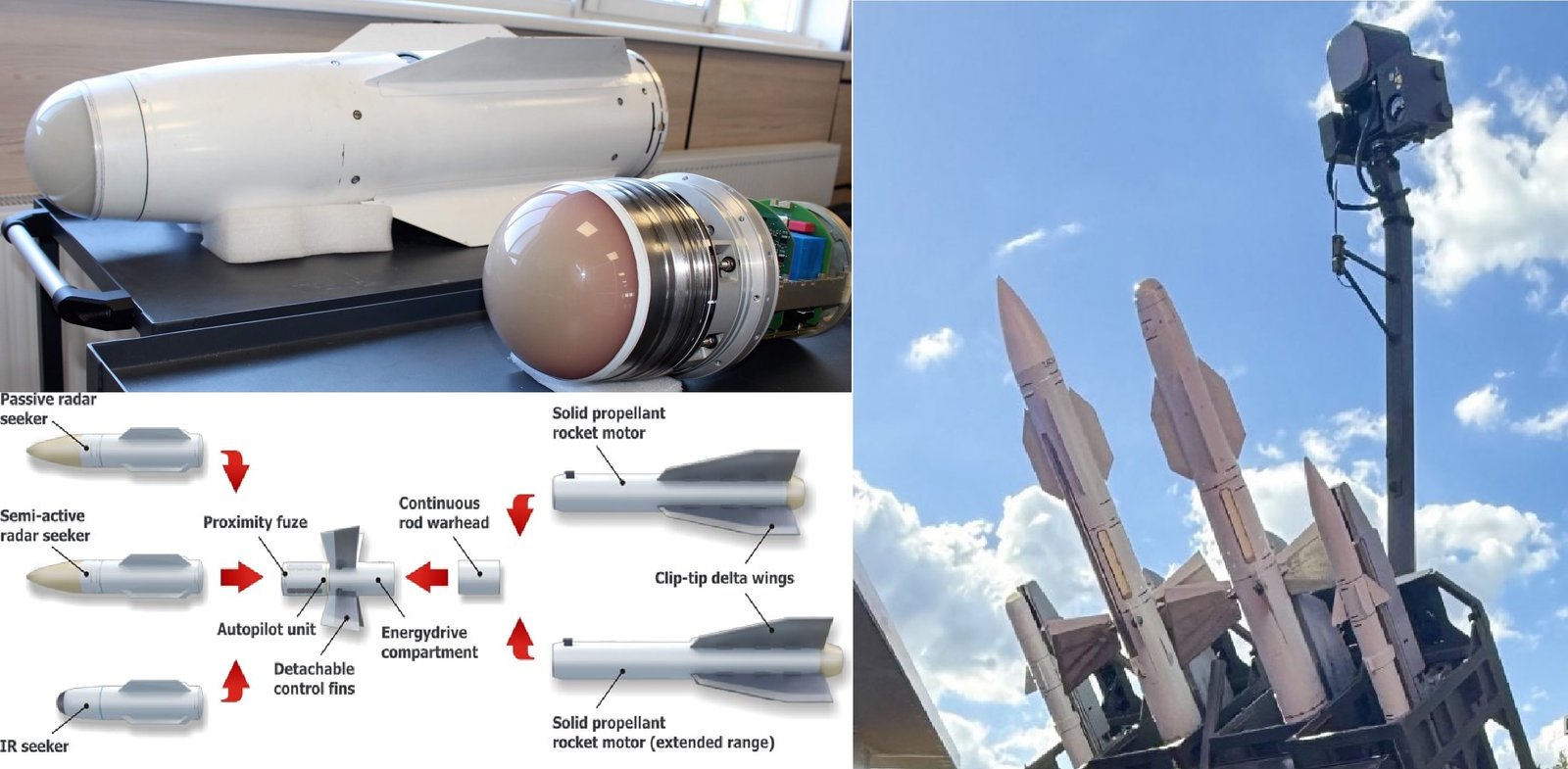 Ukraine Reveals New Details on R-287T and R-287R Missiles for Shershen Air Defense System
-
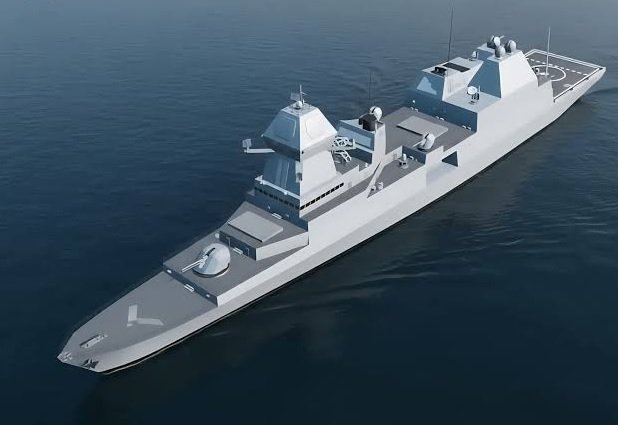 Indian DAC to Evaluate ₹75,000 Crore Project 18A for Next-Generation Navy Destroyers
-
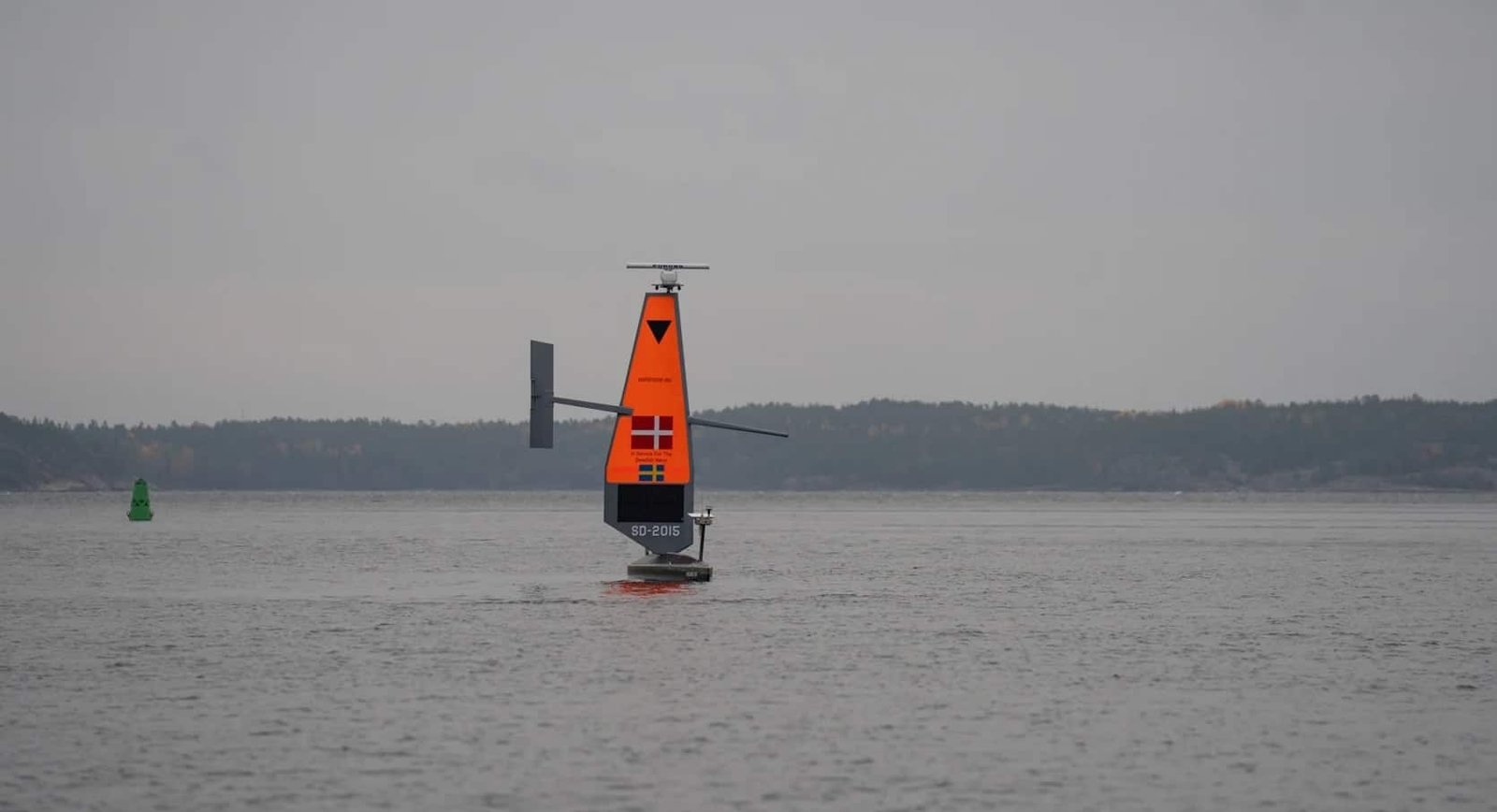 Sweden Deploys Four Saildrone Voyager USVs for Year-Long Baltic Sea Surveillance
Top Trending in 4 Days
-
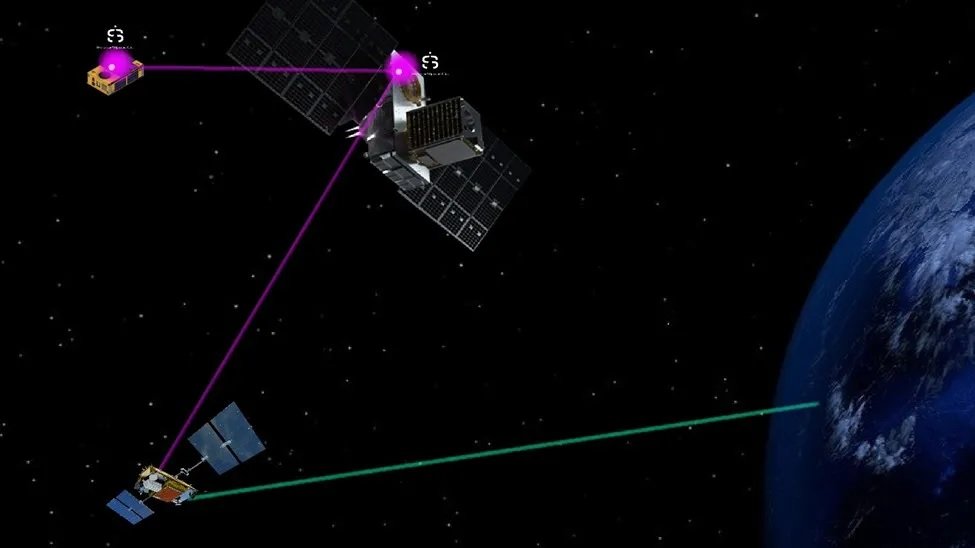 NASA Demonstrates Space-to-Space Wi-Fi Between Two Orbiting Spacecraft
-
Pentagon Launches FORTRESS Initiative to Make Major U.S. Bases Self-Sufficient for 90 Days
-
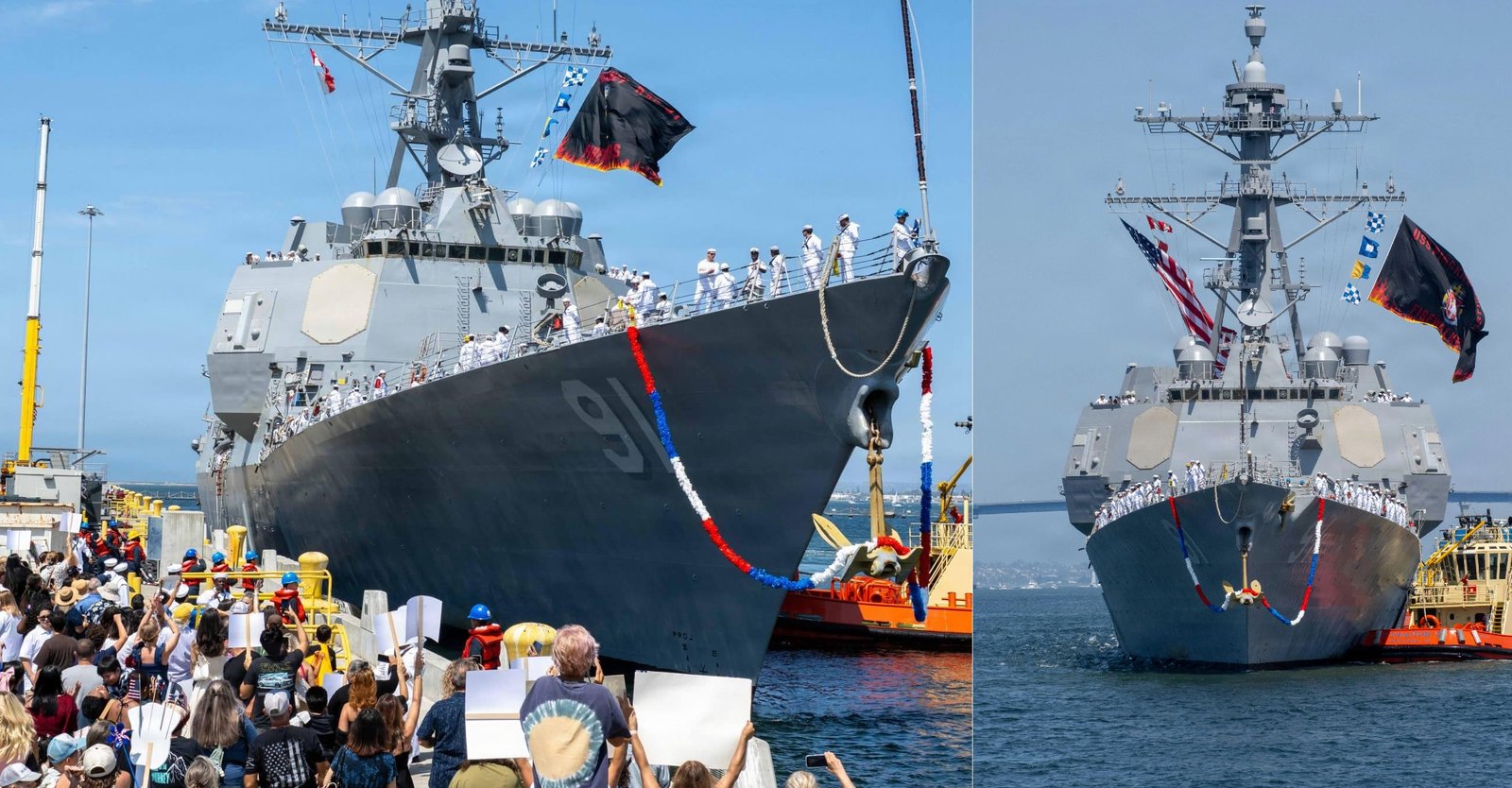 USS Pinckney Becomes First U.S. Navy Destroyer to Begin Phase Two Modernization with Advanced SPY-6 Radar
-
 U.S. Military to Ban Chinese Automaker BYD Vehicles from Kadena Air Base in Japan Over Security Concerns
-
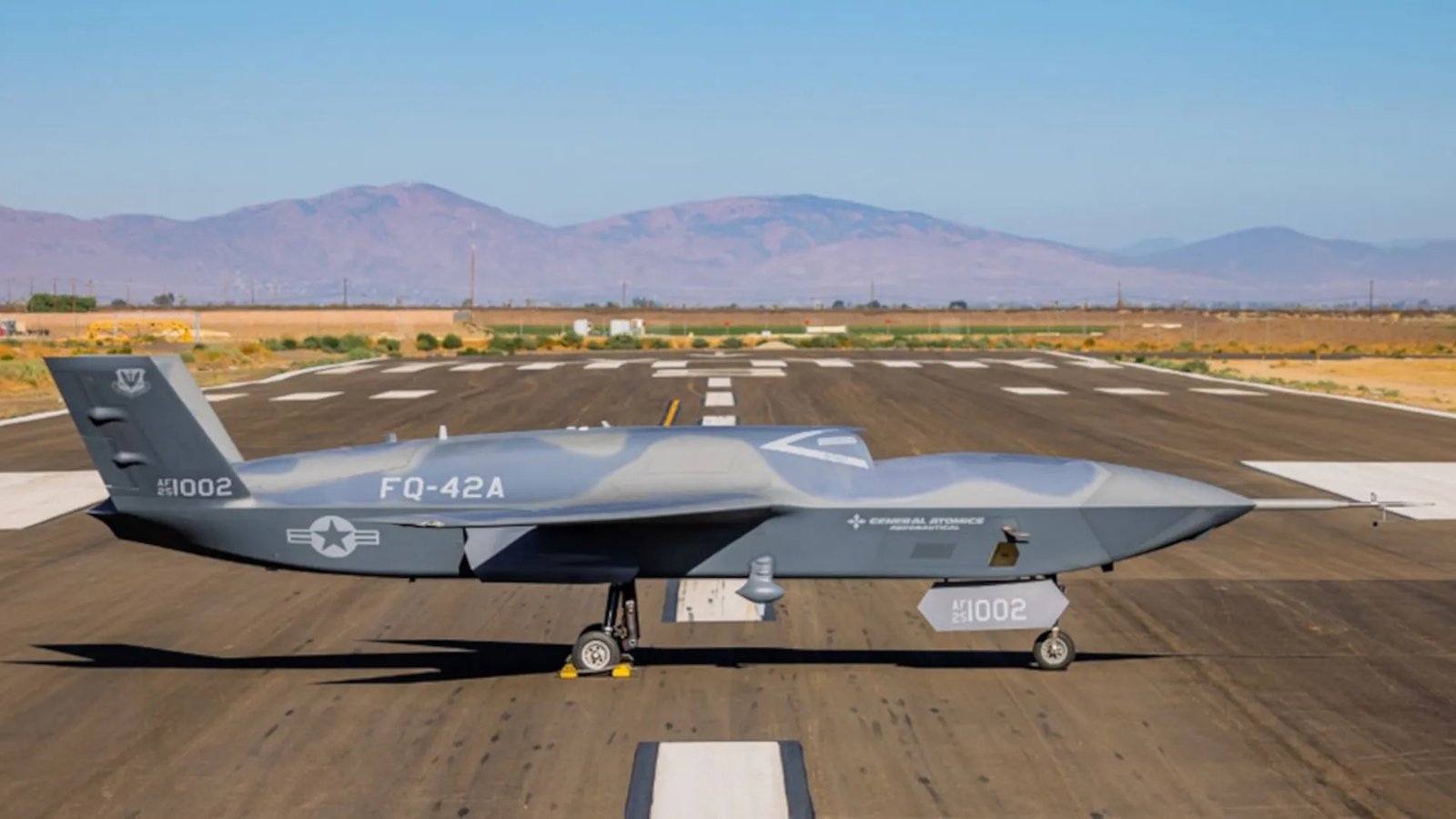 General Atomics Partners With Spirit Defense to Expand FQ-42 Vengeance Production
-
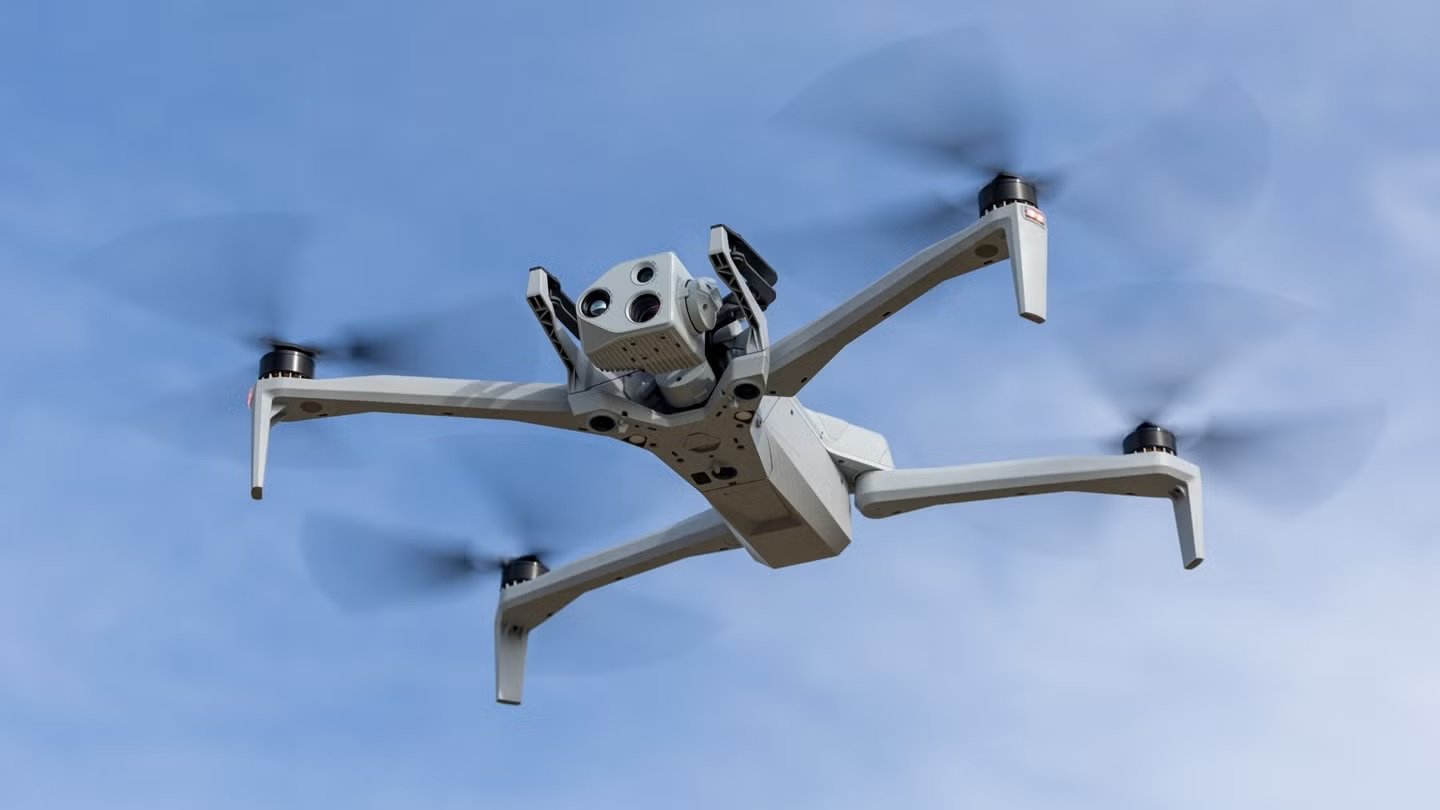 UK Ministry of Defence Opens £120,000 Tender for Skydio X10D Drones
-
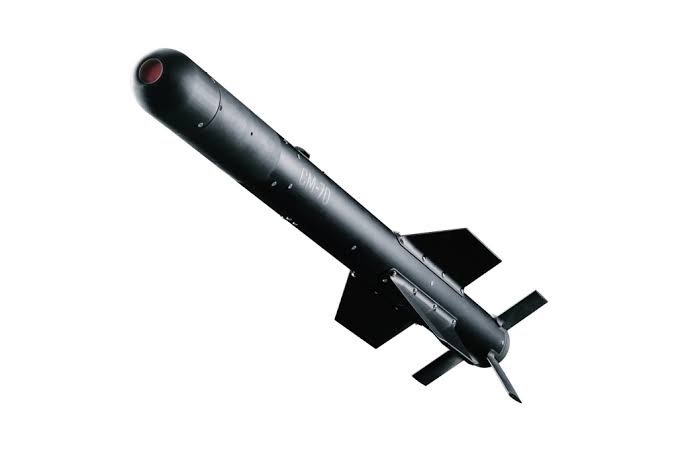 CSG and North Vector Dynamics Sign MoU to Explore European Production of CM-70 Counter-Drone Interceptor
-
Saudi Arabia, Pakistan and Turkey Hold High-Level Security Talks with Iran in Tehran Amid Reports of Potential Iranian Integration
