KYIV, — Ukrainian developers have released new details about the R-287T and R-287R missiles, designed for the multi-caliber Shershen air defense system. Both missiles are based on the Soviet-era R-27 air-to-air missile family and feature updated guidance systems intended to engage modern aerial threats.
The Shershen system was presented internationally at the World Defense Show in Riyadh earlier in 2026. However, it has not secured procurement funding and remains a development project. No decision has been made to order it for Ukraine’s armed forces.
R-287T: Infrared-Guided Missile
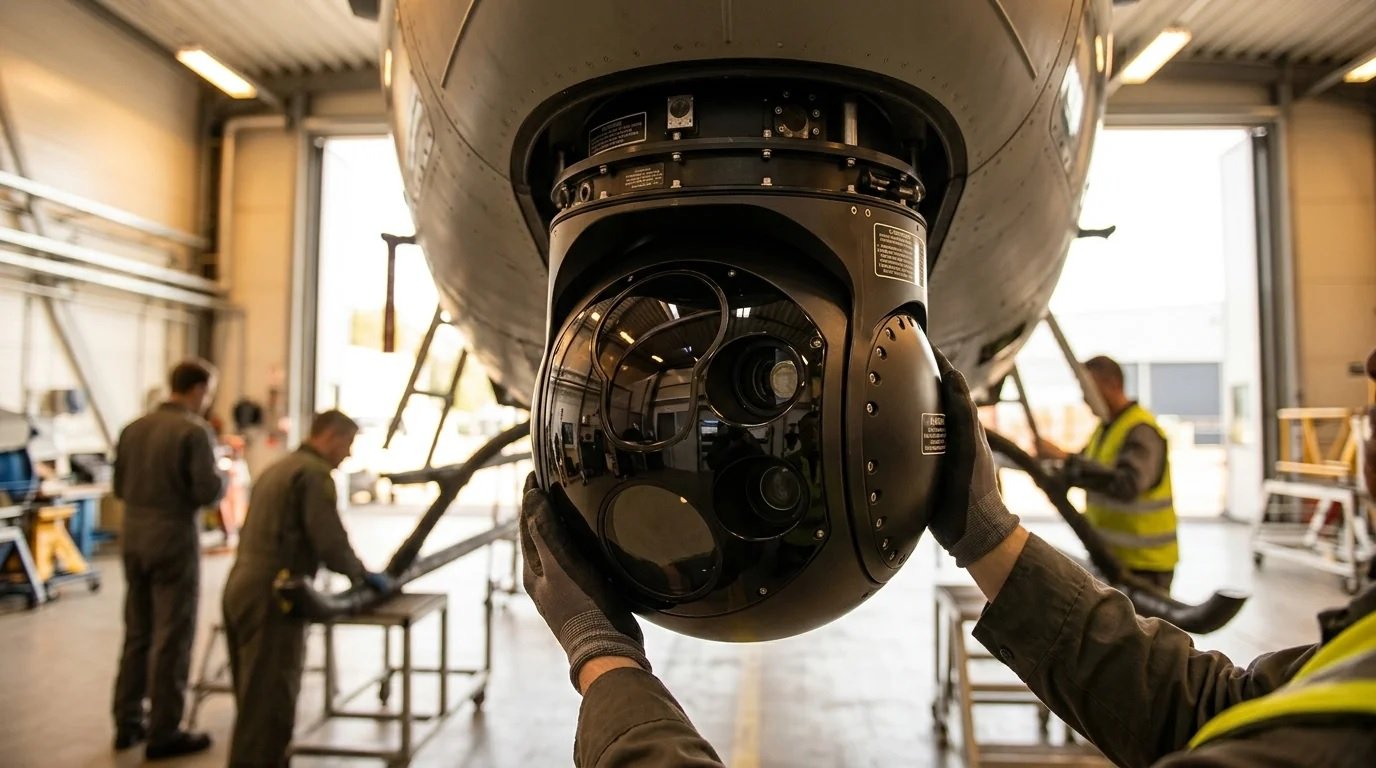
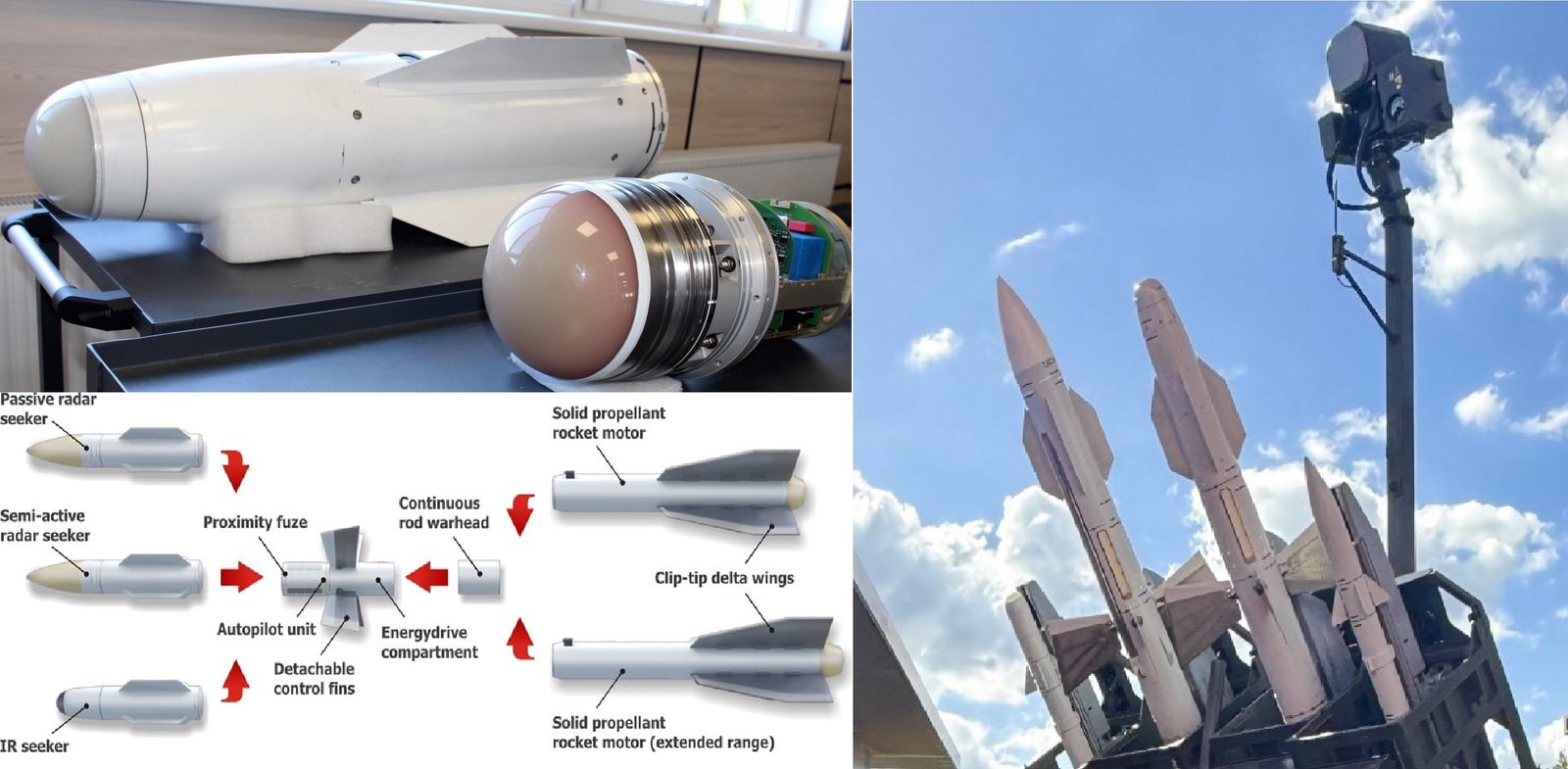
The R-287T features the GSN-203T infrared seeker, also known as GS-203T, developed by Ukrainian defense company Radioniks in 2020. Unlike older R-27T and R-27ET seekers, which use single-channel photodetectors, the GSN-203T uses an imaging array to detect a target’s thermal signature and improve resistance to electronic countermeasures.
Its reported target acquisition range is at least 30 km head-on and more than 100 km when pursuing a target from behind. The missile is identifiable by its rounded nose cone.
R-287R: Active Radar Guidance
The R-287R uses a Ukrainian-developed active radar seeker, replacing the semi-active radar guidance used by the older R-27R. Semi-active guidance requires the launching platform to illuminate the target continuously until interception. Active radar homing allows the missile to track targets independently after launch, reducing the workload on air defense crews.
The R-287T and R-287R use the modular design of the R-27 family, which allows the homing system to be replaced. Ukraine is applying this approach to modernize existing missiles for ground-based air defense against unmanned aerial vehicles (UAVs) and cruise missiles.
Shershen System Capabilities
The Shershen features an open architecture designed to use different Soviet-era and Western missiles without major system modifications. Compatible types include the R-27, R-73, AIM-9, and AIM-132. The system is designed to engage aircraft, helicopters, cruise missiles, UAVs, and other aerodynamic targets.
Its radar can detect targets at up to 85 km and track 24 targets simultaneously. The reported engagement range is 1.5–25 km, depending on the missile, with an engagement altitude of 20 metres to 10 km. It can engage targets travelling at up to 1,000 m/s and fire at up to six targets simultaneously, with a reported single-shot kill probability of 0.75.
The system comprises a combat control vehicle, detection and tracking radar, and launchers. Its components have reportedly completed testing and received codification.
Funding and Procurement Status
Despite progress in testing, Shershen has not received procurement funding, and no order has been approved for Ukraine’s armed forces. Preliminary estimates put its export price at €150–170 million, with production timelines expected to be shorter than those of some Western air defense systems currently facing high demand.
Development of the associated missiles and seekers continues as Ukraine works to expand its domestic guided-munition capabilities. Until funding is secured, the ground-based Shershen system and its new missiles remain part of the development programme rather than an operationally fielded capability.
——— End of Article ———