
India
NEW DELHI : The Ministry of Defence has granted Acceptance of Necessity (AoN) for the procurement of Air-Ship Based High Altitude Pseudo-Satellite (AS-HAPS) systems at an estimated cost of ₹15,000 crore. The clearance was approved by the Defence Acquisition Council, chaired by Defence Minister Rajnath Singh, on February 12, 2026. The approval forms part of a broader capital acquisition package valued at approximately ₹3.60 lakh crore, aimed at strengthening the operational preparedness of the armed forces. The package also includes procurement plans for 114 Multi-Role Fighter Aircraft (MRFA), long-range maritime patrol aircraft, combat missiles, and other modernization initiatives across the services. High-Altitude Platform System Capabilities The AS-HAPS platform is designed to operate in the stratosphere at altitudes between 18 and 20 kilometers. Positioned above commercial air traffic and most weather systems, the solar-powered airship functions as a “pseudo-satellite,” bridging the operational gap between unmanned aerial vehicles (UAVs) and space-based satellites. Unlike conventional drones, which have endurance limitations, or low-earth orbit satellites with restricted revisit windows, HAPS platforms can remain stationed over a designated area for extended durations, potentially for months. Energy requirements are met through solar power during the day and high-density battery storage at night. According to defence officials, the system will support persistent Intelligence, Surveillance and Reconnaissance (ISR) operations, electronic intelligence (ELINT) collection along sensitive borders, and secure telecommunications. The airborne platform can also serve as a relay node to provide communication coverage in remote or operationally contested areas. Strategic Utility The induction of HAPS platforms is expected to enhance surveillance coverage across India’s extensive land borders. While satellites offer strategic-level observation, their orbital paths prevent continuous monitoring of a fixed location. In contrast, HAPS can maintain a near-stationary presence over a targeted area, enabling uninterrupted real-time data and video transmission. Officials indicate that the system provides a cost-efficient complement to satellite assets by reducing the need for repeated launches while delivering sustained observation capability. Parallel Modernization Approvals The AoN for HAPS was cleared alongside several major defence procurements. For the Indian Air Force, the council approved the acquisition of 114 fighter aircraft under the MRFA program and additional combat missile systems to strengthen stand-off strike capability. For the Indian Navy, approvals include the procurement of P-8I long-range maritime reconnaissance aircraft and indigenous marine gas turbine generators. The Indian Army received clearances for “Vibhav” anti-tank mines and upgrade programs for T-72 tanks and BMP-II infantry combat vehicles. The Acceptance of Necessity (AoN) marks the initial stage of the defence acquisition process and enables the issuance of a Request for Proposal (RFP), followed by technical evaluation and commercial negotiations before final contract award.
Read More → Posted on 2026-02-12 12:59:59
World
EL PASO, Texas : Commercial flights at El Paso International Airport were temporarily grounded this week after federal authorities imposed an airspace restriction linked to U.S. military counter-drone testing near Fort Bliss. The disruption followed the deployment of high-energy laser technology that was used to neutralize an aerial object later identified as a party balloon. The episode has highlighted coordination challenges between the Federal Aviation Administration (FAA) and the Department of Defense (DOD) regarding military testing conducted close to civilian flight corridors. Military Laser Testing Near Civilian Airspace According to multiple sources familiar with the planning, the Pentagon has been preparing at Fort Bliss to test technology designed to detect and neutralize unmanned aerial systems (UAS). Two sources identified the system as a high-energy laser platform intended for counter-drone operations. Fort Bliss is located adjacent to El Paso International Airport, placing the planned tests near established commercial flight paths. Defense officials indicated that the department believed it was operating within the scope of U.S. Code 130i, which governs the protection of certain facilities and assets from drone-related threats. However, a disagreement emerged between the Pentagon and the FAA regarding the timing of deployment. Pentagon officials reportedly sought to proceed sooner than the FAA considered appropriate for safe civilian aviation operations. FAA Orders Temporary Airspace Shutdown On Tuesday night, FAA Administrator Bryan Bedford ordered the closure of airspace below 18,000 feet in the El Paso area. The agency issued a Notice to Air Missions (NOTAM) advising pilots that unauthorized aircraft entering the restricted zone could face enforcement action, including the possibility of being engaged. Sources stated that the decision to implement the restriction was made without advance notification to the White House, the Pentagon, or the Department of Homeland Security. The initial order was structured to remain in effect for up to 10 days, a duration comparable to measures implemented in the United States following the September 11, 2001 terrorist attacks. The restriction resulted in the temporary grounding of commercial departures and arrivals at El Paso International Airport. Emergency medical evacuation flights were also affected during the closure period. Airline representatives later indicated they were informed that the measure was precautionary. The FAA cited uncertainty regarding the projected flight paths of government-operated drones and concerns about concurrent anti-cartel operations near Fort Bliss. Balloon Misidentification and Cartel Drone Activity The operational tensions intensified earlier in the week when military counter-drone systems were activated near the southern border in response to what were initially believed to be foreign drone incursions. Sources confirmed that at least one aerial object disabled during these operations was subsequently identified as a party balloon. Despite the misidentification in that instance, officials reported an increase in drone usage by Mexican cartels along the U.S.–Mexico border. One official confirmed that at least one cartel-operated drone was successfully neutralized by military technology during recent engagements. The Pentagon declined to specify how many objects were targeted overall or to provide additional operational details. Interagency Review and Lifting of Restrictions The grounding prompted inquiries from federal law enforcement and national security officials. The matter was raised during a Wednesday morning meeting that included White House Chief of Staff Susie Wiles. Following discussions at that level, the FAA lifted the airspace restrictions within minutes, allowing commercial operations to resume. Transportation Secretary Sean Duffy stated that the FAA and the Department of Defense acted to address a cartel drone incursion and that the identified threat had been neutralized. He said there was no ongoing danger to commercial aviation in the region and confirmed that flight operations were returning to normal. The FAA declined further comment on internal decision-making processes. It remains unclear whether administrative or disciplinary action will result from the communication gaps cited by officials. Context of Heightened Aviation Oversight The FAA’s approach reflects increased caution regarding military activity in civilian airspace corridors. In 2025, a mid-air collision over Washington, D.C., involving a U.S. Army helicopter and an American Airlines regional jet, led to renewed scrutiny of airspace coordination between military and civilian authorities. In the El Paso case, the central issue concerned the proximity of counter-drone testing to active commercial routes and the timing of interagency coordination. While operations at El Paso International Airport have resumed, the incident has prompted ongoing review of notification procedures and oversight protocols governing military testing near civilian aviation infrastructure.
Read More → Posted on 2026-02-11 18:58:53
World
GOLETA, Calif. : Teledyne FLIR OEM, a division of Teledyne Technologies Incorporated (NYSE: TDY), has launched the Neutrino SX8 ISR 50-1000, the longest-range configuration within its newly rebranded Neutrino ISR Series. The series was previously marketed as the Neutrino Ground ISR Series and has been updated to address expanding requirements in the 2026 intelligence, surveillance and reconnaissance (ISR) sector. The Neutrino SX8 ISR 50-1000 is engineered for long-range ISR applications, including border surveillance, perimeter security operations, and counter-uncrewed aerial systems (C-UAS) missions. The system integrates a 20x continuous zoom (CZ) lens spanning 50 mm to 1000 mm, providing extended reach while maintaining optical alignment and imaging performance across the full zoom range. Long-Range Detection and Optical Specifications According to Teledyne FLIR OEM, the system delivers enhanced Detection, Recognition, and Identification (DRI) performance for vehicle targets at extended distances. The published capabilities include: Vehicle Detection: up to 34 kilometers Vehicle Recognition: up to 23.5 kilometers Vehicle Identification: up to 20 kilometers The module is built around a cooled 1280×1024 resolution mid-wave infrared (MWIR) sensor featuring an 8-micron pixel pitch. The smaller pixel size supports higher image resolution and improved thermal sensitivity within a compact assembly. The 50–1000 mm continuous zoom lens is factory-integrated with the camera module, ensuring precise mechanical and optical alignment, as well as calibrated performance throughout the zoom envelope. Integrated Design for System Developers The Neutrino SX8 ISR 50-1000 is offered as a turnkey solution for system integrators. The package combines the camera core, lens assembly, and electronics into a single-source configuration. This approach is intended to reduce integration complexity, lower development risk, and shorten time to market for mid- and long-range ISR platforms deployed in ground-based or fixed installations. For thermal stabilization and long-term operation, the module incorporates the Teledyne FLIR FL100 linear Stirling cooler. The cooler has a rated mean time to failure (MTTF) exceeding 27,000 hours and is supported by a two-year warranty. Imaging Electronics and AI Readiness The system utilizes AgileCore™ imaging electronics developed by InVeo Designs LLC. The electronics architecture provides advanced image processing capabilities and connectivity through industry-standard interfaces, including Gigabit Ethernet, Camera Link, and HD-SDI outputs. The Neutrino SX8 ISR 50-1000 is also Prism™ AI ready, enabling integrators to deploy artificial intelligence models for automated detection, tracking, and classification of objects. In addition, Prism ISP libraries support advanced image enhancement features such as super-resolution processing, atmospheric turbulence mitigation, and contrast enhancement to improve performance in challenging environmental conditions. Compliance and Export Classification The module is compliant with the U.S. National Defense Authorization Act (NDAA) requirements and is designated as ITAR-free. It is classified under the U.S. Department of Commerce jurisdiction as EAR 6A003.b.4.a, providing expanded flexibility for international sales and collaboration with foreign defense organizations, subject to applicable export regulations. Teledyne FLIR OEM supports the platform with a comprehensive software development kit (SDK) and dedicated technical assistance to facilitate integration and system deployment. With the addition of the Neutrino SX8 ISR 50-1000, the Neutrino ISR Series expands its long-range thermal imaging portfolio to address evolving operational requirements across border security, infrastructure protection, and counter-UAS applications.
Read More → Posted on 2026-02-11 18:46:35
World
RIYADH, Saudi Arabia : The Supercam S350 tactical unmanned aerial vehicle (UAV), manufactured in Russia and marketed by the Unmanned Systems Group, was showcased at the World Defense Show (WDS) 2026 in Riyadh as a reconnaissance platform designed for integration into modern artillery and rocket fire-control networks. Positioned as a deployable intelligence, surveillance and reconnaissance (ISR) system, the S350 is presented as a platform capable of transmitting real-time targeting data to ground-based fire units. Company representatives described its primary operational role as supporting reconnaissance-strike missions through rapid detection, identification and coordinate transmission. Technical Specifications and Airframe Design The Supercam S350 is a light tactical fixed-wing UAV built around a blended flying wing configuration with a tractor-mounted propeller. The system is designed for operation without conventional runways. Launch is conducted via an elastic or pneumatic catapult, while recovery is achieved through a parachute-assisted landing system featuring automatic riser release. The platform has a wingspan of 3.2 meters and a maximum takeoff weight of approximately 15.5 kilograms. Payload capacity ranges from 2 to 2.5 kilograms. Endurance is rated at up to 330 minutes, or approximately 4.5 to 5.5 hours, depending on mission configuration. Operational range exceeds 240 kilometers, with an operating ceiling of up to 5,000 meters. Cruise and mission speeds vary between 75 km/h and 120 km/h. The radio data link range is specified between 70 and 100 kilometers. The UAV incorporates a modular payload bay. Standard ISR equipment includes a Full HD electro-optical camera with 40x optical zoom for daytime missions and an HD thermal imaging sensor with 4x digital zoom for night operations. Upgrades introduced in late 2025 and presented at WDS 2026 include an artificial intelligence (AI) module for automated object recognition. The system is also described as capable of operating in GPS-denied environments. Integration into Automated Fire-Control Systems Industry briefings at WDS 2026 emphasized the S350’s role within automated artillery fire loops. According to company representatives, the platform supports a reconnaissance-strike process in which live video data is processed and converted into target coordinates for artillery or rocket systems within a short operational cycle. Newly highlighted features include signal retransmission and mesh networking capabilities. These functions allow the S350 to act as a communications relay, extending operational range for additional unmanned systems, including loitering munitions. The networking architecture is presented as enhancing operational continuity in electronically contested environments. Reported Operational Use Company representatives at the exhibition referenced the system’s deployment in ongoing hostilities in Ukraine. According to statements made by the manufacturer, Supercam S350 crews have supported the targeting of various Western-supplied military systems. Platforms cited in company claims include armored vehicles such as M2 Bradley infantry fighting vehicles, M113 armored personnel carriers, and PT-91 Twardy tanks. Artillery systems referenced include M777 and M119 howitzers, CAESAR self-propelled guns, and HIMARS launchers. Air defense assets cited in company materials include Patriot missile batteries and Buk-M1 systems. No independent verification of these claims was provided at the exhibition. Comparative Positioning In comparisons presented during the exhibition, the S350 was described as offering longer endurance than certain Western light tactical UAVs, including the AeroVironment Puma AE and the Elbit Skylark I LEX. Company materials indicate that those systems typically provide approximately three hours of flight time, compared with the S350’s stated endurance of up to 5.5 hours. Production and Supply Chain Russian production capacity for the Supercam series has reportedly expanded in response to operational demand. Public reporting has indicated that manufacturing activities include the use of repurposed commercial infrastructure, including a former shopping mall facility in Ryazan. The platform has also drawn attention from international monitoring bodies. Investigative findings from Ukraine’s National Agency on Corruption Prevention (NACP) have identified approximately 40 foreign-made components within the S350 system. These components reportedly include engines and imaging processors sourced through global electronics supply chains. International Operators and Market Outreach The primary operator of the Supercam S350 remains the Russian Armed Forces. Internationally, Belarus has placed multiple publicized orders between 2020 and 2023. Kazakhstan has utilized the platform for civil monitoring applications, including environmental observation linked to major pipeline consortiums. The display at World Defense Show 2026 in Riyadh reflects efforts to expand engagement in Middle Eastern markets. Company representatives indicated interest in border surveillance and infrastructure protection applications, including potential use cases related to energy sector security for entities such as Saudi Aramco. The Supercam S350’s presentation at WDS 2026 underscored its positioning as a tactical ISR platform integrated with automated fire-control systems, featuring extended endurance, modular sensor capability and networked communications architecture.
Read More → Posted on 2026-02-11 18:37:27
World
SEVEROMORSK : The Russian Navy has commenced sea trials of the nuclear-powered battlecruiser Admiral Nakhimov, marking the culmination of a modernization program that began in the mid-2010s and has reportedly cost up to $5 billion (approximately 200 billion rubles). The 28,000-ton warship, one of the largest surface combatants currently in service worldwide, is expected to rejoin the Northern Fleet as its flagship following completion of testing. Originally commissioned in 1988 under the name Kalinin, the vessel is the third unit of the Soviet-era Project 1144 Orlan, known in NATO classification as the Kirov-class. After being withdrawn from active service in the late 1990s due to financial constraints following the dissolution of the Soviet Union, the ship remained laid up for years before entering a deep refit at the Sevmash shipyard. Full-scale modernization work began around 2015 and has continued for nearly a decade. Expanded Missile Capacity and Updated Combat Systems The modernization program focused on replacing legacy Soviet-era systems with contemporary missile and air-defense capabilities. The ship’s original armament centered on 20 P-700 Granit (SS-N-19) supersonic anti-ship missiles. Under the upgrade, these were removed and replaced with 80 universal vertical launch system (VLS) cells. These launchers are designed to accommodate a mix of modern Russian cruise missiles, including the Kalibr family for land-attack and anti-ship roles, the P-800 Oniks (SS-N-26), and the 3M22 Zircon hypersonic cruise missile. In total, the vessel’s VLS capacity reaches 176 cells when including air-defense launchers, placing it among the most heavily armed surface combatants by missile count. The air-defense suite has been comprehensively upgraded. The earlier S-300F (SA-10) system has been replaced with a navalized version of the S-400 (SA-21 Growler). Russian sources state the system can track up to 80 targets simultaneously, forming a layered defensive network when integrated with Pantsir-M close-in weapon systems. Close-range guns, anti-submarine rocket launchers, and torpedo systems have also received iterative improvements. The vessel retains its twin KN-3 nuclear reactors, which were refurbished during the overhaul. Nuclear propulsion provides virtually unlimited operational range and supports a reported maximum speed of approximately 32 knots. Strategic Context and Fleet Structure The return of Admiral Nakhimov comes amid restructuring within Russia’s large surface fleet. Russia’s sole aircraft carrier, Admiral Kuznetsov, has experienced extended repair delays and technical challenges, and reports suggest it may be decommissioned rather than restored to operational service. Meanwhile, the Nakhimov’s sister ship, Pyotr Velikiy, is expected to be retired or placed in reserve due to the substantial cost of maintaining nuclear-powered battlecruisers. As a result, Admiral Nakhimov may become the only active Kirov-class vessel, concentrating significant combat capability in a single platform. Analysts describe this as the formation of a limited capital fleet component, centered around one heavily modernized hull. Drone Warfare and Operational Challenges The modernization program began before the full-scale invasion of Ukraine and prior to the expanded use of uncrewed surface vessels (USVs) in naval operations. Since 2022, Ukrainian systems such as the Magura V5 and Sea Baby have targeted Russian naval assets in the Black Sea. These relatively low-cost platforms, often estimated at under $250,000 per unit, have damaged or destroyed multiple Russian vessels. Their deployment contributed to the relocation of elements of the Black Sea Fleet from Crimea to ports such as Novorossiysk, reducing exposure to repeated drone attacks. While the S-400-based air-defense system aboard Admiral Nakhimov is designed to counter aircraft and missile threats, its effectiveness against low-profile surface drones operating in coordinated swarms remains under assessment. Close-in defense systems are intended to counter short-range threats, yet recent engagements in the Black Sea have highlighted the difficulty of intercepting small, fast-moving maritime drones. Naval specialists note that large surface combatants remain dependent on layered defense, electronic warfare capabilities, and damage control systems when confronting asymmetric threats. Increased cruise missile capacity and long-range air defense do not directly eliminate vulnerabilities associated with drone saturation attacks. Historical Background of the Kirov-Class When introduced in the late 1970s, the Project 1144 Orlan ships were the largest and most heavily armed surface combatants constructed since World War II, excluding aircraft carriers. Due to their displacement and armament, Western analysts frequently classified them as battlecruisers rather than conventional cruisers. The original design emphasized long-range anti-carrier operations, with the P-700 Granit missile as the primary offensive system. These missiles had an approximate range of 260 nautical miles (480 kilometers) and carried a 750-kilogram warhead. They were also deployed aboard Oscar-class submarines, forming a core component of Soviet anti-carrier doctrine. Following the collapse of the Soviet Union, budgetary reductions significantly curtailed fleet operations. Admiral Nakhimov was withdrawn from service during this period but later selected for comprehensive modernization as part of Russia’s effort to restore blue-water naval capability. Operational Outlook Upon completion of sea trials and final certification, Admiral Nakhimov is expected to operate with the Northern Fleet, where its nuclear propulsion, endurance, and missile capacity are suited for Arctic and North Atlantic missions. The refit extended nearly a decade and exceeded initial timelines and budget projections. The outcome is a single, highly modernized platform rather than a broader fleet expansion. Concurrently, other major surface units are likely to leave service, narrowing Russia’s inventory of large capital ships. The ship’s long-term operational role will depend on the performance of its upgraded sensors, air-defense systems, and close-in protection measures in an evolving maritime environment increasingly influenced by uncrewed systems. In current fleet planning terms, Admiral Nakhimov represents the continuation of Russia’s large-displacement surface combatant doctrine, now adapted with contemporary missile and air-defense technology within a naval landscape shaped by distributed and unmanned capabilities.
Read More → Posted on 2026-02-11 18:27:51
World
DHAKA/WASHINGTON : The United States and Bangladesh have signed an Agreement on Reciprocal Trade days before Bangladesh’s scheduled general elections on February 12, 2026, formalizing tariff reductions and long-term procurement commitments between the two countries. The deal was concluded with Bangladesh’s interim administration led by Chief Adviser Muhammad Yunus, rather than with an elected government. Tariff Reductions and Textile Provisions Under the finalized agreement, the United States will reduce reciprocal tariffs on originating goods from Bangladesh to 19 percent. According to a statement issued by the White House, this rate modifies earlier tariff levels established under Executive Order 14257 on April 2, 2025, and subsequently adjusted under Executive Order 14346 on September 5, 2025. Bangladesh’s tariff rate had initially been proposed at 37 percent, later negotiated down to 19 percent, according to Lutfey Siddiqi, the Chief Adviser’s Special Envoy on International Affairs. Siddiqi described the reduction as the result of extended negotiations conducted over several months. The agreement also creates a mechanism granting zero reciprocal tariffs for select Bangladeshi textile and apparel products, provided those goods are manufactured using US-produced cotton and man-made fibers. Bangladesh’s ready-made garments (RMG) sector remains its largest export industry, making textile-related provisions central to the agreement. Regionally, US reciprocal tariff negotiations are ongoing. India’s rate is reportedly under discussion for reduction from 25 percent to 18 percent, while Pakistan remains subject to a 19 percent rate. Market Access and Import Commitments In exchange for tariff reductions, Bangladesh has agreed to eliminate trade barriers for a wide range of US industrial and agricultural goods. The White House outlined that Bangladesh will allow expanded access for US exports including: Chemicals Medical devices Machinery Motor parts Dairy products Poultry Fruits and tree nuts Bangladesh has also agreed to import US cars, motorcycles, and related parts under the framework of the agreement. The trade pact incorporates specific long-term procurement commitments. Bangladesh will import approximately $3.5 billion in US agricultural products, including wheat, soy, cotton, and corn. In addition, Dhaka has committed to purchase an estimated $15 billion in US energy products over a 15-year period. Furthermore, Bangladesh has agreed to procure aircraft from Boeing. The country recently reached an understanding to purchase up to 25 aircraft, valued between $2.46 billion and $2.87 billion (Tk 30,000–35,000 crore). Domestic Economic Discussion The agreement has generated discussion within Bangladesh regarding its potential economic implications. Analysts note that Bangladesh is not a major exporter of high-technology industrial equipment and relies heavily on its ready-made garments (RMG) sector. The textile industry has experienced operational pressures in recent years due to global demand fluctuations and cost increases. Opening Bangladesh’s domestic market to US dairy and agricultural imports has prompted concerns among local producers regarding competition with US agricultural goods. Observers indicate that local dairy farmers and agricultural businesses may face pricing pressures once US imports expand under the agreement’s framework. Political Context and Timing The timing of the agreement—signed just days before national elections—has drawn political scrutiny. The deal was concluded by an unelected interim administration, rather than by a government formed through the February 12 electoral process. Opposition figures, including former Prime Minister Prime Minister Sheikh Hasina, have previously characterized Chief Adviser Muhammad Yunus as a proxy for US interests, alleging that his appointment was facilitated by the Central Intelligence Agency (CIA). There have also been claims in political discourse alleging involvement of the Central Intelligence Agency (CIA) in past political developments, including the removal of Sheikh Hasina’s government. Some political critics argue that the sequence of events — including the timing of the agreement, the nature of the procurement commitments, and the absence of a broader parliamentary debate — indicates that Muhammad Yunus is acting in alignment with US strategic interests. These critics claim that the agreement was finalized behind closed doors and structured in accordance with US demands. However, no official documentation has been released publicly to confirm that the agreement was negotiated outside formal governmental procedures. Critics of the new trade agreement further argue that signing a long-term commercial framework before national elections limits the policy flexibility of any future elected government. Given Bangladesh’s past political instability and current transitional context, some analysts state that revising or withdrawing from such an agreement could carry diplomatic and economic consequences. Broader Implications The US–Bangladesh Reciprocal Trade Agreement formalizes tariff adjustments, sector-specific trade conditions, and multi-year procurement obligations across agriculture, energy, aviation, and industrial goods. The agreement reduces US tariffs on Bangladeshi exports while requiring Bangladesh to expand market access and commit to substantial US imports. With national elections scheduled for February 12, 2026, the agreement’s long-term implementation will likely be overseen by the next elected government. Its economic and political impact will depend on how future administrations interpret and execute the commitments outlined in the framework.
Read More → Posted on 2026-02-11 18:17:02
World
WASHINGTON : The White House has revised its official factsheet outlining the recently announced interim trade arrangement between the United States and India, altering several key provisions within days of its initial release. The changes followed a telephone conversation between US President Donald Trump and Indian Prime Minister Narendra Modi and have prompted scrutiny over the presentation and accuracy of the agreement’s stated terms. The updated document reflects narrower language compared to the original version, particularly on agricultural trade, purchase commitments and digital taxation. The revisions have intensified debate in Washington policy circles, where analysts say repeated corrections to official statements risk affecting public confidence in administrative messaging. No Confirmed $500 Billion Deal Despite initial references in the factsheet to a $500 billion purchase framework, there is no signed or legally binding $500 billion trade deal between the two countries. The earlier document described India as “committed” to purchasing $500 billion worth of US goods. The revised version changes that wording to “intends,” signaling that the figure represents a projected target rather than a contractual obligation. Indian officials have not publicly confirmed any binding agreement of that scale. Trade experts note that such a volume would require multi-year sectoral agreements and formal documentation, none of which have been formally announced. Agriculture and Dairy Market Position The original factsheet stated that India would eliminate or reduce tariffs on several US agricultural products, including “certain pulses.” That reference has since been removed. Indian authorities have consistently maintained that the country will not compromise its agricultural and dairy sectors, which are considered politically and economically sensitive. New Delhi has repeatedly stated that its agriculture and dairy markets will not be opened broadly to foreign competition, including from the United States. Officials have emphasized that protecting small farmers and domestic producers remains a priority in trade negotiations. The revised US document also removed explicit mention of agricultural goods from the projected purchase list, which had initially included energy products, coal, information and communication technology, and agricultural commodities. Digital Services Tax Language Modified Another key revision involves digital services taxation. The earlier factsheet stated that India “will remove its digital services taxes.” The updated text no longer contains that assertion and instead notes that both sides will negotiate digital trade rules to address barriers. This adjustment aligns more closely with India’s prior position that any changes to digital taxation would occur through structured negotiations or multilateral arrangements rather than unilateral commitments. Background of Tariff Dispute Negotiations toward the interim arrangement began in February 2025 after tensions escalated over tariffs. The Trump administration had imposed duties of up to 50 percent on certain Indian imports. Of that total, 25 percent was introduced in August, with US officials alleging that India’s continued purchases of Russian energy were indirectly supporting Moscow’s military operations in Ukraine. India has maintained that its trade with Russia is conducted in accordance with its national interest and international law. Under the current interim framework, US duties on several Indian export categories are set to be reduced from 50 percent to 18 percent. These categories include textiles, garments, leather goods, organic chemicals, plastics, rubber products, home decor items, artisanal products and selected machinery. Questions Over Accuracy and Public Trust Policy analysts say the rapid revision of the factsheet has added to broader concerns about the accuracy of official statements. Some observers argue that the initial presentation overstated the certainty and scope of the agreement. The episode has also been discussed in the context of previous public statements made by President Trump on social media. In recent months, Trump claimed that India had stopped purchasing Russian oil. Trade and shipping data later indicated that while Indian imports of Russian crude had declined compared with earlier peaks, purchases had not ceased entirely. Analysts note that similar instances in which high-profile claims were later clarified or contradicted by data have contributed to criticism from segments of the US public. Critics argue that repeated adjustments to official statements may weaken confidence in executive communications. Domestic Political Context The revisions come amid renewed domestic political debate in the United States linked to the public release of court records associated with Jeffrey Epstein. The disclosures have generated sustained media coverage and political commentary. Some political analysts suggest that heightened emphasis on large trade announcements may serve to reinforce economic messaging during periods of domestic scrutiny. A separate group of commentators has speculated that, if political pressure intensifies or public protests expand, the administration could shift focus toward foreign policy developments. Among those assessments is speculation that escalating tensions with Iran could redirect national attention toward external security matters. However, there has been no official indication of any planned military action, and US–Iran relations continue to be defined primarily by sanctions, diplomatic disputes and regional security concerns. Ongoing Negotiations Officials in Washington and New Delhi have described the interim arrangement as a transitional framework rather than a finalized comprehensive agreement. Further negotiations are expected to address agricultural access, digital trade governance and investment protections. While the revised factsheet narrows earlier claims, it preserves the core outline of tariff reductions and continued discussions on market access. The developments highlight the sensitivity of trade diplomacy and the importance of precise language in official communications, particularly when large financial figures and politically sensitive sectors are involved.
Read More → Posted on 2026-02-11 17:52:00
World
WASHINGTON : Senior officials in the United States government under President Donald Trump held high-level discussions about the possibility of seizing oil tankers carrying Iranian crude as part of a broader effort to exert economic pressure on Tehran. The deliberations, reported by The Wall Street Journal, focused on cutting off Iran’s primary source of revenue but were ultimately shelved due to concerns over retaliation and potential disruption to global energy markets. Proposal to Target Iranian Oil Revenues The discussions emerged amid heightened U.S. scrutiny of Iran’s oil export network, particularly vessels involved in moving crude outside of sanctioned channels. U.S. authorities have sanctioned more than 20 ships this year that transport Iranian oil, identifying them as potential enforcement targets. These vessels are part of what officials describe as a “shadow fleet”, a network of ships used to carry crude to buyers in China and other markets while obscuring their origin or ownership to evade U.S. sanctions. The proposal considered by the administration aimed to expand enforcement measures previously used against sanctioned Venezuelan tankers to Iranian shipments. The strategy sought to restrict hard currency earnings from petroleum exports, thereby increasing U.S. leverage in nuclear negotiations and broader regional security discussions. Concerns Over Retaliation and Market Disruption Despite its strategic objectives, officials decided against implementing the plan. U.S. military and intelligence assessments indicated that Iran would likely respond to seizure operations by targeting vessels carrying oil from U.S. partner countries in the Middle East or by interfering with maritime traffic in key shipping lanes. There were also concerns that Tehran might deploy naval mines or undertake other measures to disrupt shipments through the Strait of Hormuz, a maritime chokepoint through which a significant portion of the world’s petroleum supply transits. Senior officials concluded that the risk of sharp oil price increases, supply disruptions, and broader market volatility outweighed the potential benefits of a maritime interdiction campaign. Context of Ongoing Enforcement and Naval Operations The discussions took place against the backdrop of ongoing U.S. enforcement actions against sanctioned vessels. In recent months, U.S. forces have seized ships involved in transporting Iranian or related illicit oil shipments. In one operation, a sanctioned tanker was boarded in the Indian Ocean following a prolonged pursuit from the Caribbean. Earlier actions near the Caribbean and off Venezuela’s coast targeted vessels suspected of facilitating sanctioned oil exports. These operations were conducted as part of a broader U.S. naval effort to enforce sanctions compliance and monitor tanker movements in strategic maritime regions. Diplomatic and Security Implications The decision not to proceed with additional seizures comes amid continued indirect nuclear talks between U.S. and Iranian officials. Diplomatic efforts, including negotiations in Muscat mediated by Oman, remain active. At the same time, tensions in the Persian Gulf persist. The U.S. Maritime Administration recently issued updated guidance advising commercial vessels transiting the Strait of Hormuz to exercise heightened caution due to regional security risks. Earlier this month, Iran seized two foreign-flagged tankers near Farsi Island, citing fuel smuggling allegations. The ships and their crews were detained, reflecting continued maritime enforcement activity by Tehran in regional waters. Economic Impact and Market Reaction Reports that the administration considered expanded tanker seizures influenced global crude markets. On Wednesday, Brent crude and West Texas Intermediate (WTI) futures recorded modest gains amid investor concerns over geopolitical risks affecting supply routes. Market analysts noted that any disruption involving the Strait of Hormuz or retaliatory action targeting oil shipments could introduce additional risk premiums into pricing, reinforcing volatility in international energy markets.
Read More → Posted on 2026-02-11 15:59:41
World
EL PASO, Texas : February 11, 2026: The Federal Aviation Administration (FAA) on Wednesday morning lifted a temporary airspace restriction over El Paso International Airport, concluding a shutdown that had initially been scheduled to last 10 days. The restriction began late Tuesday, February 10, after federal authorities cited security concerns linked to unmanned aircraft activity near the U.S.–Mexico border. Officials described the action as the first extended airspace closure over a major U.S. city since the September 11, 2001 attacks. Details of the Airspace Restriction The FAA issued a Notice to Air Missions (NOTAM) establishing what it classified as “national defense airspace” over a 10-nautical-mile radius surrounding El Paso International Airport. The restricted zone extended from the surface up to 17,999 feet. All commercial, cargo, and general aviation flights were halted within the designated airspace. The restriction applied strictly to U.S. territory and did not extend into Mexican airspace. The agency initially stated that the suspension was imposed for “special security reasons.” Under the order, any pilot who violated the restricted zone could have faced interception, detention, or the potential use of deadly force if determined to pose an imminent security threat. Cause of the Closure U.S. Transportation Secretary Sean Duffy said the closure followed what he described as a “cartel drone incursion” originating near the U.S.–Mexico border. According to industry officials briefed by the FAA, the Department of Defense operated counter-drone systems from Biggs Army Airfield and Fort Bliss in response to the unmanned aircraft activity. Military unmanned aircraft systems were operating outside standard civilian flight paths as part of the response effort. Detailed real-time flight information was not immediately shared with air traffic control, creating uncertainty about the drones’ positions within controlled airspace. Because the FAA could not accurately determine the location and movement of military-operated systems, the agency suspended civilian flight operations as a precautionary measure until the situation was resolved. Official Statements Early Wednesday, the FAA announced via social media that the temporary restriction had been lifted, stating there was no threat to commercial aviation and that normal flight operations would resume. Secretary Duffy confirmed that federal agencies had neutralized the drone activity and that the incident did not pose a danger to commercial travel. U.S. Representative Veronica Escobar, whose congressional district includes El Paso, said her office and local authorities were not given advance notice of the shutdown. She stated there was no prior communication with her office, the City of El Paso, or airport operations officials. She added that her office was informed shortly afterward that there was no immediate threat to the local community. Operational Impact The original 10-day restriction was scheduled to remain in effect through February 20. More than 1,000 scheduled flights were expected to be affected if the closure had continued, significantly limiting air connectivity to El Paso, the 23rd-largest city in the United States. Following confirmation that the drone threat had been neutralized, the FAA cleared El Paso International Airport to resume standard daily operations. Airport authorities began restoring regular flight schedules Wednesday morning, with airlines working to accommodate passengers impacted by the temporary suspension.
Read More → Posted on 2026-02-11 15:49:20
World
WASHINGTON : The U.S. military is expanding long-range precision strike capabilities across rotary- and light fixed-wing aircraft through the integration of the Red Wolf miniature cruise missile developed by L3Harris Technologies. The system is being fielded by the U.S. Marine Corps for the Bell AH-1Z Viper and has recently completed a successful integration demonstration on the U.S. Air Force’s OA-1K Skyraider II. The initiative reflects the Department of Defense’s emphasis on affordable, mass-producible stand-off munitions capable of operating in contested and high-intensity environments while remaining deployable across multiple aircraft platforms. Red Wolf Weapon System Development of the Red Wolf began in 2020, and the system was publicly unveiled in July 2025. The missile functions as a kinetic, multi-domain launched effects vehicle, classified as a long-range miniature cruise missile. The Red Wolf has a demonstrated range exceeding 200 nautical miles (approximately 370 kilometers) at low altitudes and offers an in-flight endurance of more than 60 minutes. Designed for both maritime and land targets, the missile can be launched from platforms positioned outside the engagement range of advanced integrated air defense systems. Weighing under 250 pounds, the system has an estimated unit cost of approximately $300,000, supporting high-volume procurement. Its relatively low weight and cost profile are intended to enable deployment across diverse aircraft fleets. The Red Wolf was developed alongside a companion variant known as the Green Wolf, which carries an electronic warfare (EW) payload. The Green Wolf is configured for electronic attack and detect, identify, locate, and report (DILR) missions, enabling coordinated operations between kinetic and non-kinetic systems. Integration with the AH-1Z Viper For the U.S. Marine Corps, integration of the Red Wolf on the AH-1Z Viper supports requirements under the Precision Attack Strike Munition (PASM) and Long Range Attack Missile (LRAM) initiatives. Marine Corps attack helicopters previously relied on munitions such as the AGM-114 Hellfire and the AGM-179 JAGM, which provide engagement ranges of approximately 8 to 16 kilometers. The Red Wolf extends operational reach to more than 200 nautical miles, significantly increasing the aircraft’s engagement envelope. Recent testing over the Atlantic Test Range demonstrated successful launches of the Red Wolf from the AH-1Z at very low altitudes against sea-based targets. The expanded range allows helicopter crews to conduct precision strikes beyond visual line of sight and outside the effective range of advanced adversary air defense systems. OA-1K Skyraider II Integration L3Harris has also demonstrated integration of the Red Wolf with the OA-1K Skyraider II. The aircraft is derived from the Air Tractor AT-802 platform and was previously designated Sky Warden during the competition phase. The OA-1K won the 2022 Armed Overwatch competition conducted by U.S. Special Operations Command. The U.S. Air Force plans to acquire up to 75 OA-1K aircraft for units assigned to the Air Force Special Operations Command. Originally designed for close air support, intelligence, surveillance, and reconnaissance (ISR) missions in permissive airspace, the aircraft’s operational profile expands with the addition of a stand-off strike capability. The Red Wolf enables the OA-1K to engage targets at extended distances while operating outside heavily defended areas. The OA-1K features a payload capacity of up to 6,000 pounds across as many as eight underwing pylons. It is equipped with a robust suite of radios and datalinks, supporting both line-of-sight (LOS) and beyond line-of-sight (BLOS) communications, which are critical for networking and in-flight coordination with launched munitions. Standardization and Industrial Perspective According to L3Harris, deploying a single long-range miniature cruise missile across Marine Corps rotary-wing and Air Force Special Operations fixed-wing platforms supports shared investment efficiency and logistical commonality. Jason Lambert, President for Intelligence, Surveillance and Reconnaissance, Space and Mission Systems at L3Harris, stated that pairing the Red Wolf with light aircraft platforms demonstrates rapid reconfiguration and customization of company capabilities to meet operational requirements. By standardizing the Red Wolf across multiple services and aircraft types, the Department of Defense aims to enhance operational flexibility, expand stand-off strike options, and streamline procurement of cost-effective precision munitions suited for contested operational environments.
Read More → Posted on 2026-02-11 15:37:41
World
RIYADH : At the 2026 World Defense Show in Saudi Arabia, U.S.-based defense technology company Anduril Industries presented its Pulsar electronic warfare (EW) system, underscoring a growing shift among militaries toward networked, software-defined counter-unmanned aerial system (C-UAS) architectures. The Pulsar system was displayed as a tripod-mounted, 360-degree radio frequency (RF) detection and jamming node designed to counter small unmanned aerial systems and radio-triggered threats at the tactical edge. The exhibition reflected a broader procurement transition from single-purpose, handheld counter-drone devices toward integrated electromagnetic systems capable of operating within layered defense networks. System Configuration and Technical Specifications The Pulsar system shown in Riyadh was configured as an expeditionary, fixed-site effector with an effective range of up to 2 kilometers against Group 1 unmanned aerial systems. These targets typically include small, low-altitude drones that pose short-range threats to tactical deployments, forward operating bases, and critical infrastructure. The system is engineered for deployment in demanding environmental conditions. It carries an IP65 environmental sealing rating and operates within a temperature range of –30°C to +65°C, supporting operations in high-altitude cold regions as well as desert climates. Power requirements remain below 4 kilowatts. The system accepts 110 to 240 VAC at 50/60 Hz, enabling operation from standard generators, shore power connections, or vehicle-based inverters. This configuration reduces logistical requirements compared to legacy electronic warfare shelters and vehicle-mounted EW suites. Development and Operational Use According to company representatives, the Pulsar product line has been internally funded and under development since 2020. Although publicly revealed in 2024, the system is already in operational use by U.S. forces across multiple global theaters. Specific deployment locations and additional international operators have not been publicly disclosed. In 2022, United States Special Operations Command awarded an integration contract involving Pulsar capabilities. The system has also been incorporated into U.S. Marine Corps installation-level counter-small UAS planning, where its RF sensing and electronic warfare functions are integrated within Anduril’s Lattice command-and-control architecture. Networked Architecture and Rapid Reprogramming A central feature of Pulsar is its software-defined, networked architecture. The system is designed to passively sense and classify RF activity in its operating environment. It provides direction finding and geolocation data that can cue external radar systems, electro-optical sensors, or ground patrol units. When a novel signal or waveform is detected by one deployed unit, the collected detection data and associated countermeasures can be analyzed and distributed across other deployed Pulsar systems within hours or days. This update cycle contrasts with older electronic warfare platforms that required months to incorporate new threat libraries. The architecture addresses rapidly evolving drone control links, navigation aids, and data transmission methods. Through fleet-wide software updates, the system seeks to mitigate obsolescence caused by changing adversary waveforms. Operational Role in Counter-UAS and Counter-IED Missions Operationally, Pulsar conducts passive RF sensing before initiating electronic attack functions. Once a threat is identified and classified, the system delivers focused electronic disruption to sever command-and-control links or interfere with mission execution. Beyond counter-UAS operations, the Pulsar family is used to counter radio-frequency-triggered improvised explosive devices (IEDs). By targeting RF triggers, the system enhances force protection during convoy operations and base security missions. Commanders employing the system gain spectrum awareness, attribution data related to threat controllers, and the ability to shape the local electromagnetic environment, supporting continued friendly communications and maneuver while degrading adversary-controlled systems. Layered Defense Integration Pulsar is designed to function within a layered defense architecture rather than as a standalone solution. It integrates with radar sensors, electro-optical systems, and kinetic interceptors to provide overlapping coverage of protected sites. The system is positioned to defend air bases, naval facilities, ammunition depots, border installations, and other critical infrastructure. Compared with man-portable drone disruption devices and traditional vehicle-based EW suites, Pulsar emphasizes autonomous spectrum analysis and networked coordination among multiple nodes. Future Development Reporting on a newer Pulsar L variant indicates efforts to reduce size, weight, and power (SWaP) requirements while scaling production. This approach aims to expand access to dense electronic warfare coverage for a broader range of military forces. Operational planning assumes continued adaptation by adversaries, including increased use of autonomous drones and alternative navigation schemes. As a result, systems such as Pulsar are structured for continuous software updates and integration within multi-layer counter-UAS architectures, rather than reliance on static jamming capabilities alone. The presentation of Pulsar at the 2026 World Defense Show reflects an ongoing shift in electronic warfare doctrine, emphasizing networked, updateable spectrum operations tailored to emerging unmanned and radio-triggered threats.
Read More → Posted on 2026-02-11 15:23:42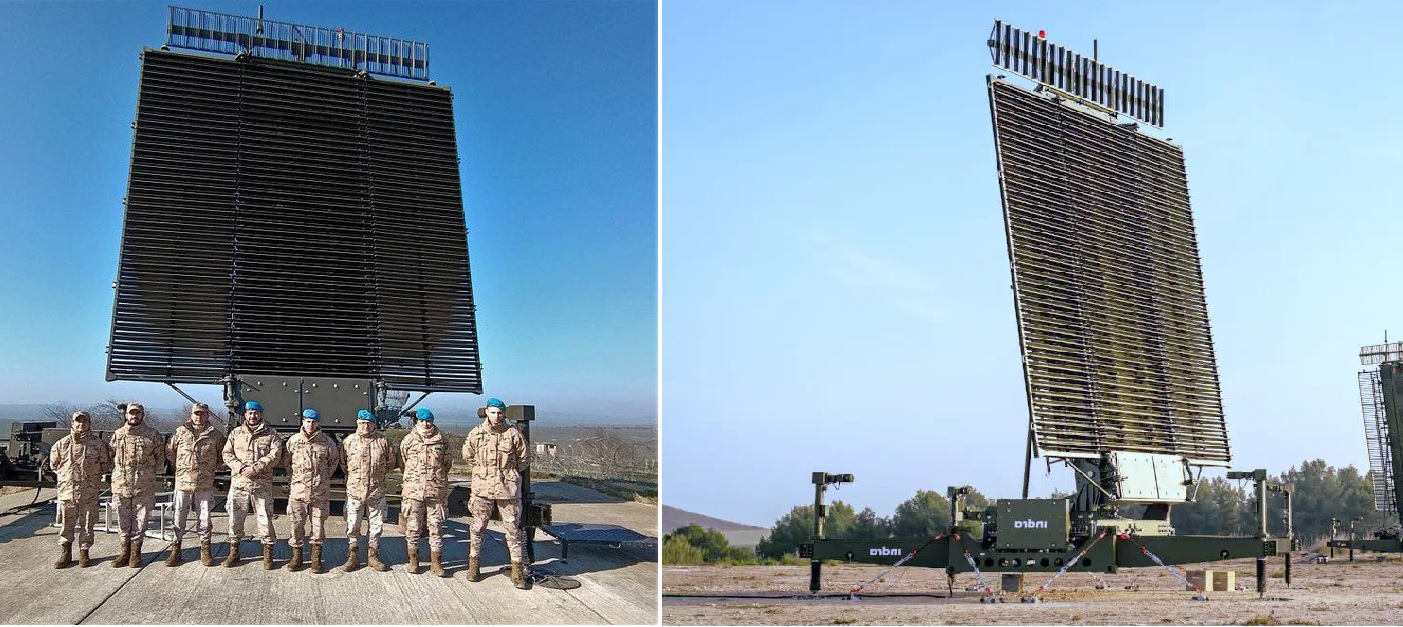
World
KYIV : Ukraine has received the Lanza LTR-25 long-range tactical early warning radar system from Spain, expanding the country’s Western-supported air defense infrastructure. The system was developed and manufactured by Indra and is intended to enhance national airspace surveillance and early threat detection. The transfer follows approval by Spain’s Council of Ministers in January 2026. The contract, valued at €37 million, covers production, delivery, integration, and logistical support through December 31, 2026. Technical Characteristics The Lanza LTR-25 is a fully solid-state, three-dimensional (3D) mobile radar operating in the L-band frequency spectrum. It employs phased-array architecture with digital beamforming (“pencil beam”) technology, enabling detection and tracking of hundreds of aerial targets simultaneously. The radar’s instrumented detection range exceeds 450 kilometers (250 nautical miles). As a 3D radar, it measures range, azimuth, and altitude, providing precise target coordinates and flight path data for interceptor cueing within layered air defense networks. Target Detection Capabilities The system is designed to detect fixed-wing aircraft, rotary-wing platforms, ballistic missiles, cruise missiles, and low-observable targets. It can also track small unmanned aerial vehicles (UAVs), including one-way attack drones such as the Shahed series. Operation in the L-band improves detection of targets with reduced radar cross-sections, supporting long-range surveillance performance. Electronic Warfare Resistance The radar is configured to operate in environments affected by electronic warfare (EW). Its digital signal processing architecture, combined with frequency agility and adaptive beam control, supports resistance to jamming and signal interference. Integration with Western Air Defense Systems The Lanza LTR-25 is compatible with NATO-standard command, control, and communication protocols. It can integrate into Ukraine’s Western-supplied air defense systems and transmit real-time target data to missile units. It supports interceptor platforms including: MIM-104 Patriot NASAMS IRIS-T SLM SAMP/T This integration enhances situational awareness and engagement coordination across multi-layered air defense networks. Mobility and Deployment The system is designed for high tactical mobility. Radar components can be mounted on two transport trucks and are airlift-capable via the Lockheed C-130 Hercules. Its configuration supports rapid deployment, target detection, data transmission to air defense units, and relocation as required. Contract Scope The €37 million agreement includes logistical support, technical assistance, spare parts, and sustainment services through the end of 2026. The addition of the Lanza LTR-25 strengthens Ukraine’s long-range early warning capability within its integrated air defense structure.
Read More → Posted on 2026-02-11 15:17:03
World
MUNICH / ANDØYA, Norway : Hypersonica, an Anglo-German defense and aerospace startup founded in late 2023, has successfully completed the first test flight of a privately funded European hypersonic missile prototype. The test, conducted at the Andøya Space facility in northern Norway, represents a measurable step toward the company’s stated objective of delivering a sovereign European hypersonic strike capability by 2029. The prototype, designated SCOOTER HS-1, is an unarmed missile system developed under a modular architecture. During the flight, the vehicle accelerated beyond Mach 6 — exceeding approximately 7,400 kilometers per hour — and achieved a range of more than 300 kilometers. According to the company, all onboard systems operated nominally during ascent and atmospheric descent. Performance validation down to subcomponent level was conducted under sustained hypersonic flight conditions. Nine-Month Development Cycle Hypersonica stated that it progressed from initial concept development to launchpad readiness in approximately nine months. The timeline included system design, component procurement, integration, and ground testing. On the commercial and regulatory side, the company managed export controls, regulatory compliance requirements, flight safety certification, and launch range coordination. Chief Executive Officer Dr. Philipp Kerth and Chief Technology Officer Dr. Marc Ewenz, the company’s co-founders, said the accelerated development was made possible by a modular design methodology that enables incremental upgrades and shorter engineering cycles. The company estimates that this approach reduces development costs by more than 80 percent compared to conventional state-led defense procurement programs. The founders stated that the test flight generated detailed datasets that will inform the design and engineering of future high-speed strike systems and enhance analytical capabilities related to adversary weapon profiles. Strategic Context and Framework Alignment The test aligns with timelines outlined in NATO and United Kingdom 2030 hypersonic development frameworks. European defense initiatives have increasingly focused on advanced high-speed weapon systems in response to the active deployment and operational use of hypersonic weapons by Russia. Hypersonic systems, defined as vehicles capable of sustained flight at speeds above Mach 5, combine high velocity with maneuverability, complicating interception by conventional air defense systems. Hypersonica’s program is structured around phased testing leading to operational capability by 2029. Phased Capability Development Following this initial demonstration of sustained hypersonic flight, the company has scheduled additional test launches. The next development phases will focus on: Demonstrating advanced flight control at hypersonic velocities Achieving complex maneuverability designed to evade modern air defense systems Fulfilling complete mission execution and payload delivery requirements The company stated that the newly secured funding will support expansion of the current prototype into a full-scale missile configuration, with further testing planned later in the first quarter. Series A Funding and Investors Hypersonica announced that it has closed a €23.3 million Series A funding round (just under $28 million). The round was led by Plural, a London-based venture capital firm focused on deep technology and defense innovation. Strategic participation was provided by SPRIND (Germany’s Federal Agency for Breakthrough Innovation), General Catalyst, and 201 Ventures. General Catalyst previously led Hypersonica’s €2.5 million seed funding round. The new capital will be directed toward scaling the prototype into a fully integrated missile system, conducting subsequent testing phases, and expanding operational capacity. Plural’s investment continues its portfolio activity in European deep-tech and defense ventures, including Helsing and Proxima Fusion. Launch Operations and Data Collection The launch campaign was conducted with operational support from Andøya Space, which provided range services, launch infrastructure, and telemetry downlink capabilities to capture payload and flight data during the Mach 6 test. The collected data will be used to refine propulsion systems, materials performance, aerodynamic stability, and guidance functionality under hypersonic stress conditions. Hypersonica stated that structural integrity during atmospheric re-entry and subsystem functionality across the flight envelope were validated during the test. Deployment Objective The company’s roadmap is structured around incremental capability expansion leading to a deployable European-built hypersonic missile system by 2029. Hypersonica’s privately funded development model is intended to operate alongside NATO and UK strategic frameworks while maintaining accelerated engineering timelines and cost efficiency. According to the company, the SCOOTER HS-1 test represents the first successful hypersonic missile flight conducted by a privately backed European defense company.
Read More → Posted on 2026-02-11 14:51:03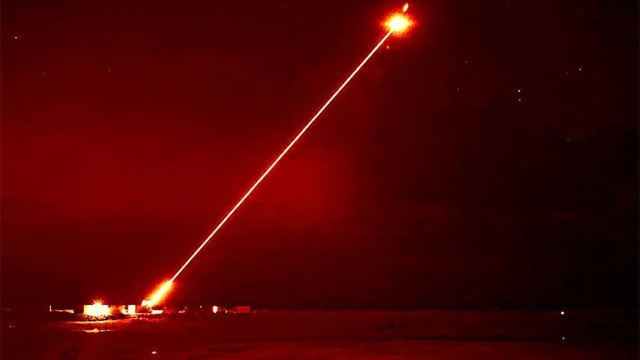
World
KYIV : Ukraine has developed a working laser-based air defense complex known as “Sunray,” according to a report by The Atlantic. The directed-energy system is expected to serve as a central component of a broader domestically produced air defense network, which President Volodymyr Zelensky said is scheduled to become operational by summer. The initiative aims to create a Ukrainian equivalent to Iron Dome, Israel’s short-range air defense system designed to intercept rockets and aerial threats targeting civilian areas and critical infrastructure. Ukraine’s proposed shield will combine laser systems, interceptor drones, and AI-enabled ground platforms into a multi-layered defensive structure focused on countering high-volume drone and missile attacks. Development of the “Sunray” Laser Complex The “Sunray” laser complex was developed over approximately two years by Ukrainian engineers as a low-cost domestic alternative to Western interceptor systems. Comparable programs, including the United States Navy’s HELIOS (High Energy Laser with Integrated Optical-dazzler and Surveillance), have been reported to cost around $150 million to develop. In contrast, the Ukrainian prototype was built for several million dollars, with projected production costs of a few hundred thousand dollars per unit. The system is portable and adaptable, capable of fitting into the trunk of a standard passenger vehicle or being mounted on a pickup truck roof. During a field demonstration described by The Atlantic, onboard cameras tracked a target unmanned aerial vehicle (UAV) before the laser engaged it within seconds, causing the drone to fall. The system reportedly operated without visible beam emission and without audible discharge. The directed-energy approach is intended to reduce reliance on expensive interceptor missiles, as laser engagements primarily require electrical power rather than physical munitions, supporting sustained counter-drone operations. Integrated Components of the Shield In addition to the laser system, the air defense shield includes several cost-efficient technologies designed to intercept aerial threats. A key element is the deployment of 3D-printed interceptor drones equipped with AI-based sensors capable of autonomously identifying and tracking targets. One interceptor model has been designed as a carbon-fiber copy of Russia’s most advanced surface-to-air guided missiles, with emphasis on mass production and scalability. These UAVs are intended to autonomously approach and neutralize incoming threats. The system also incorporates AI-powered robotic turrets mounted on wheeled platforms and armed with machine guns. These turrets can detect, track, and engage low-flying drones using artificial intelligence to calculate firing solutions without manual aiming or trigger input. All components — lasers, autonomous interceptors, and robotic gun systems — are being integrated into a unified command and control framework, forming a coordinated, layered air defense network. Leadership and Implementation The project is overseen by Colonel Pavlo Yelizarov, Deputy Commander of the Ukrainian Air Force. He was appointed in January 2026 with a mandate to restructure short-range and mobile air defense strategies. Under his direction, the Air Force is shifting from dependence on foreign-supplied interceptor missiles toward domestically developed systems. The strategy prioritizes mobility, sustainability, and reduced per-intercept cost, aiming to provide continued defense coverage against persistent drone and missile threats. If deployed as scheduled, the “Sunray” laser system and its integrated technologies will form a domestic, multi-layered air defense network combining directed-energy and autonomous systems within a single operational structure.
Read More → Posted on 2026-02-11 14:28:05
World
TEHRAN : In a highly publicized diplomatic and military exchange, the Chinese military attaché to Iran presented a scale model of the Chengdu J-20 "Mighty Dragon" stealth fighter to Brigadier General Bahman Behmard, Commander of the Islamic Republic of Iran Air Force (IRIAF). The presentation, which occurred during Iran's Air Force Day commemorations on February 10, 2026, has prompted immediate strategic analysis regarding a potential shift in the Middle Eastern balance of air power. While no official procurement contract has been announced, the handover of the model is viewed as a calculated signal from Beijing. It indicates either a potential reassessment of China’s strict non-export policy regarding its premier fifth-generation fighter, or a deliberate geopolitical message intended to challenge the current air dominance held by the United States and Israel in the region. The Contrast to the June 2025 Conflict The prospect of Iran acquiring the J-20 fundamentally addresses the vulnerabilities exposed during the intensive 12-day conflict in June 2025. During that period, United States and Israeli air forces—utilizing advanced fifth-generation assets such as the F-35 and F-22, alongside B-2 stealth bombers—operated within Iranian airspace with minimal airborne resistance. In missions such as the US-led "Operation Midnight Hammer" on June 22, 2025, allied strike packages faced virtually no challenge from the IRIAF. Iran's legacy fleet, consisting largely of aging US-made F-14s and Soviet-era airframes, lacked the sensor capabilities to detect or engage modern stealth platforms, granting allied forces uncontested access to strike high-value military and nuclear sites once ground-based defenses were neutralized. Tactical Implications of a J-20 Acquisition If the IRIAF were to integrate the J-20 into its operational fleet, the operational freedom previously enjoyed by the US and Israel would be severely restricted. The J-20 is a heavy, twin-engine stealth fighter designed specifically for air superiority and long-range interception. Its presence would complicate allied strike planning in several critical ways: Denial of Uncontested Airspace: The J-20 is equipped with advanced Active Electronically Scanned Array (AESA) radars and modern sensor fusion. Unlike legacy Iranian fighters, a J-20 patrol could detect and track incoming strike packages, forcing stealth fighters like the F-35 into complex air-to-air engagements rather than unopposed bombing runs. Threat to Critical Support Assets: Designed with a large internal payload, the J-20 carries long-range beyond-visual-range air-to-air missiles (BVRAAMs), such as the PL-15. This capability allows the aircraft to bypass front-line fighters and target critical, non-stealthy support assets like aerial refueling tankers and airborne early warning (AWACS) aircraft, which are vital for sustaining US and Israeli long-range missions. Increased Escort Requirements: To mitigate the threat of an airborne stealth interceptor, future strikes inside Iran would require a significantly higher ratio of dedicated air-to-air escort fighters. This would reduce the overall bomb-carrying capacity of a mission and drastically increase the logistical and strategic risk for allied forces. Export Policy and Strategic Messaging Historically, Beijing has strictly prohibited the export of the J-20 to protect its sensitive proprietary stealth technologies, mirroring the US ban on exporting the F-22 Raptor. Previously, China has only offered the lighter FC-31 (J-35) stealth fighter for international export. If China proceeds with a J-20 transfer to Iran, it represents a major paradigm shift in its defense export policy and a direct counter to the ongoing US military posture
Read More → Posted on 2026-02-11 14:12:02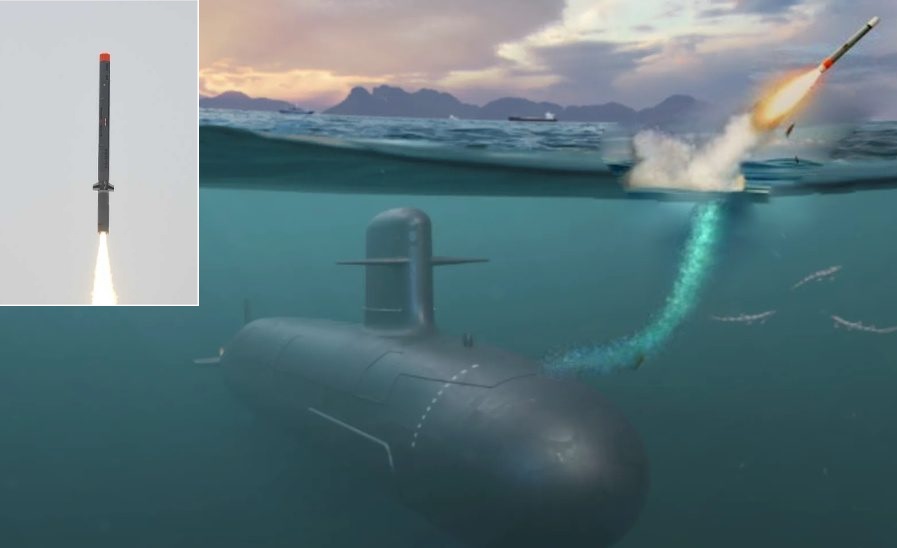
India
NEW DELHI : The Indian Navy has formally issued a Request for Information (RFI) for the procurement of Land Attack Cruise Missiles (LACM) for deployment from its conventional submarine fleet, initiating the acquisition process for a long-range land-strike capability under India’s established defence framework. Under the RFI specifications, the proposed missile must provide a strike range exceeding 500 kilometers, maintain a total weight below 1,500 kilograms, and ensure compatibility with standard submarine torpedo tubes, enabling integration with the Navy’s existing diesel-electric submarines. Structured Procurement Under DAP 2020 The RFI has been issued in accordance with the Defence Acquisition Procedure (DAP) 2020, which governs capital procurement under the Ministry of Defence (MoD). The RFI stage does not constitute vendor selection but serves as an exploratory assessment phase. Its objectives include: Benchmarking global missile capabilities against domestic systems Validating technical specifications Assessing integration feasibility with existing submarines Strengthening acquisition documentation prior to higher-level approvals This process ensures compliance before moving toward fleet induction. Indigenous Capability and DRDO’s SLCM India’s domestic defence sector currently has no publicly disclosed private-sector torpedo-tube-launched LACM, and there is no licensed foreign production line operating in this category. This places the Submarine Launched Cruise Missile (SLCM) developed by the Defence Research and Development Organisation (DRDO) as the primary indigenous candidate. DRDO successfully trialled the SLCM in 2023. The demonstrated configuration aligns with the Navy’s RFI parameters and features: Approximate range: 500 km Diameter: 505 mm (torpedo-tube compatible) Propulsion: Two-stage system (solid booster + turbofan sustainer) Guidance: Inertial Navigation System (INS) with GPS and terminal seeker Unless a foreign OEM proposes a compliant solution under “Make in India”, the DRDO SLCM remains the only publicly recognized domestic system meeting the stated requirements. Acceptance of Necessity (AoN) Stage The next major milestone is the Acceptance of Necessity (AoN), where the Ministry of Defence will determine the formal acquisition category under DAP 2020 and define indigenous content thresholds. Possible categorization pathways include: Buy (Indian–IDDM) — Prioritizes indigenously designed, developed, and manufactured systems Buy (Global) — Opens direct competition to foreign vendors Buy & Make (Indian) — Allows foreign collaboration with domestic production The AoN decision will determine whether the program advances primarily through sovereign development or global competition. Operational Role A submarine-launched land attack cruise missile enhances the operational flexibility of diesel-electric submarines by enabling precision engagement of land-based targets from extended stand-off ranges while remaining submerged. Torpedo-tube-launched LACMs preserve the submarine’s stealth profile, as the platform does not need to surface for launch. The capability provides a long-range conventional strike option from underwater platforms. The program remains at the RFI stage, with further clarity expected following the AoN decision under DAP 2020.
Read More → Posted on 2026-02-11 13:50:06
World
TEL AVIV : The Israel Ministry of Defense announced the successful completion of a comprehensive test campaign for the David’s Sling air and missile defense system, validating a future threat-readiness upgrade. The trials were conducted jointly by the Israeli Missile Defense Organization (IMDO), the U.S. Missile Defense Agency (MDA), and Rafael Advanced Defense Systems. According to the ministry, the upgraded system was tested against a broad spectrum of simulated aerial threats, including rockets, tactical ballistic missiles, cruise missiles, fixed-wing aircraft, and unmanned aerial vehicles (UAVs). Officials confirmed that the series concluded successfully, enabling a significant enhancement to Israel’s national air and missile defense architecture. Operational Upgrades Incorporate Combat Lessons The validation campaign integrated direct operational lessons from recent combat engagements, including Operation Rising Lion. Real-time adaptations implemented during the conflict have now been incorporated into structured development programs. Moshe Patel, Director of the IMDO within the Directorate of Defense Research & Development (DDR&D), stated that wartime modifications enhanced the capabilities of Israeli Air Force air and missile defense systems, particularly David’s Sling. He confirmed that the test series assessed the system’s future operational capabilities and its ability to counter multiple, diverse threats simultaneously, with results indicating full success. The ministry further stated that David’s Sling has maintained a record of successful operational interceptions during recent conflicts, preventing significant damage and loss of life. Role Within Israel’s Multi-Layered Defense Network David’s Sling serves as the mid-tier layer of Israel’s multi-layered air defense framework. It operates above the short-range Iron Dome and the laser-based Iron Beam, and below the exo-atmospheric Arrow interceptor systems. Program management is led by the IMDO in partnership with the U.S. MDA. Industrial responsibilities are divided among key defense contractors: Rafael Advanced Defense Systems – Prime contractor and interceptor developer Elta Systems, a subsidiary of Israel Aerospace Industries – Developer of the Active Electronically Scanned Array (AESA) Multi-Mission Radar (MMR) Elbit Systems – Developer of the battle management and command-and-control system Yoav Tourgeman, Chief Executive Officer of Rafael, stated that the latest trials incorporated new operational capabilities across multiple complex scenarios and demonstrated the system’s continued development and adaptation to evolving threats. Technical Specifications: Stunner (SkyCeptor) Interceptor David’s Sling employs the “Stunner” interceptor, also known internationally as SkyCeptor. Key technical specifications include: Operational Range: 40–300 kilometers (25–190 miles) Maximum Speed: Up to Mach 7.5 Propulsion: Two-stage solid-propellant design with a multi-pulse motor for enhanced maneuverability during terminal interception Lethality Mechanism: Kinetic “hit-to-kill” technology, eliminating the need for an explosive warhead Guidance System: Dual-seeker configuration combining 3D radar and electro-optical/imaging infrared (EO/IR) sensors for all-weather capability and warhead discrimination Estimated Cost: Approximately $1 million per interceptor Program Significance The completion of the test series formally validates the integration of combat-derived enhancements into the David’s Sling architecture. With its extended engagement range, high-speed performance, advanced dual-sensor guidance, and kinetic interception capability, the system remains a central component of Israel’s layered air and missile defense structure. Defense officials confirmed that the validated upgrades strengthen readiness against current and emerging aerial threats while maintaining interoperability with U.S. missile defense frameworks.
Read More → Posted on 2026-02-11 13:43:21
World
Madrid : The Spanish Navy has achieved a rare operational benchmark with the simultaneous deployment of all five of its Álvaro de Bazán-class (F-100) frigates across multiple national and international theaters. The concurrent missions underscore the fleet’s sustained readiness, interoperability with allied forces, and the effectiveness of the F-100 class as multi-role air-defense escort vessels. Each of the 6,000-ton frigates is currently engaged in a distinct operation or exercise, ranging from carrier strike group integration to NATO command duties and national air-defense tasks. According to naval officials, the deployments reflect years of coordinated planning, logistical support, and crew training across Spain’s naval infrastructure. Operational Assignments Across Allied Frameworks The lead ship, Álvaro de Bazán (F-101), is operating as part of the French Naval Air Combat Group centered on the aircraft carrier Charles de Gaulle. The frigate is participating in Orion 26, a large-scale, multi-domain exercise designed to test high-intensity operations involving naval, air, land, cyber, and space components. Almirante Juan de Borbón (F-102) has been deployed as the flagship of NATO’s Standing Naval Group 1 (SNMG-1). In this role, the frigate provides command and control functions while contributing advanced air-defense and surveillance capabilities to the alliance’s permanent maritime force. In the United States, Blas de Lezo (F-103) is taking part in a Composite Training Unit Exercise (COMPTUEX) with the U.S. Navy. The exercise forms a critical certification phase, focusing on integrated operations with carrier strike groups and testing combat systems, interoperability procedures, and crew performance under complex operational conditions. Méndez Núñez (F-104) is assigned to national duties, integrated into Spain’s National Air Defense System during the joint activation known as Eagle Eye. Acting as a naval sensor and command node, the frigate contributes to air-surveillance and defensive coverage in coordination with the Spanish Army and Air Force. Completing the full fleet deployment, Cristóbal Colón (F-105) is operating in the Baltic Sea as part of NATO’s Steadfast Dart 26 exercise. The drill focuses on rapid reinforcement, collective defense, and coordinated response among allied naval forces in a high-readiness environment. Logistical Coordination and Fleet Sustainment Sustaining the simultaneous deployment of the entire F-100 class represents a significant logistical and organizational challenge. Much of the maintenance and support effort is coordinated through the Ferrol Naval Base, supported by ship crews, shore-based technical teams, and Spain’s defense procurement authorities. Continuous coordination with Navantia, the original builder of the class, remains central to ensuring availability and technical reliability. Naval planners note that maintaining five complex surface combatants on parallel missions requires precise scheduling of maintenance cycles, spare parts availability, and personnel rotation. The current deployment demonstrates the maturity of these support structures more than two decades after the first ship entered service. Mid-Life Modernization Program Advances The peak in operational activity coincides with progress in the F-100 Mid-Life Modernization Program (MMV). Signed in December 2025, the program represents an investment of approximately €3.2 billion, with completion planned by 2036. The modernization effort is intended to address obsolescence and extend the service life of the class through upgrades to both platform systems and combat capabilities. A central element of the MMV is the modernization of the AEGIS combat system, ensuring continued relevance in future operational environments characterized by advanced air, missile, and multi-domain threats. Additional upgrades are expected to improve sensors, command systems, and overall survivability. Long-Term Role of the F-100 Class Designed and constructed in Ferrol, the F-100 class was the first European surface combatant series to integrate the AEGIS system. Over more than 20 years of service, the frigates have established a record of sustained participation in NATO operations and multinational exercises, including repeated involvement in live-fire drills such as Formidable Shield. The current simultaneous deployment of all five ships serves as an operational validation of both the vessels and the industrial and logistical framework supporting them. Spanish naval authorities view the milestone as confirmation that the F-100 class will remain a core element of Spain’s escort force structure for the coming decades, alongside newer platforms entering service.
Read More → Posted on 2026-02-10 17:15:07
World
Tokyo : Japan is preparing to formally join a NATO-coordinated mechanism aimed at accelerating the procurement and delivery of U.S.-manufactured defense equipment to Ukraine, marking a further expansion of Tokyo’s involvement in Euro-Atlantic security efforts linked to the war in Eastern Europe. According to reporting by NHK, citing unnamed alliance officials, the Japanese government plans to announce its participation in the Prioritized Ukraine Requirements List (PURL) in the near future. The program is overseen by NATO and is designed to coordinate international financial contributions toward equipment requested by Ukraine and sourced from the United States. Japanese officials have already briefed several NATO member states and Ukrainian representatives on Tokyo’s intention to enter the framework, the broadcaster reported. Scope of Japan’s Contribution Japan’s participation will be limited to non-lethal defense support, reflecting long-standing constitutional and legal restrictions on the export of lethal military equipment. Under the PURL framework, Tokyo’s financial contributions are expected to be directed toward defensive items assessed as high priority for Ukraine’s armed forces. Alliance sources cited by NHK said the funding is likely to focus on radar systems used to enhance air-defense and early-warning capabilities, as well as protective equipment such as bulletproof vests, body armor, and related gear for Ukrainian personnel. These items are intended to improve force protection and situational awareness rather than provide offensive capability. A NATO official told NHK that non-lethal equipment funded through the program plays a critical operational role on the battlefield, particularly in sustaining air-defense networks and reducing casualties among Ukrainian forces. The official described Japan’s planned participation as a notable development in the international support structure for Ukraine. How the PURL Mechanism Operates The PURL mechanism was established in July 2025 by the United States, in coordination with NATO, to streamline the delivery of urgently required U.S.-made defense equipment to Ukraine. Participating countries provide voluntary financial contributions that are pooled and used to purchase items from U.S. stockpiles or production lines. The list of priority equipment is compiled based on requests from Ukraine and is regularly updated by NATO’s military leadership. The process is overseen by the alliance’s top military commander, the Supreme Allied Commander Europe (SACEUR), who identifies packages aligned with Ukraine’s most immediate operational needs. Japan’s entry into PURL expands the program’s reach beyond the North Atlantic area. More than 24 countries are currently involved, including Indo-Pacific partners such as Australia and New Zealand, reflecting a broader international alignment in support of Ukraine. Japan’s Broader Support for Ukraine Tokyo’s planned role in PURL builds on its ongoing financial, humanitarian, and technical assistance to Ukraine since Russia’s full-scale invasion began. While Japan has consistently avoided providing lethal military aid, it has become one of Ukraine’s significant non-military supporters. In late 2025, Japan transferred 8.8 billion yen (approximately $56.6 million) to Ukraine under its Emergency Recovery Program. In January 2026, the Japan International Cooperation Agency (JICA) approved an additional 4 billion yen (more than $25 million) for medical assistance and mine-clearance operations. The Japanese government has also approved a broader package totaling $6 billion in humanitarian and technical assistance for Ukraine in 2026, covering infrastructure recovery, energy support, healthcare, and administrative capacity building. International Context Japan’s participation in the NATO-led PURL initiative comes as Ukraine continues to seek sustained international assistance to counter Russia’s military operations and to maintain defensive capabilities. By joining the mechanism, Japan aligns its non-lethal support with a coordinated multinational framework, while remaining within its domestic legal constraints. Officials familiar with the process said the move is intended to improve efficiency and predictability in Ukraine-related assistance, ensuring that financial contributions are translated more quickly into equipment delivery based on jointly agreed priorities.
Read More → Posted on 2026-02-10 17:03:45
World
Jerusalem : Israeli defense and intelligence officials are warning that Iran has sharply accelerated its ballistic missile production, restoring losses from last year’s conflict and placing the region under growing strategic strain. According to assessments presented to Israeli lawmakers and reported by local media, Iran is now producing between 300 and 500 ballistic missiles per month, a pace that could push its total arsenal beyond 10,000 missiles by 2028 if sustained. The warning comes from the Israel Defense Forces (IDF), which says Tehran has prioritized missile reconstitution following the 12-day Israel–Iran conflict in June 2025. During that confrontation, Israeli strikes targeted Iranian missile infrastructure, destroying between half and two-thirds of Iran’s missile launchers and damaging multiple production facilities. Before the conflict, Iran was assessed to possess between 1,000 and 2,000 medium-range ballistic missiles (MRBMs) capable of reaching Israel, including systems such as the Shahab-3, Ghadr, Emad, and Sejjil. Post-war intelligence estimates indicated Iran’s usable missile stockpile fell to roughly 1,000–1,500 missiles. By February 2026, however, Israeli assessments suggest the arsenal has already been rebuilt to approximately 2,000–3,000 missiles. If current manufacturing rates continue, Israeli intelligence forecasts place Iran’s inventory at around 6,000 missiles by the end of 2026, rising to about 8,800 by mid-2027 and exceeding 10,000 by 2028. Israeli defense planners describe the expanding missile force as a more immediate operational challenge than Iran’s nuclear program. Officials argue that a large and diversified missile inventory could eventually test the limits of Israel’s layered air-defense network, including the Arrow missile defense systems. During the June 2025 conflict, Israeli defenses intercepted approximately 86 percent of Iranian missiles launched toward Israeli territory, according to military data. To support the accelerated production effort, Iranian industry is assessed to be relying on foreign-sourced materials to bypass international sanctions. Intelligence reports cited by Israeli officials point to deliveries of sodium perchlorate — a key ingredient in solid rocket propellant — originating from China. Satellite imagery and intelligence analysis also indicate reconstruction activity at previously damaged sites, including facilities near Parchin and Shahroud, which are associated with solid-fuel missile development and mixing. The scale and pace of Iran’s missile buildup are expected to feature prominently in upcoming discussions between Israeli Prime Minister Benjamin Netanyahu and U.S. President Donald Trump. Israeli officials maintain that restricting Iran’s ballistic missile capacity remains a central security objective, particularly if diplomatic efforts between Washington and Tehran fail to impose new limits on missile production and deployment.
Read More → Posted on 2026-02-10 16:56:04Search
Top Trending in 24 Hours
-
 Pentagon Launches FORTRESS Initiative to Make Major U.S. Bases Self-Sufficient for 90 Days
-
 Saudi Arabia, Pakistan and Turkey Hold High-Level Security Talks with Iran in Tehran Amid Reports of Potential Iranian Integration
-
 SpaceX Secures $40 Billion in Debt Financing for AI Chips as Musk Predicts Industry Consolidation
-
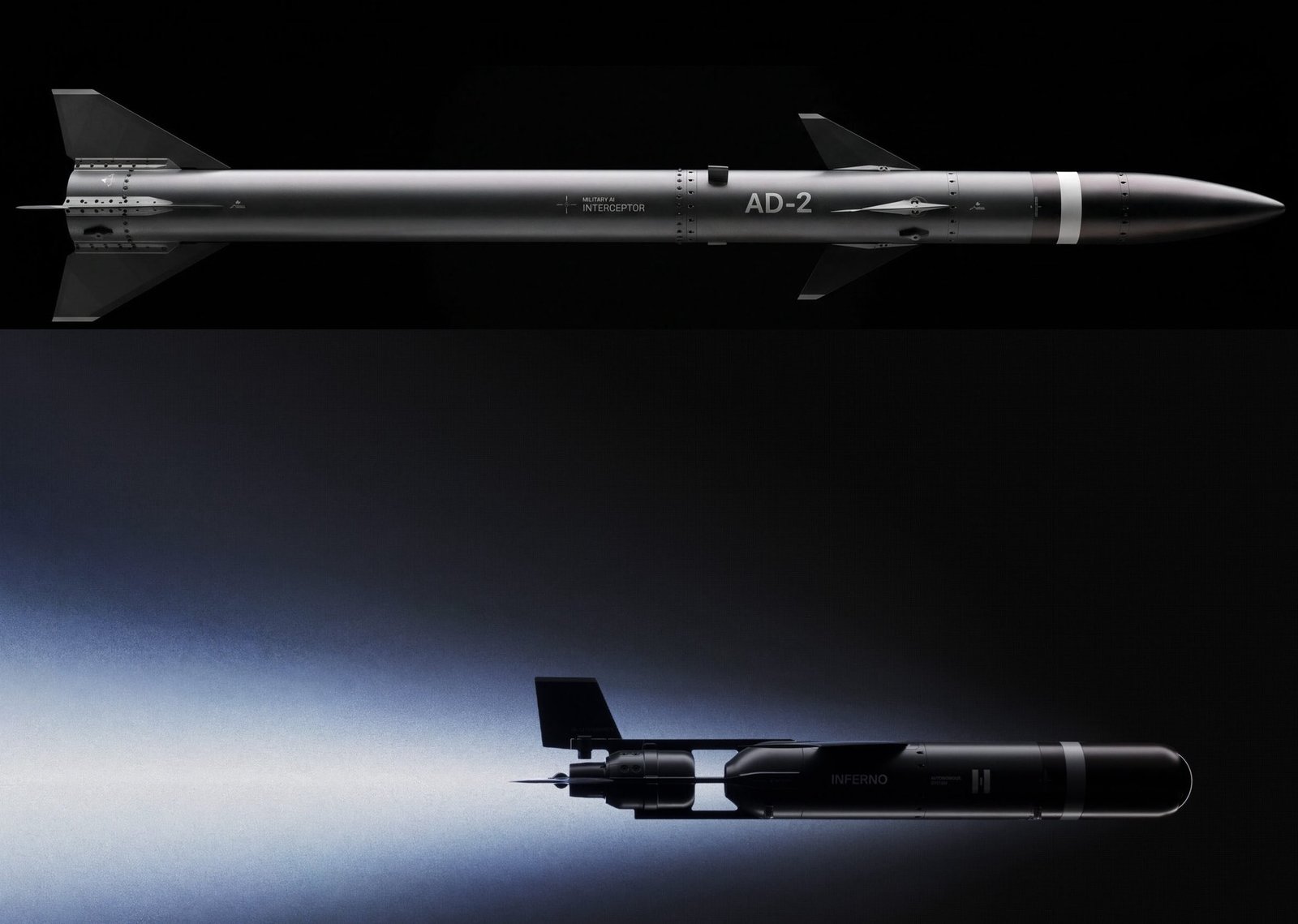 German Firm Helsing Unveils Contra AI Air Defence System with AD-1 Inferno and AD-2 Ambush Interceptor Missiles
-
 Elbit Systems Secures $200 Million Contract for Airborne Surveillance and Training Systems in Asia-Pacific
-
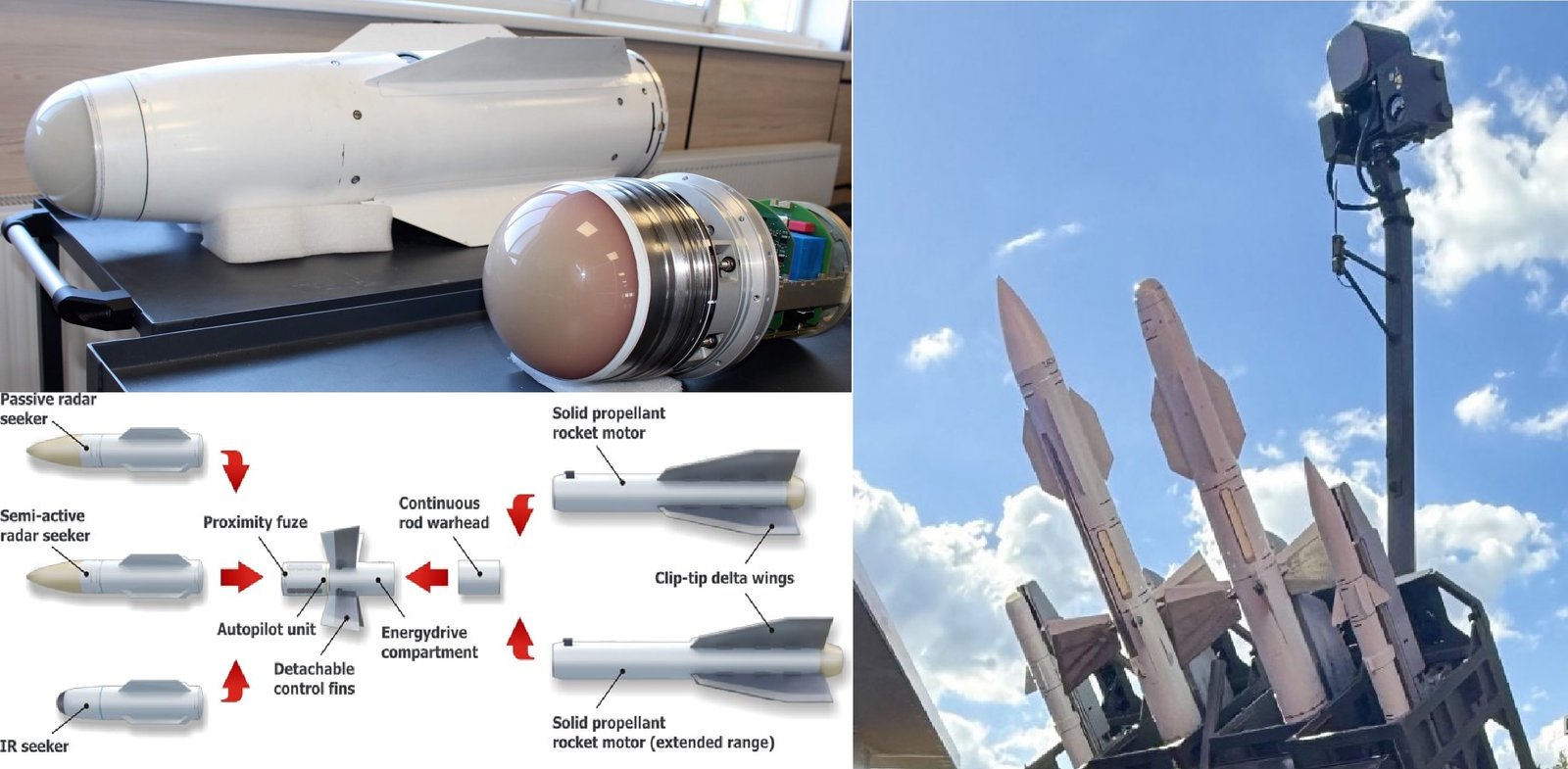 Ukraine Reveals New Details on R-287T and R-287R Missiles for Shershen Air Defense System
-
 Sweden Deploys Four Saildrone Voyager USVs for Year-Long Baltic Sea Surveillance
-
 Indian DAC to Evaluate ₹75,000 Crore Project 18A for Next-Generation Navy Destroyers
Top Trending in 4 Days
-
 NASA Demonstrates Space-to-Space Wi-Fi Between Two Orbiting Spacecraft
-
Pentagon Launches FORTRESS Initiative to Make Major U.S. Bases Self-Sufficient for 90 Days
-
 USS Pinckney Becomes First U.S. Navy Destroyer to Begin Phase Two Modernization with Advanced SPY-6 Radar
-
 U.S. Military to Ban Chinese Automaker BYD Vehicles from Kadena Air Base in Japan Over Security Concerns
-
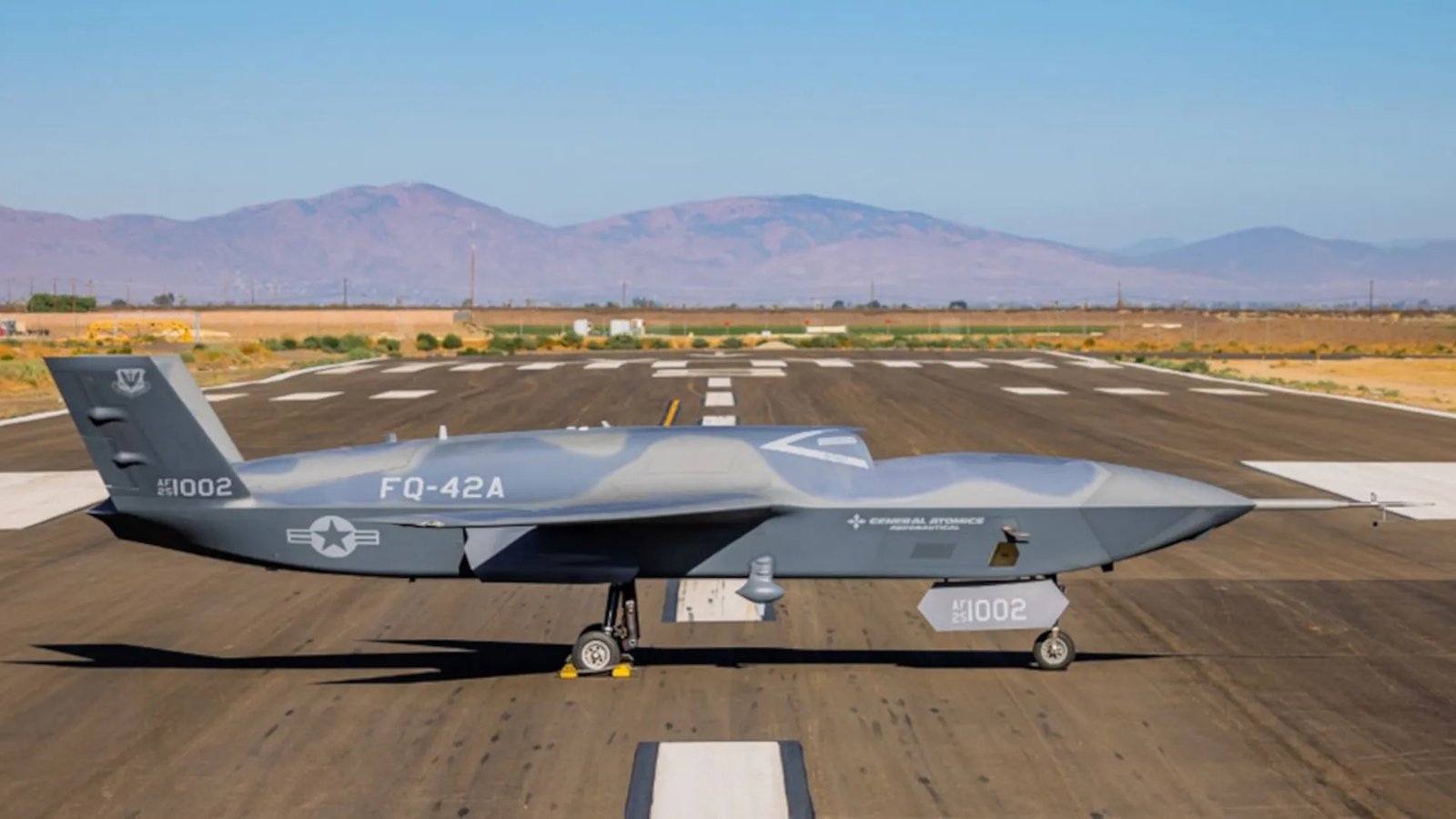 General Atomics Partners With Spirit Defense to Expand FQ-42 Vengeance Production
-
 UK Ministry of Defence Opens £120,000 Tender for Skydio X10D Drones
-
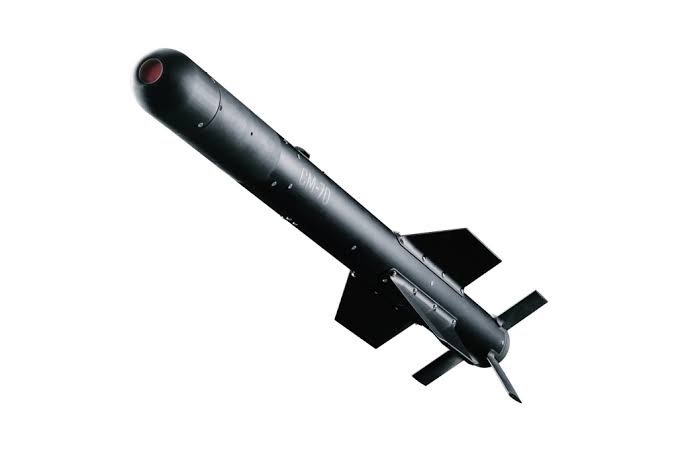 CSG and North Vector Dynamics Sign MoU to Explore European Production of CM-70 Counter-Drone Interceptor
-
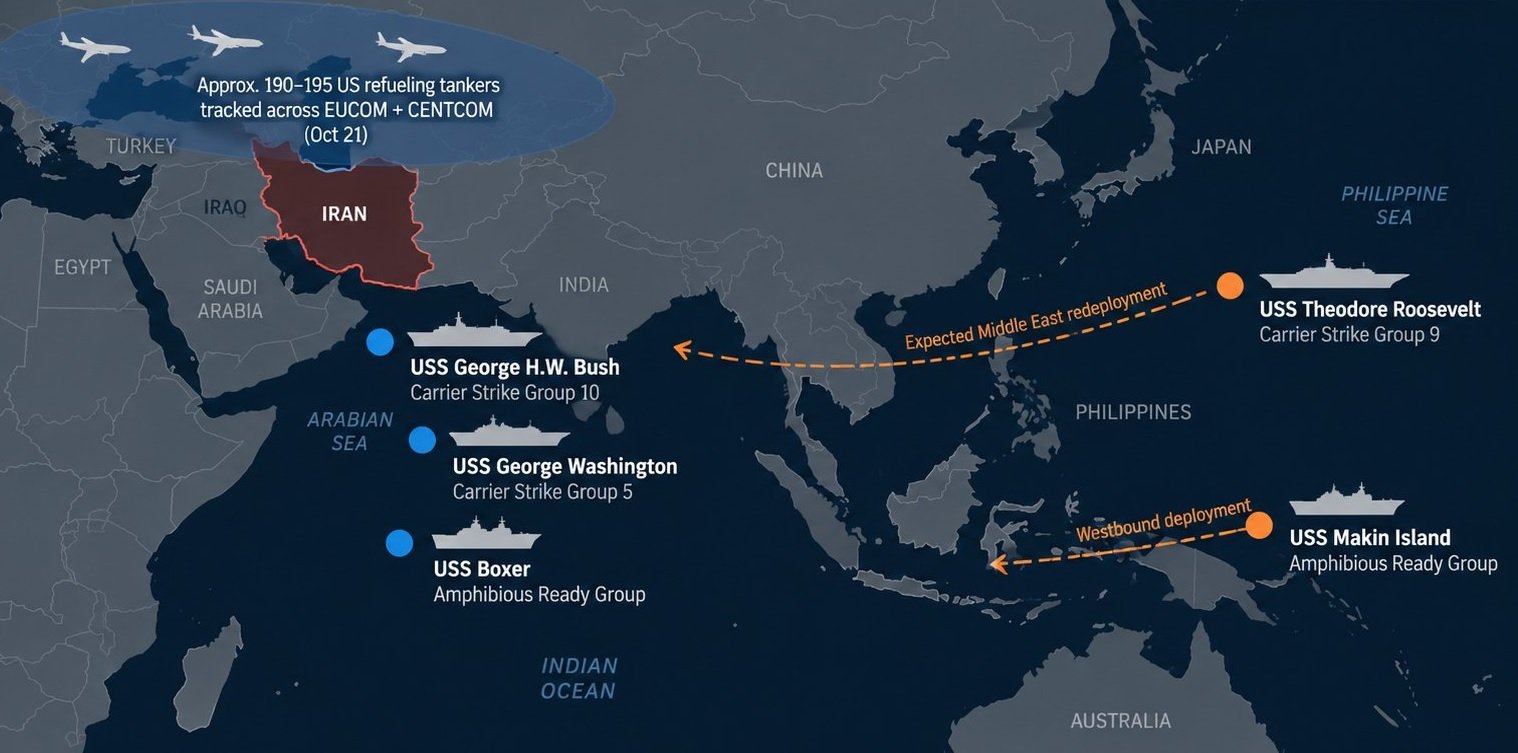 US Expands Military Buildup Near Iran with Third Aircraft Carrier and Additional Marines
