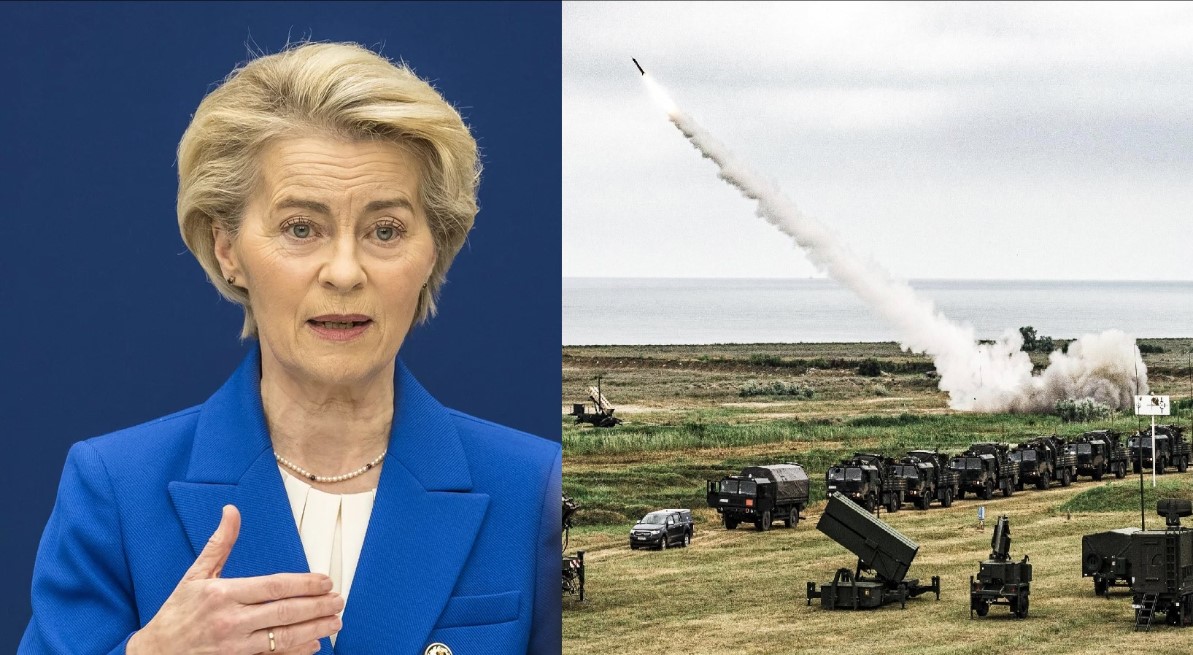
Brussels : The European Union (EU) is preparing a new defense financing mechanism to replace the SAFE lending initiative, as the existing €150 billion program is expected to be fully committed within months, according to officials familiar with ongoing discussions in Brussels.
A report by Bloomberg, citing sources involved in the talks, says demand from EU member states for SAFE-backed loans has been significantly higher than anticipated, accelerating the depletion of available funds. Current projections indicate that the program could be exhausted as early as this spring.
Review of Remaining Funds and Transition Planning
The European Commission is now reviewing the remaining SAFE resources following the signing of preliminary contracts. At the same time, it is developing a successor framework designed to ensure continuity in weapons procurement and to avoid funding gaps that could disrupt the European defense-industrial base.
Officials involved in the process say the Commission is assessing the effectiveness of earlier funding tranches, with particular attention to preventing administrative bottlenecks and delays in payments to manufacturers. The aim is to design a more sustainable instrument that allows member states to plan defense procurement on a multi-year basis, rather than relying on short-term emergency measures.
Background: The SAFE Credit Initiative
SAFE (Security Action for Europe) was created as a strategic EU credit initiative to rapidly finance joint defense procurement. The mechanism enables member states to access preferential loans and financial guarantees at low interest rates, provided that purchases are made cooperatively and directly from manufacturers.
The program prioritizes projects involving multiple countries pooling their orders, a structure intended to strengthen cooperation, reduce costs, and improve interoperability across European armed forces.
Priority Capabilities and Cost Advantages
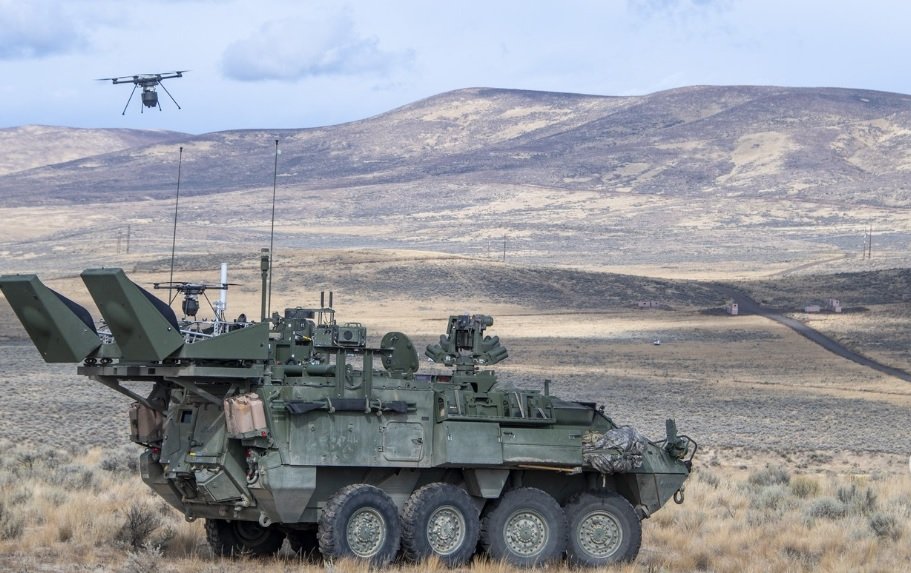
Under SAFE, funding focused on critical capability gaps, particularly in air and missile defense. Priority systems included Germany’s IRIS-T and the Franco-Italian SAMP/T air defense systems, as well as modern ground combat equipment.
By aggregating demand, the program allowed participating states to benefit from economies of scale, lowering unit prices compared with national procurement conducted independently. Preliminary applications from member states, however, far exceeded the €150 billion ceiling, underscoring the scale of Europe’s rearmament needs.
Drivers of Demand and Strategic Context
EU officials attribute the program’s popularity to the urgent effort by European governments to strengthen military capabilities following Russia’s actions against Ukraine. This security environment has led many countries to accelerate procurement timelines, placing additional strain on existing financing tools.
Brussels is now examining options to expand overall lending capacity, either through a second SAFE round or through a newly designed financial scheme tailored to longer-term defense cooperation.
Options for the New Financing Model
Among the options under consideration are drawing on resources from the European Investment Bank (EIB) or establishing a joint EU bond mechanism dedicated to defense spending. Any new instrument would form part of a broader strategy to enhance EU strategic autonomy and reduce dependence on U.S. security guarantees.
Discussions remain at an early stage, but officials say the pace and intensity of negotiations reflect a political commitment to maintaining momentum in defense investment.
Emphasis on Standardization and Industrial Capacity
A central objective of the future mechanism is to promote greater standardization of weapons systems across Europe. EU planners see joint procurement through a single fund as a way to reduce the complexity of operating dozens of different platforms, particularly in areas such as main battle tanks and infantry fighting vehicles.
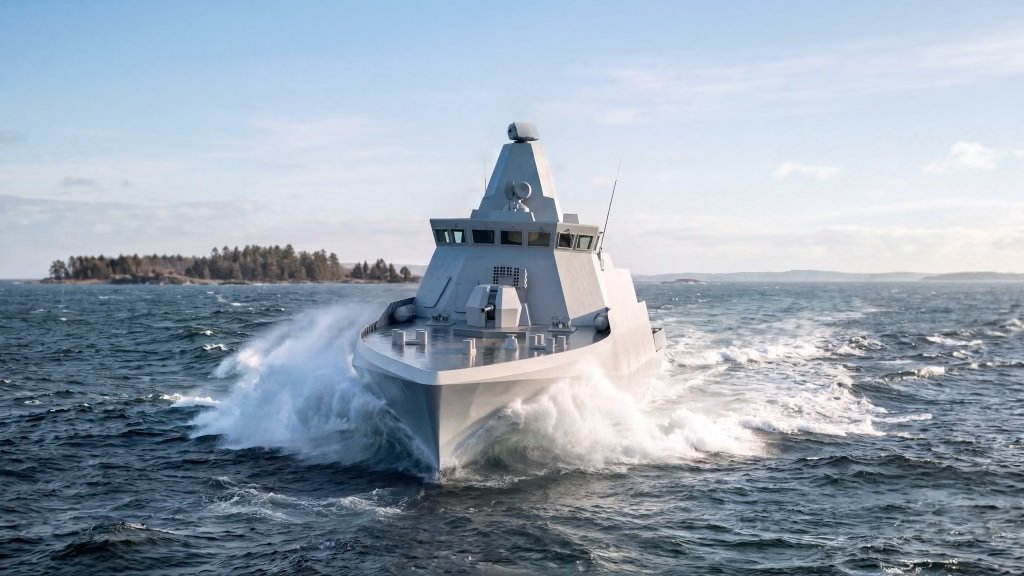
The Commission is also considering directing funds toward expanding production capacity at major European defense firms, including Rheinmetall, Leonardo, and Saab. Increasing output is seen as critical to shortening delivery times, which for some air defense systems currently extend several years.
Timeline and Approval Process
Final proposals for the replacement of the SAFE program are expected to be presented by the end of spring 2026. Any new mechanism will require unanimous approval from all EU member states, a process that can be complex. However, officials say the shared assessment of the security threat from Russia is likely to support swift agreement on the budget and structure.
Until then, the Commission’s priority remains ensuring that the transition from SAFE to its successor does not interrupt ongoing procurement projects or weaken Europe’s defense-industrial momentum.
——— End of Article ———