ARABIAN SEA : The commander of U.S. Central Command, Gen. Michael Erik Kurilla, conducted an official visit aboard the Nimitz-class aircraft carrier USS Abraham Lincoln on Feb. 7, as the carrier strike group continued operations in the Arabian Sea. The visit took place during a scheduled deployment within the U.S. Central Command area of responsibility, where the strike group is supporting maritime security and regional stability missions.
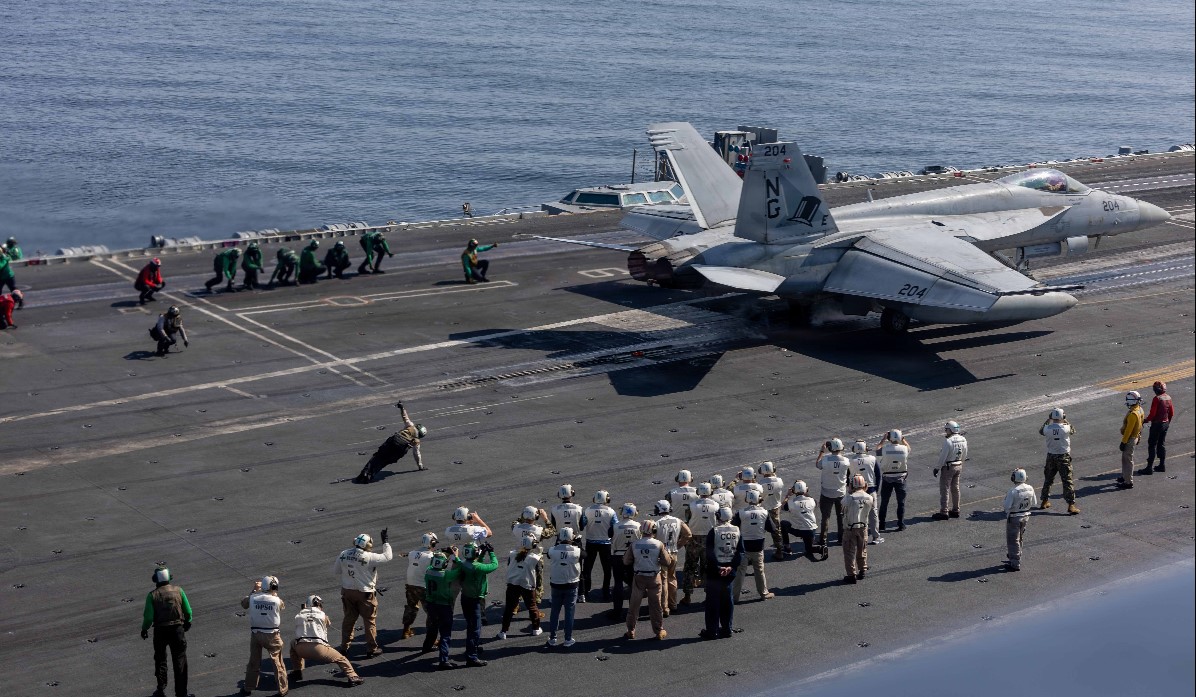
Gen. Kurilla was accompanied by U.S. Special Envoy for Peace Missions Steve Witkoff and Jared Kushner. The delegation toured the nuclear-powered aircraft carrier, observed flight deck operations, and received briefings from senior officers on the operational environment and current security conditions across the Middle East. Navy leadership provided updates on ongoing missions, force posture, and coordination with regional partners.
During the visit, Gen. Kurilla met with sailors and Marines assigned to the Abraham Lincoln Carrier Strike Group and expressed appreciation for their service and professionalism. He emphasized the role of forward-deployed naval forces in maintaining freedom of navigation and supporting U.S. security objectives in the region. According to officials present, the engagement focused on readiness, operational discipline, and the execution of assigned missions under U.S. Central Command.
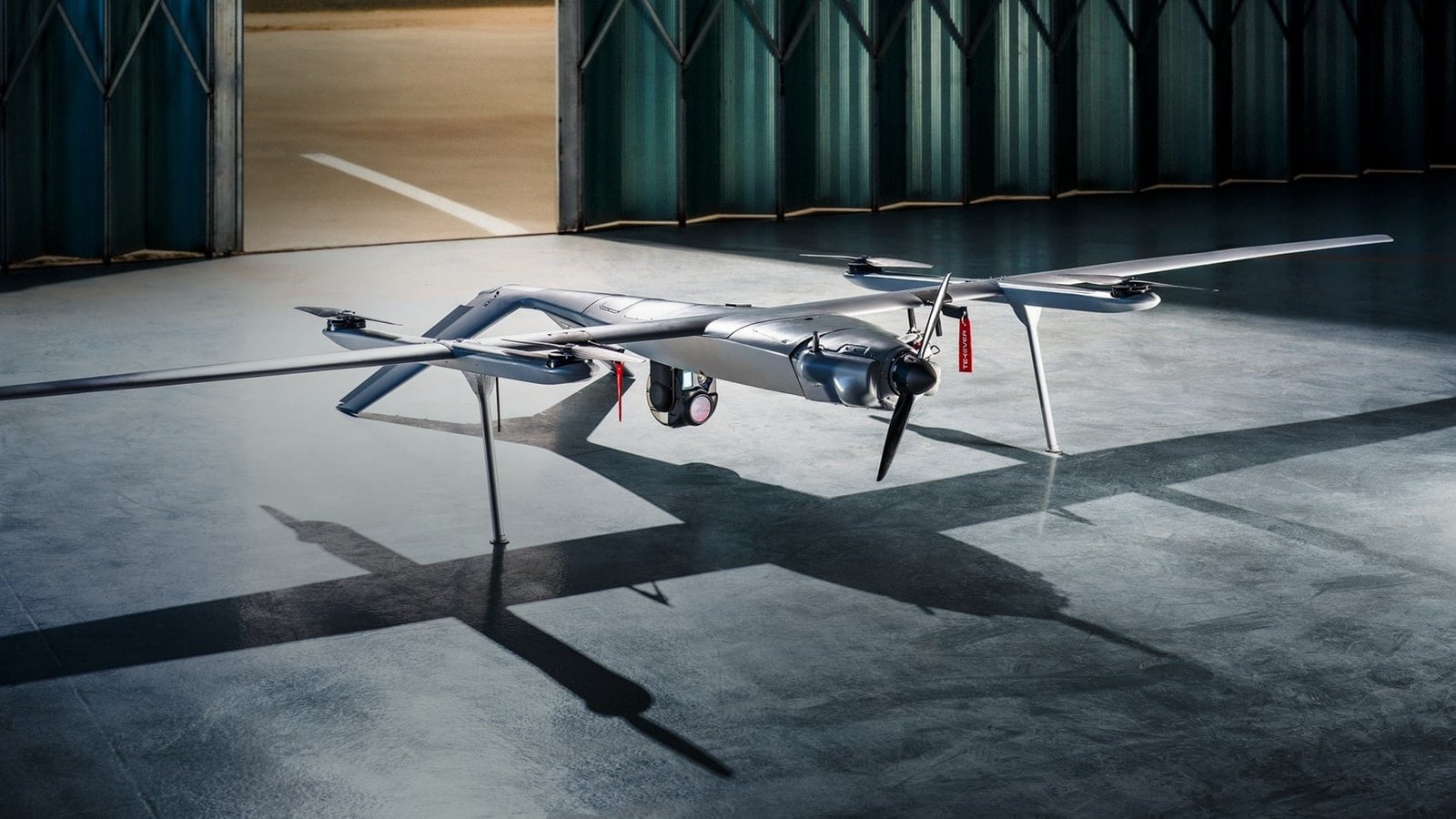
Special Envoy Witkoff also held discussions with members of the ship’s air wing, including a Navy pilot who earlier in the week intercepted an Iranian unmanned aerial vehicle that approached the carrier while it was operating in international waters. U.S. defense officials stated that the interception was conducted in accordance with established rules of engagement and was intended to ensure the safety of the ship and its crew.
Deployment History and Mission
The USS Abraham Lincoln is homeported in San Diego, California, and serves as the flagship of Carrier Strike Group Three. The strike group departed for its current deployment in November 2025 and initially operated in the Indo-Pacific region. During the early phase of the deployment, the group conducted routine exercises and operations in the Philippine Sea and the South China Sea, working alongside allied and partner navies.
In January 2026, the carrier strike group was redirected to the Middle East in response to regional operational requirements. The group transited the Strait of Malacca on Jan. 19 and entered the North Arabian Sea later that month. Since arriving in the region, the strike group has been operating under the tactical control of U.S. 5th Fleet, which is responsible for naval forces in the U.S. Central Command area.
Force Composition
Carrier Strike Group Three is built around the USS Abraham Lincoln (CVN-72) and includes the staffs of Carrier Strike Group Three, Destroyer Squadron 21, and Carrier Air Wing Nine. The strike group is escorted by guided-missile destroyers USS Frank E. Petersen Jr. (DDG-121), USS Spruance (DDG-111), and USS Michael Murphy (DDG-112), providing air defense, surface warfare, and maritime security capabilities.
The carrier’s air wing operates more than 60 aircraft, including F-35C Lightning II stealth fighters, F/A-18E/F Super Hornet strike fighters, EA-18G Growler electronic warfare aircraft, and multiple rotary-wing platforms used for logistics, surveillance, and maritime operations. Together, these assets provide the strike group with a full spectrum of air, surface, and subsurface capabilities.
Regional Context
U.S. defense officials noted that the current deployment reflects ongoing efforts to maintain a persistent naval presence in the Middle East amid continued regional security challenges. This deployment represents the third instance in recent years in which a U.S. aircraft carrier strike group initially assigned to the Pacific has been reassigned to the Middle East to meet operational demands.
The visit by the U.S. Central Command commander underscored the strategic importance of naval forces operating in the Arabian Sea and highlighted the role of carrier strike groups in supporting U.S. objectives, deterring threats, and ensuring maritime stability across one of the world’s most critical regions for global trade and energy transit.
——— End of Article ———