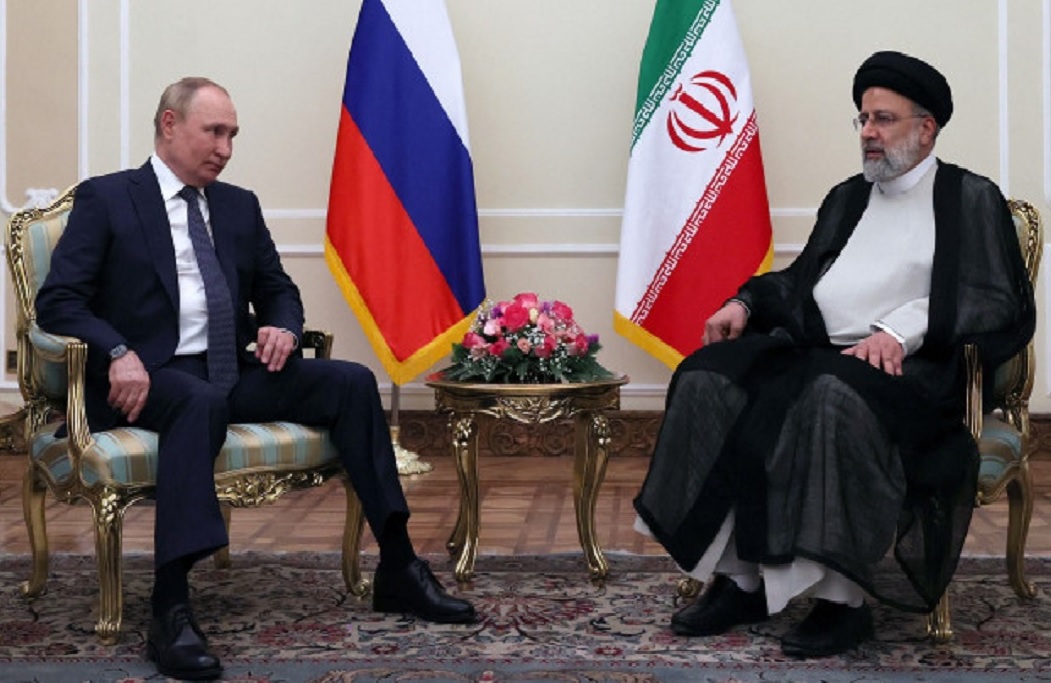
TEHRAN : Newly uncovered customs and trade records have revealed a large-scale covert financial operation in which Russia secretly transferred approximately $2.5 billion in physical cash to Iran, providing Tehran with a critical financial lifeline during a period of intensified international sanctions. The data, first obtained by The Telegraph and corroborated by multiple analysts familiar with the records, sheds new light on how Moscow and Tehran coordinated to bypass U.S.-led financial monitoring systems after sanctions were reinstated in 2018.
The documents indicate that the transfers were carried out through Russia’s state-owned Promsvyazbank, which facilitated the movement of nearly five tons of banknotes to the Central Bank of Iran. The operation began in August 2018, just one week after the administration of Donald Trump reimposed sweeping sanctions on Iran following the U.S. withdrawal from the nuclear agreement.
Structure and Logistics of the Caspian Corridor
According to the customs records, the transfers were conducted over a four-month period and involved 34 separate shipments. Each consignment was valued between $57 million and $115 million. To reduce physical volume and weight, the shipments primarily consisted of 500-euro banknotes, although the declared values in the paperwork were recorded in U.S. dollars.
The cash followed a carefully planned transit route designed to minimize scrutiny. It was first transported by rail from Moscow to the southern Russian port city of Astrakhan. From there, the cargo was shipped across the Caspian Sea to the Iranian port of Amirabad. After arrival on Iran’s northern coast, the banknotes were again moved by rail to Tehran, where they were delivered to Iran’s central banking authorities.
Investigators reviewing the records note that the frequency and scale of the shipments point to a centrally coordinated state operation rather than ad hoc financial assistance. The timing of the transfers closely aligned with Iran’s most acute liquidity shortages following its exclusion from key international banking channels.
Promsvyazbank and Kremlin Oversight
At the time of the operation, Promsvyazbank was led by Petr Fradkov, the son of former Russian prime minister and intelligence chief Mikhail Fradkov. The bank had been nationalized by the Kremlin in 2017 and reassigned a specialized role as a lender to Russia’s defense and security sectors. This restructuring was intended to insulate other Russian financial institutions from secondary sanctions by concentrating high-risk transactions within a single state-controlled entity.
Analysts say this institutional setup made Promsvyazbank a suitable channel for sensitive operations involving sanctioned partners such as Iran, allowing Moscow to provide financial support while limiting exposure to the broader Russian banking system.
Financial Support and Sanctions Evasion
The use of physical cash was central to the operation’s effectiveness. By moving banknotes rather than electronic transfers, Russia and Iran avoided reliance on the SWIFT international messaging system and other financial mechanisms closely monitored by Western regulators. The cash inflows helped Tehran stabilize domestic finances, maintain essential imports, and continue funding key state institutions during a period of sharp economic contraction.
The records indicate that these funds were especially important for sustaining Iran’s security apparatus, including the Islamic Revolutionary Guard Corps (IRGC), at a time when oil revenues and foreign currency reserves were under severe pressure.
Link to Current Military and Economic Cooperation
Experts reviewing the historical data say the operation established a model that continues to influence Russia-Iran cooperation today. By early 2026, intelligence and trade assessments suggest that financial ties between the two countries have become increasingly linked to military procurement.
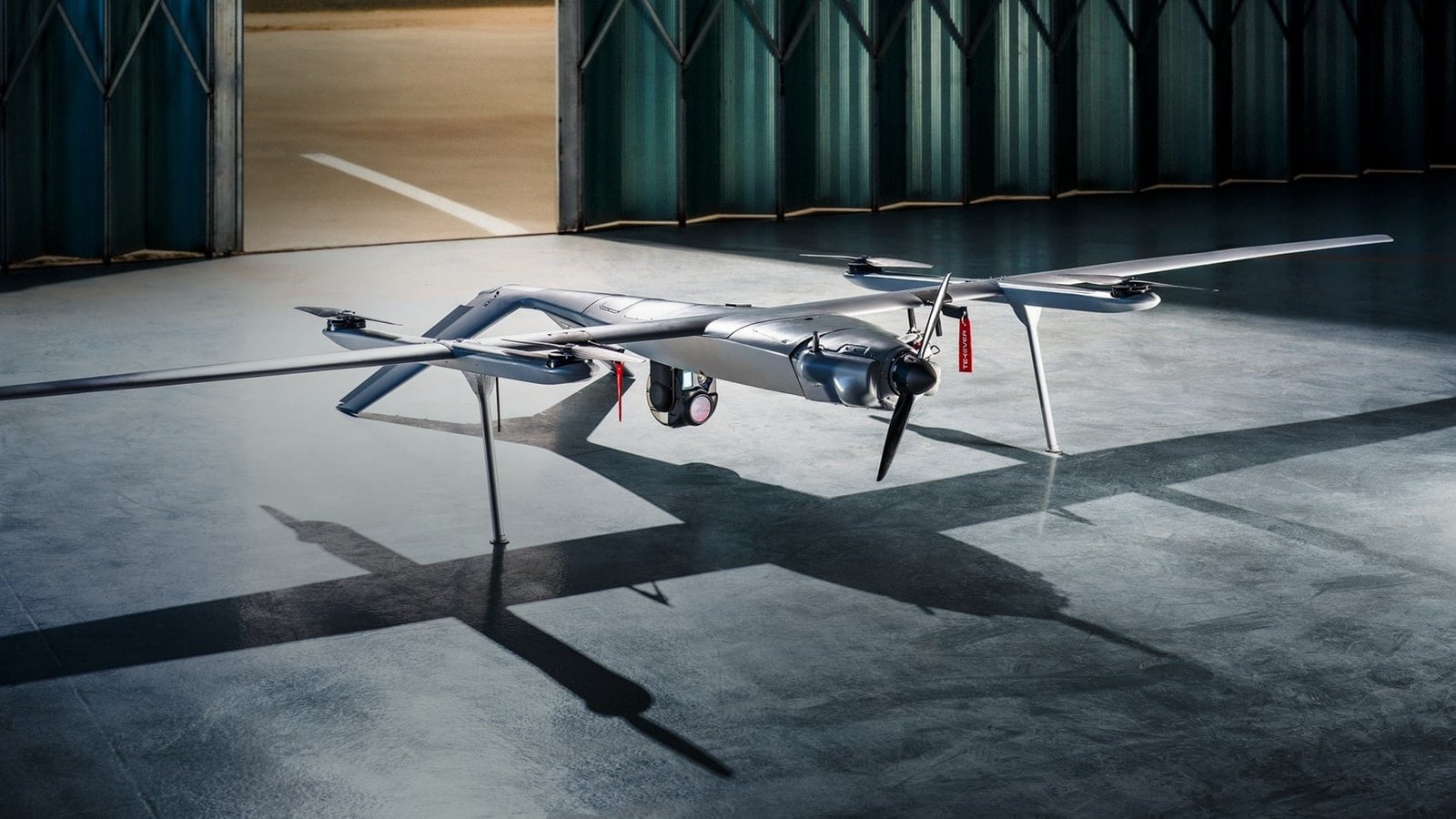
Available data from 2026 indicates that Iran has supplied Russia with nearly $2.7 billion worth of ballistic and anti-aircraft missile systems, including the Fath-360. In addition, a separate contract valued at approximately $1.75 billion has supported the localized production in Russia of Iranian-designed Shahed-136 drones, known domestically as Geran-2.
At the same time, Iran’s national currency experienced renewed depreciation in early 2026 amid domestic unrest and renewed international pressure. Analysts note that access to hard currency in physical form allows Iranian authorities to finance security operations and manage internal stability without dependence on traceable digital transactions.
Strategic and International Implications
The disclosure of the 2018 cash transfers highlights the limitations of traditional financial sanctions when states coordinate alternative trade and payment mechanisms. For Moscow, continued engagement with Tehran is widely viewed as strategically important, both to prevent a geopolitical realignment in the Middle East and to secure a reliable source of military equipment amid the ongoing conflict in Ukraine.
In response to evolving sanctions-evasion techniques, the United States Department of the Treasury announced in February 2026 the designation of several Iran-linked cryptocurrency exchanges and digital asset firms. Officials said the measures were aimed at disrupting newer, digital counterparts to earlier cash-based corridors.
While the newly revealed documents focus on operations conducted more than seven years ago, analysts warn that similar methods may still be in use. The scale and organization of the transfers underscore the depth of financial coordination between Russia and Iran and provide insight into how sanctioned states adapt to prolonged economic isolation without relying on the conventional global banking system.
——— End of Article ———