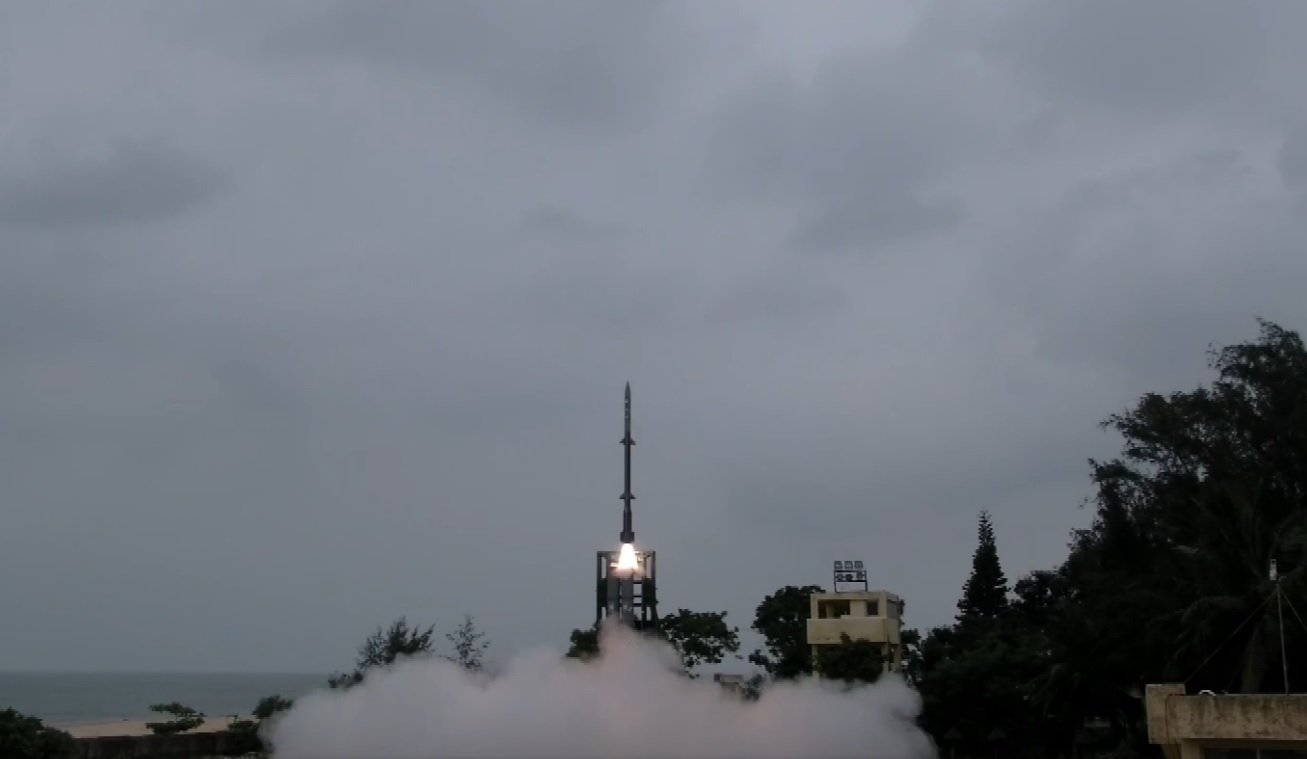
PORT WAKEFIELD, SOUTH AUSTRALIA — March 10, 2026 : Australia has begun domestic manufacturing of the Guided Multiple Launch Rocket System (GMLRS) at a newly established missile assembly facility in Port Wakefield, South Australia, marking the first time the precision-guided artillery rocket has been produced outside the United States. The production line is operated by Lockheed Martin Australia in partnership with the Australian Department of Defence, and represents a key milestone in Canberra’s effort to establish a sovereign guided-weapons industrial base.
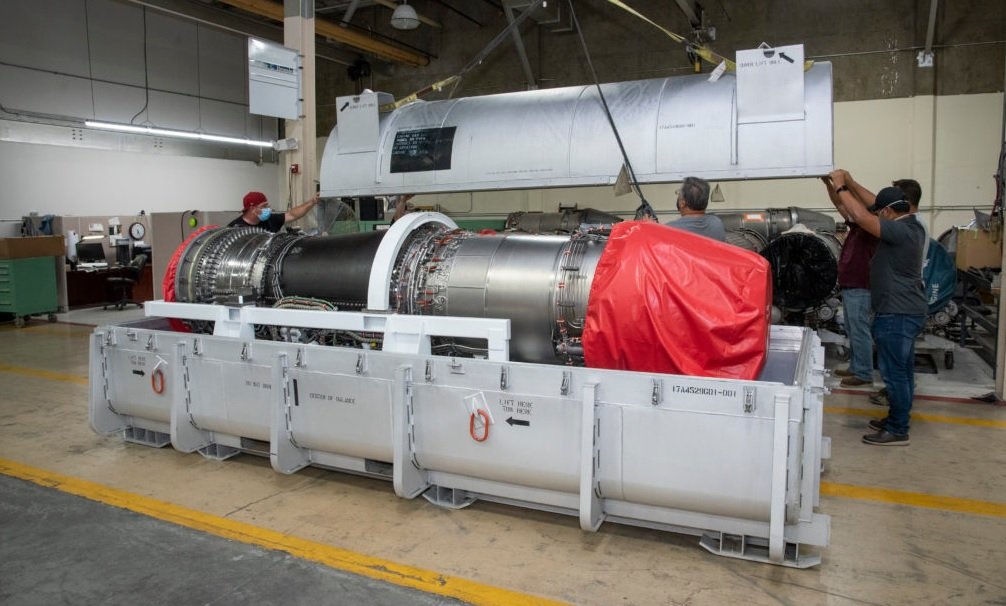
Initial manufacturing activities started in late 2025, with the first production batch scheduled for completion by mid-March 2026. The facility assembles GMLRS All Up Rounds and Launch Pod Containers, which are the complete rocket units used by modern rocket artillery systems.
The Port Wakefield site is currently the only GMLRS production line outside Lockheed Martin’s primary factory in Camden, Arkansas, making Australia the second global production location for the weapon system.
Domestic Missile Manufacturing Begins
The Port Wakefield Missile Assembly Facility is owned by the Australian government and operated in cooperation with Lockheed Martin Australia. The plant was constructed and commissioned as part of the Guided Weapons Production Capability Risk Reduction Activity, a program designed to develop Australia’s technical and industrial capacity to manufacture advanced guided weapons domestically.
Australian engineers and technicians involved in the program previously completed specialized training at Lockheed Martin’s production facilities in the United States before returning to help establish the new production line in South Australia. This training was intended to ensure that manufacturing procedures, quality control systems, and assembly standards match those used on U.S. production lines.
The first phase of operations focuses on validating manufacturing processes, certifying equipment, and training the workforce while producing initial batches of rockets. Components used in early production are supplied from the United States, but the Australian government intends to gradually increase domestic manufacturing of subsystems such as rocket motors, warheads, and other components.
The facility is expected to create approximately 20 direct manufacturing jobs at the site and support hundreds of additional positions across Australia’s expanding defence supply chain.
Production Expansion and Industrial Plans
The Port Wakefield facility represents the initial stage of a broader national effort to establish a sovereign guided-weapons industry under the Guided Weapons and Explosive Ordnance (GWEO) Enterprise. The program is supported by up to A$21 billion in funding over the next decade, aimed at building domestic manufacturing capacity for advanced missiles and munitions.
During the early stages of operation, production rates are expected to remain relatively modest while processes are validated. Estimates indicate that initial output could reach around 300 missiles per year, with the goal of gradually scaling up capacity through expanded facilities and a wider industrial supply chain.
Government planning envisions a future high-rate manufacturing facility capable of producing up to 4,000 missiles annually by 2029, significantly expanding Australia’s capacity to sustain its own precision-strike inventory and support allied supply chains.
GMLRS and Australia’s Long-Range Fires Capability
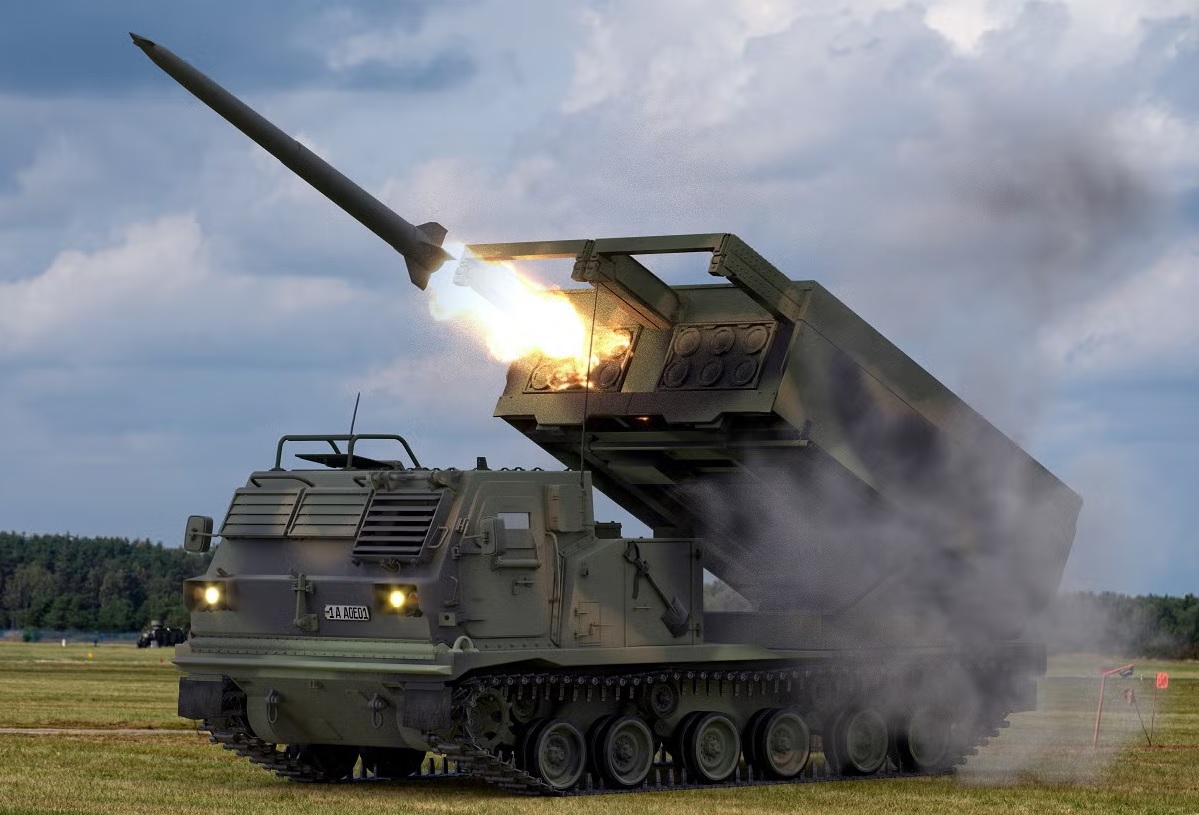
The GMLRS is a precision-guided artillery rocket used by both the M142 High Mobility Artillery Rocket System (HIMARS) and the M270 Multiple Launch Rocket System (MLRS). The Australian Army is acquiring HIMARS launchers as part of its artillery modernization program.
Each GMLRS launch pod contains six guided rockets. A HIMARS vehicle carries a single pod, while the larger tracked M270 launcher can carry two pods.
Standard GMLRS variants have a range of more than 70 kilometers and rely on GPS-aided inertial navigation guidance, allowing the rocket to maintain high accuracy in all weather conditions. Warhead options include a unitary high-explosive payload designed to strike specific point targets such as command posts, logistics depots, air defense systems, or troop concentrations.
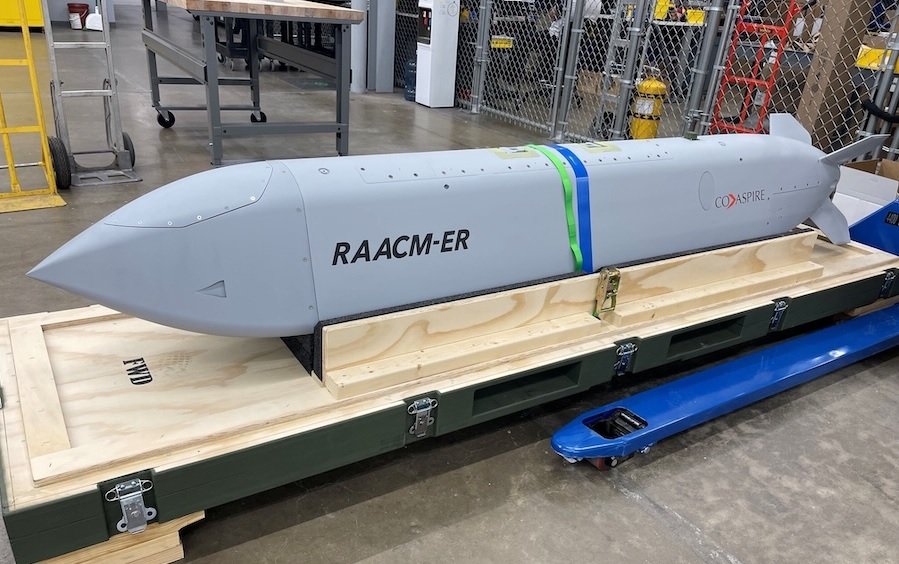
An Extended-Range GMLRS (ER-GMLRS) variant currently under development extends the weapon’s reach to approximately 150 kilometers while remaining compatible with existing HIMARS and MLRS launchers.
Foundation for Future Missile Production
Australian defence planners view the GMLRS production line as a foundation for manufacturing more advanced long-range strike systems in the future. The Department of Defence has indicated that the facility could eventually support production of the Precision Strike Missile (PrSM), a next-generation surface-to-surface weapon designed to replace the older ATACMS missile.
The PrSM, which is fired from the same HIMARS and MLRS launch platforms, currently has a range exceeding 500 kilometers, with future variants expected to reach more than 1,000 kilometers and incorporate advanced seekers capable of engaging maritime or moving targets.
Australia and the United States signed a Memorandum of Understanding in 2025 covering PrSM production, sustainment, and cooperative development, allowing Australian industry to participate in the missile’s supply chain and potentially manufacture the system domestically in the future.
Strategic Context
The launch of domestic GMLRS production reflects Australia’s broader shift toward building sovereign defence manufacturing capacity and strengthening long-range strike capabilities.
Recent defence planning documents, including the National Defence Strategy and Defence Strategic Review, emphasize the importance of land-based precision fires capable of operating across the vast distances of the Indo-Pacific region. Local missile production is intended to reduce dependence on overseas supply chains, improve the sustainability of training and operational stockpiles, and ensure reliable access to critical munitions during potential crises.
By establishing domestic assembly, workforce expertise, and supply chain infrastructure, Australia is creating the industrial foundation required to support future missile programs while deepening defence cooperation with the United States and allied partners.
——— End of Article ———