Gdansk, Poland: Scientists at Gdańsk University of Technology have revealed a breakthrough anti-drone system that promises to neutralize hostile unmanned aerial vehicles (UAVs) without firing a single shot. The technology, known as STRATUS, functions as an “invisible shield”, disabling drones through precisely controlled electromagnetic energy rather than physical interception.
Developed in response to the rapid proliferation of small, low-cost drones on modern battlefields and around sensitive civilian sites, STRATUS is designed to counter UAV threats while avoiding the collateral damage associated with missiles, machine guns, or explosive countermeasures.
How STRATUS Works
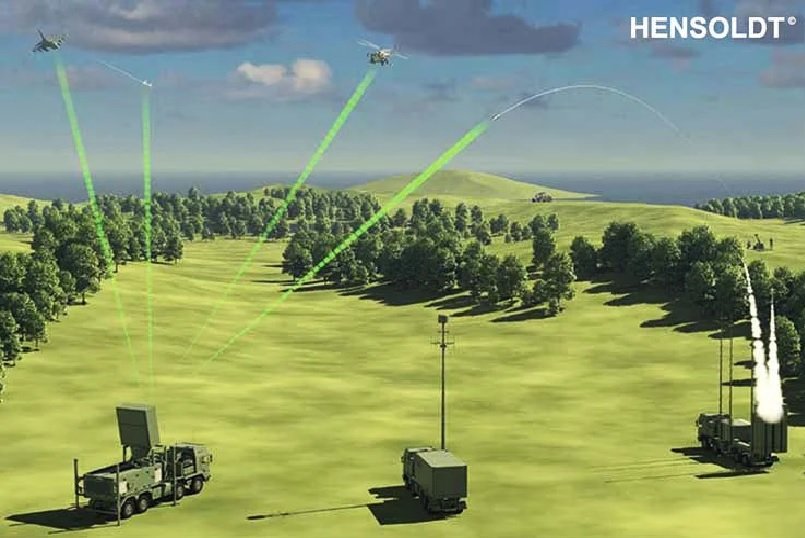
At the core of STRATUS is a high-energy electromagnetic pulse (EMP) generator that emits short, intense bursts of electromagnetic radiation. These pulses disrupt or permanently damage the electronic components of hostile drones, including navigation systems, flight controllers, and onboard communications.
Unlike conventional EMP concepts that can be indiscriminate and hazardous, STRATUS incorporates an advanced electromagnetic effector that allows operators to precisely regulate pulse strength and duration. According to the research team, this ensures that voltage levels remain safe for personnel and nearby friendly systems, while still being sufficient to incapacitate targeted UAVs.
The result is a scalable, non-kinetic defense system capable of disabling drones mid-flight without debris falling over wide areas — a key advantage in urban or high-traffic environments.
Protecting Critical Infrastructure
Researchers say STRATUS has been specifically envisioned to protect critical infrastructure that is increasingly vulnerable to drone incursions. These include airports, power plants, fuel depots, government buildings, military bases, and large public venues.
Because the system relies on electromagnetic disruption rather than physical destruction, it can be deployed in peacetime settings where traditional air-defense weapons would pose unacceptable risks to civilians and property.
Laboratory Success, Field Deployment Ahead
While STRATUS is not yet operational in real-world environments, the development team has confirmed that the system has completed successful laboratory tests under controlled conditions. These trials validated the system’s ability to neutralize UAV electronics at varying power levels while maintaining operator safety.
Further testing is expected to focus on operational range, resistance to hardened electronics, and integration with existing air-defense and surveillance networks before any field deployment decisions are made.
Part of Poland’s €2-Billion Border Defense Push
The emergence of STRATUS coincides with a major national investment in counter-drone capabilities. Poland is currently rolling out a €2-billion ($2.3-billion) program to strengthen security along its eastern borders, where drone threats have become a persistent concern.
Deputy Defense Minister Cezary Tomczyk has stated that the broader border fortification effort is scheduled for completion within 24 months and will complement legacy systems that have been in service for more than a decade.
“Some of this is for use only in extreme or war conditions,” Tomczyk said in comments to The Guardian, noting that kinetic systems such as multi-barrel machine guns are difficult to employ in peacetime because of the danger posed by falling projectiles.
Funding and Strategic Significance
The STRATUS project has received more than €5 million ($5.8 million) in funding from Poland’s National Centre for Research and Development, underscoring Warsaw’s emphasis on indigenous, high-technology defense solutions.
Defense analysts note that if STRATUS progresses from laboratory success to operational deployment, it could place Poland among a small group of nations fielding practical, non-kinetic anti-drone shields — systems increasingly viewed as essential in an era where UAVs are cheap, abundant, and tactically disruptive.
A Glimpse of Future Air Defense
As drones continue to reshape both modern warfare and homeland security, STRATUS represents a shift toward cleaner, more precise countermeasures. Rather than destroying threats with force, the system aims to quietly switch them off — an approach that could redefine how nations defend their skies in both war and peace.
——— End of Article ———