New Delhi, December 29, 2025: In a major push to strengthen India’s military preparedness, the Defence Acquisition Council (DAC) has granted Acceptance of Necessity (AoN) for defence procurement proposals worth approximately ₹79,000 crore, covering critical capability upgrades for the Indian Army, Indian Navy, and Indian Air Force. The approvals were accorded during a high-level DAC meeting chaired by Defence Minister Rajnath Singh, marking one of the most significant single-day clearances in recent years.
The decisions underscore the government’s continued focus on enhancing operational readiness, precision strike capability, air defence, maritime surveillance, and advanced training infrastructure across the three Services.
Strategic Signal from the Government
Announcing the approvals, Rajnath Singh said the Ministry of Defence, under the leadership of Prime Minister Narendra Modi, is working tirelessly to strengthen India’s defence preparedness. In a post on X, the Defence Minister stated that the decisions taken by the DAC would “help in enhancing operational capabilities of the Armed Forces,” reflecting a clear intent to accelerate modernisation amid evolving regional and technological challenges.
Army Set for Firepower and Counter-Drone Leap
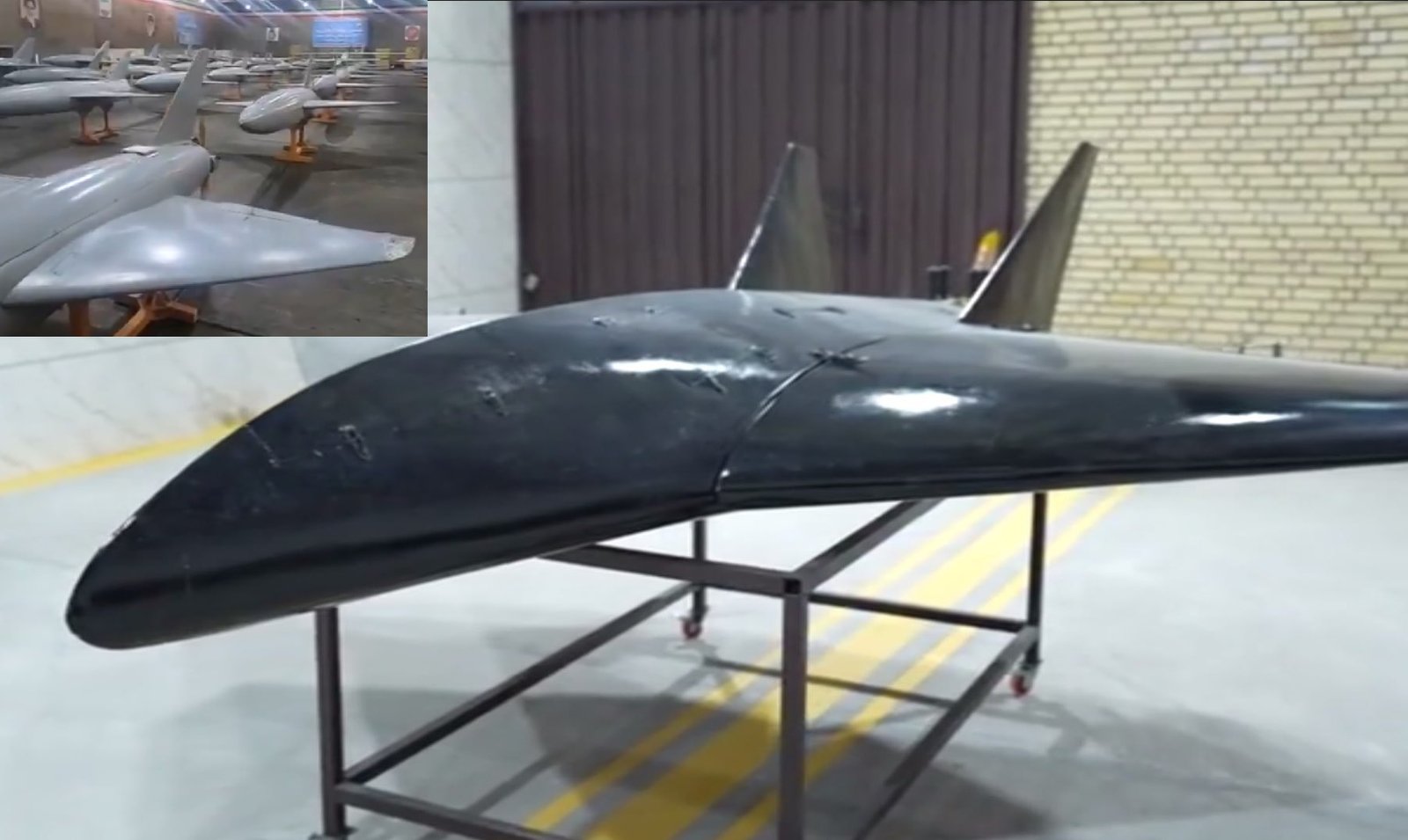
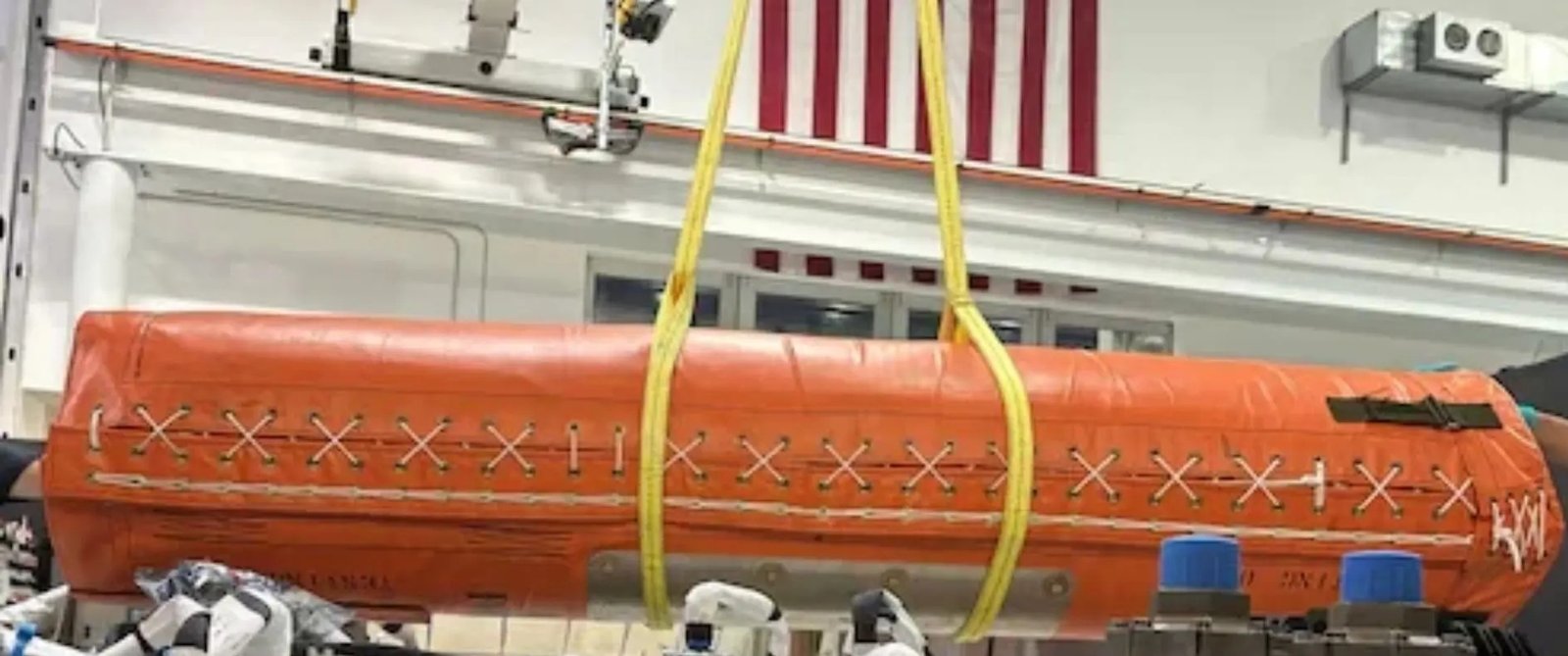
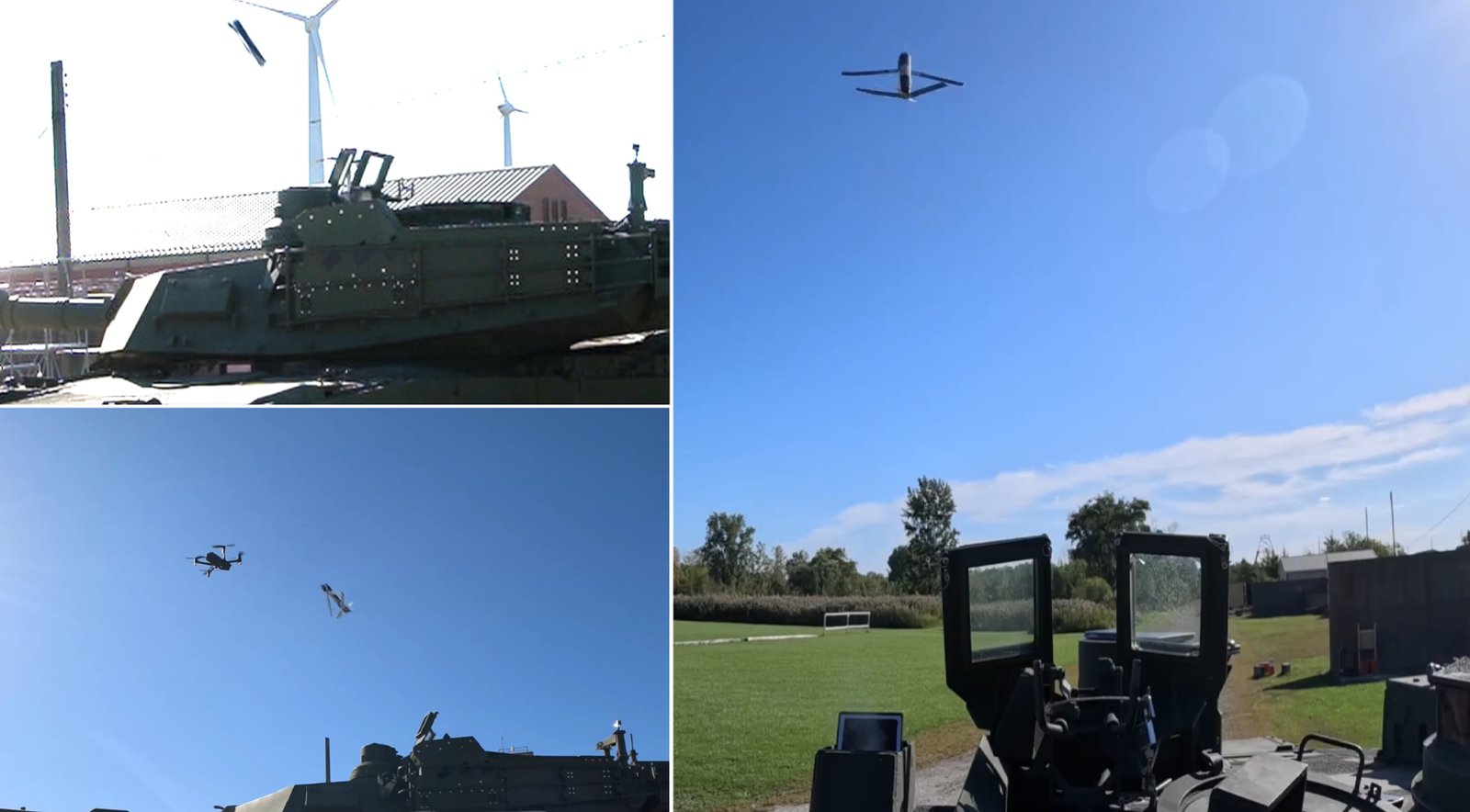
For the Indian Army, the DAC granted AoN for the procurement of Loiter Munition Systems, Low Level Light Weight Radars (LLLWR), Long Range Guided Rocket Ammunition for the Pinaka Multiple Launch Rocket System, and the Integrated Drone Detection & Interdiction System (IDD&IS) Mk-II.
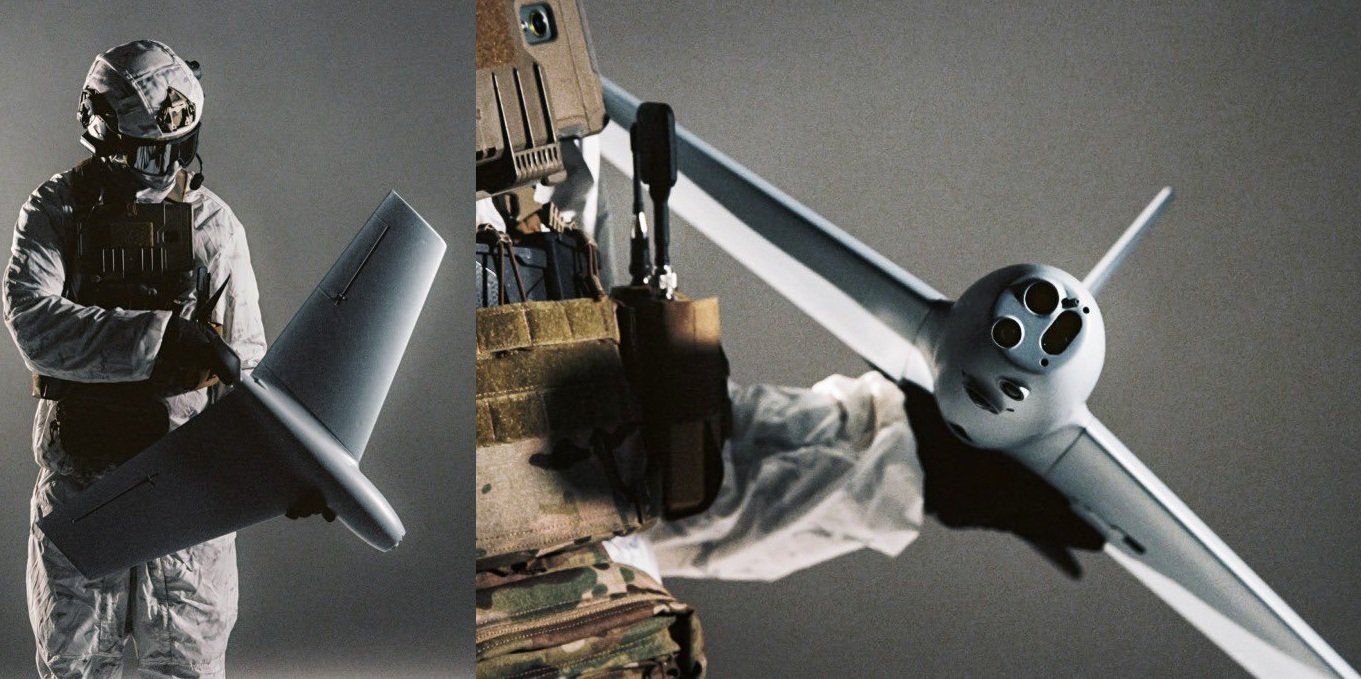
The Loiter Munition System will enable precision strikes against tactical targets, significantly improving battlefield responsiveness and reducing collateral damage. The LLLWR will strengthen air defence at lower altitudes by detecting and tracking small, low-flying unmanned aerial systems, a growing threat in modern warfare. The Pinaka Long Range Guided Rockets will extend both range and accuracy, allowing artillery units to engage high-value targets deeper inside adversary territory. Meanwhile, the IDD&IS Mk-II, with enhanced detection and neutralisation range, will provide layered protection to vital assets in both Tactical Battle Areas and hinterland locations.
Navy Focuses on Maritime Mobility and Surveillance
For the Indian Navy, AoN was accorded for Bollard Pull (BP) Tugs, High Frequency Software Defined Radio (HF SDR) Manpack systems, and the leasing of High Altitude Long Endurance (HALE) Remotely Piloted Aircraft Systems.
The induction of BP Tugs will significantly improve harbour operations by assisting naval ships and submarines during berthing, unberthing, and manoeuvring in confined waters. The HF SDR Manpack will enhance secure, long-range communications during critical boarding and landing operations. The decision to lease HALE UAVs is expected to provide continuous Intelligence, Surveillance and Reconnaissance (ISR) and strengthen Maritime Domain Awareness across the Indian Ocean Region, a key strategic priority for India.
Air Force Gets Boost in Air Combat and Training
For the Indian Air Force, the DAC approved AoN for the Astra Mk-II Beyond Visual Range Air-to-Air Missiles, Automatic Take-off and Landing Recording System, Full Mission Simulator, and SPICE-1000 Long Range Precision Guidance Kits.
The Automatic Take-off and Landing Recording System will address gaps in aerospace safety by enabling high-definition, all-weather recording of critical flight phases. The Astra Mk-II, with its enhanced range, will significantly increase the ability of IAF fighter aircraft to neutralise hostile targets from long standoff distances. The Full Mission Simulator for the Light Combat Aircraft Tejas will expand advanced pilot training in a cost-effective and risk-free environment, while the SPICE-1000 kits will enhance long-range precision strike capability against fortified and high-value targets.
A Broad Modernisation Push
Together, the approvals reflect a comprehensive modernisation drive that spans precision weapons, counter-drone systems, ISR platforms, secure communications, and advanced training infrastructure. With AoN now in place, the proposals will move into the next stages of procurement, opening the door for faster inductions and, where applicable, greater participation of Indian industry under the government’s self-reliance initiatives.
The ₹79,000 crore clearance sends a strong strategic message: India is accelerating capability development across land, sea, and air to ensure its Armed Forces remain prepared for current and future security challenges.
——— End of Article ———