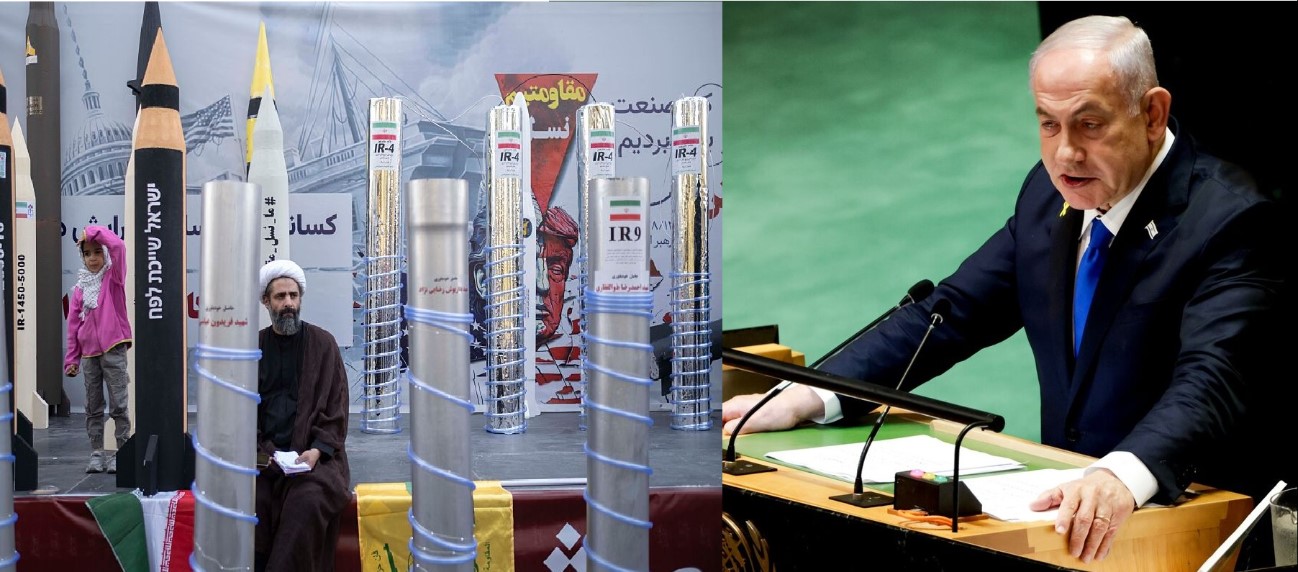
WASHINGTON / TEL AVIV — Israeli Prime Minister Benjamin Netanyahu is expected to press the United States for political and strategic approval to carry out fresh military strikes on Iran, arguing that Tehran is rapidly rebuilding its ballistic missile capabilities in the aftermath of recent hostilities. The issue is set to dominate his upcoming engagement with U.S. President Donald Trump, according to officials familiar with the discussions.
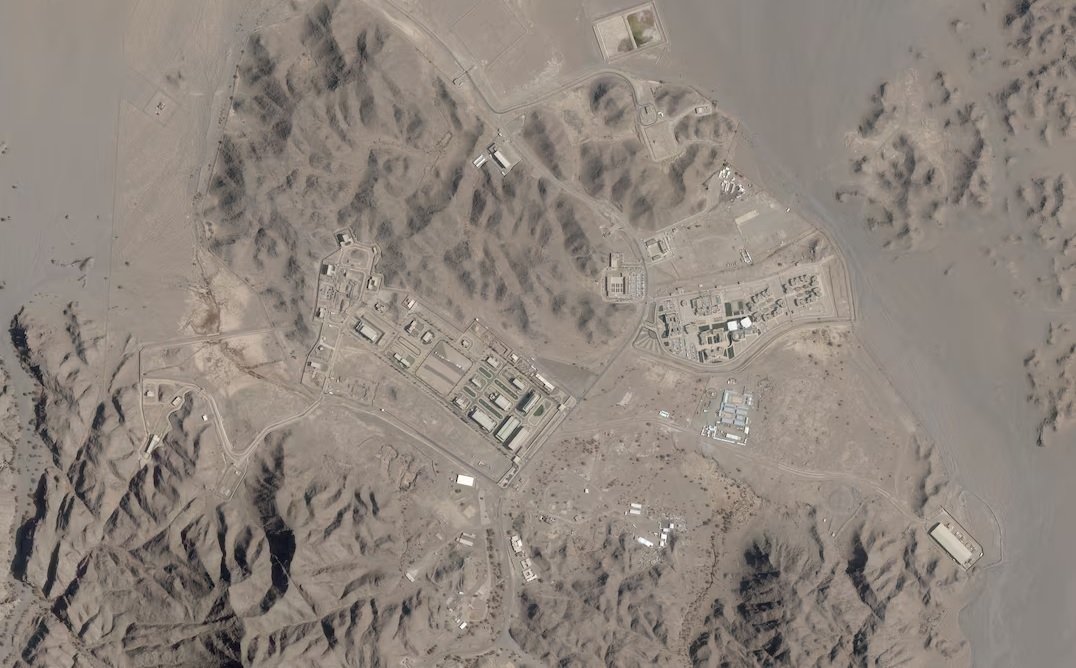
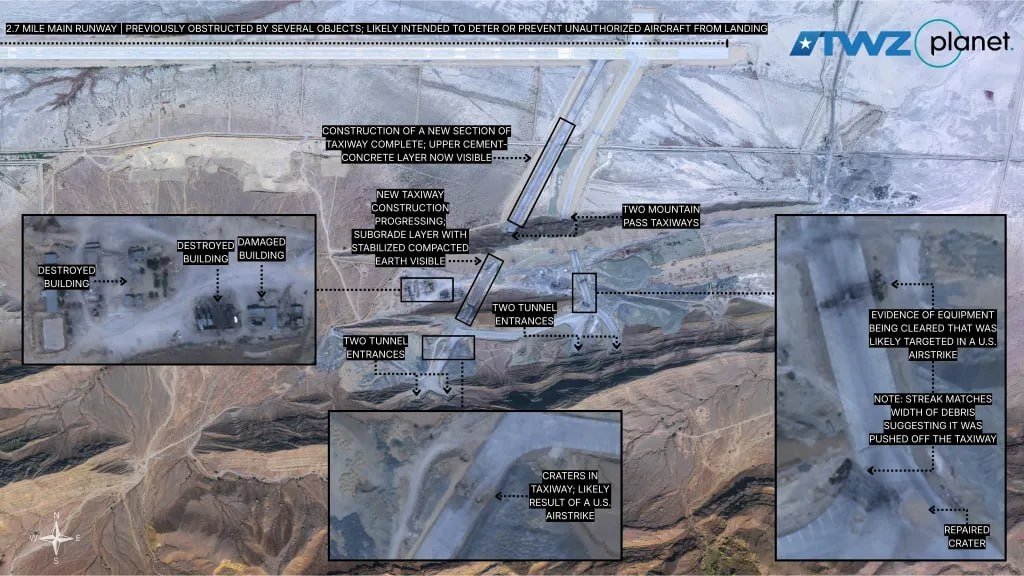
At the center of Netanyahu’s case is a dossier of intelligence assessments that Israel believes demonstrate renewed Iranian activity at missile production and storage sites. Israeli officials contend that Iran has moved quickly to restore damaged infrastructure and accelerate output, with a particular focus on medium- and long-range ballistic missiles capable of reaching Israeli territory. The prime minister is expected to argue that delaying action would allow Iran to reconstitute a deterrent that was partially degraded earlier this year.
The Israeli push comes against the backdrop of the June 2025 Israel–Iran confrontation, a short but intense conflict that saw unprecedented direct exchanges between the two adversaries. During that episode, Iran launched large salvos of missiles and drones toward Israel, while Israel—backed by U.S. defensive and intelligence support—struck targets linked to Iran’s military and strategic programs. While Israel claims significant damage was inflicted, defense officials privately acknowledge that missile-defense interceptor stocks were heavily drawn down, underscoring the high cost of sustained escalation.
Netanyahu’s request for a U.S. “green light” is not expected to be a formal authorization, but rather a signal of political backing and strategic alignment. Israeli officials say such assurance would include continued access to U.S. intelligence, diplomatic cover in international forums, and accelerated resupply of air- and missile-defense systems should Iran retaliate. Without that understanding, Israel is believed to be weighing whether unilateral action would risk a broader regional crisis.
For President Trump, the decision carries significant implications. While his administration has maintained a hard line on Iran’s regional ambitions, it has also emphasized avoiding another prolonged Middle Eastern war. Advisers are said to be divided between those who view pre-emptive pressure as necessary to deter Iran and others who warn that renewed strikes could trigger retaliation across multiple fronts, including against U.S. forces and allies in the region.
Iran, for its part, has dismissed Israeli claims as justification for aggression. Officials in Iran insist their missile program is defensive and non-negotiable, framing it as a core pillar of national security. Tehran has repeatedly warned that any new attack on its territory would be met with a “decisive and proportional response”, raising fears of rapid escalation.
The Netanyahu–Trump talks will also unfold amid broader regional strains, including the unresolved fallout from the Gaza conflict and fragile diplomatic efforts to stabilize the wider Middle East. Analysts note that any renewed confrontation with Iran would likely reverberate far beyond Israel and Iran, affecting energy markets, shipping routes, and regional security arrangements.
As the meeting approaches, diplomats say the key question is not whether Israel believes Iran is rebuilding—Jerusalem is convinced it is—but whether Washington will conclude that the risk of inaction now outweighs the danger of escalation later. The answer could shape the next phase of the Israel–Iran shadow war, and potentially determine whether it once again breaks into open conflict.
——— End of Article ———