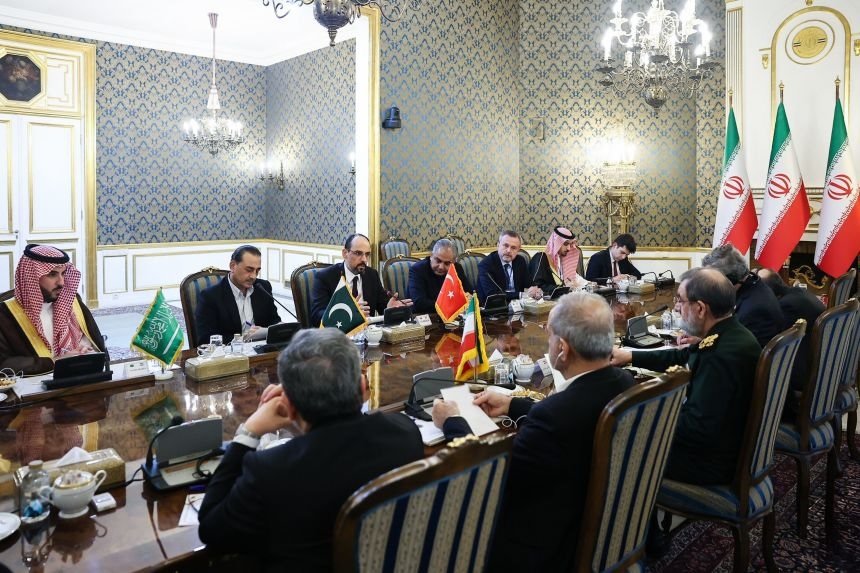
Muscat, Oman : Iran and the United States held indirect, high-stakes talks in the Omani capital on Friday focused on Tehran’s nuclear program, marking the first formal engagement between the two sides since the June conflict between Israel and Iran. The discussions, mediated by Oman, underscored both governments’ stated interest in diplomacy while revealing persistent disagreements over scope and substance that complicate the path toward a broader agreement.
The talks were hosted in Muscat and began later than scheduled, with Iranian media reporting a delay of roughly one hour from the original 10 a.m. local start. The initial session lasted about 90 minutes, after which a convoy believed to be carrying American officials departed the venue on the outskirts of the city. An Iranian delegation was seen arriving and leaving earlier. A second round convened later in the afternoon.
Oman’s Foreign Ministry confirmed that it facilitated the exchanges, saying consultations were aimed at creating conditions to resume diplomatic and technical negotiations. Omani Foreign Minister Badr al-Busaidi met separately with Iranian Foreign Minister Abbas Araghchi and with the US delegation led by special envoy Steve Witkoff, alongside White House adviser Jared Kushner.
Iranian media also reported a bilateral meeting between Araghchi and Busaidi ahead of the talks. In public remarks before the negotiations, Araghchi said Iran was entering discussions “in good faith” while emphasizing adherence to past commitments and mutual respect as prerequisites for any durable agreement.
Agenda Dispute and Post-War Context
The Muscat talks took place against the backdrop of unresolved differences over the agenda. Washington has said it wants negotiations to address not only Iran’s nuclear activities but also its ballistic missile program, regional support for armed groups, and human rights issues. US Secretary of State Marco Rubio reiterated those priorities earlier this week. Tehran has maintained that the discussions in Muscat should be limited strictly to nuclear matters and has ruled out negotiations over what it calls its defense capabilities.
This was the first encounter between the two sides since the 12-day Israel-Iran war in June, during which the United States struck Iranian nuclear targets near the end of the fighting. Israel targeted Iran’s nuclear infrastructure, missile production facilities, and senior military leadership during the conflict. Tehran has since said that uranium enrichment activities have been halted, a claim that remains subject to international scrutiny.
US Pressure and Regional Military Posture
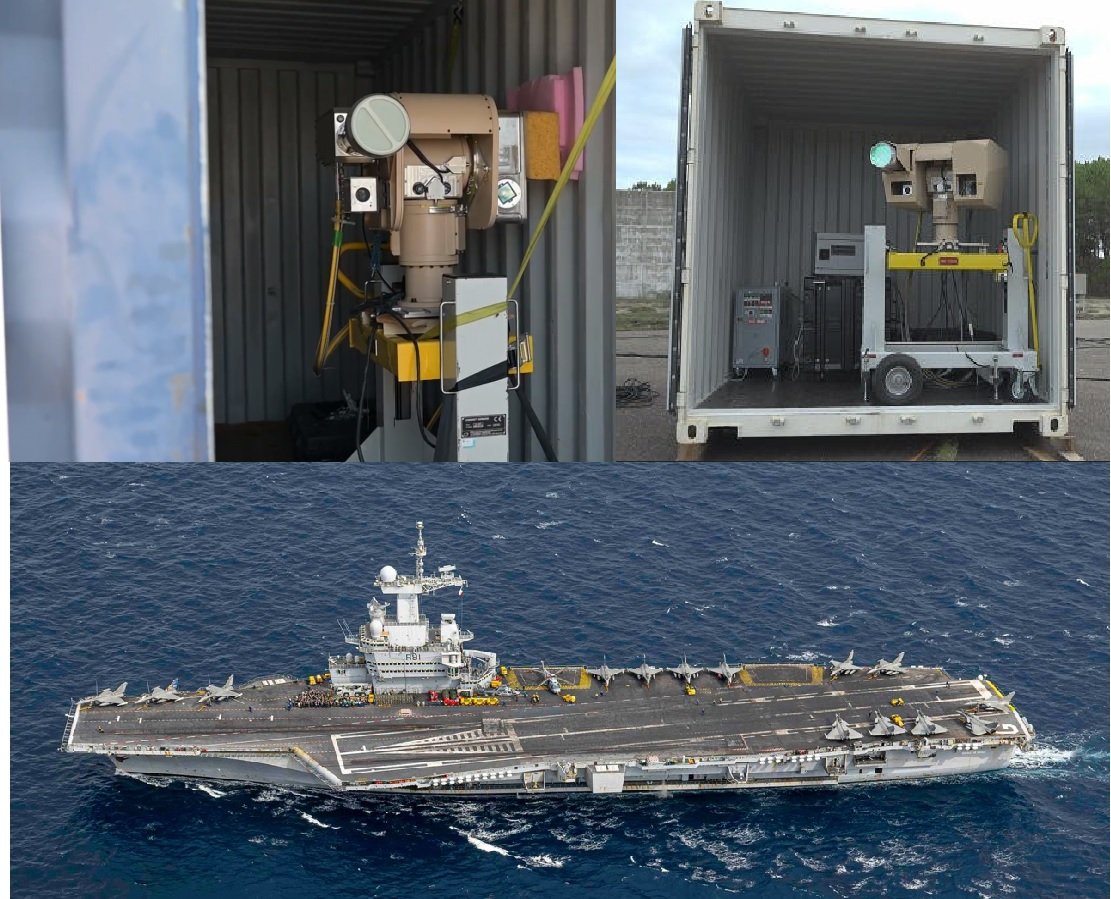
The talks unfolded amid heightened regional tensions and a visible US military presence. The aircraft carrier USS Abraham Lincoln and other American warships are deployed in the region, alongside additional fighter aircraft. US officials say the buildup is intended to deter escalation and protect American interests, though Tehran views it as pressure accompanying diplomacy.
White House Press Secretary Karoline Leavitt said President Donald Trump was seeking to determine whether an agreement could be reached, while cautioning that options beyond diplomacy remained available. Trump has repeatedly warned of consequences should talks fail, language Iranian leaders interpret as a threat of military action.
Iran’s leadership has voiced concern that Washington could act militarily, particularly following Iran’s recent crackdown on mass protests. Rights organizations say they have verified thousands of deaths during the unrest, with estimates suggesting the toll could be higher.
Missiles, Enrichment, and Red Lines
Negotiators faced a central challenge in reconciling Iran’s refusal to discuss its missile program with US demands for broader constraints. During the June war, Iran launched hundreds of ballistic missiles toward Israeli cities, killing 32 people and injuring thousands. Hours before the Muscat talks, Iranian state television reported the deployment of the advanced long-range ballistic missile Khorramshahr 4 at an underground facility operated by the Revolutionary Guards.
At the same time, Iranian officials told Reuters last week that Tehran could show flexibility on uranium enrichment, including transferring up to 400 kilograms of highly enriched uranium and accepting a zero-enrichment arrangement under a multinational consortium. Iran insists, however, that its right to enrich uranium cannot be relinquished.
Iran continues to deny seeking nuclear weapons, though it has enriched uranium to levels with no civilian application, restricted international inspections, and expanded its missile capabilities. Prior to the June conflict, Israeli officials said Iran had taken steps toward weaponization.
Regional Calculations and Outlook
Iran’s regional position has been weakened over the past year by Israeli strikes on groups aligned with Tehran—collectively known as the Axis of Resistance—including Hamas in Gaza, Hezbollah in Lebanon, the Houthis in Yemen, and militias in Iraq. The removal of Syrian leader Bashar al-Assad in late 2024 further reduced Tehran’s regional reach.
Gulf Arab states have warned that a military strike on Iran could trigger a wider conflict, potentially disrupting shipping through the Strait of Hormuz. Recent incidents include US forces downing an Iranian drone near the Abraham Lincoln and an attempted Iranian interdiction of a US-flagged vessel.
Analysts remain cautious about the prospects for a near-term breakthrough. Edmund Fitton-Brown of the Foundation for Defense of Democracies said the gap between the sides’ positions makes significant concessions unlikely in the immediate talks, increasing the risk that diplomacy may fail to avert future confrontation.
As discussions in Muscat concluded for the day, officials on both sides indicated that further engagement would depend on whether the core disputes—particularly over missiles and enrichment—can be narrowed without triggering renewed escalation.
——— End of Article ———