XI’AN, China : Researchers at the Northwest Institute of Nuclear Technology (NINT) have announced the development of the TPG1000Cs, a high-power microwave (HPM) weapon capable of generating a world-first 20-gigawatt (GW) pulse.
The system, led by scientist Wang Gang, represents a significant leap in directed-energy technology due to its extreme power output and compact physical footprint. While traditional HPM systems are often bulky and limited to bursts of only a few seconds, the TPG1000Cs is reportedly capable of delivering continuous power for up to one full minute.
Technical Specifications and Portability
The TPG1000Cs is engineered for high mobility, addressing a long-standing challenge in electromagnetic weaponry: miniaturization. According to the research published in the journal High Power Laser and Particle Beams, the device features the following parameters:
-
Dimensions: 4 meters in length.
-
Weight: Approximately 5 tonnes.
-
Power Output: 20 Gigawatts (GW).
-
Endurance: Stable operation for 60 seconds.
-
Durability: Tested for over 200,000 pulses with consistent performance.
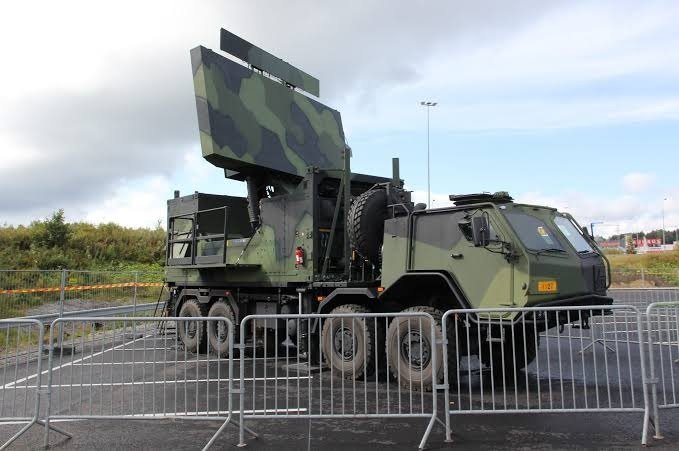
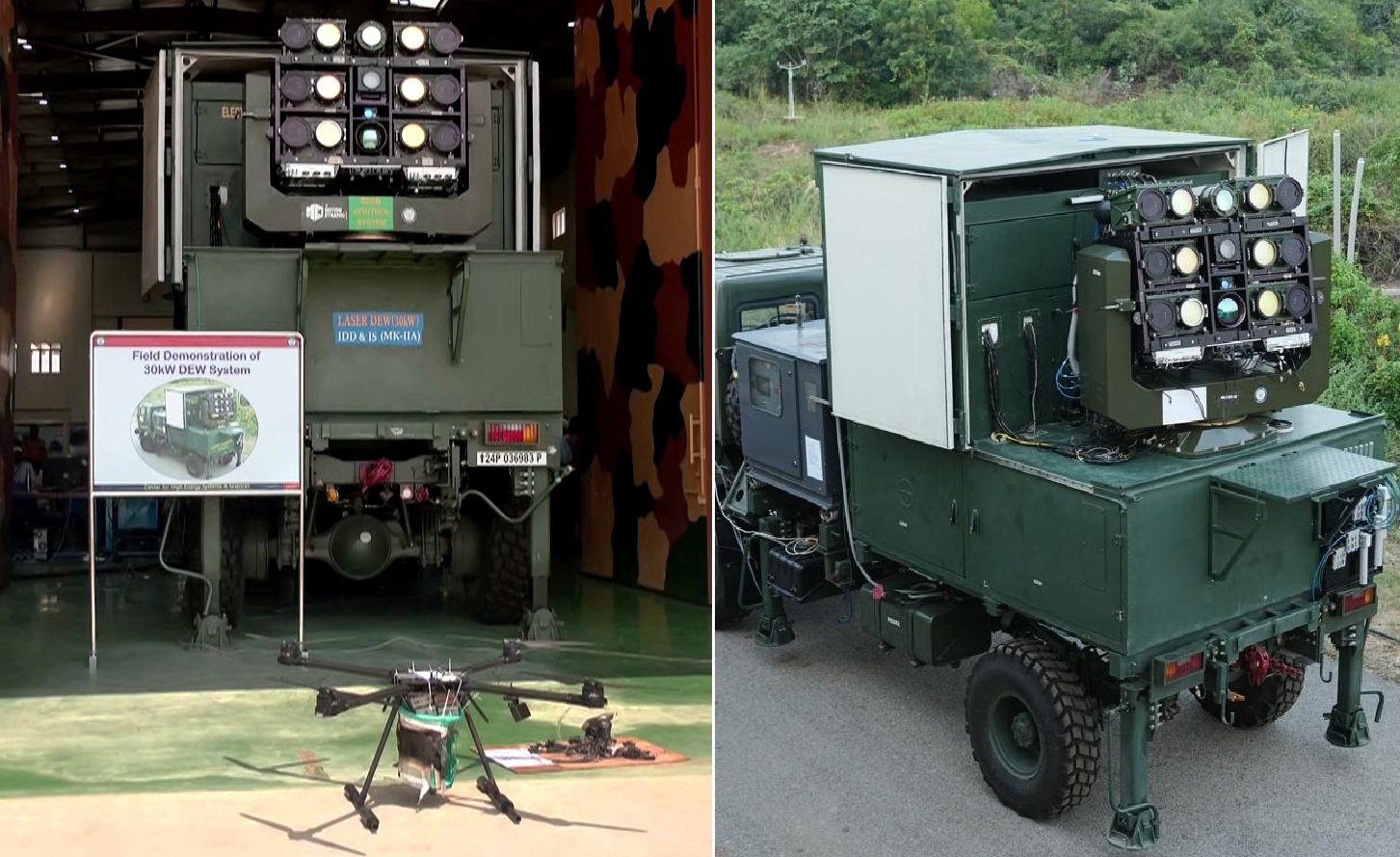
This compact design allows the weapon to be mounted on standard military platforms, including trucks, warships, and aircraft. Researchers have even indicated the possibility of deploying the system on satellites to target other orbital assets directly.
Strategic Implications: The "Starlink Killer"
The weapon has gained international attention as a potential "Starlink killer." Military analysts note that while 1 GW is often sufficient to disrupt or permanently damage the sensitive electronics of low-Earth orbit (LEO) satellites, the 20 GW capability of the TPG1000Cs provides a massive margin for overcoming shielding or targeting multiple assets simultaneously.
Unlike kinetic anti-satellite (ASAT) missiles, which create dangerous debris clouds that can threaten all spacecraft, microwave weapons offer a "soft kill." They disable internal circuitry through electromagnetic interference without physically shattering the satellite, theoretically providing China with strategic deniability in space-based conflicts.
Targeting and Accuracy: Claims vs. Reality
A critical question remains regarding how a ground-based system can accurately maintain a 20 GW beam on a satellite moving at approximately 27,000 km/h.
-
Ground-to-Space Coordination: To track moving targets, such systems typically rely on a sophisticated array of high-speed phased-array radars and real-time orbital calculations to adjust the microwave beam's focal point. Recent reports suggest China is experimenting with optical fibers to synchronize multiple microwave vehicles with picosecond precision to converge beams on a single target.
-
Atmospheric Interference: High-power beams often face "blooming" or scattering. The NINT team claims to have mitigated these issues using a specialized liquid insulating material known as Midel 7131, which allows for a more compact Tesla transformer and higher energy storage density.
Despite these claims, the accuracy of the TPG1000Cs against active, maneuvering targets remains largely on-paper or laboratory-tested. While the power generation technology is a proven breakthrough, the real-world tracking precision required to disable a specific satellite from the ground has not been publicly demonstrated.
——— End of Article ———