
World
KYIV — May 30, 2026 : Ukraine’s Main Intelligence Directorate (GUR) of the Ministry of Defense has confirmed a major expansion in its long-range unmanned strike capability, announcing that its drone division is now operating systems capable of reaching distances of up to 3,500 kilometers. The disclosure was made by the commander of the GUR’s long-range drone unit, known by the call sign “Vector,” who stated that the increased operational reach places all regions of European Russia and territories extending as far as the Krasnoyarsk region in Siberia within potential strike range. According to Vector, Ukrainian forces are now capable of reaching areas across Russia up to the Ural Mountains, marking a significant increase in operational depth. The announcement reflects a substantial evolution in Ukraine’s long-range strike capability. Earlier in the conflict, Ukrainian unmanned systems primarily operated within a range of approximately 1,000 kilometers. Vector noted that long-range UAVs are now being launched in higher numbers as part of systematic strike operations intended to disrupt military-related infrastructure deep inside Russian territory. Long-Range Drone Fleet Expands According to military operators, one of the primary platforms used for deep-strike missions is the domestically developed Liutyi strike drone. The UAV is reported to routinely cover distances between 1,500 and 1,700 kilometers depending on operational and weather conditions while carrying payloads estimated at 50 to 70 kilograms. Ukraine has also introduced a jet-powered strike platform known as Peklo, which operators describe as functioning similarly to a cruise missile. The system reportedly flies at speeds ranging between 700 and 1,000 kilometers per hour and has already been employed in precision strikes against selected infrastructure targets, including facilities in the Moscow region. The reported 3,500-kilometer capability suggests continued expansion beyond previously disclosed systems. In March 2025, Ukrainian President Volodymyr Zelenskyy stated that a Ukrainian-developed long-range drone capable of flying 3,000 kilometers had successfully completed testing, describing it as an important milestone in the country’s indigenous defense-industrial program. Operational Planning and Air Defense Penetration Vector stated that deep-strike operations rely on a structured planning process designed to improve survivability against Russian air defense networks and electronic warfare systems. According to the GUR commander, intelligence teams first identify the positioning of Russian air defense assets, including Pantsir and Tor surface-to-air missile systems, while simultaneously mapping areas affected by electronic warfare intended to disrupt UAV navigation. Flight routes are then programmed to exploit identified gaps in radar and missile coverage. To increase strike effectiveness, Ukrainian operators also deploy unarmed decoy drones aimed at saturating enemy radar systems and occupying defensive resources. These decoys are intended to improve the likelihood that armed UAVs successfully reach their assigned targets. Vector stated that repeated strike operations have gradually reduced the effectiveness of some layered Russian air defense sectors, creating operational corridors for drone formations. Advances in Navigation and Drone Production The expansion of long-range strike capabilities coincides with rapid growth in Ukraine’s domestic drone industry. Since the start of Russia’s full-scale invasion in 2022, Ukraine has transitioned from relying largely on commercial drone components to producing increasingly sophisticated military-grade systems domestically. Recent defense assessments estimate Ukraine’s total annual drone production capacity has expanded to approximately 10 million UAVs across multiple operational classes, ranging from frontline tactical systems to long-range strike platforms. Newer generations of Ukrainian drones have also received upgrades intended to improve resistance against electronic warfare and GPS jamming. Military operators report that long-range UAVs increasingly rely on inertial navigation systems, ground triangulation, and visual navigation technologies to maintain route accuracy in electronically contested environments. Drones Become Central to Ukraine’s Military Strategy Unmanned aerial systems have become a central component of Ukraine’s military planning, with operational estimates indicating drones are currently used to engage approximately 80 to 85 percent of frontline targets. Officials argue that long-range UAV operations are intended to disrupt logistics networks, reduce pressure on frontline units, target military-industrial facilities, and force Russia to distribute air defense assets across a wider geographic area. The newly confirmed 3,500-kilometer operational range is expected to significantly expand Ukraine’s ability to target logistics hubs, air bases, ammunition depots, transport infrastructure, defense manufacturing facilities, and military support sites located deep inside Russian territory as Kyiv continues to prioritize domestically produced long-range strike systems.
Read More → Posted on 2026-05-30 17:10:40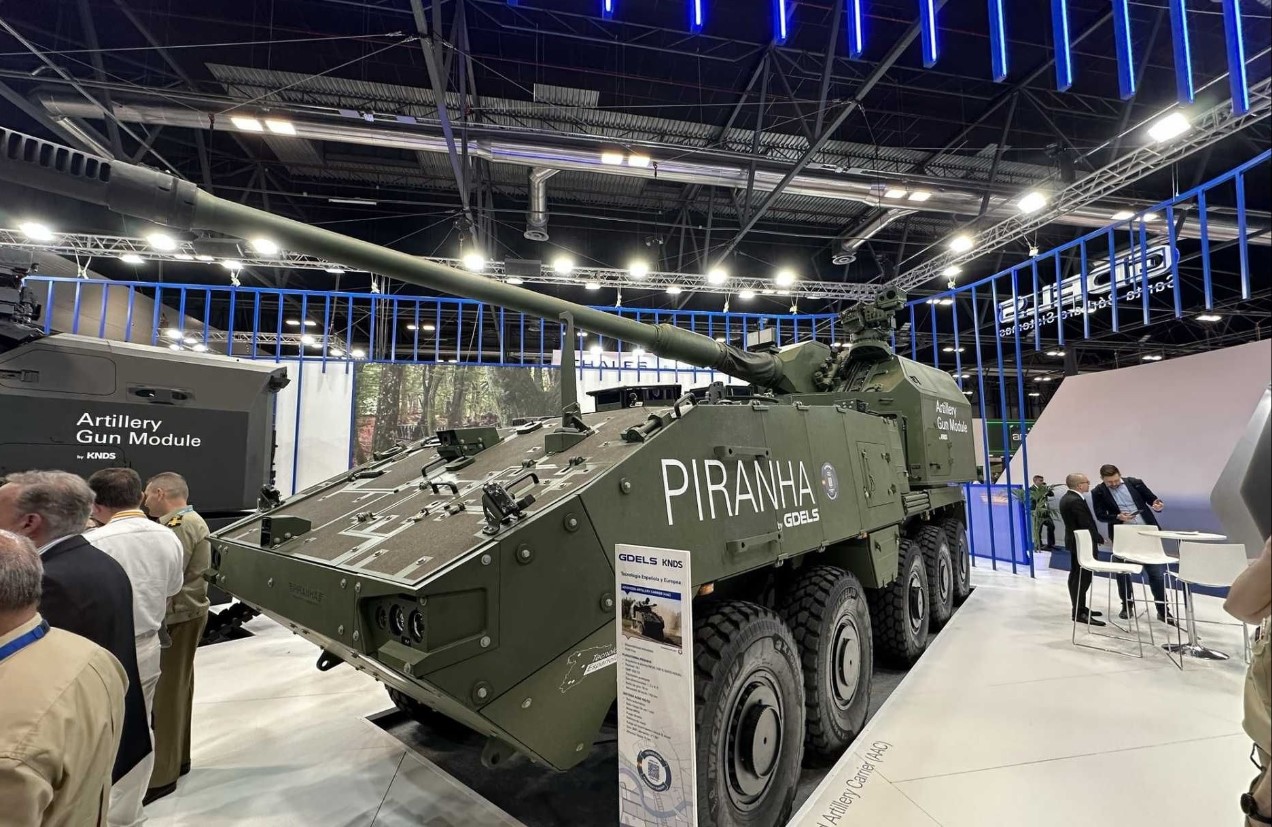
World
PARIS — May 30, 2026 : General Dynamics European Land Systems (GDELS) and KNDS Germany have partnered to develop a next-generation wheeled self-propelled artillery system that integrates the fully automated 155 mm Artillery Gun Module (AGM) onto the newly introduced PIRANHA Heavy Mission Carrier (HMC) 10x10 armored chassis. The platform, first unveiled during the Future Artillery Conference in Paris earlier this year, is designed to provide NATO and allied militaries with a highly mobile, protected, and long-range artillery capability suited to modern high-intensity warfare. The joint development comes as NATO member states and allied armed forces continue to accelerate artillery modernization efforts following lessons from recent conflicts. Modern battlefields increasingly expose artillery systems to persistent drone surveillance, counter-battery radars, loitering munitions, and precision-guided strikes, creating growing demand for platforms capable of executing rapid “shoot-and-scoot” operations while maintaining high levels of protection and operational mobility. At the center of the new artillery platform is the KNDS Artillery Gun Module (AGM), an unmanned and fully automated turret armed with a NATO-standard 155 mm/L52 cannon. The automated loading mechanism significantly reduces crew workload while enabling a high rate of fire and Multiple Rounds Simultaneous Impact (MRSI) capability, allowing multiple projectiles fired on different trajectories to strike a target simultaneously. Depending on ammunition type, the system can engage targets at ranges exceeding 40 kilometers, while extended-range and rocket-assisted projectiles can further increase engagement distance. The artillery module supports conventional ammunition, precision-guided munitions, and future long-range projectiles, while also retaining the ability to conduct both indirect and direct fire missions against moving land and maritime targets when required. The AGM is mounted on the newly introduced PIRANHA HMC 10x10 platform developed by GDELS specifically to support heavy mission payloads beyond the capability of conventional wheeled armored vehicles. The chassis incorporates a reinforced automotive structure and multi-link suspension system designed to carry heavy combat systems while preserving operational mobility across both road networks and off-road terrain. The vehicle has a gross weight of up to 40 tonnes and payload capacity of approximately 17 to 18 tonnes. The platform features five axles, four of which are steerable, allowing improved maneuverability and a turning radius of less than 18 meters despite the vehicle’s size. This mobility profile enables long-distance operational redeployment without the transport burden typically associated with tracked artillery systems. One of the system’s key engineering characteristics is its ability to fire without deploying stabilizing outriggers or vertical supports, a requirement commonly associated with many truck-mounted artillery platforms. Instead, the PIRANHA HMC chassis absorbs recoil forces directly through its structural design and suspension system. This configuration enables 360-degree firing capability while significantly reducing setup and withdrawal times during artillery missions. The absence of external stabilizers improves responsiveness and survivability by allowing artillery crews to relocate quickly after firing, reducing exposure to counter-battery attacks and surveillance systems. Automation plays a central role in the platform’s operational design. According to GDELS and KNDS, the system can be operated by a standard crew of only two personnel without restrictions, supported by advanced robotics, automated ammunition handling, and digital fire-control technologies. Space remains available for an optional third crew member or additional ammunition and mission equipment. The integrated digital architecture supports autonomous navigation, fire-control calculations, targeting, and command functions, enabling artillery formations to shorten sensor-to-shooter timelines. The system is designed to receive target information from drones, surveillance systems, radars, and battlefield management networks and rapidly execute fire missions within minutes. The PIRANHA HMC 10x10 occupies a distinct operational category between lighter wheeled artillery systems and heavier tracked self-propelled howitzers. While tracked systems often require heavy transporters for long-distance movement, the wheeled platform can rapidly redeploy using existing road infrastructure while retaining armored protection and cross-country mobility. The system is already entering procurement pathways. In November 2024, Switzerland’s procurement agency armasuisse selected the AGM mounted on the PIRANHA IV 10x10 chassis as the future backbone of the Swiss Army’s motorized artillery force, replacing aging M109 tracked self-propelled howitzers that have remained in service for more than 50 years. By leveraging the globally operated PIRANHA vehicle family, GDELS and KNDS seek to provide existing operators with commonality in logistics, maintenance, spare parts, and training infrastructure. KNDS also offers the AGM integrated onto the BOXER 8x8 platform, known as the RCH 155, alongside tracked variants, supporting interoperability and standardization across NATO artillery forces. The partnership between GDELS and KNDS Germany reflects broader European defense industrial cooperation aimed at delivering mature, scalable, and interoperable artillery systems to meet growing operational requirements. As NATO members continue to invest in long-range precision fires and protected mobile artillery, the PIRANHA HMC 10x10 AGM platform is positioned as a new option for future artillery modernization programs.
Read More → Posted on 2026-05-30 17:00:04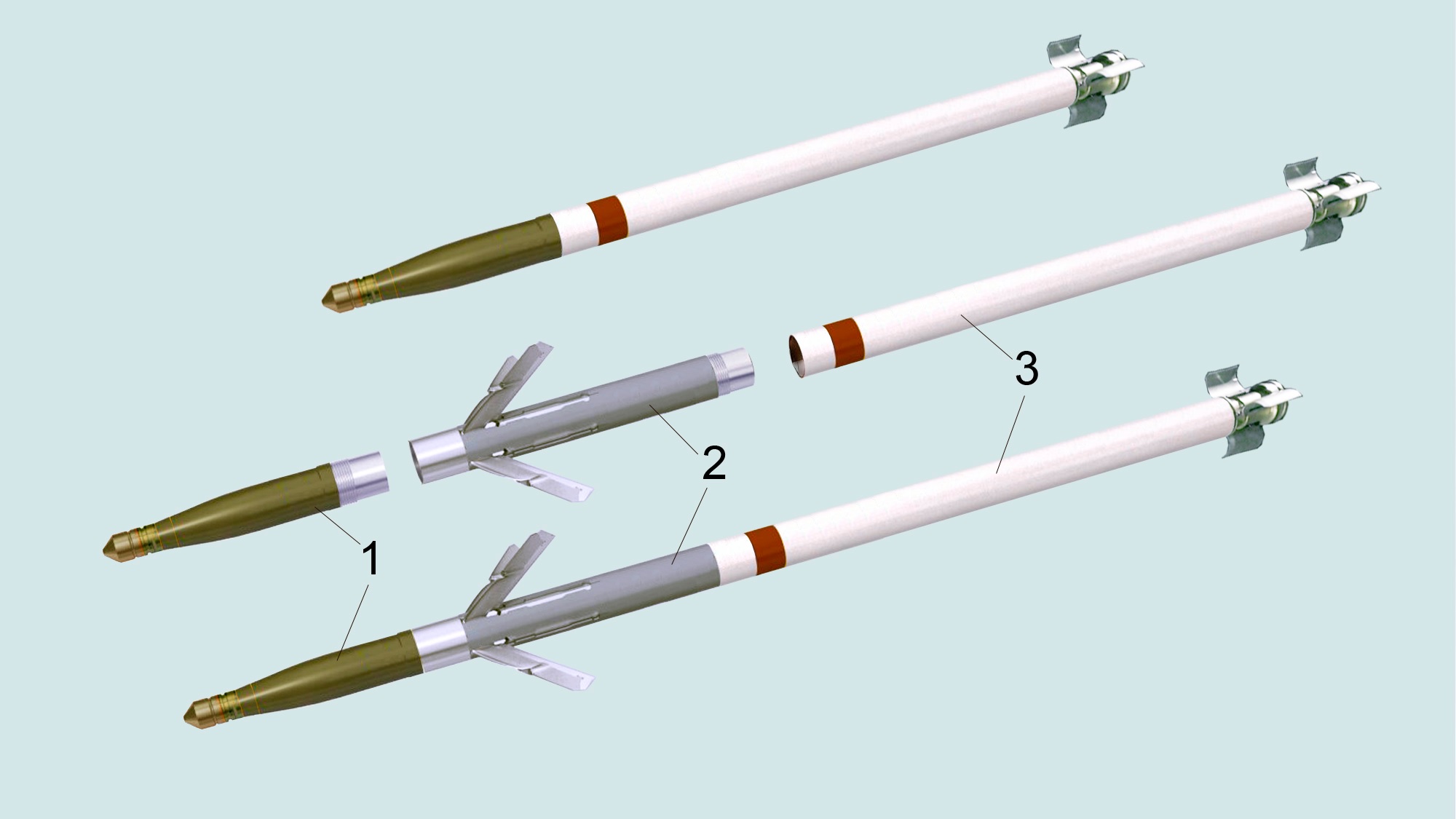
World
WASHINGTON — May 30, 2026 : The U.S. Department of Defense has awarded L3Harris Technologies a $48.5 million contract to produce proximity fuzes for the Advanced Precision Kill Weapon System (APKWS), supporting efforts to improve counter-drone and cruise missile defense capabilities. The contract was issued by the Naval Surface Warfare Center Indian Head Division and awarded to L3Harris Fuzing and Ordnance Systems in Cincinnati, Ohio. If all contract options are exercised, the agreement could reach approximately $98.4 million, with production continuing through September 2028. Funding reflects adoption across multiple military branches, with approximately 68 percent coming from U.S. Air Force ammunition procurement accounts and around 28 percent from the Navy and Marine Corps. The contract follows prototype development completed under a separate Other Transaction Agreement and was awarded directly to accelerate fielding of the capability. APKWS Adapted for Air-to-Air Drone Intercepts The APKWS is a 70-millimeter (2.75-inch) precision-guided rocket developed from the Hydra 70 rocket family. Originally designed as a low-cost precision strike weapon for ground targets, the system uses a laser-guidance kit produced by BAE Systems that converts unguided rockets into guided munitions. The upgraded proximity fuze expands the rocket’s air-to-air role. Developed using radio-frequency sensor technology from Technology Service Corporation (TSC) and integrated with an L3Harris safe-and-arm device, the fuze detonates when the rocket passes near a target rather than requiring a direct hit. This enables fragmentation to engage drones and cruise missiles more effectively, improving interception success against fast-moving or maneuvering aerial threats. Testing and Combat Use The Pentagon’s Joint Counter-Small Unmanned Aircraft Systems Office validated the fuze during testing at Yuma Proving Ground, Arizona. During evaluations, the system demonstrated a reported 100 percent effectiveness rate against Group 3 drones, which typically operate above 1,200 meters (3,940 feet) and at speeds exceeding 185 kilometers per hour (115 miles per hour). The upgraded air-to-air APKWS variant, designated AGR-20F, achieved its first combat intercepts in 2024 when U.S. Air Force F-16 aircraft operating over the Red Sea used proximity-fuzed rockets to shoot down Houthi drones. Lower-Cost Counter-Drone Capability An APKWS round costs an estimated $20,000 to $30,000, compared with roughly $400,000 for an AIM-9X Sidewinder missile, providing a lower-cost option for counter-drone operations. The system also increases aircraft magazine capacity. Because APKWS rockets use standard 70-millimeter launcher pods, an F-16 equipped with six seven-tube launchers can carry up to 42 guided rockets, offering significantly greater engagement capacity than conventional air-to-air missile loadouts. Continued Development and Wider Integration In February 2026, BAE Systems received a contract worth up to $145 million under the Fixed Wing, Air Launched, Counter-Unmanned Aircraft Systems Ordnance (FALCO) program to develop a dual-mode APKWS variant for counter-drone missions. The upgraded configuration combines laser guidance with a Long Wave Infrared (LWIR) seeker, allowing the rocket to continue tracking targets after launch and reducing the need for continuous laser designation. The Marine Corps is also integrating the air-to-air APKWS variant onto legacy F/A-18C/D Hornet aircraft under Aviation Plan 2026 to expand counter-drone capacity while preserving higher-cost missile inventories. The proximity fuze technology has additionally been adapted for ground-based defense through L3Harris’ Vehicle-Agnostic Modular Palletized ISR Rocket Equipment (VAMPIRE) system, which combines sensors and APKWS launchers into a mobile counter-drone platform. VAMPIRE systems deployed to Ukraine in 2023 have been used against Russian drone attacks using the same proximity-fuzed rocket concept.
Read More → Posted on 2026-05-30 16:12:27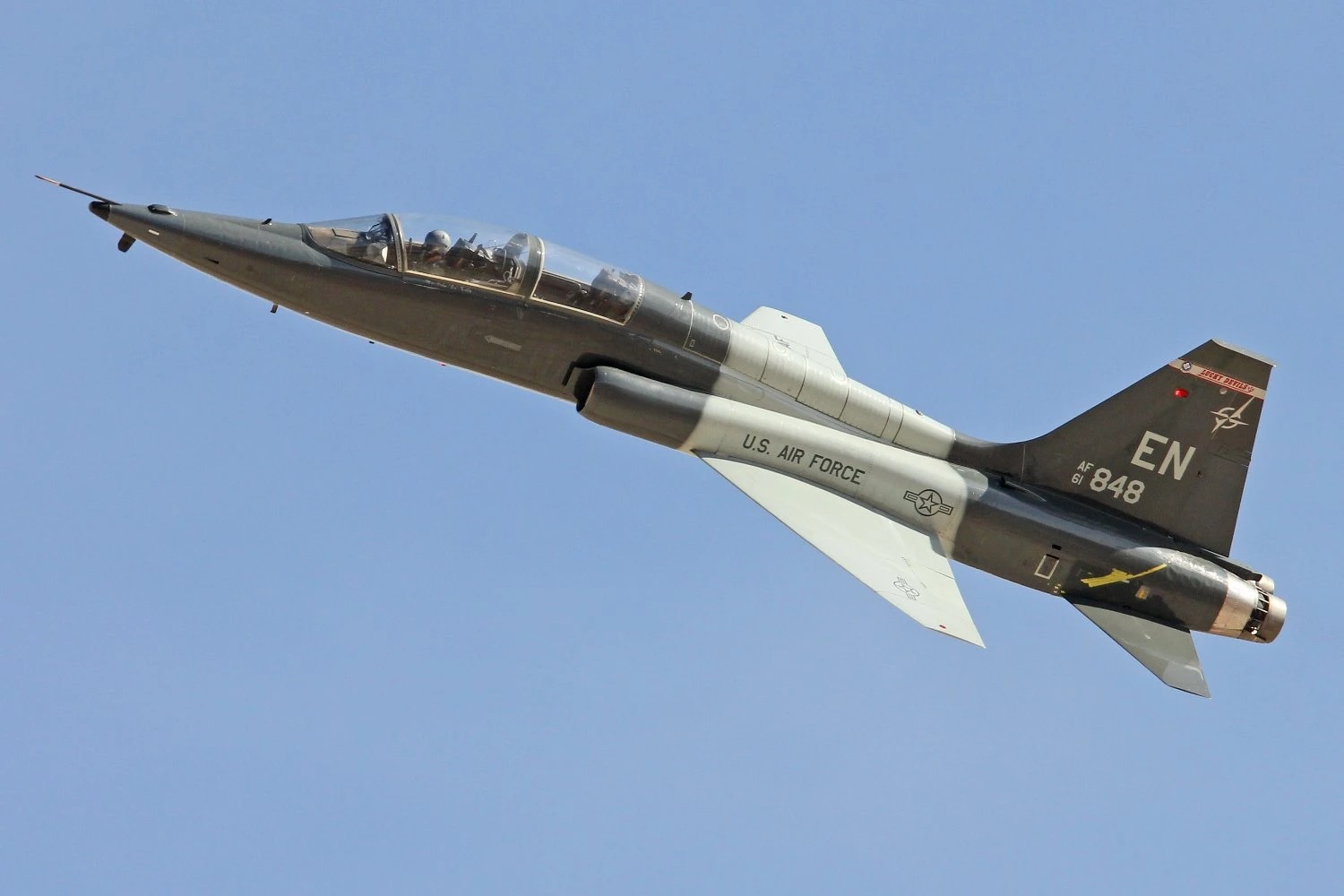
World
WASHINGTON, — May 30, 2026 : The U.S. Air Force has lifted the fleet-wide operational pause for the T-38 Talon trainer aircraft following the completion of inspection procedures developed after a training mishap involving the platform earlier this month. The pause officially ended on May 28, allowing inspected aircraft to gradually return to flying operations in the coming days. The operational stand-down was imposed on May 20 and affected approximately 546 T-38 aircraft assigned across four major Air Force commands: Air Education and Training Command (AETC), Air Combat Command (ACC), Air Force Materiel Command (AFMC), and Air Force Global Strike Command (AFGSC). The measure was introduced after a May 12 crash involving a T-38 assigned to Columbus Air Force Base in Mississippi, with the Air Force temporarily suspending operations to support safety assessments and engineering reviews. According to the Air Force, collaborative engineering and maintenance teams across the joint force finalized detailed inspection procedures to ensure aircraft safety before returning individual airframes to service. Aircraft that complete mandatory inspections and any required maintenance are expected to resume flying incrementally, while affected commands continue efforts to minimize disruptions to training pipelines, operations, and readiness. The May 12 mishap occurred at approximately 12:00 p.m. during a routine training mission involving a T-38 assigned to the 14th Flying Training Wing at Columbus Air Force Base, which operates under AETC’s 19th Air Force. The aircraft crashed in rural Lamar County, Alabama, near the Mississippi border. Both crew members ejected safely, and no fatalities or serious injuries were reported. A Safety Investigation Board continues to examine the cause of the incident, with the operational pause initially intended to allow investigators to locate and assess evidence from the crash site. During the temporary grounding, aircrews and student pilots across affected commands increased simulator-based training to maintain operational proficiency and meet flight currency requirements. The pause also affected international training activities, temporarily halting flying operations for Canadian pilots participating in fighter lead-in training through the Euro-NATO Joint Jet Pilot Training (ENJJPT) program at Sheppard Air Force Base in Texas. The T-38 Talon, a twin-engine supersonic trainer designed and produced by Northrop Corporation, entered service with the U.S. Air Force in 1961 and became the world’s first supersonic trainer aircraft. More than 70,000 Air Force pilots have trained on the platform since its introduction. Nearly 1,200 aircraft were produced between 1961 and 1972, with approximately 500 remaining in operational service today. Beyond AETC training duties, the aircraft is also used by ACC for fighter lead-in training, AFGSC for bomber pilot preparation, and NASA as a proficiency and companion trainer for astronauts. Columbus Air Force Base has experienced previous T-38-related incidents in recent years. In November 2022, a T-38C crashed roughly 20 miles from the installation, with the pilot ejecting safely and sustaining non-life-threatening injuries. Two weeks later, another T-38C experienced an in-flight emergency that resulted in a gear-up landing. As the Air Force works to sustain pilot training capacity, it is continuing the transition toward the Boeing-Saab T-7A Red Hawk, the planned replacement for the aging T-38 fleet. In April 2026, the service approved low-rate initial production after the program achieved Milestone C and placed an initial order for 14 aircraft valued at $219 million. Initial Operational Capability for the T-7A remains scheduled for 2027, with procurement plans calling for 23 aircraft in fiscal year 2027, followed by 36 in 2028 and 42 in 2029. The aircraft is intended to prepare pilots for fourth- and fifth-generation combat platforms, including the F-15EX, F-35A, F-22, B-21 Raider, and future systems such as the F-47.
Read More → Posted on 2026-05-30 15:55:48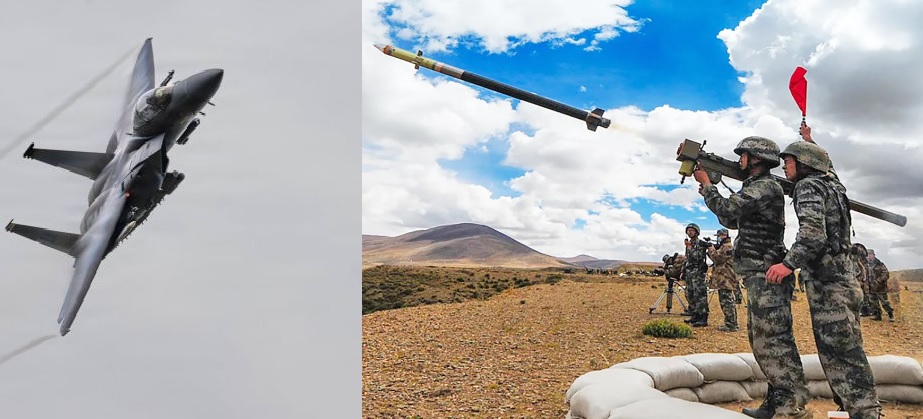
World
WASHINGTON, — May 30, 2026 : U.S. intelligence and defense officials are investigating the April downing of an American F-15E Strike Eagle over southwestern Iran after evidence indicated the aircraft was likely struck by a Chinese-manufactured shoulder-launched missile system, according to officials familiar with the matter. The incident, which occurred on April 3 in Iran’s Kohgiluyeh and Boyer-Ahmad province, marked the first known combat loss of a U.S. crewed aircraft during the recent conflict and the first time in decades that a U.S. fighter jet was reportedly brought down by hostile enemy fire. U.S. officials believe the aircraft was likely hit while operating at lower altitude during combat operations. Rescue Operation After Shootdown Both crew members aboard the F-15E successfully ejected after the strike and established communication using onboard systems following the aircraft’s loss. According to Pentagon officials, the pilot was rescued within several hours during an initial recovery mission. During that operation, Iranian forces struck a U.S. Black Hawk helicopter involved in the rescue effort, wounding crew members, although the helicopter remained operational and was able to continue flying. The weapons systems officer avoided capture after taking cover in the foothills of the Zagros Mountains. U.S. forces recovered the officer alive on April 5 during a nighttime combat search-and-rescue mission involving dozens of aircraft, specialized commando personnel, and extensive air cover. Suspected Chinese-Made Missile Under Investigation U.S. intelligence agencies are investigating indications that the F-15E was struck by a Chinese-manufactured man-portable air defense system (MANPADS), a shoulder-fired missile designed to target low-flying aircraft. Such systems are typically around seven feet long, weigh approximately 40 pounds, and are designed to engage helicopters and fixed-wing aircraft operating at lower altitudes. Officials have not determined whether the suspected missile system was recently transferred to Iran or drawn from military stockpiles acquired years earlier. Investigators have not reached a final conclusion regarding the specific weapon involved, and intelligence reviews remain ongoing. Questions Over Chinese Radar Support In addition to the missile investigation, U.S. officials are examining whether China supplied Iran with a YLC-8B UHF-band long-range early-warning radar system capable of detecting low-observable aircraft. Developed by China’s Nanjing Research Institute of Electronics Technology, the YLC-8B is designed to detect targets with a radar cross-section of roughly one square meter at ranges between 270 and 330 kilometers and may track aircraft beyond 200 kilometers under certain conditions. The radar operates in the UHF frequency band, which analysts say can reduce the effectiveness of radar-absorbent materials commonly used on stealth aircraft. Defense analysts note that such systems could strengthen Iran’s layered air-defense architecture by improving long-range detection capabilities against advanced aircraft, including the F-35 Lightning II and B-2 Spirit. The system is also designed for rapid deployment and dismantling, reportedly requiring less than 30 minutes to become operational or relocated. However, U.S. intelligence agencies have not confirmed whether the radar was fielded or operational during the recent conflict. U.S. Assessment and Chinese Response A U.S. official familiar with the matter said Washington remains aware of Chinese support to Iran but assessed that such assistance “was not significant” and had “no decisive operational impact” on the overall course of hostilities. Military planners and intelligence analysts continue reviewing operational data from the shootdown to evaluate how foreign-made missile systems, sensor networks, and defense supply chains could influence future U.S. aerial operations and regional military planning. China’s embassy in Washington rejected allegations of direct involvement, stating that Beijing exercises strict oversight of military exports, complies with international obligations, and acts responsibly in defense-related cooperation. Chinese officials described claims surrounding assistance to Iran as unfounded. Broader Concerns Over Chinese Support to Iran The investigation comes amid wider scrutiny of alleged Chinese support to Tehran during the conflict. Earlier, the U.S. State Department imposed sanctions on three Chinese satellite companies — The Earth Eye, Meentropy Technology (Hangzhou), and Chang Guang Satellite Technology — accusing them of providing imagery and geospatial intelligence that enabled Iranian forces to identify and monitor American military facilities during Operation Epic Fury. The sanctions formed part of a broader package targeting 11 entities and three individuals in Iran, China, Belarus, and the United Arab Emirates. Beijing rejected those allegations. The incident also adds complexity to U.S.-China relations as the Trump administration continues diplomatic efforts related to ceasefire negotiations with Iran while preparing for discussions with Chinese leadership. Previous U.S. intelligence assessments cited by media reports suggested China had explored supplying additional air-defense systems to Tehran, while some officials believed portions of that intelligence were publicly disclosed to expose or discourage such transfers.
Read More → Posted on 2026-05-30 15:46:45
World
WARSAW — May 30, 2026 : Poland has finalized a major package of defense procurement contracts valued at 60 billion PLN (approximately €14.18 billion) with domestic manufacturer Huta Stalowa Wola (HSW), financed through the European Union’s Security Action for Europe (SAFE) initiative. The SAFE mechanism, valued at €150 billion, is intended to help European Union member states modernize military capabilities through defense-related financing. The contracts were expedited by Poland’s Armaments Agency ahead of the May 2026 deadline for signing unilateral procurement agreements under the SAFE framework. Under the terms of the agreements, all contracted equipment is scheduled for delivery to the Polish Armed Forces by 2030, supporting Warsaw’s ongoing ground force modernization program. Expansion of the Borsuk Infantry Fighting Vehicle Program A central element of the procurement package is an executive order for 146 additional Borsuk Infantry Fighting Vehicles (IFVs), valued at approximately 7.5 billion PLN ($2.07 billion). The contract follows an earlier March 2025 agreement worth 6.6 billion PLN for 111 vehicles, increasing Poland’s confirmed Borsuk orders to 257 units. The current acquisition package is expected to equip four mechanized infantry battalions, while 25 vehicles will be reserved for training purposes. The procurement also forms part of a broader framework agreement signed in 2023, covering the potential acquisition of nearly 1,400 tracked vehicles built on the Universal Modular Tracked Platform. Developed domestically to replace Soviet-era BMP-1 infantry fighting vehicles, the Borsuk weighs 28 metric tons and carries a crew of three alongside six infantry troops. The platform is powered by an MTU 8V199 turbo diesel engine and retains an open-water amphibious crossing capability, allowing mobility across rivers and water obstacles. The vehicle is equipped with the ZSSW-30 unmanned turret, jointly developed by HSW and WB Group. The system integrates a 30mm Mk44S Bushmaster II autocannon alongside two Spike-LR anti-tank guided missiles, providing anti-armor and infantry support capabilities. To meet expected production requirements, HSW introduced a dual-shift manufacturing model in the third quarter of 2025 and is targeting an output capacity of approximately 100 Borsuk vehicles annually by mid-2026. Artillery, Mortars, and Support Systems Beyond the Borsuk procurement, the 60 billion PLN package includes a broad range of artillery systems and supporting equipment manufactured by HSW. The agreements include 96 AHS Krab 155mm self-propelled howitzers, intended to form four Regina modular artillery battalions. The Krab system combines a modified South Korean K9 Thunder chassis with a turret derived from the British AS-90M Braveheart design and can fire extended-range projectiles at distances of up to approximately 40 kilometers. Poland has also approved procurement of more than 1,000 support vehicles for the Homar-K multiple launch rocket system (MLRS) fleet. The Homar-K is Poland’s domestically integrated variant of the South Korean K239 Chunmoo system, mounted on Jelcz 8×8 vehicles and designed to provide long-range rocket artillery capabilities. Additional support vehicles will be acquired for six K9PL-equipped artillery battalions, complementing Poland’s wider artillery modernization effort under the K9 program. Further contracts include 64 RAK-120 self-propelled mortars, accompanied by support vehicles for eight mortar companies. The 120mm mortar system, mounted on the Rosomak armored platform, is capable of delivering rapid indirect fire support. The procurement package additionally covers 11 Bobak-K mine-laying systems, dozens of Waran armored personnel carriers designated for artillery support roles, and refinancing arrangements for existing Rosomak wheeled armored vehicles integrated with the ZSSW-30 turret, shifting those contracts under the SAFE financing structure rather than creating new procurement orders. Poland’s SAFE Financing and Domestic Industrial Policy Poland has emerged as the largest beneficiary of the EU SAFE initiative, securing approximately €43.7 billion (around 190 billion PLN) in defense-related loans. Warsaw has directed that roughly 90 percent of SAFE funding be spent domestically, supporting the national defense industry and an estimated 10,000 companies across Poland’s supply chain network. HSW, a subsidiary of the state-owned Polska Grupa Zbrojeniowa (PGZ) defense group, is expected to play a central role in delivering the systems covered by the agreements. The acquisitions are intended to strengthen Poland’s broader military modernization effort by improving integration between mechanized infantry, armored formations, artillery systems, and battlefield support capabilities, complementing recently acquired platforms including K2 main battle tanks, HIMARS launchers, Homar-K systems, and K9PL self-propelled artillery.
Read More → Posted on 2026-05-30 15:17:46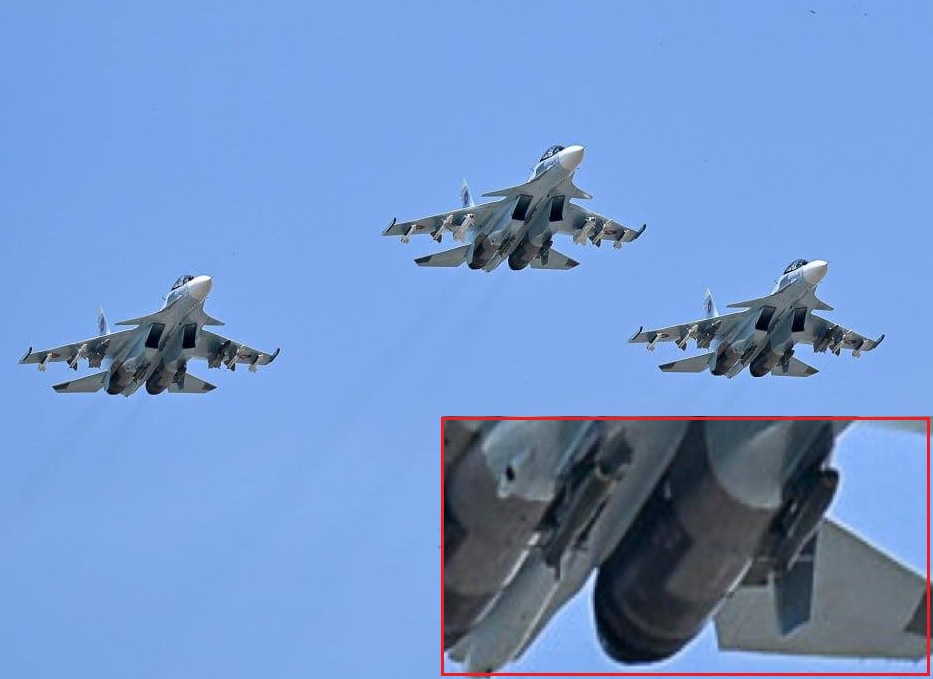
World
YEREVAN, — May 30, 2026 : Armenia’s Air Force publicly displayed Iranian-made Yasin precision-guided glide bombs mounted on its Sukhoi Su-30SM multirole fighters during Republic Day celebrations in Yerevan on May 28, providing the clearest public indication to date of previously undisclosed military procurement cooperation between Armenia and Iran. All three operational Su-30SM fighters flew over Republic Square carrying two Yasin glide bombs each on external hardpoints, marking the first public appearance of Armenian Su-30SM aircraft equipped with precision-guided air-to-ground munitions. The display indicates that Armenia has successfully integrated Iranian-origin strike weapons onto Russian-built aircraft that were originally delivered without a complete weapons package. Armenia’s Su-30SM Procurement and Weapons Gap Armenia signed a contract with Russia in January 2019 to procure four Su-30SM multirole fighters for approximately $120 million, with deliveries completed by May 2020. However, the aircraft arrived without primary medium- or long-range guided munitions, significantly limiting their operational utility and restricting their role as strategic deterrence platforms. The absence of compatible weapons became a subject of political scrutiny after the 2020 Nagorno-Karabakh war. Former Chief of the Armenian General Staff Movses Hakobyan stated in November 2020 that Armenia had acquired the aircraft without Su-30SM-compatible air-to-air missiles, citing Russian export restrictions. He argued that the procurement process had failed to secure the weapons necessary to make the aircraft combat-ready. Prime Minister Nikol Pashinyan later acknowledged in March 2021 that Armenia had received the aircraft but had not acquired missiles before the war. As a result, the fighters were not employed in combat operations during the conflict and were subsequently used mainly for pilot training, ceremonial flights and limited operational duties. The Republic Day flyover carrying Yasin munitions represents the first public demonstration of Armenia’s Su-30SM fleet equipped with serviceable precision-guided strike ordnance. Yasin Glide Bomb: Technical Characteristics and Strike Role The Yasin glide bomb, officially unveiled by Iran in 2019, is a precision-guided standoff munition developed for air-to-ground strike operations. The weapon is generally configured with either a 225-kilogram (500-pound) or larger warhead and uses deployable folding wings to extend engagement range after release. The munition combines an internal inertial navigation system (INS) with satellite-assisted guidance capable of using navigation systems such as GPS, GLONASS and BeiDou. According to technical assessments, this enables precision targeting with a reported circular error probable (CEP) below 10 meters. Iranian state-linked sources have cited an engagement range of up to 120 kilometers under favorable launch conditions. However, independent analysts and assessments based on launch altitude and aircraft performance estimate a more realistic operational range of approximately 50–60 kilometers when released from high altitude at speed. The glide bomb converts altitude-derived energy into extended flight distance after release, allowing aircraft to strike targets while remaining outside the immediate engagement envelope of many short-range air defense systems. This capability provides Armenia with a limited standoff strike option against forward military positions, logistics hubs and command infrastructure. Integration Challenges Between Russian Aircraft and Iranian Weapons Defense analysts assess that integrating Iranian-made Yasin glide bombs onto Russian-built Su-30SM aircraft likely required technical modifications because the two systems do not share common native electronic communication protocols. One likely integration method involves an autonomous pre-briefed targeting mode, in which target coordinates are programmed into the bomb’s onboard guidance system before takeoff. Under this arrangement, pilots manually release the munition from a designated launch point while onboard systems independently guide the weapon to its programmed target. A second possible approach involves the use of an umbilical translation interface, a hardware adapter installed between the aircraft and munition that converts the Su-30SM’s release signals into commands compatible with the Iranian weapon. Both approaches carry operational limitations. Since targeting data is generally uploaded before flight, pilots may be unable to update coordinates in real time if a target changes position after takeoff, reducing flexibility against dynamic battlefield targets. Armenia’s Expanding Defense Diversification Strategy The public appearance of Iranian glide bombs on Armenian aircraft reflects a broader shift in Yerevan’s defense procurement policy following supply delays and restrictions affecting military cooperation with Russia. Between 2011 and 2020, Russia accounted for approximately 94 percent of Armenia’s major arms imports. That dependence has declined since the 2020 Nagorno-Karabakh conflict as Armenia accelerated efforts to diversify military suppliers. Defense spending increased substantially between 2020 and 2025, reaching approximately $1.7 billion, while total procurement programs are estimated at around $2.5 billion. India has emerged as Armenia’s largest new defense supplier, with acquisitions including ATAGS towed artillery systems, MArG self-propelled artillery, Pinaka multiple-launch rocket systems, Akash surface-to-air missile systems, anti-drone technologies, Konkurs-M anti-tank missiles and ammunition. Armenia and India also signed agreements covering military training and institutional cooperation. France has expanded military ties with Armenia through artillery transfers, defense cooperation agreements, training programs and planned deliveries of Mistral short-range air defense systems. Armenia has additionally signed defense cooperation arrangements with the Czech Republic, though specific procurement details remain undisclosed. Iran has increasingly been viewed as a practical logistics and procurement partner due to Armenia’s geographic constraints. With borders closed by Azerbaijan and Turkey, Iran and Georgia remain Armenia’s primary overland transportation corridors for military deliveries. Strategic Significance of the Republic Day Display The Republic Day flyover represents the clearest public evidence to date that Armenia has secured a practical air-to-ground precision strike capability for its Su-30SM fleet through alternative procurement channels outside the original Russian supply framework. The display also resolves longstanding questions surrounding how Armenia intended to arm aircraft that had remained operationally constrained since delivery. Neither Armenia’s Ministry of Defense nor Iranian authorities have publicly confirmed the apparent transfer, procurement quantity or financial terms associated with the Yasin glide bombs. Armenia currently operates three of the four Su-30SM aircraft originally acquired from Russia. The Republic Day appearance carrying Iranian-made Yasin glide bombs marks the first confirmed public indication that the fleet has moved beyond training and ceremonial use toward an operational standoff strike role.
Read More → Posted on 2026-05-30 14:47:20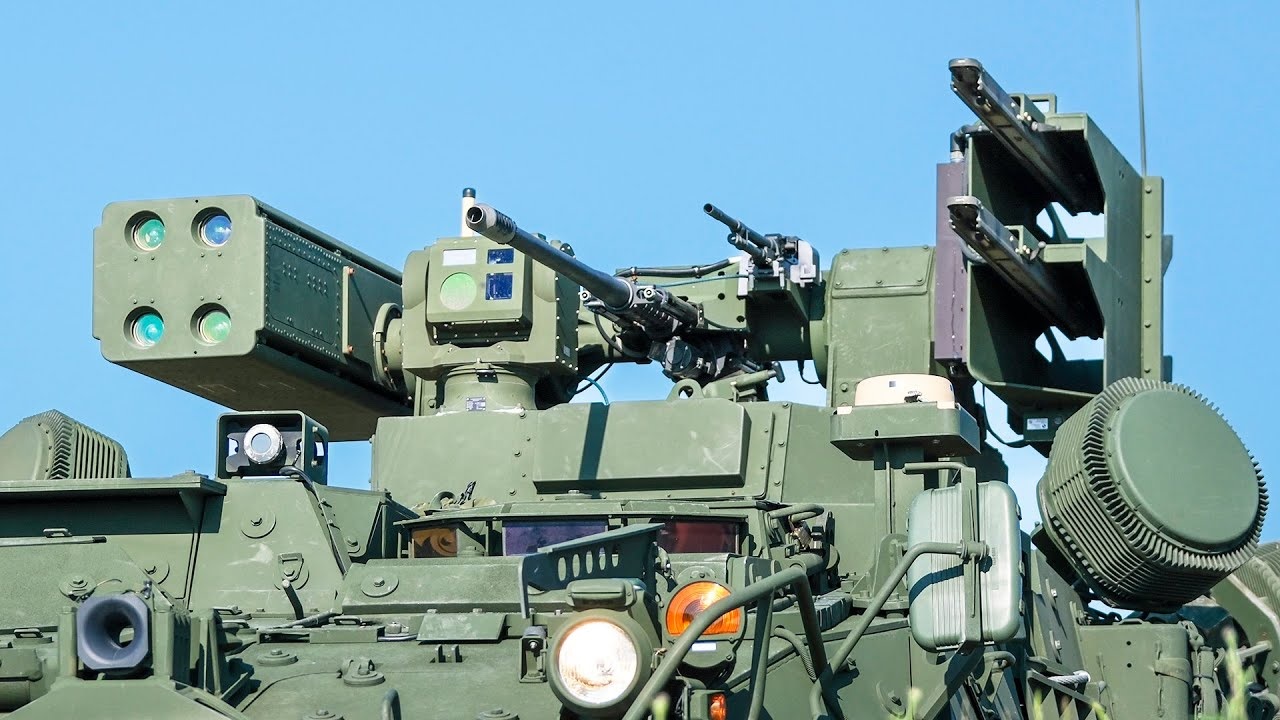
World
WASHINGTON — May 30, 2026 : The U.S. Army is seeking $461 million for its Maneuver Short-Range Air Defense (M-SHORAD) program in the fiscal year 2027 budget, a significant increase from the $296 million allocated in the previous fiscal year, as the service continues efforts to rebuild short-range air defense capabilities reduced during the post-Cold War period and years of counterinsurgency operations. The funding request reflects a broader modernization effort to strengthen protection for ground forces against an expanding range of aerial threats, including unmanned aircraft systems (UAS), rotary-wing aircraft, cruise threats, and conventional fixed-wing platforms. Army planners have divided the investment into three parallel priorities: developing a next-generation interceptor missile, advancing directed energy air defense systems, and expanding short-range protection to light and airborne formations through modular platforms. Rebuilding Short-Range Air Defense Capability The Army’s renewed focus on short-range air defense follows force structure reductions made in the early 2000s, when air defense formations were downsized to support operations in Iraq and Afghanistan, where hostile air threats were largely absent. By the mid-2000s, the Army had reduced active short-range air defense capability to two active-component battalions alongside selected National Guard units. Recent conflicts, particularly the war in Ukraine, have prompted a reassessment of those decisions. The widespread use of drones against armored vehicles, logistics convoys, and fixed positions has highlighted the need for mobile air defense systems capable of moving alongside maneuver forces and protecting frontline formations from persistent low-altitude threats. SGT Stout Forms the Core of Current Capability The Army’s current M-SHORAD capability is built around the SGT Stout, a modified Stryker A1 armored vehicle formally named in honor of Sgt. Mitchell Stout, a Medal of Honor recipient killed during the Vietnam War. Designed to accompany brigade combat teams, the platform combines mobility with layered air defense capability through a Mission Equipment Package developed by Leonardo DRS. The system integrates multiple weapons designed to counter varying threat profiles. These include FIM-92 Stinger surface-to-air missiles for short-range engagements, AGM-114L Longbow Hellfire missiles adapted for aerial targets, an XM914 30mm automatic cannon for drones and close-range threats, an M240 7.62mm machine gun for secondary protection, and a Ku-band 360-degree radar system for target detection and tracking. $215 Million for Next Generation Short Range Interceptor The largest share of the FY2027 request, approximately $215 million, is allocated to the Next Generation Short Range Interceptor (NGSRI) program, which is intended to replace the legacy Stinger missile introduced during the 1980s. Army officials view the replacement as necessary because the Stinger’s single-mode infrared seeker, limited engagement range, and smaller warhead present challenges against modern aerial threats, particularly maneuverable drones with reduced thermal signatures and swarm tactics. Lockheed Martin and Raytheon are developing competing interceptor systems featuring multi-mode seekers, advanced signal processing, and increased engagement ranges. In May 2026, Lockheed Martin completed a seeker characterization flight test for its QuadStar missile at White Sands Missile Range, while Raytheon has reported multiple successful subsystem demonstrations. Although the Army is targeting production by 2028, a June 2025 report from the Government Accountability Office (GAO) identified seven immature critical technologies within the program that could affect development timelines. $95 Million for Directed Energy Air Defense The FY2027 request also includes approximately $95 million for upgrades to the Directed Energy M-SHORAD (DE M-SHORAD) system, which replaces traditional kinetic interceptors with a 50-kilowatt high-energy laser. Raytheon, which received a $123 million development contract in 2021, delivered initial prototypes to the Army in 2023. During live-fire testing at Yuma Proving Ground, Arizona, the laser-equipped platform successfully engaged Group 1 through Group 3 unmanned aircraft. Army officials consider the system’s primary advantage to be lower engagement costs and increased magazine depth, as laser engagements do not require physical missile reloads and significantly reduce per-shot costs. FY2027 funding will focus on broadening the laser system’s target set to include helicopters, rockets, artillery, and mortar threats while improving performance based on operational feedback. $108 Million for Air Defense of Light Forces The remaining $108 million is allocated to M-SHORAD Increment 4, a program intended to provide air defense capability to light and airborne formations, including units such as the 101st Airborne Division. Army officials have stated that Stryker-mounted systems are not optimized for airborne insertions or expeditionary missions involving light infantry formations. To address the requirement, the Army is developing a modular palletized or “sled” system capable of integration with lighter platforms, including the Joint Light Tactical Vehicle (JLTV), Infantry Squad Vehicle (ISV), Humvee, and commercial pickup trucks. According to Army requirements outlined in a November 2025 Request for Information (RFI), the system must be transportable aboard a C-130 aircraft and support dismounted maneuver operations. The Army is targeting an initial operational capability for fiscal year 2029. Expanding Air Defense Across the Force The FY2027 budget request reflects a broader Army effort to restore short-range air defense as an organic capability integrated across multiple force structures. By pursuing interceptor modernization, directed energy systems, and mobile air defense solutions for light formations simultaneously, the Army aims to ensure both armored brigades and expeditionary units maintain protection against increasingly diverse aerial threats.
Read More → Posted on 2026-05-30 14:35:53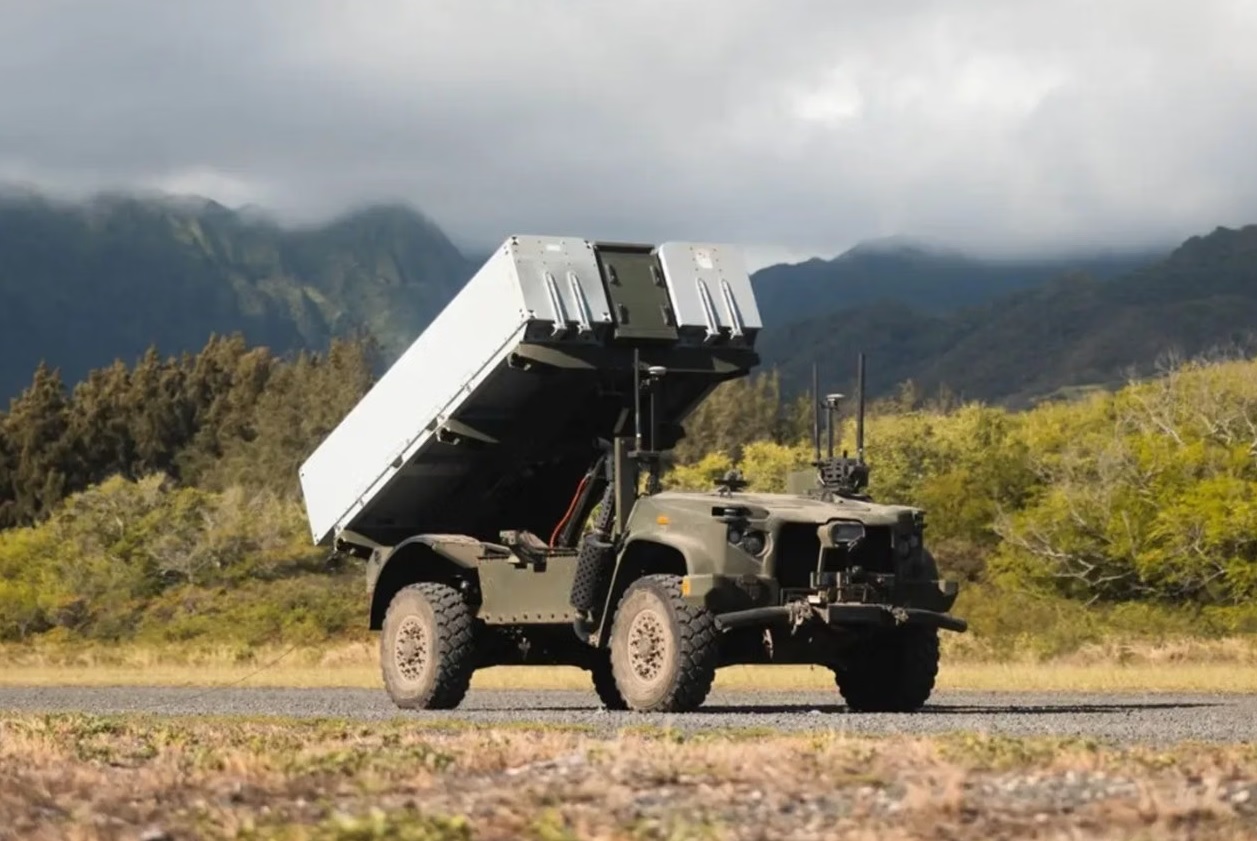
World
OSHKOSH, Wis. — May 30, 2026 : The U.S. Marine Corps has awarded Oshkosh Defense a $70.6 million contract for the production of additional Remotely Operated Ground Unit for Expeditionary Fires (ROGUE-Fires) carriers, extending procurement of the unmanned launch platform central to the Navy/Marine Expeditionary Ship Interdiction System (NMESIS). The award, announced on May 30, 2026, was issued by Marine Corps Systems Command (MARCORSYSCOM) on a sole-source basis and funded through Fiscal Year 2025 and Fiscal Year 2026 Marine Corps procurement appropriations. Under the contract, Oshkosh Defense will continue production of ROGUE-Fires vehicles through September 2028. While the exact number of launch platforms included in the award has not been publicly disclosed, production will primarily take place in Oshkosh, Wisconsin, with additional supporting work conducted in Virginia, Maryland, and Pennsylvania. The procurement reflects continued Marine Corps investment in unmanned long-range strike systems intended to support distributed maritime operations in contested environments. Contract Supports Expansion of NMESIS Capability ROGUE-Fires serves as the launch platform for NMESIS, a ground-based maritime strike system designed to provide the Marine Corps with a remotely operated anti-ship capability. The system combines the Naval Strike Missile (NSM) with an unmanned mobile launcher, enabling Marines to engage hostile surface vessels from dispersed coastal positions while minimizing direct exposure of personnel to enemy fire. The continued procurement of additional carriers supports the Marine Corps’ broader transition toward distributed anti-access and area-denial operations, particularly in maritime regions where mobile and survivable missile forces are considered essential. By relying on unmanned launch vehicles, the Marine Corps aims to establish harder-to-target expeditionary strike networks capable of operating inside contested areas while rapidly relocating after launch. ROGUE-Fires Built on JLTV Platform The ROGUE-Fires carrier is derived from Oshkosh Defense’s Joint Light Tactical Vehicle (JLTV), adapting an existing tactical platform into an autonomous launch system capable of operating without an onboard crew. The vehicle retains the JLTV’s independent suspension, expeditionary mobility, and off-road performance while integrating robotic control systems and remote-driving technologies. Autonomous architecture for the vehicle has been developed in partnership with Forterra, a company specializing in autonomous ground mobility systems. Demonstrated configurations incorporate autonomous navigation capabilities, secure communications, and launcher assemblies capable of carrying two ready-to-fire Naval Strike Missiles. The system is intended to operate across austere terrain and expeditionary environments where conventional missile systems may face deployment limitations. Naval Strike Missile Provides Long-Range Precision Fires At the center of NMESIS is the Naval Strike Missile, a fifth-generation anti-ship missile developed by Kongsberg Defence & Aerospace and integrated for U.S. production through Raytheon. The missile has a range exceeding 185 kilometers and is designed to strike hostile surface combatants operating in contested maritime environments. The NSM employs a sea-skimming flight profile, imaging infrared seeker, autonomous target-recognition capability, and terrain-reference navigation. Unlike missile systems dependent primarily on radar guidance, the NSM is designed to maintain effectiveness in environments where electronic warfare or electromagnetic disruption may degrade conventional targeting systems. Role in Marine Corps Expeditionary Strategy The procurement of additional ROGUE-Fires carriers is closely linked to the Marine Corps’ Expeditionary Advanced Base Operations (EABO) concept. Under this operational framework, small Marine units deploy across islands and coastal regions to establish temporary firing positions capable of controlling maritime chokepoints and strategic sea lanes. The concept emphasizes mobility, survivability, and rapid repositioning. Following missile launches, NMESIS-equipped units are expected to relocate quickly to reduce vulnerability to enemy surveillance and counterfire systems. In geographically fragmented operating areas such as the Indo-Pacific, dispersed launch positions could establish overlapping anti-ship engagement zones intended to complicate hostile naval movement. Marine Corps planners view the system as an important component of maritime denial operations, particularly in regions where adversary naval and missile forces continue to expand. Operational Testing and Exercise Integration The Marine Corps has tested NMESIS during multiple operational demonstrations and large-scale exercises across the Pacific. Previous exercises, including Sink at Sea Live Fire Training Exercises (SINKEX) in Hawaii and broader maritime strike demonstrations, validated the system’s ability to conduct engagements using targeting data received from external platforms. Testing confirmed that NMESIS can receive targeting information from aircraft, naval vessels, intelligence systems, and networked sensors, enabling missile launches beyond the direct line of sight of the launch platform. Earlier demonstrations also marked one of the first operational uses of an unmanned, ground-based anti-ship missile system within U.S. military service. Industrial Cooperation and Program Structure The NMESIS program relies on cooperation among several defense companies supporting different aspects of the system. Oshkosh Defense manufactures the launch platform, Forterra provides autonomous driving technologies, Kongsberg supplies the Naval Strike Missile, and Raytheon supports U.S.-based missile production and integration. Oshkosh Defense recently showcased the ROGUE-Fires platform during the Modern Day Marine 2026 exposition in Washington, D.C., highlighting its role in supporting distributed maritime operations and expeditionary precision fires. The latest $70.6 million contract reflects the Marine Corps’ continued effort to expand distributed precision-strike networks and unmanned expeditionary capabilities. As the service advances force modernization efforts, additional ROGUE-Fires carriers are expected to strengthen the operational reach of Marine Littoral Regiments and broader maritime deterrence requirements in contested regions, particularly across the Indo-Pacific.
Read More → Posted on 2026-05-30 14:20:27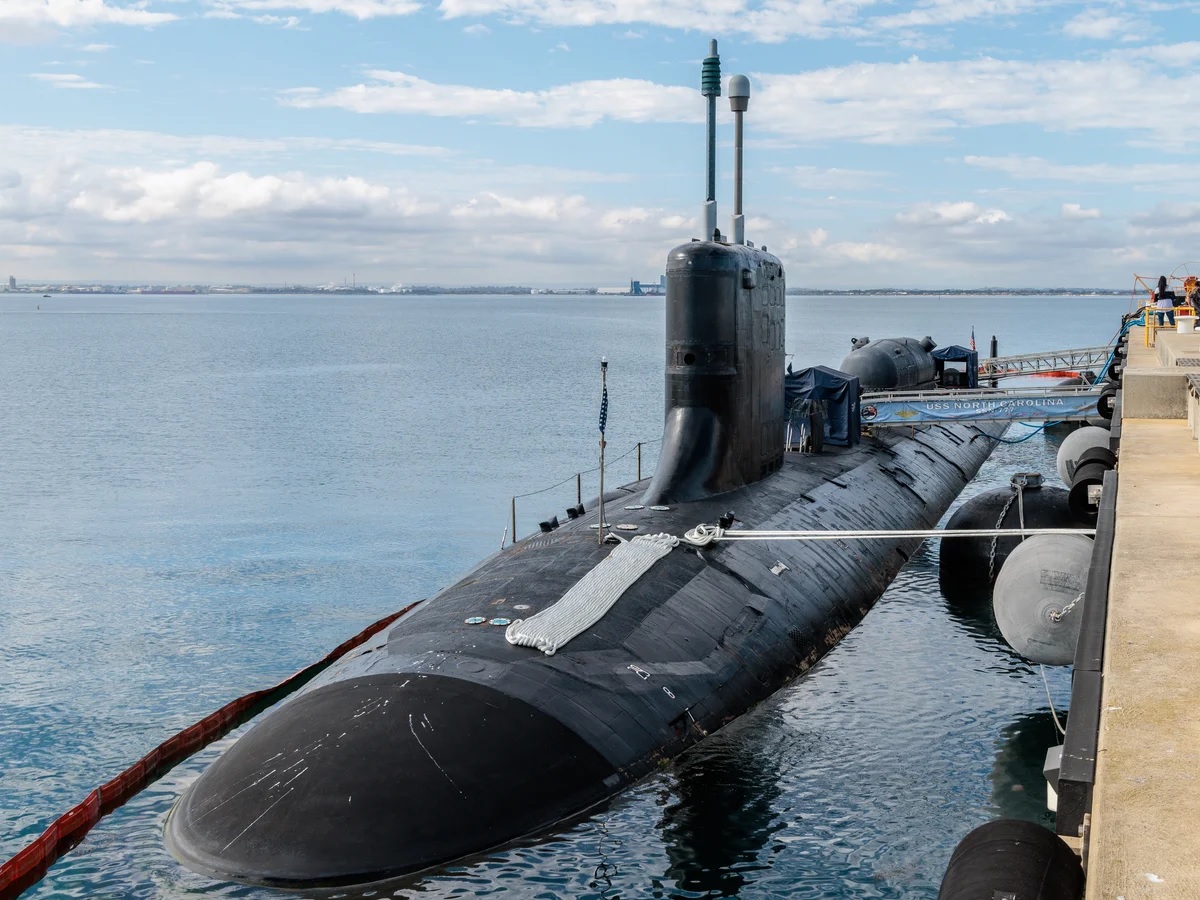
World
SINGAPORE — May 30, 2026 : Defence ministers from Australia, the United States and the United Kingdom met on the sidelines of the Shangri-La Dialogue security summit in Singapore on Saturday to finalise next steps in the AUKUS trilateral security partnership, confirming that AUKUS Pillar I remains on schedule while announcing new cooperation measures on submarine operations, industrial coordination and uncrewed maritime technologies. Australian Deputy Prime Minister and Minister for Defence Richard Marles, U.S. Secretary of Defense Pete Hegseth and UK Defence Secretary John Healey reaffirmed their commitment to AUKUS, describing continued progress toward Australia’s acquisition of conventionally armed, nuclear-powered submarines and the strengthening of trilateral defence cooperation across the Indo-Pacific. Streamlined Virginia-Class Submarine Acquisition The ministers announced a revised approach to Australia’s acquisition of U.S.-built Virginia-class submarines under AUKUS Pillar I, confirming that Canberra will exclusively purchase three in-service submarines instead of a previously proposed mix of new and in-service variants. According to officials, the decision is intended to simplify supply chain management, operational planning, training and maintenance requirements for the Royal Australian Navy while improving cost efficiency. The revised plan is also expected to reduce additional pressure on U.S. shipyards currently managing Virginia-class submarine production and sustainment requirements. The ministers additionally noted continued progress on the development of SSN-AUKUS, a conventionally armed, nuclear-powered attack submarine programme designed to provide Australia and the United Kingdom with advanced warfighting capability. Officials said the programme remains supported by substantial national investments, including the United Kingdom’s £6 billion commitment announced in 2025. Submarine Rotational Force-West at HMAS Stirling The meeting also finalised arrangements for the establishment of Submarine Rotational Force–West (SRF-West) at HMAS Stirling in Western Australia, a key element of the AUKUS submarine pathway intended to expand regional submarine maintenance and sustainment capacity. The United States has authorised the deployment of U.S. Navy support elements to HMAS Stirling and will begin rotating personnel later this year. The first deployment of a U.S. nuclear-powered submarine to the Australian base is scheduled for 2027, followed by a rotational presence of a UK Astute-class submarine. British officials reaffirmed London’s commitment to rotational submarine deployments and highlighted the successful completion earlier this year of a Submarine Maintenance Period for HMS Anson, a UK Astute-class submarine serviced at HMAS Stirling. Officials said SRF-West is intended to accelerate Australia’s readiness to regulate, operate, maintain and sustain a sovereign conventionally armed, nuclear-powered submarine capability by improving maintenance access, logistics support and operational readiness. Australian Infrastructure Investments To support the wider AUKUS submarine programme, Australia outlined major infrastructure and logistics spending linked to submarine operations and sustainment. The investments include up to AUD 8 billion for SRF-West facilities and logistics support at HMAS Stirling, an initial AUD 3.9 billion payment toward the construction of a new Submarine Construction Yard in South Australia and AUD 12 billion for the Henderson Defence Precinct, which will provide contingency docking and depot-level maintenance capabilities. Officials said these investments form part of the broader AUKUS submarine pathway and are intended to support long-term sustainment and sovereign industrial capability. AUKUS Pillar II Signature Project on Uncrewed Undersea Vehicles Alongside submarine cooperation, the ministers announced the first AUKUS Pillar II “Signature Project,” focused on jointly developing payloads and enabling systems for uncrewed undersea vehicles (UUVs), with the first capabilities expected to enter service in 2027. The project will support the development of sensors, weapons systems and enabling technologies capable of operating across the UUV fleets of all three AUKUS partners. Officials said the systems are intended to improve surveillance, reconnaissance and strike operations while expanding capabilities for logistics support, anti-submarine warfare, anti-surface warfare, mine countermeasures, electronic warfare and contested littoral manoeuvres. The UK Ministry of Defence said the project will also strengthen efforts to protect critical seabed infrastructure, including underwater pipelines and telecommunications cables, while supporting collective deterrence across the Indo-Pacific and Euro-Atlantic regions. The technology is expected to contribute to the Royal Navy’s transition toward a “Hybrid Navy” model combining crewed and uncrewed systems, while also reinforcing the future SSN-AUKUS submarine fleet through shared payload integration between the United Kingdom, Australia and the United States. Defence Industry Cooperation and Innovation UK Defence Secretary John Healey announced the winners of the 2025 AUKUS Maritime Innovation Challenge, which focused on technologies supporting command, control and teaming of undersea systems. The selected companies — Decision Analysis Services Ltd. in Basingstoke, SEA Ltd. in Frome, A-2i in Dorchester and MSI Transducers in Boston, United States — will share £3 million to further develop and test their technologies. The UK Ministry of Defence said the funding supports defence innovation, industrial growth and skilled employment across companies of varying sizes. The ministers also confirmed steps to expand the AUKUS licence-free trade environment by narrowing the list of excluded technologies subject to export controls. They reaffirmed support for the Advanced Capabilities Industry Forum, which is intended to strengthen cooperation across the trilateral defence industrial base. Officials said the latest agreements build upon the Geelong Treaty signed in July 2025, which established a formal framework for expanded defence cooperation between Australia and the United Kingdom under the wider AUKUS partnership.
Read More → Posted on 2026-05-30 14:07:52
World
Taganrog, Russia — May 30, 2026 : Ukrainian unmanned systems forces carried out an overnight drone strike on Russian military and energy infrastructure in the Rostov region on May 29–30, targeting the aviation hub and port facilities in Taganrog, according to Ukrainian officials and regional authorities. Major Robert “Madyar” Brovdi, Commander of Ukraine’s Unmanned Systems Forces (USF), said the operation was conducted by the “Birds of the 1st Separate Center of the USF” under the coordination of the newly established USF Deep Strike Center. Brovdi stated that the operation destroyed two Tupolev Tu-142 long-range aircraft, including a rare Tu-142MR strategic radio-relay variant, and an Iskander operational-tactical missile launcher positioned near Taganrog. Footage released by the Ukrainian military appeared to show strikes on aircraft undergoing work at facilities linked to the Taganrog aviation complex. Strike on Taganrog Aviation Hub Situated along the coast of the Sea of Azov, Taganrog serves as a major center of Russia’s aviation industry and military aircraft maintenance network. The targeted complex includes the Beriev Aircraft Company and the 325th Aircraft Repair Plant, facilities responsible for the repair, modernization, and servicing of several Russian military aircraft platforms. The facilities support amphibious aircraft, A-50 airborne early warning aircraft, transport aircraft including the Il-76, An-12 and An-72, as well as Tu-95MS and Tu-142 strategic bombers. The surrounding industrial zone also hosts Atlant Aero, an enterprise reportedly involved in unmanned aircraft development. Rare Tu-142MR Strategic Aircraft Defense and aviation analysts identified one of the reportedly destroyed aircraft as a Tu-142MR, known by the NATO reporting name “Bear J.” Derived from the Tu-142 maritime patrol and anti-submarine warfare aircraft, the platform performs a specialized communications role within Russia’s nuclear command-and-control structure. According to aviation journalist Piotr Butowski, the aircraft operates using the Oryol communications system, enabling national command authorities to relay launch instructions to submerged ballistic missile submarines (SSBNs), guided missile submarines (SSGNs), and attack submarines (SSNs). The aircraft performs a role comparable to the U.S. E-6 Mercury (TACAMO) platform. The Tu-142MR is visually distinguishable by a forward-pointing pod mounted on the tailfin and a ventral fairing housing a very low frequency (VLF) trailing wire antenna used to maintain communications with submerged submarines. Analysts estimate that between seven and fourteen Tu-142MR airframes were produced, with approximately twelve believed to remain in operational service, split between Russia’s Northern Fleet at Kipelovo and Pacific Fleet at Mongokhto. The fleet has reportedly undergone upgrades under the “Kipelovo” modernization programme to improve compatibility with newer-generation submarines. As no active production line for the Tu-142 family exists, the loss of an operational aircraft could affect fleet availability. Conflicting Claims Over Aircraft Status Conflicting reports emerged following the strike regarding the condition of the aircraft present at Taganrog. A Russian military blogger operating under the name “FighterBomber” claimed the damaged airframes included a Tu-142MK and a Tu-142MR transferred from Nikolaev, Ukraine, for repairs in 1998 and 2002 and later abandoned because of insufficient funding. However, defense analysts note that Taganrog remains Russia’s principal maintenance and modernization center for the Tu-142 fleet, suggesting the aircraft were more likely active Russian platforms undergoing repair, maintenance, or upgrade work. Iskander Launcher and Port Infrastructure Targeted In addition to the aviation assets, Brovdi reported the destruction of an Iskander operational-tactical missile system launcher at a firing position located in marshland near Taganrog. The mobile Iskander system is used by Russian forces to launch short-range ballistic and cruise missiles against targets in Ukraine. Drone strikes also reportedly affected commercial and energy-related infrastructure in the city’s port zone. Rostov Oblast Governor Yuri Slyusar said drone impacts caused fires involving a commercial oil tanker, a specialized fuel storage reservoir, and a port administrative building within the Port of Taganrog industrial area. Additional drone activity was reported in neighboring Krasnodar Krai, where an oil facility in Armavir was reportedly targeted during the coordinated overnight operation. Previous Strikes on Taganrog Facilities The latest operation follows earlier Ukrainian strikes on military-industrial facilities in Taganrog. In November 2025, satellite imagery reportedly showed the destruction of two rare Russian aircraft at the Beriev plant, including an A-60 laser aircraft and an A-100LL airborne early warning and control platform based on the Il-76 airframe. The 325th Aircraft Repair Plant was also reportedly targeted in late May 2026 prior to the latest overnight operation. Russian authorities have not officially confirmed the reported destruction of the aircraft or missile system, and independent verification of the full extent of damage remains limited.
Read More → Posted on 2026-05-30 13:44:51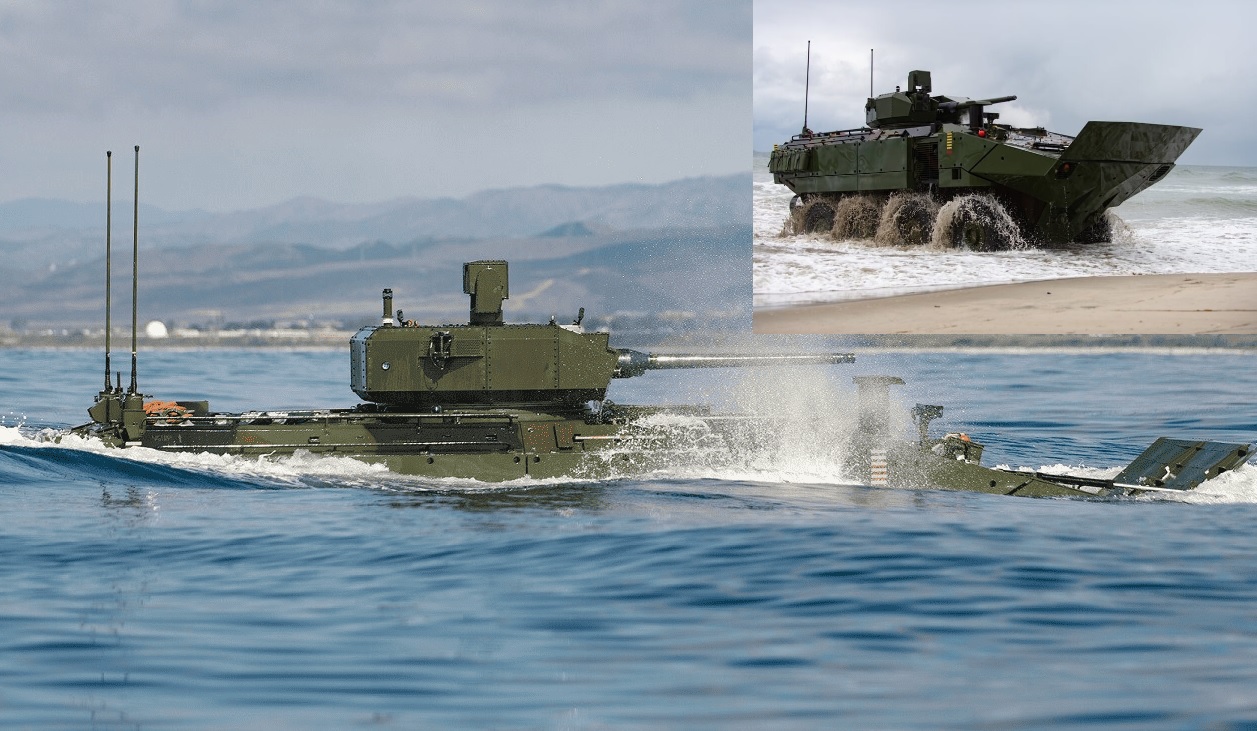
World
WASHINGTON — May 29, 2026 : The U.S. Marine Corps has officially begun the operational fielding of the Amphibious Combat Vehicle 30mm (ACV-30), marking the introduction of a dedicated direct-fire infantry fighting variant to Marine amphibious units, according to a May 28, 2026 announcement by prime contractor BAE Systems. The ACV-30 is designed to transport Marines from ship to shore while providing organic medium-caliber fire support against light armored vehicles, fortified positions, and dismounted infantry during amphibious and littoral operations. The platform introduces a new level of protected firepower to Marine formations, enabling forces to transition from amphibious assault to sustained inland maneuver while maintaining combat support capability. Platform and Armament The ACV-30 is based on the baseline 8x8 Amphibious Combat Vehicle chassis developed by BAE Systems in partnership with Iveco Defence Vehicles and builds upon the ACV Personnel variant (ACV-P). The platform retains the amphibious and mobility characteristics of the standard vehicle while integrating a dedicated combat system designed for direct-fire support missions. A defining feature of the vehicle is the Medium Caliber Turret (MCT-30), manufactured by Kongsberg Defence & Aerospace in Johnstown, Pennsylvania. The stabilized, remotely operated turret is equipped with a 30mm Mk.44 Bushmaster II automatic cannon and a coaxial 7.62mm machine gun, enabling the vehicle to engage infantry positions, light armored threats, and fortified targets while crews remain protected inside the hull. Because the MCT-30 is unmanned and remotely operated, the three-person crew remains under the protection of the vehicle’s modular composite armor. Unlike traditional turret systems that extend into the crew compartment, the turret architecture preserves internal hull space for embarked Marines and mission equipment. The vehicle can transport up to 8–10 Marines depending on mission configuration while carrying approximately 300 ready rounds for the 30mm cannon and up to 800 rounds for the coaxial machine gun. Technical Specifications and Mobility The ACV-30 combines amphibious capability with high mobility on land. It is powered by an Iveco Cursor 16 turbocharged diesel engine generating 700 horsepower, allowing road speeds of up to 105 kilometers per hour (65 mph). In water, the platform operates at speeds between 6 and 8 knots and is capable of conducting ship-to-shore operations at distances of up to 12 nautical miles (22 kilometers). The vehicle has an operational range of approximately 523 kilometers (325 miles), with the ability to continue inland operations for more than 250 miles after amphibious insertion. Weighing approximately 35 tonnes, the ACV-30 incorporates a blast-resistant V-hull design for improved survivability and provides a payload capacity of approximately 3.3 tonnes. Procurement and Development Timeline The operational fielding follows a structured testing and procurement effort that began in 2022, when the Marine Corps awarded BAE Systems a contract to produce production representative test vehicles (PRTVs) for the ACV-30 program. The first test vehicle was delivered in February 2024 to support operational evaluation and systems integration. In November 2024, Kongsberg received a $51 million contract for long-lead turret components to prepare for broader production of the MCT-30 system. Following successful testing, BAE Systems was awarded a $188.5 million full-rate production contract in April 2025 covering 30 ACV-30 vehicles, spare parts, fielding support, and test equipment. A subsequent August 2025 contract valued at up to $330 million was awarded to Kongsberg for full-rate production of MCT-30 turrets. Manufacturing activities are conducted in York and Johnstown, Pennsylvania, while final integration takes place in Charleston, South Carolina. Fleet Structure and Strategic Role The ACV-30 forms part of the broader Amphibious Combat Vehicle family, which includes the ACV-P personnel carrier, ACV-C command-and-control variant, and the upcoming ACV-R recovery vehicle. The Marine Corps plans to acquire a total of 608 ACVs, including 152 ACV-30 variants, as part of the replacement of the legacy Assault Amphibious Vehicle (AAV), which primarily served as a troop transport platform since the Vietnam era. The deployment aligns with the Marine Corps’ Force Design 2030 modernization initiative, which emphasizes distributed maritime operations across contested littoral and island environments. In operational scenarios such as the Indo-Pacific, the ACV-30 is expected to provide Marine units with independent direct-fire support during early amphibious assaults and inland maneuver operations, reducing reliance on external artillery and close air support while improving tactical flexibility in coastal combat environments.
Read More → Posted on 2026-05-29 17:06:18
World
BEIJING — May 29, 2026 : Recent satellite imagery has confirmed rapid progress in the construction of China’s first nuclear-powered aircraft carrier at the Dalian Shipyard in Liaoning Province, reflecting the pace and production capacity of the country’s maritime shipbuilding industry. In less than a year, prefabricated hull sections have been assembled into a clearly recognizable structure, reinforcing assessments that the vessel could enter service in the early to mid-2030s. Widely designated by analysts as the Type 004, the carrier forms part of a broader naval shipbuilding program involving the simultaneous construction of two supercarriers. While Dalian Shipyard is leading development of the nuclear-powered platform, a conventionally powered supercarrier is also under construction. Both vessels are understood to be based heavily on the design and technical framework of the Fujian, China’s first supercarrier, which officially entered service in November 2025. Design and Construction Progress The Type 004 is expected to be significantly larger than the conventionally powered Fujian, with analysts estimating a full-load displacement of approximately 110,000 to 120,000 tons. Recent satellite imagery indicates a hull measuring roughly 286 meters in length and 46 meters in beam, highlighting the scale of the platform as construction advances. The vessel is expected to integrate four electromagnetic aircraft launch catapults and three aircraft elevators, structural additions projected to increase aircraft launch capacity and sortie generation rates by approximately 33 percent compared with the Fujian. Construction accelerated after hull sections first appeared in dry dock during early 2025, with imagery captured by May 2026 showing substantial structural progress. Recent satellite observations have also revealed reactor-related compartments and 15-by-15-meter containment structures consistent with assessments that the carrier will employ nuclear propulsion. Nuclear Propulsion and Supporting Infrastructure Evidence of the propulsion system aligns with reports from November 2024 that identified a land-based prototype naval reactor under development near Leshan in Sichuan Province. The project, known as the Longwei program at Base 909, is intended to test the pressurized water reactor architecture expected to power the Type 004. The adoption of nuclear propulsion is expected to provide the carrier with greater operational endurance and expanded deployment flexibility compared with conventionally powered platforms, supporting sustained operations across distant maritime regions. Infrastructure development is also underway to support future carrier operations. In Qingdao, Shandong Province, where the aircraft carrier Liaoning is currently based, naval facilities are being expanded through new pier construction and demagnetization infrastructure designed to accommodate larger supercarriers expected to enter service in the early 2030s. Air Wing and Fleet Development The Type 004 is expected to operate an air wing composed of aircraft currently deployed or undergoing testing aboard the Fujian. These include the J-35 fifth-generation fighter, which has already conducted takeoffs from the supercarrier, the J-15T long-range air superiority fighter, the J-15D electronic attack aircraft, and the KJ-600 airborne early warning and control (AEW&C) aircraft. Supporting helicopters from the Z-20 family are also expected to operate from the vessel. China’s carrier development strategy is expected to divide production responsibilities between major shipyards. The Jiangnan Shipyard, builder of the Fujian, is likely to continue producing conventionally powered supercarriers, while Dalian Shipyard focuses on nuclear-powered designs. This approach would provide the People’s Liberation Army Navy (PLAN) with a mixed fleet structure, combining conventionally powered carriers suited for regional operations with nuclear-powered vessels capable of sustained deployments in the mid-Pacific, Middle East, and Indian Ocean. Carrier Expansion Outlook The rapid advancement of the Type 004 program aligns with a U.S. Department of Defense assessment projecting that the PLAN intends to field six additional aircraft carriers capable of operating fixed-wing manned aircraft by 2035, increasing China’s total carrier fleet to nine vessels. Analysts assess that the Type 004 could be launched between 2027 and 2028, with entry into service anticipated during the early 2030s as China continues expanding both its carrier fleet and supporting naval infrastructure.
Read More → Posted on 2026-05-29 16:26:48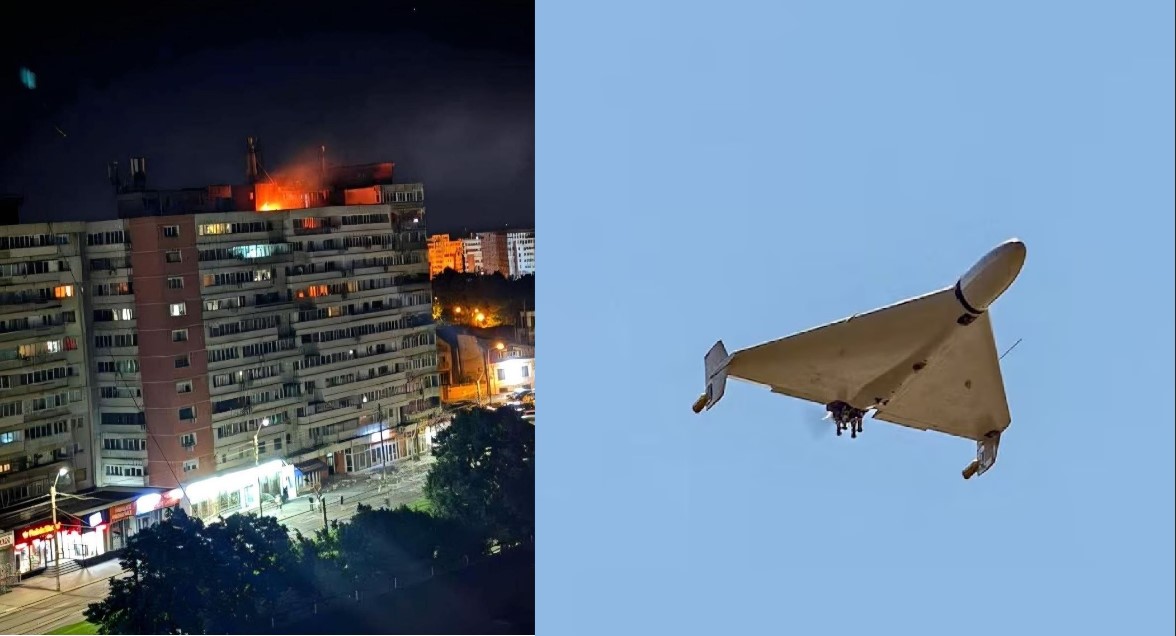
World
GALAȚI, ROMANIA — May 29, 2026 : A Russian Geran-2 drone struck a residential apartment building in the southeastern Romanian city of Galați during the early hours of May 29, injuring two civilians and marking the first reported incident in which the war in neighboring Ukraine has caused casualties inside a NATO member state. Romanian authorities said the drone crossed into national airspace during a wider Russian overnight attack targeting Ukrainian civilian infrastructure near the Danube River ports of Izmail and Reni, located close to Romania’s border. Galați is situated approximately 13 kilometers (8 miles) from Ukraine. The drone, identified as a Russian Geran-2 loitering munition — the Russian version of the Iranian-designed Shahed-136 — struck the roof of a 10-story apartment building, where its explosive payload detonated and triggered a fire. Emergency services evacuated residents shortly after impact. A 14-year-old boy and a 53-year-old woman sustained injuries and received medical treatment, authorities confirmed. Military Response and Interception Challenges Romanian military radar tracked the drone after it breached national airspace and remained inside Romania for approximately four minutes while flying at low altitude. In response, the Romanian Air Force scrambled two F-16 Fighting Falcon aircraft and an IAR 330 SOCAT helicopter, while emergency warning alerts were issued to nearby residents. Although military commanders were authorized to engage the drone, Romanian officials said interception was ultimately ruled out because of operational and civilian safety concerns. Brigadier General Gheorghe Maxim, acting commander of Romania’s joint staff, stated that the aircraft’s low altitude made radar tracking difficult and reduced the time available for a safe engagement. Romanian officials also confirmed that a U.S.-supplied Merops Counter-UAS system, designed to intercept hostile drones, was operational in the area but was not activated due to concerns that debris could fall over a densely populated urban zone. Diplomatic Measures and Security Response The incident prompted an immediate response from Bucharest. Romanian President Nicușor Dan convened an emergency meeting of the Supreme Council of National Defense, describing the event as the most serious security incident affecting Romanian territory since Russia launched its full-scale invasion of Ukraine in 2022. Romania’s Ministry of National Defense condemned the strike, stating that such actions undermine regional stability in the Black Sea region, violate international norms, and endanger both Romanian citizens and NATO’s collective security framework. In response, Romania declared the Russian consul general in the Black Sea city of Constanța persona non grata and announced the closure of the Russian consulate there. Romanian authorities also formally requested NATO to accelerate the transfer of additional anti-drone and air defense systems to strengthen protection against future incursions. International Reaction The incident drew swift condemnation from NATO and European leaders. NATO Secretary-General Mark Rutte reaffirmed the alliance’s solidarity with Romania, stating that NATO remains committed to defending allied territory against reckless actions threatening regional security. European Commission President Ursula von der Leyen said Russia had “crossed yet another line” and confirmed that the European Union is preparing a 21st sanctions package targeting Moscow. Moldovan President Maia Sandu also condemned the strike, warning that repeated military incidents near borders increase risks to regional security. Russian Response Russian officials rejected the criticism and downplayed the diplomatic backlash. Foreign Ministry spokeswoman Maria Zakharova dismissed international concern surrounding the incident and warned that retaliatory measures would follow Romania’s expulsion of a Russian diplomat. Former Russian President Dmitry Medvedev also questioned responsibility for the strike, claiming ambiguity remained regarding the drone’s origin. Romanian authorities rejected those claims, citing radar tracking data and forensic identification linking the drone to a Russian Geran-2 platform. Rising Concerns Over Cross-Border Drone Incidents Romanian defense officials said the Galați strike marked the 29th reported breach of national airspace by Russian drones since attacks on Ukrainian Danube River infrastructure intensified. Previous incidents involved drone fragments or debris falling in sparsely populated areas without causing civilian injuries. Officials noted that such incursions are frequently linked to technical failures or electronic warfare measures, including GPS jamming and spoofing, which can disrupt drone navigation systems. A similar incident occurred on May 19, when a Ukrainian drone entered Estonian airspace after reportedly being affected by Russian electronic warfare activity. Romanian F-16 aircraft deployed in Lithuania under NATO’s Baltic Air Policing mission participated in the response, while Ukraine later issued a public apology and described the incident as unintended. Romania’s Ministry of National Defense said air defense readiness along the Ukrainian border has since been reinforced as authorities continue monitoring the security situation near the frontier.
Read More → Posted on 2026-05-29 16:07:56
World
KYIV, Ukraine — May 29, 2026 : Ukrainian specialists have completed a detailed technical assessment of debris recovered from a Russian Oreshnik medium-range ballistic missile, concluding that the system relies entirely on Russian and Belarusian electronic components manufactured before 2017. The findings were presented during a briefing in Kyiv and later shared with European ambassadors following missile strikes on the Lviv region on the night of January 8–9, 2026, and a subsequent attack on Bila Tserkva. Missile Debris Analysis According to Ukrainian experts, a section of the missile body detached during flight and did not completely burn up, enabling specialists to recover and examine internal systems. Investigators studied surviving fragments of the processor unit and the main onboard computer board, which are responsible for controlling flight operations and transmitting signals to the missile’s engines and aerodynamic control surfaces. Technical examination found that all printed circuit boards and microchips in the processor unit were manufactured between 2014 and 2016, leading specialists to conclude that the missile itself was assembled no later than 2017. Officials stated that the recovered components provide insight into the missile’s technological origin and production timeline. Belarusian and Russian Components Identified The investigation found no modern American, Chinese, or European-made electronic components from 2024 or 2025 in the recovered sections of the missile. Ukrainian specialists noted that this differs from Russian drones and some precision-guided systems where foreign electronics have previously been identified. Instead, analysts reported that all recovered electronics were of Russian and Belarusian origin. Components manufactured by the Minsk-based Integral plant were identified on multiple circuit boards recovered from the missile. Integral is one of Eastern Europe’s largest producers of integrated circuits, semiconductor devices, and electronic components used in telecommunications and military systems. According to investigators, the majority of the missile’s electronic component base originated from industrial facilities located in Moscow and the surrounding Moscow region, indicating continued reliance on domestic production chains for critical missile electronics. Modernization of Existing Missile Systems Based on the technical findings, Ukrainian experts assessed that the Oreshnik represents a significant modernization of existing Soviet or Russian missile systems rather than a fundamentally new technological development. Specialists stated that the missile appears to incorporate modifications and updated configurations built around older technological foundations instead of newly developed electronic frameworks. The assessment also contradicts Russian claims describing the Oreshnik as an entirely new missile platform, with Ukrainian analysts arguing that the recovered electronics indicate an adaptation of pre-existing technologies. Missile Characteristics and Guidance System The Oreshnik is classified as a medium-range strategic ballistic missile with an estimated operational range of between 3,000 and 5,000 kilometers. Ukrainian specialists stated that the missile was originally designed as a carrier for nuclear payloads and therefore exhibits guidance characteristics commonly associated with strategic ballistic systems. The missile uses a fully passive inertial navigation system based on a gyroscopic guidance module and does not rely on active satellite navigation networks such as GPS. According to experts, coordinates are preloaded into the onboard computer before launch, allowing the missile to autonomously navigate during flight and toward its designated target area. MIRV Capability and Warhead Configuration Technical analysis showed that the missile is equipped with a separable warhead bus capable of MIRV (Multiple Independently Targetable Reentry Vehicle) deployment. Ukrainian experts stated that the system can release up to six guidance units, each carrying six submunitions, creating a total of 36 individual elements intended for simultaneous delivery. In non-nuclear variants, these submunitions are inert cast-iron dummies weighing between 50 and 100 kilograms. Specialists stated that, in the absence of explosive payloads, the system’s destructive effect is limited primarily to kinetic impact against specific targets. Data gathered from recent attacks showed different deployment methods. During the January strike on the Lviv region, the missile’s warhead reportedly separated at an altitude of approximately five to six kilometers, causing wide dispersal of submunitions. During the later attack on Bila Tserkva, separation occurred at a significantly lower altitude, concentrating impacts in a smaller area, including a cluster of garages. Interception Challenges Military specialists stated that the Oreshnik presents significant interception difficulties because of its ballistic trajectory, high speed, and MIRV configuration involving multiple descending elements. Ukrainian experts assessed that conventional air defense systems, including Patriot PAC-3 batteries, would face difficulty intercepting the missile once the warhead separates. According to the assessment presented in Kyiv, even specialized high-altitude missile defense systems such as THAAD are not considered capable of reliably neutralizing a MIRV-configured missile carrying dozens of independently descending reentry elements. Ukrainian officials said the findings were shared with European diplomats to highlight the role of Belarusian-produced components in supporting Russia’s missile manufacturing supply chain.
Read More → Posted on 2026-05-29 15:57:38Search
Top Trending in 24 Hours
-
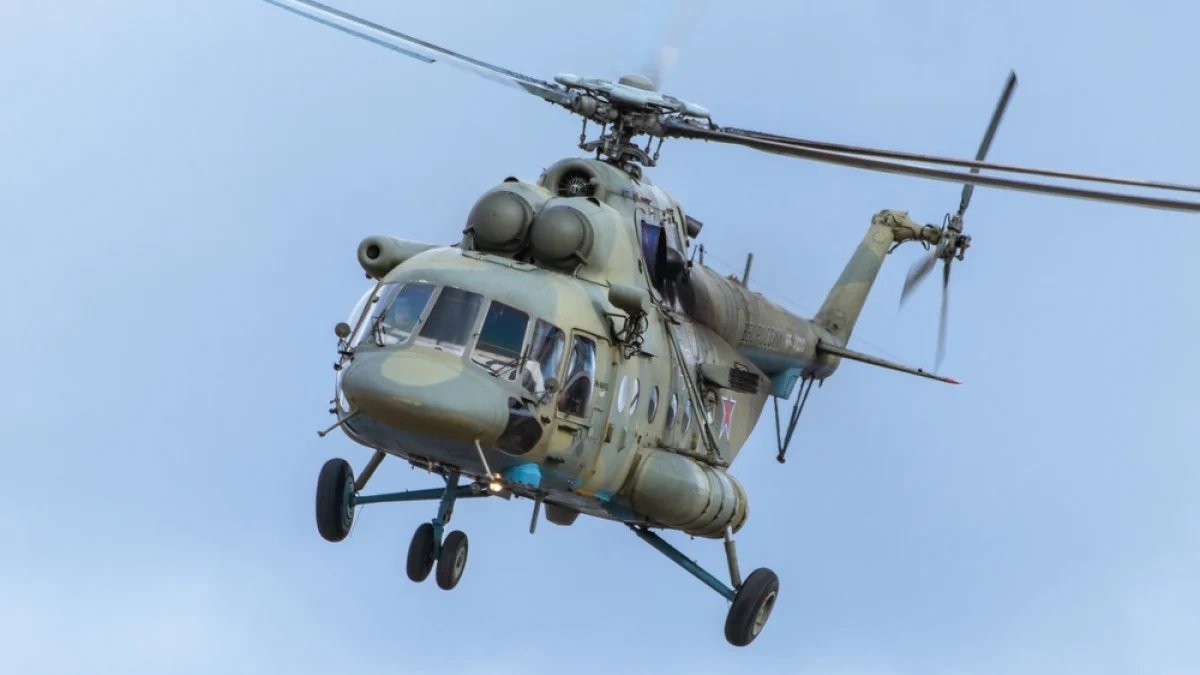 Russian Mi-8 Military Helicopter Crosses Into Polish Airspace for 42 Seconds Near Braniewo
-
 U.S. Space Force Awards Impulse Space $28 Million Contract for 2029 Orbital Surveillance Mission
-
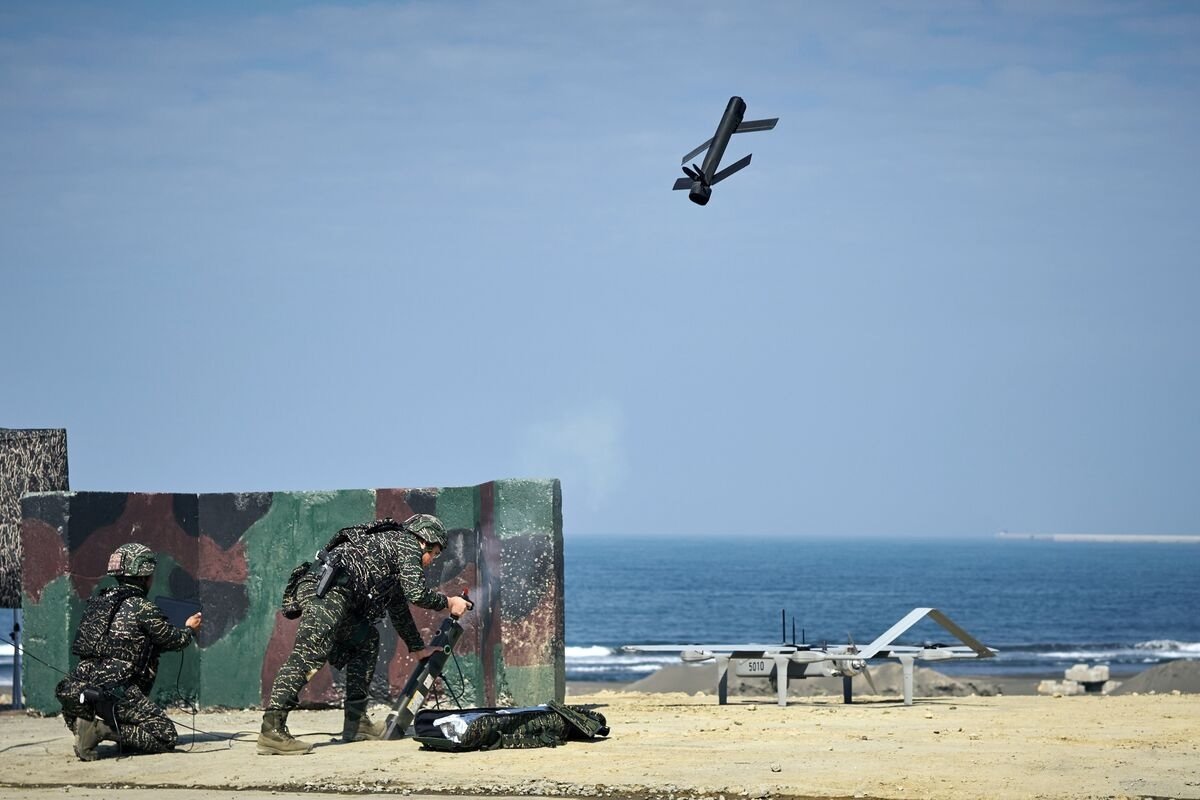 Taiwan Integrates Attack Drones Into Three-Service Live-Fire Exercise at Jiupeng for First Time
-
 UK Air Force Hawk T2 Trainer Aircraft Crashes Near Valley After Takeoff, Both Pilots Eject Safely
-
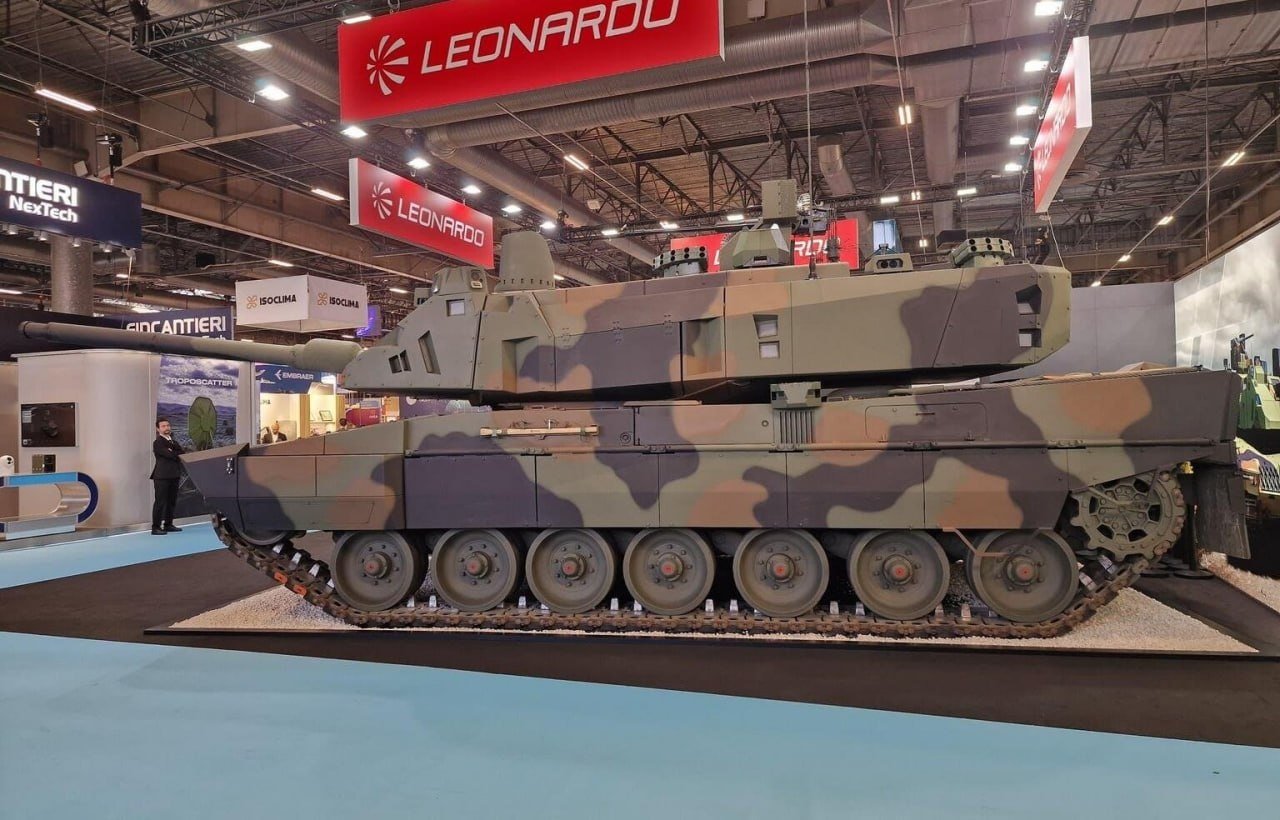 Italy Allocates Up to €5.14 Billion for Procurement of 132 New Main Battle Tanks
-
 Roketsan KARAOK Anti-Tank Missile Successfully Hits Aerial Target for First Time
-
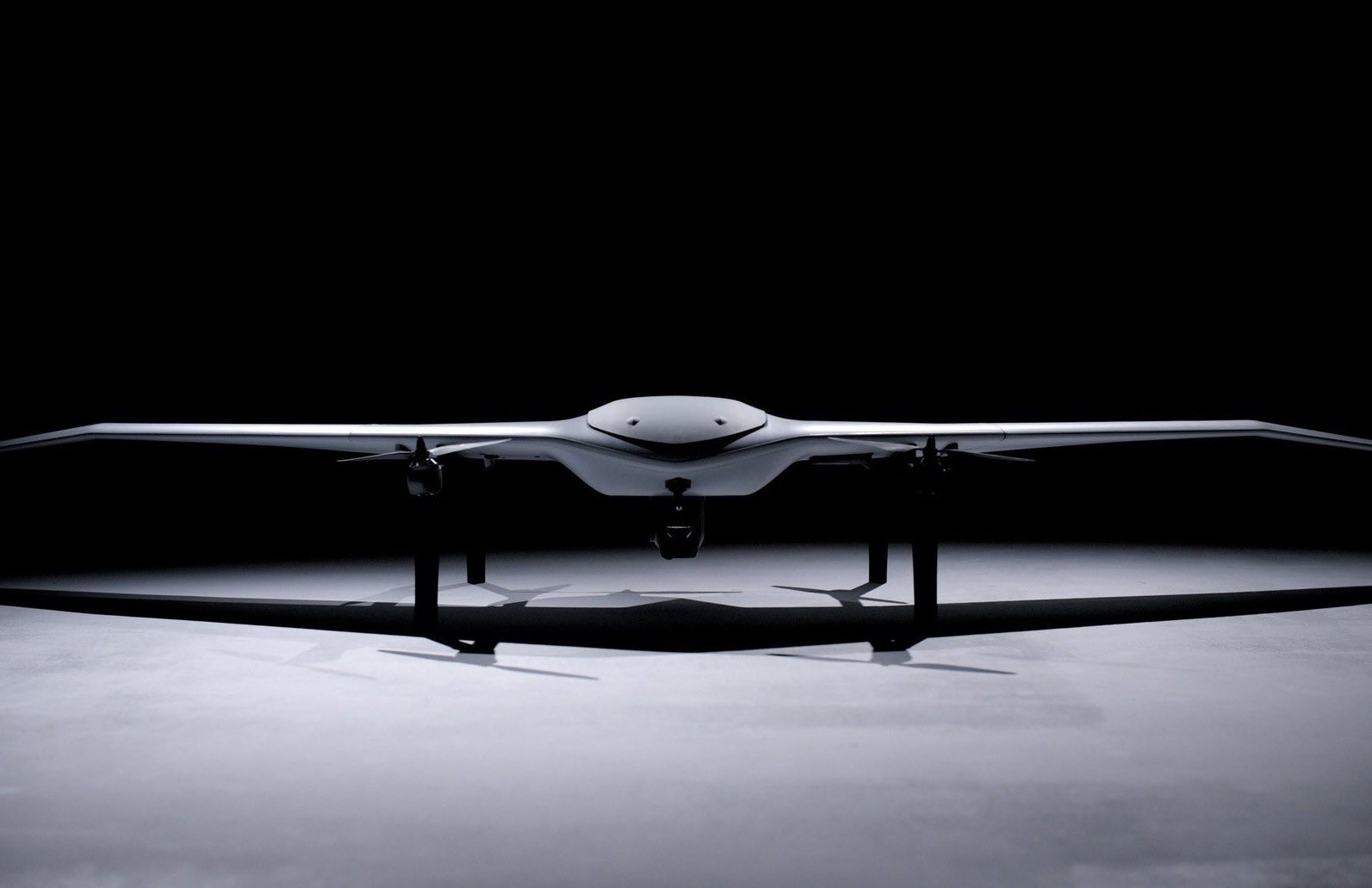 Dutch Firm DeltaQuad Launches Evo-LE VTOL UAV With Up to Eight-Hour Endurance
-
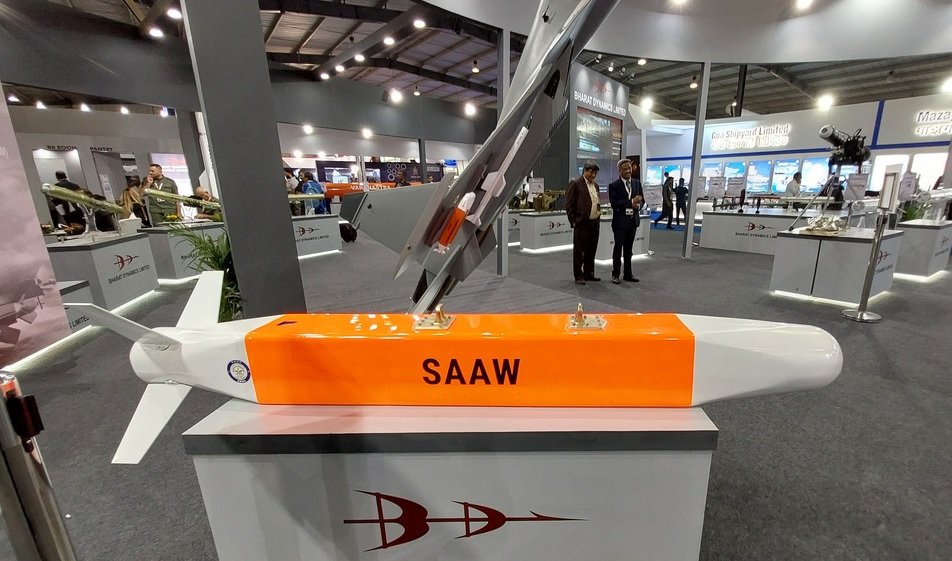 India Signs ₹810.79 Crore Deal with BDL for 160 SAT-SAAW Weapons for IAF
Top Trending in 4 Days
-
 U.S. Army Awards $10.64 Million Contract to Ukrainian Drone Maker Skyeton for Raybird Systems
-
 India’s xTerra Robotics Launches Indigenous DHAV-Hy Wheeled-Legged Quadruped for Industrial Inspection
-
 U.S. Space Force Seeks Rapid-Response Satellites for Close-Range Orbital Inspections
-
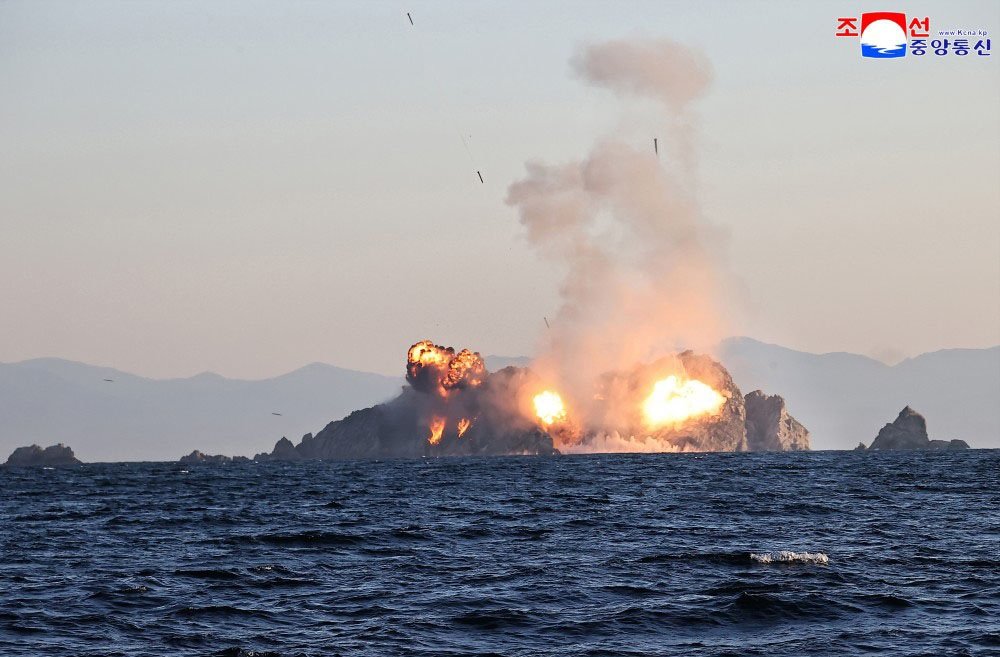 North Korea Fires Short-Range Ballistic Missile Toward Sea of Japan After Freedom Edge 26
-
 U.S. Government Seizes Almasirah.net, Houthi-Linked News Website
-
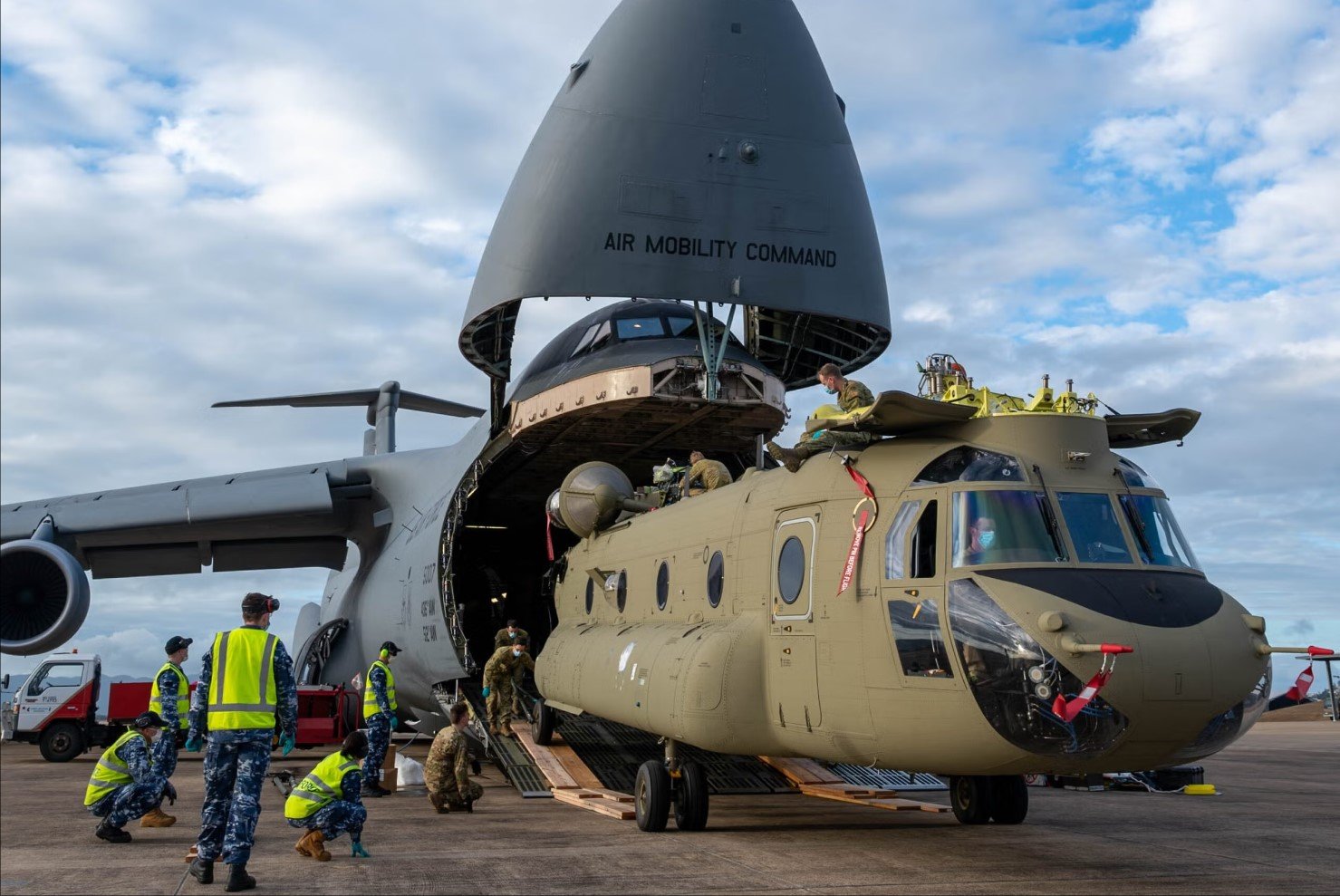 U.S. Delivers First CH-47F Chinook to Egypt Under 12-Helicopter Deal
-
 Ukraine Reports First Use of Fire Point’s FP-7 Tactical Ballistic Missile inMoscow-Region Strikes on Oil Refinery
-
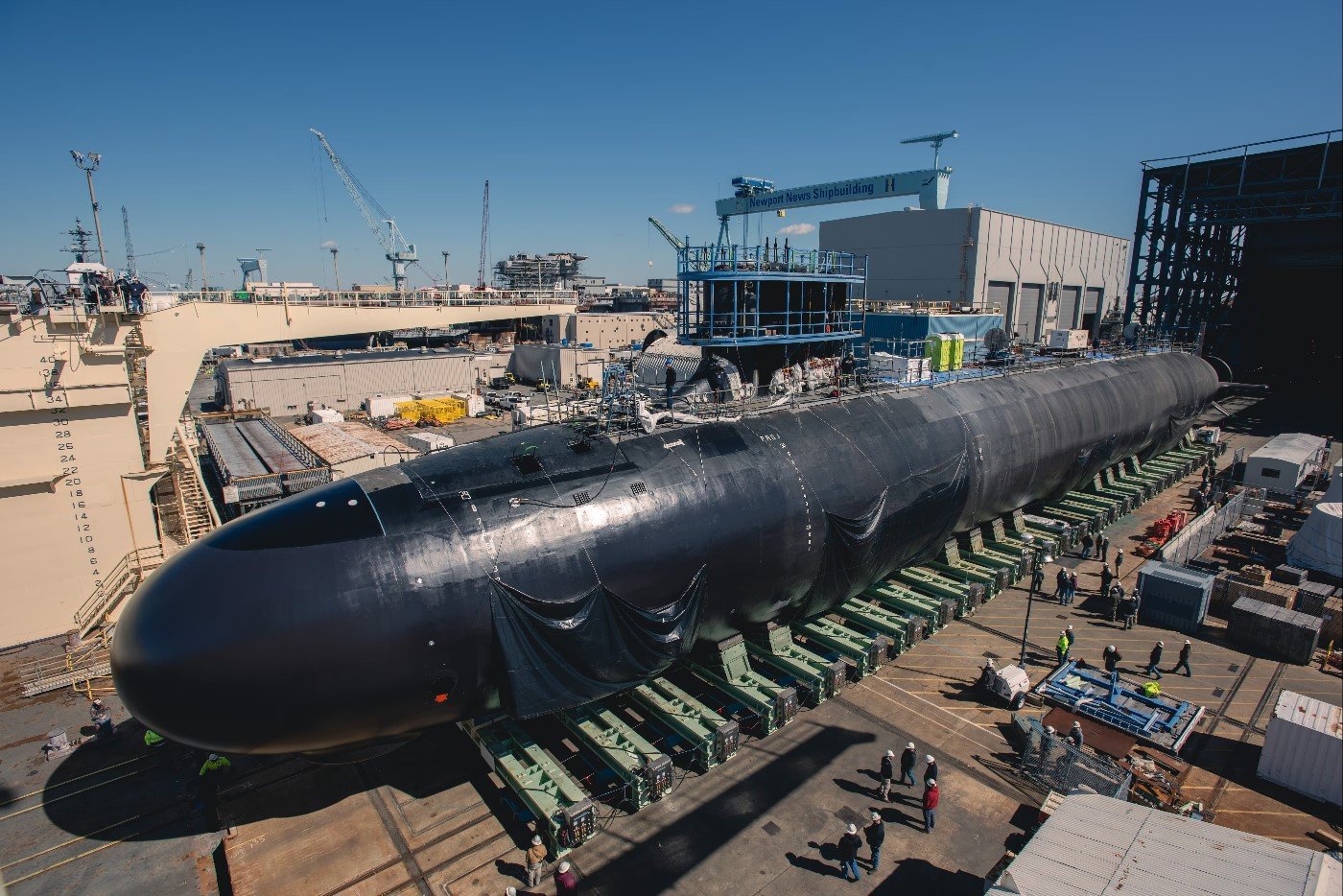 US Navy Submarine Director Outlines Four-Pillar Plan to Raise Build Rates