World
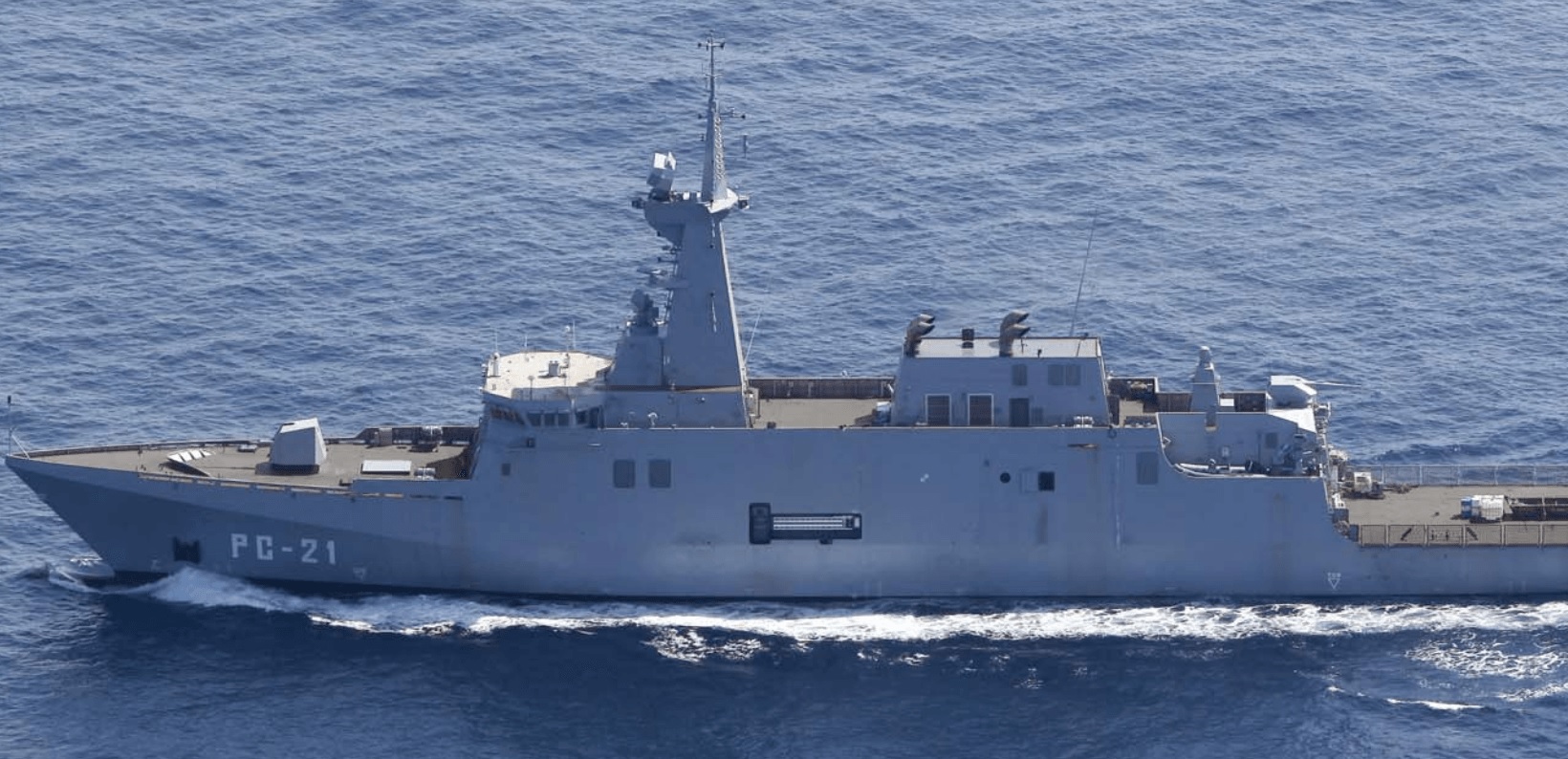
MADRID/JEDDAH — June 03, 2026: Spanish state-owned shipbuilder Navantia has signed a five-year Follow-On Support (FOS) contract with Saudi Arabia’s Ministry of Defence to provide maintenance and sustainment services for the first batch of five Avante 2200 corvettes delivered to the Royal Saudi Naval Forces (RSNF). The agreement expands lifecycle support activities that Navantia has been providing since the commissioning of the first corvette, HMS Al-Jubail, in 2022. The contract will be carried out at King Faisal Naval Base in Jeddah and is intended to maintain fleet readiness, ensure technical support continuity, and strengthen long-term sustainment capabilities for the Saudi Navy. Under the new agreement, Navantia will increase the number of specialized technicians deployed to Saudi Arabia to oversee both platform maintenance and combat system support for the five vessels. The expanded technical presence will support routine maintenance requirements and ensure the operational availability of onboard systems. In addition to maintenance services, the contract includes a continuous supply of spare parts for all five corvettes. The arrangement is designed to support uninterrupted sustainment activities and reduce maintenance delays by ensuring the availability of essential components throughout the ships’ service lifecycle. A major element of the agreement is a localization programme aimed at expanding Saudi Arabia’s domestic naval support capabilities. Navantia will provide specialized training and technical knowledge transfer to Saudi personnel, enabling local manufacturing of spare parts and supporting the development of in-country maintenance expertise. The localization effort builds upon the existing SAMINavantia joint venture, which was established to support local combat system integration. Through training and industrial cooperation, the programme is expected to strengthen the Royal Saudi Naval Forces’ long-term sustainment and logistics capabilities while aligning with Saudi Arabia’s broader domestic industrial objectives. The five vessels are based on Navantia’s Avante 2200 design and have been customized to meet Saudi operational requirements. The corvettes are designed for high survivability, strong seakeeping performance, and sustained operations in the high-temperature maritime environments of the Gulf and Red Sea regions. The ships are equipped to conduct maritime surveillance, traffic monitoring, search and rescue missions, and the protection of strategic infrastructure. They also possess anti-surface, anti-aircraft, anti-submarine, and electronic warfare capabilities, allowing them to perform a broad range of naval operations. The corvettes are integrated with several advanced systems, including the HAZEM combat system delivered through the SAMINavantia partnership, the HERMESYS integrated communications system, the DORNA fire-control director, the Integrated Platform Control System, and the MINERVA integrated bridge system. The original programme for the first five vessels entered into force in November 2018. Following the launch of the first corvette in July 2020 at Navantia’s Bay of Cadiz shipyards in Spain, the company maintained a production schedule under which the remaining vessels were launched at intervals of approximately four months. Construction of the first batch was completed within three years, with final delivery concluded in March 2024. Beyond ship construction, the initial programme also included integrated logistics support, operational training for Royal Saudi Naval Forces personnel, and the establishment of dedicated Training and Education Centers in Jeddah for combat systems and platform control systems. These facilities were intended to strengthen operational preparedness and long-term fleet sustainment. The signing of the five-year support agreement has also been positively received by Navantia’s workforce and labor representatives in San Fernando, Cadiz, as it provides long-term workload stability and employment continuity associated with maintenance and technical support activities. The performance and delivery of the first five corvettes contributed to a follow-on contract signed in December 2024 for three additional Avante 2200 vessels with identical capabilities. Construction of the second batch is currently underway, with the keel laying of the seventh ship, HMS NEOM, completed in May 2026. According to programme details, the second batch represents approximately four million hours of industrial work and is expected to support around 2,000 direct, indirect, and induced jobs. The final vessel of the new series is scheduled for delivery in 2028.
Read More → Posted on 2026-06-03 16:07:36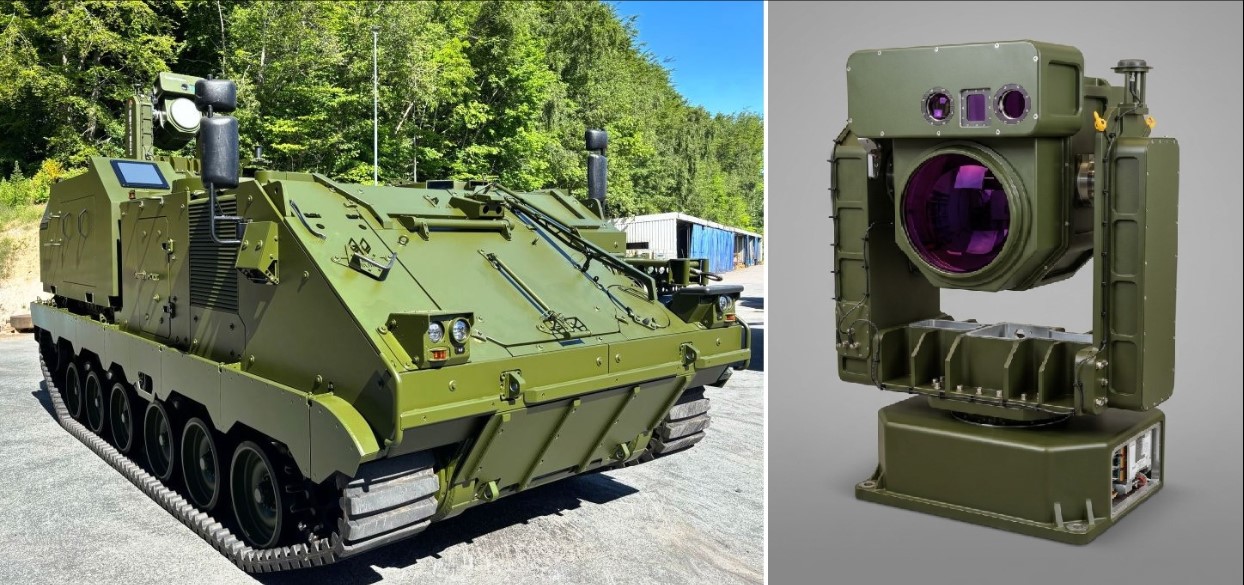
World
OMER, Israel — June 03, 2026 : Israeli defense technology company Esh-Tech has unveiled DroneLight, a new laser-based counter-drone system designed to neutralize unmanned aerial vehicles (UAVs) while consuming significantly less power than conventional directed-energy weapons. The system is scheduled to make its public debut at the Eurosatory 2026 defense exhibition in Paris from June 15 to 19. According to the company, DroneLight is currently undergoing customer evaluations in several international markets and is intended to provide a lower-cost alternative to existing laser air defense systems. Esh-Tech estimates the system could reduce the acquisition cost of laser effectors by up to 75 percent compared with traditional continuous-wave (CW) laser technologies. Pulsed-Laser Interception Method Unlike conventional military laser systems that rely on continuous energy beams to heat and destroy targets, DroneLight employs a pulsed-laser architecture that removes material through rapid ablation. The system fires high-intensity laser pulses lasting 10 milliseconds each at a pulse repetition frequency of 5 Hz. This approach allows DroneLight to operate using approximately 4 kilowatts of power, enabling integration with standard military vehicle electrical systems without the need for dedicated generators. By comparison, many fielded military laser systems require between 20 and 60 kilowatts of power. According to Esh-Tech, the laser can disable drones within one to two seconds by penetrating critical components such as batteries, electronic systems, or cameras. Testing conducted on more than 20 drones showed that creating multiple perforations in vital areas was sufficient to achieve a near-certain kill probability. The company stated that the system directs hundreds of small laser beams toward a target. Once a vulnerable point is identified, additional beams focus on the same location to accelerate target neutralization. Countering Drone Swarm Threats DroneLight is designed to engage up to 30 drones per minute, providing a potential defense against drone swarm attacks that have become an increasing concern in modern conflicts. As military forces seek cost-effective methods of countering large numbers of UAVs, directed-energy systems are attracting growing interest due to their low cost per engagement and virtually unlimited magazine depth when sufficient power is available. AI-Enhanced Target Engagement The system incorporates an artificial intelligence-based atmospheric monitoring capability to improve laser effectiveness under changing environmental conditions. A 300 mm optical aperture and a high-speed camera operating at 1,000 frames per second continuously analyze the atmosphere between the laser emitter and the target. The AI software can delay firing by 50 to 60 milliseconds to exploit more favorable atmospheric conditions, a feature that Esh-Tech says can improve performance by up to 50 percent. DroneLight's tracking system can move at speeds of up to 120 degrees per second in both azimuth and elevation, enabling engagement of fast-moving aerial targets. Mobile Design and Urban Operations Although not man-portable, DroneLight has been designed for tactical mobility. The system's optical head weighs approximately 450 kilograms, while a separate support module weighs around 350 kilograms and can be installed inside a vehicle. Esh-Tech is expected to display the system mounted on an FFG armored tracked vehicle at Eurosatory 2026. The system provides 360-degree coverage and creates a defensive zone with a radius of approximately one kilometer. Esh-Tech also highlighted DroneLight's suitability for urban environments. The narrow beam path, absence of side lobes, and short engagement time are intended to reduce collateral risks during operations in populated areas. Planned Deployment Esh-Tech CEO Erez Riahi said the combination of low power requirements, reduced costs, and effective hard-kill capability could allow armed forces to deploy laser-based protection more broadly at the tactical level. The company has received three grants from the Israel Innovation Authority and expects to field its first operational DroneLight system by September 2026. Esh-Tech has also reported receiving orders from multiple customers worldwide and is exploring future applications for naval platforms in addition to ground-based deployments.
Read More → Posted on 2026-06-03 15:50:31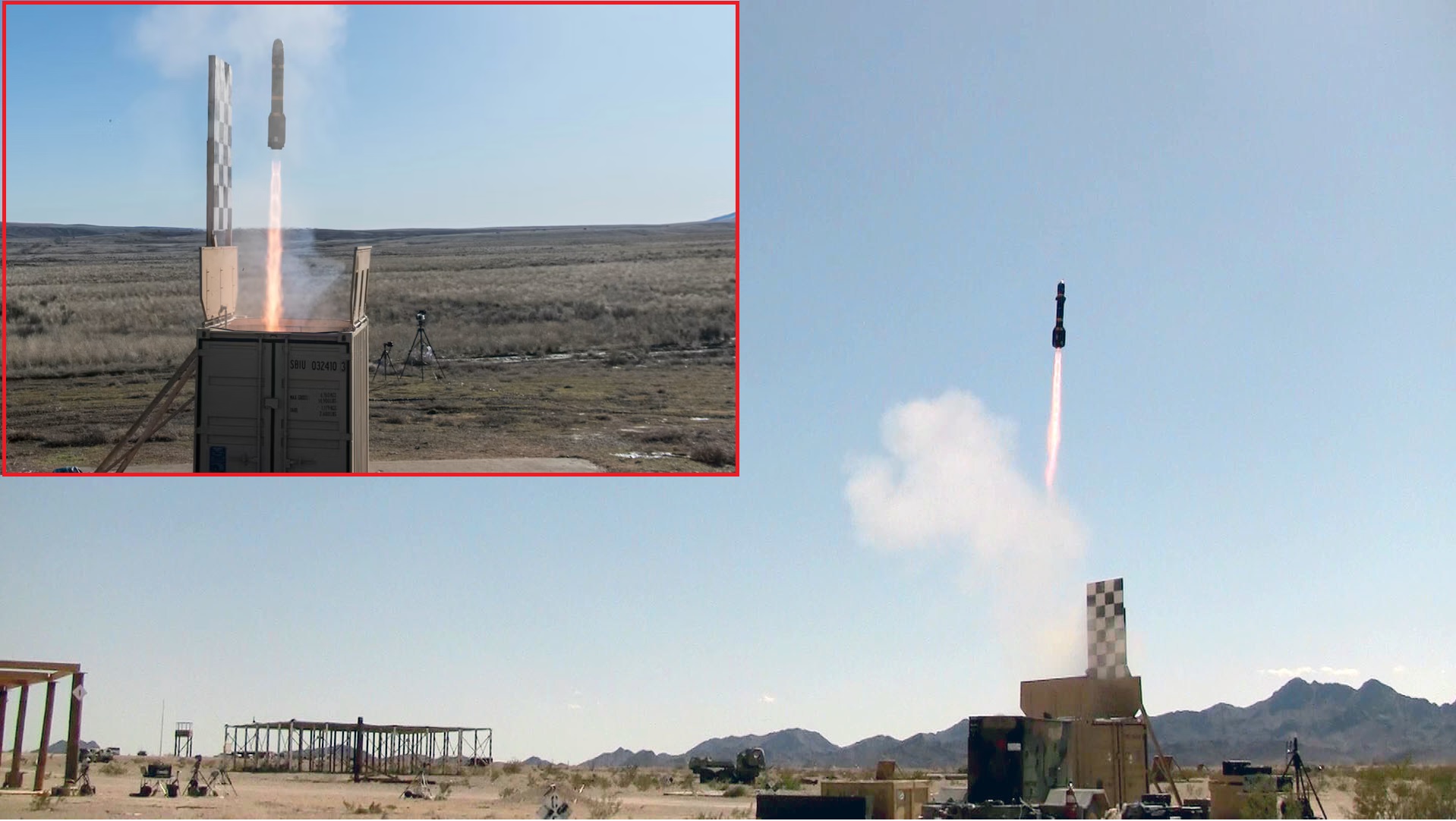
World
YUMA PROVING GROUNDS, Arizona — June 03, 2026 : Lockheed Martin has successfully intercepted a Group 3 one-way attack drone during the first live-fire demonstration of its GRIZZLY containerized launcher integrated with the Sanctum Counter-Unmanned Aerial System (C-UAS). The test, conducted at Yuma Proving Grounds in Arizona, also marked the first operational launch of a Joint Air-to-Ground Missile (JAGM) from the GRIZZLY system. The demonstration brought together Fortem Technologies’ R-40 radar, the Sanctum battle management system, and the GRIZZLY launcher to execute a complete counter-drone engagement sequence. According to Lockheed Martin, the entire effort—from hardware-in-the-loop integration to the successful live-fire event—was completed in less than 45 days. During the test, the R-40 radar detected and tracked the incoming unmanned aerial vehicle. The target data was then processed by Sanctum’s mission management software, which coordinated the engagement and directed the launcher to fire a JAGM missile. The missile successfully intercepted and destroyed the drone. The JAGM is equipped with a dual-mode seeker that combines semi-active laser and millimeter-wave radar guidance, enabling accurate target engagement in a range of operational conditions. Lockheed Martin developed the GRIZZLY launcher as a compact and mobile counter-drone solution. Built within a standard 10-foot shipping container using commercial off-the-shelf materials, the system can be rapidly transported and deployed with minimal infrastructure requirements. The launcher can be installed at fixed ground locations or mounted on maritime platforms, expanding its operational flexibility. The launcher carries up to eight missiles and features a toolless reload mechanism designed to simplify maintenance and sustainment operations. Its wireless architecture allows radars, battle management software, and launchers to communicate without extensive cabling, supporting distributed deployments and flexible sensor placement. The integrated system is designed to counter a broad range of unmanned aerial threats, including Group 1 through Group 4 drones. Lockheed Martin said the capability is intended to support the protection of forward operating bases, critical infrastructure, military facilities, and maritime assets. The Sanctum C-UAS functions as the system’s central battle manager, integrating sensor data, mission management software, artificial intelligence-enabled processing tools, and engagement systems into a unified defensive network. The architecture can operate independently or connect with higher-level command-and-control networks through Sanctum’s mesh communications framework. Commenting on the achievement, Randy Crites, Vice President and General Manager of Lockheed Martin Advanced Programs, said the rapid integration of GRIZZLY and Sanctum demonstrated the company’s ability to accelerate delivery of layered defense capabilities through cross-program collaboration and battlefield-driven innovation. Paul Lemmo, Vice President and General Manager of Lockheed Martin Sensors, Effectors and Mission Systems, said the test validated a low-cost, modular point-defense solution capable of being deployed on land or at sea within days. He added that the system can operate as a standalone capability or as part of a larger integrated defense network. The successful demonstration comes amid growing demand for counter-drone systems capable of addressing one-way attack UAVs and other emerging aerial threats. Lockheed Martin said the combination of Sanctum, GRIZZLY, and JAGM provides a scalable and rapidly deployable solution designed to meet evolving operational requirements across multiple domains.
Read More → Posted on 2026-06-03 15:43:19
World
LINKÖPING, SWEDEN — June 03, 2026 : Swedish aerospace company Saab has officially unveiled the first Gripen F two-seat fighter aircraft for the Brazilian Air Force during a rollout ceremony held at its facilities in Linköping on June 2, 2026. The aircraft, designated F-39F in Brazil and carrying serial number 4000, represents a significant milestone in the long-running defense and technology partnership between Sweden and Brazil. The Gripen F is the two-seat variant of the Gripen E fighter and has been developed to serve both as an advanced training platform and a fully operational combat aircraft. Following its public presentation, the aircraft will undergo a dedicated flight test campaign at Saab’s Flight Test Centre in Sweden before being delivered to the Brazilian Air Force. While sharing the same sensors, mission systems, combat avionics, thrust, maximum takeoff weight, and weapon hardpoints as the single-seat Gripen E, the Gripen F features a fully independent second cockpit. The aircraft is approximately 70 centimeters longer than the single-seat version to accommodate the additional crew member and does not carry the internal Mauser BK27 cannon found on the Gripen E. The second cockpit is designed to support pilot training and operational missions. It allows instructors to guide trainee pilots during live missions under realistic conditions, helping accelerate pilot conversion training. In combat operations, the additional crew member can assist with mission management, sensor operation, and tactical coordination, improving overall mission effectiveness in complex environments. Brazil is the launch customer for the Gripen F and played a central role in its co-development. The aircraft forms part of a 2014 agreement between Saab and the Brazilian government for the development and production of 36 Gripen fighters, including 28 single-seat Gripen E aircraft and eight Gripen F variants. The contract, valued at approximately $5.4 billion, also includes an extensive technology-transfer program aimed at strengthening Brazil’s aerospace industry. Under the program, hundreds of Brazilian engineers and technicians received specialized training in Sweden. Brazilian aerospace company Embraer, Saab’s main local partner, has been assembling Gripen aircraft at its facility in Gavião Peixoto and is responsible for producing 15 of the single-seat aircraft in Brazil. “The rollout of Gripen F represents a shared achievement between Saab, Brazilian industry, and the Brazilian Air Force, reflecting the deep trust we have built together over many years,” said Lars Tossman, head of Saab’s Aeronautics business area. Deliveries of Gripen aircraft to Brazil began in 2020, and 11 aircraft have been handed over to the Brazilian Air Force so far. Earlier this year, Saab and Embraer also presented the first Gripen E assembled in Brazil, marking the beginning of local production under the program. The cooperation between Saab and Brazil may expand further. Brazilian Defense Minister José Múcio Monteiro confirmed that discussions are ongoing regarding the establishment of a dedicated Gripen research and development center in São José dos Campos, a major aerospace hub and the location of Embraer’s headquarters. Saab also confirmed that the Gripen F has attracted international customers beyond Brazil, with orders received from Thailand and Colombia. The growing adoption of the two-seat variant is expected to expand its role in both advanced pilot training and frontline combat operations within multiple air forces.
Read More → Posted on 2026-06-03 15:08:12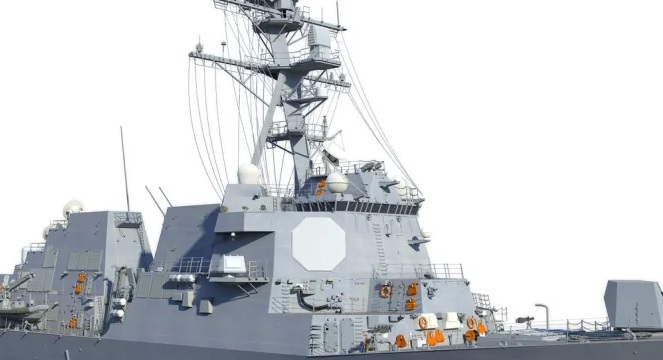
World
ANDOVER, Massachusetts — June 03, 2026 : The U.S. Navy has awarded Raytheon, an RTX business, a contract modification valued at approximately $515.8 million to continue integration, testing, production support, and modernization efforts for the AN/SPY-6(V) family of naval radars. The contract is a follow-on to a June 2025 agreement and will support the radar program through May 2027. The award ensures continued engineering, software development, testing, ship installation support, and technical improvements for the Navy’s next-generation radar system as it expands across the fleet. The contract also supports the ongoing installation of the SPY-6(V)4 variant aboard Flight IIA Arleigh Burke-class destroyers, extending advanced air and missile defense capabilities to existing warships. Key Sensor for Air and Missile Defense The AN/SPY-6(V) radar family has been developed to replace the legacy AN/SPY-1 radar system and serves as the primary sensor for integrated air and missile defense operations aboard modern U.S. Navy surface combatants. The radar is designed to detect, track, and discriminate a wide range of threats, including ballistic missiles, hypersonic weapons, cruise missiles, aircraft, unmanned systems, and surface targets. Built using gallium nitride (GaN) semiconductor technology, the radar delivers significantly greater sensitivity and efficiency compared with previous-generation systems. According to the Navy, the SPY-6 can detect smaller objects at greater distances while simultaneously tracking multiple threats in complex operational environments. The radar utilizes a modular architecture based on Radar Modular Assemblies (RMAs), self-contained radar units housed in 2-foot-by-2-foot-by-2-foot modules. These building blocks can be combined in different configurations to meet the requirements of various ship classes, making the SPY-6 the Navy’s first scalable radar system. Supporting Fleet Modernization The SPY-6(V)1 variant serves as the primary radar aboard Flight III Arleigh Burke-class destroyers, while the SPY-6(V)4 version is being integrated onto upgraded Flight IIA destroyers. Variants of the radar are also planned for additional naval platforms as part of the Navy’s broader modernization strategy. More than 15 SPY-6 radars have been delivered to date. The system is currently operational aboard commissioned U.S. Navy vessels, including the Flight III destroyer USS Jack H. Lucas, while additional ships equipped with the radar are undergoing testing and construction. Over the coming decade, the Department of Defense expects the SPY-6 family to be deployed on more than 50 U.S. Navy ships, with long-term plans covering at least 60 vessels across multiple ship classes. The radar is integrated with the Aegis Combat System, providing enhanced target detection and tracking capabilities that support long-range missile engagements and multi-domain operations. Production Expansion and Industrial Investment To support growing demand for the SPY-6 program, Raytheon recently completed an $800 million investment in its radar manufacturing infrastructure. The modernization effort includes upgrades to production facilities and the establishment of a 30,000-square-foot Radar Development Facility in Andover, Massachusetts, featuring an in-house gallium nitride semiconductor foundry. According to Raytheon, the expanded manufacturing capacity is expected to double SPY-6 production output by 2028. Barbara Borgonovi, president of Naval Power at Raytheon, stated that the radar has demonstrated operational success over more than a decade of development and testing, providing advanced sensing capabilities and multi-mission readiness for the U.S. Navy. International Participation Approximately 26 percent of the contract value is allocated to Foreign Military Sales (FMS) activities. Germany is identified as a participant under the agreement after selecting the SPY-6(V)1 radar for its future F127-class frigates. The selection marks the first international adoption of the SPY-6 system and is intended to enhance interoperability between German and NATO naval forces. The contract structure allows additional allied nations to participate in future procurements as demand for integrated air and missile defense systems continues to grow. Work Locations and Funding Contract work will be performed across multiple locations in the United States. The largest share, approximately 54 percent, will take place at Raytheon’s facilities in Marlborough, Massachusetts, which serves as the primary center for software development, systems engineering, and program management. Additional work will be conducted in Pascagoula, Mississippi (14 percent), near Huntington Ingalls Industries' shipyard where SPY-6-equipped destroyers are under construction, and Moorestown, New Jersey (9 percent), a key location for radar development and Aegis combat system integration. Other activities will be carried out in Newport News and Chesapeake, Virginia; Kauai, Hawaii; Wallops Island, Virginia; Bath, Maine; Portsmouth, Rhode Island; Aurora, Colorado; and San Diego, California. Funding for the contract comes from a combination of Navy appropriations spanning fiscal years 2017 through 2026, including shipbuilding and conversion accounts, research and development funding, operations and maintenance budgets, and other procurement programs. Of the total award, approximately $17.5 million in fiscal year 2026 operations and maintenance funding is required to be obligated before the end of the current fiscal year. The contract is managed by the Naval Sea Systems Command (NAVSEA) in Washington, D.C., which oversees the Navy’s shipbuilding, combat systems, and fleet modernization programs. Long-Term Strategic Role The SPY-6 radar is a central component of the Navy’s effort to enhance maritime air and missile defense capabilities against increasingly advanced threats. Its active electronically scanned array design and digital beamforming technology provide substantially greater sensitivity than earlier radar systems, enabling improved detection ranges and target discrimination. The latest contract ensures continued integration, testing, software upgrades, and sustainment support as the SPY-6 enters broader operational service across the U.S. fleet and among allied navies, supporting the long-term modernization of naval air and missile defense capabilities.
Read More → Posted on 2026-06-03 14:55:33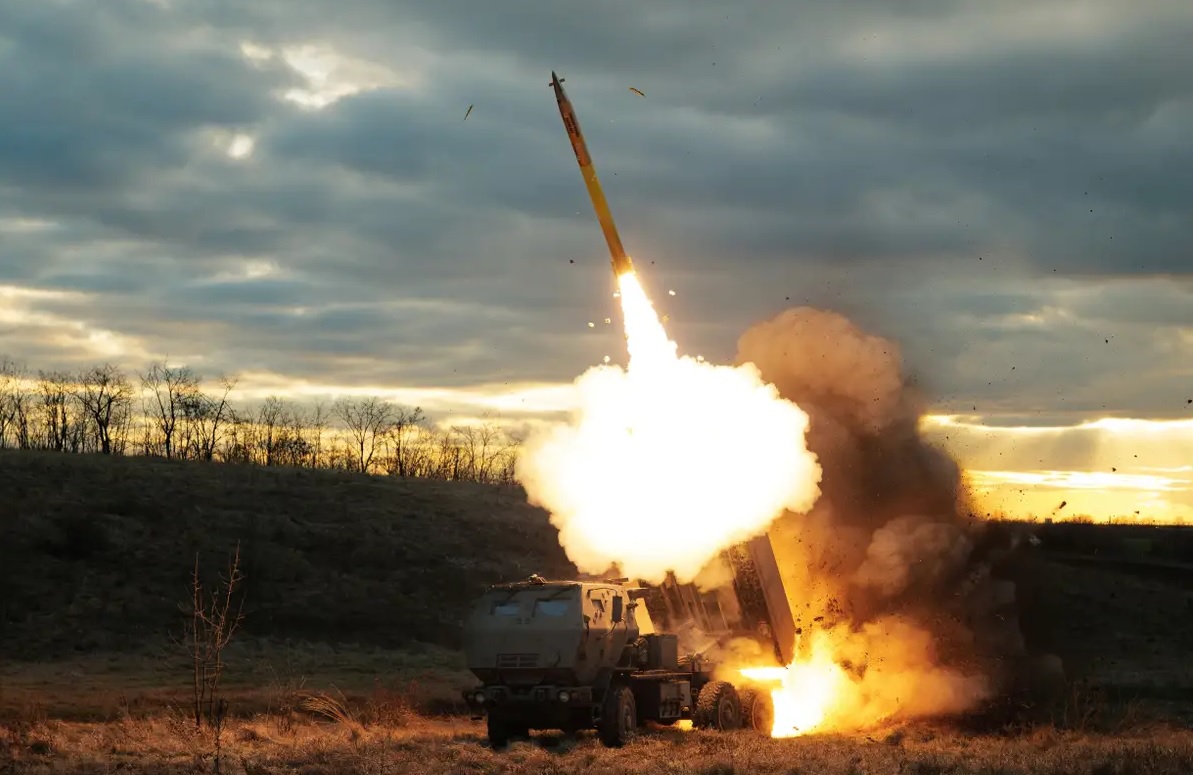
World
OTTAWA — June 03, 2026 : Canada has finalized a CAD $2.6 billion (USD $1.8 billion) agreement to acquire 26 M142 High Mobility Artillery Rocket System (HIMARS) launchers, significantly enhancing the Canadian Army’s long-range precision strike capabilities. The Government of Canada confirmed the deal on June 2, 2026, following an agreement negotiated with the United States in January through the Foreign Military Sales (FMS) program. The acquisition forms the core of the Canadian Army’s Long Range Precision Strike (Land) [LRPS(L)] project and includes launchers, an initial stock of munitions, spare parts, training, and support services. Deliveries are expected to begin in 2029. Expanding Long-Range Firepower The HIMARS acquisition will substantially increase the Canadian Army’s strike range. While current artillery systems generally reach around 40 kilometres, HIMARS can engage targets beyond 300 kilometres when equipped with precision-guided munitions. The system enables forces to strike command centres, logistics hubs, and other high-value targets from long distances. Its wheeled design allows rapid movement after firing, improving survivability against counter-battery systems, surveillance assets, and drone threats. The fleet of 26 launchers will provide Canada with a dedicated long-range fires capability, supporting both operational deployments and training requirements. Supporting Arctic and Coastal Defence The procurement aligns with Canada's 2024 defence policy, Our North, Strong and Free, which identified long-range missile capabilities as a key modernization priority. Because HIMARS can be transported by Royal Canadian Air Force C-130J and C-17 aircraft, it can be rapidly deployed across Canada's vast territory, including remote northern regions. Canadian Army Commander Lieutenant-General Michael Wright has highlighted the system’s value for deterrence, area-denial, and sovereignty missions in the Arctic. The Department of National Defence has also noted that HIMARS could support future land-based anti-ship missile capabilities, strengthening coastal defence across Canada's Atlantic, Pacific, and Arctic approaches. Enhancing NATO Interoperability The acquisition was conducted through the U.S. Foreign Military Sales framework because HIMARS is not commercially available and Canada does not produce the launcher or its associated long-range missile systems domestically. The system will provide Canada access to established U.S. logistics, training, and fire-control networks, improving interoperability with U.S. and NATO forces that already operate HIMARS. Economic Benefits Under Canada's Industrial and Technological Benefits (ITB) Policy, Lockheed Martin is required to generate business activity in Canada equal to the value of the contract. The company plans to integrate Canadian businesses into its global supply chain and support domestic research and development initiatives. Defence Minister David J. McGuinty described the acquisition as a critical step in ensuring the Canadian Armed Forces remain prepared to protect Canada and support allied operations. Other federal ministers emphasized that the project will strengthen both national defence capabilities and Canada's defence industrial base. The HIMARS purchase marks a major modernization effort for the Canadian Army, providing a long-range precision strike capability that will support Arctic sovereignty, coastal defence, and allied operations for decades to come.
Read More → Posted on 2026-06-03 14:43:51
World
BERLIN — June 03, 2026 : Israel Aerospace Industries (IAI) has unveiled OPAL Next Generation (OPAL-NG), an advanced airborne decentralized battle management system designed for sixth-generation combat platforms and multi-domain military operations. The system is making its public debut at the ILA Berlin Air Show. OPAL-NG is the latest evolution of IAI’s OPAL battle management architecture, building on the operational foundation of the original system introduced in 2019. The legacy OPAL network is currently deployed across fighter aircraft, helicopters, unmanned aerial vehicles (UAVs), airborne early warning aircraft, naval vessels, and ground command centers. Designed as a network-centric, software-defined avionics architecture, OPAL-NG enables real-time data sharing, multi-domain situational awareness, and interoperability across air, land, and maritime forces. The system creates a shared operational picture by allowing connected platforms to exchange voice communications, imagery, video, intelligence, and mission-level information in real time. A major enhancement in OPAL-NG is the integration of edge-based artificial intelligence, which enables real-time data processing, task prioritization, and decision support directly at the platform level. The AI capability is intended to support manned-unmanned teaming (MUM-T) and Collaborative Combat Aircraft (CCA) operations, allowing unmanned systems to operate as extensions of crewed platforms. Through continuous real-time collaboration, participating assets can dynamically share sensing and intelligence data, electronic warfare activities, target interception tracking, and strike functions. By processing large volumes of information from multiple sources and converting them into actionable insights within milliseconds, the system is designed to shorten the sensor-to-shooter cycle and support time-critical targeting and mission execution. OPAL-NG utilizes an open, standards-based architecture that enables military operators to integrate existing hardware, datalinks, and software-defined radios (SDRs) without extensive platform modifications. The system is interoperable with NATO communication standards, including Link-16, allowing integration with allied forces and coalition networks. The open architecture also enables users to develop indigenous operational applications and mission-specific software while retaining existing infrastructure. This flexibility supports both legacy and next-generation platforms and allows future capability upgrades without major hardware changes. Commenting on the launch, IAI Chairman of the Board Boaz Levy said future combat operations will depend on interoperability, speed, and the ability to operate as a unified multi-domain force. He noted that OPAL-NG combines AI-enabled processing with enhanced collaboration between manned and unmanned systems to support faster and more informed decision-making. Yaacov Berkovitz, Executive Vice President and General Manager of IAI Aviation, said the system provides a shared operational picture across platforms and domains while improving real-time coordination between distributed assets. He added that OPAL-NG’s open architecture enables operators to integrate existing systems while enhancing operational capabilities on both current and future platforms. With the introduction of OPAL-NG, IAI is expanding its battle management portfolio to address the growing demand for AI-enabled, networked, and distributed operations that are expected to define future combat environments.
Read More → Posted on 2026-06-03 14:38:36
World
COURTLAND, ALABAMA — June 02, 2026 : Lockheed Martin has inaugurated a new missile production facility in Courtland, Alabama, dedicated to manufacturing the Next Generation Interceptor (NGI), a system designed to strengthen the United States’ homeland missile defense network. The company officially opened the 88,000-square-foot Missile Assembly Building 5 (MAB-5) on June 1, 2026, marking a major step in transitioning the NGI program from development to production. The facility has been built specifically to manufacture the interceptor that will replace the aging Ground-Based Interceptors (GBIs) deployed under the Ground-Based Midcourse Defense (GMD) system at Fort Greely, Alaska, and Vandenberg Space Force Base, California. These systems have supported U.S. homeland ballistic missile defense since the early 2000s. The opening of MAB-5 is expected to support the Pentagon’s missile defense modernization plans under the “Golden Dome for America” initiative, aimed at integrating advanced missile defense systems into a layered national security framework. Next Generation Interceptor Program The NGI is being developed for the Missile Defense Agency’s Ground-Based Midcourse Defense system to counter increasingly advanced intercontinental ballistic missile (ICBM) threats. In 2024, the Missile Defense Agency awarded Lockheed Martin a contract worth approximately $17 billion to develop and deliver 20 NGIs. The interceptor is intended to counter evolving threats, including missiles equipped with multiple independently targetable reentry vehicles (MIRVs), advanced decoys, maneuverable warheads, and other countermeasures designed to complicate interception. According to Lockheed Martin, the NGI is designed to improve target discrimination, tracking, and engagement capabilities. It also features a modular open-system architecture, allowing upgrades to be integrated while the missile remains deployed, reducing the need for lengthy removal from operational silos. Christopher Jewell, vice president and program manager for NGI at Lockheed Martin, said the interceptor’s digital foundation is designed to support future technology integration without disrupting operational readiness. Initial deliveries are targeted for 2028, while flight testing is expected to begin in 2029. Courtland Facility and Digital Manufacturing Missile Assembly Building 5 (MAB-5) has been established at the site of the former Courtland Army Airfield, activated in 1942 to train pilots during the Second World War. The location has since developed into a defense manufacturing center supporting missile and aerospace production. Lockheed Martin said the facility introduces digitally enabled missile manufacturing through automation, advanced engineering systems, and virtual modeling tools. A key feature of the facility is “digital twin” technology, which creates a virtual replica of each interceptor during production. This system links design and engineering data directly to factory operations, helping engineers simulate performance and identify hardware issues before physical production is completed. The production line also integrates automated workflows, robotic assembly, and precision tooling to improve consistency and support scalable manufacturing. Investment in Alabama Defense Manufacturing The opening of MAB-5 forms part of Lockheed Martin’s broader $250 million investment in northern Alabama. Operations in Courtland will be supported by the company’s Troy, Alabama, facility, which will contribute hardware integration for the interceptor program. U.S. Representative Dale Strong said the investment reinforces Courtland’s role in supporting skilled industrial jobs and defense manufacturing linked to national security programs. Role in the Golden Dome for America Initiative The NGI program is closely linked to the Department of Defense’s “Golden Dome for America” initiative, which seeks to establish an integrated missile defense architecture capable of responding to modern ballistic missile threats. The initiative aims to combine advanced interceptors such as NGI with next-generation space-based tracking systems, ground-based radars, and command networks connected through artificial intelligence-enabled battle management systems. During the inauguration, Gen. Mike Guetlein, director of the Golden Dome program, described the Courtland facility as part of the nation’s “Arsenal of Freedom” and emphasized the importance of expanding manufacturing capacity for homeland missile defense. With Missile Assembly Building 5 now operational, Lockheed Martin has expanded production capacity for the Next Generation Interceptor program as the United States moves to modernize its homeland ballistic missile defense system.
Read More → Posted on 2026-06-02 18:33:52
World
Moscow — June 02, 2026 : The Russian Navy’s heavy nuclear-powered battlecruiser Admiral Nakhimov (Pennant Number 080), a modernized Project 11442M Kirov-class warship, officially entered the final phase of sea trials on June 1, 2026, marking a major milestone in one of Russia’s longest and most extensive naval modernization programs. The warship is currently undergoing final evaluations of its navigational, propulsion, combat, and defensive systems before its expected return to operational service with Russia’s Northern Fleet. The testing phase follows years of modernization work intended to transform the vessel into one of the Russian Navy’s most capable surface combatants. A Long Modernization Program Originally commissioned into the Soviet Navy in 1988 under the name Kalinin, the battlecruiser served for roughly a decade before being withdrawn from active operations following the collapse of the Soviet Union. In 1999, the vessel was docked at the Sevmash shipyard in Severodvinsk after funding shortages and maintenance limitations affected the Russian Navy’s ability to sustain large warships. The decision to modernize the cruiser was formally approved in 2006, although intensive reconstruction and modernization work began between 2013 and 2014. Over nearly 25 years of inactivity and refitting, the program has reportedly cost an estimated $5 billion. The vessel entered factory sea trials in the second half of 2025 after leaving Sevmash under its own power for the first time in more than two decades. Initial testing in the White Sea and Barents Sea focused on propulsion systems, navigational safety, and general operational performance. The current phase of sea trials is expected to concentrate on validating weapons integration, radar performance, defensive systems, combat readiness, propulsion reliability, and overall operational capability before final acceptance into naval service. Size and Propulsion Capabilities With a fully loaded displacement of approximately 28,000 tons and a length of 251.1 meters (823 feet 10 inches), Admiral Nakhimov remains among the world’s largest surface combatants excluding aircraft carriers. The Kirov-class warships continue to be regarded as the largest operational combat vessels of their category. To support operations of a vessel of this size, Admiral Nakhimov uses a combined nuclear and steam propulsion system (CONAS). During the modernization period, the ship’s two KN-3 nuclear reactors received new fuel elements, with reactor start-ups taking place between late 2024 and early 2025. The propulsion system generates approximately 300 megawatts of thermal power and 140,000 horsepower, allowing the cruiser to reach speeds of up to 32 knots (59 km/h) when operating with combined nuclear and steam power. On nuclear propulsion alone, the vessel can reportedly reach speeds of approximately 25 knots (46 km/h). Comprehensive Weapons Upgrade A central objective of the modernization effort involved replacing the ship’s Cold War-era launch systems with a modern modular Vertical Launch System (VLS) architecture. The upgraded battlecruiser now integrates a total of 176 vertical launch cells designed to improve offensive strike, fleet air defense, and anti-submarine warfare capabilities. Offensive Strike Systems The cruiser is equipped with 80 launch cells arranged in 10 octuple complexes for anti-ship and land-attack missions. These launchers are designed to fire several missile systems, including the 3M-55 Oniks supersonic anti-ship missile, the 3M14Y Kalibr-NK land-attack cruise missile, and the newer 3M-22 Tsirkon (Zircon) hypersonic missile. The Tsirkon missile is reported to be capable of carrying both conventional and nuclear warheads, increasing the vessel’s long-range strike flexibility. Air Defense Systems An additional 96 launch cells are reportedly reserved for surface-to-air missile systems intended to provide fleet-wide air defense. Reports indicate the ship may carry naval variants of the S-400 air-defense system or the S-300 Fort-M system. For close- and medium-range protection against missiles, aircraft, and drones, the vessel is equipped with Pantsir-M naval air-defense systems designed to intercept incoming aerial threats. Anti-Submarine Warfare Capability The ship has also received anti-submarine warfare upgrades through the integration of Paket-NK and Otvet systems, which are intended to improve defense against underwater threats and strengthen protection for naval formations. Fleet Integration and Operational Role Upon successful completion of sea trials, Admiral Nakhimov is expected to formally rejoin the Russian Navy and be assigned to the Northern Fleet. The vessel is widely expected to assume a flagship role, replacing its sister ship Pyotr Velikiy, which is not expected to undergo a similar modernization due to operational expenses and defense budget limitations. Russian reports suggest Pyotr Velikiy could face early retirement and possible scrapping. Once commissioned, Admiral Nakhimov will become a unique asset in global naval operations as the only nuclear-powered surface combatant of its class and size expected to remain in active blue-water service following an extensive modernization program.
Read More → Posted on 2026-06-02 18:02:18
World
WASHINGTON — June 02, 2026 : The U.S. Navy has awarded Northrop Grumman Systems a contract worth nearly $100 million to continue supporting the GQM-163A Coyote supersonic target missile program through May 2031. The contract, issued by the Naval Air Warfare Center Weapons Division at Point Mugu, California, will support missile-defense testing and training against advanced anti-ship cruise missile threats. The GQM-163A Coyote is a non-recoverable aerial target missile designed to simulate the flight characteristics and attack profiles of modern anti-ship cruise missiles. It remains the only supersonic sea-skimming target missile produced in the United States and serves as the Navy’s primary platform for high-speed threat simulation. Designed to Simulate Modern Missile Threats The GQM-163A is designed to replicate missile threats comparable to China’s YJ-12 and Russia’s P-800 Oniks anti-ship missiles, which are capable of high-speed maritime attacks. The P-800 Oniks has also been exported to countries including India and Vietnam, while Iran operates Russian-origin missile systems with similar attack profiles. The missile operates in two primary attack modes used by modern anti-ship weapons. Sea-Skimming Flight Profile In sea-skimming mode, the GQM-163A flies at speeds exceeding Mach 2.5 while maintaining an altitude as low as four meters (13 feet) above the ocean surface. This profile reduces radar detection time and tests a warship’s ability to detect and intercept incoming threats. High-Altitude Dive Profile The missile can also climb to approximately 15,850 meters (52,000 feet) before diving toward a target at speeds exceeding Mach 3.5, simulating high-speed terminal attacks. The GQM-163A uses a solid-fuel ducted rocket and ramjet propulsion system to maintain sustained supersonic flight during testing. Contract Covers Testing and Operational Support The contract includes flight trajectory planning, technical data support, launcher preparation, telemetry support, and operational services required for live-fire missile-defense exercises. Each exercise is planned to test specific naval defense systems, including radar tracking, missile interceptors, and close-range defensive weapons. The agreement also includes loading and preparation of Coyote targets onto launch systems before testing. Supporting U.S. and Allied Naval Forces The program supports not only the U.S. Navy but also allied countries including Japan, Israel, and France, which use the system to test shipboard missile-defense capabilities. Work under the contract will be carried out across seven U.S. locations and international facilities in Scotland and Israel. Point Mugu, California, accounts for 27 percent of work and serves as the primary Pacific missile test range. Facilities in Camden and Chandler, Arizona, handle manufacturing and assembly, while the Hebrides Range in Scotland supports NATO missile-defense exercises. Operations in Israel reflect continued use of the system for naval defense testing. Program History and Continued Demand The program began in 2000 when Orbital Sciences, later acquired by Northrop Grumman, received a Navy contract to develop a supersonic target missile. Following its first launch in 2003 and developmental testing, the GQM-163A entered operational service in 2005. Northrop Grumman delivered the 200th GQM-163A Coyote missile to the U.S. Navy in June 2025, reflecting continued demand for the system. Growing Importance for Naval Missile Defense The importance of the GQM-163A program has increased as anti-ship missile threats continue to expand, particularly in regions such as the South China Sea where naval forces operate within range of land-based missile systems, submarines, and surface combatants. The U.S. Navy uses the Coyote to test and validate defense systems including the Aegis Combat System, Standard Missile interceptors, the Evolved Sea Sparrow Missile, and close-in weapon systems under realistic operational conditions. By extending the program through 2031, the Navy will continue to support missile-defense testing and readiness for U.S. and allied naval forces.
Read More → Posted on 2026-06-02 17:41:47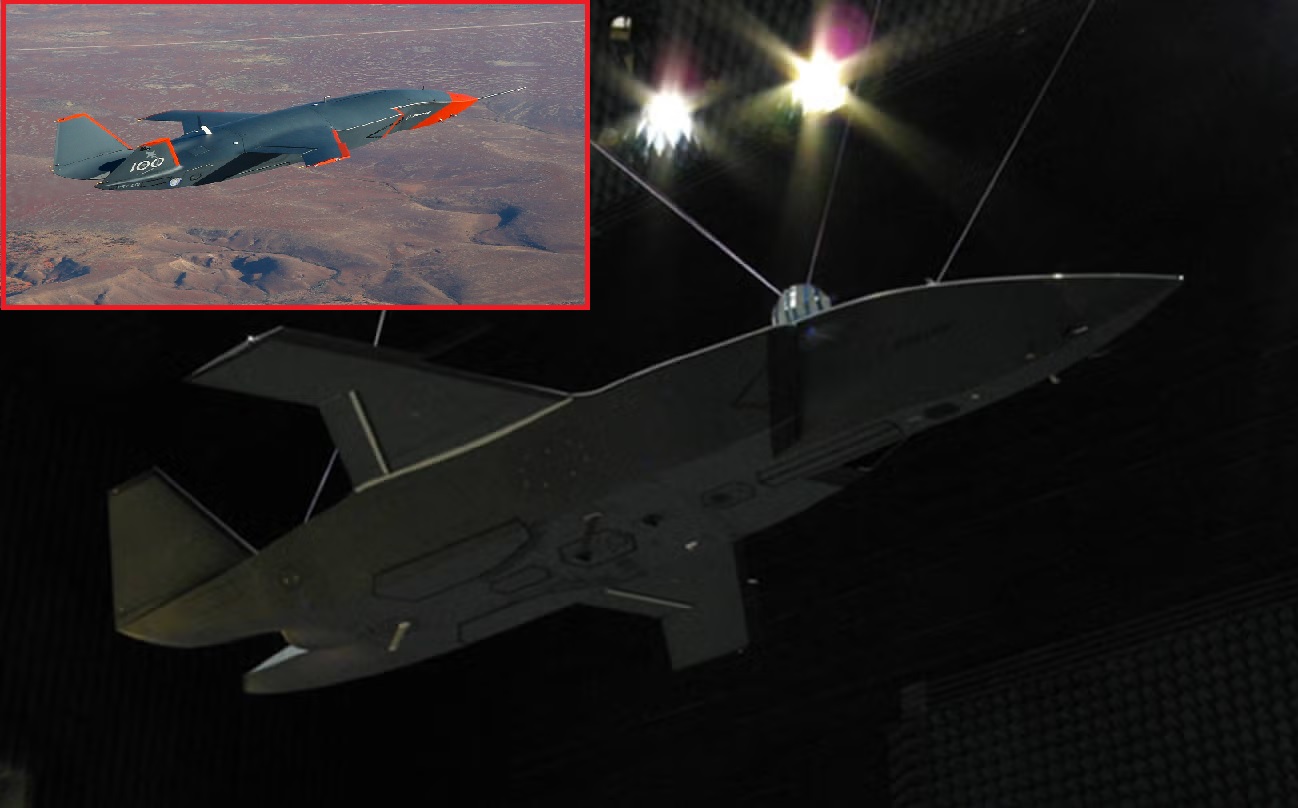
World
WASHINGTON — June 02, 2026 : Boeing has validated the stealth performance of its MQ-28 Ghost Bat Collaborative Combat Aircraft (CCA) through Radar Cross Section (RCS) testing, a milestone announced on June 1, 2026, that further advances the autonomous aircraft program and supports future certification, procurement, and export efforts. The announcement comes shortly after Boeing confirmed that the MQ-28 had completed its first operational flights outside Australia, conducting test missions in California to validate autonomous operations in an allied environment. Stealth Performance Validation Boeing conducted the RCS assessments to measure the MQ-28 Ghost Bat’s radar detectability and evaluate the effectiveness of its low-observable design. Radar Cross Section (RCS) refers to the amount of radar energy reflected back toward a receiver from a target. Aircraft with lower RCS values are more difficult to detect, track, and engage by enemy radar systems. The tests were carried out inside a specialized anechoic chamber designed to measure radar signatures under controlled conditions. Boeing assessed the aircraft from multiple angles, including elevation, azimuth (nose-to-tail), and roll, generating repeatable and objective data regarding survivability and detection risks. According to Boeing, the results validated the aircraft’s stealth-oriented design, production methods, and material choices intended to reduce radar visibility. Lower radar detectability reduces the engagement range of hostile radar systems and improves survivability during operations in contested airspace. Brad Thompson, Director of Phantom Works Australia, stated that the combination of stealth characteristics, advanced autonomy, artificial intelligence, and a capable operational platform enhances mission effectiveness and flexibility for military operators. He added that the collected data will support procurement decisions, certification activities, and tactical development. What Radar Cross Section Means Radar Cross Section (RCS) is a critical measurement used to evaluate stealth performance in military aircraft. Rather than representing the physical size of an aircraft, RCS measures how effectively an object reflects radar energy back toward the radar source. A lower RCS reduces the range at which radar systems can identify and track an aircraft, improving survivability in contested environments. Boeing stated that the MQ-28 primarily relies on its airframe shape and design features to reduce detectability, with testing helping verify and refine those characteristics. First Operational Flights Outside Australia The stealth validation announcement followed Boeing’s confirmation that the MQ-28 recently conducted three flight tests over the Point Mugu Sea Range at U.S. Naval Base Ventura County in California, marking the first time the aircraft has flown outside Australia. The deployment was intended to validate autonomous operations in a different airspace environment, test integration with foreign command-and-control systems, and demonstrate the aircraft’s ability to be rapidly deployed and sustained from an allied operating location. The California deployment is also viewed as an important step in demonstrating export readiness, particularly for allied nations in the Indo-Pacific region and the United States. Although Boeing did not disclose the exact dates of the California missions, at least one MQ-28 had previously been observed in video footage during a December 2025 visit by U.S. Secretary of Defense Pete Hegseth to the Ventura County installation. Additional footage released by Boeing in May 2026 showed an MQ-28 featuring a two-tone gray livery and an integrated Infrared Search and Track (IRST) sensor mounted in the nose section, indicating that multiple test configurations are currently operating in the United States. MQ-28 Ghost Bat Program Overview Originally developed as the Boeing Airpower Teaming System, the MQ-28 Ghost Bat was designed and manufactured by Boeing Defence Australia in partnership with the Royal Australian Air Force (RAAF) as an autonomous aircraft intended to operate alongside crewed combat and support aircraft. Development of the program began around 2013, followed by the unveiling of the prototype in 2019 and the aircraft’s maiden flight in February 2021. Boeing states that the MQ-28 test fleet has completed more than 150 flights. The aircraft is comparable in size to a light fighter and incorporates cranked-kite wings, canted V-tail stabilizers, and side-mounted air intakes that contribute to aerodynamic performance and reduced radar visibility. The MQ-28 has a range approaching 3,200 kilometers, while some specifications indicate endurance exceeding 2,000 nautical miles (approximately 3,700 kilometers) depending on mission configuration. The platform is capable of speeds up to Mach 0.9 and can operate at altitudes exceeding 40,000 feet. Payloads and Mission Flexibility A key feature of the Ghost Bat is its modular 1.5-cubic-meter nose section, which enables operators to rapidly swap mission payloads based on operational requirements. The aircraft can be configured for Intelligence, Surveillance, and Reconnaissance (ISR) missions, Electronic Warfare (EW), Electronic Intelligence (ELINT) operations to locate or disrupt enemy radar systems, Infrared Search and Track (IRST), and air-to-air attack missions. The MQ-28 uses artificial intelligence and autonomous systems to fly independently while receiving mission-level direction from human operators. Loyal Wingman and Teaming Concept The Ghost Bat was developed under the “loyal wingman” concept, enabling the aircraft to operate alongside crewed military platforms as part of a Manned-Unmanned Teaming (MUM-T) structure. In a typical mission, a ground-based launch and recovery operator manages takeoff and landing before control is transferred to a crewed platform, which assigns mission tasks to the aircraft. Compatible platforms include the E-7A Wedgetail, F-35A, F-15EX, and F/A-18F Super Hornet. Missions may be conducted in close formation or with the MQ-28 operating dozens of kilometers away from crewed aircraft while receiving mission instructions. Operational Milestones and Combat Testing The MQ-28 program has recorded several operational milestones over the past year. In June 2025, an E-7 Wedgetail successfully controlled two MQ-28 aircraft during a mission involving a simulated airborne target, demonstrating the aircraft’s teaming capability. Later, in December 2025, Boeing and the Royal Australian Air Force conducted the platform’s first live-fire exercise. During the test, the MQ-28 launched an AIM-120 Advanced Medium-Range Air-to-Air Missile (AMRAAM) against an aerial target while operating alongside an E-7 Wedgetail and an F/A-18F Super Hornet. In that demonstration, the Ghost Bat functioned as an off-board weapons release platform, receiving targeting information from crewed aircraft and engaging the target using relayed data. The MQ-28 program has also involved participation from more than 55 Australian companies and continues to receive government support, with Block 2 aircraft expected to achieve initial operational capability in 2028 with the Royal Australian Air Force. The successful completion of Radar Cross Section testing represents another development milestone for the MQ-28 Ghost Bat program as Boeing continues work toward operational deployment and potential international customers.
Read More → Posted on 2026-06-02 15:49:50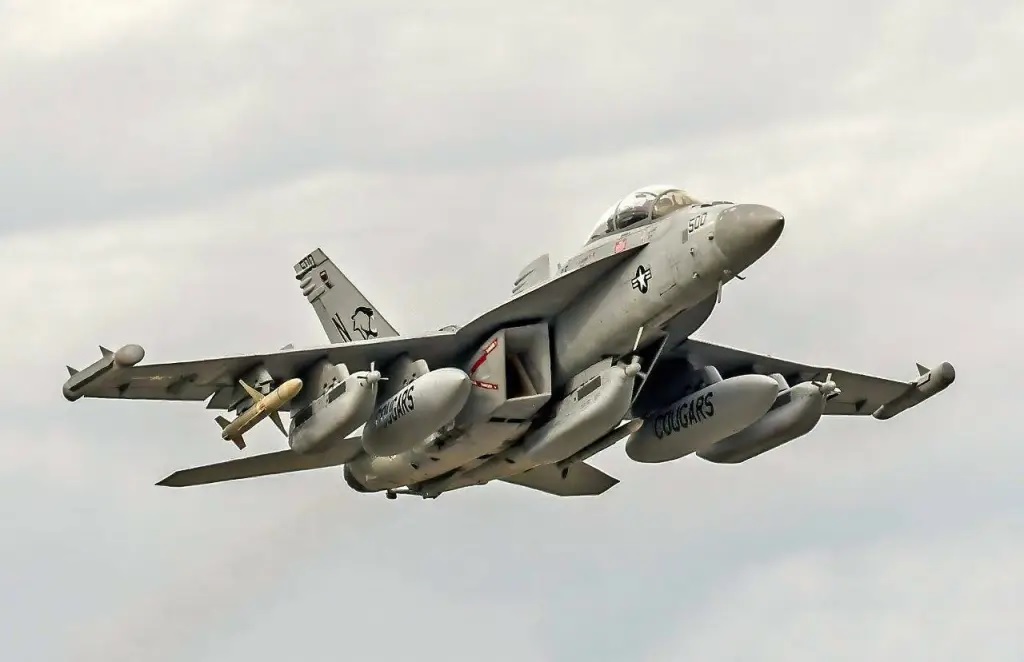
World
PATUXENT RIVER NAS, Md. — June 02, 2026 : The U.S. Navy has awarded a $61 million contract to Northrop Grumman Mission Systems for upgrades to the AN/ALQ-218 tactical jamming receiver aboard the EA-18G Growler, the Navy’s dedicated airborne electronic warfare aircraft. The contract is intended to strengthen the aircraft’s ability to detect, classify, and locate enemy radar and communications systems in increasingly contested electromagnetic environments. The award was issued by the Naval Air Systems Command (NAVAIR) at Patuxent River Naval Air Station in Maryland. According to contract details, Northrop Grumman will manufacture and deliver 28 processor unit upgrade assemblies, 30 Digital Measurement Receiver (DMR) assemblies, and 77 Low Band Dedicated Receiver (LBDR) assemblies. All funding was obligated at the time of the award through fiscal year 2026 Navy aircraft procurement accounts. Work will be carried out at Northrop Grumman’s Linthicum, Maryland facility and is scheduled to continue through February 2030. AN/ALQ-218 to Receive Core Sensor Enhancements The AN/ALQ-218 serves as the core passive sensing system of the EA-18G Growler and plays a central role in the aircraft’s electronic warfare missions. Unlike active radar systems that emit signals, the system passively listens across multiple radio frequency bands to detect and identify radar emissions, communications signals, and electronic activity without revealing the aircraft’s position. Operating across RF bands 0, 1, 2, and 3, the system functions as a radar warning receiver, electronic support measures (ESM) suite, and electronic intelligence collector, helping crews build a detailed picture of the electromagnetic environment before conducting jamming or suppression missions. The contract funds three major hardware improvements designed to improve processing power, signal measurement accuracy, and low-frequency detection capability. Processor Unit Upgrades The contract includes 28 processor unit upgrade assemblies aimed at improving computational performance inside the AN/ALQ-218 system. These processors sort, classify, and prioritize large volumes of signals detected in dense operational environments. The upgraded processors are expected to improve the Growler’s ability to rapidly organize and analyze overlapping radar and communications signals to support faster operational decisions. Digital Measurement Receiver Enhancements Northrop Grumman will also provide 30 Digital Measurement Receiver (DMR) assemblies to improve signal identification accuracy. These receivers precisely measure intercepted signals, allowing the system to distinguish specific radar emitters and operating modes rather than grouping them into broader categories. Improved signal precision supports more accurate threat identification, targeting, and electronic disruption. Low Band Dedicated Receiver Improvements The contract additionally covers 77 Low Band Dedicated Receiver (LBDR) assemblies intended to improve performance in lower-frequency portions of the electromagnetic spectrum. These frequencies are commonly used by long-range surveillance radars, early warning systems, and military communications networks, improving the aircraft’s ability to monitor systems that higher-frequency receivers may not efficiently capture. Responding to a More Complex Electromagnetic Environment The Navy’s decision to modernize the AN/ALQ-218 reflects changes in electronic warfare environments since the EA-18G Growler entered service in 2008. Potential adversaries have increasingly invested in frequency-agile radar systems capable of rapidly changing wavelengths to reduce vulnerability to detection and jamming. Modern military operations also involve denser electromagnetic environments with overlapping sensors, communications traffic, and electronic counter-countermeasure systems. As a result, improvements in receiver sensitivity, signal processing speed, and threat classification are intended to help Growler crews build a more accurate threat picture before selecting jamming strategies or supporting strike operations. Role of the EA-18G Growler Built by Boeing as a specialized variant of the F/A-18F Super Hornet, the EA-18G Growler is operated by a pilot and a naval flight officer responsible for managing electronic warfare systems. The aircraft specializes in suppression and destruction of enemy air defenses (SEAD/DEAD), escort jamming, communications disruption, and real-time electronic intelligence collection. The U.S. Navy currently operates approximately 160 Growlers assigned to carrier air wings and land-based electronic attack squadrons. Operational Use in Venezuela The Growler’s operational role was demonstrated during Operation Absolute Resolve in Venezuela in January 2026, where EA-18G aircraft were used to suppress Venezuelan air defense systems, enabling special operations helicopters to enter and exit operational areas without engagement from surface-to-air missile systems. The operation highlighted the aircraft’s role in mapping hostile electromagnetic activity and disrupting enemy systems in defended airspace. Foundation for Growler Block II Modernization The newly funded receiver upgrades support the Navy’s broader EA-18G Growler Block II modernization program, which expanded through contracts issued during 2025 and 2026. A key element of the program is the integration of the AN/ALQ-249 Next Generation Jammer Mid-Band (NGJ-MB) developed by Raytheon, replacing the aging AN/ALQ-99 tactical jamming pod with active electronically scanned array (AESA) technology for improved jamming precision and flexibility. Additional Block II upgrades include open mission systems architecture, upgraded Joint Tactical Terminals, satellite communications enhancements, and machine learning-enabled software designed to adapt jamming techniques based on observed threat behavior. However, advanced jamming capabilities depend on accurate threat detection before engagement. The upgraded AN/ALQ-218 system provides the sensing foundation required to identify, classify, and geolocate enemy emitters before electronic attack measures are employed. The Navy views these upgrades as an important step toward maintaining the EA-18G Growler’s operational effectiveness and sustaining U.S. electronic warfare capabilities into the 2030s.
Read More → Posted on 2026-06-02 15:42:39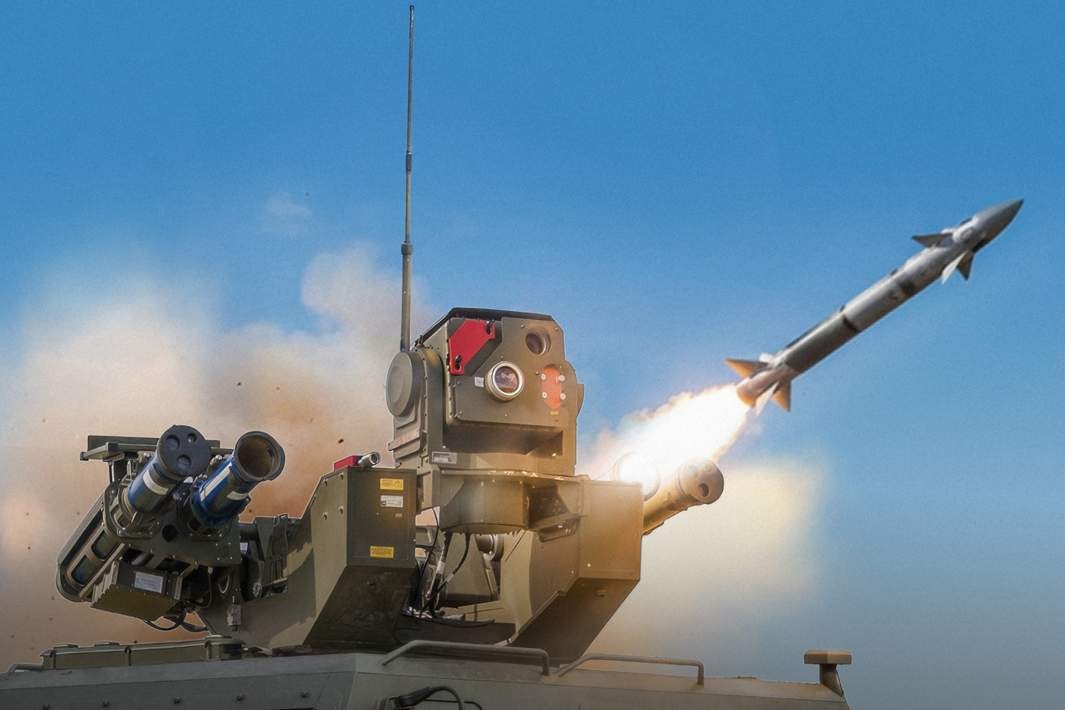
World
LONDON — June 02, 2026 : The United Kingdom has signed a £36 million ($48.5 million) procurement contract with Thales for hundreds of additional Lightweight Multirole Missiles (LMM), known as the Martlet in Royal Navy service, as part of efforts to strengthen counter-drone defence capabilities and replenish operational stockpiles. The agreement, confirmed by the UK Ministry of Defence and Thales on June 1, 2026, supports Britain’s effort to improve short-range air defence against low-cost uncrewed aerial systems (UAS). Deliveries are scheduled to begin in the coming months and continue through 2026. The procurement follows an earlier Martlet order placed in April 2026 and is intended to reinforce protection for British forces, naval platforms, airbases, and critical infrastructure, particularly in regions facing persistent drone threats, including the Middle East. Recent operational use has reinforced the missile’s role in force protection. According to defence officials, the Martlet has intercepted more than 100 drones during deployments in the Middle East, supporting short-range defence missions against low-cost aerial threats and contributing to the UK’s layered air defence framework. Martlet Missile Designed for Short-Range Interception The Martlet is a compact precision-guided missile developed to engage small and highly manoeuvrable targets at short range. The system weighs approximately 13 kilograms, measures 1.3 metres in length with a 76 mm diameter, and can be deployed across air and ground platforms. The missile is designed to engage uncrewed aircraft, helicopters, light surface vessels, light armoured vehicles, and other agile targets in maritime and land environments. Powered by a two-stage solid propellant rocket motor, the Martlet reaches speeds exceeding Mach 1.5 (more than 1,150 miles per hour) and has an engagement range exceeding six kilometres, extending to approximately eight kilometres depending on operating conditions. The missile carries a three-kilogram dual-effect warhead combining blast fragmentation effects with a shaped charge to improve effectiveness against lightly protected targets. Detonation occurs through laser proximity or direct impact depending on mission requirements. Guidance System Designed to Resist Electronic Interference The Martlet primarily employs a laser beam-riding guidance system, enabling operators to track a target while projecting a laser beam that the missile follows until interception. This guidance approach reduces vulnerability to electronic jamming and signal interference, which are increasingly common in contested environments. The system also supports precision engagement while limiting unnecessary collateral effects. In addition to surface-to-air missions, the missile can operate in air-to-air, air-to-surface, surface-to-surface, and maritime engagement roles, increasing operational flexibility. Expanding “Magazine Depth” Against Low-Cost Drone Threats The procurement forms part of British efforts to improve “magazine depth,” or the ability to sustain defensive operations without rapidly exhausting missile inventories. Lessons from conflicts in Ukraine and the Middle East have shown that large numbers of low-cost reconnaissance drones and one-way attack systems, including Iranian-designed Shahed-series drones, can place pressure on air defence stockpiles when expensive interceptors are used against low-cost threats. Military planners view the Martlet as filling a gap between short-range gun systems and larger, more costly interceptor missiles typically reserved for cruise missiles or combat aircraft. This provides commanders with a proportionate interception option without unnecessarily consuming premium munitions. Wildcat Helicopters Provide Airborne Counter-Drone Layer The Royal Navy deploys Martlet missiles aboard Leonardo AW159 Wildcat HMA2 helicopters, which can carry up to 20 missiles on external weapon pylons. Following increased drone threats in early 2026, Wildcat helicopters from the 815 Naval Air Squadron were deployed to RAF Akrotiri in Cyprus, operating in two-aircraft formations to extend surveillance and interception coverage. The helicopters function as mobile sensor-and-shooter platforms, allowing forces to investigate aerial tracks and intercept hostile drones before they approach naval vessels or defended facilities. British defence authorities declared full operational capability for the Wildcat-Martlet combination in October 2025. Rapid Sentry Strengthens Ground-Based Air Defence On land, the RAF Regiment operates the Rapid Sentry short-range air defence system, which uses Martlet missiles as part of a layered counter-UAS architecture. Rapid Sentry has recently been deployed to locations including Kuwait to counter Iranian UAV threats and is intended to intercept drones that bypass surveillance or electronic warfare layers. The system integrates radar-based tracking, sensor networks, and electronic warfare tools capable of providing soft-kill effects before missile engagement becomes necessary. Martlet serves as the hard-kill component and can integrate with systems such as ORCUS for improved situational awareness and sensor fusion. Saab Giraffe 1X Radars Improve Detection Supporting this layered defence network are Saab Giraffe 1X compact three-dimensional surveillance radars. The United Kingdom ordered 11 Giraffe 1X radars in 2023 to improve detection of small, low-flying drones operating near terrain features that complicate radar identification. The radar systems provide higher-quality tracking data to command networks, enabling faster and more accurate engagement decisions while reducing unnecessary missile expenditure on false targets. Domestic Production Supports UK Defence Industry Beyond operational requirements, the £36 million contract reinforces Britain’s domestic missile production capability. Martlet missiles are designed and manufactured at Thales’ Belfast facility in Northern Ireland, supporting approximately 700 skilled jobs. The procurement helps maintain sovereign manufacturing capacity amid increasing demand for air defence systems and pressure on global munition supply chains. Maintaining domestic production lines is viewed as important for sustaining deployed operations, replenishing stockpiles, and supporting industrial resilience during periods of increased demand. UK Expands Layered Counter-Drone Capability The latest Martlet order reflects the UK’s continued adaptation to evolving aerial threats in which low-cost uncrewed systems are playing an increasing role. By increasing missile inventories and integrating the Martlet across helicopter, vehicle-mounted, and ground-based systems, Britain is strengthening a layered defence network designed to protect deployed forces, naval formations, airbases, and critical infrastructure against persistent drone threats.
Read More → Posted on 2026-06-02 14:49:49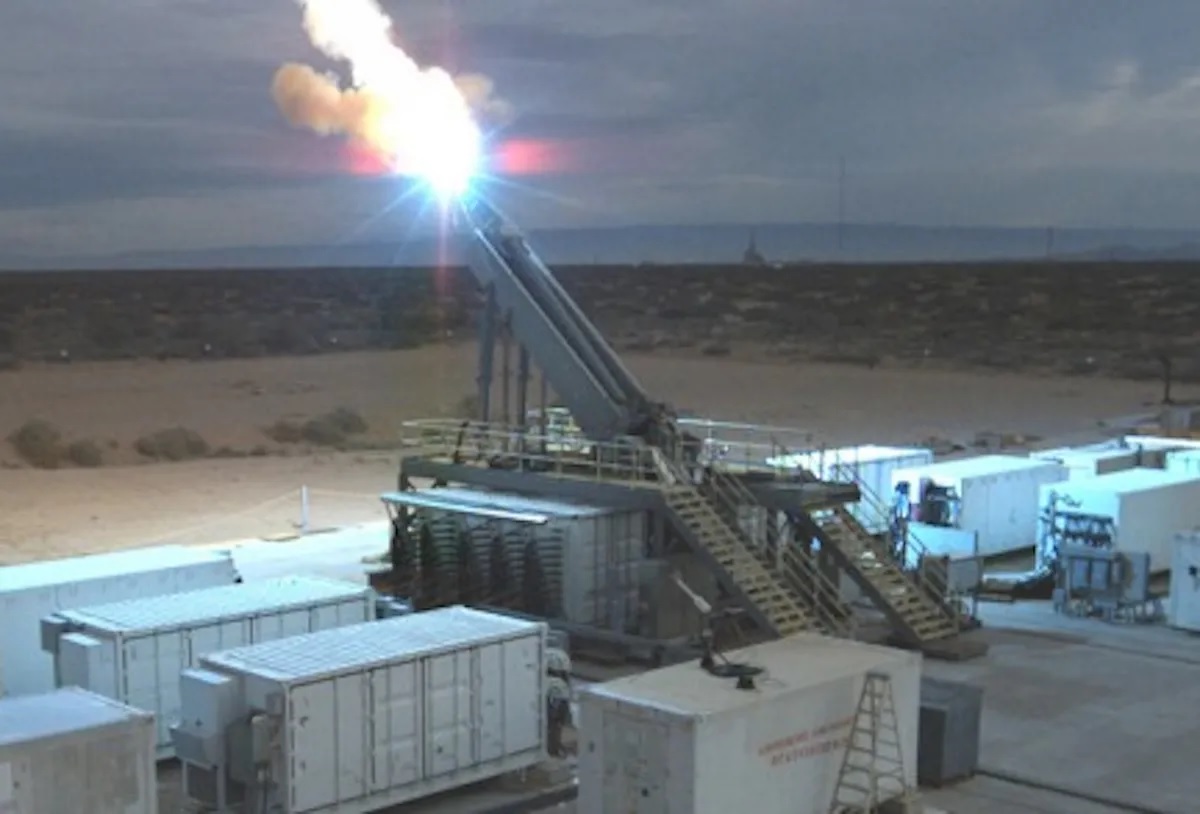
World
WASHINGTON — June 02, 2026 : Supply chain constraints affecting missile interceptor production are increasing U.S. interest in alternative missile defense technologies that could reduce dependence on traditional rocket-powered systems. Recent operational demands following the Iran conflict exposed pressure on American interceptor stockpiles. According to an analysis by the Center for Strategic and International Studies (CSIS), the U.S. military fired more than 1,000 Patriot interceptor missiles during operations linked to the conflict but received only 172 replacement units. The resulting shortfall is expected to continue until at least 2029, highlighting concerns about interceptor sustainability. A key challenge in replenishment efforts lies in missile propulsion production. Current air defense interceptors, including the Patriot PAC-3 and Terminal High Altitude Area Defense (THAAD), rely on solid rocket motors powered by ammonium perchlorate, a chemical oxidizer used in missile propellant. The United States currently depends on a single domestic producer of ammonium perchlorate, creating a supply chain bottleneck that limits rapid interceptor production. As a result, increasing manufacturing output remains difficult even with additional government funding or rising military demand. To address this issue, defense planners and private contractors are examining alternative launch methods that reduce reliance on chemical propulsion. Among the companies developing such technology is California-based startup Auriga Space, founded in 2022 by former SpinLaunch vice president Winnie Lai. How Auriga’s Electromagnetic Launch System Works Auriga is developing a linear electromagnetic accelerator designed to launch missile interceptors without relying on conventional rocket propulsion during the initial launch phase. Instead of generating thrust through chemical combustion, the system uses magnetic fields to levitate and accelerate a projectile along a launch track. Electricity stored in industrial batteries or capacitors is discharged rapidly to propel the interceptor to hypersonic speed. Once the required velocity and altitude are achieved, the payload separates from the launcher. For missile defense applications, the interceptor continues toward its target using the kinetic energy generated during launch. In space-related missions, a secondary motor can activate after separation to support ascent requirements. The system draws on concepts similar to magnetic levitation transport, electromagnetic launch catapults, and railgun research, while replacing expendable propulsion hardware with reusable electrical infrastructure. Potential Operational and Cost Benefits Auriga’s concept could introduce operational and economic advantages for missile defense systems. A Patriot PAC-3 interceptor costs approximately $4 million per round, and each launch consumes the propulsion system, guidance seeker, and warhead. This cost structure becomes increasingly difficult when intercepting lower-cost threats such as drones or one-way attack unmanned systems. Because the electromagnetic launcher itself is reusable, interception costs could be reduced by limiting expendable components primarily to payload systems, including guidance and warheads. The removal of chemical propellants may also improve storage safety and increase inventory capacity by allowing military units to maintain larger interceptor stocks without storing volatile rocket fuel. In addition, the system is intended to support repeated high-frequency launches during swarm attacks or saturation strike scenarios. Auriga is also developing the launcher to fit inside standard shipping containers, enabling deployment aboard naval vessels, at forward operating bases, or across distributed missile-defense networks without requiring permanent infrastructure. Development Roadmap and Defense Support Auriga is advancing the technology through a phased development program. The first stage, Prometheus, is a laboratory-scale accelerator designed for ballistic testing and recoverable hypersonic subsystem validation. The second stage, Thor, is a full-scale outdoor track scheduled to begin hypersonic field testing later in 2026 under operational conditions. The company’s long-term objective is Zeus, a proposed orbital launch complex aimed at supporting commercial and defense-related space launch requirements. The technology has received early support from U.S. defense agencies. The Missile Defense Agency (MDA) awarded Auriga a Phase I Small Business Technology Transfer (STTR) contract, supported by researchers from Purdue University and Texas A&M University, to study electromagnetic accelerator applications for missile defense. Separately, the Air Force Research Laboratory’s AFWERX program granted the company a $1.25 million Direct-to-Phase II Small Business Innovation Research (SBIR) contract to support development of the Prometheus system. Auriga has raised approximately $12.2 million through venture capital investment and government grants. Funding was led by OTB Ventures, with participation from Seraphim Space, Trucks Venture Capital, and Automotive Ventures. The company’s advisory board includes retired Army Lieutenant General Neil Thurgood, former Director of Hypersonics. In March 2026, Auriga also signed a Memorandum of Understanding with the University of North Dakota to jointly advance research in hypersonics, counter-unmanned aerial systems (counter-UAS), and space applications.
Read More → Posted on 2026-06-02 14:38:45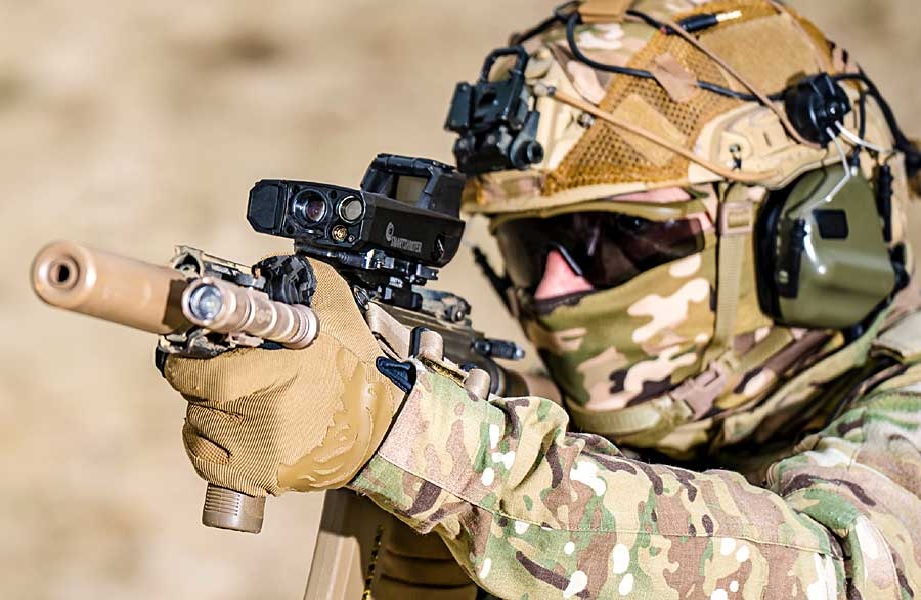
World
NEW YORK — June 02, 2026 : Israeli defense technology company Smart Shooter has secured a $1.8 million contract to supply the U.S. Navy with its SMASH 2000LE fire control systems, marking the company’s first major procurement agreement with the naval service and completing its operational integration across all four major branches of the U.S. military. The company announced on June 1 that the Navy agreement follows earlier procurement contracts with the U.S. Army, Marine Corps, and Air Force over the past year. Deliveries of the systems are scheduled for the second half of 2026. The contract was awarded by the Naval Surface Warfare Center (NSWC), the U.S. Navy’s principal institution for research, engineering, testing, and development of surface warfare systems. Procurement will be managed through Atlantic Diving Supply (ADS), an authorized tactical equipment and logistics provider for the U.S. Department of Defense, enabling faster delivery through an existing acquisition framework. Navy Procurement Reflects Growing Counter-Drone Focus The Navy’s adoption of the SMASH 2000LE, also designated in some configurations as the SMASH 3000SA, aligns with a broader U.S. defense effort to strengthen counter-drone capabilities for military personnel and force protection teams. The increasing use of small unmanned aerial systems (sUAS) in modern conflicts has created new operational challenges for conventional infantry and security forces. Unlike traditional rifle training, which is largely designed for stationary or slow-moving ground targets, engaging small aerial threats requires rapid tracking and precise ballistic calculations. Military assessments have shown that small drones can move unpredictably and often reach speeds of up to 20 meters per second, making them difficult to engage using standard optics and conventional shooting techniques. The growing use of weaponized and reconnaissance drones has increased demand for kinetic counter-UAS systems capable of improving engagement accuracy. How the SMASH 2000LE Fire Control System Works The SMASH 2000LE is an external optical fire control system mounted on standard service rifles, including weapons such as the M4 carbine. Known in Hebrew as “Pigyon,” the system uses artificial intelligence, computer vision, and ballistic processing to improve firing precision. The system locks onto a target and processes variables including target speed, trajectory, distance, wind conditions, and humidity through an onboard dual-core computer. During operation, the user tracks a drone or moving target through the optic while pulling the trigger. However, the weapon does not discharge immediately. The fire control mechanism electronically delays firing until the system calculates the highest probability of a successful hit, reducing missed rounds and improving ammunition efficiency. The system also provides visual aiming support through a digital display, including indicators such as a red dot or targeting cross, allowing operators to maintain continuous tracking of moving aerial targets. System Specifications and Features According to Smart Shooter, the SMASH 2000LE is designed primarily for kinetic counter-unmanned aerial system (C-UAS) missions while also improving accuracy against ground threats. The system offers an effective engagement range of up to 250 meters against small aerial targets and includes features intended for field deployment: Lightweight construction of approximately 740 grams Day and night operational capability See-through optics with integrated digital display Lock-and-track targeting for moving threats Integration with battle management systems Ruggedized construction for operational environments The system is designed to be attached to standard infantry rifles without requiring major modifications. Growing U.S. Defense Contracts The Navy agreement follows Smart Shooter’s expansion within the U.S. defense sector. In March 2026, the U.S. Joint Interagency Task Force 401 (JIATF-401) awarded the company a $6.1 million contract for 210 SMASH systems intended to protect domestic infrastructure and military facilities against emerging drone threats. The company also secured a $10.7 million follow-on contract with the U.S. Army in May 2026 for additional SMASH 2000LE systems, with deliveries expected in the third quarter of 2026. Separate procurement agreements have also been reported with the U.S. Marine Corps and U.S. Air Force as part of broader efforts to improve counter-drone protection at military bases and operational facilities. Company Statement Smart Shooter Chief Executive Officer Michal Mor described the Navy contract as an important development in the company’s expansion across U.S. defense organizations. “Securing our first significant contract with the U.S. Navy marks an important milestone in Smart Shooter’s continued expansion across U.S. defense organizations,” Mor said. “Together with our recent agreements with the U.S. Army, U.S. Marine Corps, and U.S. Air Force, this latest award underscores the growing operational need for precise, reliable, and field-ready solutions to address the drone threat.” Counter-Drone Systems Becoming a Procurement Priority The growing adoption of systems such as SMASH reflects lessons drawn from operational environments including Ukraine, the Red Sea, and the Middle East, where small weaponized drones have increasingly been used for reconnaissance, attacks, and force disruption. These developments have pushed portable counter-UAS systems from a specialized capability into a broader procurement priority for military organizations seeking to strengthen force protection for ships, bases, and frontline units. With deliveries scheduled for the second half of 2026, the Navy’s acquisition of the SMASH 2000LE is expected to support sailors, force protection personnel, and security teams tasked with defending naval facilities and operational assets from small aerial threats.
Read More → Posted on 2026-06-02 14:23:21Search
Top Trending in 24 Hours
-
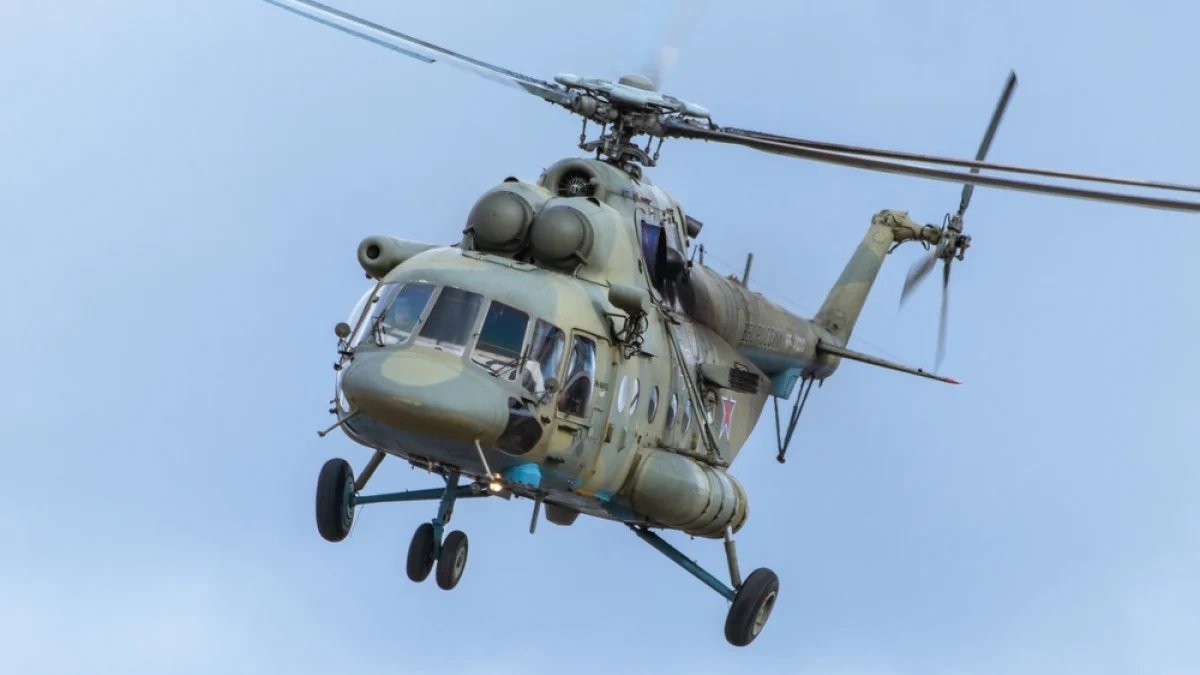 Russian Mi-8 Military Helicopter Crosses Into Polish Airspace for 42 Seconds Near Braniewo
-
 UK Air Force Hawk T2 Trainer Aircraft Crashes Near Valley After Takeoff, Both Pilots Eject Safely
-
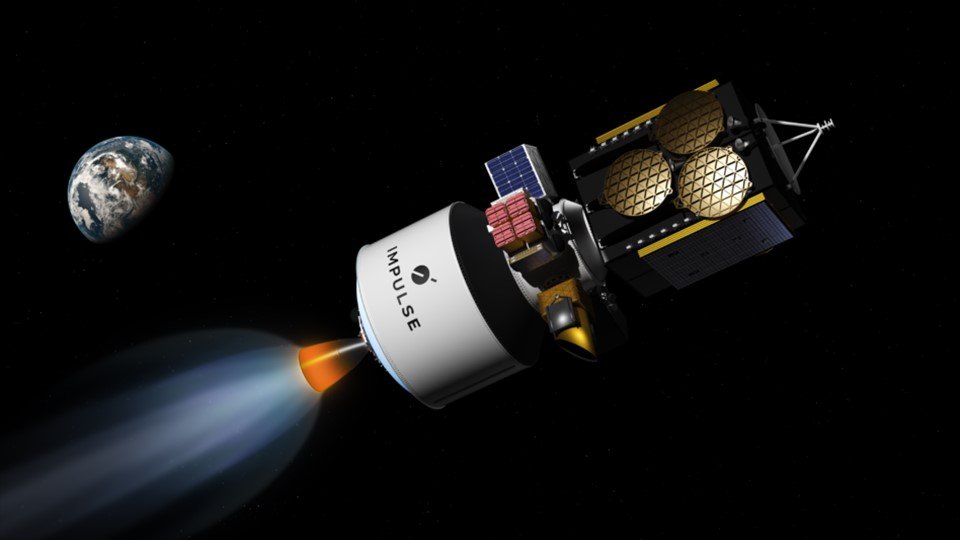 U.S. Space Force Awards Impulse Space $28 Million Contract for 2029 Orbital Surveillance Mission
-
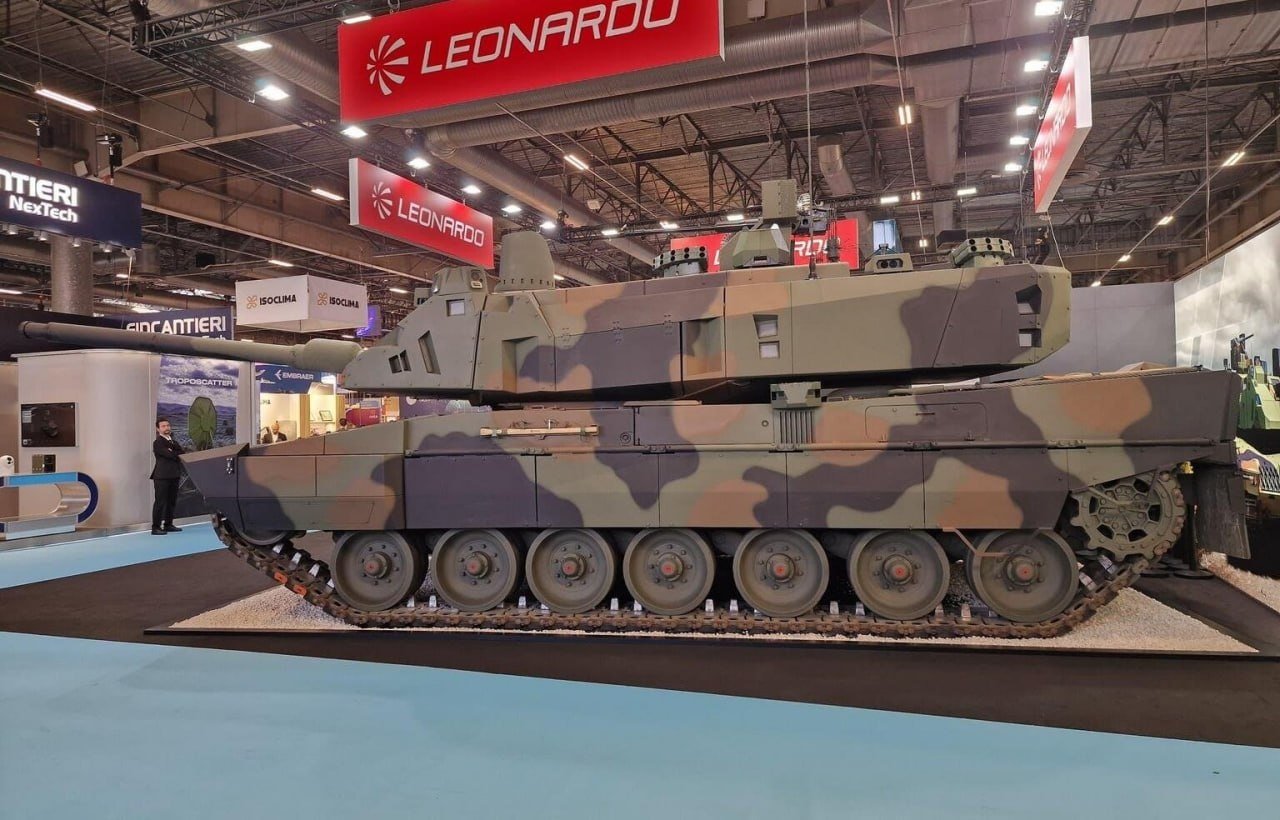 Italy Allocates Up to €5.14 Billion for Procurement of 132 New Main Battle Tanks
-
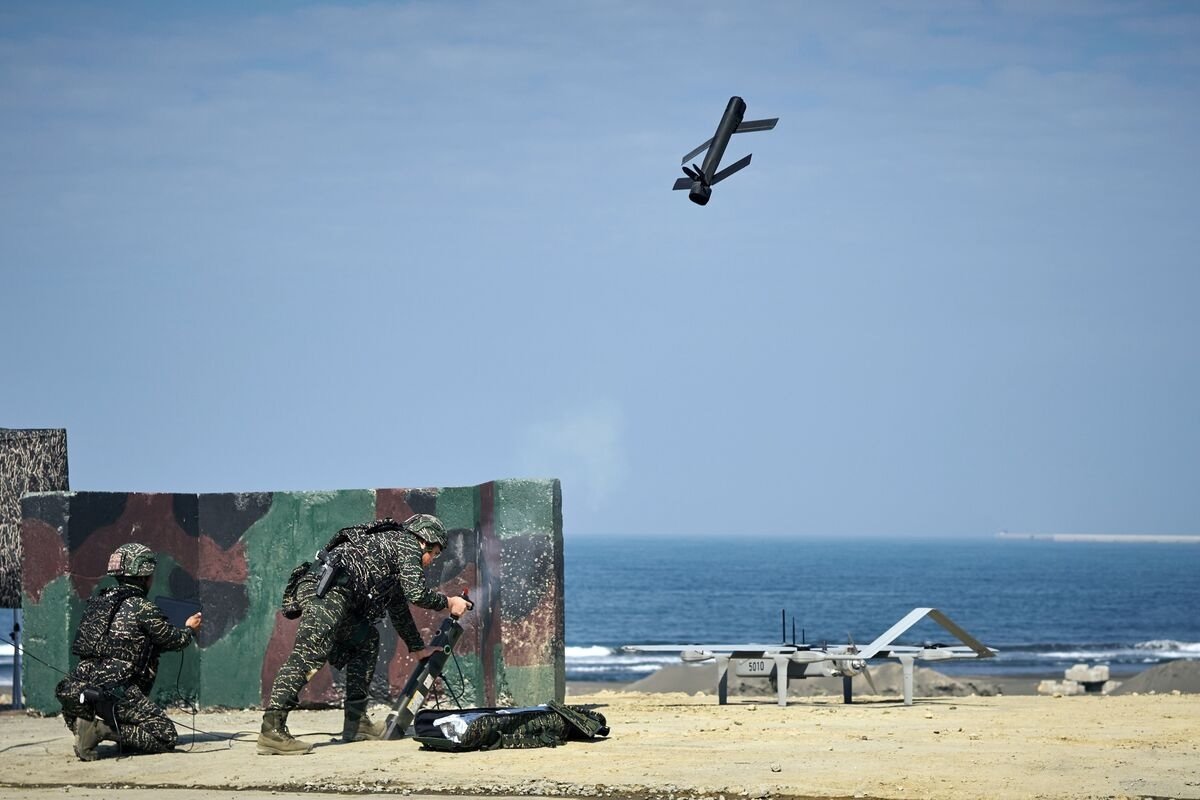 Taiwan Integrates Attack Drones Into Three-Service Live-Fire Exercise at Jiupeng for First Time
-
 Roketsan KARAOK Anti-Tank Missile Successfully Hits Aerial Target for First Time
-
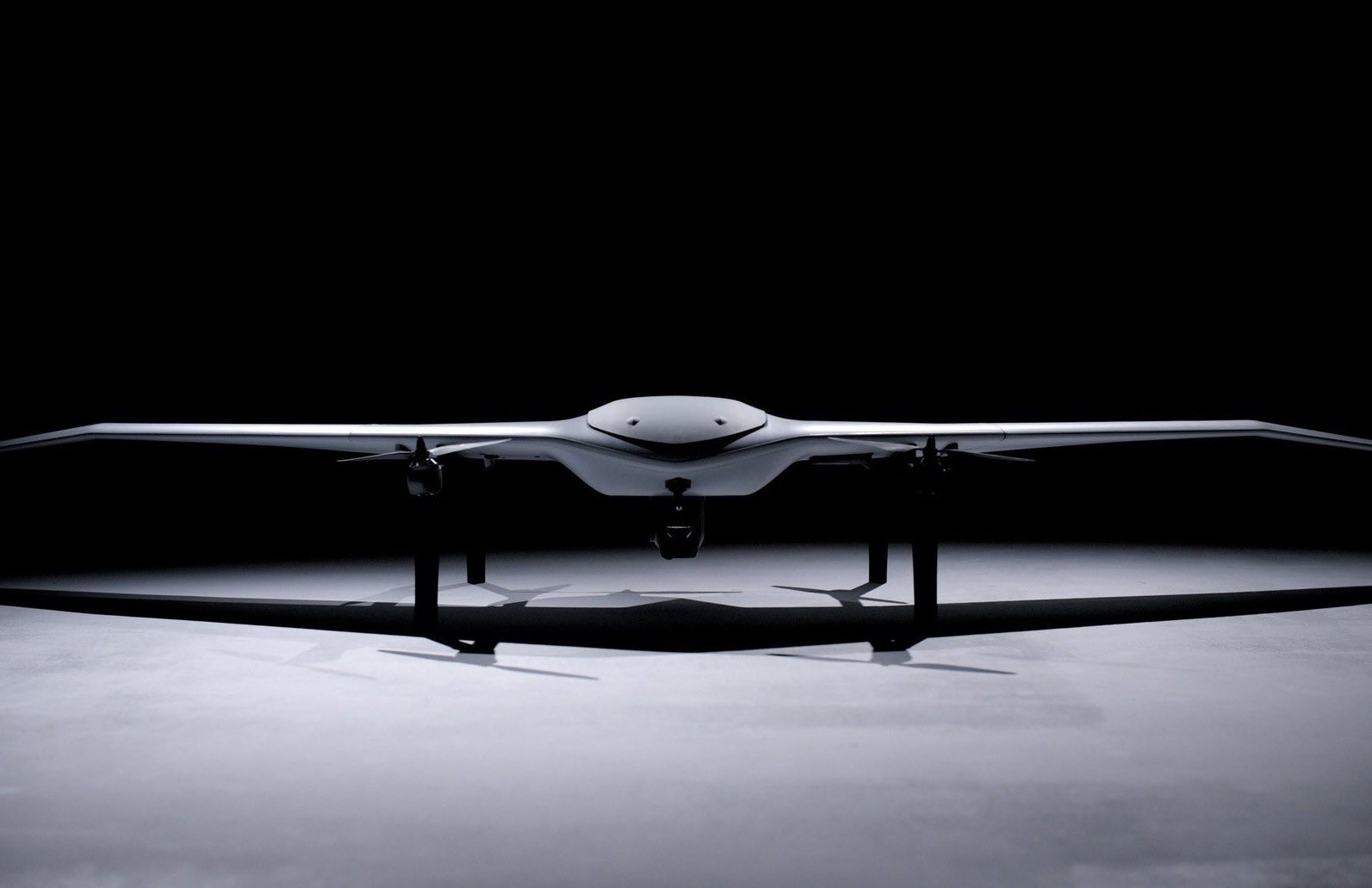 Dutch Firm DeltaQuad Launches Evo-LE VTOL UAV With Up to Eight-Hour Endurance
-
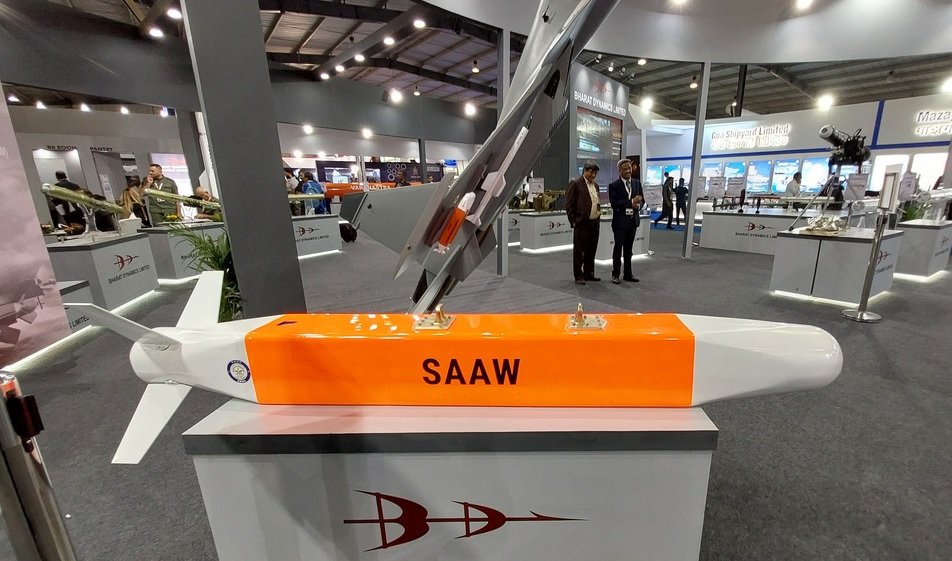 India Signs ₹810.79 Crore Deal with BDL for 160 SAT-SAAW Weapons for IAF
Top Trending in 4 Days
-
 U.S. Army Awards $10.64 Million Contract to Ukrainian Drone Maker Skyeton for Raybird Systems
-
 India’s xTerra Robotics Launches Indigenous DHAV-Hy Wheeled-Legged Quadruped for Industrial Inspection
-
 U.S. Space Force Seeks Rapid-Response Satellites for Close-Range Orbital Inspections
-
 North Korea Fires Short-Range Ballistic Missile Toward Sea of Japan After Freedom Edge 26
-
 U.S. Government Seizes Almasirah.net, Houthi-Linked News Website
-
 U.S. Delivers First CH-47F Chinook to Egypt Under 12-Helicopter Deal
-
 Ukraine Reports First Use of Fire Point’s FP-7 Tactical Ballistic Missile inMoscow-Region Strikes on Oil Refinery
-
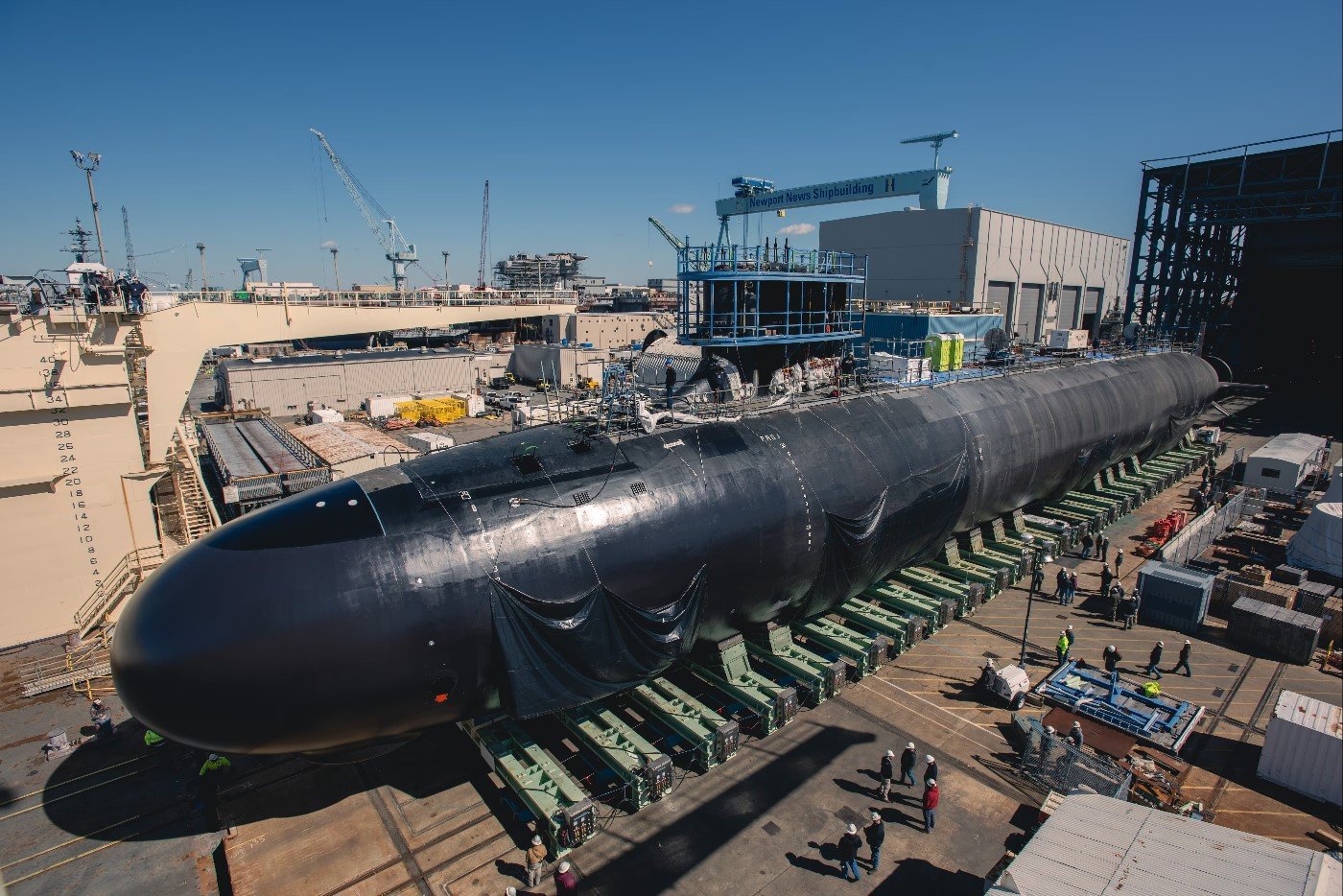 US Navy Submarine Director Outlines Four-Pillar Plan to Raise Build Rates