World
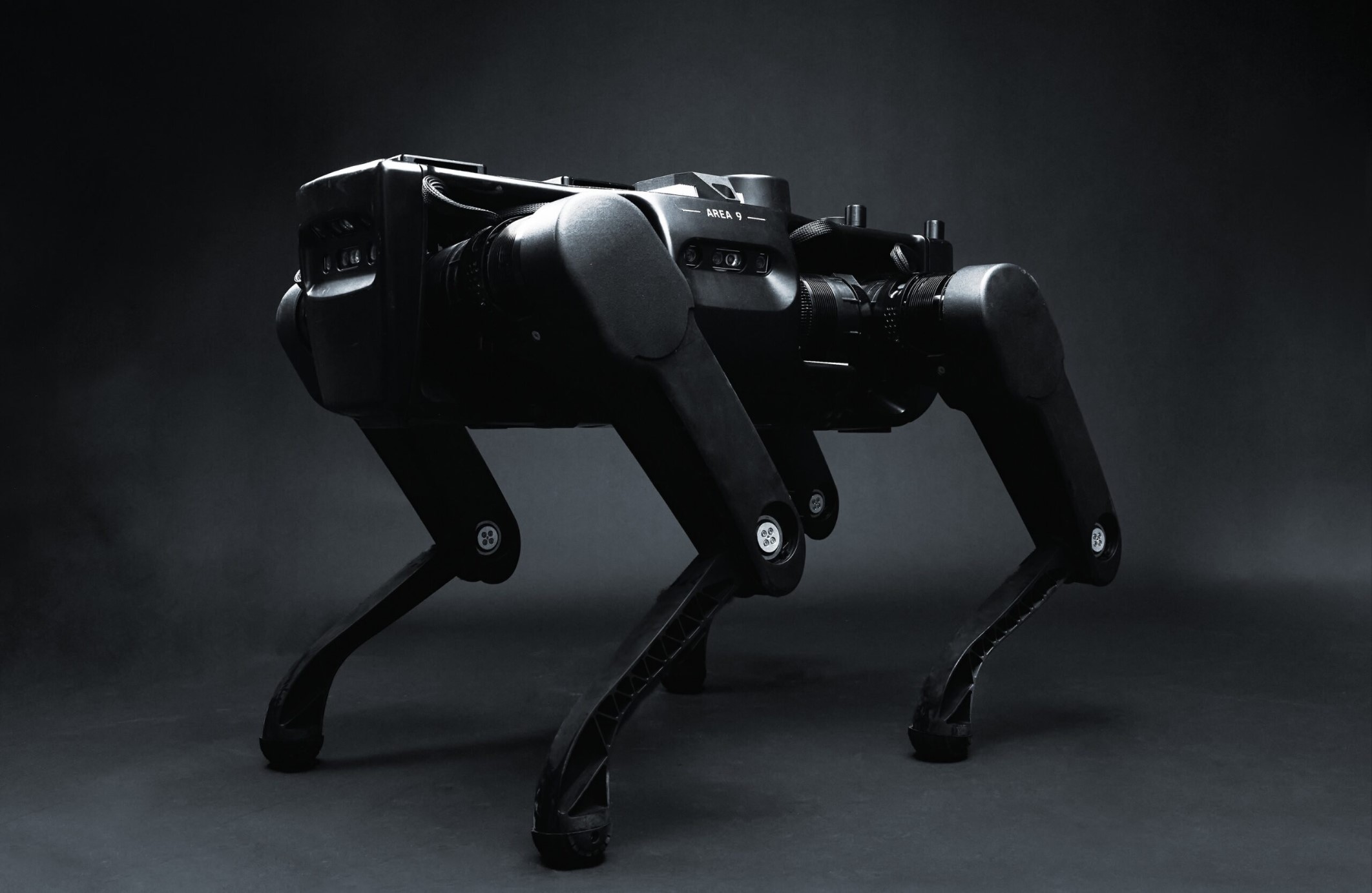
PARIS — June 02, 2026 : European defence technology company Helsing has officially unveiled Area 9, a new advanced research division focused on artificial intelligence (AI) and autonomous systems, alongside the launch of RX-1, the company’s first robotics research platform designed and manufactured entirely in Europe. The announcement, made on 1 June 2026, marks Helsing’s expansion beyond aviation and aerospace software into field robotics. The initiative reflects a broader European effort to strengthen domestic capabilities in next-generation defence technologies and reduce reliance on non-European systems. Area 9 Established to Translate Research into Operational Systems Area 9 will function as Helsing’s dedicated research division under the leadership of Chief Scientist Antoine Bordes. The unit has been established to identify high-impact scientific and engineering opportunities and transform advanced research in AI and autonomous systems into deployable technologies. The division will operate as an internal incubator for experimental programmes, focusing on long-term projects while maintaining pathways toward practical defence applications. Helsing describes Area 9 as an effort to bridge the gap between research and operational military systems. Speaking during the launch, Bordes stated that changing battlefield conditions increasingly require technologies capable of operating in hazardous environments without exposing personnel to unnecessary risk. According to him, Area 9 aims to invest in systems capable of functioning effectively in such settings. One of Area 9’s earliest achievements has been the development of Centaur, an AI-based pilot software system designed for air combat operations. Centaur AI and Development of the CA-1 Europa Centaur uses scaled reinforcement learning, a machine-learning method in which the system learns through repeated simulated trial-and-error scenarios rather than relying solely on predefined programming. The AI processes radar, sensor, and tactical information to improve decision-making in combat environments. According to Helsing, Centaur demonstrated advanced beyond-visual-range (BVR) manoeuvre capabilities in simulations and live testing. In 2025, the system was integrated into a Saab JAS 39 Gripen E fighter aircraft during tests above the Baltic Sea under Project Beyond, a collaboration between Helsing and Saab supported by the Swedish government. During the trials, the AI reportedly controlled the aircraft for portions of the flight, executed manoeuvres against other aircraft, and provided firing recommendations to the pilot. Helsing stated that the tests demonstrated the ability of AI systems to support high-speed operational decision-making in complex air combat scenarios. Centaur now serves as the technological foundation for the CA-1 Europa, an autonomous uncrewed combat aerial vehicle (UCAV) under development by Helsing alongside partners including Grob Aircraft, HENSOLDT, and other European aerospace firms. The CA-1 Europa is being developed as a high-subsonic combat aircraft in the 3-to-5 tonne class, designed for multi-role operations, deep-strike missions, and swarm-based operations in contested environments. It will feature an internal weapons bay, electronic warfare systems, and the capability to operate independently or alongside crewed and uncrewed assets. Production-ready variants are targeted for operational availability within the next several years. RX-1 Introduced as Europe’s Robotics Research Platform RX-1 is Area 9’s first major ground robotics programme, a quadrupedal robotics platform engineered for field research and outdoor autonomy. Designed as a European alternative to robotics platforms largely manufactured in the United States and China, the system is intended for real-world field operations. Helsing stated that RX-1 has been developed for speed, strength, environmental durability, and operation in difficult outdoor settings, including uneven and debris-filled terrain. The platform is intended to support research into autonomous mobility in unpredictable environments. The company designed and manufactured the platform entirely in Europe, including key components such as actuators, which are responsible for joint movement, balance, and mechanical force generation. According to Bordes, Helsing’s robotics team designed RX-1 to withstand demanding outdoor environments while serving as a common research platform for institutions across Europe. Hardware and Software for Autonomous Operations Helsing describes RX-1 as a complete robotics research stack rather than a remotely operated machine. The system combines a physical robotic chassis with an integrated software environment, allowing researchers to test and refine advanced autonomy algorithms in real time. The platform processes information from onboard sensors, including cameras and LiDAR systems, through onboard computing systems to understand terrain and environmental conditions. This enables the robot to adjust movement, recognize obstacles, maintain stability, and autonomously navigate unstructured outdoor environments. The RX-1 platform has also been designed to support research in perception systems, locomotion, navigation, autonomous decision-making, and robotic mobility. Key features include a fully integrated European hardware and software stack, environmental durability, and optimisation for robotics and AI experimentation in real-world conditions. Academic Partnerships with ETH Zurich and INRIA Paris To accelerate development in field robotics and autonomous systems, Helsing has announced partnerships with research institutions across Europe. The first two collaborations involve the robotics group at ETH Zurich, led by Professor Marco Hutter, and the French national research institute INRIA Paris. Both organisations will receive RX-1 systems for advanced robotics research. Professor Hutter stated that RX-1 provides an advanced European-developed hardware platform for field robotics research and said the collaboration with Area 9 would contribute to expanding capabilities in outdoor autonomy. Researchers at ETH Zurich and INRIA Paris are expected to use the system to improve autonomous navigation, perception systems, locomotion, and machine intelligence in outdoor environments. Strategic Importance and European Technological Independence The launch of Area 9 and RX-1 aligns with a broader European emphasis on strategic autonomy in defence, robotics, and artificial intelligence. European governments and defence firms have increasingly prioritised domestic capabilities to reduce dependence on external supply chains for advanced systems and sensitive technologies. By developing software platforms such as Centaur and physical systems including RX-1 within Europe, Helsing aims to establish an integrated domestic technological ecosystem capable of supporting future defence requirements. The company stated that this approach enables research, development, manufacturing, and iterative improvements to remain within Europe while providing institutions and industrial partners access to next-generation autonomous technologies. The launch of Area 9 and RX-1 represents both a technological expansion for Helsing and a broader effort to strengthen Europe’s long-term capabilities in autonomous systems across air and land operational domains.
Read More → Posted on 2026-06-02 13:58:52
World
Washington — June 02, 2026 : The United States Navy officially accepted delivery of the guided-missile destroyer USS Patrick Gallagher (DDG 127) on May 28, 2026, more than two months ahead of schedule. Constructed by General Dynamics Bath Iron Works in Maine, the vessel becomes the 77th Arleigh Burke-class destroyer and the final ship built under the Flight IIA configuration. The delivery marks the formal transfer of the ship from the shipbuilder to the Navy and concludes production of the Flight IIA variant, before the Navy transitions to the newer Flight III design for future destroyers. Construction Timeline and Program Background Bath Iron Works received the contract to build USS Patrick Gallagher on September 28, 2017. Construction began on November 9, 2018, while the keel was laid on March 30, 2022, marking a major milestone in the ship’s assembly. The destroyer was christened on July 27, 2024, in a ceremony attended by the family of its namesake. Patrick Gallagher’s sisters served as ship sponsors and officially christened the vessel in his honor. USS Patrick Gallagher is the final Flight IIA destroyer in the long-running Arleigh Burke-class program, one of the U.S. Navy’s primary multi-mission surface combatant programs. Future destroyers will be built under the Flight III configuration, which introduces upgraded systems and enhanced operational capabilities. Accelerated Sea Trials Enabled Early Delivery The ship departed Bath Iron Works on April 27, 2026, to begin builder’s sea trials, which assessed propulsion systems, maneuverability, combat systems, electrical performance, and overall ship readiness. According to Navy officials, the early handover was enabled through an optimized sea trial process that reduced the time between testing phases. During a streamlined testing period, USS Patrick Gallagher completed evaluations of hull, mechanical, electrical, and combat systems in sequence. The destroyer also conducted a scheduled stop in Portland, Maine, to facilitate crew rotations during testing. Officials stated that the vessel demonstrated an outstanding material condition during trials, enabling acceptance ahead of schedule while maintaining required performance and safety standards. Capt. Jay Young, program manager for the DDG-51 destroyer program, credited coordination between the Navy and Bath Iron Works for supporting the ship’s accelerated delivery timeline. Additional Time for Crew Training and Readiness Because the destroyer was delivered ahead of schedule, the Navy will gain additional time to prepare the ship for operational deployment. The extended preparation period will support crew familiarization, operational training, certification, systems testing, and integration activities before the vessel enters active service. Officials noted that the additional preparation time will contribute to fleet readiness before the destroyer joins front-line operations. Named After a Decorated Vietnam War Marine USS Patrick Gallagher is named after United States Marine Corps Corporal Patrick Gallagher, an Irish-born Marine who later served during the Vietnam War. Gallagher received the Navy Cross for exceptional heroism after saving fellow Marines during combat by jumping on an enemy grenade and throwing it into a nearby river, preventing casualties among his unit. He was later killed in action approximately one year after the incident for which he received the award. The destroyer’s christening ceremony in July 2024 formally recognized his service and sacrifice, with his sisters serving as ship sponsors. Ship Specifications and Combat Capabilities USS Patrick Gallagher is a Flight IIA Arleigh Burke-class guided-missile destroyer designed for missions including air and missile defense, anti-submarine warfare, surface strike operations, maritime security, and fleet escort duties. The vessel measures 509.5 feet (155.3 meters) in length and has a full-load displacement of 9,200–9,500 tons. Power is provided by four General Electric LM2500 gas turbines, producing more than 100,000 shaft horsepower and enabling speeds exceeding 30 knots. The destroyer is equipped with a 96-cell Mk 41 Vertical Launch System (VLS) capable of launching Tomahawk cruise missiles, Standard Missile interceptors, and other missile systems. Additional armament includes a 5-inch Mk 45 naval gun, torpedoes, close-in defensive systems, and facilities for two MH-60R Seahawk helicopters through an onboard hangar and flight deck. The ship operates with a crew of approximately 329 personnel. Flight IIA destroyers also incorporate helicopter facilities, upgraded computing systems, radar improvements, and the Aegis combat system, designed to improve detection, targeting, and response times against modern air and missile threats. Fleet Role and Transition to Flight III Destroyers USS Patrick Gallagher will be homeported in Norfolk, Virginia, where it will join the Navy’s destroyer fleet. The ship enters service as the Navy continues transitioning toward the Flight III configuration, which includes the AN/SPY-6 radar and additional combat system upgrades aimed at improving detection, tracking, and missile defense performance. The early delivery of USS Patrick Gallagher reflects continued efforts to improve production efficiency and fleet readiness during the transition from Flight IIA to Flight III destroyers.
Read More → Posted on 2026-06-02 13:45:35
World
KYIV — June 01, 2026 : Recent footage broadcast by CNN has provided a rare look inside a forward command post operated by Ukraine’s Main Directorate of Intelligence (GUR), revealing the use of an AI-powered air attack monitoring and mission-analysis system known as PRISMA. Developed in cooperation with US technology company Palantir Technologies, the software is being used to coordinate and monitor long-range drone operations targeting locations deep inside Russian territory. The footage marks the first visual confirmation of PRISMA’s operational deployment after Ukrainian officials announced the platform in early May following meetings between Ukrainian Deputy Prime Minister and Digital Transformation Minister Mykhailo Fedorov and Palantir CEO Alex Karp, where both sides discussed expanding artificial intelligence support for Ukraine’s defense operations. Inside Ukraine’s Decentralized Drone Command Network CNN journalists were granted access to a GUR deep-strike unit preparing unmanned aerial vehicles (UAVs) for a nighttime launch. Video from the command post showed operators monitoring real-time maps, drone flight paths, target locations, battlefield intelligence, and air-defense data processed through AI-assisted systems. The unit commander, identified by the call sign “Vector,” said the GUR operates through a decentralized command structure rather than centralized operational hubs. “We don't have any common centers and we use dozens of places,” Vector said. According to Vector, this structure allows operations to continue even if one command node is disrupted, as control can be transferred to other locations without interrupting active drone missions. How the PRISMA System Supports Drone Strike Planning According to CNN footage and related reports, PRISMA is designed to track and coordinate thousands of drones through a single interface by combining large volumes of battlefield data. The platform integrates real-time battlefield intelligence, drone telemetry, satellite imagery, reconnaissance reports, radar emissions, target coordinates, and previous mission data into one operational system. By analyzing thousands of variables, the software identifies vulnerabilities in Russian air-defense networks, evaluates interception points from previous drone waves, studies air-defense coverage, and calculates flight routes intended to reduce exposure to air defenses and electronic warfare systems. Defense analysts describe such platforms as part of a broader shift toward AI-assisted battlefield management, allowing commanders to process operational data more quickly and support mission planning. Use of Strike Drones and Decoy UAVs Vector said Ukrainian operations frequently combine armed strike drones with unarmed decoy UAVs to improve mission effectiveness. While some drones carry payloads to target anti-aircraft systems and strategic infrastructure, others are flown without weapons to map radar coverage, identify defensive patterns, and trigger enemy interception systems, helping reveal weaknesses and deplete missile inventories. During the night covered in the CNN report, the GUR unit reportedly prepared approximately 200 drones for coordinated launch from multiple locations. Integration Into Ukraine’s Broader Defense Strategy The deployment of PRISMA aligns with a broader strategy outlined by Mykhailo Fedorov, structured around air, land, and economic domains. Within the economic domain, Ukraine has prioritized long-range strikes targeting infrastructure linked to Russia’s military economy, including oil refineries, aviation facilities, logistics centers, and defense-related industrial sites. Ukrainian officials say AI-assisted systems are intended to improve operational coordination and help commanders process battlefield information more efficiently. Palantir’s Role in Ukraine’s Defense Technology Since 2022, Palantir Technologies has provided Ukraine with intelligence-fusion, battlefield decision-support, satellite imagery processing, and data-analysis tools. The PRISMA platform represents a specialized extension of this partnership, supporting battlefield intelligence analysis, route optimization, target assessment, mission planning, and coordination of large-scale drone operations.
Read More → Posted on 2026-06-01 18:20:09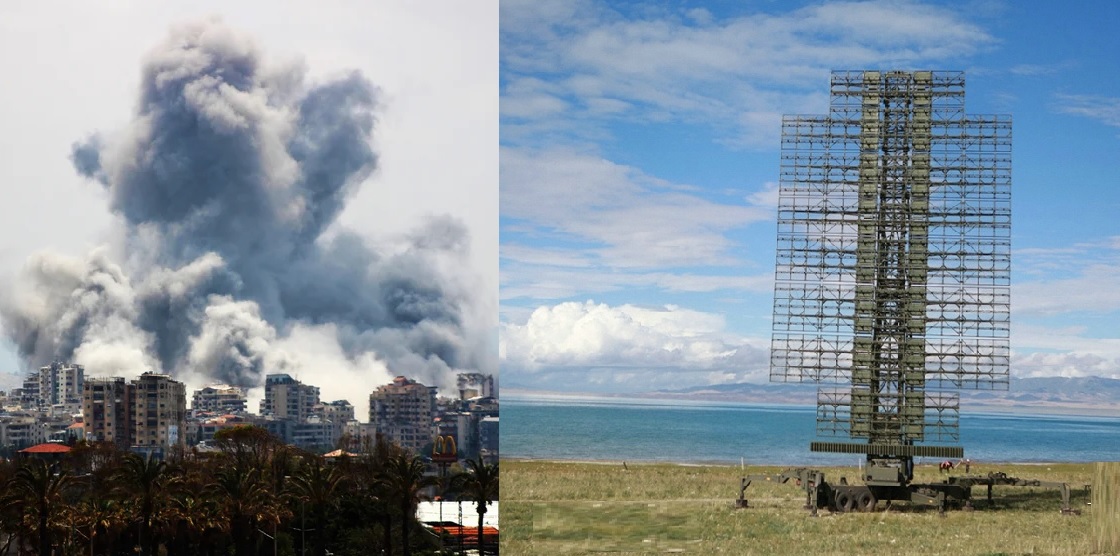
U.S. Destroys Iranian Radar and Air Defense Sites on Goruk and Qeshm Islands in Self-Defense Strikes
World
WASHINGTON — June 01, 2026 : The United States military carried out what it described as targeted “self-defense strikes” against Iranian radar, air defense, drone command-and-control, and military infrastructure on Goruk and Qeshm islands on May 31, following the reported downing of an American MQ-9 surveillance drone near the Strait of Hormuz. According to U.S. Central Command (CENTCOM), the operation was launched in response to what Washington said was Iran’s targeting of a U.S. drone operating in international airspace. CENTCOM stated that the strikes focused on facilities believed to be involved in threatening U.S. forces and maritime traffic in the region, including Iranian air-defense assets, drone control infrastructure, and radar systems. Defense reports indicate that among the primary targets on Goruk Island were Chinese-supplied military systems, including the JY-27A long-range radar and the HQ-9 surface-to-air missile defense system. Reports circulating after the operation claimed that both systems were destroyed during the strikes. However, neither the United States nor Iran has officially confirmed the destruction of these specific systems. The JY-27A is a Chinese-made Very High Frequency (VHF) radar system designed for long-range surveillance and marketed as capable of detecting stealth aircraft. Defense analysts said the radar was supplied to Iran to strengthen monitoring capabilities around the Strait of Hormuz and improve detection of advanced military aircraft operating in the region. Several defense reports and intelligence assessments have suggested that the U.S. operation involved F-35 Lightning II stealth fighter jets, although the Pentagon has not officially disclosed the aircraft used in the mission. According to reports circulating among defense analysts, the JY-27A radar did not detect the approaching aircraft during the strike. The reports further stated that the aircraft involved in the operation were able to bypass Iranian radar coverage and target military infrastructure on Goruk Island, including air-defense systems, a drone ground control station, and two one-way attack drones before a coordinated response could be initiated. Independent verification of these claims remains pending. Goruk Island and Qeshm Island hold strategic importance due to their location near the Strait of Hormuz, a critical maritime route through which a significant portion of global energy shipments passes. Iran has developed radar, missile, drone, and surveillance infrastructure across the area to monitor military and commercial activity and strengthen coastal defense capabilities. The reported destruction of the JY-27A radar and HQ-9 air-defense system has also drawn attention to the effectiveness of modern air-defense systems when operating against advanced stealth aircraft. Analysts noted that the incident may lead to closer examination of the operational performance of radar and missile defense systems supplied for counter-stealth roles, though official assessments have not yet been released. The strikes took place amid heightened tensions between Washington and Tehran in and around the Strait of Hormuz. Following the U.S. operation, Iran’s Islamic Revolutionary Guard Corps (IRGC) announced that it had launched a retaliatory strike targeting an undisclosed air base that it claimed had supported the U.S. mission. At the same time, Kuwait activated air-defense systems after reports of incoming drones and projectiles in regional airspace. Kuwaiti authorities also implemented precautionary flight diversions as a security measure. Despite the recent military exchanges, diplomatic discussions aimed at reducing tensions and ensuring maritime security in the Strait of Hormuz are continuing. No formal agreement or resolution has been announced so far, while independent verification of several battlefield claims from both sides remains ongoing.
Read More → Posted on 2026-06-01 18:07:28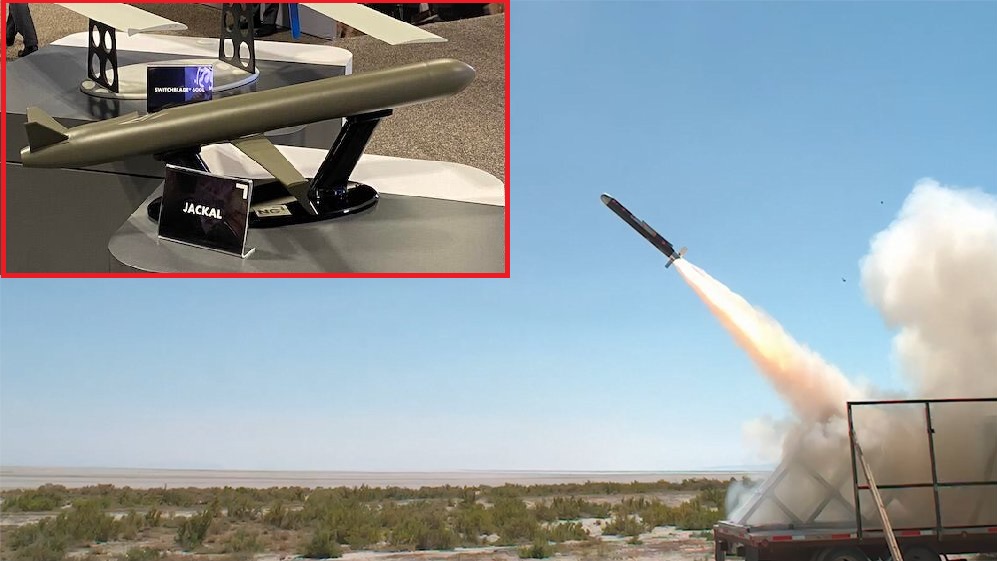
World
WASHINGTON — June 01, 2026 : Northrop Grumman has completed a successful flight test of its Jackal precision strike missile, validating key technologies intended to support the next stage of development for the long-range autonomous strike system. The June 1 test confirmed several critical capabilities, including automated turbojet engine startup, autonomous flight controls, navigation systems, autopilot-controlled flight, and high-speed maneuvering. According to the company, the test demonstrated that the missile’s propulsion, guidance, airframe, and control systems have reached an important level of maturity for continued testing and development toward operational use. The Jackal missile is being developed in partnership with AeroVironment and incorporates avionics and mission control systems refined through the Switchblade 600 program. Designed for operations in contested environments, the missile is intended to provide ground forces with a precision strike capability while reducing dependence on crewed aircraft operating inside heavily defended airspace. Northrop Grumman developed Jackal to bridge the gap between smaller loitering munitions and larger cruise missiles. The system is designed to conduct long-range precision strikes while allowing military units to engage targets from stand-off distances beyond many air defense threat zones. Powered by a fuel-efficient turbojet engine, Jackal can sustain speeds exceeding 300 mph (approximately 600 km/h), enabling rapid engagement of time-sensitive targets. The ground-launched version has a range of up to 100 kilometers, while an air-launched variant extends the range to approximately 125 kilometers. At maximum ground range, the missile can reach targets in roughly 12 to 15 minutes depending on mission conditions. The missile also includes a loiter capability of up to 15 minutes, allowing it to gather intelligence or observe targets before engagement. Its open-architecture design supports modular payloads of up to 10 pounds (4.5 kilograms), enabling configurations for lethal strike missions, electronic warfare, intelligence, surveillance and reconnaissance operations, and non-lethal effects. A key feature of the Jackal system is its autonomous targeting capability. Unlike traditional precision-guided weapons that rely mainly on fixed GPS coordinates, Jackal incorporates artificial intelligence-based algorithms capable of recognizing target characteristics during the final stage of flight. This enables the missile to adapt to changing battlefield conditions, track mobile targets, and select optimal impact points. The system is also designed to operate in GPS-denied and electronically contested environments, reducing vulnerability to jamming and spoofing techniques increasingly used in modern warfare. Another major feature of the missile is its rapid launch capability. The automated turbojet startup system removes the need for complex manual preparation, allowing operators to launch the weapon quickly after a strike order is issued and improving responsiveness against emerging targets. Northrop Grumman states that Jackal can be integrated onto standard light tactical vehicles, with a single platform capable of carrying up to eight launch canisters. This setup allows ground forces to conduct precision strikes across an area of more than 31,000 square kilometers while maintaining mobility and a relatively small logistical footprint. The company confirmed that the Jackal program remains in active development. Future testing will focus on guidance accuracy, target recognition performance, mission effectiveness, and operational integration as the missile moves closer to operational readiness.
Read More → Posted on 2026-06-01 17:43:09
World
WASHINGTON — June 01, 2026 : The United States Army is seeking funding for 2,798 Patriot PAC-3 Missile Segment Enhancement (MSE) interceptor missiles under its Fiscal Year 2027 budget proposal, a procurement effort valued at approximately $12.2 billion that would rank among the largest missile defense acquisitions in the service’s history. The proposal reflects a major shift in US military planning as Pentagon officials seek to strengthen missile defense inventories for prolonged, high-intensity conflicts in which advanced munitions could be consumed at far higher rates than previously anticipated. According to details reported by Army Recognition on June 1, the procurement represents a substantial increase in Patriot interceptor purchases and highlights a growing focus on sustaining air defense operations during extended missile and drone campaigns. Budget Structure and Scale of Procurement The interceptor acquisition forms part of the Army’s broader FY2027 budget request of approximately $252.8 billion, which prioritizes force expansion, modernization programs, industrial base development, and military readiness. Funding for the proposed 2,798 Patriot PAC-3 MSE interceptors would be divided across two budget streams. Approximately $1.3 billion would come through standard discretionary funding, while $10.9 billion would be allocated through mandatory funding, covering 2,554 missiles and requiring separate congressional approval. The scale of the proposal marks a significant increase from previous procurement levels. In comparison, the Army’s FY2026 budget funded 357 PAC-3 MSE interceptors, meaning the FY2027 request would increase purchases by nearly eight times. At an estimated unit cost of approximately $5.3 million per interceptor, the proposal illustrates a broader Pentagon shift toward ensuring sufficient missile inventories for sustained operations rather than preparing primarily for limited engagements or isolated attacks. Military planners increasingly assess that future conflicts may involve repeated and coordinated missile barrages over prolonged periods, making stockpile size as important as interceptor capability. Under such conditions, even advanced missile defense systems could face operational limitations if inventories cannot be replenished rapidly enough. PAC-3 MSE Capabilities and Technology Manufactured by Lockheed Martin, the PAC-3 Missile Segment Enhancement interceptor is the most advanced missile currently deployed within the Patriot air and missile defense system. Unlike older air defense interceptors that rely primarily on blast fragmentation to destroy incoming threats near a target, the PAC-3 MSE uses hit-to-kill technology, neutralizing threats through direct kinetic impact. The interceptor incorporates a larger dual-pulse rocket motor designed to improve range and altitude performance, enhanced maneuverability, and upgraded guidance electronics. While optimized to defeat tactical ballistic missiles, the system also retains the capability to intercept cruise missiles, advanced aircraft, and other airborne threats. Within the Patriot defense architecture, PAC-3 MSE interceptors operate as part of a networked system linking launchers, sensors, radars, and command-and-control systems. The interceptor currently receives targeting information through legacy Patriot radar systems but is expected to benefit from integration with the Lower Tier Air and Missile Defense Sensor (LTAMDS), a next-generation radar developed to improve tracking and targeting performance against complex aerial threats. Lessons from Ukraine and the Middle East Recent combat experience in Europe and the Middle East has played a significant role in shaping the Army’s procurement strategy. Patriot batteries continue to operate as critical elements of United States and allied missile defense networks, protecting military airbases, logistics centers, ammunition depots, command infrastructure, and civilian facilities against missile and drone attacks. In Ukraine, officials have reported successful Patriot interceptions of advanced Russian missile systems, including the Kh-47M2 Kinzhal, demonstrating the system’s ability to engage high-speed aerial threats under combat conditions. At the same time, the conflict has highlighted how quickly advanced interceptor stockpiles can be depleted during sustained operations involving repeated drone and missile strikes. Military assessments have similarly noted operational pressures in the Middle East, where US and allied forces continue to maintain readiness against ballistic missiles, cruise missiles, drones, and other aerial threats requiring constant defensive preparedness. These operational experiences have reinforced Pentagon concerns that advanced capability alone may prove insufficient if interceptor inventories are exhausted during prolonged combat. Focus on Missile Stockpile Sustainability US defense planners increasingly emphasize what military officials describe as “magazine depth” — the ability to maintain sufficient interceptor inventories throughout a conflict. The concept reflects a broader conclusion emerging from recent military operations: effective air defense depends not only on advanced systems but also on the capacity to sustain long-duration operations through adequate stockpiles and industrial production. Ukrainian President Volodymyr Zelenskyy recently highlighted this challenge while urging Washington to authorize licensed domestic production of Patriot interceptors in Ukraine. Zelenskyy stated that monthly production of approximately 60 to 65 anti-ballistic missiles per month remains inadequate given battlefield conditions and called on both previous and current US administrations to expand manufacturing arrangements. Wider Army Air Defense Modernization The Patriot procurement proposal forms part of a broader Army modernization effort aimed at building a layered air and missile defense architecture. Key modernization programs include the Indirect Fire Protection Capability (IFPC), Maneuver-Short Range Air Defense (M-SHORAD), the Terminal High Altitude Area Defense (THAAD), and LTAMDS radar integration. Alongside the Patriot request, the Army’s FY2027 draft budget also includes plans to procure 857 THAAD interceptors as part of efforts to improve layered protection against increasingly sophisticated regional missile arsenals. US military planning has increasingly focused on strengthening defenses for forward operating bases and allied facilities, particularly in regions such as the Indo-Pacific, where officials continue to monitor expanding missile capabilities, including those of the People's Liberation Army Rocket Force. Congressional Approval Ahead The proposed acquisition still requires congressional approval, particularly for the mandatory funding component supporting most of the interceptor purchase. If approved, the $12.2 billion request would provide a major production boost for Lockheed Martin and represent one of the most significant missile defense procurement efforts undertaken by the US Army in decades. The proposal reflects a broader Pentagon assessment that future conflicts are likely to involve sustained missile and drone attacks, requiring not only advanced defensive systems but also sufficient production capacity and large operational inventories to maintain readiness over extended periods.
Read More → Posted on 2026-06-01 17:33:57
World
TEHRAN / JERUSALEM, — June 1, 2026 : Indirect diplomatic communications between Iran and the United States have stalled after Tehran announced the suspension of message exchanges with Washington, citing Israel’s military operations in Lebanon as a violation of a ceasefire framework established earlier this year. The decision, reported by Tasnim News Agency, comes amid renewed fighting in southern Lebanon and increased Israeli military activity targeting Hezbollah positions. Iranian officials stated that no further diplomatic engagement with the United States would take place until specific conditions are met, including the cessation of Israeli operations and withdrawal from areas Tehran considers occupied. The latest development marks a setback in efforts to reduce tensions after months of regional conflict. According to reports, U.S. and Iranian representatives had continued exchanging proposals through intermediaries regarding a broader ceasefire arrangement and maritime security, although progress remained limited. Israel Expands Military Operations in Lebanon Tensions escalated after the Israel Defense Forces (IDF) launched their deepest ground advance into southern Lebanon in more than two decades, capturing the historic Beaufort Castle and the surrounding strategic ridge. The site, approximately 900 years old, overlooks key areas in southern Lebanon and holds military significance due to its elevated position. Following the advance, the IDF reissued evacuation warnings covering southern Lebanon on Sunday, urging residents to move away from areas expected to face military activity. On Monday, Israeli Prime Minister Benjamin Netanyahu and Defense Minister Israel Katz directed the military to expand strikes into Beirut’s Dahiyeh district, a southern suburb regarded as a Hezbollah stronghold. In a joint statement, Israeli authorities said the decision followed repeated violations of the Lebanon ceasefire by Hezbollah and continued missile and drone attacks targeting Israeli soldiers and northern communities. “Following the repeated violations of the ceasefire in Lebanon by the Hezbollah terror organization and the attacks against our cities and citizens, Prime Minister Benjamin Netanyahu and Defense Minister Israel Katz instructed the IDF to strike terror targets in the Dahiyeh quarter of Beirut,” the statement said. Israeli operations in Beirut had previously remained limited after pressure from the administration of former U.S. President Donald Trump, which sought to maintain conditions favorable for a broader diplomatic understanding involving Iran. However, Israeli officials said a rise in Hezbollah drone and missile attacks prompted renewed military action. Hezbollah Rejects U.S. De-escalation Proposal Diplomatic efforts to reduce hostilities in Lebanon encountered difficulties after Hezbollah reportedly rejected a recent U.S.-backed de-escalation proposal on Monday. According to reports, the proposal required Hezbollah to halt attacks before Israel implemented reciprocal measures. Hezbollah began attacks against Israel on March 2, shortly after the United States and Israel launched a joint air campaign against Iran. Since then, cross-border exchanges between Hezbollah and Israeli forces have continued despite ceasefire efforts. Lebanese Parliament Speaker Nabih Berri, who has acted as an intermediary in negotiations, reportedly conveyed Hezbollah’s position to U.S. officials, emphasizing that any sustainable ceasefire arrangement would require Israel to stop military activity first. Iran Suspends Talks and Raises Ceasefire Concerns Iranian officials maintain that the ceasefire reached between Tehran and Washington on April 8 extended beyond direct U.S.-Iran tensions and included military activity across regional fronts, including Lebanon. While Israeli strikes briefly slowed after the agreement took effect, military confrontations resumed as Israel maintained that operations against Hezbollah were not covered by the U.S.-Iran agreement. Iranian Foreign Minister Abbas Araghchi said on Monday that Tehran views the ceasefire as applicable to all regional fronts. “The ceasefire between Iran and the US is unequivocally a ceasefire on all fronts, including in Lebanon. Its violation on one front is a violation of the ceasefire on all fronts,” Araghchi said in a post on X. Tasnim reported that Iran would not resume diplomatic exchanges with the United States until Israeli military operations stop and forces withdraw from areas in Lebanon and Gaza. Iran’s chief negotiator and Parliament Speaker Mohammad Bagher Ghalibaf accused Washington of failing to uphold commitments related to the ceasefire, citing a U.S. naval blockade of Iranian ports that Tehran says began on April 13. Ghalibaf described the blockade and Israeli escalation in Lebanon as evidence of “US non-compliance with the ceasefire,” adding in a post on X that “every choice has a price and the bill comes due.” Threat of Maritime Disruption Alongside the suspension of diplomatic contacts, Iranian officials and allied groups within the “Resistance Front”, including partners in Yemen, Lebanon, and Iraq, have reportedly discussed plans to increase pressure through maritime chokepoints. The proposed measures include a potential blockade of the Strait of Hormuz and the Bab el-Mandeb Strait, two globally significant maritime routes used for energy exports and international trade. The Strait of Hormuz, located between Iran and Oman, serves as one of the world’s most important oil transit corridors. The Bab el-Mandeb Strait, near Yemen and linking the Red Sea to the Gulf of Aden, is a major commercial route connecting shipping through the Suez Canal. A disruption in either route could affect global energy transportation, shipping schedules, and trade flows, particularly for cargo moving between Asia, Europe, and the Middle East. Separately, U.S. military officials confirmed that American forces intercepted two Iranian ballistic missiles targeting military bases in Kuwait late Sunday night. According to U.S. Central Command, no casualties or damage to personnel were reported. International Response and Humanitarian Concerns The growing regional tensions have prompted an international response. The United Nations Security Council is scheduled to hold an emergency meeting on Monday following requests from international leaders seeking discussions on the expanding conflict in Lebanon and Israel’s continued military operations. Meanwhile, renewed evacuation warnings in southern Lebanon and anticipated strikes near Beirut’s southern suburbs have contributed to additional civilian displacement. Humanitarian agencies estimate that more than one million people have already been displaced in Lebanon since the broader conflict began. Diplomatic uncertainty now surrounds the future of U.S.-Iran engagement, with regional stability increasingly tied to developments in Lebanon, military exchanges involving Hezbollah, and the potential impact of threats to international shipping routes.
Read More → Posted on 2026-06-01 17:21:25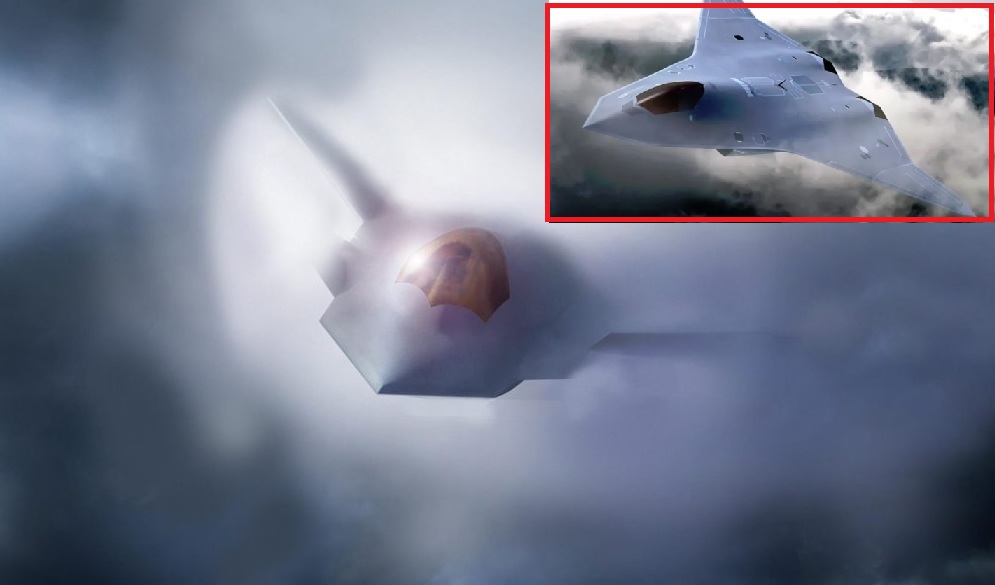
World
WASHINGTON, D.C. — June 01, 2026 : The U.S. Air Force has requested $5.03 billion in Fiscal Year 2027 funding for the Boeing F-47, the country’s first sixth-generation fighter aircraft, marking a major increase in investment as the Next Generation Air Dominance (NGAD) program moves deeper into development. According to budget documents released this week, the funding request represents a 65% increase compared with approximately $3.05 billion allocated to the program in Fiscal Year 2026. The increase reflects the Air Force’s effort to accelerate development of a future replacement for the aging F-22 Raptor and expand long-term air superiority capabilities. F-47 Program Enters Key Development Phase The F-47 program officially entered the Engineering and Manufacturing Development (EMD) phase after Boeing secured the NGAD contract in March 2025 under an agreement valued at more than $20 billion. The contract award marked Boeing’s first clean-sheet fighter aircraft program in decades and established the company as the lead developer of the Air Force’s next-generation combat jet. The EMD phase represents one of the most resource-intensive periods of development and includes system integration, prototype construction, digital engineering, testing, and preparation for operational capability. Of the total $5.03 billion requested for FY2027, approximately $4.92 billion is allocated specifically for direct aircraft development. This includes funding for prototype production, advanced digital design systems, flight testing, and engineering activities required to mature the aircraft before operational deployment. Budget projections indicate annual F-47 spending will remain above $3.2 billion through 2030, with program expenditures expected to peak at around $5.3 billion in FY2028. By the end of FY2027, cumulative spending on the F-47 is projected to reach nearly $8.5 billion, while the broader five-year NGAD development budget stands at approximately $19.6 billion, separate from Boeing’s EMD contract value. Defense analysts note that the annual development cost of the F-47 program alone is comparable to the procurement cost of nearly 60 F-35A fighter aircraft. Development Timeline Extends Into Next Decade Although experimental NGAD-related X-plane demonstrators have reportedly been flying in classified testing since 2020, the operational version of the F-47 remains several years from entering service. The Air Force expects the EMD phase to continue through late 2031, requiring further investment before the aircraft becomes ready for combat deployment. Current planning places the first flight of the finalized F-47 prototype in 2028 or 2029. Air Force Chief of Staff Gen. David Allvin stated in late 2025 that the aircraft remained on track for a first flight target in 2028. At the same time, development of the aircraft’s propulsion system has encountered delays. The Next Generation Adaptive Propulsion (NGAP) program, responsible for producing advanced variable-cycle engines for the F-47, has reportedly accumulated around three years of delays. Engine contractors GE Aerospace and Pratt & Whitney are now expected to complete prototyping work in 2031, raising the possibility that early production aircraft may initially operate using interim propulsion systems before the final NGAP engines become available. Long-Range Capability and Networked Combat Role The F-47 is being designed for long-range operations, particularly in large operational areas such as the Indo-Pacific theater. Program details indicate the aircraft is expected to feature a combat radius exceeding 1,000 nautical miles, significantly greater than the F-22 Raptor’s estimated combat radius of approximately 590 nautical miles and the F-35A’s roughly 670 nautical miles. The aircraft is also expected to sustain speeds exceeding Mach 2 while incorporating advanced stealth characteristics, broadband signature reduction, improved thermal management, and survivability features intended to counter future integrated air-defense systems. Reports further indicate the aircraft may be compatible with the B61 family of nuclear gravity bombs, expanding its mission flexibility. A central feature of the F-47 concept is its integration into a broader “family of systems” operating environment. Rather than functioning independently, the fighter is designed to coordinate with satellites, other aircraft, and highly autonomous Collaborative Combat Aircraft (CCA), commonly described as drone wingmen. The Air Force plans to procure at least two CCA systems for every F-47 fighter, enabling crewed-uncrewed teaming during future combat operations. These autonomous aircraft are expected to support missions ranging from surveillance and electronic warfare to strike operations and force protection. Strategic Pressure From Global Competition The accelerated investment in the F-47 program comes amid growing international competition in advanced military aviation. U.S. defense officials and analysts have increasingly focused on developments in China’s next-generation fighter efforts, including the Chengdu J-36 and Shenyang J-50 programs, which reportedly entered the prototype flight stage in late 2024. Some defense analysts estimate that the F-47 could enter operational service several years behind competing foreign sixth-generation fighter projects, increasing pressure on the Pentagon to maintain development schedules and industrial production capacity. The Air Force internally refers to the F-47 system as “Phoenix,” reflecting its role in maintaining future air dominance against technologically advanced competitors. Procurement Plans and Long-Term Costs The Air Force has outlined plans to acquire at least 185 F-47 fighters over the long term, though some projections place the potential fleet size between 185 and 250 aircraft. When the fighter enters production, the projected unit cost is expected to exceed $300 million per aircraft, roughly three times the procurement cost of an F-35 fighter. Program spending is also expected to rise substantially over time. While development spending alone is projected in the tens of billions of dollars, total program costs, including procurement and long-term sustainment, are expected to reach into the hundreds of billions over the aircraft’s service life. Congressional Review Ahead The FY2027 budget request now moves to Congress for review, where lawmakers will determine final funding levels for the program. The proposal highlights the Pentagon’s growing emphasis on sixth-generation combat aviation as it seeks to modernize the Air Force fleet and sustain operational advantages in future high-intensity conflicts.
Read More → Posted on 2026-06-01 16:51:43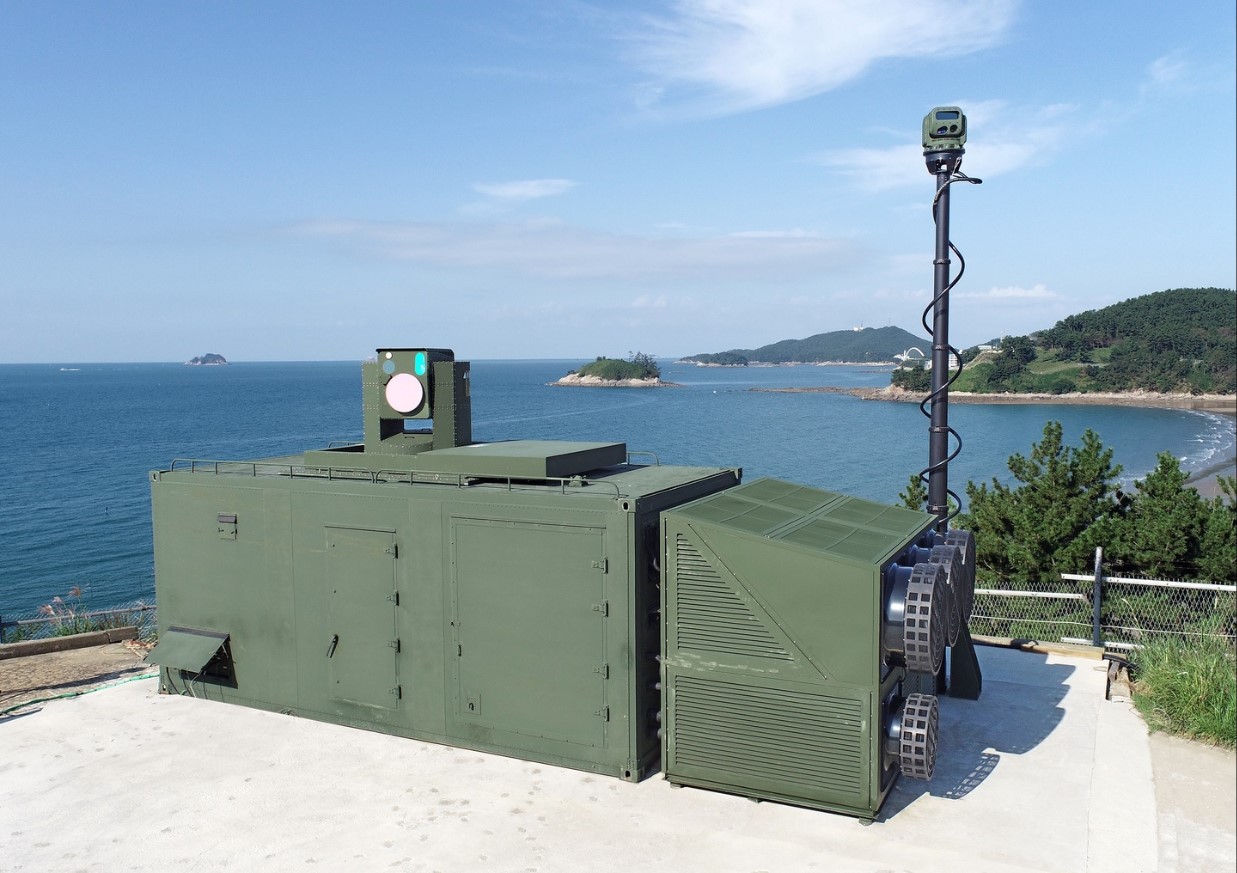
World
SEOUL, — June 01, 2026 : South Korea’s Defense Acquisition Program Administration (DAPA) announced on Monday the successful domestic production of the laser oscillator used in the country’s Cheongwang (Sky Light) Block-I directed energy air defense system, marking a major step in strengthening local defense manufacturing and counter-drone capabilities. The development, finalized in late May, increases the domestic component rate of the Cheongwang system from 76 percent to 90 percent by value. With the achievement, South Korea joins the United States, Israel, China, and Germany as one of the few countries capable of independently manufacturing high-performance laser oscillators, a technology subject to strict export controls. The laser oscillator is the central component of a high-energy laser weapon system. It generates the coherent laser beam and directly affects output power, beam quality, precision, and operational efficiency. Until now, South Korea relied on imported German-made oscillators for the system. To reduce supply dependency and shorten procurement timelines, South Korea pursued a parallel localization strategy during system development. The Agency for Defense Development (ADD) led the project, while Hanwha Systems served as the prototype manufacturer for the domestically developed oscillator. The Cheongwang weapon system itself was jointly developed by ADD and Hanwha Aerospace. According to DAPA, testing showed that the new domestic oscillator improved key performance indicators, including output power, by more than 50 percent compared with the imported system it replaces. Performance testing conducted on the Cheongwang Block-I prototype demonstrated shorter engagement times against aerial threats. Rotary-wing drones, including first-person-view (FPV) systems, saw interception times reduced from 2–4 seconds to 1–2 seconds. For fixed-wing unmanned aerial vehicles (UAVs), interception time decreased from more than 10 seconds to within a few seconds. Cheongwang is a 20-kilowatt-class fiber-optic laser system designed to neutralize small drones and multicopter-type aerial threats at distances of approximately 2 to 3 kilometers (1.2 to 1.9 miles). The system destroys targets by concentrating heat on vulnerable sections and operates silently and invisibly. Unlike missile-based air defense systems, the laser weapon does not require traditional ammunition and can maintain continuous operation as long as electrical power is available, effectively providing an unlimited magazine capacity. DAPA estimates the cost of a single interception at around 2,000 won (approximately $1.33 to $1.50), making it a lower-cost option compared with conventional missile interceptors, which can cost tens of thousands of dollars per engagement. South Korea became the first country to operationally deploy a military high-energy laser weapon after the Cheongwang system entered service in December 2024. Hanwha Aerospace-built units are currently deployed at frontline military positions and key government facilities in central Seoul, including locations near the Ministry of National Defense and the Presidential Office in Yongsan. Following the standardization of defense specifications completed in May 2026, all future mass-produced Cheongwang Block-I systems will incorporate the domestically manufactured laser oscillator. The effort to accelerate deployment and modernization of the system was influenced by growing concerns over aerial incursions from North Korea. In December 2022, five North Korean drones crossed into South Korean airspace, with one briefly entering the no-fly zone in central Seoul near the Presidential Office. The incident highlighted vulnerabilities in defending against low-cost and small unmanned aerial systems and contributed to a faster development and deployment timeline for Cheongwang. In June 2024, South Korea signed a production contract worth approximately 100 billion won (about $72 million) with Hanwha Aerospace, enabling the initial deployment of the system later that year. Jeong Gi-yeong, head of DAPA’s Future Forces Bureau, said the application of more capable domestically produced laser oscillators to the Cheongwang system is expected to strengthen the military’s independent response capabilities against hostile drones and unmanned aircraft threats. Building on the successful localization effort, DAPA has also outlined plans for the next-generation Cheongwang Block-II system. The future program will focus on increasing output power and precision while reducing size and weight to improve mobility. A more compact design is expected to support vehicle-mounted versions, allowing laser-based counter-drone capabilities to expand beyond fixed installations and frontline positions to mobile field units. The localization of the laser oscillator forms part of South Korea’s wider effort to improve self-reliance in critical defense technologies while developing cost-effective responses to evolving aerial threats.
Read More → Posted on 2026-06-01 16:27:49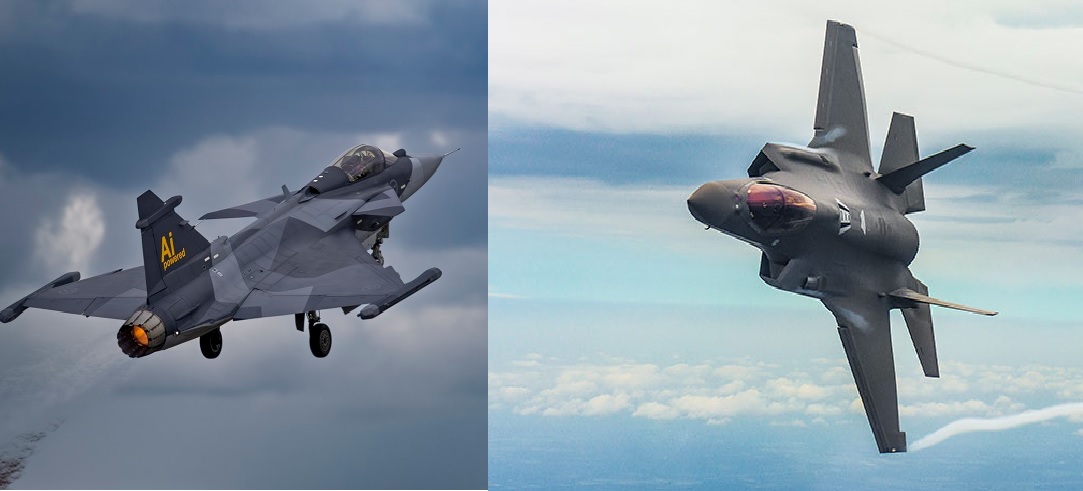
World
OTTAWA — June 01, 2026 : The Canadian government is advancing a revised fighter aircraft procurement strategy for the Royal Canadian Air Force (RCAF), moving toward a mixed fleet of approximately 30 Lockheed Martin F-35 Lightning II stealth fighters and around 60 Saab JAS 39 Gripen aircraft as part of efforts to modernize Canada’s air force while reducing dependence on a single defence supplier. The proposal, led by Prime Minister Mark Carney’s government, marks a significant change from Canada’s previous plan to acquire a sole fleet of 88 F-35 fighter jets. The revised approach is intended to diversify military procurement, strengthen domestic industrial participation, and balance operational requirements with long-term economic considerations. Review of Canada’s Fighter Procurement Strategy Canada originally selected the F-35 programme in 2022 to replace the aging CF-18 Hornet fleet. In early 2023, Ottawa signed a contract valued at approximately C$19 billion for the acquisition of 88 F-35 aircraft. Canada remains committed to the first 16 aircraft already in production, with deliveries scheduled to begin in 2026. However, Prime Minister Carney initiated a procurement review in March 2025 to examine alternatives to exclusive reliance on United States defence suppliers. The reassessment follows broader discussions surrounding defence diversification and trade-related tensions with Washington. The review includes options to reduce the size of the planned F-35 purchase while supplementing the fleet with European-made aircraft, particularly the Swedish Saab Gripen. Proposed Mixed Fleet Structure Under the proposed procurement model, Canada would retain approximately 30 F-35 aircraft to preserve fifth-generation stealth capabilities and maintain interoperability with the United States and NATO allies. Defence planners view the F-35 as essential for fulfilling North American Aerospace Defense Command (NORAD) responsibilities and participating in joint operations requiring advanced stealth, intelligence gathering, and strike capabilities. At the same time, Ottawa is considering the purchase of around 60 Saab Gripen fighters, which are regarded as a lower-cost multirole platform with simplified maintenance requirements and lower operating expenses compared to the F-35. The Gripen is designed to operate from shorter and dispersed runways, including improvised airstrips, giving it flexibility in remote and harsh operating environments such as northern Canada and Arctic regions. Saab’s Manufacturing Proposal in Canada A central part of Saab’s proposal is a commitment to establish a manufacturing and assembly facility in Canada if the Gripen programme is approved. The facility would assemble all Gripen aircraft intended for the RCAF while also supporting long-term maintenance, lifecycle upgrades, and sustainment operations. Saab has proposed technology transfer and intellectual property sharing to strengthen Canada’s domestic aerospace capabilities and allow greater sovereign control over fleet maintenance. Economic projections linked to the proposal estimate that the programme could create up to 9,000 direct and indirect jobs across Canada’s aerospace and defence industries during the life of the programme. Earlier Saab submissions suggested total employment benefits could exceed 12,600 positions when including related programmes such as production support for GlobalEye airborne surveillance aircraft. Potential Support for Ukraine Saab’s proposal also includes using Canadian production facilities to manufacture additional Gripen aircraft intended for Ukraine under future European defence support arrangements. Sweden has committed to supporting future Gripen transfers to Ukraine, with plans involving up to 20 Gripen E/F aircraft through European Union-backed financing mechanisms. Saab Deputy Chief Executive Officer Anders Carp has stated that Canada could serve as a production and export hub for Gripen aircraft designated for Ukraine if Ottawa proceeds with the programme. The Gripen is considered particularly valuable by Ukrainian defence officials due to its ability to operate from dispersed, short, or improvised runways, an operational requirement shaped by continued attacks on conventional airbases during the ongoing conflict. Saab has previously implemented similar domestic production and technology transfer arrangements in Brazil, where local assembly facilities were established for the country’s Gripen fleet. Strategic and Operational Considerations The proposed mixed-fleet structure reflects a broader strategic adjustment by the Carney government aimed at balancing operational effectiveness, industrial benefits, and defence independence. By maintaining a smaller F-35 fleet, Canada would preserve advanced stealth capabilities required for high-end combat operations while ensuring compatibility with NORAD and NATO systems. Meanwhile, a larger fleet of domestically assembled Gripens could reduce operating costs and provide Canada with greater control over aircraft maintenance, spare parts, upgrades, and supply chains. Supporters of the proposal argue that domestic manufacturing would strengthen industrial sovereignty and expand long-term aerospace employment opportunities within Canada. However, some defence analysts have raised concerns regarding the operational complexity of maintaining two separate fighter platforms. Critics argue that a mixed fleet may create additional logistical demands, training requirements, and sustainment costs because of separate maintenance systems and supply chains. Questions have also been raised about the potential impact of reducing Canada’s F-35 fleet on defence integration within NORAD and broader continental defence planning. Decision Timeline Defence Minister David McGuinty confirmed in April 2026 that the government’s procurement review remains active, though no final timeline has been announced for a decision. Government officials and defence stakeholders are expected to assess cost projections, production schedules, industrial benefits, and operational requirements in the coming weeks before any formal contracts are finalized. Prime Minister Carney has stated that Canada’s defence procurement policy must support both national security requirements and domestic economic interests. The final decision is expected to shape the Royal Canadian Air Force’s modernization programme and Canada’s defence partnerships for decades.
Read More → Posted on 2026-06-01 16:11:08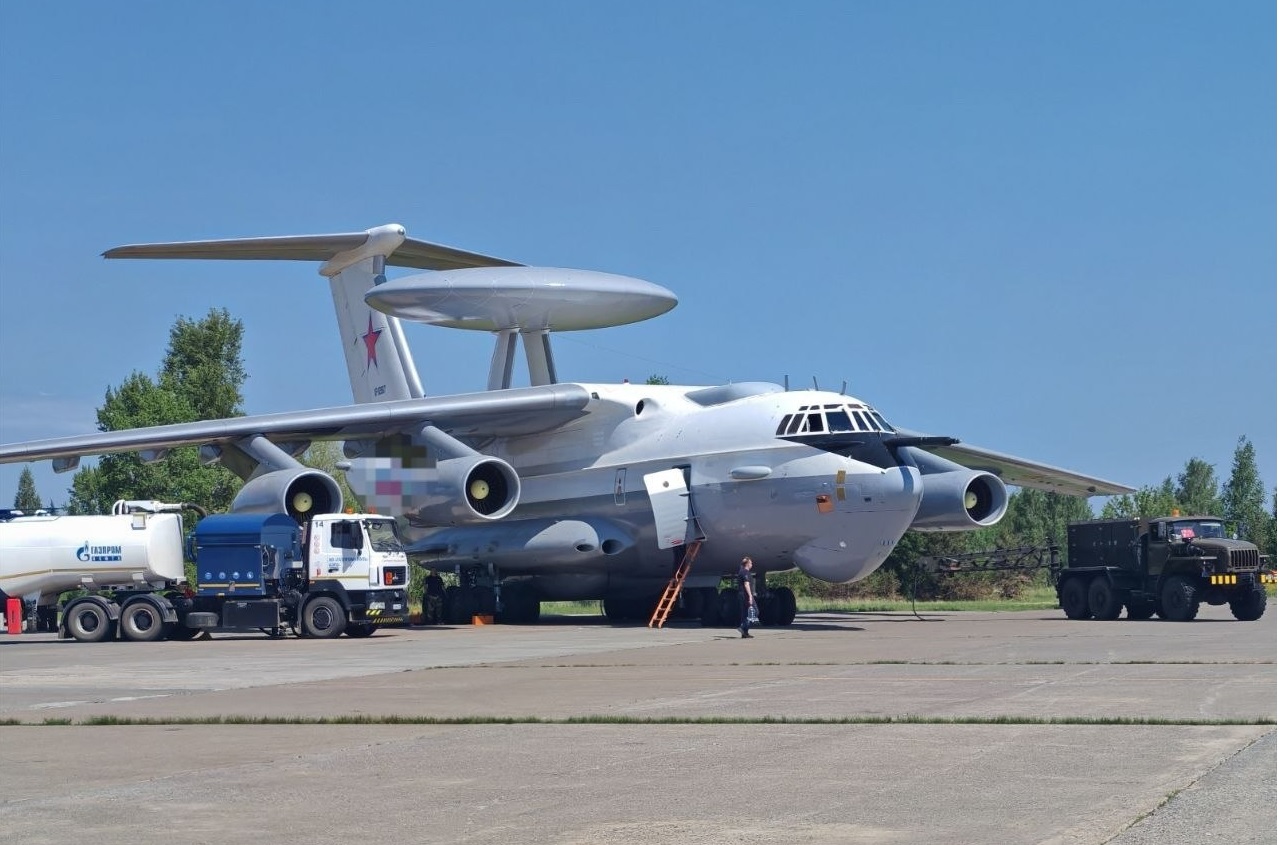
World
MOSCOW, — June 01, 2026 : The Russian Aerospace Forces (RuAF) have taken delivery of another upgraded A-50U Airborne Early Warning and Control (AEW&C) aircraft, marking a continued effort to restore airborne radar and surveillance capabilities following fleet attrition and production delays linked to industrial constraints and sanctions. Images of the aircraft handover surfaced on May 31 through the Fighter-Bomber Telegram channel, a platform known for connections to Russian frontline aviation units. The post stated that “another upgraded and modernized A-50U has been handed over to the military.” In the released images, the aircraft’s registration and tactical “Bort” number were blurred, preventing open-source verification of the specific airframe. The Russian aerospace manufacturer United Aircraft Corporation (UAC) had not released official photographs or issued a public statement regarding the delivery at the time of reporting. However, military analysts believe the aircraft has likely been assigned to the 2457th Aviation Base for Combat Operation of Airborne Early Warning Aircraft at Ivanovo Severny, the primary operating location for Russia’s A-50 fleet. A-50U Modernization and Operational Capabilities The A-50U, designated “Mainstay” by NATO, is an upgraded version of the Soviet-era A-50 airborne early warning aircraft that entered service in 1984. The aircraft is built on the Ilyushin Il-76MD strategic airlifter platform and forms part of a modernization program launched in 2003 to improve Russia’s airborne surveillance and command capabilities. The upgrade program, led by Beriev and supported by radar systems produced by JSC Vega, introduced major improvements in radar performance, avionics, and mission systems. At the center of the modernization is the Vega-M radar, which significantly expands target detection and tracking capacity compared to the original A-50 platform. According to available specifications, the A-50U can simultaneously track up to 150 aerial targets at distances of up to 595 kilometers. By comparison, the original A-50 was capable of tracking approximately 45 targets at around 225 kilometers. The aircraft is also capable of guiding up to 12 fighter aircraft during interception missions. Its radar can detect low-flying fighter-sized targets amid ground clutter at distances ranging from 200 to 400 kilometers, while maritime targets can reportedly be identified at ranges of up to 400 kilometers. Modernization work has replaced legacy analog systems with digital signal processing equipment, updated mission computers, modern liquid-crystal displays, and improved communication and navigation systems. The use of lighter onboard electronics has also improved computing efficiency and reduced crew fatigue during extended patrol operations. Fleet Losses and Operational Challenges The latest delivery comes as Russia continues efforts to rebuild a fleet that has experienced significant losses during the war in Ukraine. Prior to this addition, estimates suggested that between five and seven operational A-50U aircraft remained in Russian service. Ukraine destroyed at least three A-50 aircraft between early 2024 and mid-2025. The first confirmed loss occurred on January 14, 2024, when an A-50 and an Il-22 radio relay aircraft were lost over the Sea of Azov. A second A-50 was destroyed on February 23, 2024, in the same region. The U.S. Army later stated that the aircraft had been targeted in a “SAMbush” operation involving a Patriot surface-to-air missile system. Another setback followed on June 1, 2025, during Ukraine’s Operation Spiderweb, when First-Person View (FPV) drones struck at least one A-50 aircraft at an airfield. The operation also targeted several long-range aviation assets, including seven Tu-95 bombers, four Tu-22M aircraft, and an An-12 transport aircraft. Russia’s airborne radar production and modernization process has historically progressed slowly, with aircraft often completed at intervals of one to two years. Analysts have linked the limited number of operational airborne warning aircraft to reduced radar coverage and challenges in detecting long-range drone and missile attacks inside Russian territory. In response, Moscow has accelerated domestic production of electronic components and reinforced ground-based air defense systems around key cities and strategic infrastructure. A-100 Premier Program Russia’s long-term replacement for the A-50U is the A-100 Premier airborne early warning aircraft, which is based on the newer Il-76MD-90A platform. The A-100 is designed to incorporate an Active Electronically Scanned Array (AESA) radar system with improved tracking and surveillance capabilities. According to reported specifications, the aircraft can monitor up to 300 targets at distances of approximately 643 kilometers and remain airborne for around 10 hours without refueling. Radar testing of an A-100 prototype reportedly took place in June 2024, and at least two aircraft are believed to have been constructed. However, serial production has yet to begin as testing schedules and component availability continue to affect program timelines. Broader Russian Aviation Capability Despite limitations in airborne radar coverage, Russia continues to maintain a substantial combat aviation inventory. By the end of 2025, Russian frontline forces reportedly operated 142 Su-34 interdiction bombers, including the upgraded Su-34M variant developed using operational lessons from Ukraine. The fleet also included approximately 384 multirole fighters across the Su-27, Su-30, and Su-35 series. Russia’s long-range aviation force reportedly consisted of 57 Tu-22M bombers, 47 Tu-95 strategic bombers, and 15 Tu-160 aircraft. Production of specialized aviation systems has also continued, including reported work on a two-seat Su-57D variant of Russia’s fifth-generation fighter aircraft. The delivery of the latest A-50U reflects Russia’s ongoing effort to maintain and gradually rebuild airborne early warning capacity while the A-100 Premier remains under development. The aircraft is expected to support surveillance, air coordination, and command functions as part of Russia’s wider air defense and aviation network.
Read More → Posted on 2026-06-01 15:59:35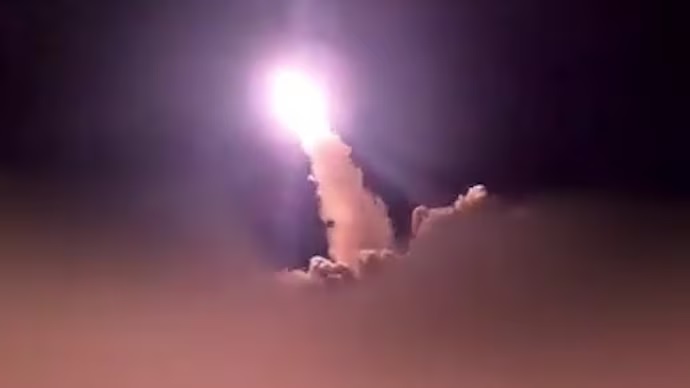
World
KUWAIT CITY/TEHRAN, — June 01, 2026 : Iran’s Islamic Revolutionary Guard Corps (IRGC) launched retaliatory missile and drone strikes against a Gulf airbase used by United States forces on Monday, prompting Kuwait to activate air defense systems and intercept incoming threats as tensions increased despite an ongoing ceasefire between Washington and Tehran. The IRGC said the operation was carried out in response to a recent U.S. military strike targeting an Iranian communications and telecommunications tower on Sirik Island in Hormozgan Province. According to the IRGC, its Aerospace Force targeted the airbase from which the U.S. operation allegedly originated, stating that the “predicted targets were destroyed.” Although the IRGC did not initially identify the location of the targeted installation, the U.S. Central Command (CENTCOM) later confirmed that American personnel stationed in Kuwait were the intended target. CENTCOM stated that U.S. forces intercepted two Iranian ballistic missiles at approximately 11 p.m. Eastern Time on Sunday, adding that no American personnel were harmed during the attack. The command said the missiles were “immediately defeated” and noted that U.S. forces remain prepared to protect personnel and facilities in the region while continuing to support the ceasefire agreement currently in effect between the two countries. Regional reports indicated that the attack was directed toward Ali Al Salem Air Base in Kuwait, with debris from intercepted projectiles reportedly damaging MQ-9 Reaper drones stationed at the facility. However, U.S. officials maintained that there were no personnel casualties. Kuwait’s air defense systems were activated after warning sirens sounded across Kuwait City during the incident. Kuwaiti authorities reported that missiles and drones approaching the country’s airspace were intercepted before reaching their intended targets. In a statement issued Monday, Kuwait’s Foreign Ministry condemned the attack and reiterated the country’s right to take all necessary measures to safeguard its sovereignty, territorial integrity, and civilian safety. Kuwaiti officials emphasized that national security measures would continue amid rising regional tensions. The exchange followed a series of U.S. military operations conducted over the weekend, which American officials described as “self-defense” strikes. According to CENTCOM, U.S. forces targeted Iranian radar systems and drone command-and-control facilities located in the city of Goruk and on Qeshm Island after what Washington described as aggressive Iranian actions in the Gulf region. Among the developments preceding the escalation was the destruction of a U.S. MQ-1 Predator drone. The United States stated that the drone had been operating over international waters in the Persian Gulf when it was downed by Iranian air defense systems. Iran, however, disputed the claim and stated that the drone had entered Iranian territorial waters, leading to its interception. Iranian officials have argued that countries hosting U.S. military facilities used in operations against Iranian territory cannot avoid responsibility for the consequences of such actions. The IRGC also warned that any repetition of similar strikes against Iranian assets could prompt further responses. Despite the recent military exchanges, an April 8 ceasefire agreement between Iran and the United States officially remains in place. The truce, which largely halted a three-month period of hostilities, continues to be tested by repeated incidents and competing security claims by both sides. Diplomatic efforts aimed at preventing further escalation remain ongoing. Delegations from both countries are reviewing a potential memorandum of understanding intended to establish a longer-term framework for ending hostilities. However, reports indicate that negotiations have recently slowed amid disagreements over proposed conditions and differing interpretations of security commitments. U.S. officials have described recent military actions as measured responses intended to protect forces and maintain regional stability, while Iranian authorities maintain that retaliatory measures are necessary to respond to attacks on their territory. The latest exchange highlights continuing tensions in and around the Strait of Hormuz, a strategically important waterway for regional security and global energy shipments, even as diplomatic discussions continue.
Read More → Posted on 2026-06-01 15:47:18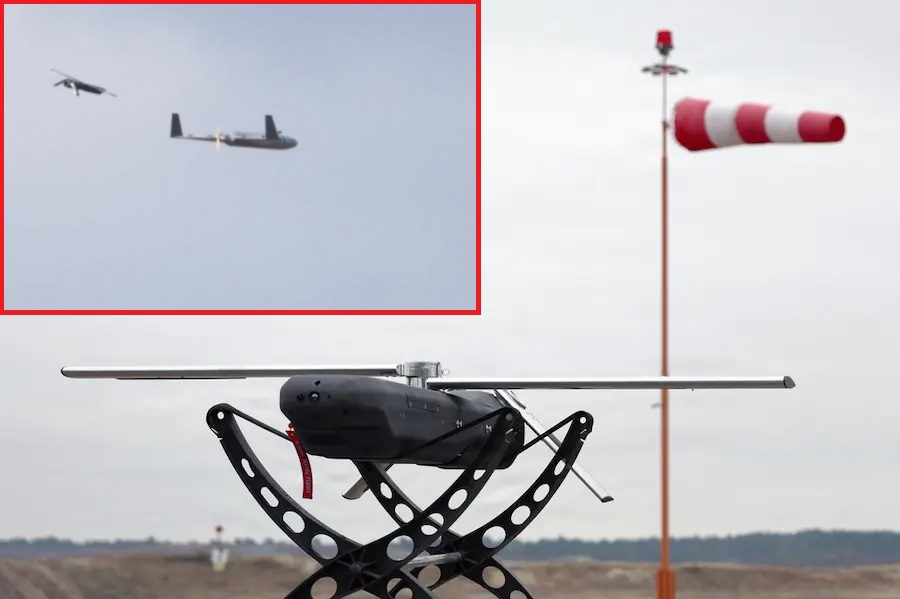
U.S. Army Tests Low-Cost Skyhammer Interceptor in Europe to Counter Drone and Cruise Missile Threats
World
SEMBACH, Germany — June 01, 2026 : The U.S. Army’s 52nd Air Defense Artillery Brigade (52d ADA BDE) has conducted developmental testing of the Skyhammer interceptor during the Project Bullfrog exercise series in Europe, evaluating the system’s role in strengthening layered air and missile defense against drones and low-speed cruise missile threats. The testing forms part of the brigade’s broader effort to identify cost-effective air defense capabilities for forward-deployed forces across the European and African theaters. Brigade personnel worked alongside engineers and operational planners to assess Skyhammer’s flight control, performance, and integration potential within existing air defense networks. Developed by UK-based Cambridge Aerospace, Skyhammer is designed as a lower-cost interceptor intended to address growing operational concerns over the use of expensive missile systems against low-cost aerial threats such as one-way attack drones. Modern air defense systems often rely on high-value interceptors to destroy targets that are significantly cheaper to produce, creating operational and budgetary challenges. Founded in late 2024 by aerospace specialist Steven Barrett and former UK Defence Secretary Grant Shapps, Cambridge Aerospace developed Skyhammer to support layered air defense at lower cost. The jet-powered, tube-launched interceptor weighs approximately 18 kilograms, has a range exceeding 30 kilometers, and can reach speeds of around 700 kilometers per hour, or approximately Mach 0.58. During Project Bullfrog, soldiers and technical teams evaluated how Skyhammer could improve defensive depth, increase magazine capacity, and expand engagement options against aerial threats within an integrated defense architecture. The testing is linked to the Eastern Flank Deterrence Initiative (EFDI), a NATO-supported operational concept led by U.S. Army Europe and Africa (USAREUR-AF) and NATO Allied Land Command. The initiative focuses on the use of unmanned and minimally manned systems supported by integrated mission command networks that process live operational data to improve battlefield decision-making and force coordination. Capt. Kurt Blumeyer, Weapons Evaluation Test Cell Officer for the 52nd Air Defense Artillery Brigade, said the testing enabled soldiers and developers to assess operational requirements and evaluate emerging technologies against identified defense gaps. “The threat is adapting quickly, and our formations must move with the same urgency,” Blumeyer said. “These tests allowed Soldiers and developers to work side by side, identify operational requirements, and evaluate whether emerging technology can help close real gaps in the current defense design.” Cambridge Aerospace officials said the exercise provided operational feedback to support refinement of the interceptor for military use. Chris Sylvan, Chief Commercial Officer and co-founder of Cambridge Aerospace, said feedback from brigade personnel contributed to understanding how the system could be adapted to operational requirements. “This partnership with the 52nd Air Defense Artillery Brigade allowed us to put Skyhammer in front of Soldiers who understand the threat and the mission,” Sylvan said. “Their feedback was direct, operationally grounded, and invaluable as we continue refining the system for real-world use.” Alongside Skyhammer, the brigade is also working with Cambridge Aerospace on Starhammer, a higher-speed interceptor intended for counter-cruise missile operations. Starhammer is described as a solid-rocket-powered interceptor capable of speeds up to Mach 2 with a range of approximately 10 kilometers. Maj. Cody Davis, Operations Officer for the 52nd ADA Brigade, said the Army is seeking to expand magazine depth for both counter-drone and counter-cruise missile operations while reducing overall costs. “Along with increasing magazine depth amongst c-UAS capabilities, we are looking to do the same in the counter cruise missile space, at a low cost, to augment our exquisite interceptors,” Davis said. “Currently, we are planning to integrate Starhammer into existing joint-force and European multinational exercises.” Brigade officials emphasized that the developmental testing does not represent a procurement or fielding decision. Following the recent tests, the U.S. Army’s Global Tactical Edge Acquisition Directorate (G-TEAD) is expected to invite Cambridge Aerospace to participate in a formal operational assessment scheduled for this summer. The assessment will evaluate Skyhammer under operational conditions relevant to current and future ground-based air defense requirements and provide additional data on potential integration and future employment. Through Project Bullfrog, the 52nd Air Defense Artillery Brigade continues to evaluate emerging technologies intended to strengthen air defense capabilities and improve protection of critical assets across Europe and Africa.
Read More → Posted on 2026-06-01 14:54:09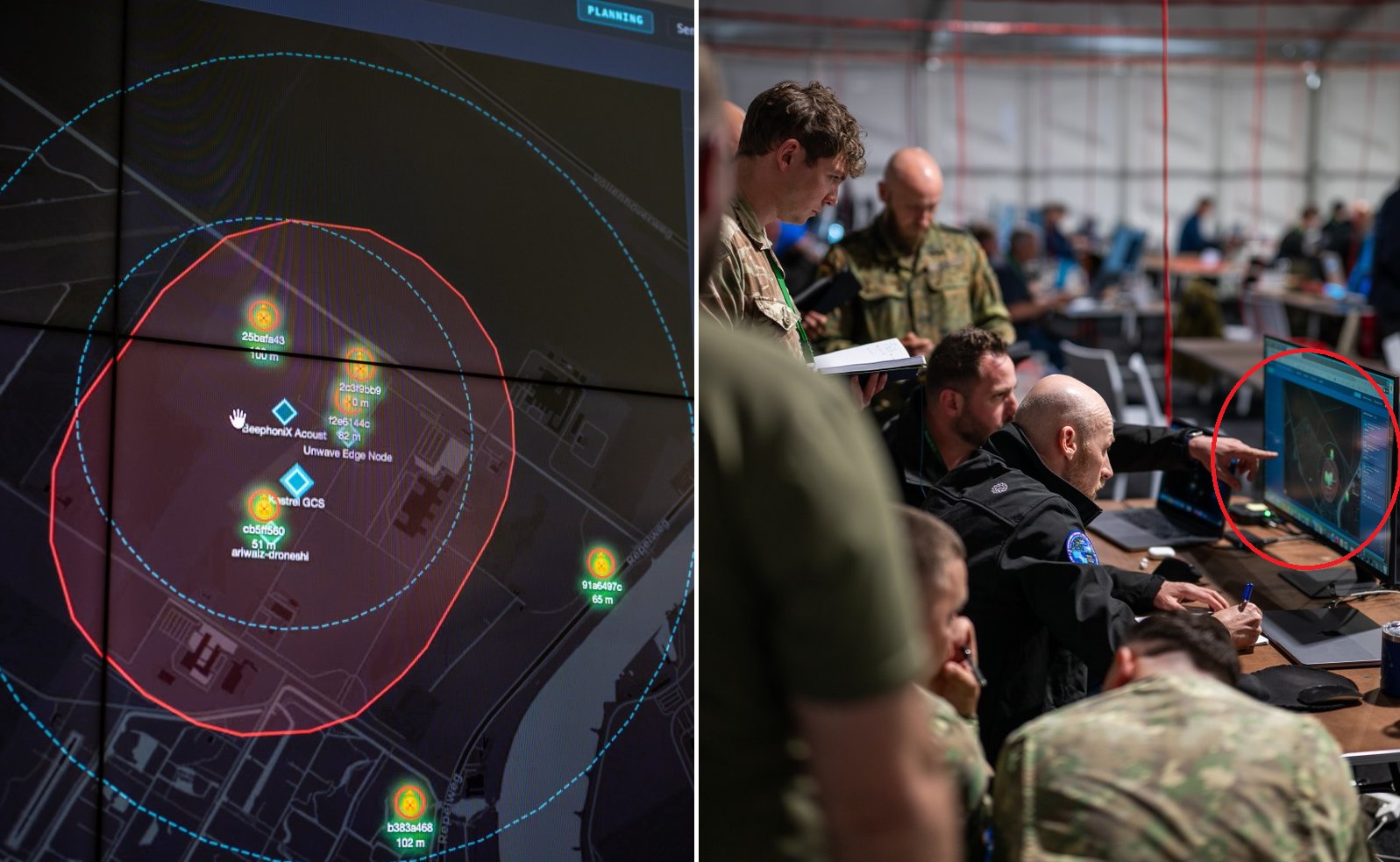
World
THE HAGUE, Netherlands — June 01, 2026 : Airwayz’s OVERWATCH airspace governance platform has received official interoperability certification from NATO’s Communications and Information Agency (NCIA) after successfully participating in NATO’s Technical Interoperability Exercise (TIE 26), a major multinational counter-drone exercise held in the Netherlands. The certification follows the platform’s role as the primary command and control (C2) system for “Team BRAVO,” where it integrated sensor and response systems from 13 countries into a single operational picture during live testing against simulated drone threats. Held from May 11 to 22, 2026, at the Royal Netherlands Aerospace Centre (NLR) in Marknesse, TIE 26 is NATO’s principal exercise for evaluating interoperability among counter-unmanned aircraft systems (C-UAS). Organized by the NCIA, this year’s event brought together nearly 300 military personnel, technical specialists, and industry participants from 11 allied nations, alongside partner countries Australia and Ukraine. The exercise focused on testing how military and commercial counter-drone systems can operate together in realistic operational conditions. More than 60 counter-drone systems and 40 command-and-control software applications from around 40 companies were evaluated during the 11-day event. The testing process reflected lessons from recent conflicts, particularly the growing role of small drones and the increasing complexity of countering unmanned threats in contested environments. OVERWATCH Demonstrates Multi-Nation Integration During the live performance challenge, OVERWATCH served as Team BRAVO’s central command-and-control platform and connected with 46 counter-drone nodes under NATO’s STANREC 4869 framework, a standardized recommendation for countering Class I unmanned aircraft systems, which include small tactical drones widely used in modern conflicts. The integrated network included 31 Fusion Nodes, designed to combine information from multiple sensors, and 15 Edge Nodes, consisting of individual sensors and effectors operating at the tactical level. Through this structure, OVERWATCH combined data from systems that had not previously been integrated and generated a single Recognised Air Picture for operators. According to Airwayz, the platform managed information from a wide range of technologies contributed by participating countries, including acoustic detection systems, passive radio-frequency sensing, radar systems, jammers, kinetic interceptors, and remote identification tools. The company said the level of interoperability achieved during the exercise demonstrated the platform’s ability to connect multiple systems rapidly under operational conditions. SAPIENT Architecture and Command Capability An important element of the certification process involved the platform’s performance within the SAPIENT architecture, short for Sensing for Asset Protection with Integrated Electronic Networked Technology. SAPIENT provides a common data language that allows sensors, effectors, and command systems developed by different manufacturers to exchange information without requiring custom software integration. Beyond data sharing, OVERWATCH demonstrated direct SAPIENT Tasking capability during the exercise. This enabled the platform not only to receive and process sensor information but also to issue commands to response systems, allowing operators to coordinate mitigation measures through a single command layer. Brigadier General (Res.) Yaron Rosen, Executive Chairman of Airwayz, said the results of TIE 26 demonstrated the operational importance of systems capable of processing large-scale drone activity and integrating multiple technologies under a unified command framework. Operational Use Beyond Testing The NATO certification builds on OVERWATCH’s operational deployment in civilian and security environments. The platform has been operating at the Port of Rotterdam for approximately three and a half years, where it supports the management of complex civilian airspace and coordinates more than 80 drone operations each day without interruption. Airwayz said the platform has also been used in operational environments linked to security and conflict-related applications. In addition, OVERWATCH has supported live security exercises at large public events, including FIFA World Cup fan zones, where authorities require coordinated airspace monitoring and response capabilities. Next Phase: Baltic Trust 2026 Successful validation at TIE 26 qualifies OVERWATCH for Baltic Trust 2026 (BATT26), a NATO operational field exercise scheduled for August 2026 in Latvia. The exercise is expected to focus on counter-drone preparedness and interoperability in NATO’s eastern region, where member states continue to strengthen defenses against unmanned aerial threats. Participation in BATT26 will allow Airwayz to further demonstrate the platform’s capabilities to military commanders and operational planners seeking scalable systems capable of integrating technologies from multiple allied countries. The certification achieved during TIE 26 highlights NATO’s broader emphasis on interoperable counter-drone systems that can connect sensors, command networks, and response tools within a common operational framework. As drone technologies continue to expand across civilian and military environments, alliance members are increasingly focusing on systems that support coordinated and standardized responses across different operational settings.
Read More → Posted on 2026-06-01 14:43:44
World
TEHRAN — June 1, 2026: Iranian President Masoud Pezeshkian has reportedly submitted a resignation letter to the office of Supreme Leader Mojtaba Khamenei, according to multiple international media reports citing unnamed sources. The reports claim the president raised concerns over his administration’s exclusion from major state decision-making and the growing role of hardline factions within the Islamic Revolutionary Guard Corps (IRGC). Iranian officials, however, have firmly rejected the reports and described them as false. According to a report by Fox News citing sources from the London-based media outlet Iran International, Pezeshkian allegedly submitted a letter requesting to step down from office immediately. The reported letter stated that his administration had become increasingly sidelined from important government decisions, preventing him from effectively carrying out his constitutional and executive responsibilities. The reported resignation letter allegedly claimed that hardline elements within the IRGC had assumed control over key national affairs, leaving the elected administration unable to function independently. Pezeshkian reportedly wrote that under such conditions he could no longer govern effectively or fulfill his legal obligations as president. Iran International reported that the letter was sent to the office of Supreme Leader Mojtaba Khamenei on May 31, though there has been no confirmation from Iranian authorities regarding its existence or authenticity. The outlet claimed that Pezeshkian warned in the letter that the structure of government had deviated from official processes and that key parts of the administration were under the control of a particular political spectrum. The reported development comes amid ongoing concerns regarding tensions between Iran’s civilian leadership and the IRGC, which holds significant authority in national security, military affairs, and regional policy. Independent reports have pointed to differences between civilian institutions and military commanders over the management of recent conflicts and their economic impact on Iranian citizens. One reported area of disagreement concerns the management of shipping through the Strait of Hormuz, a strategically important maritime route. According to reports, Iran’s foreign ministry and civilian government have sought to maintain commercial shipping access for selected partner countries, including India, while IRGC units have at times acted independently in maritime operations involving commercial vessels. Reports have also suggested communication challenges between the civilian administration and the country’s highest leadership. Following his succession earlier this year, Supreme Leader Mojtaba Khamenei is reportedly operating from a secure undisclosed location, with communication allegedly taking place through intermediary channels. According to these accounts, IRGC officials have reportedly acted as intermediaries between the president’s office and the Supreme Leader, contributing to reported institutional difficulties within the government structure. Iranian authorities moved quickly to reject the resignation claims. Seyed Mehdi Tabatabaei, Deputy for Communications and Information Dissemination in the President’s Office, described the reports as baseless and rejected suggestions that President Pezeshkian intended to leave office. Tabatabaei stated that statements regarding the president’s position should not be taken seriously and characterized the reports as “childish behaviors of a few misguided elements.” He also said that Iran has many capable young people who are prepared to contribute to governance and leadership responsibilities. He further described the reports as “rumor-mongering by a disreputable foreign network” and said they represented a continuation of what he called previous media campaigns aimed at promoting inaccurate narratives about Iran’s political system. Separately, an informed government source cited by Tasnim News Agency dismissed Iran International’s report and denied that President Pezeshkian had submitted a resignation letter to Supreme Leader Mojtaba Khamenei. The source described Iran International as a “factory of fabrications” and claimed the outlet was affiliated with Mossad. “The president has not resigned. He worked today and his future plans will proceed as usual,” the source said. According to the source, the spread of such reports is intended to collect intelligence for Mossad and the CIA and to create division and weaken social cohesion inside Iran. Tabatabaei emphasized that President Pezeshkian remains committed to his responsibilities and will continue serving the country. He also rejected claims of political deadlock between the civilian government and military institutions, stating that the administration continues to carry out its daily executive operations without interruption. Masoud Pezeshkian, considered a reformist-leaning political figure, assumed office as president in 2024. His administration has overseen a period marked by regional tensions, economic challenges, and continuing debate over the balance of authority between elected institutions and influential security organizations such as the IRGC. As of June 1, there has been no official confirmation from the office of the Supreme Leader regarding the reported resignation letter, and President Pezeshkian continues to perform his official duties.
Read More → Posted on 2026-06-01 14:30:49Search
Top Trending in 24 Hours
-
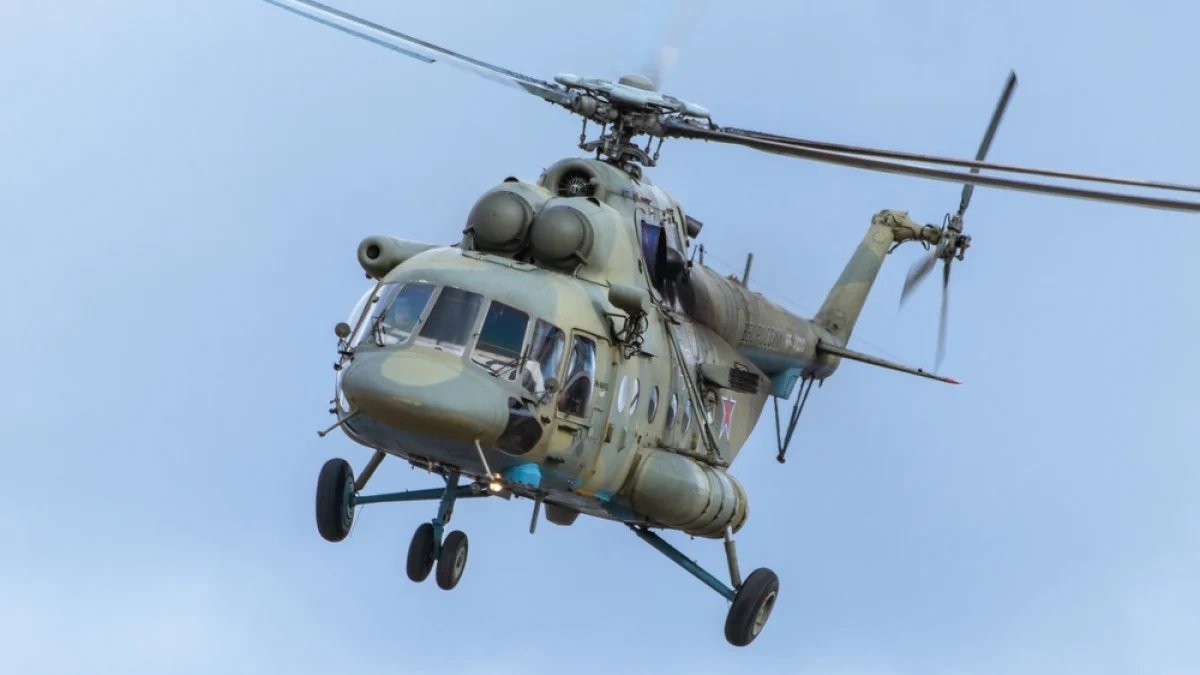 Russian Mi-8 Military Helicopter Crosses Into Polish Airspace for 42 Seconds Near Braniewo
-
 UK Air Force Hawk T2 Trainer Aircraft Crashes Near Valley After Takeoff, Both Pilots Eject Safely
-
 U.S. Space Force Awards Impulse Space $28 Million Contract for 2029 Orbital Surveillance Mission
-
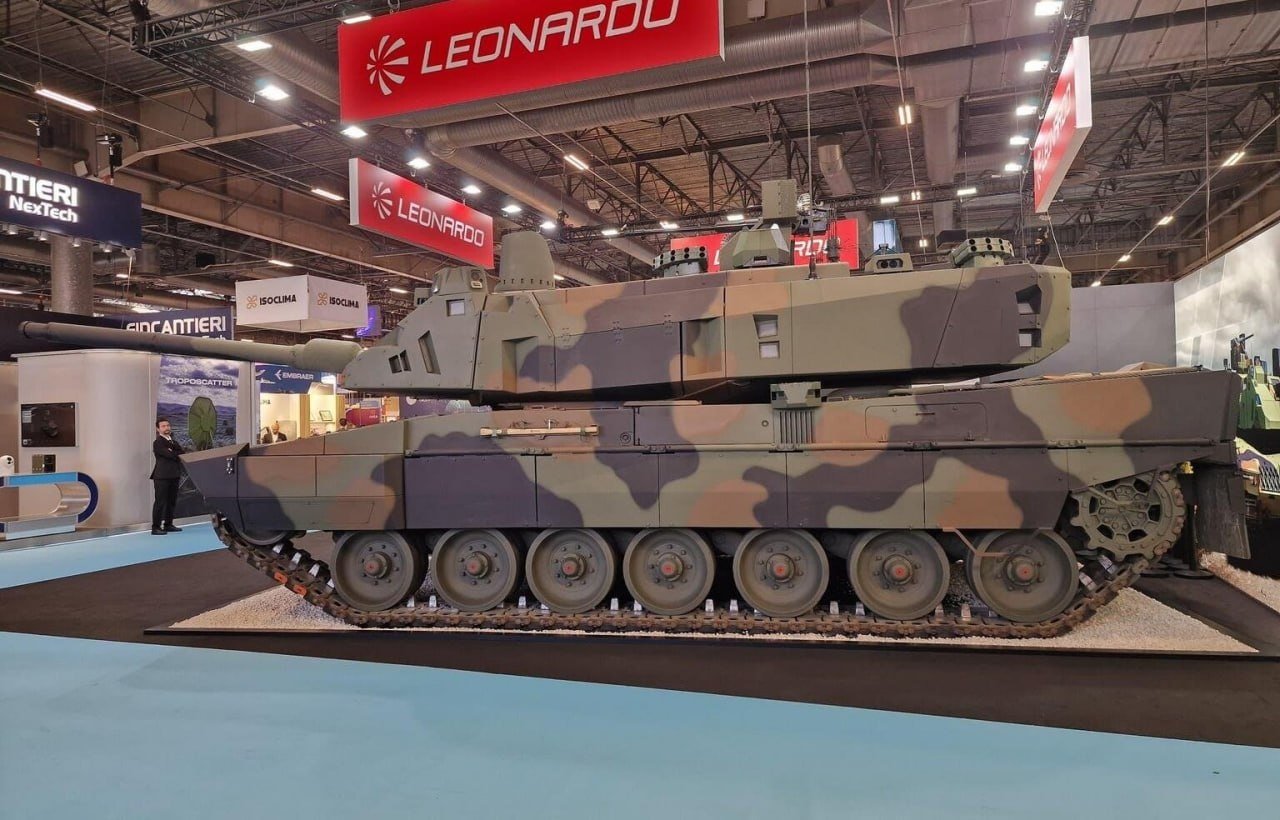 Italy Allocates Up to €5.14 Billion for Procurement of 132 New Main Battle Tanks
-
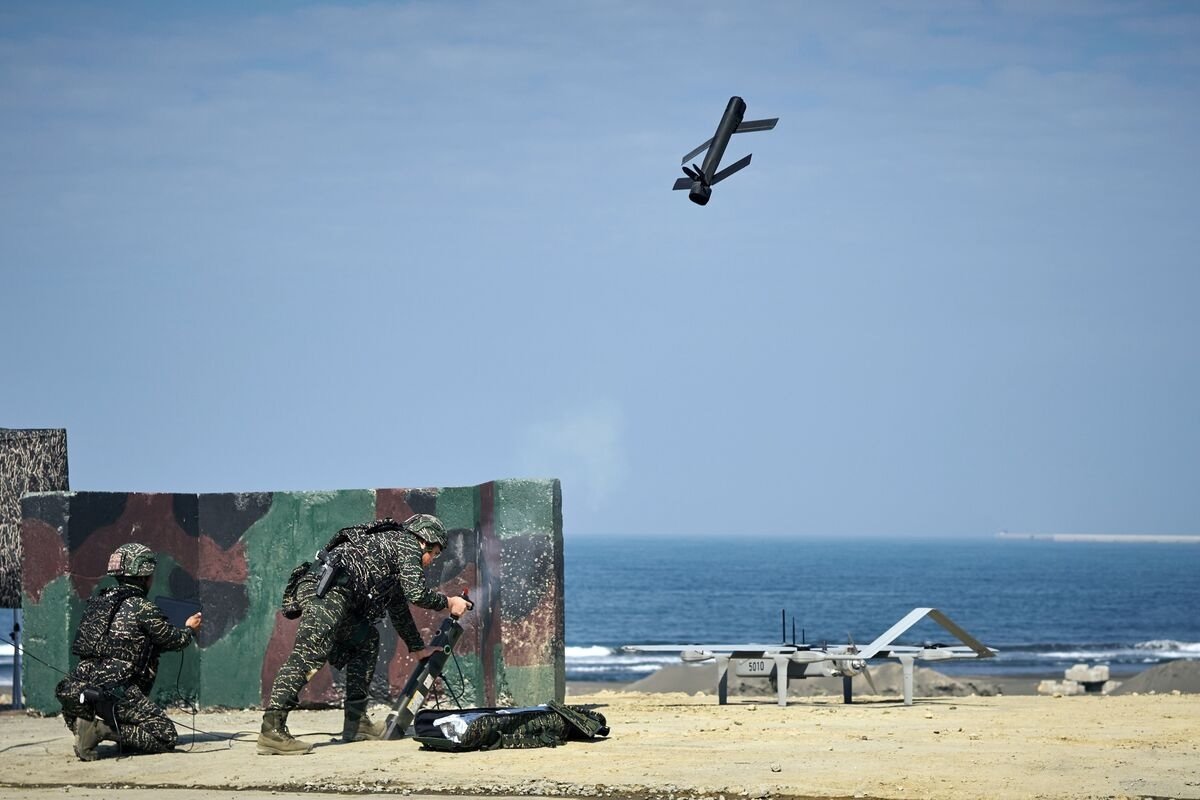 Taiwan Integrates Attack Drones Into Three-Service Live-Fire Exercise at Jiupeng for First Time
-
 Roketsan KARAOK Anti-Tank Missile Successfully Hits Aerial Target for First Time
-
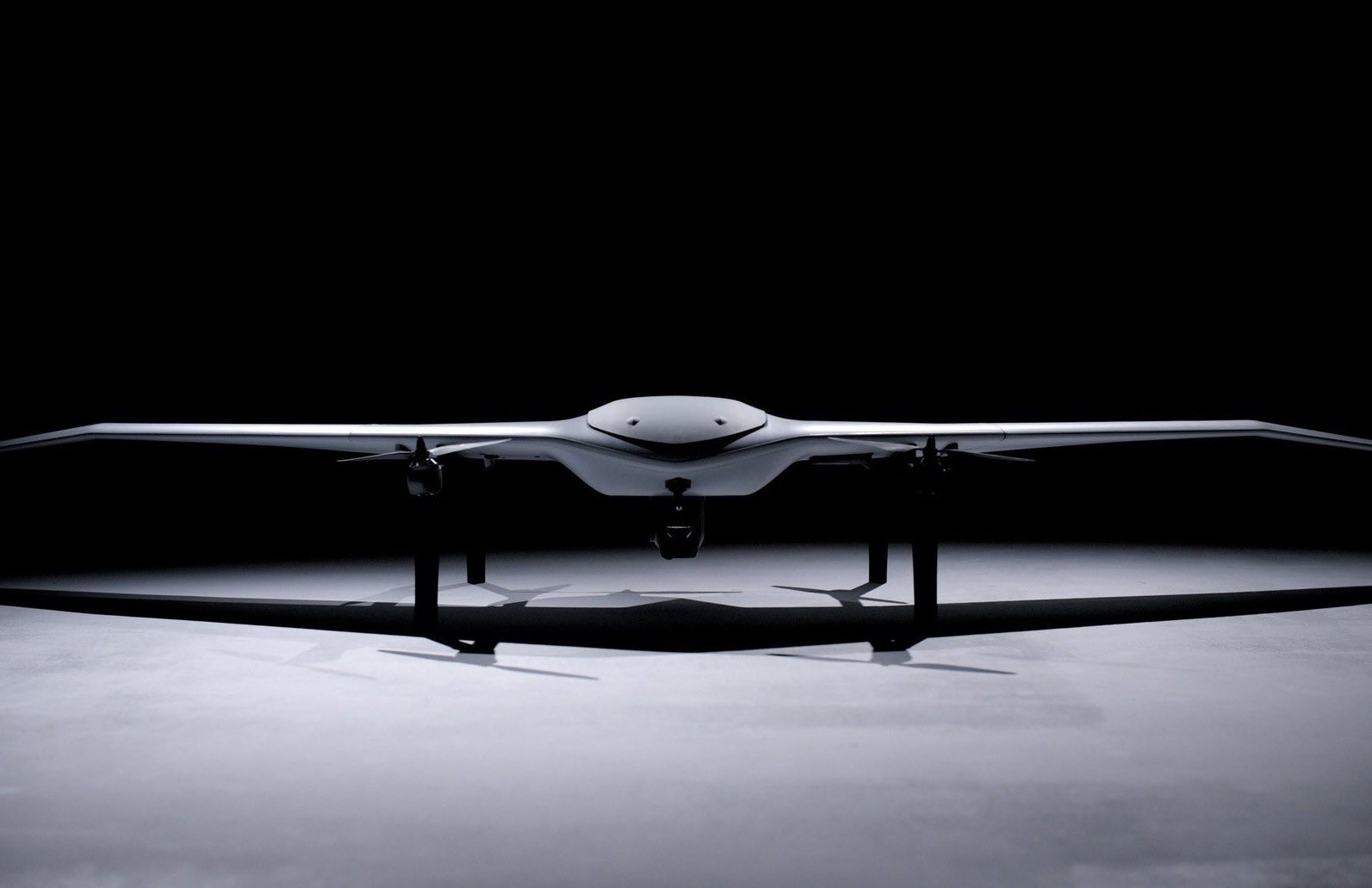 Dutch Firm DeltaQuad Launches Evo-LE VTOL UAV With Up to Eight-Hour Endurance
-
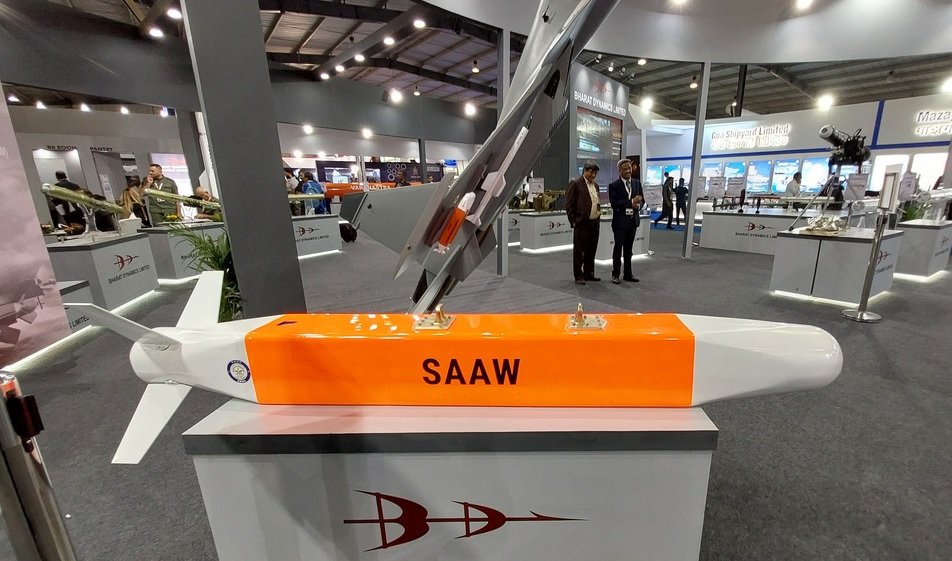 India Signs ₹810.79 Crore Deal with BDL for 160 SAT-SAAW Weapons for IAF
Top Trending in 4 Days
-
 U.S. Army Awards $10.64 Million Contract to Ukrainian Drone Maker Skyeton for Raybird Systems
-
 India’s xTerra Robotics Launches Indigenous DHAV-Hy Wheeled-Legged Quadruped for Industrial Inspection
-
 U.S. Space Force Seeks Rapid-Response Satellites for Close-Range Orbital Inspections
-
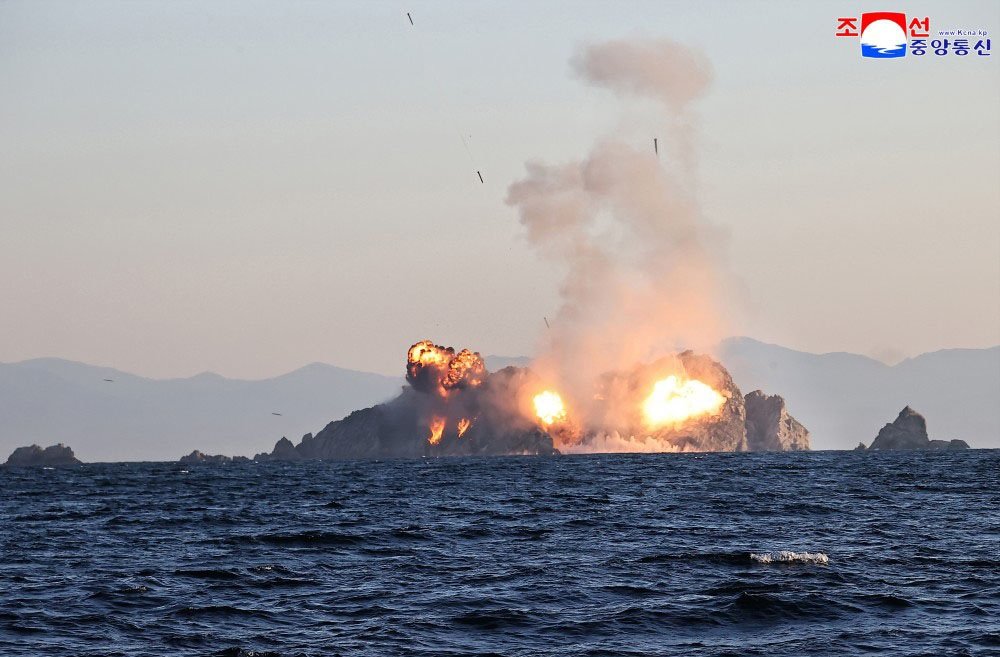 North Korea Fires Short-Range Ballistic Missile Toward Sea of Japan After Freedom Edge 26
-
 U.S. Government Seizes Almasirah.net, Houthi-Linked News Website
-
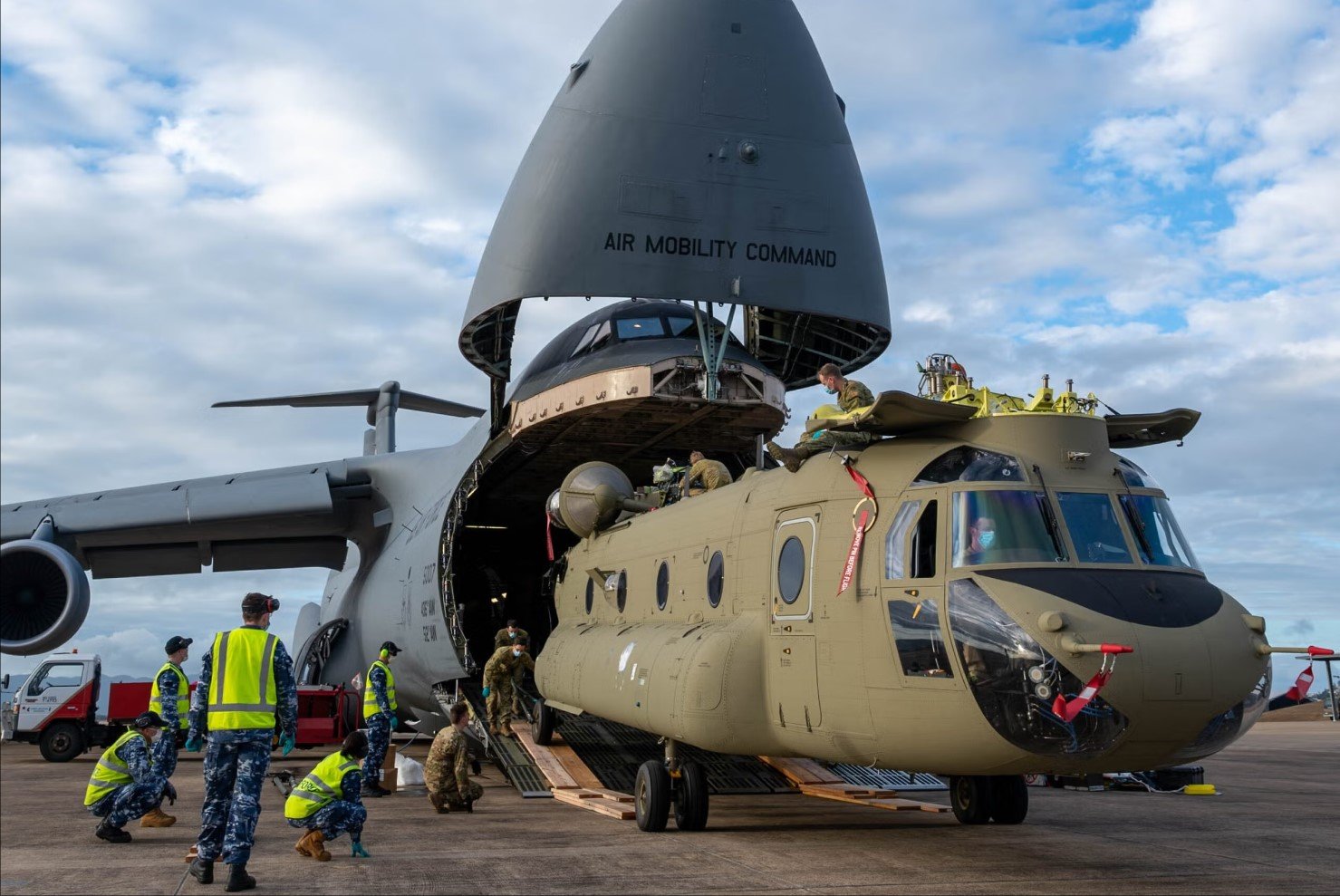 U.S. Delivers First CH-47F Chinook to Egypt Under 12-Helicopter Deal
-
 Ukraine Reports First Use of Fire Point’s FP-7 Tactical Ballistic Missile inMoscow-Region Strikes on Oil Refinery
-
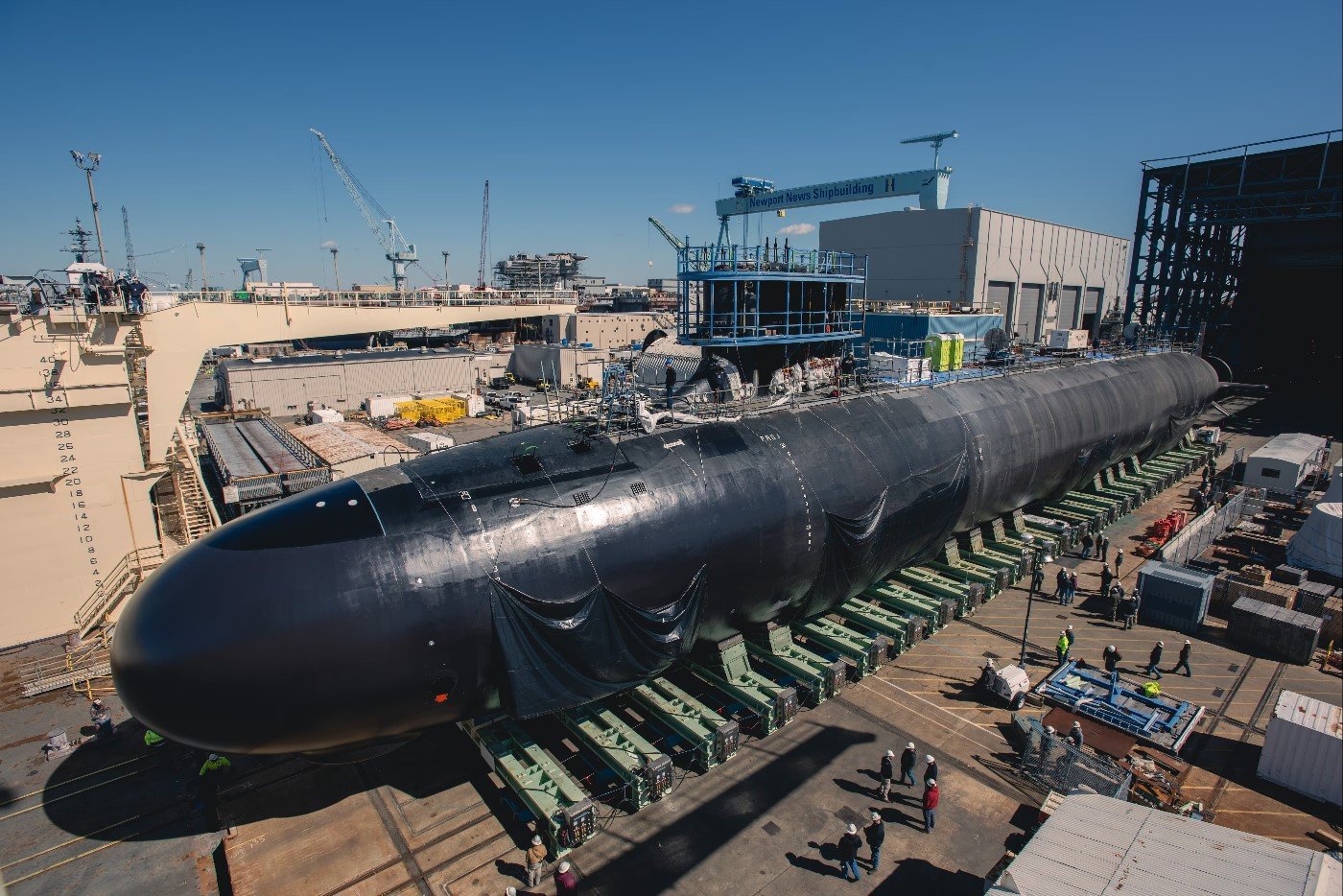 US Navy Submarine Director Outlines Four-Pillar Plan to Raise Build Rates